A teen powerlifting star, a newly-retired police boat skipper, a photographer, a longtime Takapu Valley resident and a man with a digger came together to save the life of a drowning horse named Heathcliffe. Photographer Rob Suisted…
Tag Archives: oceania
Herald morning quiz: July 18
Test your brains with the Herald’s morning quiz. Be sure to check back on nzherald.co.nz at 3pm for the afternoon quiz. To challenge yourself with more quizzes, CLICK HERE.
Residents 'heartbroken' by tightening restrictions: Fairfield Mayor
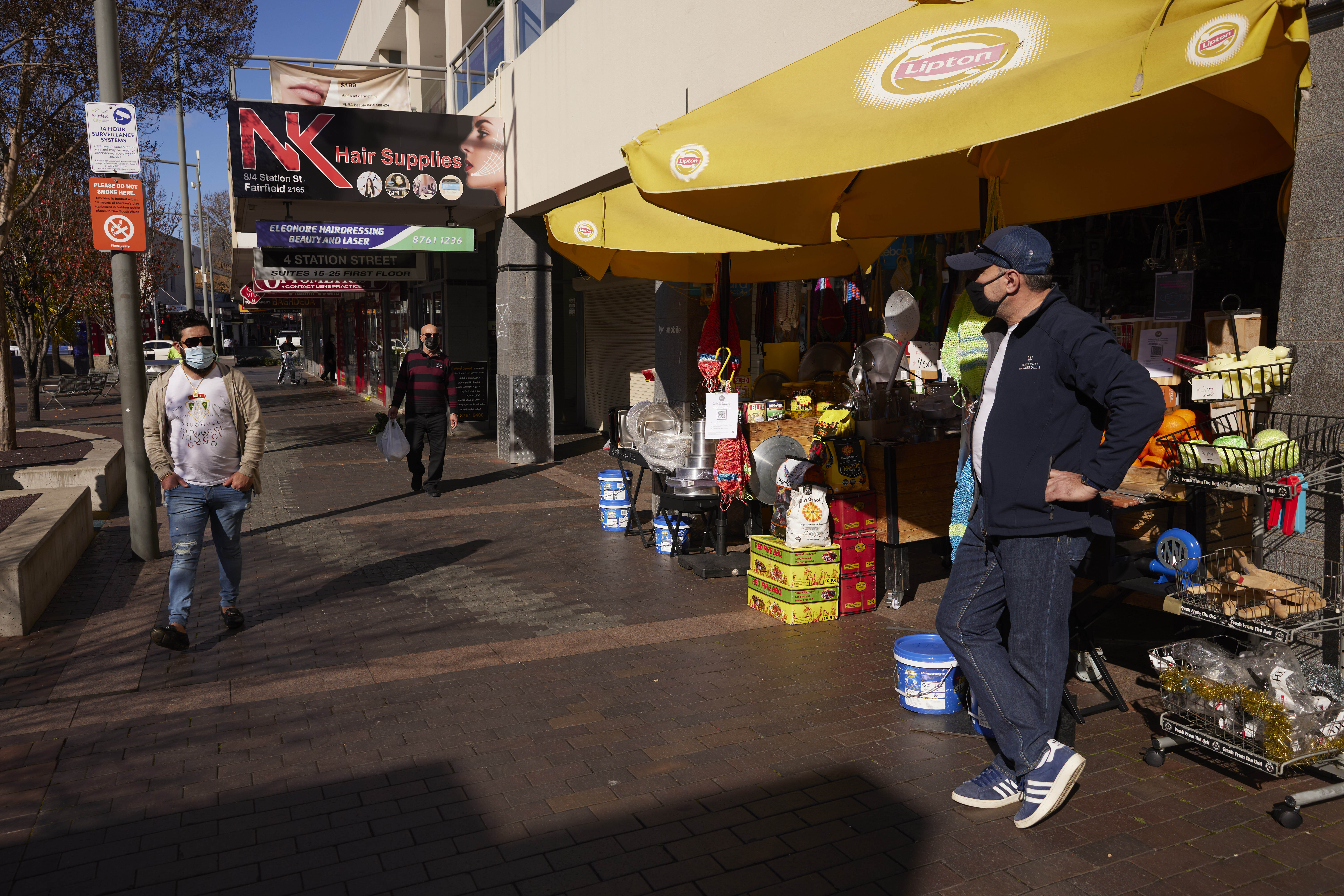
Under new COVID-19 restrictions, residents of the Fairfield, Liverpool and Canterbury-Bankstown council areas are not be allowed to leave their LGA, except for health and emergency workers.
NSW Premier Gladys Berejiklian said the restrictions would last until July 30 at least.
However, there will be some exemptions, including for aged care and disability care workers who will be among those eligible to leave.
READ MORE: Major tightening of Sydney lockdown restrictions: Here's what you need to know
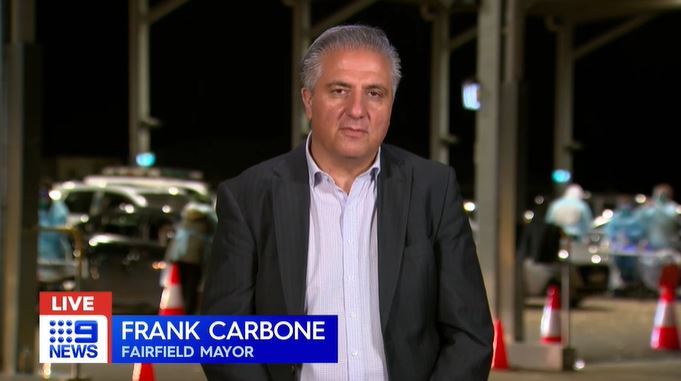
Fairfield Mayor Frank Carbone said the community was "really confused and really frustrated".
"I've got residents that are heartbroken," Mr Carbone said.
"They don't know if they can get to work tomorrow, they don't know if they can feed their families.
"Fairfield has borne the brunt of this since the virus spread from the inner city. We've seen what one case has done to south-west Sydney.
"And it's unfortunate, I mean, workers out here were turning up in droves to get tested."
https://twitter.com/lizziepearl/status/1416201940275400705?ref_src=twsrc%5Etfw
Workers able to leave must be tested every three days for COVID-19.
Ms Berejiklian said "non-critical retail" would also shut down at least until July 30, with a list of "critical" retail set to be provided.
"Obviously things like supermarkets, pharmacists, they will retain face-to-face retail," she said.
"But anything which is regarded as non-critical retail will not be able to have face-to-face."
Raft of new restrictions
The raft of new restrictions were announced yesterday, to take effect at midnight, after NSW recorded 111 new local cases of COVID-19.
There were 29 people active in the community for their entire infectious period and more than 82,000 tests conducted.
Ms Berejiklian described the amount of tests as "an outstanding result", however she said that the number of infections in the community is of great concern.
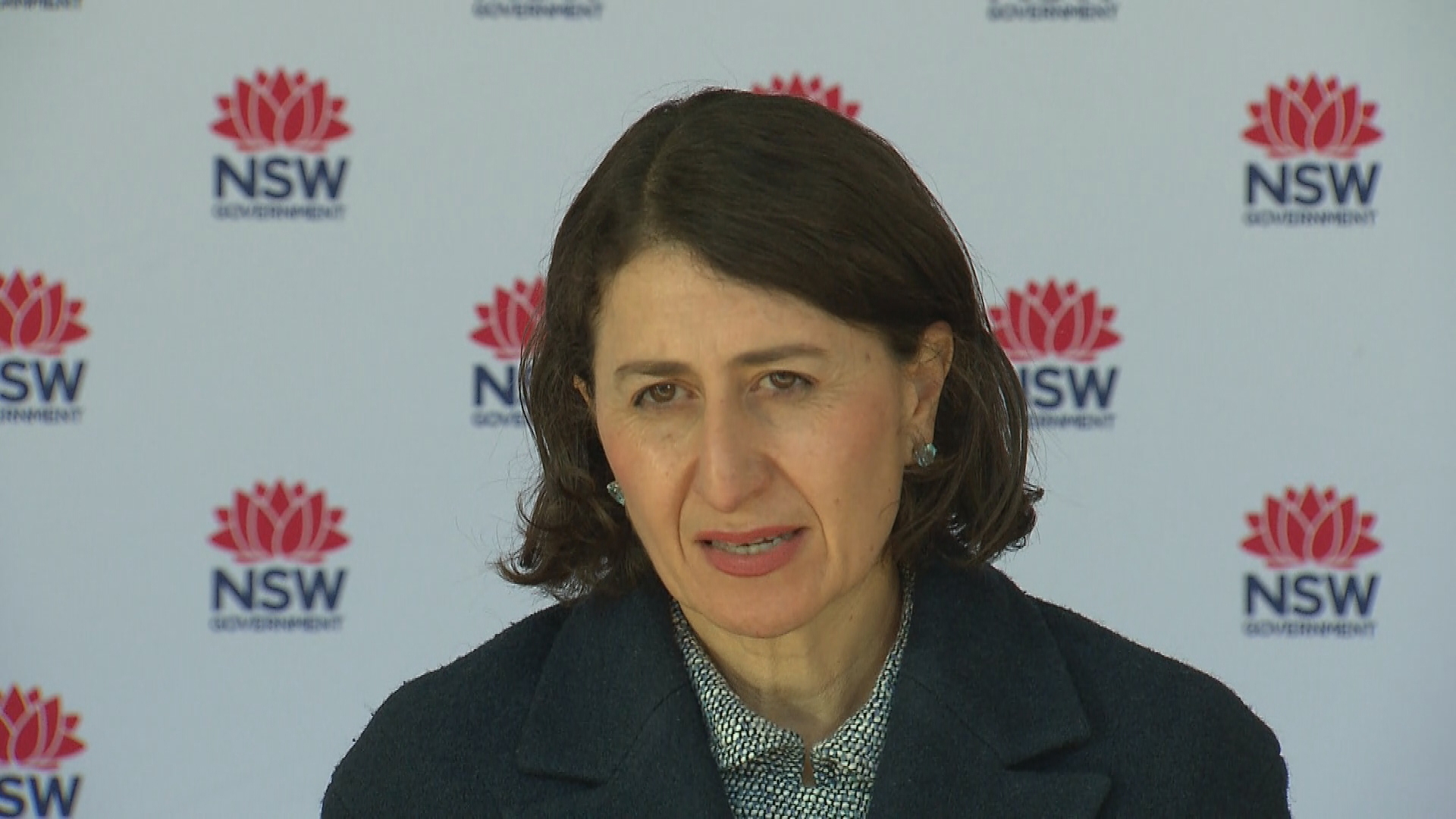
"We've prevented thousands and thousands of people being exposed to the virus and being infected, but what we haven't managed to do is really budge that stubborn number every day for the last few days where we need to quash this virus," Ms Berejiklian said.
"It is not good enough for us to tread water which is what we're doing now."
It has also been confirmed that a man from Sydney's southeast in his late 80s has died after contracting the virus.
Of the new cases, 59 are linked to known infections, while 52 are under investigation.
There are currently 75 COVID-19 cases in hospital, with 18 of those in intensive care, six requiring ventilation.
All construction in Sydney to halted from Monday
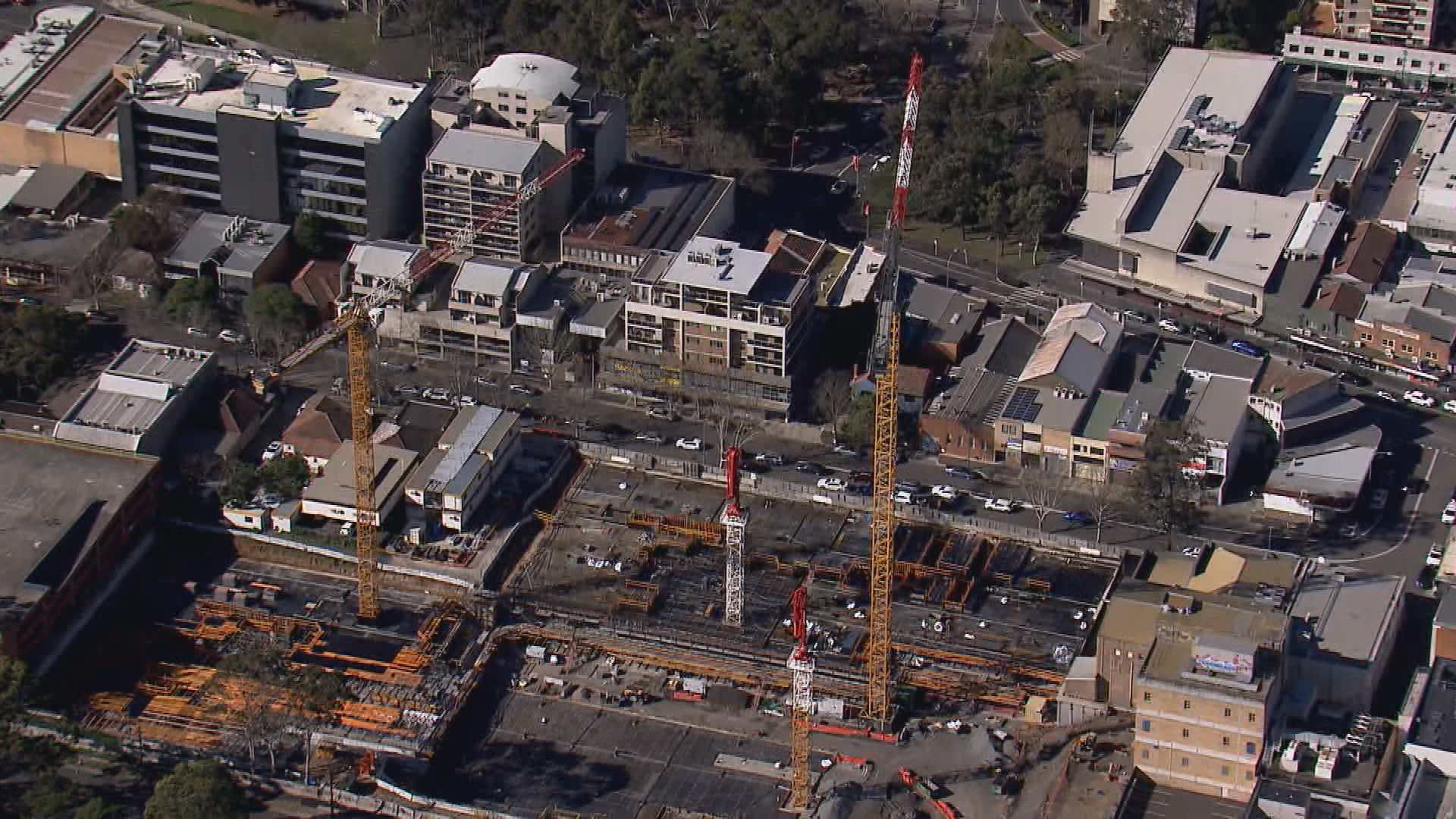
Additionally, all construction work, save for essential projects to supply electricity or water, will be halted until at least July 30.
Ms Berejiklian said any employer who forced their employee to attend a non-essential workplace would be hit with a $10,000 fine.
"We don't want employees being forced into the office," she said.
"We've said that all people who can work from home should be working from home and if you feel you are being forced to go into the office, your employer will be given that harsh penalty."
She said people in Greater Sydney should always have a mask, even if exercising with their household.
Carpooling has also been banned, while restrictions for regional NSW remain unchanged.
Ms Berejiklian denied the government had erred by imposing restrictions in stages.
"We were always hopeful that not only would we prevent the spread and quash the virus in that time," she said.
"We haven't succeeded in that and that is why on the basis of health advice and on the data provided to us, we're taking the extra steps."
The construction halt will not take effect until mid-Monday, giving operators the weekend and Monday morning to secure their sites and make sure everything is safe.
"We won't come down on you until you make sure that those sites are secure, so that public safety is always maintained, as well as the safety of those sites," Ms Berejiklian said.
Ms Berejiklian has warned that the lag in data compilation meant the impact of new restrictions for Greater Sydney would not be seen for up to a week.
"There is no doubt these additional restrictions will have a great impact on us being able to quash the virus, but we might not see it for a few days," she said.
"We need the community to appreciate that the data we see is often a reflection of what happened five to seven days ago."
READ MORE: Police to monitor all 'major arterial roads out of Sydney' in compliance crackdown
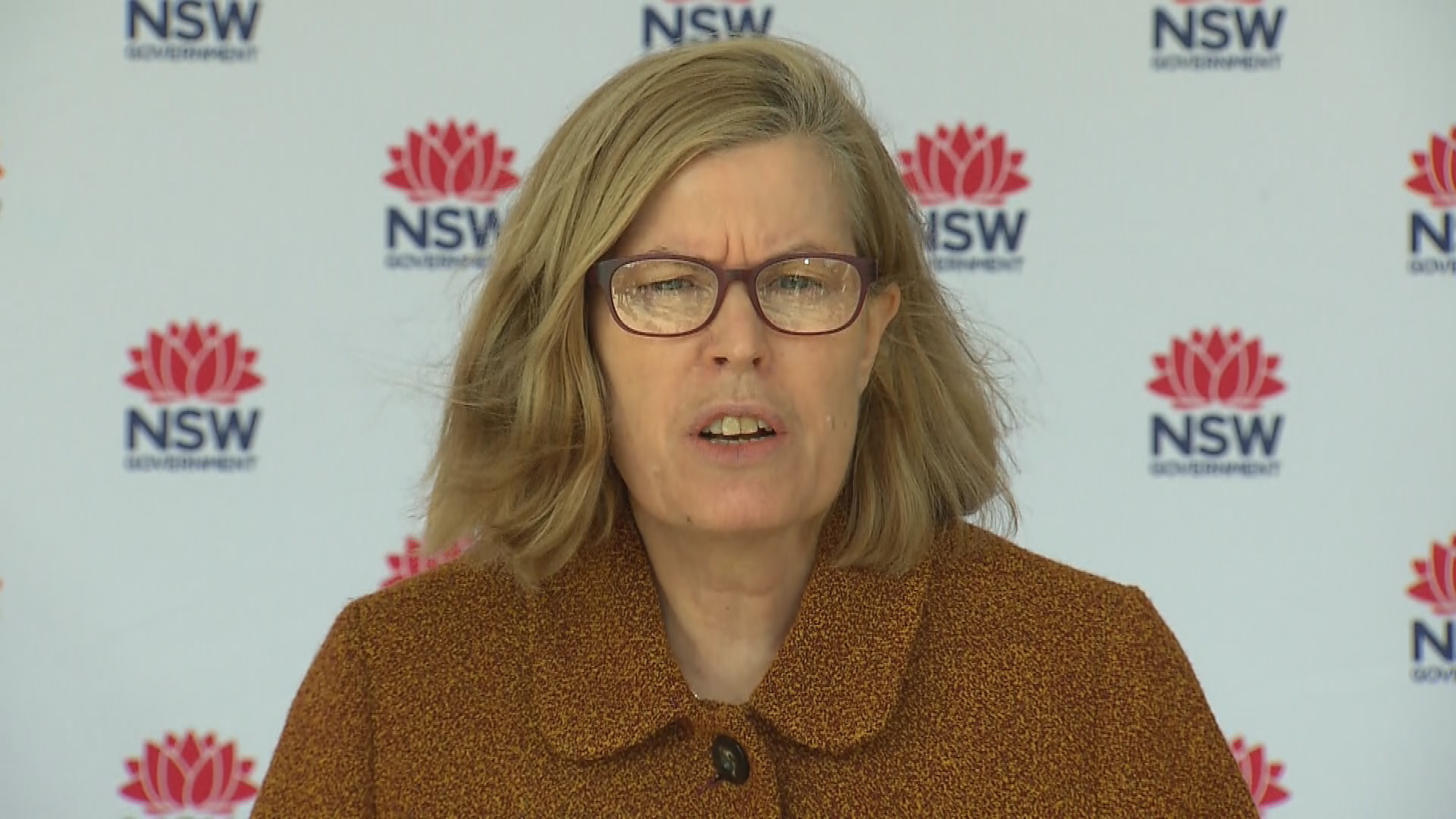
NSW Chief Health Officer Dr Kerry Chant has said of the 111 new cases, 83 are from southwestern Sydney, and 60 from the Fairfield LGA.
"We are concerned about the spread into the Liverpool and the Canterbury-Bankstown adjacent area," she said.
Dr Chant listed Campbelltown, Camden, Lakemba, Fairfield, Liverpool, Bankstown, Cumberland, Mt Druitt, Rooty Hill, Bayside, the Sutherland Shire and the St George area as places of concern where increased testing needed to take place.
"I am also concerned particularly about Minto," she said.
"We have had a sewage detection in Minto so it is important that community absolutely responds."
Workplaces partly to blame for ongoing spread
Dr Chant said "some workplaces" were driving the ongoing spread of COVID-19, prompting the order to close non-essential retail after weeks in lockdown.
"What we're trying to do is reduce people's opportunities for interacting with others because once you get a workplace transmission, it is like a melting pot," Dr Chant said.
"Workplaces draw people from our vast geographical area and then you get transmission to your friends that you have driven into work with your carpool, you get transmission within the person you are sitting in proximity with or interact with."
Learn-from-home environments will remain in place, with teachers and childcare workers from Fairfield, Canterbury-Bankstown and Liverpool not exempted from the new LGA lock-in rules.
"I acknowledge that this is occurring rapidly and there may be other groups, but I want very much to reassure the community that healthcare staff can move, emergency services workers and aged care workers can move," Dr Chant said.
"They will be subject to the three-day swabs and if anyone has got any symptoms, do not attend work."
She re-emphasised that nobody with symptoms of COVID-19 should go to a pharmacy, which have emerged as regular exposure sites.
"If you have symptoms of COVID, do not go anywhere other than to a testing station," she said.
"If you need urgent care, seek medical care. Ring ahead so that you're being given the correct arrangements.
"I do want to just say, do not ever be concerned about, if you do have COVID symptoms, seeking critical care or essential care.
"Our health system has got processes for dealing with that and the last thing I would want to see is someone with chest pain or other health conditions not seeking care."
Rural NSW on high alert
Regional NSW has been warned to be on alert despite the lack of any new restrictions.
Three of today's new cases had travelled to Molong in the state's Central West yesterday before being aware they had the virus.
"Unfortunately, those people had also worked in northern NSW on July 15, and we will be releasing any information that is relevant about that," Dr Chant said.
"But it does highlight that all regional communities should be on alert."
More than 160 fined for public health order breaches
NSW Police Deputy Commissioner Gary Worboys said 162 personal infringement notices had been issued in the past 24 hours.
"What it means is that millions of people right across this state that are doing absolutely the right thing, are being let down by a small minority of people that continue to be irresponsible," he said.
READ MORE: Queensland records zero new local COVID cases just days after Delta outbreak
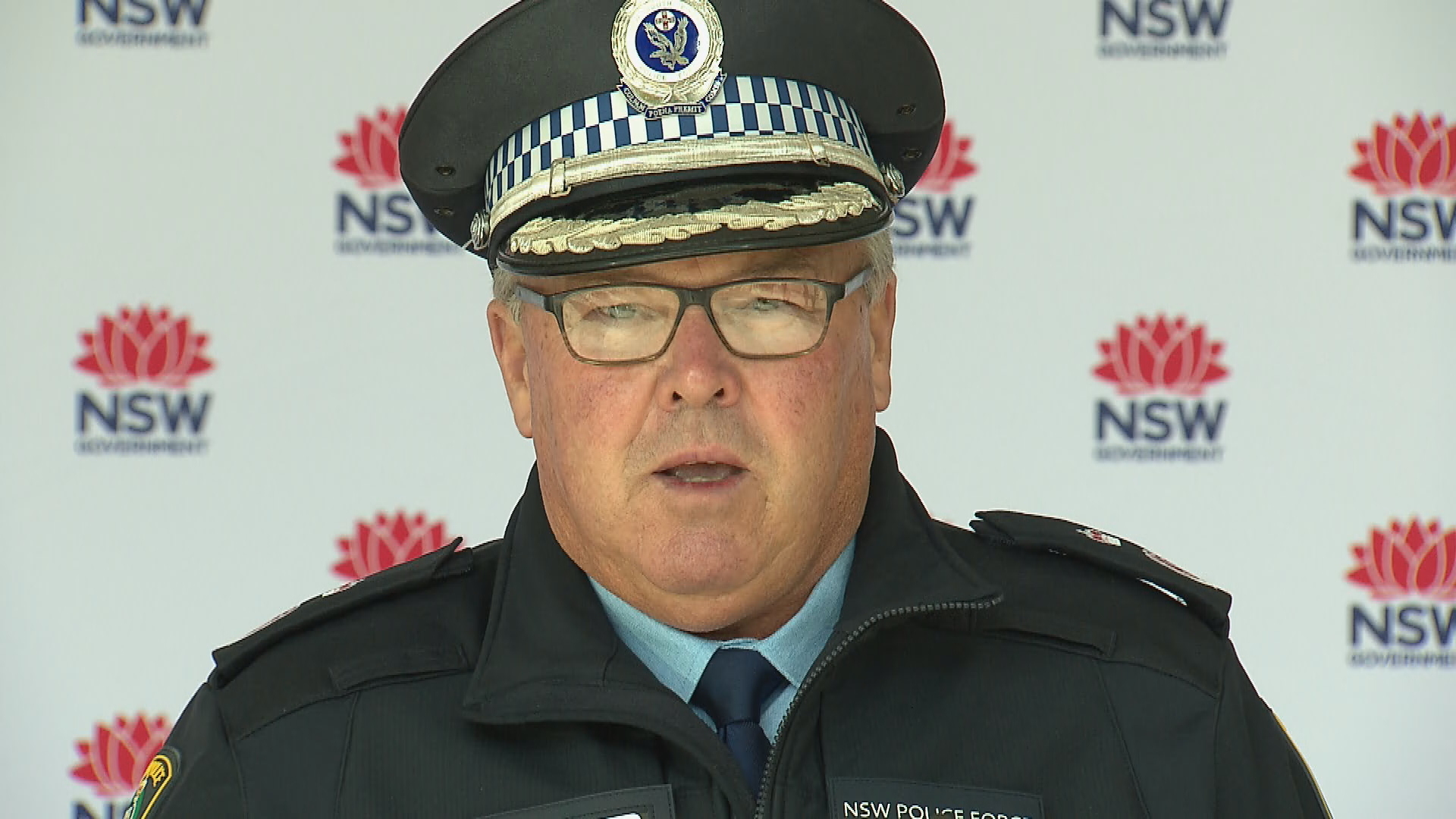
Deputy Commissioner Worboys said people would have to change their behaviour, and warned that the "tempo" of the police response to the outbreak would increase throughout Sydney and regional NSW.
He said an emergency response plan was being prepared for the newly locked-in Fairfield, Canterbury-Bankstown and Liverpool LGAs.
The plan would ensure nobody in those communities had to do without the things they needed for the next two weeks of harsher restrictions.
Sydney Mayor slams vaccine rollout
Sydney's Lord Mayor Clover Moore has slammed Australia's vaccine rollout, saying that the federal government "should have acquired and provided" more doses by this point in the pandemic.
Ms Moore said that Sydney was only just "coming back to life again" when the recent outbreak struck, and that it's too soon to tell what the financial impact of the city's second lockdown will be.
READ MORE: Tell 9News what you think about the big issues
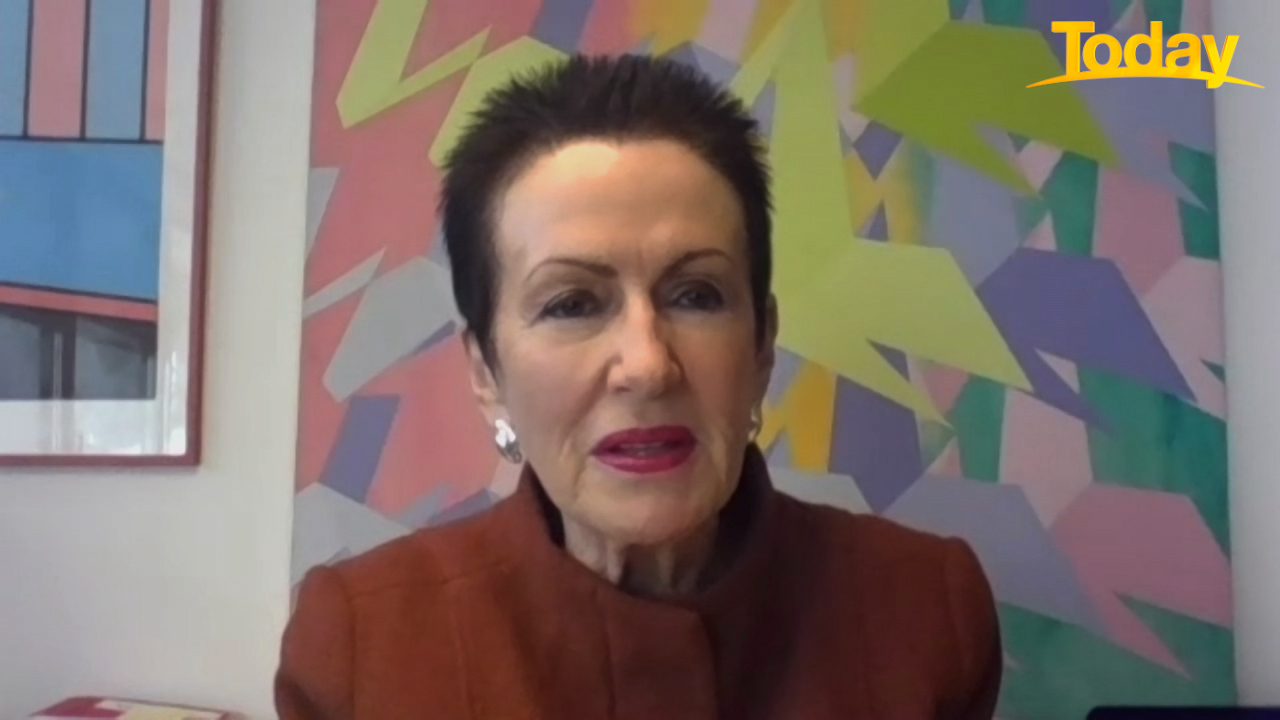
"We were just beginning to have got through it and bringing the city back to life again," she said on Weekend Today.
"You know, the global city of Australia that's so important about the state and federal economy.
"The federal government should have had that vaccine ready… they should have acquired the vaccine and provided it, and should have run on a really effective campaign about how important it was that everyone got vaccinated. And that did not happen."
Ms Moore said that during last year's outbreak in NSW, the city lost $7 billion, and that this year, the cost could potentially be much higher without another JobKeeper package.
"It's really hard to assess because we don't know how long it's going to go on but what we do know is that pre-COVID the City of Sydney was generating economic activity for the nation and the state of about $130 billion," she said.
READ MORE: Victoria records 19 new COVID-19 cases on day two of lockdown
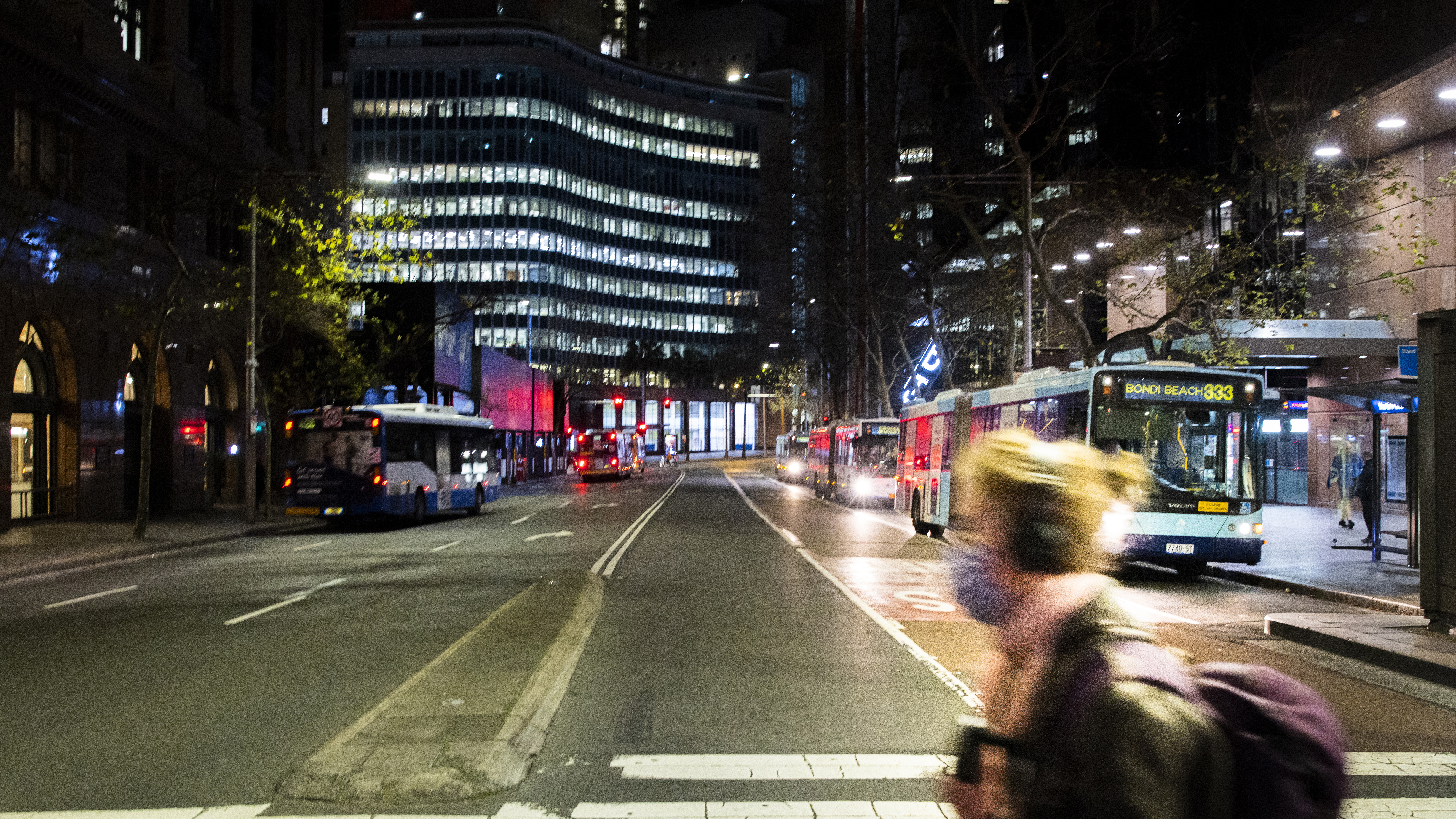
"We know last year cost us about $7 billion. So we don't know what this is going to cost.
"I think JobKeeper is something that really needs to be reinstated."
The only way out of the crisis is to just "get on with it" and adhere to the health advice, Ms Moore added.
"We shouldn't be going through this again and now we are and it's harder," she said.
"We just have to get on with it, it is what it is, and we have to deal with it and that's what I think is so hard.
"We have to find the health advice and we have to hope and pray that the federal government will at last get its act together and get that vaccine out to us."
NSW recorded 97 locally acquired cases of COVID-19 yesterday, with almost 30 active in the community throughout their entire infectious period.
UK's new Health Secretary Sajid Javid tests positive for COVID-19
Britain's health minister says he has tested positive for the coronavirus and is experiencing mild symptoms.
Health Secretary Sajid Javid says he has tested positive with a rapid test and is self-isolating as he awaits the results of a more accurate PCR test.
"I'm grateful that I've had two jabs of the vaccine and so far my symptoms are very mild," Javid said Saturday.
READ MORE: UK records more new cases in one day than Australia's entire pandemic
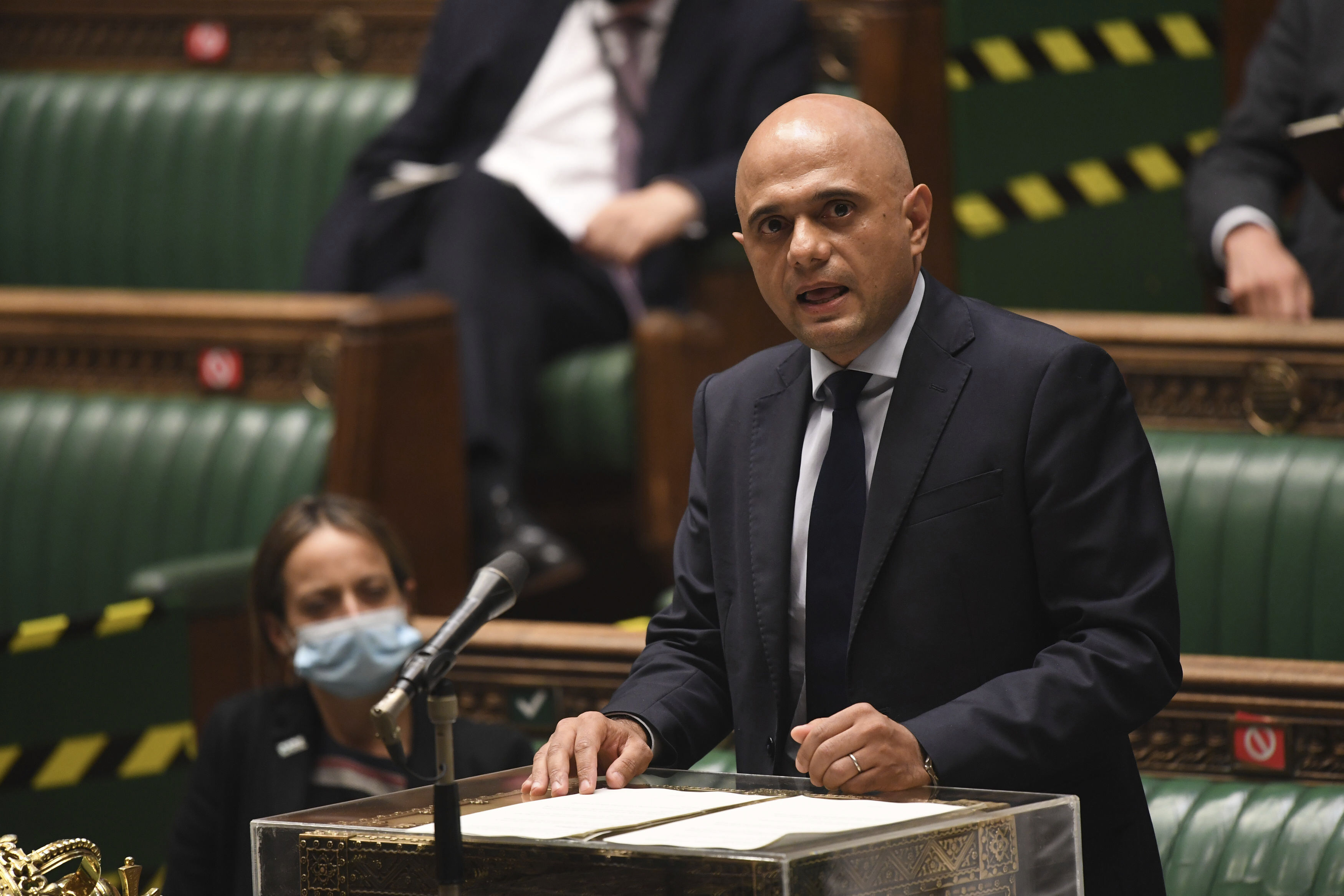
Javid took over last month from Matt Hancock, who resigned after breaching social distancing rules.
Although, Javid isn't the first politician to test positive. His predecessor, Hancock, was ill with COVID-19 early in the pandemic last year, while Prime Minister Boris Johnson spent several days in intensive care with the virus in April 2020.
However, the news of Javid's infection comes just days before the last remaining legal restrictions on social distancing and masks are lifted in England on July 19, which is being dubbed by some as "Freedom Day".
Johnson is determined to go ahead with the country's re-opening, despite new daily case numbers reaching over 50,000.
Other parts of the UK — Scotland, Wales and Northern Ireland — are taking more cautious steps out of lockdown.
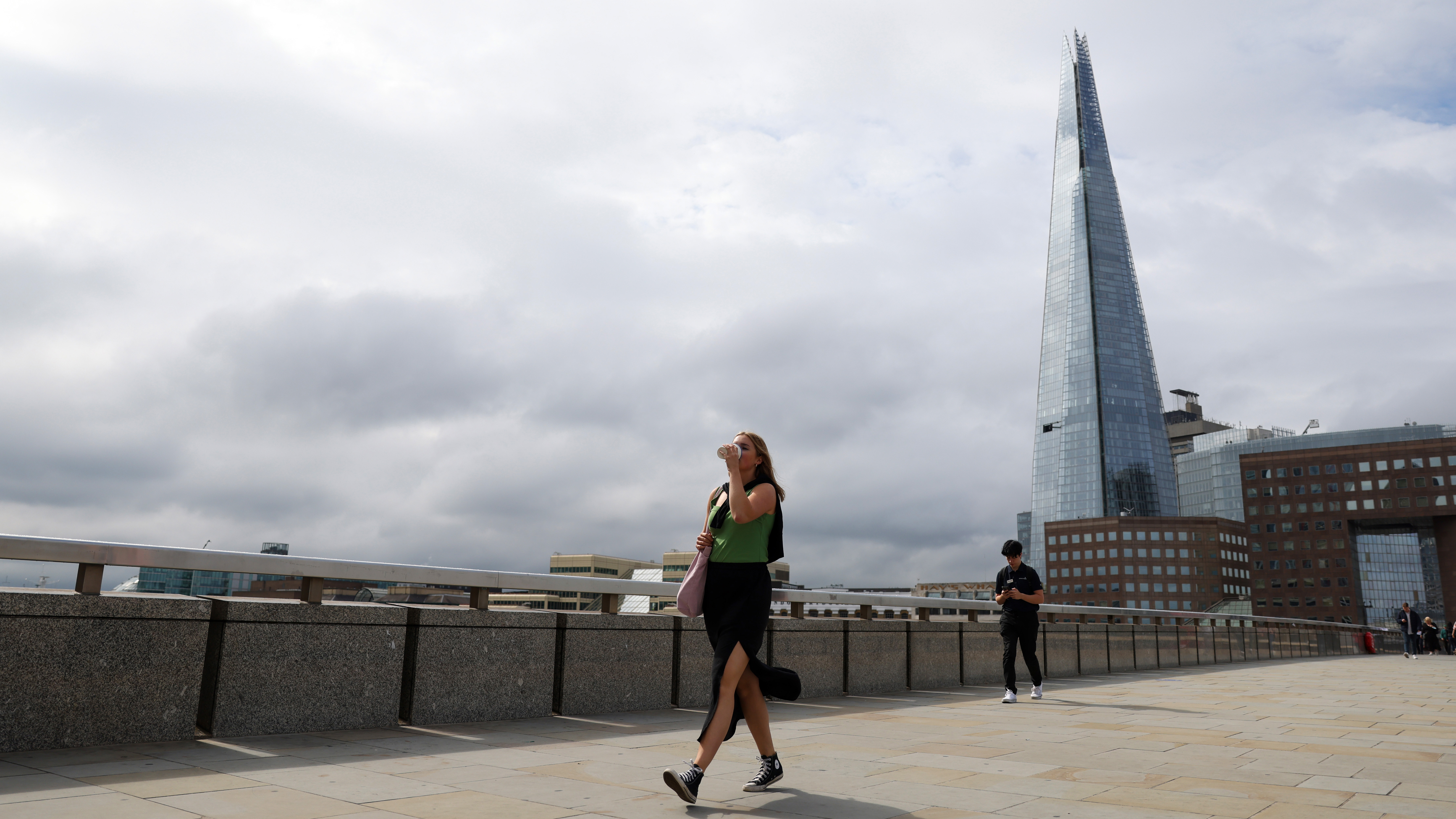
The British government's top medical adviser Dr Chris Whitty warned late Thursday that the number of people in hospitals with COVID-19 is doubling about every three weeks and could reach "quite scary numbers" if the current trend continues.
One change that won't be occuring come Monday however, is quarantine-free travel between the UK and France.
British tourists and the travel industry are venting frustration and anger after the UK Government reversed a plan to ease travel restrictions on France, just two days before the change was due to start, citing concerns about a variant of the coronavirus.
The UK government says people arriving from France must self-isolate for 10 days on entering Britain, even if they are fully vaccinated.
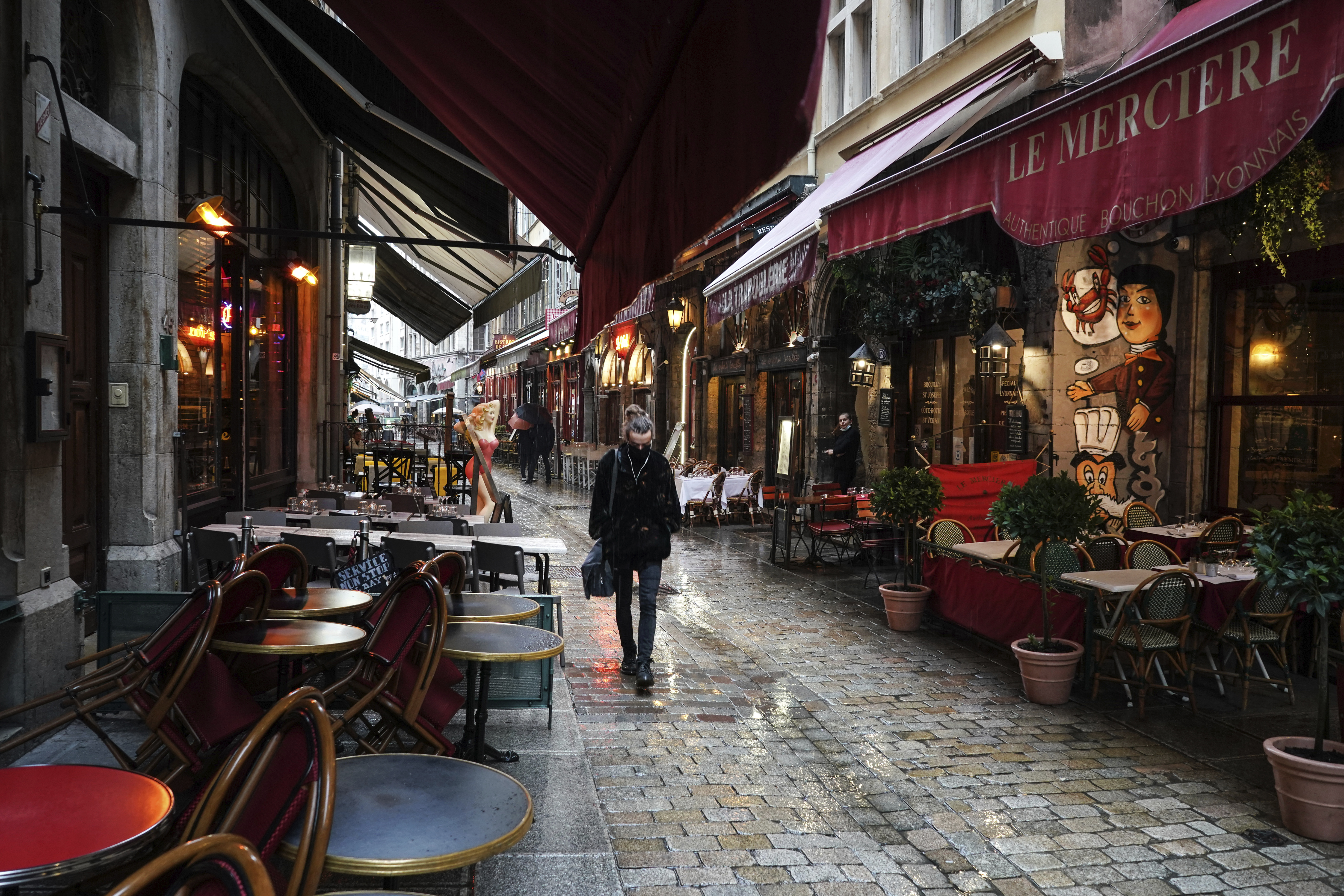
The announcement came just days after the government said fully vaccinated UK residents will no longer face quarantine as of Monday, July 19, when arriving from European Union nations and dozens of other countries.
British health authorities say France is being singled out because of cases of the beta variant, which is believed to be more resistant to vaccines than other strains.
Cases of the virus are surging in the UK, driven by the highly infectious delta variant, despite a high level of vaccination – hitting a six-month high earlier this week.
Britain reported more than 51,000 new coronavirus cases on Friday, the highest daily total since January. Friday's government data showed 3964 people hospitalised with COVID-19, which is the most since late March.
Alongside the increase in hospitalisations, daily virus-related deaths have risen to levels not seen since March. Another 49 virus-related deaths were recorded Friday, taking the UK's total to 128,642, the seventh-highest in the world.
Death toll from Europe floods tops 150 as water recedes
The death toll from disastrous flooding in Western Europe rose above 150 on Saturday as rescue workers toiled to clear up the devastation revealed by receding water and prevent further damage.
Police said that more than 90 people are now known to have died in western Germany's Ahrweiler county, one of the worst-hit areas, and more casualties are feared. On Friday, authorities gave a death toll of 63 for Rhineland-Palatinate state, where Ahrweiler is located.
Another 43 people were confirmed dead in neighbouring North Rhine-Westphalia state, Germany's most populous. Belgium's national crisis centre put the confirmed death toll in that country at 24 and said it expects the number to rise.
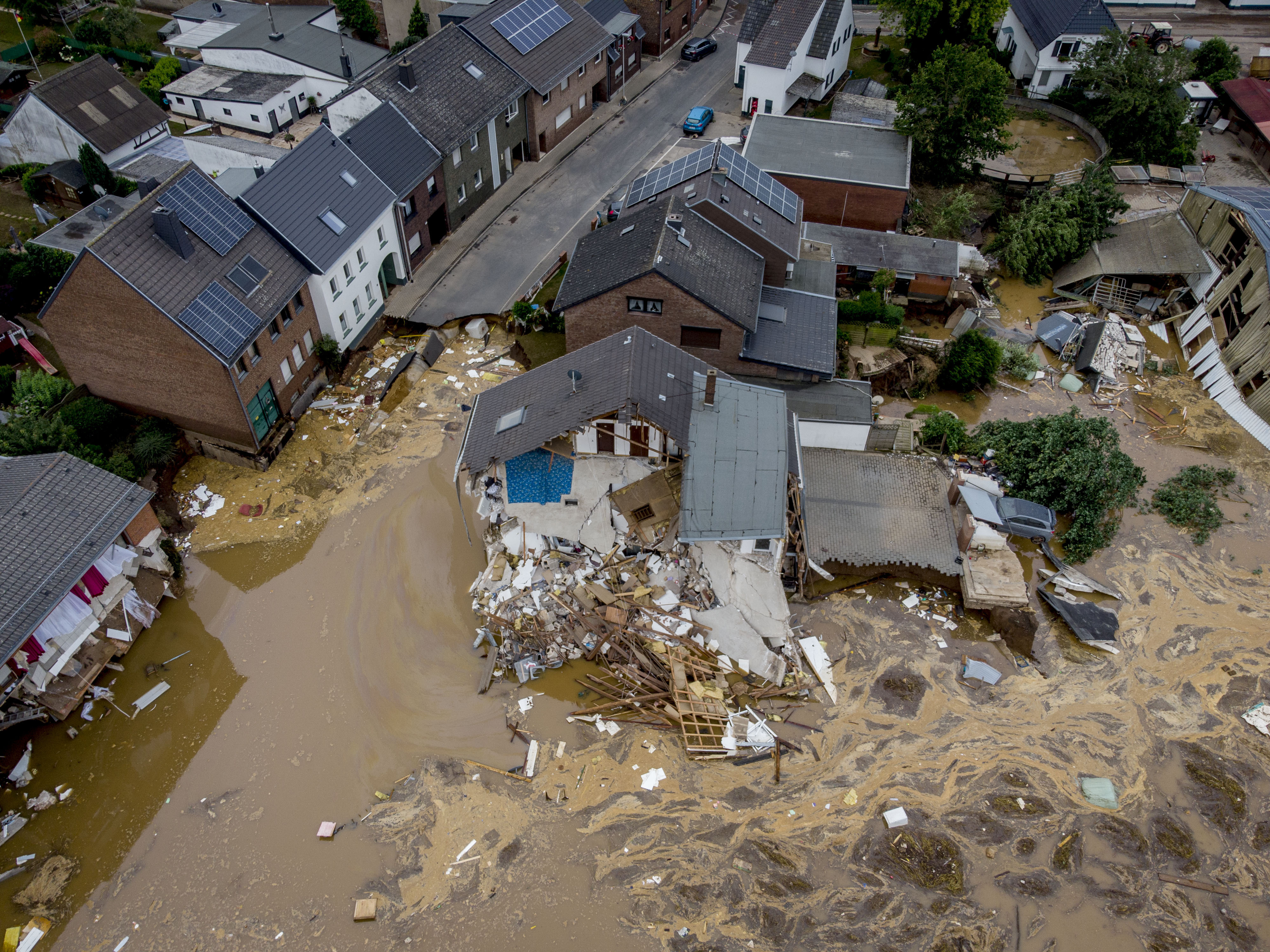
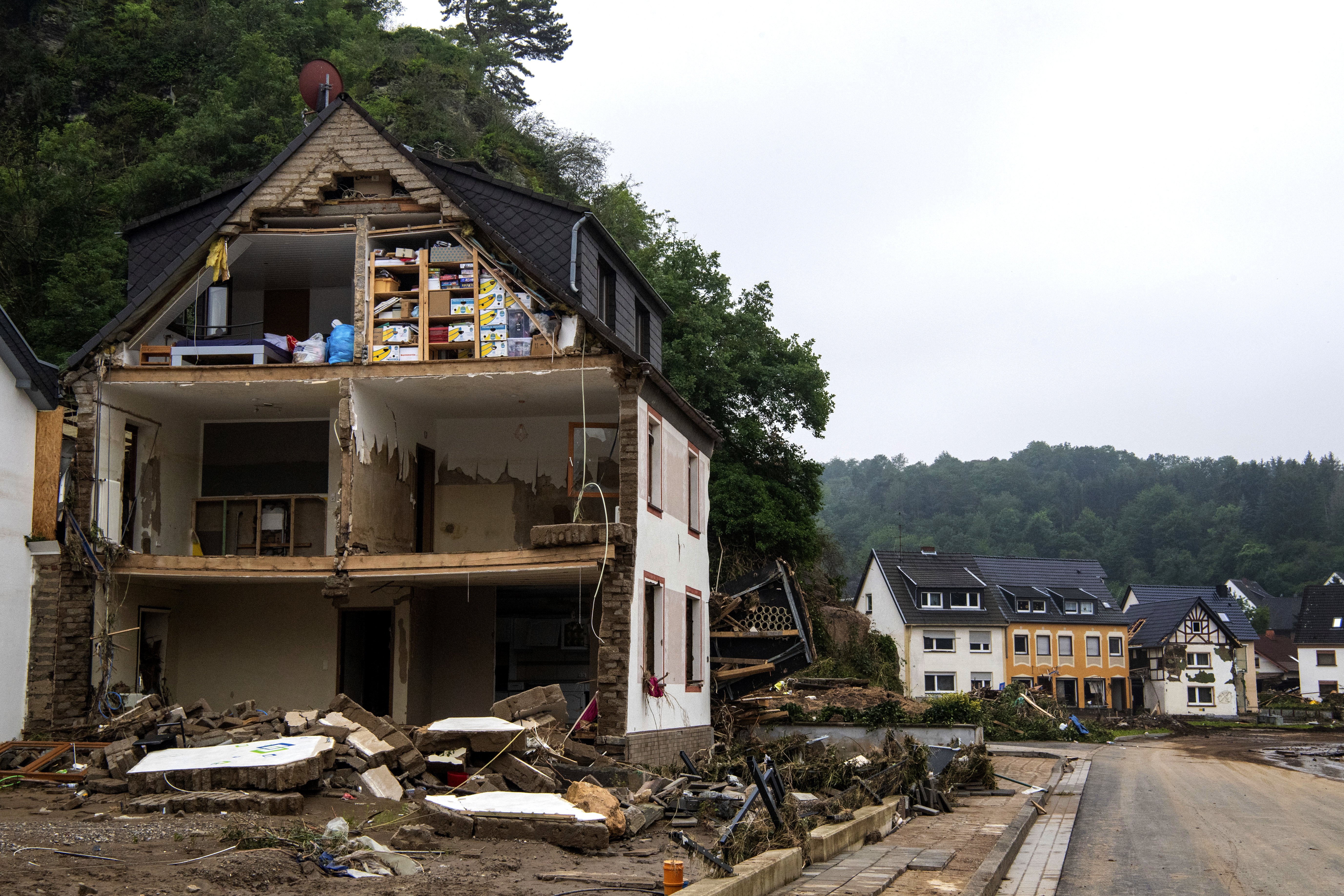
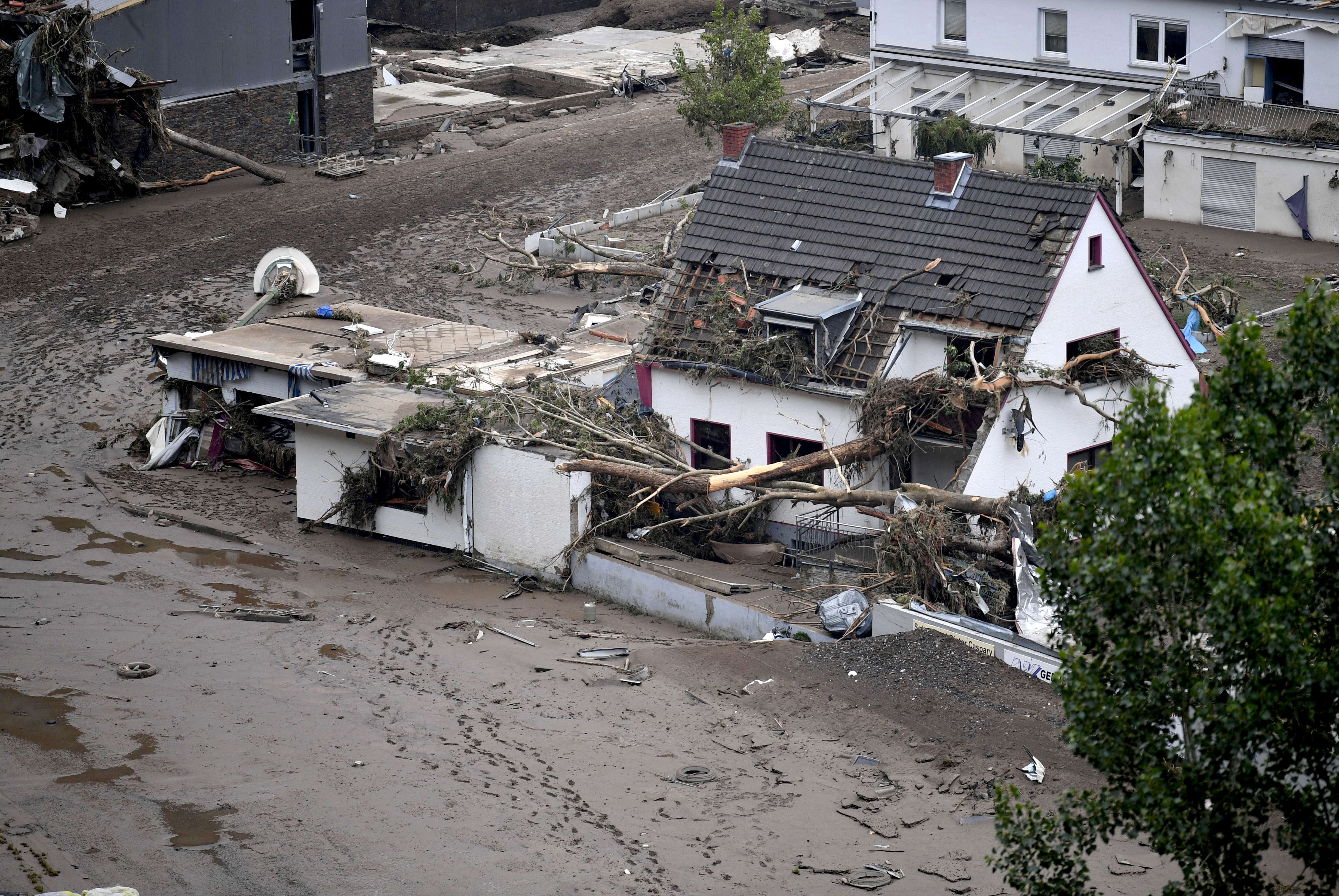
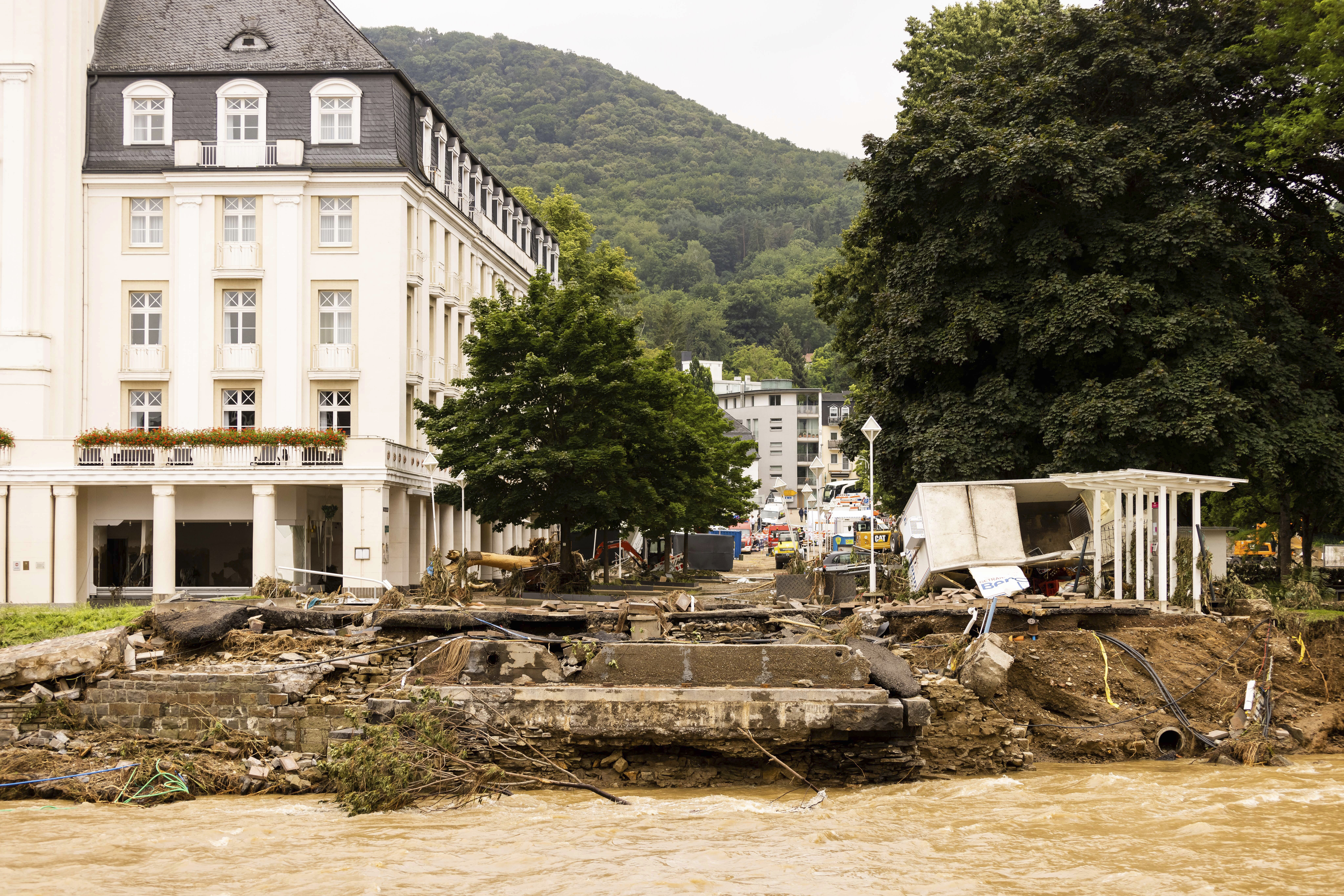
By Saturday, waters were receding across much of the affected regions, laying bare the extent of the damage.
German President Frank-Walter Steinmeier planned to travel Saturday to Erftstadt, southwest of Cologne, where a harrowing rescue effort unfolded on Friday as people were trapped when the ground gave way.
RELATED: Greenland suspends oil exploration because of climate change
At least three houses and part of a mansion in the town's Blessem district collapsed.
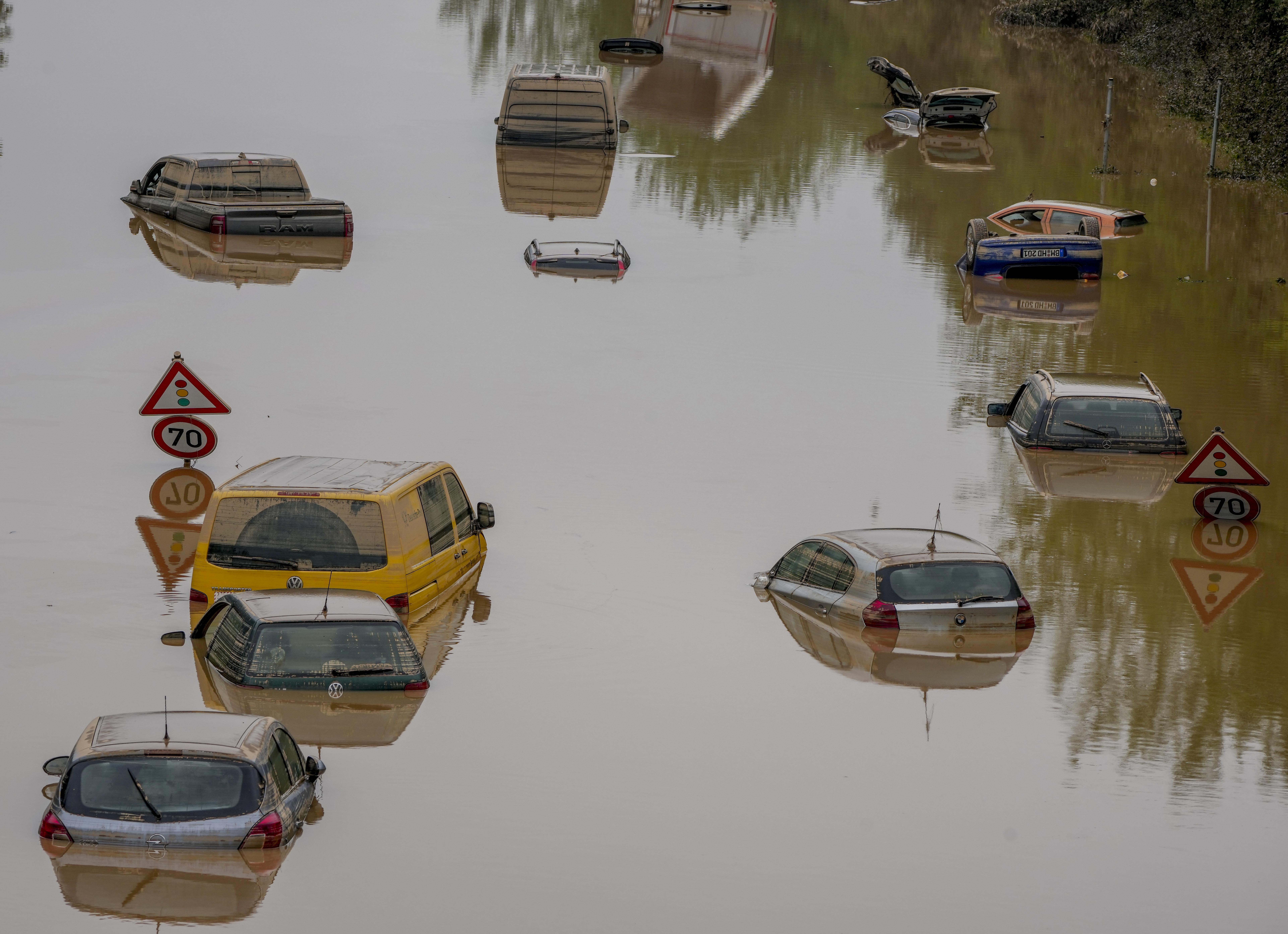
The German military used armoured vehicles on Saturday to clear away cars and trucks overwhelmed by the floodwaters on a nearby road, some of which were still at least partly submerged.
Officials feared that some people didn't manage to escape in Erftstadt, but by Saturday morning no casualties had been confirmed.
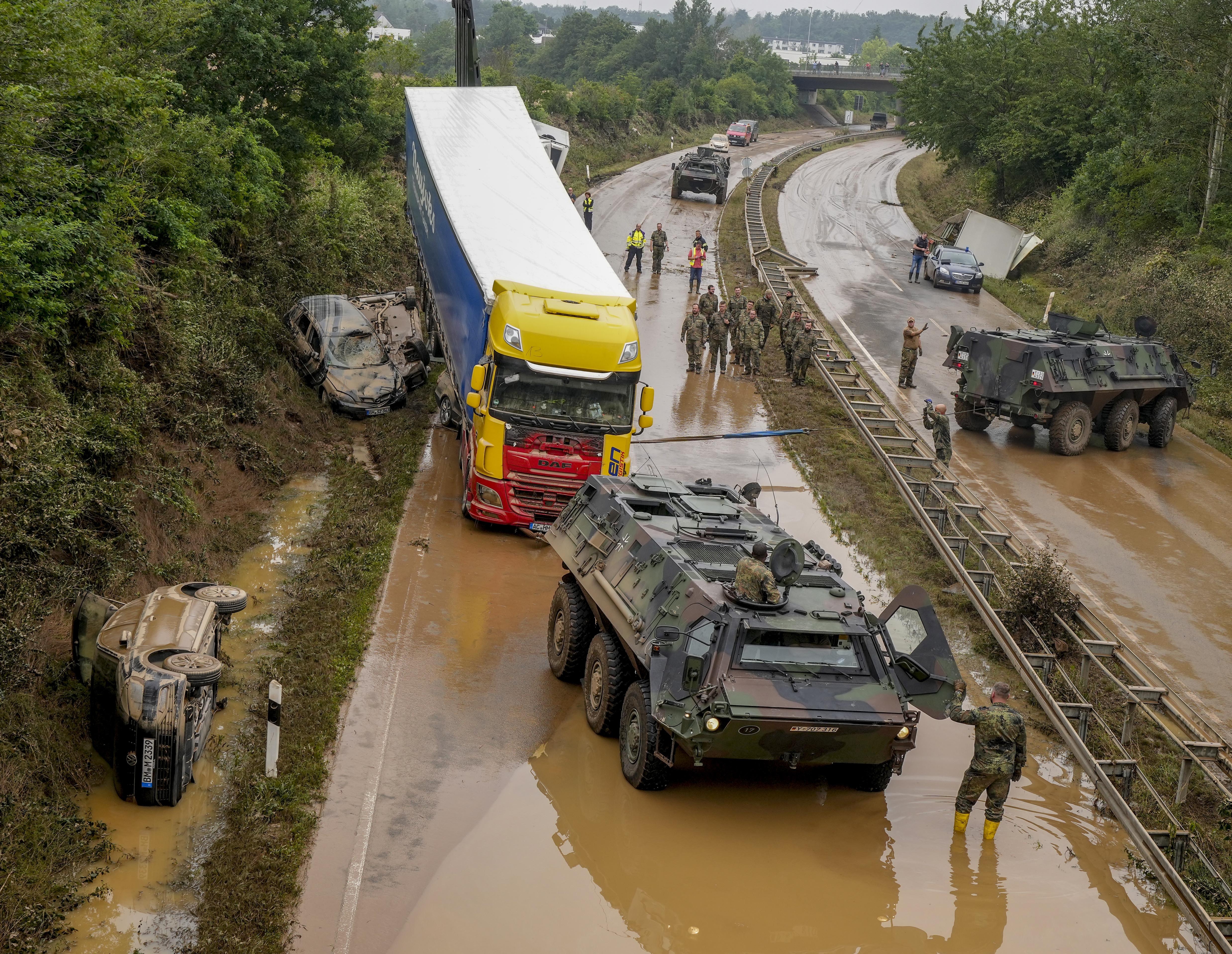
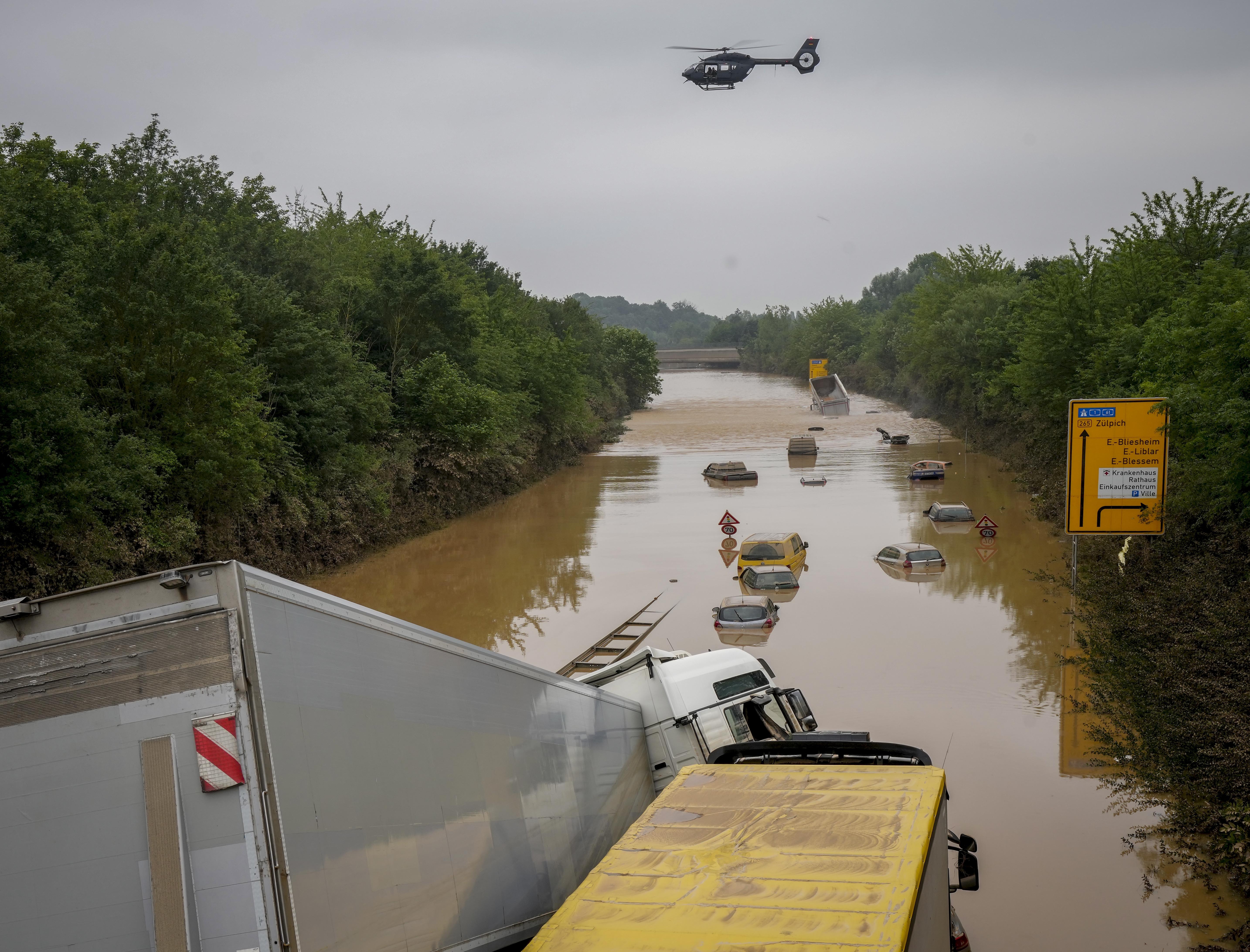
In the Ahrweiler area, police warned people of a potential risk from downed power lines and urged curious visitors to stay away. They complained on Twitter that would-be sightseers were blocking some roads.
RELATED: US wildfire forms dangerous 'fire clouds'
Many areas were still without electricity and telephone service — something that, along with multiple counting in some cases, appeared to have accounted in part for large numbers of missing people that authorities gave immediately after the floods hit on Wednesday and Thursday.
Around 700 people were evacuated from part of the German town of Wassenberg, on the Dutch border, after the breach of a dike on the Rur river.
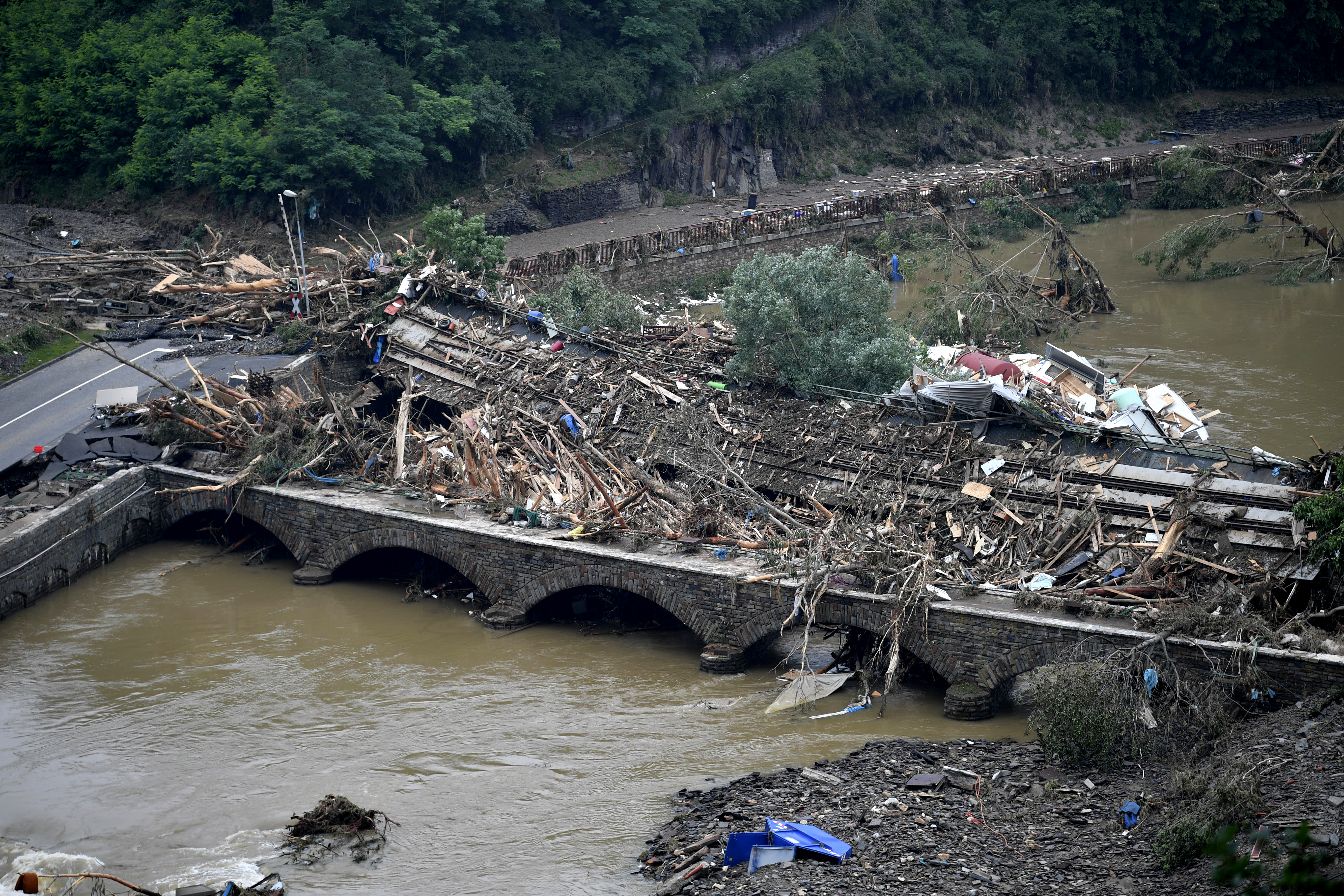
Train lines and roads remained blocked in many areas of eastern Belgium. The national railway service said traffic would start returning to normal on Monday.
A cafe owner in the devastated town of Pepinster broke down in tears when King Philippe and Queen Mathilde visited Friday to offer comfort to residents.
European Commission President Ursula von der Leyen and Belgian Prime Minister Alexander De Croo were visiting flood-damaged towns Saturday, according to Belgian state broadcaster RTBF.
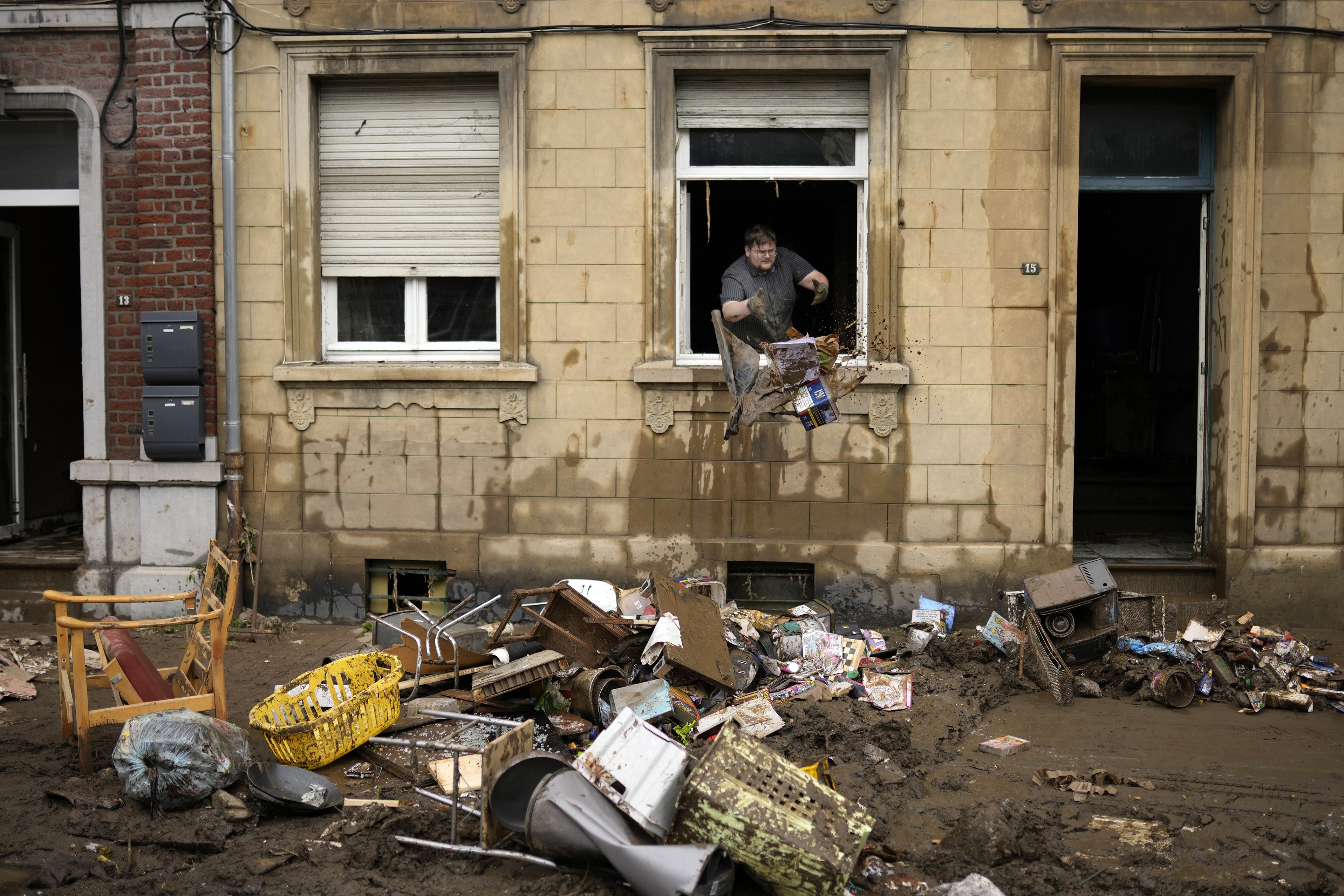
In addition to worst-hit Germany and Belgium, southern parts of the Netherlands also have been hit by heavy flooding.
Volunteers worked through the night to shore up dikes and protect roads. Thousands of residents of the southern Dutch towns of Bunde, Voulwames, Brommelen and Geulle were allowed to return home Saturday morning after being evacuated on Thursday and Friday.
Caretaker Prime Minister Mark Rutte, who visited the region on Friday, said that the region faced "three disasters."
"First, there was corona, now these floods, and soon people will have to work on cleanup and recovery," he said. "It is disaster after disaster after disaster. But we will not abandon Limburg," the southern province hit by the floods. His government has declared the flooding a state of emergency, opening up national funds for those affected.
Among other efforts to help the flood victims, Dutch brewery Hertog Jan, which is based in the affected area, handed out 3,000 beer crates to locals to help them raise their belongings off the ground to protect them from the flooding.
In Switzerland, heavy rain as caused several rivers and lakes to burst their banks, with authorities in the city of Lucerne closing several pedestrian bridges over the Reuss river.
Heroic actions: Lifeguards who saved new dad honoured for bravery
Lifeguards who saved a badly injured surfer – who wrote “HELP” in the sand at an isolated beach on the West Auckland coastline – have won a top award. New dad Ben Searancke was lucky to live when a surfing expedition seven days…
'Credible' sighting of pod near where baby orca Toa stranded
By RNZ A pod of orca may have been sighted near where a baby orca stranded last Sunday.Department of Conservation (DoC) said it is a credible sighting off the Kāpiti Coast, but weather conditions currently make it unsafe…
Victoria records 19 new COVID-19 cases on day two of lockdown
Victoria has recorded 19 new local COVID-19 cases as the state enters its second day of lockdown.
Health Minister Martin Foley said all cases had been linked to the "two Sydney incursions".
"On average each case has spent less than two infectious days in the community," he said.
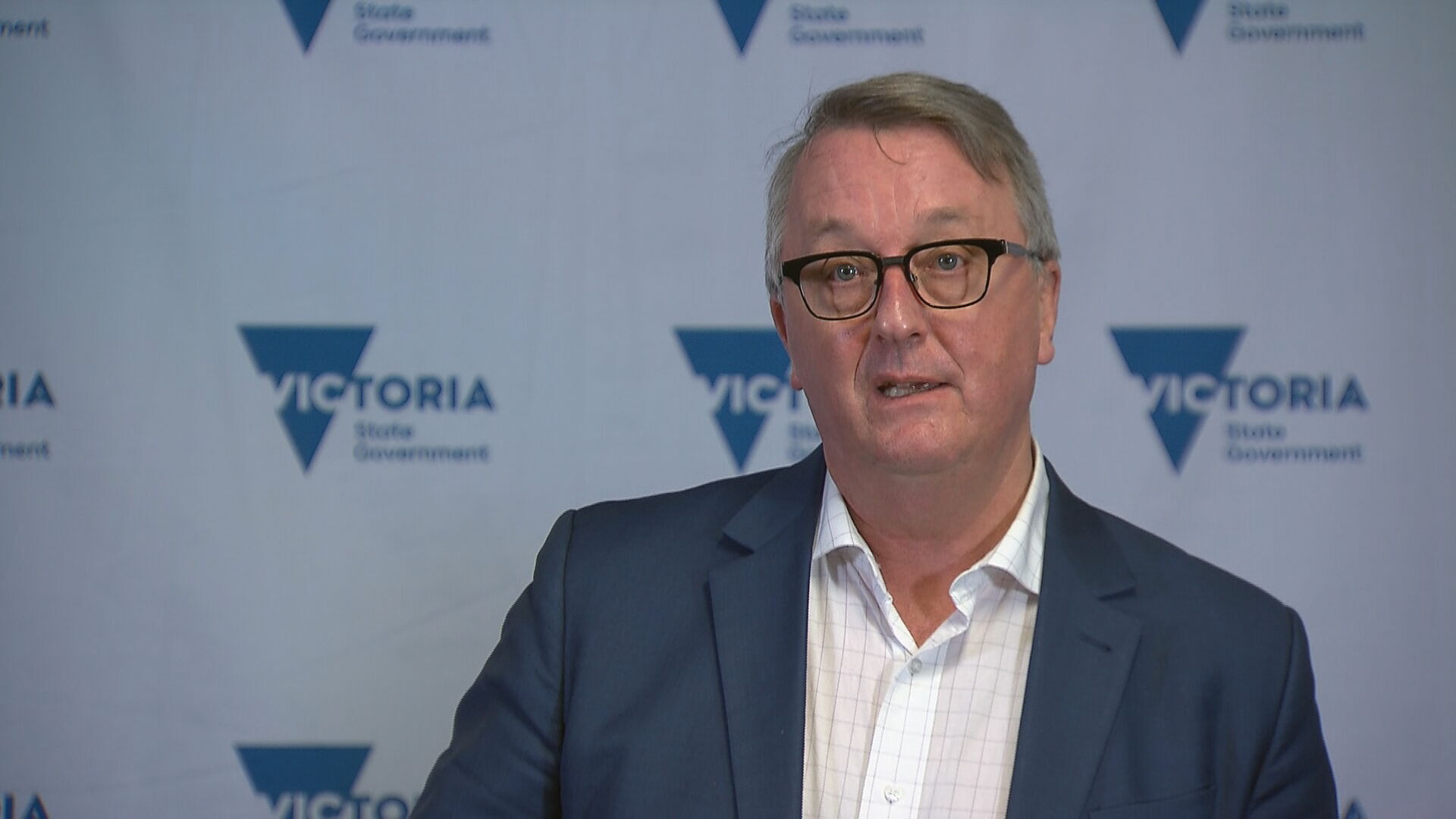
"That figure is a vindication of the going hard and going early strategy."
Mr Foley thanked Victorians for the sacrifices they were making.
"This lockdown was needed. We won't be taking any chances by not acting on the information we have," he said.
"We've gone hard and we've gone early to make sure that this lockdown is as short as possible."
A range of new exposure sites have been listed, including a superhero movie screening and a university campus.
There are now 54 active cases in the state.
READ MORE: Popular Marvel movie screening a Tier One exposure site in Victoria
READ MORE: Victoria's 'fleeting transmission' concerns
All the new cases are linked to the current outbreak.
So far, nobody in the current outbreak has been hospitalised.
"There is no such thing as a good infection, but what we are yet to see is any unlinked, unexpected infections," Mr Foley said.
"All of which makes it clear that this lockdown was needed."
About 10,000 close contacts have been identified, along with "many more" secondary contacts, Mr Foley said.
A total of 47,606 people were tested yesterday, along with 19,237 vaccines administered.
Among Victoria's new cases are another MCG patron, who was in the MCC members reserve.
Two of his friends, who recently travelled to Phillip Island, contracted the virus as well.
A social contact of the Trinity Grammar teacher – another MCG case – also has the virus, along with two further Trinity staff members.
Three staff members and a patron of Miss Frankie's restaurant in Cremorne have contracted the virus after a positive case visited the venue.
Another student at St Patrick's Primary School in Murrumbeena, and two staff members and a student from Bacchus Marsh Grammar, have also contracted the virus.
The wife and three daughters of one of the Young and Jacksons cases, along with a household contact of another positive case, brought the total to 19.
Chief Health Officer Professor Brett Sutton has urged Victorians to keep getting vaccinated – but advised against cutting the wait time between AstraZeneca jabs.
Advisory body ATAGI has said people in hotspot areas could slash the 12-week recommended period between injections to as few as four weeks.
"There is consideration, when you have a significant outbreak, with large numbers with transmission, to have that shorter period of time," Professor Sutton said.
Victoria COVID-19 response commander Jeroen Weimar has said while the majority of people entering from red zone areas were complying with the new rules, one arrival at Melbourne Airport had been issued a $5000 fine after trying to "leg it".
Mr Weimar said the person had fled when stopped by authorised officers, but was tracked down in the airport complex on Wednesday night.
There are currently just five essential reasons Victorians are permitted to leave their homes, including work, buying food, care responsibilities, exercise and getting a COVID-19 vaccine.
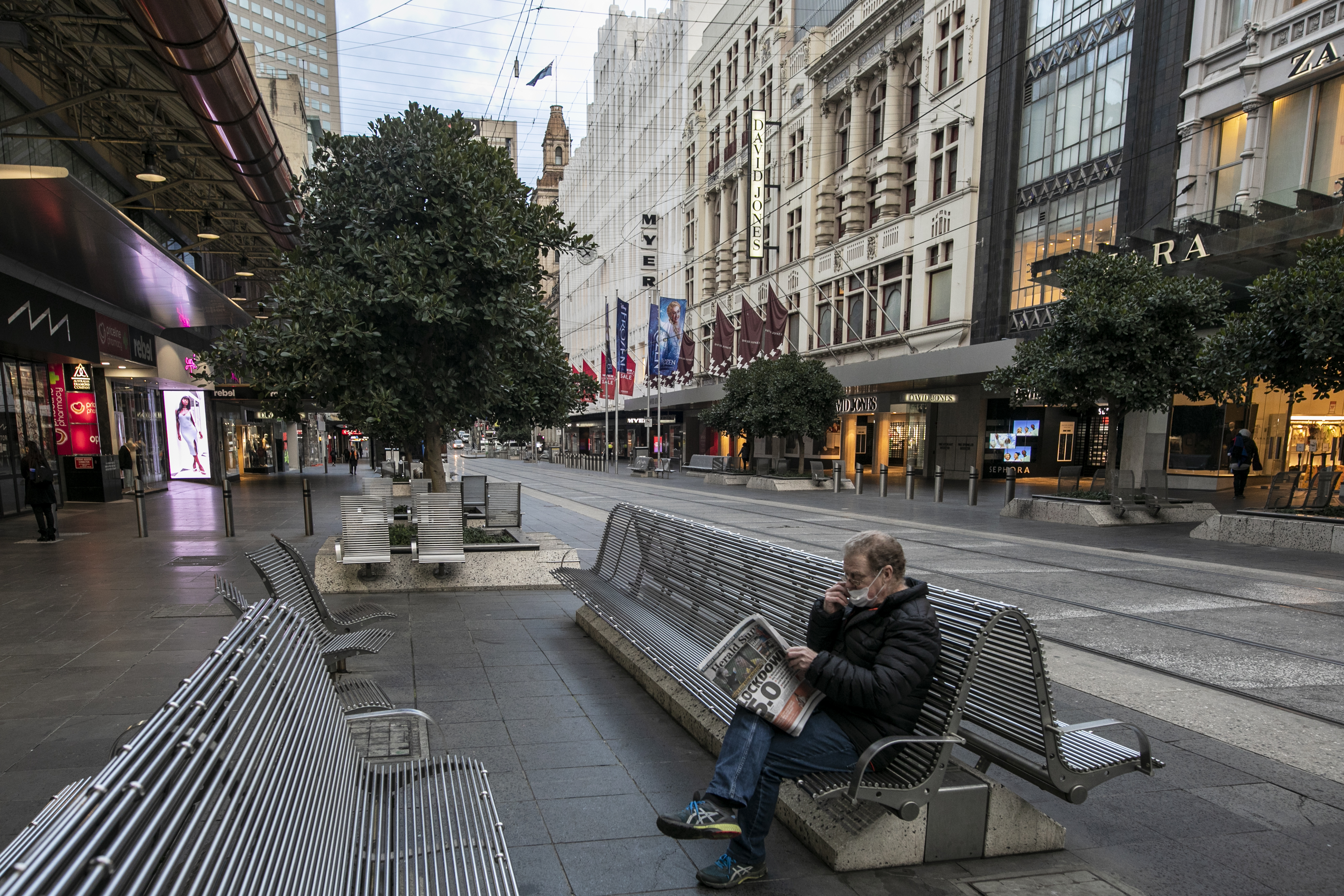
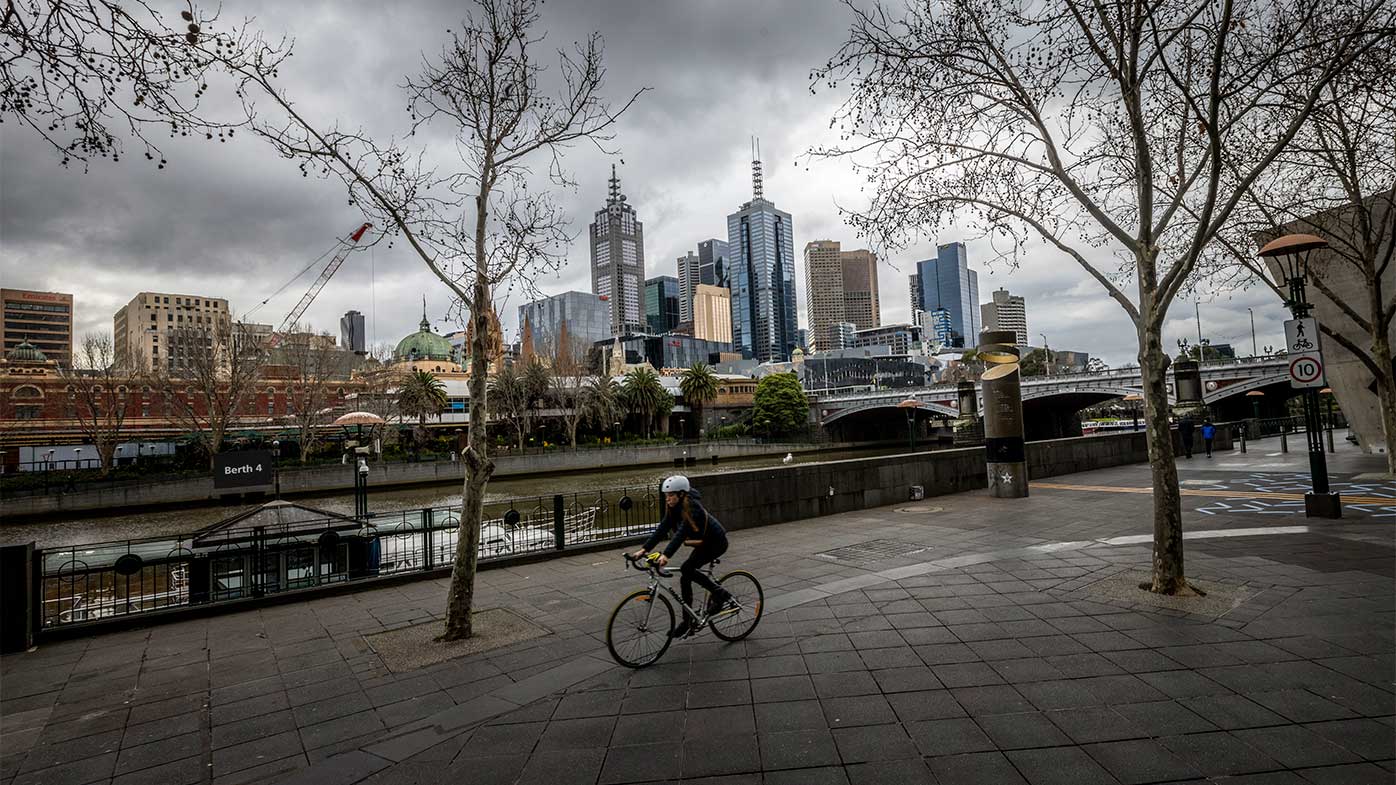
This is Victoria's fifth major lockdown since the pandemic began, with today's latest infection numbers coming as the state grapples with a growing number of exposure sites.
READ MORE: New school-related cases of COVID-19 in Victoria
The latest outbreak is believed to be a result of three removalists who drove from NSW to South Australia, stopping in Victoria on the way, and a family who moved from Sydney to Melbourne and broke quarantine rules.
Furniture removalists from red zones have now been barred from entering Victoria for at least two weeks.
The current lockdown is set to end at midnight Tuesday, but Mr Andrews has warned it is too early to predict what will happen.
Lucky numbers are in for tonight's $12 million Lotto draw
No one has won tonight’s First Division $12 million Powerball jackpot but three people stand to win $333,333.The winning numbers drawn at 8pm tonight were: 3, 5, 8, 11, 32, 36. The bonus ball was 37 and the Powerball was 3.The…
Aussies vaccinated with AstraZeneca face potential European travel hurdles
Australians vaccinated with the AstraZeneca jab face potential problems visiting Europe, thanks to a quirk in the European Union's vaccine approval process.
Despite the Aussie-made vaccine being identical to those made in Belgium, the Netherlands and the UK, it's not technically authorised in Europe because AstraZeneca hasn't registered CSL's Melbourne facility with the European drugs regulator.
Facilities in the USA, Korea and even China have all been registered but the European Medicines Agency has confirmed the labs pumping out millions of doses in India and Australia haven't been registered.
READ MORE: Restrictions tightened in NSW as 111 new local COVID-19 cases recorded

This has left 5 million Brits and millions of others vaccinated with the Indian-made vaccine, in India and throughout Africa, facing uncertainty.
9News.com.au has confirmed that Australians vaccinated with AstraZeneca are in the same boat.
The EU's COVID-19 certificate allows EU residents to move freely in the 27-nation bloc as long as they have been vaccinated with one of the four shots authorised by the EMA, have a fresh negative test, or have proof they recently recovered from the virus.
But European Commission spokesman for health, food safety and transport Stefan De Keersmaecker said countries were not required to issue certificates for vaccines not authorised on their territory.
"When it comes to the EU Digital Certificate, there are two possible ways of recognising certificates for travellers from abroad," he told 9News.com.au.
"First, where the national health system allows for it, member states may issue an EU Digital COVID certificate on a case by case basis for persons vaccinated in a third country with a vaccine that has been authorised in the EU or that has been listed by the WHO for emergency use.
"It is for member states to verify if the holder presents reliable proof of such a vaccination."
READ MORE: Sydney braces for another COVID-19 spike as Berejiklian predicts cases to rise
The second option involves the commission centrally approving another country's vaccine certificate, if technical limitations allow.
Australian-made AstraZeneca has been approved for WHO emergency use and as many as 15 EU countries have reportedly already decided to recognise the Indian-made jab but France, Italy and Croatia are among the holdouts.
AstraZeneca told 9News it was working with global partners to get more production sites approved by the EMA World Health Organisation and other regulators.
But it wouldn't confirm whether or not that process was underway for the Melbourne lab.
"It should be noted that all AstraZeneca COVID-19 vaccine doses meet the same rigorous quality standards no matter where they are made as each batch passes over 60 quality tests as part of our robust quality assurance process," an AstraZeneca spokeswoman said.
The Serum Institute of India told the UK Telegraph it was likely to take weeks to resolve the issue, dealing with countries on an individual level.
With the majority of Australians banned from leaving the country, the red tape is unlikely to affect many travel plans in the near future but may need to be addressed before international travel resumes.
READ MORE: Positive case at Wallabies Test, MCG exposure advice upgraded
The certificate is not the only way to enter and travel within Europe. Negative PCR tests are also accepted and Individual EU countries are free to apply their own rules for travellers from inside and outside the bloc. But their rules vary widely, creating further confusion for tourists.
Several EU countries, including Belgium, Germany and Switzerland, allow people to enter if they have had non-EU-endorsed vaccines but several others don't.
British couple Steve and Glenda Hardy told The Telegraph they were "gutted" when they were blocked from boarding a flight to Malta to see their son for the first time in more than a year.
It's also worth noting that Australia is one of the few countries in the world from which non-essential travel to the EU is currently freely permitted, thanks to low level of COVID-19, but that status is not guaranteed.
The EMA told 9News.com.au that if AstraZeneca wanted to register the Australian site, it would need to apply for a "variation" to the vaccine's marketing authorisation.
"A variation application includes information on the new site supported by various test results confirming the quality of the vaccine manufactured at the new site and comparing it to the currently authorised vaccine," an EMA spokeswoman said.
– With Associated Press