More than 800 reports of Covid 19 misinformation and more than 30 reports of vaccine scams have been reported, but that likely represents a fraction of the real number affected.This comes as more anti-vaccine flyers are turning…
Tag Archives: oceania
Nurses lift strike notices after revised pay contract offer, now for members to decide
Nurses have lifted their strike notices after a revised pay offer totalling $408 million and commitment to work towards settling a pay equity claim by early next year. Last month 30,000 nurses walked off the job when contract negotiations…
Waiheke marina protester appears in court on wilful trespass charges
A large group of people supporting Waiheke Island protesters descended on Auckland District Court today as one appeared for trespass charges. Warren Matahaere was arrested and charged yesterday when police officers broke up a group…
Herald afternoon quiz: July 16
Test your brains with the Herald’s afternoon quiz. Be sure to check back on nzherald.co.nz for the morning quiz tomorrow. To challenge yourself with more quizzes, CLICK HERE.
How human trash in Australian bird nests changed over 195 years
Environmental scientists see flora, fauna and phenomena the rest of us rarely do. In this series, we've invited them to share their unique photos from the field.
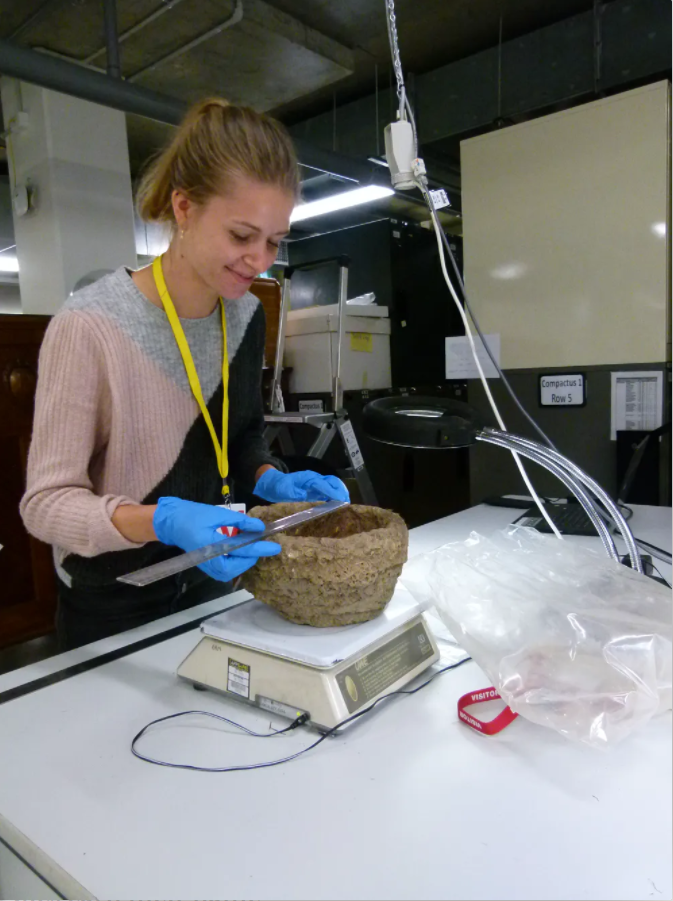
When we opened a box supplied by museum curators, our research team audibly gasped. Inside was a huge Australian magpie nest from 2018.
It was more than a metre wide and made up of the strangest assortment of items, including wire coat hangers, headphones, saw blades and plastic 3D glasses — a mix of detritus reflecting our modern lifestyle.
This was one of almost 900 Australian nest specimens dating back over 195 years that we inspected for our recent, world-first study.
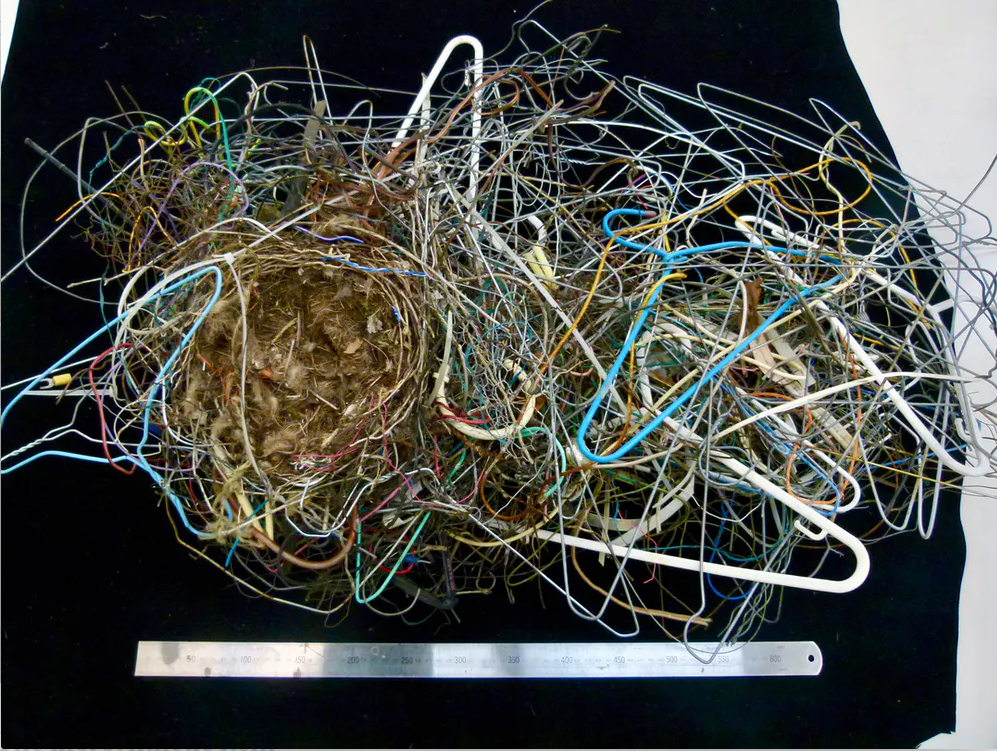
We estimate that today, around 30 per cent of Australian bird nests incorporate human-made materials (primarily plastics). We also noted a steady increase in nest parasites over this period.
It's clear the types of debris the birds use has reflected changes in society over time. They highlight the unexpected and far-reaching ways Australians impact their environment, and put birds in danger.
The first synthetic item
Birds and humans have been sharing spaces and habitats throughout history.
It's well known birds incorporate material from their environment into their nests, making them ideal indicators of environmental changes and human activity. It's also well known, particularly among scientists, that museum collections can provide unique insight into environmental changes through time and space.
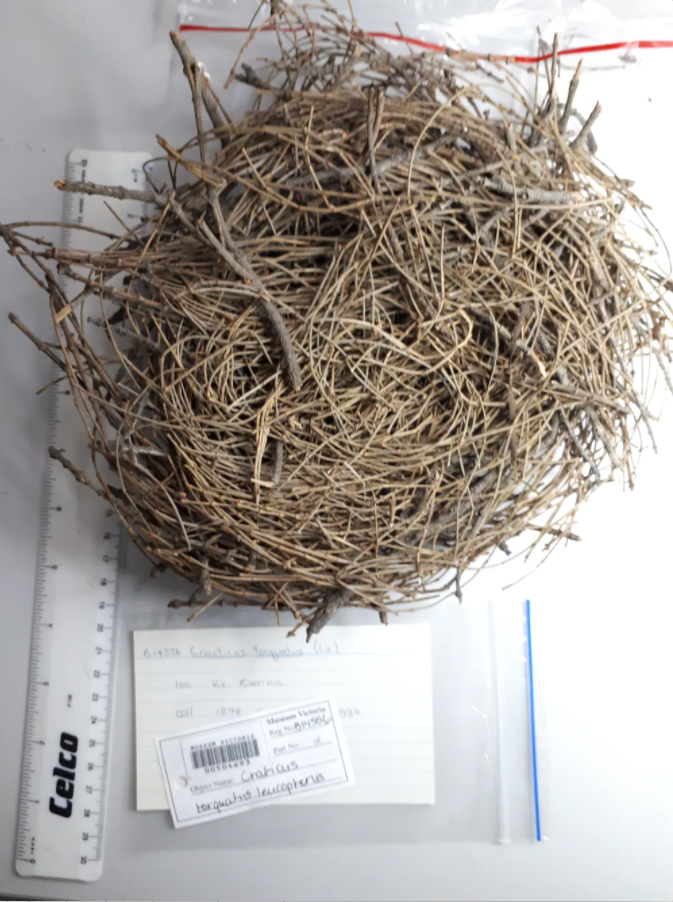
With this in mind, our international team investigated Australian museum bird nest specimens collected between 1823 and 2018. Sourced from Museums Victoria and CSIRO's Crace Site in Canberra, we inspected a total of 892 nests from 224 different bird species.
Australian birds generate an amazing array of nest types. Rufous fantails, for example, build delicately woven structures made of fine grass and spiderwebs, while welcome swallows and white-winged choughs create nests out of mud, which dry incredibly hard and can be used year after year.
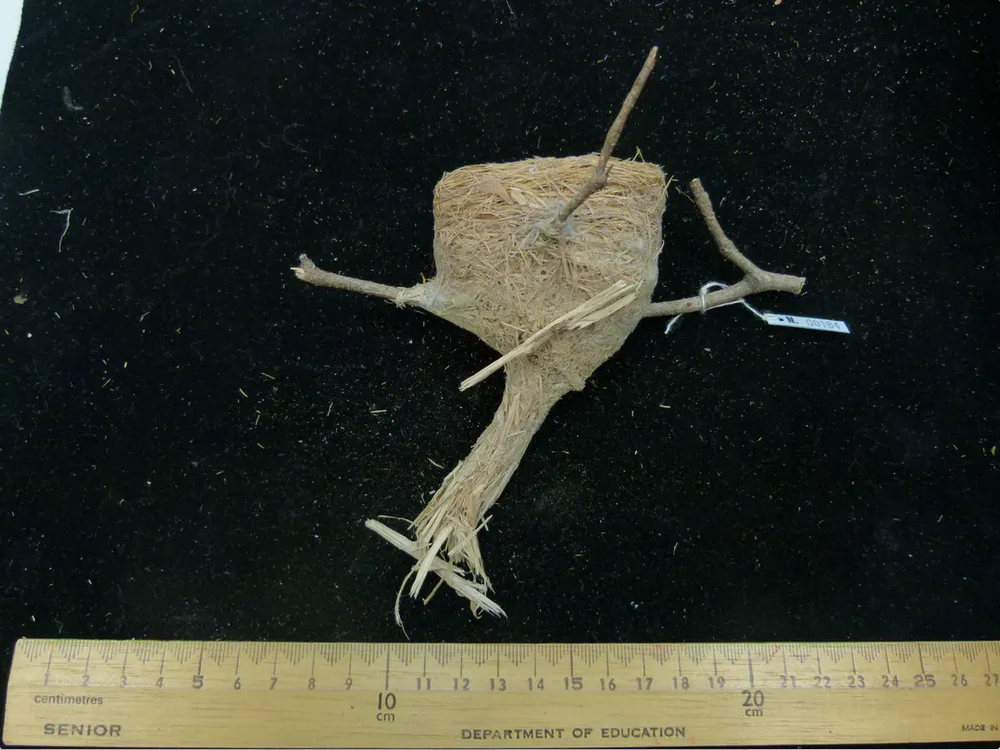
Before the 1950s, human-made debris found in the nests consisted of degradable items such as cotton thread and paper.
This changed in 1956, when we found the first synthetic item in a bird nest from Melbourne: a piece of polyester string. This appearance correlates with the increased availability of plastic polymers across Australian society, seven years after the end of the second world war.
Australian magpies earn their name
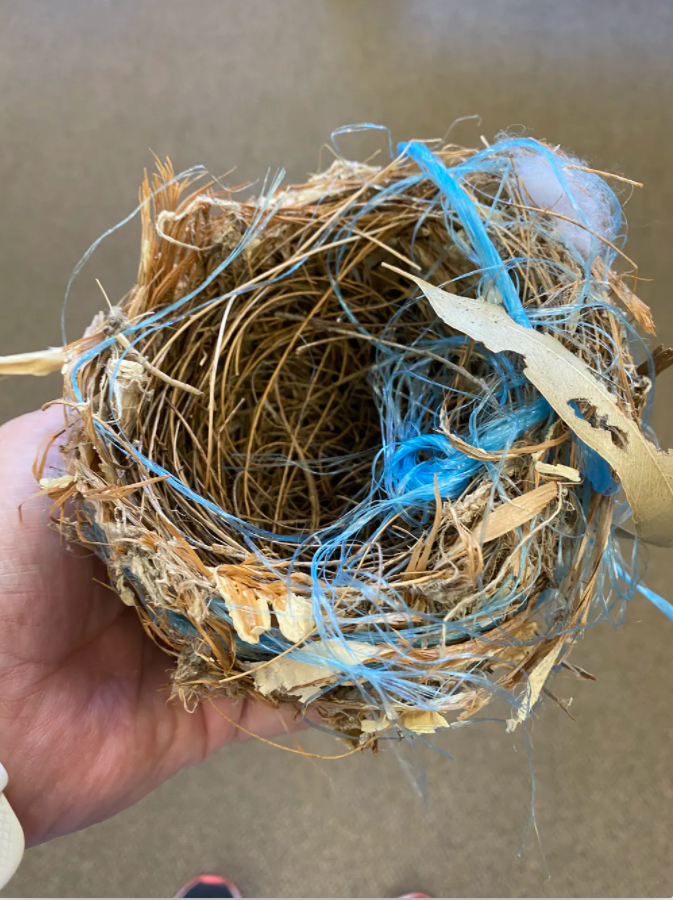
We also determined, based on collection date and using historical maps, whether the nests came from natural, rural or urban landscapes. And it turns out the nest's location, when it was built, and the species that made it largely determined whether human-made materials were present.
Our study found nests built close to urban areas or farmland after the 1950s by birds from the families Craticidae (Australian magpies and butcherbirds), Passeridae (old world or "true" sparrows) and Pycnonotidae (bulbuls) had significantly more human-made debris.
Familiar to many an urban bird enthusiast, these species tend to adapt quickly to new environments. The incorporation of human materials in nests is likely one example of this behavioural flexibility.
The research team also had access to ten bowerbird bowers from the family Ptilonorhynchidae, spanning more than 100 years. Male bowerbirds are known for creating elaborate structures, decorated with a range of colourful items to attract a mate.
In the 1890s, the birds decorated their bowers with natural items such as flowers and berries. Newspaper scraps were the only human-produced items we identified.
This changed dramatically 100 years later, where the most sought-after items included brightly coloured plastics, such as straws, pen lids and bottle caps.
But there are tragic consequences
When birds weave non-biodegradable materials — such as fishing line and polymer rope — into their nests, it increases the risk of entanglement, amputation and even accumulation of plastics in the gut of nestlings.
For example, we found evidence of one pallid cuckoo juvenile dying in 1981 after it was entangled in plastic twine used by its adoptive bell miner parents.
Plastic was not the only issue. We found the prevalence of nest parasites that attack the young chicks also increased by about 25% over the last 195 years.
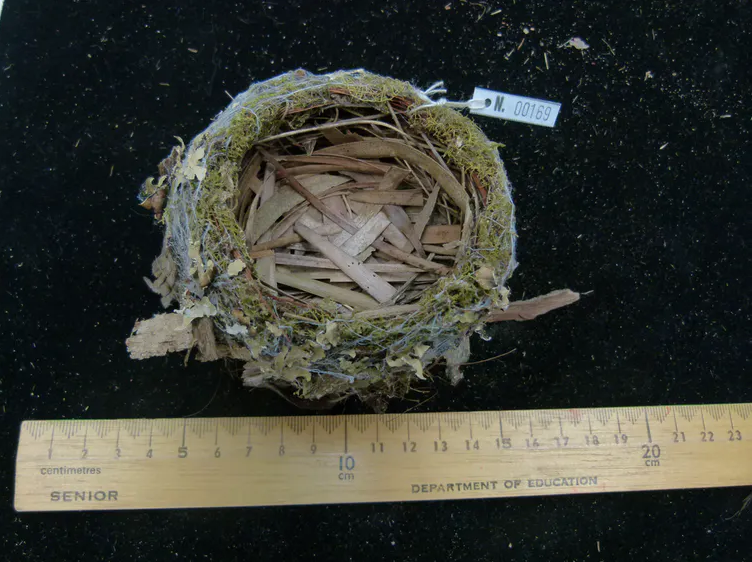
Nest parasites can kill huge numbers of nestlings. Recent research into the forty-spotted pardalote in Tasmania, a threatened species, has shown nest parasites kill up to 81% of its nestlings.
What has caused this increase isn't clear. However, the team determined it wasn't directly linked to urban or rural habitat type, or the presence of human-made materials in the nest. This goes against the findings of other studies, which show a decrease of parasites in nests that incorporated items such as cigarettes.
Interestingly, we did find eucalyptus leaves might deter parasites, as nests that incorporated them were less likely to show evidence of parasitism.
It may be, therefore, that sticking with certain natural materials is not only better for the safety of nest inhabitants, but also may have an added effect of pest control.
Stop littering, please
While most are aware of how plastics harm sea life, our study is one of the first to show the impact goes further to harm animals living in our own backyard. If the trend continues, the future for Australian birds looks bleak.
However, we can all do something about it.
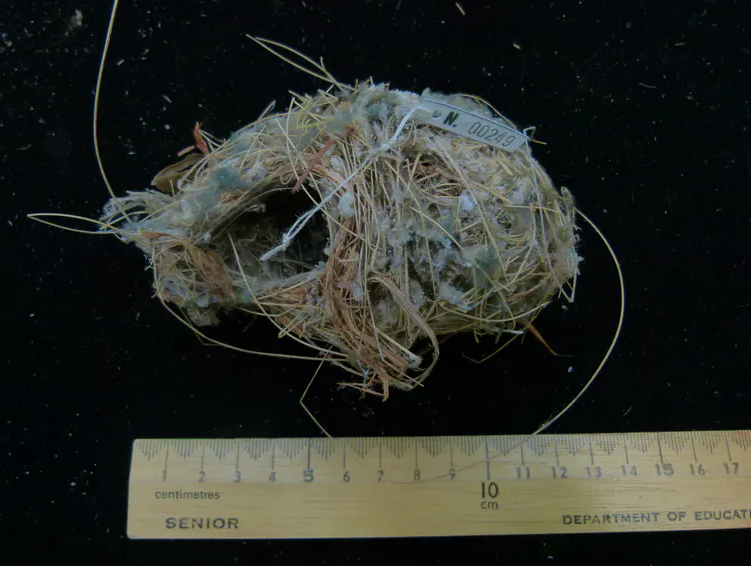
It is as simple as being responsible for our rubbish and supporting proposed legislation and campaigns for moving away from single-use plastics.
The team had access to nests from 224 different species, which equates to only about a quarter of Australia's total of 830 bird species.
There is still plenty more to discover.
This story originally appeared on The Conversation and has been reproduced with permission.
Severe wind warnings in place
Severe weather warnings are in place for parts of NSW and South Australia as a complex low-pressure system mixes with strong troughs over the Great Australian Bight.
Meteorologists warn damaging winds are expected in Adelaide, Mount Lofty Ranges, West Coast, Lower Eyre Peninsula, Eastern Eyre Peninsula, Yorke Peninsula, Flinders, Mid North, Kangaroo Island, Lower South East and parts of Riverland, Murraylands, Upper South East, North West Pastoral and North East Pastoral districts today, while gale warnings are also in place for coastal regions.
LIVE UPDATES: All the latest breaking news on coronavirus in Australia and the world
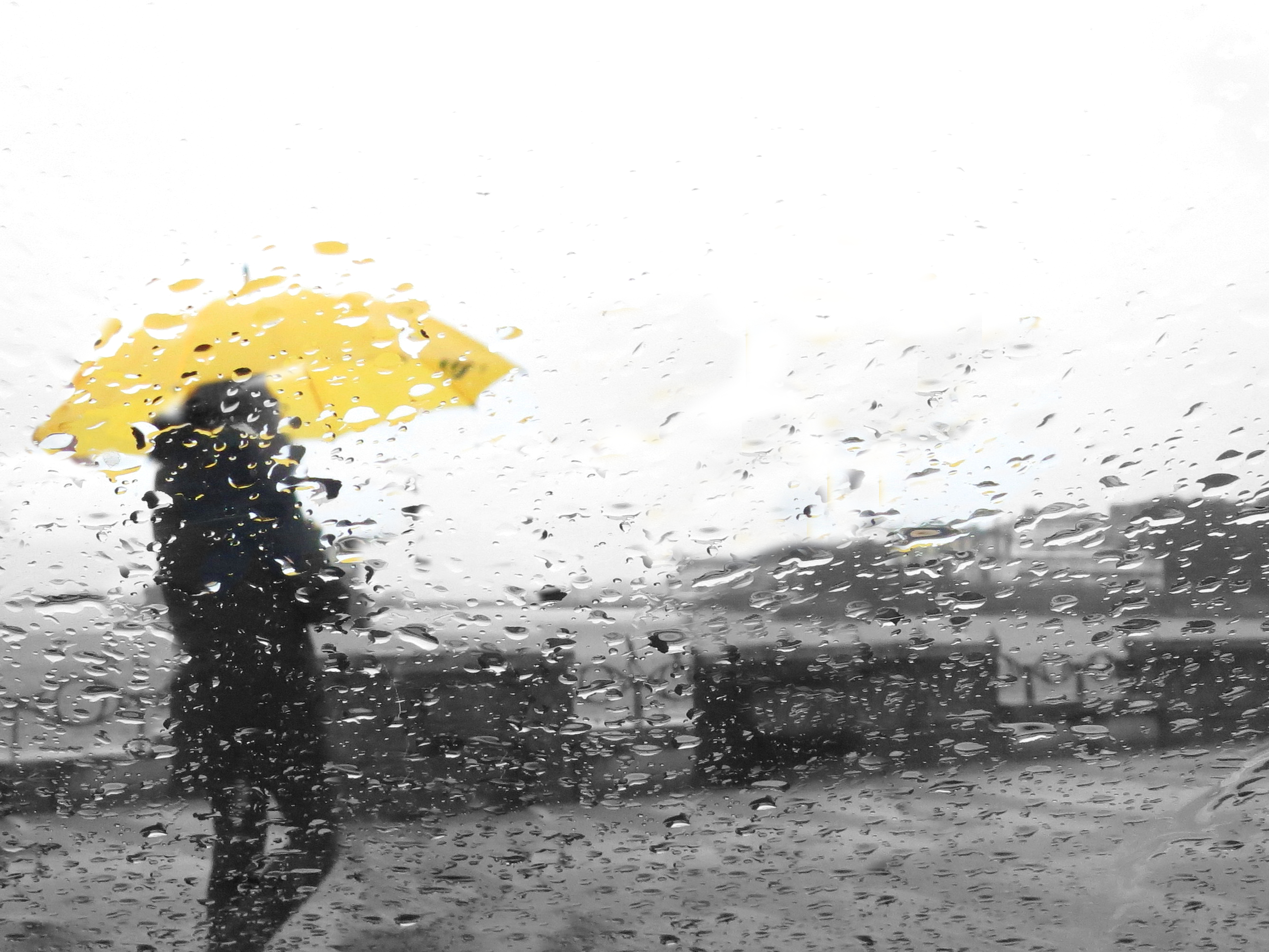
Gusty showers and storms are also expected in other parts of South Australia, while Tasmania, Victoria, NSW, and southern parts of Queensland will also see intense winds and showers.
In NSW, the Illawarra and parts of the South Coast, Central Tablelands, Southern Tablelands and Snowy Mountains have a damaging wind warning in place while flood warnings are in place for the Upper Macintyre And Severn Rivers at Inverell and Ashford in coming days.
https://twitter.com/CFSAlerts/status/1415798250439913485?ref_src=twsrc%5Etfw
The turnabout in weather comes after parts of NSW saw a taste of spring and summer yesterday afternoon with temperatures peaking over 23C just after 2pm.
This was Sydney's warmest winter day of 2021 and the city's warmest day since May 14.
The hint of heat was brief though, with a cold air pocket rolling in from the coast just after 4pm, bringing the odd shower and a temperature drop of 7C in a matter of minutes.
READ MORE: Wild wet weather moving over Australia's south
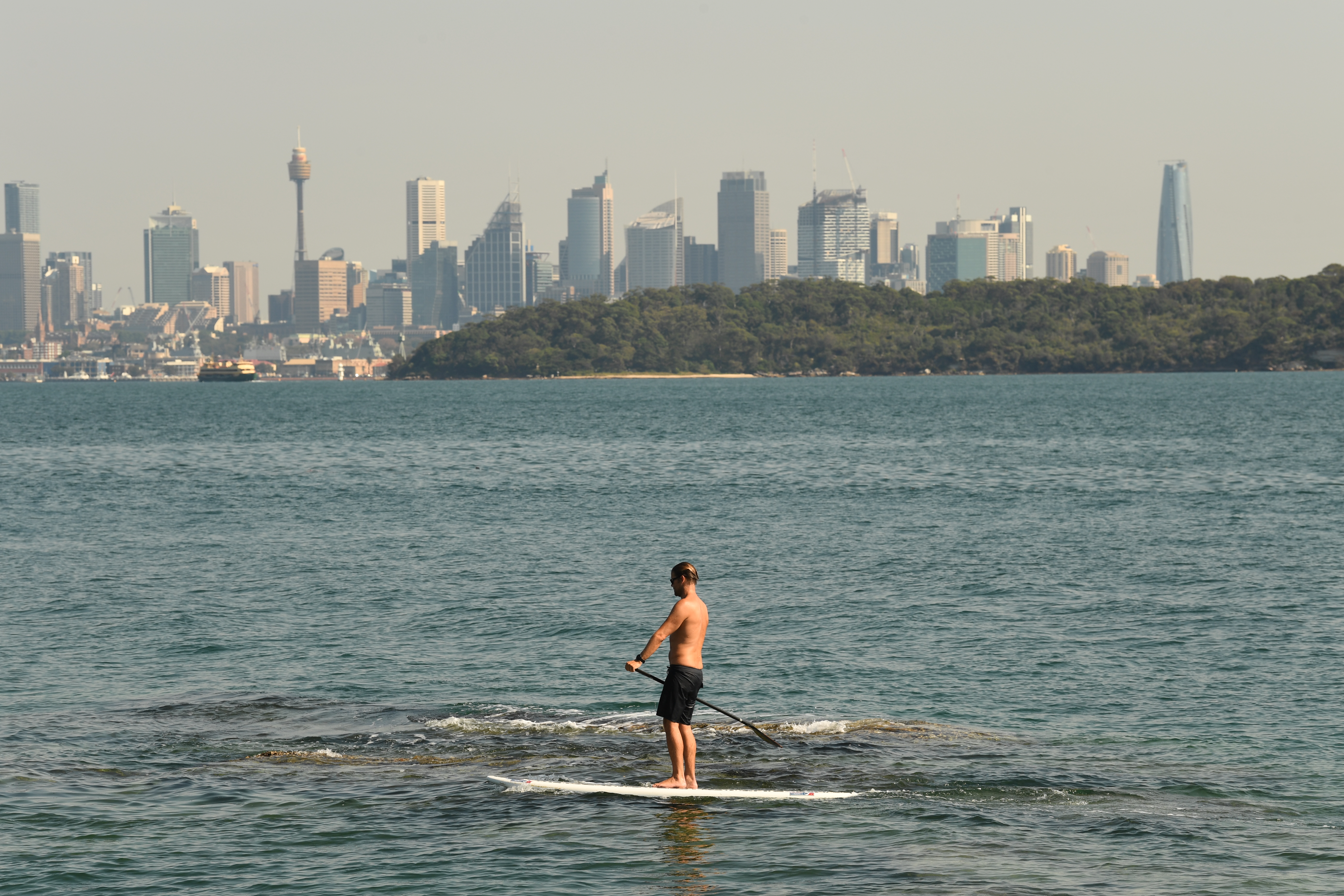
But meteorologists say some warm weather will stick around for the east coast of Australia today, before those wind warnings really take effect in the south.
A high-pressure system is building in Australia's west causing showers to clear in southern WA.
This comes as welcome reprieve after the west coast has been inundated with intense storms and flooding, particularly in the south around Jurien Bay over the past two weeks.
Almost 12m in lockdown with country's two biggest cities trapped
Almost 12 million people are waking up in lockdown as Victoria joined Sydney in issuing a new order for residents to stay at home.
Victorian Premier Daniel Andrews announced Melbourne's fifth lockdown yesterday afternoon, with the rest of the state also hit.
It's the first time this year Australia's two biggest cities have been in lockdown.
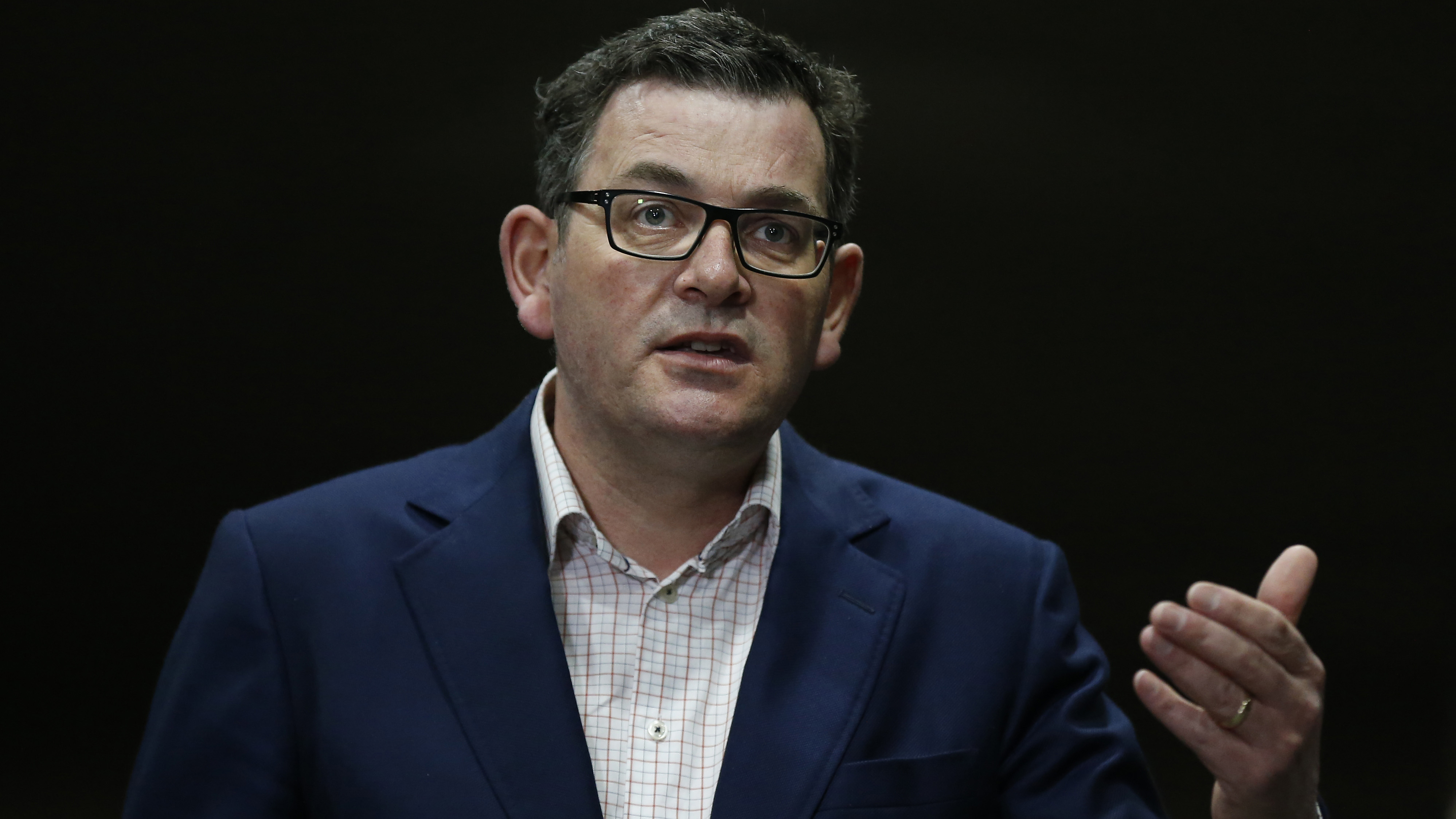
The five reasons to leave home in Victoria are to care for somebody, work, exercise, buy food and to get vaccinated or tested.
Schools are closed and people can only go 5km from home.
The outbreak was sparked by two removal men who travelled from Sydney and a family who moved to Melbourne and broke quarantine rules. The outbreak has ballooned to 18 cases.
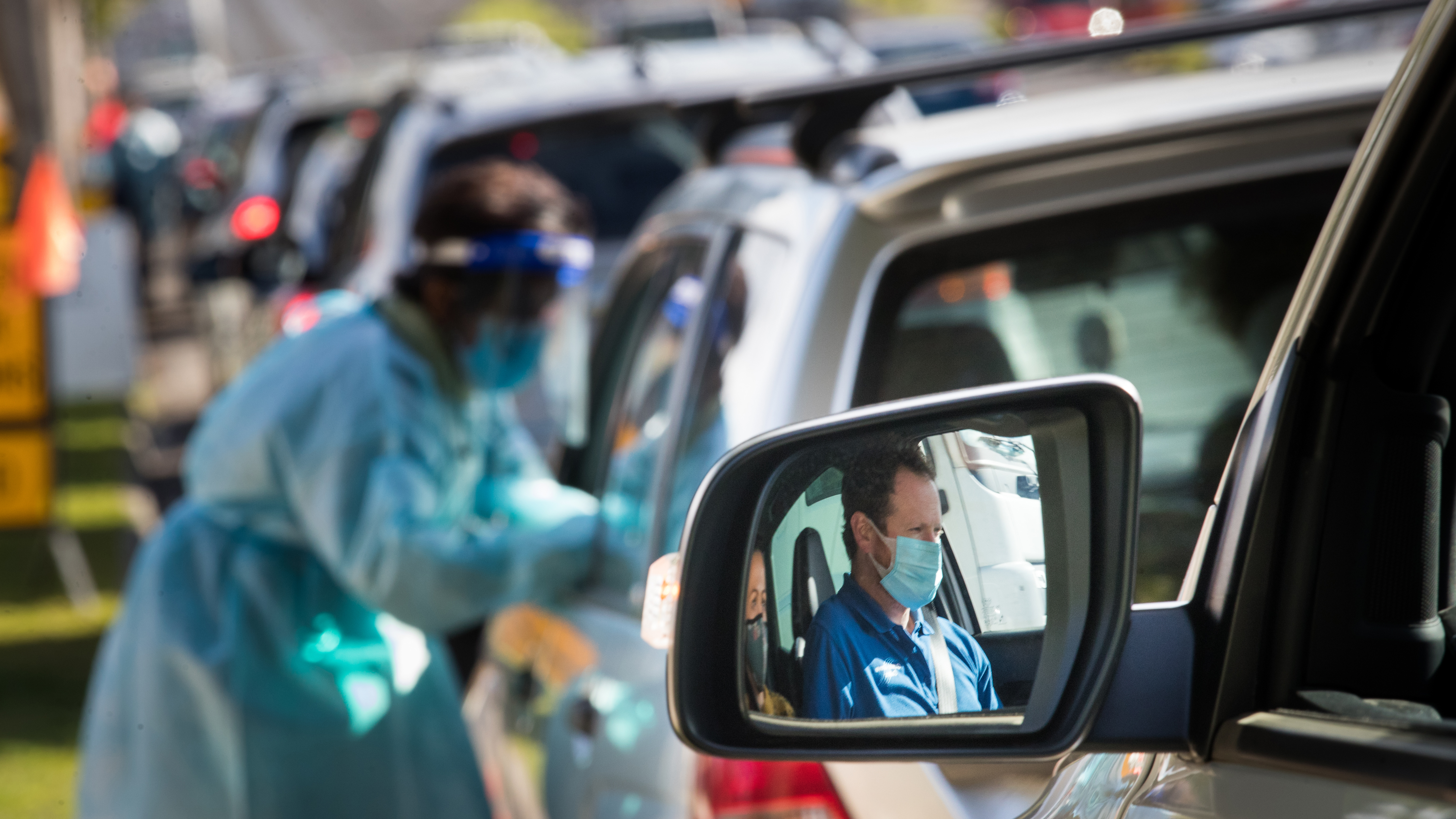
The latest lockdown will last for five days.
"You only get one chance to go hard and go fast," Mr Andrews, said.
Protests erupted at Victoria's state parliament in the city in response to the new lockdown.
Prime Minister Scott Morrison said earlier this month when he announced the nation's coronavirus plan that lockdowns should be a last resort.
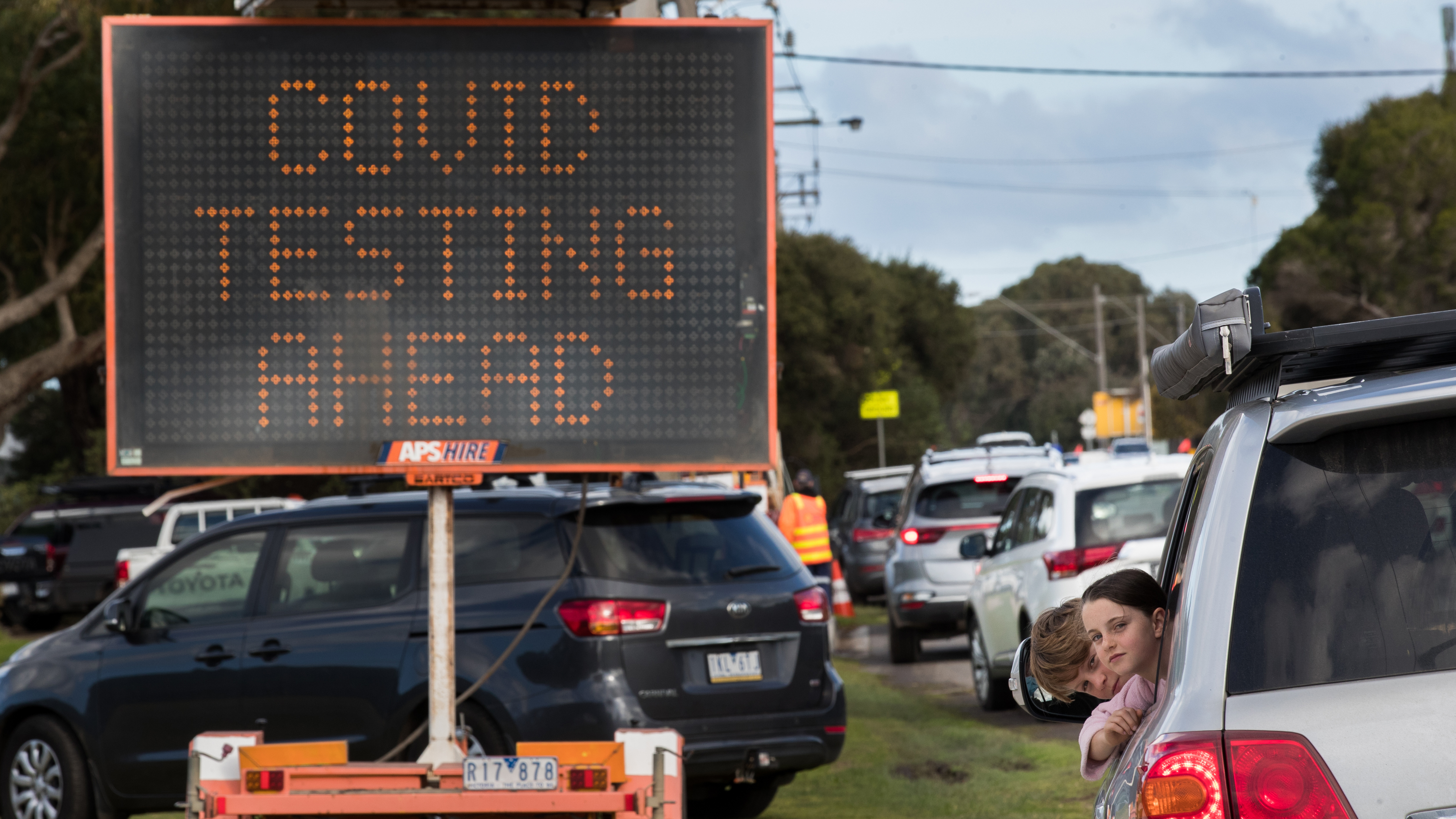
Places visited by positive cases have grown.
Meanwhile, a spike in cases is expected over the next few days in Sydney.

Of 65 new cases yesterday, 28 had been out and about before being diagnosed.
A total of 46 were in south-west Sydney, with a particular warning issued for people not to go to the GP or pharmacy while awaiting test results, after many became exposure sites.
An aged care home in the city's west, Minchinbury Manor also has cases, though most residents and staff are vaccinated.
Three hospitals – Westmead, Liverpool and Campbelltown Hospital also have infections.
Three paramedics from Liverpool also have the virus.
Sydney's total case numbers are expected to pass a total of 1000 today.
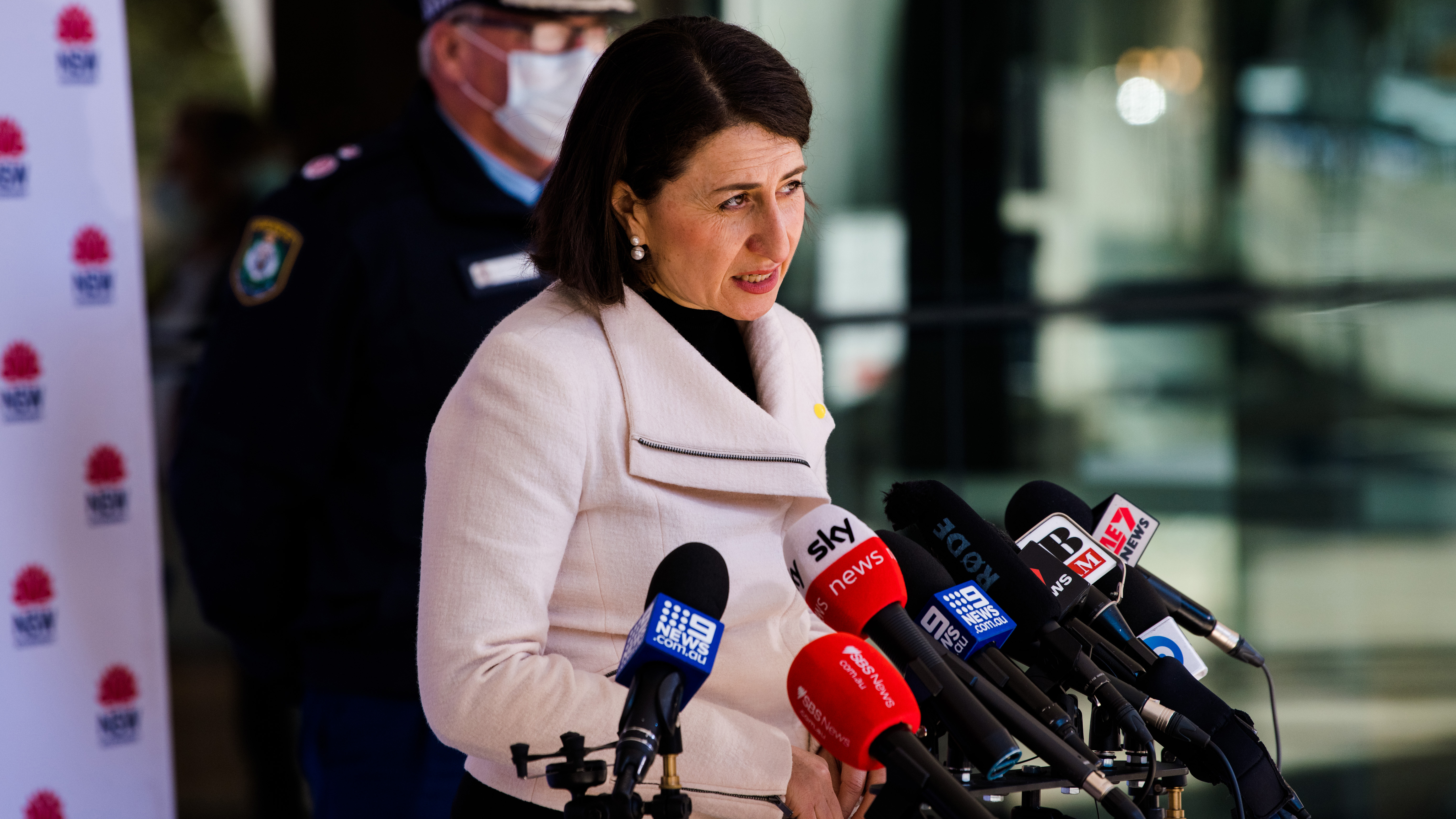
Meanwhile, Queensland recorded three cases yesterday, in Brisbane,
Officials said they were "concerned" as two of the three cases were not linked to the other.
Restrictions which were planned to ease such as mask wearing, were extended.
https://twitter.com/AnnastaciaMP/status/1415762340465844225?ref_src=twsrc%5Etfw
Despite having no cases, South Australia has cut venue capacity to half and masks have bee reintroduced in many indoor settings.
The state closed the border to Victoria at midnight.
Weather: Strong winds buffet North Island as south prepares for deluge
Strong winds are beginning to buffet the lower half of the North Island as torrential rain starts falling in the South Island. A rare “red warning” has been issued for parts of the West Coast, with residents told to brace for heavy…
Auckland motorway crash: Motorists warned to expect delays
Emergency services are at the scene of a crash on Auckland’s Southern Motorway that is expected to cause major problems ahead of the morning rush. Police are warning motorists using southbound lanes to expect delays after a crash…
Covid 19 coronavirus: Fiji cases surge by 1220 in a day
By RNZ Fiji has recorded 1220 new cases of Covid-19 in 24 hours.It is the largest number of cases in a single day since the latest outbreak began in April. Even before the latest figures were announced, Fiji had the highest number…