Wellington’s mayor is yet to take a stance on the Government’s three waters reform plan, prompting criticism from his colleagues that he is at odds with his own taskforce on the matter. The Government has announced a proposal to…
Tag Archives: oceania
Capital and Coast DHB has second lowest vaccination rate per capita
Capital and Coast DHB has the second lowest-per capita vaccination rate in New Zealand, Ministry of Health figures show. The vaccine rollout as at Wednesday July 7 showed only 9.7 per cent of people in CCDHB had received their…
Herald morning quiz: July 9
Test your brains with the Herald’s morning quiz. Be sure to check back on nzherald.co.nz for the morning quiz tomorrow. To challenge yourself with more quizzes, CLICK HERE.
Fears of spike in cases on day Sydney should have come out of lockdown
On the day Sydneysiders should be coming out of lockdown, they're instead staring down the barrel of a still-worsening coronavirus outbreak.
There are fears today's New South Wales coronavirus case numbers will surge once again as a spike in testing reveals something closer to the true spread of the virus in south-western Sydney.
9News reporter Lauren Tomasi reported overnight that the testing clinic at Fairfield had already recorded five positive cases by 5pm, from about 2500 tests.
READ MORE: Sydney's COVID-19 exposure sites boom as focus shifts to growing cluster
https://twitter.com/LaurenTomasi/status/1413030226808905730
"Indicates another spike likely for (Friday's) numbers. Police will be on the beat here focusing on compliance (with lockdown rules) from 7am," Tomasi said.
Fairfield has been identified by authorities along with Canterbury-Bankstown and Liverpool as the areas of growing concern of fresh spread of COVID-19 from the current wave crippling Sydney that started in Bondi.
Millions of residents in greater Sydney were due to have restrictions eased today before lockdown was extended for at least an extra week.
Premier Gladys Berejiklian said NSW would "get to where we need to go" at the end of the three-week lockdown if "every single person does the right thing".
"Experts have told us it is achievable. If it was not achievable, we would not have provided those details to the community," Ms Berejiklian said.
READ MORE: Supermarkets, Kmarts, chemists, Bunnings added to exposure sites list

"That's assuming everybody does the right thing and we work together to make sure we stop the spread."
It was a warning bizarrely echoed by Western Australia Premier Mark McGowan, who called on "flippant" Sydneysiders to stick to the lockdown rules.
Hundreds of thousands more vaccines and even the police are being sent in to south-west Sydney to combat the pandemic in its new epicentre, where vaccinations rates among older people are worryingly low.
New South Wales yesterday recorded its highest single-day rise in COVID-19 cases in more than a year with 38 infections recorded to 8pm on Wednesday.
https://twitter.com/NSWHealth/status/1412939556286963713
"The situation is serious enough that, according to Nine newspapers, three senior NSW ministers are considering whether to abandon the state's goal of zero local transmission and accepting that the more contagious Delta variant will circulate in the community.
Australian Medical Association president Omar Khorshid was quick to rule out the suggestion of living with the virus, arguing, NSW must "continue lockdowns until the virus is eliminated" or risk "disaster".
"There's no alternative to elimination," he said, adding that "nowhere in the world has any community been able to live with Delta without very significant levels of vaccination".
"We would be talking about long-term significant restrictions on people's movements from going in and out of lockdown, hospitals filling up with extremely sick people, and a devastating economic impact, not just on NSW but the rest of the country.
"We would see permanently closed borders between most other states and NSW, which would have (a) devastating impact on many families and businesses."
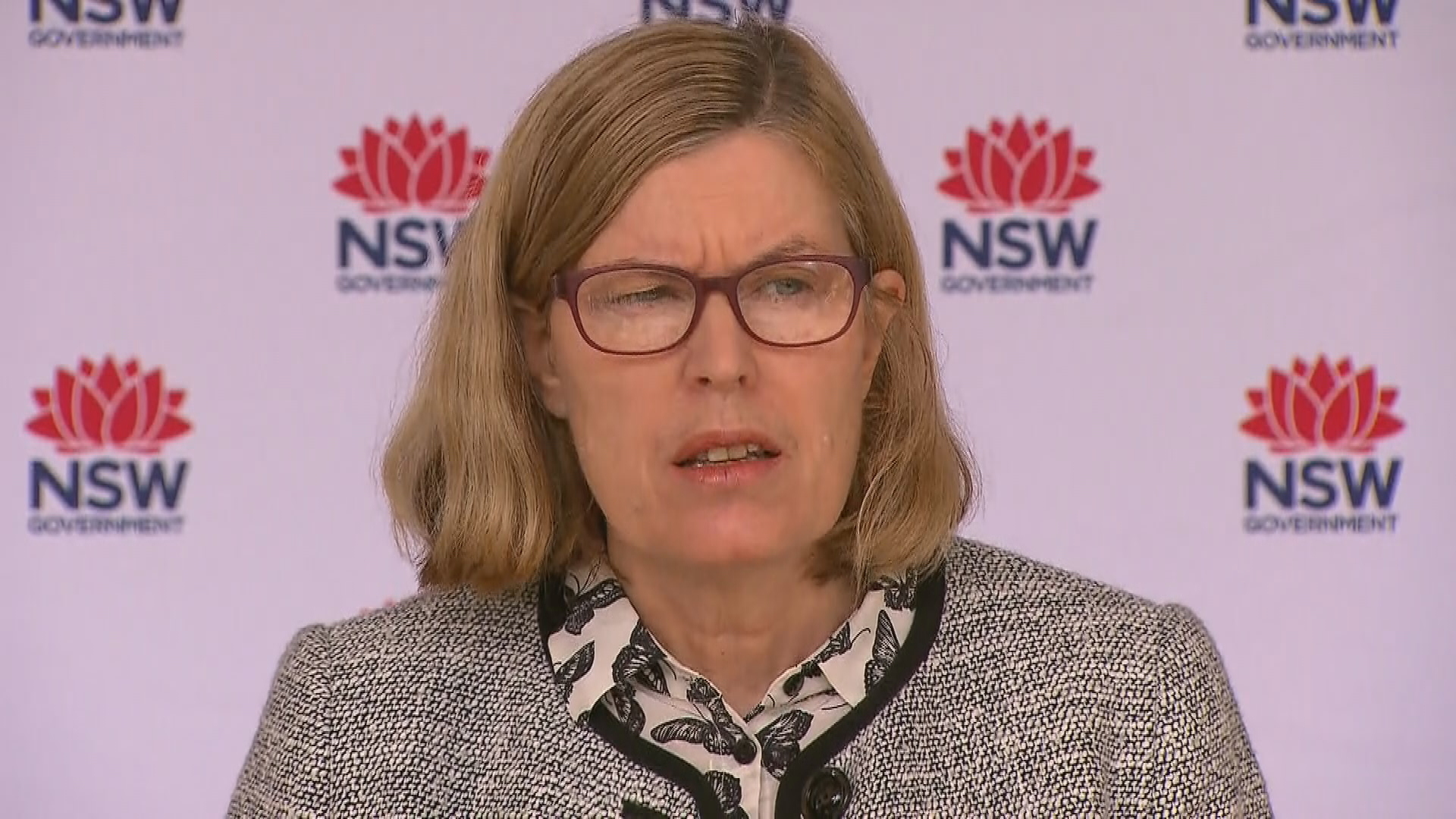
Chief Health Officer Dr Kerry Chant has defended her health advice to extend the lockdown, saying everything she has advised the premier has also been shared publicly.
"The assessment was that we needed this lockdown," Dr Chant said.
"We had tried everything, and once we had a sense that we had missed some unrecognised chains, we acted to try and lock down the minimum number of people that we could with still a massive impact."
Dr Chant said NSW Health's vision was to have 80 per cent of the adult population vaccinated before talking about living with COVID-19 in the community.
Family restrictions clarified
Dr Chant asked NSW residents to redefine who they classify as family as household transmission continues to present an ongoing challenge for the state.
For the purposes of the lockdown, she said the family unit only applies to anyone who lives in your household.
A person should only visit another household to deliver needed care.
In terms of shopping, only essential visits should be made.
"If you are going shopping, think about what you absolutely need, do the list, get in and out. This is not the time for browsing," Dr Chant said.
"We are asking the community to only shop for those essential goods.
"The reason we haven't defined essential is because clearly, people may need blankets, rugs, school shoes, these are the sort of things that are defined as essential."
Vaccination plea
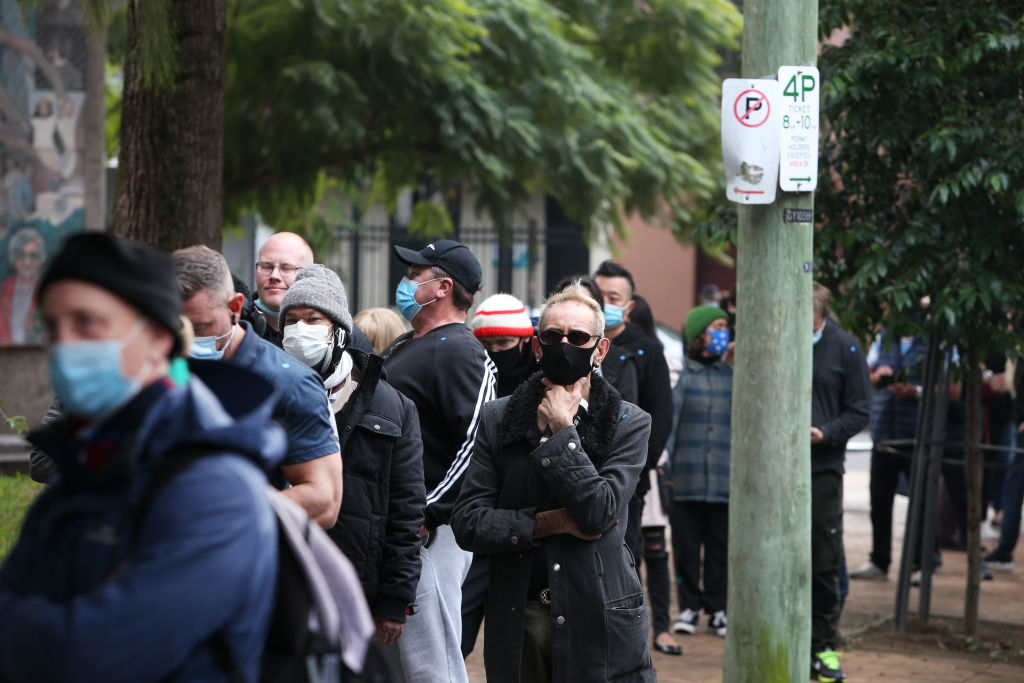
Ms Berejiklian called for all people in NSW over the age of 60 to ring their GP and get vaccinated.
"We can't pretend we're different in Australia, you can't live with the Delta variant unless you have a certain proportion of the population vaccinated. That is the bottom line," Ms Berejiklian said.
"If you have had the first jab of AstraZeneca, please go and get your second jab, and if you are younger than 60 and want the AstraZeneca, please go to your GP and get the advice. This is really important."
In response to a question about supply issues, Ms Berejiklian said NSW does not have control over the supply of vaccinations from the Commonwealth.
"We have always argued for extra supply of vaccinations, and that is the one thing the NSW Government can't control," Ms Berejiklian said.
"And we have always had a sense of urgency NSW about the vaccine."
Higher testing rates needed
Dr Chant again noted several suburbs in Sydney's south-west which are of particular concern.
The number of local cases in those communities continues to grow with authorities now focusing their attention on the areas of Fairfield, Canterbury, Bankstown and Liverpool.
Increasing rates of household transmission and lower testing numbers have prompted warnings from health officials for residents in those areas to reduce their contact with others and follow restrictions.
READ MORE: Aim to get all NSW students back in classrooms from July 19
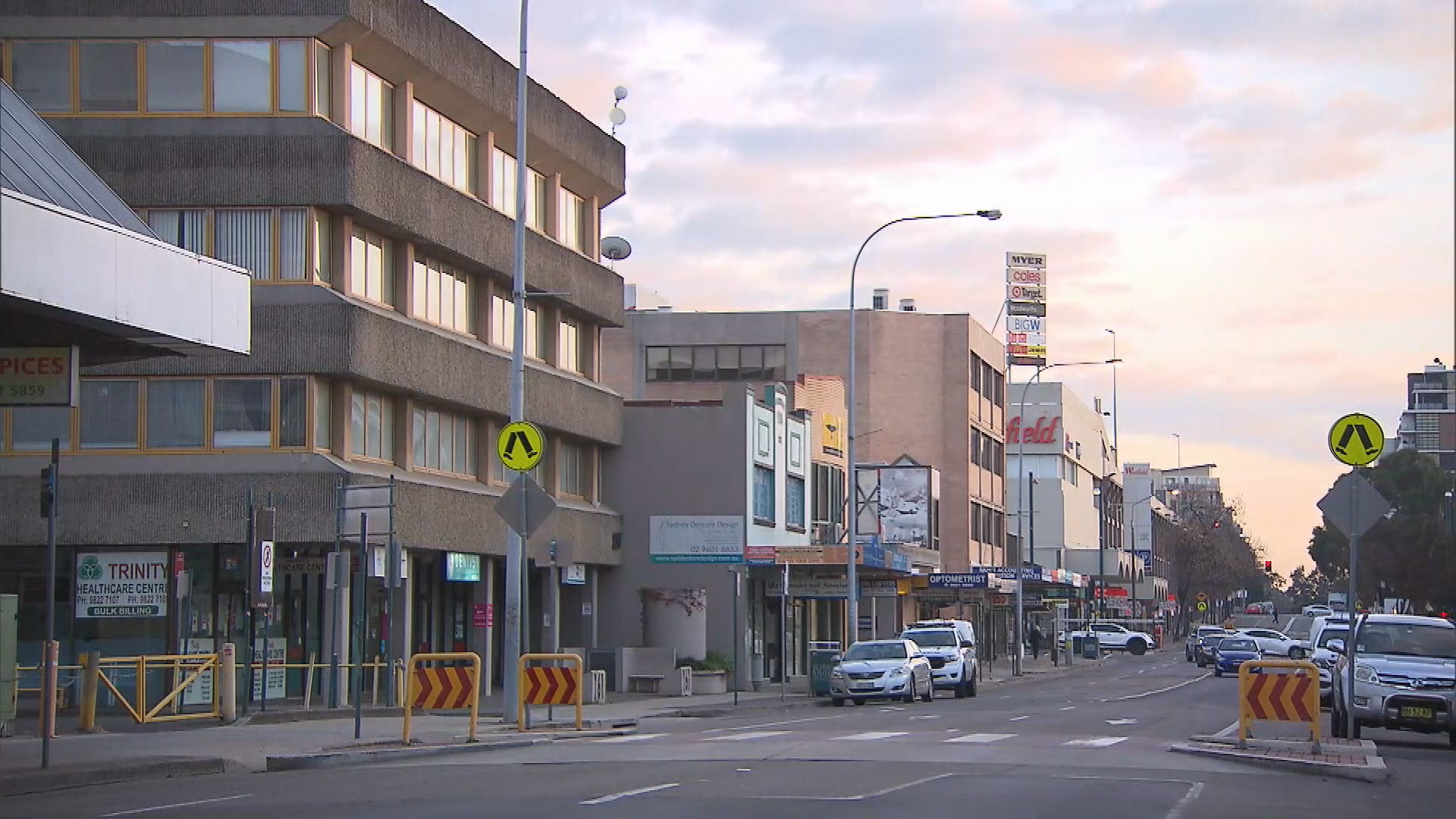
The state tested more than 39,000 people for the virus during the last reporting period, sustaining strong testing levels.
However recent data has shown certain government areas are falling behind with 14,000 people tested in two weeks in the eastern suburb of Bondi compared with fewer than 2000 in Fairfield.
Dr Chant emphasised that while residents in those communities should be on high alert, other suburbs around Sydney should not become complacent.
"It doesn't mean if you are in a different suburb you don't have to be worried," she said.
"It is critical that everyone sees themselves at risk."
READ MORE: How to claim the COVID-19 Disaster Payment
Western Australia woman's death linked to COVID-19 vaccine
Linda Burns received her AstraZeneca COVID-19 vaccine early last month.
Not long after, she began feeling ill with a nose bleed, sore throat, cough and headache. Her GP told her to go to hospital.
Three days later she was admitted to St John of God in Midland then transferred to Royal Perth where she suffered a brain bleed.
READ MORE: Vaccine boost for Sydney suburbs at risk of COVID-19
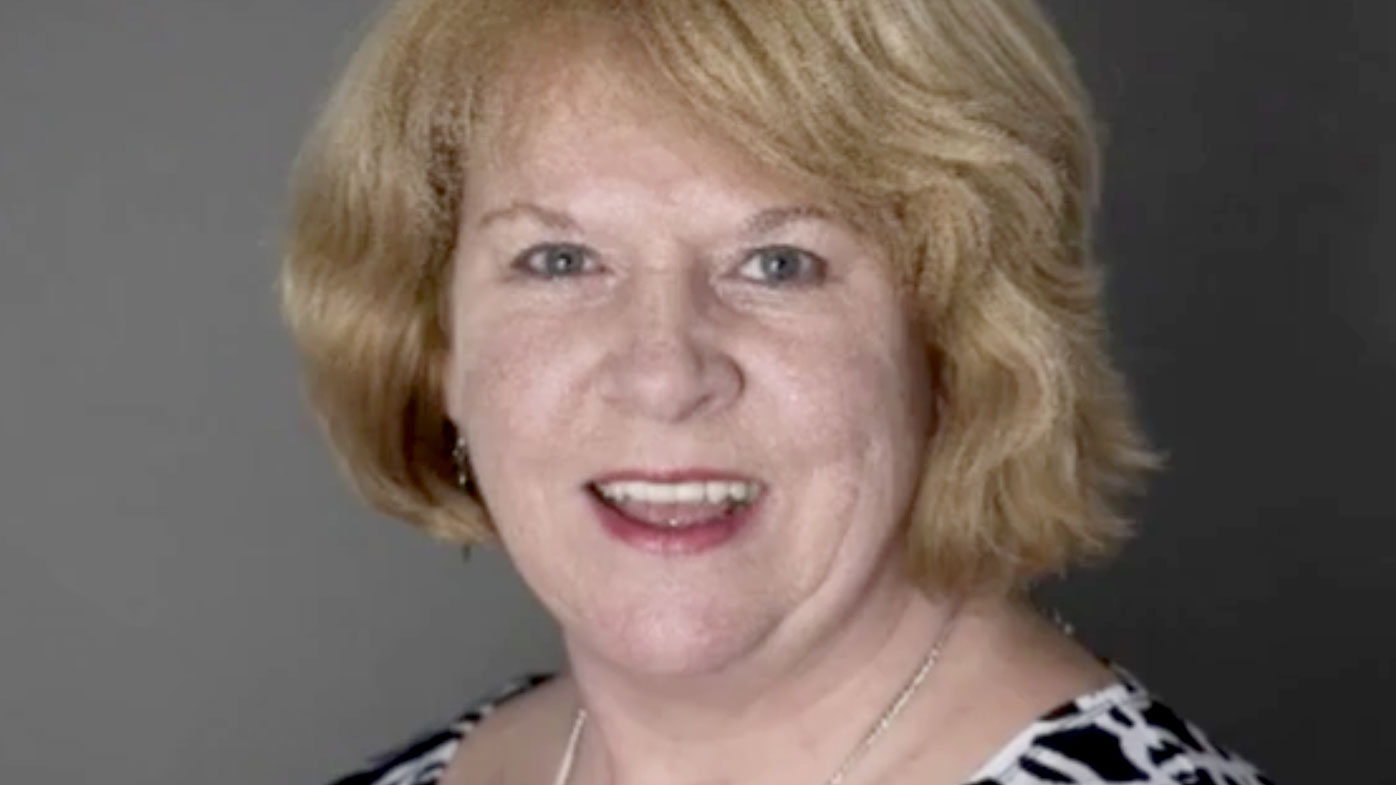
The Therapeutic Goods Administration today confirmed her death was "likely linked to the vaccine".
"This was based on the lack of strong evidence for other causes and the occurrence of the event being within a plausible time period after vaccination," the TGA said.
"While the woman had experienced a recent viral illness that could have theoretically caused ITP, the panel felt that the unusual severity of the event suggested that vaccination was a more likely cause."
READ MORE: 'No alternative' to NSW eliminating Delta, says top medical body
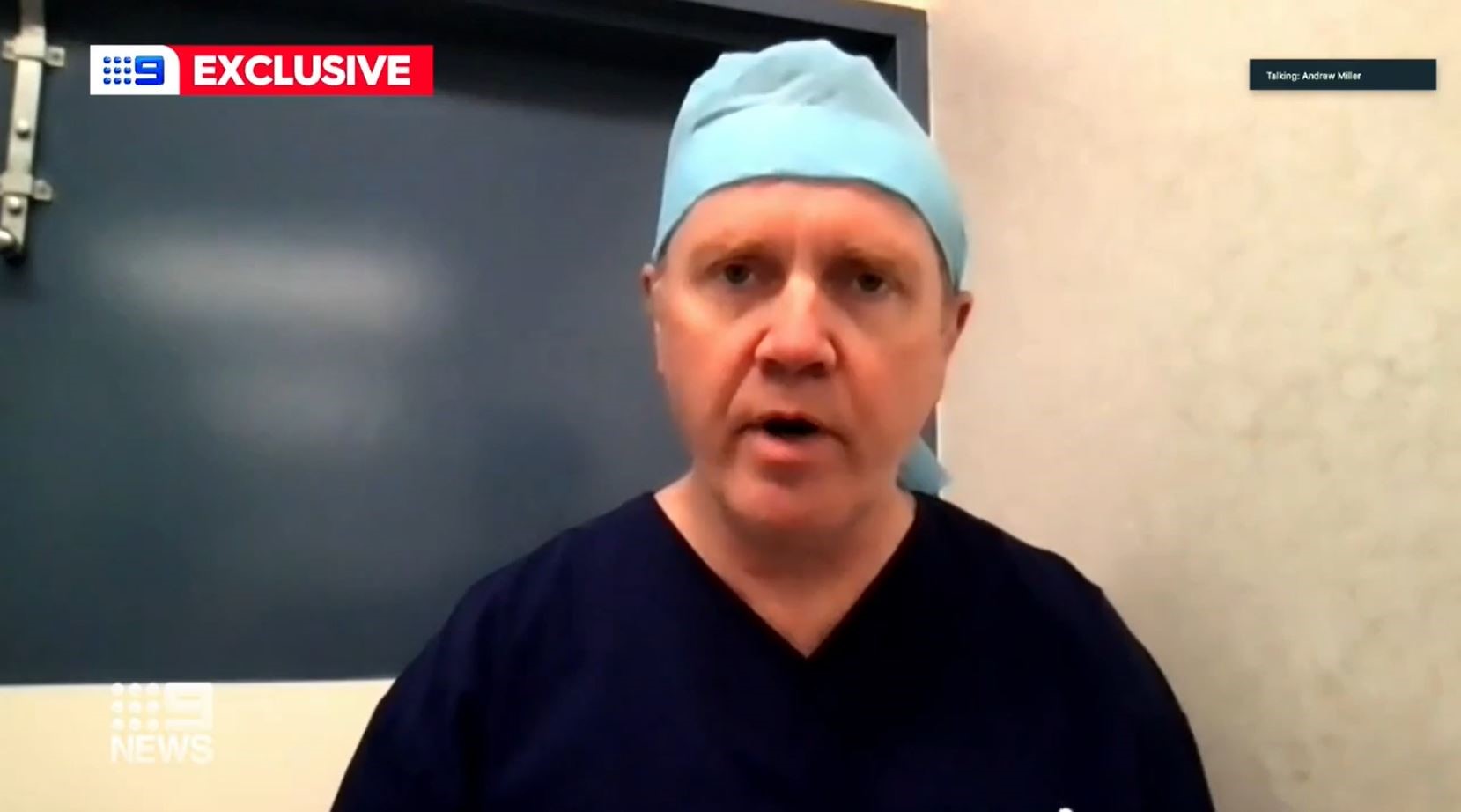
Dr Andrew Miller from the Australian Medical Association said Ms Burns' death following the vaccine was "an incredibly rare event".
"It's incredibly sad of course for those involved," Dr Miller said.
The 61-year-old's death is the third across the country connected to the vaccine. Five million doses of AstraZeneca have been administered.
But Ms Burns did not develop the same blood clotting disorder that claimed two other lives.
Instead, she had a severe case of immune thrombocytopenia or ITP – a rare bleeding disorder.
The health regulator estimates the risk of ITP is just one case per 100,000 AstraZeneca doses.
Doctors say the danger of COVID-19 is far greater than any risks from vaccines.
"The risk of COVID getting into the community is very real," Dr Miller said.
Investigations underway
Experts have repeatedly told Australians that the possibility of developing any life-threatening reaction to the vaccine is vanishingly small.
Immune thrombocytopenia (ITP) is a rare bleeding disorder that occurs when the immune system mistakenly destroys platelets, which helps the blood to clot.
It can occur after the immune system is activated, for example by a viral infection or vaccination, and has been reported with other vaccines for hepatitis B, measles, mumps, rubella and influenza.
Up to a third of people with ITP will have no symptoms at all, or have only minor bruising. However, about five percent develop severe bleeding.
The risk of ITP associated with the AstraZeneca vaccine is still being investigated and characterised, the TGA said.
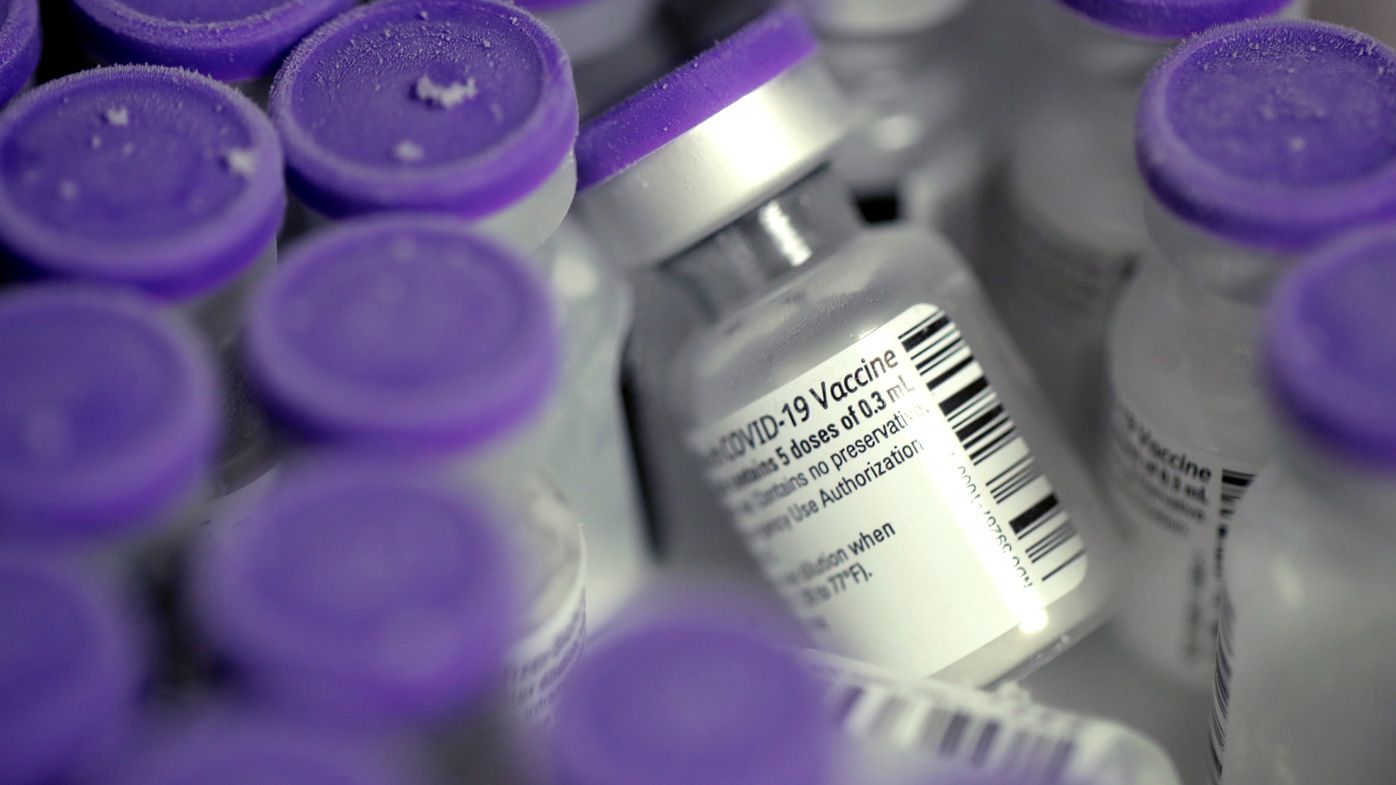
Preliminary findings from a recent Scottish study estimate the risk of ITP to be about one case per 100,000 AstraZeneca doses.
To July 4, 2021, the TGA has received 36 reports of suspected ITP.
"We encourage people to seek medical attention if they experience signs and symptoms that could suggest ITP, such as unusual skin bruising or clusters of small red or purple spots that do not lose their colour when pressed," the TGA said.
"Unusual bleeding is another sign, for example bleeding from the nose or mouth that is hard to stop, or blood in the urine or stools."
In the past week, three confirmed incidents of the rare blood clotting condition TTS have been linked to the AstraZeneca vaccine, along with four classed as "probable".
Palaszczuk defends exemptions after son unable to farewell dying mum
Queensland Premier Annastacia Palaszczuk has defended the state's COVID-19 exemption process after a Cairns man said his mother died overnight while he was stuck in NSW hotel quarantine.
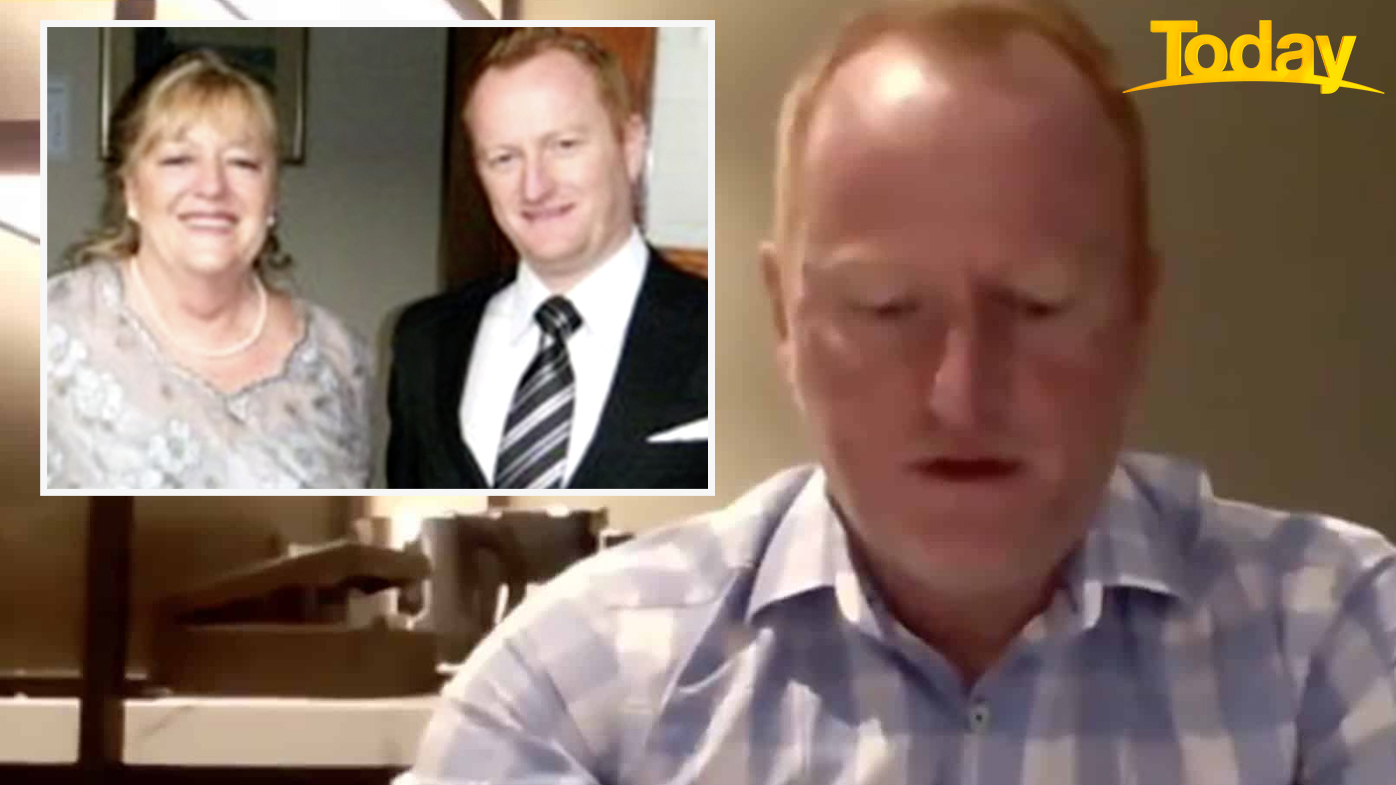
Anthony McCormick raced home from Canada after learning his mother was diagnosed with cancer, he told the Today show.
He was quickly granted a quarantine exception from NSW Health but was waiting on an exemption request from Queensland Health.
READ MORE: Queensland hospital staff in isolation after saving COVID-19 patient's life
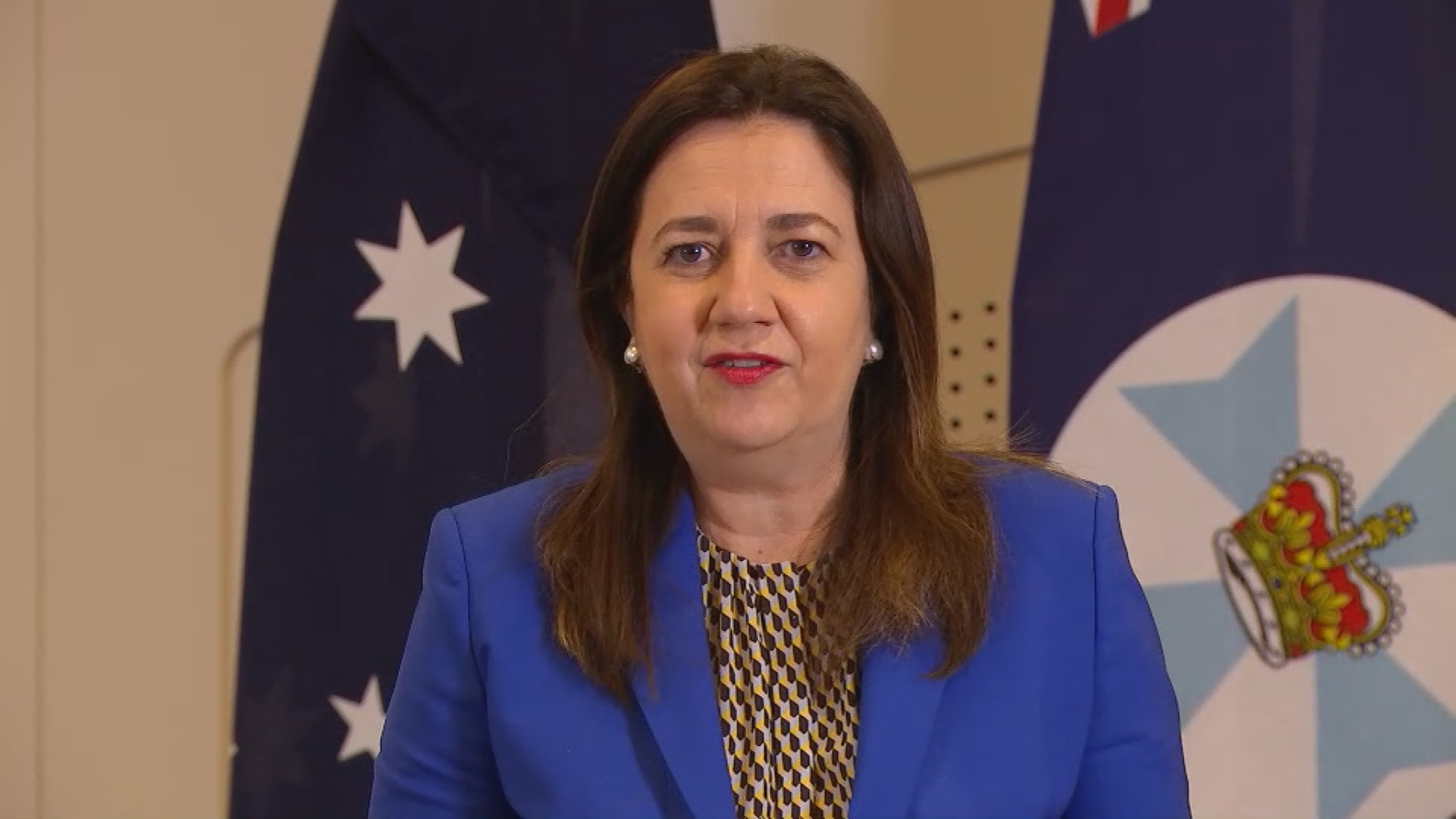
Ms Palaszczuk said Mr McCormick's exemption request was still with New South Wales Health.
"Our hearts go out to him, to lose someone so close, it's just awful," Ms Palaszczuk said.
"We all lose relatives, it's not nice."
The premier defended the state's exemption department and said she has asked for additional staff to assist with the "hundreds" of exemption requests.
"These are very tragic situations … there's hundreds of exemptions that people are applying for, and we're trying to process them as quickly as possible," Ms Palaszczuk said.
"They're trying their best; they're humans; they're trying their very best."
Queensland Chief Health Officer Jeanette Young said Mr McCormick had only arrived back in Australia on Tuesday.
"He only arrived in Sydney on the 6th of July, and we've been working with the New South Wales authorities to look at what could be done to assist him," Dr Young said.
Mr McCormick claims he was quickly granted a quarantine exception from NSW Health, but Queensland Health denied him entry into the state at the last minute.
"She was very upset that I couldn't get in there and see her. That was really what she was hanging on for." Mr McCormick said.
"NSW Health were amazing. They had proactively called me before I even got on my flight, had the exemption plan all laid out and while I was on the flight, they actually executed it,"
"Queensland Health, on the other hand, were silent … I didn't receive a single phone call."
New cameras that can see right into cars coming to Queensland roads
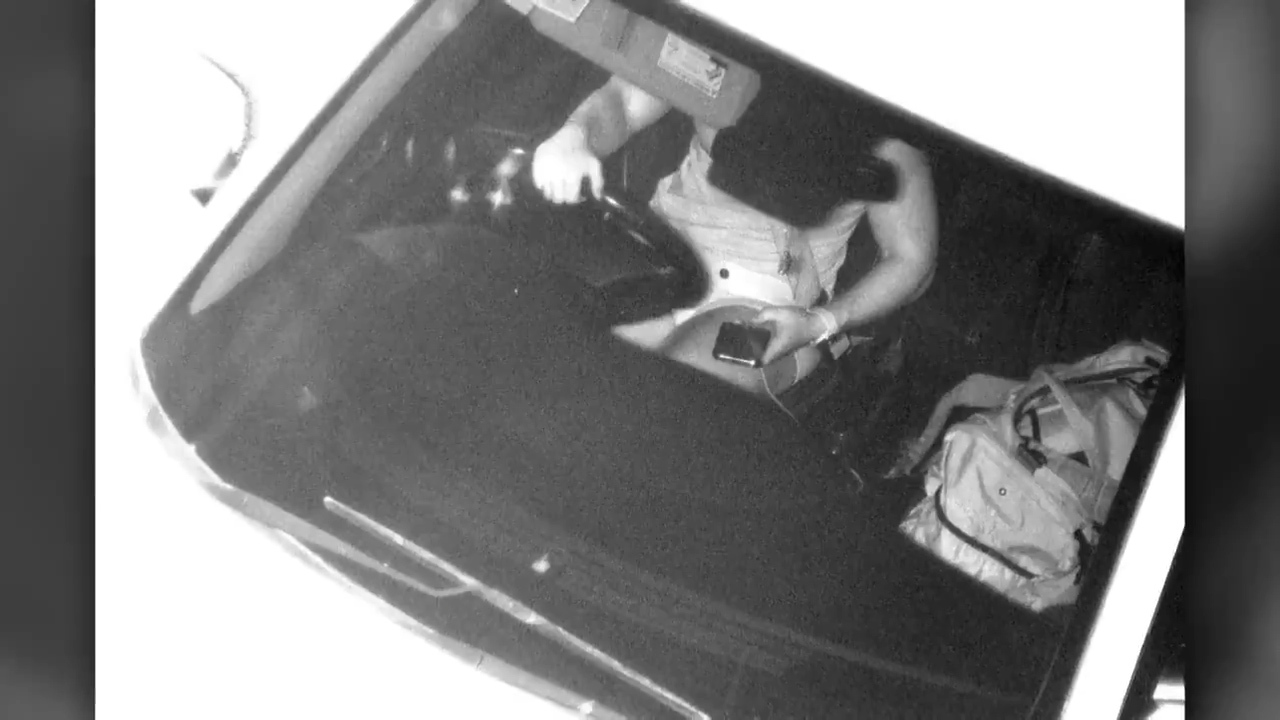
Mobile road cameras than can see directly into a person's car will be rolled out in secret locations across Queensland.
Authorities said the cameras would particularly target people using their phones while driving.
"Driving distracted with your mobile phone is the drink driving of this era," Transport Minister Mark Bailey told 9News.
READ MORE: Sydney CBD parking more expensive for fewer spots
The cameras were trialled across the state for five months last year.
During the trial, more than 15,000 were busted on their phones behind the wheel, copping a $1000 fine and losing four demerit points apiece.
A further 2000 were seen not wearing a seatbelt, which incurs a $413 fine.
The cameras will be rolled out from July 26, though police are not revealing how many, or their locations.
Due to their structure, the cameras can even spot a mobile phone resting on somebody's lap, with police saying if it is touching somebody's body, it will incur a penalty.
READ MORE: Queensland teen arrested after luxury cars allegedly stolen from mansion
However, drivers will have some time to get used to the new set-up.
Fines won't be issued until November 1, although even with the lead-in time, it is estimated they will bring in millions of dollars in state revenue.
Authorities said all the money would go back into road safety.
Cops flood Sydney suburbs at centre of new COVID surge
A south-west Sydney mayor has urged people not to blame the area for the COVID-19 outbreak as it emerges as the new epicentre of the viral surge that started in Bondi Junction.
NSW Police will deploy more than 100 additional officers across south-west Sydney to enforce standing public health orders, it was announced today.
From 7am tomorrow extra cops will be patrolling the suburbs which are now at the epicentre of NSW's latest outbreak.
"We've heard very clearly and loudly the words of our Premier and Dr Chant in terms of the areas of a major concern is south-western Sydney," Deputy Commissioner Mal Lanyon Metropolitan Field Operations said today.
READ MORE: NSW must continue lockdown until virus is 'eliminated': AMA president
READ MORE: When will Sydney's lockdown end? What's needed for restrictions to lift
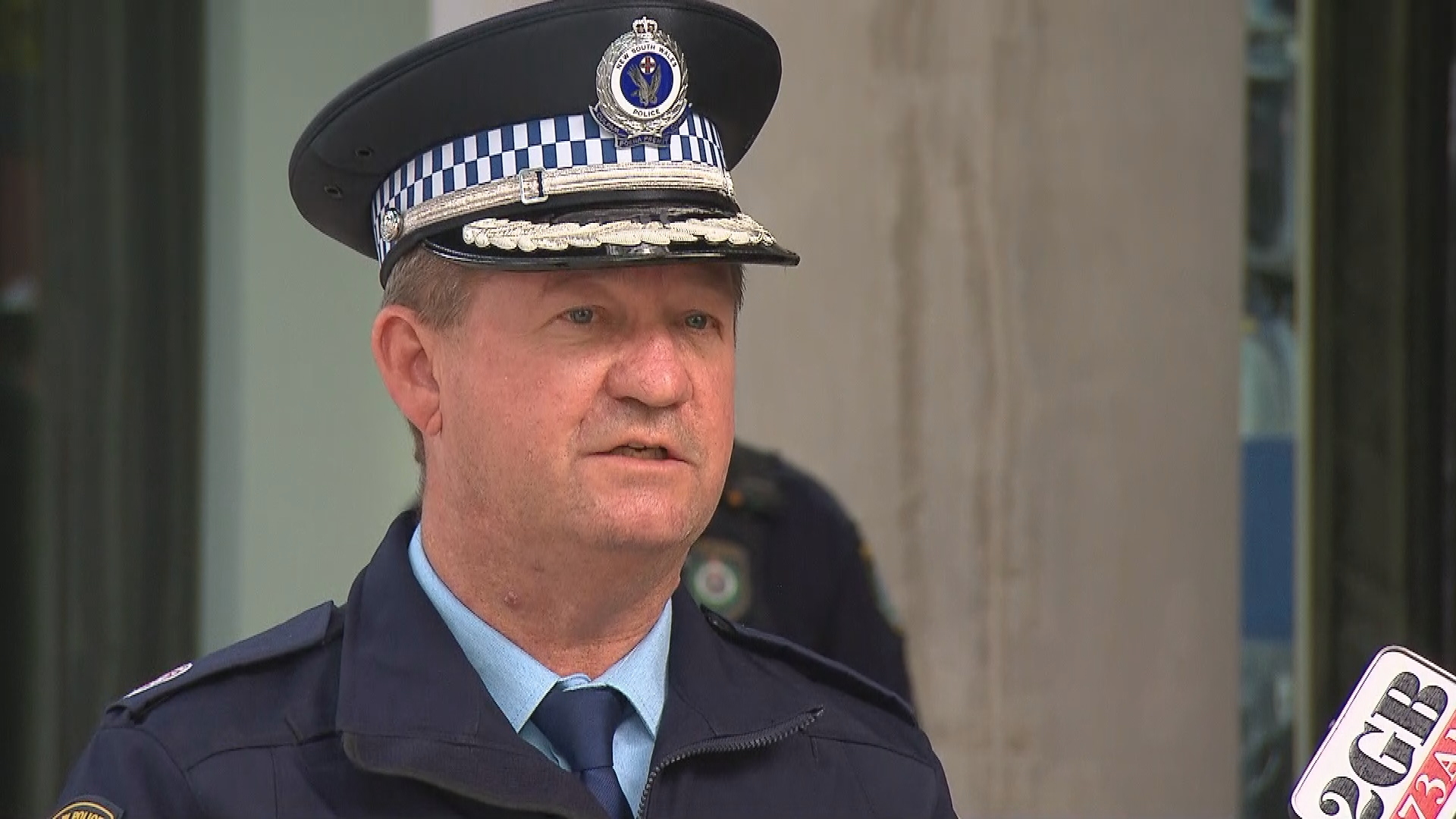
"As a result of those concerns, come 7am tomorrow morning, we will come as a dedicated police operation with at least 100 more police officers entering the Southwest metropolitan area to ensure compliance with the public health order," Mr Lanyon said.
"The virus has shown very clearly that it does not discriminate."
Assistant Commissioner Tony Cooke said officers will be patrolling shopping centres and other hubs to ensure people are only leaving the house for "essential" reasons.
"The question will be…what's your reasonable excuse for being here? You don't need that pair of shoes today," he said.
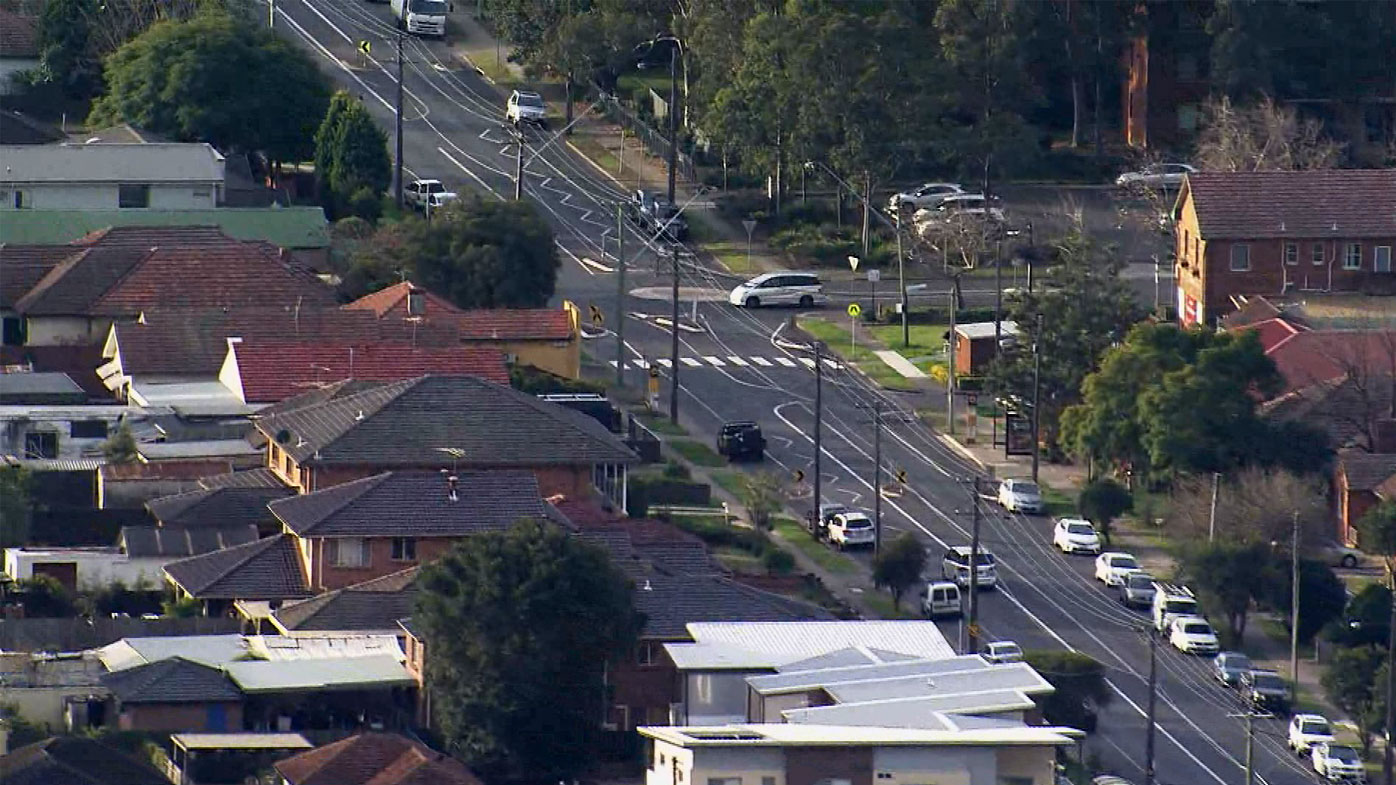
"The problem we have is people are going out when we don't need to, they are coming back and infecting their family.
"That is what we have said, that is what the health advice is."
However, Fairfield Mayor Frank Carbone said it wasn't the fault of residents.
"Don't put this on south-west Sydney, I'm not going to cop this," he told 9News.
"It's not our fault the virus is here. It's the fact that it keeps on leaking from hotel quarantine, and that's where people are frustrated."
A high number of household contacts of COVID-19 cases in NSW are also being infected, driving up case numbers as the state battles the Delta variant.
Yesterday, NSW Premier Gladys Berejiklian urged people in three specific council areas to stay home.
Today she doubled down, saying if providing care and visiting loved ones, only one person should be going, not the whole family.
Gerry Brownlee interviews Golriz Ghahraman in new podcast
Veteran National MP Gerry Brownlee has decided to try his hand at podcasting with a new series that will canvass a variety of hot button political issues with guests from across the political spectrum. In the first episode of his…
COVID-19 screening device could become a workplace feature
Most workplaces require employees to swipe an identity pass or fob for access.
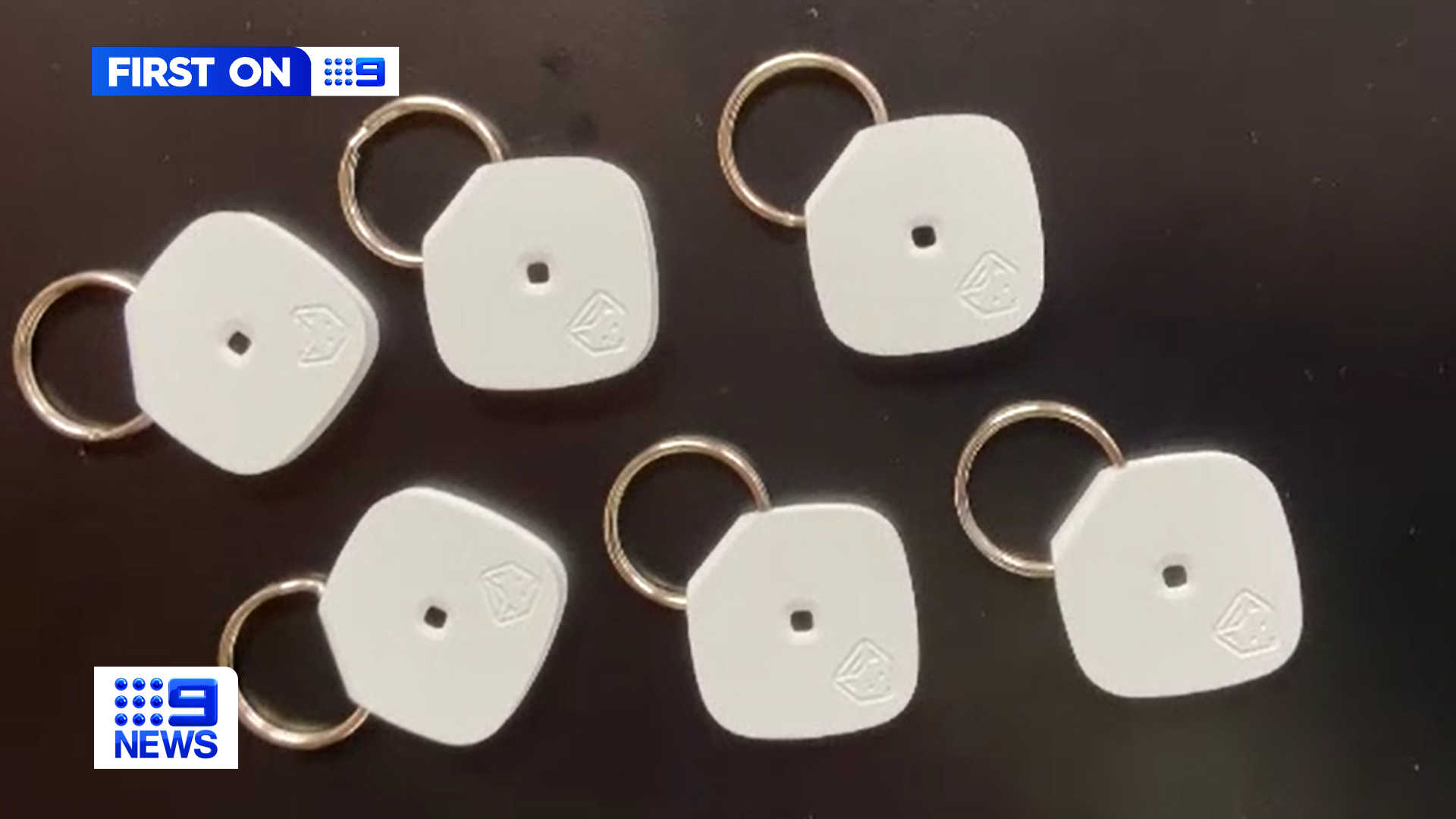
Soon office or worksite access could also require coronavirus screening – via a sensor-filled fob that is scanned or swiped on entry.
Nanotechnology experts from RMIT University have collaborated with Melbourne company Soterius to develop a wearable COVID-19 detection disc.
READ MORE: NSW must continue lockdown until virus is 'eliminated', AMA president says
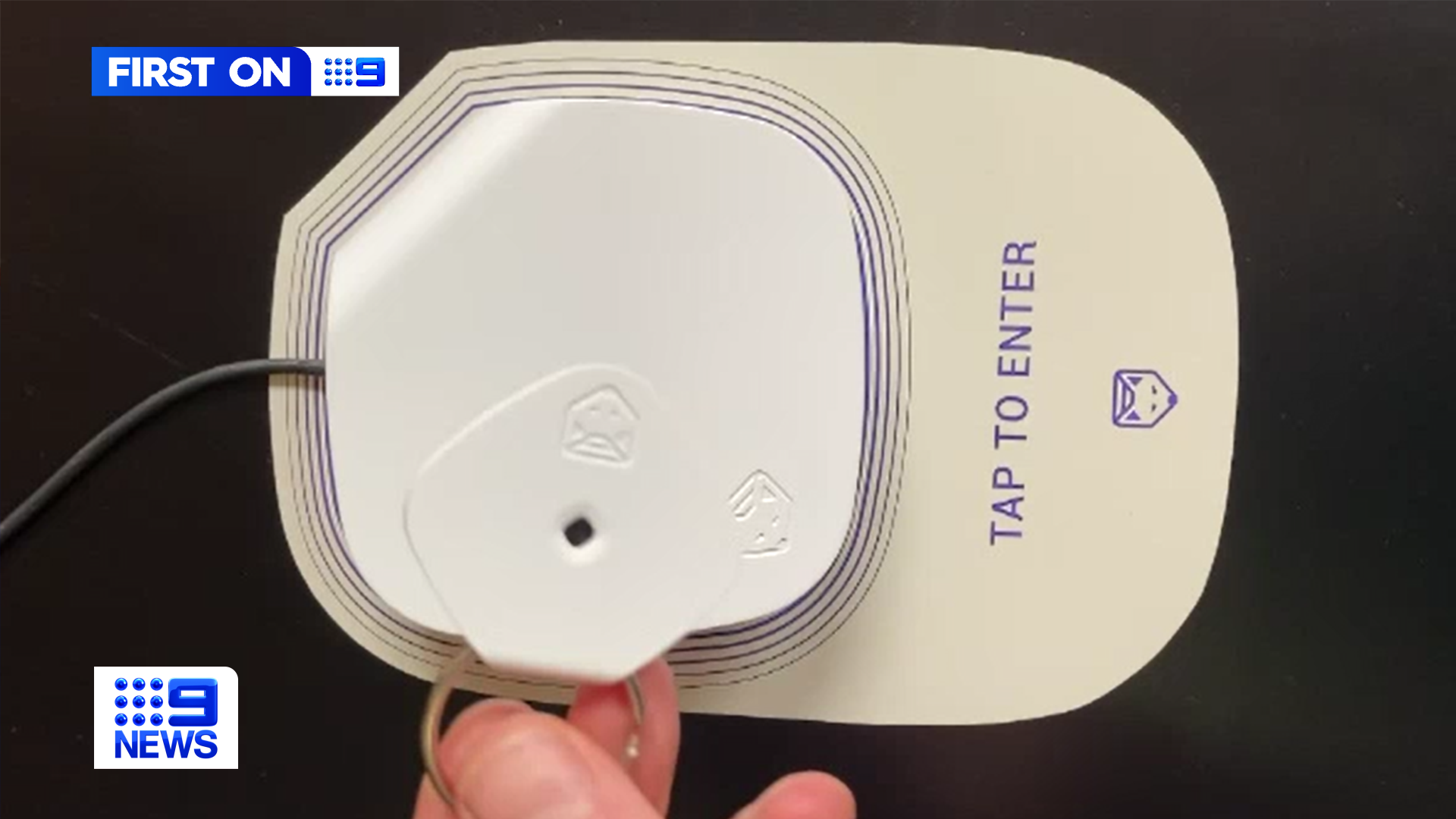
RMIT project leader Professor Sharath Sriram says sensors slimmer than a human hair are embedded in the disc.
"It picks up viral particles from our breath, and so it can be a very early screening tool," Professor Sriram told 9News.
"Typically within 10 seconds you can get a reading."
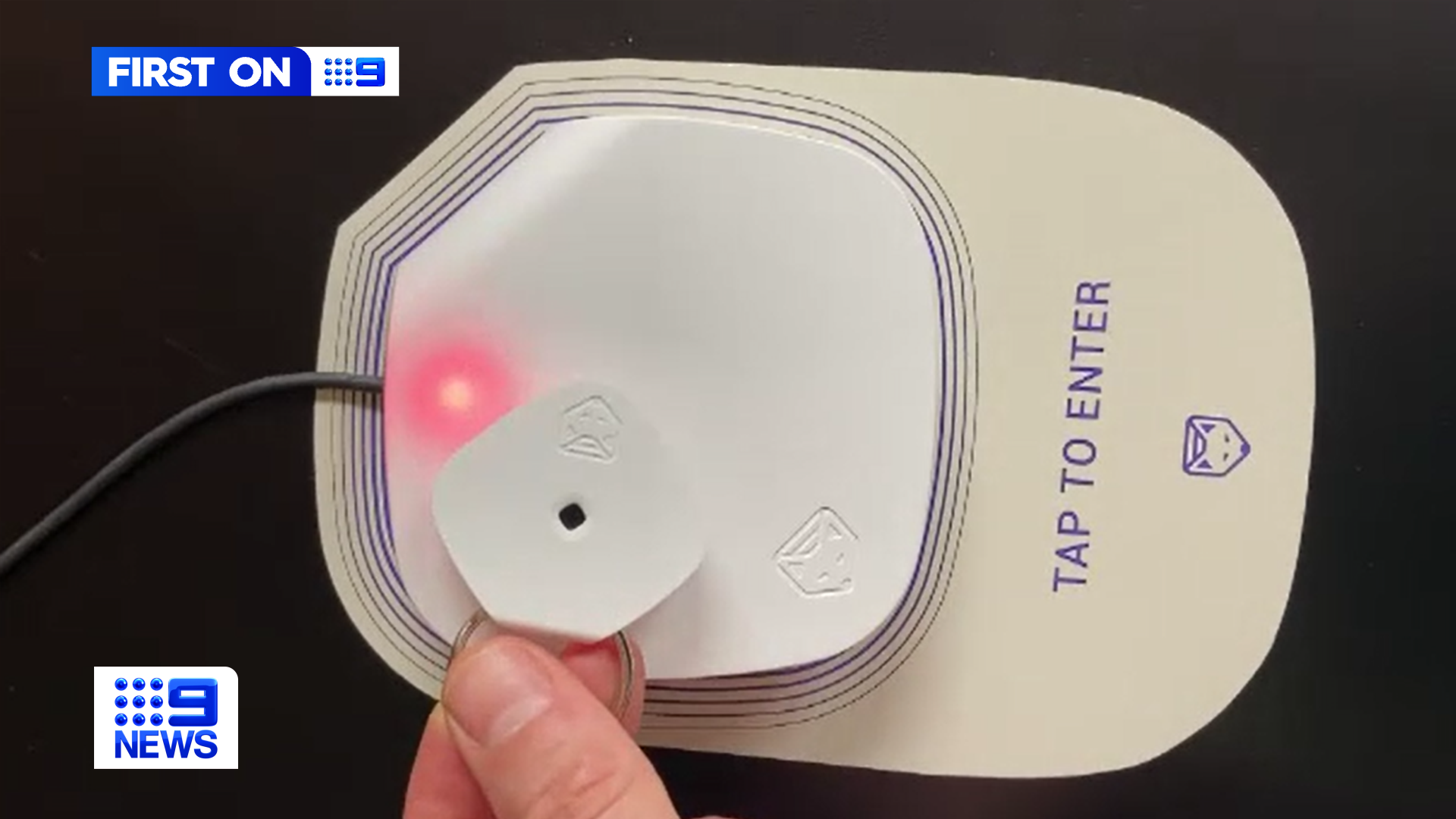
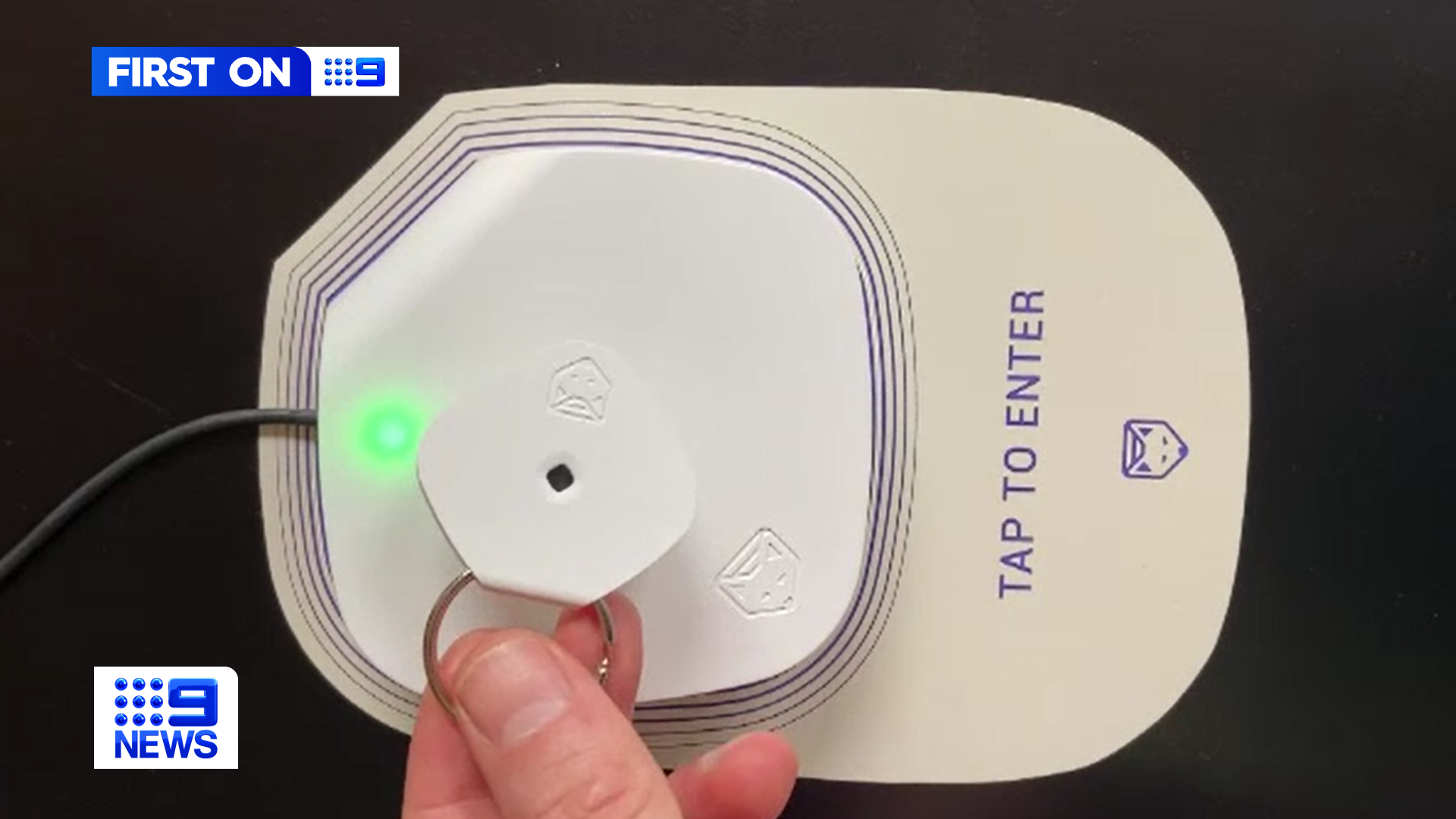
Similar to a traditional security fob, users will swipe the coin-sized device over a reader as they enter or exit an area.
Then nano-sized "biosensors" inside the tiny disc will detect if or if not COVID-19 viral particles are present.
READ MORE: Victorians told 'don't travel to NSW' as hard border not ruled out
"The sensor is a bit like a Lego block game," Professor Sriram said.
"When a virus actually attaches to our cells it actually looks for the matching piece, so we mimic the same process within the sensor."
If after swiping the reader illuminates green it means that person is coronavirus clear and goes about their workday as normal.
But red indicates detection of potential infection, and the individual will be sent for further PCR swab testing and quarantine.
Soterius CEO Dr Alasdair Wood says the technology can detect asymptomatic infection.
"Another instance might be that you tap that in reception and the receptionist may say 'nope we have detected the virus, please go and get yourself tested and make sure you are wearing your mask on the way home'," Dr Wood told 9News.
READ MORE: 'You don't need that pair of shoes': More than 100 extra police to patrol south-west Sydney
The aim is is to initially roll the Australia-made technology out in hospitals or open-plan offices.
Professor Sriram says the technology means potential COVID-19 carriers are identified much quicker – reducing spread and potentially slowing or stopping outbreaks.
"You can do more instantaneous contact tracing rather than do it seven days down the track."
READ MORE: Prime Minister announces support for NSW amid latest outbreak
While the technology works, RMIT and Soterius are still in the process of getting regulatory approval before rolling it out commercially.
These sensors can also be re-programmed to pick up other coronavirus variants or other viruses like the flu.
So even when we get on top of this pandemic, the technology will remain a useful tool for screening sickness out of the workplace.