Tag Archives: oceania

COVID-19 vaccine for children unlikely in Australia until 2022

A coronavirus vaccine is unlikely to be rolled out for school children in Australia until 2022, despite the Delta strain potentially being more infectious among the young.

The Pfizer vaccine in Australia is approved for people over 16 while the AstraZeneca is approved for those 18 and over.

"We don't have vaccines available to children," Deputy Chief Medical Officer Professor Michael Kidd said during a COVID-19 update in Canberra today.

"There is continuing research happening around the world, looking at safe and appropriate vaccines for use in younger people.

READ MORE: 'Very encouraging': NSW records 16 new local cases of COVID-19
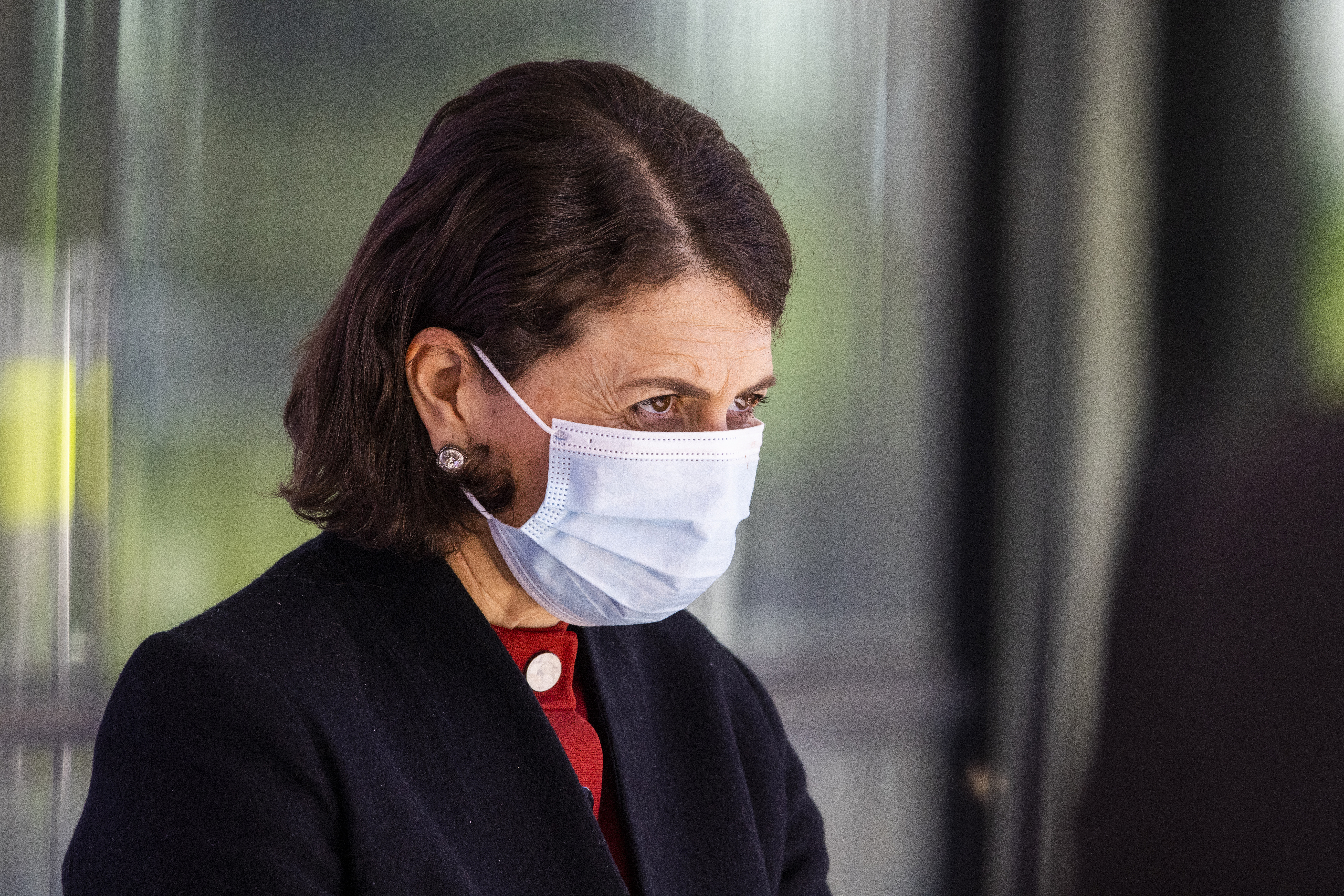
NSW Premier Gladys Berejiklian looks on during a COVID-19 update press conference.

"We need to wait for that advice to come through. We need to wait for the Therapeutic Goods Administration to do its job, looking at the safety of vaccines in those particularly age groups."

In the past 24 hours, there have been 23 reported new cases in Australia, four of these were people in quarantine. Nineteen of these cases have been locally acquired and this includes 16 newly reported cases in New South Wales.

Professor Kidd said it was hoped Australia would have protection available to people sooner than 2022.

"It really depends on the research and developments around the world," he said.

NSW Chief Health Officer Dr Kerry Chant earlier today noted 2022 as a possible roll-out for schools and school children.

"I'm a strong advocate for vaccination," Dr Chant said.

"Obviously, we need to – at the moment, our priority is vaccinating older people and adults … But I would be expecting that in 2022 we would be looking at rolling out vaccines for schools, schoolchildren.

READ MORE: Two-thirds of staff at infected Sydney nursing home unvaccinated

"But, our priority still needs … at the moment, vaccine is still constrained, and as that vaccine becomes available, we still need to prioritise the elderly, aged care workers, and those with underlying health conditions before we move ahead to the younger age group."

Last week, all Year 3 students at a Sydney primary school were tested for coronavirus after an infected girl went to class.

In a letter to parents, St Charles Waverley Catholic School principal Paul Croker said a special testing facility run by NSW Health nurses had been set up in the school hall.

Late last month, two Sydney primary school students were among 18 new virus cases.

Both students from South Coogee Public School, in Sydney's eastern suburbs, are close contacts of the two previously reported cases. The total number of students with COVID-19 at the school was four.

Western Australia faced similar challenges last month after Connolly Primary School was added to the list of the state's primary exposure sites.

The cases are prompting a review of health advice around school children with new research suggesting the Delta strain may be more infectious among children.

Despite the growing number of cases, education remains one of the five essential reasons people in Greater Sydney are permitted to leave their home during the state's two-week lockdown.
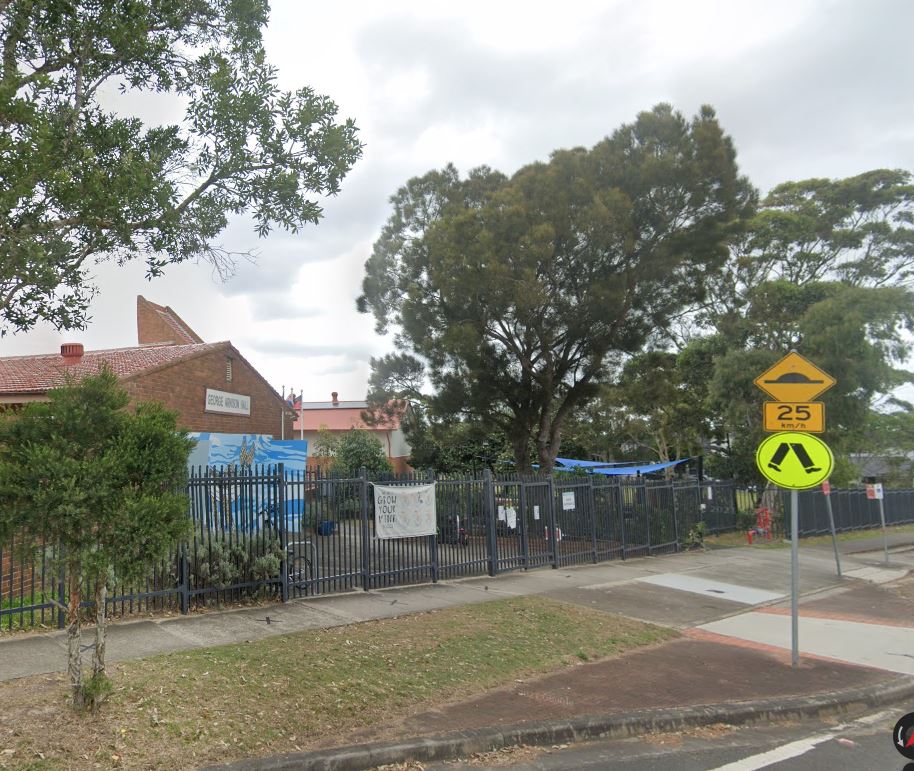
South Coogee Public School students test positive to COVID-19

Last week editor of the Medical Journal of Australia, Professor Nick Talley told 2GB host Ben Fordham the situation is a "big worry".

"We felt schools were not at such a big risk with the original virus … but now, with Delta, this may be a different situation," Professor Talley said.

He said while the rate of infection may be higher, international data suggests hospitalisation rates among children do not seem to be increasing.

"While children may get the virus, transmit the virus and get sick, the risk of serious outcomes like hospitalisation at least so far doesn't seem to be as bad as we might have feared," he said.
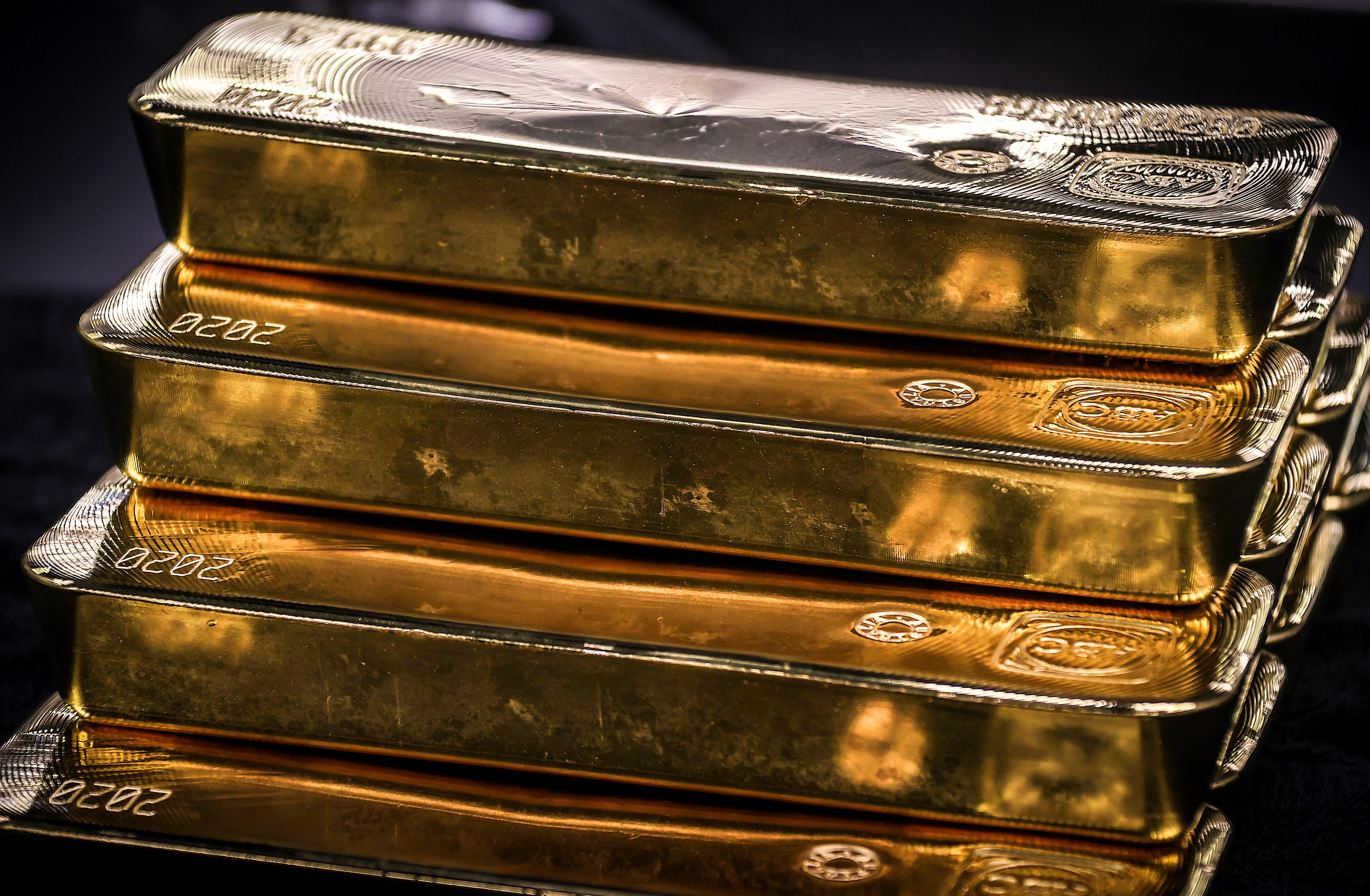

'Fool's gold' contains newly discovered type of real gold

By Denis Fougerouse, Research Fellow, School of Earth and Planetary Sciences, Curtin University

The mineral pyrite was historically nicknamed fool's gold because of its deceptive resemblance to the precious metal.

The term was often used during the California gold rush in the 1840s because inexperienced prospectors would claim discoveries of gold, but in reality it would be pyrite, composed of worthless iron disulfide (FeS₂).

Ironically, pyrite crystals can contain small amounts of real gold, although it is notoriously hard to extract.

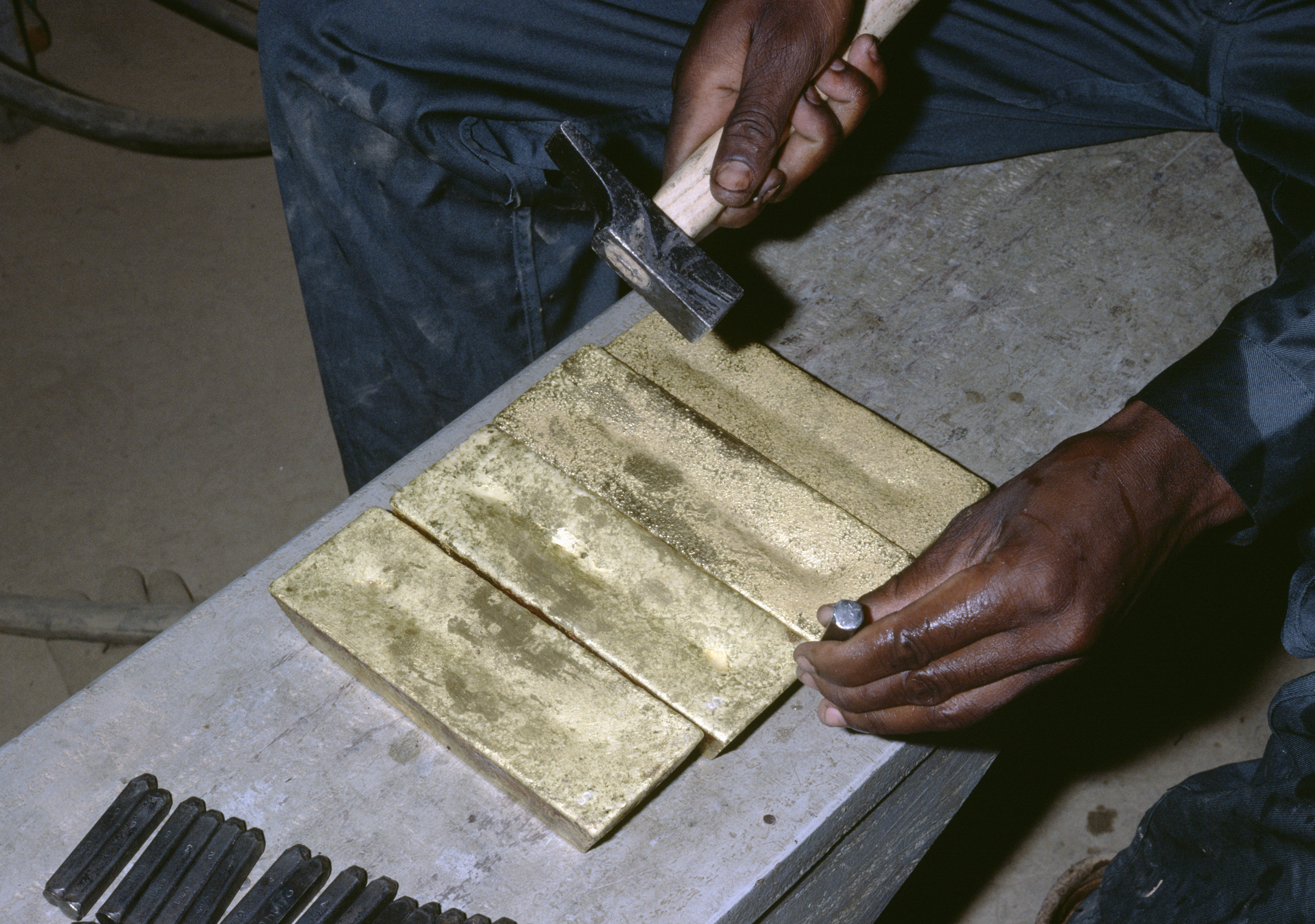
Gold generic

READ MORE: Mastermind behind $3.9m gold heist pleads guilty

Gold hiding within pyrite is sometimes referred to as "invisible gold", because it is not observable with standard microscopes, but instead requires sophisticated scientific instruments.

It wasn't until the 1980s when researchers discovered that gold in pyrite can come in different forms – either as particles of gold, or as an alloy, in which the pyrite and gold are finely mixed.

In our new research, published in Geology, my colleagues and I discovered a third, previously unrecognised way that gold can lurk inside pyrite.

When the pyrite crystal is forming under extreme temperature or pressure, it can develop tiny imperfections in its crystal structure that can be "decorated" with gold atoms.

What are these 'crystal defects'?

The atoms within a crystal are arranged in a characteristic pattern called an atomic lattice.

But when a mineral crystal such as pyrite is growing inside a rock, this lattice pattern can develop imperfections.

Like many minerals, pyrite is tough and hard at Earth's surface, but can become more twisty and stretchy when forming deep in the Earth, which is also where gold deposits form.

When crystals stretch or twist, the bonds between neighbouring atoms are broken and remade, forming billions of tiny imperfections called "dislocations", each roughly 100,000 times smaller than the width of a human hair, or 100 times smaller than a virus particle.

The chemistry of these atomic-scale imperfections is notoriously difficult to study because they are so small, so any impurities are present in absolutely minuscule quantities.

Detecting them requires a specialised instrument called an atom probe.

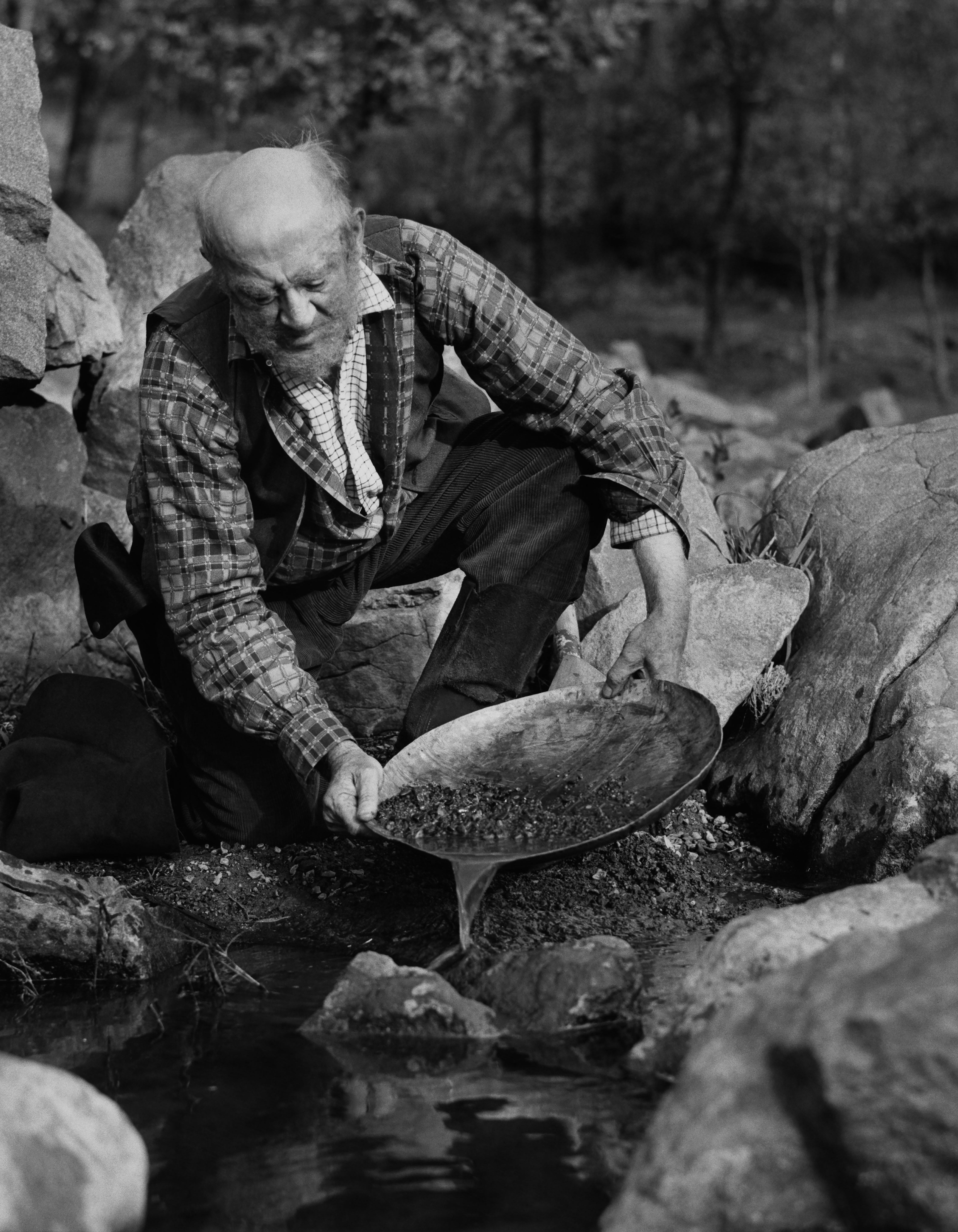
Gold generic

READ MORE: How COVID-19 sparked a new gold rush in Queensland

An atom probe can analyse materials at extremely high resolution, but its main advantage over other methods is that it allows us to build a 3D map showing the precise locations of impurities within a crystal — something that was never possible before.

Our research reveals that dislocations within pyrite crystals can be "decorated" with gold atoms.

This is particularly common where the crystals have been twisted during their history; here, gold can be present at concentrations several times higher than in the rest of the crystal.

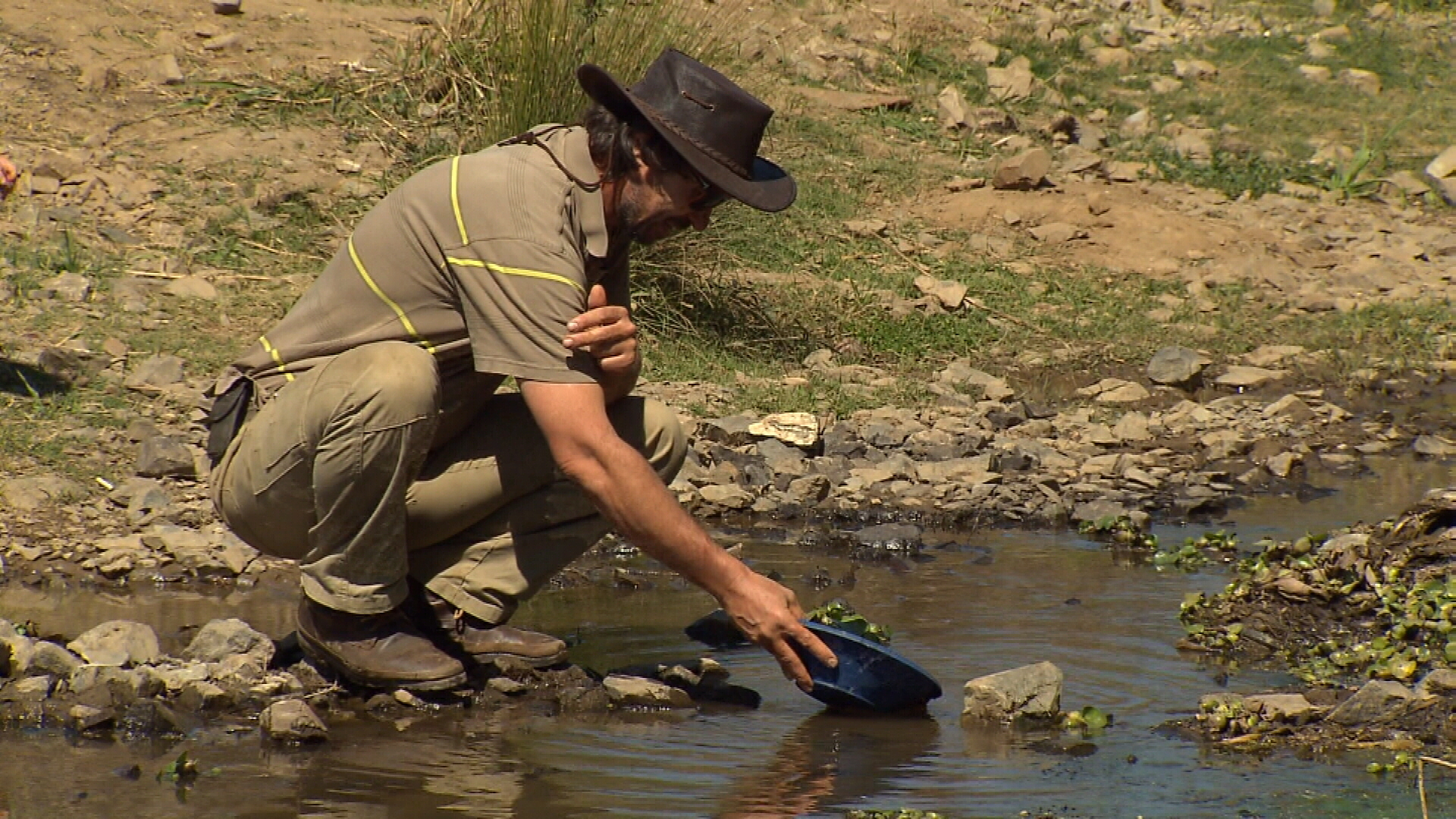
Gold generic

A potential goldmine

Why should anyone care about something so tiny?

Well, it gives interesting insights into how mineral deposits form, and is also a potential boon for the gold mining industry.

Previously, it was suspected that gold in anomalously rich pyrite crystals was in fact made of gold particles formed during a multi-step process, suggesting the pyrite and gold crystallised at different times and then became clumped together.

But our discovery that gold can decorate these crystal imperfections suggests that even pyrite crystals with relatively high gold content can form in a single process.

Our discovery may also help gold miners more efficiently extract gold from pyrite, potentially reducing greenhouse emissions.

To extract the gold, the mineral is usually oxidised in large reactors, which uses considerable amounts of energy.

READ MORE: Family dig up gold nuggets worth $350k in Victoria

Dislocation sites within crystals could potentially offer an enhanced partial leaching or a target for bacteria to attack and break down the crystal, releasing the gold in a process known as "bio-leaching", thus potentially reducing energy consumption necessary for extraction.

This idea is still untested, but definitely merits investigation.

If it helps pave the way for more sustainable gold-mining methods, then perhaps fool's gold isn't so foolish after all.

Perhaps pyrite still lives up to its historic reputation of "fool's gold" until better, more environmentally sustainable ore processing techniques are developed.