There will be contrasting conditions weather-wise for both ends of the country this weekend – with a wet start to the weekend for much of the south and a cool but fine start for the north. An active front will move across the southern…
Tag Archives: oceania
Wellington housing plan signed off after heated debate
Wellington City Council has signed off on its spatial plan – paving the way for a significant step-change in housing development. The plan shrinks protected character areas by almost three-quarters, allows at least six-storey developments…
Fishermen filmed with 'thousands' of pink maomao in bins in Tairua
The alleged “wholesale slaughter” of an elusive and unprotected fish species was caught on camera in Tairua as locals acted in frustration at the lack of laws.Pink maomao, or longfin perch, is a species of sea bass. They can grow…
TSB Bank blames 'unexplained transactions' for freezing pensioner's life savings
A woman with power of attorney for her sick mother has been hospitalised with stress after TSB Bank froze the elderly pensioner’s life savings due to concerns about “unexplained transactions”.TSB has now reinstated access to one…
New Zealand pauses travel bubble with NSW for another 12 days
New Zealand has extended its pause on quarantine-free travel with New South Wales for another 12 days as Sydney's coronavirus outbreak continues to spread.
NZ's Minister for COVID-19 Response Chris Hipkins said his government believes in "a cautious approach".
"There are now 36 recent community cases of COVID-19 in New South Wales – including four not yet linked to the existing outbreak that are urgently being investigated by Australian health officials," Mr Hipkins said.
"This decision follows a further public health assessment today in which officials consider a range of factors – whether any new cases are identified, the results from COVID-19 testing of any contacts identified and from the wider Sydney community."
READ MORE: Sydney cluster grows to 21
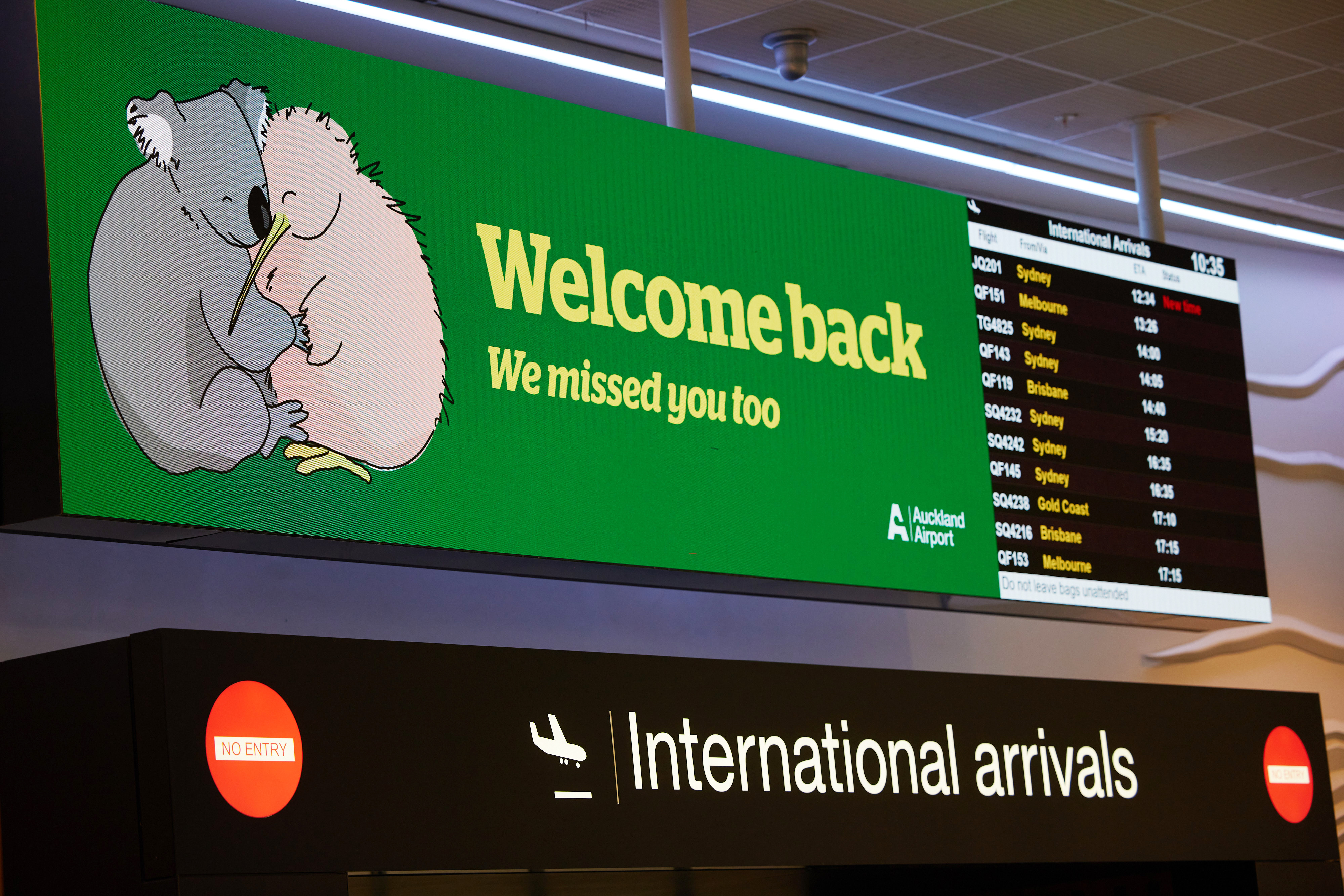
The travel bubble pause first came into effect at 9.59pm AEST on Tuesday (11.59pm NZ time).
"As with previous pauses, it will be under constant review," Mr Hipkins said in a statement.
"This decision follows a public health assessment today which determined that while the overall risk to public health in New Zealand currently remains low, there are still several unknowns, including a case that was infectious while in the Sydney community and a primary school age child with no clear link established at present.
"The government is taking a precautionary approach and will review the decision to pause again on Thursday."
READ MORE: Thai restaurant, bank, perfume shop added to exposure sites list
New Zealand health officials have also updated their advice for anyone already in New Zealand who has recently visited Sydney's Westfield Bondi Junction shopping centre, where community transmission of the virus has been as confirmed as occurring.
New Zealand's pause with NSW came as it resumed its travel bubble with Victoria after a run of low case numbers.
Victorians are no longer required to test negative before departing for New Zealand but are encouraged to monitor for symptoms and check the Victoria Health website for updated locations of interest.
In the past week, there have been no new COVID-19 cases of the Delta variant and health officials have determined there is unlikely to be widespread community transmission.
– reported with Stuff
You can find out more details about how to book your vaccine through the Federal Government health site here.
Early COVID-19 samples 'deleted' from database, expert claims
Scientists investigating the origins of the coronavirus pandemic might be working with the wrong samples, because some early samples of the virus submitted by a Chinese researcher were deleted from a shared database, an expert in the evolution of viruses says.
Dr Jesse Bloom, a researcher at the Fred Hutchinson Cancer Centre in Seattle, said he found genetic sequences taken from early coronavirus cases in China that were deleted from a US National Institutes of Health database.
Examination shows some of the early cases in the Chinese city of Wuhan are different, genetically, from the variants that eventually spread to cause the pandemic.
READ MORE: Mystery case among 11 new Sydney infections
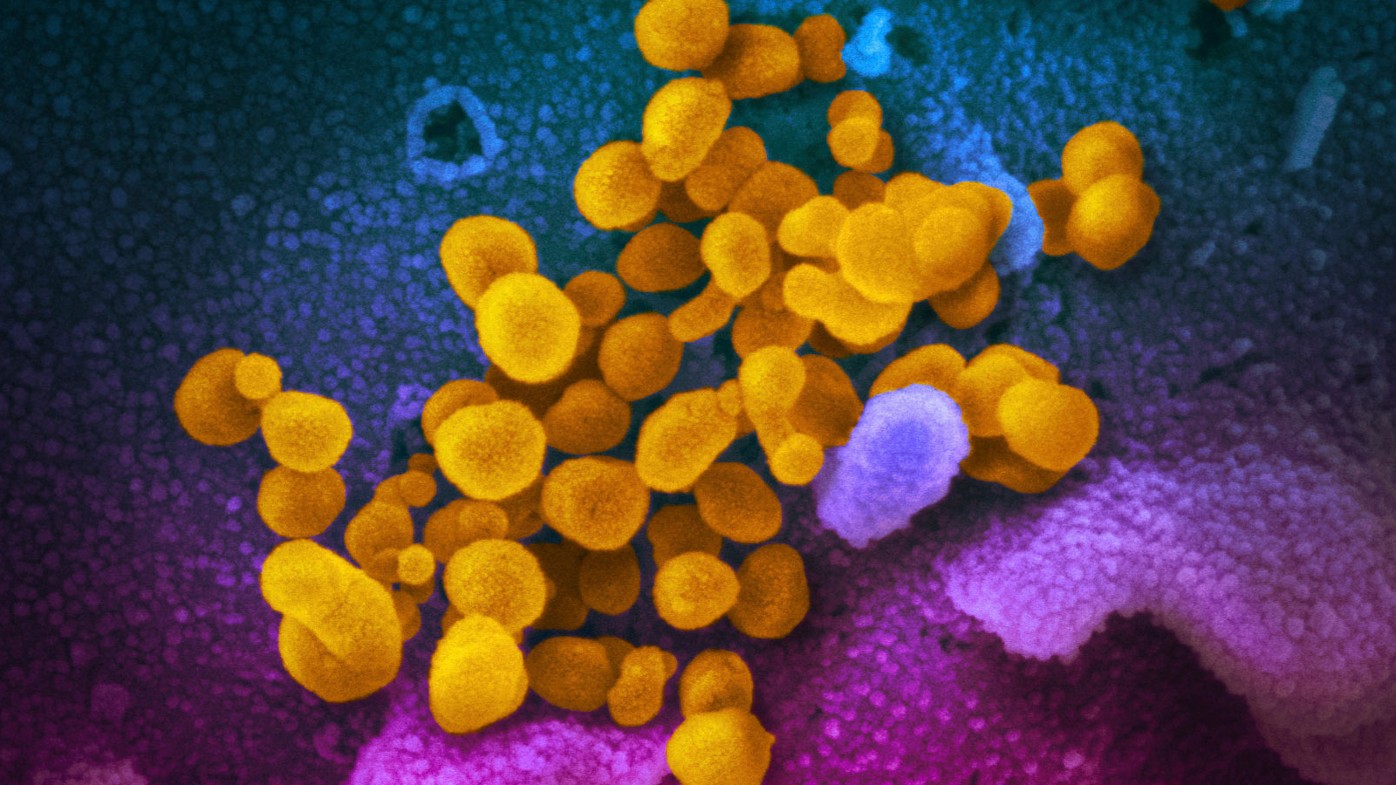
The sequences themselves do not shed any more light on the renewed debate about whether the virus spread naturally from animals to humans, or was the result of a laboratory leak, Dr Bloom told CNN.
But he said his analysis shows the samples being used to investigate the origins of the COVID-19 pandemic may not be complete.
"I recover the deleted files from the Google Cloud, and reconstruct partial sequences of 13 early epidemic viruses," Dr Bloom, who is helping with efforts to follow the genetic changes of the coronavirus, wrote in a pre-print paper posted on bioRxiv.
It has not yet been peer-reviewed.
The NIH confirmed the sequences had been removed in June 2020 at the request of the investigator who originally submitted them in March 2020, and said it was standard practice to allow this.
Geneticists have been sharing information in databases like this one since the start of the pandemic.
READ MORE: Scott Morrison rejects claims Australia bought 'the budget shot'
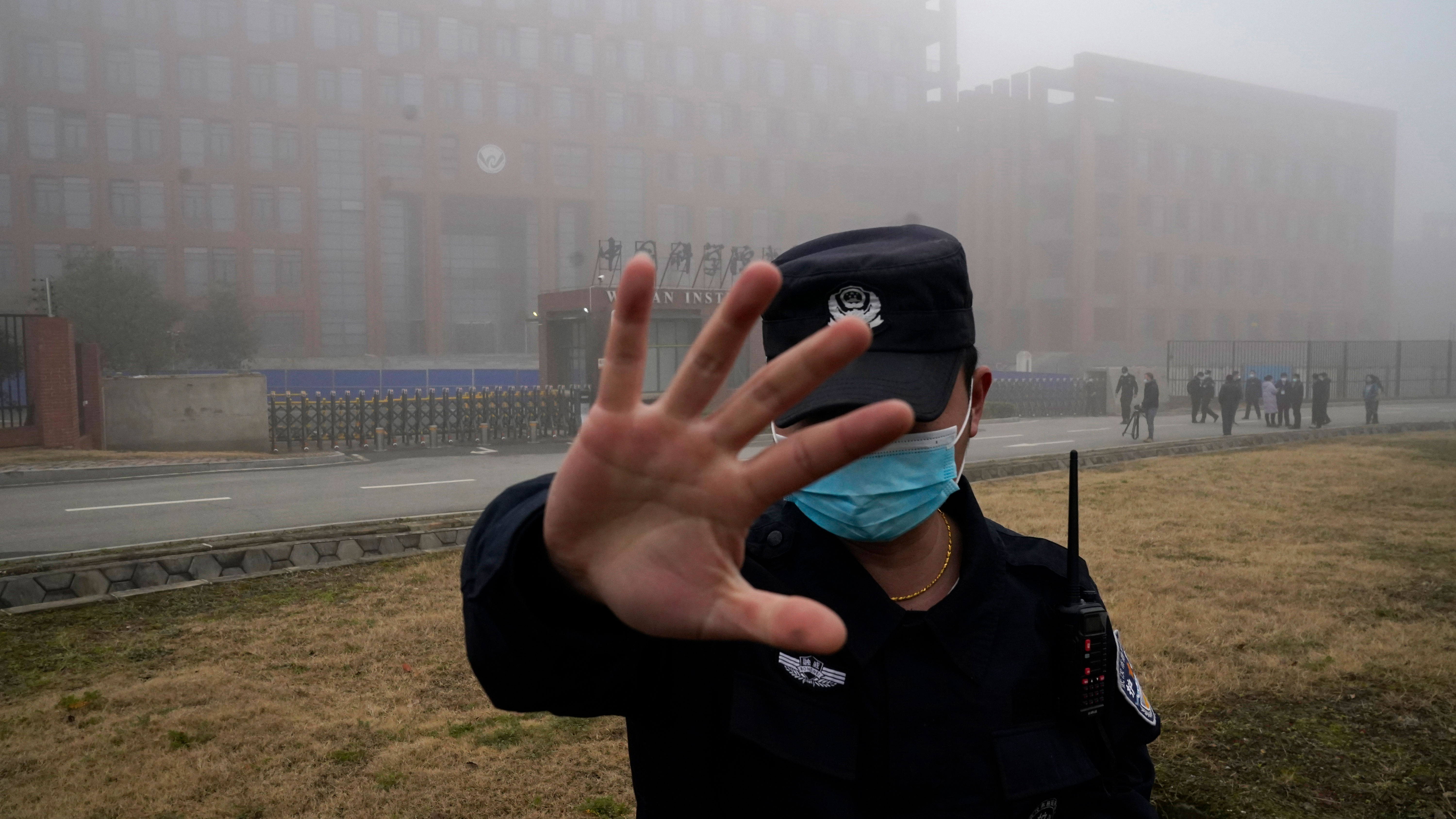
The World Health Organisation has been leading efforts to find the origins of the coronavirus and issued a report in March saying it was most likely the virus originated in an animal and passed to people, as other coronaviruses have.
Least likely, it said, is the possibility that a virus was engineered in a lab and leaked out.
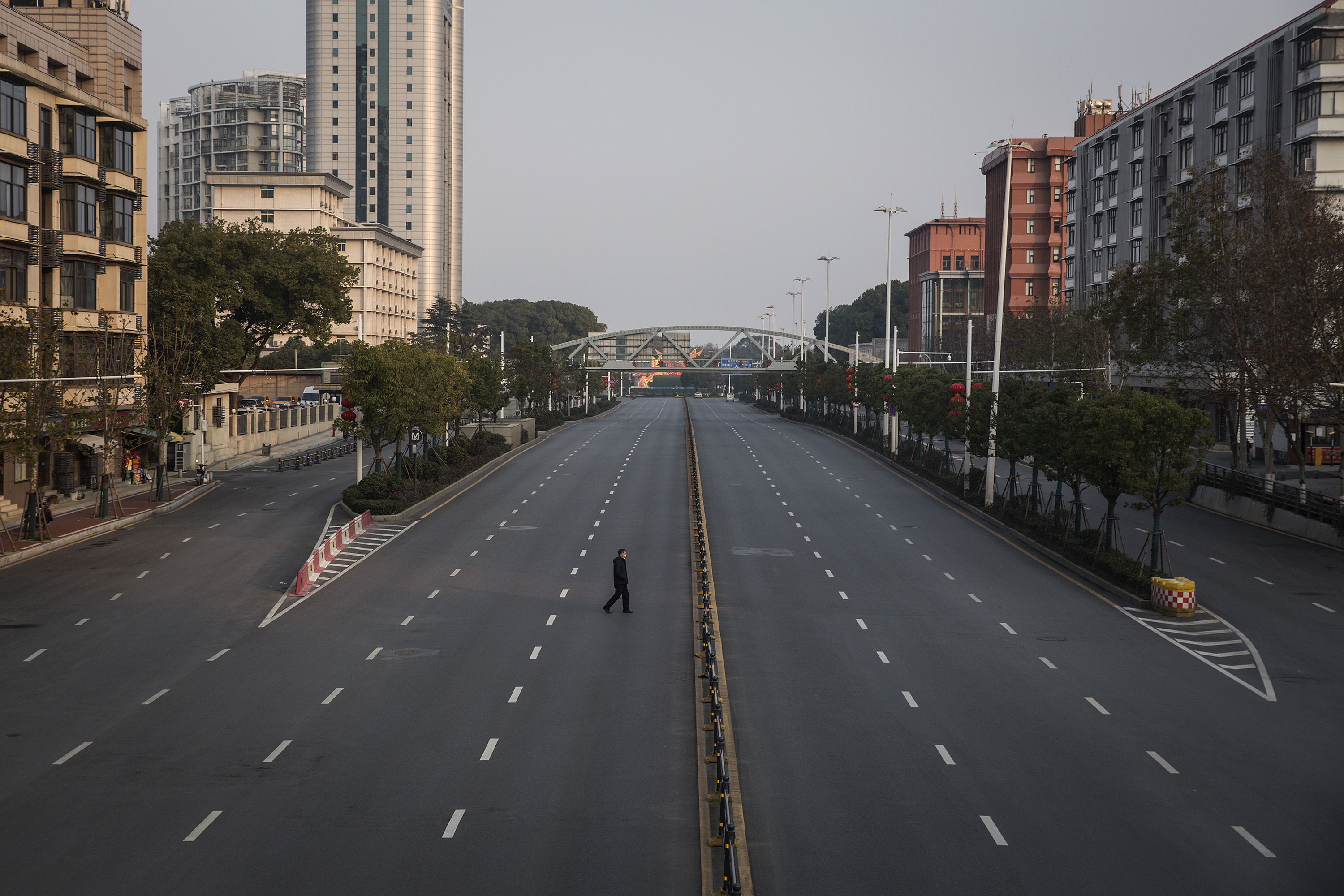
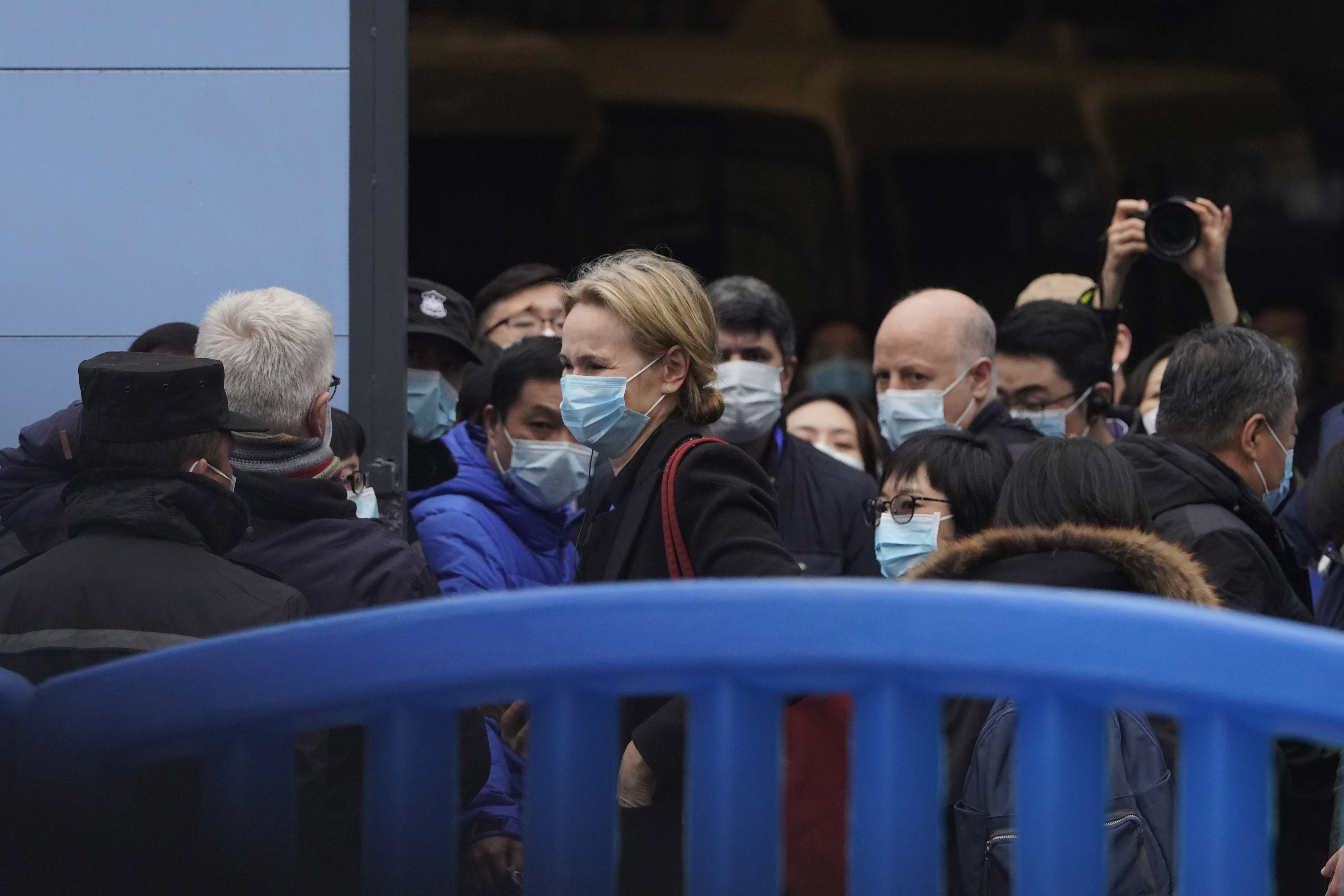
Much of the investigation has focused on early cases at Wuhan's Huanan Seafood market.
But WHO has been criticised for accepting evidence from China, and the administration of President Joe Biden has been taking another look at the origins.
"We are aware of this report and, as we repeatedly asked, we hope that all data on early cases will be made available," WHO spokesman Tarik Jašarević told CNN by email.
Dr Bloom said the missing sequences are no smoking gun.
"This study does not provide any additional strong evidence favouring either natural zoonosis or lab accident," Dr Bloom said in an email to CNN.
"Rather, it shows that there are additional sequences from relatively early in the outbreak that are still unknown, and in some cases have mutations that suggest they are probably evolutionarily older than the viruses from the Huanan Seafood Market."
Scientists not involved with Dr Bloom's analysis were sceptical about his conclusions.
READ MORE: Everything we know about the Delta Plus variant
"If these sequences were removed for the purpose of obscurity, it is also worth noting that such an effort clearly flopped because … these sequences do not immediately provide any completely new knowledge about the genetic diversity of SARS-CoV-2 in the early pandemic," Robert Garry, a professor of immunology at Tulane University, said.
"The reality is that minor scientific missteps and less-than-ideal circumstances surround the sharing of scientific data all of the time.
"In general, the work is vague or remiss about extremely important context and details about the sequences in question."
"The language of the paper is unusual, its contains a significant degree of supposition and conjecture, cites blog posts and appears to be pointing towards a deliberate cover-up by Chinese authorities of early sequence data from Wuhan," Andrew Preston, a professor of microbial pathogenesis at the University of Bath in Britain, said in a statement.
"However, this is an entirely subjective appraisal of the situation, which will be very difficult to confirm or disprove."
You can find out more details about how to book your vaccine through the Federal Government health site here.
Lake Alice abuse in care: Police apologise, admit failings in investigations
By Andrew McRae of RNZ Police have acknowledged failings in investigations into complaints made over abuse in the adolescent unit at the Lake Alice Psychiatric Hospital in the 1970s.An apology has been given at the Royal Commission…
Covid 19 coronavirus: NZ extends New South Wales travel halt, some Wellington flyers not welcome in Cook Islands
New Zealand has extended the halt on the travel bubble with Covid-plagued New South Wales for another 12 days.Covid-19 Response Minister Chris Hipkins said there were now 36 virus cases in the state, including four not yet linked…
More than 200,000 people worldwide playing Kiwi-made trading card game
Just over eight years ago, James White set out to bring people together with an all-new classic trading card game.Little did the founder of Epsom-based Legend Story Studios know it would soon make history.Flesh and Blood is designed…
Bryce Edwards: Political Roundup – Winston Peters' anti-woke path back to power
OPINION: Could a backlash to “woke politics” be the basis for the revival and return of New Zealand First? The Winston Peters-led party held its first post-defeat conference in the weekend, in which the main theme was NZ First’s…