The Torreys’ hillside home was yellow-stickered after the January 21 slip.
Tag Archives: oceania
Auckland slavery case: Moeaia Tuai sentenced for abuse, rape
‘This is not a case of cultural misunderstanding,’ the judge emphasised.
Reason why COVID vaccine caused serious blood clots revealed
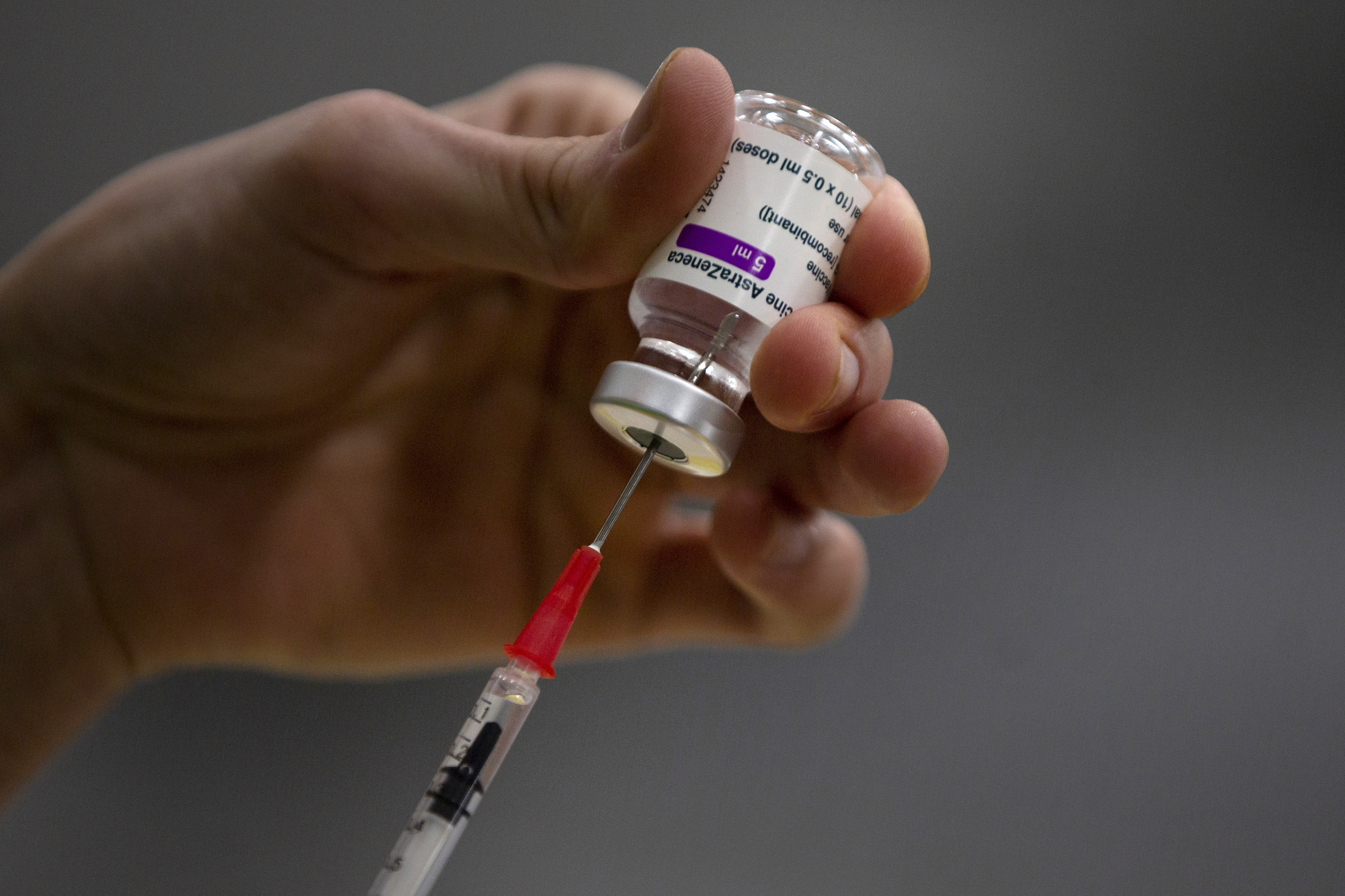
The cause of rare blood clots in a COVID-19 vaccine that killed eight people in Australia may have been found in a new study by local researchers.
The AstraZeneca vaccine was one of the two primarily used in Australia during the early stages of the pandemic, but caused blood clots in about two to three people out of every 100,000 who received it.
The condition was called vaccine-induced immune thrombocytopenia and thrombosis, 173 confirmed or probable cases of which caused by the vaccine were recorded.
READ MORE: Chippies like Caitlyn could be the key to solving our housing crisis
In many cases, the symptoms were minor and people made a quick recovery, however other cases were far more serious and, in aight instances, fatal.
A team of researchers led by Australian scientists at Flinders University in Adelaide found that in some people, the immune system can confuse a normal adenovirus protein – something used in the AstraZeneca vaccine – for a human blood protein called platelet factor four (PF4).
Their study was released in the latest edition of the New England Journal of Medicine.
The presence of PF4 causes the body to produce antibodies that trigger blood clotting, which can cause serious injury or death.
READ MORE: Liberal leadership spill confirmed ahead of urgent partyroom meeting

Through linking the two, scientists believe they can now manufacture vaccines to avoid this rare symptom.
"This was the missing link that explains how a normal immune response can, in very rare cases, become harmful," Dr Jing Jing Wang from Flinders University said.
"By modifying or removing this specific adenovirus protein, future vaccines can avoid this extremely rare reaction while continuing to provide strong protection against disease."
READ MORE: One state driving the biggest spike in first home buyer loans in years
Symptoms of thrombosis included severe headache, blurred vision or shortness of breath, with these occurring from four to 42 days after receiving the first dose of the vaccine.
To minimise the risk of the rare side-effect, the Australian government recommended the AstraZeneca vaccine only be given to people over 60 years old.
This is because younger people have a higher risk of producing a stronger antibody response and developing severe blood clots.
Despite this, many people below 60 years old received at least one dose of the AstraZeneca vaccine due to shortages of the Pfizer vaccine amid the push to reach certain vaccination targets and lift lockdown restrictions during the pandemic.
The AstraZeneca vaccine hasn't been available in Australia since 2023.
NEVER MISS A STORY: Get your breaking news and exclusive stories first by following us across all platforms.
-
Download the 9NEWS App here via Apple and Google Play
-
Make 9News your preferred source on Google by ticking this box here
-
Sign up to our breaking newsletter here
Chippies like Caitlyn could be the key to solving our housing crisis
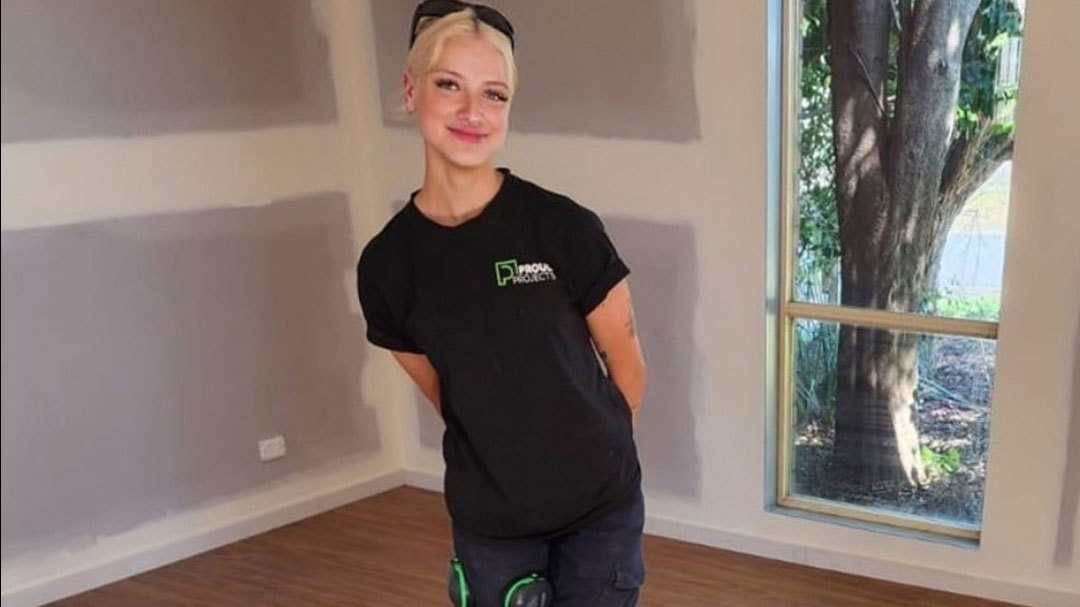
When Caitlyn Goodman was growing up as one of four girls in her family, she never dreamed she would one day be building houses as a carpenter.
The prospect of becoming a female tradie just never occurred to her, she said.
But the signs were there, even from a young age.
"My dad was a fencer, and growing up, he taught me how to use power tools. I was always very drawn to it." Goodman, 22, said.
READ MORE: Bold housing crisis proposal could wipe $100k off the cost of a home
During her final year of high school, Goodman worked at Bunnings in the timber yard.
"I was becoming very familiar with all the types of timbers and power tools. I was learning a lot," she said.
After finishing her higher school certificate, Goodman briefly toyed with the idea of becoming a nurse, having also worked as a ward clerk, before deciding to follow her heart and become a carpenter.
"One day, I just said, Screw it. I'm just going do it, why not? Why can't I do it?" Goodman said.
With the construction industry facing a critical shortage of workers, particularly in carpentry, getting apprentice job proved to be easy, especially after her dad put a call out to builders he knew, Goodman said.
"We got in contact with Chris, who is my boss now. He had an interview with me. He was really happy, and said, 'When can you start?'" Goodman said.
Goodman is now a third-year apprentice, helping build residential homes in the Greater Melbourne area.
The Housing Industry Association (HIA) says Australia desperately needs more people like her to have any hope of meeting Australia's ambitious construction targets.
Chippies top list of workers in demand
At the top of the "short supply" list are carpenters – the very trade Goodman is mastering.
According to the HIA, the math of the National Housing Accord simply doesn't add up without a massive influx of new boots on the ground.
Under the Accord, the Federal Government has set a target to build 1.2 million homes over five years. But according to Mike Hermon, HIA Executive Director for Future Workforce, the industry is currently missing a vital piece of the puzzle.
"Workforce shortages remain one of the biggest constraints on increasing home building activity, with the nation needing an estimated 83,000 additional skilled workers across our key trades," Hermon said.
"Shortages across key residential construction trades, particularly carpentry, are limiting building capacity across the states. Builders across the country are telling us the same thing – demand for housing is there, but access to skilled labour is holding projects back."
Recent HIA data reveals a sobering reality for the sector. A survey of small business members found that 67 percent of respondents are having trouble recruiting or retaining staff.
"If we do not train more apprentices now, the homes Australia needs simply will not be built," Hermon said.
"Every new home starts with an apprentice on site."
For Goodman, the reasons behind the shortage aren't a mystery. While she loves the reward of "building someone's dream," she said the financial barriers for young people were steep.
"People start their apprenticeship, and then it's just not everything they want – like the pay," Goodman said. "They don't want to stick around and bend over backwards for $16 an hour. Carpenters are one of the lowest-paying trades."
While the government has introduced incentives like a $10,000 apprentice grant, Goodman said the fine print often excluded those who needed it most.
"You have to be living out of home [to get the full grant], but I can't afford to move out of home," she said. "Rather than giving out grants and all that, I think, honestly, just increase the pay."
No looking back
Goodman admits that stepping on site for the first time as an apprentice was daunting.
"I was really scared, honestly, starting out," she said.
"I'd heard quite a few stories of apprentices not being treated the greatest on site, which is really disheartening to even hear now."
However, those fears were quickly dispelled.
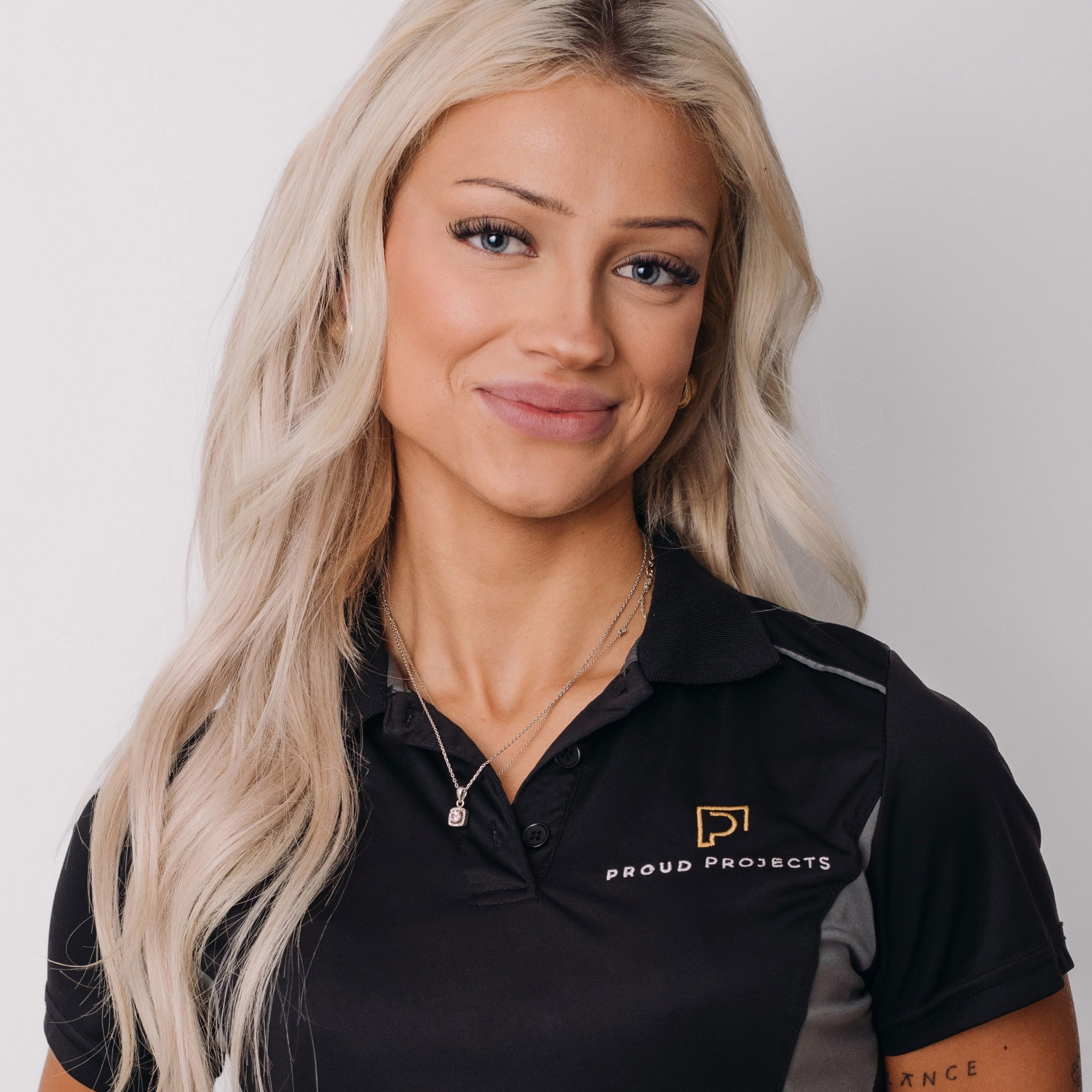
Goodman said she found herself in a small, supportive team and was even working alongside a female chippie.
"She's made me feel a lot more comfortable working in the industry," Goodman said. "I don't get treated differently, and I don't get treated with disrespect."
Goodman is a staunch advocate for the trades, especially for other women.
"Every single time I tell people what I do, they go, 'Oh, really?' or they think I'm lying," she said.
"I tell other girls – why not? Just do it.
"I'm going to graduate and be able to actually save up to buy a house, rather than paying off student debt."
Tradie salaries by occupation
- Electrician $95,000 – $115,000
- Plumber $85,000 – $100,000
- Carpenter $80,000 – $95,000
- Painter $80,000 – $90,000
- Bricklayer$75,000 – $85,000
(Source: Seek.com.au)
Do you have a story? Contact reporter Emily McPherson at EM********@******om.au
NEVER MISS A STORY: Get your breaking news and exclusive stories first by following us across all platforms.
- Download the 9NEWS App here via Apple and Google Play
- Make 9News your preferred source on Google by ticking this box here
- Sign up to our breaking newsletter here
Punches thrown by politicians in chaotic brawl in parliament
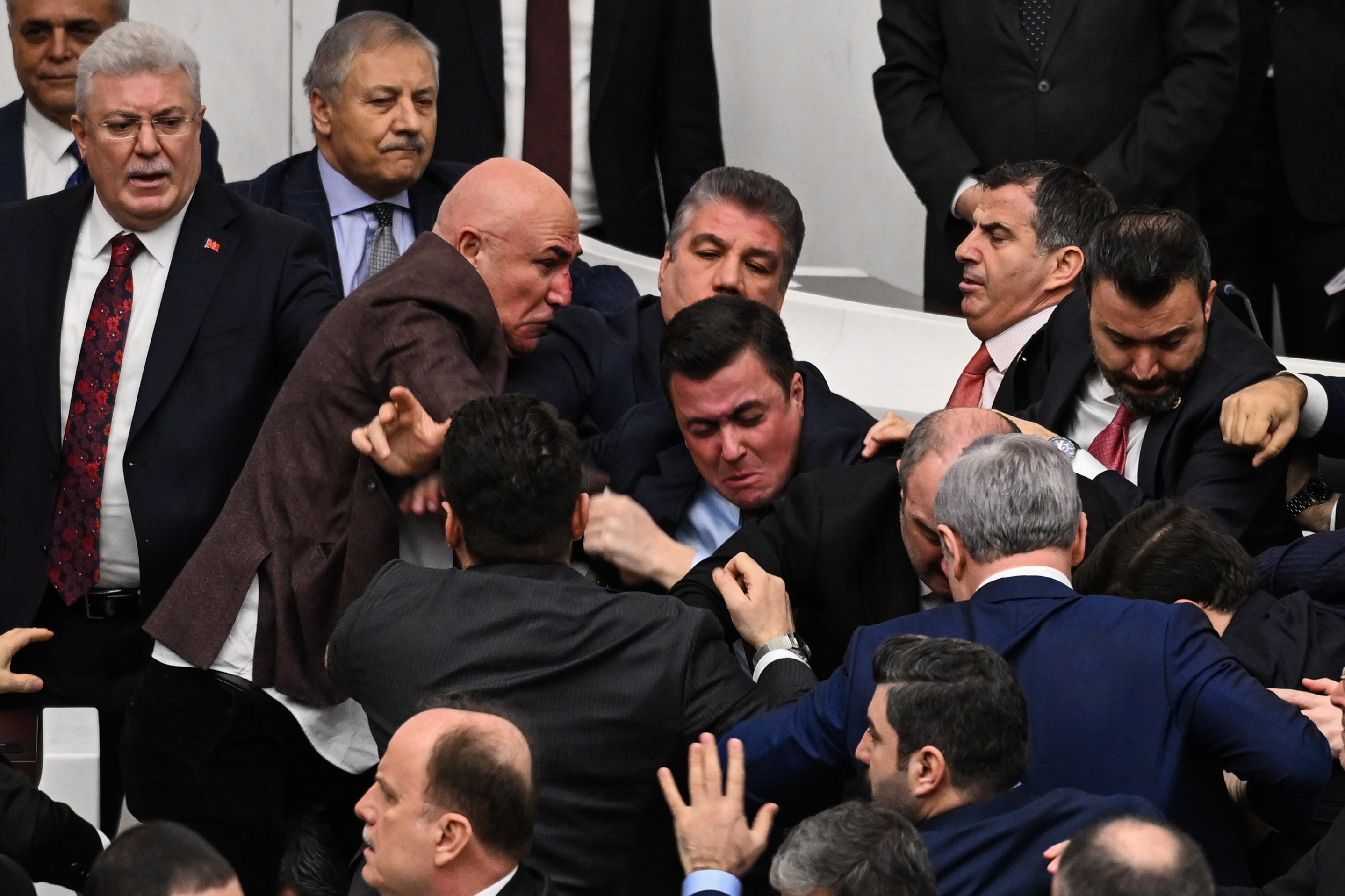
A massive brawl has broken out in Turkish parliament, as opposition politicians looked to block the appointment of the new justice minister.
President Recep Tayyip Erdogan had appointed former chief prosecutor Akin Gurlek to the position; however, opposition legislators attempted to stop him from taking the oath of office this morning.
Video shows punches being thrown and some MPs being separated from each other.
READ MORE: Chinese warships came within 10km of Australian waters
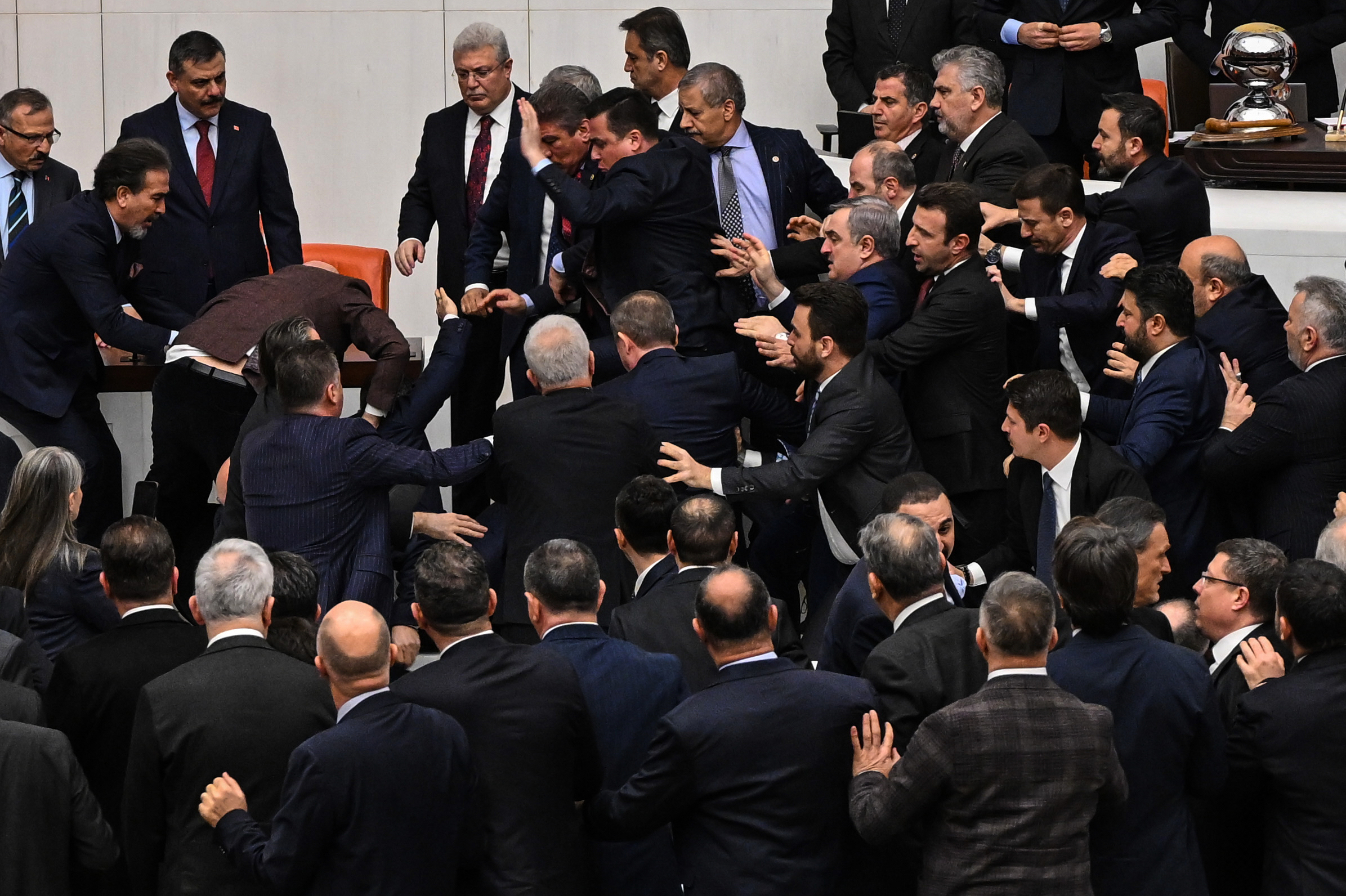
It is not known if any injuries were sustained during the melee or if any politicians will be sanctioned for their actions.
In his previous role as Istanbul chief prosecutor from 2021, Gurlek had been involved in the sentencing of several prominent opposition politicians, including Selahattin Demirtas and Sirri Sureyya Onder.
READ MORE: FBI searches highways in Nancy Guthrie search as man detained in case released
He was also the lead prosecutor in multiple trials involving members of the main opposition party, the Republican People's Party (CHP), which has labelled the proceedings politically motivated.
Despite the drama within the parliament, Gurlek was able to swear his oath later on, surrounded by other members of the ruling party who had formed a protective circle around him.
READ MORE: UK prosecutors speak with police over former prince Andrew's Epstein links
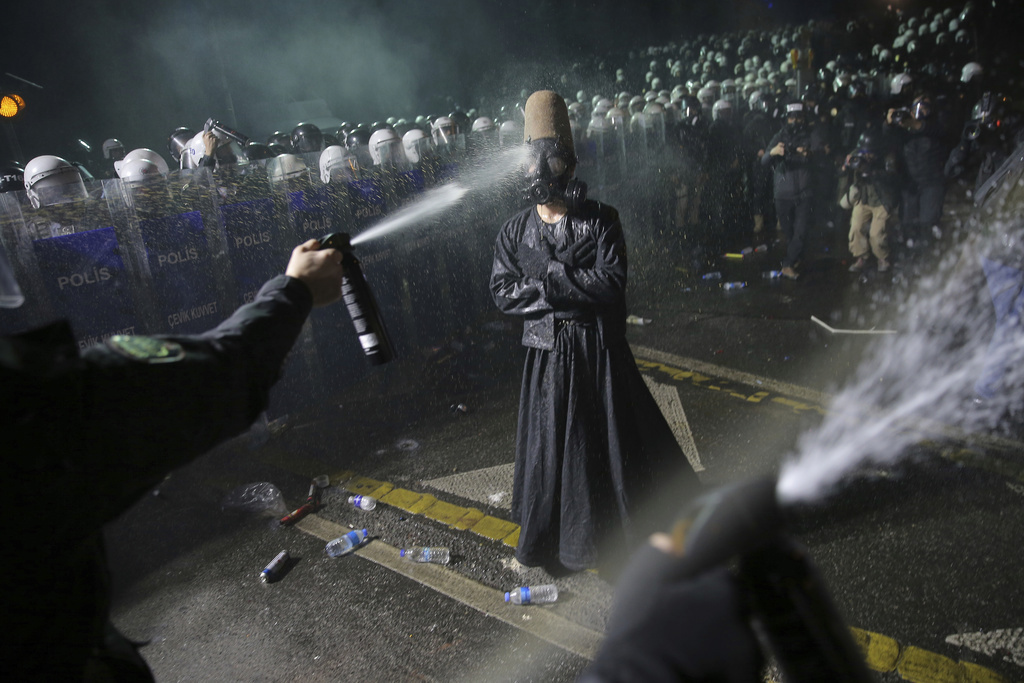
Demonstrations have been held in Turkey over the last year, including when Istanbul mayor Ekrem Imamoglu was arrested in a corruption probe.
Imamoglu was a member of the opposition party, and protests in Istanbul and other cities were the largest seen in the country in a decade.
The government has previously insisted the judiciary is independent.
Reported with Associated Press
NEVER MISS A STORY: Get your breaking news and exclusive stories first by following us across all platforms.
-
Download the 9NEWS App here via Apple and Google Play
-
Make 9News your preferred source on Google by ticking this box here
-
Sign up to our breaking newsletter here
One state driving the biggest spike in first home buyer loans in years
Applications for first home buyer loans rose by nearly seven per cent in Australia, the sharpest rise since 2023, according to new data.
A new five per cent deposit scheme and the federal government's Help to Buy scheme saw nearly 32,000 first home buyer loans in the December quarter, the largest rise since 2023, according to the Australian Bureau of Statistics.
This also saw their value increase by 15.5 per cent.
BREAKING NEWS: Liberal leadership spill confirmed ahead of urgent partyroom meeting

Head of finance stats at the ABS, Dr Mish Tan, said buyers in one state were driving the changes.
"The size of the average first home buyer loan rose by a record 8.5 per cent to $607,624 this quarter and was largely driven by first home buyers in NSW," he said.
"The Australian Government 5% Deposit Scheme has increased the eligibility criteria for first home buyers and we are seeing the early effects of this in our data."
READ MORE: Phil parked between two white lines but still copped a $140 fine
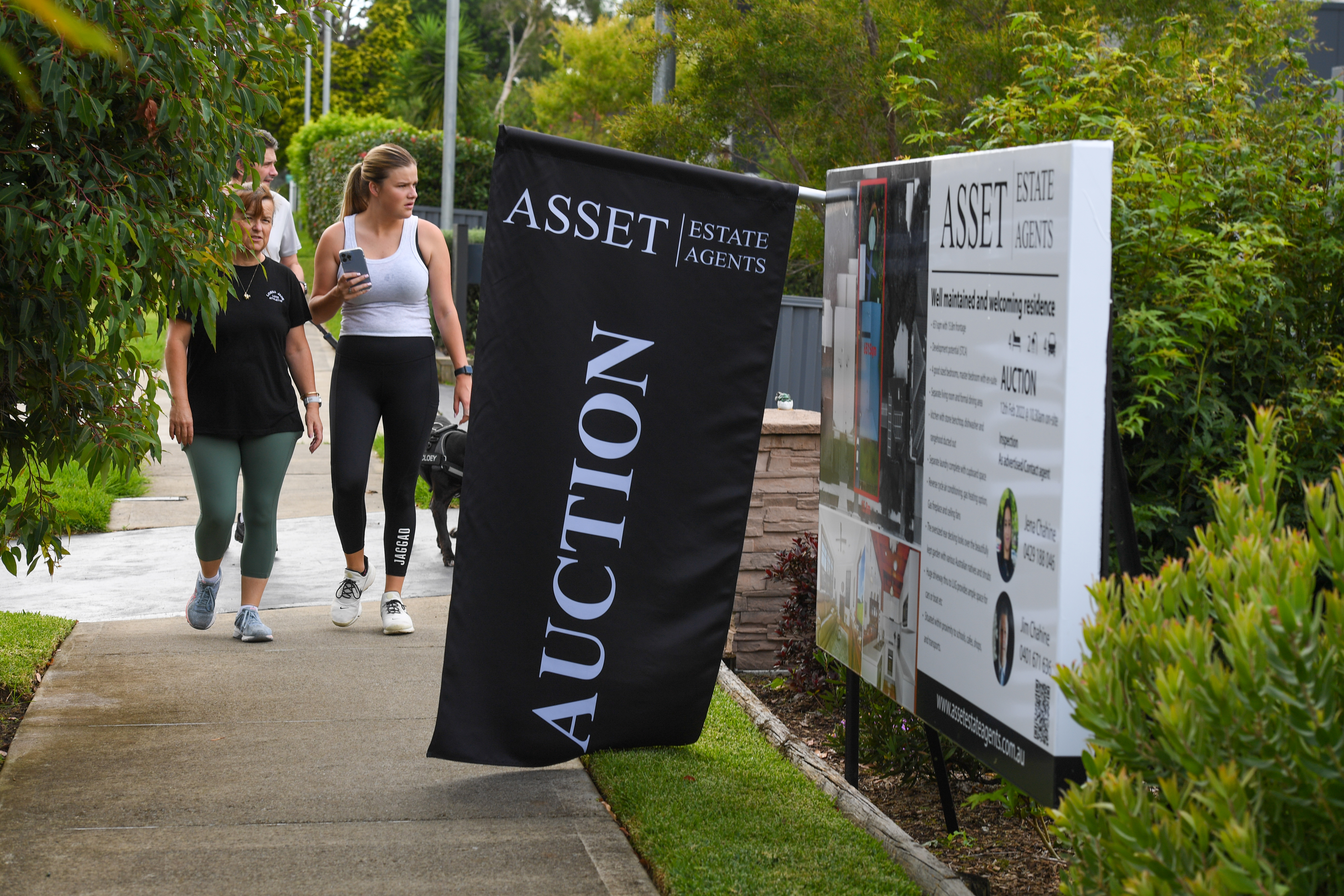
First home buyer loans in New South Wales grew by nearly 11 per cent, with Western Australia and Queensland also having rises of 9.8 per cent and 6.4 per cent respectively.
The only state that saw falls in this area was Tasmania, with first home buyer loan applications dropping by 1.9 per cent.
There were also over 60,000 new investment loans approved in the same time frame, a rise of 5.5 per cent compared to the last quarter and a 23.6 per cent rise compared to the same time period last year.
The total value of these loans was $43 billion, a rise of $3.2 billion.
NEVER MISS A STORY: Get your breaking news and exclusive stories first by following us across all platforms.
-
Download the 9NEWS App here via Apple and Google Play
-
Make 9News your preferred source on Google by ticking this box here
-
Sign up to our breaking newsletter here
The undisputed Aussie prison ‘law’ that may be a myth
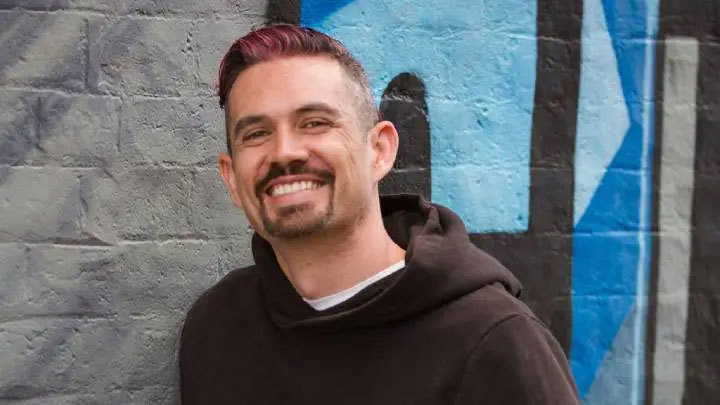
Having spent 10 months in jail, Damien Linnane knows all too well the dangerous gaps that exist in the healthcare that's provided to Australian prisoners behind bars.
After his release from custody, Linnane – a PhD law student – spent the better part of a decade campaigning for the laws to be changed to allow prisoner access to Medicare, alongside doctors and other high-profile advocates.
Then, with the help of Australia's foremost legal expert in Medicare, solicitor Margaret Faux, Linnane made a discovery that turned everything on its head.
READ MORE: Angelic face of Italian PM wiped from controversial church fresco
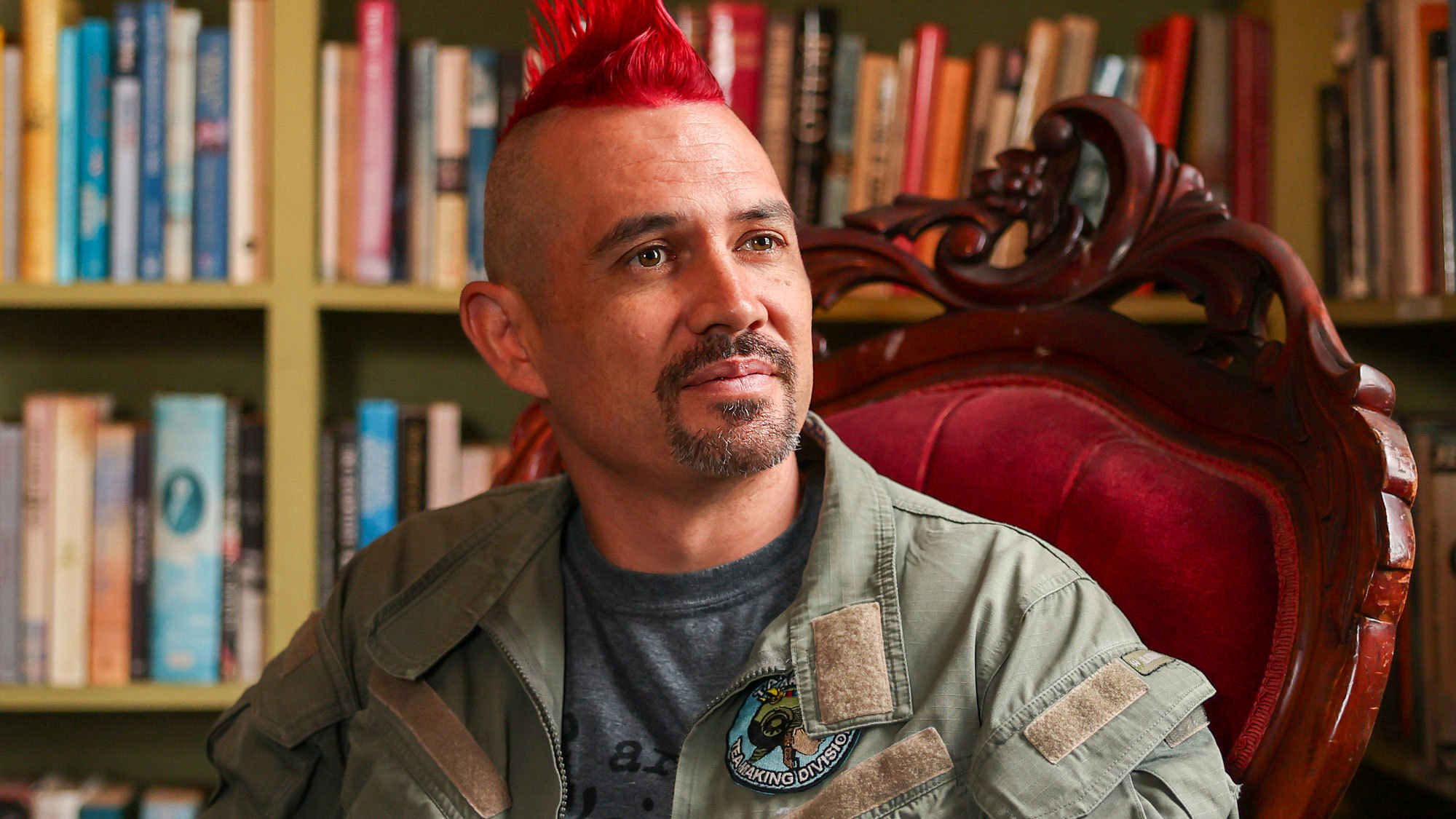
What if everyone had been going about this all wrong? What if the seemingly uncontrovertible fact that prisoners can't claim Medicare rebates never had any basis in Australian law to begin with?
That's what the pair have argued, and Linnane says they have now proven it with a test case.
Last April, Linanne helped a prisoner claim a Medicare rebate for a GP consultation – in what is believed to be the first time in 50 years.
Do you have a story? Contact reporter Emily McPherson at EM********@******om.au
What does the law say?
The long-held belief that prisoners are excluded from Medicare stems from the Health Insurance Act 1973.
The legislation, designed to prevent "double-dipping", states that Medicare benefits are not payable for services already funded by a government authority, such as a state.
However, the law doesn't mention prisoners specifically.
"The legislation basically says Medicare benefits won't be paid for [services] that are provided by the state, and it was just kind of accepted at face value that this applied to prisoners for the last 49 years," Linnane says.
In 2024, Linnane, Faux and NSW human rights lawyer Anthony Levin wrote a paper in the Journal of Law and Medicine, arguing that while the state is responsible for public health in prisons, nothing in the law prevents a prisoner from acting as a "private patient".
Just as patients in a public hospital bed could elect to be a private patient and have their services billed to Medicare, prisoners could also enter into a private contract with a practitioner to claim a rebate, they argued.
Nobody bothered to check?
Linnane believes the 50-year "Medicare myth" has persisted for so long because "nobody cares enough about prison health care".
He says that prisoners are typically poor self-advocates and policies that seek to improve their conditions are rarely a vote-winning issue for politicians.
While prisoners in NSW, Queensland and Victoria can technically apply to see a private doctor, they must bear the cost of transport and security escorts. Documents provided under Freedom of Information to Linnane, and seen by nine.com.au, show the average cost of a trip runs to about $1000 just for transport.
Some states, like Queensland, even advise practitioners on their corrective services website that prisoners are ineligible for Medicare – a claim Linnane and Faux argue is "practically rather than legally imposed".
Linnane's personal experience
Linnane's mission is fueled by the 308 days he spent in prison in 2015.
His path to custody began when, in a state of mental crisis, he burnt down a man's house, reacting to a claim made about an alleged crime.
Before he went into prison, Linnane was seeing a psychologist under a mental health plan and said he had made real progress.
When he entered custody and asked a psychologist if the plan could continue, the response changed his life.
"She smiled sadly and said… 'Damien, everyone in prison would benefit from mental health treatment, but there is no funding for that,'" Linnane said.
Without access to his plan, Linnane's mental health deteriorated and he began having suicidal thoughts. However, Linnane claims no mental health treatment was made available except for placement in a "safe cell" – an experience he likened to solitary confinement.
The epiphany
Linnane said exclusion of prisoners from Medicare was built on a foundation of systemic misinformation.
He was even told by prison staff that his Medicare card had been "deactivated" the moment he was processed – a claim he later discovered was incorrect.
The "aha!" moment occurred when Linnane invited Faux to speak at a conference, and Faux, in her speech, questioned why prisoners could enter into contracts with private lawyers but not doctors.
The pair then realised that the denial of Medicare was a technical barrier rather than a legal one.
Wondering if they were "missing something obvious", they ran their theory by Levin, who confirmed their legal logic.
The test case
To prove it could work, Linnane organised a test case last April, setting up a telehealth appointment with a prisoner who had been behind bars for more than 10 years and a GP who agreed to bulk bill him.
When the Medicare rebate was successfully processed, the team celebrated.
"Now we know this works, this gives us the information we need to go forward," Linnane said.
When nine.com.au contacted NSW Justice Health, a spokesperson said the department could not comment as the Commonwealth Department of Health was the responsible agency for legislation around prisoners and Medicare.
A spokesperson for the Department of Health, Disability and Ageing said: "State and territory governments are responsible through their own legislation for the delivery of corrective services, which includes delivery of healthcare to persons in prisons".
What is next?
Linnane and a pro-bono law firm are now seeking declaratory relief in the Federal Court to have a judge formally confirm that this access is legal.
"We just want the court to tell us whether this was possible or not, because no-one has ever asked," Linnane said.
Linnane makes sure to clarify that he doesn't want to replace the whole prison healthcare system, but to supplement it where gaps exist.
And the stakes can be life and death.
Linnane points to the case of Douglas "Mootijah" Shillingsworth, who died of a preventable ear infection.
A coroner found that a Medicare-funded Indigenous health assessment could have picked up the condition, but no non-Medicare equivalent was available.
"The Shillingsworth case is not isolated," Linnane said.
"There have been several coronial inquests into deaths in custody that have connected a death to a lack of Medicare.
"There will be a lot fewer deaths in custody and, in particular Indigenous deaths, if prisons can start billing some services that they aren't able to provide."
NEVER MISS A STORY: Get your breaking news and exclusive stories first by following us across all platforms.
- Download the 9NEWS App here via Apple and Google Play
- Make 9News your preferred source on Google by ticking this box here
- Sign up to our breaking newsletter here
Phil parked between two white lines but still copped a $140 fine
Exclusive: Another Australian has been stung by 'confusing' parking rules at a popular Sydney beach.
Phil* parked in what he thought was a marked space at the carpark near South Maroubra Surf Lifesaving Club in November.
After a day at the beach, he returned to a $140 parking fine for not parking "wholly within a parking bay".
EPSTEIN FILES: Trump named in the unredacted files 'more than a million times'
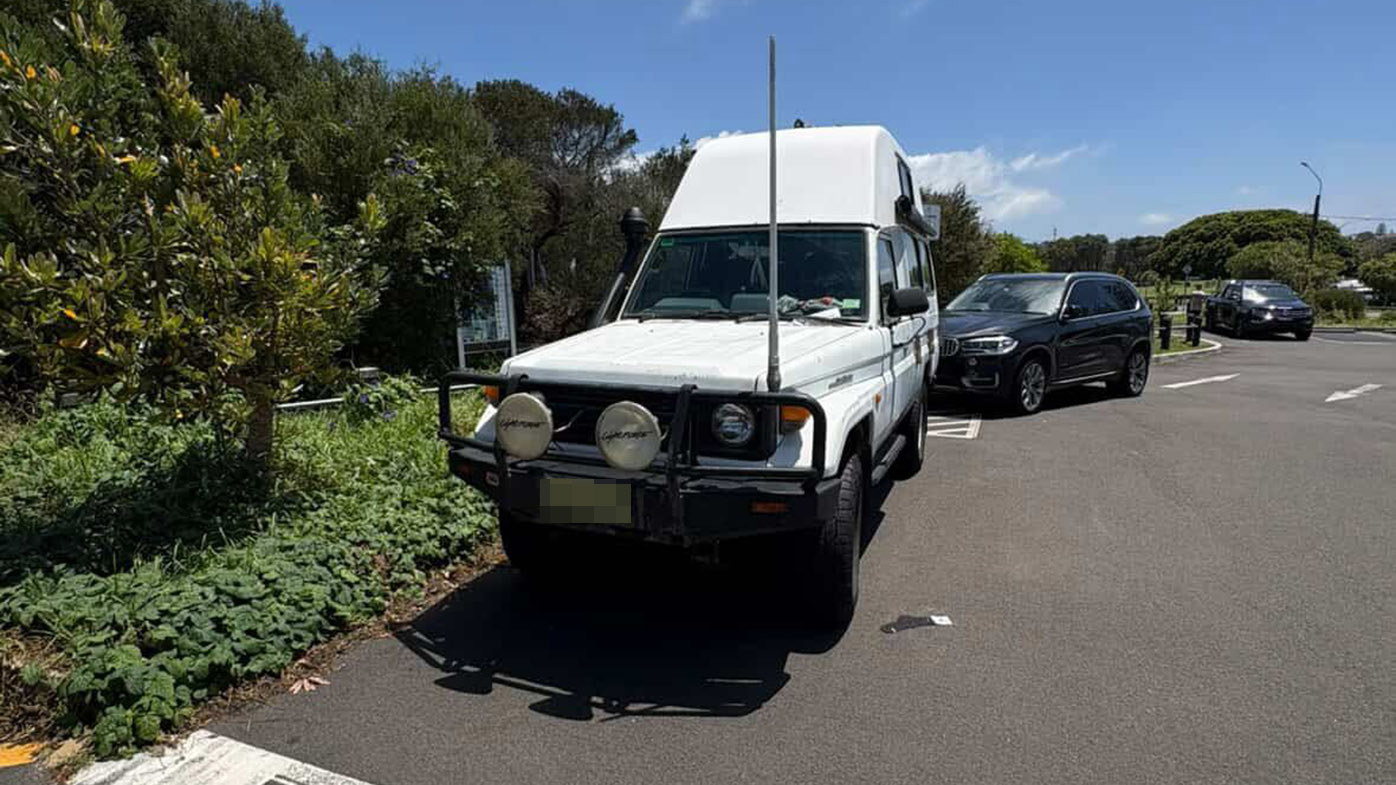
Phil was baffled by the fine.
He snapped photos showing he had parked between two white lines which he believed marked a parking space and requested a review through Revenue NSW.
"It's very frustrating," he told nine.com.au.
"To receive $140 fine over an honest mistake in a cost of living crisis is unspeakable – all for a couple of hours at the beach."
Have you got a story? Contact reporter Maddison Leach at our breaking newsletter here
Urgent deadline looms for thousands like Justin owed share in $475m
Hundreds of thousands of Robodebt victims could miss out on thousands in compensation if they fail to register for a fresh class action settlement before a looming deadline.
The federal government agreed to pay $475 million in compensation to victims of the Coalition's "illegal and immoral" Robodebt scandal – the largest class action settlement in Australian history.
Gordon Legal – which launched the class action lawsuit – said that while 100,000 impacted Australians have signed up for the compensation, hundreds of thousands more could miss out.
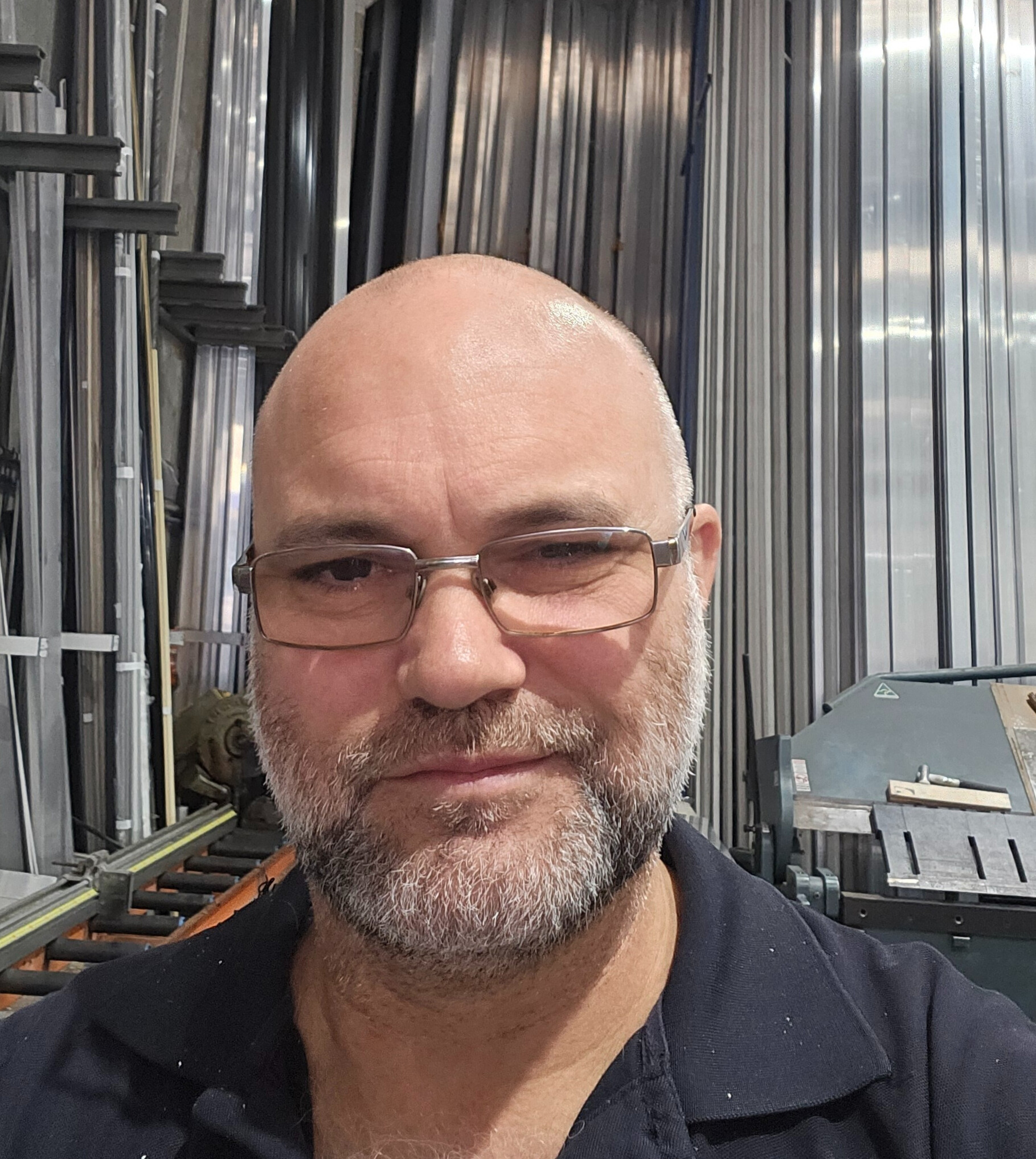
NSW man Justin is among the 443,000 Australians who were delivered a crushing Robodebt notice.
READ MORE: Sydney couple sold house, quit jobs after feeling 'trapped' in rat race
Do you have a story? Contact reporter April Glover at our breaking newsletter here
What is Roblox and should you let your kids use it?
It's one of the world's biggest phenomena among school-age children, and the online safety watchdog has just put it on notice. So what do parents need to know about Roblox?
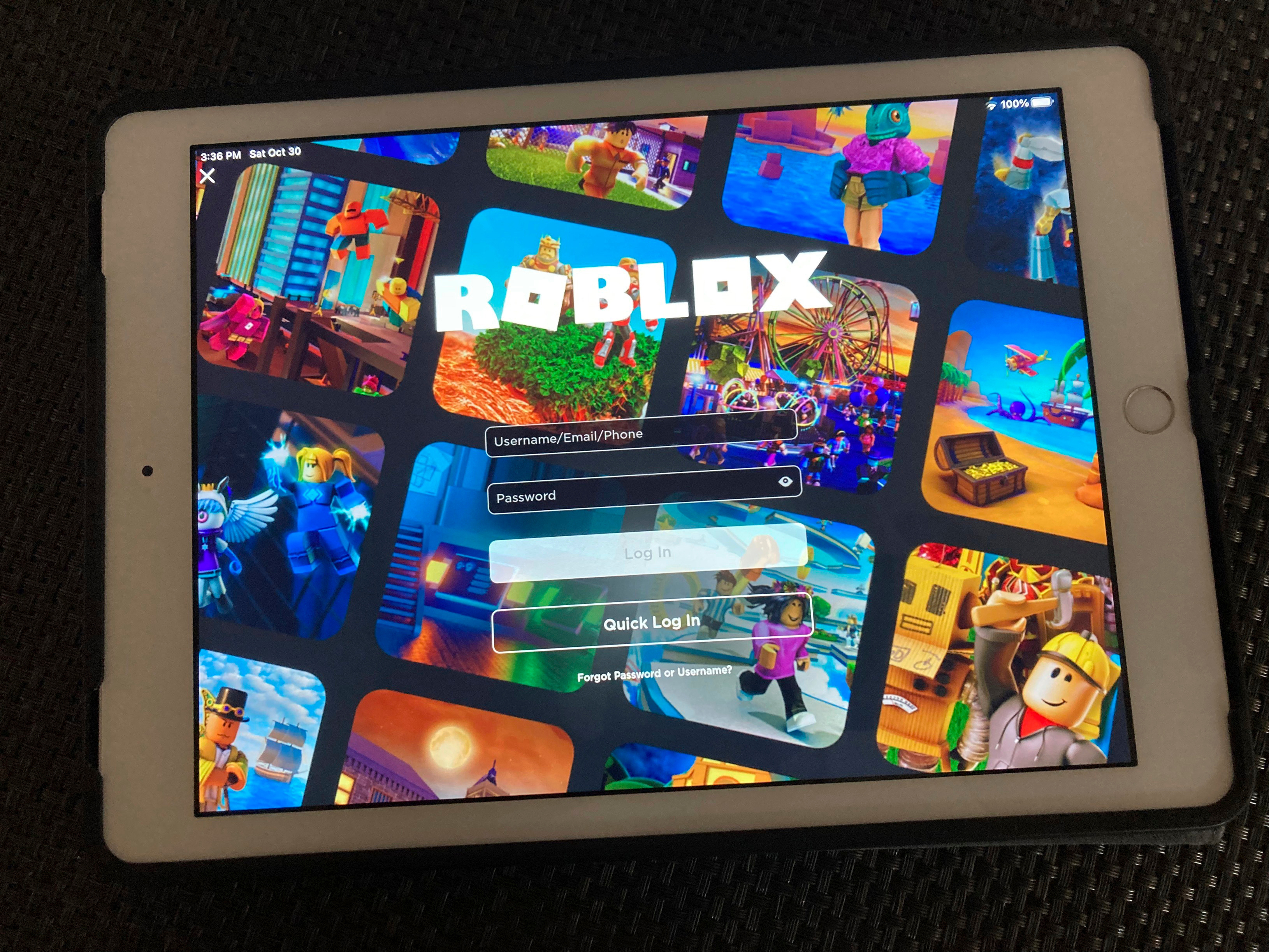
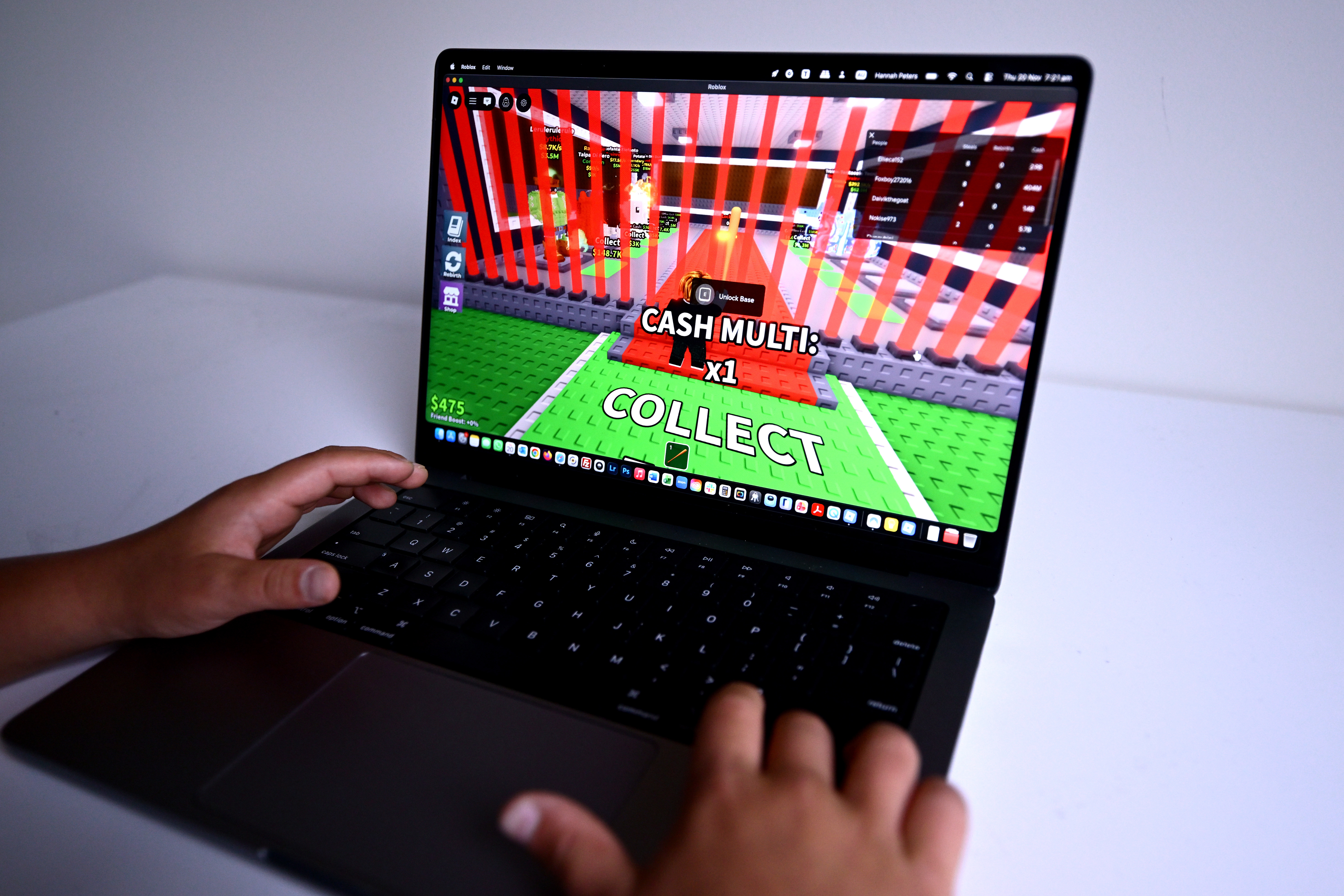
The online gaming platform was released in 2006 and has become a huge hit among under-16s in particular, comparable to global fads like Fortnite.
On Roblox, people can create and share their own games, and play them with friends – or total strangers.
EPSTEIN FILES: Trump's bombshell claims about Epstein in mid-2000s revealed

There is also a social media aspect to the platform, including a chat feature.
While Roblox is yet to be caught up in Australia's social media ban, it has put in place safety measures that are meant to prevent contact between adults on the platform and under-16s.
However, the eSafety Commissioner has now said those measures will be tested, amid growing concerns of child exploitation on the platform.
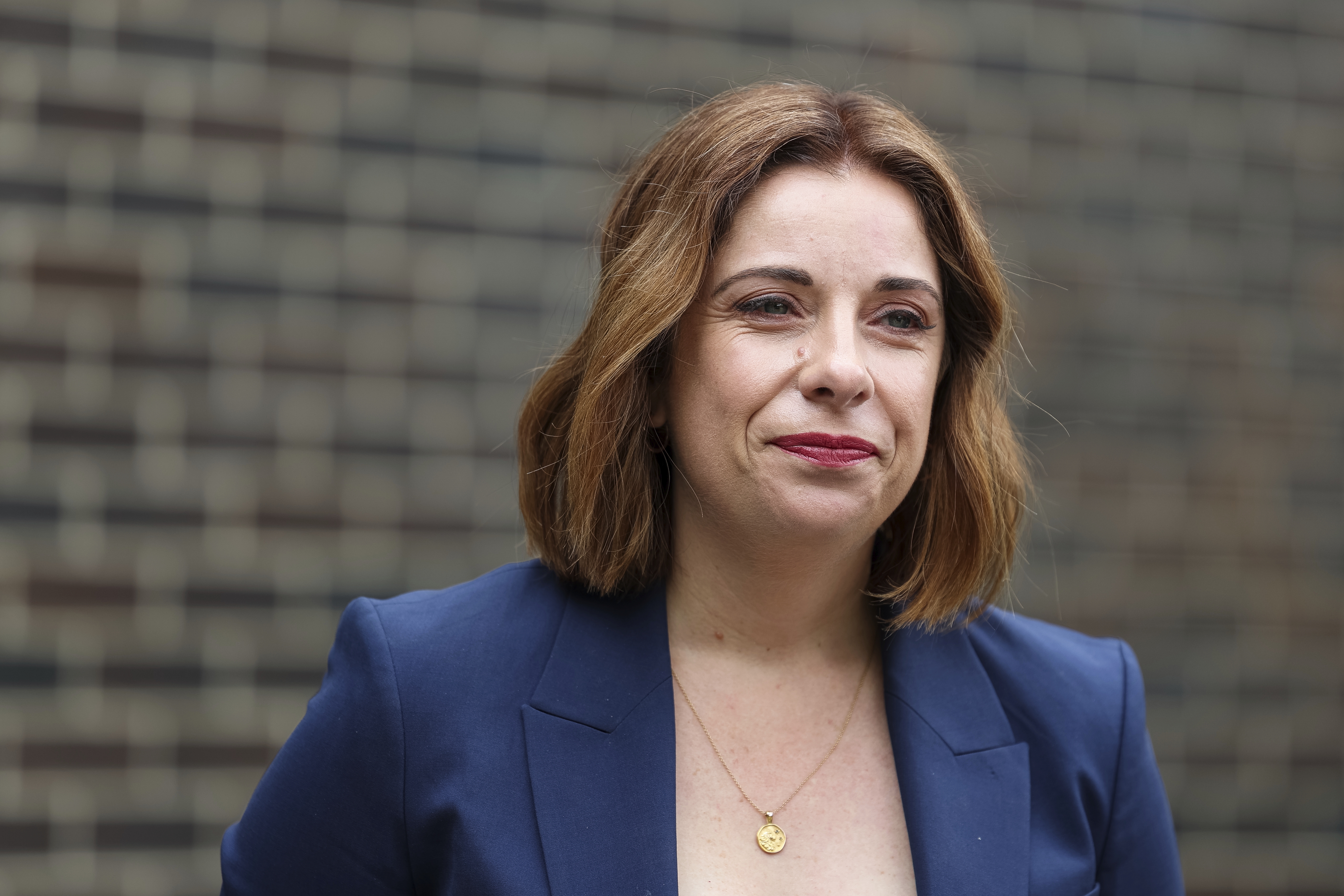
Communications Minister Anika Wells is also seeking a meeting with Roblox representatives, with her office confirming the company had agreed.
READ MORE: WA man jailed after building 'panic room' to hide kidnapped girl
What's the danger?
There are fears that adult predators may be turning to sites like Roblox to target victims.
Leading digital researcher and futurist Dr Jo Orlando said parents needed to understand the gargantuan scale of the Roblox phenomenon.
"Millions of kids around the world are on this every day," she said.
WATCH: Chilling images of man on doorstep of US TV anchor's missing mum
OLYMPICS: Aussie snowboarding star breaks neck in 'serious' training crash
She said there did appear to be an increase in the attention being paid to grooming and exploitation online, but that it had been an "ongoing problem" in the community.
The social media ban has had its own impact, concentrating young users onto fewer sites.
"Groomers approach as friends. You know, they'll send a message saying 'hi, you seem cool'," she said.
"It doesn't seem like a threat to a kid, and that's step one for the groomers."
READ MORE: Grisly discovery in search for missing backpacker in Tasmanian bush

She said Roblox's chat barricades between adults and children had been a good idea, but "on the ground" it simply wasn't working as intended.
Orlando said parents needed to be aware of what their children were doing and who they were speaking with online, especially on Roblox, due to the huge and sprawling nature of the concept.
"Roblox is a bit of a free-for-all," she said.
"You need to know what's going on, you need to be more hands-on as a parent. You can't keep it in the background."
The simplest way for parents to check their children's safety was to read their messages after logging off, if they suspected something was wrong, Orlando said.
Changes in behaviour, increased time on their device, secretive behaviour, and even risque talk could all indicate potential danger.

Orlando said the next step for any parent was simple – report the matter to police.
"They are on it very quickly, they are great," she said.
She said that even if any messaging or behaviour had only changed recently, there may have been weeks or months of prior grooming leading up to it.
Leading expert Professor Nicola Henry from RMIT University said image-based abuse facilitated by AI followed a recognisable pattern.
"First, they make you feel special – like you can trust them," Henry said.
"Then they make you feel like you don't want to tell anyone about them.
"The conversations often become sexual or deeply personal very quickly.
"Then things change – fast."
What's being done?
Wells said Roblox was being "put on notice" by the government ahead of their meeting.
"The reports we've been hearing about children being exposed to graphic content on Roblox and predators actively using the platform to groom young people are horrendous," she said.
"Something must be done – now.
"Australian parents and children expect more from Roblox. They can and must do more to protect kids, and when we meet I'll be asking how they propose to do that."
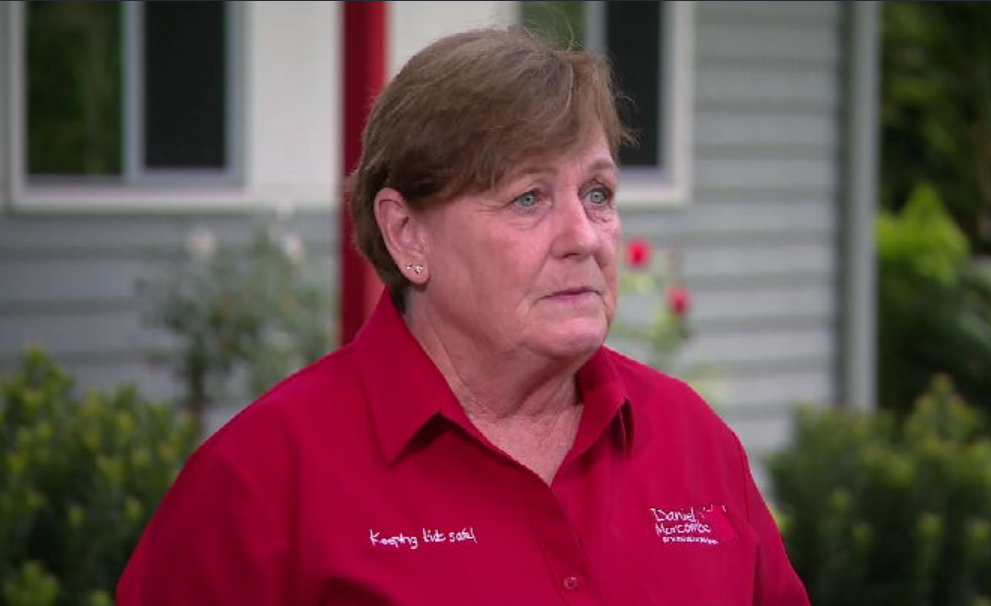
Meanwhile, The Daniel Morcombe Foundation yesterday launched two new resources to support schools, families and young people to recognise, react and report abuse.
The films and accompanying guides were designed to be delivered in the classroom.
Victim-survivors and young people were consulted in scripting and production, as well as educators and experts, to ensure the films were realistic and respectful.
Bruce and Denise Morcombe addressed the fears around Roblox when they spoke at the launch.
"If anybody's children are using it, just please watch what your children are doing, and just make sure they're not talking to different people that they don't know," Denise Morcombe said.
Roblox has defended its child safety measures, saying the protection of users was a major priority.
"Roblox has robust safety policies and processes to help protect users that go beyond many other platforms, and advanced safeguards that monitor for harmful content and communications," a spokesperson said.
"We have filters designed to block the sharing of personal information, our chat features don't allow user-to-user image or video sharing, and we recently rolled out age checks globally to limit kids and teens to only chatting with others of similar age by default.
"We also work closely with Australian law enforcement to support their investigations. While no system is perfect, our commitment to safety never ends, and we continue to strengthen protections to help keep users safe."
Tech expert Trevor Long said Roblox had gone a lot further than many other platforms, putting in place "industry-leading" protections.
But, he said, "they're not doing enough to stop kids seeing content they shouldn't see".
"The most important thing is educating parents that Roblox is not a kid's game. It's not. It looks like a cartoon," he told Today.
"When you see all the vision that we're showing of Roblox, you think it's a fun, cartoony game. It can be. But there's also other things that happen within Roblox that are not really kid-friendly gaming."
NEVER MISS A STORY: Get your breaking news and exclusive stories first by following us across all platforms.
- Download the 9NEWS App here via Apple and Google Play
- Make 9News your preferred source on Google by ticking this box here
- Sign up to our breaking newsletter here