Australian ski tourists should be forced to download and use New Zealand’s Covid Tracer app as part of newly proposed measures to guard against a fresh virus outbreak, an expert says.It came as flights between New Zealand and New…
Tag Archives: oceania
Simon Greenwood claims to be 'very careful and experienced' motorcyclist in trial following partner Nikki Gapes' death
Auckland businessman Simon Greenwood has claimed to be a “very careful and experienced” motorcyclist who had ridden the state highway where he crashed into a car at least eight to 10 times.”There’s many opportunities to overtake…
Breast cancer test that could help thousands of Aussies avoid chemo
When Victorian mum Naomi Raftery was diagnosed with stage one breast cancer, the whirlwind of treatment began almost immediately.
First, she had surgery to have the lump and surrounding lymph nodes removed.
Then doctors found more cancer cells and a mastectomy was needed.
But when it came to the question of whether she should have chemotherapy, the answer wasn't so clear-cut.
Her oncologist recommended getting a genomic test, known as gene expression profiling, which would help predict her individual risk of the cancer coming back without chemotherapy.
But there was one catch: the test was expensive at $4500.
LIVE NEWS UPDATES: Sydney COVID cluster balloons to 21
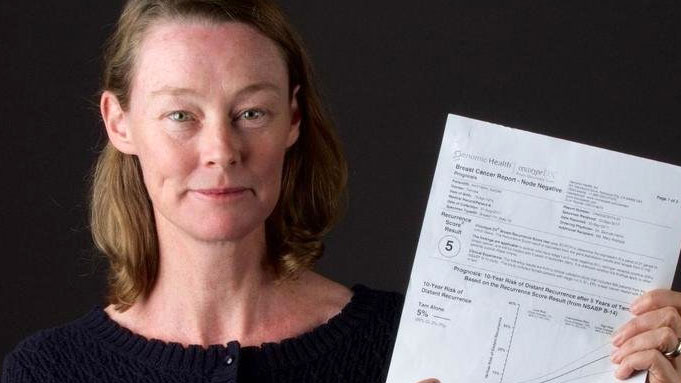
The 43-year-old mum was keen to avoid chemotherapy if it wasn't necessary.
"I'd already had two operations. I was pretty tired, and I hadn't even done chemo yet," she said.
"We were lucky in that we were saving for a house at the time, so we had that amount to spend.
"It was a no-brainer really. We did the test."
The results were promising.
"The test showed that I had a 5 per cent chance of reoccurrence in the next 10 years, which is really low, and in line with getting it in the first place, actually,"
"Chemotherapy would have lowered the risk by 1 per cent, so not enough bang for the buck."
Based on the test results, Ms Raftery's oncologist advised her hormone therapy alone would be sufficient without chemotherapy.
"It really was a relief to hear that news," she said.
"But, about 30 seconds after that, I thought about the people that couldn't afford to have that test.
"They would have had to go ahead with chemotherapy, even if they didn't need it."
Ms Raftery started an online petition calling for the government to fund gene expression profiling tests for breast cancer patients.
That was almost four years ago in 2017.
These days, Ms Raftery is still healthy and looking forward to marking five years cancer-free next year.

The gene expression profiling tests are still not funded, but calls for the Federal Government to add them to the Medicare Benefits Schedule are picking up pace.
Earlier this month, Perth oncologist Dr Tim Clay started his own petition calling on the government to make the change, which has so far attracted more than 15,000 signatures.
Dr Clay told nine.com.au that of the 20,000 Australians diagnosed with breast cancer each year, about 3000 to 3500 could be undergoing chemotherapy when they didn't need it.
For the 65 per cent of women who have hormone receptor positive HER2 negative cancers, genomic testing was a reliable way to way to give patients more information to base their treatment decisions on, Dr Clay said.
"There are some women with types of cancer that are very high risk and definitely require chemotherapy," he said.
"Then there's a group of women with intermediate-risk cancers where there is a balance between the benefits of chemotherapy and side effects.
"The test works in both directions, it predicts people who won't benefit, but it also identifies who will benefit and who really needs these treatments."
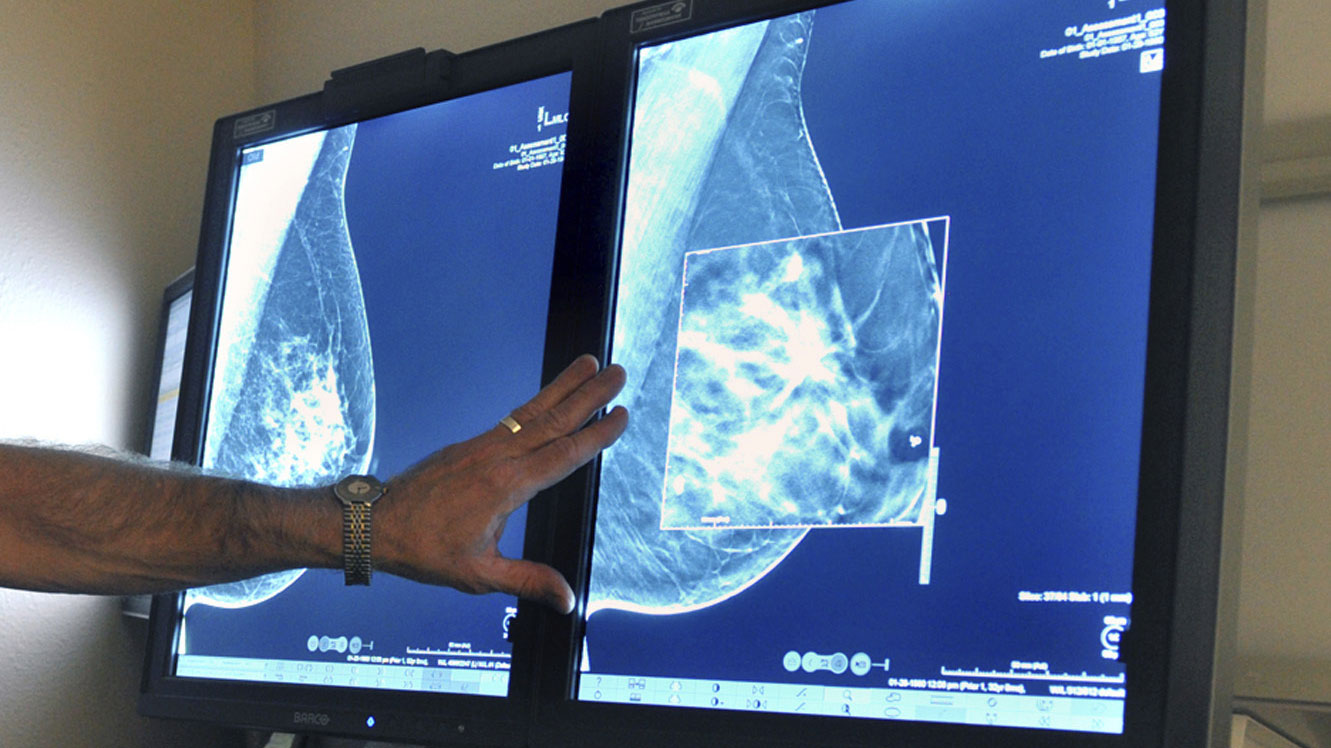
Genomic tests for breast cancer, such as Oncotype Dx, Mammaprint, Prosigna and Endopredict, have been available for more than a decade. Some can cost up to $6000.
The Medical Services Advisory Committee (MSAC) has considered funding applications for all four tests, but is yet to support any.
A Department of Health spokesperson said the MSAC "was particularly concerned relying on the test results to determine treatment may not optimise cancer outcomes for patients".
However, the government "was aware of public expectations" for funded access to gene expression profiling tests in early breast cancer, the spokesperson said.
Later this month the Royal College of Pathologists of Australasia (RCPA), together with the Department of Health and Cancer Australia, will host a workshop with experts to discuss options for funded access to these tests in Australia.
Dr Clay said the case for the government funding the tests had become more compelling over time and there was a growing frustration among doctors that they weren't.
"For every year that goes by more research gets presented that reaffirms the importance of these tests.
"No research is perfect, but the quality of the research is still high quality and very reliable."
The tests currently receive government funding in the UK and Canada as well as several countries in Europe, he added.
"There are large and comparable countries who see that these tests have enough value of money to be reimbursed. So Australia is a little bit of an outlier compared to some comparable nations," Dr Clay said.
The cost to taxpayers of providing chemotherapy could add up to about $3000 per patient, but the economic and social costs also needed to be taken into account, Dr Clay.
"We're very aware of some of the things people go through with chemotherapy like nausea, infection risk, and hair loss," Dr Clay said.
"But there are other things a little less tangible, like the ability to go to work or care for your children or your grandchildren or to participate in day-to-day life."
Contact reporter Emily McPherson at em********@******om.au.
Solving India's deadly conflict between humans and elephants
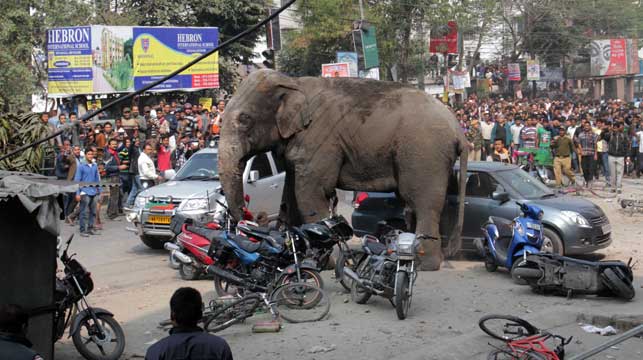
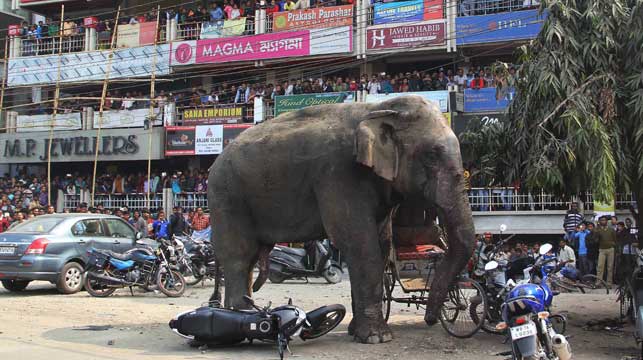
Normally considered gentle giants, elephants are increasingly coming into conflict with humans in India, where they kill around 500 people every year.
The country is home to the world's largest population of Asian elephants, a species listed as endangered, with declining populations across its home range of 13 countries.
Their forest habitats are being eroded by agriculture and infrastructure, as India's growing population of almost 1.4 billion people expands further into wild spaces.
READ MORE: China elephant herd take adorable nap after 500km trek
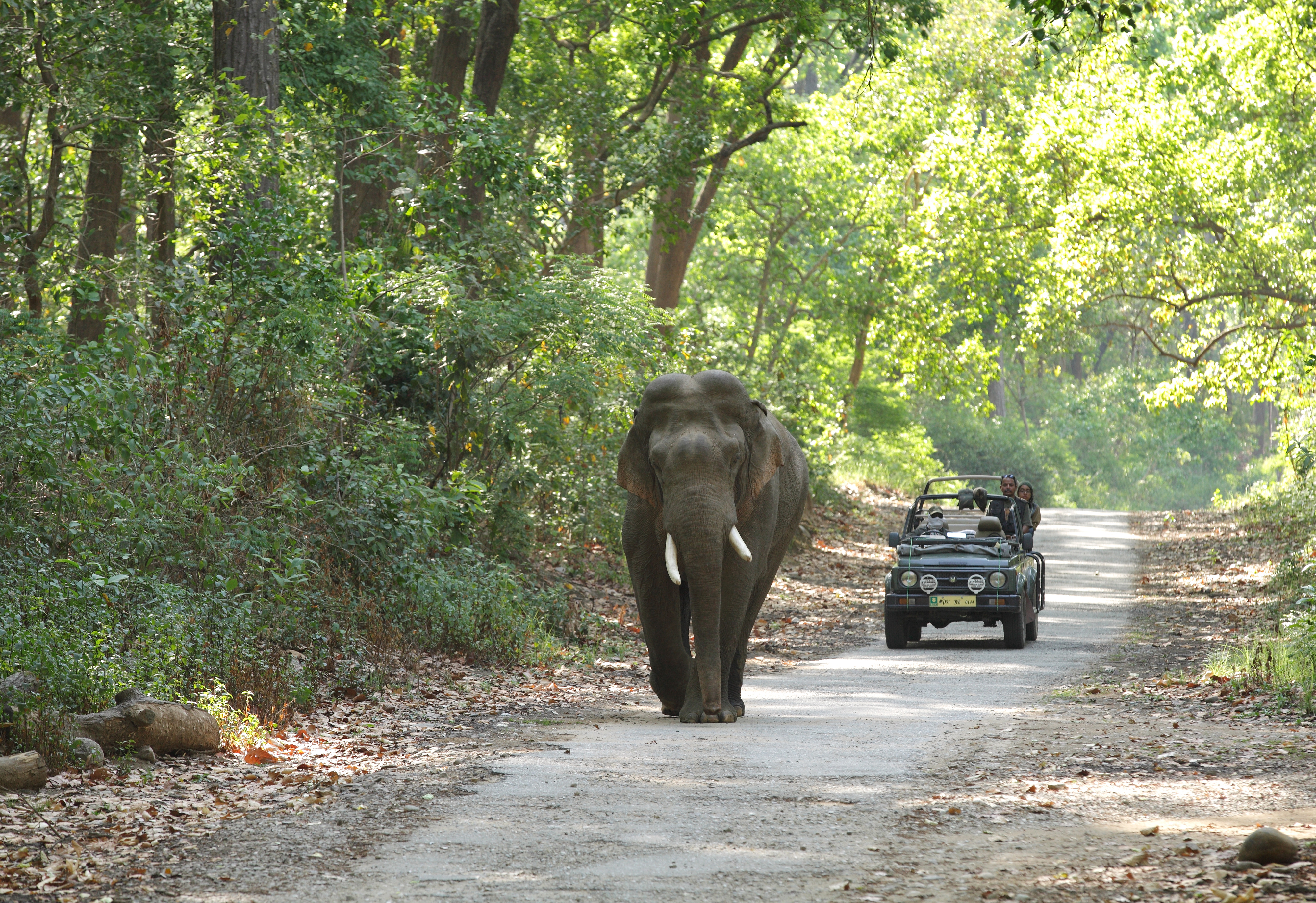
"One of the biggest challenges in India is the fact that we have less than 5 per cent of land set aside for wildlife, and there are millions of people who live adjacent to our protected areas or inside," says Krithi Karanth, chief conservation scientist and executive director of the Centre for Wildlife Studies, headquartered in Bangalore, southern India.
The country has over 100 national parks and around 30 elephant reserves, but many of India's 30,000 elephants live outside these protected areas and have less and less habitat to roam in search of food. That's leading them into increased contact with humans.
Night-time crop raiders
At around three metres tall and weighing up to 5000 kilos, an elephant eats around 150kg of food per day – mostly grass, leaves and bark. But more nutritious crops like sugarcane, rice and bananas can be especially enticing.
"A lot of the elephant encounters happen by chance," says Ms Karanth, who was recently named a "Wild Innovator" by the non-profit Wild Elements Foundation, in a new program to support environmental projects led by women worldwide.
READ MORE: Sydney couple's close encounter with a humpback whale
Farmers trying to protect their crops can be accidentally killed by elephants when they try to chase them away, she says.
"We've also documented a lot of deaths where people happen to be walking home at night and they just run into elephants."
India accounts for 70-80 per cent of all recorded human deaths due to elephants in Asia, according to Sandeep Kumar Tiwari, of the Wildlife Trust of India and the IUCN SSC Asian Elephant Specialist Group.
Mr Tiwari says around 500,000 families are impacted by conflict with elephants every year across the country, mostly by the animals damaging their crops.
Between 80 to 100 elephants are killed by human-related activity each year, he adds — some from retaliation acts like poisoning or electrocution, others from being run over by trains.
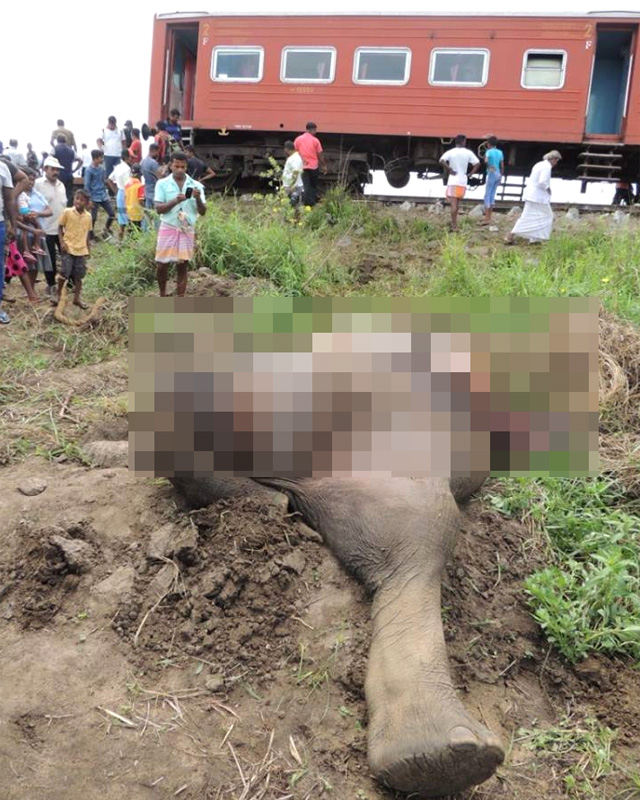
Finding ways for people and elephants to co-exist peacefully will require a concerted effort from government, conservationists and the public to come together to solve this issue both in the short- and long-term, says Mr Tiwari.
Finding effective solutions
Farmers sometimes use light and noise to scare elephants away, but these tactics can become less effective as the animals grow accustomed to them.
Planting crops that elephants don't like to eat, such as chilis, lemons and ginger, digging trenches, and setting up alarm systems to warn people of nearby elephants can all help keep the animals away from agricultural land. Community groups can also be trained to guide elephants back towards the forest and away from crops.
Another approach is to help people in rural communities deal with the impact that elephants can have on their daily life. The Indian government offers compensation for families who have suffered losses from wild animals but receiving a payment can be a long and bureaucratic process, according to Ms Karanth.
She has developed a program to help rural communities access the compensation. They can call a toll-free number and her staff will assess the damage and help them submit the necessary paperwork to make a claim. She says the Wild Seve program has helped families submit almost 18,000 claims and receive almost $800,000 in compensation over the past five and half years.
In the long-term, one of the most effective ways to reduce the conflict will be to restore and protect forest areas and the ancient migration "corridors" elephants travel through, says Mr Tiwari.
These strips of forest link elephants' natural habitats, and preserving them means the animals have less reason to stray onto farmland.
Mr Tiwari's organization, the Wildlife Trust of India, along with the Ministry of Environment, Forest and Climate Change, and other partners, has identified 101 such corridors and is working with state and national government to protect and secure them.
https://www.facebook.com/WildlifeTrustOfIndia/posts/5694406243935389
Designing infrastructure like roads with underpasses for wildlife can also help keep connectivity for these corridors.
In a country where elephants are seen as a sacred animal – the incarnation of the god Ganesh – by the majority Hindu population, both Mr Tiwari and Ms Karanth say tolerance for elephants encroaching on farmland is generally high. Ms Karanth warns against complacency but is optimistic that the situation will improve.
"There is a deep religious, cultural affinity for this animal," Ms Karanth says. "I'm hopeful that people will do more for elephants because of this affinity."
Before alleged MacGill kidnap, a trip to Bunnings and 'drug rip'
Hours before Stuart MacGill was allegedly kidnapped and threatened with a gun, police believe two men visited a Bunnings store in Sydney and bought a number of items used to catch and restrain the former Aussie cricketer.
A drug deal gone wrong, which did not involve Mr MacGill, had also preceded the alleged snatching of the retired Test cricketer from a street in Cremorne, North Sydney in April.
As the hunt for three men continues, CCTV has been released which shows a pair of burly Pacific Islanders strolling into a Bunnings in north-west Sydney.


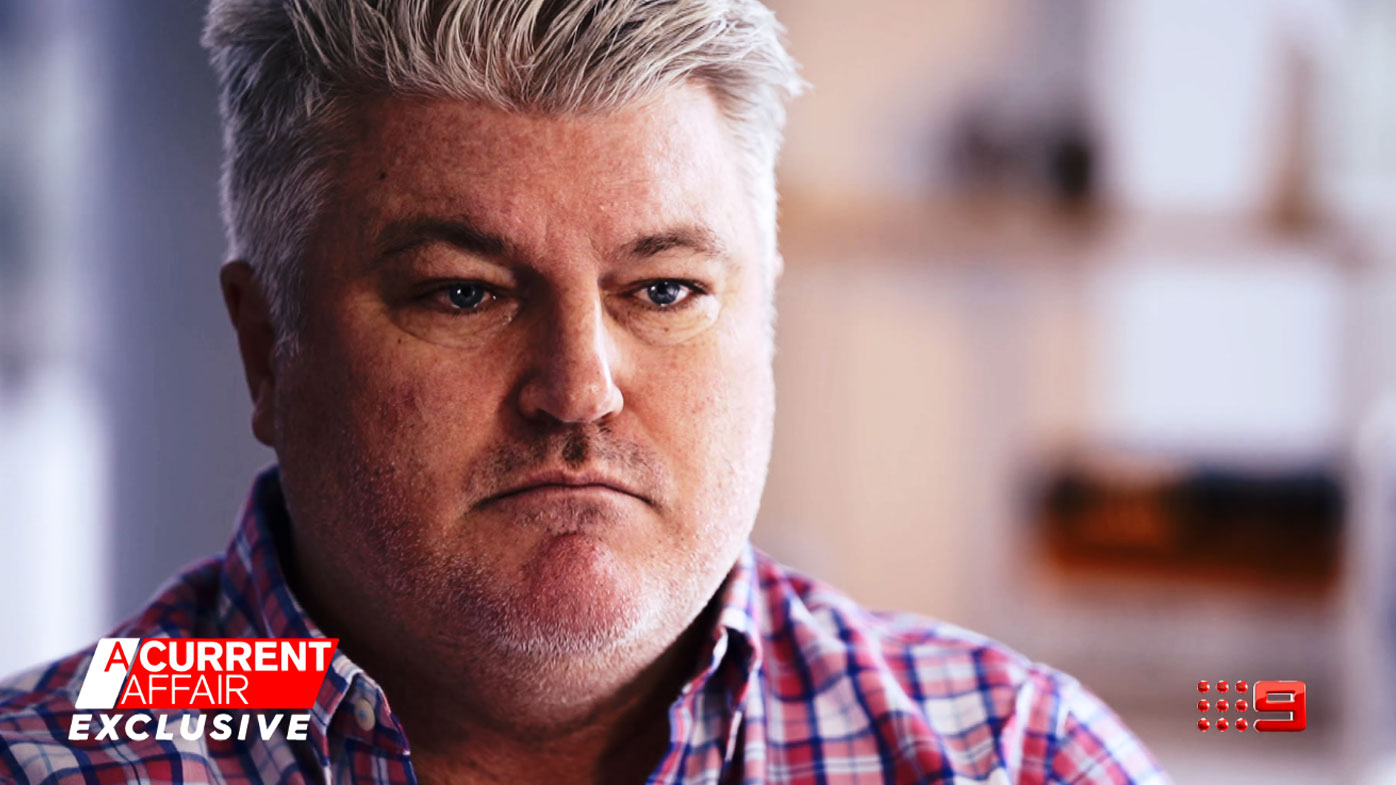
EXCLUSIVE: Aussie cricket legend speaks out for first time over terrifying alleged kidnap ordeal
Detective Superintendent Andrew Koutsoufis refused to clarify what items the men had purchased in Bunnings, only saying they were "used in the kidnapping and detention" of Mr MacGill.
Mr Koutsoufis also did not reveal exactly which Bunnings branch the men visited.
Just hours after the pair left Bunnings, Mr MacGill was allegedly bundled into a car off a Cremorne street and driven to a property in Bringelly in Sydney's west, where he was allegedly held captive for around an hour and threatened with a gun.
Mr MacGill, aged 50, was then allegedly driven to the western suburb of Belmore and released.
DO YOU KNOW MORE? CONTACT: ms******@******om.au
Four men have already been arrested but NSW Police are now searching for three other men – the two Pacific Island males and an alleged drug dealer known as Sonny, with links to Ryde in Sydney's west.
Sonny is wanted by police for his involvement in an alleged "drug rip", Mr Koutsoufis said, the term for a drug deal gone wrong.
"There was an agreement for a transaction revolving around money and drugs," Mr Koutsoufis told reporters.
"The drugs were produced but the money wasn't."
READ MORE: Murder trial begins for French woman who killed abusive husband
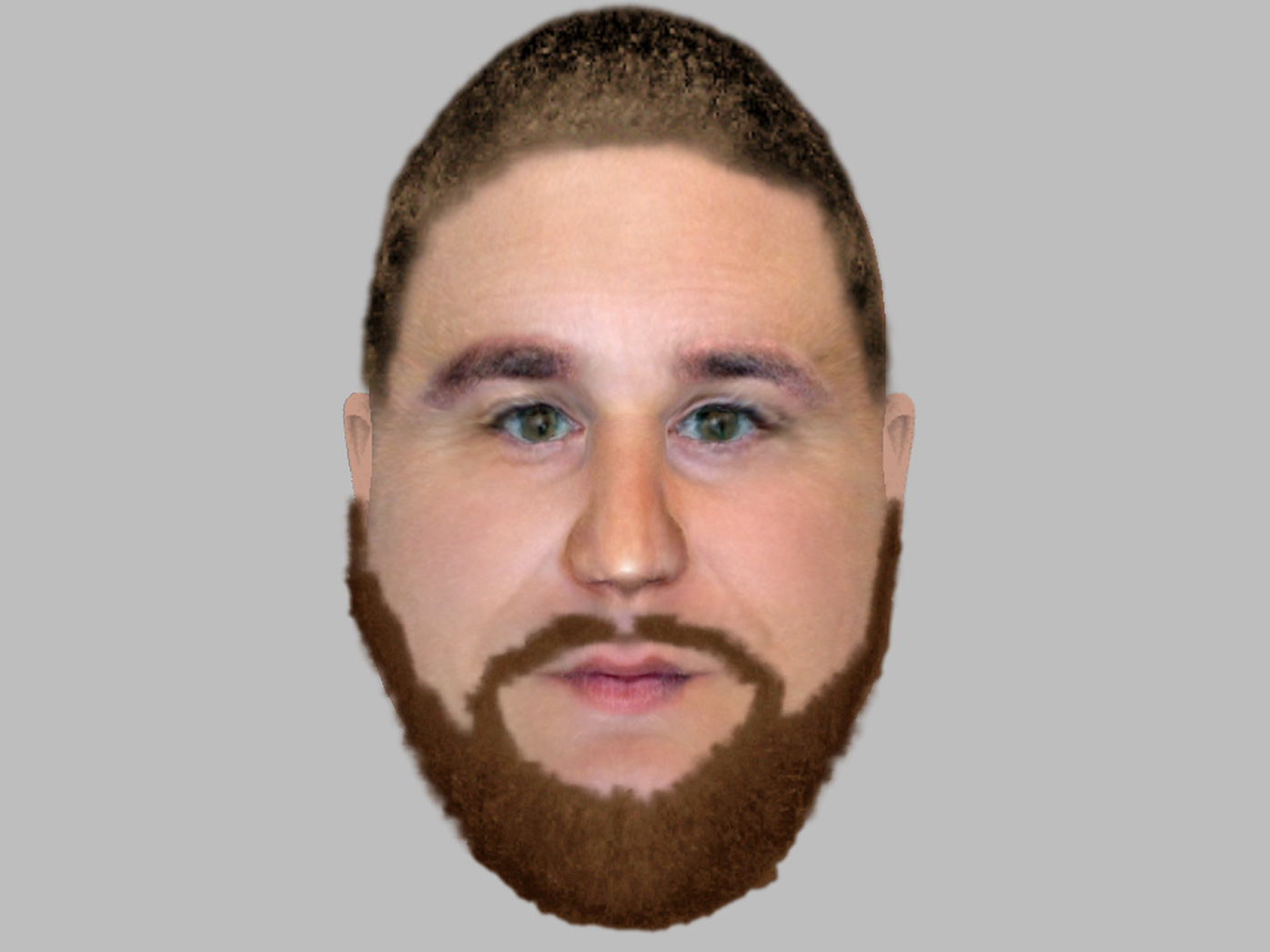
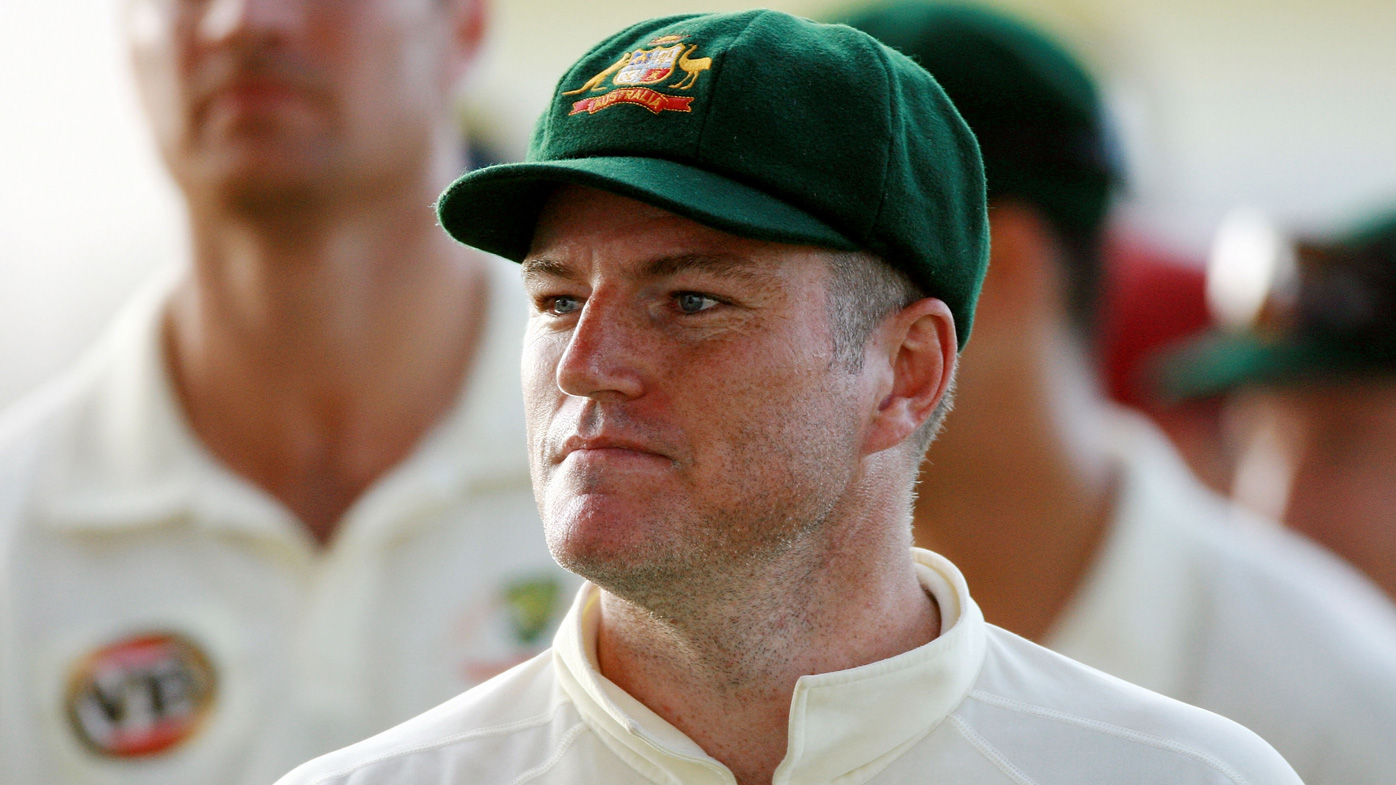
Mr Koutsoufis said Mr MacGill was not part of the drug deal and Nine does not suggest the former cricketer was involved.
The last time Sonny was seen he was driving away from the drug deal in a white Toyota Camry with a rideshare company sign stuck on the back window.
Police contacted the unidentified rideshare company who confirmed Sonny was not a driver.
Sonny may have borrowed the car, Mr Koutsoufis said, or been using the sign as some kind of "ruse".
Police believe one of the Pacific Island men was at the Bringelly property, where he and two other men allegedly assaulted Mr MacGill and threatened him with a firearm.
Mr Koutsoufis reiterated his belief that Mr MacGill was a "victim of circumstance" in the kidnap.
"He's introduced two people who have been involved in the incident," Mr Koutsoufis said, "and he would have been a soft target in an effort to obtain some money."
READ MORE: China's anti-crypto move sends markets tumbling
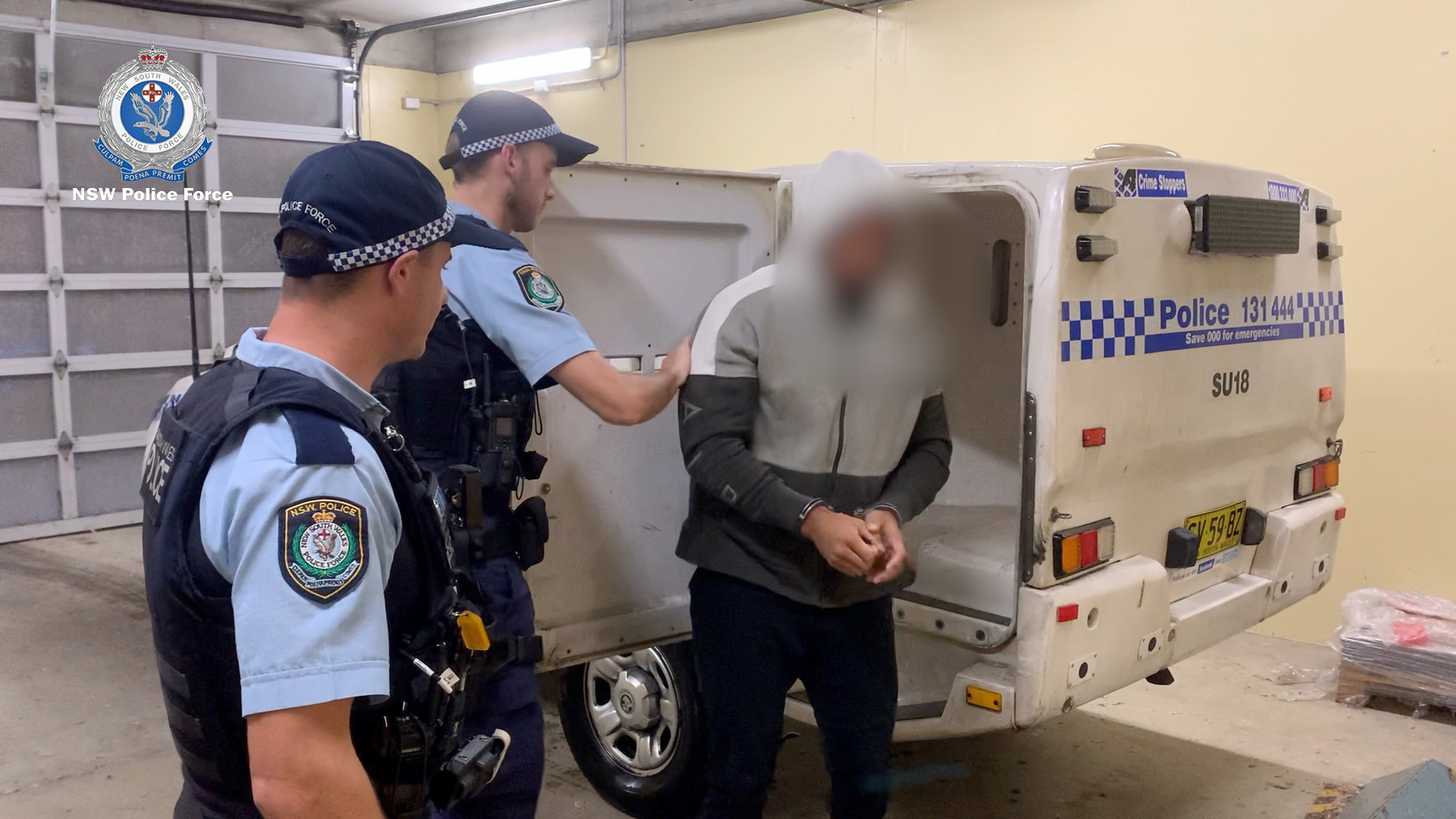
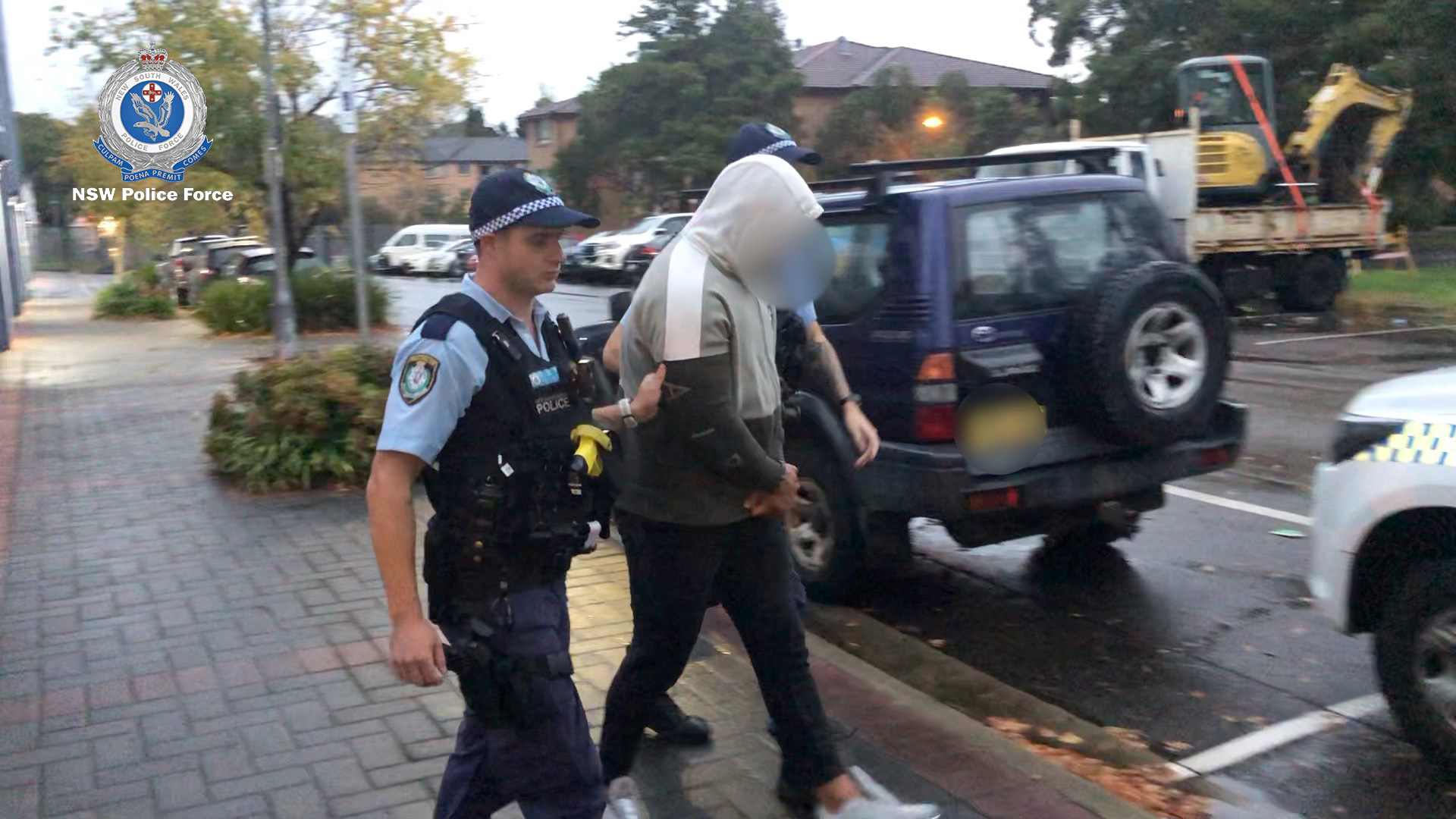
Last month detectives arrested four men – aged 27, 29, 42 and 46 – including Marino Sotiropoulos, the brother of MacGill's partner Maria O'Meagher.
All four were charged over their alleged involvement in the incident and remain before the courts.
The alleged kidnapping happened on April 14 but was not reported to police for six days.
Police said Mr MacGill had delayed reporting the alleged crime because of a fear for his safety.
Mr Koutsoufis said Mr MacGill was still "quite shaken" by the ordeal and that there had been "a lot of speculation floating around" after the alleged kidnap.
The investigation continues.
Contact: ms******@******om.au
FOLLOW: Mark Saunokonoko on Twitter
Photo shows Dubai princess in Spain
A Dubai princess who has been the subject of concern from a United Nations panel after being seized trying to flee the sheikhdom in 2018 appeared in a social media post that described her as being in Spain on a "European holiday."
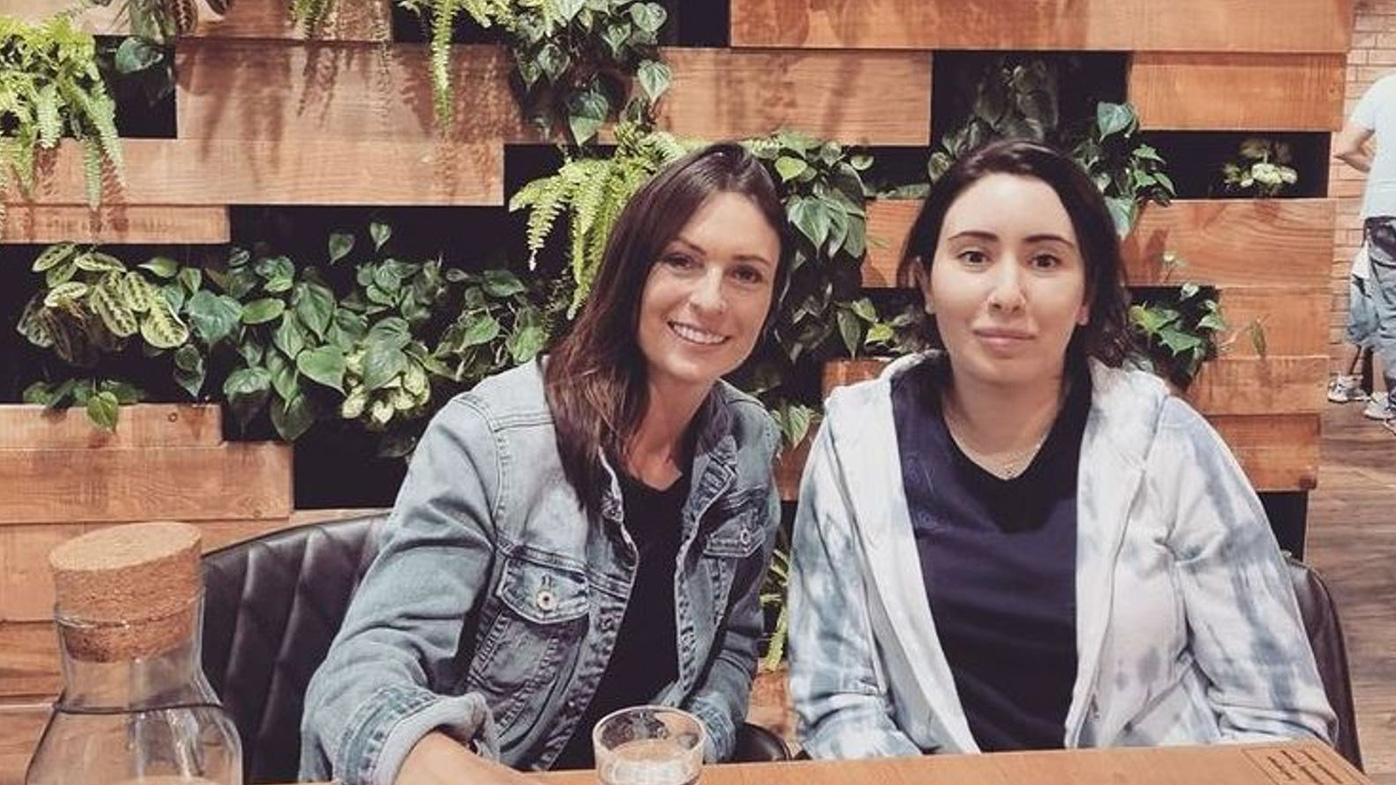
An Instagram image published by a woman identified in British media as former Royal Navy member Sioned Taylor shows Sheikha Latifa bint Mohammed Al Maktoum at Adolfo Suárez Madrid–Barajas Airport.
Ms Taylor's caption, punctuated by a smiley face emoji, read: "Great European holiday with Latifa. We're having fun exploring!"
READ MORE: New photo of Dubai royal Princess Latifa with psychic
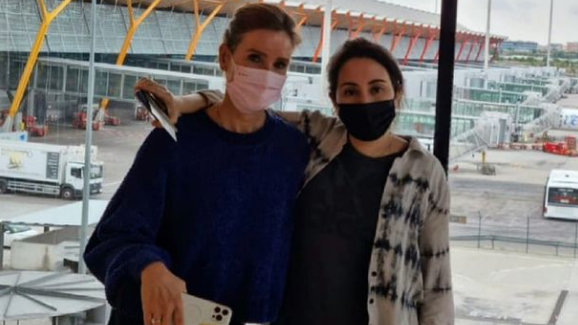
Comments by Ms Taylor acknowledged the location of the image, which match other images of the airport.
Asked about Sheikha Latifa, Ms Taylor wrote in another comment "she is great" with a thumbs-up emoji.
READ MORE: UN experts demand evidence missing Dubai princess is alive
Ms Taylor, the United Arab Emirates' embassies in London and Madrid, as well as the government's Dubai Media Office, did not immediately respond to requests for comment on Monday from The Associated Press.
Ms Taylor posted images of Sheikha Latifa in May at two local Dubai malls as well.
https://www.instagram.com/p/CPL1GsSJ7uG/?utm_source=ig_embed&
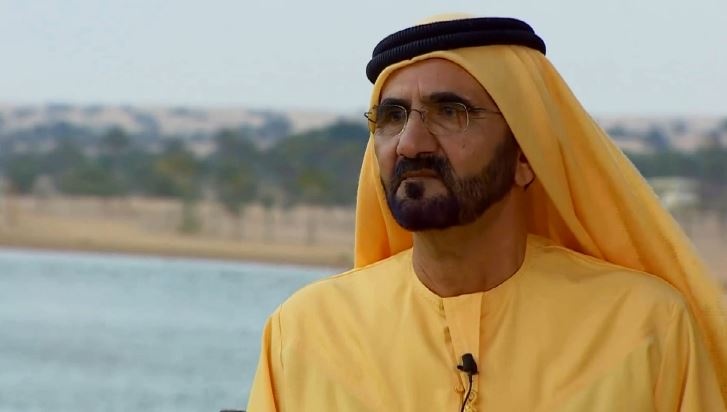
The photos' pedestrian captions belie the fact that United Nations experts and human rights activists had called on Dubai's ruler, Sheikh Mohammed bin Rashid Al Maktoum, to provide information on his daughter.
READ MORE: Dubai police arrest group over 'lewd' video of naked women
Sheikha Latifa, 35, had tried to flee the country in 2018 only to be detained by commandos in a boat off India.
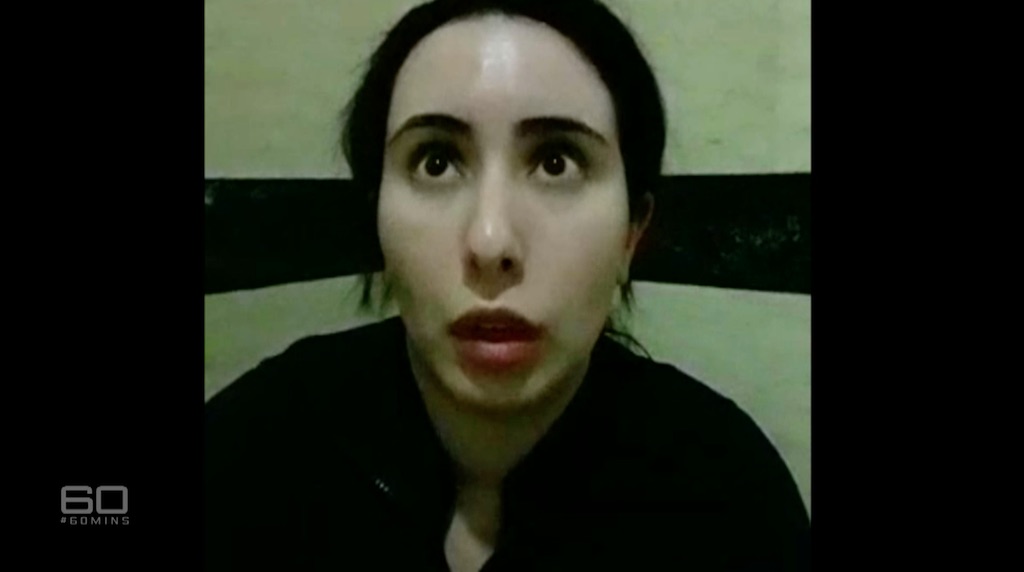
Videos released in February by the BBC had Sheikha Latifa describing herself as being in a villa that "has been converted into a jail."
The dramatic would-be sea escape and its aftermath intruded into the carefully controlled image maintained by the family of Sheikh Mohammed, who is believed to have several dozen children from multiple wives.
Some of his sons and daughters figure prominently in local media and online, but others are rarely seen.
Sheikh Mohammed's family life again became a public matter in 2020.
Then, a British judge ruled the sheikh had conducted a campaign of fear and intimidation against his estranged wife and ordered the abduction of two of his daughters, one of them Sheikha Latifa.
The ruling came in a custody battle between Sheikh Mohammed and his estranged wife Princess Haya, the daughter of the late King Hussein of Jordan.
Sheikh Mohammed also serves as the vice president and prime minister of the hereditarily ruled United Arab Emirates, a federation of seven sheikhdoms on the Arabian Peninsula.
Man killed in New Zealand tornado wasn't supposed to be at work
On Saturday morning, Janesh Prasad told his wife that he didn't feel like going to work because of the bad weather.
Hours later, he was dead.
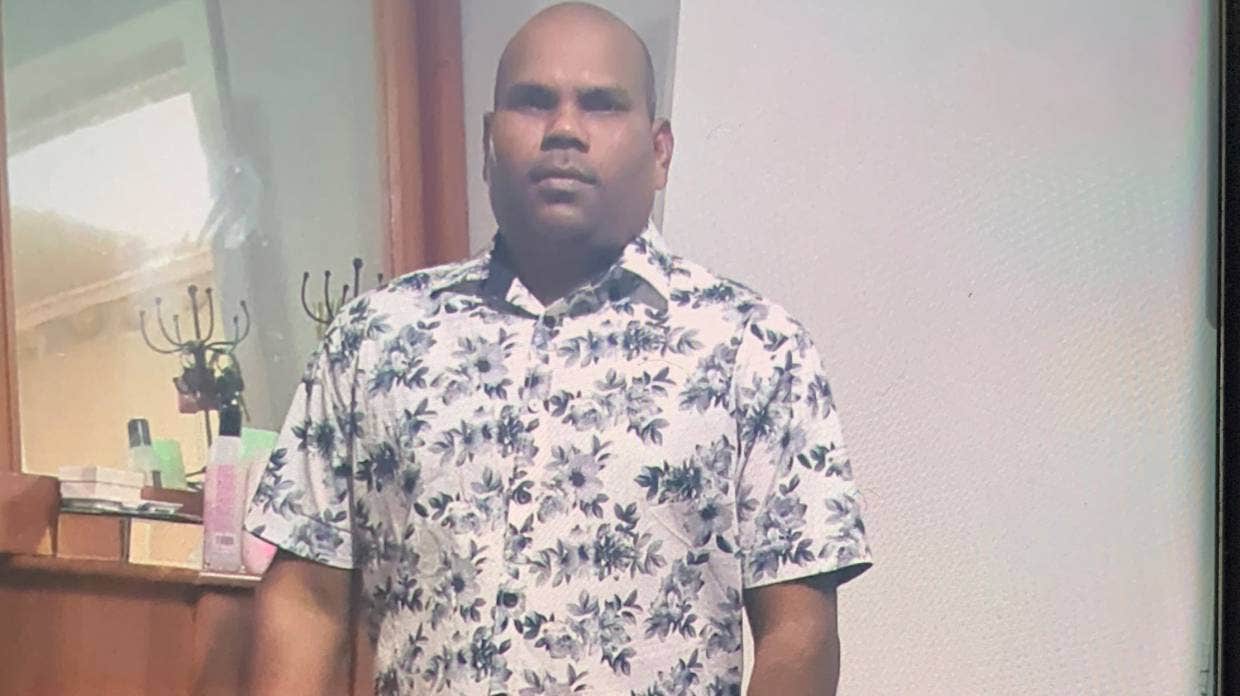
Mr Prasad, of Auckland's Sunnyvale, died on Saturday after he was picked up by a tornado at the South Auckland Freight Hub in Wiri.
He worked as a diesel mechanic for forklift business Stellar Machinery and was repairing equipment when he died.
His widow, Mala Archana Devi, 35, couldn't hold back her tears on Monday as she spoke of her husband of 15 years.
READ MORE: Clean-up begins after flash flooding in Western Australia
On Friday night, Mr Prasad was excited about a work function he'd attend on Saturday evening, and was trying on outfits for the night with his daughter Ashley, Ms Devi said.
"He was joking around that he was getting big and his clothes couldn't fit him anymore. He was making us laugh and modelling around the house," she said.
"That was Janesh, he always wanted to make us laugh. He was such a hardworking man who loved to see his family happy."
Mr Prasad wasn't supposed to go to work on Saturday, Ms Devi said.
He had made an appointment with an immigration consultant to prepare their application for residence in New Zealand, but cancelled when he was called into work.
On Saturday morning, he told his wife that he didn't feel like going to work because of the bad weather.
"I told him, 'Janesh, this isn't like Fiji, you can't give excuses. You have to go to work.' And I told him that I was happy that he was going to work because I would finally be able to clean the house."
READ MORE: Sydney urged to take outbreak seriously
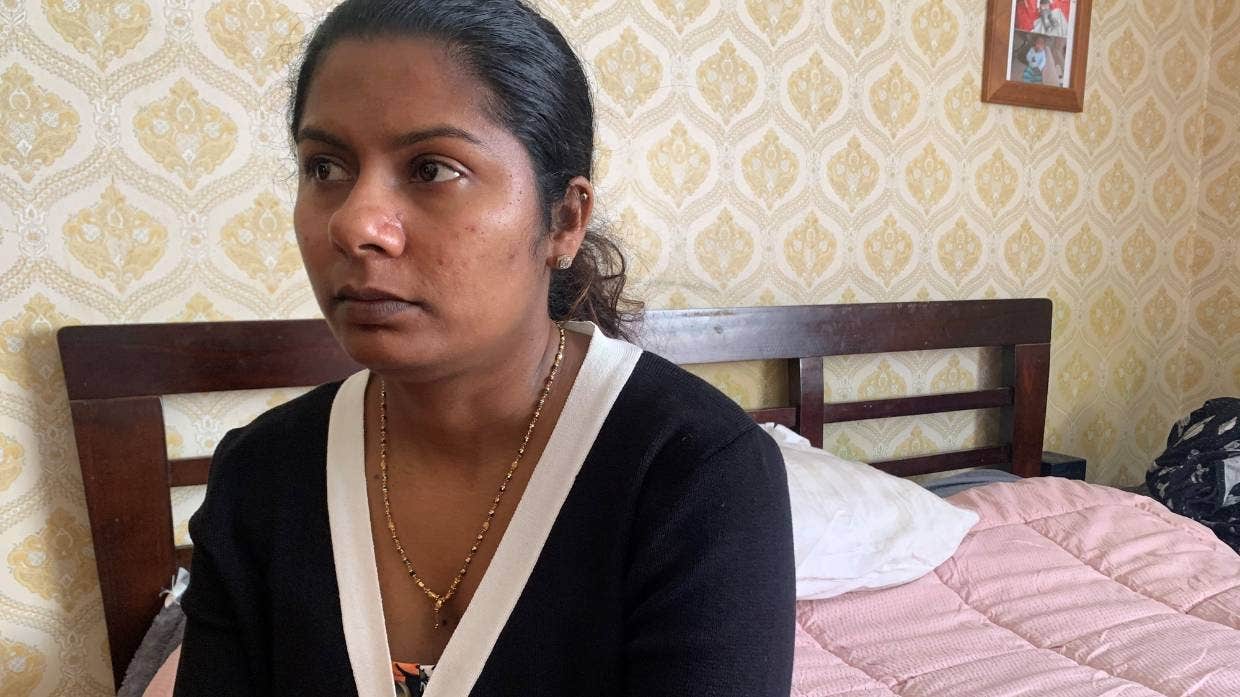
Ms Devi said on the weekends, Mr Prasad loved spending time with his family and discouraged her from doing any housework so could watch a movie together, "or sit down, talking".
"I wish I didn't force him, he'd still be with us – he'd still be trying to make us laugh.
"I'm struggling right now, it's really hard for me to take the loss of my husband … it's not easy for me to accept."
Mr Prasad was originally from Fiji, from Daku in Labasa. He lived most of his life in Nausori, on Viti Levu, with his family.
Ms Devi and Mr Prasad met through her uncle and got married in 2006. They moved to New Zealand five years ago for a better life.
She said she told their children about his death but feels they won't understand fully until after the funeral on Wednesday.
READ MORE: Victorian rescued after trapped in freezing home for a week
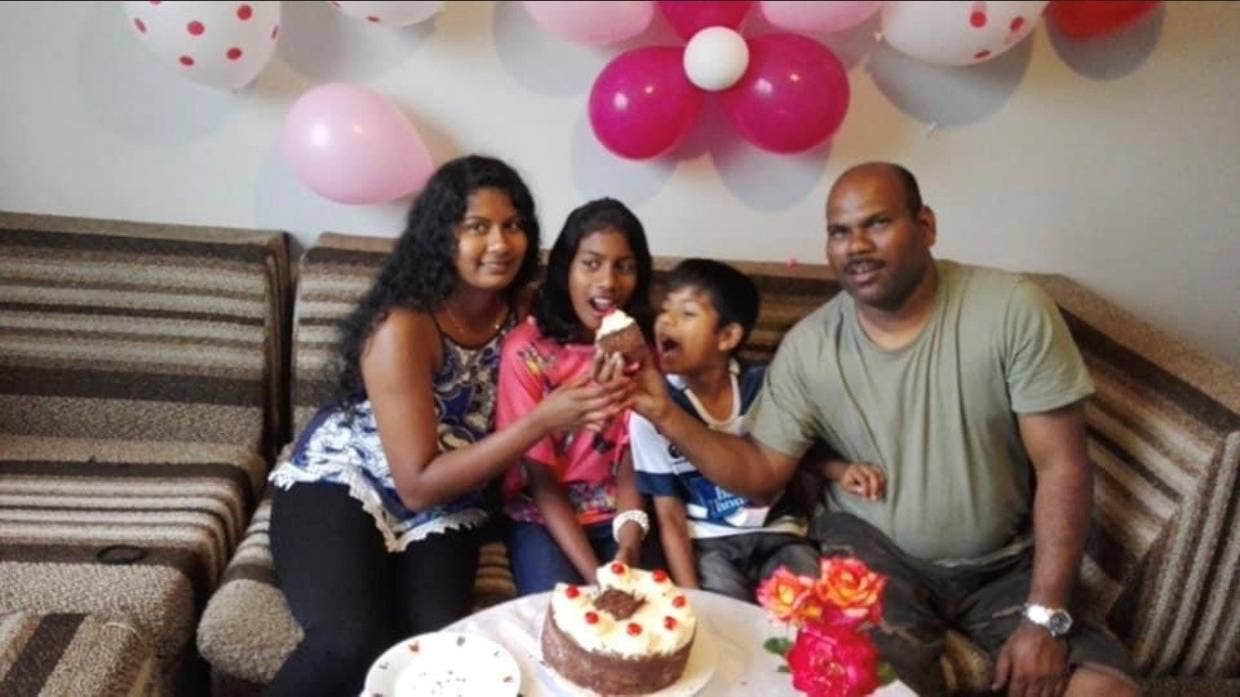
"I know they have questions, but they don't want to ask me because they don't want to make me more sad."
Ms Devi, who works as a housekeeper at a retirement home in West Auckland's Henderson, said she doesn't know about their future in New Zealand but is determined to fulfill her husband's wishes.
"He moved us here so our children can have a better future. That was so important to him, and he worked hard every day to achieve this."
Family friend Vishal Kumar said Mr Prasad came from humble beginnings and had worked hard to build a life for his family while sending money back to Fiji.
"His background is very poor, but he's the only one in his family who is working really hard."
Covid 19 coronavirus: Vulnerable children should be given vaccine, say health leaders
From RNZ The Government is being asked to rethink its Covid-19 vaccine plan now Medsafe has given the green light for children as young as 12 to receive a Pfizer injection.Health leaders are pleased, but some would like children…
Lorde to play Hawke's Bay show at Black Barn Vineyards, Havelock North
Lorde is coming to Hawke’s Bay for the first time, to play a show at Black Barn Vineyards. The Kiwi superstar will play New Zealand and Australian stages next year for the first time in five years, and the boutique Havelock North…
GO NZ: Matariki special – Māori tourism operator Whirinaki Forest Footsteps
This Herald Travel series focuses on Māori-owned and operated tourism businesses around the country, showcasing who they are, what they do, and what they have to offer Kiwi travellers. Nadine Toe Toe (Nga Potiki, Ngai Tai)…