Warning: This story discusses graphic details of domestic violence A Northlander accused of killing his partner resuscitated her for 30 minutes after bashing her and contemplated ringing an ambulance but decided not to, thinking…
Tag Archives: oceania
World powers slap sanctions on Belarus over 'hijacking' of journalist's plane
The United States, European Union, Britain and Canada have joined forces to impose sanctions on several senior officials in Belarus over the forced diversion to Minsk of a passenger plane travelling between two EU countries last month.
Asset freezes and travel bans were also imposed on a number of officials linked to the security crackdown that continues to rock the country some 10 months after President Alexander Lukashenko was returned to power in elections branded by the EU and others as "fraudulent."
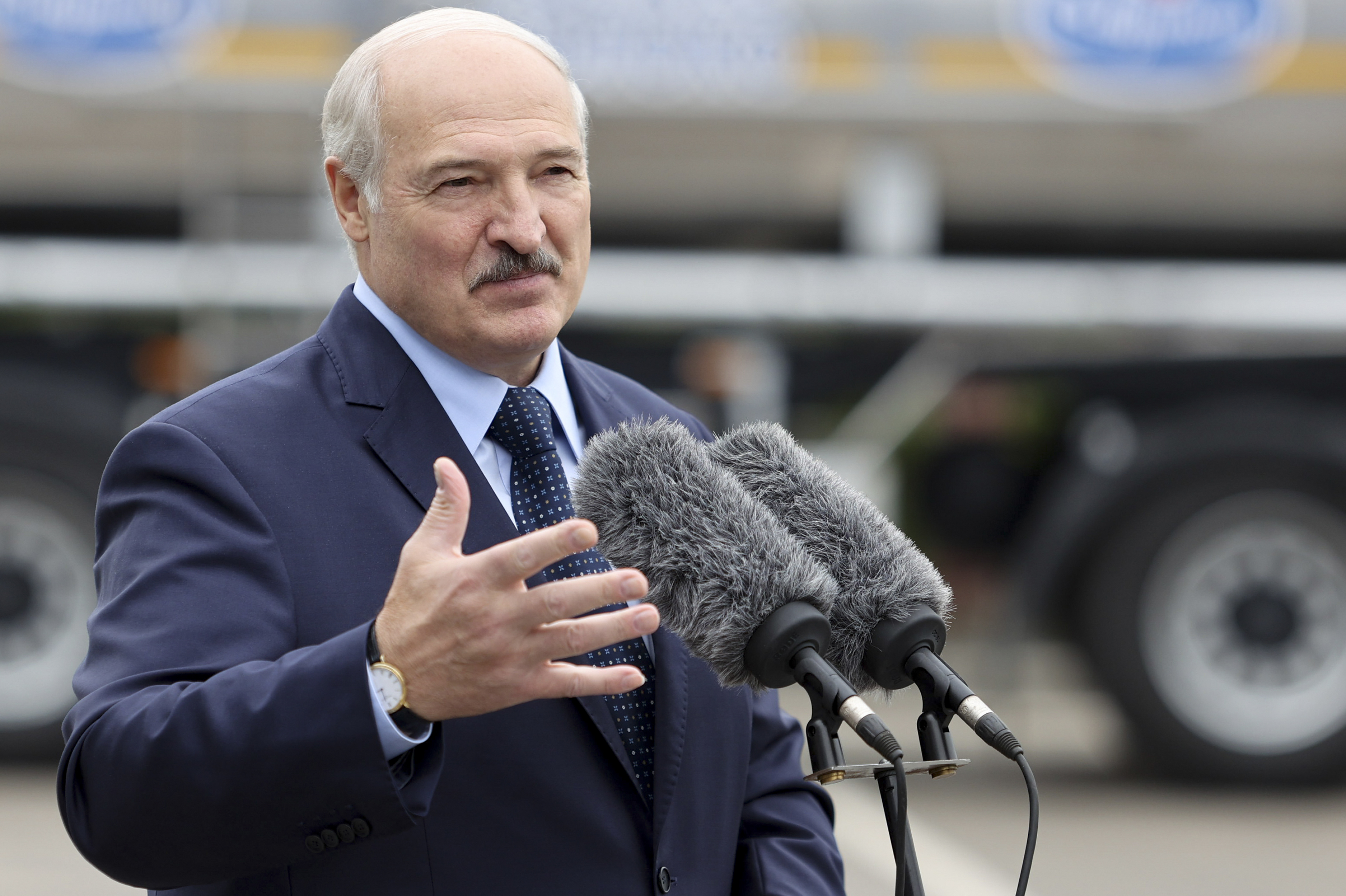
"We are united in our deep concern regarding the Lukashenko regime's continuing attacks on human rights, fundamental freedoms, and international law," the four said in a joint statement released on Monday (Tuesday AEST).

READ MORE: Belarusian journalist appears in new video after 'state-sponsored hijacking'
"We are committed to support the long-suppressed democratic aspirations of the people of Belarus and we stand together to impose costs on the regime for its blatant disregard of international commitments."
The EU hit seven people and one entity over the "forced and unlawful" landing of the Ryanair plane, which was travelling from Greece to Lithuania when it was ordered to stop in Minsk.
Belarusian authorities arrested Raman Pratasevich, a dissident journalist who was one of the passengers and the incident, which some leaders labelled a "hijacking", sparked global outrage.
Australian Foreign Minister Marise Payne condemned the "forced military interception" and called for the journalist's immediate release.
On Monday, the four countries called on Minsk to cooperate with an international probe into the incident, immediately release all political prisoners, and "enter into a comprehensive and genuine political dialogue" with the democratic opposition and civil society.
READ MORE: Hong Kong newspaper raided by authorities may be forced to close
At a meeting in Luxembourg, EU foreign ministers also prepared a series of economic measures aimed at hitting Mr Lukashenko and his allies. EU leaders are expected to endorse them at a summit in Brussels on Thursday.
The EU has gradually ratcheted up sanctions since Mr Lukashenko – dubbed the last dictator in Europe – won a sixth term last August in elections it says were fraudulent. The measures have targeted people accused of electoral misconduct and responsibility for the police crackdown that followed.
But the 27-nation bloc has taken a harder approach since the Ryanair incident, and over the country's alleged use of migrants to pressure neighbouring Lithuania, which has provided a safe-haven to Belarusian opposition figures and is one of Mr Lukashenko's most vocal critics.
Among their actions Monday, the ministers imposed travel bans and asset freezes on 78 Belarus officials and froze the assets of 8 "entities," which are usually companies, banks, or associations. It means that a total of 166 people and 15 entities are now under EU restrictive measures.
"This decision was made in view of the escalation of serious human rights violations in Belarus and the violent repression of civil society, democratic opposition and journalists," a statement said.
READ MORE: 'Total disgrace': Mission to Afghanistan was a failure, former leader says
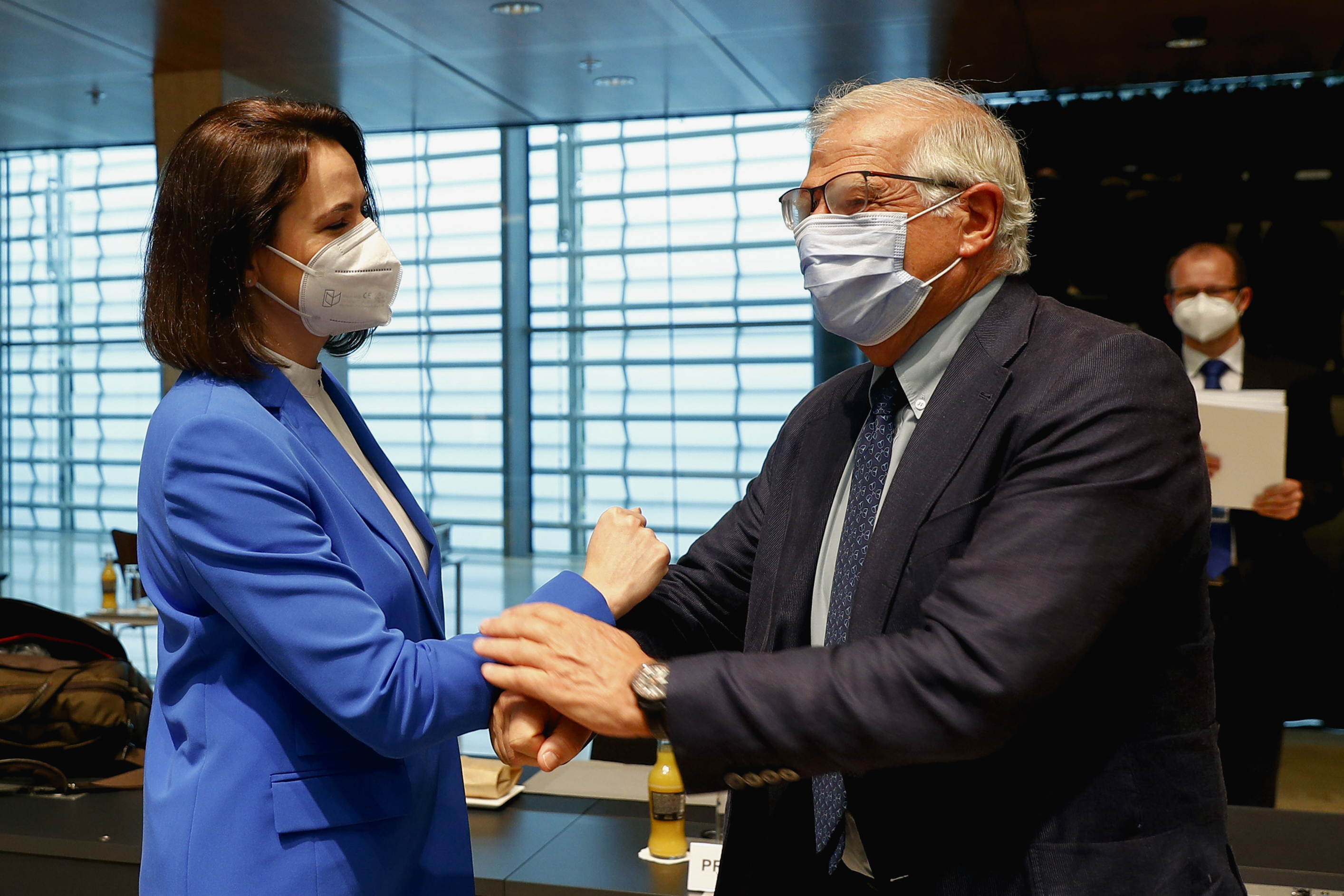
EU foreign policy chief Josep Borrell, who chaired the meeting, said the economic sanctions "are going to hurt … the economy of Belarus heavily."
The measures are likely to include action against the export of potash – a common fertiliser ingredient – tobacco industry exports and petroleum products.
"We will no longer just sanction individuals. We will now also impose sectoral sanctions — meaning that we will now get to work on the economic areas that are of particular significance for Belarus and for the regime's income," German Foreign Minister Heiko Maas said.
"We want to make very, very clear to Lukashenko that there is no going back," Maas said, adding that the 27 EU countries stood united on sanctions.
"We are really very, very determined not to budge, not just today — nothing about this will change in the coming weeks and months," he said.
Lithuanian Foreign Minister Gabrielius Landsbergis said EU countries had thought only a month ago that it still might be possible to reason with Mr Lukashenko but that "the mood is different now."
Mr Landsbergis accused Minsk of "weaponising" migration flows. He said about 500 people were sheltering in Lithuania, most from Iraq, and that Belarus border guards brought 30 refugees to the border in recent days. He said Lithuania had limited capacity for them and is building a tent camp.
To kick off Monday's meeting, the ministers held a working breakfast with Sviatlana Tsikhanouskaya, the main opposition candidate to challenge Mr Lukashenko in last year's election.
– With 9News Staff
Hong Kong newspaper raided by authorities may be forced to close
Hong Kong's embattled pro-democracy newspaper Apple Daily says its board of directors will meet on Friday to decide if the newspaper will cease operations
The board had asked authorities to unfreeze some assets so it could pay salaries and avoid labour violations, the newspaper reported on Monday.
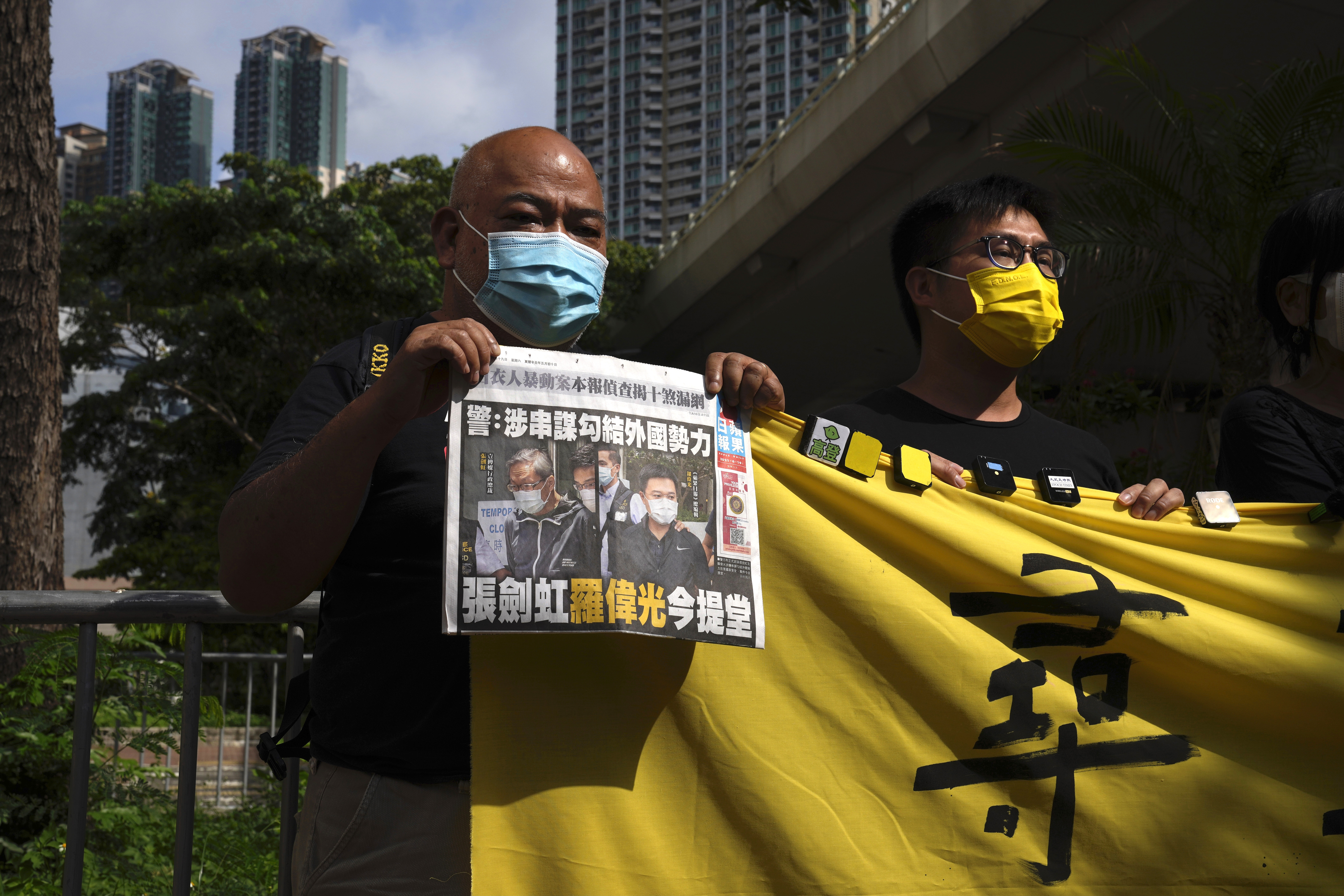
Police last week arrested five top editors and executives of Apple Daily under the city's tough national security law on suspicion of foreign collusion, searched its offices and froze $2.3 million worth of assets of three companies linked to the newspaper.
READ MORE: Editor and CEO denied bail in Apple Daily case in Hong Kong
The arrests and freezing of assets came as Hong Kong authorities cracked down on dissenting voices and Beijing tightened control over the territory in what critics said was an erosion of freedoms it promised the city for 50 years when the former British colony was handed over to China in 1997.
Apple Daily has been outspoken in defending Hong Kong's freedoms and in recent years has often criticised the Chinese and Hong Kong governments for limiting the city's democratic freedoms and constricting the rights of free speech and assembly not found on mainland China.
Apple Daily said in an article on its website on Monday that if its board decided on Friday to cease operations of the newspaper, its website could stop publishing as soon as early Saturday morning, and Saturday's print edition of the newspaper would be its last.
An internal department memo sent to some employees at Apple Daily also stated those who wished to resign immediately could do so.
READ MORE: Clogged ports in China could deal blow to end-of-year shopping
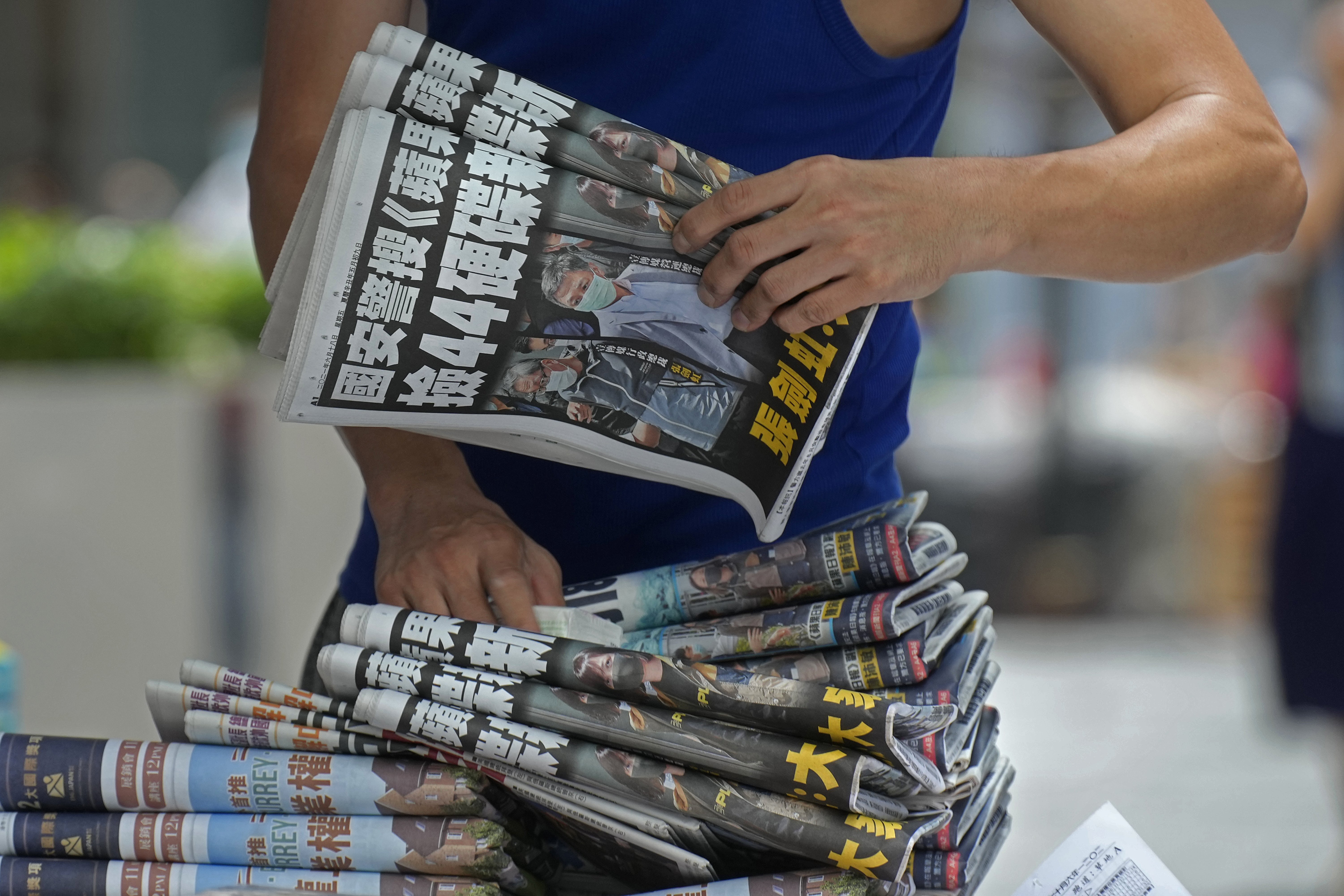
Apple Daily said in an article on Sunday it might challenge the decision to freeze its assets in court if the city's Security Bureau denied its request.
The Security Bureau said it would not comment on the details of the case because legal proceedings were ongoing. It said endangering national security was a "very serious crime."
"We handle such crimes according to the law, targeting at illegal acts, and invoke the power to freeze offence-related properties based on need and the law," the bureau said in an English-language statement.
"Secretary for Security will handle in accordance with the law any application related to the frozen property."
Last week, police identified more than 30 articles published by Apple Daily they said played a "crucial" role in a conspiracy with foreign countries to impose sanctions against China and Hong Kong for undermining Hong Kong's autonomy.
The newspaper's founder, media tycoon Jimmy Lai, was convicted earlier this year for his involvement in unauthorised assemblies and is currently in jail.
Two of the five people arrested last week have also been charged with collusion with foreign countries.
The police operation against Apple Daily has drawn criticism from the US and Britain, which say Hong Kong and Chinese authorities are targeting the city's promised freedoms.
Chinese and Hong Kong officials have insisted that the media must abide by the law, and that press freedom cannot be used as a "shield" for illegal activities.
Why the US-China rivalry is extending from Earth into space
When it comes to the intensifying rivalry between the United States and China, the sky is by no means the limit.
As the two countries jockey for economic, technological, geopolitical and even ideological superiority on Earth, space has become a natural extension — and crucial frontier — in their great power competition.
And due to the inherent dual-use nature of space technologies, what's at stake extends far beyond mere scientific prestige and global standing. In addition to national defence, so much of our life on Earth — from digital communications to navigation — depends on satellites in space.
READ MORE: Australia taking China to trade watchdog over wine tariffs
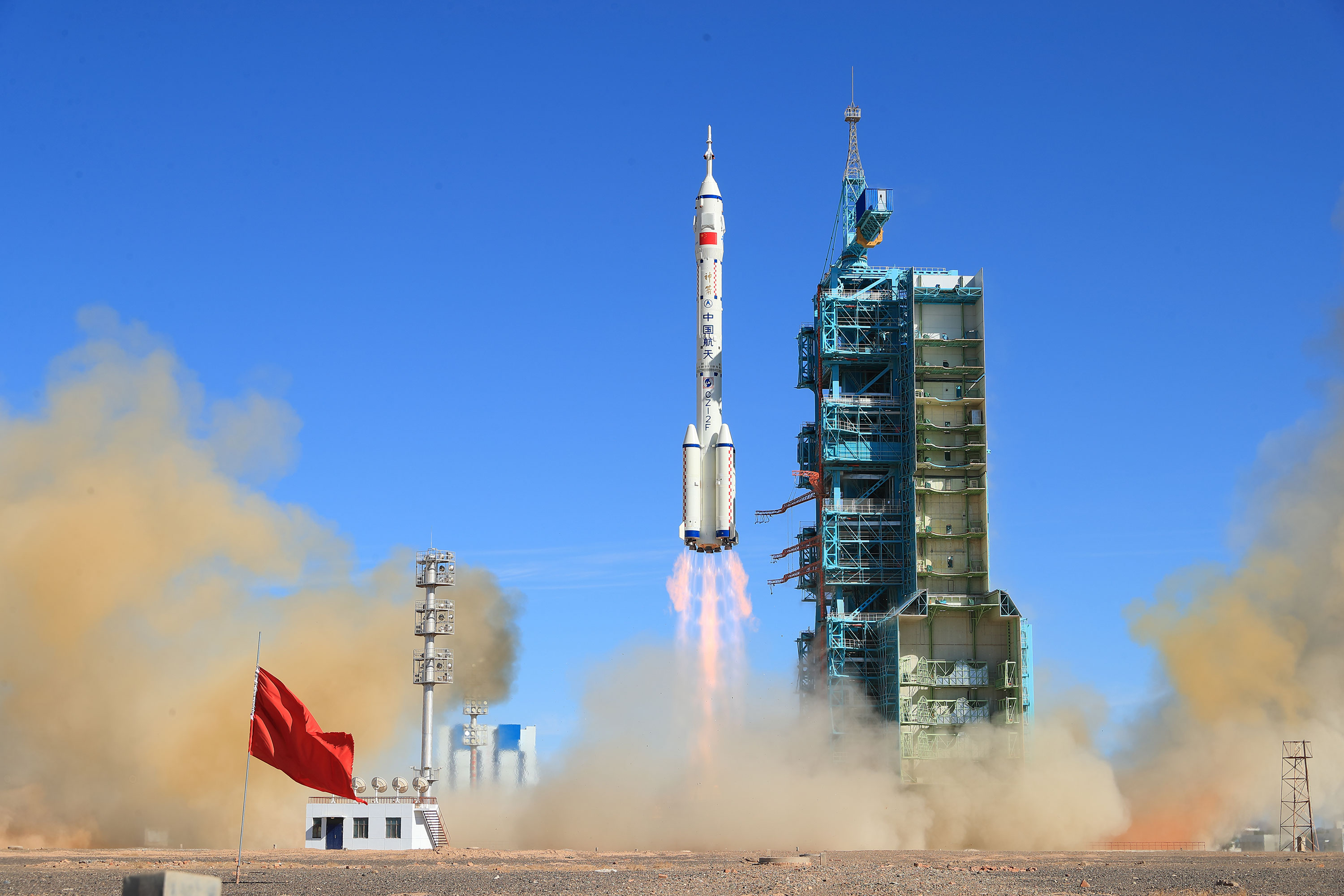
Following the demise of the Soviet Union's space program, the US has enjoyed a period of unparalleled leadership in space. But in recent years, US observers and politicians have warned that America's dominance could soon be challenged by China's fast-growing space capabilities.
That concern has only deepened with a series of important and high-profile Chinese achievements: In 2019, it became the first country to land on the far side of the moon; last year, it successfully put into orbit its final Beidou satellite, setting the stage to challenge the US Global Positioning System (GPS); and last month, it became the only country after the US to put a functioning rover on Mars.
That particular breakthrough prompted NASA's new administrator Bill Nelson to warn against American complacency in face of China's space ambitions.
READ MORE: New photos show Chinese rover's exploration of Mars
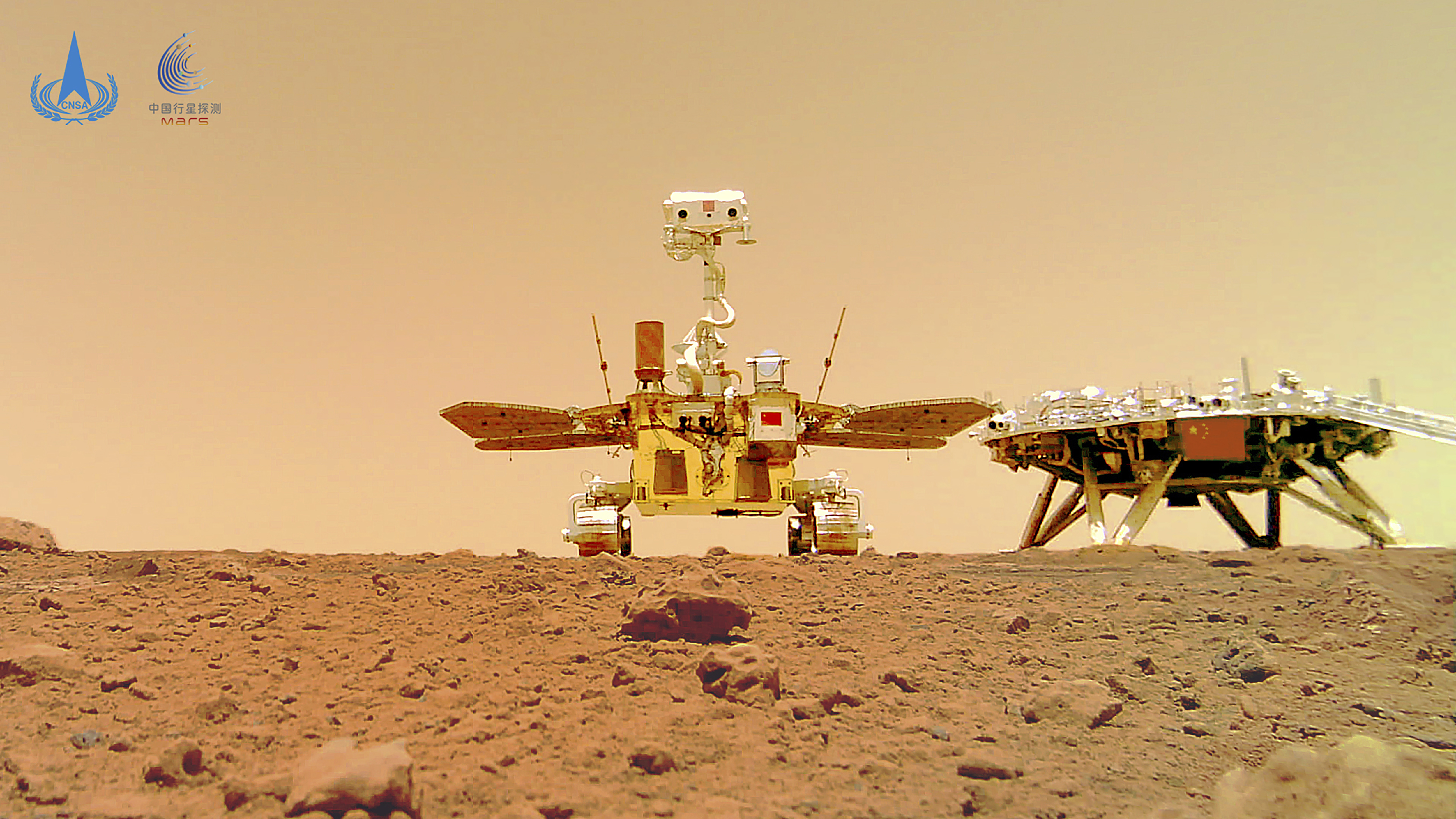
At a House hearing last month, he held up an image taken by the Chinese rover on Mars, called China "a very aggressive competitor," and lobbied Congress to fund NASA's plans to bring humans back to the moon.
Despite its advancements, China's space technology still lags behind the US. But China's space program is flush with political and monetary support from the ruling Communist Party, which views its success as a key measure of its intentional standing and domestic legitimacy.
Last week, US-China competition in space entered a new phase when three Chinese astronauts arrived on the country's still-under-construction space station for a three-month stay. The only other space station in orbit is the International Space Station (ISS), a US-led collaboration with Russia, Europe, Japan and Canada.
For the past 23 years, the ISS has been visited by more than 200 astronauts from 19 countries — except China. Since 2011, NASA has been effectively banned from cooperating with China, after Congress passed the Wolf Amendment due to espionage-related concerns.
That exclusion has at least in part spurred Beijing to build its own space station, the Tiangong, which is expected to be completed by the end of next year — two years before the ISS is scheduled to be decommissioned in 2024.
READ MORE: Clogged ports in China could deal blow to end-of-year shopping
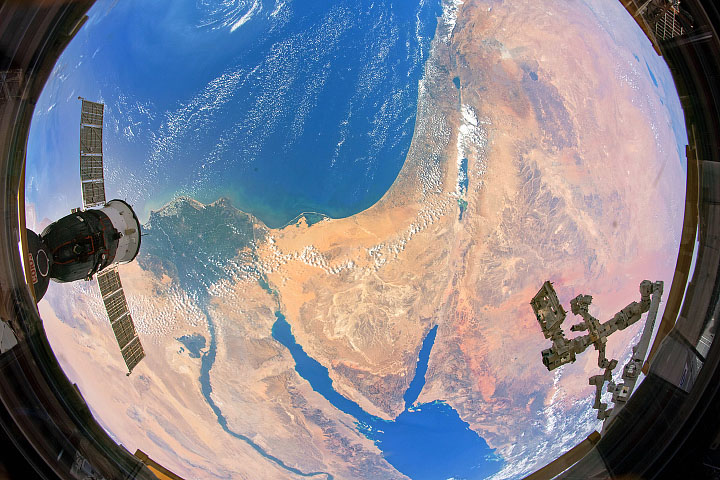
If the US and its international partners do not decide to extend the ISS's operational life, China's Tiangong space station may soon become the only crewed outpost in orbit — one that NASA astronauts are barred from joining by US law.
While the ISS was primarily a US-Russian venture born out of the ashes of the Cold War, China's Tiangong is being built amid talks of a new Cold War. And it is likely that in the years to come, alliances in space will increasingly mirror the geopolitical lines on Earth.
Already, Chinese space officials have made clear they wish to welcome foreign astronauts aboard its space station upon completion. China is also joining hands with Russia to build a joint research station on the moon's south pole by 2035 — a facility that will be open to international participation.
The US, meanwhile, is building its own international coalition to establish basic principles for safe and responsible lunar explorations. The Artemis Accords, released by NASA in May last year, have been signed by 12 countries, including the US and key allies such as Britain, Australia, Canada, Japan and South Korea.
Neither China nor Russia is a signatory.
Body found beside burnt-out vehicle in rural Victoria
Police are investigating after a body was found beside a burnt-out vehicle in rural south-west Victoria.
A resident found the body in Wickliffe, 200km west of Melbourne, about 3pm on Monday and called emergency services to Chatsworth-Wickcliffe Road, near Karmala Lane.
Police are yet to formally identify the body or establish a cause of death but said the body was found beside a burnt-out vehicle.
READ MORE: Victorian cafe faces David and Goliath name battle with French giant
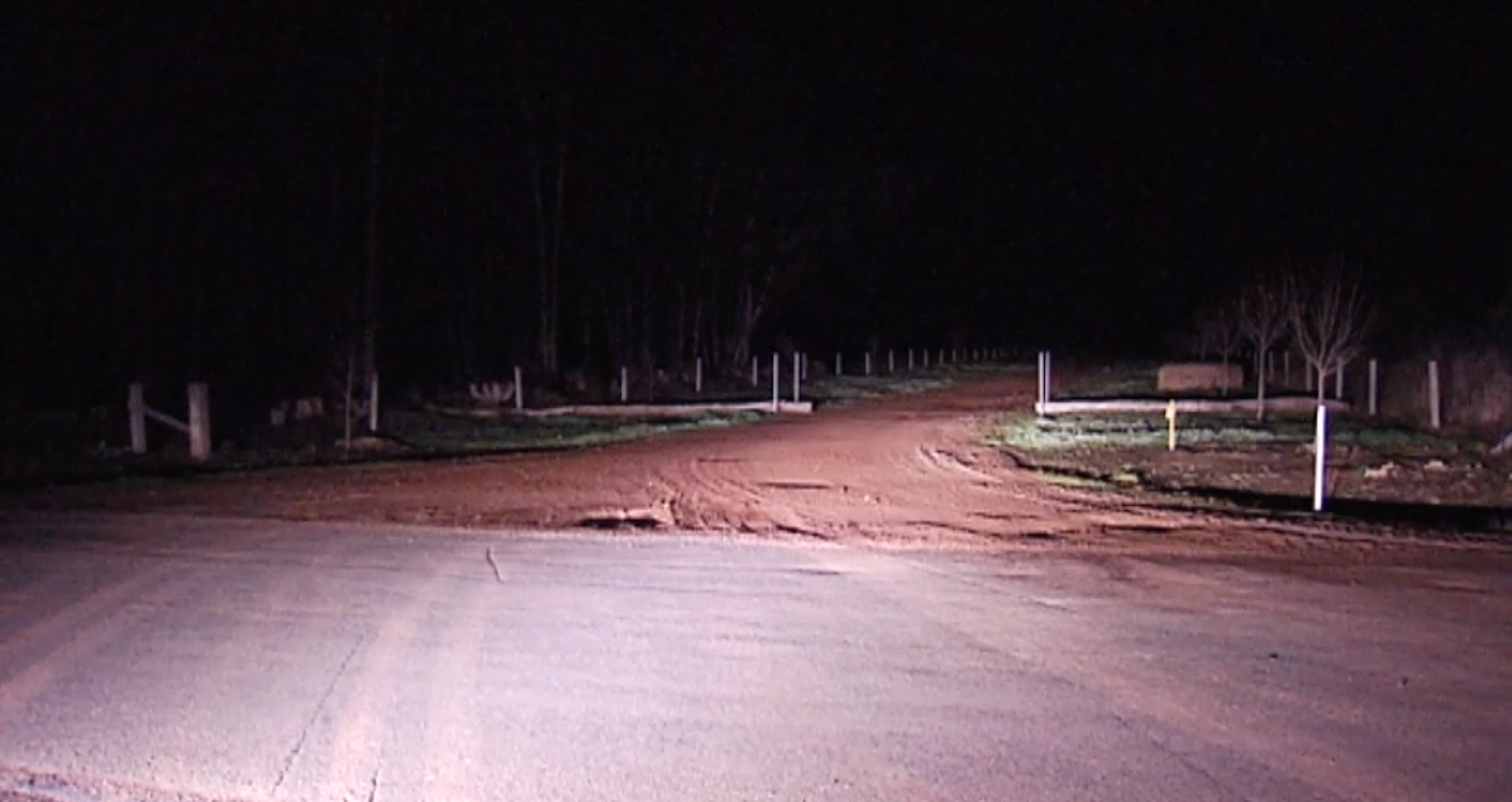
Emergency services on Chatsworth-Wickcliffe Road, near Karmala Lane.
Anyone with information was urged to call Crime Stoppers on 1800 333 000
'Significant' vintage Aussie photos go to auction
If you've ever sent a postcard in Australia – before Instagram demanded that you tell people immediately how relaxed and tanned you are- there's a strong chance it was made by the Rose Stereograph Company.
Founded in 1880, the company would only close down last year.
Now more than 110,000 images that were taken by the company's battalion of photographers over 140 years are up for auction.
READ MORE: 'Ghost ship' surprises New Zealand snapper
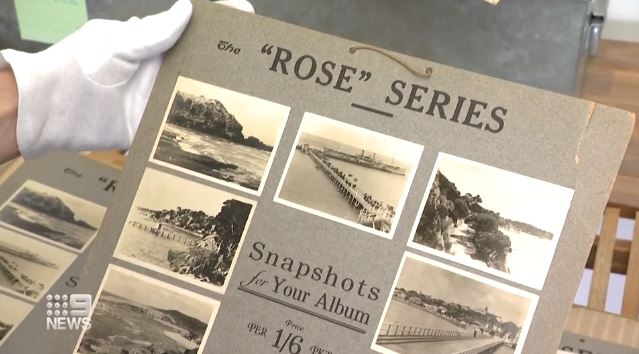
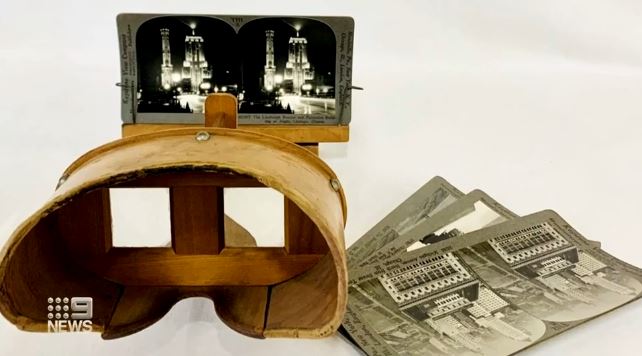
As per their name, the initial focus for the Rose Stereograph Company was to supply the dual pictures that would be placed into what was called a stereoscope, that would provide a simulated 3D effect.
It was high tech in 1880, when the photograph itself was still new.
But it wasn't long before the silver screen would start garnering paying customers at the expense of the stereoscope, and the company changed tack, moving into the postcard business.
The newly instituted industrial rights such as an 8-hour day and holidays, now allowed the average worker the chance to get away, and to brag of it via the new postal service. That needed pictures.
And for almost a century and a half since, the snappers of the Rose Stereograph Company have been shooting pics and in turn building an archive, that taps into the critical moments, motifs and horizons in Australia's colonial history.
"It's a collection that spans 140 years, 5 generations of families," says Amanda Benson, Head of Fina Arts and Antiquities with Lloyds Auctions.
"It captures some of the most historically significant events in our time. Their entire business was to create images of places, people, things, and events."
READ MORE: Centuries old piece of paper heralded a 'New World'
Of the over one-hundred thousand pieces, more than 7000 are glass negatives, a technology that still beats the modern digital world today.
"We don't have a technology still, that actually outpaces the sheer clarity of image, that was able to be captured by the glass plate negatives," says Amanda.
She gestures to one plate holding a crowded beach scene from Coogee in 1910,
"This could be blown up the size of the Opera House, and not lose any of its resolution. Every time you look closer, you walk further and further into the past."
READ MORE: Mind-bending picture of orangutan wins first prize at nature photography awards

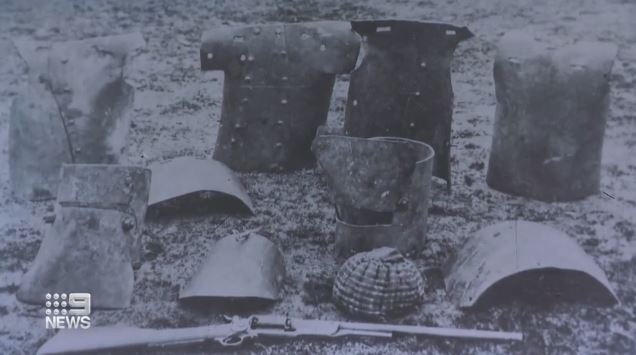
Two of the plates hold true iconic moments of Australiana. One is of the armour of the Kelly gang, laid out on a lawn as Dan and Ned Kelly faced the beak.
"Out the front of the courthouse, while they were being trialled in 1880 at Beechworth'" adds Amanda.
The other is Anzac Cove, on the morning of Sunday the 25th of April, as Australian troops came ashore for the ill-fated campaign.
"They had probably the biggest network of photographers in Australia," says Amanda. "Even in war zones."
READ MORE: Captain of Boeing 777 shoots incredible time-lapse from cockpit
The collection is so voluminous, that it is being auctioned over the course of 8 days.
A sad irony being that it would be COVID, plus Instagram, that would finally kill off the Rose Stereograph Company.
Amanda adds in closing, "this collection is without question, the most significant historical collection I've ever seen."
Thousands without power as WA's south hit with flash flooding
Thousands of residents in Western Australia's Great Southern region are still without power after a deluge of rain led to flash flooding in the area.
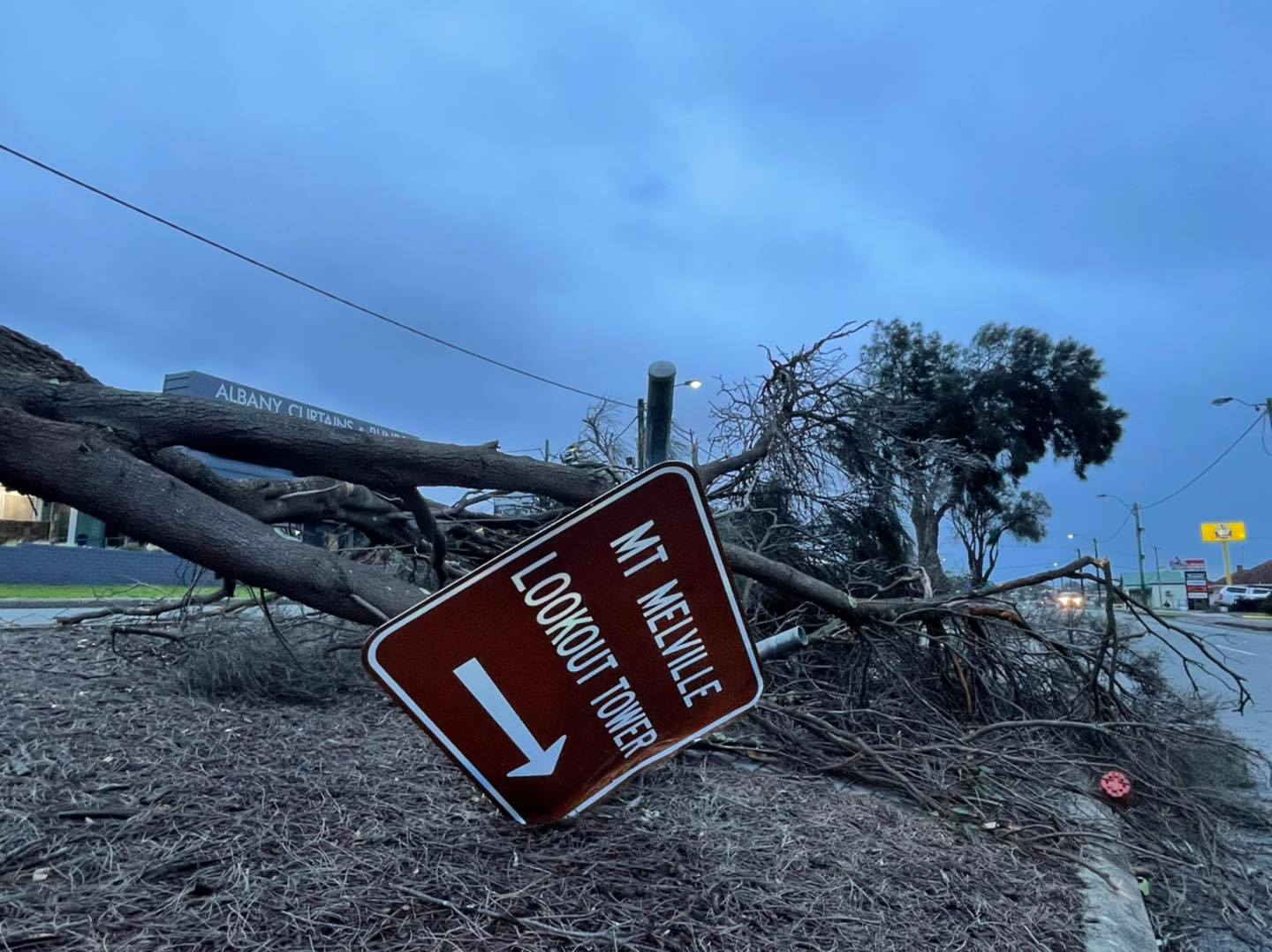
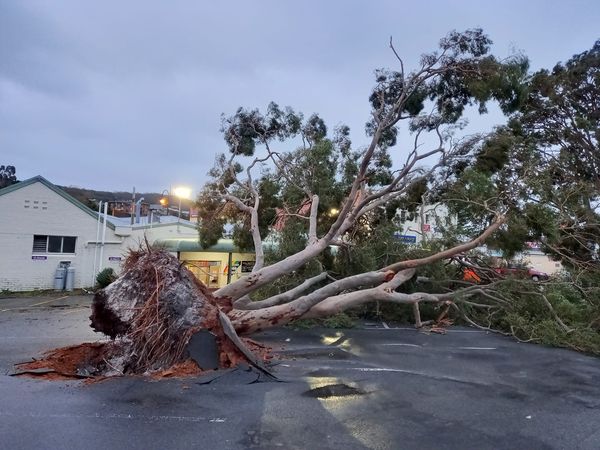
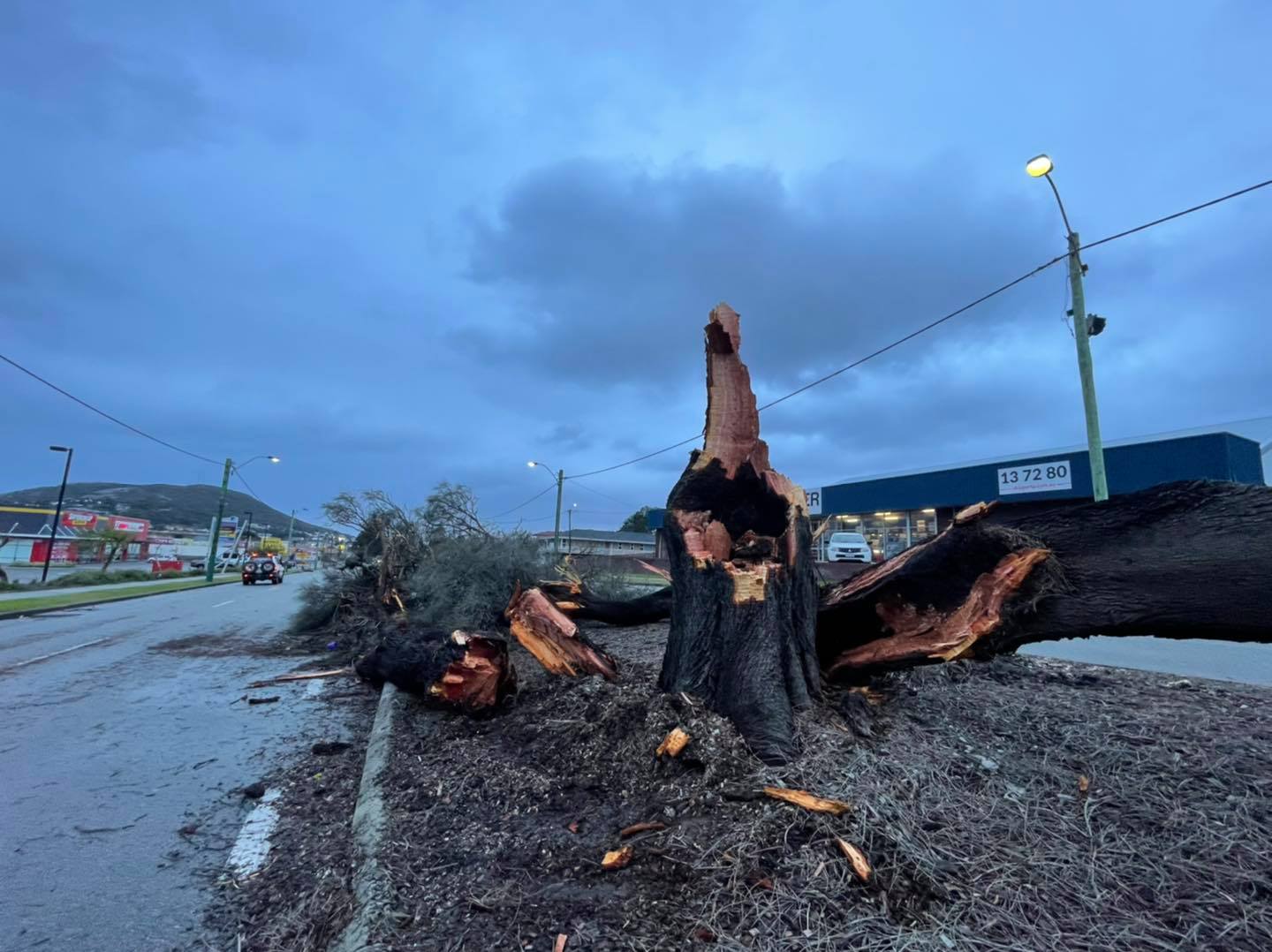
Albany and Denmark were hit with as much as 100mm of rain yesterday evening, leading to localised flooding that brought down trees and washed away cars.
Local SES volunteers received almost 200 requests for assistance since 6:30pm.
READ MORE: Victorian rescued after trapped in freezing home for a week
https://twitter.com/BOM_WA/status/1406862914770849792
Albany airport received 54mm of rain while tourist hotspot Rottnest Island received wind gusts of up to 106 km/h.
More than 15,000 homes are still without power after storms brought power lines and towns were deluged by more than a month's worth of rain in one night.
"While the severe weather warning may have been cancelled, there are many fallen trees, damaged buildings and debris in the area, and South Coast Highway is closed between Link Road Denmark-Mt Barker Road," the Department of Fire and Emergency Services WA warned residents.
READ MORE: Eyewatering damage as thousands still without power in Victoria
"Currently there are 15,500 properties without power and water outages in Little Grove and Robinson in Albany.
"Bottled water is available for affected properties from the bus stop and the Little Grove Store on Frenchman Bay Road."
Authorities have advised that after a storm SES volunteers make temporary repairs to homes that have been badly damaged, such as roofs that have been ripped off or large fallen trees on homes or cars.

If it is safe to do so, residents are urged to do what they can to help before calling the SES for assistance.
If your home has been badly damaged by a storm, call the SES on 132 500. In a life threatening situation call 000.
You can find out more details about how to book your vaccine through the Federal Government health site here.
Rugby league legend Wally Lewis reveals secret health battle
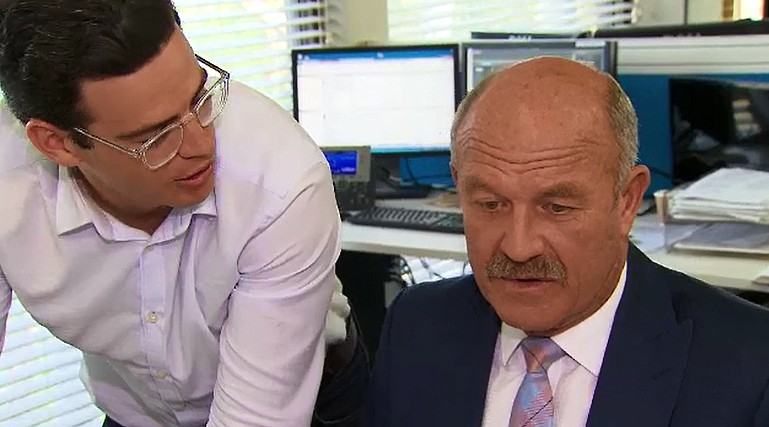
Queensland rugby league legend Wally Lewis has revealed a secret health battle that could have seen him lose his eyesight due to multiple undiagnosed conditions.
The Maroons great turned 9News sports presenter said he put several days of blurred vision and growing headaches down to simple migraines.
But as the pain reached levels he had never experienced before, Lewis admitted he was trying "not to be a sook".
READ MORE: Jeannette Young named Queensland's new governor
"Probably over four to five days I first started to feel the discomfort, thought I'd been rubbing my eyes too much," Lewis said.
"I was trying not to be a sook, but I was starting to worry a little bit about it."
But after a terrible headache behind his left eye around three weeks ago, Lewis knew it was time to seek help.
"My pain level had reached something that I had never experienced," he said.
"I've had broken arms, I've fractured bones in my legs, fractured my cheekbones but none of that came into the same ballpark as what the pain was like in the eye.
"The greatest fear for me was that I was losing part of my sight."
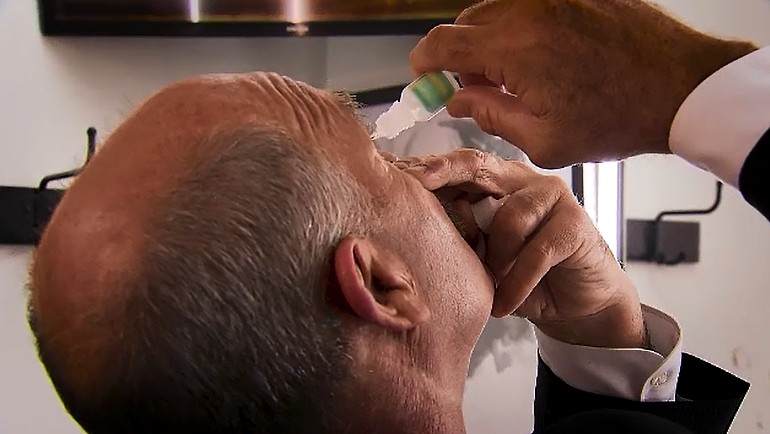
Dr John Hogden from the Eye Health Centre diagnosed Lewis with a debilitating eye condition called corneal erosion as well as dry eye.
"(Lewis) was noticing that when he looked from side to side, the vision just wasn't in focus and this fit well with corneal disease," Dr Hogden told 9News.
"Corneal erosions are very painful and they can proceed to more sight problems if they're not treated adequately."
Treating the conditions with a mixture of eye drops, "The King" is now pleading with Australians to look after their eyes and get them checked if they notice any changes.
Secret speed cameras on NSW roads could triple
Secret New South Wales speed cameras suddenly snapping tens of thousands more drivers than usual are hurting families and tradies, the state's opposition Labor leader has claimed.
The NSW Government's controversial removal of warning signs for speed cameras is having a huge impact, with records showing a massive spike in fines and revenues raked in.
There had been a whopping 1600 per cent increase in low-range (under 10 kilometres per hour) speeding fines since warning signs were removed last year, new Labor leader Chris Minns said.
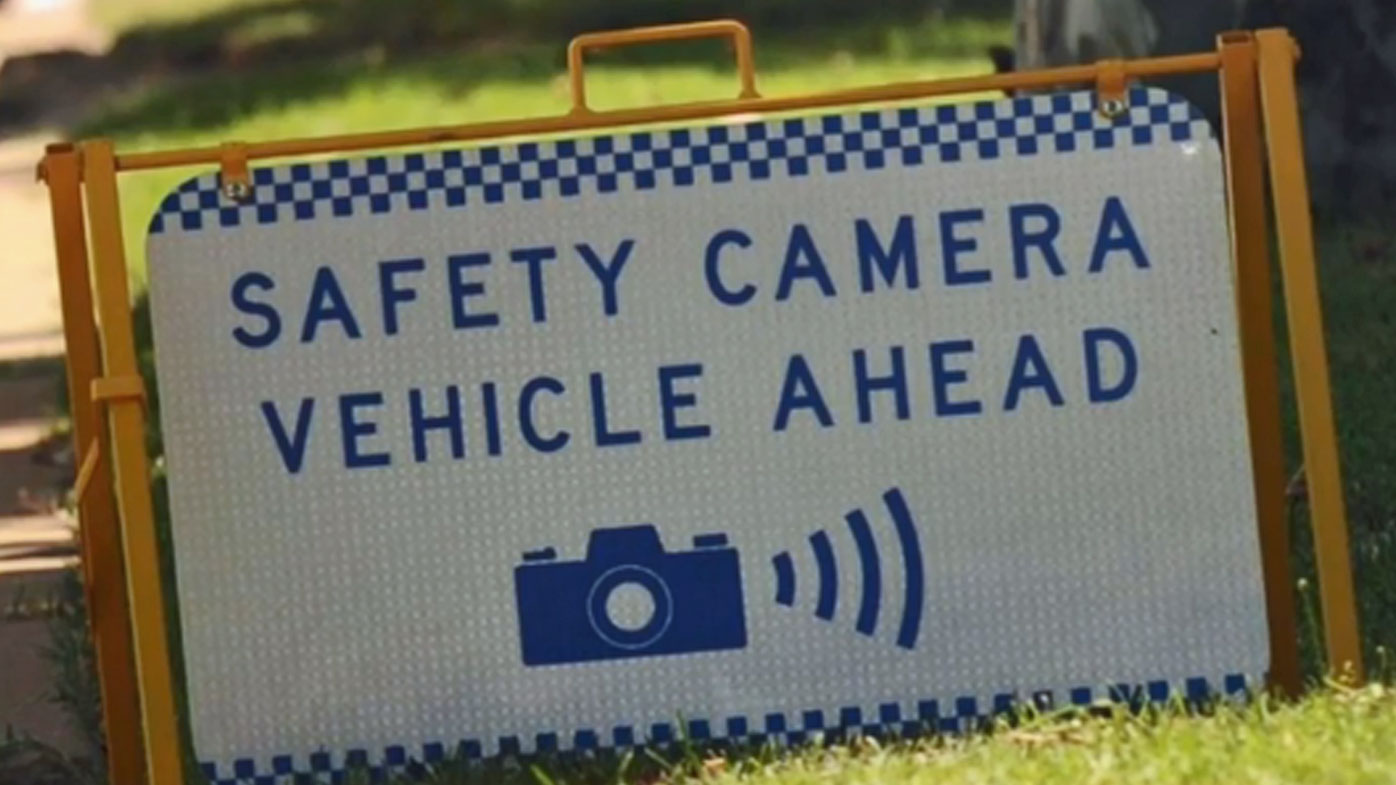
READ MORE: Speeding fines skyrocket after warning signs for cameras removed
The number of low-range offences ballooned from 1634 a month in March last year to 27,760 in March this year, according to data provided by NSW Labor.
April figures revealed similar spikes.
"Removing speed camera warning signs has not worked," Mr Minns said.
"It has made families and tradies poorer, but it hasn't made our roads any safer.
"If we really wanted to make roads safer, we would end the use of secret speed cameras, and ramp up high visibility policing."
Mr Minns told 9News that the state government has plans to triple its secret speed camera operation.
Contracted mobile speed cameras are currently scanning NSW roads for 7000 hours a month.
Mr Minns said Labor would fight government plans to ramp that up to 21,000 hours each month.
READ MORE: Mobile speed, phone detection cameras being smashed by drivers
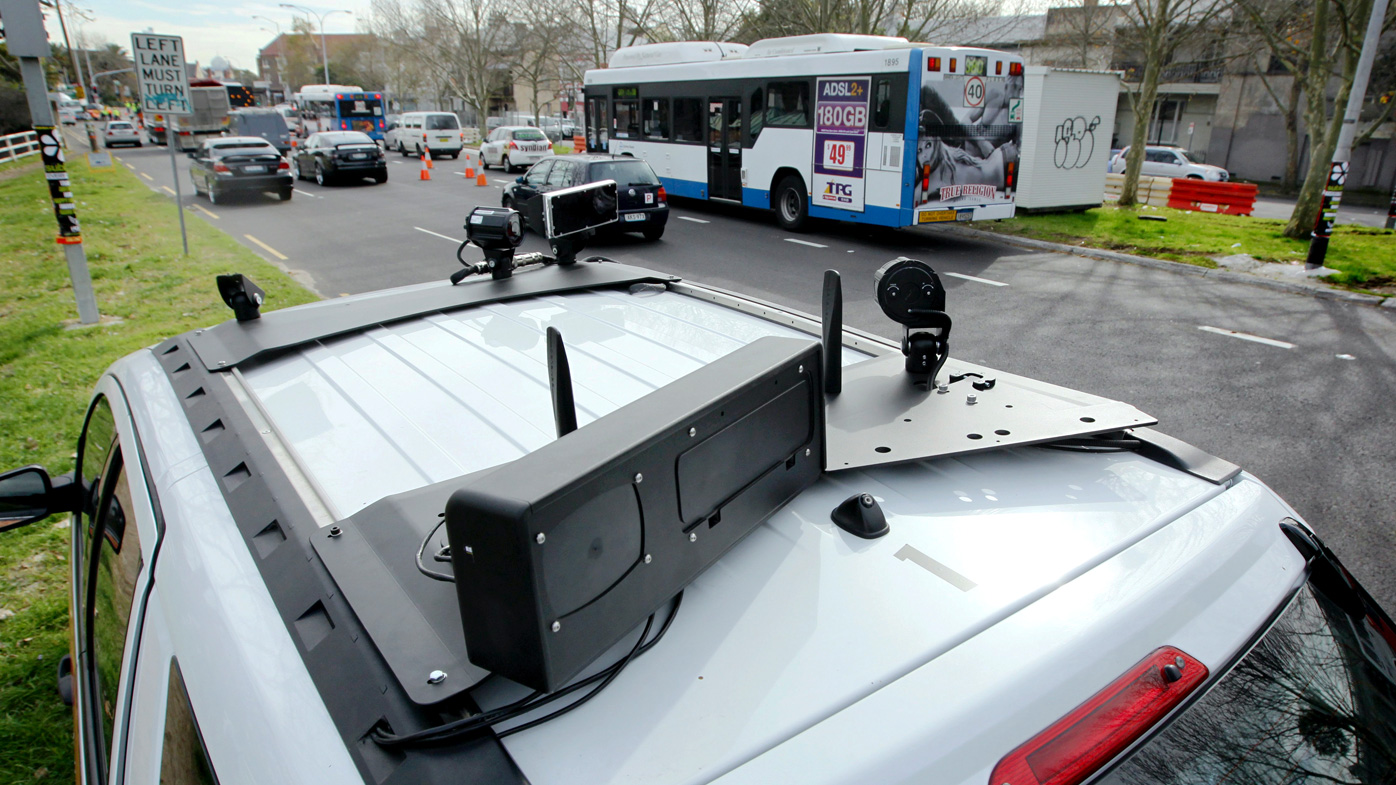
"You could have in excess of 50,000 people a month being fined for breaching the speed limit by less than 10 kilometres per hour."
Monthly government revenues from the secret cameras had jumped from around $500,000 each month to $6 million, he said.
"So if it triples, you could be you could be up around $18 million a month in fines," Mr Minns said, "which is a huge amount all coming from mobile speed cameras or without signage or decals or hidden from motorists in New South Wales."
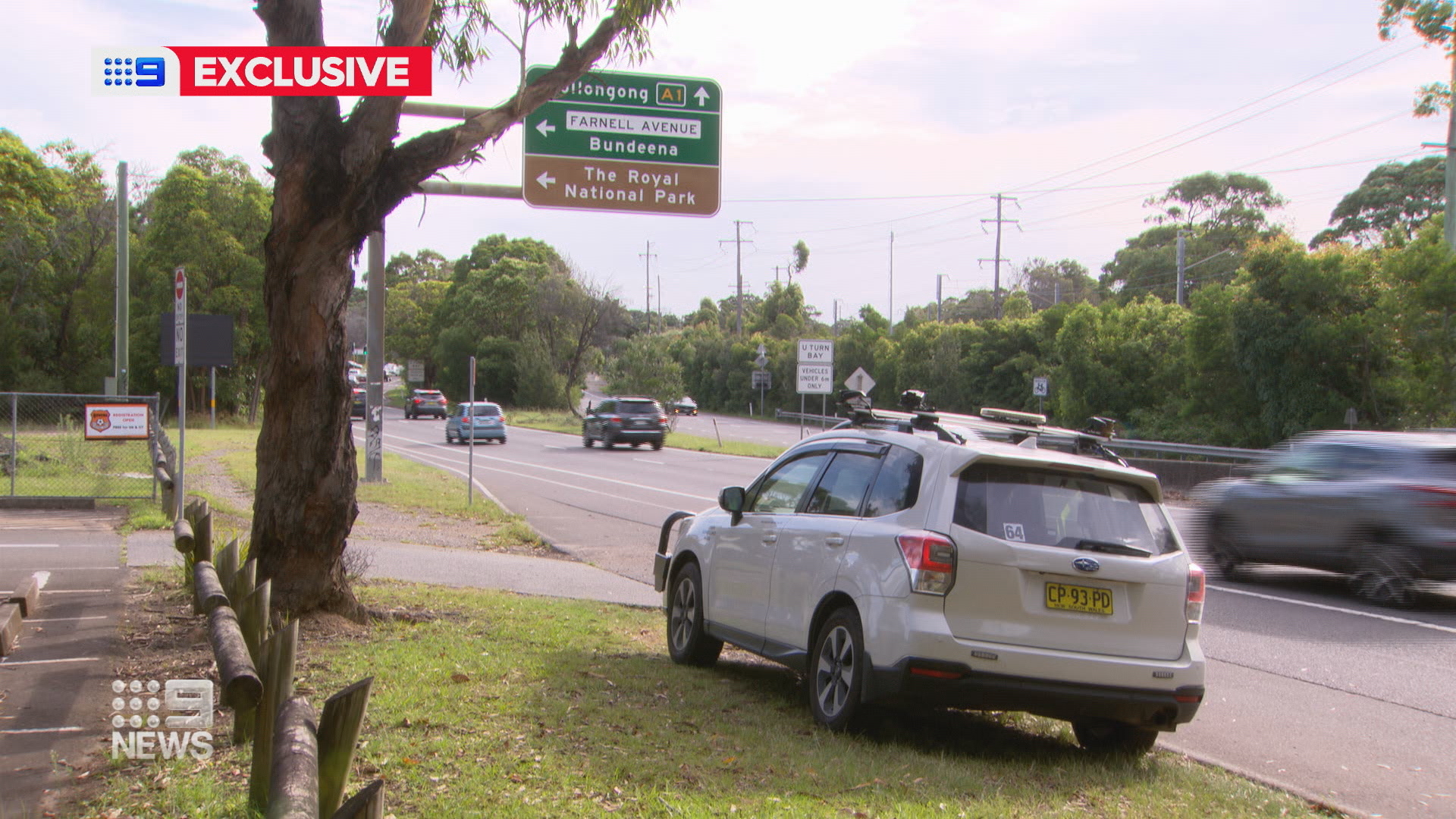
Earlier this year a 9News investigation showed monthly fines have more than tripled since the changes were introduced, with revenue surging to a record high of almost $2.5 million in December.
By comparison, the figure was under $400,000 for the same month in the previous year.
The Gladys Berejiklian-led government claims the changes to mobile speed cameras will make our roads safer and save lives.
According to latest Transport for NSW data, 138 people have died on NSW roads this year compared to 135 this time last year.
The NRMA's Peter Khoury said removing warning signs that were previously placed 250 metres before and 50 metres after the cameras eliminates the opportunity to educate drivers about speeding in real time.
"Is it a good policy? Well no, it's not. Will it save lives? Probably not," he said in February.
Mr Minns said he was not convinced the new system was working.
"We want to return to high visibility policing, we want speed signs in black spots, we want more highway patrol vehicles on New South Wales roads."
Joyce says he returns to Nationals leadership 'a better person'
Barnaby Joyce says he has returned as Nationals leader and deputy prime minister as a "better person" after defeating Michael McCormack in a party room spill.
Mr Joyce resumes the position he held from February 2016 to February 2018, when he resigned amid revelations he was expecting a child with a former staffer.
He said his three years on the backbench had led him to reflect on his impact on others.
LIVE UPDATES: Joyce wins leadership spill
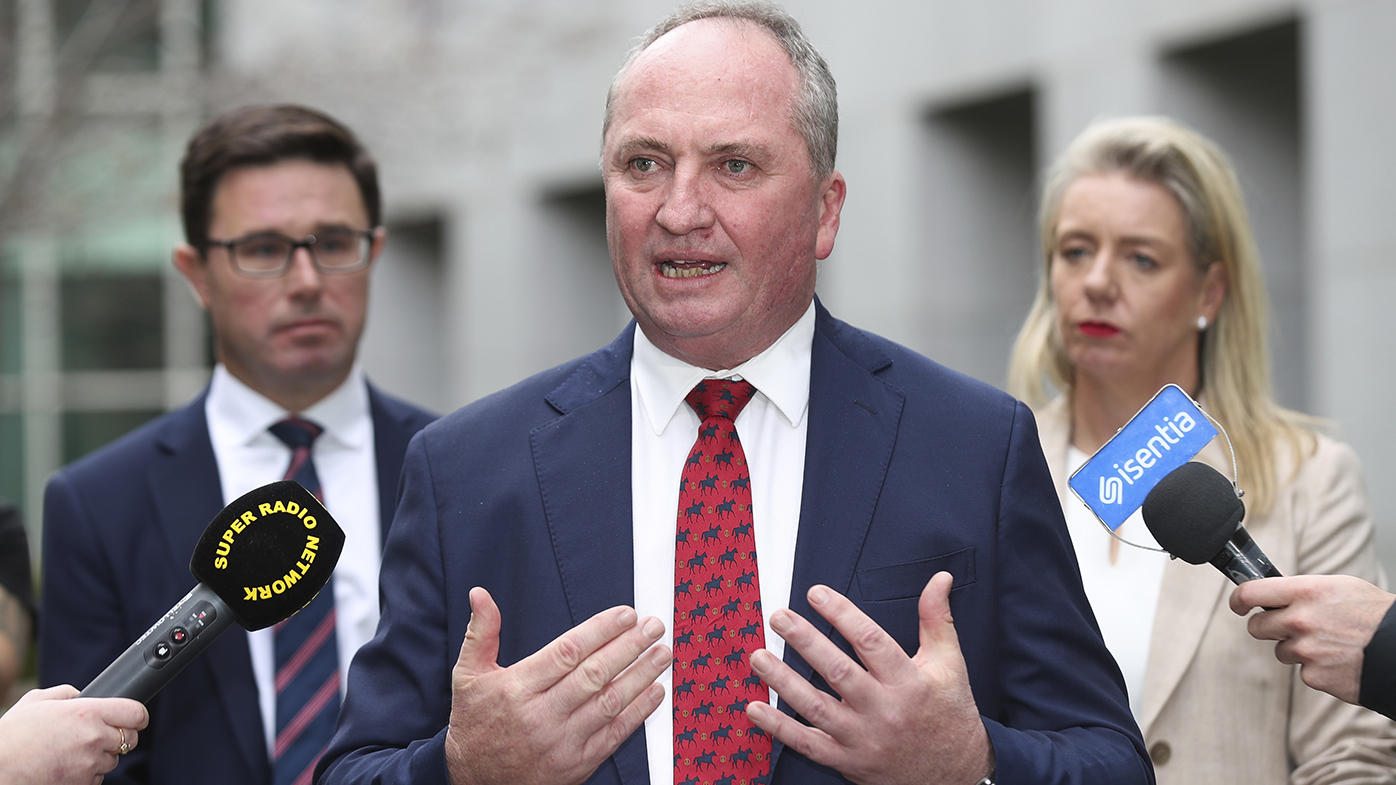
"Well, I acknowledge my faults," he said.
"And I resigned as I should and I did.
"I've spent three years on the backbench and you know, I hope I come back a better person.
"I don't walk away from the fact that you have to have time to consider, not only the effect on yourself, but more importantly, the effect on others.
"I've done that. I don't want to dwell on the personal, except to say hopefully one learns from their mistakes and makes a better person of themselves."
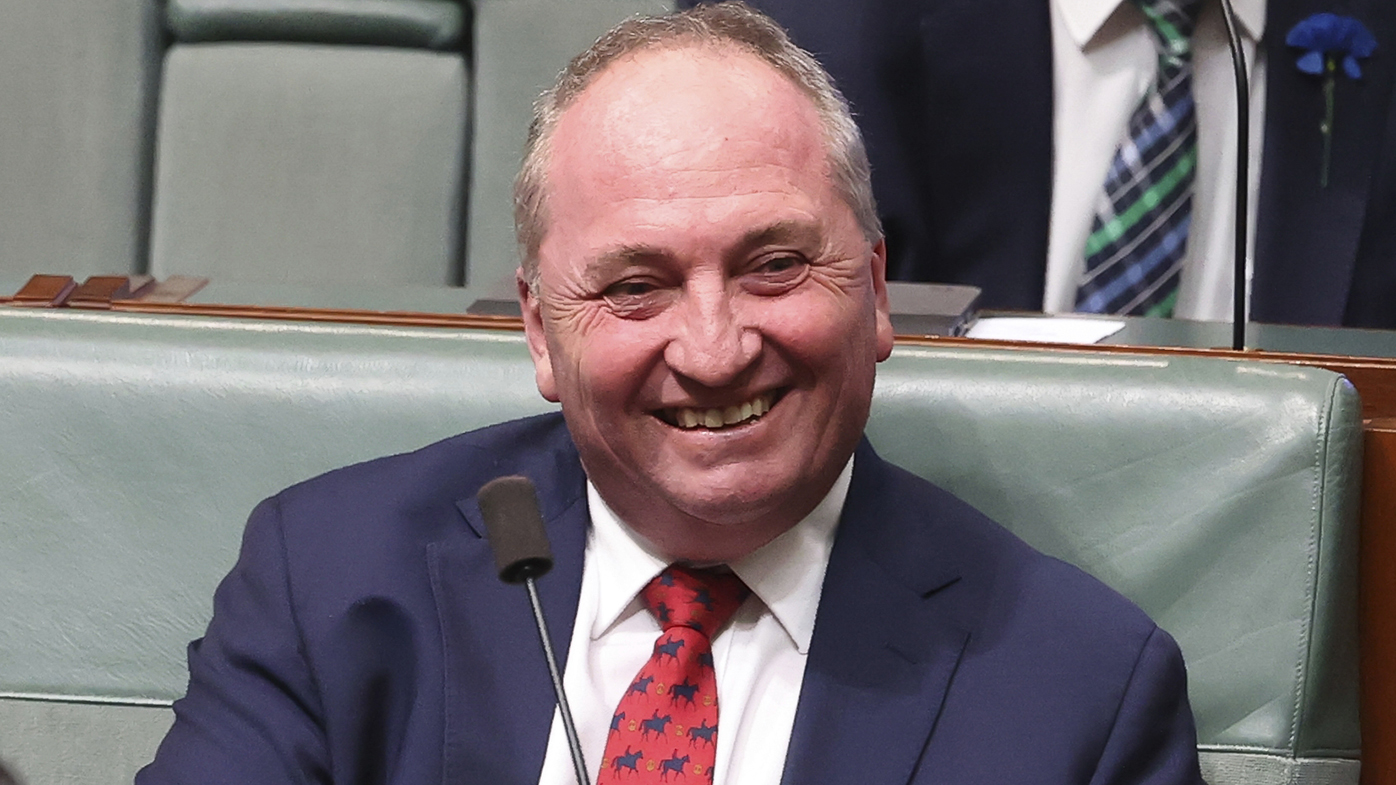
Mr Joyce said Mr McCormack had conducted himself with dignity "right to the end".
The spill motion was moved by Nationals Senator Matt Canavan this morning and comes after days of speculation over the leadership of the party.
David Littleproud will remain as deputy leader of the party, with his position not contested.
He too thanked Mr McCormack and quickly moved to setting the party's path forward.
"But today, we now have to draw a line in the sand and get on with the job," he said.
"It's as simple as that. We need to come together and unify, doing the things that we do best, which is looking after regional Australians.
"They've had enough kicks in the guts.
"It's time now to help them out of the fires, the droughts, the cyclones and get them back up and going and I think that it's important that the National Party gets on with that job and those men and women and the children there, who put ourselves here, to give them their fair share."
'Good luck to him'
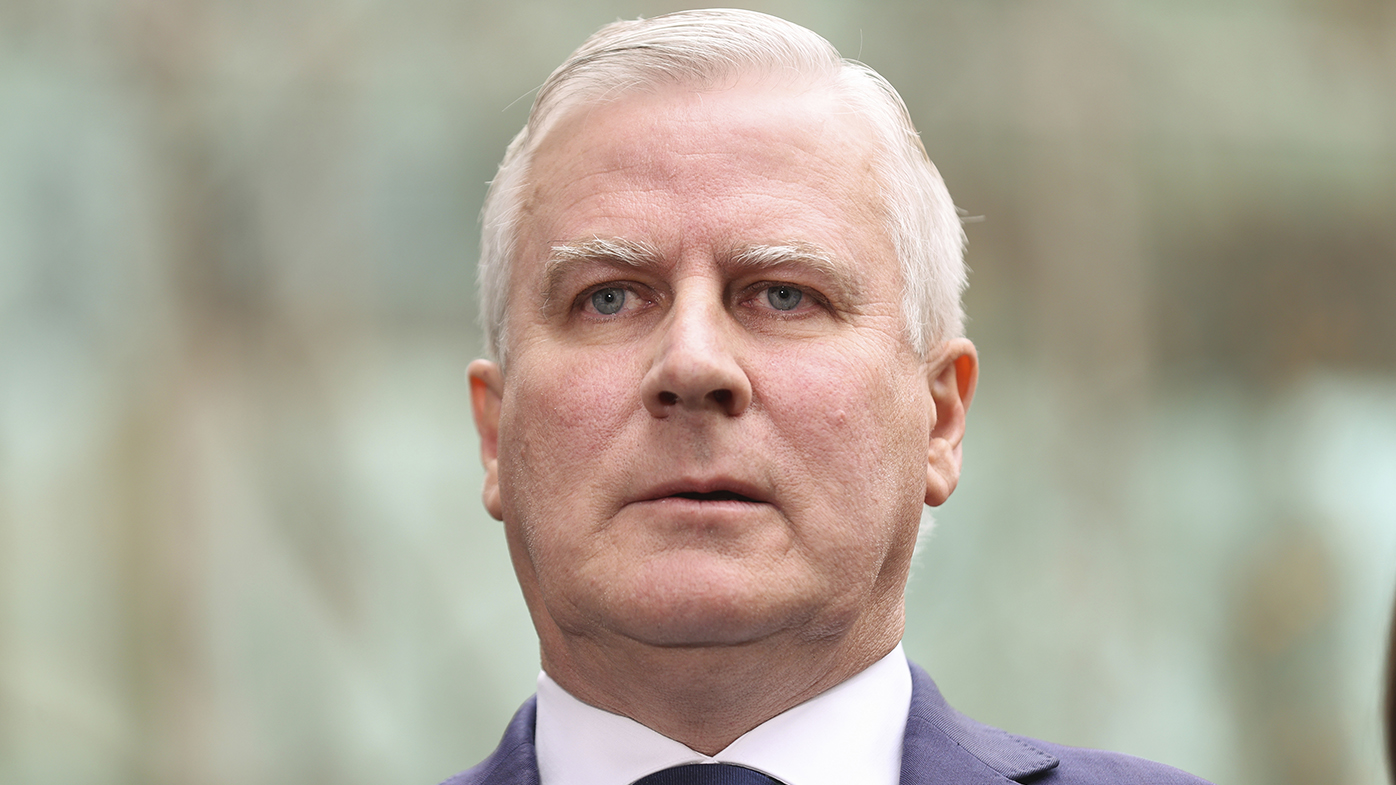
Mr McCormack said he respected the party room's decision to remove him as leader.
"I wish Barnaby Joyce all the best as leader of the National Party," Mr McCormack told reporters at Parliament House.
"I have been honoured to serve the National Party as its leader the past three years.
"I have been privileged and humbled to do that, the National Party has been the party of regional people for more than 100 years.
"It will go on irrespective of who is the leader, to be that party with the regional voice, the party that looks after the interest and concerns, and cares of regional people.
"The party is important.
"The National Party has always been more than the individual, and that's why I very much respect the decision taken by my colleagues today.
"I thank my colleagues for giving me the privilege of serving them as their leader for the past three years."
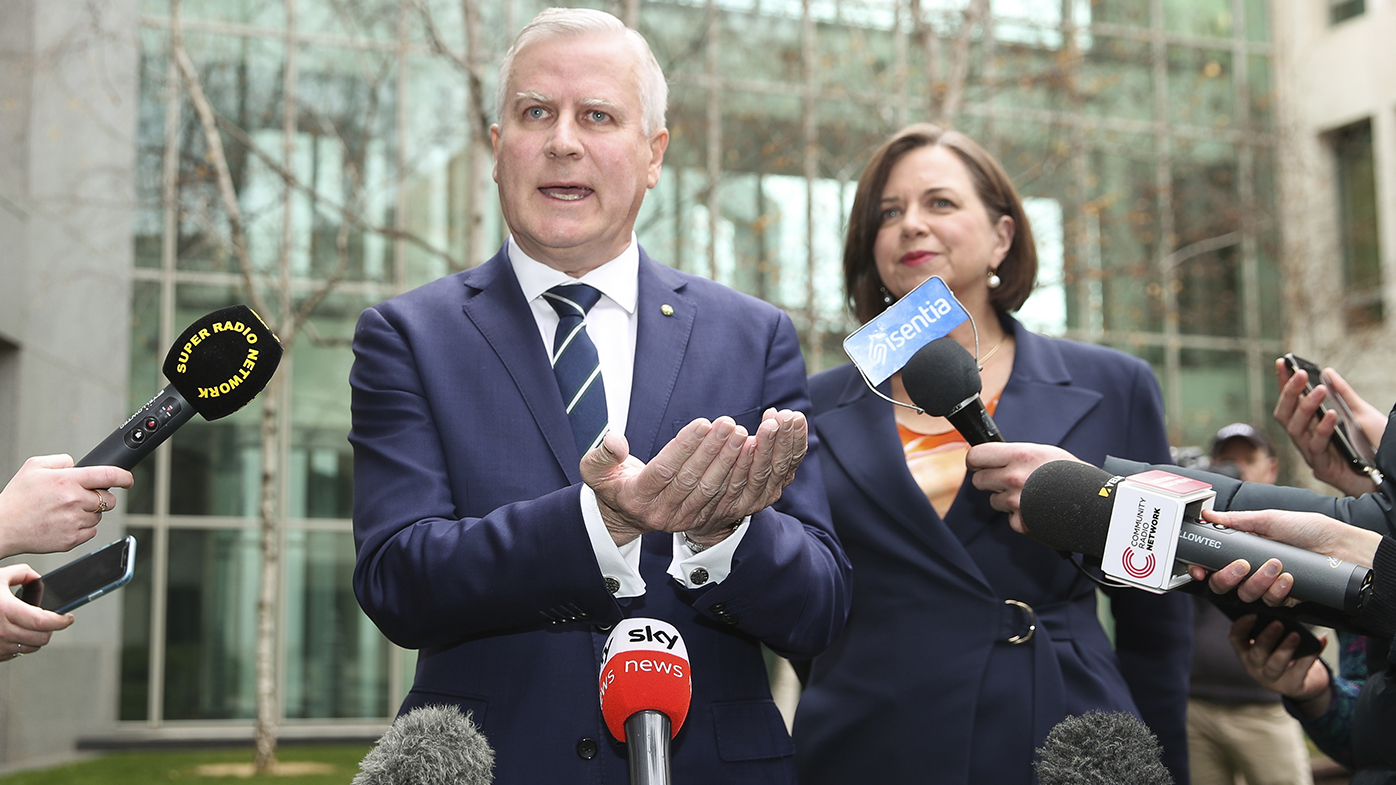
Mr McCormack called on his colleagues to stop backgrounding and to "have the guts and gumption to put your name to it".
Reports of a spill gained momentum over the weekend after a story in the Australian Financial Review claimed Mr Joyce was counting the numbers for a tilt at the leadership.
"Don't background against your colleagues," he said.
"It is not good for the Parliament.
"It is not good for democracy.
"If you are going to say something, put your name to it.
"I have always done that, always been upfront and honest and each and every one of you know that."
He said he would consider his future as an MP before the next election, noting he had already been preselected as the Member for Riverina.
Mr McCormack deferred when asked whether Mr Joyce's high-profile relationship with his former staffer Vikki Campion would damage the Nationals vote with women.
"You would have to ask women in regional Australia that," he said.
"I am a man in regional Australia. You would have to ask a woman in regional Australia.
"Again, Barnaby has been elected democratically according to party traditions and all of the rest – it is not party tradition because we don't normally do this – but by convention he has been elected.
"He's got more numbers than me this morning. Good luck to him. I respect that."
https://twitter.com/ElizaEdNews/status/1406793942541115392
Earlier, Nationals whip Damian Drum revealed the outcome of the ballot in a brief media conference.
"There was a spill motion put forward. (The) spill motion was carried," Mr Drum said.
"We had an election and Barnaby Joyce has been elected leader of the National Party at a federal level.
"He has to go through a process now to be sworn in, to have all the conversations, to talk to the Prime Minister, and effectively get on with the job of representing our people."
Mr Drum described the Nationals as "the most democratic party in Australia".
Mr McCormack served as acting prime minister only last week while Scott Morrison was overseas.
Mr Morrison is in quarantine at The Lodge but will resume his duties remotely.
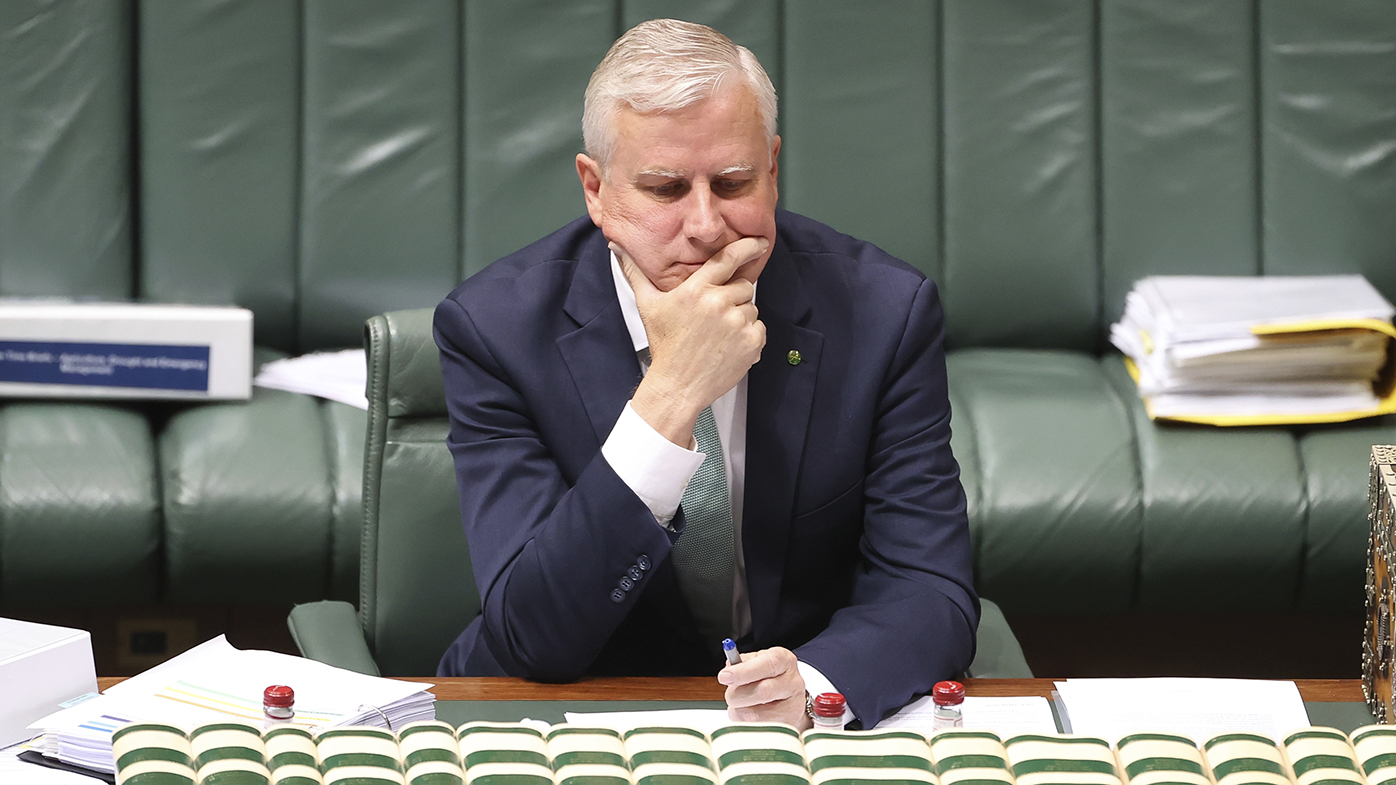
Joyce backs party room on climate divisions
Mr Joyce said he would be guided by the party room on whether the Coalition should adopt a climate policy of net zero emissions by 2050.
As a backbencher, Mr Joyce had threatened to cross the floor if the government did so.
"I will be guided by my party room," he said.
"It is not Barnaby policy – it's Nationals policy.
"And Nationals policy is what I will be an advocate for and if the National party room believes that the best deal for regional Australia is to make sure that we secure their jobs, is to make sure that we secure their industries, is to clearly understand the dynamics of an Australian economy, as to opposed to a Danish one or a German one, if that's the view of the National party room, that's the view that I'll support."
Labor hits out at 'self-indulgent' government
Opposition Leader Anthony Albanese slammed the timing of the spill and used a media conference to highlight what he says are differences in Labor and Coalition policy, particularly around climate change.
"This government had just two jobs this year," Mr Albanese said.
"They had to roll out the vaccine, and they had to fix national quarantine.
"Now instead of rolling out the vaccine to the Australian people, they just concentrated on rolling each other.
"The rolling of Michael McCormack, a decent human being, by Barnaby Joyce represents the sixth combination of prime minister and deputy prime minister under the eight long years of this government.
"It's a vote of no-confidence in their own government.
"The fact is, if you want to end this circus, it's time to end this government.
"I've seen governments be self-indulgent before and get punished.
"This is a government that is being self-indulgent at a time of the pandemic.
'"The last time there was a spill was in the middle of the bushfire crisis – this time it's in the middle of a pandemic."