Auckland’s tornado not only left hundreds of properties devastated it also made a few unwanted deliveries.Frank van der Velden ended up with air mail of a different kind after finding a Papatoetoe resident’s ACC letter on his Karaka…
Tag Archives: oceania
A history of quarantine: Shootings, plague fleas and diseased ships
Australia's hotel quarantine system during COVID-19 has been a source of debate – and tension – between state and federal government.
There have always been issues with quarantine, although back in the 1800s there were very different problems to deal with.
Nine.com.au takes a look back at the history of a famous, dedicated self-contained quarantine facility in Sydney.
Smallpox, typhus, typhoid, scarlet fever, Spanish flu and the plague were rife when institutions like Sydney's Quarantine Station were busiest.
Now a hotel and fascinating historical site, it was the nation's first, and longest-running, facility, used to quarantine passengers who sailed to Australia on ships from 1828.
READ MORE: The plague, smallpox and Spanish flu: How Sydney quarantined sick travellers throughout history
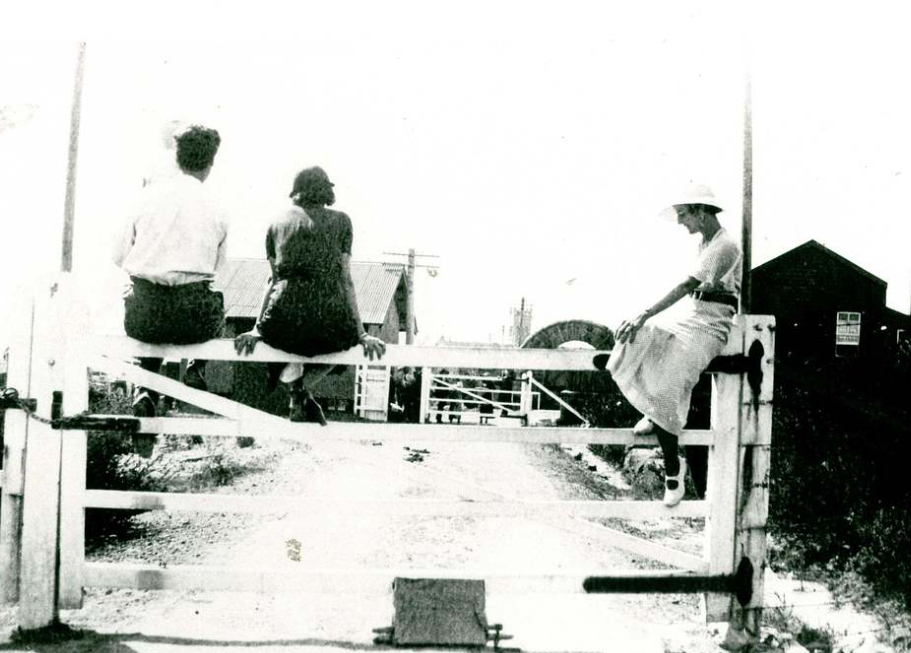
But Q Station tour guide Debra Randell said one of the biggest outbreaks related to quarantine to hit Sydney happened in 1838 when a ship from Scotland called William Rodger was mistakenly cleared to sail to the city, rather than being taken to the Q Station for up to 40 days quarantine.
Passengers onboard actually had typhus, an epidemic at the time which killed millions.
"It was sent to Sydney as a disease-free ship," Mrs Randall, said.
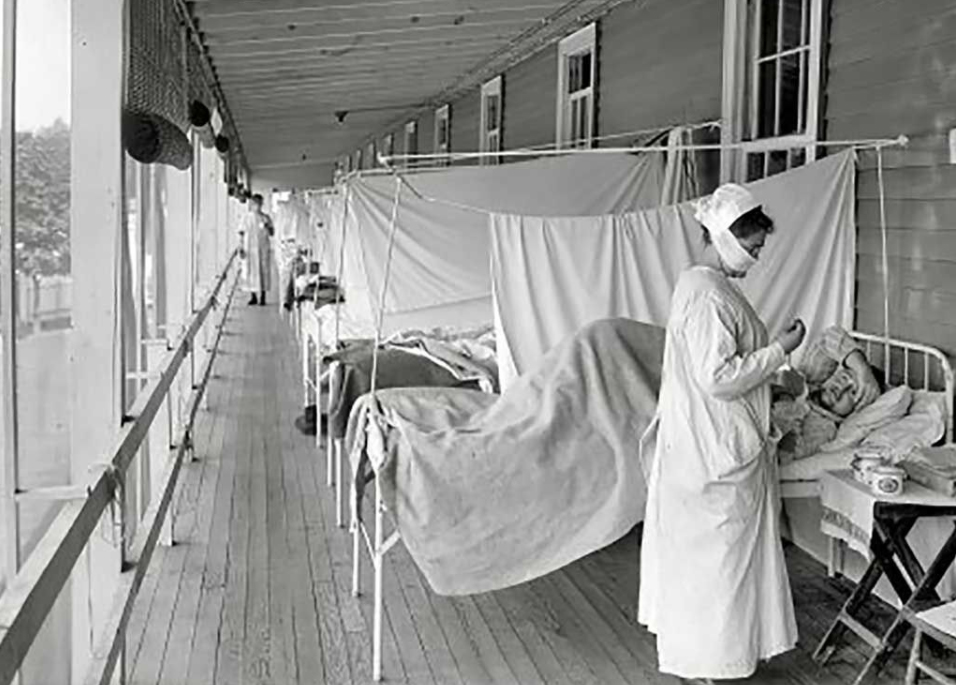
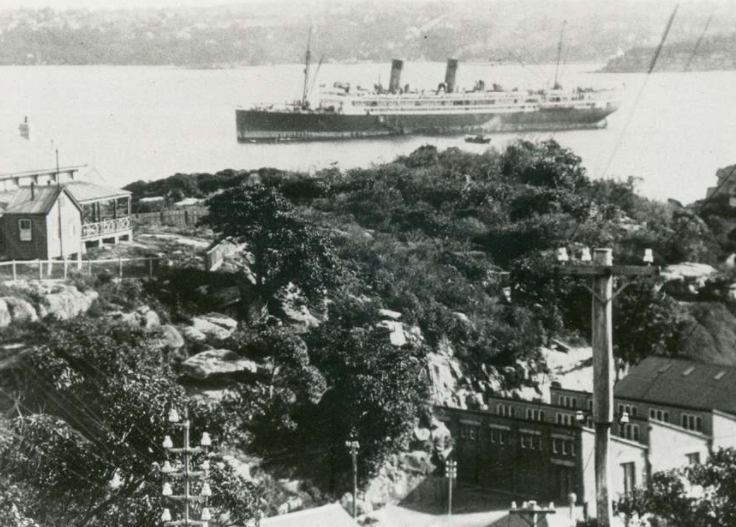
"Unfortunately 16 cases ended up being detected in Sydney.
"The ship was returned to the Station with a further 144 cases – very likely some of their contacts from Sydney.
Altogether 45 people died- including the ship's captain and his 10-year-old son.
Once people were at the Q Station, conditions were extreme.
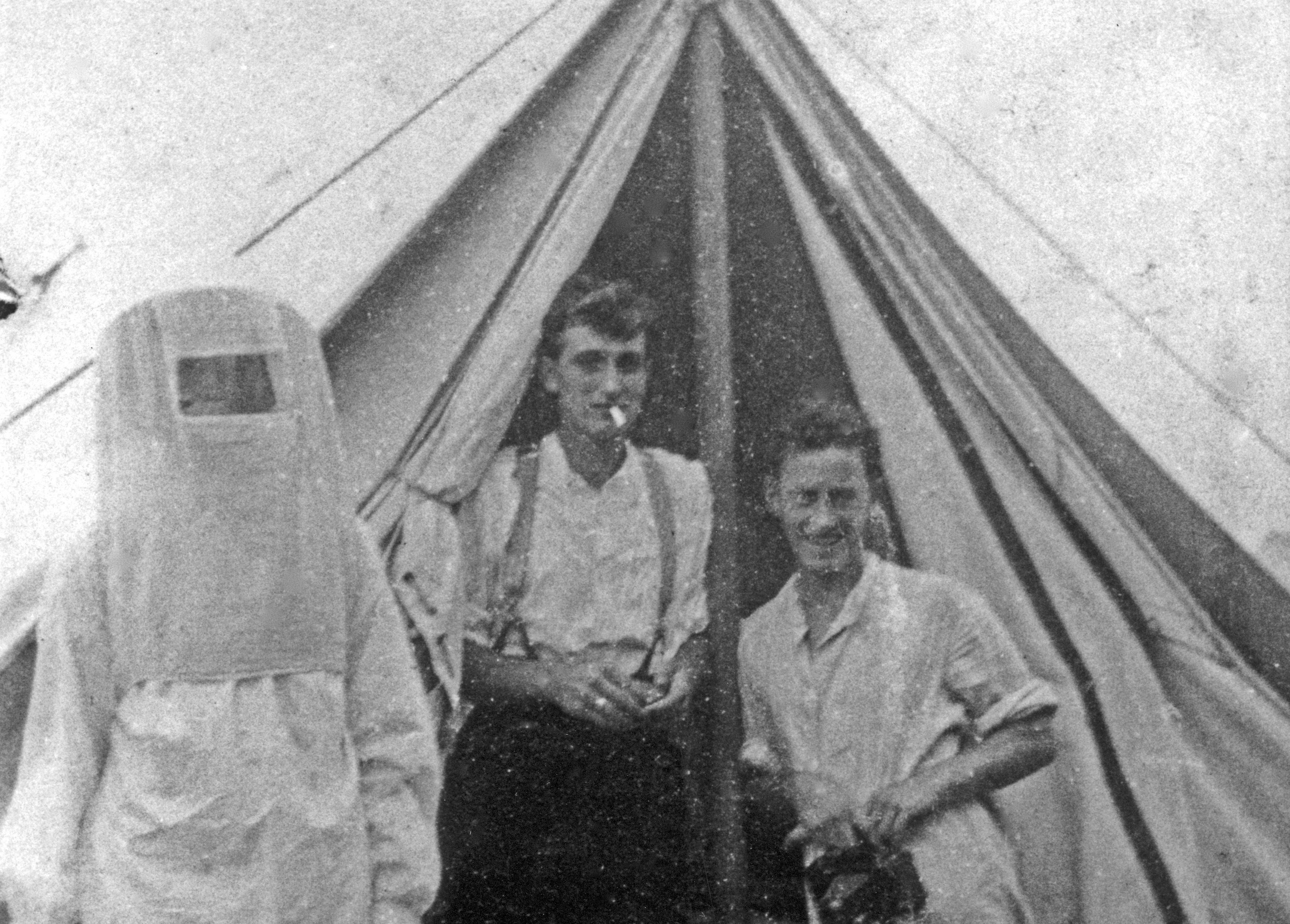
Guards were told to shoot people who broke the rules by leaving their assigned area – the sick and infected were separated as were the passenger classes.
Six months' jail and fines were later introduced.
However, 900 disgruntled solders sent there during the Spanish Flu pandemic after WW1 did manage to escape.
"They had been promised first class accommodation but when another ship turned up with 1400 more aboard rather than the expected 400, they were told they'd be sleeping in tents instead… brown snakes had slithered over them," Mrs Randall, said.
"The final straw came after their food was rationed as well.
"They dared the armed guards to shoot them, and of course he wasn't going to shoot returned soldiers.
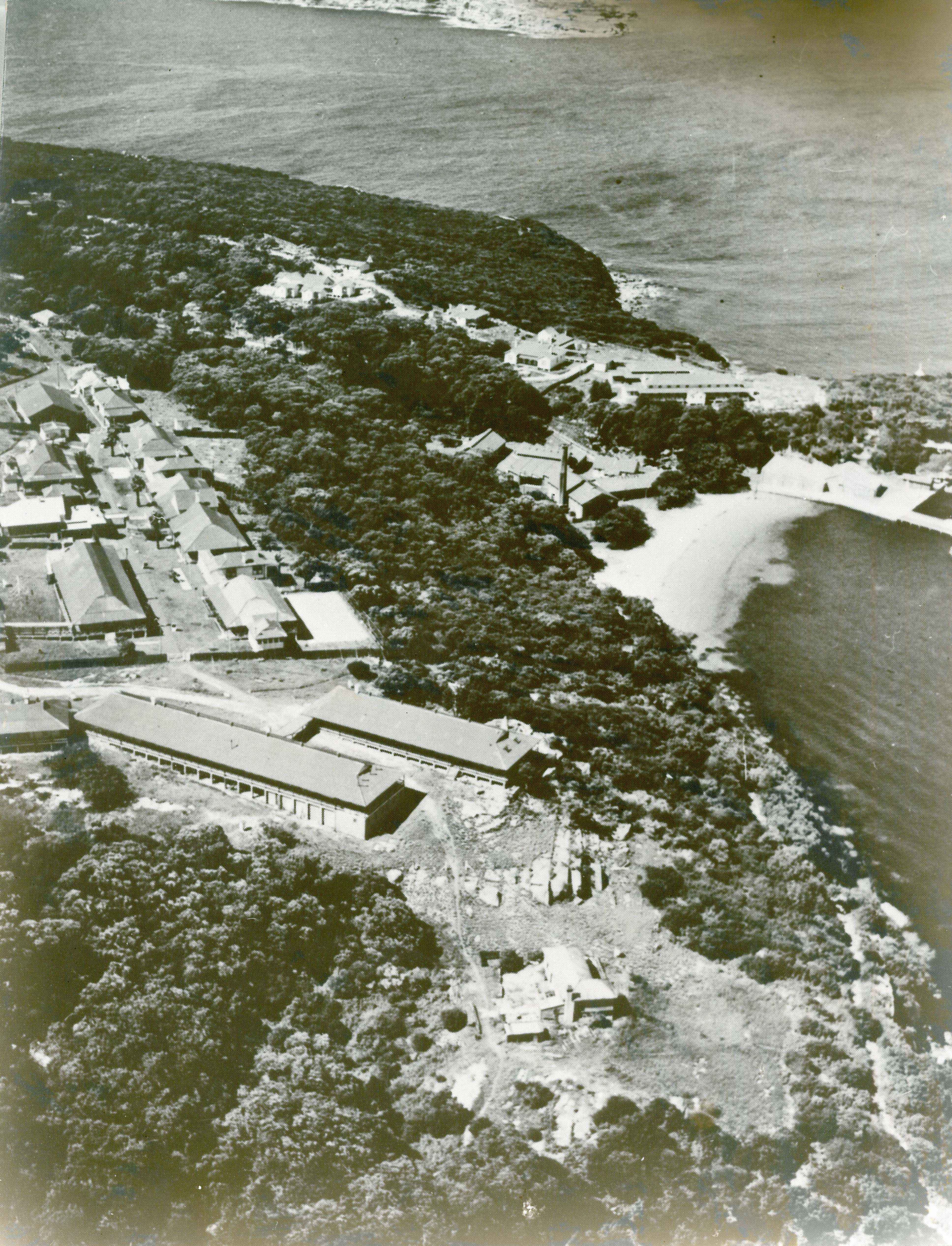
"They marched down the hill where they were intercepted by police, and they arranged to take them to Manly Wharf where they boarded a private vessel to be taken to the Sydney Cricket Ground – they were given stretchers to sleep on and all the food they could eat.
"They ended up doing their quarantine there."
READ MORE: Sydney no stranger to quarantine
And while Q Station staff and their families who lived with them weren't allowed to leave when a quarantine period was underway and the site went into "lockdown" – highly infectious diseases seeped into the nation in other ways too.
https://www.instagram.com/p/CO9mwA_D5z7/?utm_source=ig_embed&
Sydney bookbinder Robert William Smith was unlucky enough to catch the plague after opening a box of books sent from London, Mrs Randall said.
The disease had arrived in Sydney in 1900, and the Q Station was used for quarantine of infected people and their contacts.
READ MORE: What happened when the NSW-Victoria state border closed, during the 1919 Spanish Flu pandemic
"A flea jumped out of a box and bit him on the arm," she said.
"He died at the Q Station one week later."
'Beautiful soul': Auckland father of two Janesh Prasad killed by tornado
The father of two killed by the tornado in South Auckland yesterday is being remembered as a “beautiful soul” and a “humble, caring” man by his family and friends. Janesh Prasad died as a tornado ripped through the Ports of Auckland…
Three people dead in two Auckland crashes in 24 hours
Three people are dead following two crashes in Auckland with police confirming today’s crash on Riverhead Rd was fatal. Riverhead Rd is expected to remain closed overnight after this afternoon’s single-vehicle crash damaged powerlines…
Herald afternoon quiz: June 20
Test your brains with the Herald’s afternoon quiz. Be sure to check back on nzherald.co.nz for the morning quiz tomorrow. To challenge yourself with more quizzes, CLICK HERE.
South Auckland tornado: Government chips in $100,000 to support Papatoetoe community
The Government is contributing $100,000 to a Mayoral Relief Fund to support Auckland communities impacted by the Papatoetoe tornado, Acting Minister for Emergency Management Kris Faafoi said today.Faafoi said the Government would…
South Auckland tornado: Locals ponder huge clean-up, others thank their lucky stars for narrowly avoiding carnage
Some locals in the path of yesterday’s tornado are thanking their luck for dodging the destruction, but others wonder how long it will take to fix their devastated homes.Melissa Siaea lived in a Papatoetoe block of flats, and each…
Covid 19 coronavirus: Ministry of Health update – four new MIQ cases, NZ closely watching Sydney outbreak
New Zealand has four new cases of Covid in managed isolation facilities today – and no new community cases – as Ministry of Health officials keep close tabs on new community cases in Sydney.”Quarantine-free travel with New South…
'Shock and horror': Woman in her 90s and son in his 70s seriously injured in assault in their Napier home
An elderly woman and her son seriously injured in an assault in their Napier home were on Sunday evening in a stable condition in Hawke’s Bay Hospital.Police were notified of the assault at the woman’s home on Kennedy Rd between…
'Great failure': Health expert slams handling of vaccine rollout
There has been a "great failure in the procurement and supply" of vaccines in Australia, a leading health expert has told the Weekend Today show.
It comes amid reports of bungles in distribution leading to vaccines going to waste, while other distributors are unable to meet their demand.
READ MORE: Victoria records no new local cases of COVID-19

Since the announcement that the AstraZeneca vaccine was no longer recommended for Australians under 60s, the rate of those getting the jab has fallen "just at the time when we need the vaccine rate to be going up," Adjunct Professor at UNSW and Strategic Health Consultant, Professor Bill Bowtell, said.
"Unfortunately we're seeing very low vaccination rates. The rate has fallen in the last few days since the change in advice," Professor Bowtell said on Weekend Today.
"We're going into winter with Australians three-point-something totally vaccinated.
"We've got this dangerous Delta variant coming in through the airport that we saw the other day in Sydney. This is very serious."
Hesitancy in getting the jab has increased due to constantly changing health advice, according to Professor Bowtell.
Furthermore, many Australians have expressed their desire to get vaccinated but medical professionals can't keep up with demand.
"We've got a real lack of confidence in what's been said by the various authorities. I think that's increasing vaccine hesitancy," he said.
"The problem is one of supply. Of course, the best thing would be if we could have a vaccination rate that was remotely similar to the vaccination rates now in the UK, the US, Canada, Spain and so on, but we don't."
READ MORE: AstraZeneca vaccine recommended for over-60s only
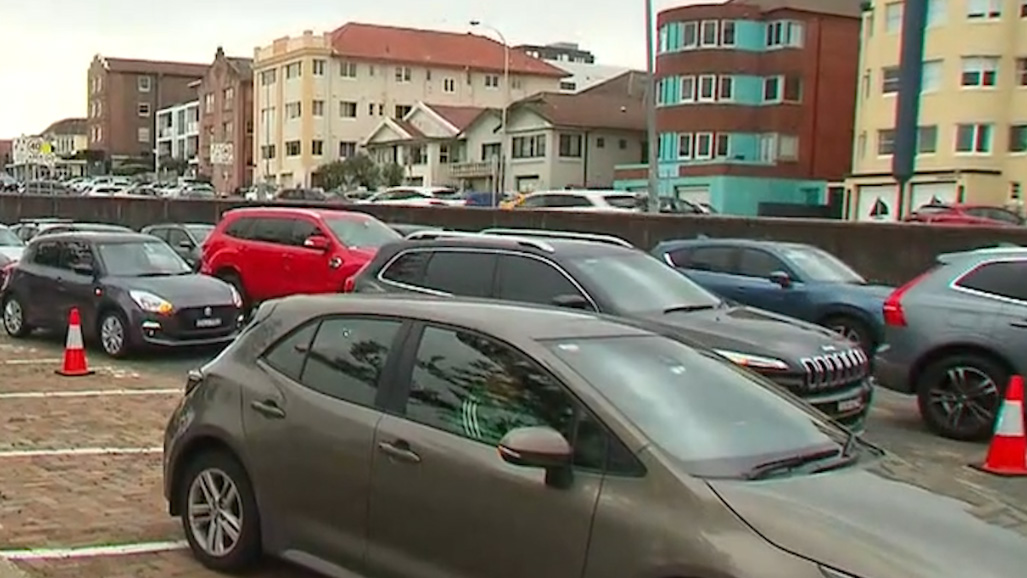
Professor Bowtell said that some clinics have an oversupply of the AstraZeneca vaccine due to its tarnished reputation.
"There has been a very great failure in the procurement and supply and distribution of these vaccines," he said.
"I was told the other day of an oversupply of AstraZeneca in one of the GP clinics. They were given a big supply coming in, but the expiry date was 30 June. So they can't possibly distribute to those people.
"Let's remember too, AstraZeneca is a good vaccine."
Professor Bowtell said that as the country continues to battle with new strains of the virus, our response should evolve accordingly.
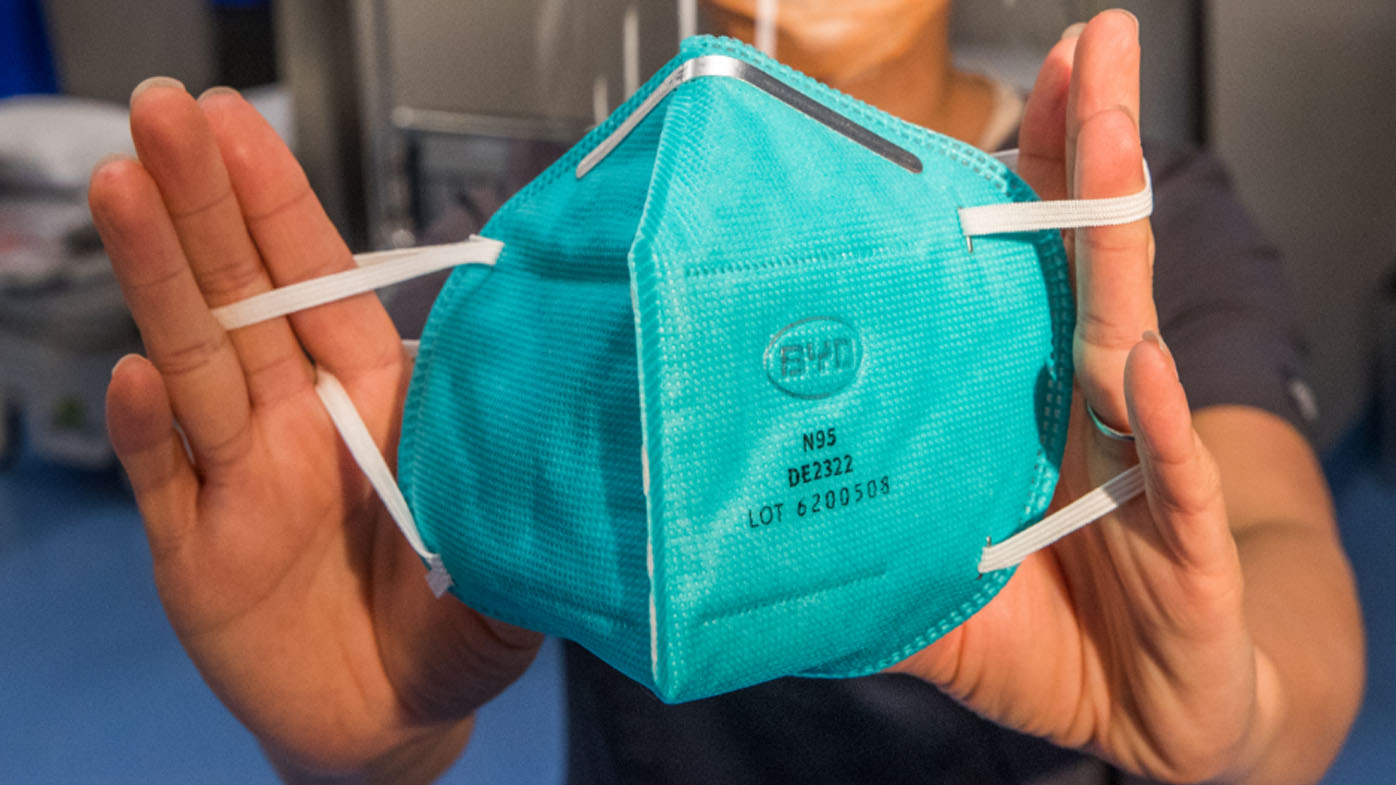
He said that the standard surgical masks – worn widely not only by the public but also by healthcare workers in most settings – may not be sufficiently effective protection from variants such as the Delta strain at the centre of the current Sydney outbreak.
"It is transmitted in aerosol," Professor Bowell said.
"Evidently there were transmissions by people who were just really walking by and sharing the same air and were infected, so that really means upgrading and changing the advice."
He said it was now clear that the N95 masks were needed in medical and high-risk settings.
N95 respirators are designed to fit closely around the face while efficiently filtrating out airborne particles.
READ MORE: Sydney gyms and Shellharbour baby store among new COVID-19 alerts
Professor Bowtell said the best way to avoid another lockdown is more efficient quarantine program as well as a significant increase in testing numbers.
"I think it's pretty clear from the guidelines if he (patient zero) was using a mask, he was using one that is not very effective against the Delta variant," he said.
"We know that this thing transmits in air and in hotel corridors and in the ventilation systems. Now, that wasn't the case a year ago, we need far better quarantine arrangements like the Howard Springs arrangement.
"The Delta variant…is a near and present danger. It is transmitted in aerosol. There were transmissions by people who were just really walking by and sharing the same air and were infected. So that really means upgrading and changing the advice."