The Civil Aviation Authority has asked for the photos taken on board a helicopter seconds before it crashed on Saturday during the wedding of a Christchurch couple.The Herald can reveal photographer Rachel Jordan was taking photographs…
Tag Archives: oceania
Warning Wellington's Town Hall could blow out by another $10m
Council officials are warning Wellington’s Town Hall project could come in at up to 9 per cent over budget, which is the equivalent of about $10 million. It’s the latest in a string of budget blowouts for the refurbishment and earthquake…
Covid 19 coronavirus: Long-lasting antibodies bode well for future booster shots
Virus-fighting antibodies may linger in our bodies for as long as one-to-two years after we’re infected with Covid-19 – something that bodes well for booster shots in a post-pandemic world.Antibodies play a critical role in the…
Aussie banks, websites hit by major online outage
The mobile apps and websites of several Australian banks including Westpac, St George, ANZ and the Commonwealth Bank went down this afternoon following technical issues with a global service provider.
Around 3pm users started being served with error messages while attempting to log in to the services, which do not appear to be linked to any one organisation.
The issue is linked to problems occurring with CDN provider Akamai.
READ MORE: Commonwealth Bank's online system working again after tech 'issue'
https://twitter.com/trevorlong/status/1405401028262985732https://twitter.com/CommBank/status/1405390271714447361https://twitter.com/WestpacNZ/status/1405391523814903808
"We are aware of the issue and actively working to restore services as soon as possible," a spokesperson from Akamai told 9News.
Akamai – in simple terms – provides services and technology that runs behind the scenes of some of the biggest websites in the world.
Commbank stated on Twitter it was aware of an issue that was preventing users from logging on.
"We're aware some of you are experiencing difficulties accessing our services and we're urgently investigating. We apologise and thanks for your patience, we'll provide an update soon," the bank tweeted.
Several other websites, including Virgin Australia, Allianz Insurance and CMC Markets also went down.
ME Bank also reported "server issues".
https://twitter.com/ANZ_AU/status/1405395000158871553https://twitter.com/mebank/status/1405388873266499586https://twitter.com/VirginAustralia/status/1405399823612739584
Nine's tech expert Trevor Long reported being unable to access both Commonwealth Bank's app and ANZ.
"Both @ANZ_AU & @CommBank apps and online banking down at the same time," Mr Long tweeted.
"One can't help but wonder if there's something major going on."
READ MORE: NAB sued over mis-charging customers fees
https://twitter.com/trevorlong/status/1405387816456966148
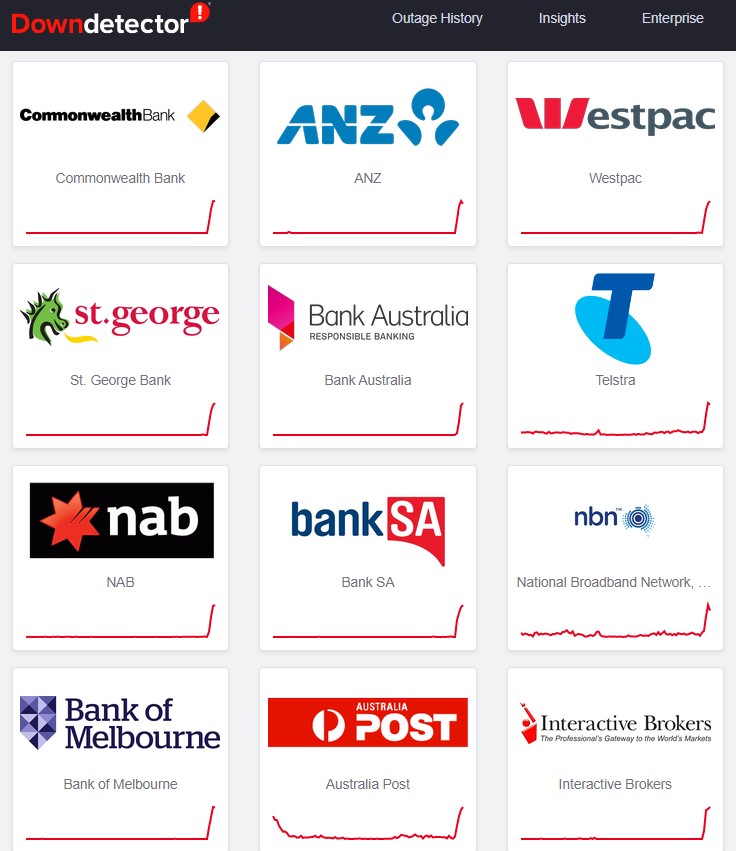
Australian website tracker DownDetector displayed an upsurge in access complaints across several major websites around 3pm.
Most major banking websites came back online around 5pm, after having been down for around two hours.
You can find out more details about how to book your vaccine through the Federal Government health site here.
Covid 19 coronavirus: What difference does contact tracing really make?
Contact tracing can cut the spread of Covid-19 by as much as 60 per cent – but the most critical factor in curbing an outbreak remains how well and quickly people isolate themselves.That’s according to new modelling that comes…
Fresh trade crisis looming after new Chinese virus outbreak
Australian exporters and importers will be closely watching the fallout from a new COVID-19 outbreak in southern China that is creating a trade bottleneck.
China has largely stamped out cases of local COVID-19 transmission, but Guangdong province has seen a flare-up of the more infectious Delta variant of the virus, initially discovered in India.
The Chinese province is a major shipping hub and home to the ports of Guangzhou and Shenzhen – the third largest and the fifth largest in the world by container volume, according to the World Shipping Council.
READ MORE: Australia strikes free trade deal with UK

Since the variant was found in Guangzhou last month, it has grown to 100 cases.
Authorities have reacted by imposing lockdowns and other measures that limit the operations of ports and transport industries.
Trade expert Roland Rajah told nine.com.au Australian exporters and importers will be monitoring events closely.
"It's too early to predict the full effect of this but southern China is an important shipping hub for Australia," Dr Rajah, of the Lowy Institute said.
"It is disrupting China's economy itself and the risk is it gets worse."
Dr Rajah said southern China is a gateway for billions of dollars worth of Australian exports such as iron ore and imports like Chinese electronic goods.
READ MORE: Businesses still have products stuck in the Suez Canal
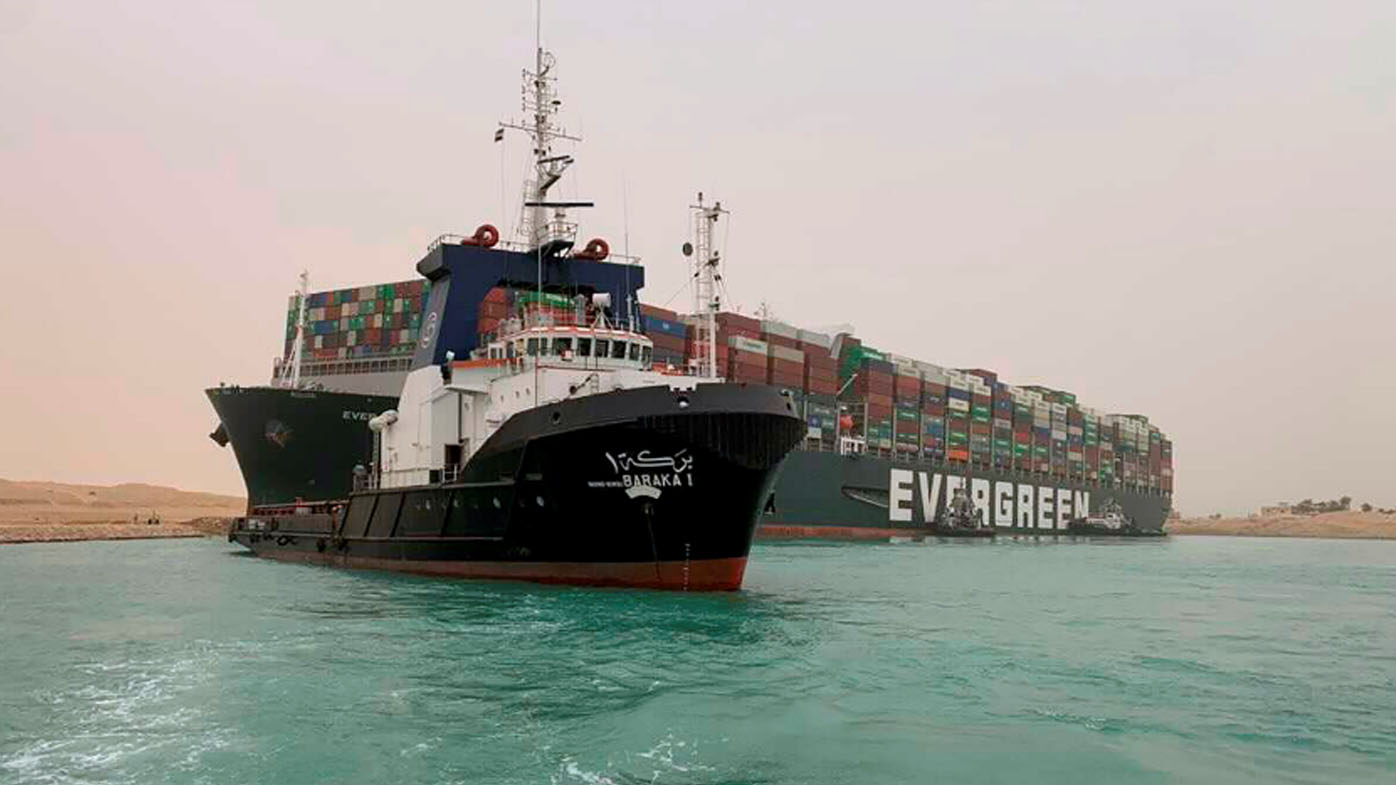
The latest disruption to world trade comes just weeks after a giant container ship blocked the vital Suez Canal passage.
When the giant container ship the MV Ever Given wedged itself across the Suez Canal in March it made world headlines and cost global companies billions of dollars in redirecting shipments.
Family of 'miracle' baby call for screening for rare condition
The parents of a Brisbane baby who almost died after she was born with a rare genetic illness are calling for Queensland Health to follow NSW's lead and start screening for the condition in newborns.
Georgia Hilliar is now five months old and likely to lead a healthy and normal life thanks to a bone marrow donation from her father, Beau Hilliar.
It is a remarkable transformation after spending the first few months of her life fighting to stay alive in the paediatric intensive care unit (PICU) at Queensland Children's Hospital.
LIVE UPDATES: Man feared missing at sea after fisherman's find
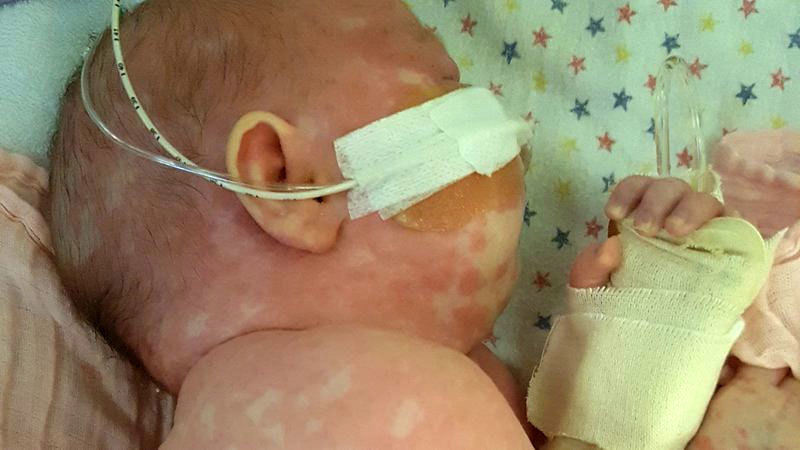
Her parents didn't know it at the time, but Georgia was born with Severe Combined Immunodeficiency (SCID), which meant she had virtually no immune system.
The family first noticed something was wrong with Georgia when she developed a urinary tract infection.
"It turned septic very quickly and at that point we nearly lost her," her mother Lucy Hilliar said.
"The ICU doctors when she got to PICU they were just shocked. She was completely covered in this horrific rash and she was having apneas, it was terrible."
It wasn't until Georgia was eight weeks old that doctors figured out what was wrong and diagnosed her with SCID.
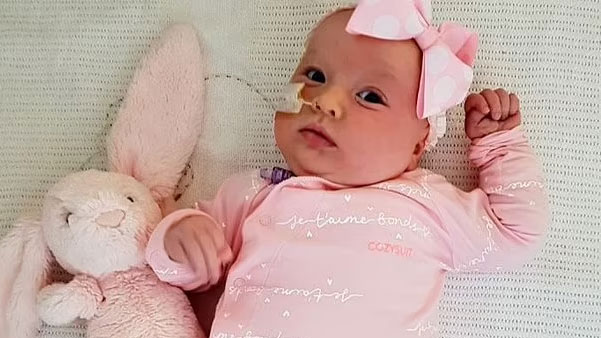
Luckily, Mr Hilliar proved to be a strong donor match for his daughter and on April 28 she had the bone marrow transplant operation.
"She is doing wonderfully well. She is our little miracle baby," Mrs Hilliar said.
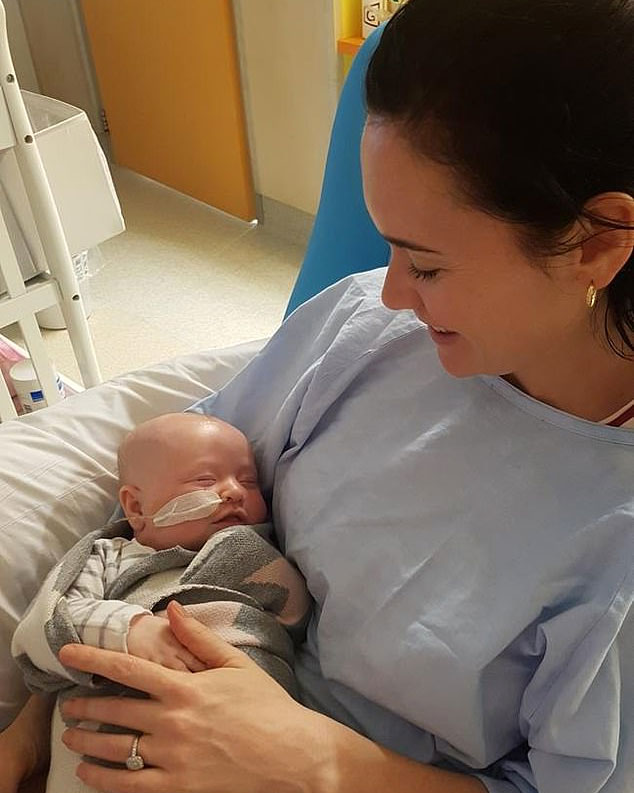
"We've been at home for three weeks now. We're not completely out of the woods but we've been doing lots of mini celebrations."
Recent tests had shown 95 percent of Georgia's stem cells now come from her father. In time, Georgia's immune system will be completely mirror Mr Hilliar's, effectively curing her condition.
SCID is extremely rare, affecting about one in 40,000 newborns. While it is a genetic condition, many parents do not know they are a carrier of the gene as there is no family history of the illness.
Testing for SCID has been rolled out as a pilot program in NSW as part of the newborn screening process in hospitals.
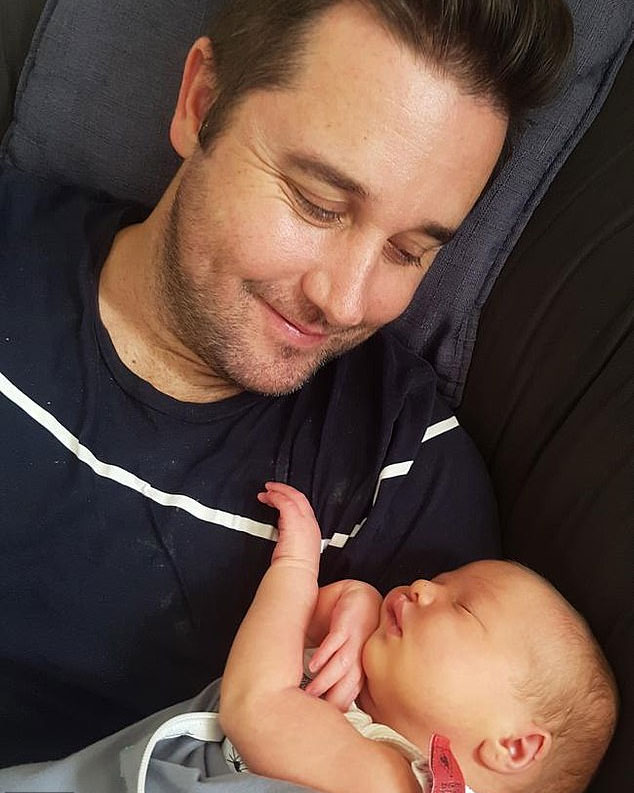
Newborns are also routinely tested for SCID in the US, some parts of Europe and New Zealand.
Australian bloodspot screening at hospitals, which is normally carried out through a 'heel prick test' a few days after birth, is designed to pick up certain rare genetic conditions.
Mrs Hilliar said she could not understand why SCID hadn't been included in newborn screening yet in Queensland.
"Why isn't Queensland doing it when it's already being done in NSW?" she said.
"For us, if Georgia had been screened, we would have just bypassed the whole heartbreaking journey of eight weeks of trying to get a diagnosis.
"We nearly lost her, so we know that this test could save lives. We just want to try to make sure this is there to help other families."
Mrs Hilliar this week started an online petition calling for SCID to be included in the newborn testing at Queensland hospitals.
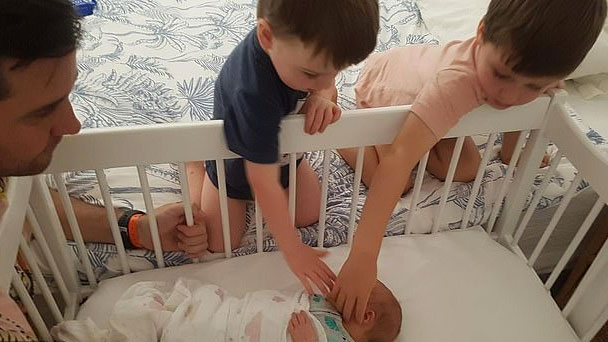
A spokesperson for Queensland Health said the department was currently evaluating a new range of tests to be included in the newborn screening program.
"Screening for SCID will be considered as part of this evaluation," the spokesperson said.
Nine.com.au has also contacted Queensland Health Minister Yvette D'Ath for comment but is yet to receive a response.
In an informational video produced by NSW Health, Dr Melanie Wong, the head of Allergy and Immunology at Sydney Children's Hospital Network, said screening for SCID was vital to give all babies born with the condition a chance at life.
"We know from our experience with testing for SCID at birth in children with a family history that early diagnosis and treatment before the first symptoms occur saves lives," she said.
"Although a genetic condition, many children don't have the benefit of a known family history to flag their risk. So newborn screening will give all children the same chance of early diagnosis and treatment."
The best transplant results for children with SCID occurred when the patient had never had an infection and the transplant took place before the age of four months, she said.
Contact reporter Emily McPherson at em********@******om.au.
US cases of Delta variant on the rise
As US states lift more coronavirus restrictions, experts are worried people who aren't fully vaccinated could contribute to further spread of the virus.
The Delta variant, first reported in India, accounts for nearly 10 per cent of coronavirus cases in the US, according to the Centres for Disease Control (CDC).
With concerns it could become the dominant strain soon, medical experts are underscoring the importance of vaccination.
EAD MORE: The highly contagious Delta strain explained

"I'm worried about those who are unvaccinated," US Surgeon General Vivek Murthy told CNN, noting the Delta variant "is rapidly increasing here in the United States."
The CDC has determined the Delta variant is a "variant of concern," a designation given to strains of the virus that scientists believe are more transmissible or can cause more severe disease.
https://twitter.com/CDCgov/status/1405269003052871682?ref_src=twsrc%5Etfw
The Delta variant "appears to be significantly more transmissible than even the Alpha variant or the UK variant, which is now dominant in the United States," Dr Murthy told CNN.
READ MORE: 'Digital certificate' for COVID-19 jab explained

"The second reason it's concerning is that there is some data to indicate that it may in fact also be more dangerous, may cause more severe illness.
"That still needs to be understood more clearly, but these are two important concerns and they explain in part … why this is become the dominant variant in the UK, where over 90 per cent of cases are the Delta variant," Dr Murthy said.
The good news is that vaccines appear to be effective against the Delta variant.
A new study by Public Health England found that two doses of a coronavirus vaccine is "highly effective against hospitalisation" caused by the variant.
The study found the Pfizer/BioNTech vaccine is 96 per cent effective against hospitalisation after two doses.
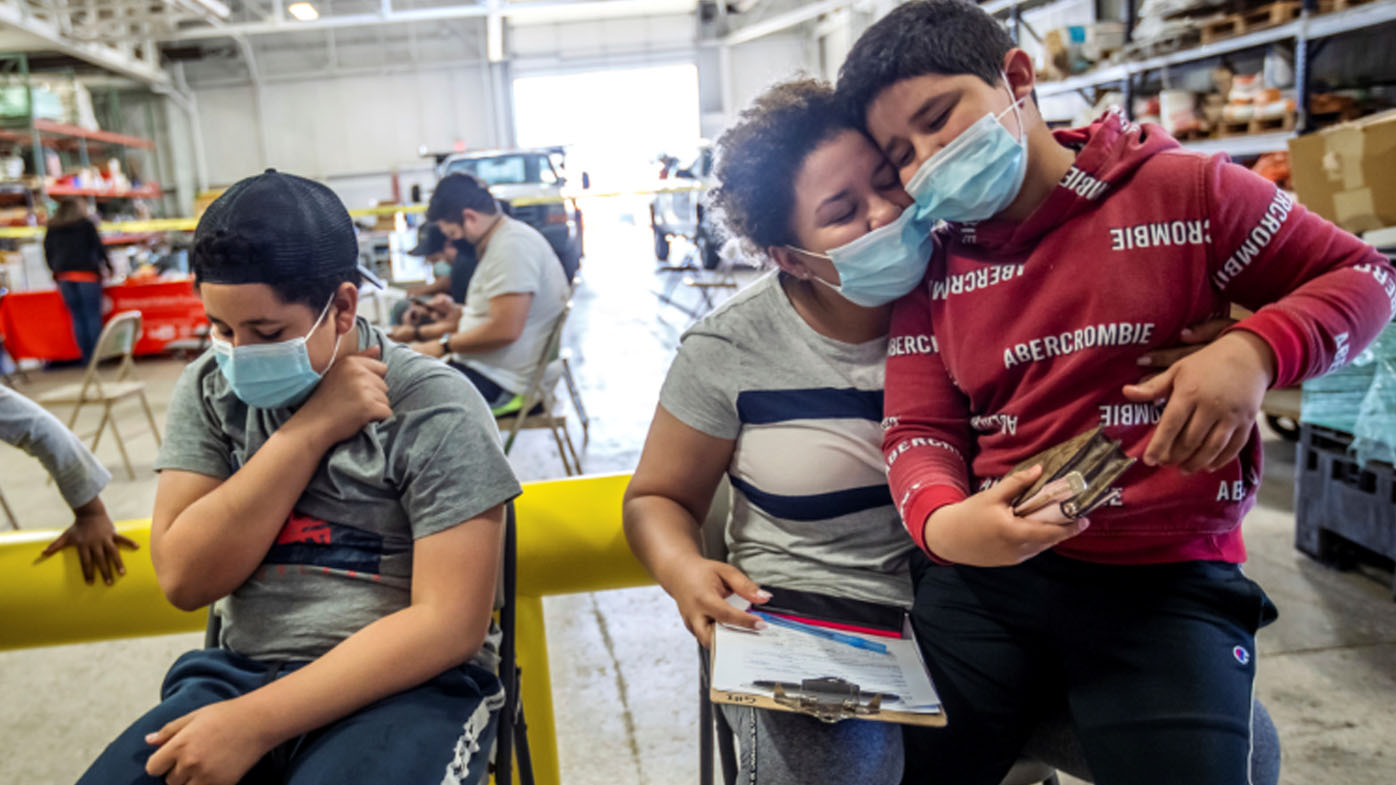
Dr Murthy said there isn't enough data to indicate the effectiveness of Johnson & Johnson's one-dose vaccine in regard to the Delta variant, but the vaccine has shown it can help prevent hospitalisations and deaths when people are infected with other strains.
"The key is get vaccinated, get both doses," Dr Murthy said.
As of Wednesday, 44.1 per cent of the total US population was fully vaccinated while 52.7 per cent has received at least one dose of a vaccine, according to the CDC.
This comes on the heels of the US surpassing 600,000 deaths since the coronavirus pandemic began, according to data compiled by Johns Hopkins University. That means about one in every 550 people in the US has died from the virus.
Expectant mum's partner denied permission to be with her for birth
Danielle Doulis is preparing to give birth alone – because her unborn baby's father isn't allowed into the country to be with her.
Despite applying for permission nine times, her partner Muksin, 32, from Indonesia, has been denied an exemption to travel to Australia for the birth in September due to coronavirus rules.
Ms Doulis, 42, from Esperance, WA, has been in a relationship with Muksin since 2019 and said she is "shattered" he's not allowed to come to Australia – despite partners of pregnant women being allowed to travel, according to the Australian Border Force website.
READ MORE: 'There's no end goal': Expats' heartbreak over COVID-19 border closures
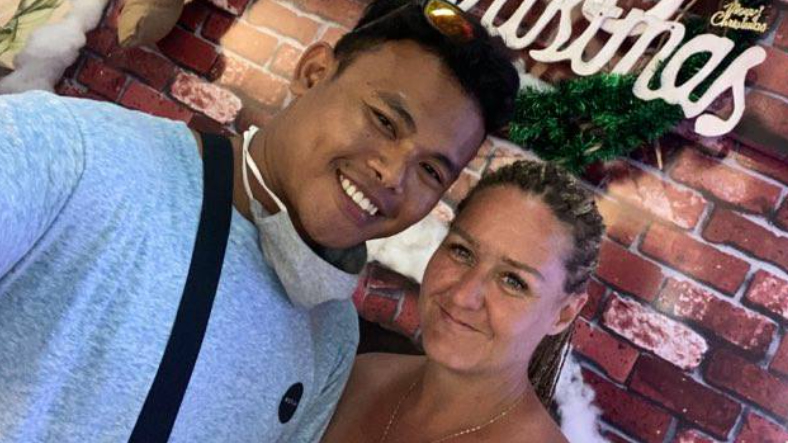
She met the truck driver on holiday in the Gili Islands, between Lombok and Bali, but maintained their relationship after she returned home.
She has visited him multiple times – and was given permission to leave Australia to move to Lombok to be with him in October 2020, along with her son, Ashley, 17.
READ MORE: Bali plans to reopen to international tourists next month
However, she returned home to Australia in March 2021 due to complications with her pregnancy.
Now she just wants him by her side when she gives birth, by caesarean.
"We rented a house together when we were there, we have financials there to show we're in a genuine relationship, and obviously the fact you keep it going over a long distance shows you're committed," she said.
"We've got letters from doctors and things.
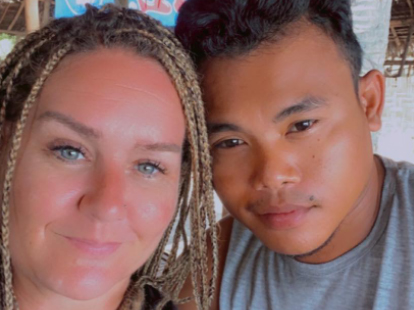
"What more can we provide them, short of a DNA test?
"We've also provided evidence showing we were together at the time of conception."
READ MORE: Despair of Australians trapped in India
Ms Doulis said she's come to terms with the fact it's now unlikely her partner will be allowed to travel, and he will instead watch the birth on video chat.

"I'm just a bit shattered really," she said.
She said it's not just the emotional support, but the practical support she will miss too.
READ MORE: Vaccinated Aussies could avoid restrictions, PM says
She's not going to be able to drive after giving birth – and her son can't drive either.
"It's a little bit daunting," she said.
"From a practical sense I need his help but also from an emotional sense it's his child."
"He's just gutted."
According to Border Force guidelines listed online, the partner of a person in the third trimester of pregnancy would "generally meet inward exemption requirements," to come to Australia.
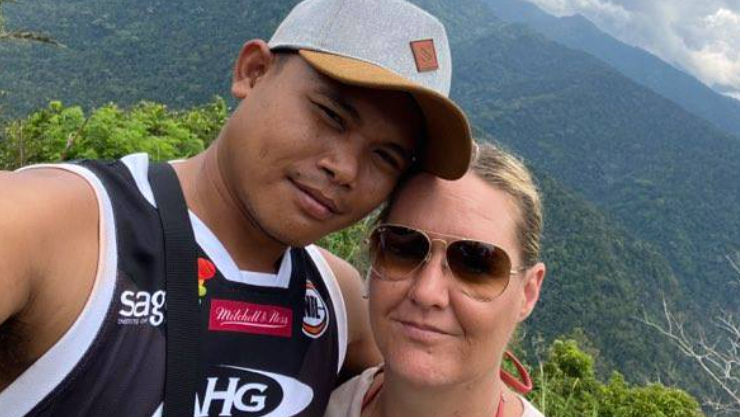
Ms Doulis has not been told why their applications have been knocked back, and they have also hired a professional visa firm to apply for them.
Her partner has applied for a tourist visa and would plan to stay in Australia by applying for an $8000 partner visa once he arrives.
READ MORE: Why partners are being forced to dash overseas during the pandemic to get their visas granted
Since the end of March 2020, only Australian Citizens and Permanent Residents and their immediate family have been allowed into the country, with strict flight caps limiting numbers and keeping tens of thousands of Aussies stuck overseas.
Hotel quarantine for 14 days, at the cost of around $3000, is mandatory, even for people who are vaccinated.
While spouses can come from overseas to join their Australian husbands or wives, the rules are keeping many other people apart from their partners.
Australian Border Force said it does not comment on individual cases.
A spokesman, said: "People holding temporary visas, who apply for a travel exemption based on being an immediate family member need to provide appropriate evidence of their relationship.
"The Commissioner of the Australian Border Force may grant an exemption for people seeking to travel for compassionate and compelling reasons.
"Compassionate and compelling reasons include, but are not limited to, needing to travel due to the death or critical illness of a close family member. The partner of a person who is in Australia and in the final trimester of their pregnancy or otherwise due to give birth.
"Travellers can request an exemption online and must provide appropriate evidence to support their claims.
"Requests may be finalised without further consideration if insufficient evidence is provided."
Contact journalist Sarah Swain: Ss****@******om.au
Artist calls out racism after te reo Māori sticker gets graffiti complaint
– By RNZ Signs in te reo in a Kāpiti Coast town have prompted a graffiti complaint to the council.But the Ōtaki artist behind them says the real problem is racism.Hohepa Thompson is trying to encourage the everyday…