Tag Archives: oceania

NATO leaders declare China a global security challenge

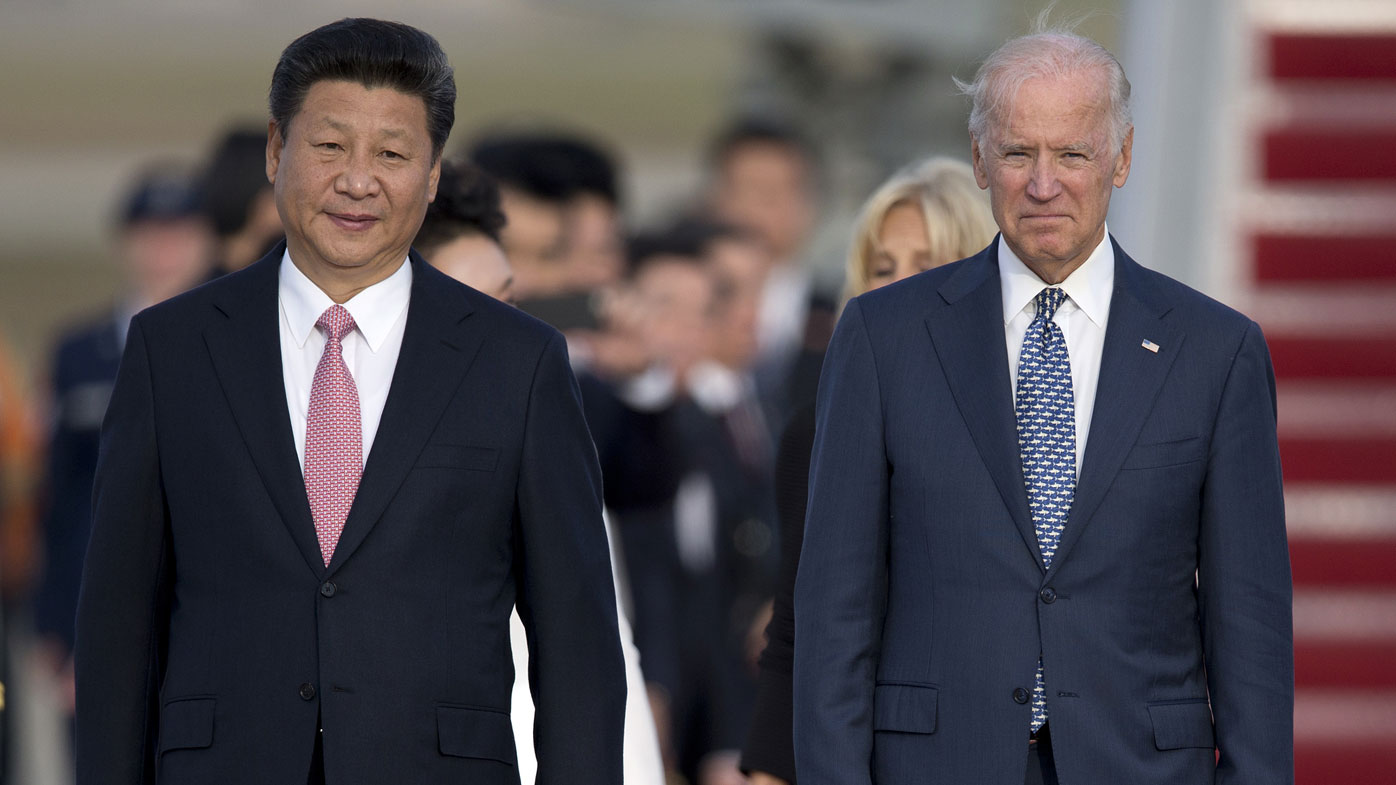
NATO leaders on Monday declared that China poses a constant security challenge and is working to undermine global order, and they said they're worried about how fast the Chinese are developing nuclear missiles.

In a summit statement, the leaders said that China's goals and "assertive behaviour present systemic challenges to the rules-based international order and to areas relevant to alliance security."

While the 30 heads of state and government avoided calling China a rival, they expressed concern about what they said were its "coercive policies," the opaque ways it is modernising its armed forces and its use of disinformation.

READ MORE: How worried should China be about the West's G7 rebuke?
They called on Beijing to uphold its international commitments and to act responsibly in the international system.

The statement comes as President Joe Biden has stepped up his effort to rally allies to speak in a more unified voice about China's human rights record, its trade practices and its military's increasingly assertive behaviour that has unnerved US allies in the Pacific.

Biden, who arrived at the summit after three days of consulting with Group of Seven allies in England, pushed for the G7 communique there that called out what it said were forced labor practices and other human rights violations impacting Uyghur Muslims and other ethnic minorities in the western Xinjiang province. The president said he was satisfied with the communique, although differences remain among the allies about how forcefully to criticise Beijing.

The new Brussels communique states plainly that the NATO nations "will engage China with a view to defending the security interests of the alliance."

READ MORE: Chinese cartoon mocking G7 leaders goes viral online
The Chinese Embassy to the United Kingdom on Monday issued a statement saying the G7 communique "deliberately slandered China and arbitrarily interfered in China's internal affairs," and exposed the "sinister intentions of a few countries, such as the United States." There was no immediate reaction from the Chinese government to the new NATO statement.

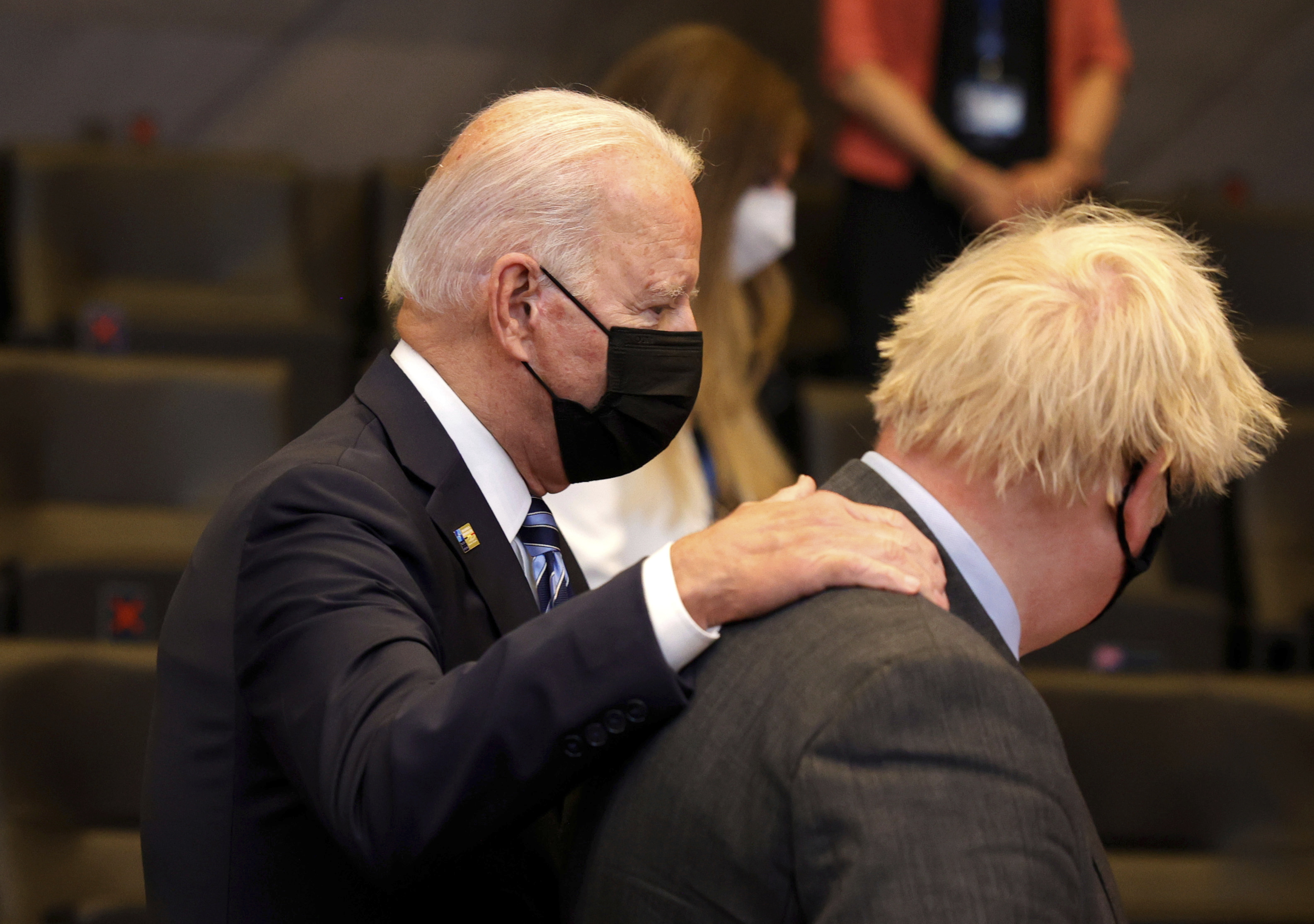
Biden arrived at his first NATO summit as president as leading members declared it a pivotal moment for an alliance beleaguered during the presidency of Donald Trump, who questioned the relevance of the multilateral organisation.

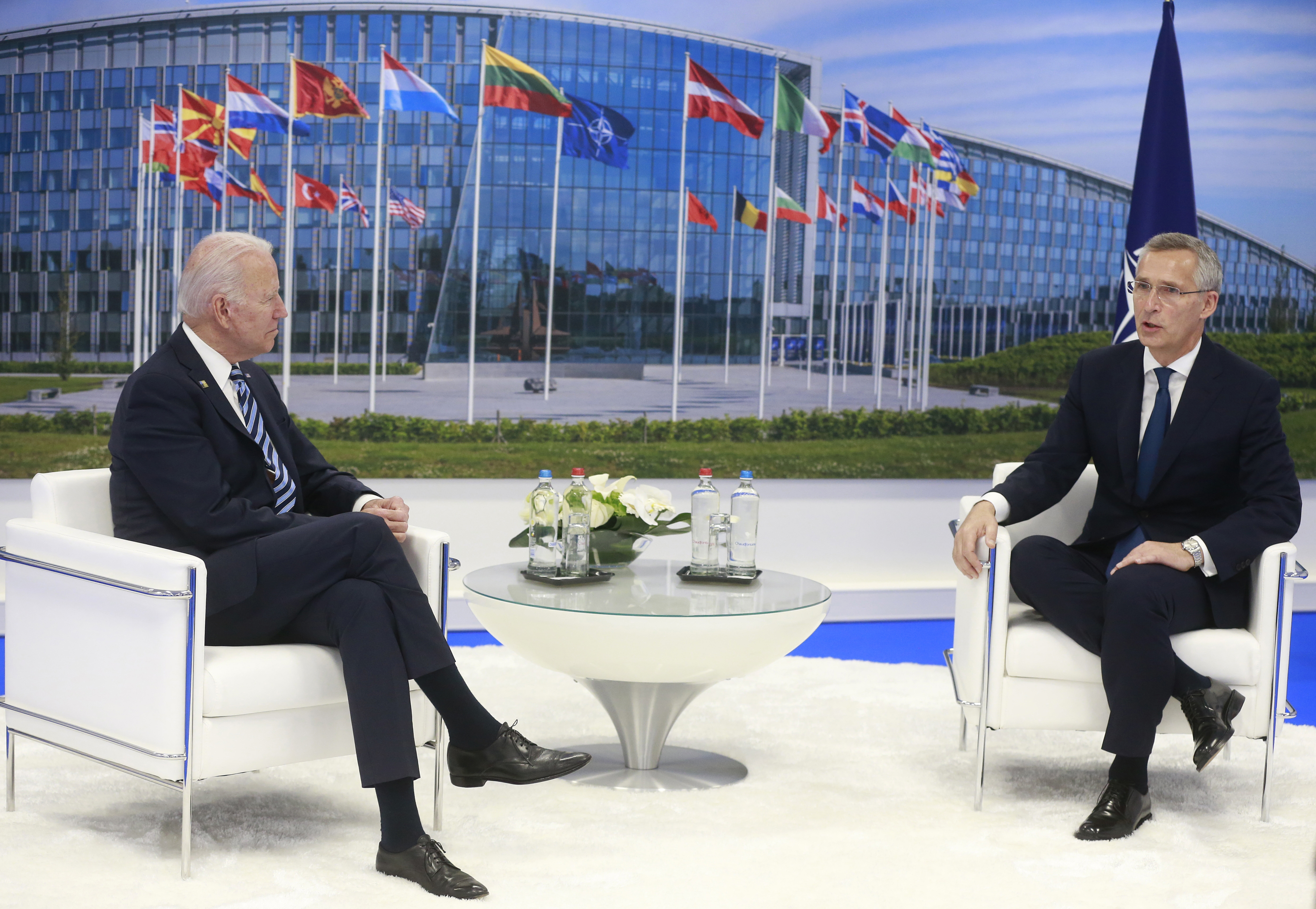
Shortly after arriving at the alliance's headquarters for the first NATO summit of his presidency, Biden sat down with NATO Secretary General Jens Stoltenberg and underscored the U.S. commitment to Article 5 of the alliance charter, which spells out that an attack on one member is an attack on all and is to be met with a collective response.

READ MORE: US assessing reported leak at nuclear power facility in China
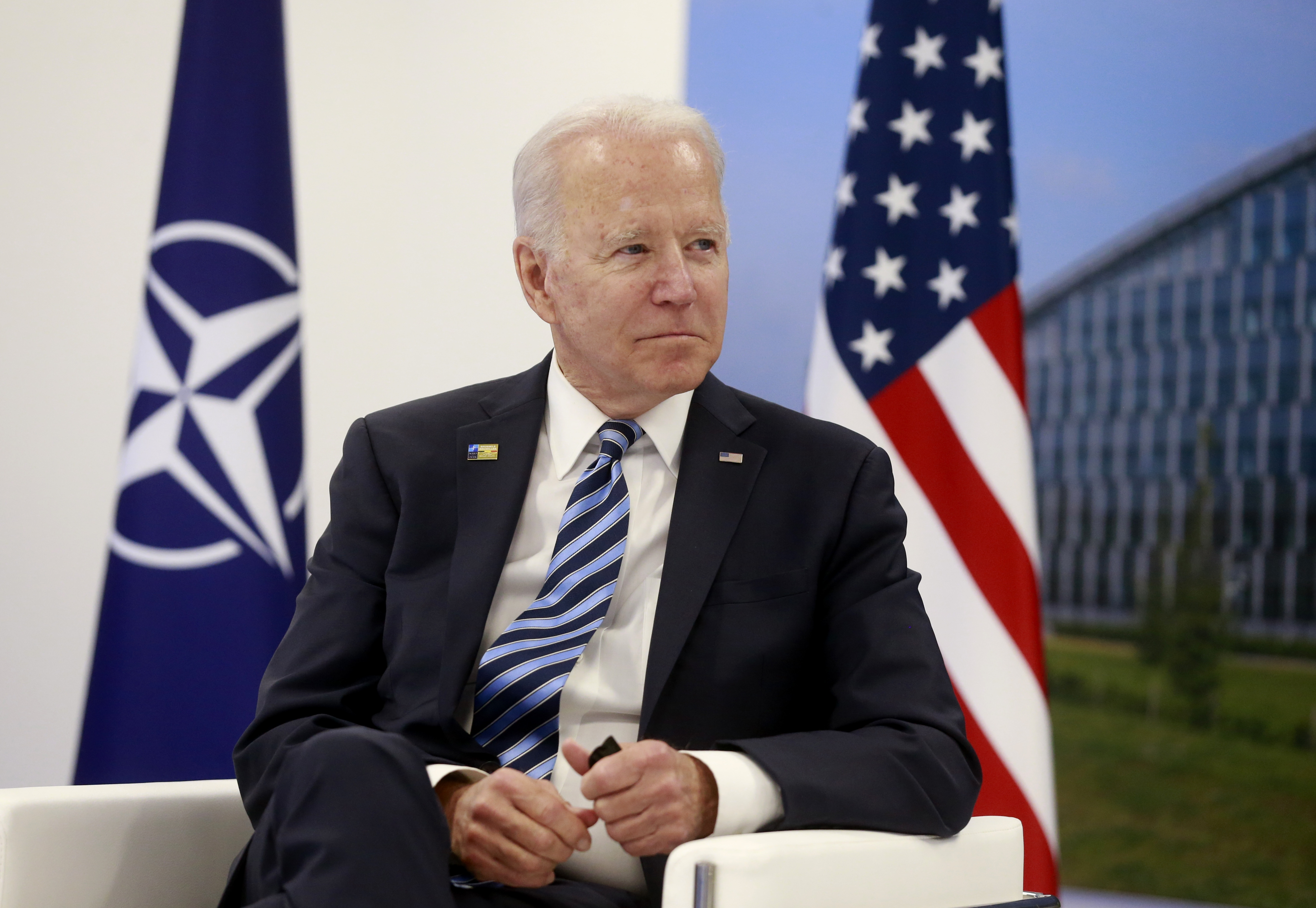
"Article 5 we take as a sacred obligation," Biden said. "I want NATO to know America is there."

It was a sharp shift in tone from the past four years, when Trump called the alliance "obsolete" and complained that it allowed for "global freeloading" countries to spend less on military defence at the expense of the US.

Looking forward, Stoltenberg noted myriad challenges still facing the alliance.

"We are meeting at the pivotal time for our alliance, the time of growing geopolitical competition, regional instability, terrorism, cyber attacks and climate change," Stoltenberg said at the start of a joint session of the NATO leaders. "No nation and no continent can deal with these challenges alone. But Europe and North America are not alone."

Biden, who came to Brussels following three days of consultations with Group of Seven leaders in England, was greeted by fellow leaders with warmth and even a bit of relief.

Belgium Prime Minister Alexander de Croo said Biden's presence "emphasises the renewal of the transatlantic partnership." De Croo said NATO allies were looking to get beyond four stormy years under the Trump administration and infighting among member countries.

READ MORE: G7 leaders back Australia on facing down China trade threats
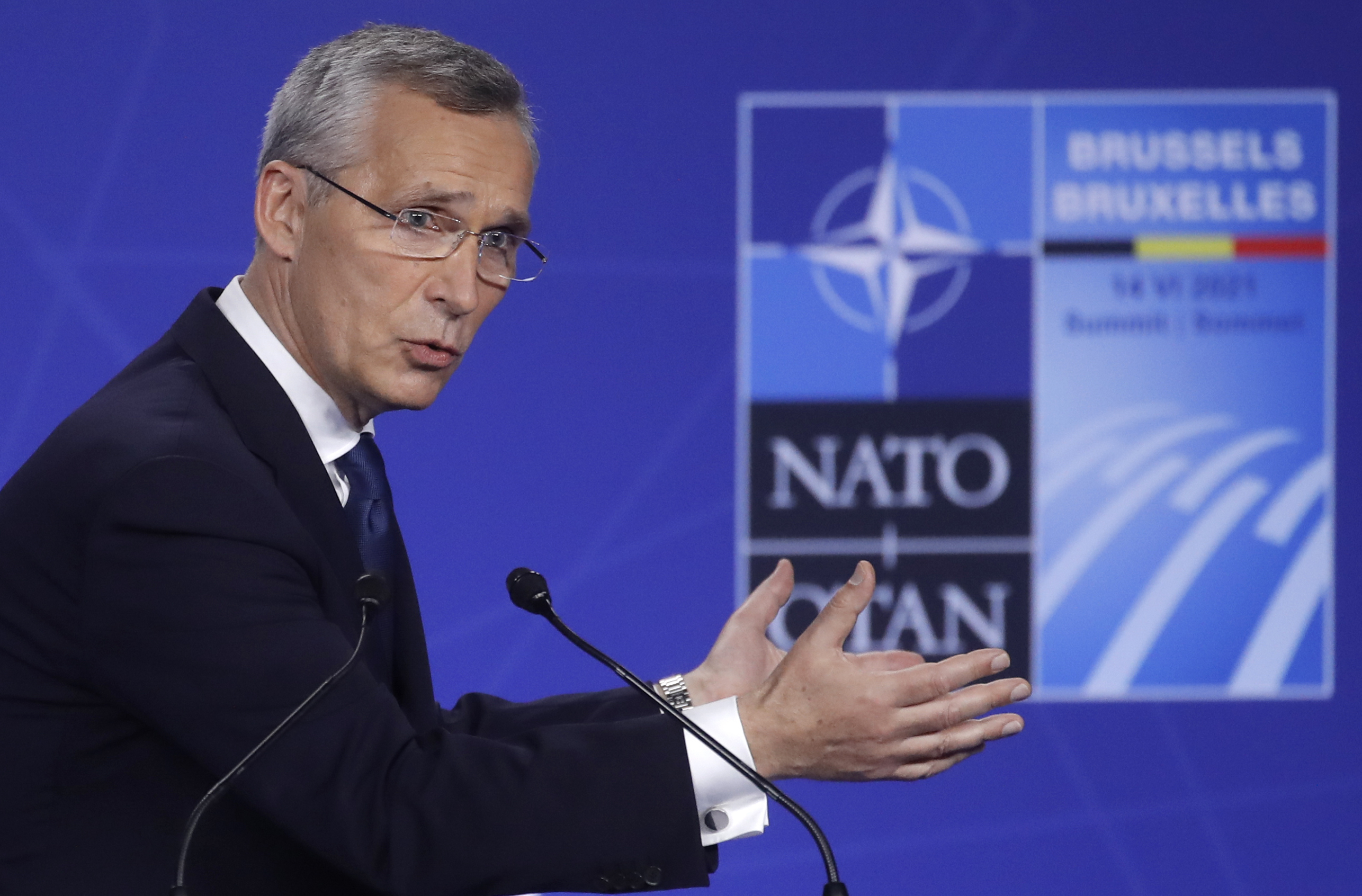
"I think now we are ready to turn the page," de Croo said.

Italian Prime Minister Mario Draghi made a not-so-subtle dig at Trump, while welcoming Biden.

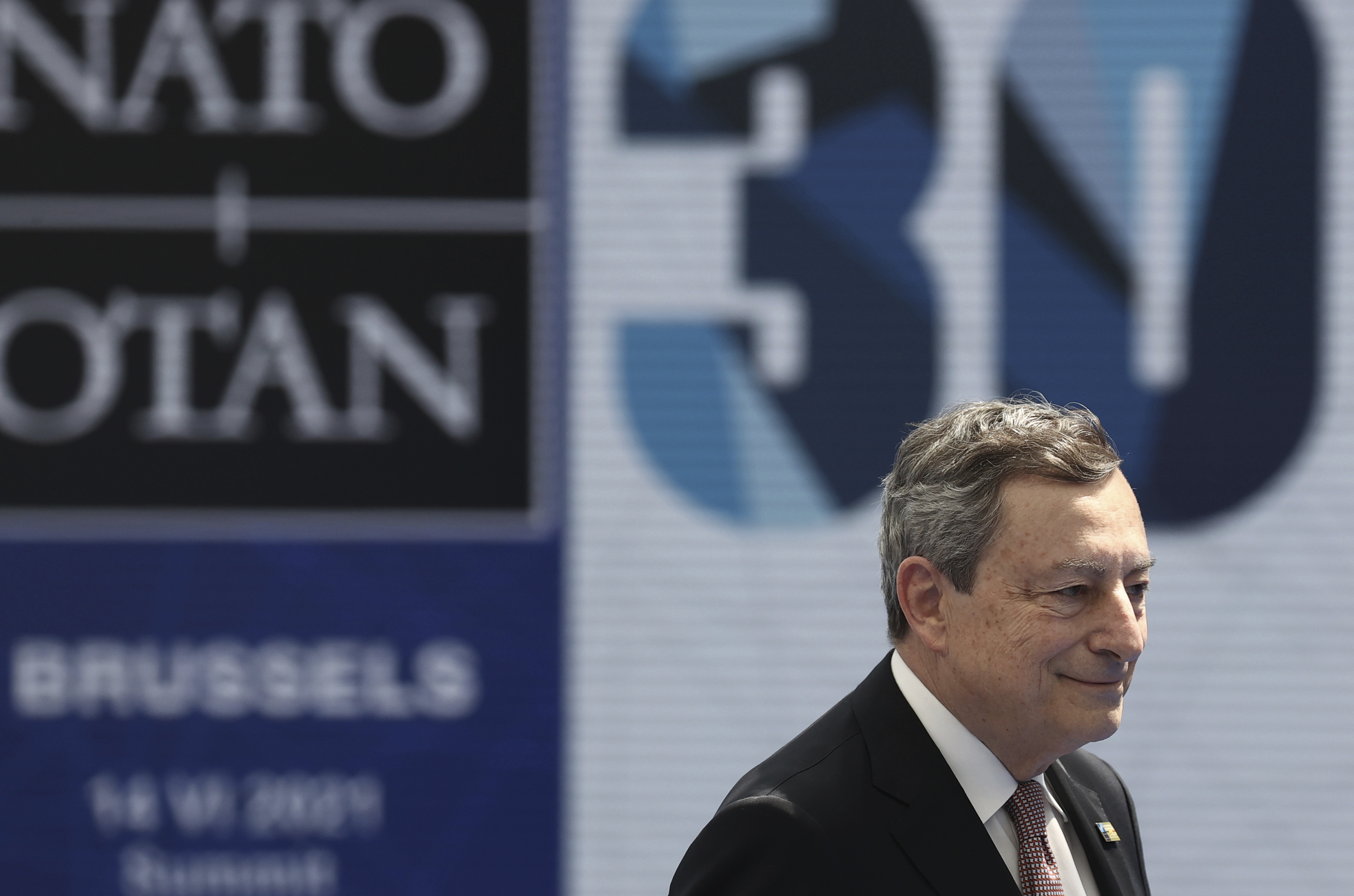
"This summit is a continuation of yesterday's G7 and is part of the process of reaffirming, of rebuilding the fundamental alliances of the United States that had been weakened by the previous administration," he said. "Think that President Biden's first visit is to Europe and try to remember where President Trump's first visit was?"

Trump's first overseas visit as president was to Saudi Arabia.

Trump routinely berated other NATO countries for not spending enough on defence and even threatened to pull the US out of the world's biggest security organisation and even questioned the mutual defence provision of the NATO charter, a central tenet of the alliance.

When alliance members last met for a summit in England in December 2019, Trump grabbed headlines by calling Canadian Prime Minister Justin Trudeau "two-faced" and French President Emmanuel Macron "nasty."
Trump lashed out after Trudeau was caught on a hot mic gossiping with other leaders about Trump turning photo opportunities into long news conferences. Ahead of the summit, Macron had declared NATO "brain dead" because of a void in US leadership under Trump.

The White House said the communique to be signed by alliance members at the end of the NATO summit is expected to include language about updating Article 5 to include major cyber attacks — a matter of growing concern amid a series of hacks targeting the US government and businesses around the globe by Russia-based hackers.

The update will spell out that if an alliance member needs technical or intelligence support in response to a cyber attack, it would be able to invoke the mutual defence provision to receive assistance, according to White House national security adviser Jake Sullivan.

The president started his day meeting with leaders of the Baltic states on NATO's eastern flank as well as separate meetings with leaders of Poland and Romania to discuss the threat posed by Russia and the recent air piracy in Belarus, according to the White House.
Biden's itinerary in Europe has been shaped so that he would first gather with G7 leaders and then with NATO allies in Brussels before his much-anticipated meeting with Russian President Vladimir Putin in Geneva on Wednesday. And with both summits, Biden aimed to consult European allies on efforts to counter provocative actions by China and Russia.

Biden will meet later on Monday with Turkey's president, Erdogan, on the summit sidelines.

Biden has known Erdogan for years but their relationship has frequently been contentious. Biden, during his campaign, drew ire from Turkish officials after he described Erdogan as an "autocrat." In April, Biden infuriated Ankara by declaring that the Ottoman-era mass killing and deportations of Armenians was "genocide" — a term that US presidents have avoided using.
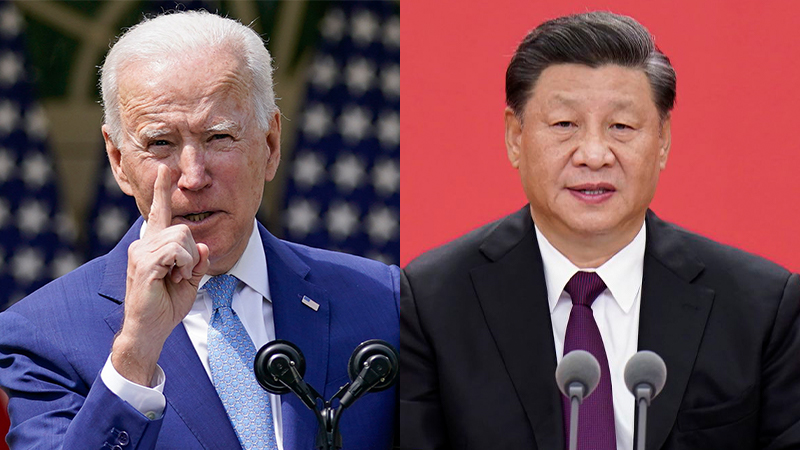

How worried should China be about the West's G7 rebuke?

United States President Joe Biden's plan to unite Washington's closest allies and take on China just scored a big political win. But it's going to take a lot more than words to curb the advance of the world's second largest economy.

The US joined the United Kingdom, Germany, France, Italy and Canada this weekend to deliver the Group of Seven's strongest condemnation of China in recent decades.

The G7 confronted China on just about every sore spot, from allegations of human rights abuses and forced labour in Xinjiang to ongoing political disputes over Hong Kong, Taiwan and the South China Sea.

READ MORE: G7 leaders back Australia on facing down China trade threats

The world's wealthiest democracies also pushed for a renewed independent investigation into the origins of COVID-19 and promoted a green alternative to China's Belt and Road, Chinese President Xi Jinping's expansive plan to boost its trading influence.

The rhetoric, at least, is a step forward for a US president who has been trying to bring his diplomatic partners together to counter what Washington sees as its biggest threat to trade, tech and other issues of strategic importance.

Former US President Donald Trump talked tough on China and slapped the country and its prized companies with sanctions.

But Trump never really presented a united front with US allies, often burning bridges rather than building them.

The G7's announcement doesn't include many concrete steps forward.

For example, the group is forming a task force to explore what it called the "Build Back Better World" initiative — a private-sector led plan to "help narrow the $40+ trillion infrastructure need in the developing world" that's clearly set up as a challenge to Belt and Road. But it has yet to lay out how much the program would cost, which is expected to be funded by US government finance groups, the private sector and the G7 countries.

Similarly, the communique's calls for China to "respect human rights and fundamental freedoms" in Xinjiang and Hong Kong came with little detail on how to follow through with action, nor did it offer any practical means of safeguarding the stability of the Taiwan Strait and the South China Sea.

READ MORE: Chinese cartoon mocking G7 leaders goes viral online

China still fired back against the statement, accusing the G7 of deliberately slandering China" and "arbitrarily interfering in China's internal affairs."

The Chinese Embassy in London called it "a serious violation of the basic norms of international relations."

There are a couple of reasons Beijing should be watching its back.

Some Trump-era sanctions were effective at curtailing China's technological rise — look, for example, at its campaign against Huawei, which watched as its smartphone and 5G businesses were battered by restricting its access to American tech, along with US pressures on Europe and elsewhere to bar the company from extending its reach.

Under Biden, the United States recently expanded a ban on American investment in dozens of Chinese firms.

And US lawmakers are advancing a bill that would pour hundreds of billions of dollars into American technology, science and research in yet another challenge to China.

"Irreconcilable differences regarding values and growing frictions with China's mercantilist and authoritarian model will continue to drive polarisation and competition," said Alex Capri, a research fellow at Hinrich Foundation and a visiting senior fellow at the National University of Singapore.

Xi Jinping would prefer if Joe Biden were elected president, US intelligence has said.

He added that "values-driven" frameworks from the West around infrastructure development, trade and supply chain networks were "clearly emerging."

"Human rights standards around privacy and freedom of speech, fair labour standards and a clean environment will serve to further alienate Beijing," Mr Capri said.

Such tensions have already played out on a global stage, with many Western companies facing pressure to limit business in China because of concerns about forced labour.

In turn, some firms have faced boycotts within China for denouncing the government's handling of Xinjiang.

And just before the G7 summit kicked off, China passed a law to counter foreign sanctions, a symbolic warning that any countermeasures taken by the West would be met with strong retaliation.

Even so, it may be tough for the G7 nations to contain China. This weekend, democratic leaders aired serious differences over how best to approach China, as the United States, Britain and Canada urged stronger action against China's authoritarianism than their allies did.

European countries' reluctance to go too hard on China may stem in part from a strong economic reliance: From 2010 to 2019, Germany received €22.7 billion ($35.7 billion) in Chinese foreign direct investment, while Italy received €15.9 billion ($25 billion) and France received €14.4 billion ($22.6 billion), according to the Mecrator Institute of China Studies.

Even the UK — where relationships with China have been deeply strained over the last couple of years — received €50.3 billion ($79 billion) in such investment.

And many of those countries, like Germany, rely on partnerships with China to drive other industries, such as autos, and to provide huge markets for their exports.

"Ultimately, the European Union's desire for strategic autonomy and Biden's hunt for allies to primarily counter China will create natural barriers to cooperation," analysts at Eurasia Group wrote in a note last week ahead of Biden's trip.

You can find out more details about how to book your vaccine through the Federal Government health site here.

Nectar Gan Nectar Gan is a digital producer for CNN International based in Hong Kong.

Large study finds Novavax COVID-19 shot about 90 per cent effective

The Novavax vaccine, which is expected to form a key plank of Australia's rollout, has been found to be highly effective against COVID-19 and protect against variants, the company says.

In a large, late-stage study in the US and Mexico, the vaccine was about 90 per cent effective overall and preliminary data showed it was safe, the company said on Monday.

None of the roughly 20,000 participants who received the vaccine developed moderate or severe disease.

READ MORE: 'Herculean efforts' to roll out Novavax jab, vaccine maker says

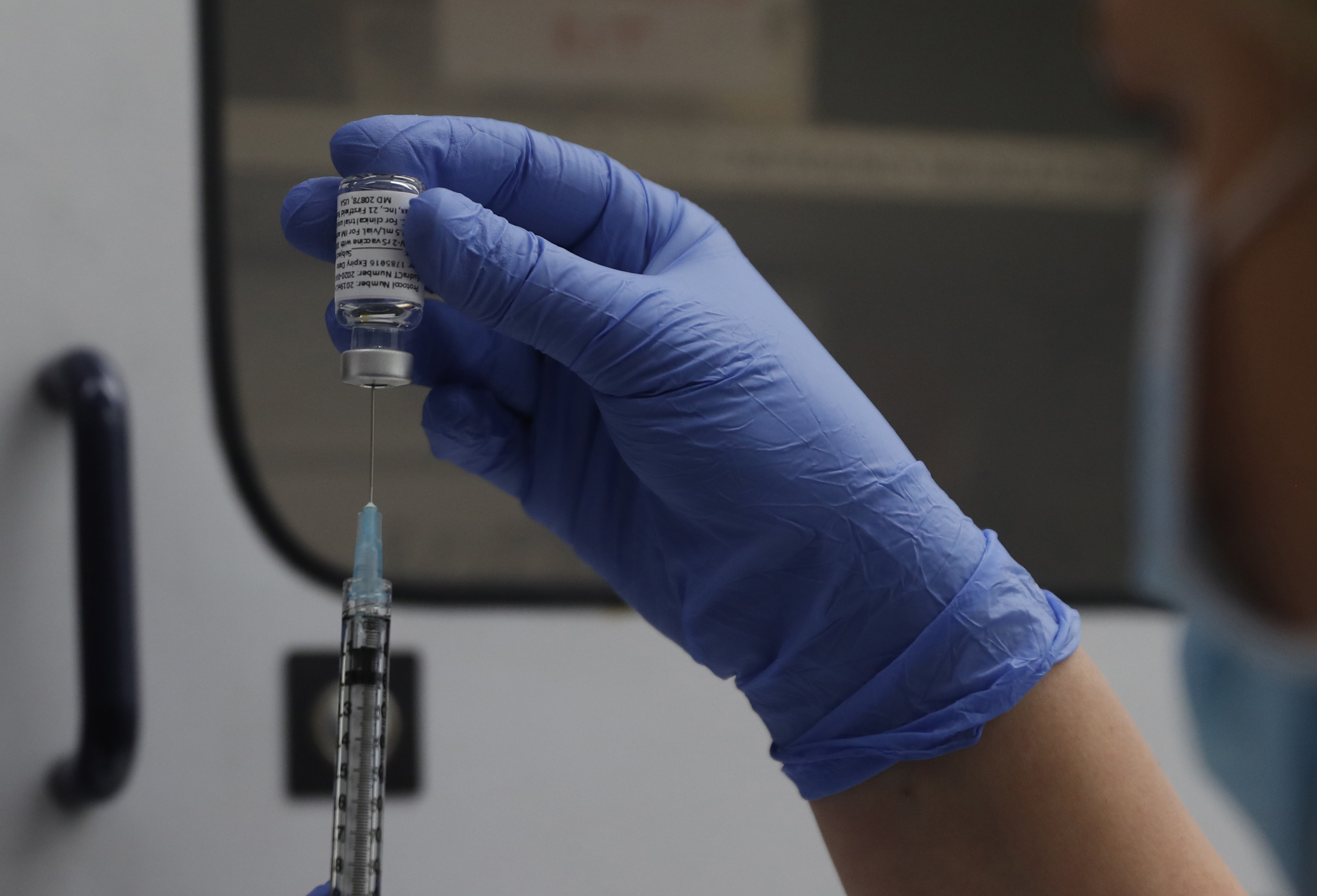
A vial of the Phase 3 Novavax coronavirus vaccine is seen ready for use in the trial

The federal government wants Novavax to be the fourth shot in Australia's vaccine arsenal — alongside AstraZeneca, Pfizer and Moderna.

Australia has 51 million doses of the jab on order, provided it is found to be safe and effective and approved by the Therapeutic Goods Administration, but they are not expected to be available until late this year at the earliest.

Novavax, which is easy to store and transport, is expected to also play an important role in boosting vaccine supplies in the developing world.

While more than 5.8 million vaccine doses have been administered in Australia and half of the US population has had at least one shot, less than 1 per cent of people in the developing world have had a single needle, according to Our World In Data.

That help is still months away, however. Novavax says it plans to seek authorisation for the shots in the US, Europe and elsewhere by the end of September and be able to produce up to 100 million doses a month by then.

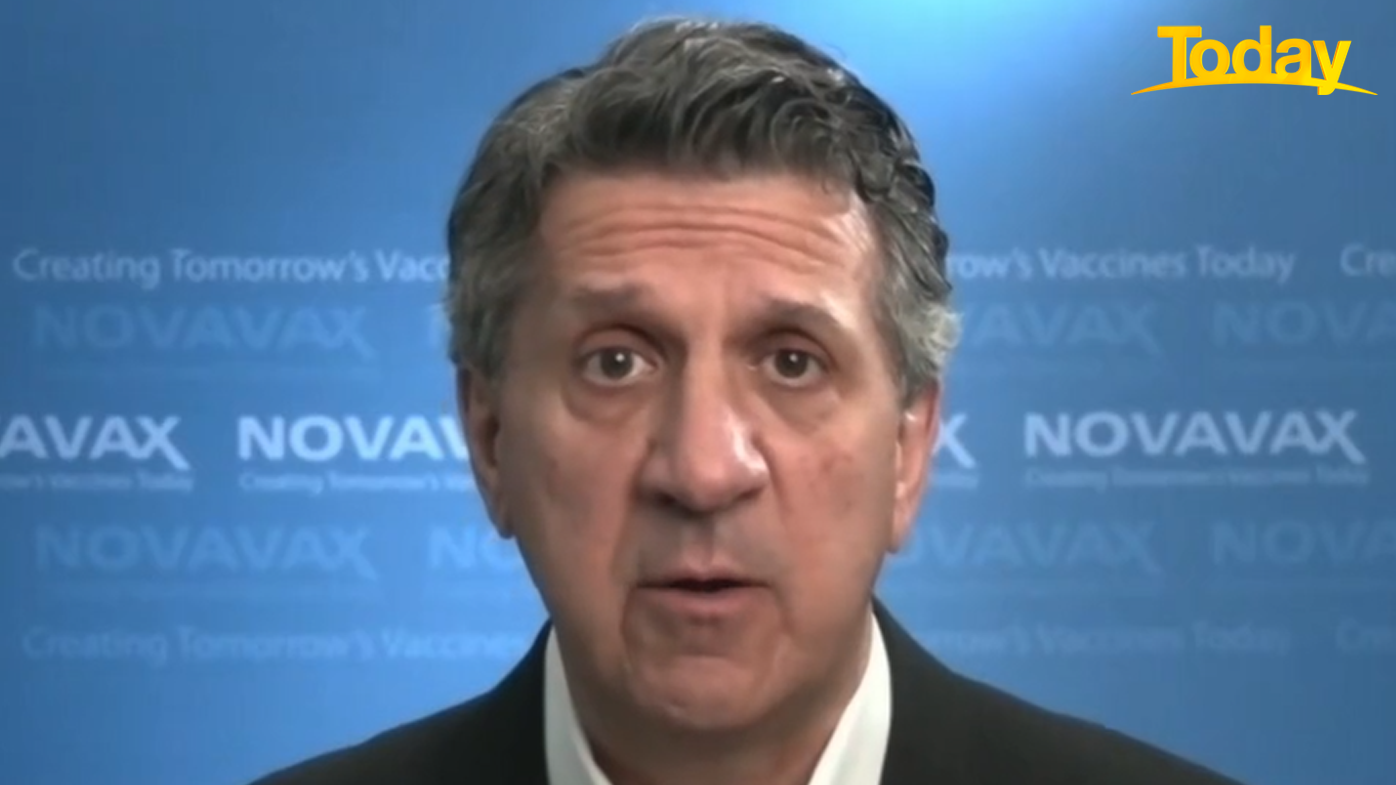
"Many of our first doses will go to … low- and middle-income countries, and that was the goal to begin with," Novavax chief executive Stanley Erck told The Associated Press.

Novavax chief commercial officer John Trizzino told Today in May that the two-jab shot should be ready for approval by Australian regulators later this year.

READ MORE: Warnings 'vaccine certificate' privileges could spark resentment

Novavax's study involved nearly 30,000 people ages 18 and up in the US and Mexico. Two-thirds received two doses of the vaccine, three weeks apart, and the rest got dummy shots.

There were 77 cases of COVID-19 — 14 in the group that got the vaccine and the rest in volunteers who received dummy shots. None in the vaccine group had moderate or severe disease, compared to 14 in the placebo group.

The vaccine was similarly effective against several variants including the one first detected in the UK, which is dominant in the US, and in high-risk populations including the elderly and people with other health problems.

Side effects were mostly mild — tenderness and pain at the injection site. There were no reports of unusual blood clots or heart problems, Mr Erck said.

Novavax reported the results in a press release and plans to publish in a medical journal, where it will be vetted by independent experts. The Maryland-based company previously released findings from smaller studies in Britain and South Africa.

COVID-19 vaccines train the body to recognise the coronavirus, especially the spike protein that coats it, and get ready to fight the virus off.

The Novavax vaccine is made with lab-grown copies of that protein. That's different from some of the other vaccines now widely used, which include genetic instructions for the body to make its own spike protein.

The Novavax vaccine can be stored in standard refrigerators, making it easier to distribute.

Novavax previously announced manufacturing delays due to supply shortages. The company now expects to reach production of 100 million doses a month by the end of September and 150 million doses a month by December.

The company has committed to supplying a total of 1.1 billion doses to developing countries.

In May, vaccines alliance Gavi announced it had signed an agreement to buy 350 million doses of Novavax's vaccine, with deliveries estimated to begin in the third quarter.

COVAX, the global initiative to provide vaccines to countries, is facing a critical shortage of vaccines after its biggest supplier in India suspended exports until the end of the year,

Novavax has been working on developing vaccines for more than three decades but hasn't brought one to market.

The company's coronavirus vaccine work is partly funded by the US government.

Announcement on Biloela Tamil family expected tomorrow

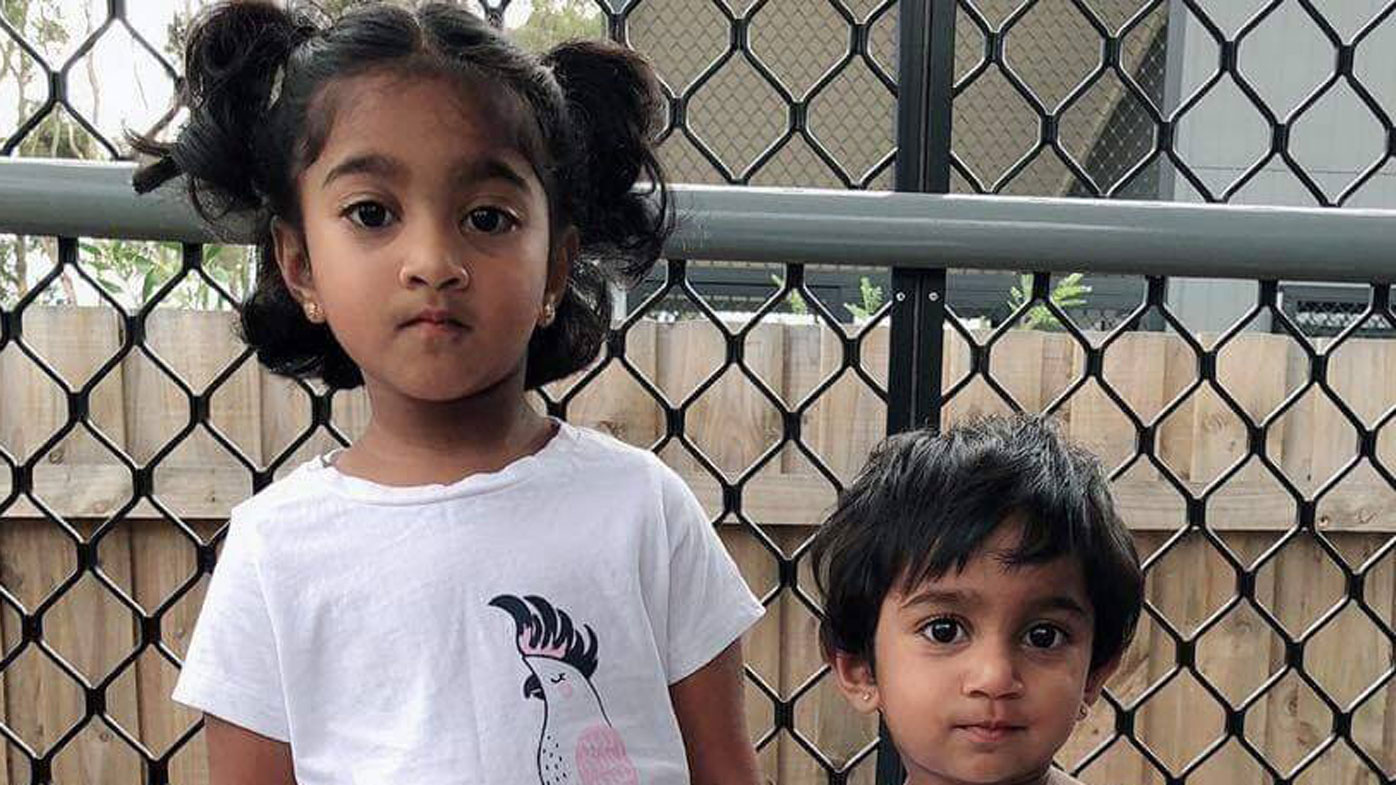
The reunion of a Tamil asylum seeker family detained on Christmas Island whose young daughter was medically evacuated to a Perth hospital is expected to be confirmed on Tuesday.

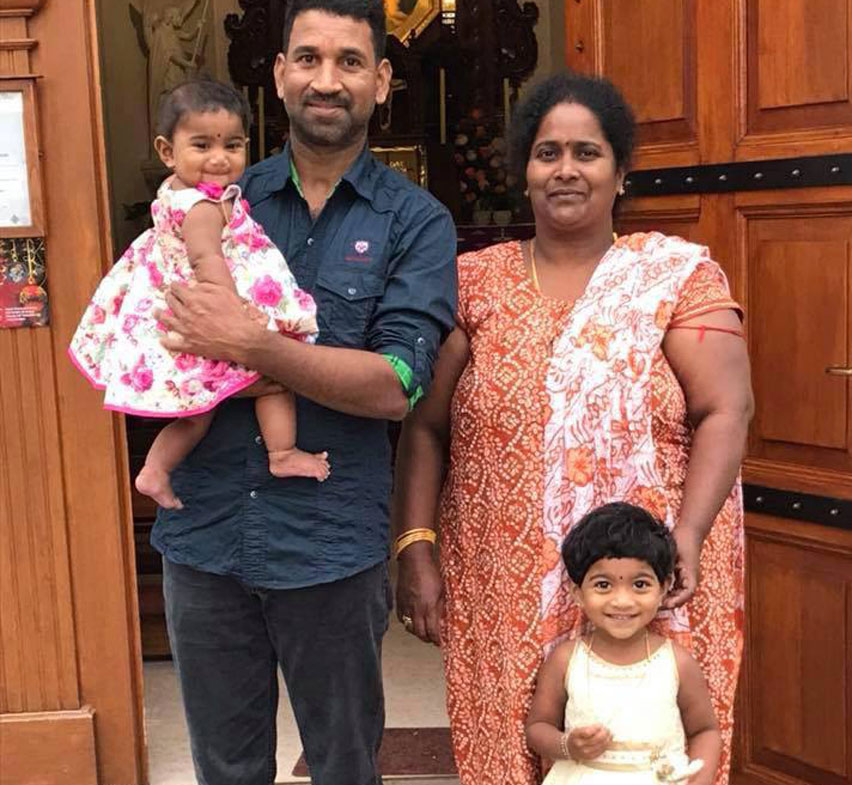
Priya and Nades Murugappan and their two daughters are fighting to be released from immigration detention, and their plight has attracted widespread attention.

Immigration Minister Alex Hawke is expected to hold a press conference on Tuesday to announce if the family will be released from detention on Christmas Island.

READ MORE: Mother of Biloela girl makes public plea after pneumonia diagnosis

The family's youngest daughter Tharnicaa is currently in hospital in Perth, being treated for sepsis as a result of untreated pneumonia.

Acting Prime Minister Michael McCormack said Mr Hawke's decision would be based on "humanitarian considerations, health outcomes and legal advice".

He described the Scott Morrison-led government as "very humanitarian".

Senior cabinet minister David Littleproud wants the Federal Government to find a compassionate solution but he has reiterated "no one is beyond the law".

Speaking on Today, Mr Littleproud said he had "compassion" for the Murugappans, whose youngest daughter Tharnicaa is currently in hospital in Perth being treated for sepsis as a result of untreated pneumonia.

"The primary responsibility of the Federal Government is to keep its borders secure and people secure," he said.

"Sometimes the laws we put in place have unintended consequences, but no one is beyond the law in this country."

Mr Littleproud said a decision from Mr Hawke "about how we can do something not just with compassion but fairness" was likely imminent.

"I think over the coming couple of days the Immigration Minister will make a determination."

READ MORE: Coalition MPs call for Biloela family to be allowed to stay

The family have been living in immigration detention on Christmas Island since 2019

The family have been living in immigration detention on Christmas Island since 2019, after they were removed from their home in Biloela by Border Force officers in 2018.

Last night, nine Australian peak medical bodies called for the Federal Government to immediately let the Murugappans return to Biloela.

"We can't have a public campaign," Mr Littleproud said.

"We need to let the rule of law take place, no one is beyond the rule of law."

Some within the Coalition are divided over the Murugappans.

A growing group of Coalition backbenchers is calling for an end to the saga, while others remain steadfast in the belief that granting the Murugappans residency will set a dangerous precedent.

READ MORE: Biloela family spared deportation but remain on Christmas Island

Katie Allen, the Liberal member for Higgins, said "this has gone on too long".

"We urgently need a timely resolution to a situation that is endangering the health and well-being of innocent children," Ms Allen said in a social media post.

Mr and Mrs Murugappan are both Tamil, a group that has been persecuted in Sri Lanka.

They have an older daughter, Kopika.

Both girls were born in Australia.

'How long does it take?'

Labor leader Anthony Albanese stepped up calls to bring the family to Australia permanently.

"Look, how long does it take?" Mr Albanese said on Monday.

"I visited Biloela in 2019. I met with the local community leaders and in 2019, after I became leader of the Labor Party, I said that this family should be settled home to Bilo.

"That is what the local community want. You have a local dad who works at the meat factory.

"You have a local mum who is a volunteer in local charities and is a part of the local community, and these two beautiful little girls have spent almost all of their life now in detention.

"A family that was rounded up in the middle of the night and taken off to Victoria and then sent to Christmas Island at an enormous cost to the Australian taxpayer.

Me Albanese said, "enough is enough."

"This family need to be settled. We're a better country than this," he said.

"And this family are not a threat to Australian sovereignty or Australian borders.

"They're Australian citizens, these two little girls, or they should be, and they should be looked after here."

Mr Albanese called on Mr Hawke to make the discretionary decision to settle the family in Australia.

"This is about a minister being able to use his ministerial discretion or hers in order to settle this family," he said.

"This should have happened in 2019. And there is ministerial intervention in hundreds and hundreds of cases every year based upon the particular facts which are there.

"The particular facts here are that this mum and dad are wanted as valued members of this regional community in Biloela.

"These two little girls were born here.

"They should be allowed to stay and they should be able to go home to Bilo where they are valued members of their community."