Vandals have torn down a brand new $675,000 home after breaking into a construction site overnight and seemingly hot-wiring a digger.Workers arrived at the Flat Bush site this morning to find the vandals had sent a 20-tonne digger’s…
Tag Archives: oceania
University of Auckland academic inundated with support after 'racist rant' left on voicemail
A “soothing” wave of public support has inundated an Auckland University Pasifika academic today after she released a seven-minute racist rant left on her work voicemail.Dr Jemaima Tiatia-Seath, who co-heads the School of Māori…
Police seize Uzi submachine gun, Glock pistol, meth, and Head Hunters patches from South Auckland locker
Police last night seized an Uzi submachine gun, six revolvers, a Glock pistol, methamphetamine and Head Hunters patched clothing from a South Auckland storage locker as part of an ongoing sting into organised crime. More than $5…
New coronaviruses found in bats
Chinese researchers have said they had found a batch of new coronaviruses in bats including one that may be the second-closest yet, genetically, to the COVID-19 virus.
According to the researchers, their discoveries in a single, small region of Yunnan province in southwestern China show just how many coronaviruses there are in bats and how many have the potential to spread to people.
Weifeng Shi of the University of Shandong and colleagues collected samples from small, forest-dwelling bats between May 2019 and May 2020. They tested urine and faeces as well as taking swabs from the bats' mouths.
READ MORE: Court approves $1.7 billion settlement for 'shameful' Robodebt scheme
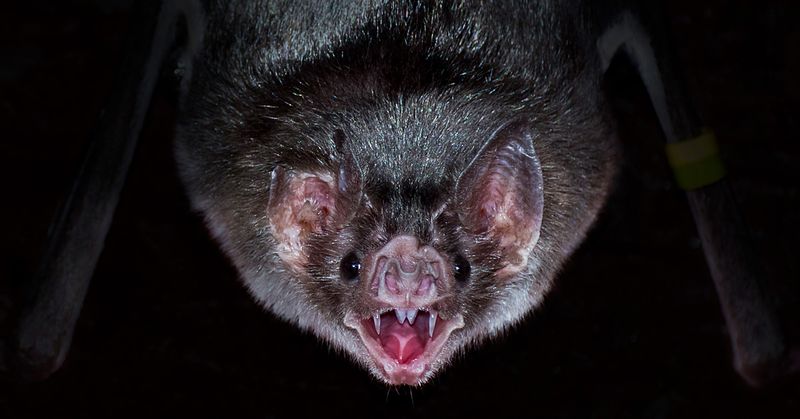
"In total, we assembled 24 novel coronavirus genomes from different bat species, including four SARS-CoV-2 like coronaviruses," the researchers wrote in a report published in the journal Cell.
One was very similar, genetically to the SARS-CoV-2 virus that's causing the current pandemic, they said – a viral sample called RpYN06 taken from a horseshoe bat species called rhinolophus pusillus.
It would be the closest strain to SARS-CoV-2 except for genetic differences on the spike protein, the knob-like structure that the virus uses when attaching to cells, they said.
"Together with the SARS-CoV-2 related virus collected from Thailand in June 2020, these results clearly demonstrate that viruses closely related to SARS-CoV-2 continue to circulate in bat populations, and in some regions might occur at a relatively high frequency," they wrote.
Researchers are trying to find where SARS-CoV-2 came from. Although a bat is a likely source, it's possible the virus infected an intermediary animal. The SARS virus that caused an outbreak in 2002-2004 was tracked to an animal called a civet cat.
"Bats are well known reservoir hosts for a variety of viruses that cause severe diseases in humans and have been associated with the spillovers of hendra virus, Marburg virus, ebola virus and, most notably, coronaviruses. Aside from bats and humans, coronaviruses can infect a wide range of domestic and wild animals, including pigs, cattle, mice, cats, dogs, chickens, deer and hedgehogs," they wrote.
READ MORE: Shark attack off WA coast being investigated
Most of the samples came from species of horseshoe bats. In 2017, researchers sampling a cave in Yunnan found viruses very close genetically to the SARS virus in horseshoe bats.
Three of the samples described in this report were also close to SARS genetically.
"Our study highlights the remarkable diversity of bat coronaviruses at the local scale, including close relatives of both SARS-CoV-2 and SARS-CoV," researchers wrote. The bat species they sampled are common across Southeast Asia, including southwest China, Vietnam, Laos and elsewhere.
Although there's some controversy about the origin of the coronavirus pandemic, a World Health Organization report said the most likely source is an animal – probably a bat.
People hunt and eat bats, and bats can infect other animals that are also hunted and eaten by people. Viruses can infect people when they handle or slaughter the animals.
You can find out more details about how to book your vaccine through the Federal Government health site here.
Woman bound, dumped in forest in alleged domestic violence attack
A woman has allegedly had her hands zip tied behind her back and feet bound before being abandoned in a Queensland forest in just one of a series of horrific domestic violence incidents.
Police have charged a 25-year-old Gympie man with 14 domestic violence offences over the spate of cruelty he allegedly inflicted on the woman over several weeks.
Police say the man drove the woman to the Toolara Forest and restrained her before driving off, then returning a short time later and cutting the woman free.
READ MORE: More border dodgers caught coming into Queensland from Victoria
He then allegedly made her walk for a significant distance on a dirt tract. She was allowed to get back in the car only when another car approached.
On another occasion, police said he drove her back to the forest, and placed her in a headlock, choking her as she sat in the car.
He then allegedly made her get out of the car and sit on the dirt before allowing her back in the car where he punched and assaulted her.
Police said the man also contravened domestic violence orders by contacting the woman, visiting her address, verbally assaulting her in public as well as other physical assaults.
The man has been charged with six counts of contravening a domestic violence order, three counts of assault occasioning bodily harm, two counts of strangulation/choking and one count each of deprivation of liberty, stealing, assault police and obstruct police.
He has been denied police bail and was remanded in custody to appear in Gympie Magistrates Court today.
National Domestic Violence Service: 1800 RESPECT (1800 737 732). If you are in immediate danger call triple zero (000).
You can find out more details about how to book your vaccine through the Federal Government health site here.
Opinion: Christchurch mosque shootings: They are not us, and it hurts to be props in a Hollywood movie
By Mohamed Hassan, RNZ OPINION: In the months following the Christchurch attacks, some of us in the Muslim community began to feel a sense of unease with the way this shattering day was being broadcast to the world.It was…
PM calls on global trade umpire to intervene over China wine row
Prime Minister Scott Morrison says Australia will ask the World Trade Organisation (WTO) to intervene in the wine tariff trade row with China.
The Federal Government has previously said it was considering taking the dispute over Chinese tariffs on Australian wines to the WTO. It has already brought action at the global trade umpire over Beijing's barley tariffs.
"Barley producers in Australia, wine-growers in Australia, have been targeted with trade sanctions that we believe are completely unconscionable," Mr Morrison told 6PR radio.
READ MORE: 'There is a lot at stake': PM sounds warning ahead of G7 summit
"And we are seeking to take those up in the World Trade Organisation to see them resolved there."
Nine.com.au has asked the Prime Minister's Office for further details on the WTO action.
China imposed trade sanctions against Australian exporters after relations between Beijing and Canberra plummeted over the last year.
Exports including coal, barley, beef, lobster and timber were hit with tariffs and other punitive measures.
Earlier this year, China extended tariffs on Australia wine exports for another five years.
Chinese officials said the taxes – expected to be up to 220 per cent – were anti-dumping measures.
READ MORE: US trade strike force to counter China

Mr Morrison had flagged a beefed-up WTO earlier this week before he headed to the UK for this week's G7 leaders summit.
He said he will be seeking support from other western nations to counter what he called "economic coercion".
Australia announced last December that it was taking China to the WTO over barley tariffs after Beijing slapped duties of 80 per cent on the grain.
Newly discovered planet could have water clouds
Scientists have discovered an exoplanet located 90 light-years from Earth with an intriguing atmosphere – one that could contain water clouds.
Exoplanets are planets located outside of our solar system. This exoplanet, called TOI-1231 b, completes a full orbit around its star every 24 Earth days.
It orbits a red, or M-type, dwarf star, known as NLTT 24399, that is smaller and dimmer than stars like our sun.
READ MORE: Sydney wakes to blanket of fog

The discovery of the planet was detailed in a new study that will be published in a future issue of The Astronomical Journal.
"Even though TOI 1231 b is eight times closer to its star than the Earth is to the Sun, its temperature is similar to that of Earth, thanks to its cooler and less bright host star," study co-author Diana Dragomir, an assistant professor in the University of New Mexico's department of physics and astronomy, said in a statement.
"However, the planet itself is actually larger than earth and a little bit smaller than Neptune – we could call it a sub-Neptune."
Why this exoplanet might have clouds
The researchers were able to determine the planet's radius and mass, which helped them calculate its density and infer its composition.
The exoplanet has a low density, which suggests it's a gaseous planet rather than a rocky one like Earth, but scientists don't yet know for certain the composition of the planet or its atmosphere.
"TOI-1231 b is pretty similar in size and density to Neptune, so we think it has a similarly large, gaseous atmosphere," lead study author Jennifer Burt, a postdoctoral fellow at NASA's Jet Propulsion Laboratory in Pasadena, California, said.
"TOI1231b could have a large hydrogen or hydrogen-helium atmosphere, or a denser water vapour atmosphere," Ms Dragomir said.
"Each of these would point to a different origin, allowing astronomers to understand whether and how planets form differently around M dwarfs when compared to the planets around our Sun, for example."
The researchers believe TOI-1231 b has an average temperature of 60 degrees Celsius, which makes it one of the coolest of the small exoplanets available for future study of its atmosphere.
"Compared to most transiting planets detected thus far, which often have scorching temperatures in the many hundreds or thousands of degrees, TOI-1231 b is positively frigid," Ms Burt said.
The cooler the exoplanet, the more likely it is to have clouds in its atmosphere.
The similarly small exoplanet K2-18 b, discovered in 2015, was recently observed in more detail, and researchers found evidence of water in its atmosphere.
"TOI-1231 b is one of the only other planets we know of in a similar size and temperature range, so future observations of this new planet will let us determine just how common (or rare) it is for water clouds to form around these temperate worlds," Ms Burt said in a statement.
This makes TOI-1231 b the perfect candidate for observations by the Hubble Space Telescope – or the James Webb Space Telescope, which is scheduled to launch in October.
Webb will have the ability to peer into the atmospheres of exoplanets and help determine their composition.
And Hubble is scheduled to observe the exoplanet later this month.
The search for exoplanets
Ms Burt, Ms Dragomir and their colleagues discovered the planet using data from NASA's Transiting Exoplanet Survey Satellite, or TESS.
The planet-hunting satellite, launched in 2018, observes different areas of the sky for 28 days at a time.
So far, TESS has helped scientists find large and small exoplanets orbiting stars like our sun as well as the smaller M dwarf stars.
These diminutive stars are common in the Milky Way galaxy.
When a planet crosses in front of its star during orbit, it blocks a certain amount of light.
This is called a transit, and it's one way astronomers search for exoplanets using missions like TESS.
Given that M dwarf stars are smaller, the amount of light blocked by a planet orbiting them is larger, which makes the transit more detectable.
Scientists look for at least two transits before determining if they have found an exoplanet candidate.
Follow-up observations were made using the Planet Finder Spectrograph on the Magellan Clay telescope at Las Campanas Observatory in Chile.
"One of the most intriguing results of the last two decades of exoplanet science is that, thus far, none of the new planetary systems we've discovered look anything like our own solar system," Burt said.
"This new planet we've discovered is still weird – but it's one step closer to being somewhat like our neighbourhood planets."
Clean-up begins after wild Victoria storm
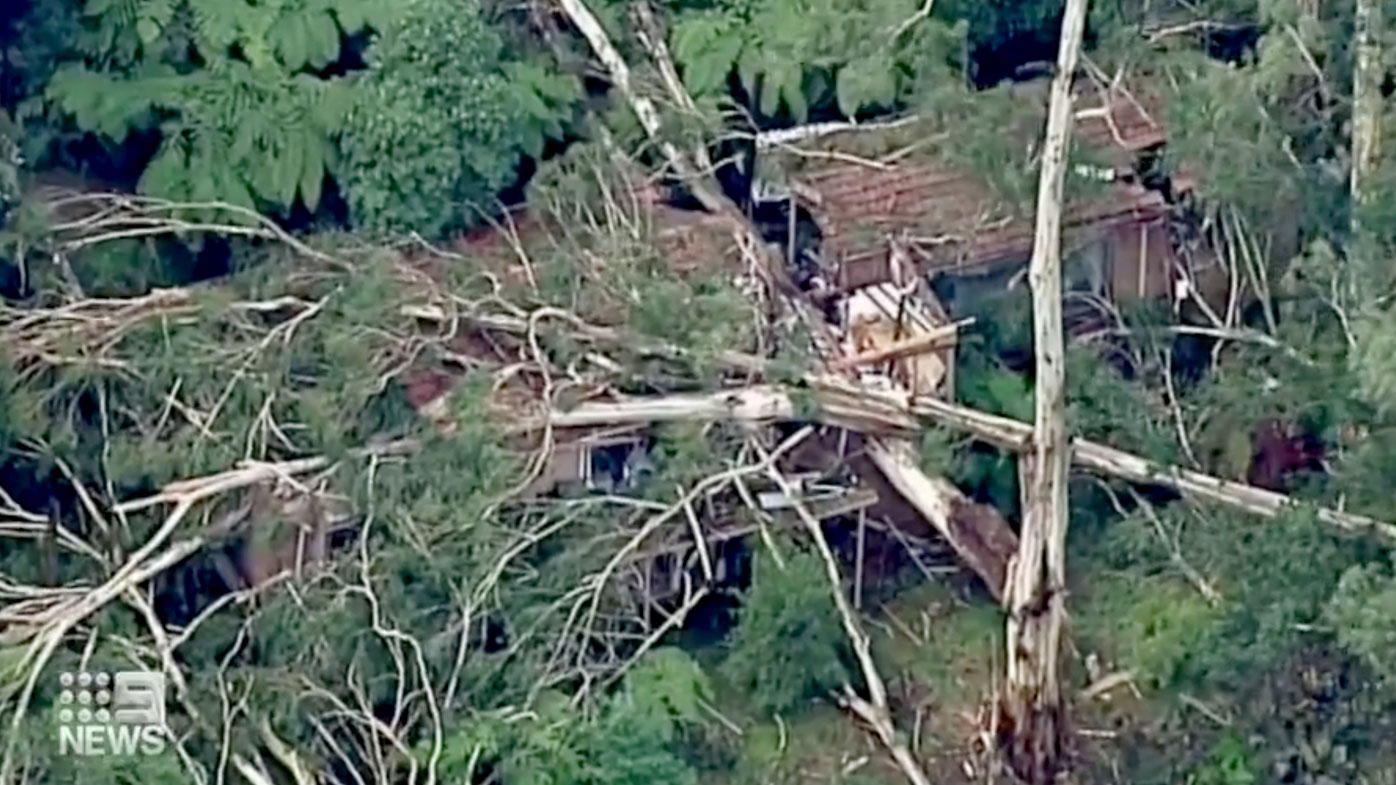
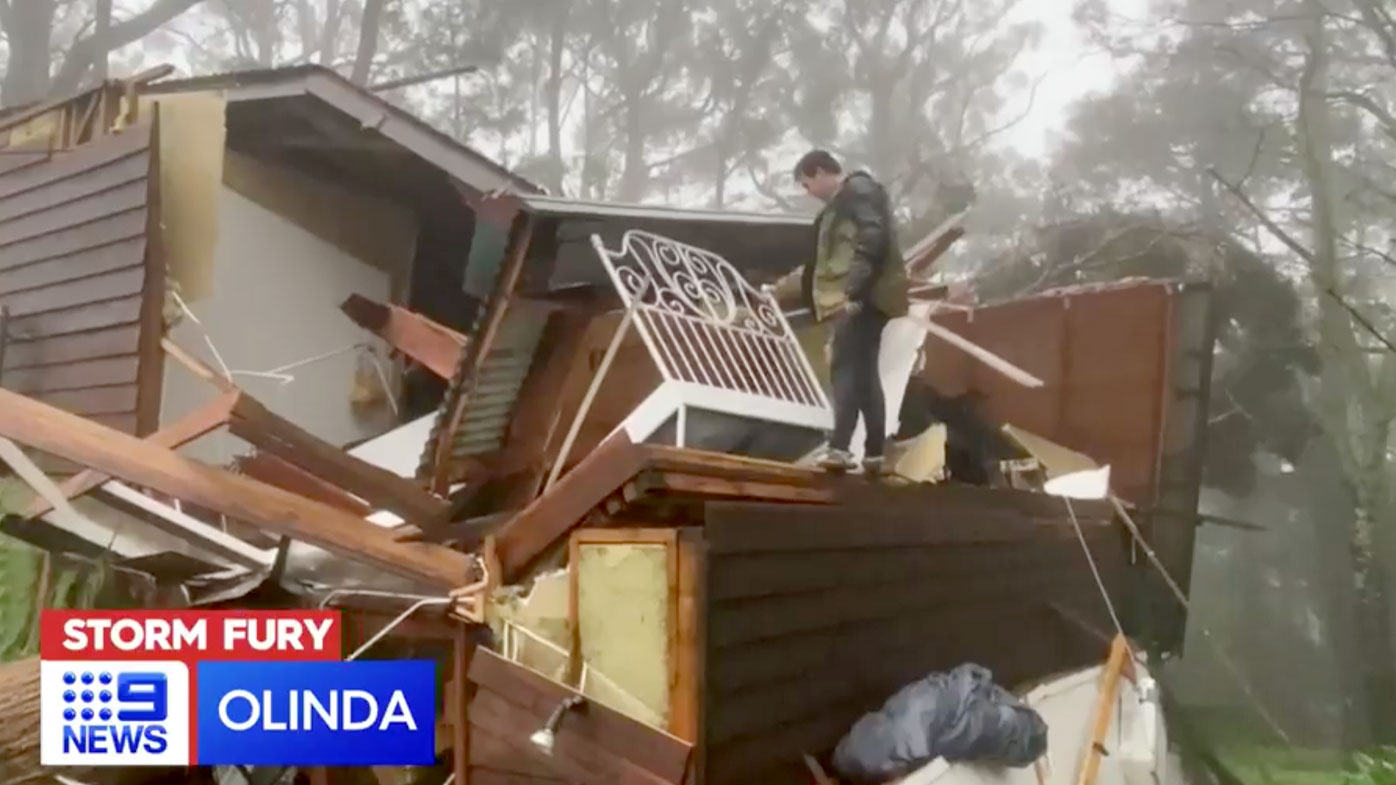
Residents in parts of Victoria face a mammoth clean-up after a wild winter storm destroyed homes and left entire towns cut off.
A man was killed and many thousands left without power potentially for several days from the weather that first struck on Wednesday night.
The chaos and destruction stretched from the city to the suburbs, with evacuation orders still in place for some residents overnight as rivers threatened to flood from the drenching rain.
READ MORE: Man found dead in Victorian floodwaters
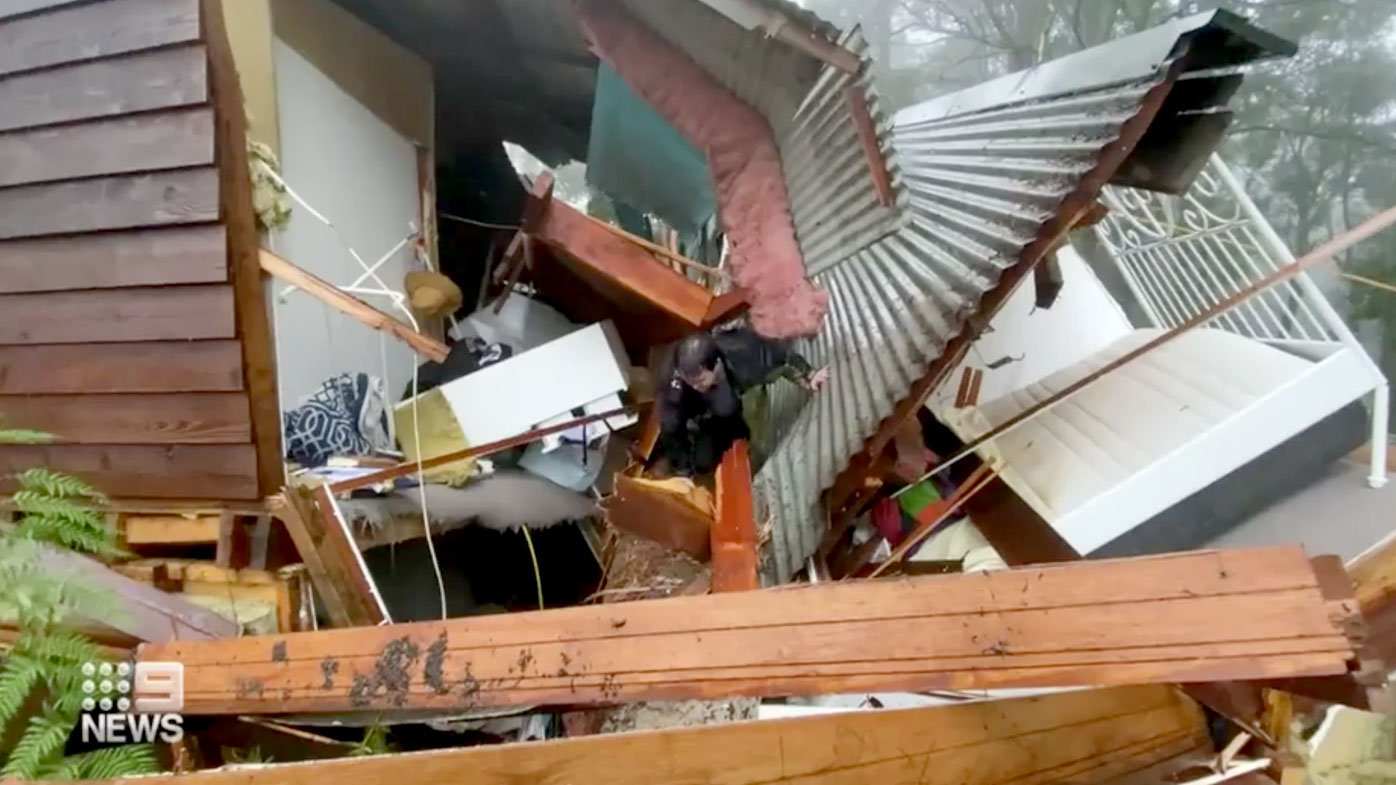
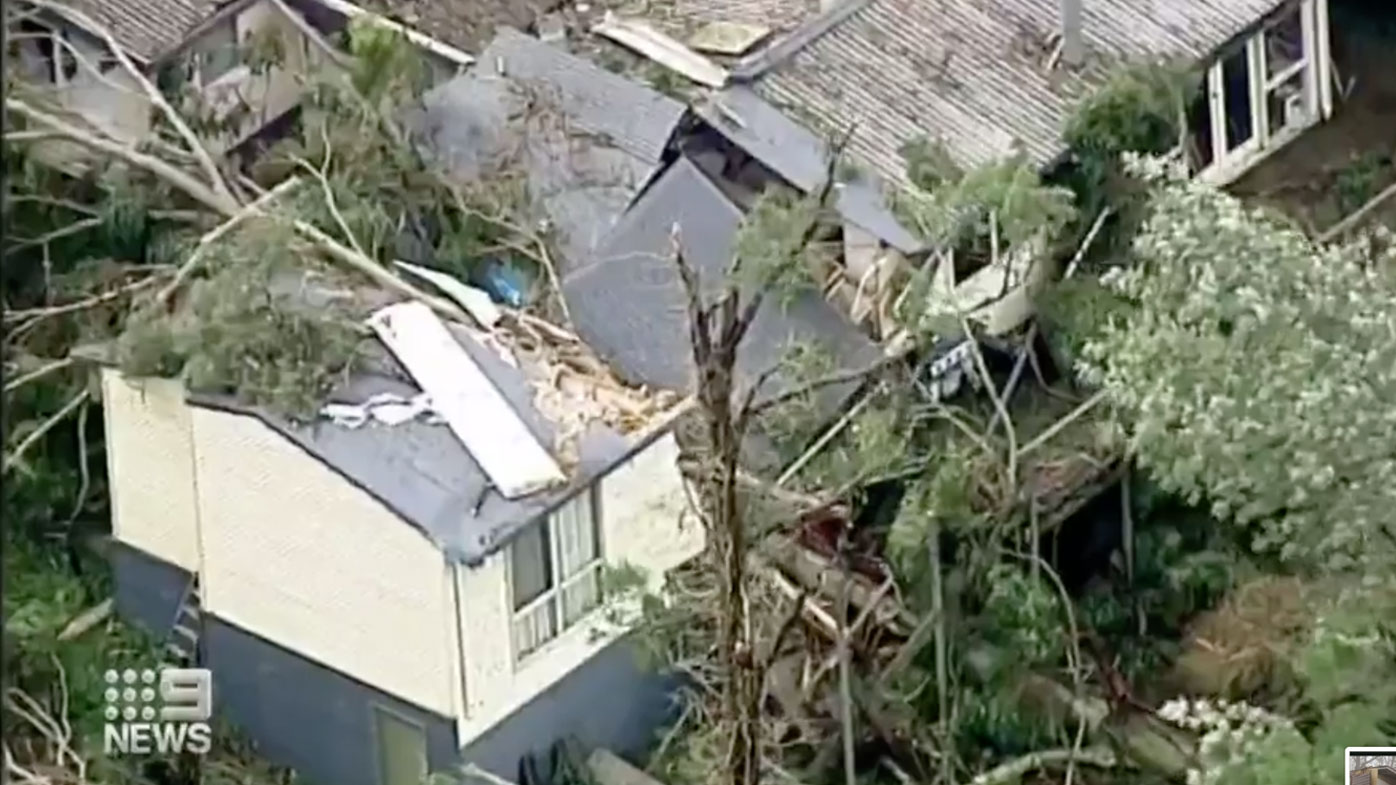
Melbourne's outer-east, the Dandenongs and East Gippsland were the hardest hit, as winds that sounded like "half a dozen semi-trailers" felled trees and heavy rain sparked flash floods.
"It looks like a catastrophe," Croydon local Andrew Fell said.
He inspected his house, which resembled a disaster site.
https://twitter.com/ScottMorrisonMP/status/1402949173314347011
More than 160,000 were still without power on Thursday night.
In Gippsland, a man's body was found on Thursday afternoon after a member of the public notified police of a car inundated by floodwaters.
Victorians fear for their lives and homes
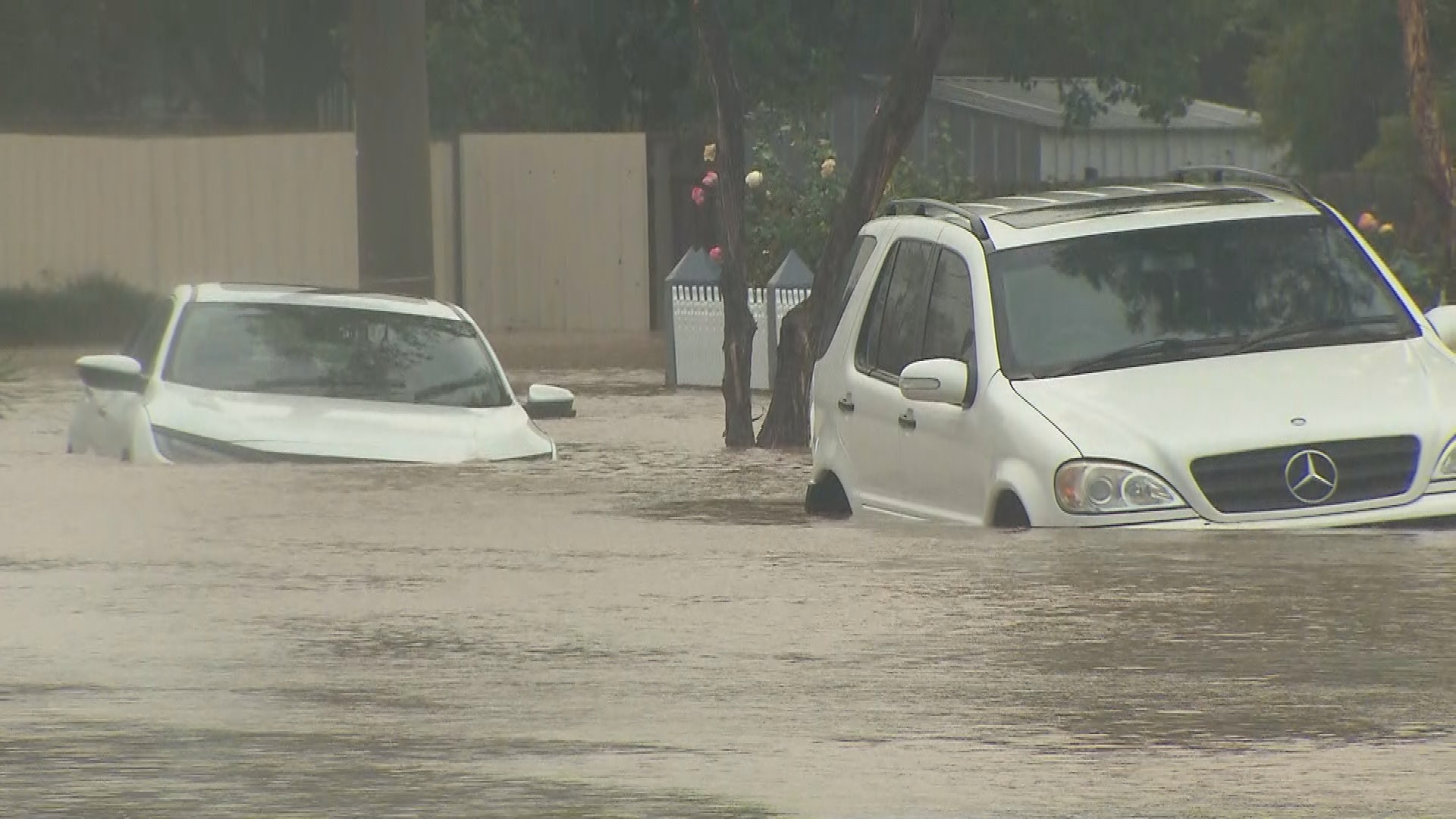
Thousands were forced to flee as properties and cars were destroyed in the ferocious conditions.
The State Emergency Service (SES) was inundated by more than 5000 calls and only 1000 volunteers on the ground.
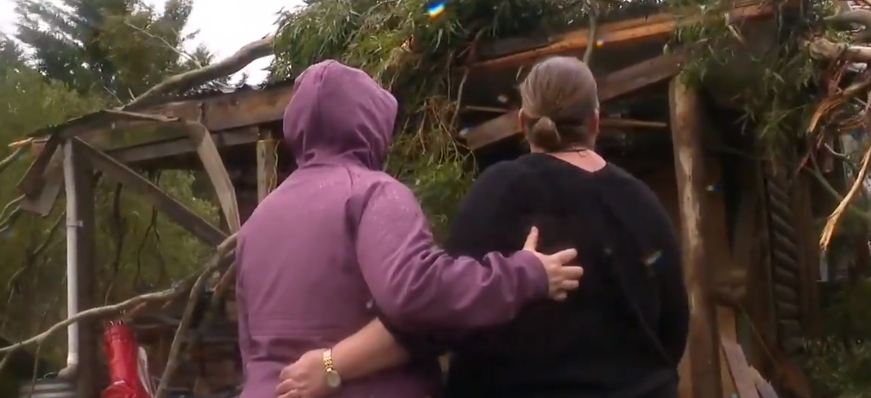
Elaine Henderson and her daughter Kayla fled the storm in Kalorama and returned to a heartbreaking mess.
"It was really, really scary — it was like I was in some sort of movie, just trying to get out of here," Ms Henderson said.
"Coming and seeing my mum's house like this today, it's horrifying," Kayla said.
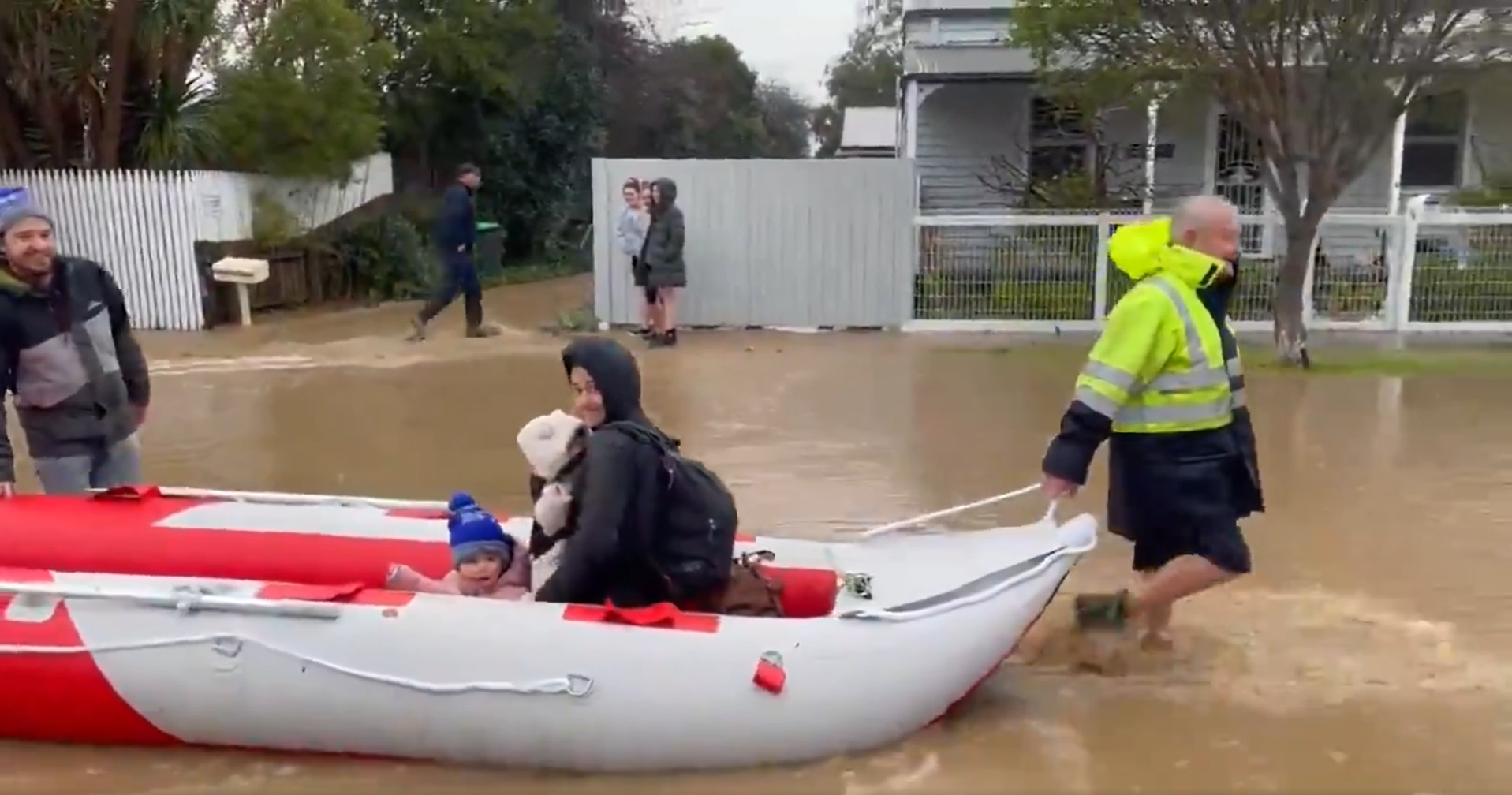
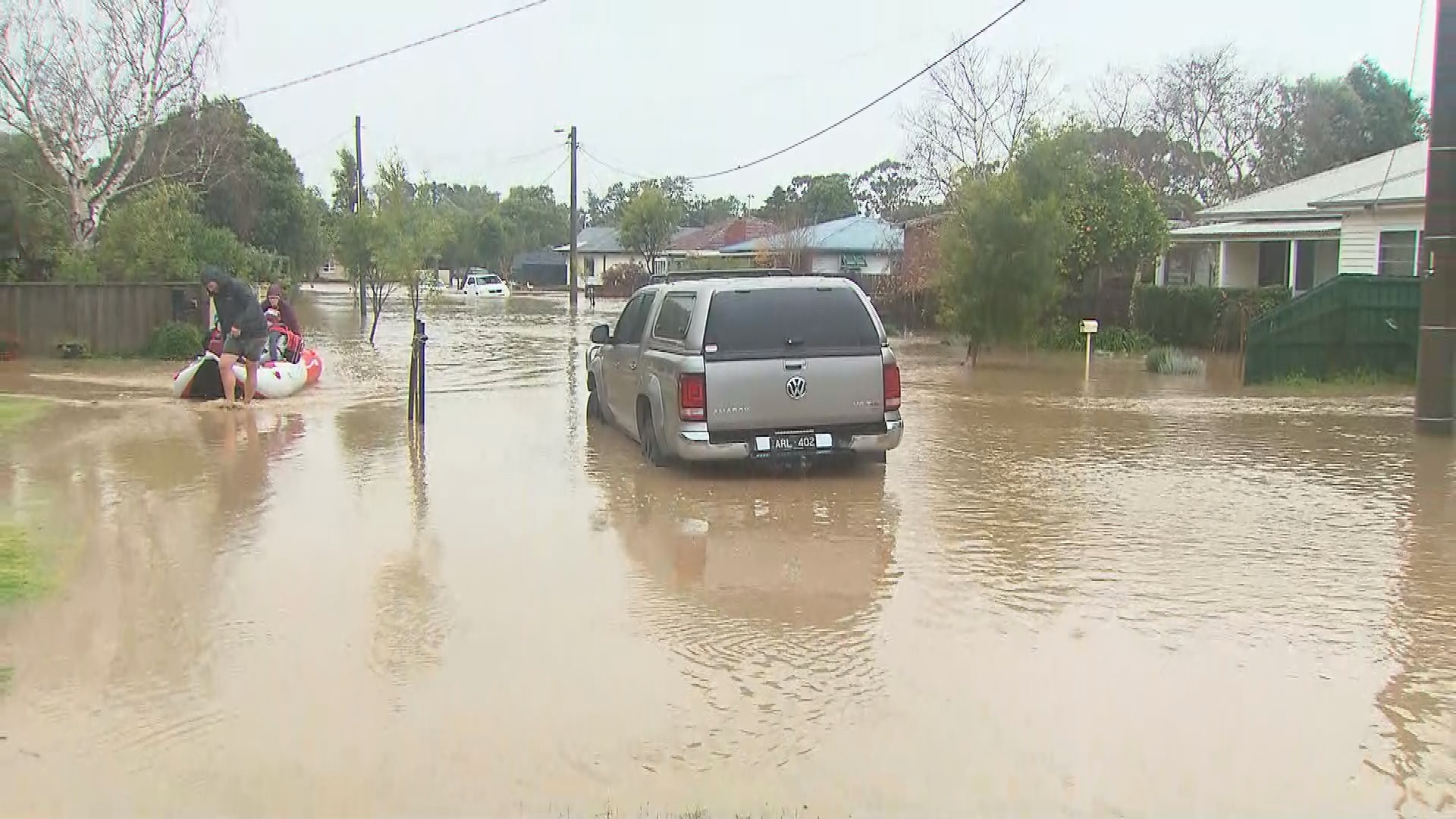
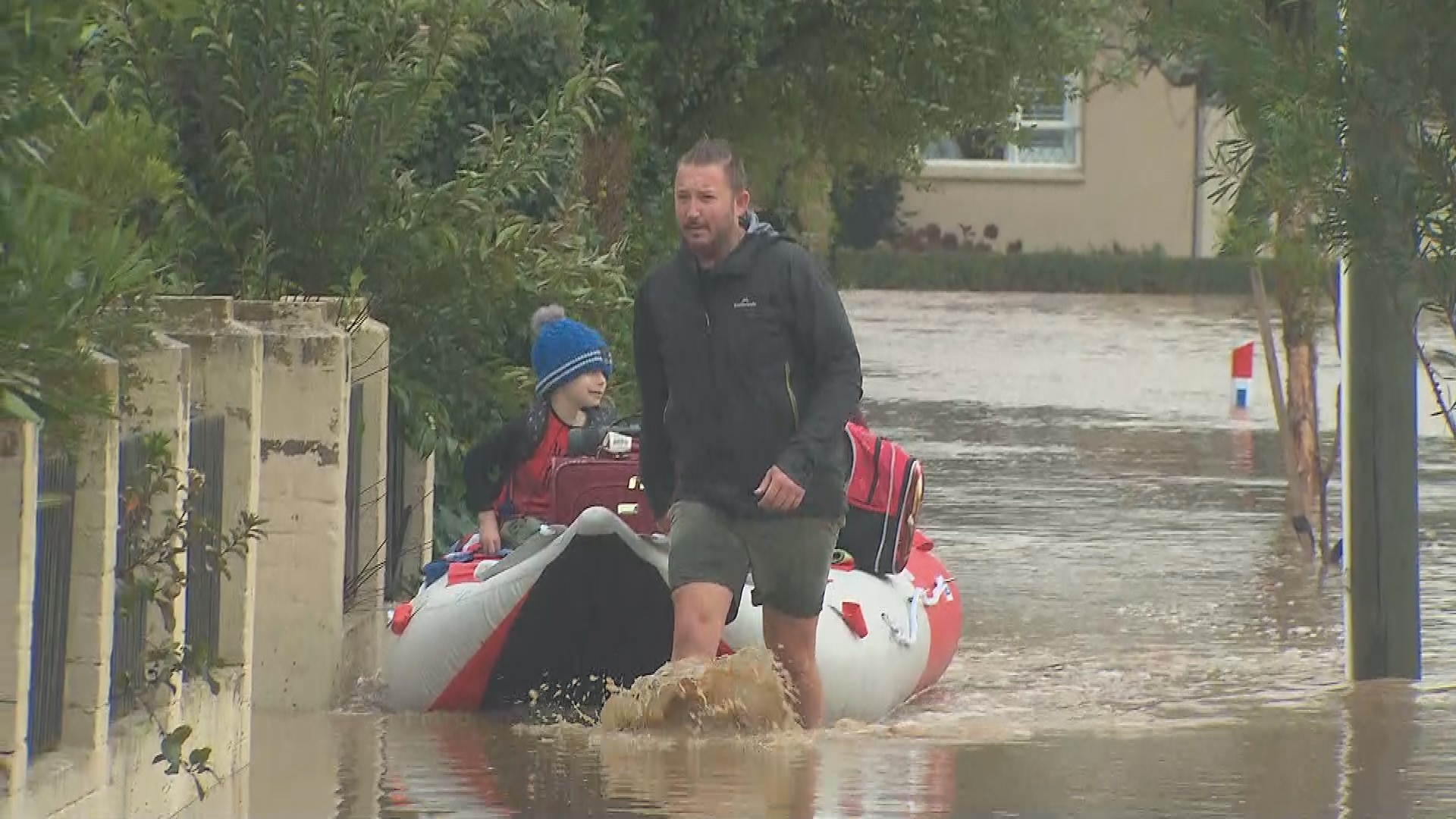
Gemma Moran was with her three-year-old daughter and her six-week-old son when murky brown floodwater started to rise around their Traralgon home.
She had to leave her partner and evacuate with the kids.
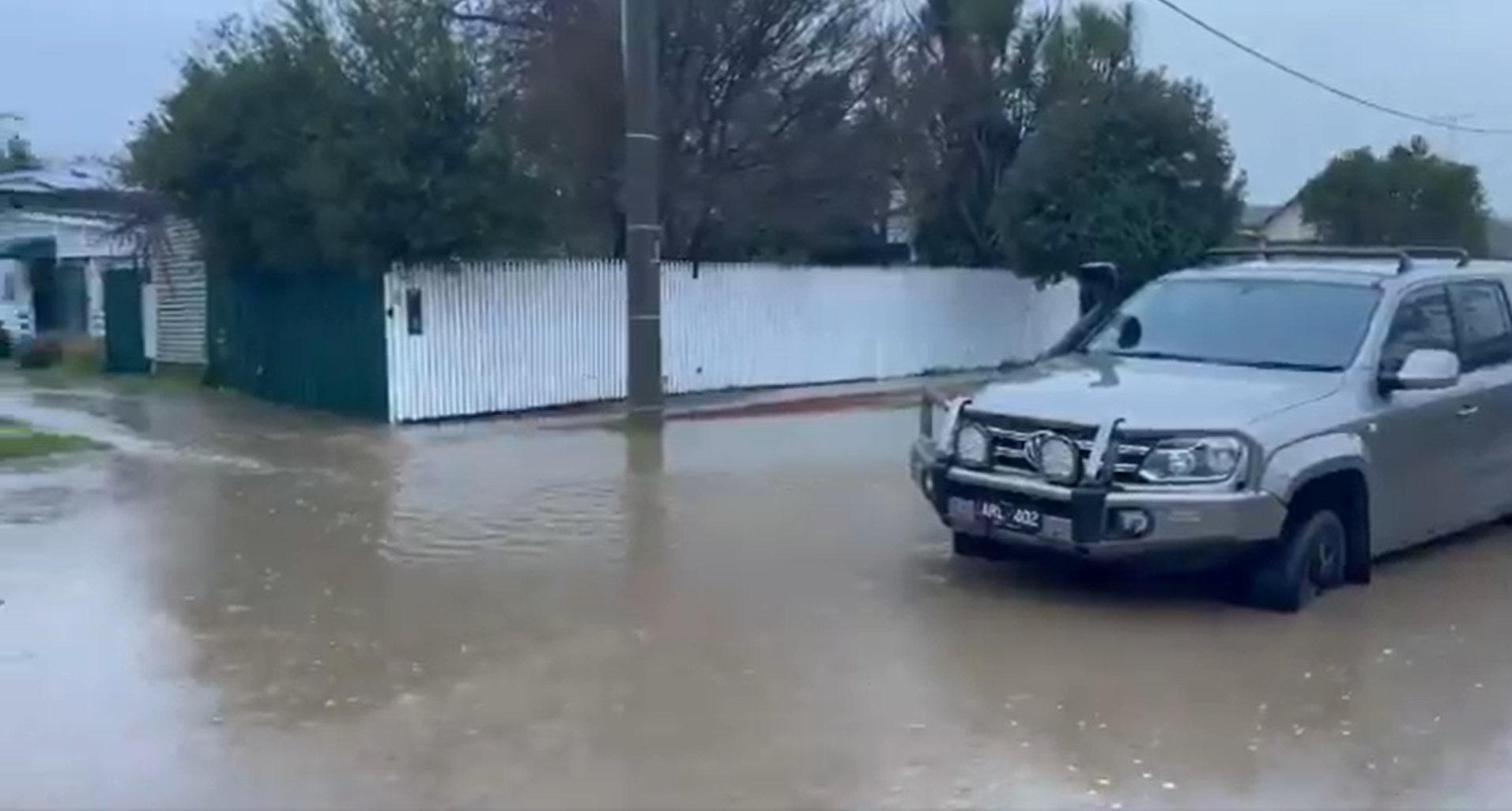
"I cried the whole way down. [There's] water everywhere, it'd be at least a metre up or more," Ms Moran told 9News.
"I'm freaking out."
The Gippsland mum said they were lucky to escape by boat.
"I've been panicking on the inside," she said.
"I am just glad we're out and on higher ground."
Power outages for many thousands
At least 164,000 homes across Victoria were without power on Thursday night and faced a wait of up to three days.
"Power's out, walking around with candles, phones are flat … living the dream," Mr Fell said in Croydon.
Commissioner of Energy Safe Victoria Marnie Williams said there's been "unprecedented damage to the back bone of the network", particularly around Gippsland, the eastern suburbs and eastern fringe of Melbourne near the Yarra Valley.
Phone companies are having the same issue.
Emergency Management Commissioner Michael Crisp warned people to avoid going near any fallen power lines as they were a "significant risk".
"I ask you all to be patient in relation to power," he said.
The rural town of Trentham, in the state's north-west, was quickly running out of water supply after a treatment plant lost power.
Residents were told to minimise water usage to conserve the supply as the provider works to restore services.
The mounds of debris blocking the town's roads were preventing Coliban Water from accessing the plant to switch to using the generator for power.
"We are continuing to experience several issues across our water services network," Coliban Water said in a statement.
Regional town told to 'evacuate now'
Earlier, VicEmergency urged people living and working near Traralgon Creek in Gippsland to leave and travel to a safe location as the creek was expected to rise to 5.3 metres.
A relief centre was set up at Traralgon Basketball Stadium for those who needed shelter and safety.
READ MORE: Severe wintry weather leaves Australia's south-east shivering
"Floodwaters are rapidly rising in the Traralgon Creek area," an emergency message read.
"If you live or work in the area you should evacuate now."
Mr Crisp said the evacuation notice had been issued for more than 200 homes near the creek.
"That situation of flash flooding, the risk to the community now, we're moving into riverine flooding," he said.
READ MORE: Masks still mandatory outdoors as Victoria records four new cases
Storm causes 'absolute carnage'
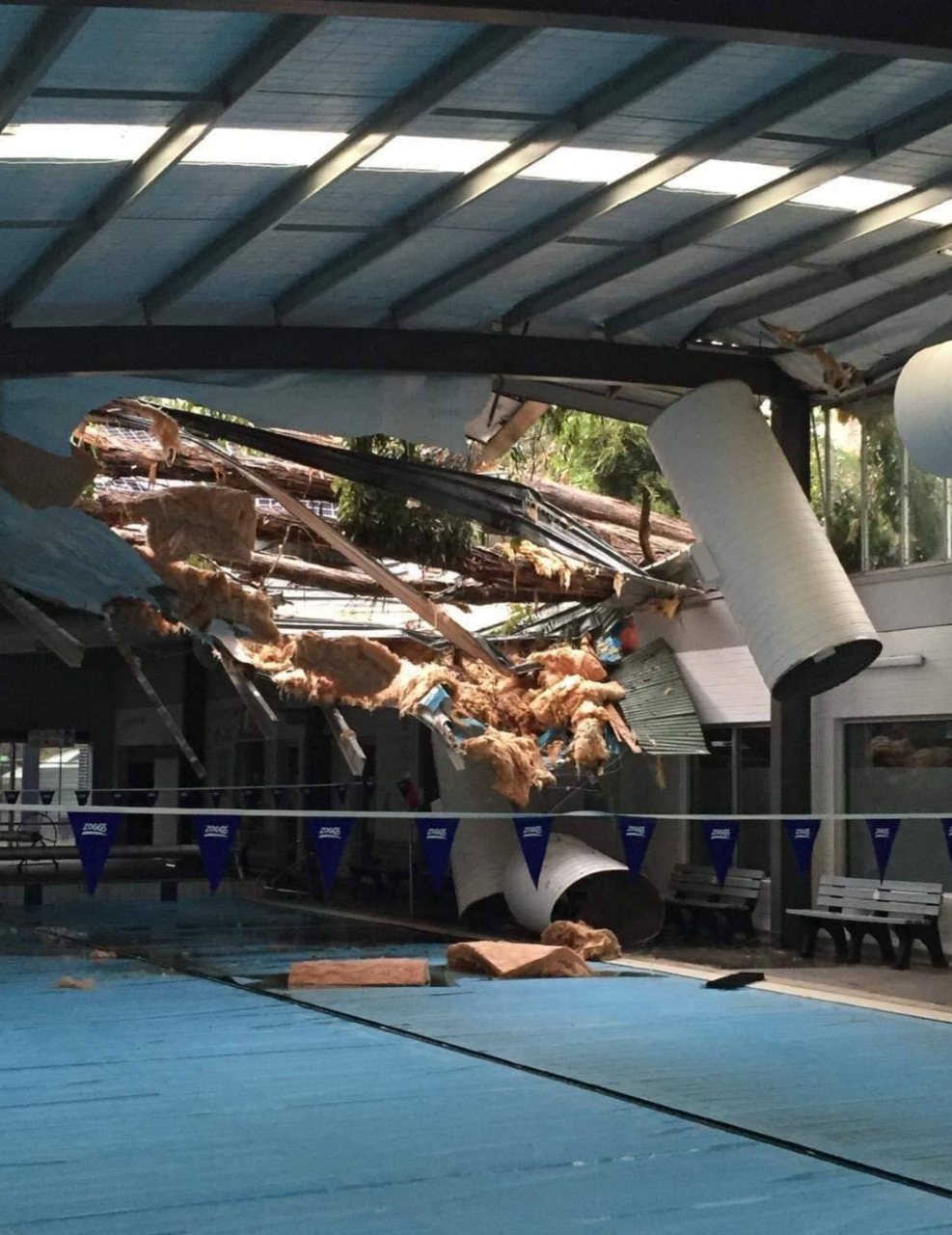
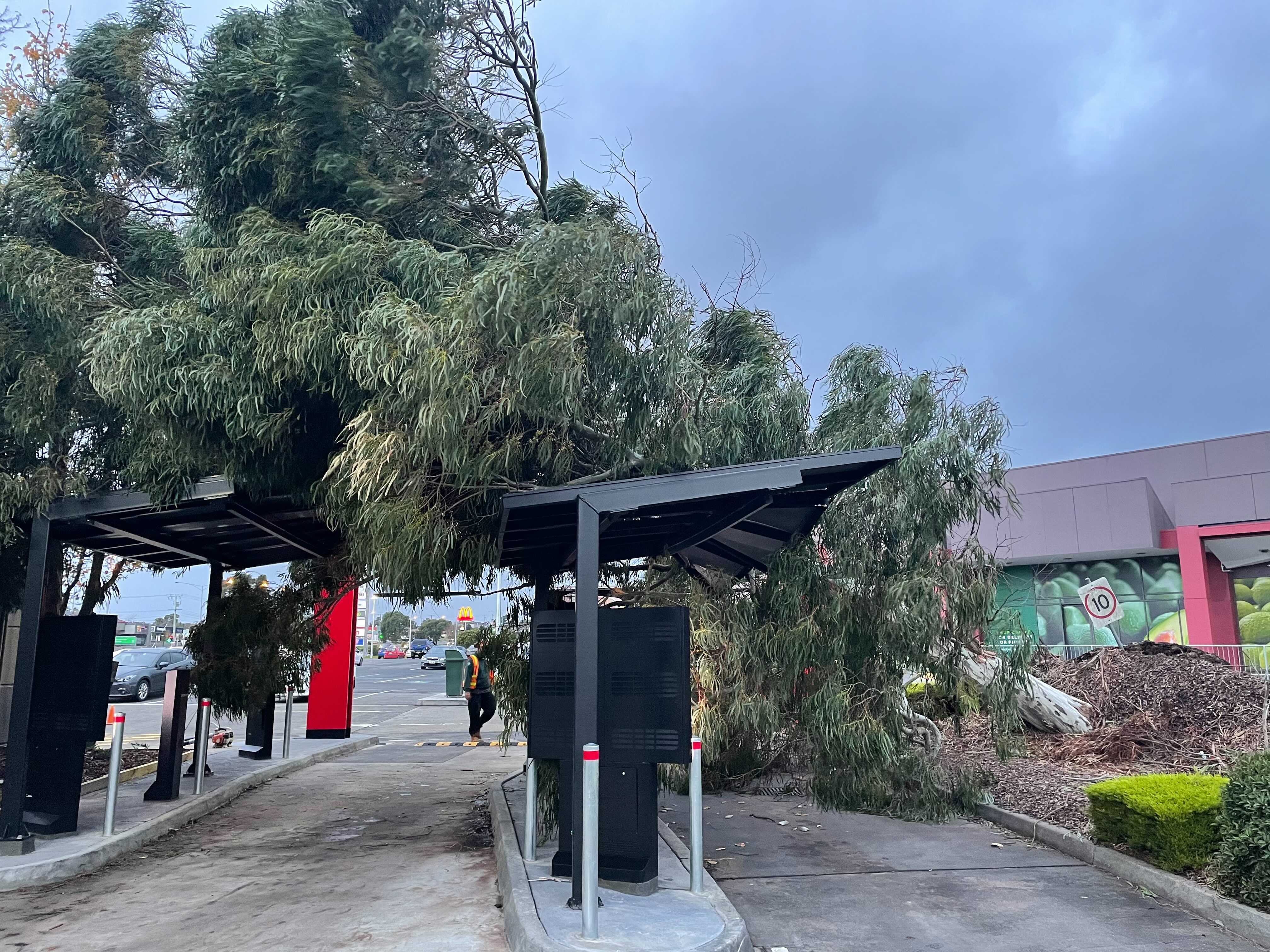
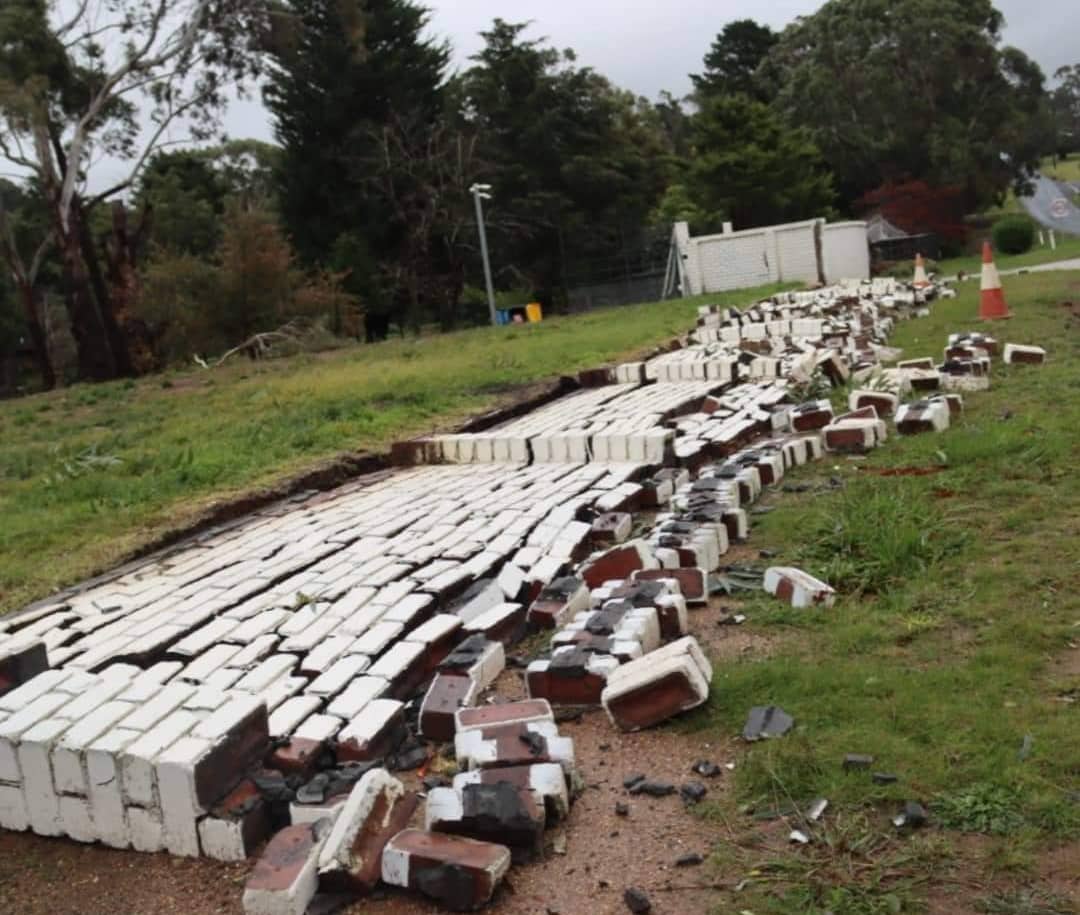
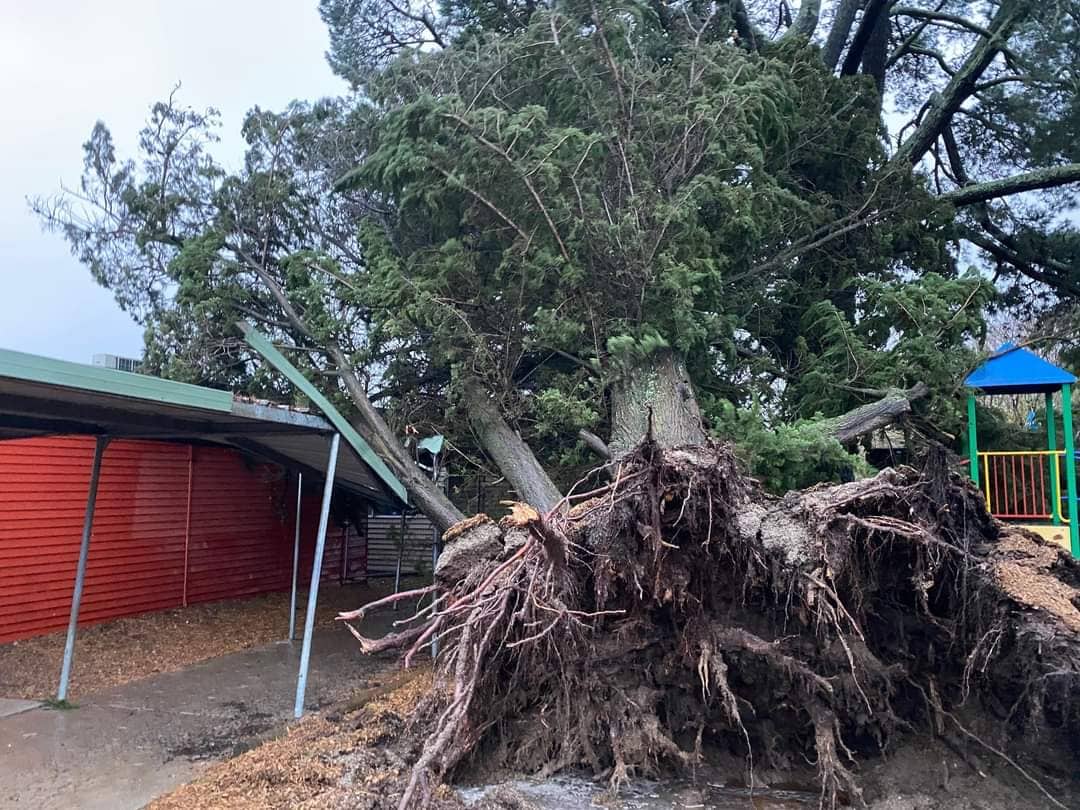
Winds over 100km/h uprooted trees, causing them to smash through houses and sprawl onto roads.
Of the more than 5000 calls for help, there were 3500 reports of trees down, about 500 reports of building damage, and about 150 calls for help in areas where there was severe flooding.
More than 3000 requests for assistance came from Melbourne's eastern and southern suburbs.
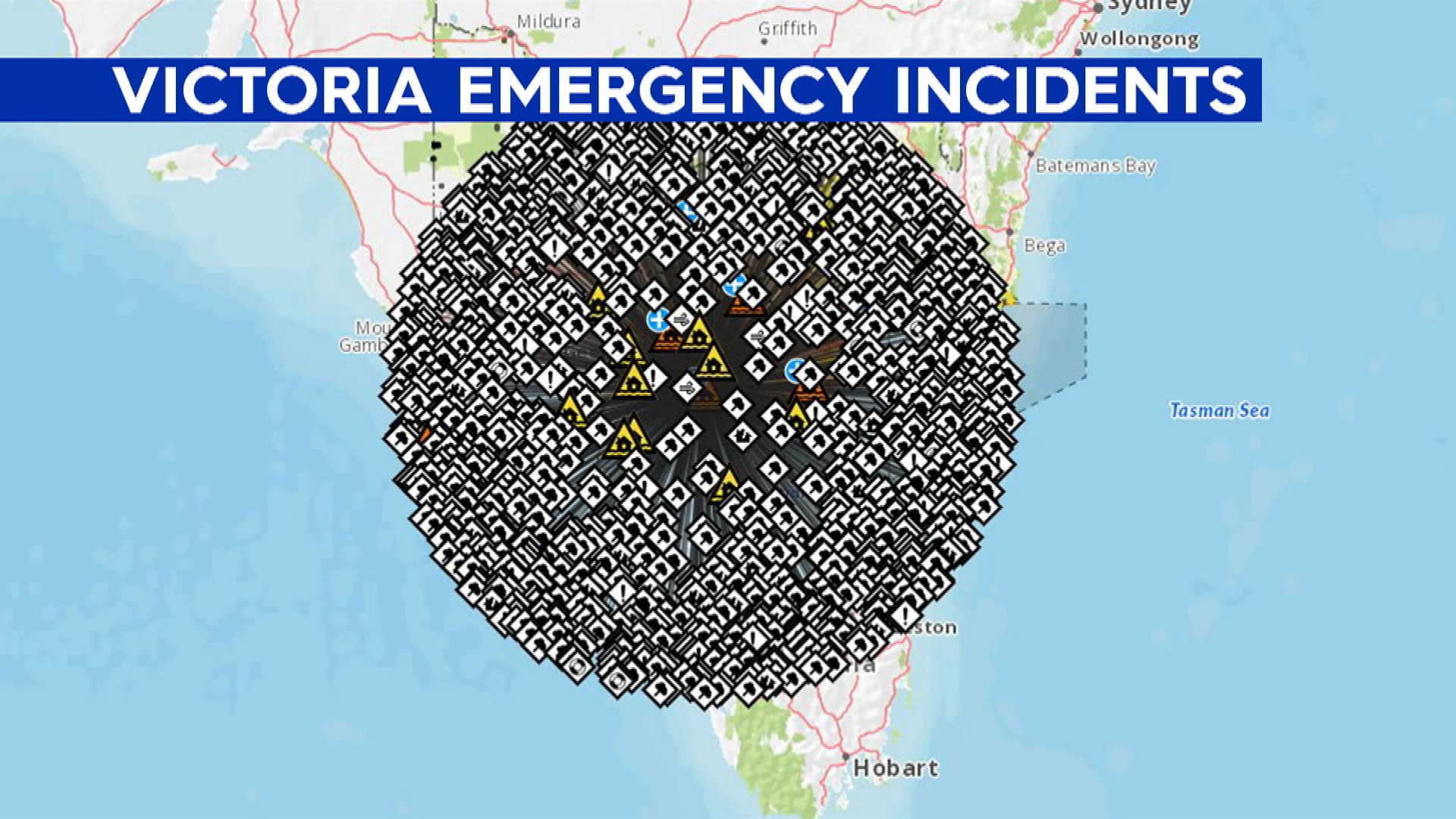
The severe weather warning spanned all the way from Sale to Ballarat, with 18 flood warnings across the state, six of those being major.
Some of the hardest-hit areas included Lilydale, Emerald and Croydon in Melbourne's outer-east, the Gippsland area, and Trentham in the state's north-west.
"What we have seen is a significant impact in relation to damaging winds and that heavy rainfall from the east of the state, right through to the west," Mr Crisp said.
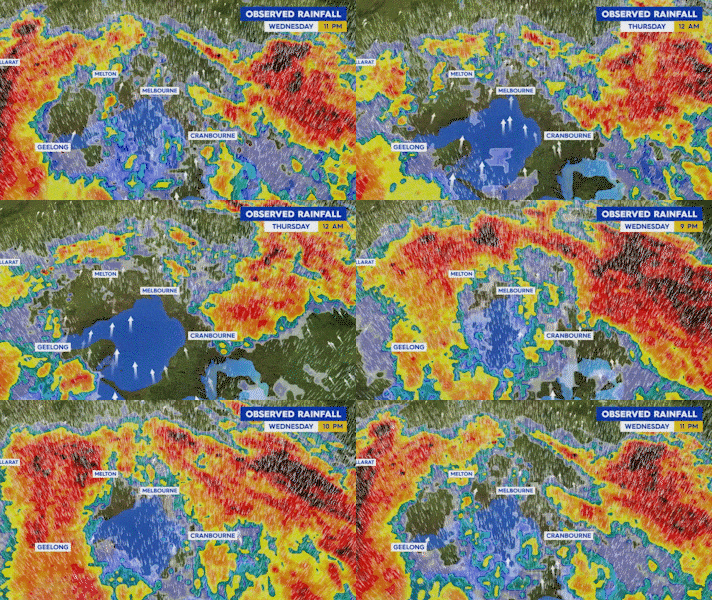
Bureau of Meteorology (BoM) meteorologist Kevin Parkin said the wild weather overnight, a low-pressure system off the Tasman Sea, had similar characteristics to an East Coast low.
"It's these weather systems that result in the most significant heavy rain and flood events … but this had a nasty sting," he said.
"It had damaging to destructive winds that resulted in widespread vegetation damage."
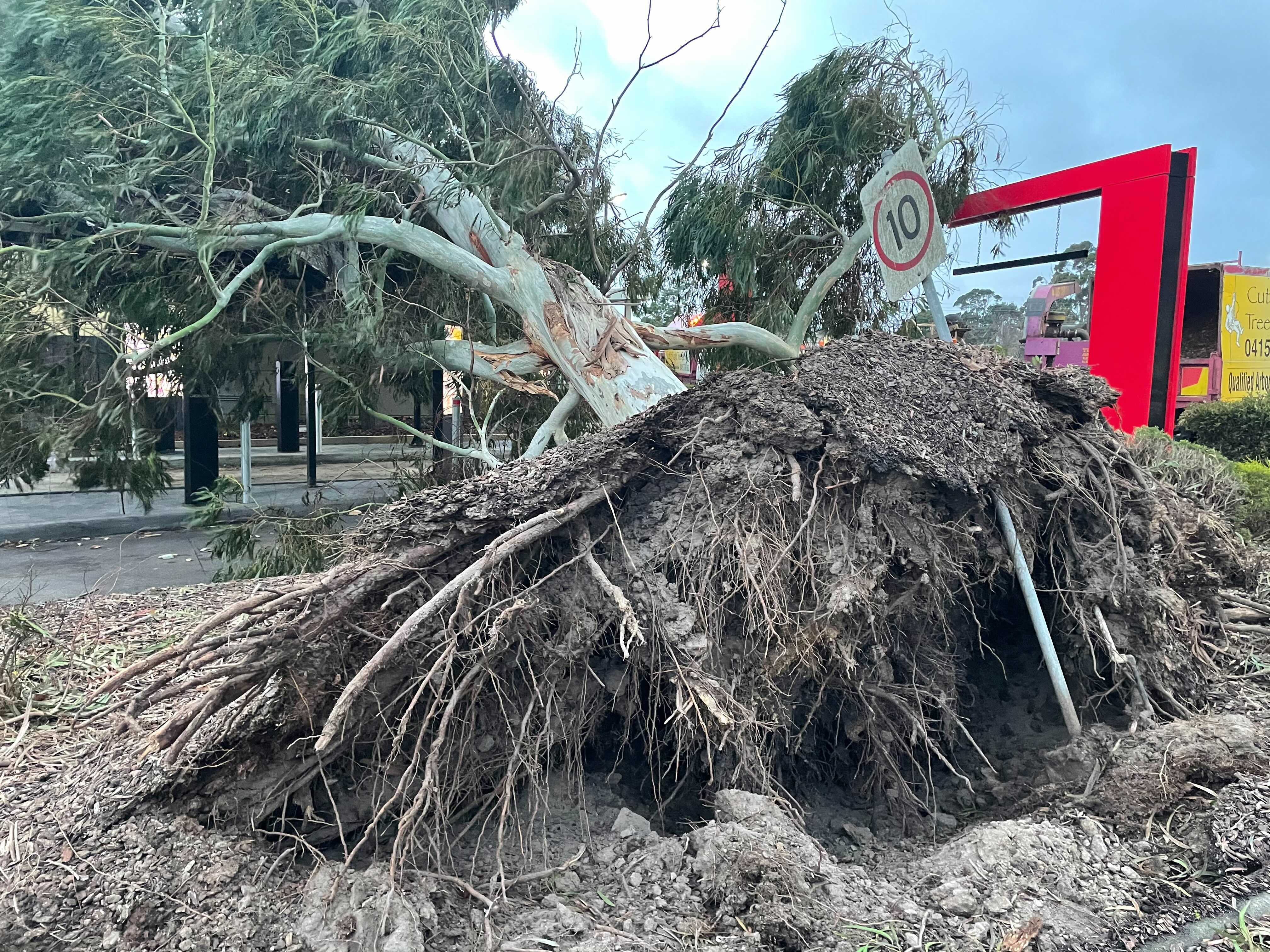
Heavy rainfall triggered flood warnings for a number of rivers, with the Yarra River swamped with 241mm of rain.
Mount Dandenong was pelted with 271mm of rainfall.
"As a result of all this rainfall, a number of river systems are in flood. We have major flood warnings out for the Latrobe, for the Thompson, for the Avon and also for the McAllister as well," Mr Parkin said.
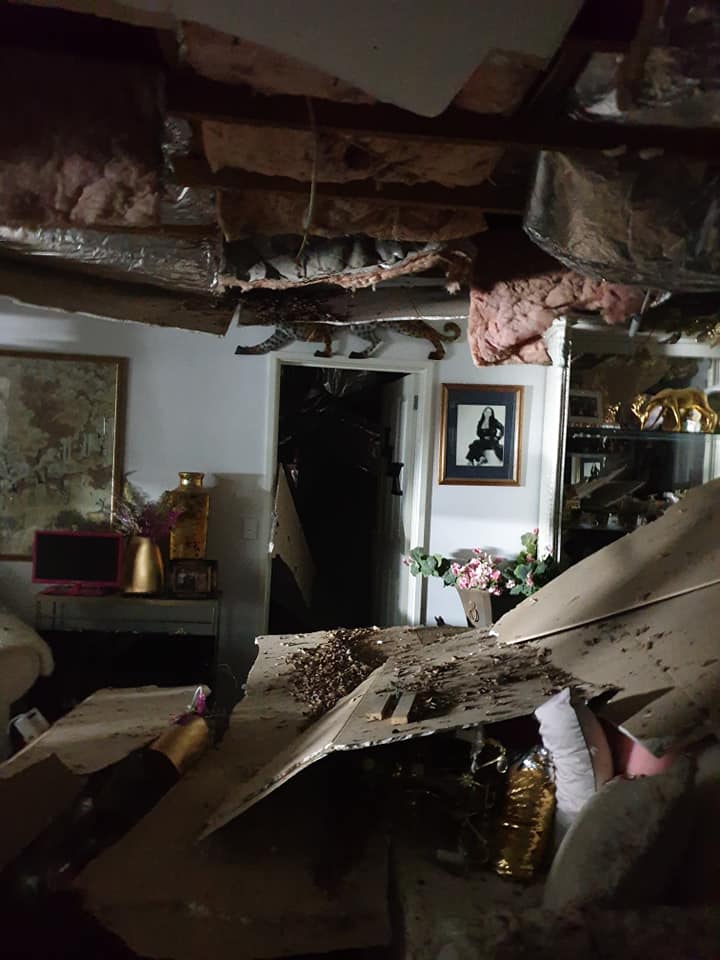
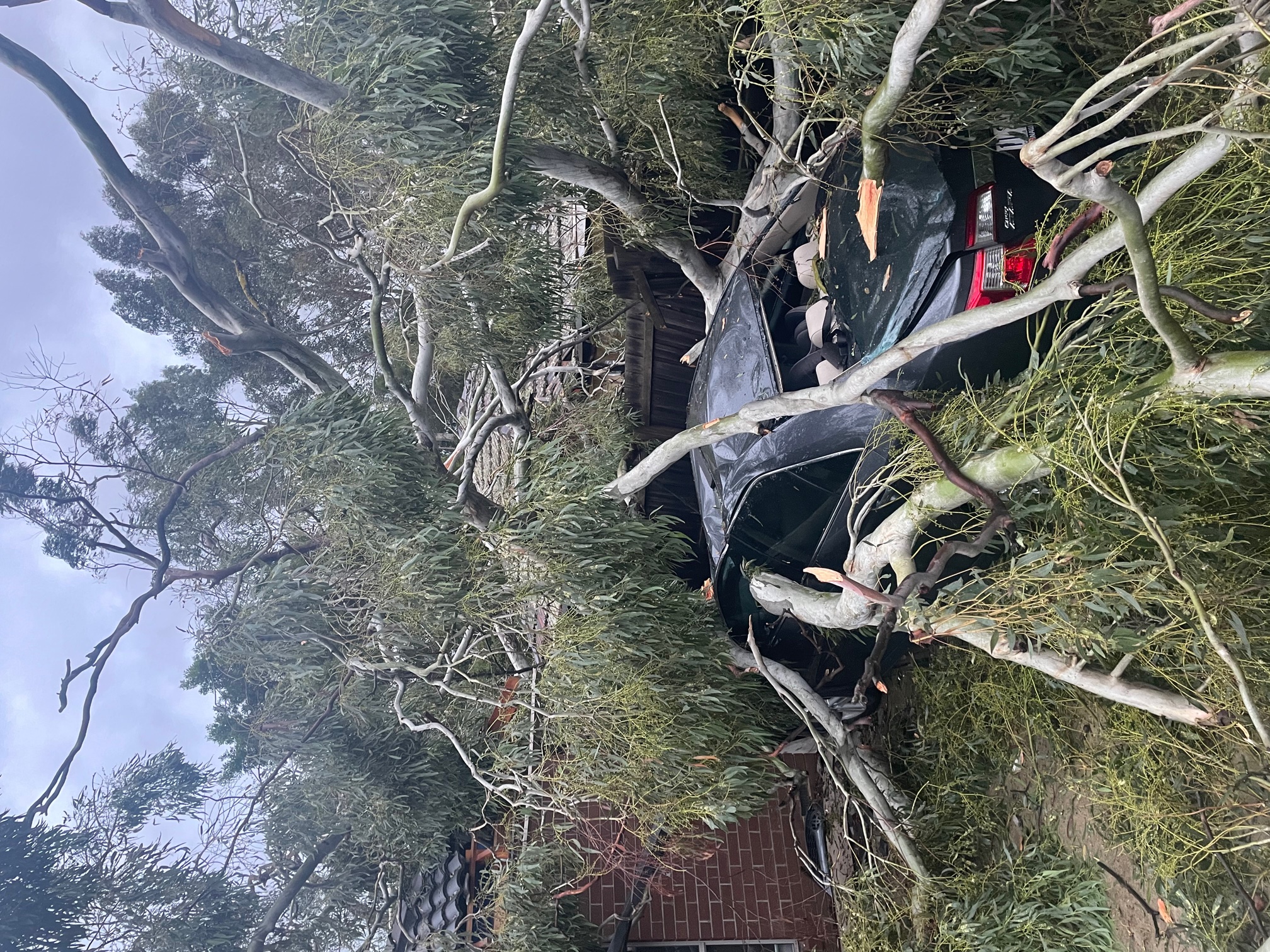
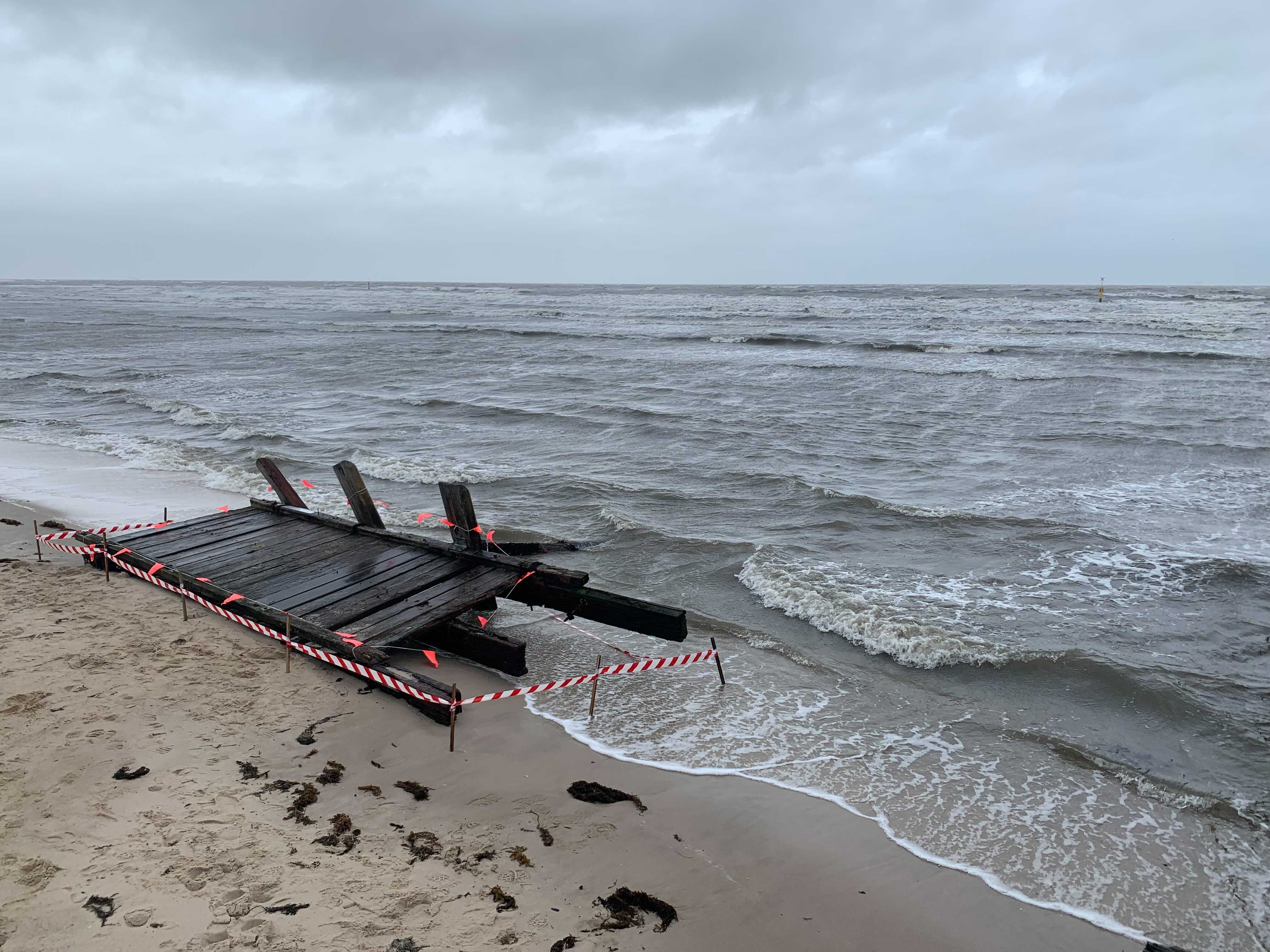
Acting Victoria Premier James Merlino said he did not get much sleep overnight as storms wreaked havoc in his area.
"It was a wild night in the Dandenongs. Not much sleep last night," he said.
"One of our scared children scrambled into bed."
He thanked the SES members "supporting Victorians right across the state".
"All of our emergency services are doing a brilliant job," he said.
"Thank you for the work you are doing in the most difficult of circumstances."
Tree crushes paramedic's vehicle
A paramedic escaped injury after a tree crushed his vehicle in Sherbrooke, Melbourne's outer-east.
Ambulance crews were en route to assist a woman and her son after they became trapped when a tree fell on their Olinda home just after 11pm on Wednesday.
"A number of trees fell as an Advanced Life Support (ALS) crew and a MICA vehicle travelled along Sherbrooke Rd," an Ambulance Victoria statement read.
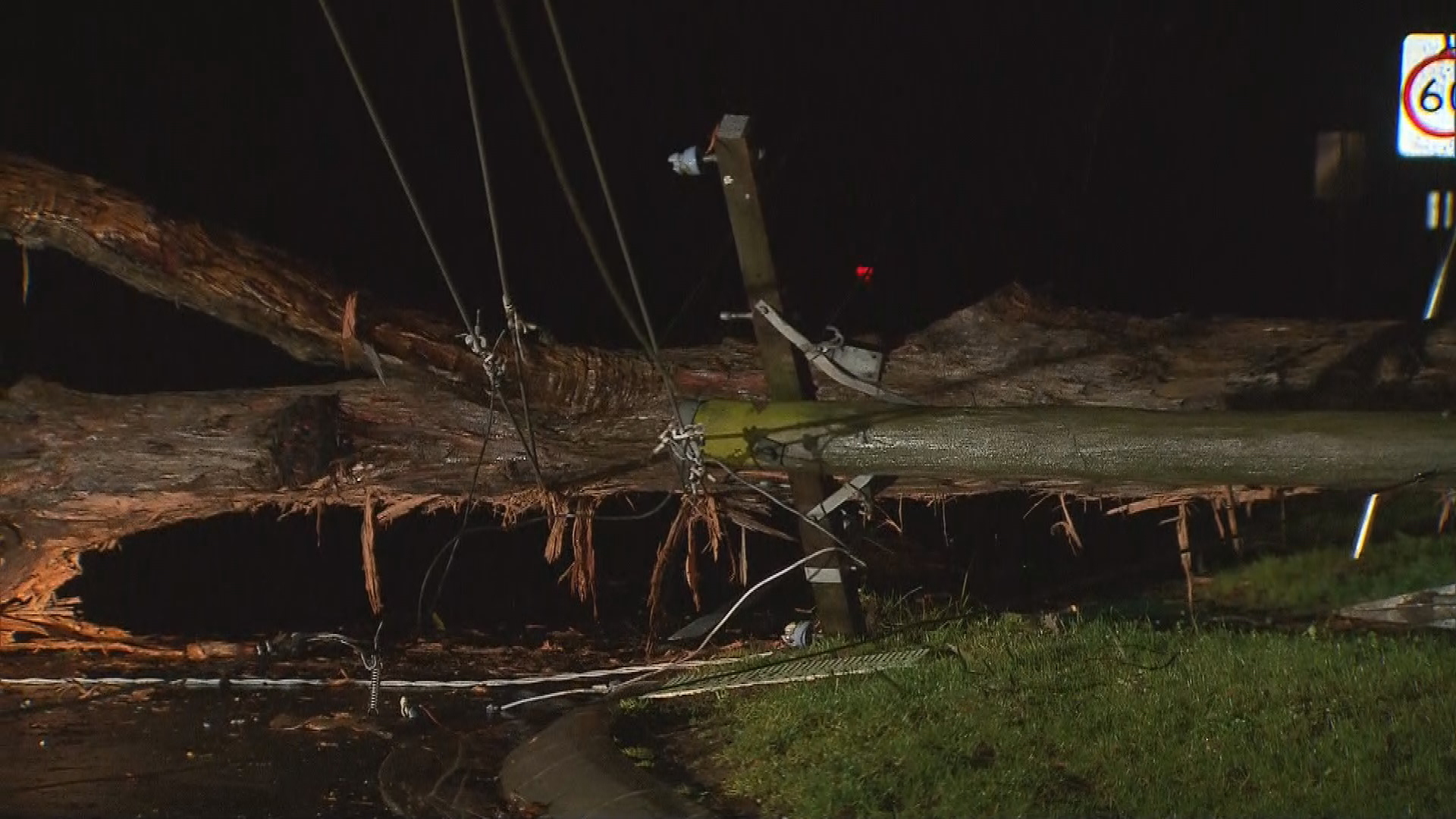
"A falling tree struck the rear of the MICA vehicle and blocked the path of the ALS ambulance.
"The paramedic, while shaken, wasn't injured."
Brave police rescue injured mother and son
Police trekked about 1.5 kilometres in the Dandenong Ranges to rescue the injured mother and son after a tree fell on their home in Olinda.
The woman called Triple Zero just after 11pm in need of help after the tree branch came crashing through the roof of their home, entrapping her and her nine-year-old son.
"The woman who was upstairs, she was injured and received a head injury and was separated from her nine-year-old child who was downstairs," Sergeant Julie-Anne Newman told 3AW.
"Police were actually stuck themselves in between some fallen trees and couldn't get in or out, so they trekked over 1.5km through this weather and the risk of other trees falling, they made their way to this woman and child and were able to walk them out."
Police were also assisted by SES personnel who cleared a nearby road so officers could reach the scene to take the injured mother and son to paramedics.
"Please be vigilant on the roads. If you don't need to be on the roads today please don't drive in this extreme weather," Sergeant Newman said.
The mother and son were taken to Maroondah Hospital in a stable condition.
You can find out more details about how to book your vaccine through the Federal Government health site here.
'Racist rant': Pasifika university academic subjected to abusive message after speech on her background
An Auckland academic who had just spoken at a public event about her successful career as a Pasifika woman was shocked to discover a hate-filled “racist rant” left on her voicemail. Dr Jemaima Tiatia-Seath, co-head of Te Wānanga…