A driver is believed to be seriously injured following a collision between a car and a stock truck on Kakaramea Rd just north of the Pirongia Golf Club. The accident occurred at approximately 2.20pm this afternoon. The driver…
Tag Archives: oceania
Hawke's Bay weather: Four metre Hawke's Bay swells set to drop
Large swells hammering the Hawke’s Bay coast are, finally, set to drop away.According to MetService meteorologist Lewis Ferris, easterly swells reached four metres across the region on Thursday. Read More Hawke’s Bay swells…
Covid 19 coronavirus: Government extends pause on quarantine-free travel with Victoria
The pause in quarantine-free travel between New Zealand and Victoria has been extended for a further seven days amid a new outbreak in the Australian state, Covid-19 Response Minister Chris Hipkins has announced.The extension…
Auckland fatal crash: Cyclist killed on Stanley St in Parnell was Michael Sheffield, 73
Police say the cyclist who died in a crash in Parnell last week was 73-year-old Michael Sheffield.Sheffield was killed when a truck and bicycle collided on Stanley St at about 1.40pm last Thursday.A police spokesman said an investigation…
Glow-in-the-dark baby squid to be blasted into space
"Water bears" and baby squid are about to hitch a ride to space.
No, we're not starting an aquarium in space.
These animals will be joining the astronaut crew aboard the International Space Station for research purposes.
LIVE UPDATES: All the latest breaking news on Melbourne's coronavirus outbreak
SpaceX is scheduled to launch its 22nd cargo resupply mission to the space station on June 4 at 3.29am (AEST).
The spacecraft will carry supplies, scientific research experiments and technology demonstrations.
It's even loaded up with new solar panels that will be installed outside the space station by astronauts during spacewalks in June.
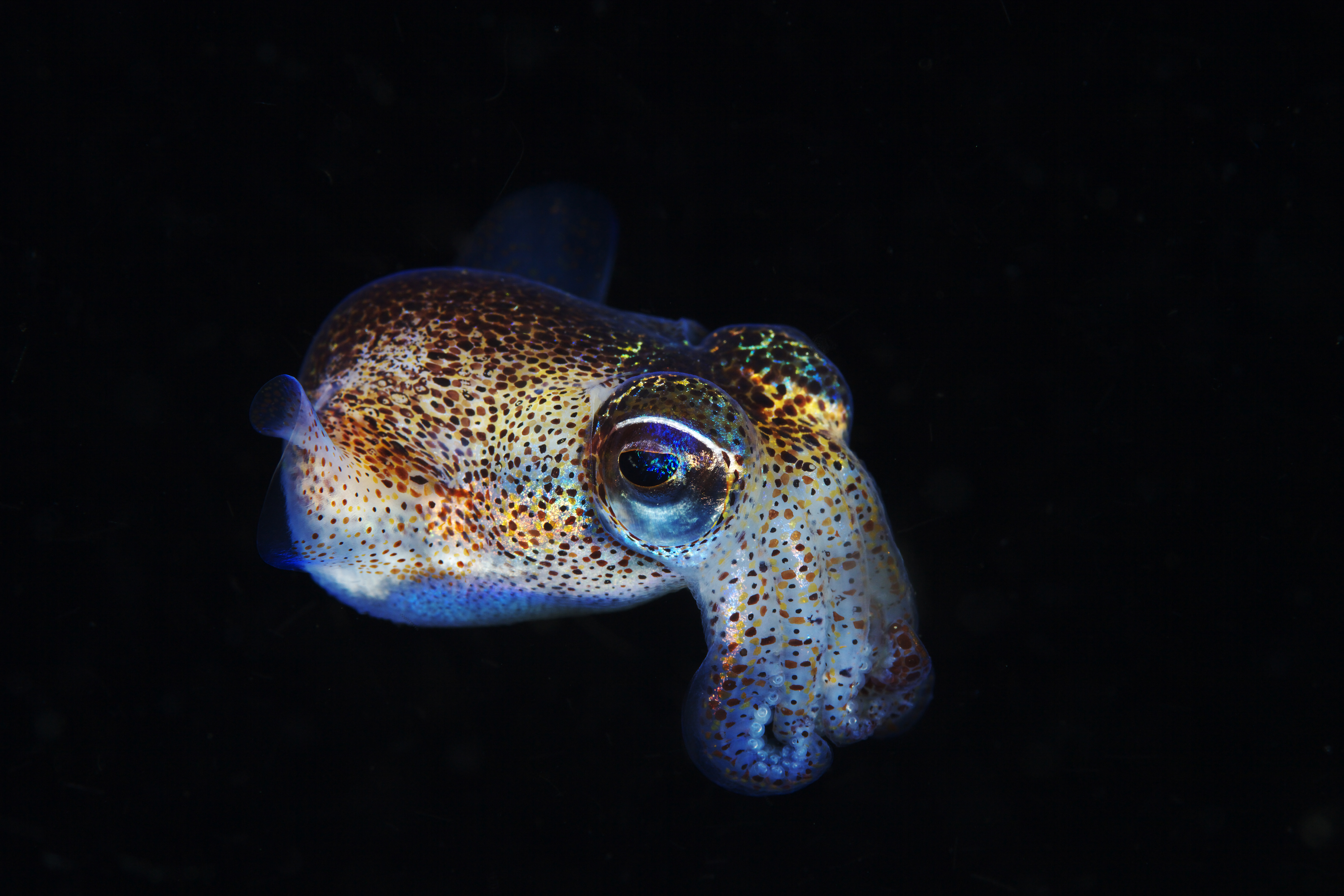
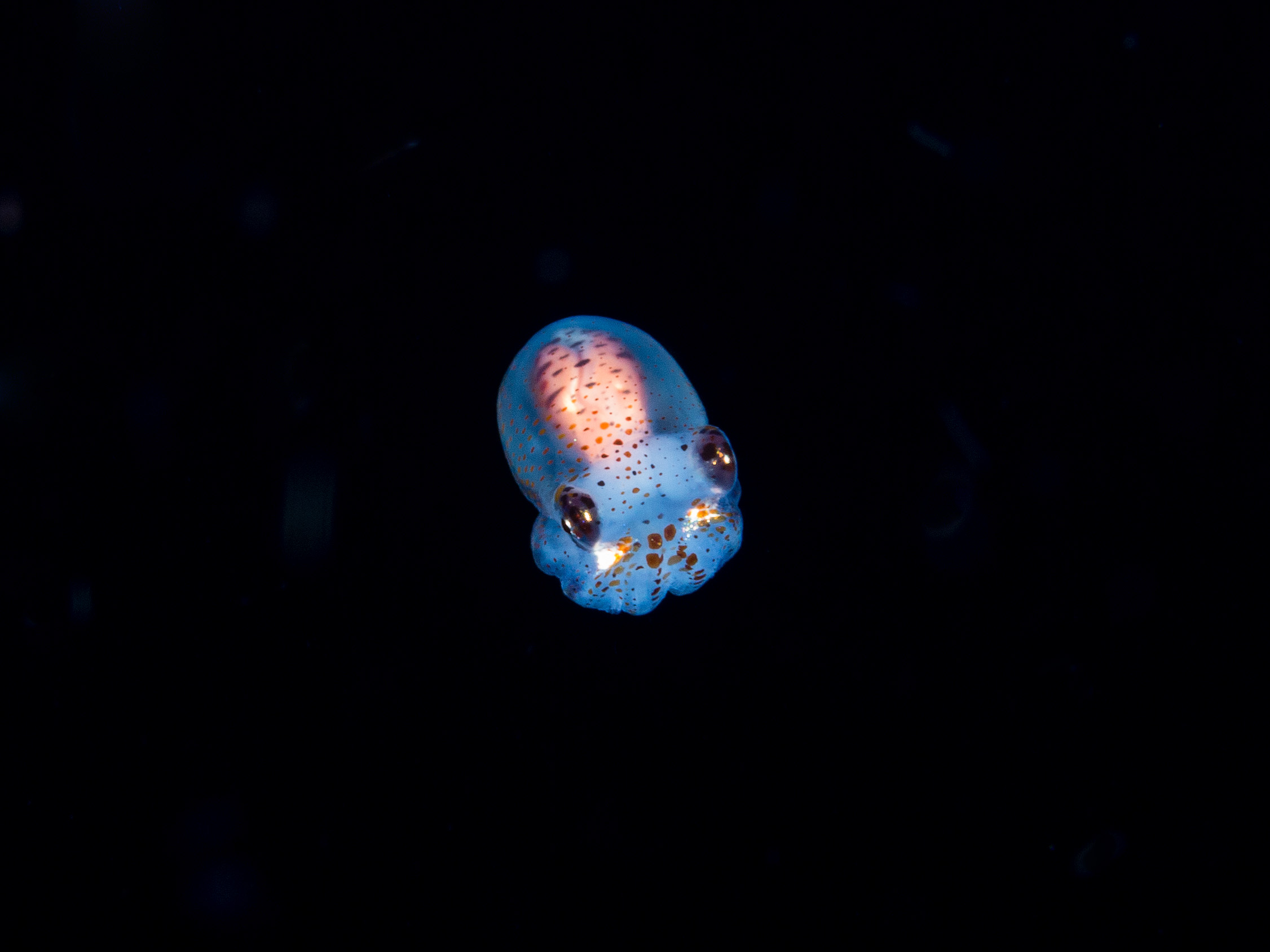
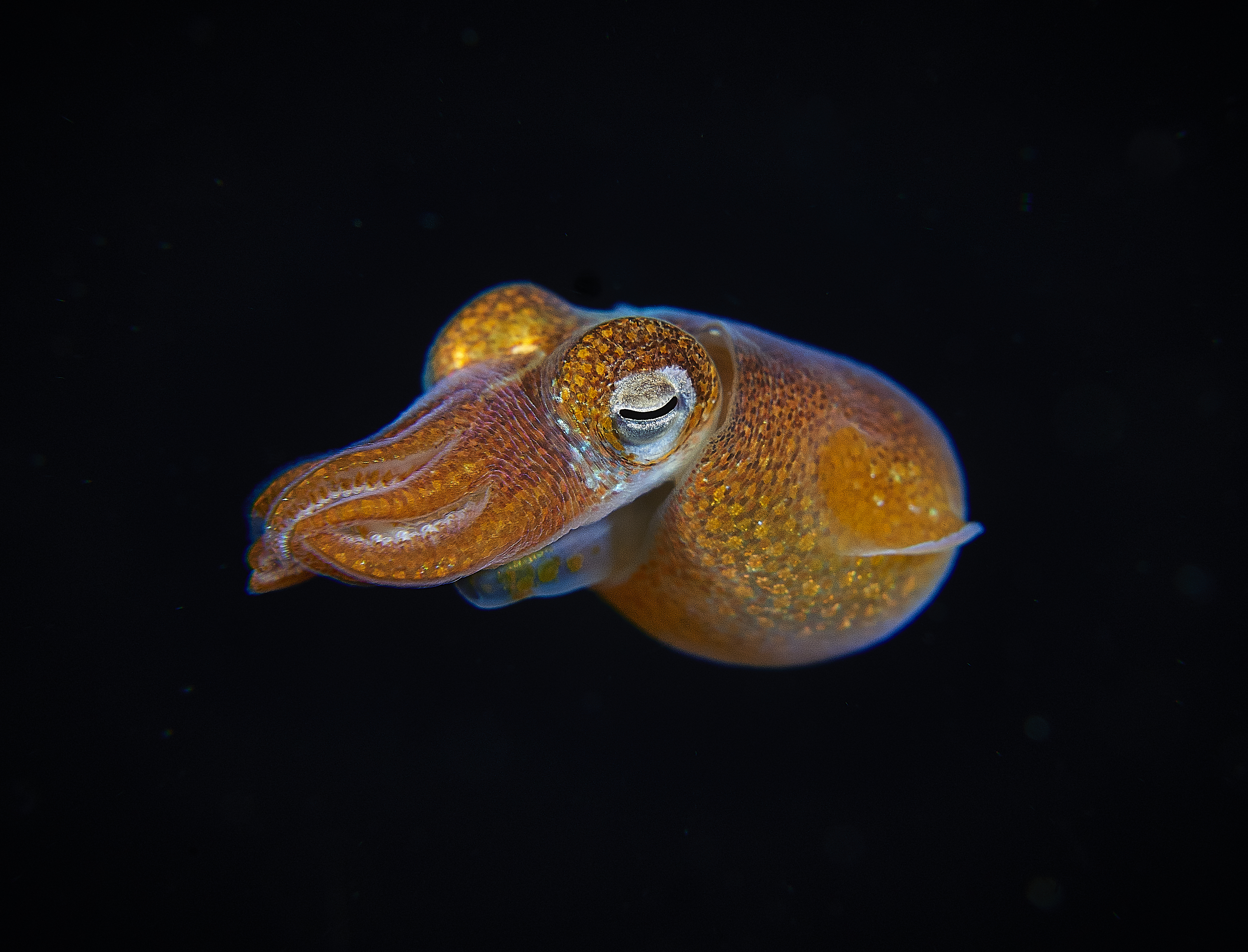
Some 5000 tardigrades, also known as water bears, and 128 baby glow-in-the-dark bobtail squid will be among the precious cargo heading to the station.
Both will be involved in experiments there.
The first will be to see how water bears tolerate the environment.
Researchers also want to know if the lack of gravity affects symbiotic relationships between the squid and beneficial microbes.
Other experiments heading to the station include a portable ultrasound, remote operation of robotic arms using virtual reality, analysing how kidney stones form in space, studying the oral microbiome (that's in your mouth) and producing more stress-resistant cotton.
Hundreds of scientific experiments are carried out each day on the space station; it's an orbiting laboratory, after all.
Astronauts oversee these experiments and report back their observations to researchers on Earth.
The research helps us gain a better understanding of life in zero gravity as well as discovering benefits that can be applied on Earth.
READ MORE: Giant squid captured on camera for first time in US waters
Water bears in space
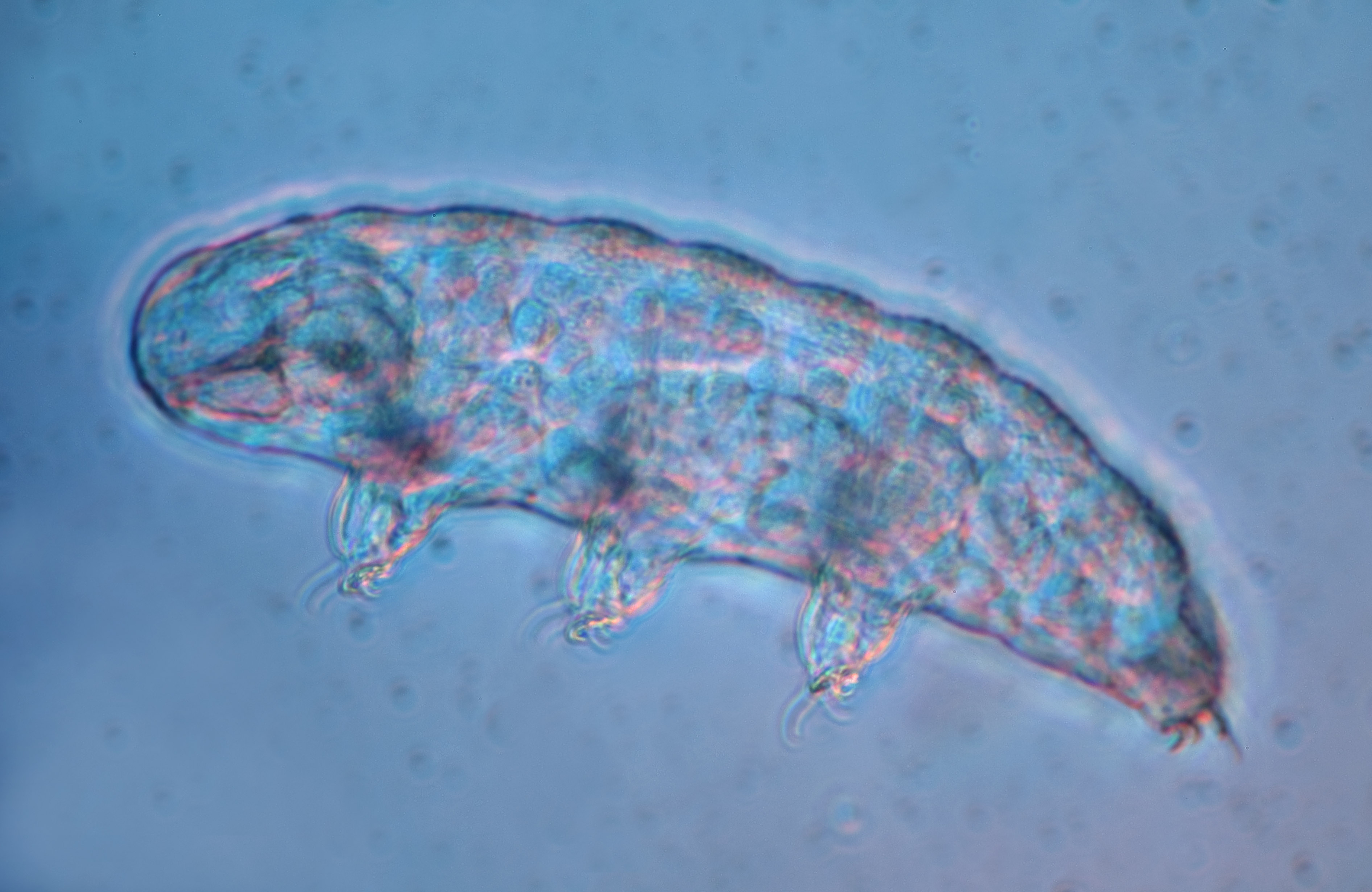
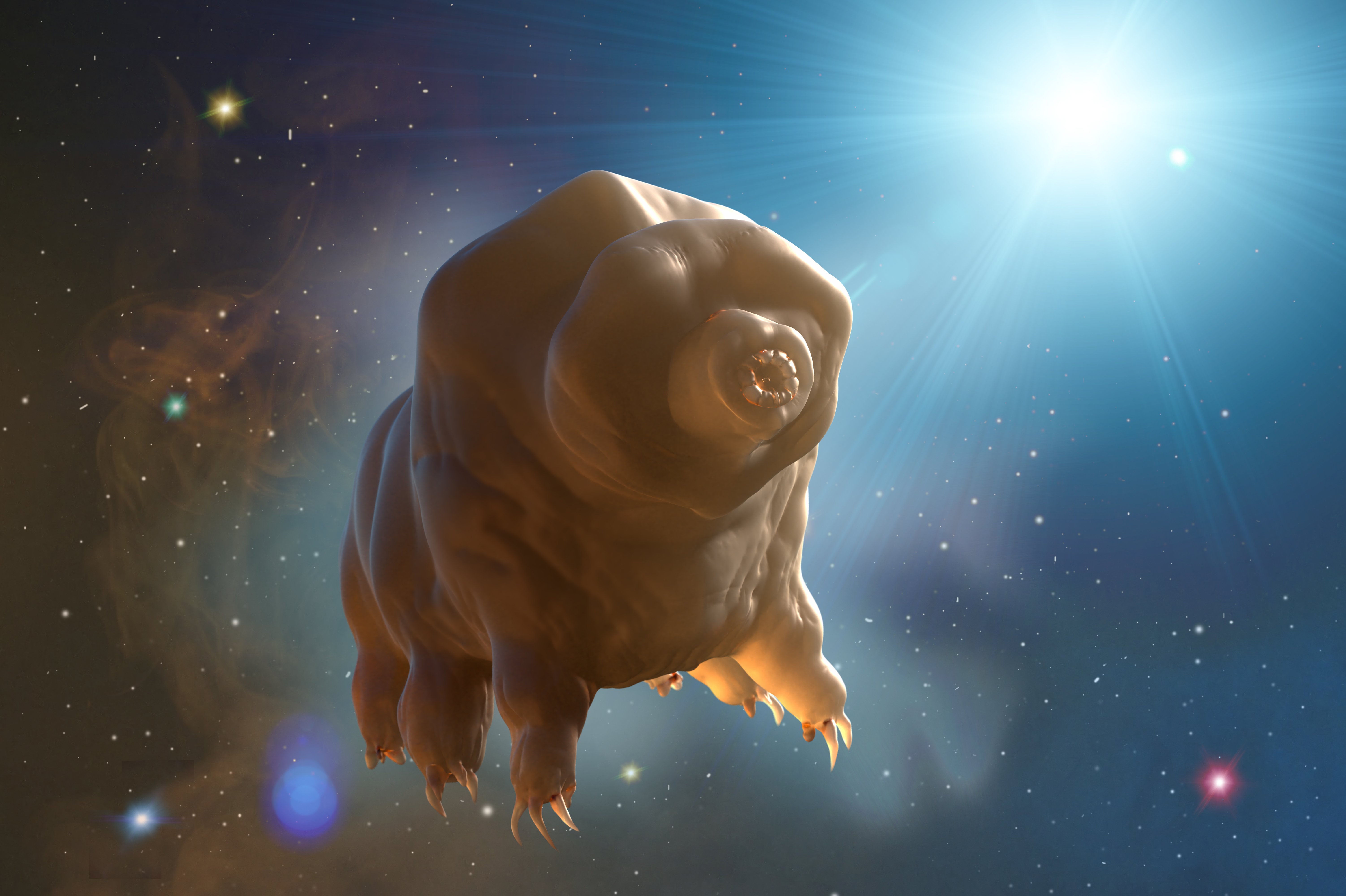
Beneath a microscope, tiny tardigrades look like water bears.
Although they are commonly found in water – and at times, serving as the nemesis in Ant-Man and the Wasp – tardigrades are known for their ability to survive and even thrive in the most extreme environments.
"Tardigrades are a group of microscopic animals that are renowned for their ability to survive a number of extreme stresses," said Thomas Boothby, assistant professor of molecular biology at the University of Wyoming and principal investigator for Cell Science-04 tardigrade experiment, in a press conference today.
"Some of the things that tardigrades can survive include being dried out, being frozen and being heated up past the boiling point of water.
"They can survive thousands of times as much radiation as we can and they can go for days or weeks with little or no oxygen."
They can tolerate these extremes better than most forms of life, and what's more extreme than space?
It's not the first time tardigrades have gone to space – and there may even be some of them on the moon after a mission carrying them crashed into its surface.
"They've been shown to survive and reproduce during spaceflight, and can even survive prolonged exposure to the vacuum of outer space," Professor Boothby said.
Scientists have been able to sequence the tardigrade genome, so they can actually measure how these microscopic animals are impacted by different environmental conditions based on their gene expression.
READ MORE: Stunning video shows how a star is born
Professor Boothby's experiment is designed to see how tardigrades adapt to life in low-Earth orbit, which could lead to a greater understanding of the stressors humans face in space.
The research involves studying the molecular biology of water bears both for the short-term, such as water bears that live on the station for seven days to see their immediate adaptation, as well as long-term.
These multigenerational water bears could help scientists understand the genetics behind adaptation and survival in a highly stressful environment.
Even though the space station is more protective than existing in deep space, humans and animal experiments aboard are subjected to decreased gravity and increased radiation exposure.
"Understanding how to safeguard astronauts and other organisms against these stresses will be essential for ensuring a safe and productive long-term space presence," Professor Boothby said.
The tardigrades will arrive on the station in a frozen inanimate state, then be thawed out, revived and grown in a special bio-culture system.
The short- and long-term study results should allow researchers to watch what genes are being turned on or off to help the tardigrades survive.
For example, if researchers determine that tardigrades are producing a lot of antioxidants to help combat the level of radiation they're experiencing, that could tell researchers that astronauts need to eat a more antioxidant-enriched diet.
"Ultimately this information will give us insights into how one of the toughest organisms on Earth is able to survive the rigours of spaceflight," Professor Boothby said.
"Our hope is that these insights will provide avenues for developing countermeasures or therapies that will help safeguard astronauts during prolonged space missions."
READ MORE: Moment fox snatches permission slip from girl's hand caught on video
Celestial umami
Astronauts are about to experience a little bit of umami in space, just not the kind they can taste.
The UMAMI experiment stands for Understanding Microgravity on Animal Microbe Interactions and Jamie Foster, professor in the Department of Microbiology and Cell Science at the University of Florida, is its principal investigator.
She's eager to see how healthy beneficial microbes communicate with animal tissues in space.
"Animals, including humans, rely on our microbes to maintain a healthy digestive and immune system," Professor Foster said.
"We do not fully understand how spaceflight alters these beneficial interactions.
"The UMAMI experiment uses a glow-in-the-dark bobtail squid to address these important issues in animal health."
Bobtail squid, which are only about three millimetres long, work as the perfect model to study this for two reasons.
These squid have a special light organ inside the body which can be colonised by a species of luminescent bacteria.
The squid can then use that bacteria to glow in the dark.
Because it's a single species of bacteria and one type of host tissue, it's easy for researchers to follow how this process unfolds, Professor Foster said.
The squid also have an immune system which is very similar to the type that humans have.
READ MORE: Space tourism a step closer as rocket-powered plane launches
"We can take a lot of parallels of how the immune system is responding to these beneficial microbes in the space environment," Professor Foster said.
The squid are born without bacteria, so they have to acquire it from their environment.
The humans conducting the experiment will initiate this symbiosis by adding the bacteria to the animals and observing what happens during the first few hours as colonisation takes place.
The squid will be part of a completely autonomous experiment housed in what looks like a box.
Pumps will add water or bacteria when its needed, or pump out water if necessary.
The squid tissue will be frozen on the station and returned to Earth later, preserving the molecular timeline of which genes turned off and on for the squid, similar to the tardigrade experiment.
Researchers will be able to learn if spaceflight alters the mutually beneficial relationship between animals and their microbes.
"As astronauts explore space, they're taking with them a company of different microbial species," Professor Foster said.
"It's really important to understand how those microbes, collectively called the microbiome, change in the space environment and how those relationships are established."
Panic buying in Victoria as entire state prepares for lockdown
As Victoria is plunged into yet another coronavirus lockdown, supermarket shelves are being stripped bare once again.
There are empty shelves where the toilet paper should be at a Coles in Bentleigh, in Melbourne's east.
The first signs of panic buying, as it became known throughout the pandemic, appeared yesterday across the city with concerned residents buying supplies in anticipation of another lockdown.
LIVE UPDATES: Five reasons to leave home; WA imposes hard border
READ MORE: Victoria to enter seven-day lockdown from midnight tonight
https://twitter.com/IzaStaskowski/status/1397729358928695298
These fears were realised today when Victoria recorded a dozen more COVID-19 cases overnight, taking the cluster to 26.
To deal with the outbreak the entire state will enter a "circuit breaker" lockdown for seven days.
Acting Victoria Premier James Merlino implored Victorians to stop panic-buying.
"There is absolutely no reason to panic buy," Mr Merlino said.
"Everything we need, in terms of our goods and services on the supermarket shelves is there.
"There is absolutely no reason to panic buy. Please don't do it."
EXPLAINED: What you can and can't do for the next week in Victoria
There will be five reasons to leave the house during that week. These are: shopping for food and supplies, authorised work, care and caregiving, exercise with one other person for up to two hours, and getting vaccinated.
READ MORE: Victoria opens vaccination to anyone aged 40 and over as outbreak worsens
At least eight dead in California railyard shooting
A gunman has opened fire at a public transport railyard in San Jose, California, killing at least eight people and wounding others, authorities said.
The male suspect, an employee of the Valley Transportation Authority (VTA), is dead, Deputy Russell Davis of the Santa Clara County Sheriff's Office said.
Police also received information about explosive devices inside the transit building, and the bomb squad is investigating, he said.
READ MORE: No licence, no background check needed for handguns in Texas
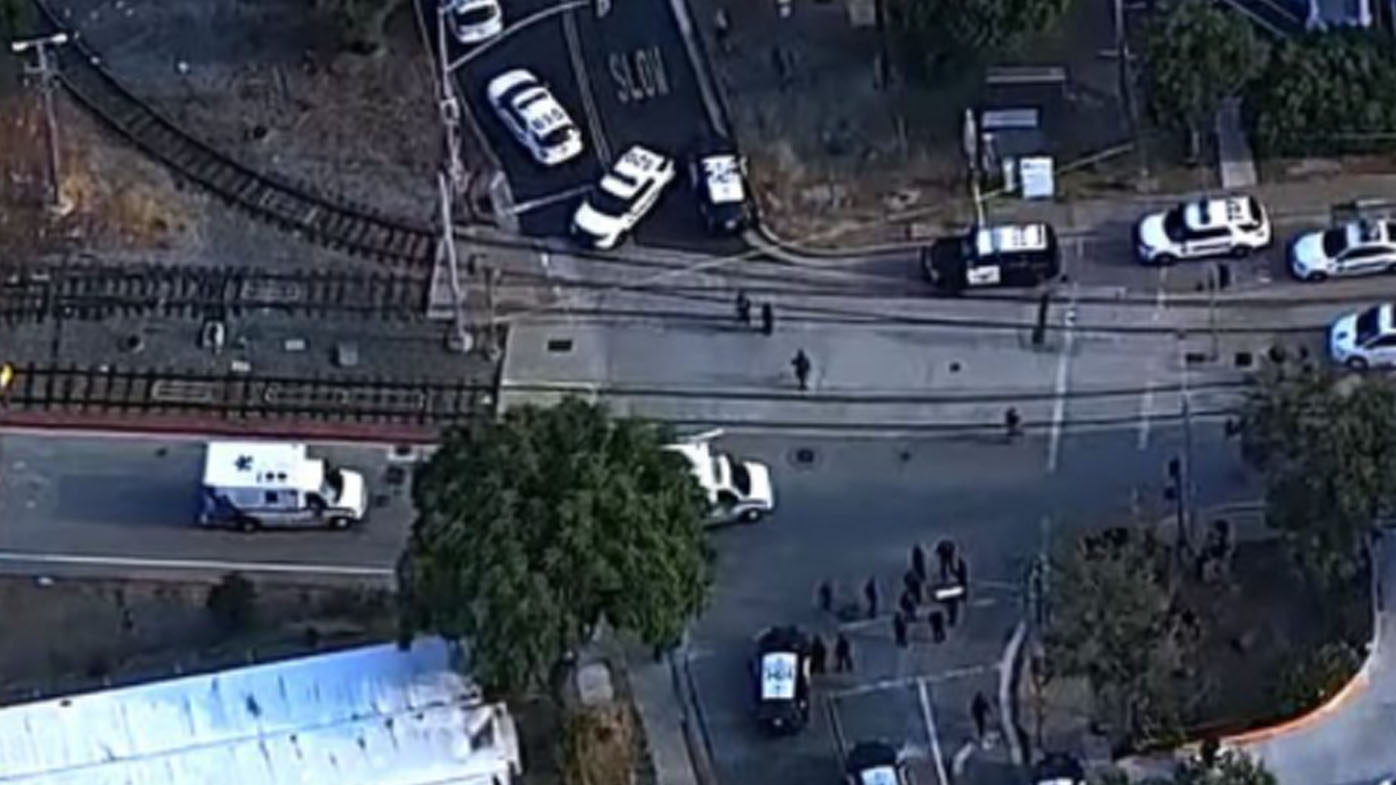

Authorities received 911 calls at about 6.34am on Wednesday (local time) saying there were shots fired near a VTA control centre, a hub that stores multiple light rail trains and a maintenance yard, Mr Davis said.
VTA employees were among the victims. Multiple law enforcement agencies and Fire Department personnel responded to the incident using their "active shooter protocol," Mr Davis said.
"While shots were still being fired, our teams were entering the building," Santa Clara County Sheriff Laurie Smith said.
https://twitter.com/SJPDChief_Mata/status/1397587856953024513?ref_src=twsrc%5Etfw
VTA Board Chairperson Glenn Hendricks said the shooting occurred in the rail yard – not the operations control centre – at a time when light rail was starting up for the day. The yard is where the VTA vehicles are maintained and dispatched.
"A horrible tragedy has happened today, and our thoughts and love goes out to the VTA family, the organisation and what they've had to go through," Mr Hendricks said.
There are multiple active scenes connected to the investigation into the shooting, according to San Jose Fire spokeswoman Erica Ray.
Overhead video of the VTA rail yard shows a large law enforcement presence on the scene as well as several ambulances.
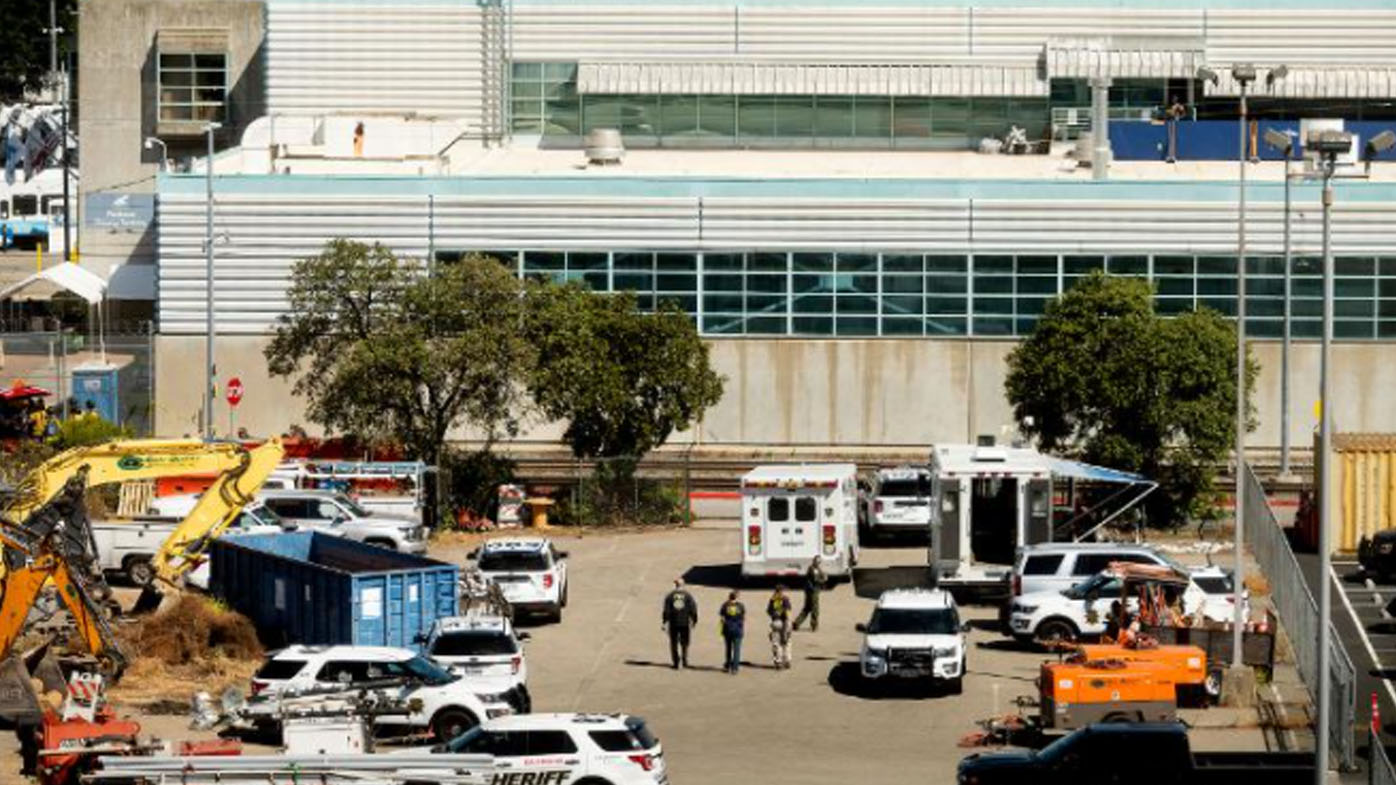
San Jose Mayor Sam Liccardo, referred to the shooting as a very dark moment for the city.
"This is a horrific day for our city, it's a tragic day for our VTA family," Mr Liccardo said. "We know that so many are feeling deeply this loss of their loved ones and their friends."
Blood supermoon: Spectacular display wows stargazers around the country
Stargazers nationwide are still buzzing about the spectacular blood supermoon event they were treated to overnight. A clear night sky provided perfect conditions for those who stayed up late to catch the once-in-a-lifetime event,…
Waikato DHB cyber attack: Some new cancer patients still to be identified
From RNZ Waikato District Health Board continues to be in the grip of a massive cyber attack and says its key focus is on cancer patients receiving radiation treatment.A high level government team, the Officials Committee for…
Biden says not enough information to rule out lab leak theory
US President Joe Biden has asked the US intelligence community to "redouble" its efforts to investigate the origins of the COVID-19 pandemic.
He said there was insufficient evidence to conclude "whether it emerged from human contact with an infected animal or from a laboratory accident."
Biden, in a statement released on Wednesday (Thursday AEST) said the majority of the intelligence community "do not believe there is sufficient information to assess one to be more likely than the other."
READ MORE: Biden to meet Putin for Geneva summit amid US-Russia tension

He directed US national laboratories to assist with the investigation and called on China to cooperate with international probes into the origins of the pandemic.
"The United States will also keep working with like-minded partners around the world to press China to participate in a full, transparent, evidence-based international investigation and to provide access to all relevant data and evidence," he said.
Mr Biden held out the possibility that a firm conclusion may never be known, given the Chinese government's refusal to fully cooperate with international investigations.
"The failure to get our inspectors on the ground in those early months will always hamper any investigation into the origin of COVID-19," he added.
More to come.