Tag Archives: oceania

'The snakes will follow': Ominous sequel to mouse plague

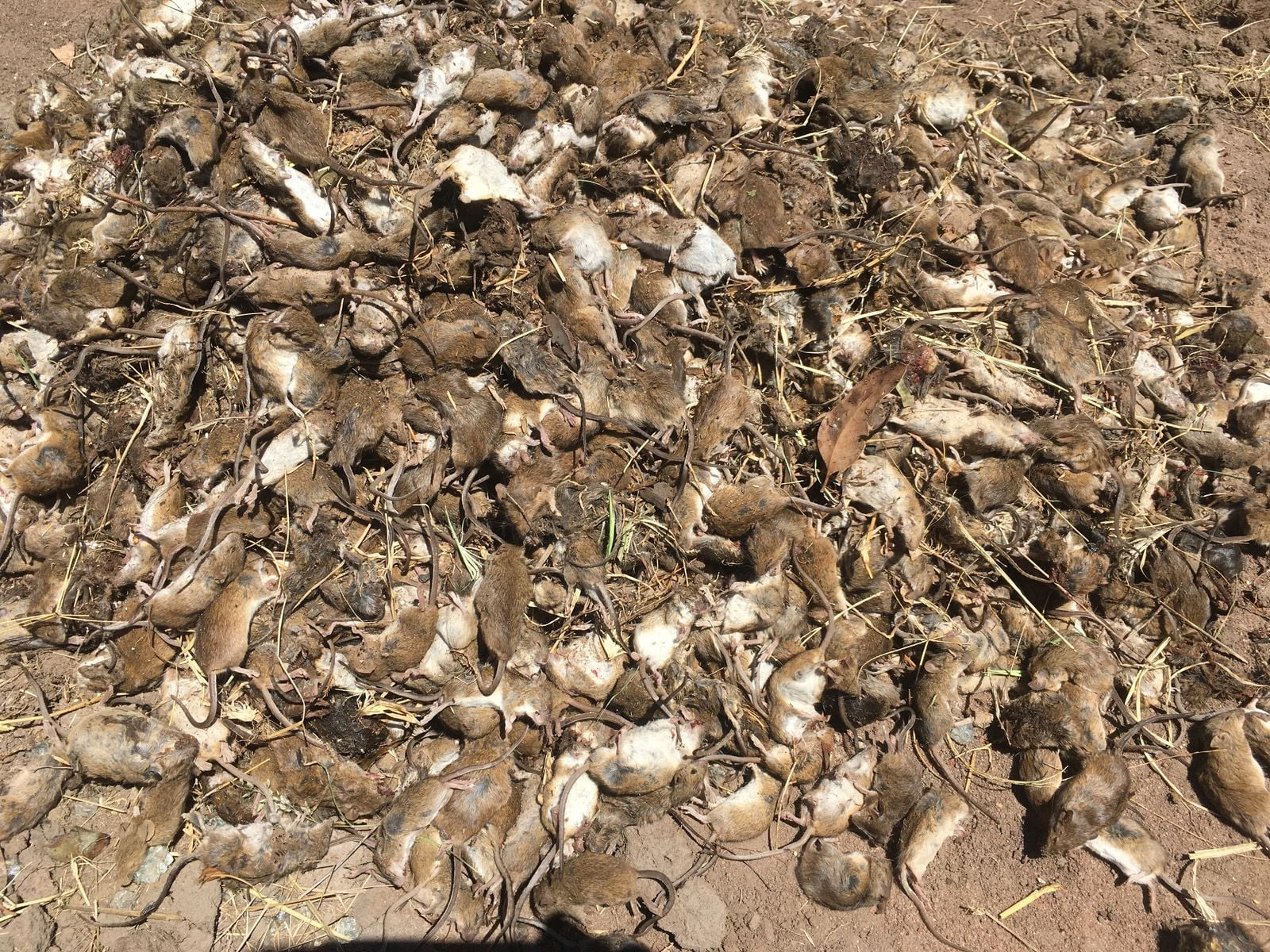
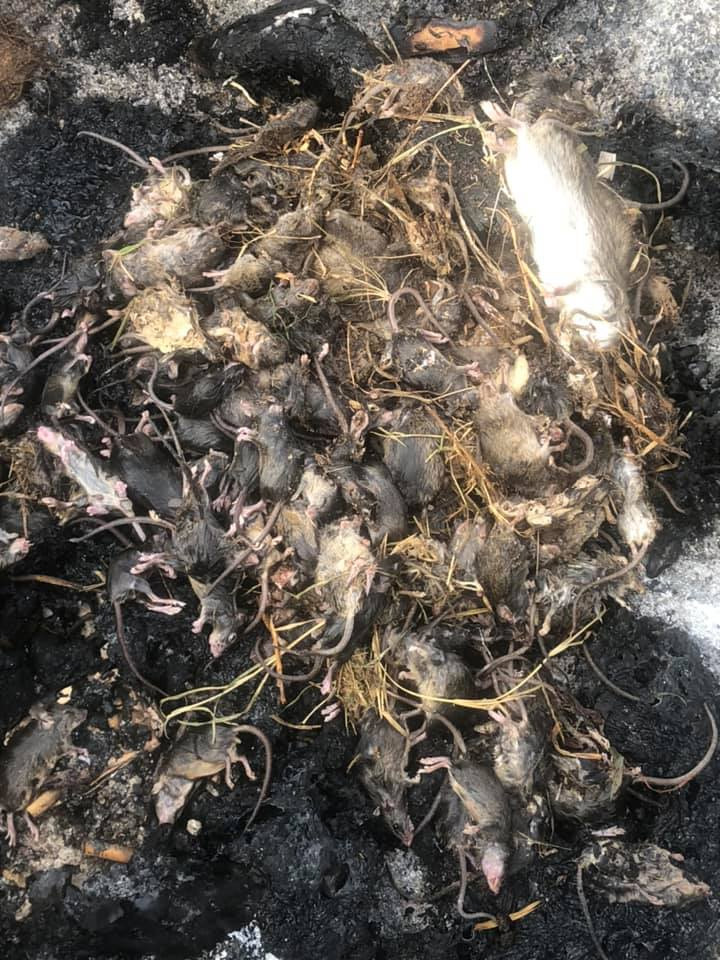
As the mouse plague continues to ravage western New South Wales, pest control experts have played down fears the rodents could roll over the mountains to Sydney – but there's an ominous warning about what might come next.

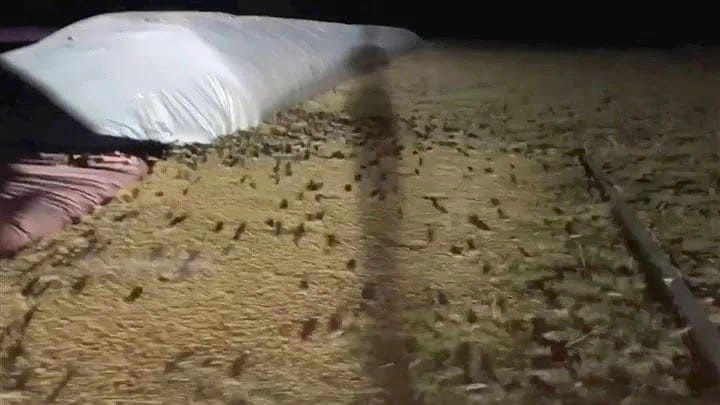
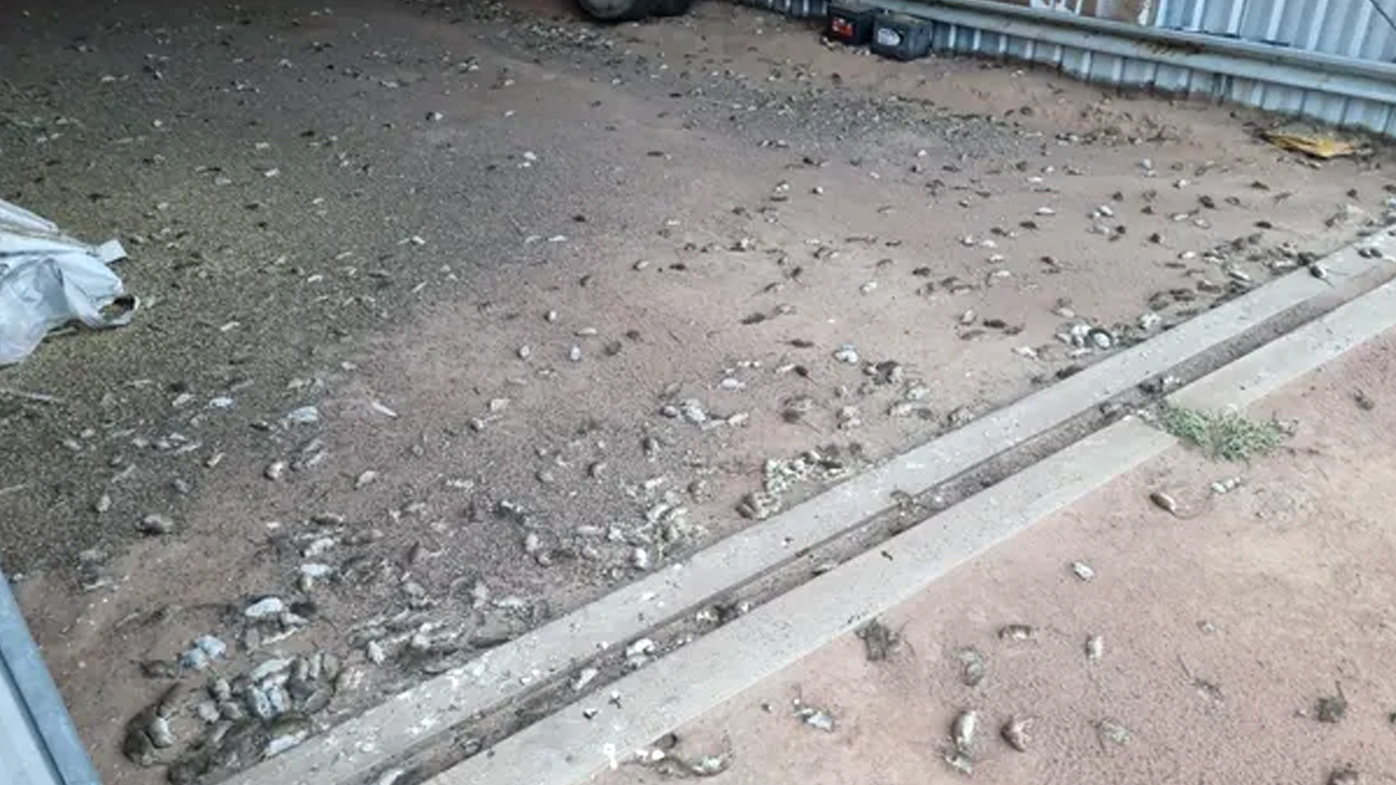
Footage of the mega-mischiefs of mice tearing through crops and infesting homes and vehicles in rural NSW have made headlines worldwide.

Farmers have estimated their losses of fodder and stored grain as worth up to $150,000 apiece, an especially hard blow coming as it did on the back of the best crop many have had for years after an extended drought.

A $50 million support package has been pledged by the NSW Government to help combat the mouse plague, which has seen some farmer's crop devastated.Favourable conditions that led to a bumper harvest are thought to be the same conditions that helped mouse populations thrive.

READ MORE: Winter may sound death knell for giant NSW mouse plague

There have been reports the mouse plague could continue pressing on, eventually even reaching Sydney after hitching a ride on food trucks.

However, Pestworks spokeswoman Anna told nine.com.au it was unlikely to be the case.

"This time of year, we do treat more rodent infestations," she said.

"But it spikes because it's a seasonal thing, they are coming indoors for warmth. I don't think there's a correlation."

Gerard Dallow from Sydney-based Micropest told nine.com.au that he had previously worked in South Australia's wheat belt area, where mouse infestations were a more frequent occurrence.

READ MORE: Farmers to get access to free poison to tackle mouse plague

"This is fairly normal for South Australia, it doesn't happen so much in NSW," he said.

"The mice aren't likely to leave the food sources and head into the city."

He said mouse numbers in regional NSW were likely to take a hit during winter – and come summer-time, the mice would turn from predators to prey.

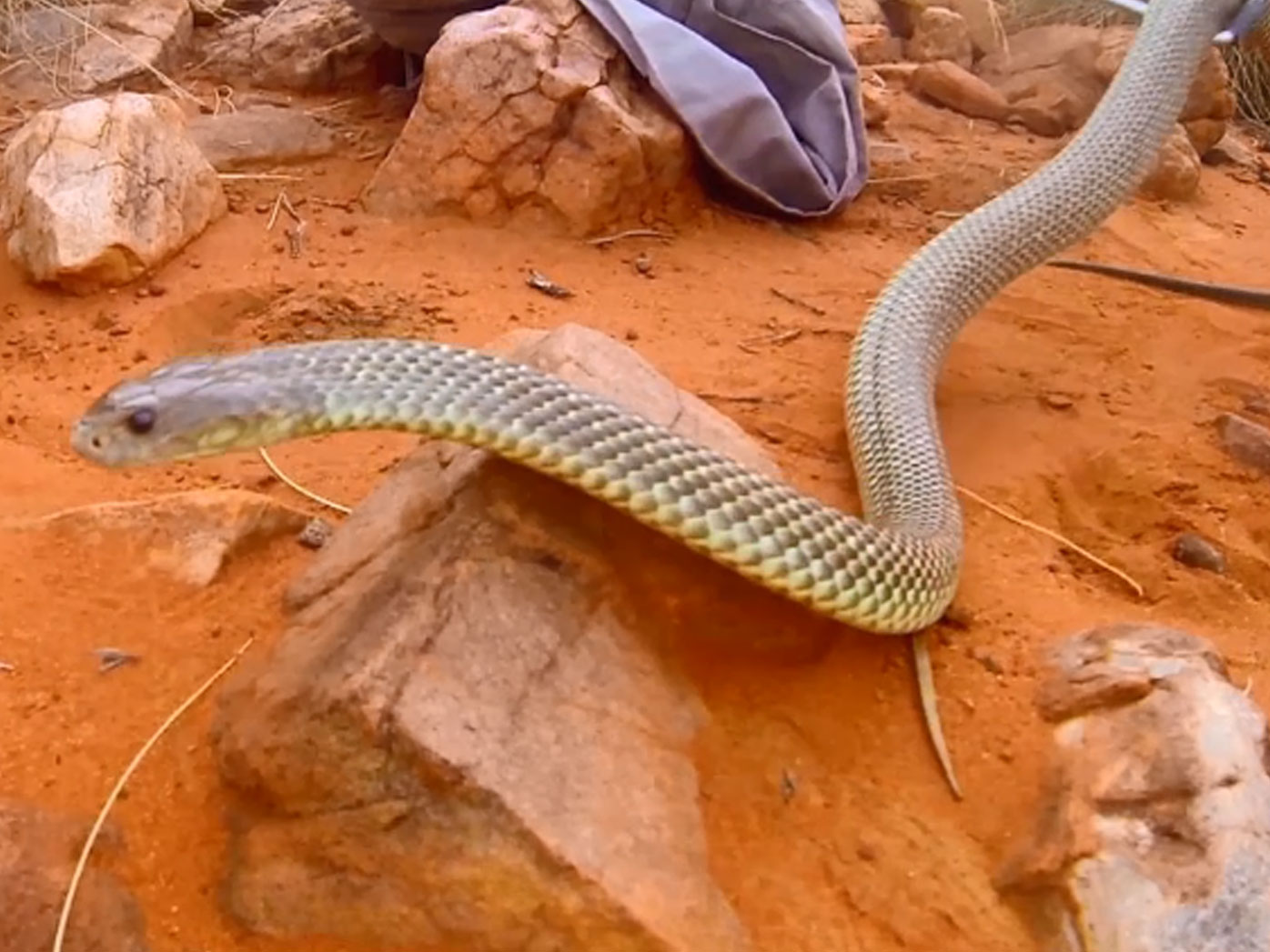
"After the mice, the snakes will follow," he said.

Essentially, a plague of snakes is set to follow the plague of mice.

Snakes are of course less damaging to crops and homes, but could still be a cause for concern for people.

Professor Karl Vernes, a senior lecturer in mammal ecology and conservation at the University of New England, previously told nine.com.au the mouse population was likely to diminish during colder months, but that it was "hard to know" when the plague would end.

"Mice are driven by the same constraints as other animals – food, shelter and resources," Professor Vernes said.

"If those things are there they will go on breeding."

Nine.com.au has contacted the CSIRO for comment.

Relief from 'scourge' mouse plague on the way for NSW farmers

Regional areas in NSW badly affected by the mouse plague will soon receive some relief, as the state government prepares to roll out 20 grain treatment sites.

Pending approval from the Australian Pesticides and Veterinary Medicines Authority (APVMA) for the use of bromadiolone around crops, the sites will use perimeter baiting in combination with zinc phosphide.

Bromadiolone is a rodenticide that has been specially manufactured to kill rats and mice.

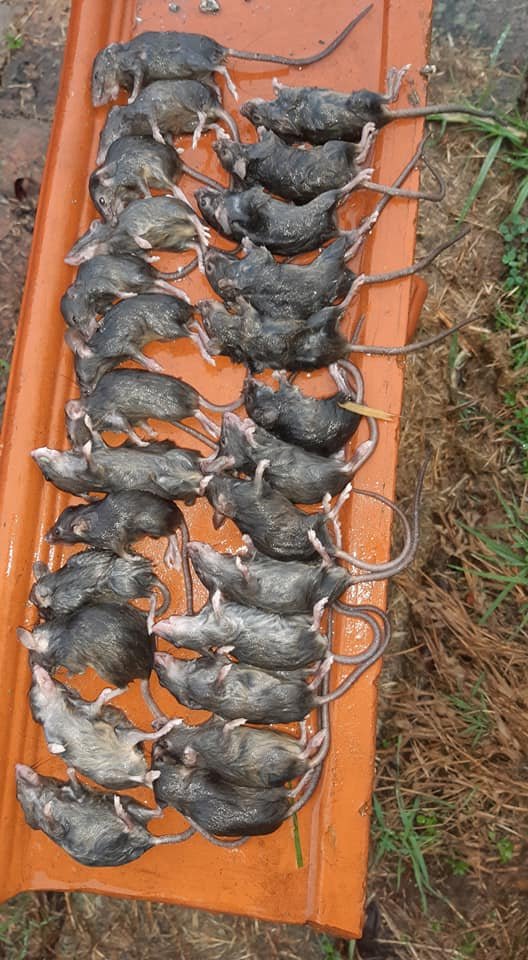
READ MORE: Thousands of mice captured in giant water trap on NSW farm

Desperate farmers are begging the government for assistance as a mouse plague across the NSW Central-West continues to rage on. Millions of rodents are invading schools, homes, and farms - and wiping out crops.

The substance works by disrupting the recycling of vitamin K, which prevents the animal's blood from clotting.

It can be lethal from just one day's feeding and is toxic to all mammals.

Minister for Agriculture Adam Marshall said farmers desperate for some respite from the pests will be able to have their grain treated for free and those living in the worst affected regions will be prioritised.

"Instead of the initially suggested eight to 10 sites, we've now made our grain treatment even easier for farmers to access and doubled that number to 20," Mr Marshall said.

"These mice are a scourge on our regional communities, but these 20 sites will be strategically located throughout the state's most affected areas, from Warialda to Jerilderie, and Condo to Scone, to help ease the burden.

"When I'm on the ground talking to farmers, they tell me they need additional weapons against this pest and bromadiolone will help achieve that alongside zinc phosphide."

However, Mr Marshall warned that the scheme is still "entirely up to APVMA approval".

READ MORE: Rat's nest found in engine after car fire

Favourable conditions that led to a bumper harvest are thought to be the same conditions that helped mouse populations thrive.

If given the green light, the program will be rolled out "in a matter of days", he added.

"We have already secured 5,000 locally-sourced litres of bromadiolone, with an additional 5,000 litres arriving from overseas in the coming days, so our certified staff will be ready to start treating grain completely free of charge for farmers."

There have even been reports of hospital patients in regional New South Wales being bitten by mice as the horror rodent plague escalates.

High priority site locations include Condobolin, Coonabarabran, Coonamble, Dubbo, Forbes, Gunnedah, Holbrook, Inverell, Jerilderie, Merriwa, Moree, Mudgee, Narrabri, Narrandera, Nyngan, Scone, Tamworth, Wagga Wagga, Walgett and Warialda.

Farmers can register for grain treatment at www.lls.nsw.gov.au/mice or by calling their nearest Local Land Services office.

Sites will operate in rotation and by appointment to ensure safe chemical handling and access for staff and customers.

India sees 'rapid increase' in virus-related 'black fungus'

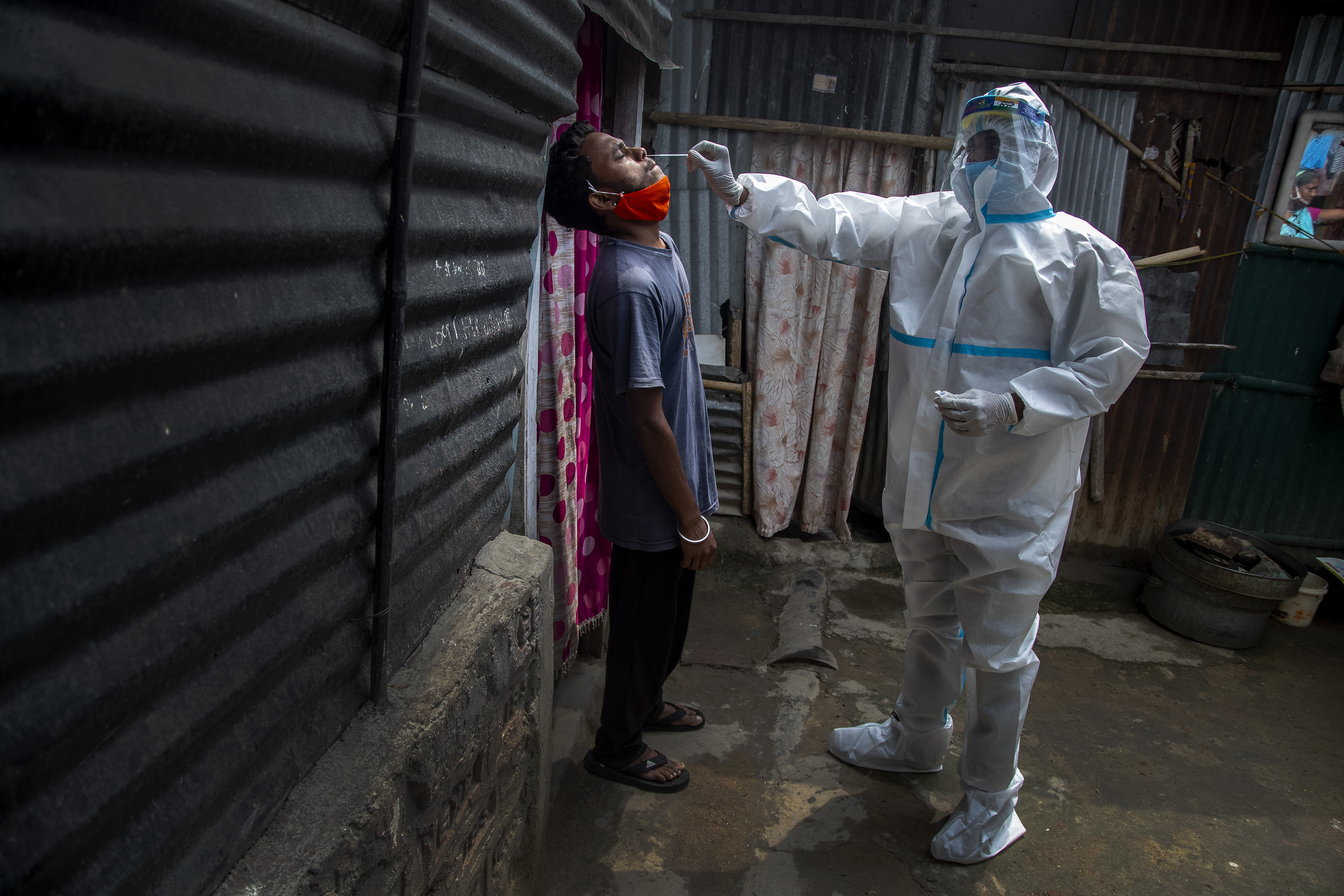
Several Indian states are facing shortages of a drug used to treat black fungus, a rare and potentially fatal infection that is increasingly being detected in COVID-19 patients, health authorities in the country have warned.

The infection, known by doctors as mucormycosis, had been seen in India before the pandemic, but cases are mounting rapidly in coronavirus patients and those who have recently recovered.

It is caused by mould found in wet environments and can attack the respiratory tract, particularly of those with compromised immune systems.

READ MORE: Brother of Aussie who died from COVID-19 in India 'devastated'

india

At least 90 people have died of black fungus in the western state of Maharashtra, which includes the bustling financial centre Mumbai and has been hit hard by the pandemic, said the state's health minister Rajesh Tope on Wednesday.

At least 800 people are currently hospitalised with the infection.

READ MORE: Australian cricketers touch down in Sydney after leaving India

Some 2000 cases have so far been recorded, according to local health officials.

"We are now getting 100 cases daily on average," Dr Tatyarao Lahane, a senior state health official, told CNN.

The state of Rajasthan, which has also reported cases of black fungus, has declared it an epidemic and a "notifiable disease".

Two other states, Haryana and Telangana, have also declared it a notifiable disease, to be reported to the central Indian government.

india

Some 115 cases were found in Haryana and at least 150 in Telangana, according to state officials.

Black fungus cases have also been found in New Delhi, according to Padma Srivastava, head of the department of neurology at the All India Institute Of Medical Sciences in the capital.

READ MORE: Wealthy Indians shut out of Maldives as COVID-19 cases surge

"Every single day in emergency it is average 20 and above (cases reported)," Mr Srivastava told local media, adding a separate ward had been created for black fungus patients at the hospital.

Supplies of the antifungal drug amphotericin B are now arriving in Maharashtra, but there had been an initial shortage as such case numbers had not been anticipated, said Dr Lahane, the state official.

India COVID

The state ordered 100,000 vials of amphotericin B last week, according to Mr Tope.

"There are very few districts where there aren't patients (with black fungus)," Mr Tope said, as people across several states, including Uttar Pradesh, Maydhya Pradesh, Delhi and Telangana, appealed for supply of the drug.

In Gujarat, a western state north of Maharashtra, the High Court issued an order on Monday warning of "the rapid increase in the cases of flesh-eating black fungal infection called 'mucormycosis'".

"The shortage of injections being administered for the said disease and the cost of its treatment are also the issues which deserve to be seriously and immediately considered by the State," the order said.

Following the announcement, Gujarat's state government said it had put purchase orders in for 100,000 vials of liposomal amphotericin B injections used to treat the infection.

India's Ministry of Chemicals and Fertilisers said in a statement on Tuesday that there was a sudden surge in demand for the drug, which is manufactured domestically, adding that "the Government is committed to making all possible and necessary efforts to make it available to needy patients… the shortage is expected to get resolved at the earliest".

Doctors and medical experts say mucormycosis seems to be infecting some COVID-19 patients whose immune systems have been weakened by the virus or who have underlying conditions, like diabetes.

Some have also said that the infections may be linked to humidifiers used in delivering oxygen to COVID patients.

India COVID

The infection is caused by a fungus called mucor, which is found on wet surfaces, VK Paul, head of India's COVID-19 task force, said on May 14.

"If someone has a disease or takes medication which suppresses the immune system or is exposed to wet surfaces they can contract the disease… (for COVID-19) we are using drugs which suppress our immune system… when COVID-19 patients receive oxygen which has a humidifier which has water collection which can increase the tendency of the fungus," Mr Paul added.

Australia set to shiver through more cold nights as cold snap lingers

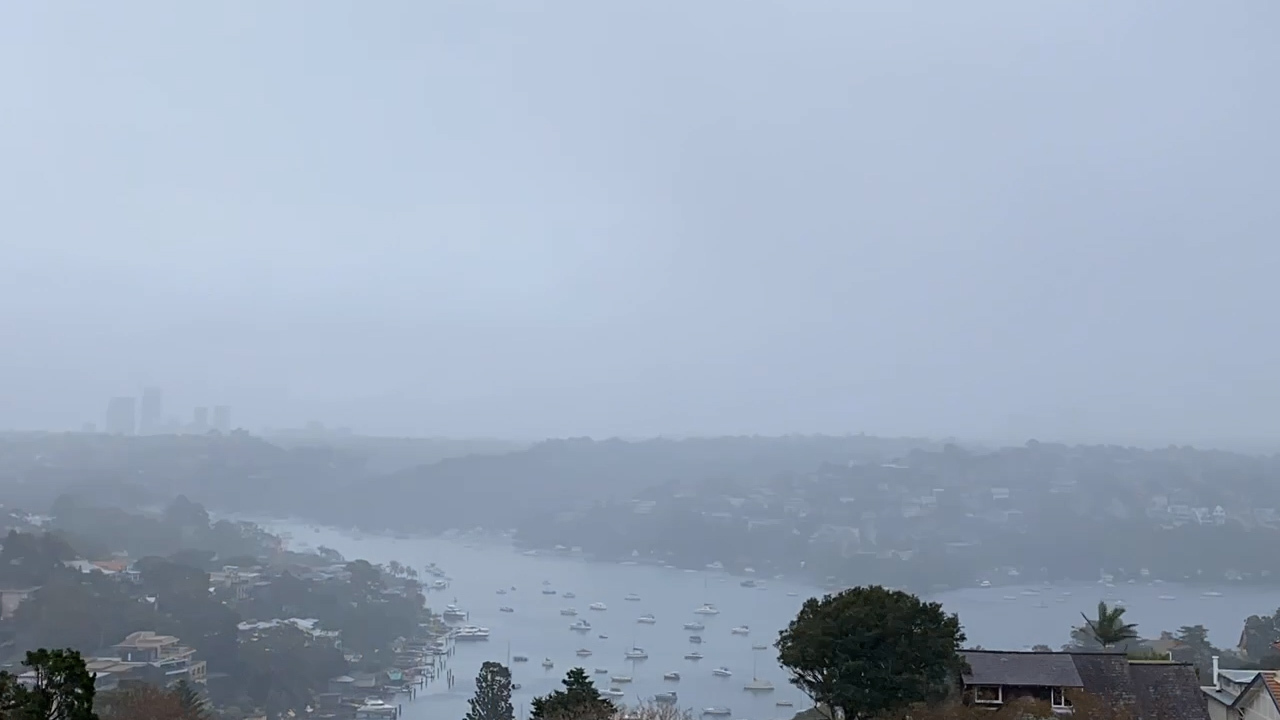
Much of Australia will continue to shiver through a cooler-than-normal May this weekend, with temperatures at night set to remain icy across the board.

There is even the possibility of snow in WA on Sunday.

While highs during the day are expected to warm up regions affected by the recent cold snap, as soon as the sun sets many states will see single-digit lows.

The south-western parts of the nation will cop the brunt of the extreme weather in the coming days, with widespread rain and two cold fronts making their way across WA from tomorrow.

READ MORE: William, Harry condemn BBC over 'deceitful' Diana interview

Much of Australia will continue to shiver through a cooler-than-normal May this weekend, with temperatures at night set to remain icy across the board.

The Bureau of Meteorology has forecast that the second of the cold fronts will make its way across the state on Sunday, bringing with it the coldest weather WA has seen this year.

There is a possibility of snow on Sunday night at Bluff Knoll in WA's Stirling Range.

Elsewhere in the country, NSW is set for a sunny Saturday, and a partly cloudy Sunday.

Yesterday, Sydneysiders woke up to a freezing 9C morning, marking the longest stretch of cold days in May for some 54 years.

A broad high is behind the frosty conditions in the country's southeast this week, causing unusually cold conditions and clear skies, which have remained dry.

Cloudless skies means that heat from the earth's surface effectively evaporates into space at night.

Further south, Melbourne will see minimum temperatures of just 6C tomorrow, but will see sunshine during the day, while in Canberra temperatures are expected to remain cool again, with a minimum of -2C forecast over the weekend.

Queensland is set for some rain, with a downfall expected in most coastal regions over the weekend.

Most of South Australia is expected to see sun over the weekend, with chilly temperatures setting in at night and a high of 23C.

William and Harry condemn BBC over 'deceitful' Diana interview

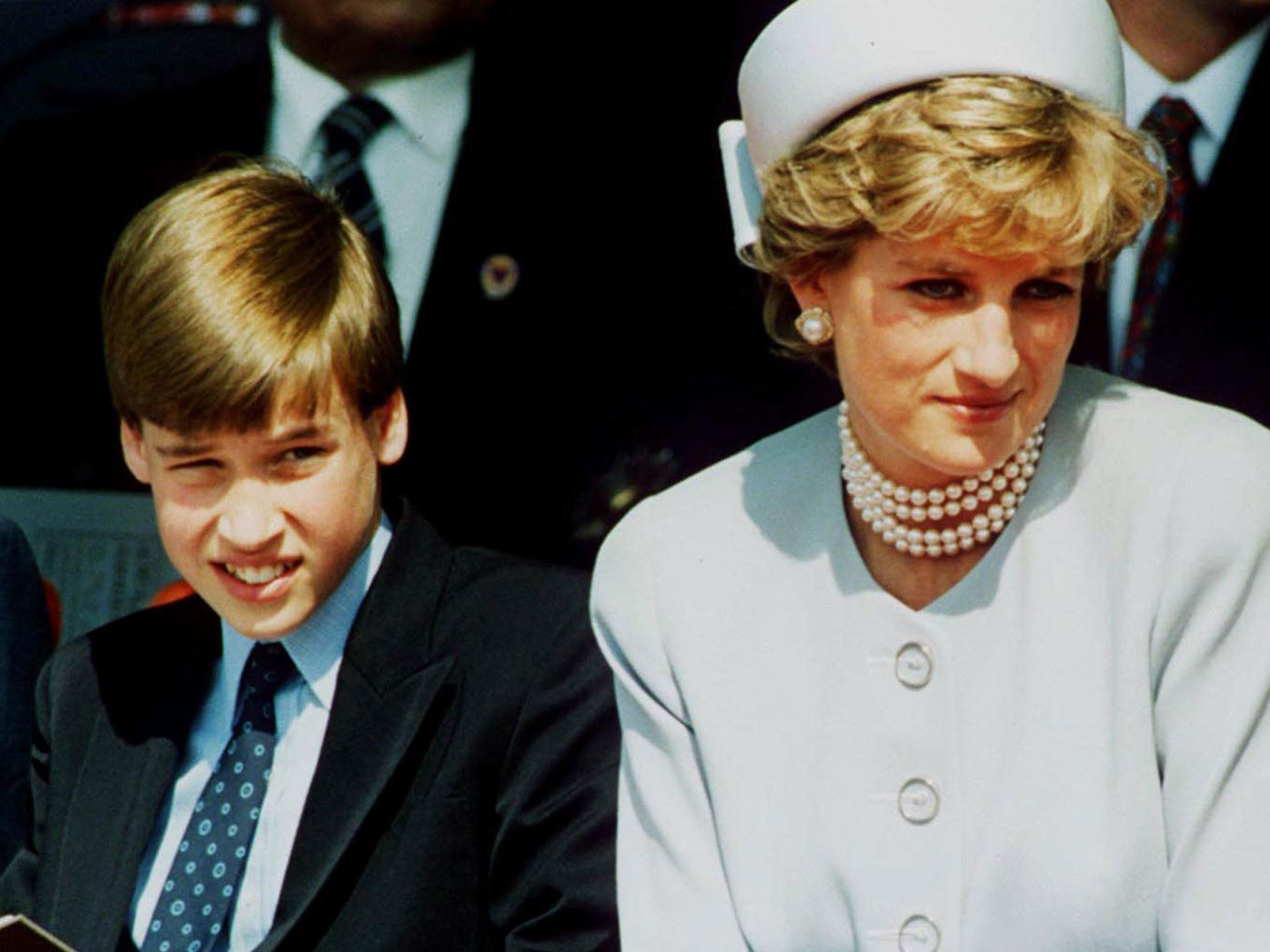
Prince William and his brother Prince Harry have issued strongly worded statements criticising the BBC and British media for unethical practices after an investigation concluded that one of the broadcaster's journalists used "deceitful behaviour" to secure Princess Diana's most explosive TV interview in 1995.

The circumstances surrounding the interview from more than 20 years ago came under scrutiny after Diana's brother, Charles Spencer, made renewed complaints that journalist Martin Bashir used false documents and other dishonest tactics to persuade Diana to agree to the interview.

The BBC appointed a retired senior judge in November to lead an investigation into the matter. On Thursday (local time), a report from the inquiry said Bashir acted in a deceitful way and breached BBC rules by mocking up fake bank statements and showing them to Charles Spencer to gain access to the princess.

READ MORE: Israeli Cabinet approves Gaza ceasefire, local media reports

https://twitter.com/KensingtonRoyal/status/1395484854272335875?ref_src=twsrc%5Etfw

The report also criticised the BBC for covering up what it knew about Bashir's actions, and said the corporation's own probe into the matter fell short of its usual standards of integrity and transparency.

In the interview, a major scoop for Bashir, Diana famously said that "there were three of us in this marriage" — referring to Prince Charles' relationship with Camilla Parker-Bowles. Her candid account of her failing marriage with Charles was watched by millions of people and sent shockwaves through the monarchy.

In his statement, William, 38, alleged that "the deceitful way the interview was obtained substantially influenced what my mother said."

"The interview was a major contribution to making my parents' relationship worse and has since hurt countless others," he said. "It brings indescribable sadness to know that the BBC's failures contributed significantly to her fear, paranoia and isolation that I remember from those final years with her."

READ MORE: Pedestrian dies in south Sydney truck crash

He went on to say that Diana "would have known that she had been deceived" had the BBC properly investigated the concerns first raised in 1995.

Harry went further, saying the issue was bigger than just the BBC – and that "the ripple effect of a culture of exploitation and unethical practices ultimately took her life."

"To those who have taken some form of accountability, thank you for owning it. That is the first step toward justice and truth," he wrote. "Yet what deeply concerns me is that practices like these—and even worse—are still widespread today."

The BBC's chairman, Richard Sharp, said the corporation accepts the investigation's findings, adding "there were unacceptable failures." The broadcaster has written to the royal family to apologise.

Bashir, who was the BBC News religion editor, left the corporation last week on health grounds. The 58-year-old journalist has been seriously unwell with COVID-19-related complications.

READ MORE: Delta Goodrem's stalker denied bail over alleged AVO breach

William and Harry Diana interview

In a statement, he said he deeply regretted faking the bank statements, calling it "a stupid thing to do." But he added that he felt it had "no bearing whatsoever on the personal choice by Princess Diana to take part in the interview."

Mr Spencer alleged Bashir showed him forged bank documents relating to his sister's former private secretary and another former royal household member that falsely suggested the individuals were being paid for keeping the princess under surveillance.

He accused Bashir of using the documents to gain his trust so he would introduce Diana to the journalist. He also alleged that Bashir made up stories about the royal family to strengthen Diana's belief there was a conspiracy against her.

John Birt, director-general of the BBC at the time of the interview, called Bashir a "rogue reporter" who "fabricated an elaborate, detailed but wholly false account of his dealings with Earl Spencer and Princess Diana."

"This is a shocking blot on the BBC's enduring commitment to honest journalism; and it is a matter of the greatest regret that it has taken 25 years for the full truth to emerge," he said.

Martin Bashir attends the Pride Of Britain Awards 2019 at The Grosvenor House Hotel on October 28, 2019 in London

Diana divorced from Charles in 1996 and died in a Paris car crash in 1997 as she was pursued by paparazzi. Charles, the heir to the throne, married Camilla, now the Duchess of Cornwall, in 2005.

"In most organisations, the police would have been called to see if Martin Bashir should have been prosecuted for forgery, and he would have been instantly dismissed for deceit," media lawyer Mark Stephens of law firm Howard Kennedy, who is not involved in the case, said. "Instead, the BBC made him their religious correspondent."

The report released on Thursday means the BBC will be subjected to more public scrutiny, he added.

Stranded dad's heartache: 'She has started forgetting me'

After almost two months stuck in India, even the highlight of Raj Singh's day, a video call with his wife and baby daughter back in Sydney, brings a pang of sadness.

At just four months old, little Zoe is so young her dad has spent almost half her life 10,000kms away, watching her grow up through a video screen.

"She has started forgetting me," he tells 9News.com.au.

READ MORE: Brother of Aussie who died from COVID-19 in India 'devastated'

"Because when I, when I initially came, (when) I used to FaceTime with her, she at least used to look at me and smile or respond.

"But now from the last few weeks, she's stopped even looking at the phone, because I think she pretty much doesn't even remember who I am. So it is very heartbreaking."

Mr Singh is one of more than 11,000 Australians — almost 1000 listed as vulnerable — left stranded by the slamming shut of Australia's borders to a country being torn apart by a coronavirus crisis.

The Morrison government first banned direct flights and then shut out anyone who'd been in India altogether, citing concerns over quarantine facilities being overwhelmed, as the coronavirus crisis in India worsened rapidly at the end of April.

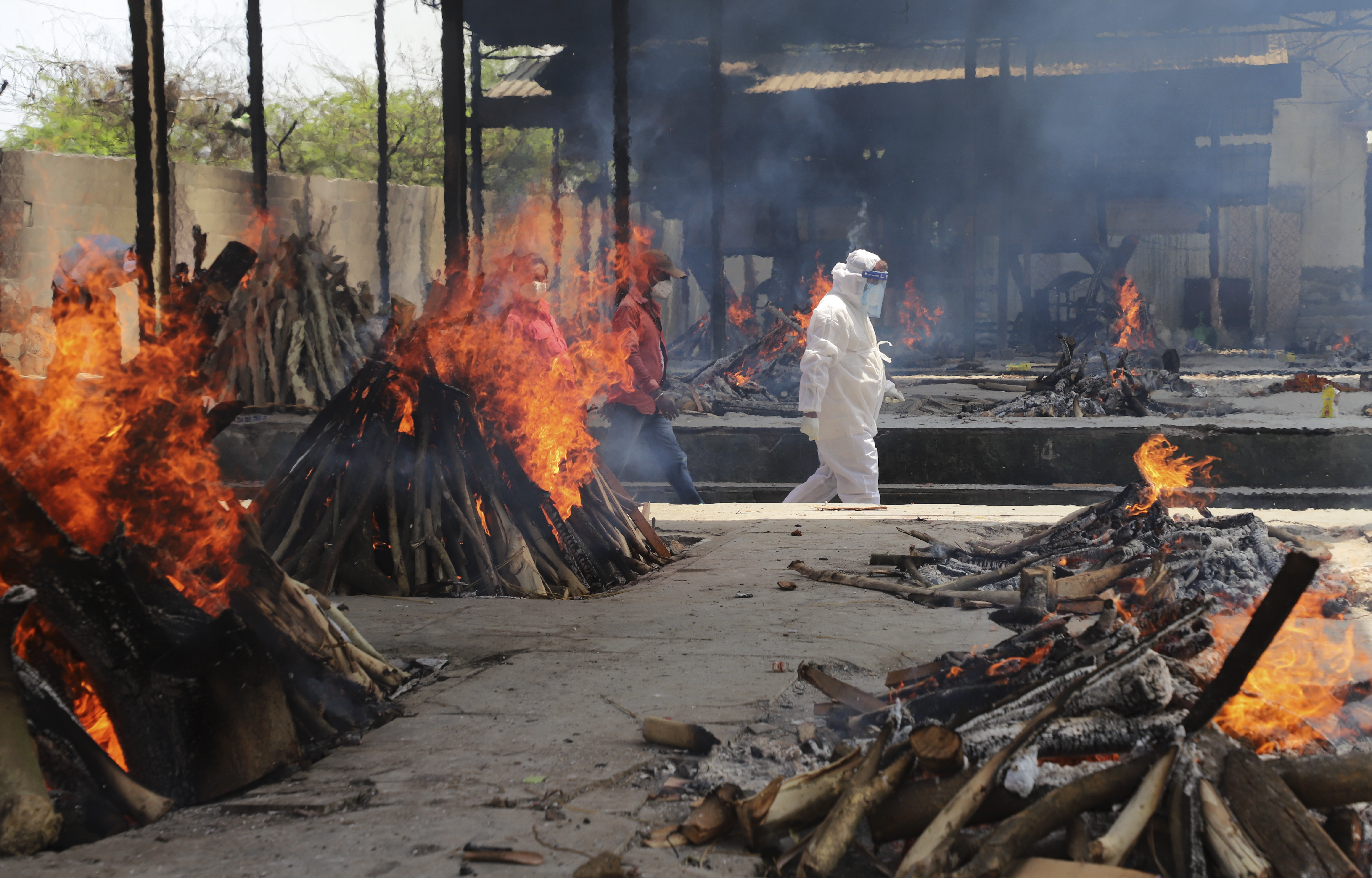
Weeks later, case numbers are falling and the oxygen supply is improving but bodies are still burned en masse and thousands die every day — 4529 confirmed on Wednesday — including two Australian citizens and a permanent resident.
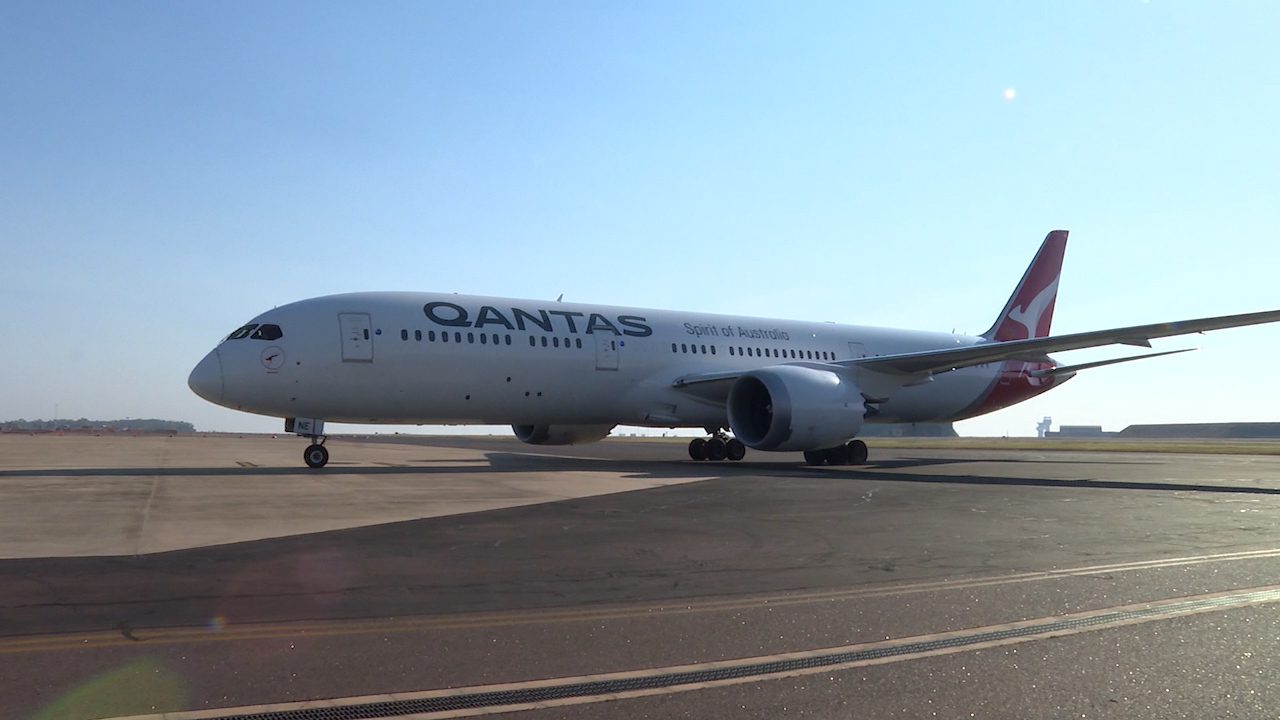
Repatriation flights have recommenced but the first flight left with fewer than 80 passengers and stranded citizens say they have been given little to no indication of when their turn will come. 

READ MORE: India reports record deaths as new cases dip

The next flight leaves New Delhi tomorrow and the Department of Foreign Affairs and Trade told 9News the repatriation missions will "significantly increase" as individual states welcome back citizens, with eight flights due by June 4.

But Australians such as Mr Singh, who flew to India to be with his critically ill father and says a return flight was originally booked for May 7, still fear it will be months before they can return home.

The disability support business owner is doing his best to manage his employees remotely while remaining essentially housebound, scared of infecting his father, who has been left paralysed and vulnerable by the brain haemorrhage that almost killed him.

He sees only two options: wait for a repatriation flight or spend roughly $10,000 for a business class seat, which he's not sure won't be cancelled, on one of the only flights he's been able to find, through Doha. 

"There's no point of lifting the ban when there is no flights," Mr Singh said.

"You know, you can't get out of India … so yes, we are not extending the ban, we have lifted the ban, but if there's no flights, I don't see a point."
Australia India COVID

One thing those stuck in India or with family members there stress — on top of the uncertainty and lack of communication from the Australian High Commission in India — is that the difficulties began before the flight ban was introduced and will continue even as repatriation flights ramp up.

READ MORE: Indian police find bodies on riverbank amid raging COVID-19

Melbourne man Anmol Kapoor flew to Punjab and managed just three days with his father before he died of cancer.

"You don't know if you're gonna see them again, if they're gonna recover or not," he told 9News.com.au from his mother's Punjab home. 

"So I think it's just the moral thing, the right thing to do that you have to be, you have to be next to them."

That was eight months ago, before the coronavirus infected his family one by one.

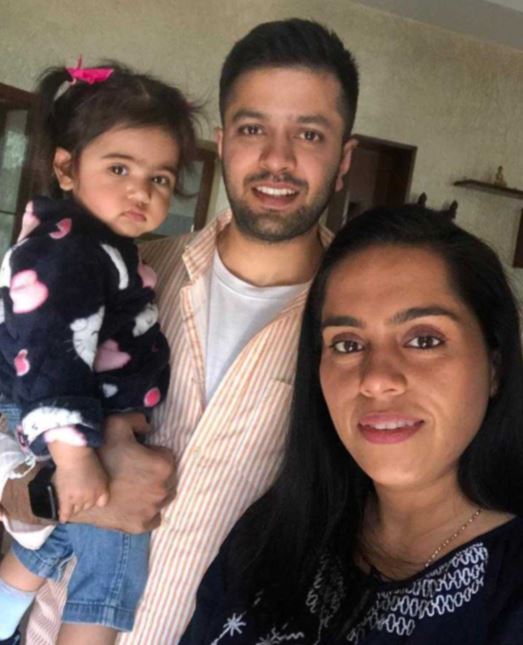
Mr Kapoor, his wife, Megha, and 15-month-old daughter, Meera, have been staying with his mother in Panchkula the whole time.

He's lucky to be able to work remotely but has to get up at 4am to make the time difference work and isn't sure how much longer he can last. 

READ MORE: Powerful cyclone hits land in India amid deadly virus surge
Mr Kapoor says he applied for a visa for his mother, now widowed and alone, but she was rejected as a risk to the community. 

By the time they got the news, flight schedules were erratic, and there were none to Melbourne.

Mr Kapoor says he registered with DFAT but has "lost hope and faith", frustrated by the lack of information but also the way the issue is spoken about back in Australia.

"They keep saying, oh, Indians, the Indians want to come back but they're not Indians. They're Australians.

"Like, I'm an Australian citizen, I've been an Australian citizen for the last, you know, eight, nine years now."

The comparisons with the way major outbreaks in the United States and United Kingdom were handled earlier in the pandemic are easy to make.

India Australia Strategic Alliance chairman Jagvinder Singh Virk, who helped bring back 3000 people from India when the pandemic first struck and has offered to help this time around too, has felt the frustration brewing.

READ MORE: Relief for Aussies on first flight from India
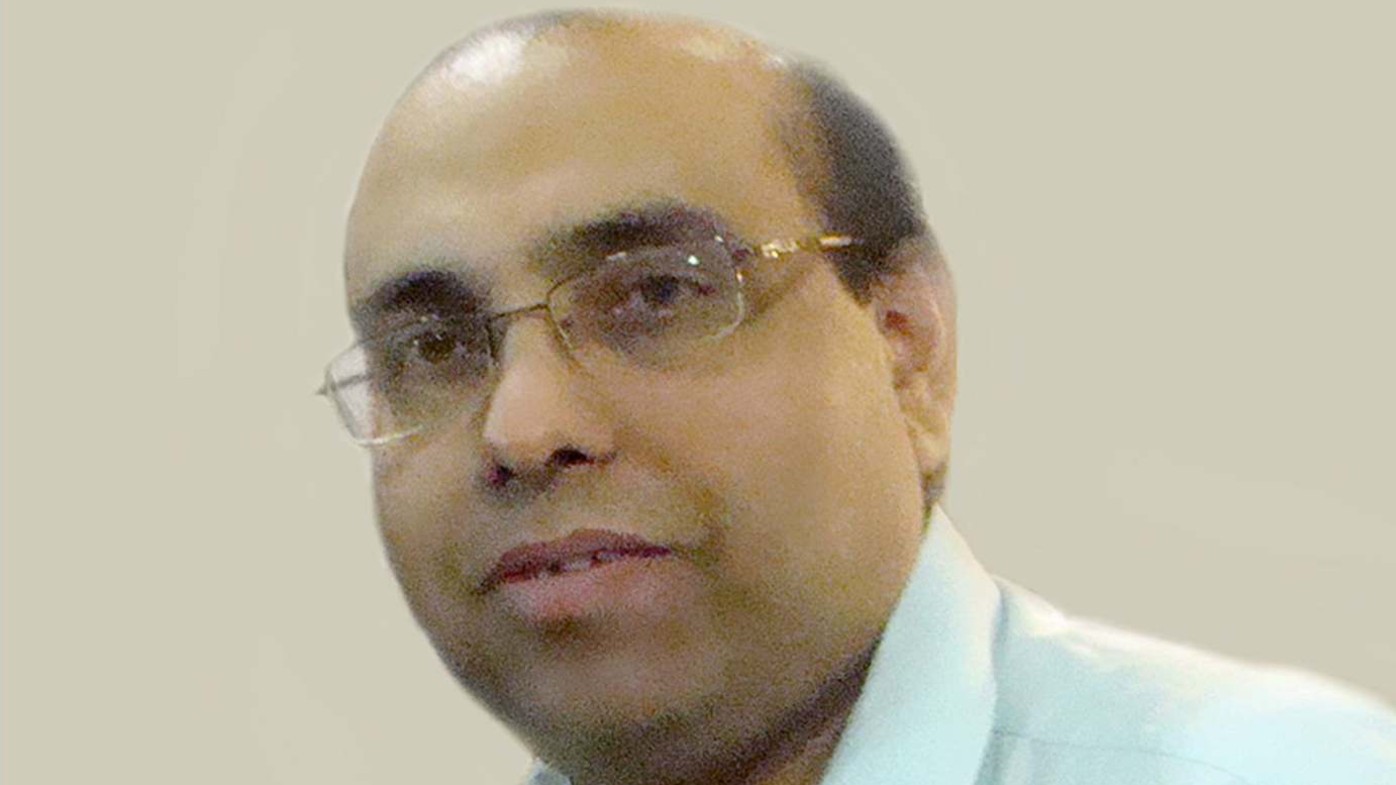
He says there are "hundreds of stories" like these and urged state and federal governments to allow more flights home.  

"If in a week we are bringing only 100 people or 140 people, it will take six months to get our people back," Dr Singh Virk told 9News.com.au.

"And if we are delaying, delaying, I can guarantee you we can lose more people.

"I know we lost three. Maybe if we don't bring people the right time, maybe in a few months we are going to lose 30 people."

DFAT says helping vulnerable Australians overseas is its highest priority and that seats on repatriation flights are made available to citizens registered with the department based on vulnerability.

"New South Wales, Victoria, Queensland, South Australia and Western Australia have also indicated they will assist by receiving passengers from India," it said.

"This support from the states will significantly increase the facilitated commercial flights we will see, with a total of eight flights scheduled by 4 June."

DFAT says Australians overseas and in need of assistance an contact the 24/7 DFAT Emergency number on +612 6261 3305 or the closest Australian Embassy or consulate.