Tag Archives: oceania

China has deep-sea ambitions for claim over disputed sea

Beijing's controversial claim of sovereignty over the South China Sea is partly driven by deposits of rare minerals beneath it which are essential for the superpower's economic future, experts claim.

The minerals are an essential component for advanced electronics including satellites, aerospace and robotics – technologies that China aims to be a world leader in.

Since 2016, Beijing has steadily weaponised the South China Sea, building artificial reefs and installing military bases on some of them.

READ MORE: How politely can I put it?': Philippine minister's expletive-laced message to China
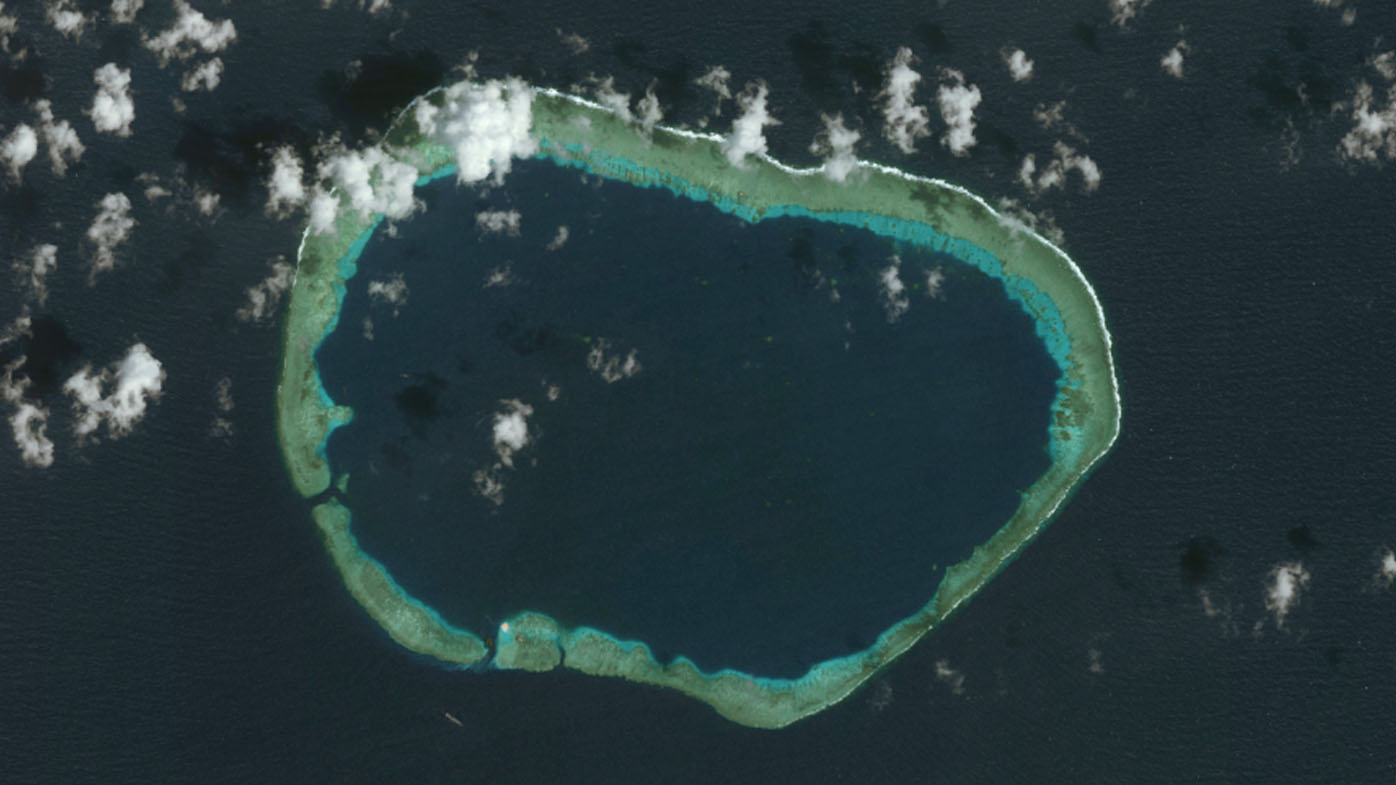
The US and other western navies, including Australia, have held exercises in the waterway – where trillions of dollars in global trade sails through.

But the rare earth minerals beneath the waves also motivates China's policy, according to US academics Mark Crescenzi and Stephen Gent.

"In our research, we have found that a core strategic goal for China is to maintain its market power in the rare earths market. Over the last three decades China has dominated the market for the production and export of rare earths, " Professor Crescenzi and Professor Gent wrote in The Diplomat.

While rare earth minerals are conventionally mined beneath the land in China, the process is environmentally damaging. And sources of them elsewhere in the world such as Central Africa do not offer stability and easy access.

READ MORE: Chinese ships 'active off disputed reef for years'
China is now looking offshore to the South China Sea which has plenty of minerals known as polymetallic nodules.

"China has developed the most advanced deep-sea extraction technology in the world, and its ability to harvest polymetallic nodules and the rare earths within them is unparalleled," Professor Crescenzi and Professor Gent said.

The consequence of this 'deep sea treasure' for Asia Pacific countries such as Australia is that while tensions continue, the chance of outright conflict should not heighten.

"If China's goal is to control the supply and price of rare earths for at least the next quarter-century, fighting a war would be counterproductive," the pair said.
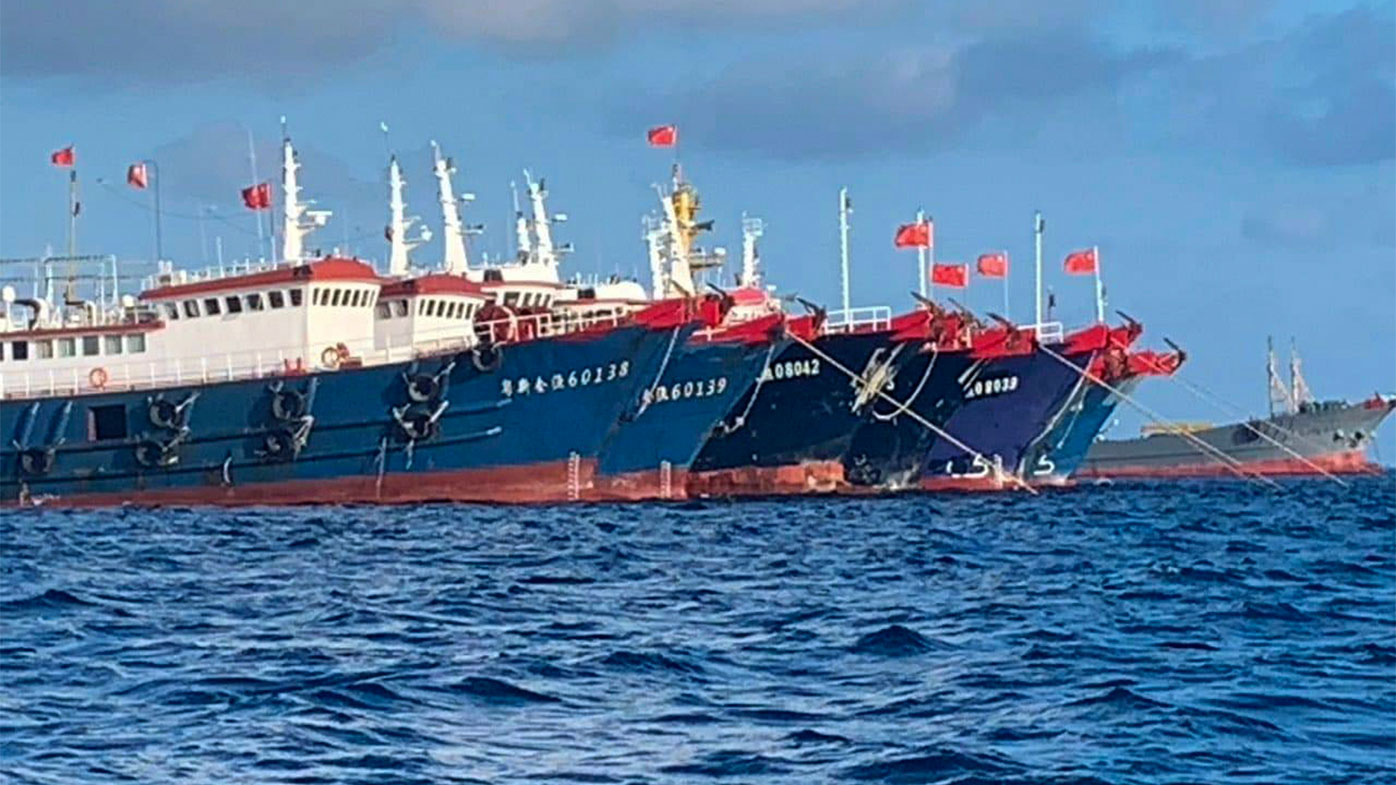
Chinese vessels are moored at Whitsun Reef, South China Sea.

A 2016 ruling by a United Nations tribunal dismissed China's claim to virtually all of the South China Sea, though Beijing has refused to recognise the decision.

China has been accused of using its vast fishing fleets to help assert Beijing's territorial claims throughout the 2.1 million square kilometre South China Sea, though China has dismissed the accusations as groundless.
Chinese investment in Australian property slumps amid tensions

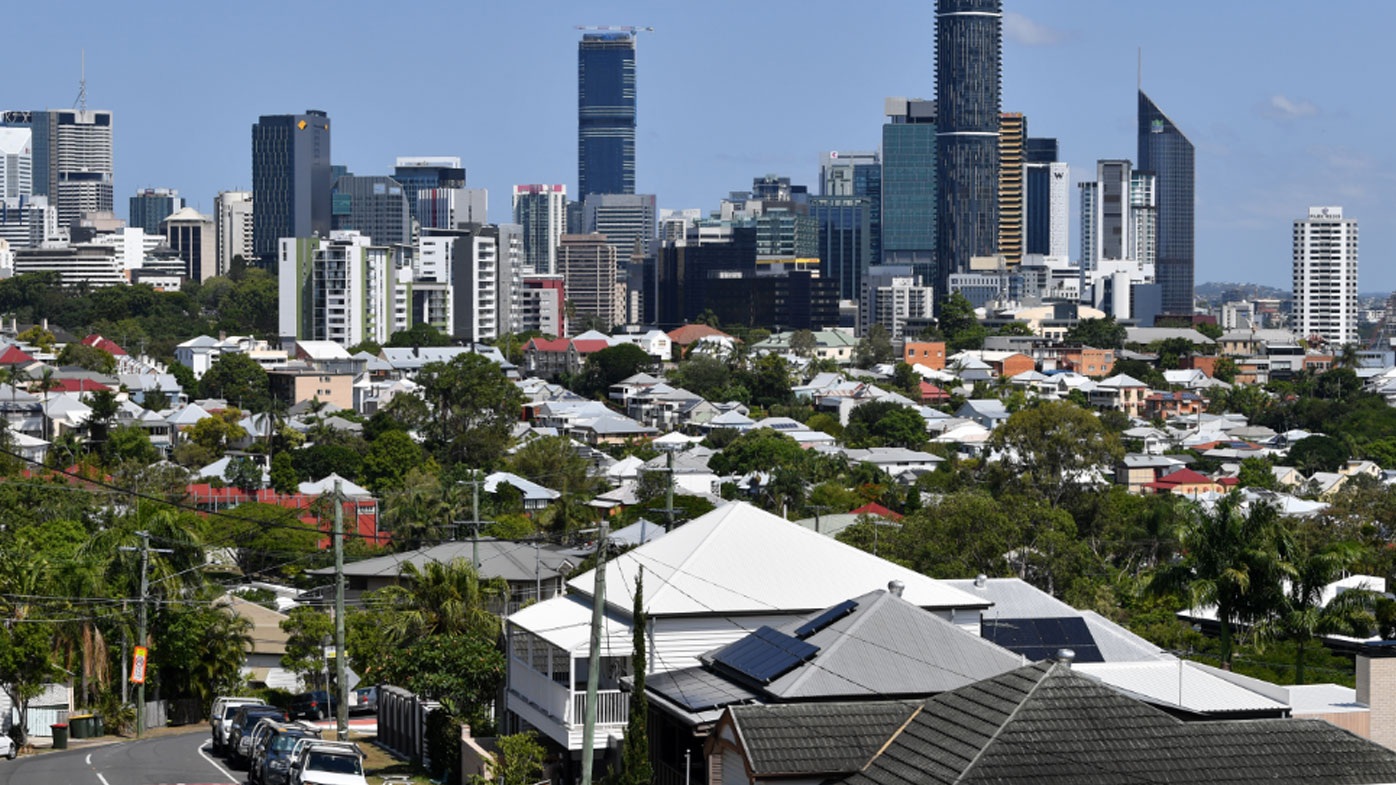
Plummeting relations between Canberra and Beijing is turning off Chinese interest in the Australian property market, new research shows.

Data from Real Capital Analytics (RCA) shows investments by Chinese state-owned and private companies declined by 29 per cent last year, the South China Morning Post reports.

Total investment reached $1.2 billion in 2019 and fell to $858 million last year.

READ MORE: Warning China could target Australia's multi-billion-dollar education sector

For the first quarter of this year, it had slumped to just $29 million, RCA data showed.

The research was based on real estate deals involving income-producing properties such as hotels, retail buildings and industrial sites as well as development projects worth at least $13 million.

The major decline in Chinese investment over the past year is in contrast to 2018 when mainland Chinese investment in Australian property reached $3.2 billion.

Since then, diplomatic and trade tensions between Beijing and Canberra have risen sharply after Australia called for an international inquiry into the origins of the pandemic and introduced foreign interference legislation.

READ MORE: Bitcoin nosedives after China's central bank rules out crypto payments

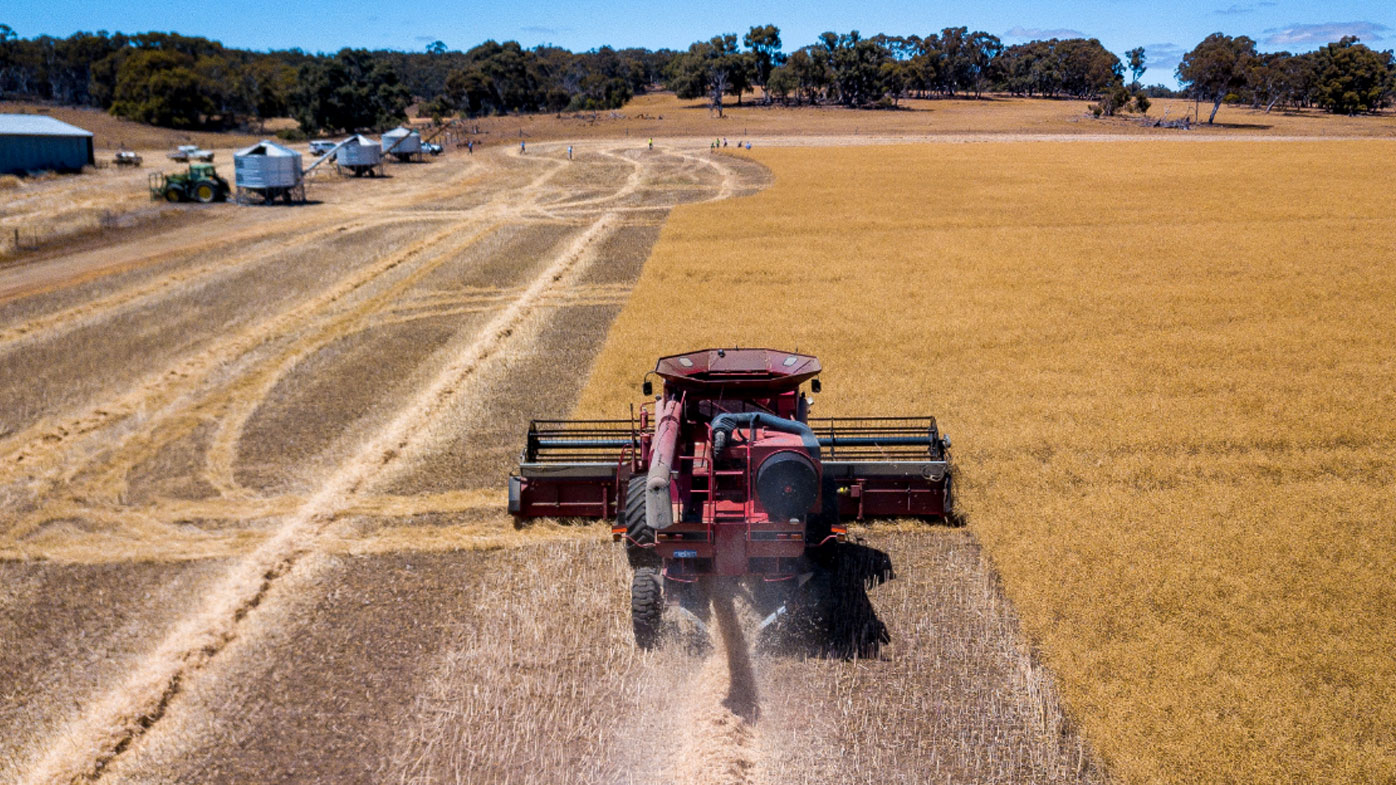
It triggered trade reprisals from China targeting Australian exports such as coal, barley, timber and seafood.

Earlier this month, Beijing announced it was suspending all activities under the China-Australia Strategic Economic Dialogue.

This move came a few weeks after Australia scrapped the Victorian Government's controversial Belt and Road agreement with China.

Hundreds of Qantas staff to be offered redundancies

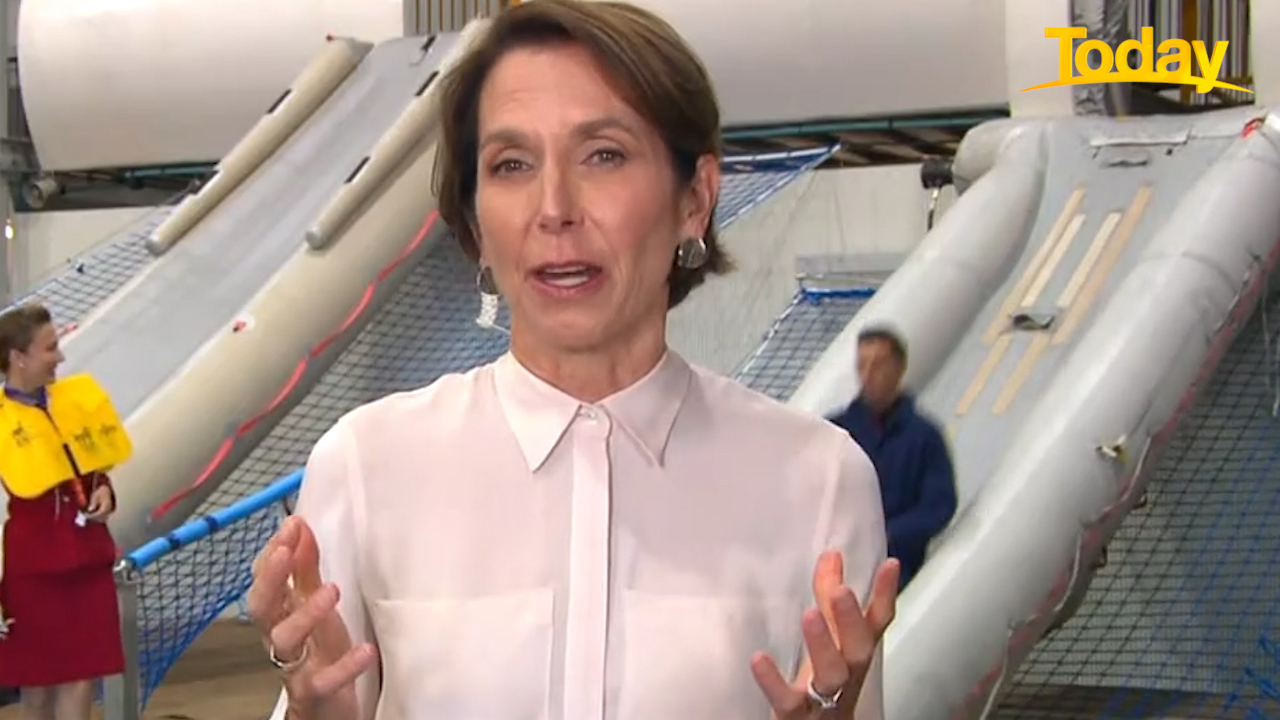
Hundreds of Qantas international crew will be offered voluntary redundancies as the airline reveals COVID-19 will blow a $16 billion hole in its bottom line.

In an update to shareholders, Qantas said it forecasts a statutory loss before tax of more than $2 billion just this financial year.

As part of the airline's COVID-19 recovery program, Qantas said it will run an "expression of interest program" for international cabin crew to register for the voluntary redundancies.

READ MORE: Qantas to investigate the accuracy of COVID-19 tests in India

Qantas said it expects the program will generate "several hundred applications".

The airline said that of the 22,000 jobs across the entire Qantas Group, 16,000 were currently working in some capacity.

That includes all corporate employees, all domestic crew and "some" international crew.

Qantas will also introduce a two-year wage freeze on the next round of enterprise agreements, with two per cent annual increases locked in annually after that.

READ MORE: Qantas delays international flights by two months

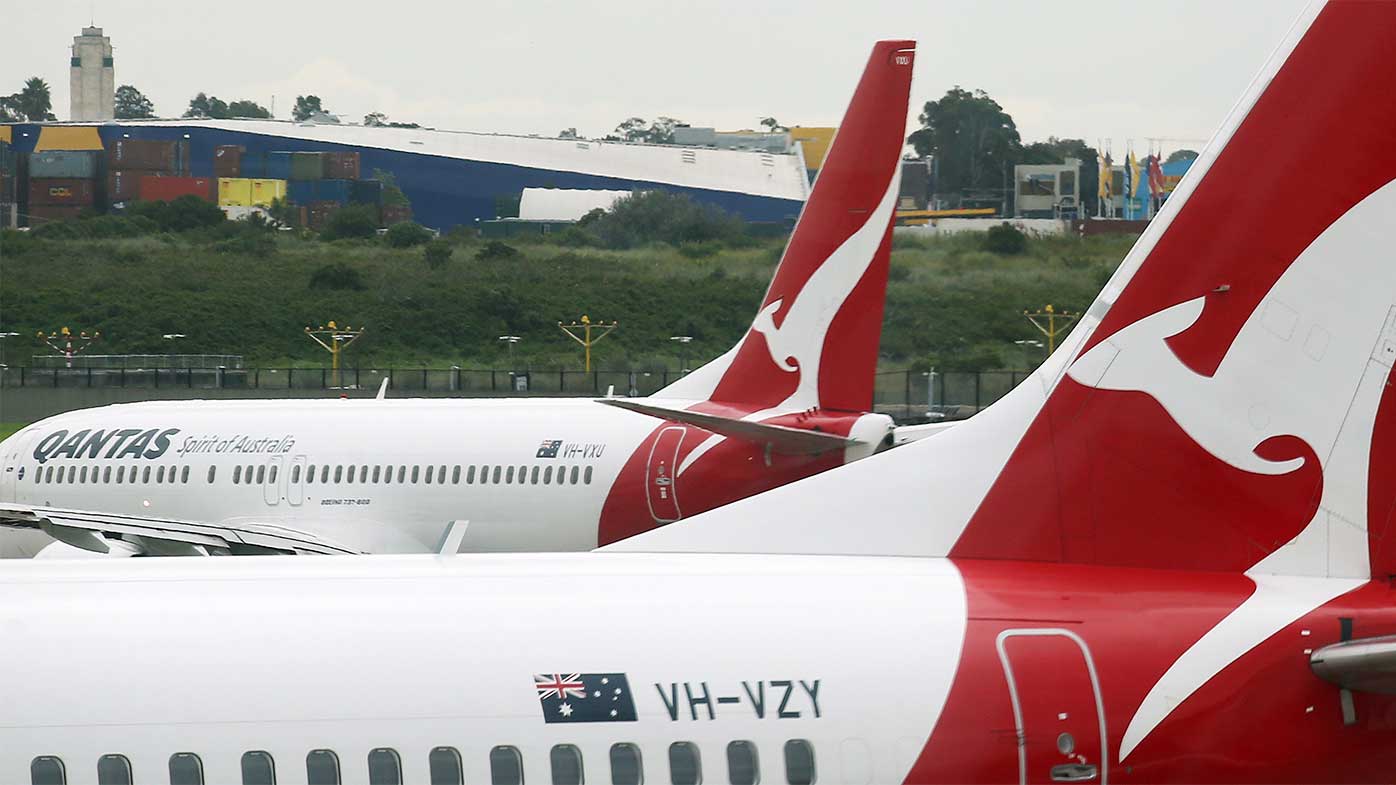
Qantas planes on the tarmac at Sydney Airport.

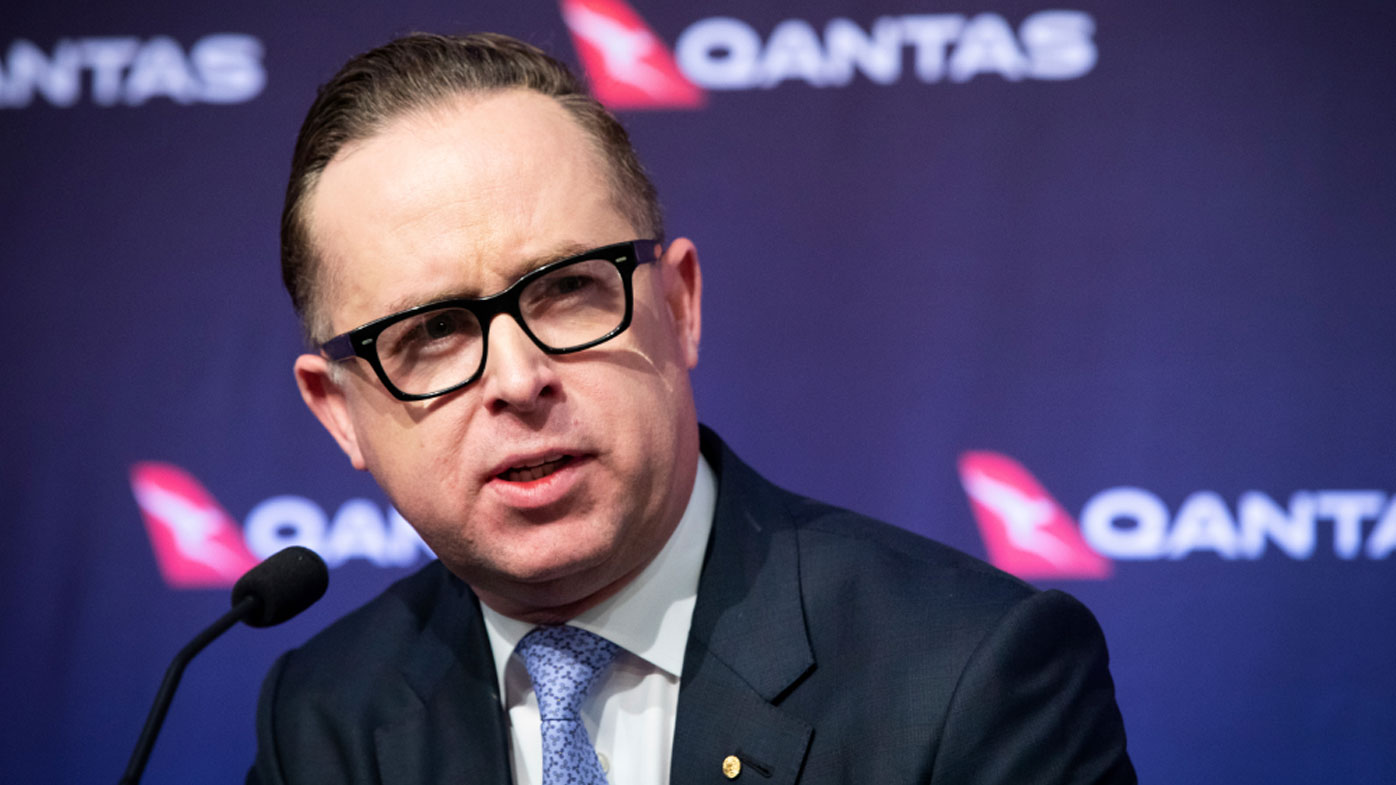
Despite the cost-cutting measures, Qantas Group CEO Alan Joyce said domestic travel is beginning to return to pre-COVID levels.

"We have a long way still to go in this recovery, but it does feel like we're slowly starting to turn the corner," Mr Joyce said.

"It's great to see so many of our people now back at work and the majority of our fleet back in the air.

"Our recovery strategy of targeting cash-positive flying rather than pre-COVID margins is helping increase activity levels and repair our balance sheet."

READ MORE: Qantas to keep headquarters in Sydney, Jetstar head office in Melbourne

Mr Joyce also implored the government to open international borders once the vaccine rollout is complete.

"We've adjusted our expectations for when international borders will start opening based on the government's new timeline, but our fundamental assumption remains the same – that once the national vaccine rollout is effectively complete, Australia can and should open up," Mr Joyce said.

"That's why we have aligned the date for international flights restarting in earnest with a successful vaccination program.

"Australia has to put the same intensity into the vaccine rollout as we've put on lockdowns and restrictions, because only then will we have the confidence to open up."

READ MORE: Airlines back calls for October deadline for overseas travel

One of the large fatalities of JobKeeper ending has reared its head today, with hundreds of Virgin Australia ground staff being stood down without pay for at least three weeks.

Virgin Australia announces 250 new domestic jobs

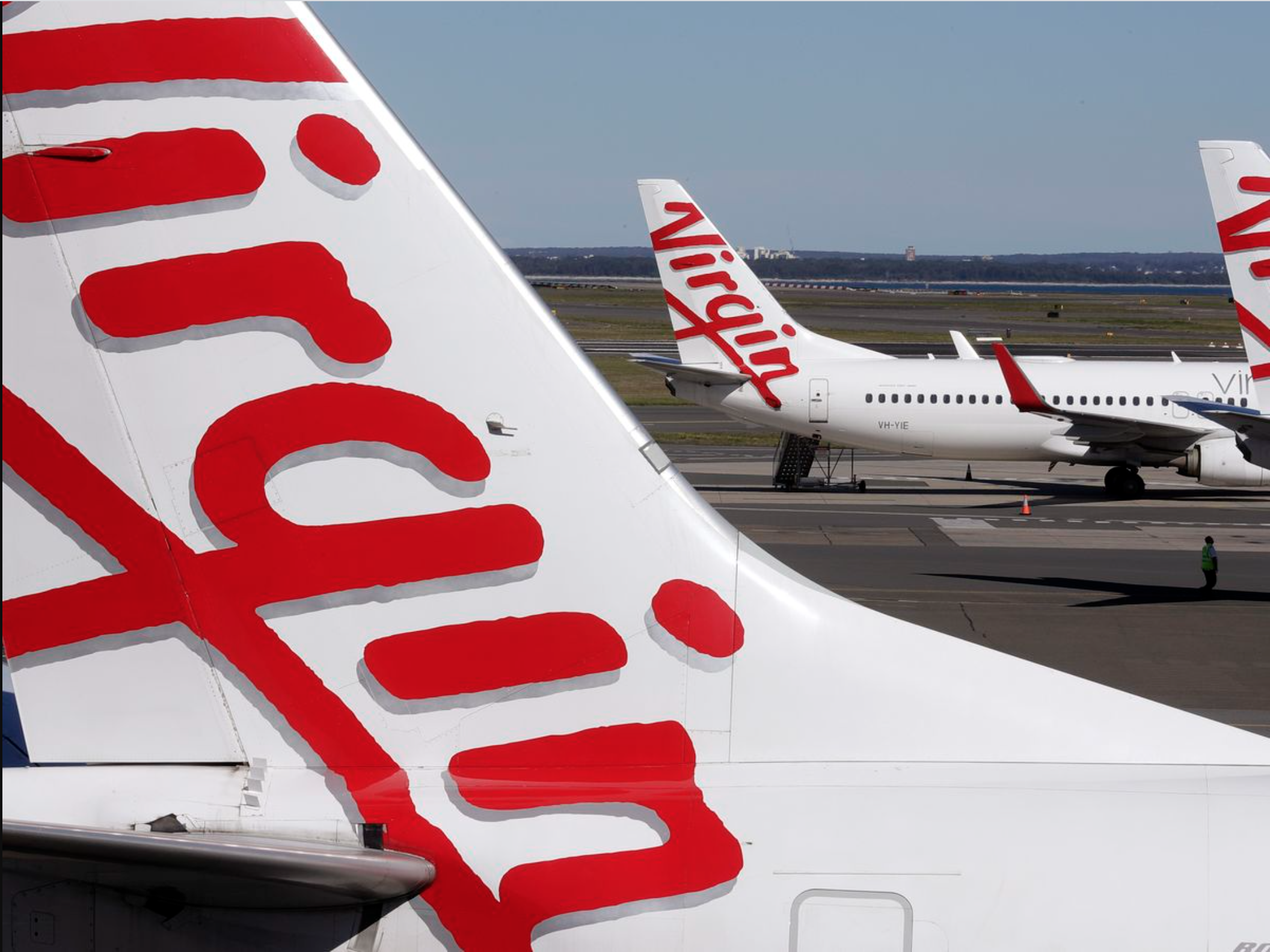
At the same time Mr Joyce was telling shareholders of the harsh financial measures Qantas was taking, competitor Virgin Australia announced 250 new jobs for its domestic network.

Virgin announced five new domestic routes and increased frequencies, adding more than 700 extra weekly flights across the airline's domestic network by October.

On top of the 370 cabin crew roles announced last month, Virgin Australia will grow its team and recruit for at least 250 new team members over the coming months across its operational and corporate workforce.

READ MORE: Virgin Australia scraps free food for economy passengers

Virgin Australia Group CEO Jayne Hrdlicka said the airline had begun to reverse the damage inflicted from the pandemic.

"We are so pleased to have turned a corner from the worst of the pandemic and to soon welcome 250 new and highly skilled individuals into the Virgin Australia team," Ms Hrdlicka said.

"Importantly, Virgin Australia is supporting over 6000 jobs, which is something we flagged in August last year as the baseline number of jobs we hoped to support as the domestic market recovered."

World's largest iceberg breaks off from Antarctica

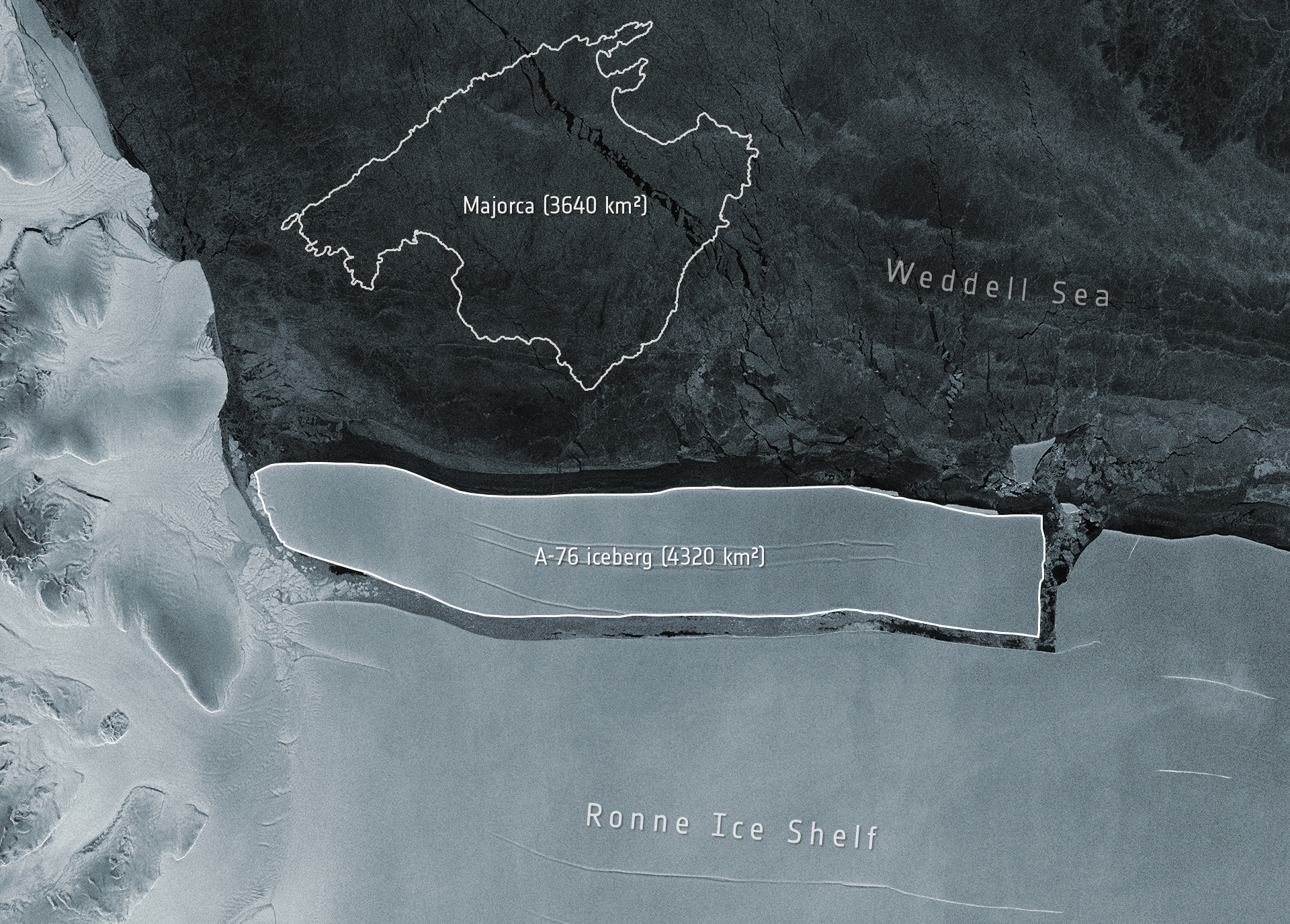
The world's largest iceberg has calved from Antarctica over the past few days, a giant floating piece of ice close to 80 times the size of Manhattan.

The iceberg broke off the western side of the Ronne Ice Shelf in Antarctica's Weddell Sea, the European Space Agency (ESA) said.

The iceberg is shaped like a giant ironing board, measuring around 170 kilometres in length and 25 kilometres in width.

READ MORE: Melting ice in Antarctica could bring monsoon rains to the ice cap

An enormous iceberg has calved from the western side of the Ronne Ice Shelf, lying in the Weddell Sea, in Antarctica.

That makes it slightly larger than the Spanish island of Majorca, ESA said.

Iceberg calving is part of the natural cycle, with huge chunks of ice breaking off the ice shelf at regular intervals.

Scientists aren't attributing this particular break-off to climate change, and instead believe it's part of the natural cycle of iceberg calving in the region.

Once it melts, the new iceberg will not lead to a sea level rise, because it was part of a floating ice shelf – just like a melting ice cube doesn't increase the level of the drink in your glass.

READ MORE: China releases first images taken by its Mars rover

https://twitter.com/usnatice/status/1393289919397781508?ref_src=twsrc%5Etfw

That makes icebergs like this different from glaciers or ice sheets, which are found on land, and which do raise global sea levels when they break off into the ocean and melt.

If Antarctica's entire ice sheet were to melt, it could raise sea levels by nearly 58m.

ESA said the iceberg was first spotted by Keith Makinson, a polar oceanographer with the British Antarctic Survey last week and confirmed from the US National Ice Center using ESA's Copernicus Sentinel-1 imagery.

The huge chunk of ice is now officially known as the A-76.

https://twitter.com/KeithMakinson1/status/1392752006272622595?ref_src=twsrc%5Etfw

The name might sound a bit boring for the world's largest iceberg, but it is based on science.

ESA said icebergs are traditionally named from the Antarctic quadrant in which they were originally sighted, then a sequential number, then, if the iceberg breaks, a sequential letter.

Rat's nest found in engine after car fire

Fire crews in the NSW Southern Highlands found a rat's nest inside a car that caught fire.

Crews from Moss Vale say the fire happened on Argyle Street yesterday afternoon and interrupted school rush traffic.

The nest was discovered after the blaze, with crews saying rodents often make nests under car bonnets.

READ MORE: Third Australian dies of COVID in India

The car which caught fire in NSW had a rats nest inside.https://www.facebook.com/plugins/post.php?href=https%3A%2F%2Fwww.facebook.com%2Fmossvalefirestation%2Fposts%2F823468258578767&show_text=true&width=500

"While the cause of fire was undetermined, crew did find the remains of what appeared to be a rat's nest," NSW Fire and Rescue said on Facebook.

"Good reminder to keep an eye out for tell-tale signs of unwanted guests.

LIVE UPDATES: Plan to lure workers over Queensland border

"During the colder months, rodents seek shelter, store food and quite often take up residence under the bonnets of cars.

"Unfortunately rats also find the wiring systems in cars and other vehicles perfect for nibbling and chewing on in to keep their teeth sharp."

'I don't know what he's got against Queensland'

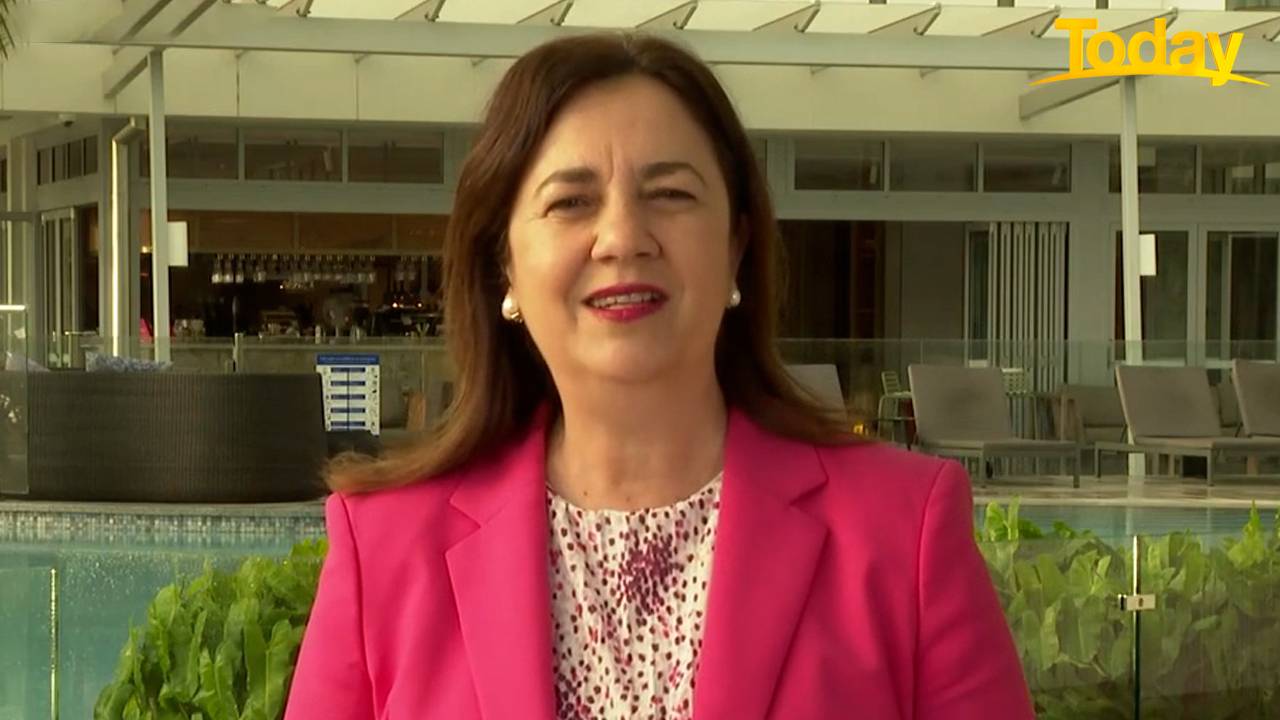
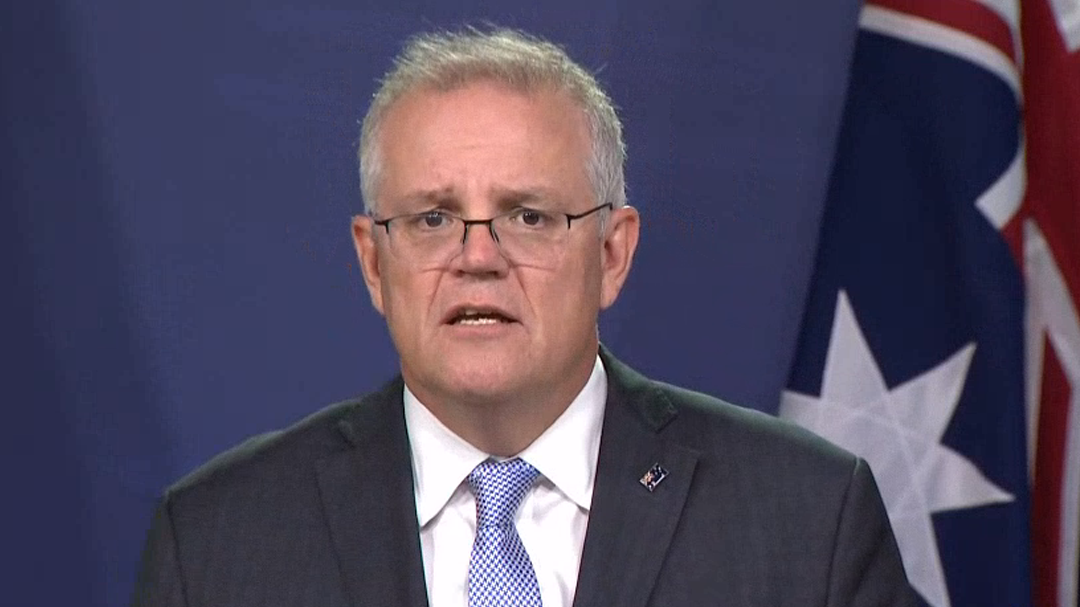
Premier Annastacia Palaszczuk says she has had "so many conversations" with the Prime Minister about a regional quarantine centre for Queensland and doesn't understand why one hasn't already been built.

Ms Palaszczuk said a regional quarantine centre is needed in Queensland as the state's hotel system isn't equipped to deal with a mass outbreak of coronavirus.

"I've said time and time again I believe regional quarantine should have been set up over the last year because we know that these COVID strains are mutating overseas and it's about keeping Queenslanders safe," Ms Palaszczuk told Today.

LIVE UPDATES: The latest breaking news in Australia and around the world

Ms Palaszczuk said she has provided all the details needed to get the initiative off the ground and the decision was now in Mr Morrison's hands.

She said the prime minister would need to increase the threshold for international flights allowed into Queensland, questioning why Victoria was receiving different treatment to Queensland.

"I don't know what he's got against Queensland but he seems to be supporting Victoria," Ms Palaszczuk said.

"I'm just asking him to sit down with his department and get thoroughly briefed – very simple."

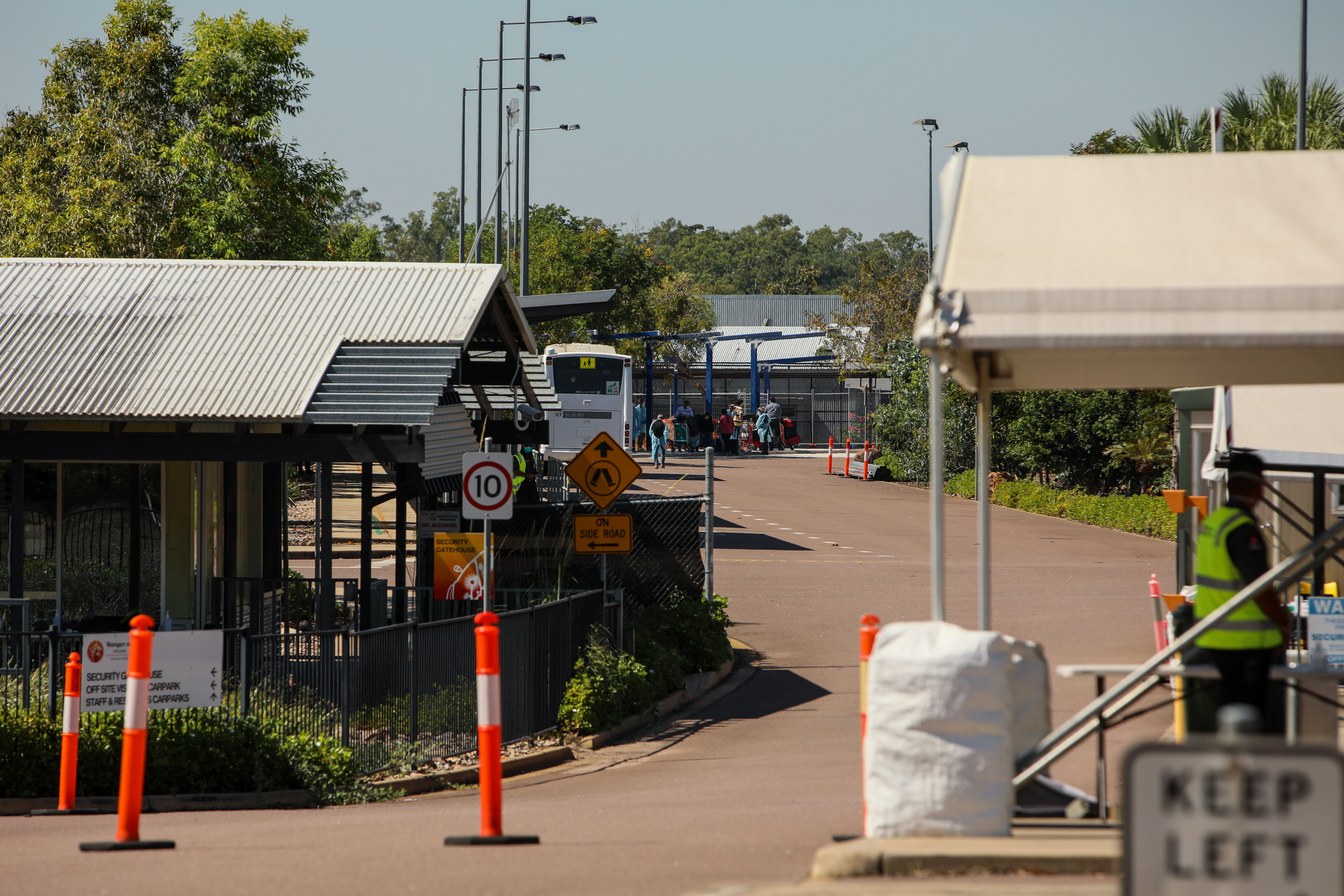
READ MORE: Howard Springs camp to quarantine up to 5000 'vulnerable' returned Aussies

Ms Palaszczuk said a regional quarantine centre is needed in Queensland as the state's hotel system isn't equipped to deal with a mass outbreak of coronavirus.

"Howard Springs operates with health facilities on their premises and they only move the sickest of patients into a hospital. Our hotels were not designed to be infectious control centres," Ms Palaszczuk said.

"I've been out and about in the community, let me tell you – people support regional quarantine for Australia. Not just Queensland. For Australia."

On the prime minister's vaccine passport idea, Ms Palaszczuk said she and NSW Premier Gladys Berejiklian were on the same page for state travel, saying the upcoming State of Origin would be a good test.

READ MORE: Queensland researchers create COVID 'heat-seeking missile'

"The State of Origin is coming up soon, so there will be differences there. Let's put these issues through National Cabinet or perhaps it should go through the federal cabinet in the first case," Ms Palaszczuk said.

"These are really serious issues you just can't throw out there in the public, you've got to give some thought to them."

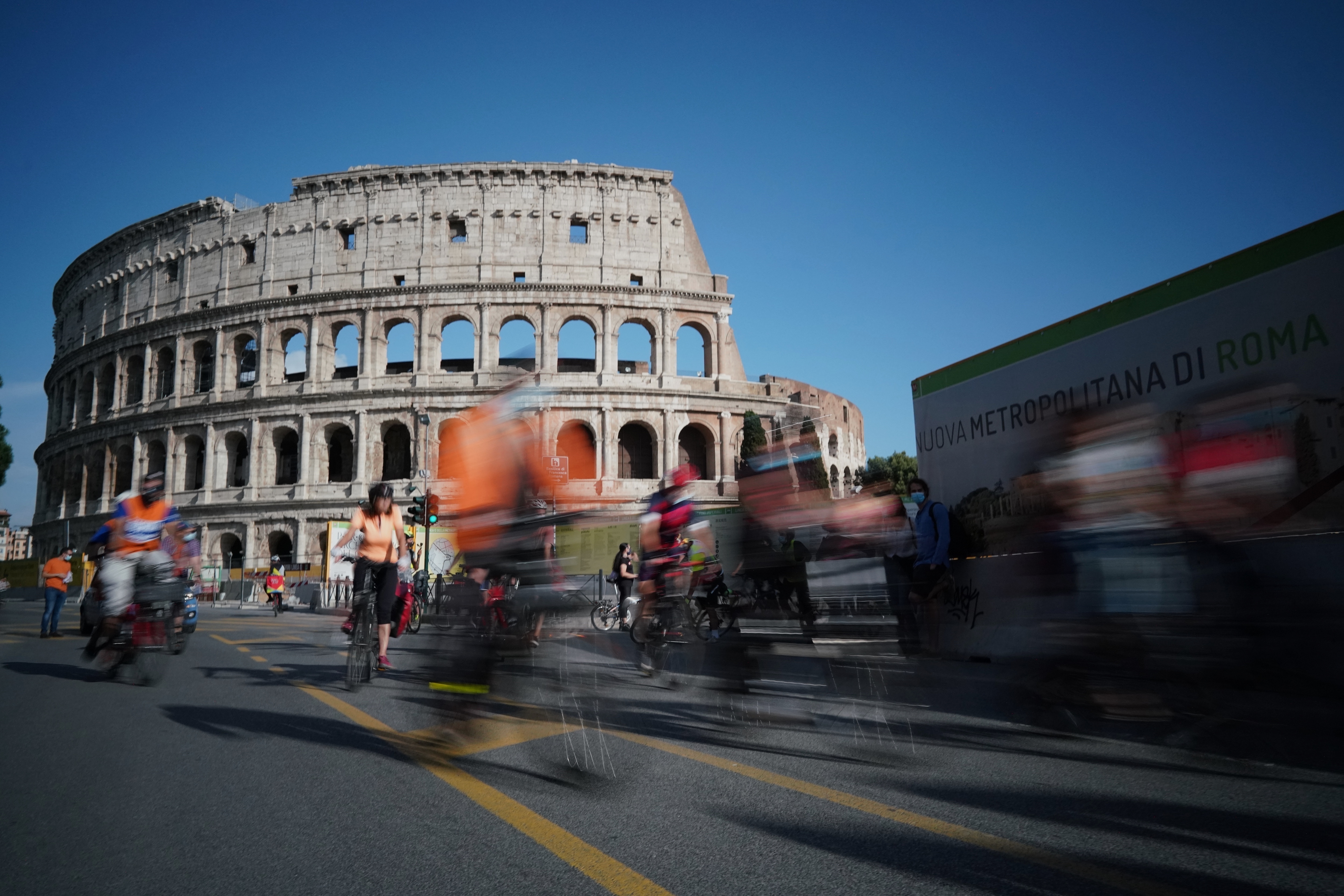
Europe throws open its borders to tourists, so long as they've had a jab

The European Union has taken a step toward relaxing travel rules for tourists from outside the 27-nation bloc by agreeing on measures to allow in fully vaccinated visitors.

EU ambassadors on Wednesday afternoon (early Thursday AEST) also agreed to ease the criteria needed for nations to be considered COVID-19-safe and from which all tourists can travel, depending on their coronavirus and vaccination status. Under the existing criteria, Australia and New Zealand are two of only seven nations.

READ MORE: Australians could need vaccination passports to travel interstate PM says

The EU imposed restrictions on non-essential travel last year to slow the spread of the coronavirus.

The bloc's ambassadors said many of those restrictions should be eased, including to permit vacation travel by non-EU residents.

The European Council made up of EU nations "will now recommend that member states ease some of the current restrictions" for those who have been vaccinated, European Commission spokesperson Christian Wigand said.

He didn't give a precise date for when the borders will reopen since EU countries have yet to formally approve the measures.

"The council should also soon expand the list of non-EU countries with a good epidemiological situation from where travel is permitted," said Wigand.

The European Centre for Disease Prevention and Control is to give advice on the list.

The US Travel Association praised the EU's move and urged the US government to adopt a similar approach to allowing international tourism to resume.

READ MORE: Sydney man stuck in Philippines for almost 15 months feels 'abandoned'

"The US has been a leader in many aspects of managing the pandemic but is behind our global competitors in pursuing an international economic reopening," Roger Dow, the trade group's president and CEO, said.

"The millions of travel-related US jobs that were lost to the pandemic won't come back on the strength of domestic travel alone, so identifying the path to restarting international visitation is essential to an overall economic recovery."

The European Commission — the EU's executive arm — proposed easing the rules for entering the bloc earlier this month, saying entry should be granted to individuals fully vaccinated with EU-authorised shots.

Coronavirus vaccines authorised by the European Medicines Agency, include the ones made by Pfizer, Moderna, AstraZeneca and Johnson & Johnson.

The executive commission also proposed permitting EU member nations to decide individually whether to allow in travellers immunised with vaccines approved by the World Health Organisation for emergency use, which include the Chinese Sinopharm vaccine.

READ MORE: Singapore COVID spike hurts Australian travel bubble plan

Mr Wigand said ambassadors also agreed on an "emergency brake" mechanism designed to stop dangerous virus variants from entering EU nations through quickly enacted travel limits if the infection situation deteriorated in a non-EU country.

Once the non-binding measures are approved, EU countries will keep the possibility to impose restrictive measures on tourists such as PCR tests or quarantines.

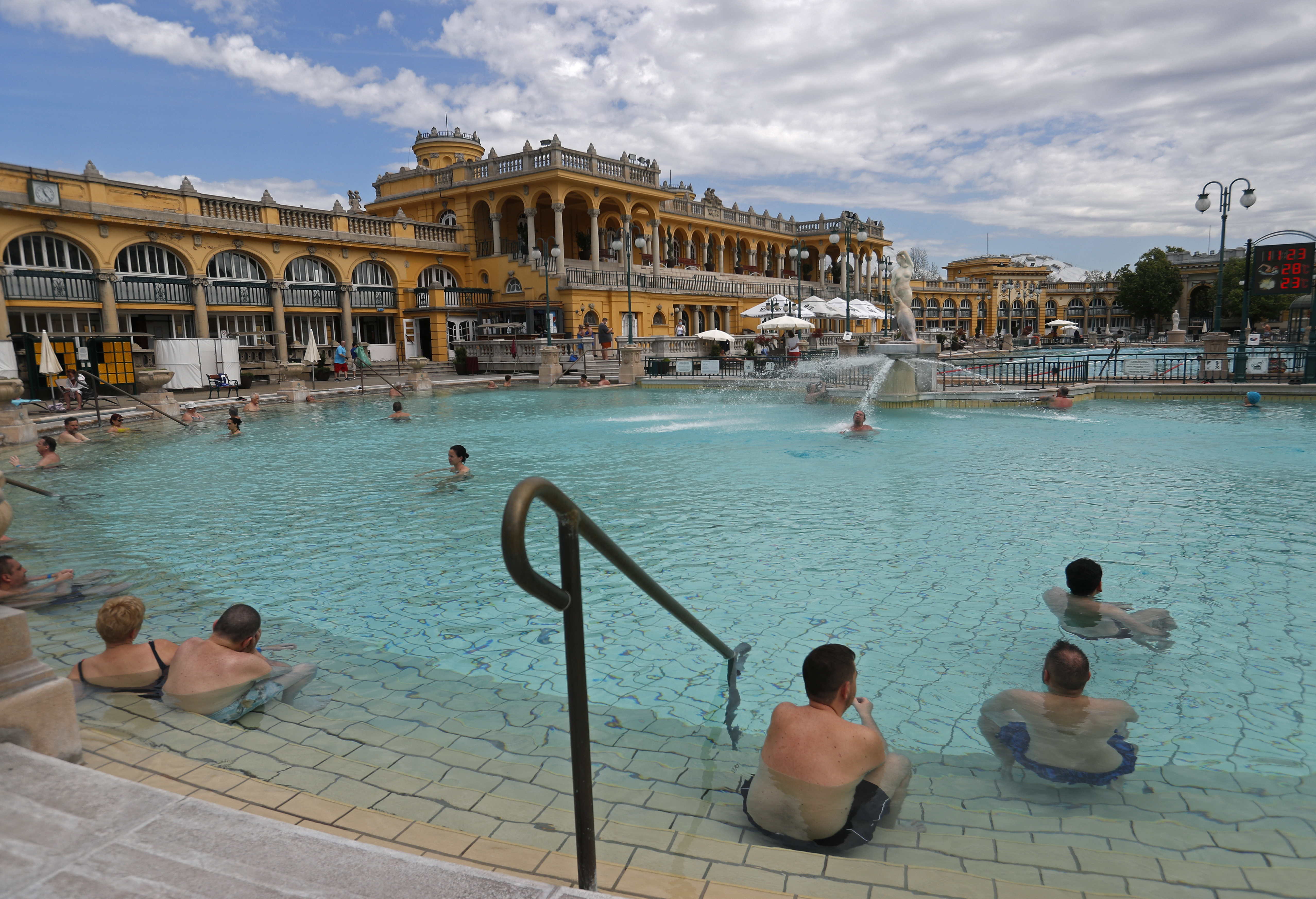
EU nations have been struggling throughout the pandemic to prop up their vital tourism industries and hope to recover some income over the peak summer season.

Greece, which is heavily reliant on tourism, has already lifted quarantine restrictions for the US, Britain, Israel, and other non-EU countries as negotiations between governments and EU lawmakers to introduce COVID-19 certificates aimed at facilitating travel across the region this summer continue.

A deal is required by end of the month to ensure the system will be up and running by the end of June.

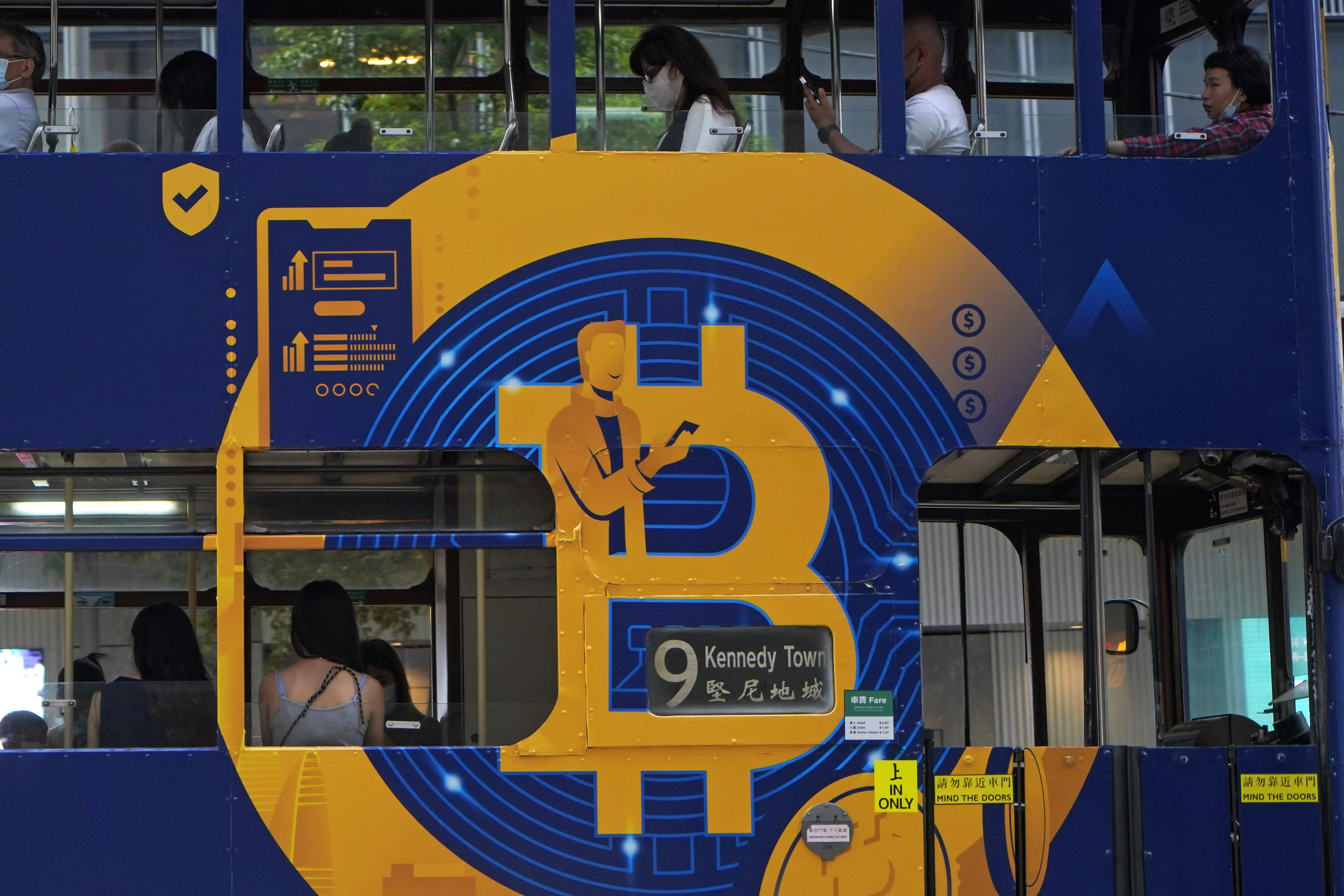
Bitcoin plunges below $40,000 as China widens its crypto crackdown

Bitcoin and other cryptocurrencies are plunging as anxiety spreads through the market — this time, after China took more steps to crack down on the digital coins.

The world's most heavily traded cryptocurrency plunged as low as US$30,202 ($39,068) per coin from a high of nearly US$44,000 ($56,730) in the past 24 hours, according to data from Coindesk.

Bitcoin recovered slightly following the New York stock market open (Thursday morning AEST) and was down 15 per cent at around US$37,280 ($48,066).

READ MORE: Bitcoin's price in freefall after announcement by China's central bank

Alongside bitcoin's fall, several other major cryptos were down overnight. Ethereum plummeted below US$2000 ($2579) per unit at its low before reclaiming some of its lost ground. Ether was down nearly 30 per cent at US$2430 ($3133). The meme-turned-cryptocurrency dogecoin lost nearly 26 per cent.

Cyrpto trading platforms Coinbase and Coindesk experienced outages as a result of the selloff.

Bitcoin was already dropping this month after Tesla CEO Elon Musk said he was wary of its environmental impact. But a new announcement from a trio of Chinese finance and banking watchdogs appears to have shocked cryptocurrency markets even more.

The agencies said Tuesday that financial institutions and payment companies should not participate in any transactions related to cryptocurrency, nor should they provide crypto-related services to their clients.

"Prices of cryptocurrency have skyrocketed and plummeted recently, and speculative trading has bounced back. This seriously harms the safety of people's property and disturbs normal economic and financial orders," said the statement from regulators supervised by the People's Bank of China and the China Insurance and Banking Commission.

READ MORE: Ethereum co-founder donates $1b of shiba inu coin to India COVID relief

China's chilly attitude toward cryptocurrency goes back years. While the country doesn't completely ban cryptos, regulators in 2013 declared that bitcoin was not a real currency and forbade financial and payment institutions from transacting with it. At the time, they cited the risk that bitcoin could be used for money laundering, as well as the need to "maintain financial stability" and "protect the yuan's status as a fiat currency".

Members of the public can hold or trade cryptocurrencies, but major exchanges in mainland China have been shut down. Authorities in 2017 also banned initial coin offerings, a way for tech startups to raise money by issuing crypto tokens to the public.

The growing crackdown may also be in part to boost China's state-backed digital yuan initiative, which authorities are working to implement so it can keep money flows under its strict oversight.

While the 2013 notice only mentioned bitcoin by name, some observers have taken it to apply to all cryptos, given Beijing's distaste for the currencies. The state-owned China Times on Wednesday described the latest announcement as a "risk warning in nature." While not a national law or regulation, it represents an "industry standard to some extent," the outlet wrote, citing Zhu Youping, an official from the State Information Centre, a policymaking think tank.

Still, it shows that China isn't changing tack on crypto anytime soon — and that seemed to be enough to worry traders.

"The Chinese position on cryptocurrencies is clear from the beginning: trading and usage of cryptocurrencies are simply forbidden," wrote Ipek Ozkardeskaya, senior analyst at Swissquote, in a Wednesday research note. "Therefore, the news is nothing 'new', but given that crypto traders are too sensitive to negative news nowadays, it adds to the downside pressure on cryptocurrencies."

Before the latest announcement from China, Tesla's Musk had already sent crypto markets on a wild ride.

He flip-flopped last week on a plan to allow his electric carmaker to start accepting bitcoin as payment for its cars by suspending the program, citing sustainability concerns around the mining of bitcoin. The cryptocurrency fell 12 per cent afterward. It kept dropping into the start of this week after Musk appeared to suggest that his automaker may have dumped its holdings of the digital currency, though he later clarified that it hadn't.

Dogecoin, meanwhile, tumbled earlier this month after Musk — the coin's most prominent supporter — joked about it on "Saturday Night Live".

But the two cryptos are still astronomically higher than they were a year ago. Bitcoin is up 323 per cent over the past year, according to Coinbase, while dogecoin has climbed 670 per cent.