Tag Archives: oceania

2021 iPad Pro review: How Apple is changing video calling

Video calls are going to look very different for those people using the new Apple iPad Pro, with a feature called "Centre Stage" set to make it look like you've got your very own camera operator no matter where you're calling from.

The idea is that the iPad's smarts analyse the video and essentially zoom and pan around the wider fixed image to give the impression of movement from a device that is sitting still.

This might not mean much, but for people doing any form of demonstration or hosting video calls while doing other things, it's a winner. It's the key software feature of the iPad Pro for 2021.

READ MORE: Apple's new iMacs – the ultimate family computer

However, it's far from the only new feature. 5G connectivity comes to the iPad Pro after launching in Apple's lineup with the iPhone 12 late last year. Frankly, that alone could have warranted a model upgrade, but instead it's one of many new features.

The USB-C port is now Thunderbolt-enabled. That allowed me to do a fast data transfer of video files, which then sat comfortably on the massive 2TB storage (an option if you're prepared to pay for it). Though with Thunderbolt connectivity, you could edit files and video off an external drive without needing the storage on-device.

https://twitter.com/JadRahme/status/1384599013450731526

The design is the same, though the Magic Keyboard accessory now comes in white, which looks amazing — but ask me again in a few months and we'll see how clean it is.

A stunning screen, which Apple is calling a Liquid Retina XDR display, is the standout visual feature. This mini-LED backlit screen is producing a 1000-nit full brightness, peaking at 1600, and has an outstanding million-to-one contrast ratio. The blacks are black, the colours are bright. It's exceptional.

In some ways, it's too much for the average set of eyes to appreciate.

The processor is much the same. The utterly bonkers decision by Apple to put their M1 processor into the iPad makes this one of, if not the most powerful tablet you can buy.

That's laptop performance. It's the same processor powering the MacBook Pro. Not unprecedented — Microsoft puts Intel Core processors in its Surface Laptops and Surface Pro Tablet — but this is a big deal for Apple.

Apps launch in an instant, performance is snappy and when you lay down 4K video in an edit timeline it's like being on a desktop or pro laptop.

However, imagine if it ran MacOS, or a touch-enabled version of the same. Imagine if iPadOS wasn't an enhanced version of iOS but a tablet-enabled version of MacOS. Perhaps it's just me, but it seems utterly logical.

The 2021 Apple iPad Pro goes on sale on Friday, starting at $1199 for the 11-inch model with WiFi only and 128GB of storage.

Add in all the beans and you can pay $3549 for the 12.9-inch with 2TB of storage and 5G connectivity. Worth it, if you're a creative pro working in design, videography or photography for sure.

Otherwise, the bog-standard iPad is still a pretty amazing device that does most of what most people need for just $499. Remember that before you go crazy with your cash.
Somerton Man's remains exhumed in a bid to solve enduring mystery

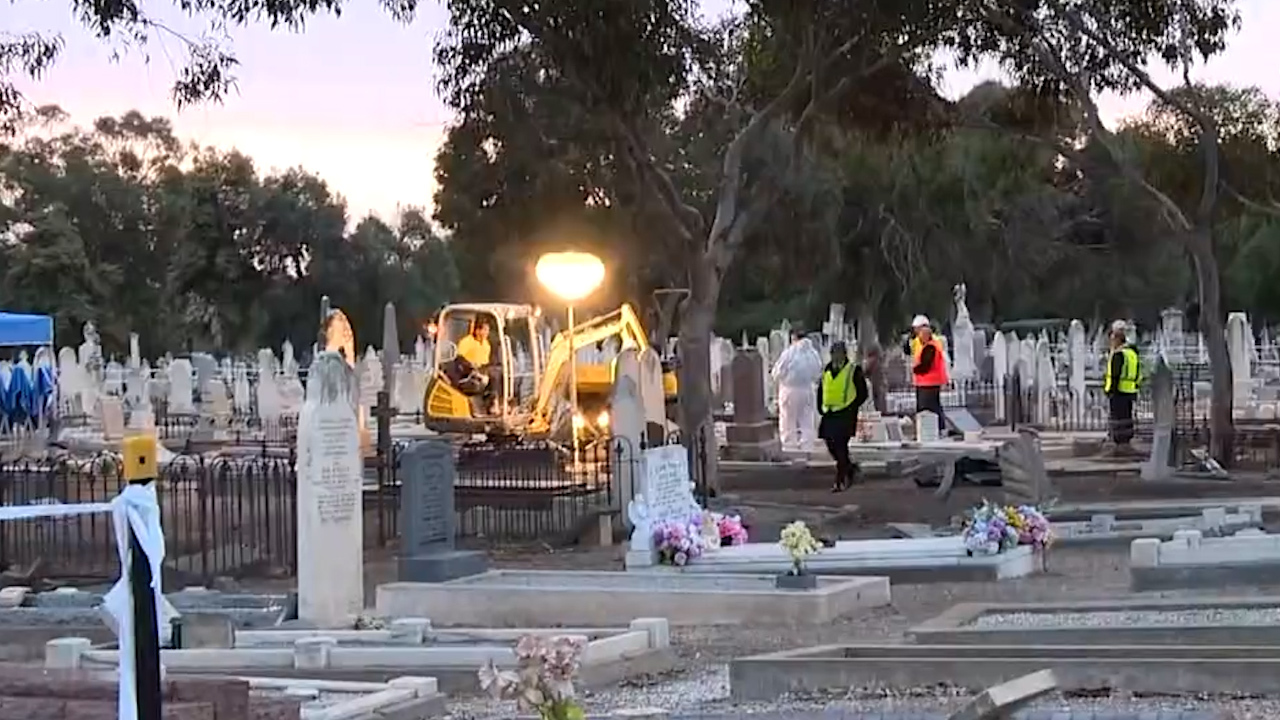
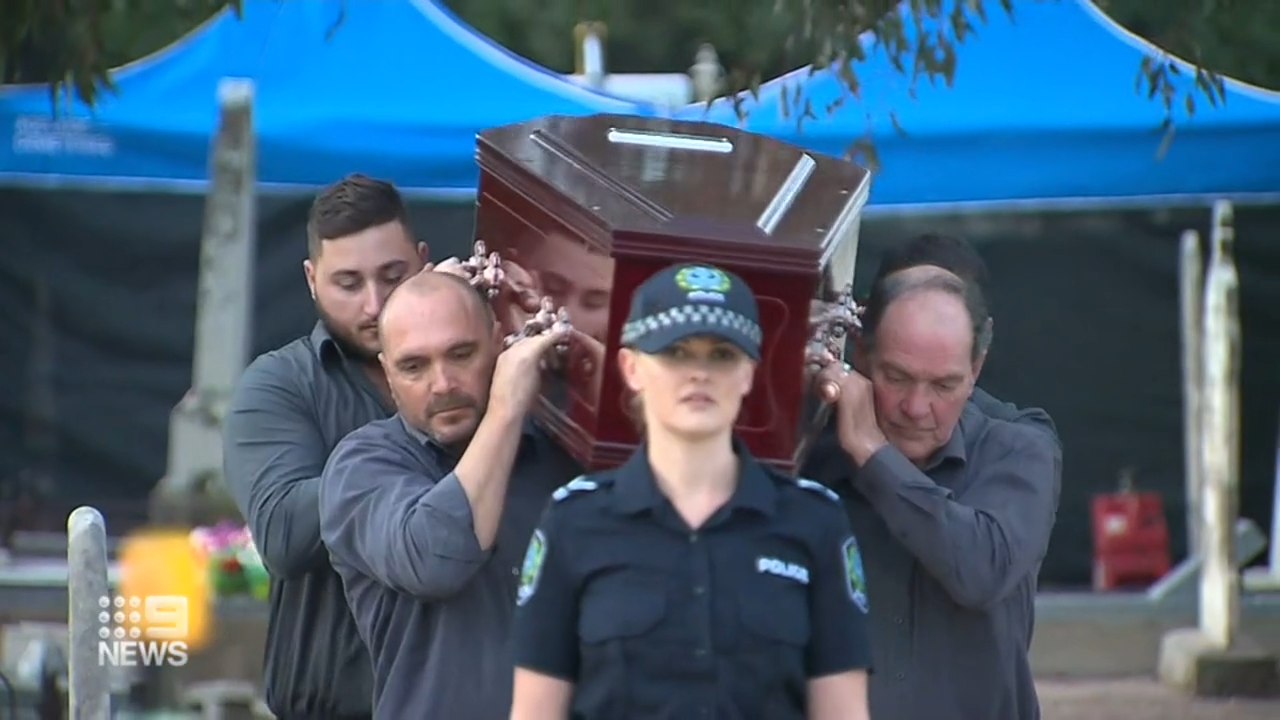
There is hope that one of South Australia's most enduring mysteries could be solved with the unearthing of the so-called Somerton Man.

His remains are now in the hands of forensic detectives, who will use cutting-edge techniques to try to finally determine who he was and potentially end decades of public intrigue.

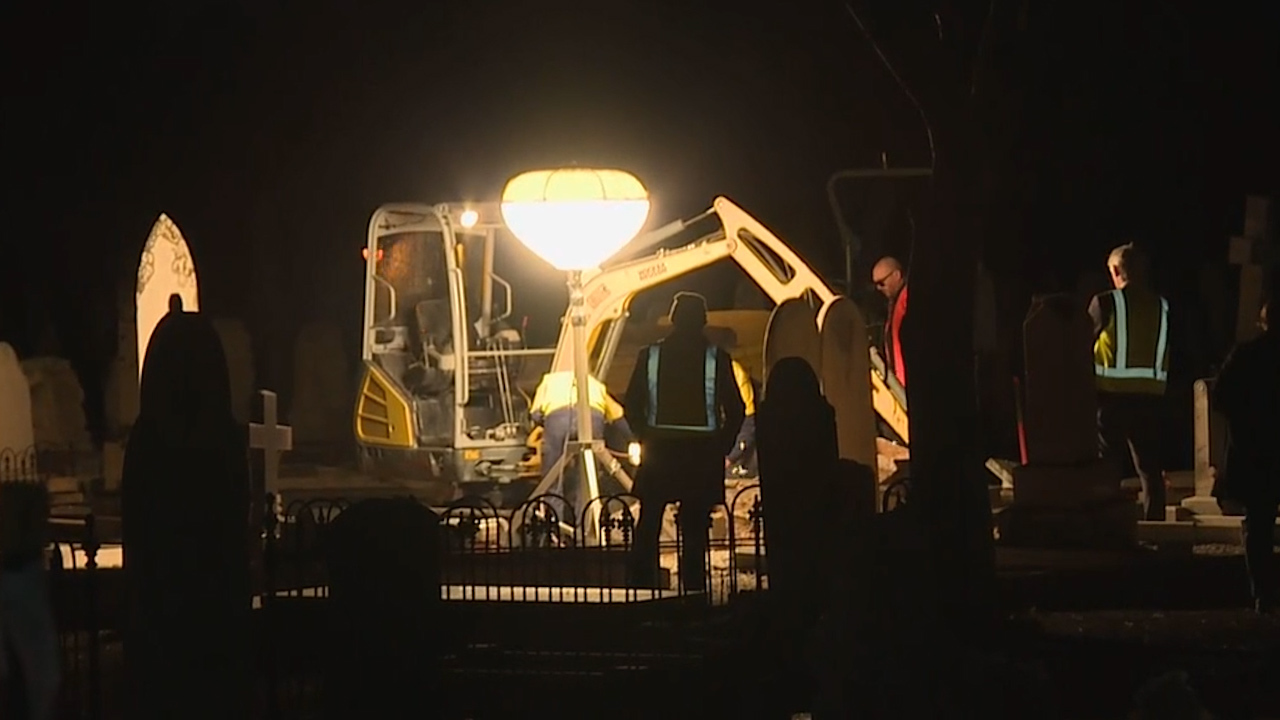
Detectives started digging this morning after getting permission from South Australia's Attorney-General Vickie Chapman to extract DNA as part of their investigation.

Somerton Man's remains exhumed in a bid to solve enduring mystery

But dense clay and no knowledge of if he is buried in a coffin, or its condition, initially delayed the process by a few hours.

READ MORE: Breakthrough hope as bid to solve Australia's most baffling case continues 70 years on

The mystery surrounding the man, whose body was found on Adelaide's Somerton Beach more than 70 years ago, has captivated Australia and the rest of the world.

He has never been identified and the circumstances surrounding his death have baffled police.

Somerton Man

After several lines of enquiry over the years have left authorities stumped.

https://twitter.com/9keziahsullivan/status/1394918917919842310?ref_src=twsrc%5Etfw

SA Police Detective Superintendent Des Bray said exhuming the man's body would allow investigators to get a full and complete DNA profile of the man.

"Whether we're successful or not is yet to be determined," Supt Bray told Today.

"It's going to be a challenge because he was embalmed at the time and the chemicals will impact with the DNA and that will make it more difficult."

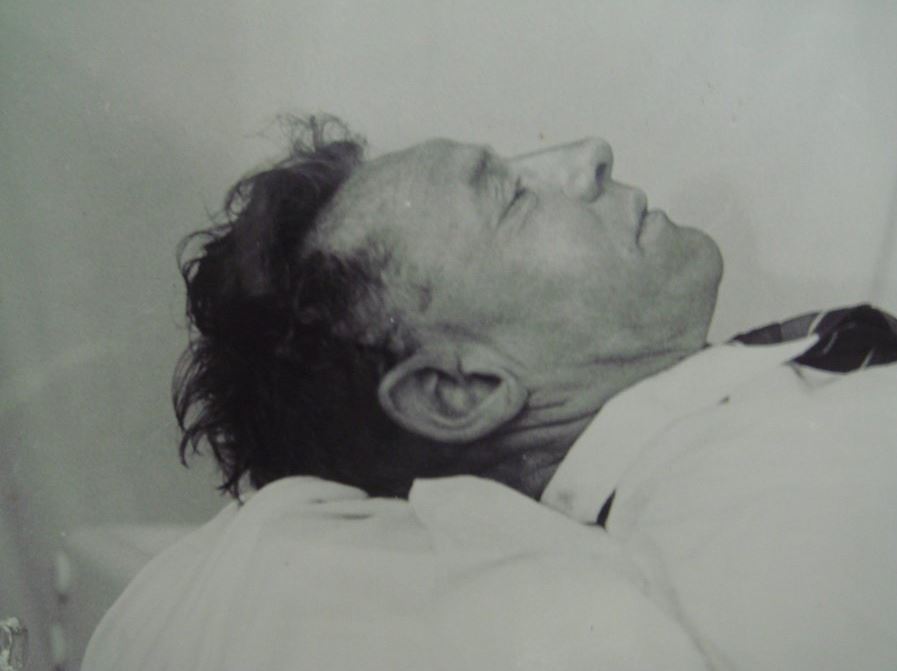
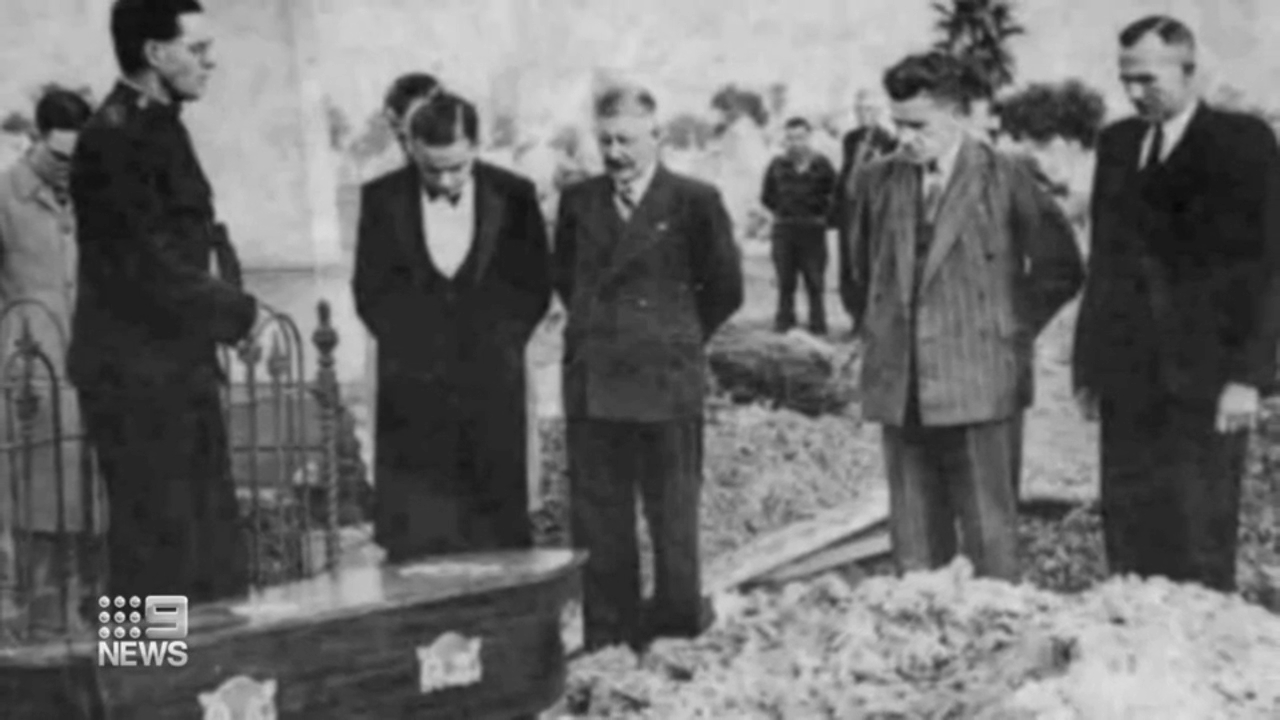
The Somerton Man shortly after autopsySomerton man mystery body exhumed

READ MORE: Mystery of SA's Somerton Man closer to being solved

Supt Bray said technology available today is ahead of the techniques available to investigators who discovered the body in the 1940s.

For years, the man's identity and circumstances surrounding his death have been a mystery to locals and police hope this new development will lead to answers.

How DNA could help solve the mystery

The man's body was located sitting up against a wall at Somerton Beach on December 1, 1948.

More than 70 years have passed since the mystery man's body was found and authorities still don't know who he is or how, when and why he died.

His details don't match any missing persons reports, no one's come forward to claim the body and the collection of clues investigators have gathered have so far turned up nothing.

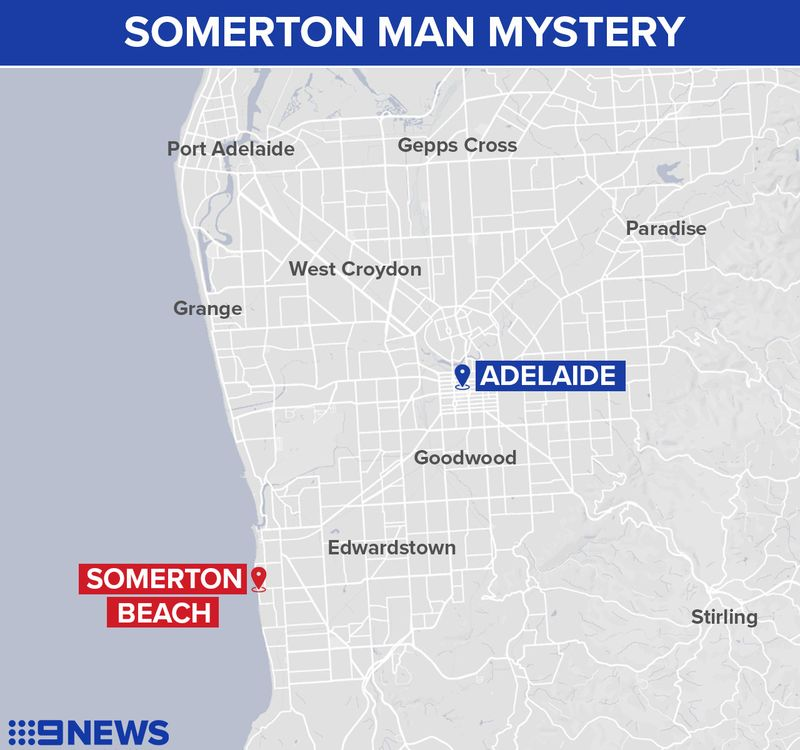
Somerton Beach in relation to Adelaide.

Professor Derek Abbott, a keen follower of the Somerton mystery for over a decade, told nine.com.au the man's nuclear DNA could provide answers to his identity.

While DNA from strands of the man's hair had been retrieved at the time of the man's discovery, it only provided some clues to his origins.

"We can say which haplogroup he's from, and he's from one which is pretty well spread throughout Europe, that's what his mother's origin is, but it's not enough to identify him," Professor Abbott told nine.com.au.

With nuclear DNA, investigators will be hopefully be able to search genealogical databases for a match.

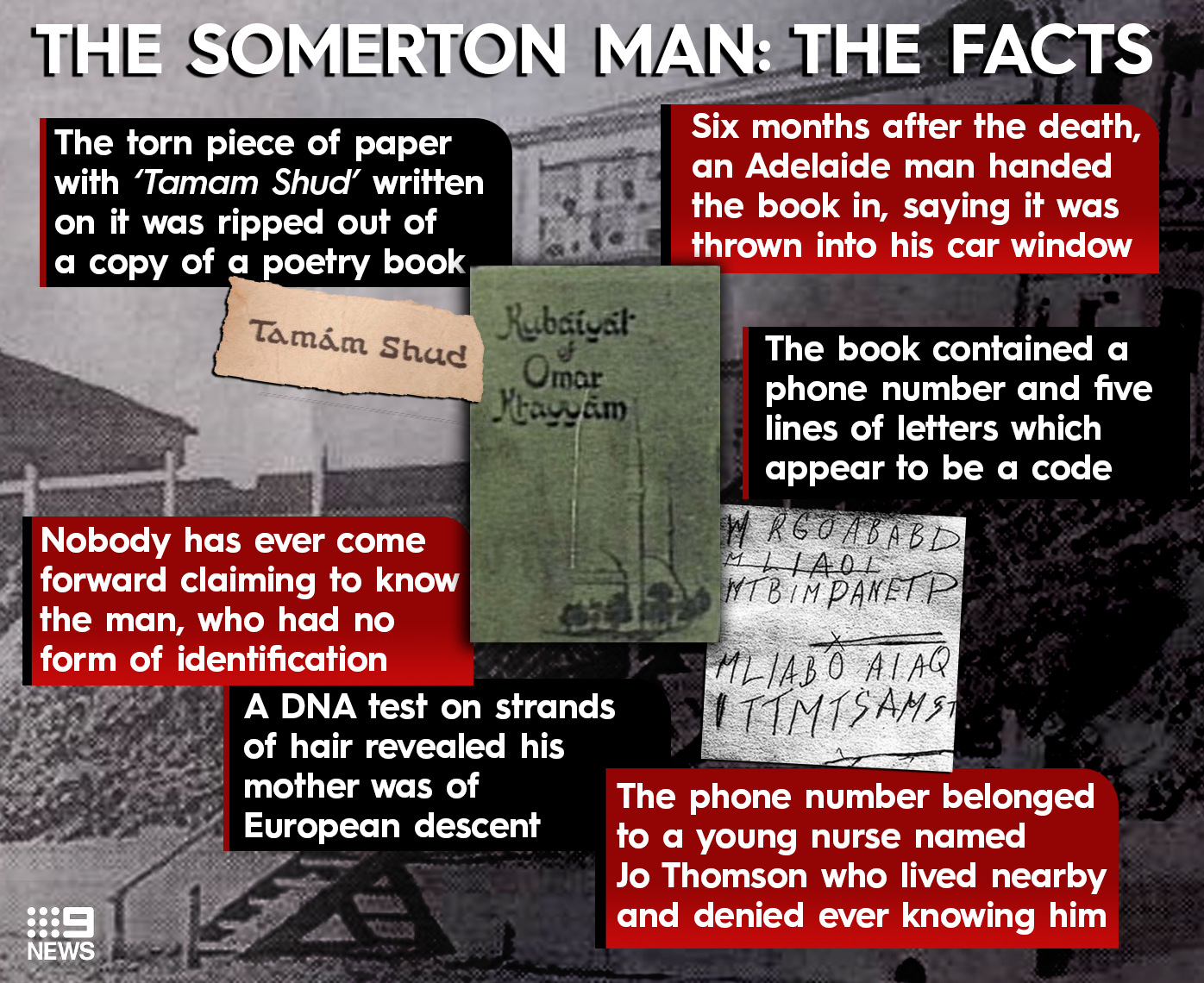
Somerton Man: The Facts (correct spelling)

What clues detectives have so far

The man was found dressed in a suit with the tags cut out on Adelaide's Somerton Beach.

Supt Bray told Today the man arrived in Adelaide by train and checked a bag into a locker at the station the day before he died.

He said the man caught a bus to Glenelg and had eaten a pastie according to post-mortem tests.

Hidden deep in one of his pockets was a piece of ripped paper with the words "Tamam Shud" written on it, which translates as "finished" in Persian.

Six months after his body was found, a man handed in a copy of the Rubaiyat of Omar Khayyam, a book of poems it is believed to be ripped from.

He said it was thrown through his car window.

The book had the pen imprint of what appeared to be five lines of undecipherable code and a phone number in it.

Somerton Man

Detectives were able to determine the phone number belonged to a young nurse, Jo Thomson, who lived in Glenelg, and investigators believe the Somerton Man may have visited her prior to his death.

"That woman has always denied knowing him," Mr Bray said.

"He was not dressed for the beach. Dressed neatly, highly polished shoes. Sat against the wall, seen by people that evening and found the following morning.

"There are a lot of crazy theories but the reality is nobody knows what the truth is."

An aluminium comb and packet of Wrigley's chewing gum were also found in the man's pockets leading some to believe he may be American.

Sydneysiders spending billions in holiday savings on renovations

House prices are soaring across Sydney, but the city is also in the grip of an expensive renovation boom.

Billions of dollars of pandemic savings are being ploughed back into homes, which is leading to a tradie and materials shortage and forcing up prices.

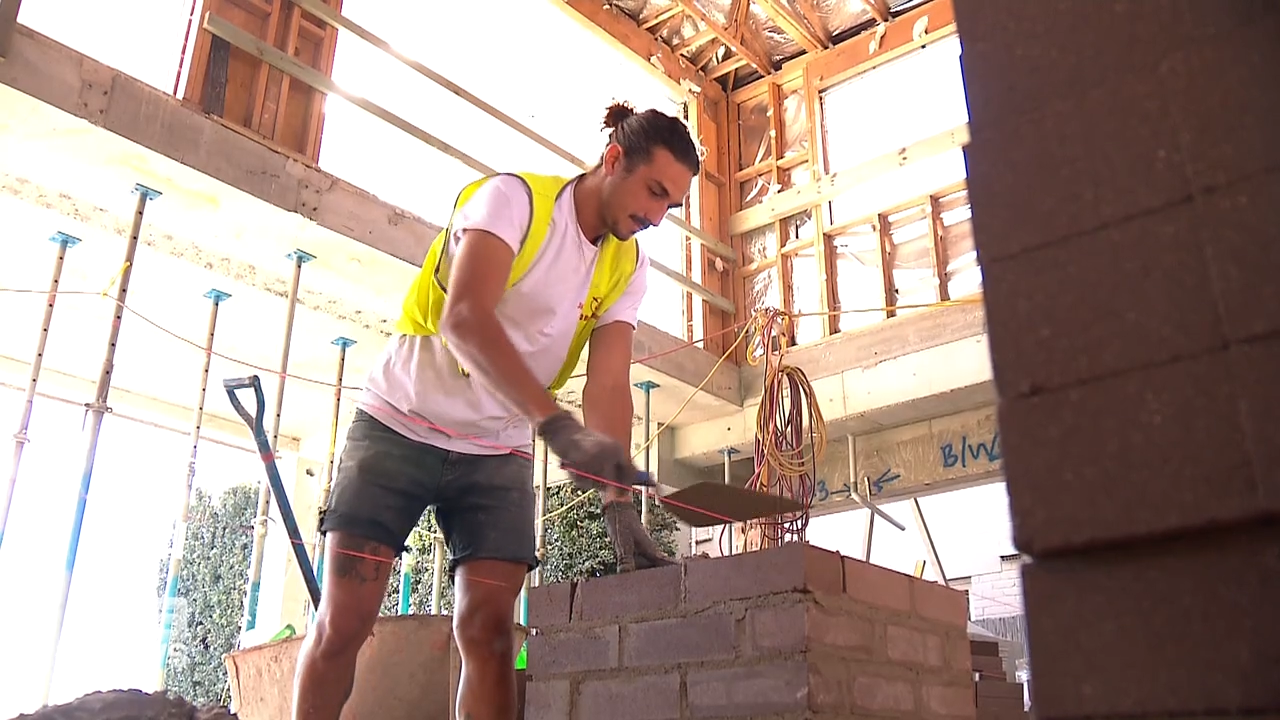
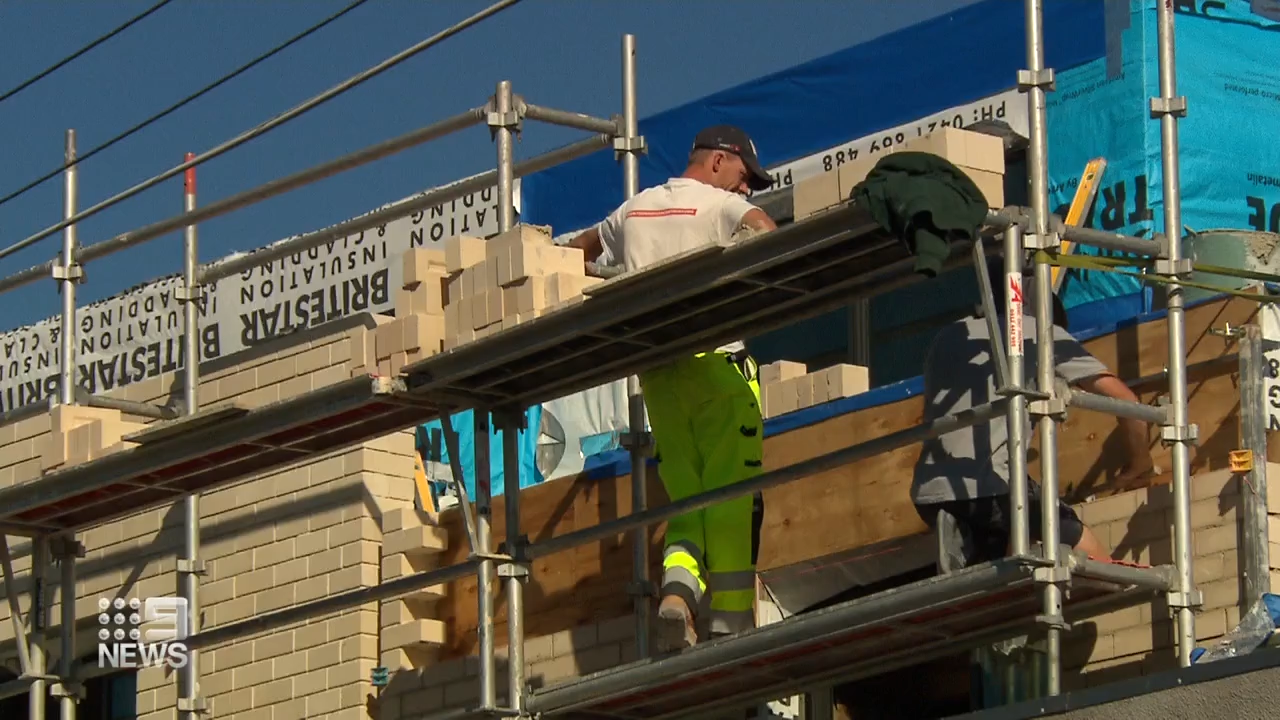
Skilled bricklayers, gyprockers and joiners are all proving hard to find.

READ MORE: Property valuers predict more price hikes

Sydneysiders spending billions in holiday savings on renovations

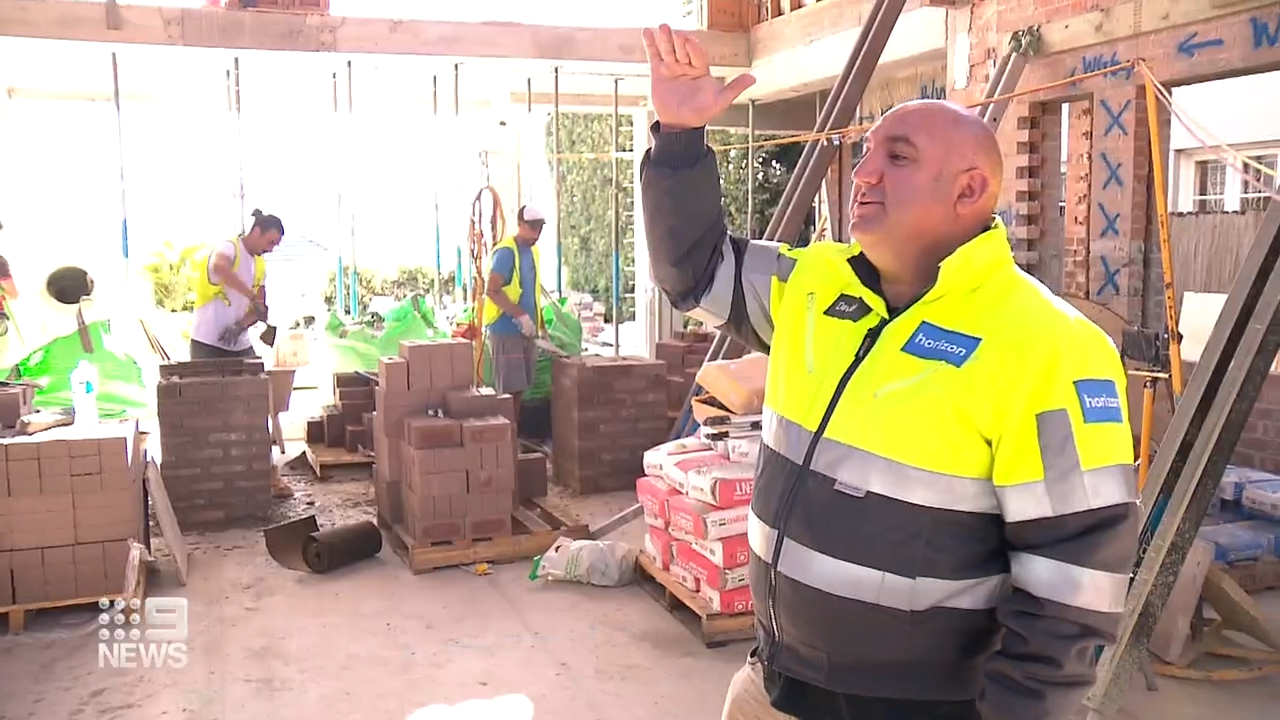
"It could take a few months longer to get a good tradie and prices are going up as well," Horizon Managing Director David Moses told 9News.

A billion dollars is being spent on home renovations around Australia every month, and while people are stripping their homes, materials are also becoming a hot commodity, with demand outstripping supply.

"Very hard to buy timber, steel, bricks and concrete – a lot of the base building products are in short supply and going up in price," Mr Moses said.

Sydneysiders spending billions in holiday savings on renovations

Many Sydneysiders who spent last year working from home are now working on their homes, with international travel still off the cards, like Liam Allen.

Instead of heading overseas, he's renovating his bathroom.

"(It's a) complete gut, it's an old house so we have to take it back to the bare bones," he said.

Sydneysiders spending billions in holiday savings on renovations

"Much prefer to be on an airplane going somewhere warm this time of year… over to Europe… (but) a new toilet will do."

A booming property market and a shortage of stock is also driving demand.

"A lot of people are finding it more economical to do the renovations themselves and upgrade their house – rather than selling and trying to find a bigger home," Sally Tindall from RateCity told 9News.

Sydneysiders spending billions in holiday savings on renovations

More than one in three homeowners are expecting to carry out home improvements this year.

About 40 per cent of those are spending between $5000 and $25,000, 11 per cent between $100,000 and $300,000.

The boom is fuelled by billions in pandemic savings – with 22 percent of people diverting money meant for a holiday into renovations.

Another Australian dies of COVID in India

Another Australian citizen has died in India of coronavirus, a few weeks after contracting the disease.

Sydney man Sunil Khanna, 51, was in New Delhi caring for his parents when all three tested positive on April 25, the Sydney Morning Herald reports.

He died at the end of that month, the same day as his mother.

READ MORE: China vaccinates 100 million people in nine days

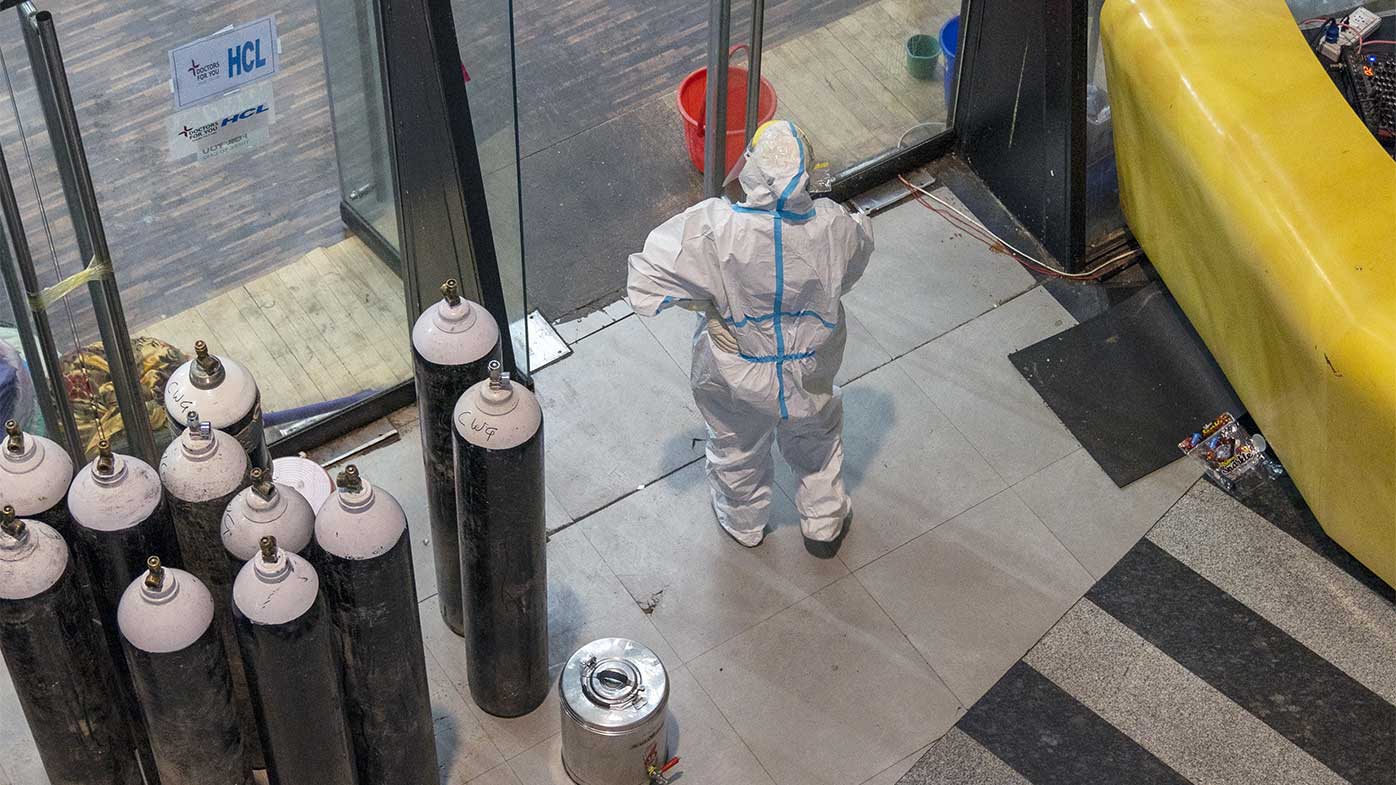
A health worker stands next to oxygen tanks at a COVID-19 health centre in New Delhi, India.

9News.com.au has contacted the Department of Foreign Affairs for comment.

Mr Khanna is one of three Australians to have died of coronavirus in India in recent weeks.

Sydney man Govind Kant, 47, died of coronavirus, also in New Delhi. Mr Kant had returned to India for his mother's funeral.

An unnamed 59-year-old permanent resident has also died of the disease in India.

India's new infections of coronavirus have declined to 267,334 in the last 24 hours, down from a week of more than 400,000 cases a day.

But the country hit a record number of COVID-19 deaths, with 4529 dying in the past day.

READ MORE: Australia hits COVID-19 vaccine milestone

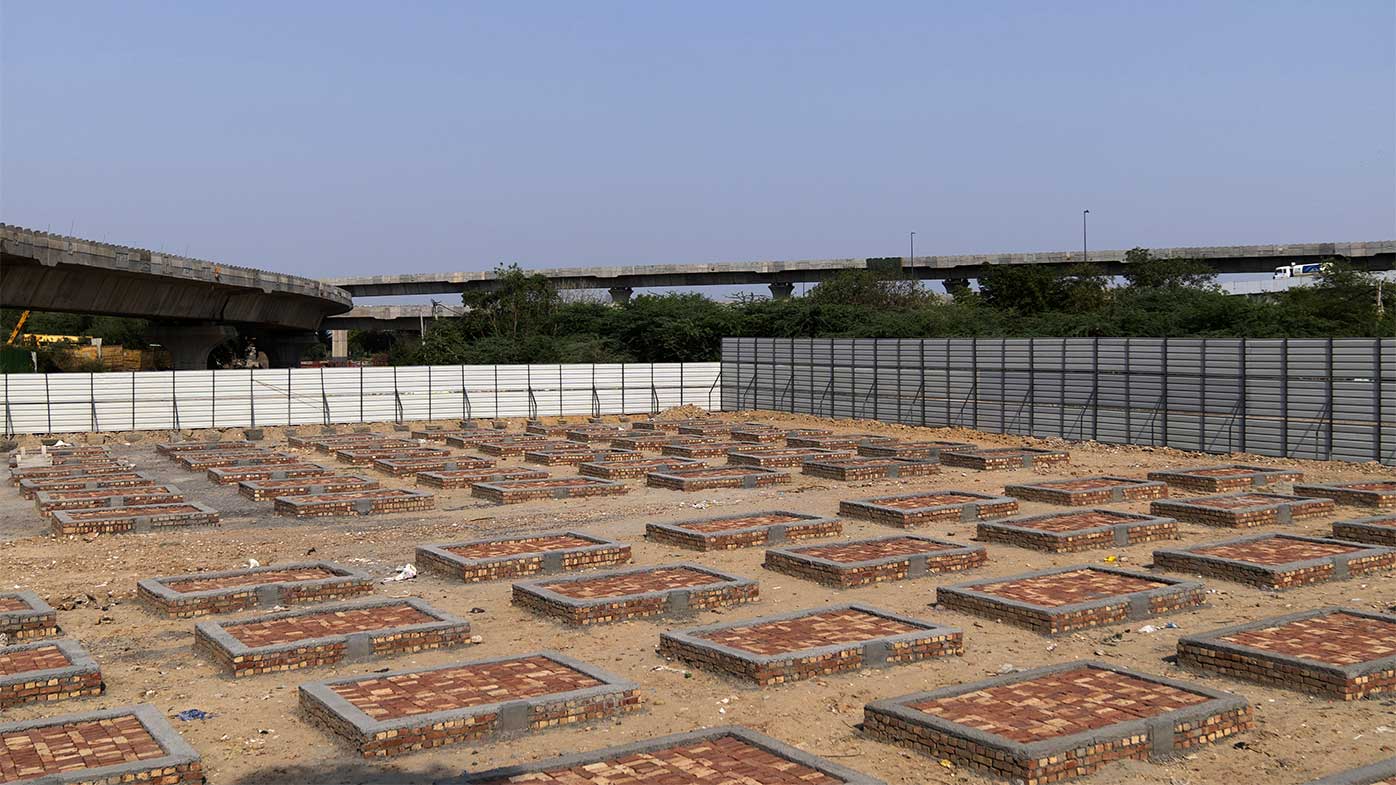
Newly built funeral pyre plinths during lockdown restrictions imposed by the state government in New Delhi, India.

Both figures are considered to be undercounts.

A repatriation flight which landed in Australia on Saturday was half-empty, because so many planned passengers had tested positive to the disease.

Twenty five million people in India have contracted coronavirus, second only to the United States in the total infection rate.

Widow offered friend $20K to make false statement ahead of murder trial

A widow accused of killing Walcha grazier Mathew Dunbar offered a high school friend $20,000 to make a false statement in the lead up to her murder trial, a court has heard.

Natasha Beth Darcy, 46, is accused of propositioning her friend in a letter she wrote from jail while awaiting trial for Mr Dunbar's murder.

Ms Darcy is accused of sedating and murdering Mathew Dunbar in 2017 after she was made the sole beneficiary of his multi-million-dollar Merino property at Walcha near Tamworth.

READ MORE: Grazier bought helium allegedly used to kill him

Natasha Beth Darcy is accused of sedating Mr Dunbar after blending ram sedatives in a NutriBullet before gassing him.

Following eight weeks of evidence in her murder trial, Crown prosecutor Brett Hatfield reminded the jury of the letter Ms Darcy had penned during his closing address, having previously read the letter aloud to the NSW Supreme Court.

"(Her friend) received a letter offering her $20,000 to tell a number of quite specific lies about Mr Dunbar to assist the accused in this murder trial," Mr Hatfield told the jury.

He told the court the letter showed a "consciousness of guilt" and also illustrated she knew she stood to inherit the $4.65 million property 'Pandora' despite her telling police and friend she had no idea she'd been made the beneficiary.

"I'm going to make you a proposition and see if you can be the one to help me," Ms Darcy wrote to her friend in January 2020.

Ms Darcy then outlines her plan, inspired by the 1990s sitcom Frasier, where one of the characters struggles with the "moral dilemma" of whether to lie for a friend in a court case.

READ MORE: NSW woman denies killing farmer boyfriend with sedatives blended in Nutribullet

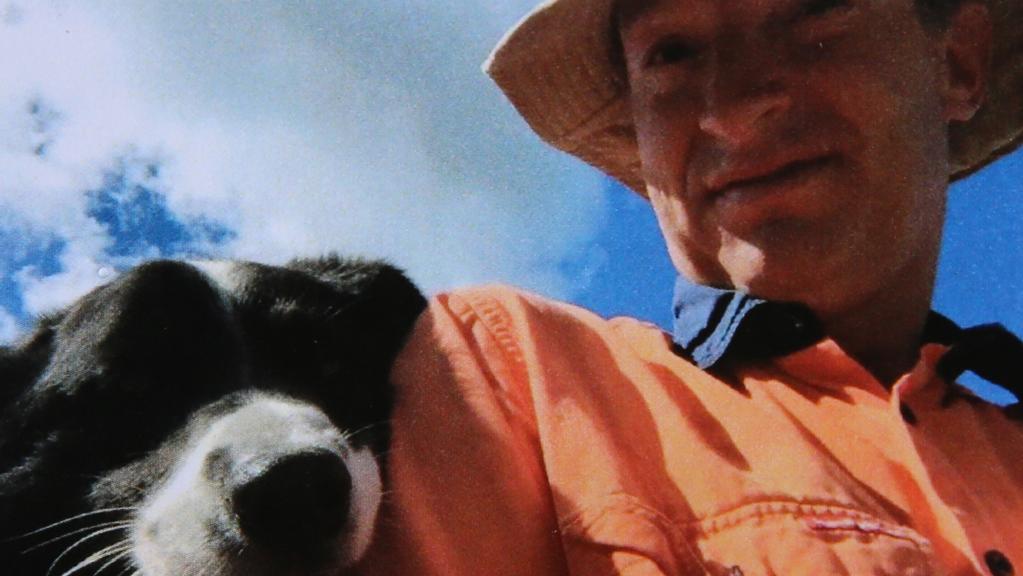
Mathew Dunbar on his property with his dog.

"I was watching an episode of Frasier when Niles needed him to lie in court and say he didn't know that Niles was in love with Daphne," Ms Darcy wrote.

"It got me thinking if only I could ask somebody to say that Mathew told them he was planning his suicide maybe a few or several days before he passed."

At the time of Mr Dunbar's death, on August 2, 2017, Ms Darcy told police and friends the 42-year-old had suicided using a combination of helium and drugs.

But at the start of her murder trial she told the court she was guilty of "aiding and abetting suicide".

The Supreme Court heard her high school friend, contacted the Director of Public Prosecutions after hearing about the trial through the media, and came forward with the letters Ms Darcy had written.

READ MORE: Woman allegedly searched 'how to commit murder' before boyfriend's death

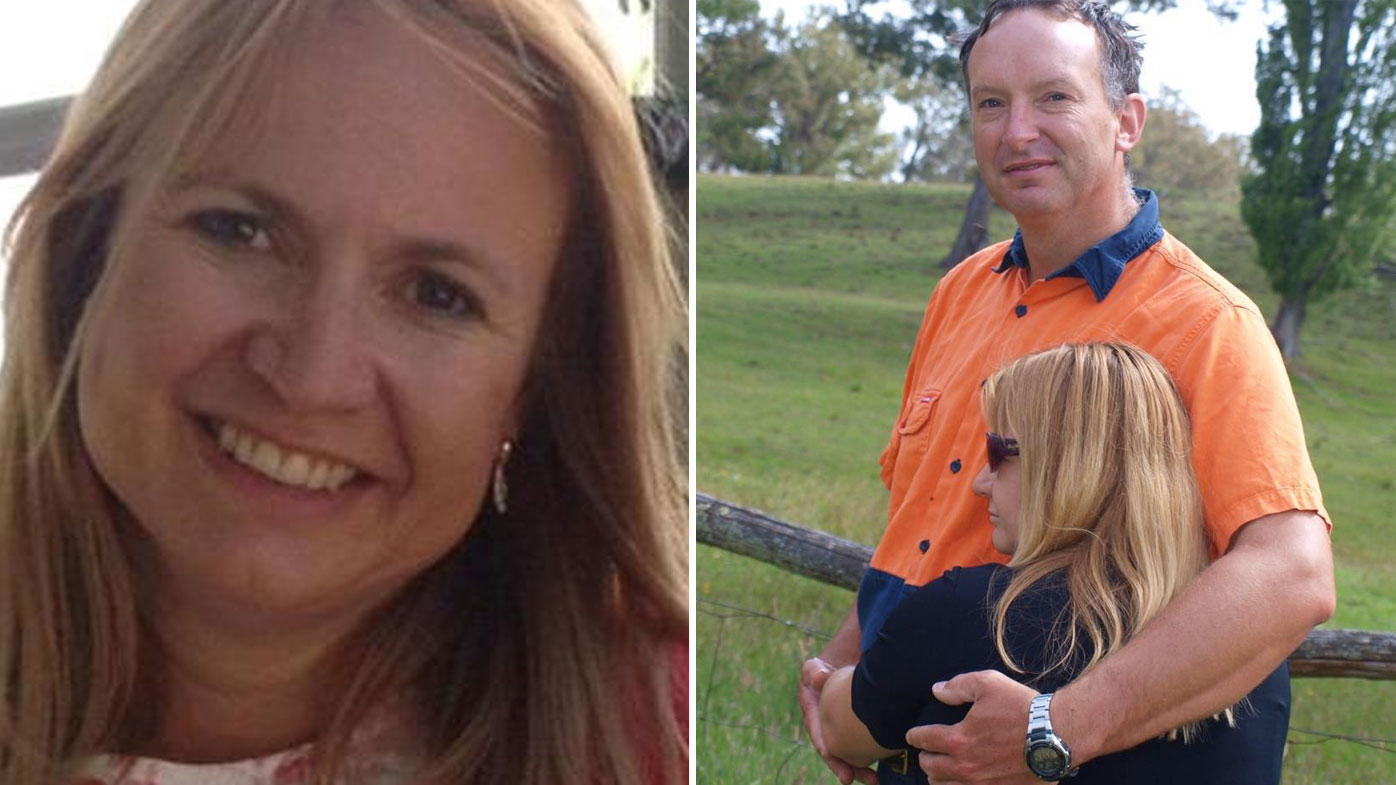
Natasha Beth Darcy was refused bail over the alleged murder of her sheep farmer husband, Mathew Dunbar in August 2017.

In the letter Ms Darcy asked her friend to make up a statement about how Mr Dunbar had spoken about his plans to die by suicide, despite the woman having never met Mr Dunbar or spoken to him.

Ms Darcy said she thought "the following details would be sufficient" for her friend to include in a statement to her solicitor.

"You talked to him for around 40 minutes and he told you:

  • he had been planning his suicide
  • he wanted to die at home
  • he had already had two attempts and he didn't want to fail again
  • he loved the kids and I, but he was convinced we would be better off without him"

Ms Darcy is accused of making hundreds of Google searches in the lead up to Mr Dunbar's death including "how to commit murder;'  "will helium show up in an autopsy;" "Can police see deleted text messages;" "99 undetectable poisons" and "11 toxic plants that look like food".

It is the Crown case Ms Darcy purchased ram sedatives – which were later found in Mr Dunbar's system – using a false name and address at an Armidale vet – and ordered the cylinder of helium later used to kill him.

READ MORE: Vet called police over sedative request before grazier's death

Following her arrest, the court heard she wrote to her high school friend from jail, explaining how she believed the case against her would be dropped if a false statement was made.

"It could even be dropped before it goes to trial. All they have on me is those web searches and once they know Mat confirmed to you that he had been searching suicide, they have nothing".

The trial continues before Justice Julia Lonergan.

Readers seeking support and information about suicide prevention can contact Lifeline on 13 11 14. National Domestic Violence Service: 1800 RESPECT (1800 737 732). If you are in immediate danger call Triple Zero (000).

Famous Galapagos rock structure loses its top due to erosion

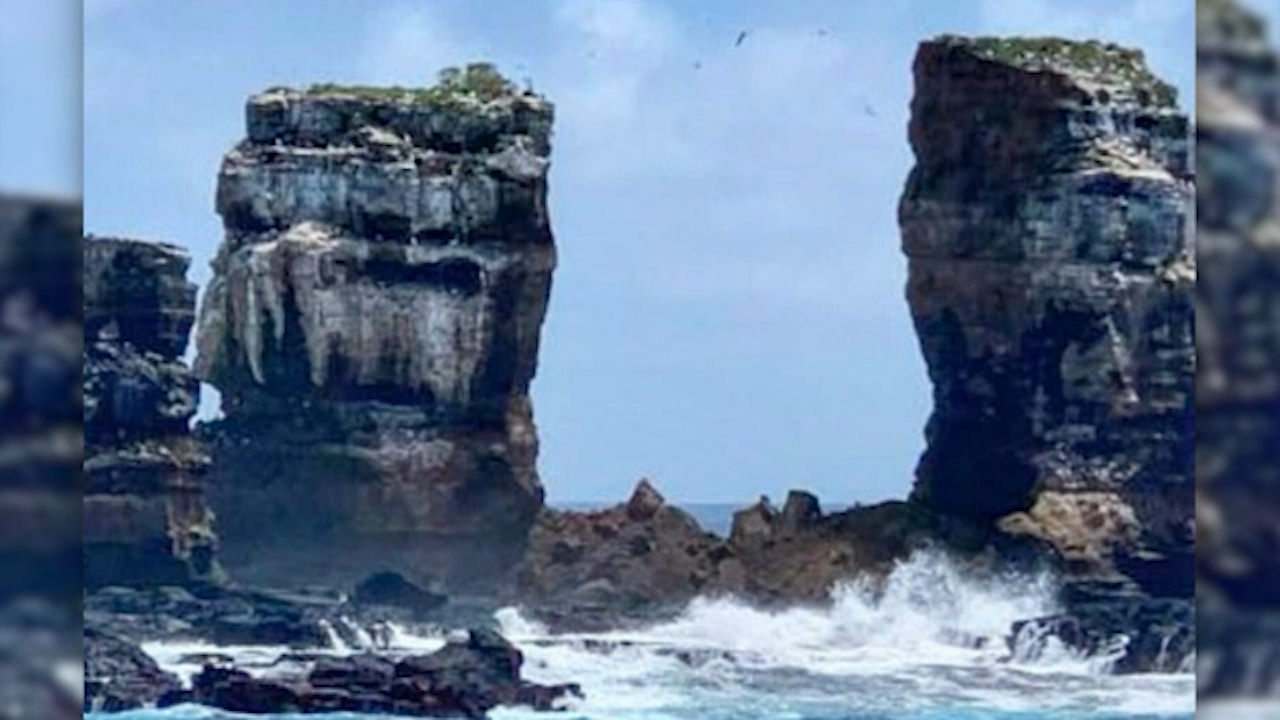
The famed Darwin's Arch in the Galapagos Islands has lost its top, and officials are blaming natural erosion of the stone.

Ecuador's Environment Ministry reported the collapse on its Facebook page on Monday.

The rock structure – 43 metres high, 70 metres long and 23 metres wide — is less than 1 kilometre from Darwin Island.

This photo distributed by Galapagos National Park shows Darwin's Arch off the Galapagos Islands, Ecuador, Sunday, May 16, 2021.This was taken a day later, and the top of the structure is clearly missing.

It's a popular spot for scuba divers and is not accessible by land.

"Obviously all the people from the Galapagos felt nostalgic because it’s something we’re familiar with since childhood, and to know that it has changed was a bit of a shock," said Washington Tapia, director of conservation at Galapagos Conservancy.

"However, from a scientific point of view, it’s part of the natural process. The fall is surely due to exogenous processes such as weathering and erosion which are things that normally happen on our planet.”

The unique flora and fauna on remote islands, some 1,000 kilometres off the coast of mainland Ecuador are famed in part for inspiring Charles Darwin's thoughts on evolution.