Finnish company Neste wants to enter the New Zealand market and fuel Wellington’s buses with its renewable diesel. Currently, emissions from buses account for about a third of Greater Wellington Regional Council’s (GWRC) carbon…
Tag Archives: oceania
New Zealand comedy legend David McPhail funeral today expected to attract hundreds
Hundreds of mourners will today gather to farewell legendary Kiwi comedian and actor David McPhail who passed away suddenly last week. McPhail – one half of the famed McPhail and Gadsby satirical comedy show which dominated New…
Herald morning quiz: May 18
Test your brains with the Herald’s morning quiz. Be sure to check back on nzherald.co.nz at 3pm for the afternoon quiz. To challenge yourself with more quizzes, CLICK HERE.
Taiwan handled COVID-19 better than Australia. Now it's fighting an outbreak
Taiwan has imposed new restrictions including limits on gatherings in its capital as it battles its biggest coronavirus outbreak since the start of the pandemic.
The democratically ruled island off the coast of China, widely praised as a success for its handling of COVID-19, reported 335 new cases Monday — a record single-day rise.
All but two were locally transmitted, the island's Central Epidemic Command Center (CECC) reported.
READ MORE: Millions must get COVID jab before borders can open, NSW Premier says
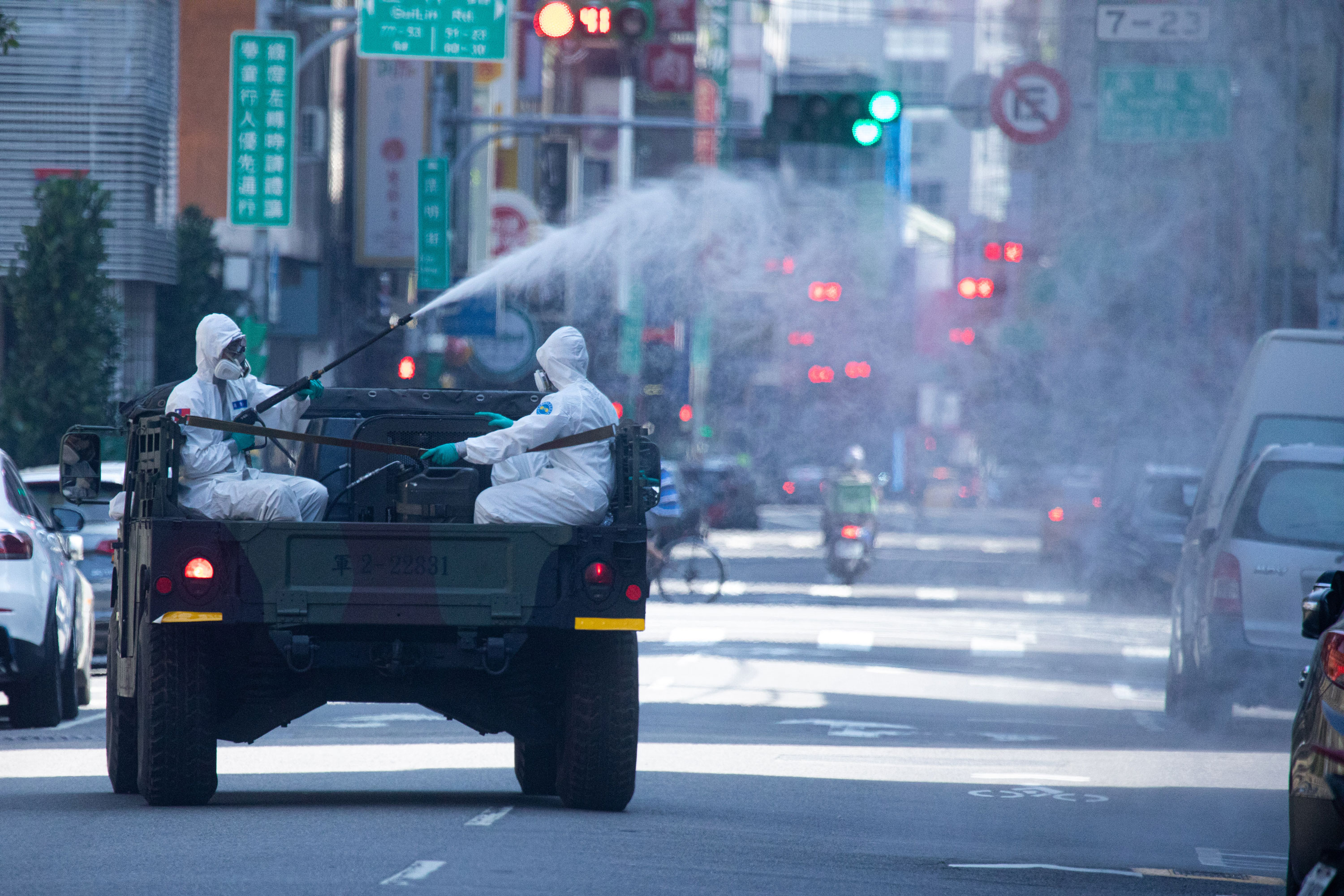
According to the Taiwan Centres for Disease Control, 155 out of 158 cases in the capital, Taipei, were linked to hostess teahouses.
Monday's numbers follow a previous record 207 new cases reported on Sunday.
Taiwanese authorities imposed new social distancing measures on Saturday, closing bars, clubs and gyms around the island, and restricting indoor gatherings in Taipei and the surrounding New Taipei City to five people.
In Taipei, people must wear masks outdoors — failure to do so is punishable by a fine of 3,000 to 15,000 New Taiwanese dollars ($107 to $535).
https://twitter.com/KP_Taipei/status/1393908052080746511
All schools and kindergartens in Taipei and New Taipei will be closed for two weeks starting on Tuesday and several local councils have also been suspended.
The measures were in response to "an increasing level of community transmission, shown by cases of unknown sources of infection as well as cluster infections in Taipei City and New Taipei City," the Taiwan Centres for Disease Control said in a news release.
The self-ruled island's leader, Tsai Ing-wen, urged residents to follow the guidelines, and ensure those around them stayed safe and healthy.
https://twitter.com/iingwen/status/1393719164708167682
Last week, Health and Welfare Minister Chen Shih-chung said the island was in "critical condition," according to Taiwan's official Central News Agency (CNA).
CNA reported the outbreak was first detected among pilots but cases had since been found in the community. Taiwan is now reporting a number of clusters, including cases linked to hostess teahouses in Taipei and an amusement arcade in north-eastern Yilan city.
The spike in cases caused some alarm, prompting some residents to rush to get vaccinated, CNA reported.
After weeks of concern over low vaccination uptake, Mr Chen said he was now worried stocks may run out, CNA reported.
The island has one of the lowest vaccination rates in the world, with fewer than 1 per cent of its 23 million-strong population inoculated, according to data compiled by CNN.
The elderly, medical personnel and other emergency or high-risk workers, as well as diplomats, police, care workers and some other professions are currently eligible for vaccination under the government program.
The island's current COVID-19 outbreak is relatively small compared to those in other parts of the world, but is an unfamiliar situation for Taiwan, which has until now managed to avoid a serious spike in cases.
Taiwan has reported 2017 confirmed cases and 12 deaths since the start of the pandemic, according to the Taiwan Centres for Disease Control.
That's won the island praise for its handling of the virus, with Bloomberg placing Taiwan fifth on its Covid Resilience Ranking, which takes into account fatalities, cases and vaccination rate.
Australia's Lowy Institute ranks Taiwan's pandemic response in third place, behind Bhutan and New Zealand.
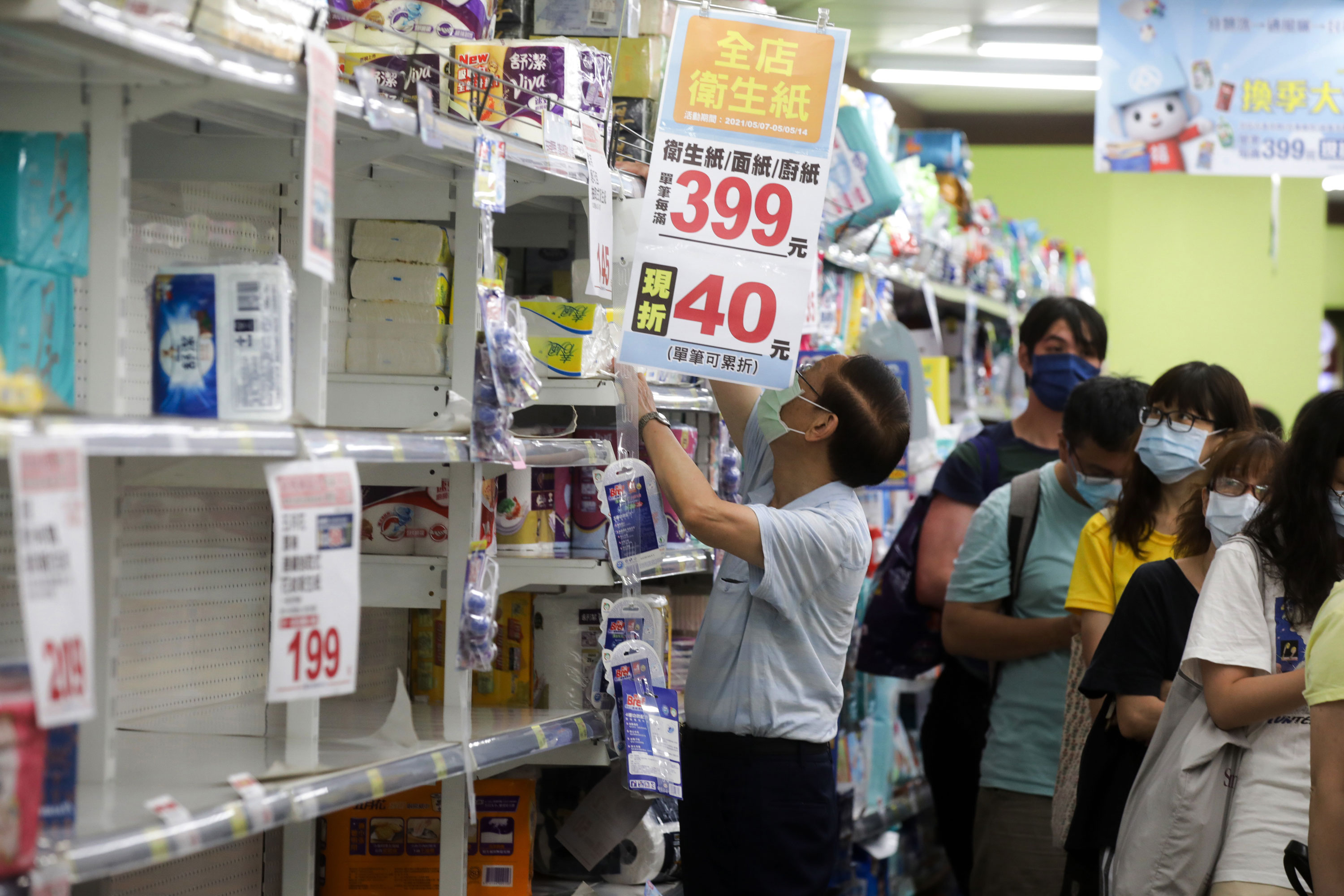
Last year, the island went more than 250 days without reporting a locally transmitted case.
Taiwan's success was partly thanks to tough border rules similar to Australia's, which saw it ban almost all non-residents from entering the island from March last year.
The island also requires incoming travellers to quarantine, although rules have been more relaxed for flight crews.
Mr Chen said last week that Taiwan would quarantine all active pilots working for Taiwanese carrier China Airlines for 14 days amid a COVID-19 outbreak among flight crews and hotel workers.
Train derails in fiery crash, prompting evacuation
Union Pacific crews are readying to remove rail cars after a train derailment and fire prompted evacuations in north-west Iowa on Sunday (Monday AEST), a company spokesman says.
"We know the impacted cars were carrying hydrochloric acid, potassium hydroxide and asphalt," Union Pacific spokesperson Robynn Tysver said on Monday in an email to CNN.
The derailment happened at around 2 p.m. Sunday in Sibley and involved an estimated 47 cars, Tysver told CNN affiliate KMEG. The train crew was not injured, Tysver added.
READ MORE: Report claims Microsoft board hired law firm to investigate Bill Gates
Voluntary evacuation orders remained in place and the Sibley-Ocheyedan Community School District was operating on a late start schedule, the district said in a Facebook post.
The cause of the derailment was under investigation, Mr Tysver said. Authorities said the fire was caused by diesel fuel, according to CNN affiliate KTIV, and that the derailment was a result of a bridge collapse.
For people who didn't evacuate, the Osceola County Sheriff's Office wrote in a Facebook post that residents were "advised to open windows on both sides of their homes and be positioned in the middle of their homes."
"This is a safety measure in case a rail car explodes," the sheriff's office wrote.
All waterways in the area were blocked off, KTIV reported.
CNN has reached out to the sheriff's office and the county emergency management for more information
Calls grow for Gaza ceasefire but US remains on the sidelines
The Israeli military has unleashed another wave of heavy airstrikes on the Gaza Strip, as international diplomats work to end a week of fighting that has killed hundreds of people.
Residents of Gaza awakened by the overnight barrage described it on Monday as the heaviest since the war began.
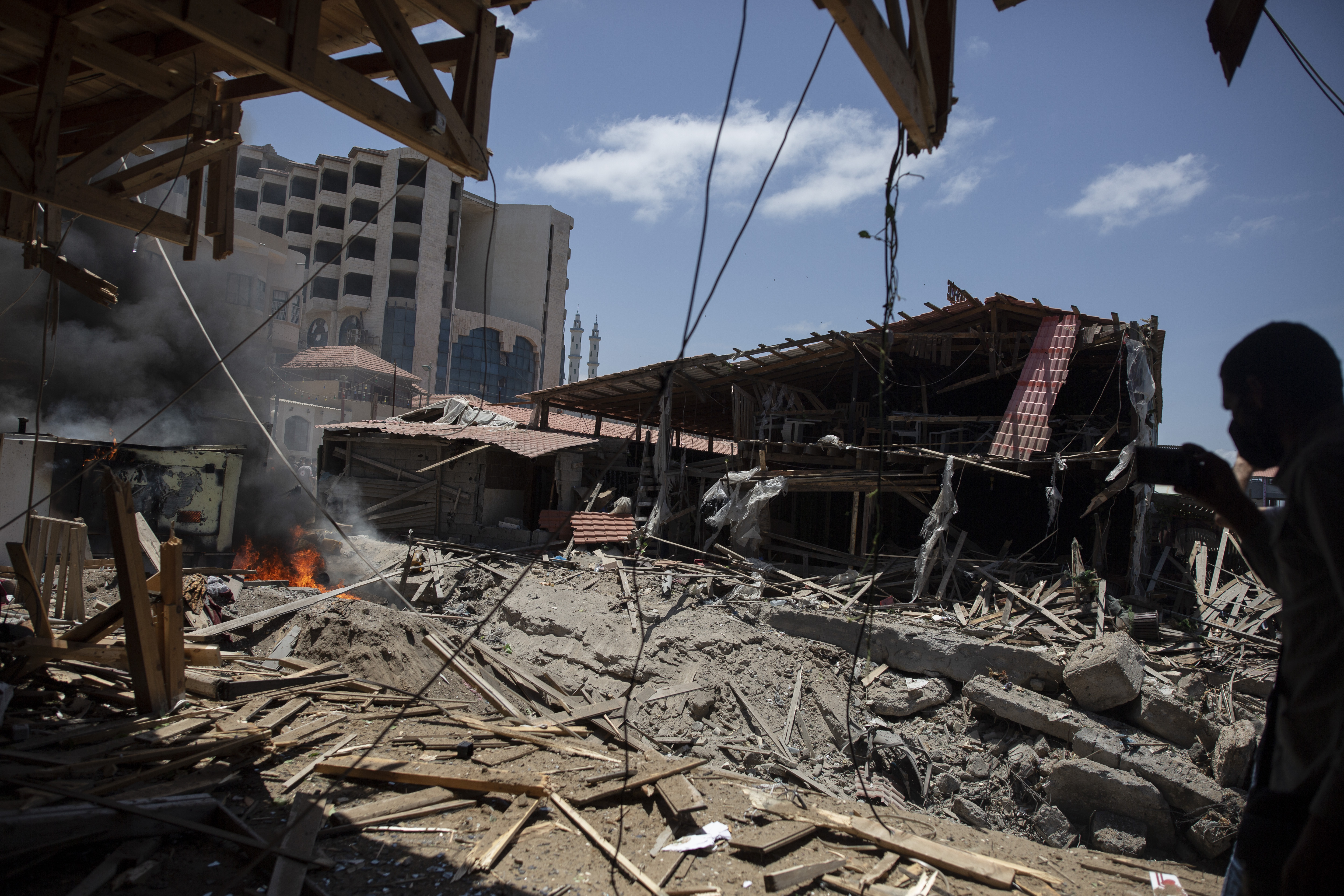
The military said the latest attacks destroyed 15 kilometres of militant tunnels and the homes of nine Hamas commanders. They killed a top Gaza leader of the Islamic Jihad militant group whom the Israeli military blamed for some of the thousands of rocket attacks launched at Israel in recent days.
READ MORE: More airstrikes hammer Gaza after war's deadliest day so far
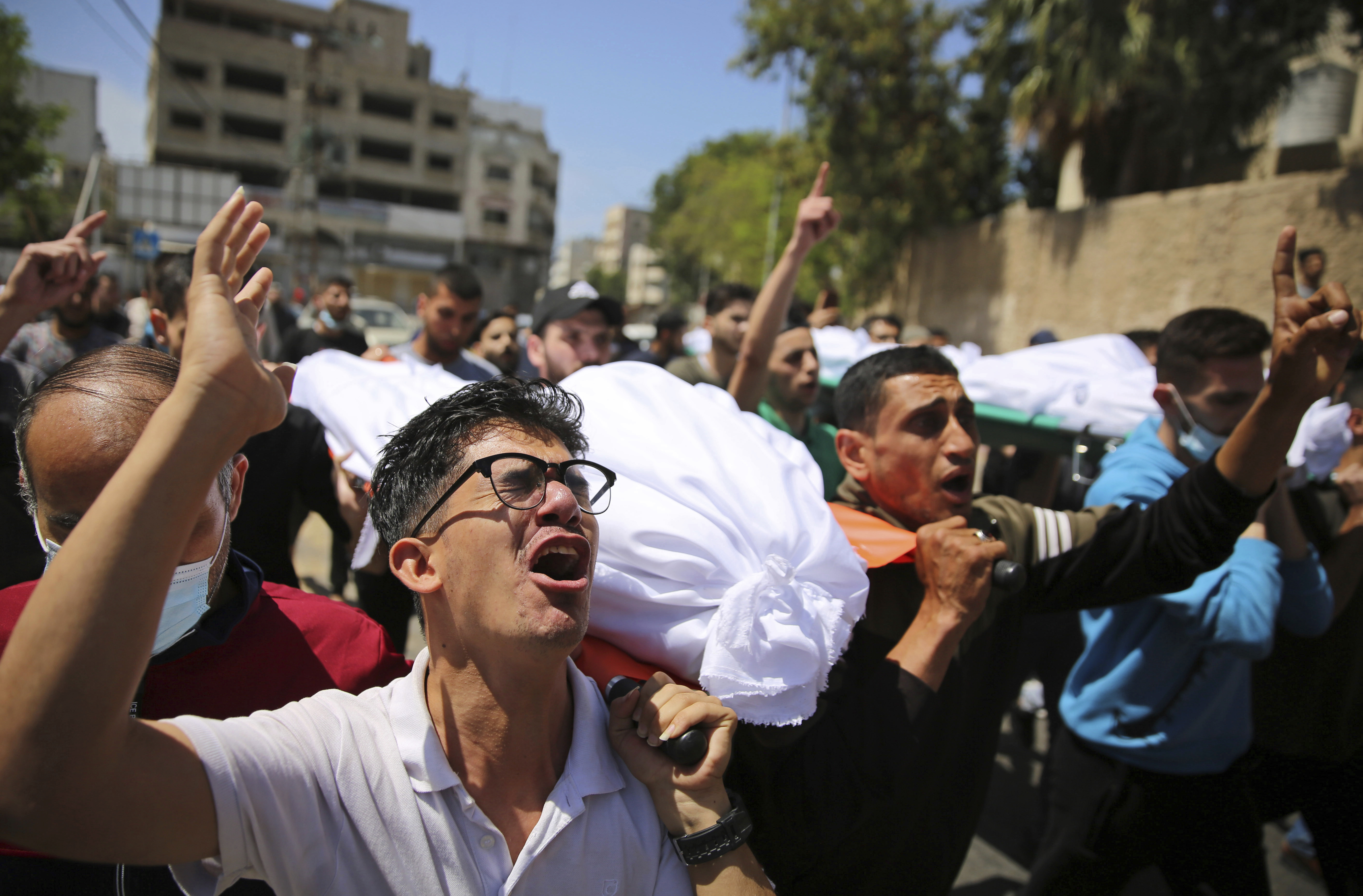
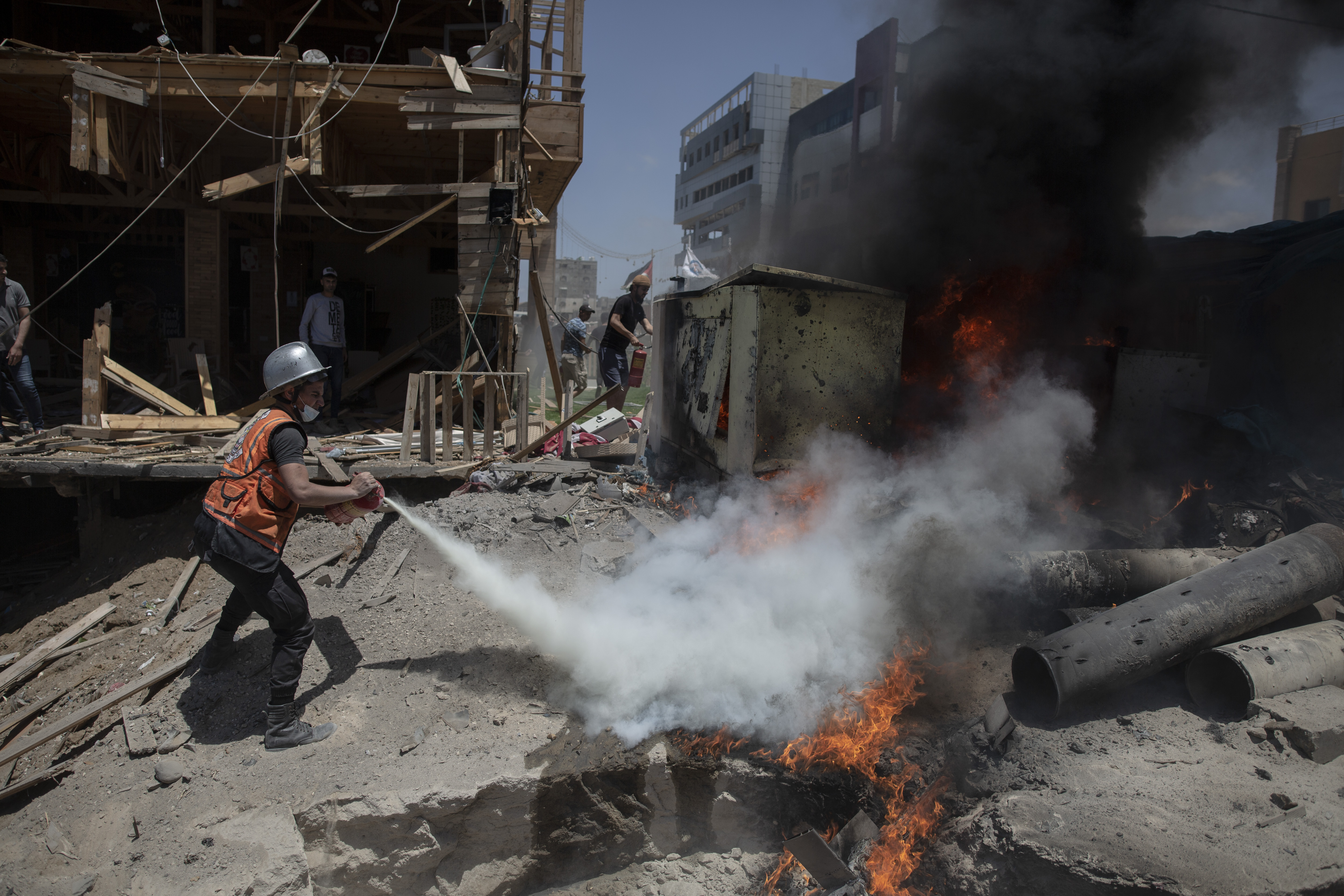
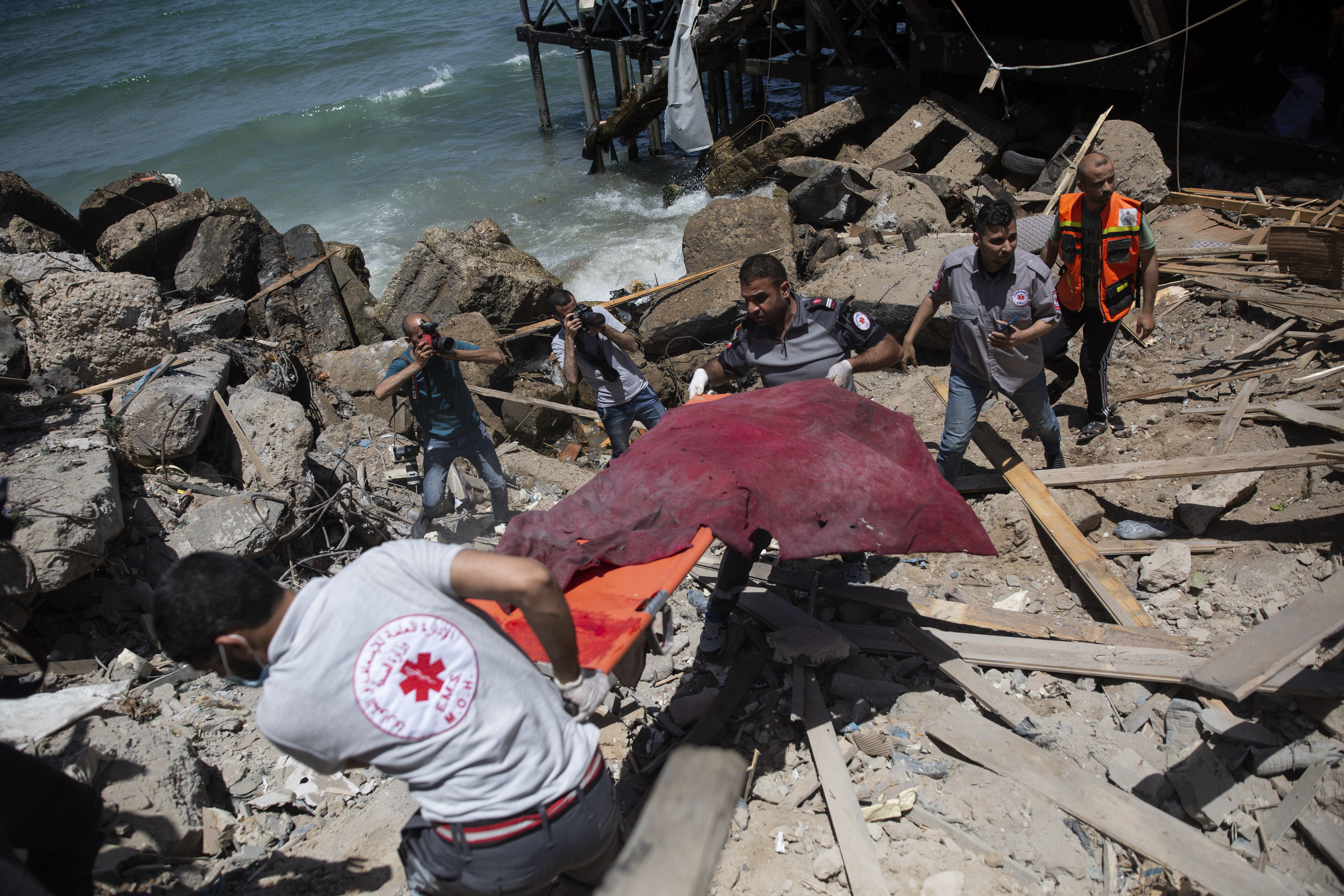
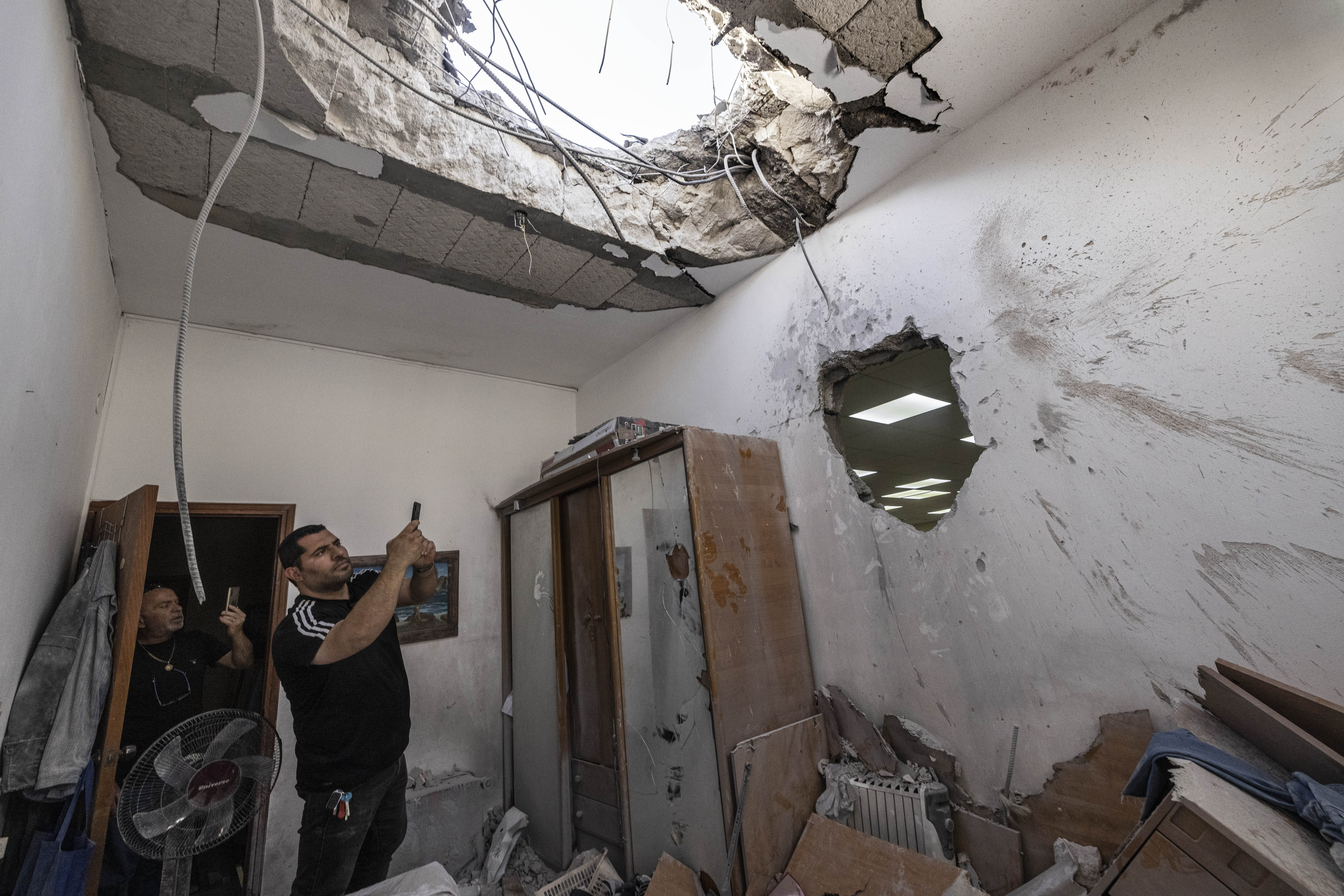
The strikes hollowed out one floor of a multi-storey concrete building. A woman picked through clothing, rubble and splintered furniture in a room that had been destroyed.
One strike demolished the wall of one room, leaving untouched an open cabinet filled with bedding inside. Children walked over debris in the road.
A car in the street that witnesses said was hit by an airstrike was bent and torn, its roof ripped back and what was left of the driver's side door smeared with blood.
A beachside cafe the car had just left was splintered and on fire. Rescue workers tried to put out the blaze with a small fire extinguisher. There was no immediate word on casualties.
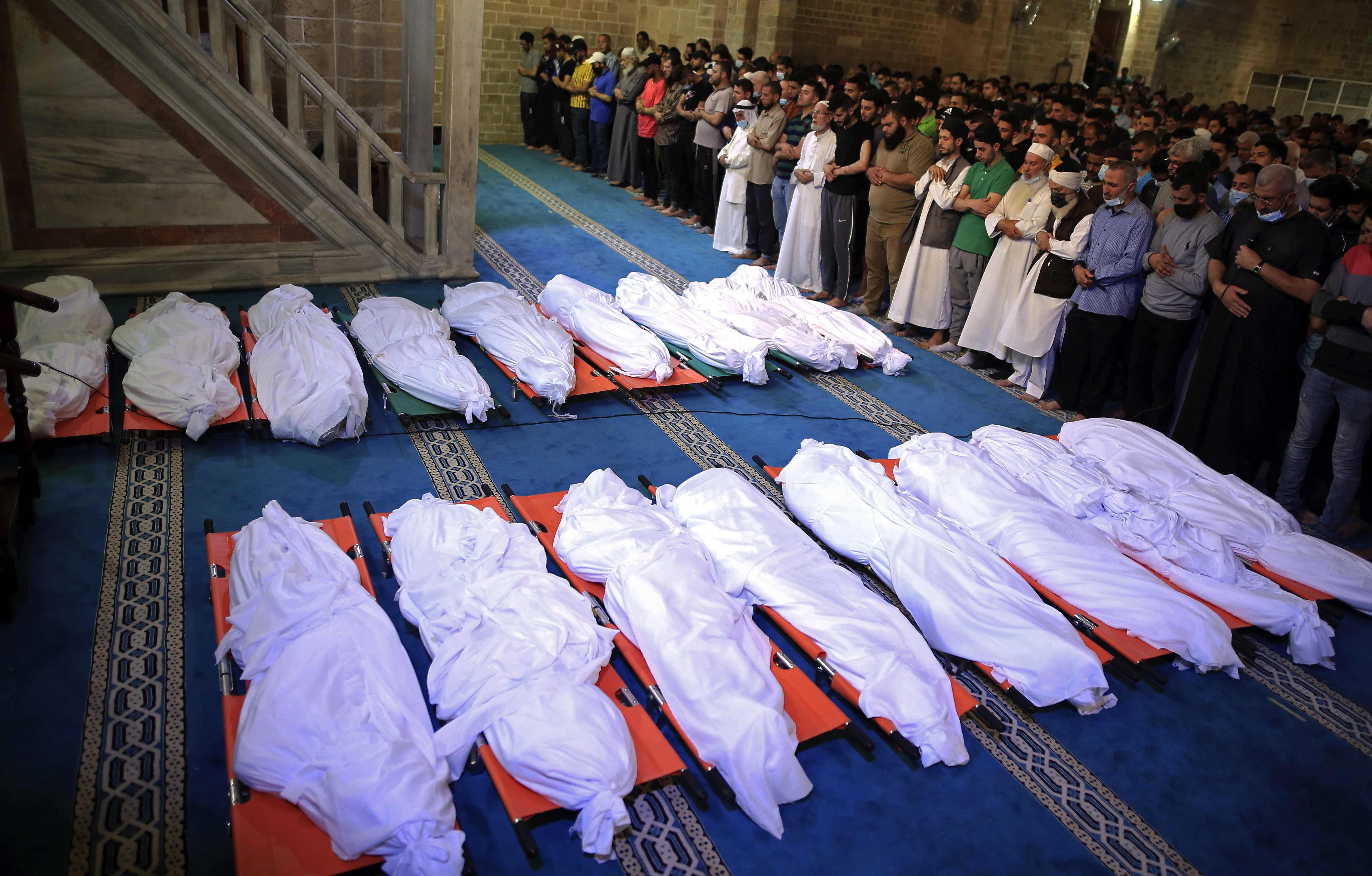
The strikes came a day after the deadliest attack in the current round of hostilities between Israel and Gaza's Hamas rulers, which killed 42 people and flattened three buildings in Gaza.
Gaza's mayor, Yahya Sarraj, told Al-Jazeera TV the strikes had caused extensive damage to roads and other infrastructure. "If the aggression continues we expect conditions to become worse," he said.
READ MORE: Netanyahu warns war will go on, after dozens died in deadliest attack yet
The UN had warned the territory's sole power station is at risk of running out of fuel, and Sarraj said Gaza was also low on spare parts. Gaza already experiences daily power outages for between eight and 12 hours, and tap water is undrinkable.
Mohammed Thabet, a spokesman for the the territory's electricity distribution company, said it had fuel to supply Gaza with electricity for two or three days.
The war broke out last Monday, when the Hamas militant group fired long-range rockets at Jerusalem after weeks of clashes in the holy city between Palestinian protesters and Israeli police.
The protests were focused on the heavy-handed policing of a flashpoint sacred site during the Muslim holy month of Ramadan and the threatened eviction of dozens of Palestinian families by Jewish settlers.
READ MORE: The Palestinians facing eviction after decades in Jerusalem homes
More protests were expected across the region on Tuesday in response to a call by Palestinian citizens of Israel for a general strike. The protest has the support of Palestinian Authority President Mahmoud Abbas' Fatah party.
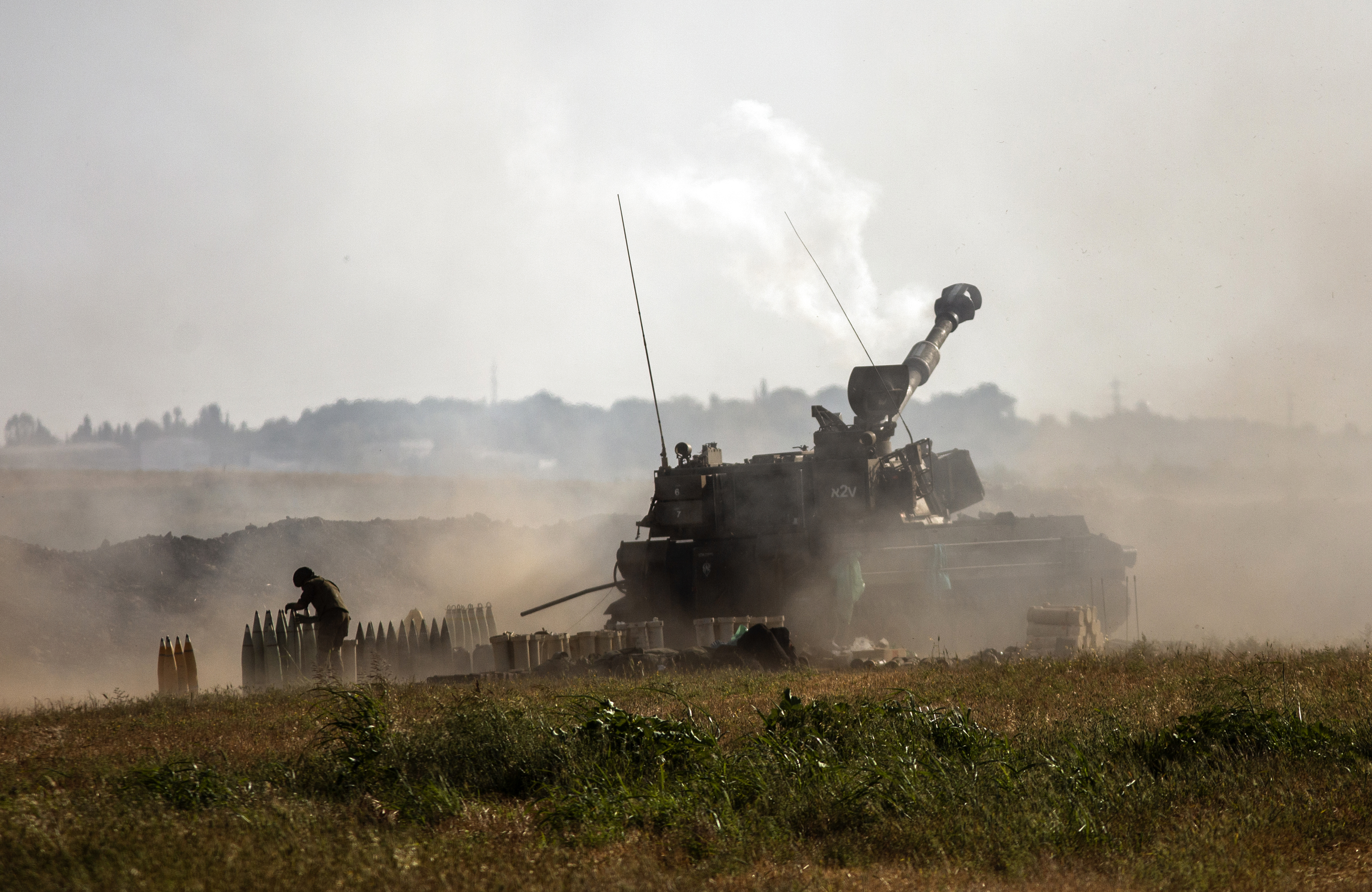
Since the fighting began, the Israeli military has launched hundreds of airstrikes it says are targeting Hamas' militant infrastructure. Palestinian militants in Gaza have fired more than 3200 rockets into Israel.
Israeli military officials said Hamas had stockpiled about 15,000 rockets before the war started.
At least 200 Palestinians have been killed in the strikes, including 59 children and 35 women, with 1300 people wounded, according to the Gaza Health Ministry.
Eight people in Israel have been killed in rocket attacks launched from Gaza, including a five-year-old boy and a soldier.
Despite international efforts for a ceasefire, Israeli Prime Minister Benjamin Netanyahu said on Sunday Israel's attacks were continuing at "full-force" and would "take time."
Israel "wants to levy a heavy price" on the Hamas militant group, he said.
READ MORE: Media demand Israel explain destruction of news offices
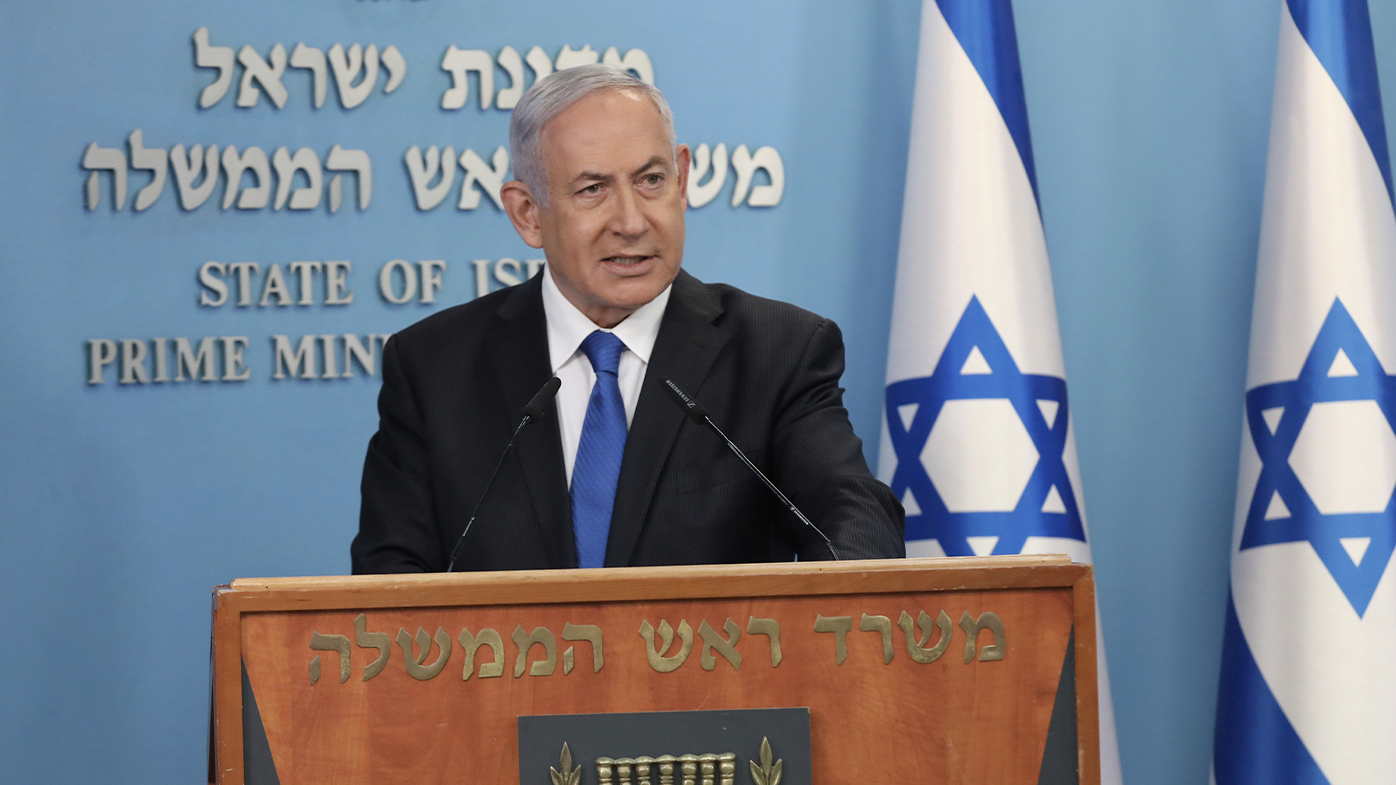
Hamas' top leader, Ismail Haniyeh, who is based abroad, said the group had been contacted by the United Nations, Russia, Egypt and Qatar as part of ceasefire efforts but "will not accept a solution that is not up to the sacrifices of the Palestinian people."
In an interview with the Lebanese daily Al-Akhbar, he blamed the war on Israel's actions in Jerusalem and boasted that the rockets were "paralysing the usurping entity (Israel)."
Egyptian President Abdel Fattah el-Sissi said his government was working to "urgently" end the violence, in his first comments since the war broke out.
Egypt, which borders Gaza and Israel, has played a central role in the ceasefires brokered after previous rounds of fighting.
An Egyptian diplomat said the current efforts were focusing on two issues — a halt in all attacks from both sides and halting Israeli policies in the contested city of Jerusalem that helped spark the fighting.
These include police raids against Palestinian protesters in and around the Al-Aqsa Mosque and the planned evictions of Palestinians by Jewish settlers in East Jerusalem.
EXPLAINED: What led to the recent Israel-Gaza violence
The diplomat, speaking on condition of anonymity because he was talking about confidential diplomatic discussions, said mediators were counting on the Biden administration to put pressure on Israel to stop its offensive and there were expectations for action in the coming 48 hours.
US diplomat Hady Amr met with a delegation from the Palestinian Authority on Monday, a day after meeting senior Israeli leaders.
But the Biden administration has declined so far to publicly criticise Israel's part in the fighting or send a top-level envoy to the region.
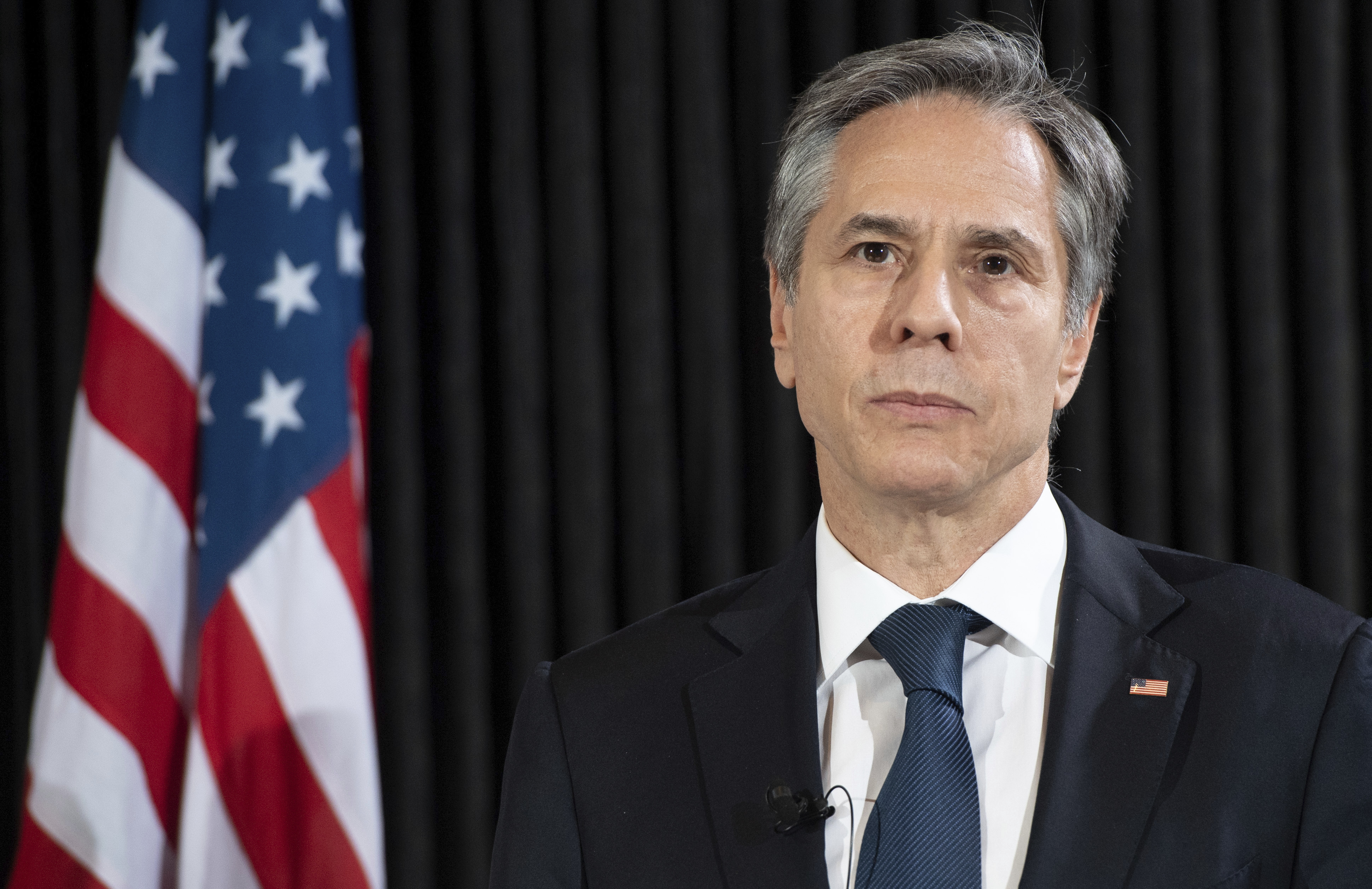
Speaking to reporters during a trip to Denmark, Secretary of State Antony Blinken said the United States would support any initiative to stop the fighting but signalled the country did not intend to put pressure on the two sides to accept a ceasefire.
"Ultimately it is up to the parties to make clear that they want to pursue a ceasefire," he said.
READ MORE: Sydney charity worker tells of conflict's 'heartbreaking' toll on children
Rocket attacks continued Monday, with one hitting a building in the city of Ashdod that caused injuries, the Israeli police said.
The Israeli military, meanwhile, said it struck 35 "terror targets" on Monday as well as the tunnels, which it says are part of an elaborate system it refers to as the "Metro," used by fighters to take cover from airstrikes.
The tunnels extend for hundreds of kilometres, with some more than 20 metres deep, according to an Israeli Air Force official who spoke to reporters on condition of anonymity, in keeping with regulations.
The official said Israel was not trying to destroy all the tunnels, just chokepoints and major junctions.
The military said it struck nine houses in different parts of northern Gaza that belonged to "high-ranking commanders" in Hamas.
Islamic Jihad said one strike killed Hasam Abu Harbid, the militant group's commander for the northern Gaza Strip.
In recent days, Israel has targeted the homes of a number of senior Hamas leaders, including Yehiyeh Sinwar, the top leader inside the territory.
The group's leadership goes underground when the fighting begins, and it's unlikely any were at home at the time of the strikes.
Hamas and Islamic Jihad say at least 20 of their fighters have been killed, while Israel says the number is at least 130 and has released the names of and photos of more than two dozen militant commanders it says have been "eliminated."
Israel's airstrikes have levelled a number of Gaza City's tallest buildings. Among them was the building housing The Associated Press Gaza office and those of other media outlets. The Israeli military alerted staff and residents before the strike, and all were able to evacuate safely.
Sally Buzbee, the AP's executive editor, has called for an independent investigation into the airstrike.
Netanyahu alleged that Hamas military intelligence was operating inside the building and said Sunday any evidence would be shared through intelligence channels. Neither the White House nor the State Department would say if any had been seen.
Millions must get COVID jab before borders can open, NSW Premier says
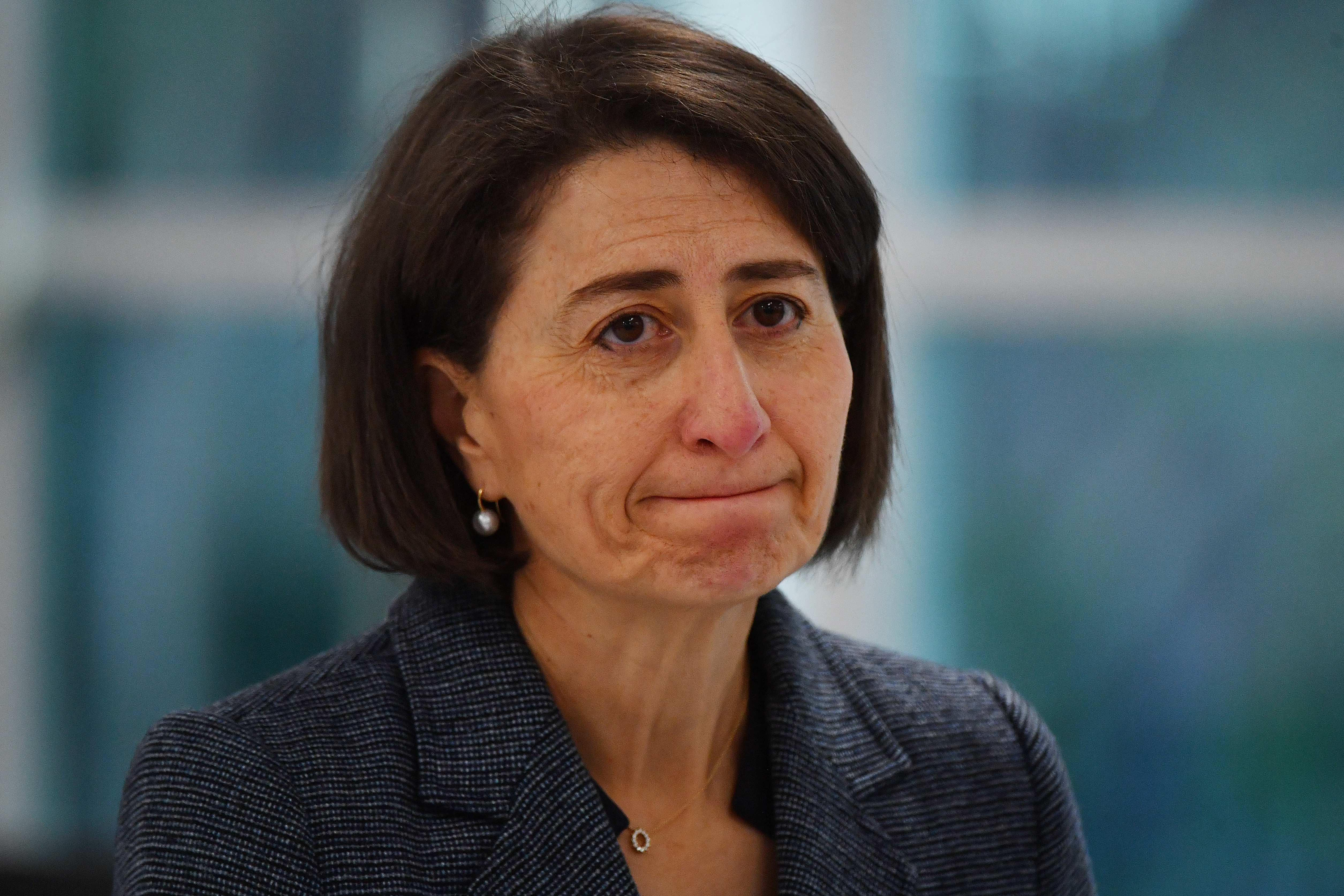
NSW Premier Gladys Berejiklian says about five million people in the state need to be fully vaccinated before borders open, amid growing pressure to set a timeline.
Her comments came as Virgin Australia CEO Jayne Hrdlicka added her voice to those saying Australia would eventually need to learn to live with COVID-19, saying "some people may die but it will be way smaller than with the flu".
Ms Berejiklian said she was keen to see the borders reopen as quickly as possible, but only when safe to do so.
READ MORE: Australian cricketers touch down in Sydney after leaving India
"Certainly in NSW we need to do around 10 million jabs to get the majority of our population to be vaccinated," Ms Berejiklian said at a press conference today.
"We're edging towards a million jabs. We're working as hard as we can."
She said NSW was "bearing the brunt" of the virus, losing $1.5 billion a month due to the lack of international travel.
"I do think we need to be ambitious and New South Wales has prided itself in getting the right balance, keeping the community safe, but also pushing the boundaries on when we can start doing things in a COVID-safe way," she said.
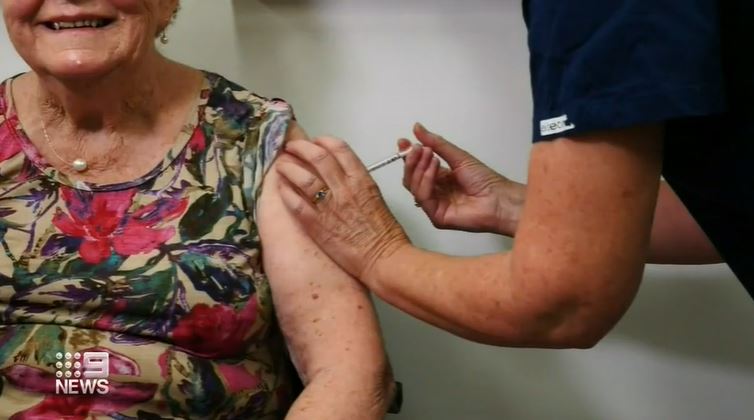
People aged 50 and over can now receive the AstraZeneca jab through their GP, while about 110,000 people aged 40-49 have registered their interest in receiving the Pfizer shot.
At a business lunch in Brisbane on Monday, Ms Hrdlicka said COVID would "be part of the community".
"We will become sick with COVID and it won't put us in hospital, and it won't put people into dire straits because we'll have a vaccine," she said.
"Some people may die, but it will be way smaller than with the flu.
"We're forgetting the fact that we've learnt how to live with lots of viruses and challenges over the years, and we've got to learn how to live with this."
READ MORE: Top doctor denies conflict with PM over 'safe opening' of borders
Virgin Australia issued a clarifying statement on Monday evening saying it was working with state and federal governments but the country's goal could not be the eradication of the coronavirus.
"The question is not if, but when we will be sufficiently vaccinated to protect our people and our hospital system to open our International borders," the company said.
"We must learn to live with COVID-19 in the community in a way that protects the health and safety of our people but also opens Australia up to the rest of the world."
An increasing number of business leaders and politicians have been calling for an acceptance that Australia must risk allowing some level of coronavirus transmission in order to reopen borders to international travel and returning Australians.
Ms Berejiklian called on other states to follow NSW's lead in repatriating Australians from overseas.
"Yes, it's important for us to keep our citizens safe, but we also believe you can keep your citizens safe but also welcome Aussies home as well," she said.
Ms Berejiklian said NSW was the only state to "consistently" meet its obligations to welcome back returning Australians.
"I just wish other states would have that same approach," she said.
She said it needed to be accepted that returning flights would bring some COVID-19 cases into the country.
"We already accept that. Even if they test negative when they're overseas by the time they get to Sydney, by the time they're in hotel quarantine, many of them are positive."
However, she said it was very different to be allowing people to travel back to Australia after having tested positive for COVID-19.
"It creates additional risks of others on the plane, of aircrew and all those risks need to be assessed," she said.
"I think that's why the system we have in place is safe, it's not perfect, but I think you'd have to work really hard to get a better system in place."
Truck driver's daughter feared he would 'kill someone'
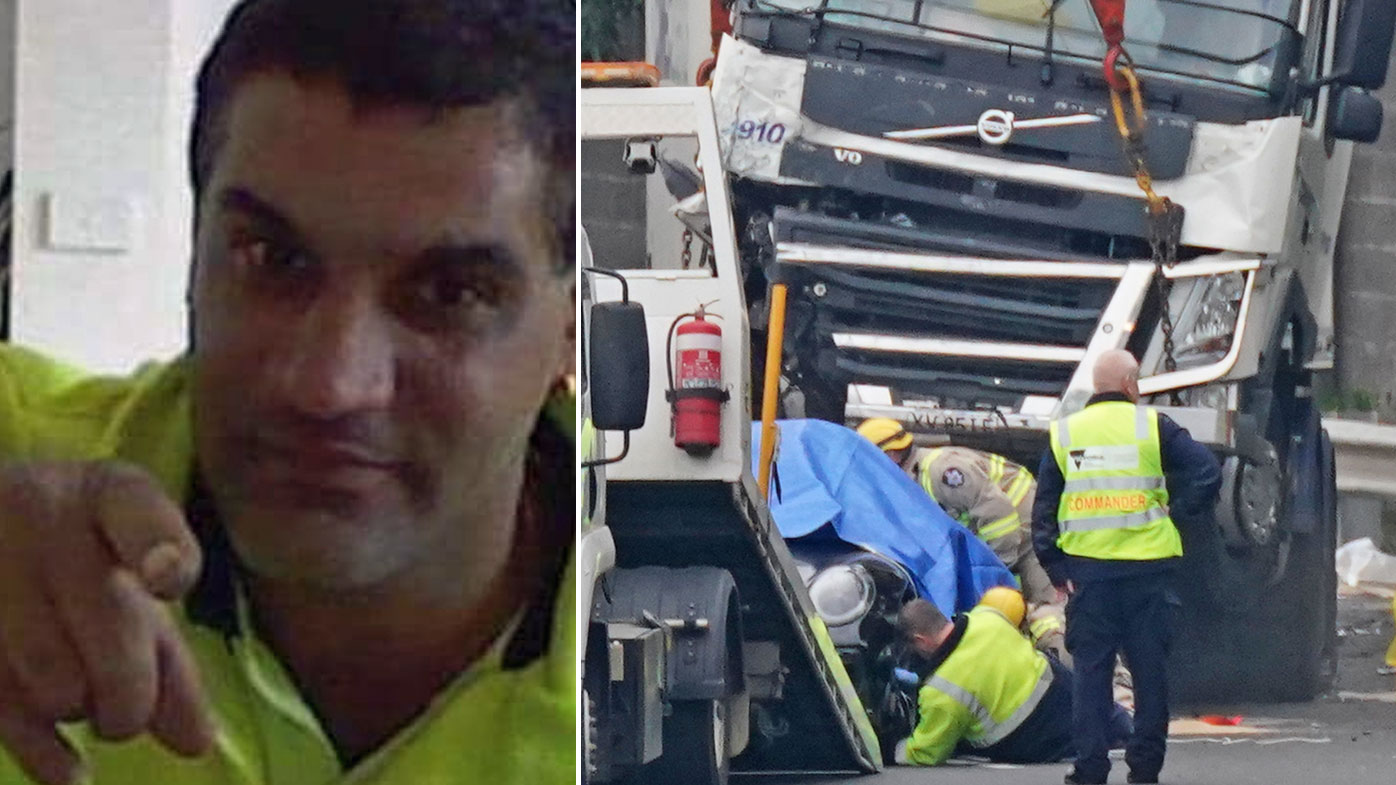
The daughter of the truck driver jailed over the deaths of four police officers in Melbourne's Eastern Freeway tragedy feared he would kill someone on the road that day.
Mohinder Singh's daughter, Harpreet Bajwa, 21, told him he needed to see a psychiatrist after hearing him rant about seeing ghosts and aliens.
But in the hours before the freeway tragedy, she knew something was terribly wrong.
"The way he was acting that day scared me and I thought he was going to kill someone if he drove," she told Melbourne Magistrates' Court today.
READ MORE: Man arrested in suspected murder of Melbourne woman
"His pupils were dilated, he seemed pretty terrified and he couldn't stop speaking."
Ms Bajwa told the court that her father feared he was going to be fired from his trucking company job if he didn't attend a meeting with his boss Simon Tuteru.
"I told him he shouldn't go to that meeting because he wasn't fit to drive and needs to see a psychiatrist," she said.
Mr Tuteru, 49, who is the Victorian manager of Connect Logistics, has been charged with four counts of manslaughter over the deaths of the police officers.
But he is facing 82 charges in total, with police alleging he also failed to ensure the safety of other drivers at the trucking company by exceeding their permissible hours behind the wheel.
READ MORE: 'Cascade of missed opportunities' before Aishwarya Aswath's death
It is alleged he knew about Singh's deteriorating mental state but continued to get him to drive the heavy vehicle.
After their meeting, police allege the pair prayed together before the manager insisted Singh – who was high on drugs – do a single load delivery for him.
The court also heard Singh, 48, will also be called to give evidence against his former boss.
Singh was jailed for 22 years last month after pleading guilty to four counts of culpable driving causing the deaths of officers Lynette Taylor, Glen Humphris, Josh Prestney and Kevin King.
Son charged with murder following death of Melbourne woman
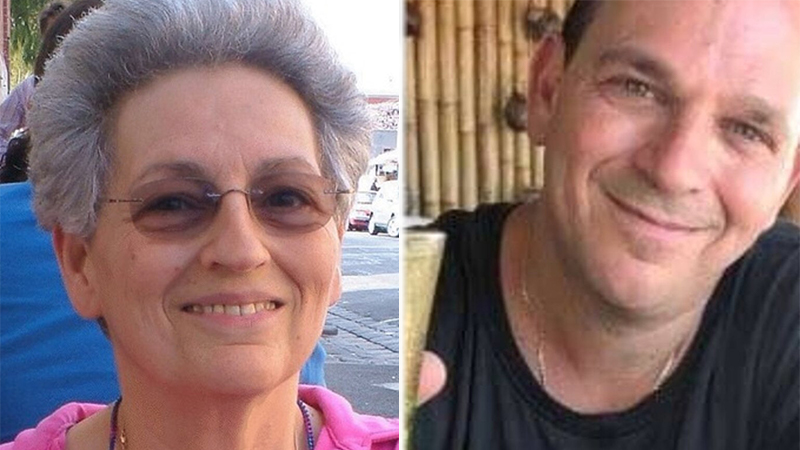
A son has been charged with the murder of his mother after her body was found in a home in Melbourne's south-east
Homicide Squad detectives arrested Thomas Bednar, 53, today near his home.
He was later charged with one count of murder.
The arrest was made after the discovery of 78-year-old Judy Bednar's body inside her Chelsea home about 10.30am yesterday.
Ms Bednar was found dead by police during a welfare check at her property on Drinan Road.
Mr Bedner is due to appear in Melbourne Magistrates' Court this evening.
Anyone with information is asked to call Crime Stoppers on 1800 333 000 or submit a confidential report.
Olympic swimmer has 60 stolen medals returned after good samaritan act
A good samaritan from outback Queensland has helped reunite a former Australian champion swimmer with some of his stolen medals.
Dual Olympic silver medallist Brenton Rickard had more than 100 medals taken from his Gold Coast home last year.
He was reunited with 60 of the medals earlier this month after Dalby antique dealer Christie Warby messaged him on Facebook, saying she'd just bought some of his medals in an online auction.
READ MORE: Man charged with attempted murder over Brisbane house fire won't apply for bail

"It was a huge relief," Mr Rickard told ABC Gold Coast.
"Just to get some of them back to show the kids when they're old enough to understand is fantastic."
Ms Warby, a former swimmer herself, was looking to make a big windfall on the medals after buying them for just $300 from Lloyds Auctions.
But after learning they were stolen, she instantly reached out to Mr Rickard.
"When I came across the lot, I was expecting to make a profit of $5000," she told 9News.


"But when I saw they were stolen, there was no way in all good graces could I do that to somebody.
"It's sad; why would you steal medals to begin with?"
Mr Rickard's now back in possession of 64 of his beloved medals, but still has about 40 missing.
He says he's just glad to get some of his medals back.
"I was really lucky and am really thankful for (Christie's) honesty."