Tag Archives: oceania

Reversing Trump, US restores transgender health protections

The US will protect gay and transgender people against sex discrimination in health care, the Biden administration announced Monday, reversing a Trump-era policy that sought to narrow the scope of legal rights in sensitive situations involving medical care.

The action by the Department of Health and Human Services affirms that federal laws forbidding sex discrimination in health care also protect gay and transgender people. The Trump administration had defined "sex" to mean gender assigned at birth, thereby excluding transgender people from the law's umbrella of protection.

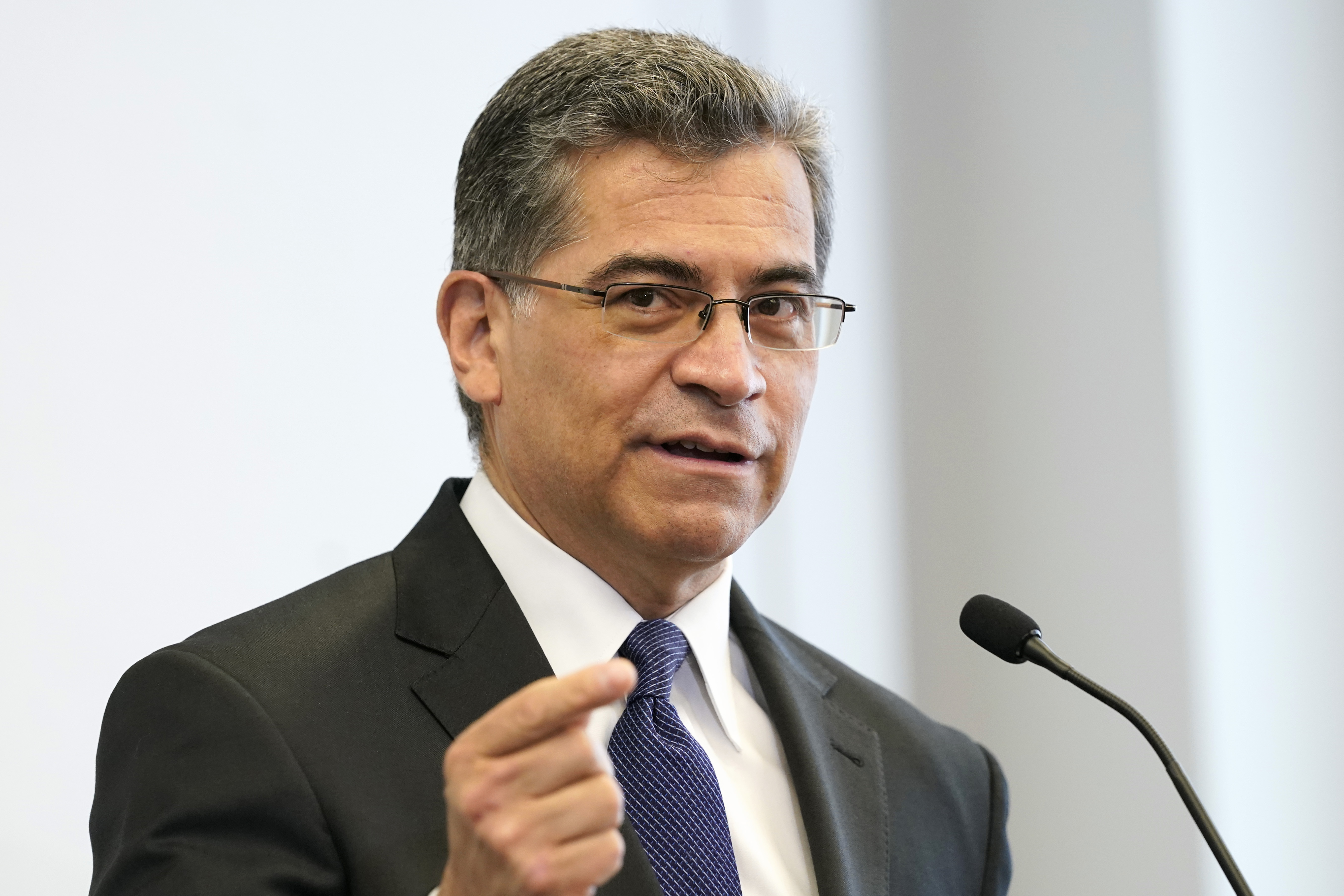
"Fear of discrimination can lead individuals to forgo care, which can have serious negative health consequences," said HHS Secretary Xavier Becerra. "Everyone — including LGBTQ people — should be able to access health care, free from discrimination or interference, period."

READ MORE: Amsterdam celebrates same-sex weddings 20 years after world first
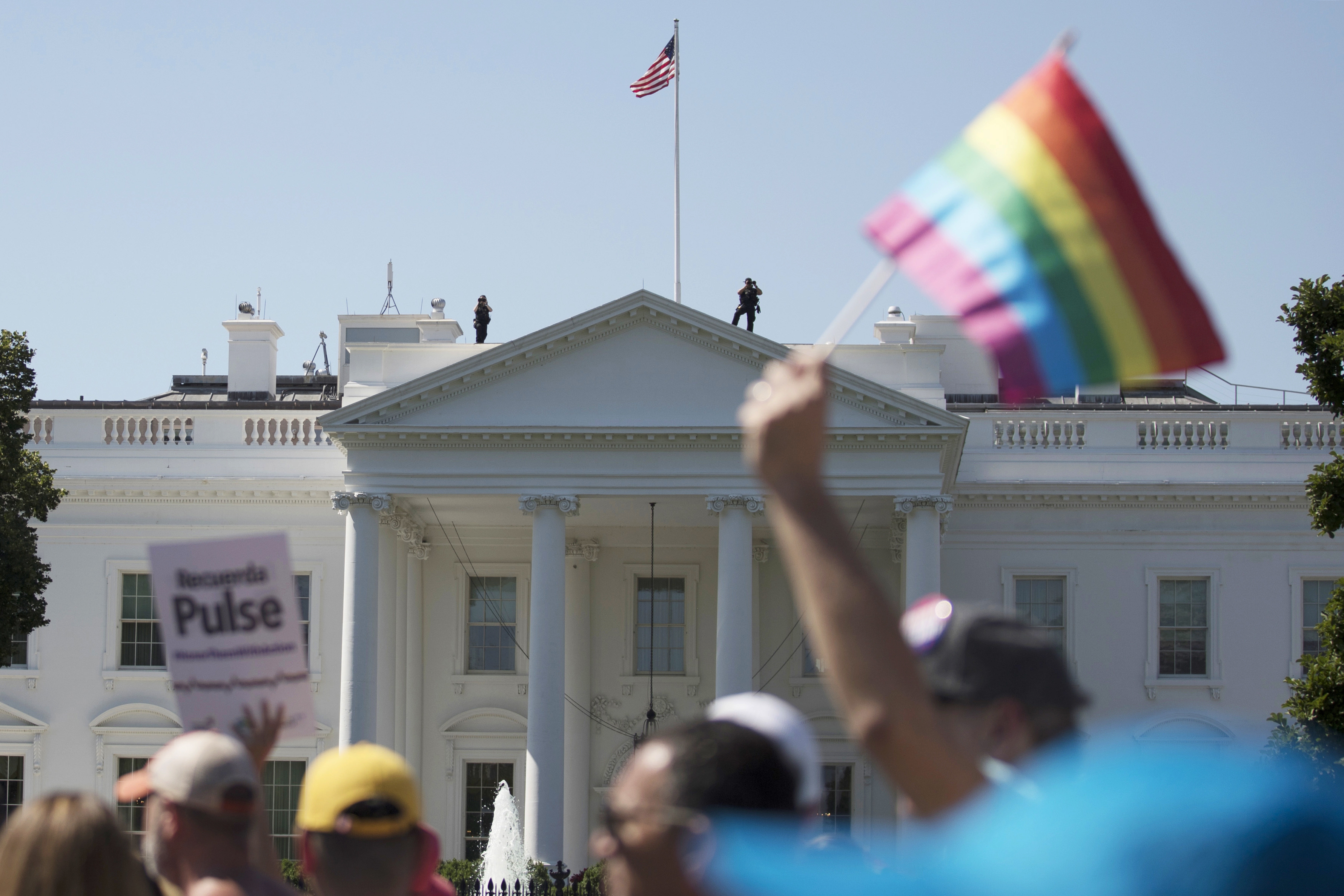
It marked the latest step by President Joe Biden to advance the rights of gay and transgender people across society, from military service, to housing, to employment opportunities.

Becerra said in a statement the policy shift will bring HHS into line with a landmark 6-3 Supreme Court decision last year in a workplace discrimination case, which established that federal laws against sex discrimination on the job also protect gay and transgender people.

Despite that ruling, the Trump administration proceeded to try to narrow the legal protections against health care discrimination, issuing rules that narrowly defined "sex" as biological gender. A federal judge had blocked those rules from taking effect, although Trump administration officials argued that as a legal matter health care discrimination was a separate issue from the employment case the Supreme Court decided.

Monday's action means that the HHS Office for Civil Rights will again investigate complaints of sex discrimination on the basis of sexual orientation and gender identity. Hospitals, clinics and other medical providers can face government sanctions for violations of the law.

The Biden administration action essentially restores the policy established during the Obama years. The Affordable Care Act included a prohibition on sex discrimination in health care but did not include the term "gender identity." The Obama administration interpreted the law as shielding gay and transgender people as well. It relied on a broad understanding of sex shaped by a person's inner sense of being male, female, neither or a combination.

READ MORE: US Senate confirms first transgender person to hold senior government position
Behind the dispute over rights for transgender people in particular is a medically recognised condition called "gender dysphoria" — discomfort or distress caused by a discrepancy between the gender that a person identifies as and the gender assigned at birth. Consequences can include severe depression. Treatment can range from gender confirmation surgery and hormones to people changing their outward appearance by adopting a different hairstyle or clothing.

Under the Obama-era rule, a hospital could be required to perform gender-transition procedures such as hysterectomies if the facility provided that kind of treatment for other medical conditions.

LGBTQ groups say explicit protections are needed for people seeking gender transition treatment, and even for transgender people who need care for illnesses such as diabetes or heart problems.

More than 1.5 million Americans identify as transgender, according to the Williams Institute, a think tank focusing on LGBT policy at the UCLA School of Law. A bigger number — 4.5 per cent of the population— identify as lesbian, gay, bisexual or transgender, according to Gallup.

READ MORE: US drops Trump plan for more biometric data on immigrants

Professional groups like the American Medical Association, along with civil rights organisations, have supported health care protections for gay and transgender people, while social and religious conservatives sought to narrow their scope.

HHS is a traditional battleground for conflicts over social issues. During the Trump administration the department clearly bent to the will of conservatives. Other Trump policies applauded by the right restricted abortion referrals and broadened employers' ability to opt out of providing birth control to women workers covered by their health plans. Under Biden, the policy pendulum has been swinging back in the opposite direction, as officials unwind actions taken in the Trump years.

One of Biden's first steps after taking office was a January 20 executive order on combating discrimination on the basis of gender identity or sexual orientation. The new president directed every executive branch agency to examine what it could do to combat such discrimination.
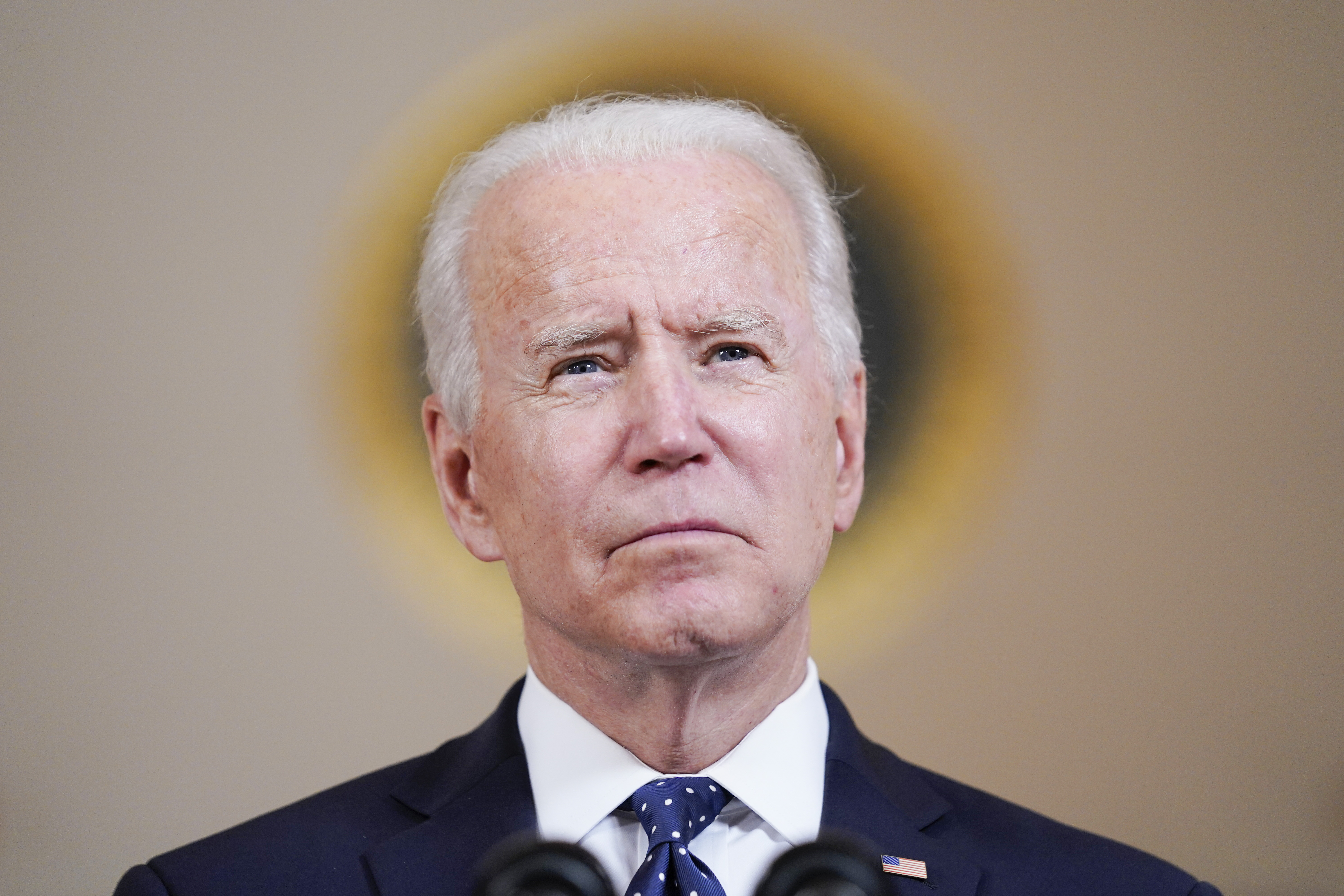
Biden quickly followed that up with another order reversing a Trump-era Pentagon policy that largely barred transgender individuals from serving in the military.

And earlier this spring, the Department of Housing and Urban Development withdrew a Trump policy that would have allowed taxpayer-funded homeless shelters to deny access to transgender people.

At HHS, Biden's term has seen the Senate confirmation of Dr. Rachel Levine to be assistant secretary for health, a senior position that involves oversight of public health initiatives, HIV/AIDS, women's health and minority health, as well as other areas including research protections. Levine, formerly Pennsylvania's top health official, is the first openly transgender person to be confirmed by the Senate.
China blames US for hyping fears of uncontrolled rocket re-entry

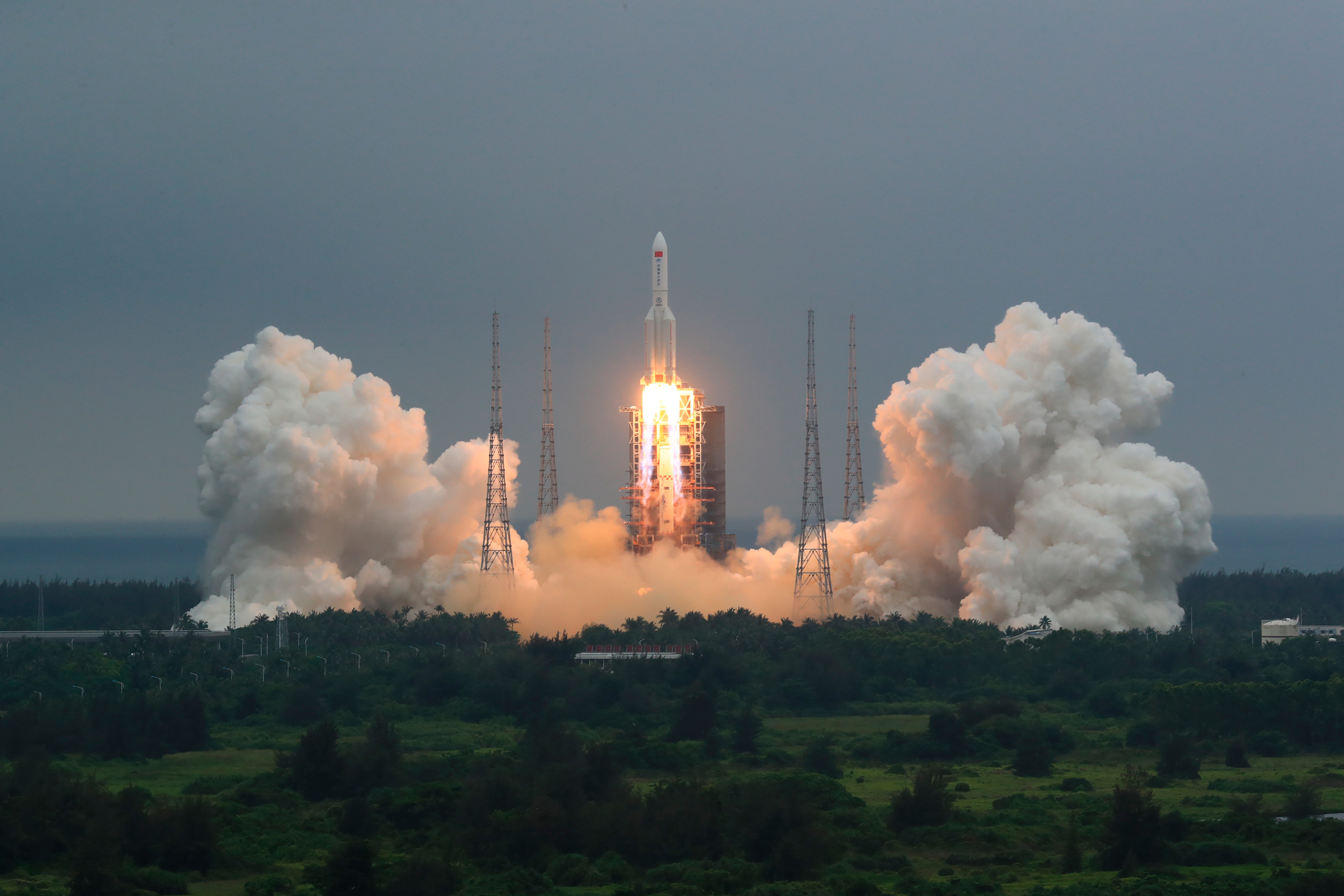
For a week, China's Long March 5B grabbed global attention, as space agencies and experts closely tracked its trajectory, speculating where debris would fall upon the rocket's uncontrolled reentry.

In China, however, the country's space administration stayed silent for days amid criticism that allowing such a large rocket stage to free-fall towards Earth was irresponsible and posed a safety risk — albeit a small one — to many countries.

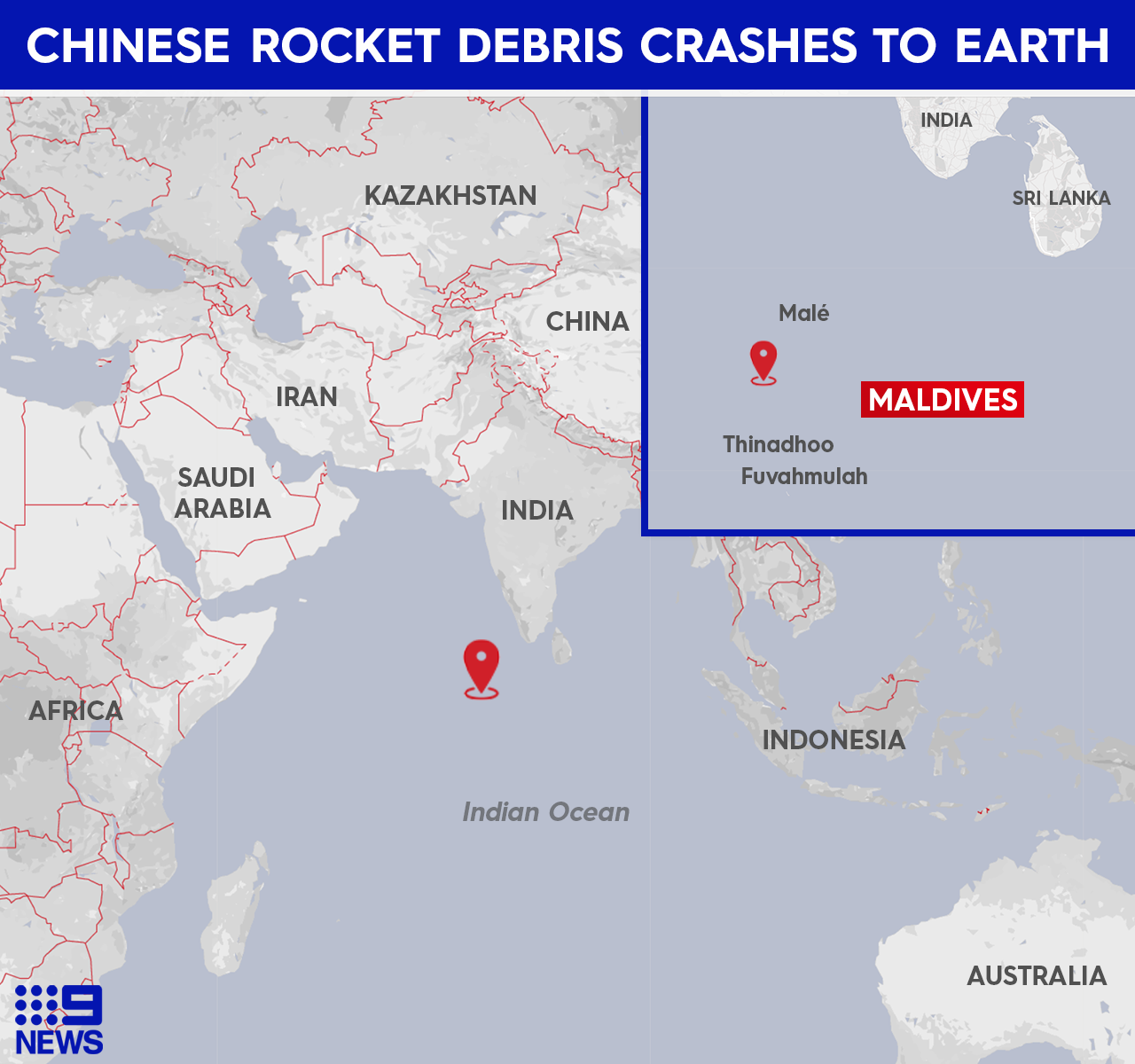
Finally, on Sunday morning Beijing time the China Manned Space Engineering Office broke its silence, confirming the remnants of the rocket had plunged into the Indian Ocean near the Maldives, after most of it had burned up in the atmosphere.

READ MORE: China opens Everest's north side to 38 virus-tested climbers

For many who have followed the rocket's return, the news came as a big relief.

In China, it was not only seen as a vindication of the rocket's design, but also used by state media to argue that the intense global attention was merely a Western effort to discredit China's space program and thwart its progress.

"Their hype and smears were in vain," the Global Times, a state-run newspaper, said in an editorial on Sunday, accusing US scientists and NASA of "acting against their conscience" and being "anti-intellectual."

"These people are jealous of China's rapid progress in space technology," the paper said.

"Some of (them) even try to use the noises they made to obstruct and interfere with China's future intensive launches for the construction of its space station."

While Beijing has long accused Western countries and media of holding China to a different standard, Chinese officials also routinely have a nationalist response to any criticism, branding it an ill-intended attempt to "smear China."

READ MORE: NASA blasts China over out-of-control rocket re-entry

Such fierce defensiveness is particularly evident when it comes to China's space program, an important point of national pride for the Chinese public and a source of prestige for the ruling Communist Party.

China was a latecomer to space exploration, launching its first satellite only in 1970, 13 years after the Soviet Union and 12 years after the United States.

But in recent decades, it has swiftly become a frontrunner in the space race — it was the first country to land on the far side of the moon in 2019, and successfully brought back lunar rocks last year.

The defensiveness to criticism from the West, especially the United States, is partially born out of what Beijing perceives as Washington's hostility to block its progress beyond Earth's atmosphere.

Since 1999, the US has imposed export controls on satellite technology to China. And in 2011, Congress passed a law that imposed restrictions on NASA engagement with China.

Consequently, Chinese astronauts are barred from the International Space Station (ISS) — the only space station in orbit and a collaboration between the US, Russia, Europe, Japan and Canada.

As a result, China is building its own space station, the Tiangong (meaning heavenly palace in Chinese).

Last month, it successfully launched its first module with the Long March 5B — the rocket that drew the world's scrutiny.

READ MORE: SpaceX returns four astronauts to Earth, rare night splashdown

In blaming the West for their "smear campaign," however, Chinese state media and space experts omitted to explain why the Long March 5B had caused anxiety among global scientists.

Rocket stages are often dropped before they reach orbit along trajectories that can be predicted before the launch.

And when they are designed to reach orbit, they usually come with devices that allow more controlled reentries and aim for the ocean.

Or they are left in so-called "graveyard" orbits that keep them in space for decades or centuries.

The Chinese rocket, estimated to weigh more than 20 tonnes, is the largest space object to return uncontrolled to Earth in nearly three decades — and a major deviation from the practice of other space agencies.

There are also worrying precedents for what happens in such incidents: the US Skylab space station broke up over the Indian Ocean and scattered debris across Western Australia when it returned to Earth in 1979.

More recently, a piece of debris from the SpaceX Falcon 9 rocket landed on a farm in Washington state, after the second stage of the rocket broke up on reentry.

https://twitter.com/GrantCoSheriff/status/1378031863785263106

But amid deepening political mistrust of the US, and a lack of technological exchanges, meaningful scientific international exchanges with Beijing are being sidestepped in favour of fanning the flames of nationalist anger.

Bankrupt betting scheme head says $126m of investors' money 'safe as houses'

The young mastermind behind a Perth betting scheme has been declared bankrupt and had his assets frozen as investors try to recoup up to $126 million.

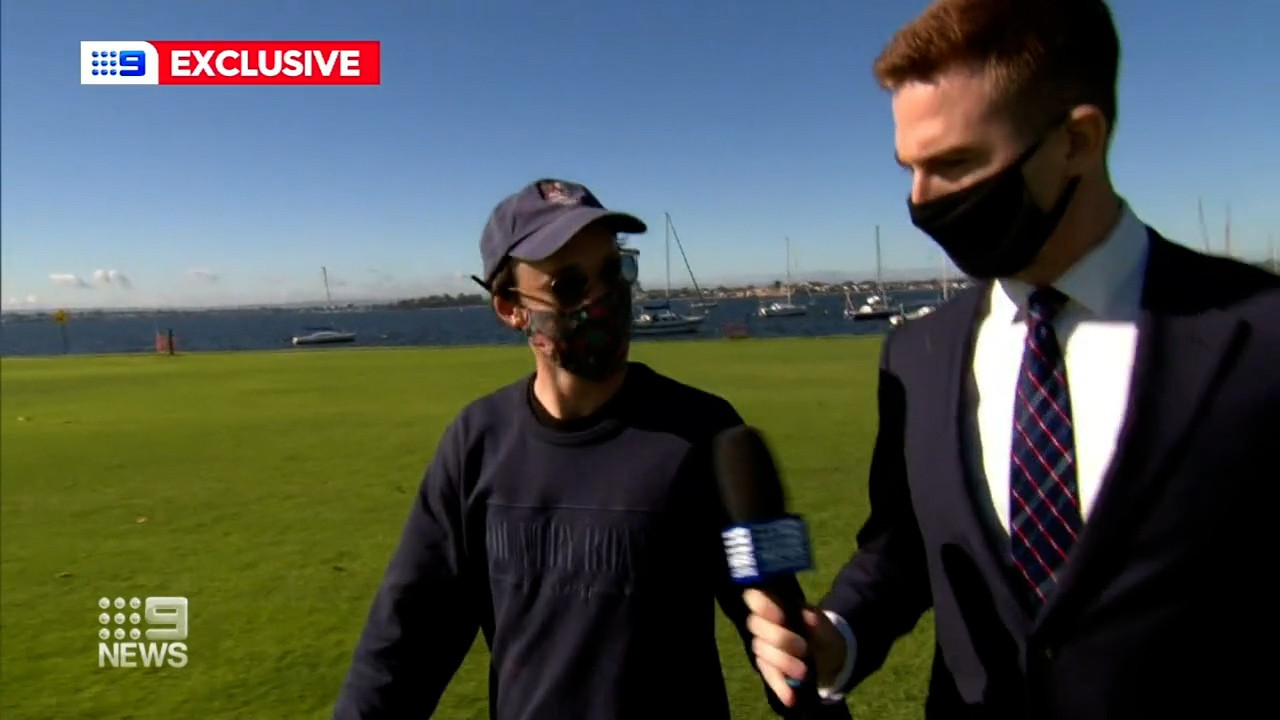
9News found Chris Brown as he admitted he's been lying low. In an exclusive interview, he claimed the missing money is as safe as houses.

The 27-year-old said there'd be no issues with finding the $126 million he says he still has.

When asked why he doesn't pay his investors back, Mr Brown said it was in the courts at the moment and the receivers will handle it, and described it as being "safe as houses".

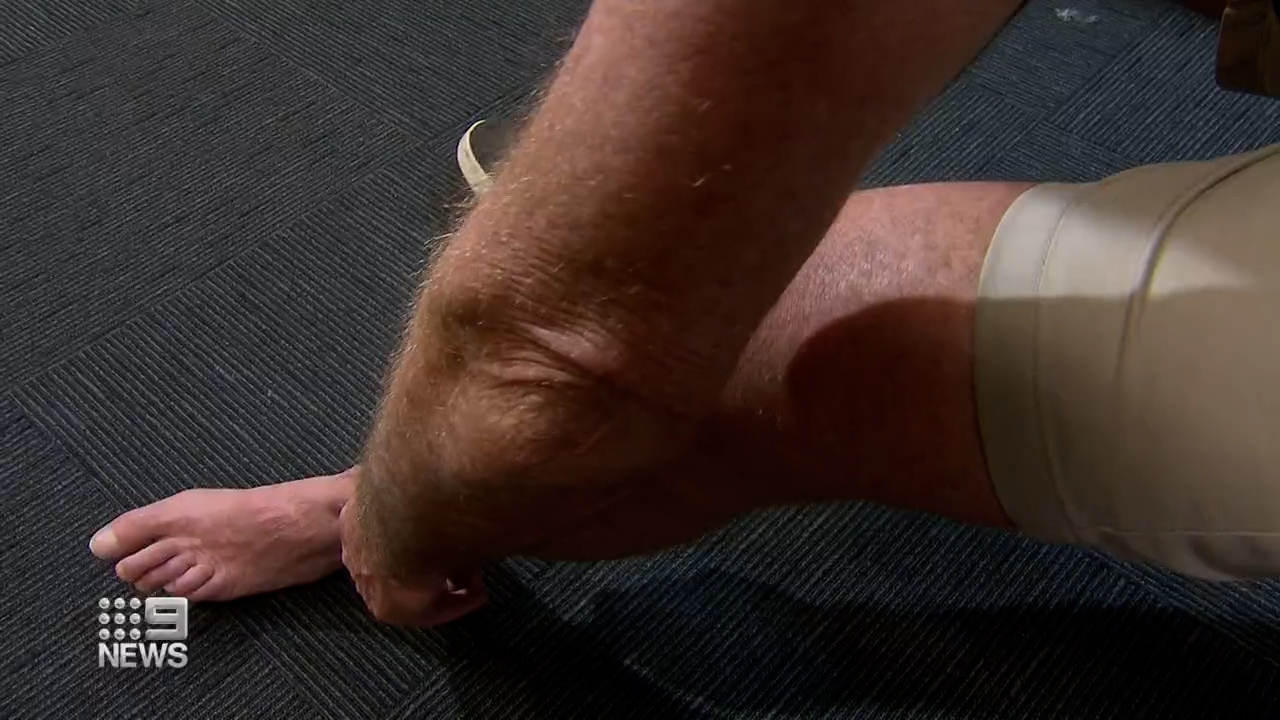
READ MORE: Elderly woman develops severe bruising days after vaccine

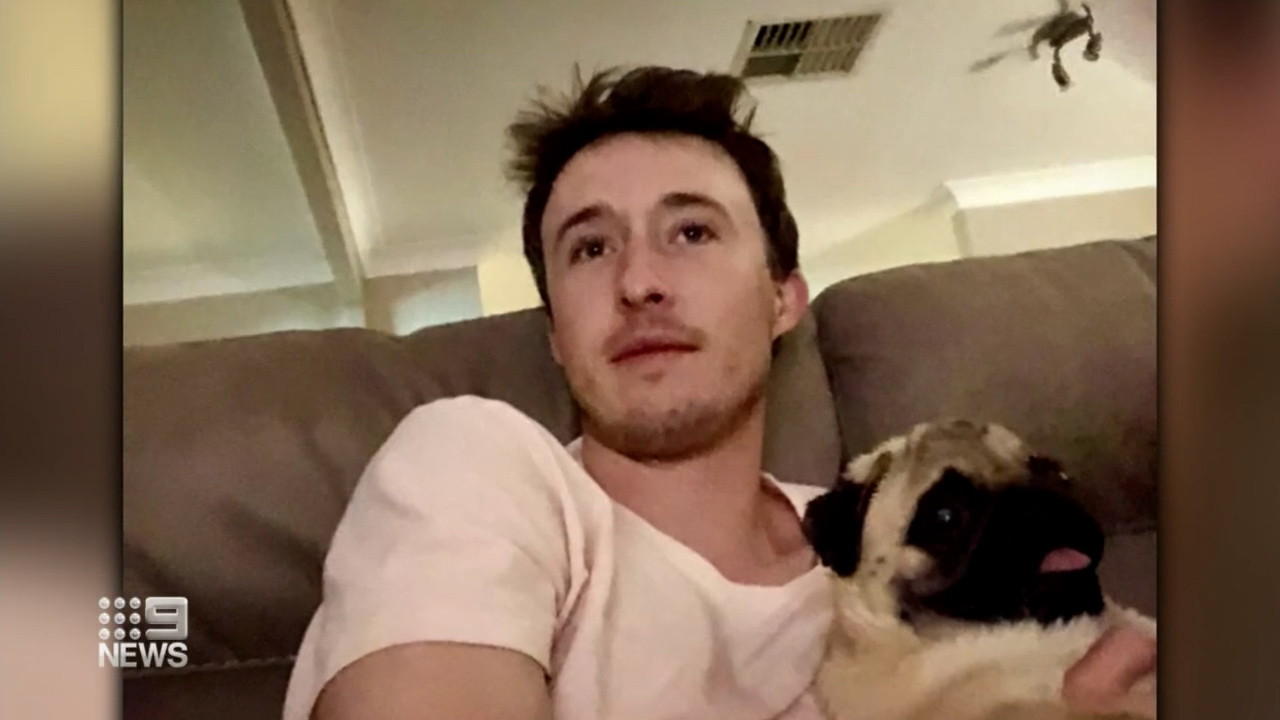
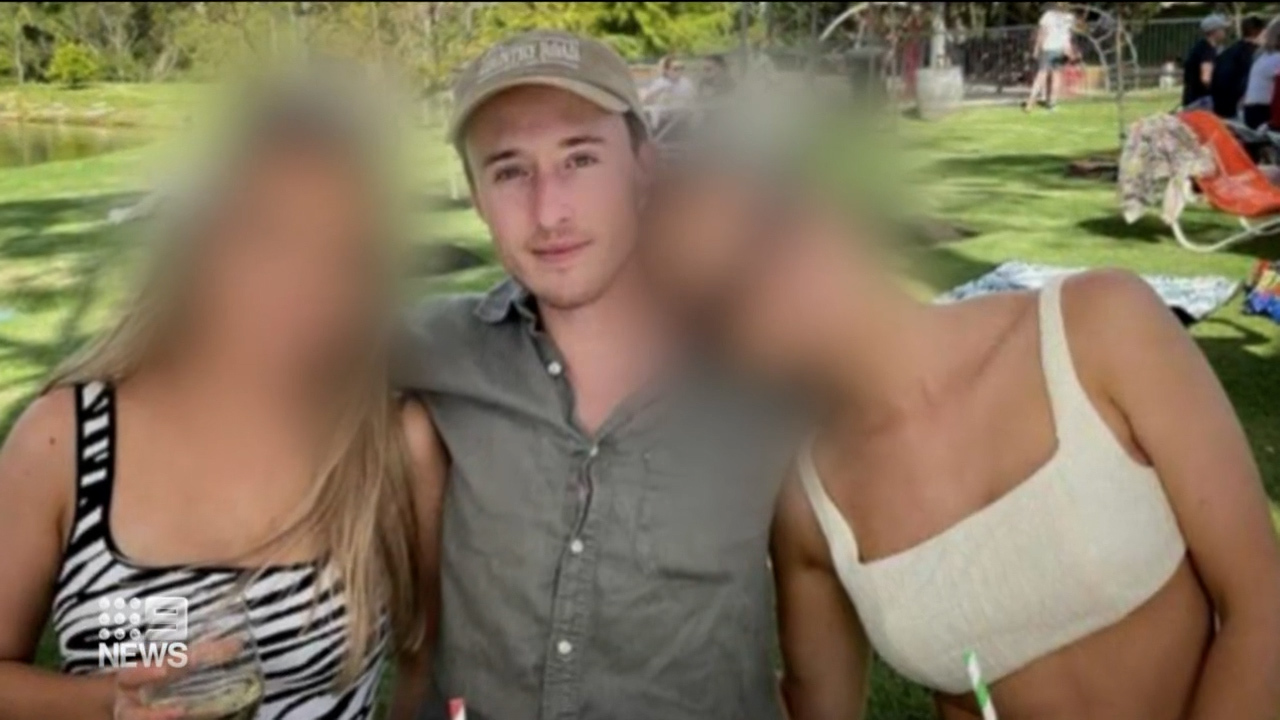
Mr Brown has been living a glamorous and lavish lifestyle. He was photographed with AFL stars, on golf courses and in the company of numerous young women.

But there's also another picture of people chasing him for money, including business owners Kade Lang and Adam Wilson, property developer John Norup, top race caller Darren McAullay and even his grandparents Joan and Clarence Donovan.

Investors claim they're owed a total of $126 million.

The former Aquinas College student claimed he made massive winnings through a hedging model capitalising on the odds of horses shortening before a race.

Mr Brown regularly sent the investors screenshots of bank statements showing millions of dollars in the accounts they thought he controlled.

READ MORE: Traveller moved to Perth quarantine after trans-Tasman bubble breach

He's recently been telling people that he was audited by the Australian Tax Office, which took $38 million from his accounts.

The 27-year-old was today declared bankrupt in Federal Court.

His grandparents have even sued him after failing to repay more than $82,000 to them for more than a year.

Despite claiming to have $172 million in his account, Mr Brown didn't hire a lawyer.

His bank accounts are frozen and any assets he has left will be seized.

His investors need to wait another two weeks until they find out where their money is or if it's gone forever.

Vaccines and blood-clot risks: Your questions answered

A leading Australian infectious diseases and vaccine expert has answered some of the growing questions about the country's vaccine rollout, including the topic of choosing between AstraZeneca and Pfizer.

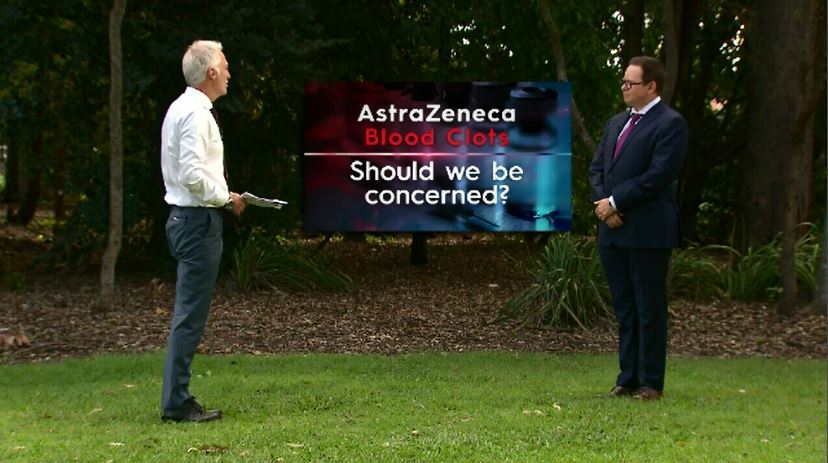
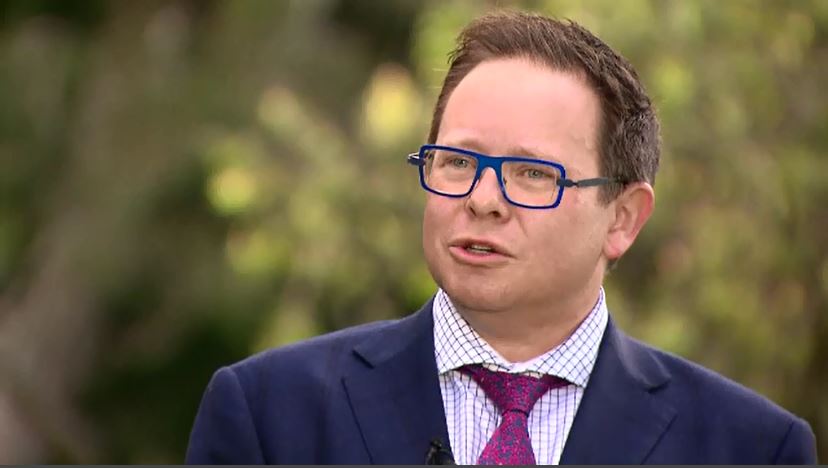
9News talked with Associate Professor Paul Griffin, who has worked on COVID's frontline at the Mater Hospital in Brisbane. He has overseen more than 100 clinical trials of vaccine as a part of the Nucleus Network.

READ MORE: 'Don't do it': Brisbane father hospitalised following junior rugby brawl

9News sat down with Associate Professor Paul Griffin, who has worked on COVID's frontline at the Mater Hospital in Brisbane.

With the number of blood clotting cases in Australia due to the COVID vaccine now in the double figures, how concerned should we be?

Dr Griffin: Well, obviously, it would be better if we had a vaccine with no significant side effects, but unfortunately, such a vaccine doesn't exist. It's been really good; we've identified this early, we've changed the vaccine to address this risk, and we're constantly assessing the benefits versus the risks – and it's very clear at the moment the benefits far outweigh the risks.

Is it natural for the community to be worried, though? 

At this stage, the vaccine is still very effective, especially when you compare it to the small risk, and this risk, while significant, remains very rare, and we're still talking about less than once per 100,000 people vaccinated.

Talk to me in simple terms, if you can, about what's happening with this immune response we're getting in these cases

We're still looking into what's driving this – it does appear to be an immune response that's causing that, potentially one against a clotting cell … so there are some antiplatelet antibodies involved. Still, there's lots of good work to work out exactly what's causing this.

What we'd like to see is a way of knowing who's at risk and not subjecting them to this vaccine, and maybe using an alternate in those people if we can identify it.

Dr Griffin has overseen over 100 vaccine clinical trials.

Now, the occurrence (of clotting) at the moment is being assessed at one in 150,000 -170,000 people? 

That's exactly right, and what that means is it's extremely rare – so the vast majority of people won't get this very rare side effect and of the people who do and we're now talking of around 11 cases.

While in our country right now, the risk of getting COVID-19 is very low, that might not be the case forever. But also, the risk of not getting vaccinated includes our need to rely on things like border restrictions and lockdowns to keep the virus at bay – so if we get enough people vaccinated, we won't need to use those measures as much.

Could we talk a bit about underlying health problems and the extent to which that could make you more at risk of clotting, such as if you're overweight, a smoker or if you're on the pill?

While they all might be risk factors from traditional clots, which you might get while you are flying or after an operation, they don't seem to be risk factors for this rare, unusual clotting syndrome."

What about the family history – we're hearing people say, "Oh, my mum had a blood clot problem", does that put that person at greater risk?

No, again, that's a risk factor for traditional clotting, not for this rare clotting syndrome that's likely associated with the vaccine.

What about the comparison with Deep Vein Thrombosis? We know people are saying this has happened to me after a long-haul flight. Are those people right to be concerned?

I think they're right to ask the question, but again … this is a really rare, unusual clotting syndrome, so those kinds of deep vein thrombosis are very common, but it's a very different process to this one that we're concerned about.

And is there anything we can do to reduce the risk of (the clotting) from happening?

Not at the moment, a lot of good work is happening to see if we can predict who might be of higher risk, but at the moment, we don't know of any way to change that.

And what are the symptoms (of blood clotting) that we should be aware of?

The main symptom occurs not in the first day or (second day) where we do expect things like a headache or some aches and pains. It typically occurs between (the fourth and 20th day) and involves more significant pain or discomfort.

Can you ask your GP, for example, if 'I don't want to have the AstraZeneca, can I wait for the Pfizer?' 

That's a bit tricky at the moment because we still have issues with that Pfizer vaccine and we're still using that in a prioritised manner, so if people are genuinely concerned, I'd encourage them to discuss with their GP or vaccine provider.

So what do you say to people who say "I'm going to wait"?

I understand that there's some concerns … at the moment we've heard so much about these events, but what we know is that the vaccine remains very effective and while there are some risks, the benefits of this vaccine still far outweigh those risks.

Is there an urgency about getting the vaccine as soon as possible?

While we know the risk of severe complications from COVID is very low, that's unlikely to be the case forever, and in the age group who are recommending this vaccine, the complications from COVID infection are very significant.

Shirtless customer picks up machete to chase alleged robber in IGA

A man buying a Mother's Day gift at an Adelaide IGA armed himself with a large knife to chase an accused robber out of the store, following a violent scuffle.

The incident took place at Hackham IGA yesterday afternoon, when a man allegedly refused to pay for the goods he'd gathered.

"He was screaming, yelling, abusing all the staff," owner Baggio Wang said.

READ MORE: Trio accused of murdering Adelaide man refused bail

One staff member, a 15-year-old girl, was reduced to tears.

A shopper approached the man and tried to get him to leave.

The pair wrestled, with the shopper eventually having his shirt torn off.

READ MORE: Hoon caught driving at 181km/h in South Australia

He ran into the back of the store and emerged with a machete used to cut fruit, chasing the alleged robber and a friend out of the store.

Mr Wang said the shopper was "a really nice guy" who had been in to buy some Mother's Day gifts.

Police are investigating the incident.

Queensland dad delivers own daughter while on the phone to Triple Zero

A Queensland dad who called Triple Zero after his pregnant wife's waters broke found himself being coaxed through handling his own daughter's delivery.

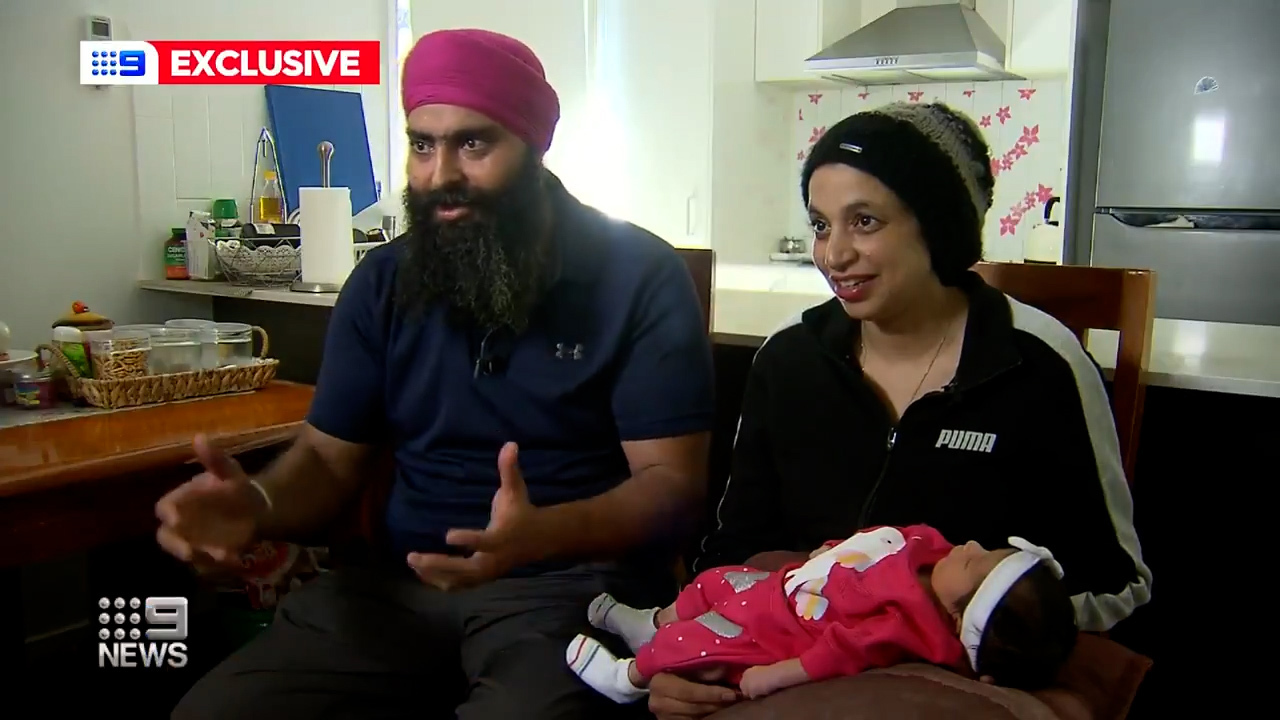
It was about 6am last Wednesday when Ipswich woman Navjot Kaur rang her husband Ravideep Singh to tell him their new baby was on the way.

"She was saying, can you come here quickly, the baby's coming – and I was saying, try not to push, just hold it a little," Mr Singh said.

READ MORE: Woman gives birth to nine babies after expecting seven

Informed by Ms Kaur that there was no question of "holding" the baby, Mr Singh called Triple Zero when he got home.

Emergency medical dispatcher Allie Roser took it as her first call of the day, and after sending an ambulance, helped talk Mr Singh through delivering the baby.

"You can see part of the baby now?" she said at one point during the call.

READ MORE: Woman gives birth in Brisbane bike lane

"Exactly, I can see the hairs," Mr Singh replied.

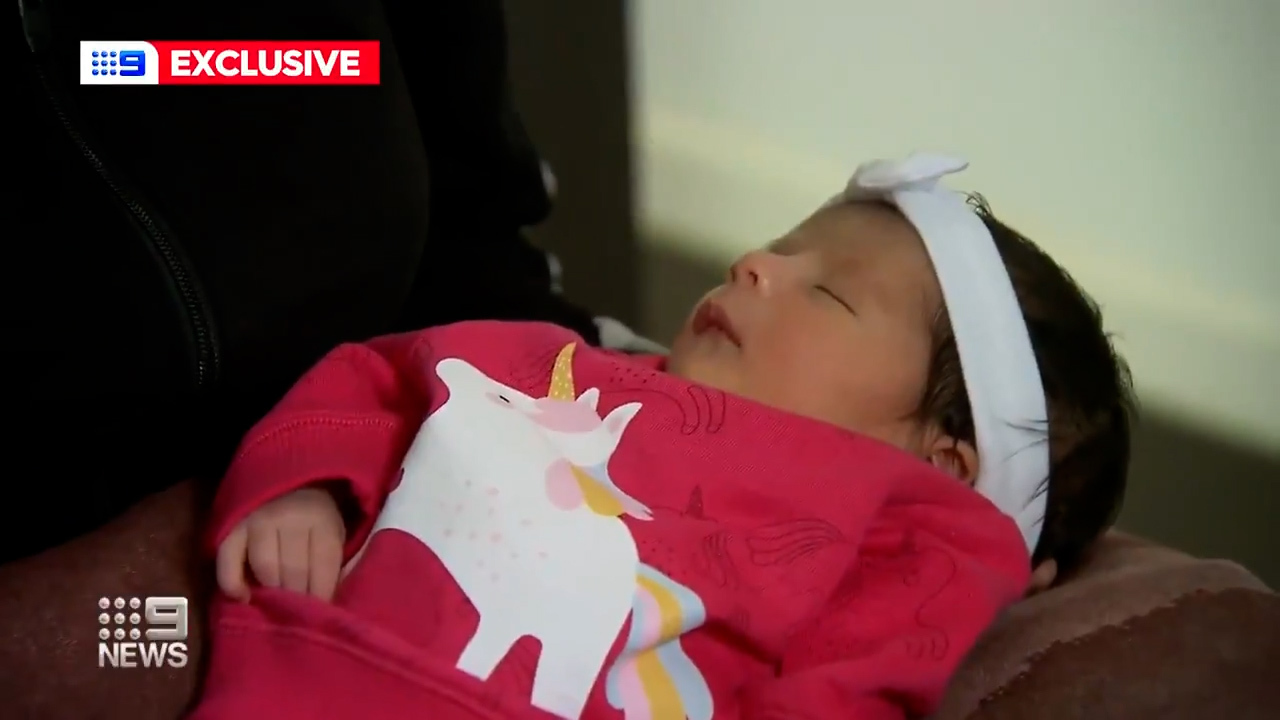
The paramedics arrived just minutes before the couples' new daughter entered the world. A relieved Mr Singh cut the umbilical cord.

Less than a week on, the emergency personnel have been reunited with the family.

"Thanks are not enough," Ms Kaur said.

Truck driver's life destroyed after he stopped to help at deadly crash

It was a Good Samaritan act that turned Troy Logan's life into a living nightmare.

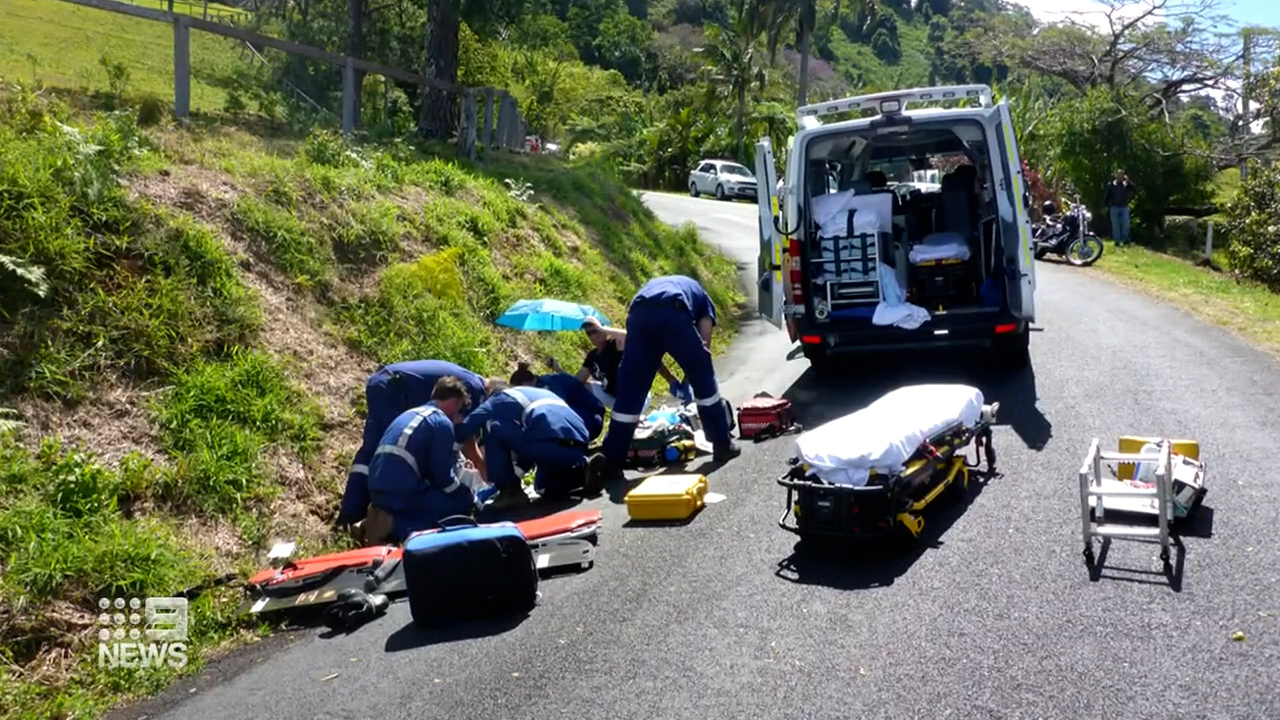
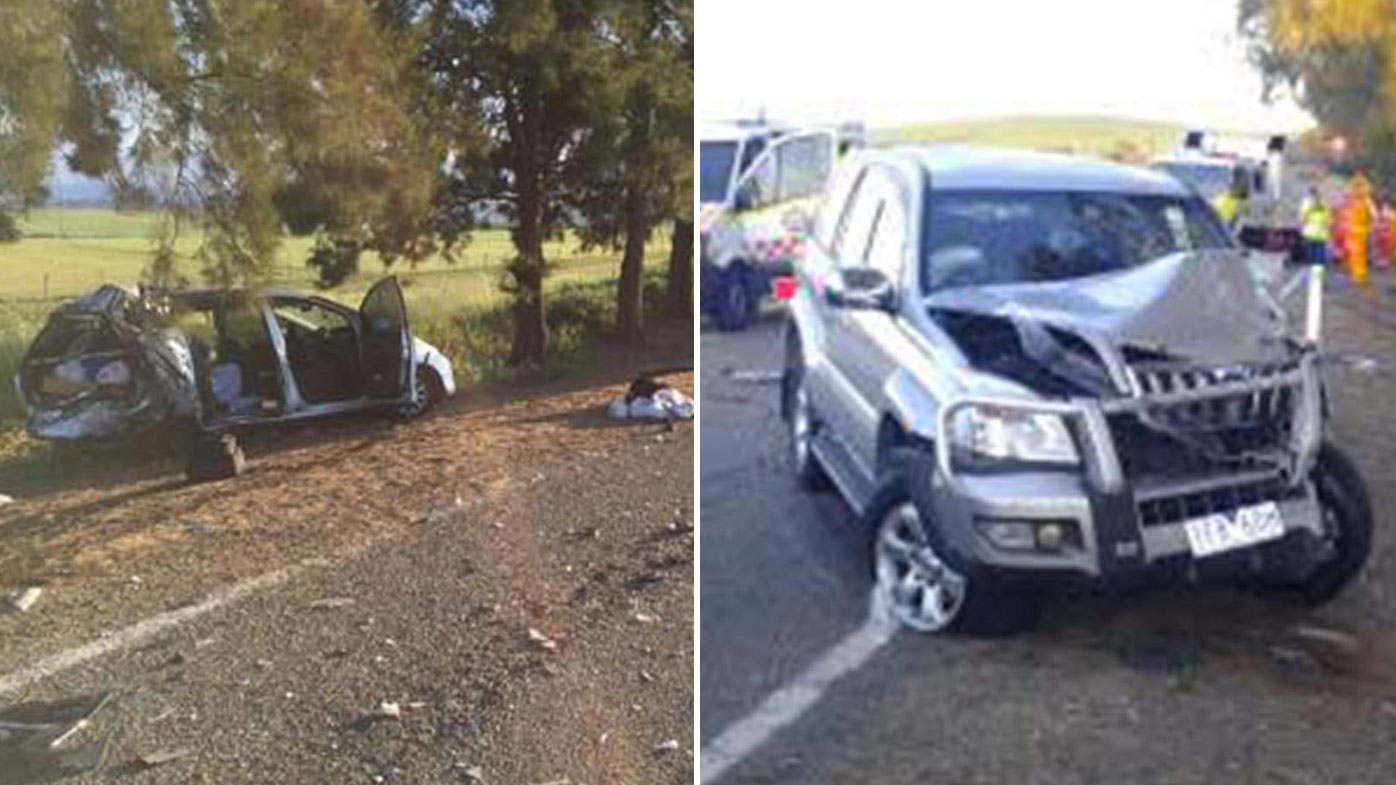
The interstate truckie was on his way to visit his brother in Sydney when he witnessed a four-wheel drive plough at high speed into a family sleeping in their car in a rest bay.

Jumping from his car, Mr Logan called Triple Zero. Confronted by a horror scene, he immediately sprang into action.

READ MORE: Boy taken to hospital after crashing go-kart into kangaroo in NSW

Switching off the smoking engine of the four-wheel drive, Mr Logan helped occupants out, calming a panicked toddler whose unconscious mother lay over him in the back of the family car and reassuring another boy trapped in the rear shelf.

Then, in long grass nearby, Mr Logan discovered a man in his 20s groaning with severe head injuries after being thrown from the car in the crash.

Flagging down emergency services and directing bystanders, Mr Logan cradled the young man in his arms, used a towel to try to stem the bleeding from his head, and consoled him as his condition worsened.

Within minutes, the young man had a seizure, his eyes rolled into the back of his head and he drew his last breath.

Four and a half years later, the trauma and horror of that day have taken over Mr Logan's life.

"I don't have much of a life anymore," he told 9News.

"I've had two nervous breakdowns, I have had 12 lots of electric shock therapy, I don't go out of the house unless I have to and I used to drive trucks all over Australia.

"It's just destroying me from the inside out."

READ MORE: Melbourne truck driver bailed after allegedly hitting five pedestrians

The cars at the scene of the crash where Troy Logan stopped to help.

Compulsory third party insurance (CTP) is supposed to help people like Mr Logan.

Drivers each pay hundreds of dollars a year into CTP, also known as green slips, to ensure victims of accidents are compensated for injuries, treatment, and time off work.

But in practice, the system is failing people like Mr Logan, who has received zero compensation to date.

He is one of many NSW road accident victims who can't reach an agreement on claims with an insurer and are instead facing years of delays to see medical assessors, the independent experts appointed by the NSW Government's Personal Injury Commission, to get a resolution.

Lawyers report it's becoming a major issue, prolonging victim suffering and making cases more complicated and difficult to resolve because of elapsed time.

Court cases cannot proceed until the assessments are undertaken.

READ MORE: 'Our world fell apart': Families mourn Eastern Freeway victims a year on

In Mr Logan's case, a medical assessor found last year his psychiatric injuries were caused by the accident he attended on the Hume Highway near Gundagai on October 29, 2016 — but then the insurer contested his claim again and so Mr Logan is again waiting to see another medical assessor.

"The longer this goes on, the more it actually destroys me," Mr Logan said.

"It's hard to keep going each day, it's a struggle.

"[CTP] is supposed to help people but when you need the help, they do everything to actually call you a liar or a con artist … fair enough, there are people like that, but there are genuine people like myself who have got so much overwhelming evidence.

"The system is definitely broken … there's so many people left out in the cold. It's just wrong."

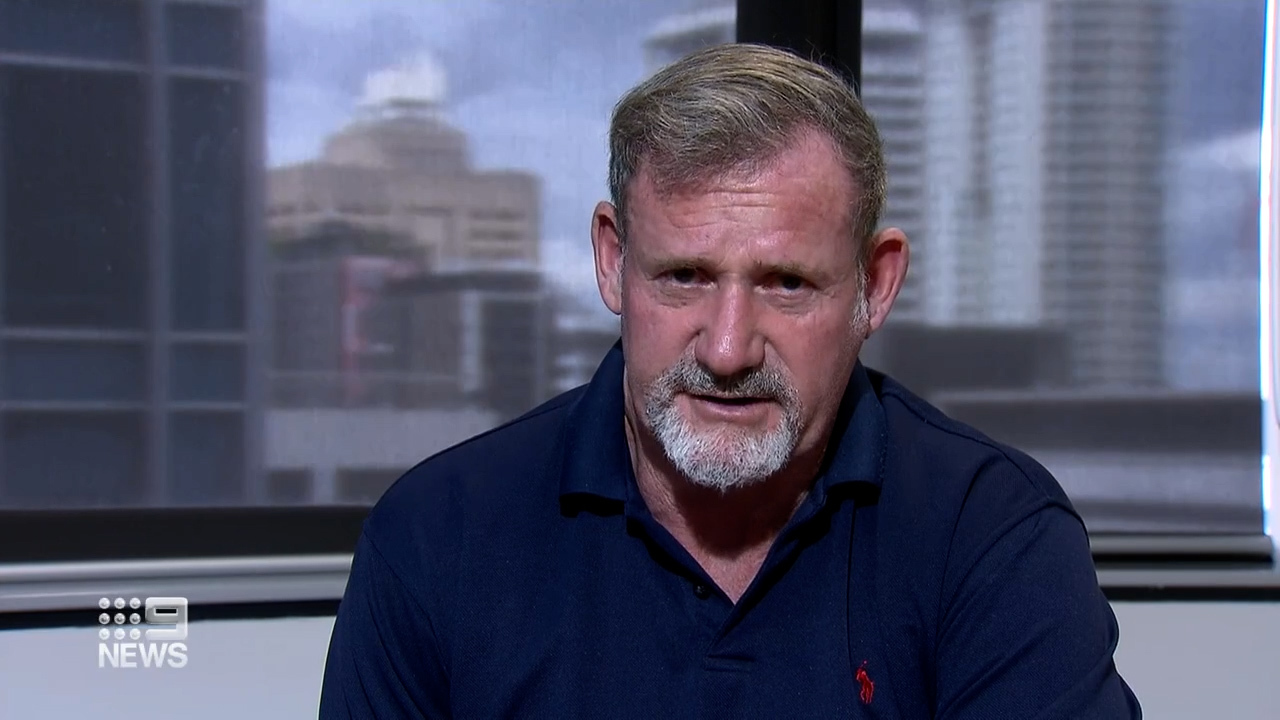
Paul Singh, of Shine Lawyers, says he has up to 40 clients who have waited more than a year to see a medical assessor.

"No one knows how unfair the system is unless you have actually been in a motor vehicle accident which has changed your life around due to someone else's negligence," he said.

READ MORE: Driver found guilty of causing fatal Sydney motorway crash

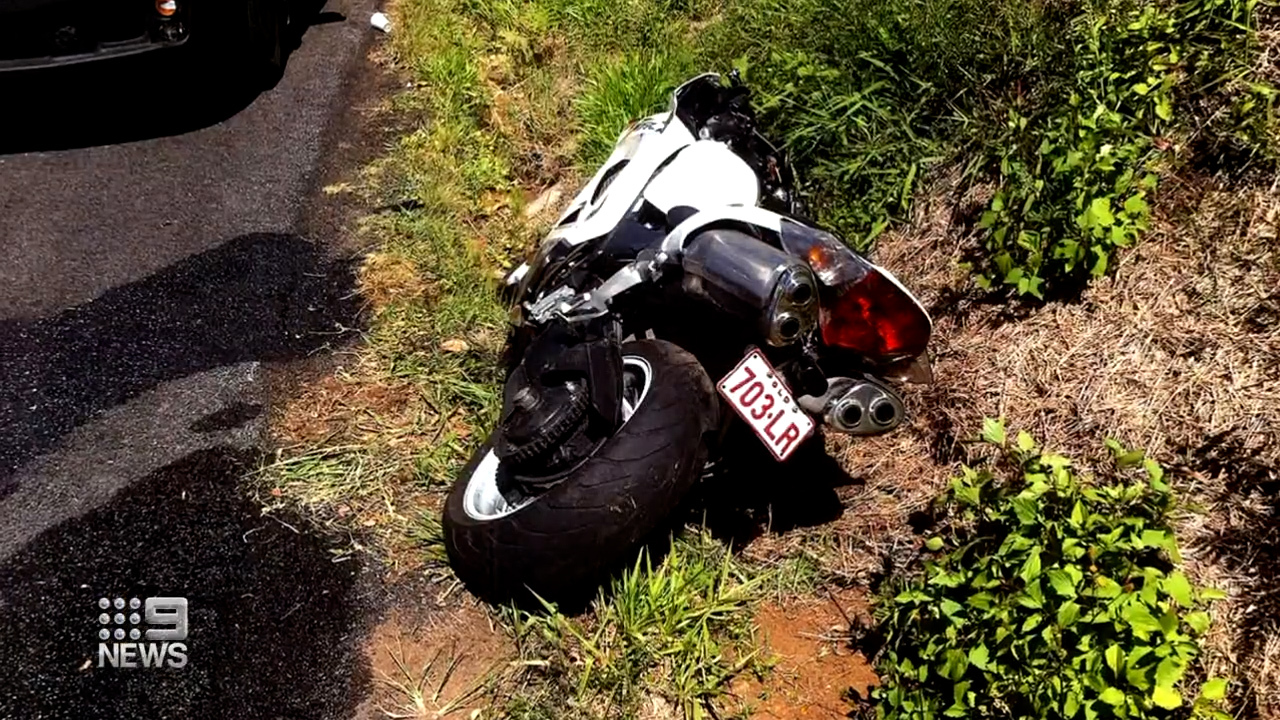
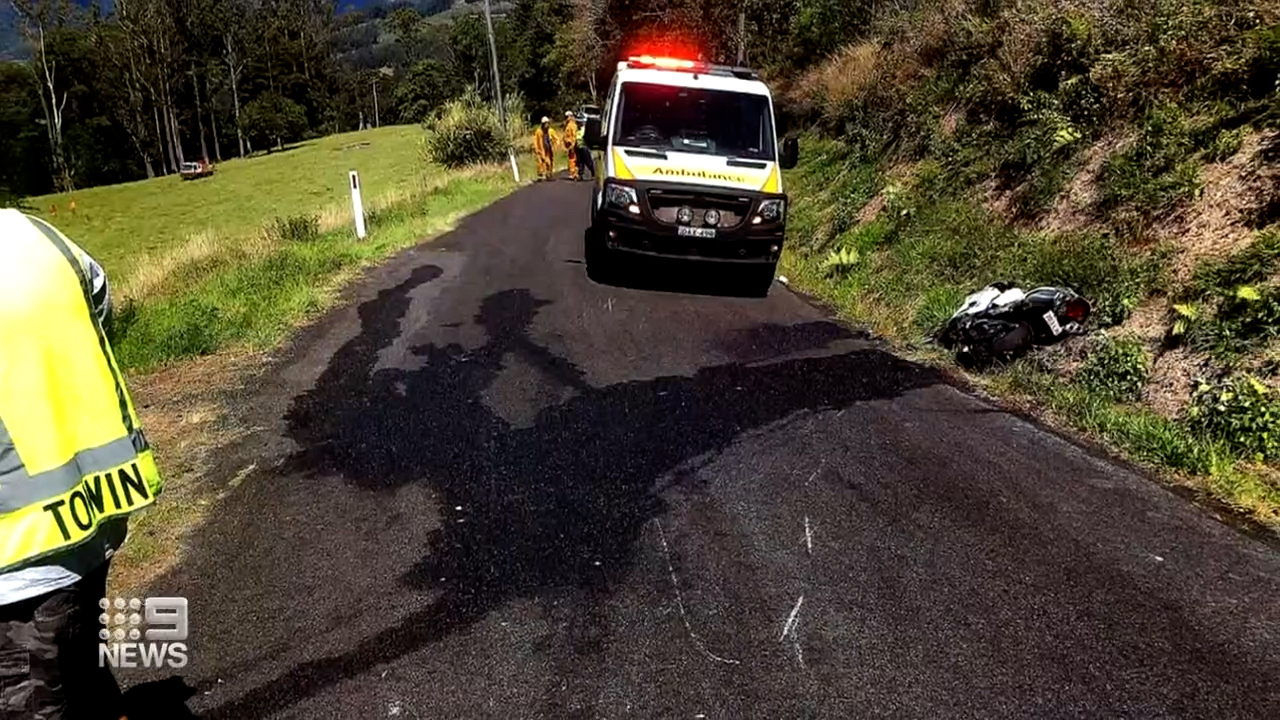
Adam Cook is another accident victim who has faced years of waiting. He was hit head-on by a car while riding his motorbike in the Tweed Valley on October 16, 2016.

"My left leg shattered, from the knee right down to the ankle, and my left shoulder was broken," he says.

The 59-year-old still hasn't received a cent for loss of income and medical costs. Proceedings have stalled while he waits to see a medical assessor.

"It's just been an absolute joke," he said.

To add insult to injury, Mr Cook took time off work and caught a flight to Sydney for a scheduled assessment last month, only to be told by the doctor it had been cancelled.

He doesn't have a new appointment.

His life has been irrevocably damaged.

"I can't surf anymore and I've surfed all my life, I can't dance anymore and I've danced all my life," he said.

"It just wrecked my life."

The NSW Personal Injury Commission (PIC), a newly formed independent statutory tribunal that took over from the State Insurance Regulatory Authority's former Dispute Resolution Service, is responsible for CTP claim disputes.

In a written statement, a PIC spokesperson said in-person medical examinations had to be suspended last year as a result of the pandemic.

"Since 1 March, the new Commission has been working to reduce the numbers of medical assessments delayed by the pandemic as quickly as we can," the spokesperson said.

"As restrictions have eased, we have recommenced in-person examinations and are endeavouring to give priority to those cases that have been on the list for the longest period.

"We are confident that we can achieve a normal operating situation in the short to medium term."

Government 'banking' on international travel in 2022

The Federal Government is "banking" on international travel returning to some form of normal next year as it prepares to deliver the 2021-22 Budget tomorrow.

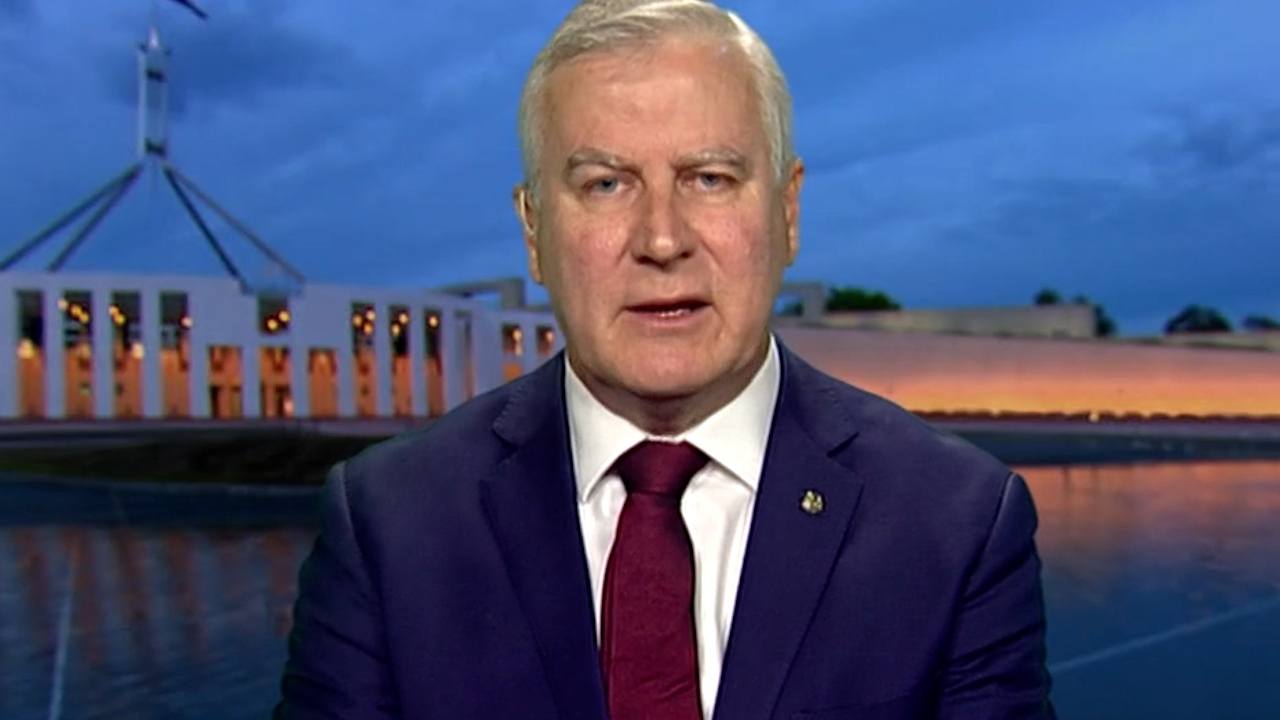
Deputy Prime Minister Michael McCormack told Today the government was hopeful 2022 could be the year that Australia opens its borders.

"We're hoping, we're counting, we're banking on, of course, international travel being back to some sort of pre-COVID normality next year," he said.

LIVE UPDATES: New advice on airborne spread of COVID-19

"We'll take the best advice from medical experts as we've done the whole way through."

However, messaging continues to be inconsistent, with Prime Minister Scott Morrison at the weekend suggesting there was no appetite for international borders to open anytime soon.

In a Facebook post yesterday, Mr Morrison clarified the country's borders would only open when it is "safe to do so", but rejected the idea of "fortress Australia" posed by media reports.

READ MORE: More travel bubbles likely as NZ flights resume

"We still have a long way to go, and there are still many uncertainties ahead," he said.

"Australia's COVID suppression strategy has not changed to an 'elimination' strategy nor is 'zero cases' our goal."

https://www.facebook.com/scottmorrison4cook/posts/4229454307098940

Mr McCormack today said the government was on the same page when it came to borders reopening.

"We want open borders, of course we do," he said.

"We want our planes bringing migrants, we want planes bringing tourists, we want planes bringing people who will seek permanent residency to fill those 43,000 jobs that are going in regional Australia right now.

"We'll only do it when it's safe to do so."

The Federal Budget is set to deliver 30,000 more jobs through spending on "vital infrastructure" including roads, rail and freight networks.

READ MORE: Another week of COVID-19 restrictions as authorities hunt 'missing link'

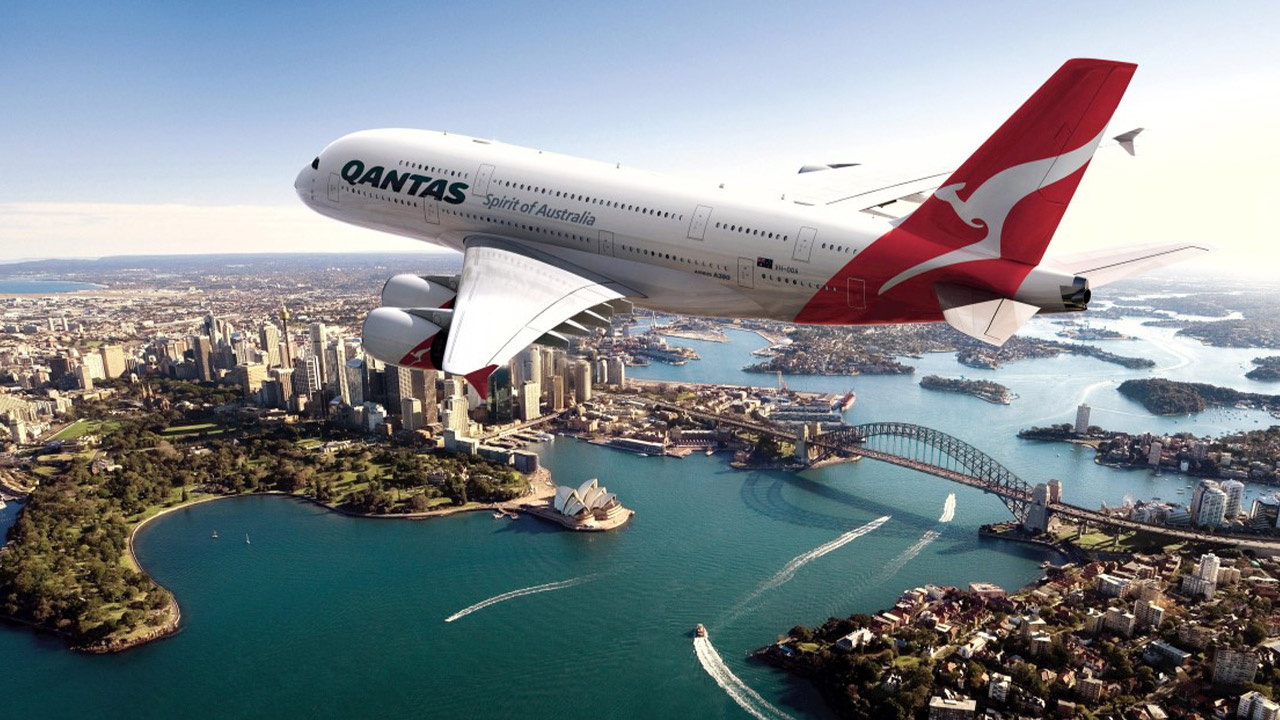
Qantas plane.

The aged care sector is also set to get a cash injection of an extra $18 billion over four years, while the national disability insurance sector will get an additional $12 billion.

Despite the government staring down a trillion-dollar debt, Mr McCormack said he had "every confidence" in the ability of Australians to grow the economy.

"This budget is going to secure Australia's future through the recovery process and I've got every confidence in Australia's ability to do just that," he said.

9News Political Editor Chris Uhlmann said the government aimed to force the unemployment rate down below five per cent.

"If you go back to the 1970s, unemployment rose above that mark and has been on average about six per cent ever since," he said.

"The government will keep spending until it gets down."

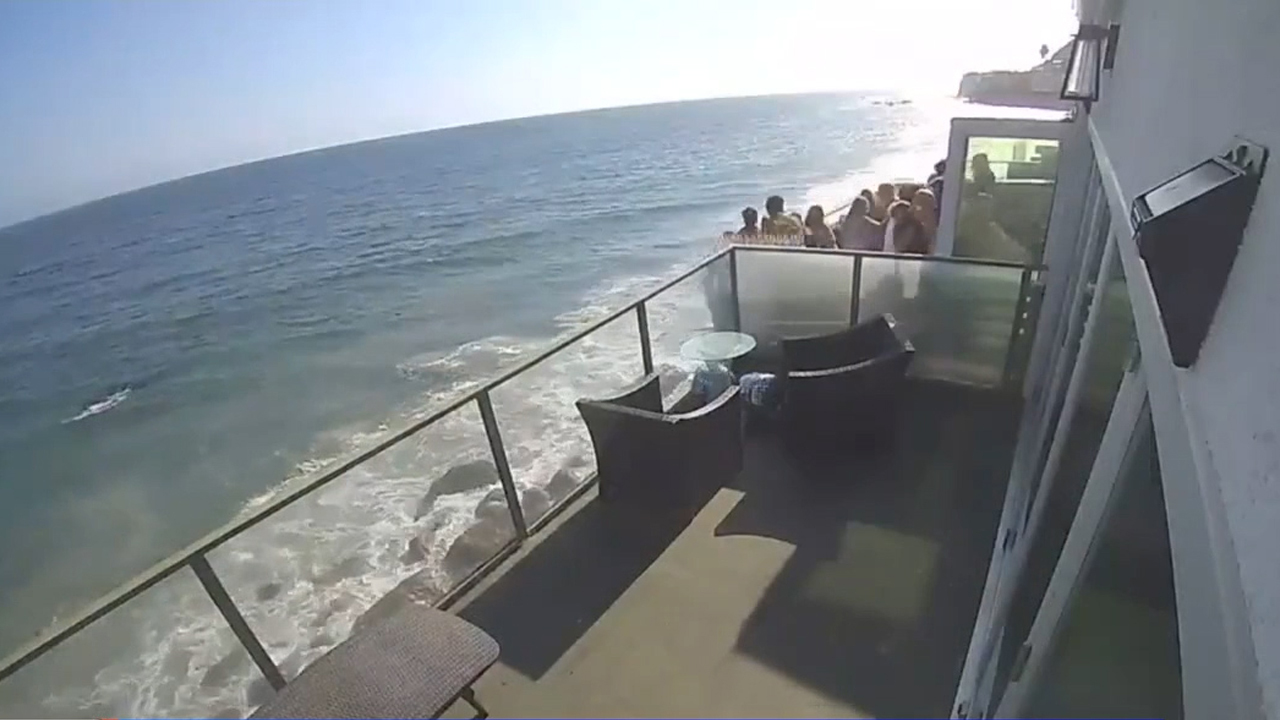
Balcony collapses with nine people falling onto the rocky beach below

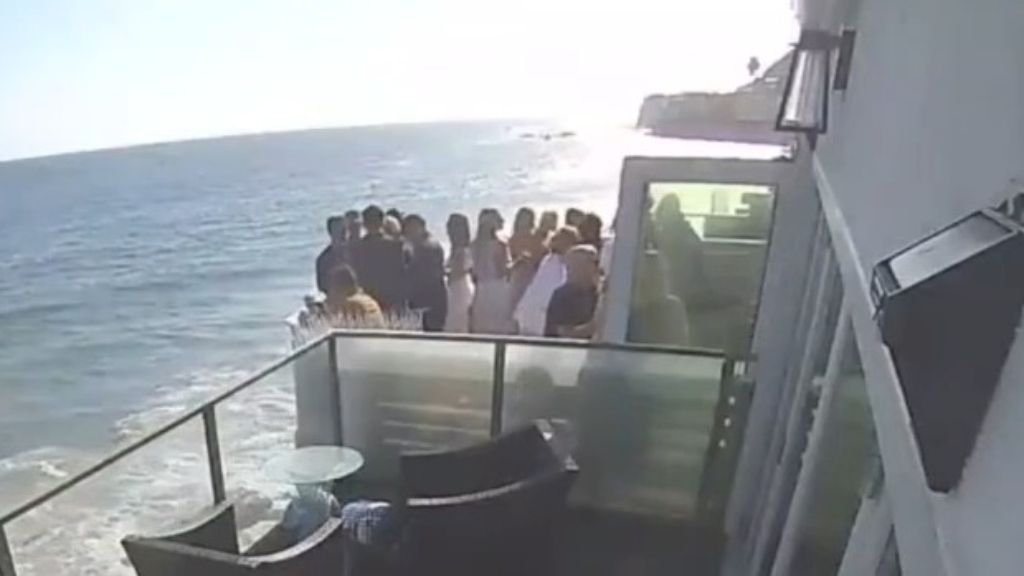
A balcony in California collapsed while nine people were standing on it, sending them plummeting onto the rocky beach below.

The group were among dozens of people at a party in Malibu when the accident happened.

The homeowner said she rented the home for the weekend with a limit of six people.

READ MORE: Dismembered Great White Shark head found washed up on NZ beach

This balcony in Malibu, California was crowded with people.Moments later it collapsed sending nine people plunging into the rocky beach below.

But neighbours called her to tell her 30 people were at the property.

Four people were taken to hospital, and five others were treated at the scene.