From RNZ A union is worried that MIQ is a difficult place to speak up when workers see something wrong.Each hotel now has its own health and safety committee, with 130 workers across the country selected as representatives in…
Tag Archives: oceania
Covid-19 coronavirus: Many port workers missing out on vaccine, union boss says
Port workers should be given subsidised breaks to ensure they get the Covid-19 shot, as access is proving a bigger issue than refusals, the Maritime Union’s boss says.Many high-risk port staff like stevedores and marine technicians…
What's there to hide? Call to lift the lid on investigation into Wellington's mayor
Several Wellington City councillors say the findings of a code of conduct complaint against mayor Andy Foster should be made public immediately. Wellington City Council is withholding the report until after it’s discussed behind…
Discovery of deadly sea snake in Northland the second in nine days
A second deadly sea snake has been found “alive and wriggling” at a Northland beach less than 10 days since the first discovery in three years made national headlines.Gareth Fielder found a highly venomous yellow-bellied sea snake…
Mike King: Ministry needs to sort out crisis in mental health services
OPINION: Is anybody else confused by the shortage of mental health counselling services around the country right now?Over the past six months, we have seen a steady flow of alarming media stories highlighting the chronic shortfalls…
Budget 2021: Government unveils 'monumental' new breast and cervical cancer prevention funding
News the Government will fund new HPV self tests in a bit to fight cervical cancer in New Zealand has come as “monumental” news for advocates and experts.And for many women across the country, the funding could be life-saving. “The…
Herald morning quiz: May 10
Test your brains with the Herald’s morning quiz. Be sure to check back on nzherald.co.nz at 3pm for the afternoon quiz. To challenge yourself with more quizzes, CLICK HERE.
Police break up street fiesta as Spaniards celebrate end of curfews
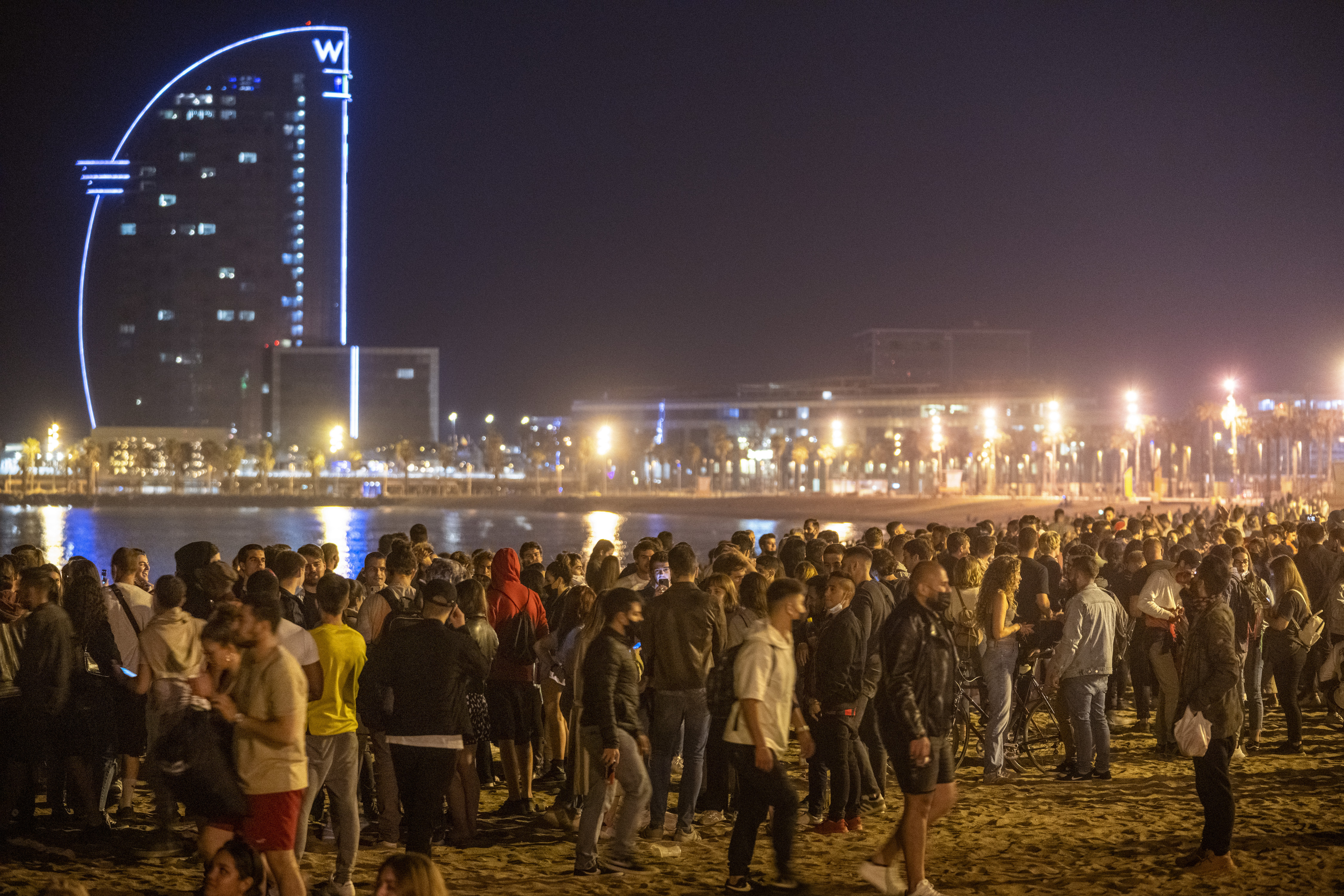
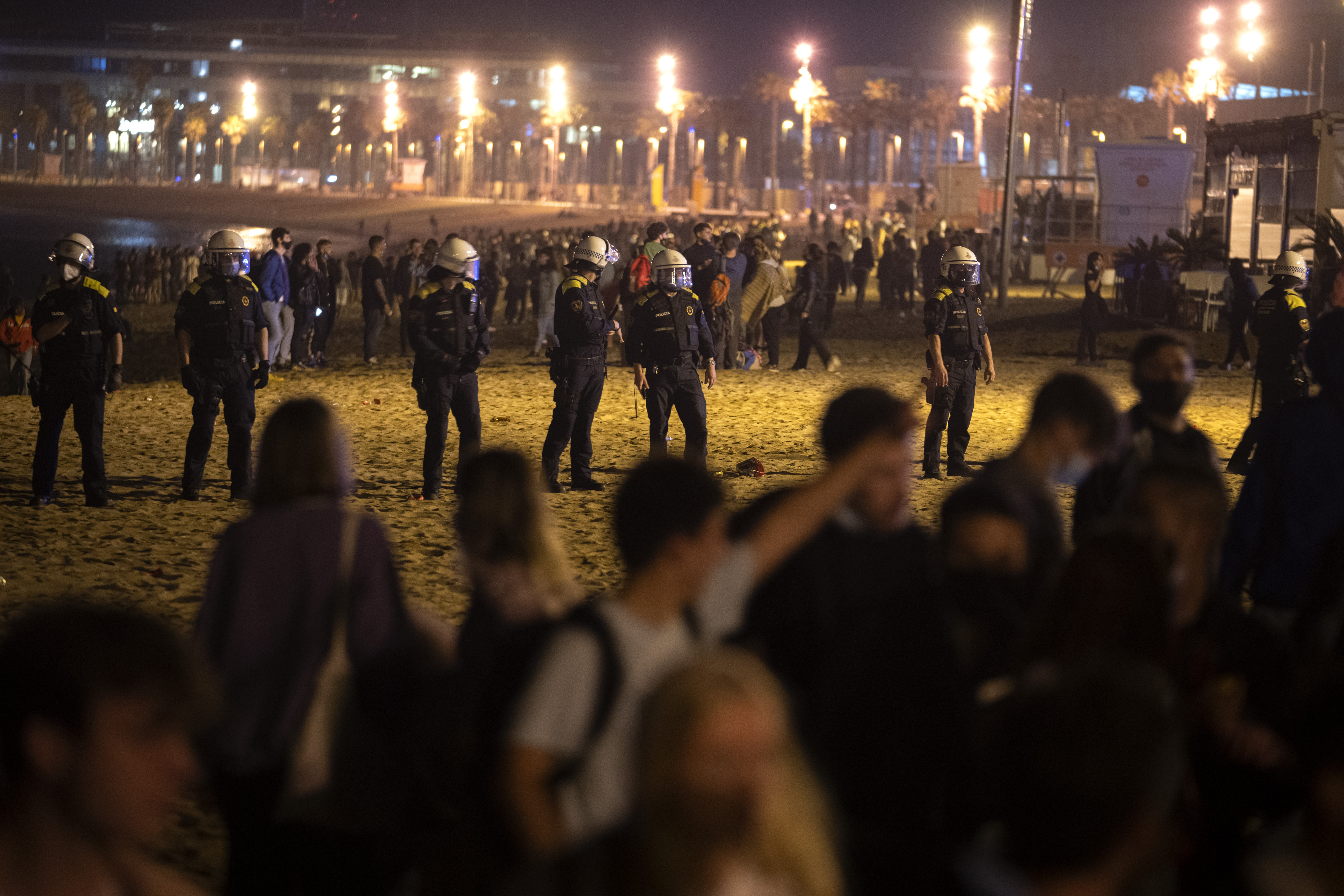
Impromptu street celebrations erupted across Spain as the clock struck midnight on Saturday, when a six-month national state of emergency to contain the spread of the coronavirus ended and many night-time curfews were lifted.
In Madrid, police had to usher revellers out of the central Puerta del Sol square, where the scenes of unmasked dancing and group singing resembled pre-pandemic nightlife.
Teenagers and young adults also poured into central squares and beaches of Barcelona to mark the relaxation of restrictions.
READ MORE: Sydney's COVID-19 restrictions extended
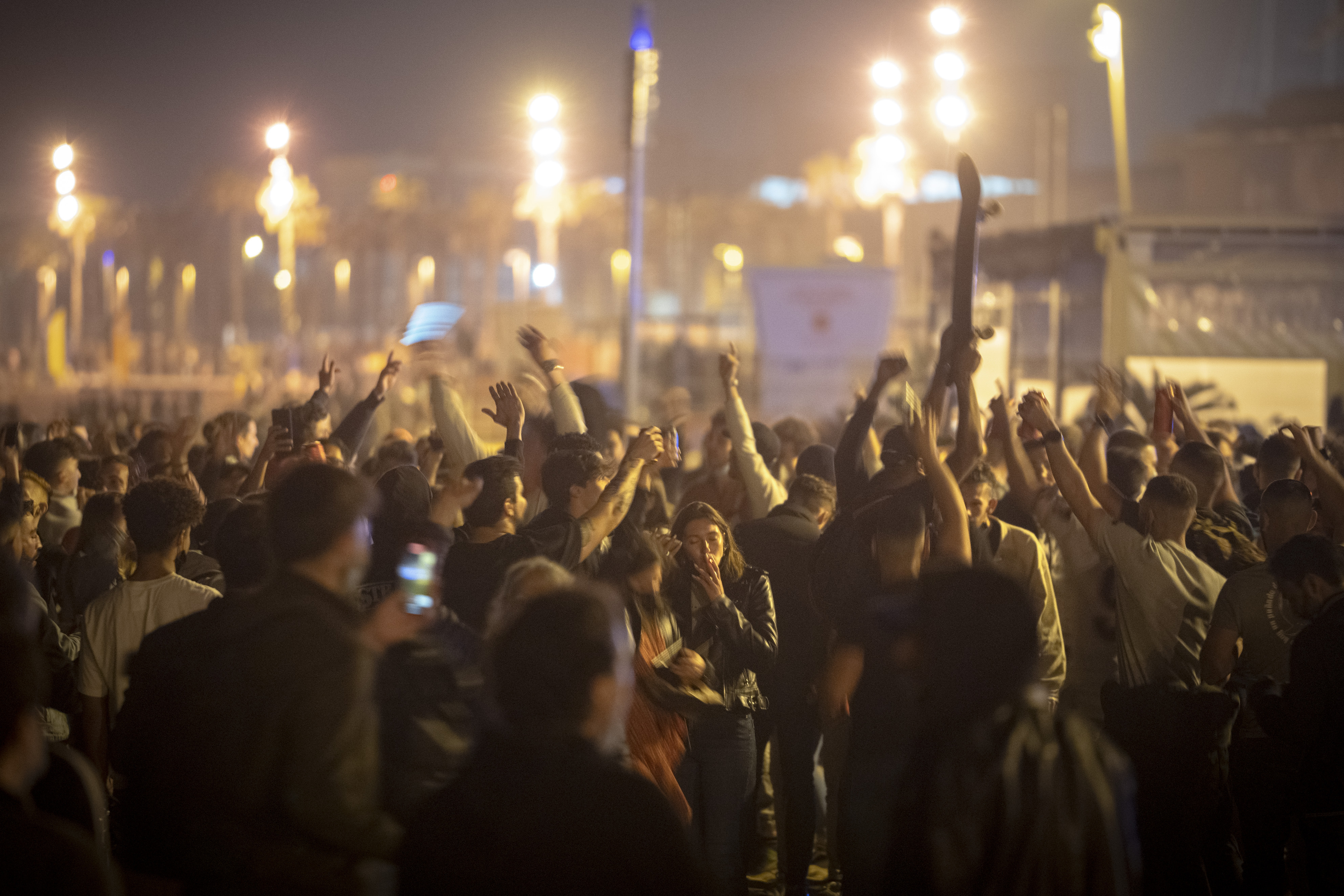
"Freedom!" said Juan Cadavid, who was reconnecting with friends.
"(It's) a bit scary, you know, because of COVID, but I want to feel like this around a lot of people."
The 25-year-old Barcelona resident was also rejoicing at the prospect of going back to work at a Michelin-star restaurant that had been closed for the past seven months due to pandemic-related restrictions.
Local restaurants will be able to serve dinner again beginning Sunday and can stay open until 11 pm.
But a limit of four people per table remains and indoor dining is limited to 30 per cent of capacity.
Several Spanish journalists shared videos showing crowded scenes of singing and dancing in central squares across the country.
https://twitter.com/aperezvico/status/1391157876916473856https://twitter.com/Ldevega/status/1391173414262562822
With the end of the state of emergency, bans on travelling across Spain's regions have also been lifted and many curbs on social gatherings relaxed.
Only four of the country's 19 regions and autonomous cities are keeping curfews in place.
In spite of criticism from some regional chiefs and opposition figures, Spain's centre-left ruling coalition refused to extend the state of emergency, which provided a legal umbrella to enact sweeping anti-COVID-19 measures restricting fundamental freedoms.
Prime Minister Pedro Sánchez has said existing regulations should be enough to respond to outbreaks at the regional level as the rollout of vaccines is speeding up.
Spain's number of new coronavirus infections in the past 14 days fell on Friday to 198 new cases per 100,000 residents, although the central Madrid and the northern Basque regions have more than twice that rate.
Hospital occupation levels remain high, however, with more than 1 in 5 intensive-care beds in the country treating COVID-19 patients.
Elon Musk's favourite joke cryptocurrency tumbles after his SNL jokes
Investors bet right: Elon Musk mentioned Dogecoin on Saturday Night Live during his opening monologue. Well, actually, his mom did.
Maye Musk appeared at the end of her Tesla CEO son's SNL monologue to ask what he got her for Mother's Day.
"I'm excited for my Mother's Day gift," Maye Musk said. "I just hope it's not dogecoin!"
READ MORE: Move over, bitcoin. Ethereum is at an all-time high
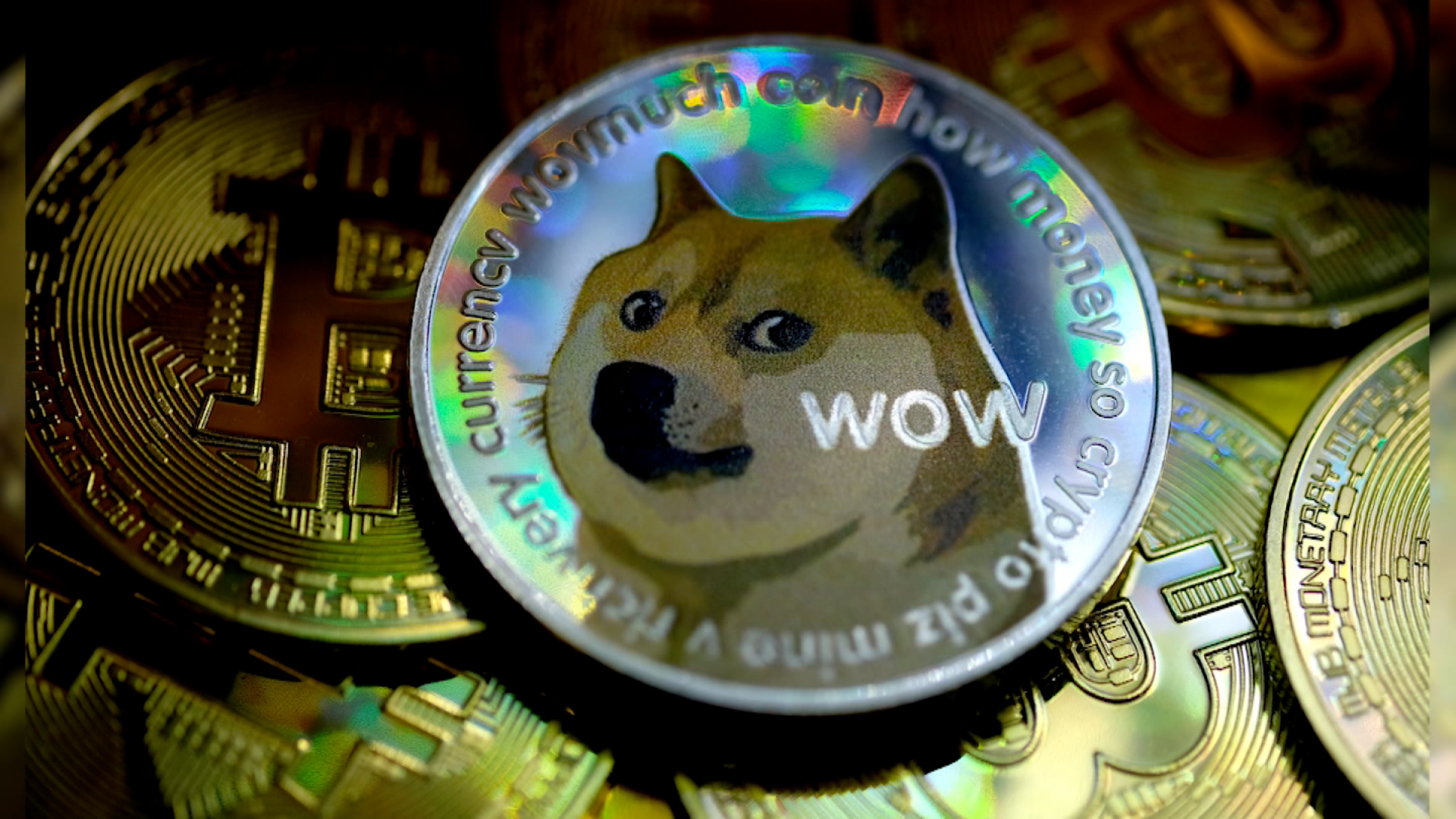
"It is," Elon Musk said. "It sure is."
After pumping up the value of the cryptocurrency in the lead-up to Musk's SNL appearance, investors sold off Dogecoin sharply after the Musks talked about it on the show.
Dogecoin was down 40 per cent, trading as low as 44 US cents (56 cents) on Sunday.
The cryptocurrency started Saturday trading at about 70 US cents (89 cents) and was selling for about 66 US cents (84 cents) ust before SNL went on the air at 11.30pm ET (1.30pm on Sunday AEST).
Cryptocurrencies are notoriously volatile, and dogecoin has been on an absolute tear this year.
It's up more than 12,000 per cent since January and has gained 800 per cent this month alone.
Mr Musk has been the loudest and most prominent supporter of dogecoin. He frequently tweets about the cryptocurrency, and just one of his bizarre tweets to his 50 million followers can send Dogecoin surging.
That's what happened in April, when Musk tweeted "Doge Barking at the moon" and shared a photo of a painting by Spanish artist Joan Miró, which is titled "Dog Barking at the Moon."
Dogecoin started in 2013 as a joke — a nod to the "doge" meme that was all over the internet at the time. But it's no longer a joke: It's the fifth-largest cryptocurrency in the world, with a market value just south of $70 billion, according to Coinbase.
Both dogecoin and Tesla had been trading higher in anticipation of Musk's SNL appearance. Tesla futures weren't trading on Saturday night (Sunday lunchtime AEST) during the show.
It's unclear what was driving the dogecoin selloff. Perhaps investors wanted Musk to say something more supportive of the cryptocurrency.
But more likely, there was some "buy the rumour/sell the news" strategy, trying to capitalise on investors' predictions coming true by selling high.
Dogecoin traded so actively that Robinhood announced early on Sunday morning it was having issues processing crypto trades and was working to resolve the problem.
https://twitter.com/askrobinhood/status/1391247108078915588?s=21
Medical journal slams Indian leader's 'inexcusable' COVID-19 response
The Indian government has been blasted for ignoring warnings of a second wave, encouraging complacency, and failing to be transparent on COVID-19 data, in a scathing editorial in prestigious medical journal The Lancet.
The publication branded the response by Prime Minister Narendra Modi's government "inexcusable."
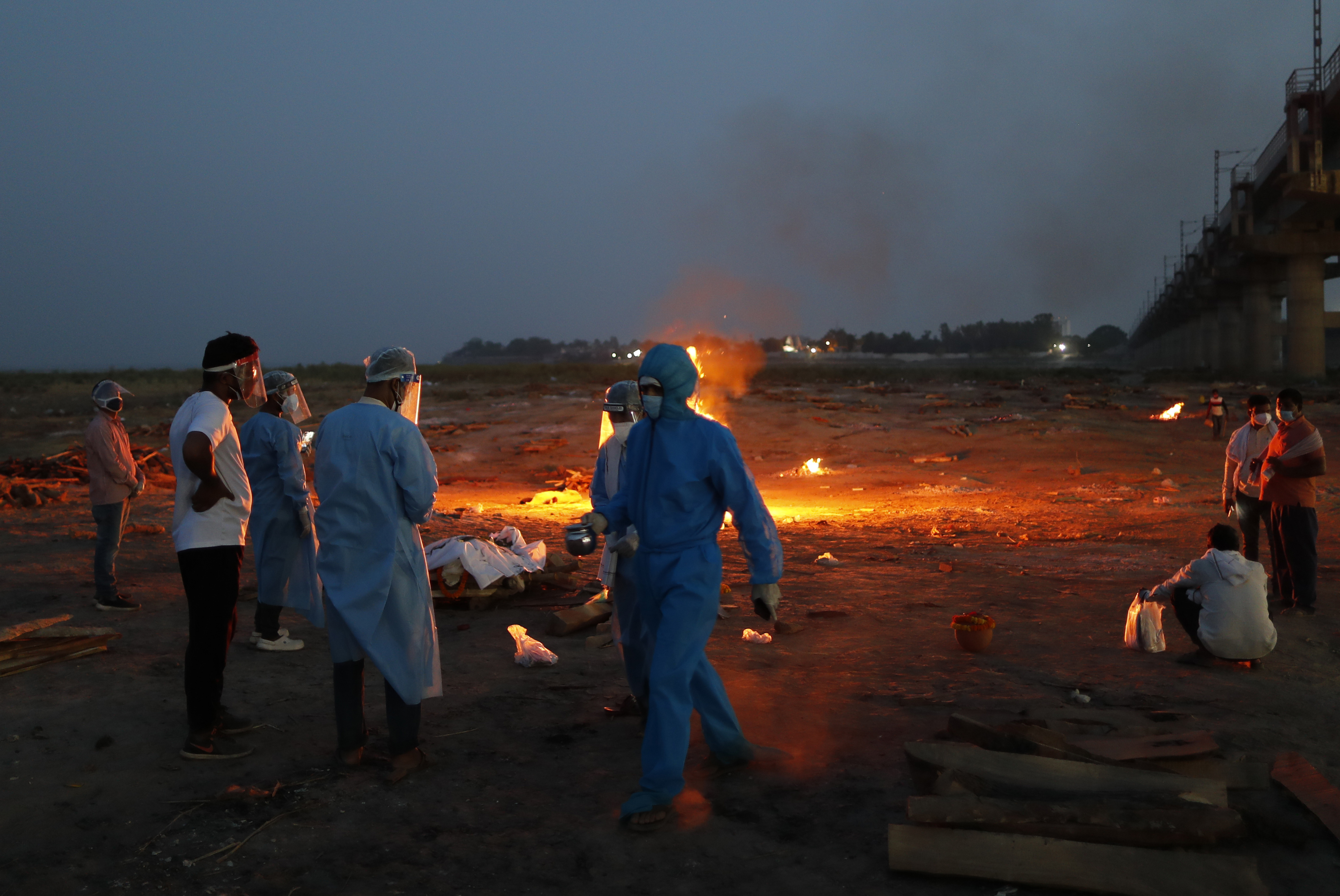
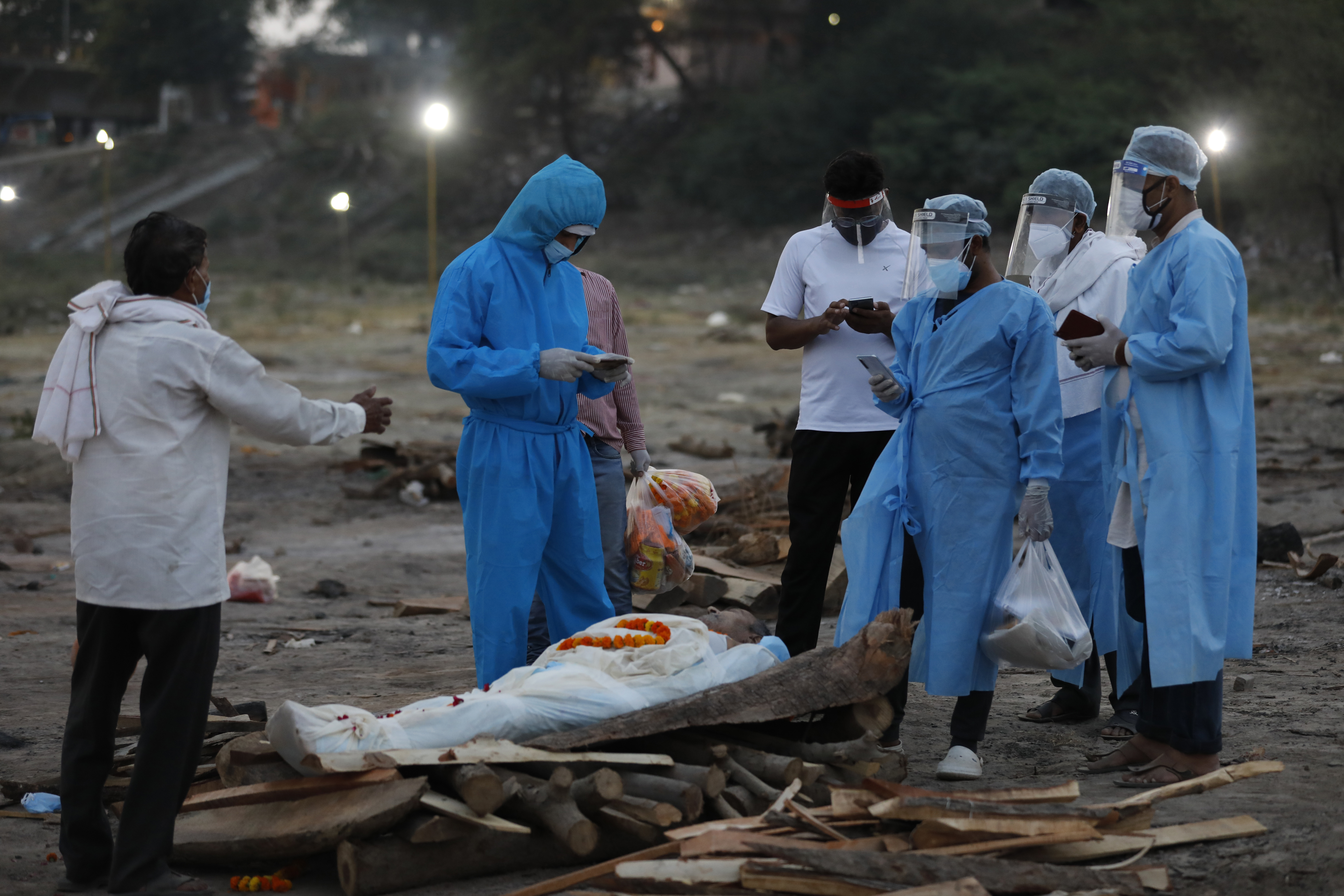
India is currently in the midst of the world's worst COVID-19 outbreak. It reported 403,738 additional cases today, marking the fourth consecutive day it has recorded more than 400,000 cases and bringing the country's total reported infections to more than 22 million.
READ MORE: India's daily COVID-19 death toll surpasses 4000 for the first time
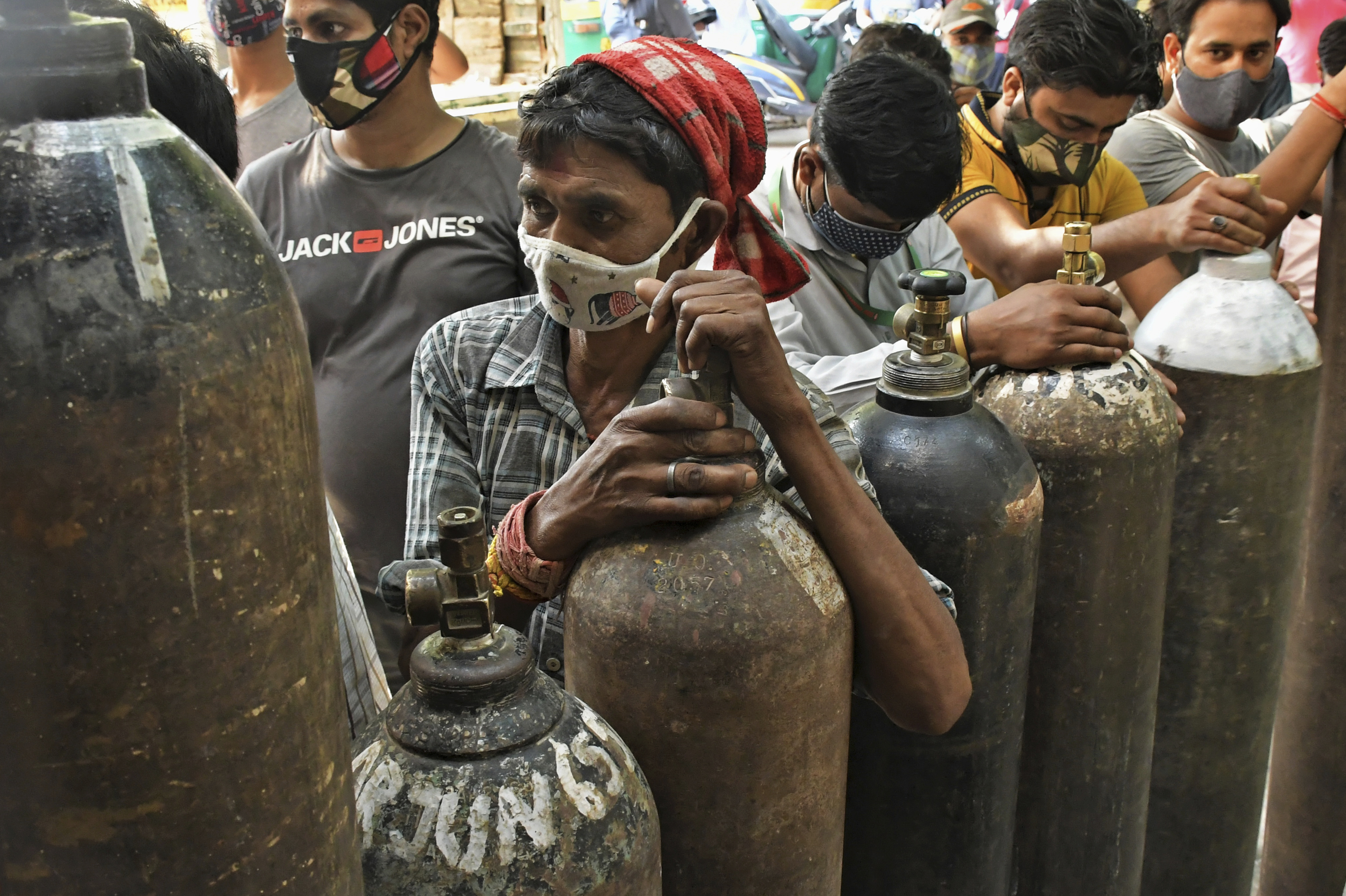
More than 900,000 COVID-19 patients in India are on oxygen support — about a quarter of all active cases — and a further 170,000 are on ventilators, the country's health minister, Harsh Vardhan, said on Saturday.
India has a test positivity rate of about 22 per cent, according to Johns Hopkins University, meaning it is likely not capturing all COVID-19 cases.
The health ministry also reported an additional 4092 deaths today, the second day in a row the country has recorded more than 4000 deaths in a single day.
India has now recorded 242,362 COVID-19 deaths — the third-highest death toll in the world. The Institute for Health Metrics and Evaluation at the University of Washington estimates that by August, India may have reached one million deaths.
"If that outcome were to happen, (Prime Minister Narendra) Modi's government would be responsible for presiding over a self-inflicted national catastrophe," the Lancet editorial warned.
READ MORE: Australian permanent resident dies in India
'Inexcusable' actions
According to the Lancet editorial, India "squandered its early successes" in controlling COVID-19.
The government failed by giving the public the impression the country had beaten the virus, which encouraged complacency and insufficient preparation, and slowed the start of the country's "botched" vaccination campaign, according to the editorial.
Despite warning about "the risks of superspreader events," religious festivals and political rallies were allowed to go ahead.
And on top of that, the government tried to control critical discussion online, by asking Twitter to remove tweets about COVID-19, including some that were critical of Mr Modi.
"Modi's actions in attempting to stifle criticism and open discussion during the crisis are inexcusable," the editorial said.
The editorial urged India to increase vaccine supply and work to create an equitable distribution system of the vaccine.
As of Saturday evening local time, 35 million people in India had received their second dose, meaning about 2.7 percent of India's 1.3 billion population are fully vaccinated, according to a press release issued by the health ministry.
The editorial also urged India to publish accurate data, expand genomic testing and explain to the public the necessity of wearing masks, social distancing, halting mass gatherings, voluntary quarantine and testing.
It noted that until April, the government's COVID-19 taskforce had not met in months.
"The consequences of that decision are clear before us, and India must now restructure its response while the crisis rages," the editorial said.
"The success of that effort will depend on the government owning up to its mistakes, providing responsible leadership and transparency, and implementing a public health response that has science at its heart."
CNN has previously contacted the chairman of the COVID-19 taskforce, VK Paul, for comment.
READ MORE: Growing number of nations across Asia ravaged by fresh COVID waves
Oxygen availability
With hospitals battling desperate shortages of oxygen, India's top court has set up a 12-member National Task Force to assess the availability and distribution of medical oxygen, according to a court order released on Saturday.
Hospitals across India have been reporting desperate shortages of oxygen despite dozens of countries pledging critical aid.
Last week the Indian government said it had installed a "streamlined mechanism" for allocating aid, but state and local authorities said they had been kept in the dark.
The taskforce has been set up to give central government input and strategies for meeting the challenges of the pandemic, according to a court order released Saturday.
"The rationale for constituting a Task Force at a national level is to facilitate a public health response to the pandemic based on scientific and specialized domain knowledge," the order said, adding that it expected leading experts.
"This will facilitate a meeting of minds and the formulation of scientific strategies to deal with an unprecedented human crisis."
Members include senior health professionals, academics and government officials.
Based on the order, the terms of reference are to "assess and make recommendations for the entire country based on the need for, availability and distribution of medical oxygen" as well as to determine the amount of medical oxygen to be allocated to states and union territories on a "scientific, rational and equitable basis."