Tag Archives: oceania

NASA Mars helicopter heard humming through thin Martian air

First came the amazing pictures, then the video. Now NASA is sharing sounds of its little helicopter humming through the thin Martian air.

NASA's Jet Propulsion Laboratory in California released this first-ever audio Friday, just before Ingenuity was set to soar on its fifth test flight.

The low hum from the helicopter blades spinning at more than 2,500 revolutions per minute is barely audible. It almost sounds like a low-pitched, far-away mosquito or other flying insect.

READ MORE: Mars rover snaps selfie photo with Ingenuity helicopter

That's because the 1.8-kilogram helicopter was more than 80 metres from the microphone on the Perseverance rover. The rumbling wind gusts also obscured the chopper's sound.

Scientists isolated the sound of the whirring blades and magnified it, making it easier to hear.

The sound was recorded during the helicopter's fourth test flight on April 30.

Ingenuity — the first powered aircraft to fly at another planet — arrived at Mars on Feb. 18, clinging to Perseverance's belly. Its first flight was April 19; NASA named the takeoff and landing area Wright Brothers Field in honour of Wilbur and Orrville, who made the world's first airplane flights in 1903. A stamp-size piece of wing fabric from the original Wright Flyer is aboard Ingenuity.

The US$85 million ($108m) tech demo was supposed to end a few days ago, but NASA extended the mission by at least a month to get more flying time.

Friday afternoon's test flight was aiming for twice the altitude — as high as 10 metres. The helicopter was also headed to a new touchdown spot.

With the helicopter's first phase complete, the rover can now start hunting for rocks that might contain signs of past microscopic life. Core samples will be collected for eventual return to Earth.

UK to ease holiday travel ban to 12 countries, including Australia and NZ

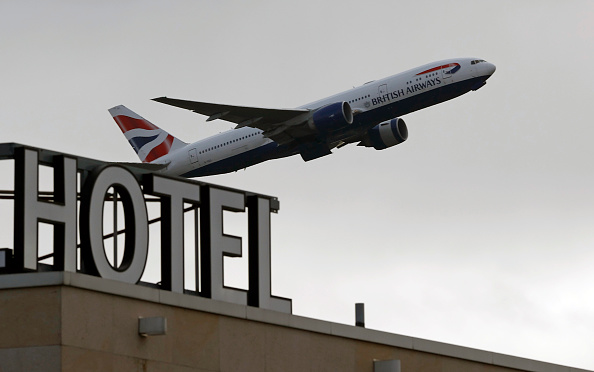
Britain announced a "first tentative step" Friday toward resuming international travel, saying UK citizens will be able to travel to countries including Portugal, Iceland and Israel later this month without having to quarantine upon their return.

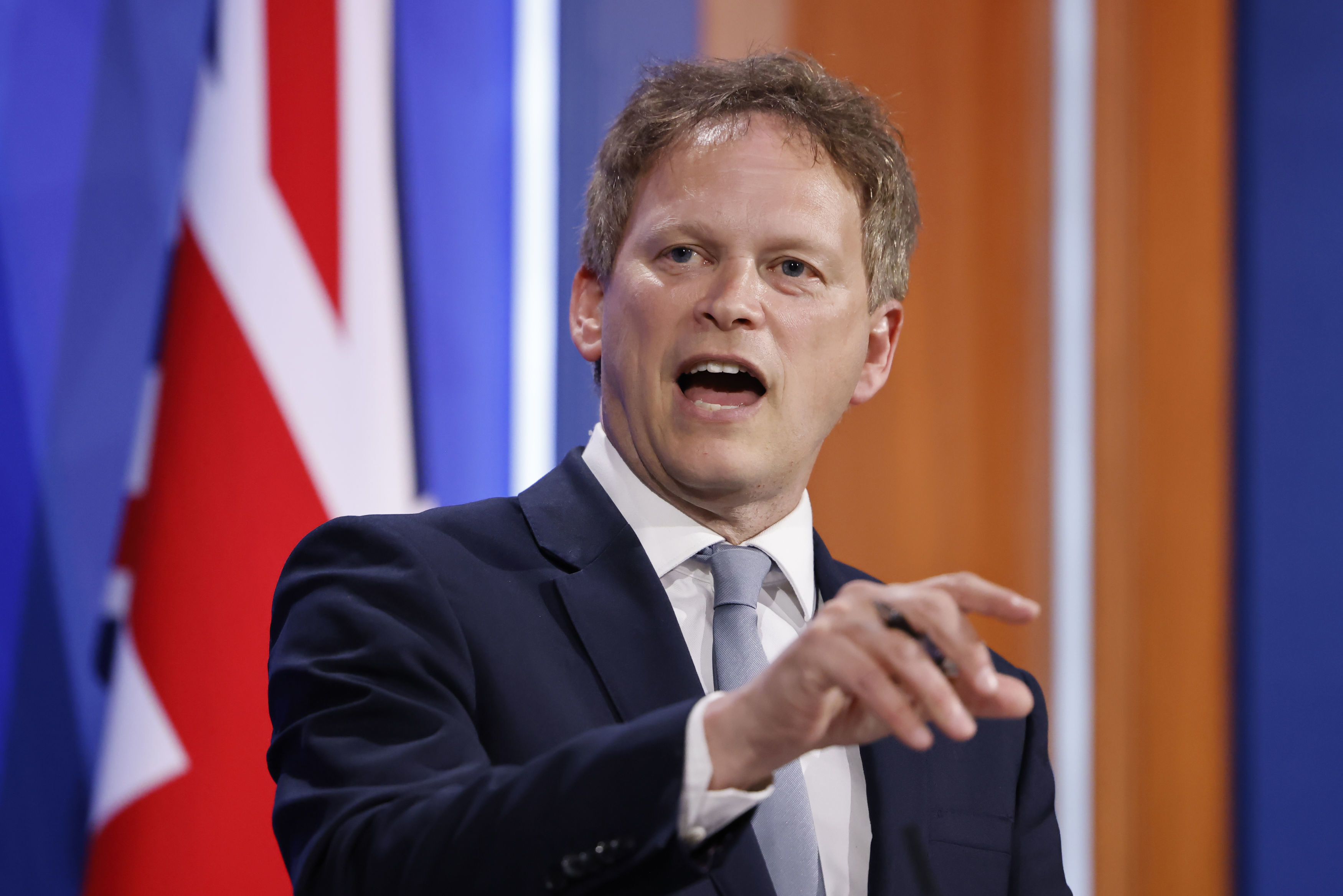
Transport Secretary Grant Shapps said the country's current blanket ban on overseas vacations will be replaced on May 17 by a traffic-light system classifying countries as low, medium or high risk.

The "green list" of 12 low-risk territories also includes Gibraltar, the Faroe Islands and the Falkland Islands — but not major vacation destinations for Britons such as France, Italy, Spain and Greece, which are on the "amber" list.

READ MORE: Aussie's heartbreak living in country with world's worst COVID rates

Britons travelling to those countries, and many others including the United States and Canada, will have to self-isolate for 10 days when they return.

Britons hoping for an overseas vacation this summer without a quarantine do not have a lot to choose from. Several countries on the green list are still closed to British visitors, including Australia, New Zealand and Singapore. Others are little-visited, such as the remote islands of Saint Helena, Ascension Island and Tristan da Cunha.

"This is not a list generated and created to think about where people want to lie on beaches and then twist the science to fit it," Shapps said at a news conference.

He said the list would be reviewed regularly and would likely be expanded.

"We in this country have managed to construct a fortress against COVID. But the disease is still prevalent in other parts of the world, most notably at the moment in India," he said.

"That's why today's announcement, removing the 'stay in the UK' restrictions from May 17, is necessarily cautious," he said.

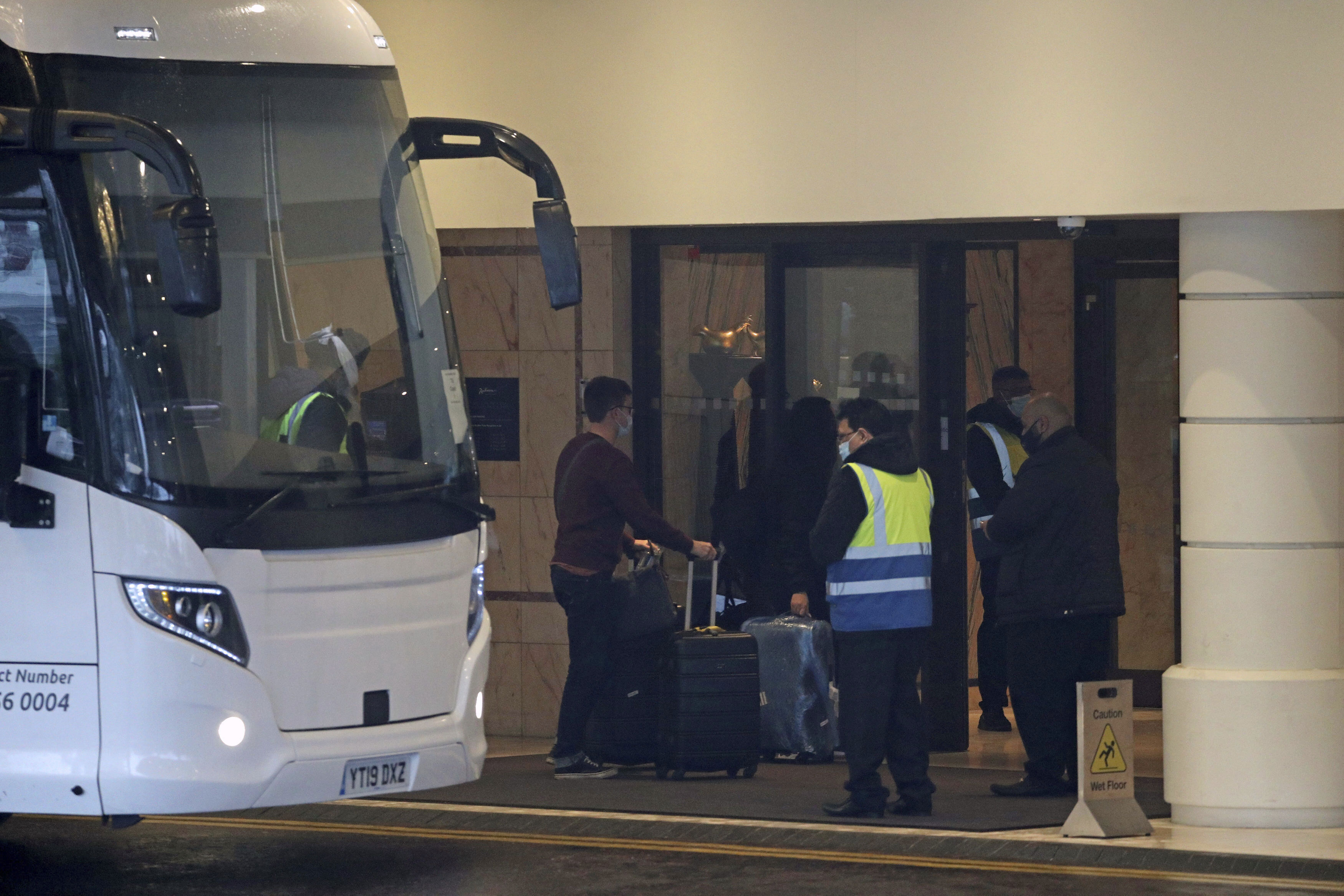
All but essential travel from Britain remains barred to "red list" countries with severe outbreaks, including India and South Africa, and people returning from them face 10 days of mandatory quarantine in a supervised hotel. On Friday the British government added Nepal, the Maldives and Turkey to that list.

Turkey's addition, which takes effect Wednesday, throws into doubt the ability of players and fans to travel to the Champions League soccer final between two English teams — Manchester City and Chelsea — which is due to be played in Istanbul on May 29.

Shapps said the government was "very open" to holding the game in Britain, but that it was a decision for soccer's European governing body, UEFA.

May 17 is the next date on the British government's roadmap out of lockdown. Pubs and restaurants in England can reopen indoor areas that day, and venues including theatres and cinemas can welcome limited audiences.

Britain has recorded more than 127,500 coronavirus deaths, the highest toll in Europe. But recent infections and deaths have plummeted thanks to extensive lockdowns and a rapid vaccination program. Two-thirds of UK adults have received at least one vaccine jab and almost a third have had both doses.

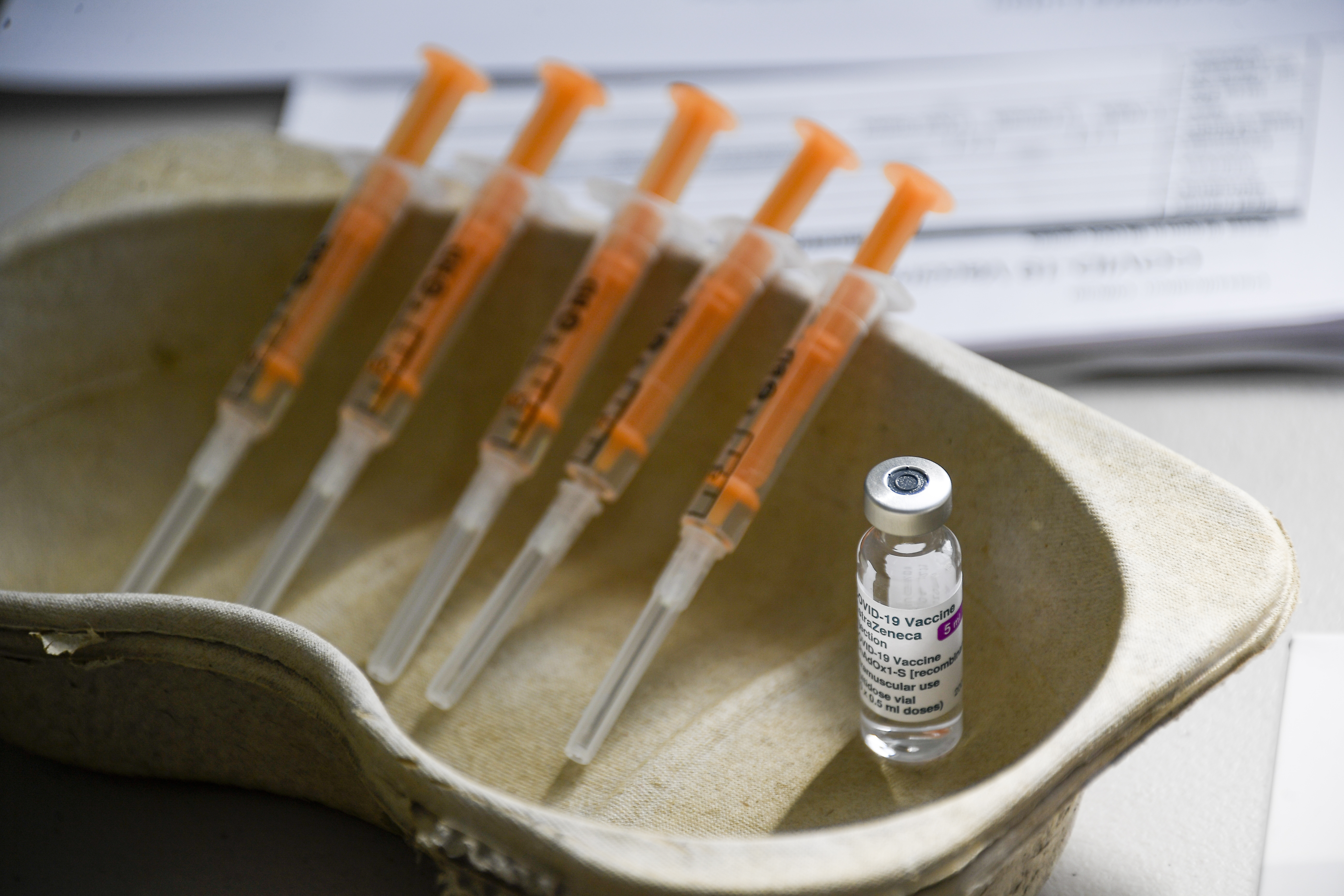
The campaign has relied heavily on the Oxford-AstraZeneca vaccine, whose use has been restricted in some European countries because of a potential link to extremely rare blood clots.

In a change of advice, British authorities said Friday that people under 40 will not be given the AstraZeneca vaccine if another shot was available.

The Joint Committee on Vaccination and Immunisation said people aged 30 to 39 without underlying health conditions should receive an alternative vaccine, "where available and only if this does not cause substantial delays in being vaccinated." Last month it gave the same advice for people under 30.

"Any vaccine offered early is preferable to a vaccine offered too late," said Wei Shen Lim, who chairs the JCVI, an expert body that advises the government.

England's deputy chief medical officer, Jonathan Van-Tam, said the government expects to follow the new advice and still meet its target of giving everyone 18 and over a vaccine jab by July 31.

"We have to maintain the pace and scale of the UK vaccination program," Van-Tam said, adding that the AstraZeneca vaccine is safe and effective and "thousands are alive today" because they received it.

Britain is also using vaccines made by Pfizer-BioNTech and Moderna.

British health officials say the risk from COVID-19 far exceeds any risk from the AstraZeneca vaccine for the vast majority of people, but the calculation is "more finely balanced" for younger groups, who tend not to suffer serious illness from coronavirus infections.

Up to April 28, Britain's medicines regulator had received 242 reports of blood clots accompanied by low platelet count in people who had received the AstraZeneca vaccine, out of 28.5 million doses given. There were 49 deaths.

The AstraZeneca vaccine, which is cheaper and easier to store than Pfizer or Moderna, is critical to global immunisation campaigns. It is a pillar of the UN-backed program known as COVAX that aims to get vaccines to some of the world's poorest countries.

WHO panel OKs emergency use of China's Sinopharm vaccine

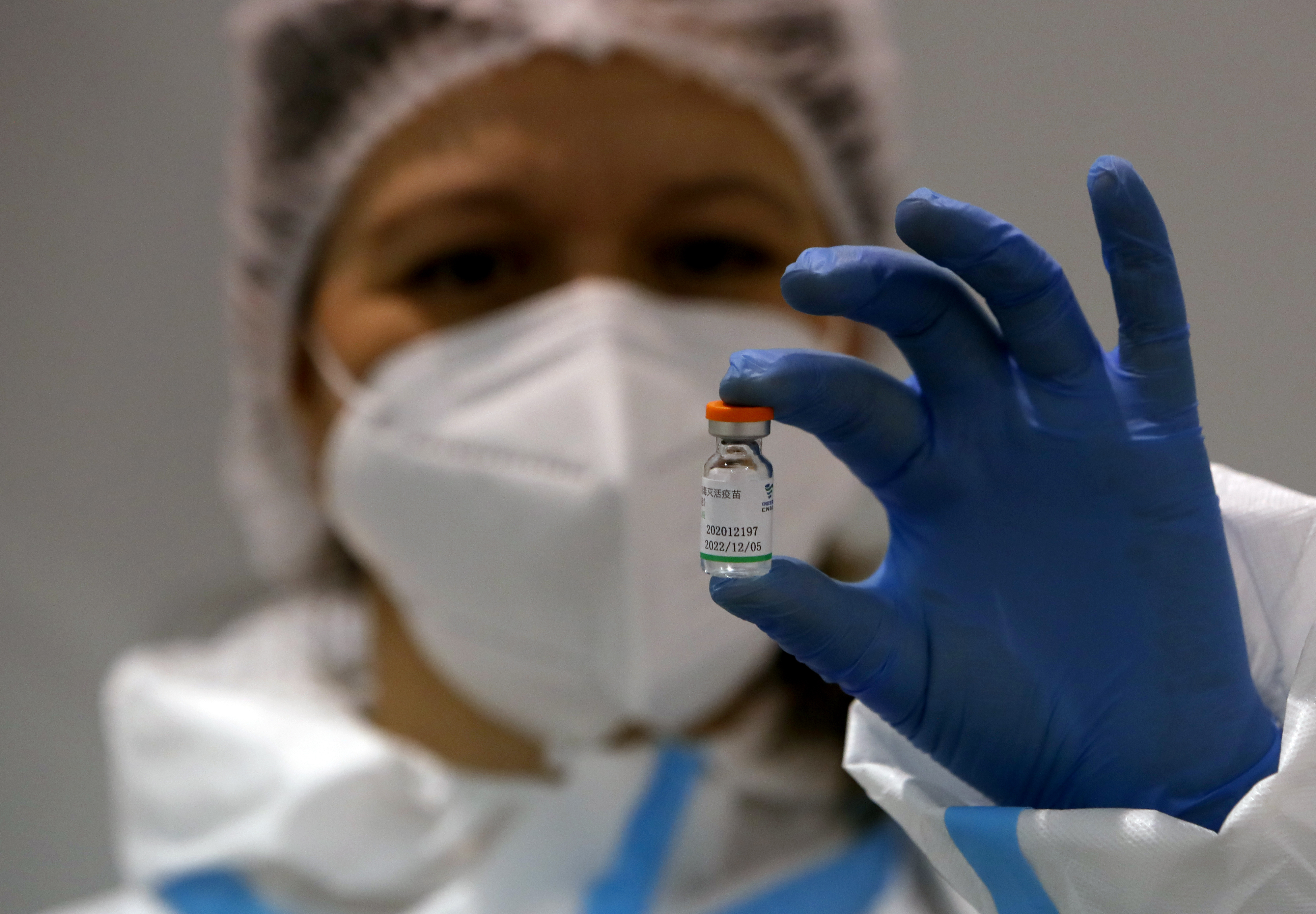
The World Health Organisation gave emergency use authorisation Friday to a COVID-19 vaccine manufactured by China's Sinopharm, potentially paving the way for millions of the doses to reach needy countries through a UN-backed program rolling out coronavirus vaccines.

The decision by a WHO technical advisory group, a first for a Chinese vaccine, opens the possibility that Sinopharm's offering could be included in the UN-backed COVAX program in coming weeks or months and distributed through UN children's agency UNICEF and WHO's Americas regional office.

Aside from efficacy numbers, the Chinese manufacturer has released very little public data about its two vaccines – one developed by its Beijing Institute of Biological Products and the other by the Wuhan Institute of Biological Products.

READ MORE: Pressure rises for India lockdown; surge breaks record again

The Beijing shot is one the WHO advisory group considered for the emergency use listing.

"This afternoon, WHO gave emergency use listing to sign off on Beijing's COVID-19 vaccine, making it the sixth vaccine to receive WHO validation for safety, efficacy and quality," WHO Director-General Tedros Adhahom Ghebreysus said.

The Sinopharm vaccine will join ones made by Pfizer-BioNTech, Johnson & Johnson, Moderna, AstraZeneca, and a version of the AstraZeneca vaccine made by the Serum Institute of India, in receiving the coveted authorisation from the UN health agency.

"This expands the list of vaccines that COVAX can buy and gives countries confidence to expedite their own regulatory approval and to import and administer a vaccine," Tedros said at a Geneva news conference.

READ MORE: China can't stop talking about the Bill and Melinda Gates divorce

Previously, a separate group advising WHO on vaccines said it was "very confident" the Sinopharm vaccine protects people ages 18-59. The group said it had a "low level of confidence" in the vaccine's efficacy for people 60 and over. Its members said they had "very low confidence" in the available data about serious side effects in that age group.

Sinopharm hasn't published its late-stage test results in scientific journals, so the WHO requested a breakdown of its data, which come mostly from the United Arab Emirates. A summary posted online by WHO suggests the vaccine is about 78 per cent effective, with the caveat that all but a few hundred of the study volunteers were younger than 60.

Gavi, the Vaccine Alliance, which co-runs COVAX, welcomed the announcement.

"This means the world has yet another safe and effective tool in the fight against this pandemic," the alliance said. The public-private partnership said it was in discussions with several manufacturers, including Sinopharm, "to expand and diversify the portfolio further and secure access to additional doses" for countries in the COVAX program.

READ MORE: Should Australia worry about the 21-tonne rocket falling back to Earth?

COVAX aims to send vaccines for free to 92 lower-income countries and to help another 99 countries and territories procure them. It was not immediately clear when the Chinese vaccine might be made available to the COVAX portfolio

The program, which has already distributed over 54 million doses of COVID-19 vaccines but faces limited supplies from Western countries and India, has been working hard to strike deals as part of its goal to procure 2 billion doses by the end of the year.

Suerie Moon, co-director of the Global Health Program at Geneva's Graduate Institute, said the WHO decision on the Sinopharm COVID-19 vaccine and other Chinese vaccines will "carry a lot of weight" because of limited information publicly available about them.

"The decision is also sure to be scrutinised all around for any whiff of political bias, and no doubt the committee members were very well aware of this," she said, noting that the decision could also be a boon for developing countries in need of coronavirus vaccines.

"If there is a greenlight, these vaccines could boost the thin stream of supplies that has been channeled through COVAX to date," she said, as the program has been hit hard by export bans limiting vaccine supply from India. India has kept those doses amid a surge of cases at home.

READ MORE: 'Most vulnerable' Australians prioritised as India travel ban ends

Moon also said if Chinese suppliers start channeling large volumes, "this would signal a step-change in their participation in global vaccine markets." Before the pandemic, India was a well-integrated player in the global health vaccine supply system, but China was not, she said.

WHO's decision on Sinopharm, months in the making, was particularly complex because the vaccine has not faced the high-level scrutiny of a rigorous medicines regulator like those in Europe and the US.

The WHO panel relied frequently on those Western agencies' findings when it came to vaccines that it has already approved emergency use.

Many officials in countries without such regulatory structures rely on WHO's emergency use listings to authorise vaccine rollouts for their populations.

Hundreds of millions of Chinese vaccines have already been delivered to dozens of countries around the world through bilateral deals as many scrambled to secure supplies after rich countries had reserved the vast majority of supplies from Western pharmaceutical makers.

While China has five shots in use, the majority of its exports abroad come from two companies: Sinopharm and Sinovac. A decision on Sinovac is expected next week, WHO said.

The Chinese vaccines are "inactivated" vaccines, made with killed coronavirus. Most other COVID-19 vaccines being used around the world, particularly in the West, are made with newer technologies that instead target the "spike" protein that coats the surface of the coronavirus.

Sinopharm said last month that over 100 million doses of its two vaccines have been used across the world.

Sinovac, by comparison, has shared relatively more data. Last month, a study published by a team of scientists in Brazil confirmed a previously reported efficacy rate of over 50 per cent. A real-world study in Chile also last month found an efficacy rate of 67 per cent.

Pressure rises for India lockdown; surge breaks record again

Indian Prime Minister Narendra Modi faced growing pressure Friday to impose a strict nationwide lockdown, despite the economic pain it will exact, as a startling surge in coronavirus cases that has pummelled the country's health system shows no signs of abating.

Many medical experts, opposition leaders and even Supreme Court judges are calling for national restrictions, arguing that a patchwork of state rules is insufficient to quell the rise in infections.

Indian television stations broadcast images of patients lying on stretchers outside hospitals waiting to be admitted, with hospital beds and critical oxygen in short supply. People infected with COVID-19 in villages are being treated in makeshift outdoor clinics, with IV drips hanging from trees.

READ MORE: Mutant strains fuelling India's devastating COVID-19 spread
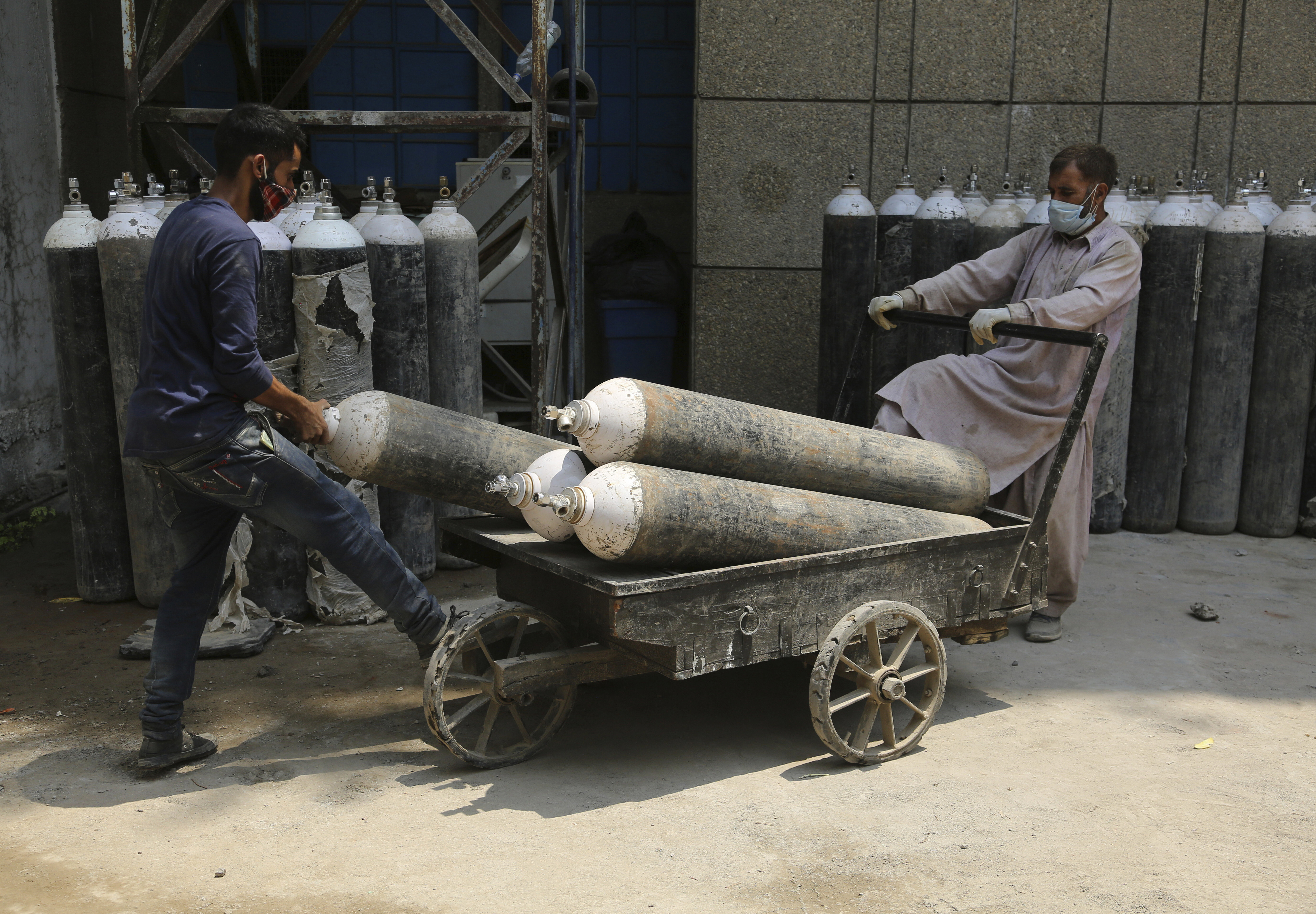
As deaths soar, crematoriums and burial grounds have been swamped with bodies, and relatives often wait hours to perform the last rites for their loved ones.

The situation is so dramatic that among those calling for a strict lockdown are merchants who know their businesses will be affected but see no other way out.

"Only if our health is good, will we be able to earn," said Aruna Ramjee, a florist in the southern Indian city of Bengaluru. "The lockdown will help everyone, and coronavirus spread will also come down."

The alarming picture has gripped the world's attention, just as many developed countries are seeing vaccinations drive down infections and are beginning to open up. India's surge has served as a warning to other countries with fragile health systems — and also has weighed heavily on global efforts to end the pandemic since the country is a major vaccine producer but has been forced to delay exports of shots.

READ MORE: China opens Everest's north side to 38 virus-tested climbers
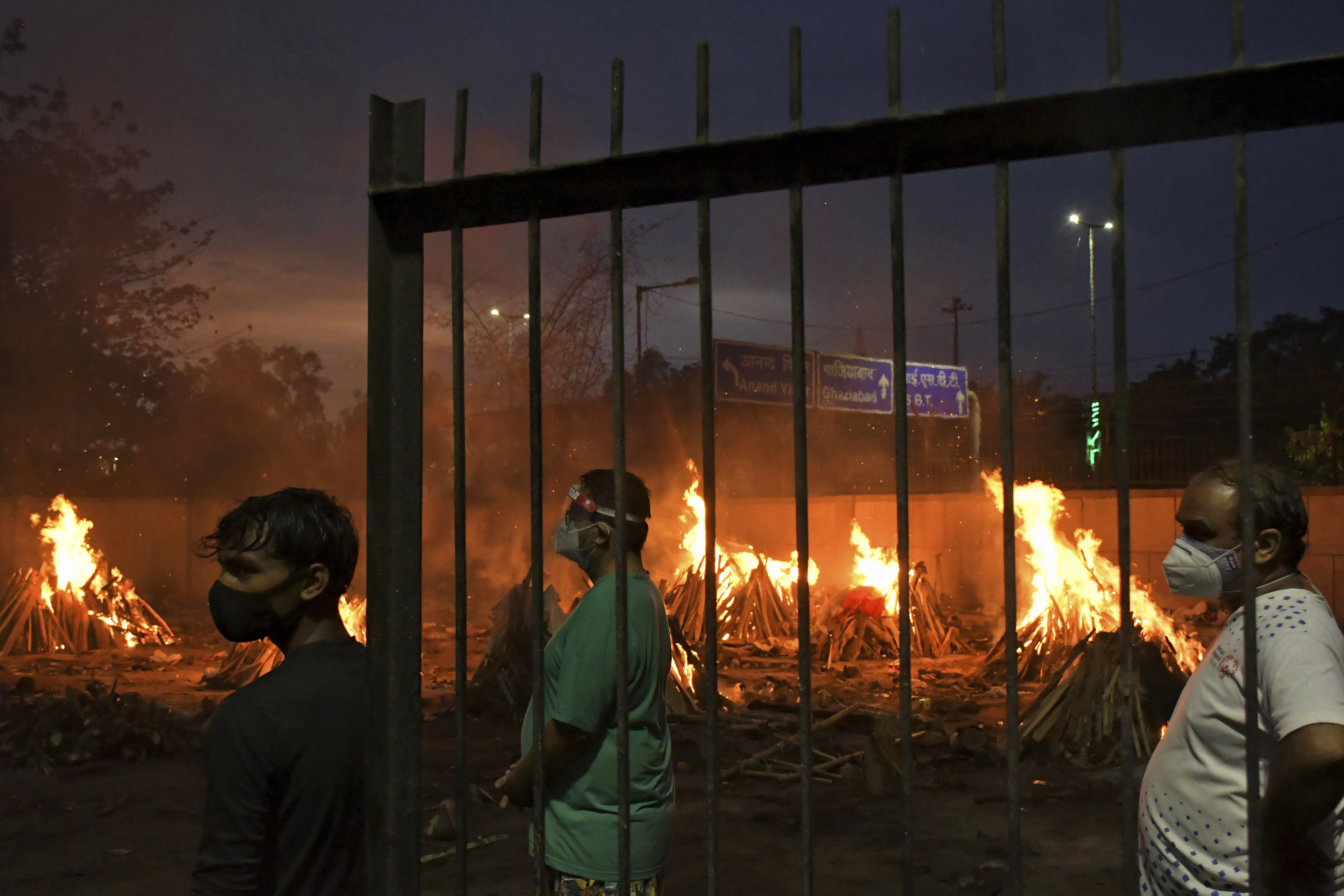
Infections have swelled in India since February in a disastrous turn blamed on more contagious variants as well as government decisions to allow massive crowds to gather for religious festivals and political rallies. On Friday India reported a new daily record of 414,188 confirmed cases and 3915 additional deaths. The official daily death count has stayed over 3000 for the past 10 days.

That brings the total to more than 21.4 million COVID-19 infections and over 234,000 deaths. Experts say even those dramatic tolls are undercounts.

Over the past month, nearly a dozen of India's 28 federal states have announced some restrictions, but they fall short of a nationwide lockdown imposed last year that experts credit with helping to contain the virus for a time. Those measures, which lasted two months, included stay-at-home orders, a ban on international and domestic flights and a suspension of passenger service on the nation's extensive rail system.

The government provided free wheat, rice and lentils to the poorest for nearly a year and also small cash payments, while Modi also vowed an economic relief package of more than US$260 billion ($331 billion). But the lockdown, imposed on four hours' notice, also stranded tens of millions of migrant workers who were left jobless and fled to villages, with many dying along the way.

READ MORE: 'Most vulnerable' Australians prioritised as India travel ban ends
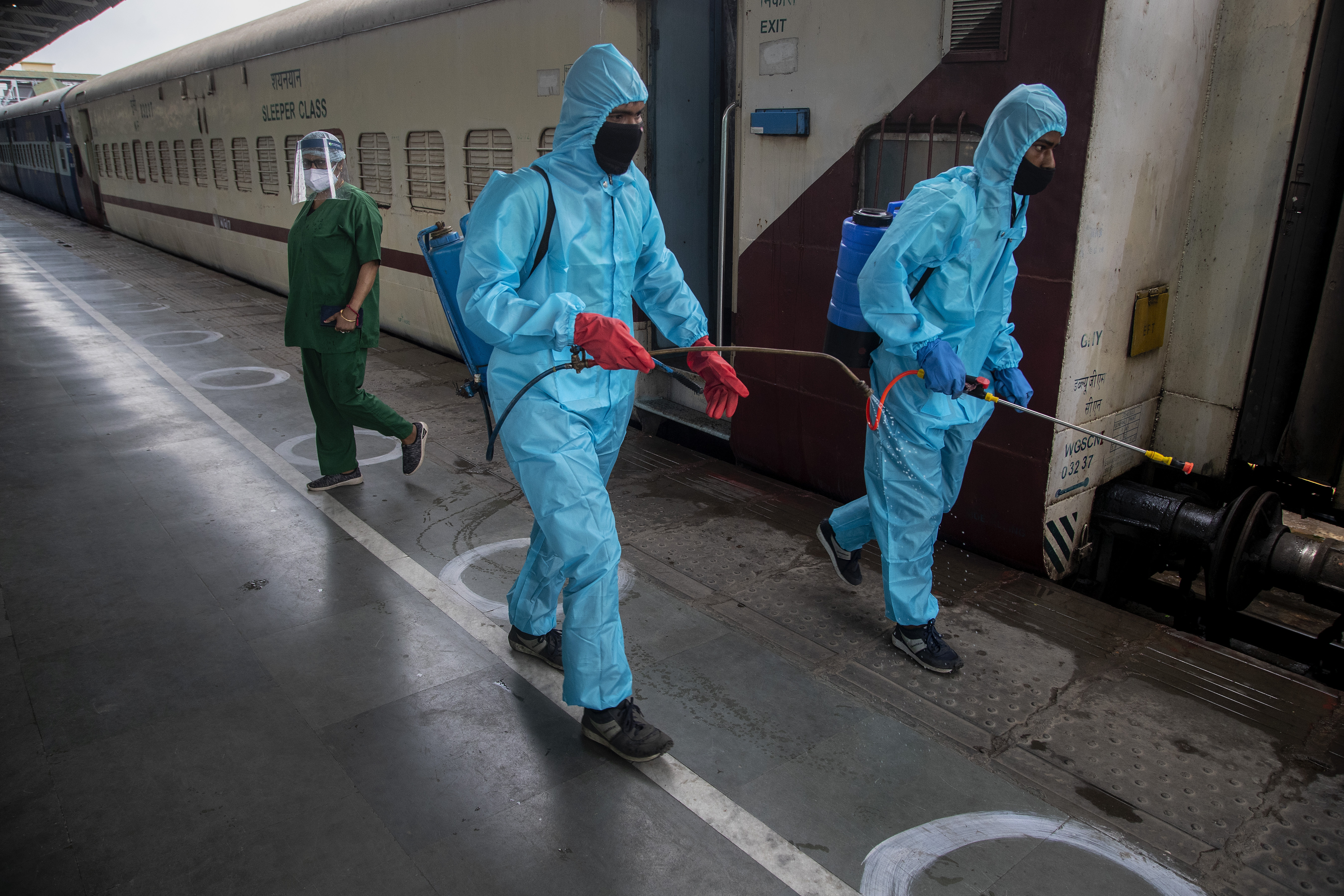
The national restrictions caused the economy to contract by a staggering 23 per cent in the second quarter last year, though a strong recovery was under way before infections skyrocketed recently.

Some who remember last year's ordeal remain against a full lockdown.

"If I had to choose between dying of the virus and dying of hunger, I would choose the virus," said Shyam Mishra, a construction worker who was already forced to change jobs and start selling vegetables when a lockdown was imposed on the capital, New Delhi.

Modi has so far left the responsibility for fighting the virus in this current surge to poorly equipped state governments and faced accusations of doing too little. His government has countered that it is doing everything it can, amid a "once-in-a-century crisis."

Amid a shortage of oxygen, the Supreme Court has stepped in. It ordered the federal government to increase the supply of medical oxygen to New Delhi after 12 COVID-19 patients died last week after a hospital ran out of supplies for 80 minutes.

READ MORE: WA reduces hotel quarantine intake
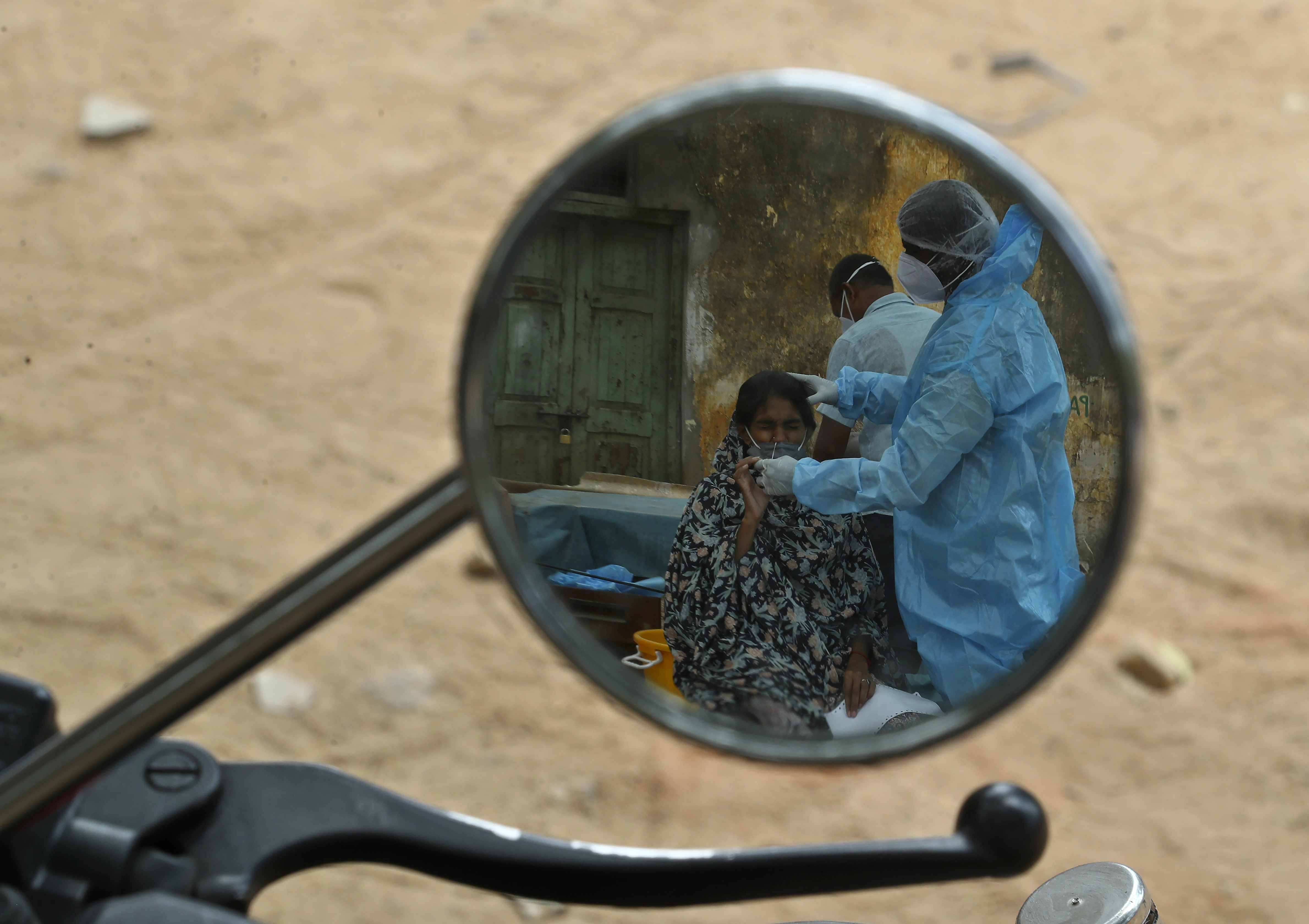
Three justices called on the government this week to impose a lockdown, including a ban on mass gatherings, in the "interest of public welfare."

Dr Randeep Guleria, a government health expert, said he believes that a total lockdown is needed like last year, especially in areas where more than 10 per cent of those tested have contracted COVID-19.

Rahul Gandhi, an opposition Congress party leader, in a letter to Modi on Friday, also demanded a total lockdown and government support to feed the poor, warning "the human cost will result in many more tragic consequences for our people."
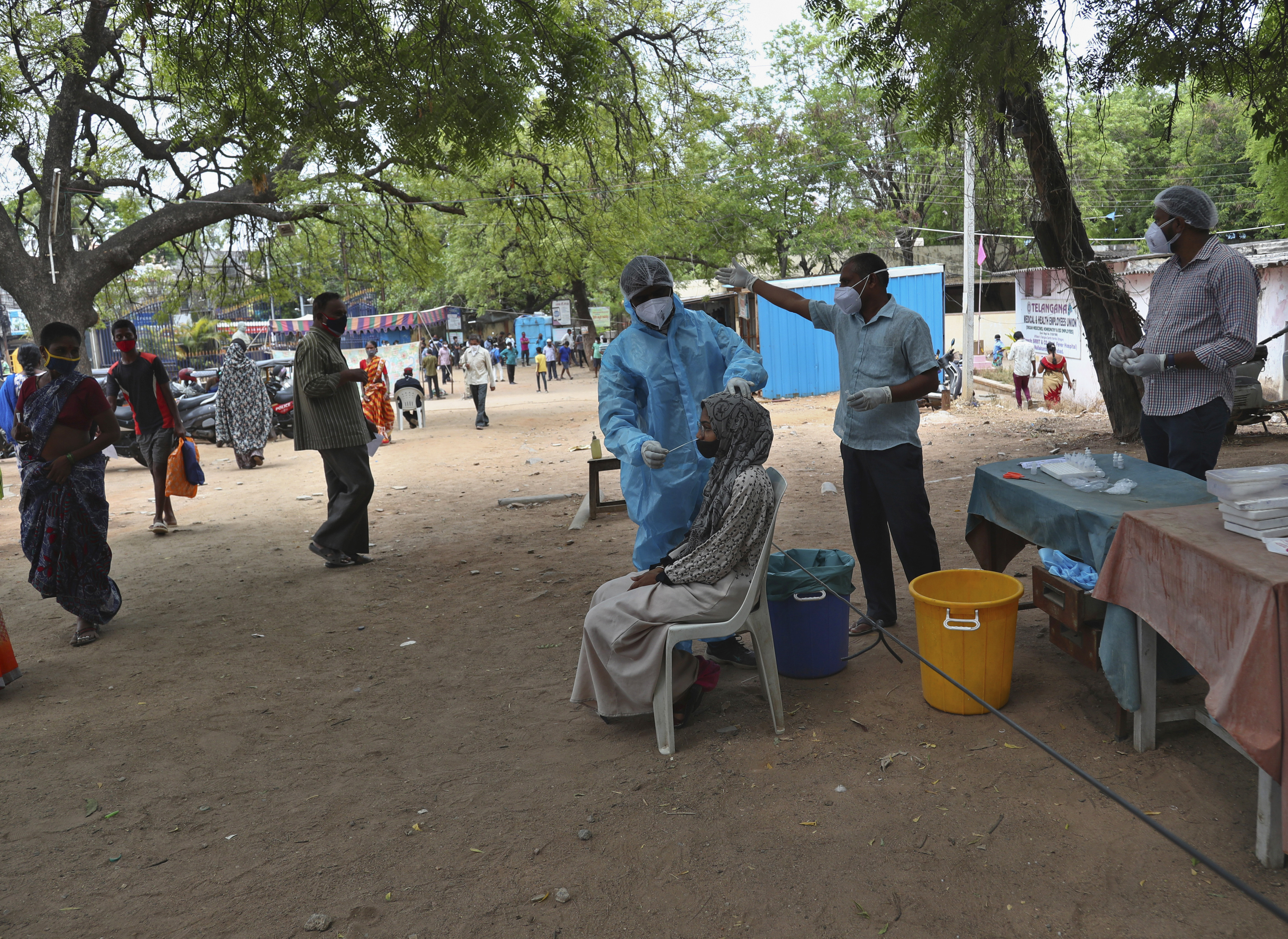
As the world watches India with alarm, some outside of its borders have joined the calls. Dr Anthony Fauci, the United States' top infectious disease expert, suggested that a complete shutdown in India may be needed for two to four weeks.

"As soon as the cases start coming down, you can vaccinate more people and get ahead of the trajectory of the outbreak of the pandemic," Fauci said in an interview with the Indian news channel CNN News18 on Thursday.

Still, Modi's policy of selected lockdowns is supported by some experts, including Vineeta Bal, a scientist at the National Institute of Immunology. She said different states have different needs, and local particularities need to be taken into account for any policy to work.
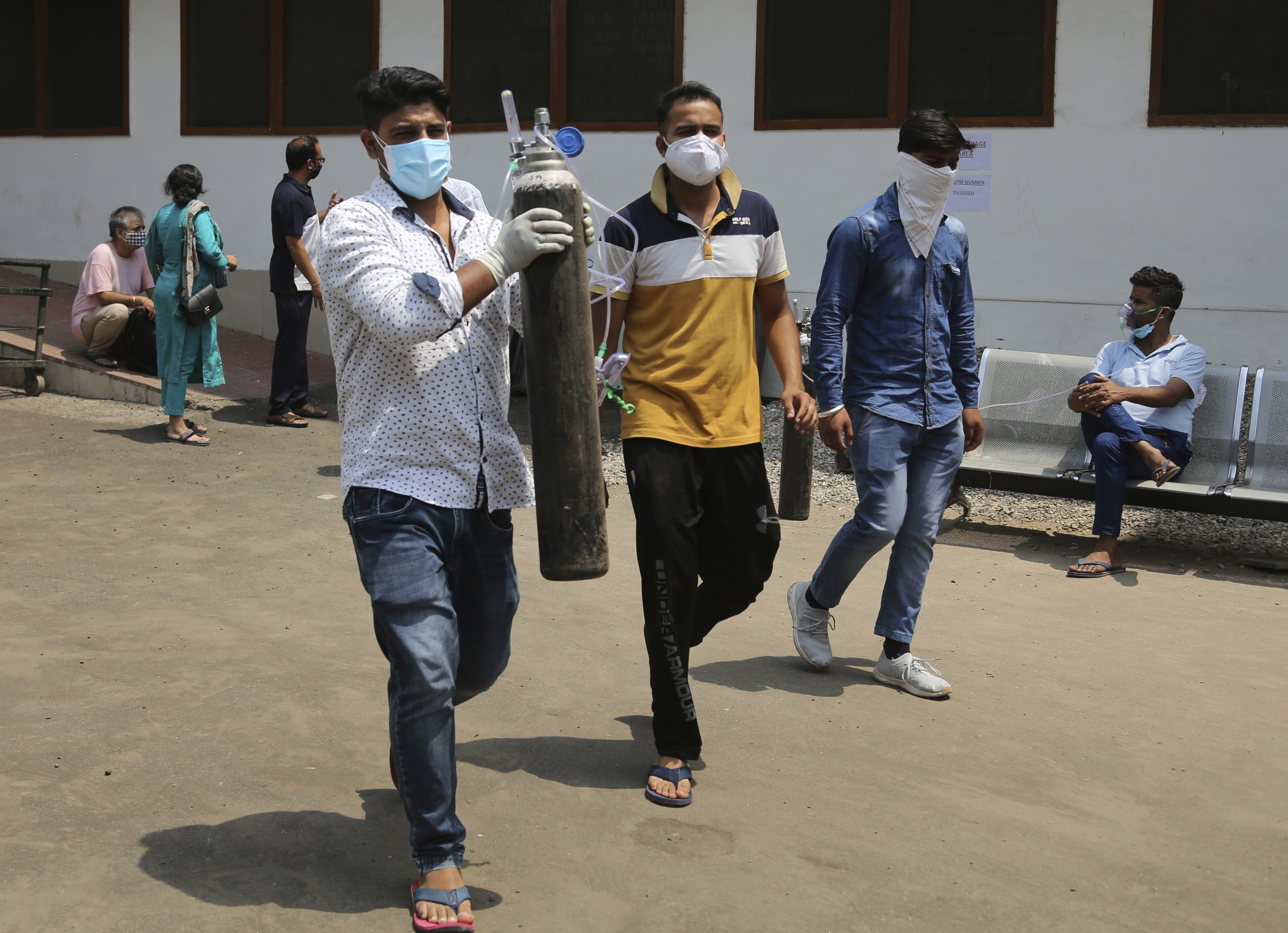
In most instances, in places where health infrastructure and expertise are good, localised restrictions at the level of a state, or even a district, are a better way to curb the spread of infections, said Bal. "A centrally mandated lockdown will just be inappropriate," she said.

Srinath Reddy, president of the Public Health Foundation of India, a public-private consultancy, acknowledged that the intensity of the pandemic was different in each state, but said a "coordinated countrywide strategy" was still needed.

According to Reddy, decisions need to be based on local conditions but should be closely coordinated, "like an orchestra which plays the same sheet music but with different instruments."