Labour is being accused of “softening” language around treatment of the Uighur minority in China after having the term “genocide” removed from a Parliamentary debate tomorrow.Act had originally requested Parliament debate whether…
Tag Archives: oceania
RSPCA may seek extradition of Australian puppy farmer believed to have moved to NZ
By RNZ South Australia’s RSPCA is considering requesting a puppy farmer involved in dozens of animal welfare breaches be extradited from New Zealand.Animal breeder Dora Ryan was found guilty of 33 charges in relation to 27 dogs…
Tauranga jury hears evidence about Ōmanawa 'execution-style' alleged double murder
Ten minutes is all it took for Samuel Deane Fane and his older brother Anthony to allegedly shoot two men at a Bay of Plenty property “execution-style” in February last year, says the Crown.Tauranga Crown solicitor Anna Pollett…
Oamaru man who ran global online child sex abuse ring imprisoned for second time
Warning: Distressing content An Oamaru man who ran an international online child sexual abuse ring has been jailed for four years.John Ritchie Hellewell, 49, was locked up for 20 months for almost identical crimes at the end of…
Woman drops to knees in plea to Scott Morrison
A woman has dropped to her knees in front of Scott Morrison as she pleaded for the Australian government to help in a five-year conflict that claimed the lives of eight of her family members in Africa.
The South Cameroon woman raised her concerns with the prime minister about the Anglophone Crisis after he addressed reporters in Rockhampton this morning.
"I've lost eight people in my family. The youngest one was 22-years-old, he was supposed to come to Australia and he was buried alive," she told 9News.
READ MORE: Scott Morrison says he's "not going to fail Australia'
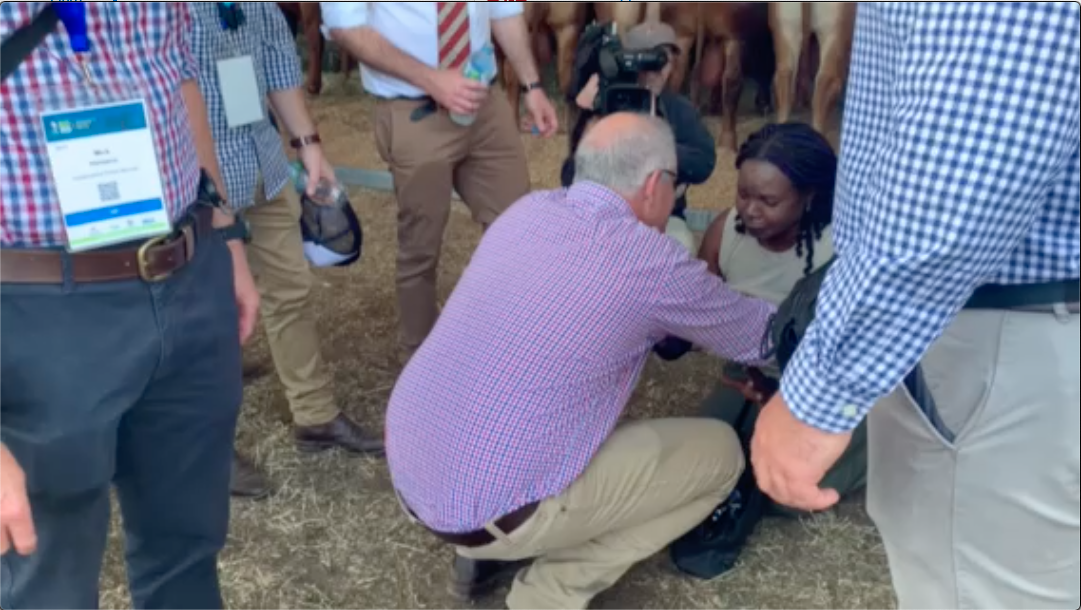
"I asked [Mr Morrison] if Australia can intervene to stop the genocide – if this thing doesn't stop I will be left alone in this world."
The conflict between government security forces and armed separatists escalated in 2016 when teachers, students and lawyers led a peaceful protest and were met with lethal force.
Armed separatists then formed to fight for an independent nation.
"They went into the street to protest … instead of the government listening to them, they sent in a helicopter and started shooting from the air. On that day a lot of people were killed," the woman – who did not want to be named – said.

Officials claim violence in the region has escalated recently, with civilians often caught in the cross fire and schools falling victim to attacks.
A recent report from the United Nations estimated up to four million people had been impacted, with up to 700,000 displaced by the dispute.
Mr Morrison kneeled down to talk to the woman before she was helped away by bystanders.
The little-known syndrome going undiagnosed in children
Carys Fletcher was six years old when, her parents say, the daughter they knew disappeared almost overnight.
A diligent Year One student, Carys had been recovering from a nasty case of strep throat, which turned into scarlet fever. However, she remembers being keen to get back to her primary school on the Sunshine Coast.
Still weak from her illness, Carys was walking across the classroom when she blacked out.
READ MORE: NSW records one new local COVID-19 case
"I had a seizure in class," Carys says. "I passed out and I woke up in my own vomit."
Her father, James Fletcher, was at home when the phone call from school came.
"I was told that Carys had had a seizure in class. Carys didn't have seizures. We had no idea what this was. We brought her home and from there everything changed," Mr Fletcher said.
Carys, who is now 16 years old, has only hazy memories of the days after the seizure. She recalls lying on the couch and throwing up a lot.
READ MORE: Doctors mystified by tapeworm in woman's brain
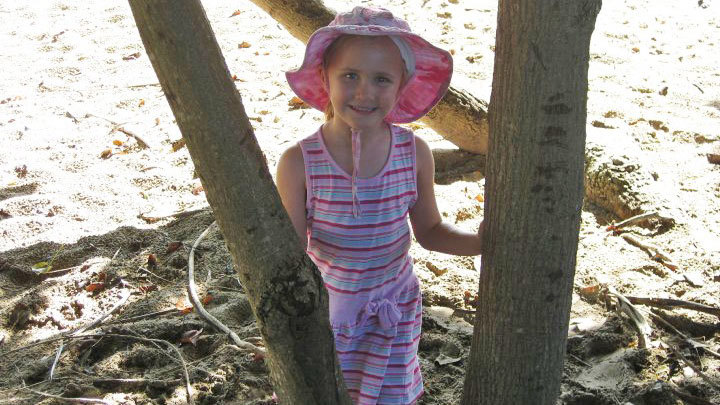
Her GP was puzzled about what might have caused the seizure, but reassured Carys's parents it was likely to be a one-off and not something to worry about.
But, from there, a series of other extreme and worrying behaviours started.
Carys developed a fear of vomiting and stopped eating because of it. Her weight plummeted.
She also began having episodes of extreme rage, which could last for up to an hour.
"It was like a warzone in the house. Everything was smashed, furniture was turned upside down," Mr Fletcher said.
"You wouldn't have thought a six-year-old could have done what Carys did to the house in terms of flipping couches. It was just an absolute nightmare; we had no idea why this was suddenly happening."
There were other strange symptoms too, with Carys beginning to show signs of ADHD-like behaviour.
"There was a lot of rocking and constant movement. She developed a throat-clearing tic that she never had before," Mr Fletcher said.
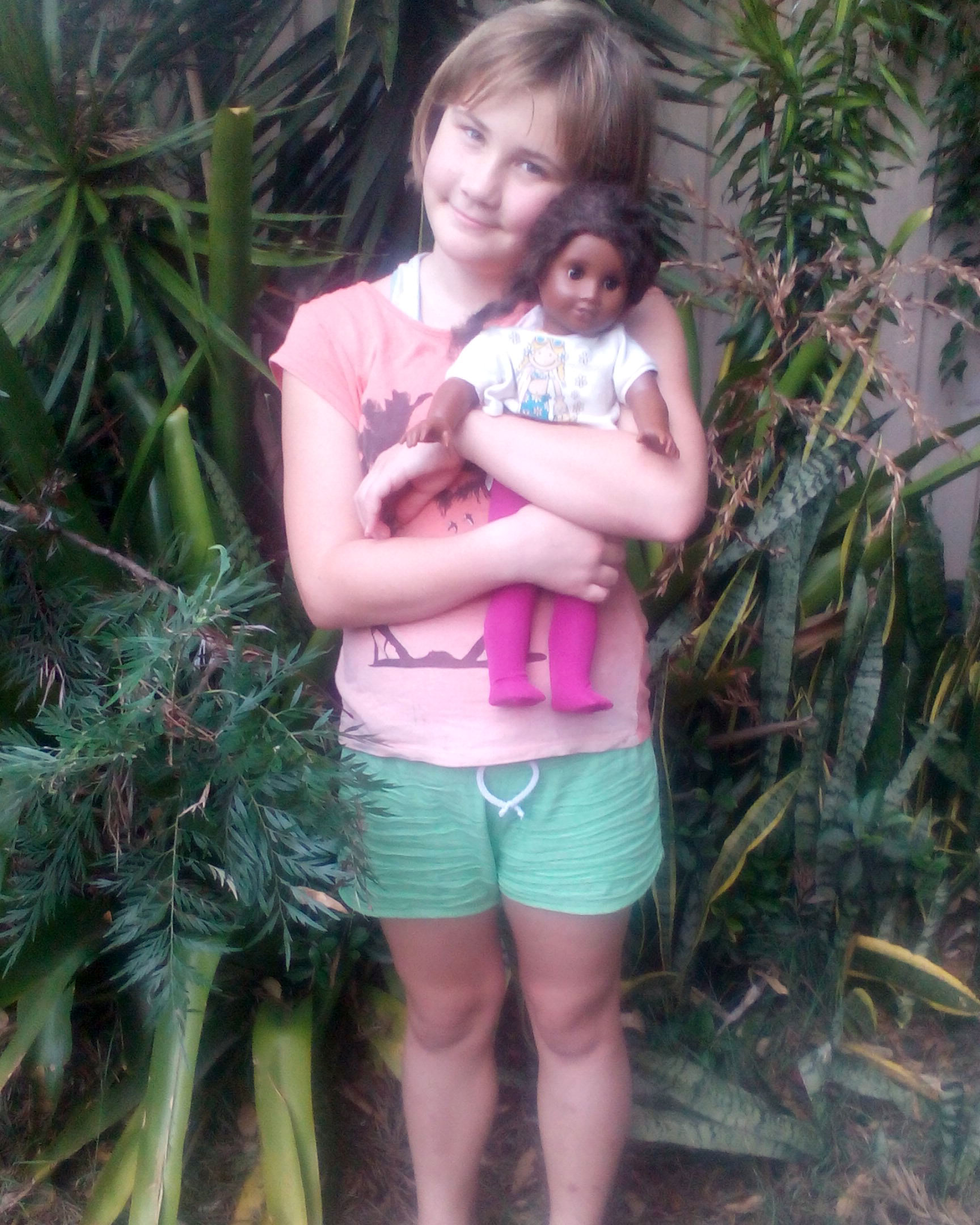
She also became extremely sensitive to noise and needed to urinate frequently, Mr Fletcher said.
At school, Carys's teachers were as baffled as her parents were.
Carys was referred to the local mental health service, where she was diagnosed with emetophobia, a fear of vomiting. But Carys continued to deteriorate.
"They medicated her in that second year and it just got worse and worse. There was no improvement and no answer," Mr Fletcher said.
READ MORE: Doctors thought Queensland mum was having a pandemic breakdown
It was almost two years after Carys suddenly fell ill that the family made an unexpected breakthrough.
Mr Fletcher had taken Carys for an appointment with an ear, nose and throat surgeon to investigate having Carys's tonsils removed.
"Out of the blue, the surgeon started asking me about whether Carys was showing symptoms of OCD (obsessive compulsive disorder)," Mr Fletcher said.
"I was astounded. I said, 'Why are you talking about OCD? He replied, very casually, 'Oh I assumed you were thinking she has PANS.'"
Having no idea what 'PANS' was, Mr Fletcher immediately went home and read everything he could find.
Short for paediatric acute-onset neuropsychiatric syndrome, PANS is a condition in children who have a dramatic and sudden onset of neuropsychiatric symptoms, often including OCD or problems with food restrictions.
It is thought to be caused by an infection, which in turn triggers an immune or inflammatory response in the brain.
Children with PANS are often diagnosed with obsessive-compulsive disorder (OCD) or an eating disorder, but can also have other symptoms such as tics, depression, irritability or anxiety.
Mr Fletcher sought out Australia's then only expert in PANS, Dr Russell Dale, who is now professor of paediatric neurology at Westmead Children's Hospital and a lead researcher at the University of Sydney's Faculty of Medicine and Health.
After driving Carys down from the Sunshine Coast to see Professor Dale, the diagnosis was confirmed, Carys had PANS.
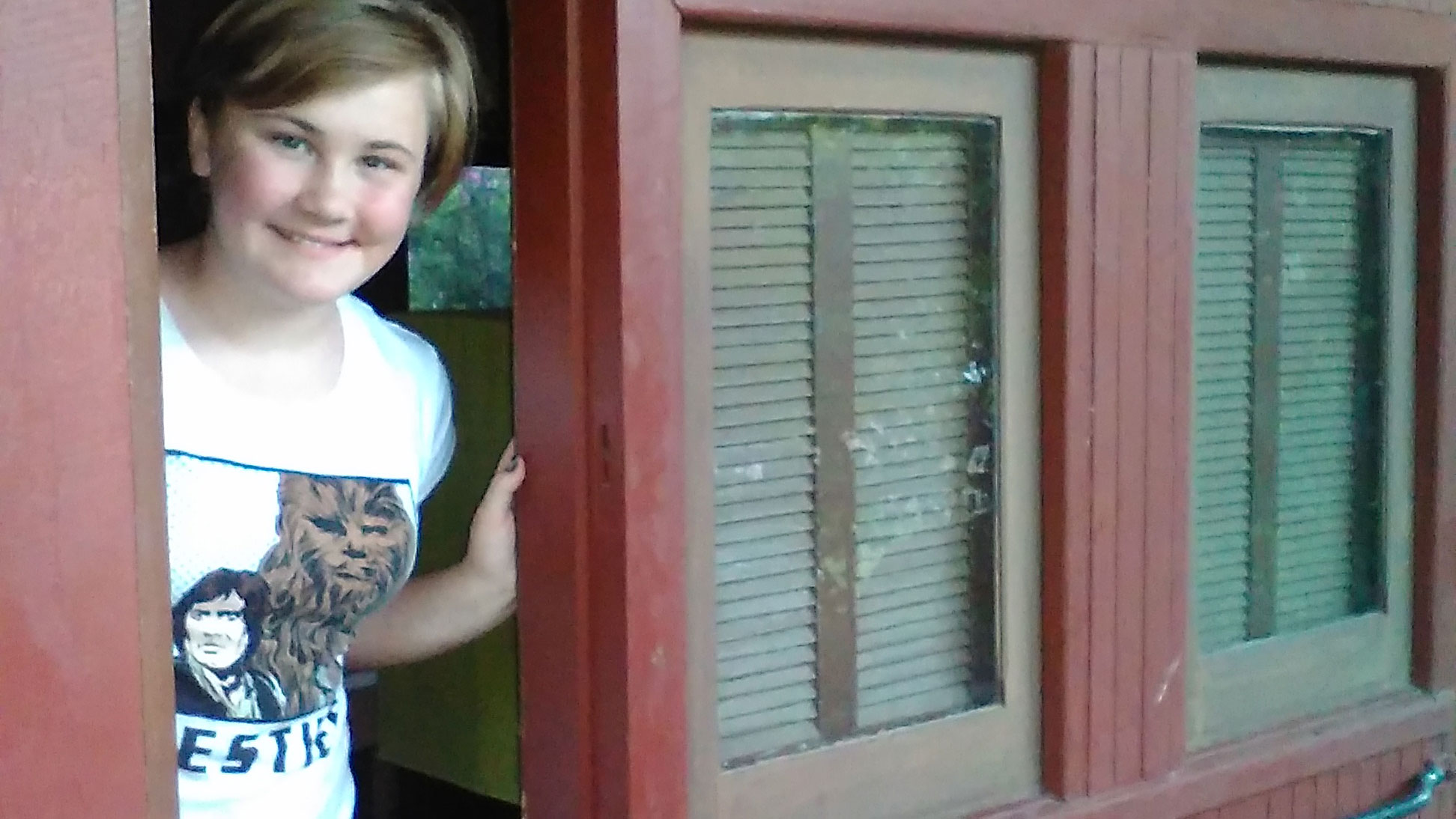
Professor Dale was one of the first doctors in the world to begin researching PANS almost 20 years ago.
Although PANS is now generally accepted in the medical community as a legitimate clinical diagnosis, much is still unknown about the syndrome and it is yet to be proven definitively how and why it occurs, Professor Dale told nine.com.au.
There is currently no test to diagnose PANS, making it especially challenging for doctors to pick up on in children or gauge how many it may affect, Professor Dale said.
Treatment of PANS can involve the use of antibiotics, steroids and intravenous infusions of antibodies.
Professor Dale said there were many children with PANS in Australia going undiagnosed and without treatment which could dramatically benefit them.
"There are patients that are not being diagnosed and are just being treated in a conventional way only, with the use of (antidepressants) for OCD for example," he said.
"These can work to a degree but aren't perfect. Some children don't respond to them and then, what do you do next? Essentially those children are just left unwell."
Professor Dale is researching the interaction between environmental factors and genetic vulnerabilities which could play a part in the early onset of developmental problems like OCD, autism, ADHD or Tourette's.
Together, all of those neurological conditions affect 10 percent of children.
"It's a really common and there is a very big story that if you have the wrong kind of brain genes and immune genes you can be vulnerable to getting infections that can trigger abnormal responses in the brain."
It is this same interplay between genetic and environmental factors which Professor Dale believes could help explain PANS.
"I have been thinking about this for 20 years … I think PANS is probably a very important observation and what it tells us in my mind is that there is a very complicated interaction between the environment, immune system and the brain," Professor Dale said.
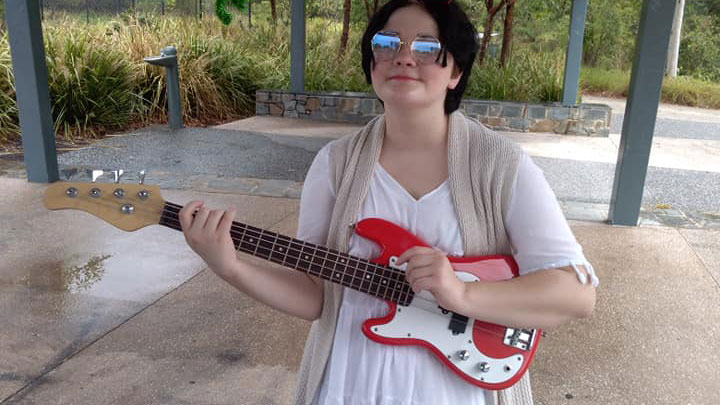
After Carys was diagnosed, Mr Fletcher started up a support group for parents. PANS Australia and New Zealand Advocacy and Support Inc now helps 1800 parents across the two countries.
While many children with PANS can make a dramatic recovery if the condition is treated early, a lack of awareness meant diagnosis was often a lengthy process, Mr Fletcher said.
A recent survey of group members found 55 per cent of parents spend more than a year trying to find a diagnosis and more than half found out about it on the internet.
For Carys, her recovery has been slow and pitted with relapses.
Treatment with an antibody infusion led to a two-year remission from mid-2018 to mid-2020.
Now a talented musician, singer and songwriter, the teen said those precious 24 months gave her a glimpse of what life could be like without PANS.
"Those two years showed me everything I could have been. I lost my whole childhood to PANS," she said.
A change of dosage last year led to yet another recent setback for Carys but she and her family are hopeful things will improve soon.
Carys said she hopes sharing her story will help others.
"I want people who were once in the place I was to know that it can get better. And that it will get better and will be ok," she said.
For more information about PANS click here or visit the PANS parents Australia and New Zealand support page.
Contact reporter Emily McPherson at em********@******om.au
US spiritual leader 'Mother God' found mummified with Christmas lights
Authorities have arrested several people after the mummified body of the leader of the US spiritual group “Love Has Won” was found wrapped in a sleeping bag and decorated with Christmas lights in a southern Colorado home.
Amy Carlson, 45, who was known as “Mother God” by her followers, was found dead in a home in the tiny, rural town of Moffat on April 28, according to arrest affidavits for seven people, who are each charged with abuse of a corpse.
A follower told investigators he knew the woman as Lia Carlson, and a Saguache County sheriff's corporal wrote in the affidavits that Carlson is believed to be the leader of the group. It's unclear why the follower provided the name Lia.
READ MORE: Russian cult leader who hears words of God arrested in Siberia
The follower, who has not been charged, told investigators he had taken in a group of people who needed a place to stay, and he found the body in a back bedroom when he returned home Wednesday following a trip to Denver. He reported the discovery to police and said he believed the group had transported Carlson's body to his home from California.
“The mummified remains appeared to be set up in some type of shrine" and “have what appears to be glitter-type makeup on around the eyes,” according to the affidavits.
Investigators searched an SUV on the property and said the back seat was laid down in a position “consistent with someone transporting the mummified remains.”
The Saguache County coroner's office has not said when Carlson died and has not released the cause or manner of death.

READ MORE: Cult 'Superspreader' linked to spike in South Korean cases
Two children — a 13-year-old girl and a two-year-old boy — were in the home at the time, and the seven people who were arrested are also facing child abuse charges.
According to the affidavits, the sheriff's office has received “many complaints” from families across the country saying “Love Has Won" is brainwashing people and stealing their money.
Carlson’s followers believe she communicated with angels and that she was leading them to a great awakening, The Denver Post reported Monday.
The group, which established itself in southern Colorado in 2018, offers “spiritual intuitive ascension sessions” and sells spiritual healing products online.
Instagram for kids under 13 a 'stepping stone to get children hooked'
Any Facebook plan to build an Instagram for kids under 13 should be viewed the same as Big Tobacco using lolly cigarettes to lure youth, a marketing expert has warned.
Last month Buzzfeed obtained an internal memo from Instagram executives which detailed the social media behemoth's plans to create a version of its popular social media app for use by young children.
Dr Torgeir Aleti, a lecturer in economics and marketing at RMIT University, expressed alarm at the memo which outlined "youth work as a priority for Instagram".

READ MORE: Facebook won't notify millions exposed in online database
"Instagram will probably look at their idea like Lego, and so this is their Duplo version," he said, referring to an entry level brick set for the toy brand.
"But I look at (Instagram for kids under 13) more like lolly cigarettes.
"This is very basic marketing," he said, "the earlier you get consumers the more loyal they stay throughout their life.
Dr Aleti described the plan as a "stepping stone to get young children hooked", like how Big Tobacco had been linked to now-banned lolly cigarettes.
Currently, children must be at least 13 to use Instagram.
The internal memo published by Buzzfeed was written on an employee message board by Vishal Shah, Instagram's vice president of product.
"I'm excited to announce that going forward, we have identified youth work as a priority for Instagram and have added it to our H1 priority list," Mr Shah wrote.
"We will be building a new youth pillar within the Community Product Group to focus on two things: (a) accelerating our integrity and privacy work to ensure the safest possible experience for teens and (b) building a version of Instagram that allows people under the age of 13 to safely use Instagram for the first time."
READ MORE: Deepfake nudes change face of cyber threats, revenge porn and scams
Nine.com.au contacted Facebook but they did not comment on whether Instagram was advancing plans for the under-13 demographic.
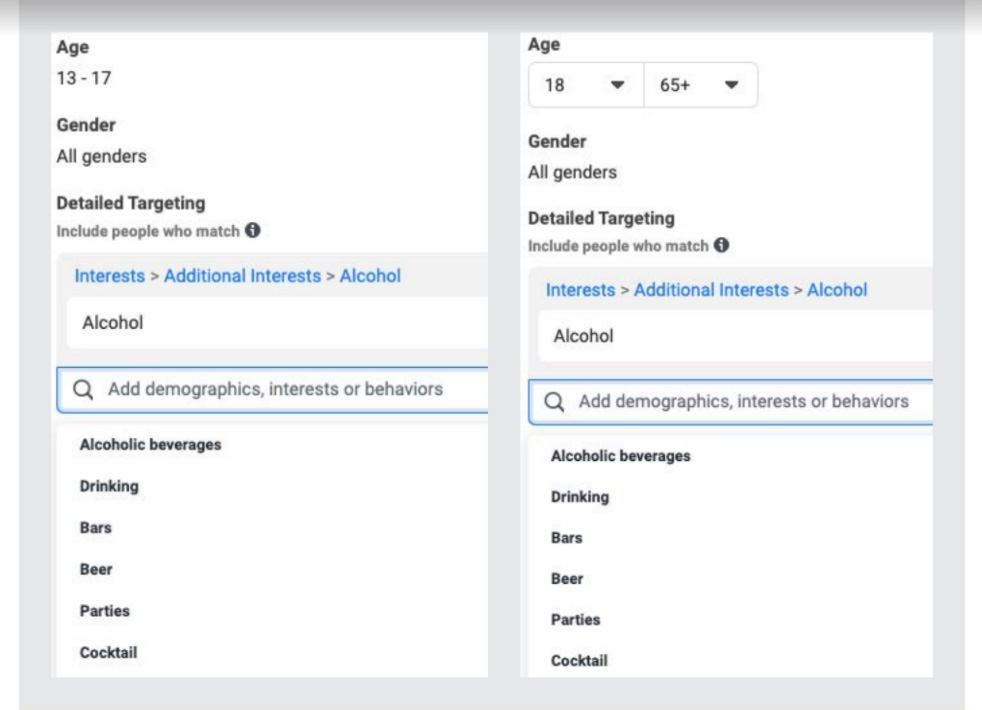
Last week a study conducted by an Australian lobby group claimed it had found a loophole on Facebook which allowed teenagers to be targeted with advertising based on a range of age-inappropriate interests, such as alcohol, smoking, gambling, and extreme weight loss.
Reset Australia created a series of ads to check what oversight Facebook had over underage profiling.
It said Facebook greenlit ads targeting teenagers which included vaping, cocktail recipes, political extremism, extreme weight loss and adult dating.
READ MORE: Facebook must be broken up, US government demands in lawsuit


"Should a 13-year-old who lists their single status be getting targeted ads for a sugar daddy dating service?" Reset Australia executive director Chris Cooper said.
"Should a 15-year-old profiled as interested in alcohol see ads that suggest cocktail recipes based on their parent's alcohol cabinet?"
He said 16-year-olds should not see ads about gambling or political extremism.
When approached by 9News.com.au, a Facebook company spokesperson did not refute that Reset Australia had been able to target the teenagers with the ads.
The spokesperson said that "keeping young people safe across Facebook and Instagram is vital".
Facebook had "significant measures in place" to review all ads before and after they run, the spokesperson said, including automated systems and human reviewers.
"Anyone advertising on our platforms must comply with our policies along with all local laws and codes, such as those restricting the advertising of alcohol to minors in Australia.
"To support this, we also have age restriction tools that all businesses can implement on their accounts themselves to control who sees their content."
Dr Aleti said parents and society had "absolutely reason to be concerned" by Reset Australia's experimentation with Facebook ads, which the lobby group did not publish.
The thing that concerned him most, he said, was "how easily it was done".
He said moves to regulate Facebook and other Silicon Valley social media titans was "well overdue".

On releasing its Q1 earnings last week, Facebook said it counts 3.45 billion monthly users across its family of apps, which include Facebook Messenger, Instagram and WhatsApp.
The company also flagged it was bracing itself for "ad targeting headwinds" at the end of the year.
Those comments are believed directed towards Apple's recent privacy changes in iOS 14 which will impede Facebook from harvesting data from users.
Contact: ms******@******om.au
FOLLOW: Mark Saunokonoko on Twitter
More storms expected after fog swallows Brisbane
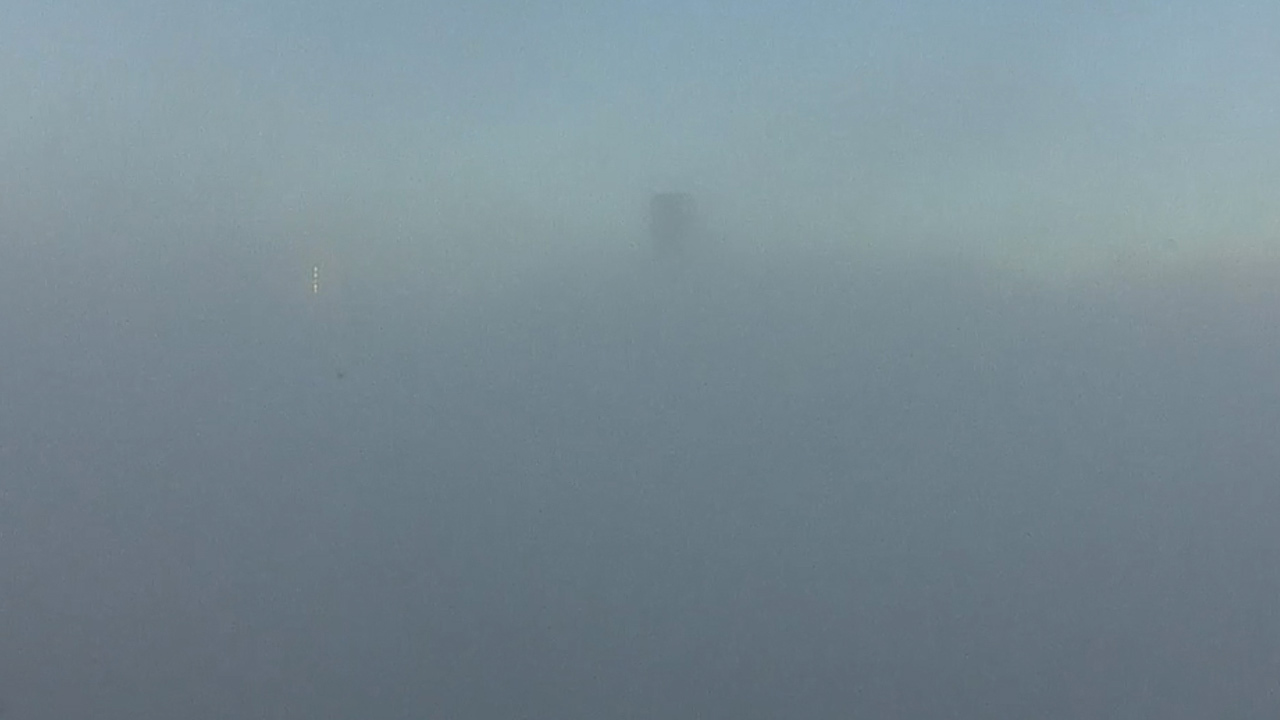
The dense fog which blanketed much of Brisbane and surrounding areas this morning has cleared, but the cold front which generated it is expected to create more storms.
The heavy mist caused a number of major traffic crashes this morning, with motorists urged to take care on the roads.
Upper Coomera saw one man hospitalised with neck and back pain and seven people treated at the scene of a multi-car crash on the M1 motorway.
The crash resulted in heavy traffic in the area with poor visibility causing headaches for those trying to make their way into work.
READ MORE: Rare sight as Darwin is blanketed in thick fog
https://twitter.com/R_DAlessandro9/status/1389341912004325376?ref_src=twsrc%5Etfw
READ MORE: Sydney smoke seen from space as city disappears behind thick fog
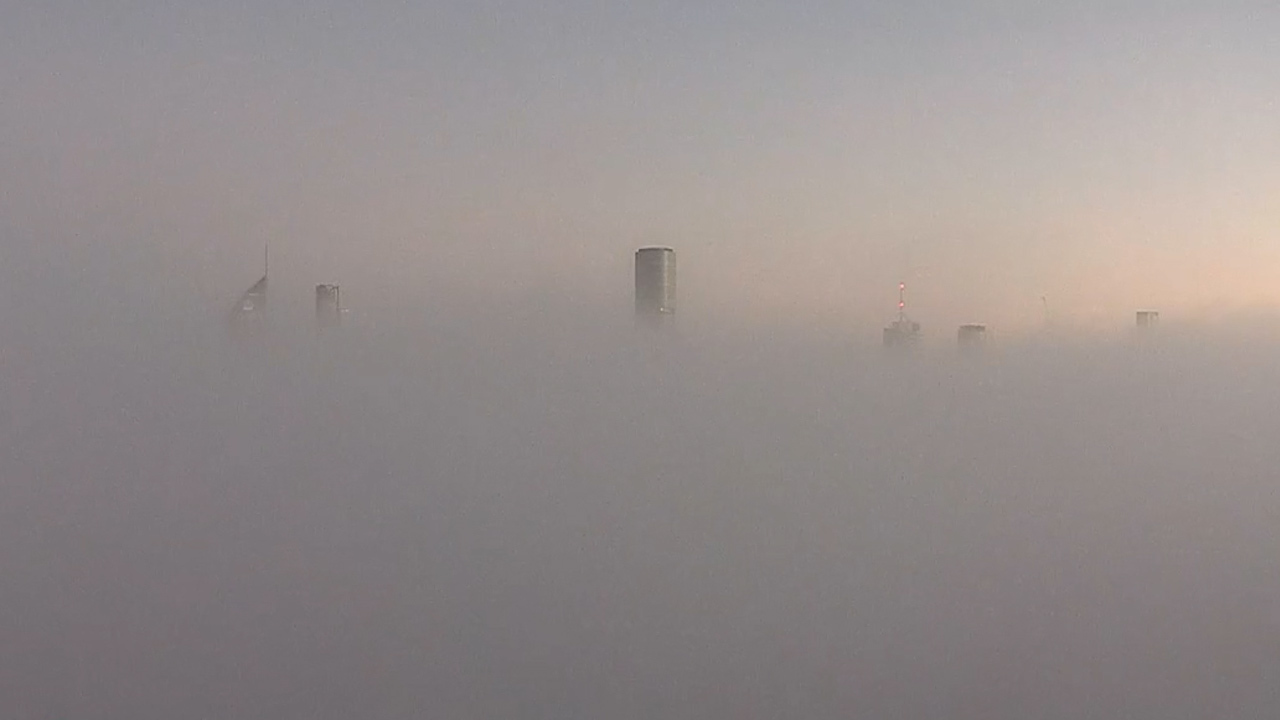
The strange weather phenomenon hit Brisbane's CBD in the early hours with heavier coverage across western towns, including Ipswich.
Fog was thickest to the west of Brisbane according to Weatherzone, with inland areas of northeast NSW also seeing heavy mists. Westerly winds managed to carry some of the fog towards the coast.
https://twitter.com/R_DAlessandro9/status/1389314234278809600?ref_src=twsrc%5Etfw
The Bureau of Meteorology says the thick fog is because of moisture at ground level which is being compressed from above by a mass of dry air creating cloud at ground level.
While the fog from this morning has lifted, the moisture that helped caused it is likely to fuel showers and some thunderstorms in southeast Queensland and northeast NSW this afternoon and evening, according to meteorologists.
The atmosphere is likely to become even more unstable tomorrow, with thunderstorms expected and severe storms possible.
Sydney air quality still poor as hazard reduction burns continue
Large parts of Sydney are continuing to see poor air quality as controlled burns continue at several sites.
Sydney's air quality has received a "poor or worse" category from Environment NSW for another day with pollution levels still high from the hazard reduction burns.
Yesterday, the smoke in Sydney was so severe it could be seen from space with satellites capturing the haze from thousands of kilometres above the Earth.
https://twitter.com/NSWHealth/status/1389010088996741129?ref_src=twsrc%5Etfw
READ MORE: Sydney smoke seen from space
The thick Sydney haze was due to smoke particles from recent hazard reduction burns mixing with developing fog.
NSW Health has warned people with asthma and breathing difficulties to take precautions to protect themselves from the poor quality air, avoid going outside if possible and seek medical advice if they become unwell.
Federal Budget 2021: What we know so far
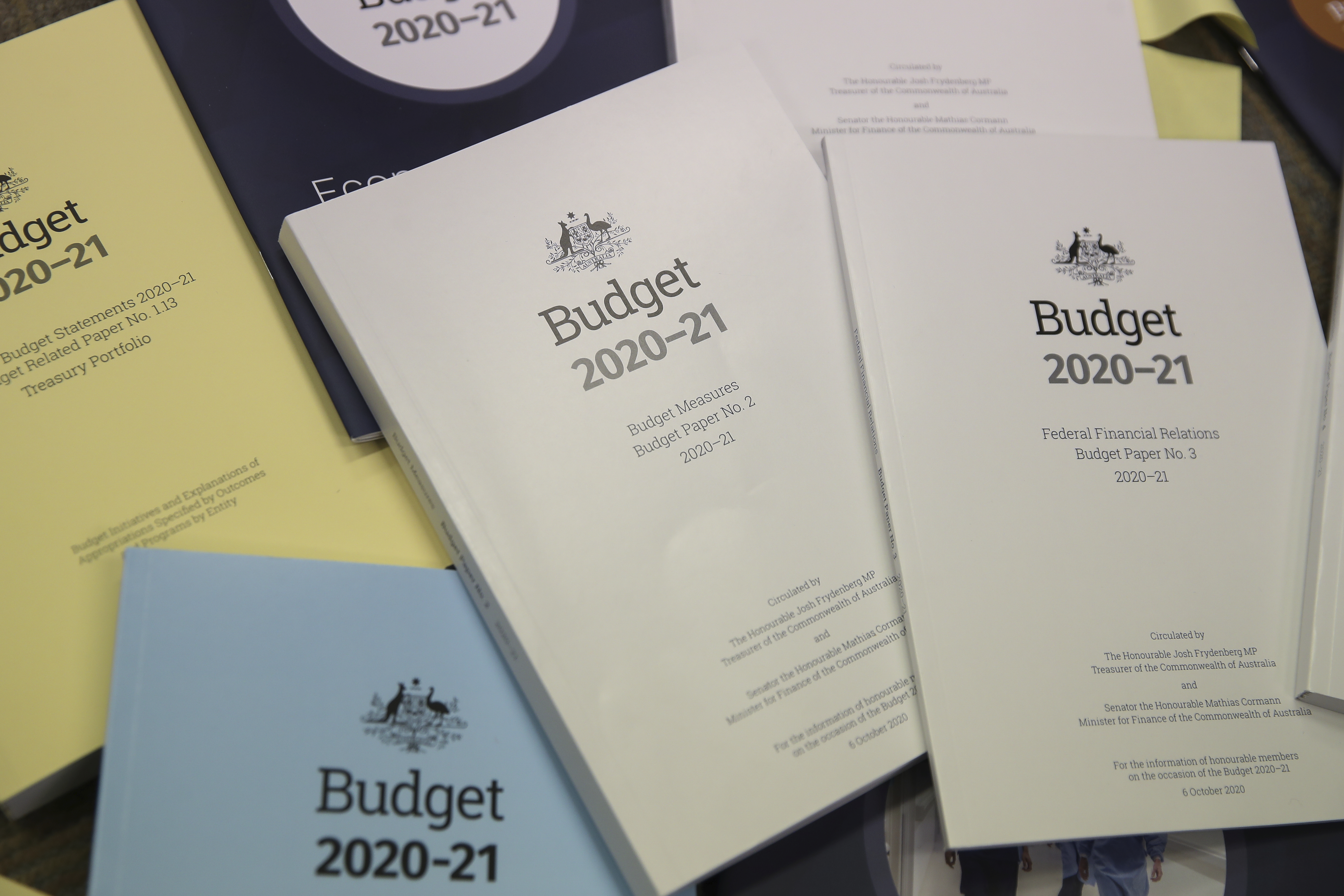
In a week's time the Federal Government will hand down its 2021-22 Budget after what has been one of the most expensive policy years in Australian history.
From JobKeeper to JobSeeker and all the associated costs with shielding the nation from a global pandemic that touched every business sector in the country, many expected this year's Budget to be modest.
But a near unrivalled economic bounce back, better-than-expected unemployment figures and a willingness of Aussie families to spend post lockdown could see the government in a better windfall than expected.
READ MORE: Boost for young families with $1.7 billion childcare package

"Whilst there are still risks for parts of the economy, in particular tourism and hospitality, and with some setbacks to the vaccine rollout, it's certainly a rosier outlook than the Treasurer would have predicted when he delivered the last budget in October," said Mark Molesworth, Tas Partner at BDO in Australia.
"This year's budget will be a 'Push Me Pull You' scenario. The need for budget repair will push the Government in one direction, but the whiff of an upcoming election will pull them in the other."
Mr Molesworth predicts much of the budget to be aimed at shoring up gender equality in the workplace, as well as changes to the way taxation works.
"Australia currently has a 20th century tax system operating in a 21st century economy. We need to change the settings to provide a stable tax base even during a downturn like the one we have experienced with COVID19," Mr Molesworth predicts.
"However, there are likely to be tax sweeteners for voters, in particular personal tax rate cuts for middle income earners, with more than 10 million Aussies earning under $120,000 due to face a tax hike from next financial year.
"The Government will be looking to spend money on the policies that will help them win at the polls in 2022."
READ MORE: Unemployment falls again in Australia, Treasurer flags optimistic outlook
Partner at Deloitte Access Economics Chris Richardson has an equally rosy outlook, predicting that the Budget will show that Australia's deficits in the four years to 2023-24 will be as much as $98 billion less than Treasury Estimates.
But to get back into the black, some $40 billion will need to be found down the back of the hypothetical Treasury couch.
"Our analysis shows that we may eventually need to save the equivalent of $40 billion a year to get the budget back into balance," writes Richardson.
"Australians do need to realise that there's an eventual bill to pay – it isn't nearly as large as many seem to fear, but nor is it nothing. And the politics here are horrendous.
"If you'd like a yardstick, the last budget that tried to save a similar share of national income was in 2014, and it is widely seen as having torpedoed the fortunes of Tony Abbott and Joe Hockey."
READ MORE: After COVID crash, IMF tips record growth for 2021
WHAT WE ALREADY KNOW ABOUT THE 2021-22 FEDERAL BUDGET
Savings for working Aussie families
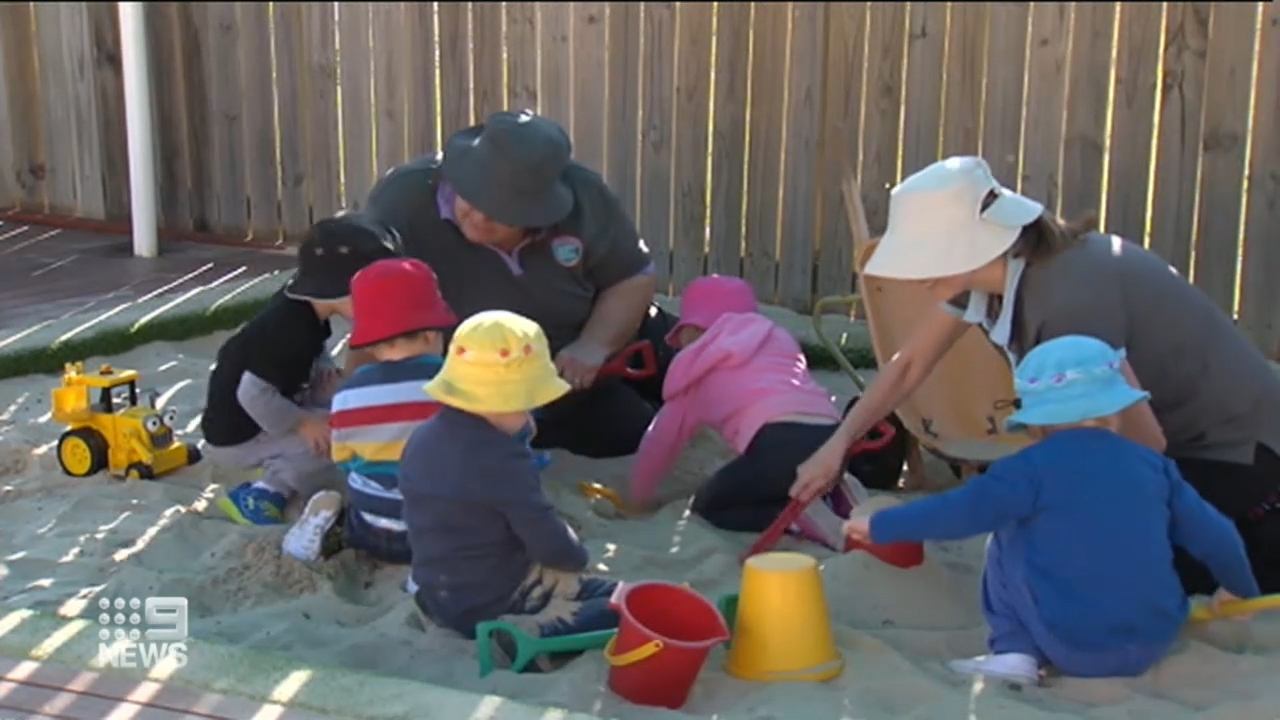
Treasurer Josh Frydenberg has already announced a $1.7 billion package aimed to ease out-of-pocket costs for working families utilising childcare.
From July, the childcare subsidy for families with two or more children aged five and under will increase to a maximum of 95 per cent.
The measure has been forecast to save as many as 250,000 families as much as $2,260 a year.
For example, a family on a combined income of $80,000 with two kids in childcare will save around $54 a week while families on a combined income of $140,000 will be around $125 a week better off.
The current maximum for the childcare subsidy is 85 per cent.
READ MORE: Boost for young families with $1.7 billion childcare package
Big spending will focus on dropping unemployment
Speaking to the Australian Chamber of Commerce and Industry, Mr Frydenberg said the entire budget would be aimed at increasing employment opportunities.
"This will be another pandemic budget being delivered in the midst of a once-in-a-hundred year pandemic and just seven months after the last budget," Mr Frydenberg said.
"The Budget will lay out the next phase of Australia's economic recovery plan, to grow our economy so we can deliver the jobs and guarantee the essential services Australians rely on, and keep Australians safe."
Mr Frydenberg said the government's clear goal was to reduce the unemployment rate below five per cent.
Australia's current unemployment rate is currently 5.6 per cent.
READ MORE: Morrison government spends $1.2b to create thousands of apprenticeships

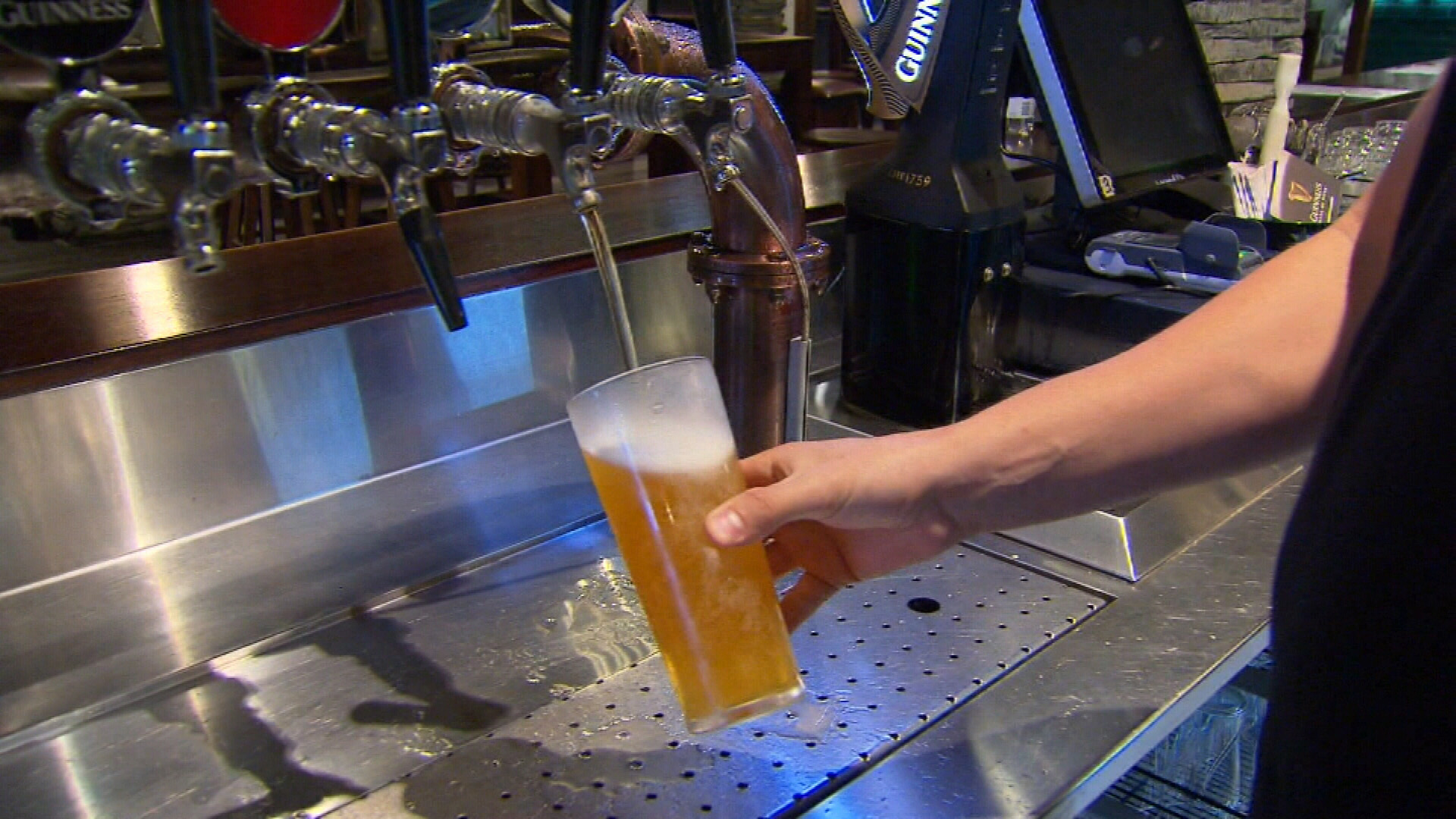
Tax breaks for brewers
Brewers and distillers are set to be better off under the 2021-22 Budget, with the Federal Government already announcing tax cuts of up to $250,000 for the sector.
Under the plan, from July 1 the government will remove all excise tax payable on the first $350,000 worth of alcohol that leaves the alcohol producer's warehouse.
The tax cuts will primarily benefit craft breweries and smaller distillers.
READ MORE: Pub beers could soon be cheaper