Tommy Millions, known as Wellington’s king of pizza, has closed two of its three stores in the capital.The closures follow a string of others including Cafe Roti Chenai, Glass, and The Bresolin. Last month Tommy Millions announced…
Tag Archives: oceania
Wellington safety a matter of 'urgency' after students present survey findings to council
WARNING: This story contains reference to sexual assault. The pleas of two Wellington students calling for a safer city nightlife have been heard by council with “a sense of urgency”. Last Thursday Ella Lamont and Sophia Harrison,…
Herald morning quiz: April 29
Test your brains with the Herald’s morning quiz. Be sure to check back on nzherald.co.nz at 3pm for the afternoon quiz. To challenge yourself with more quizzes, CLICK HERE.
India grieves 200,000 dead with many more probably uncounted
Three days after his coronavirus symptoms appeared, Rajendra Karan struggled to breathe. Instead of waiting for an ambulance, his son drove him to a government hospital in Lucknow, the capital of India's largest state.
But the hospital wouldn't let him in without a registration slip from the district's chief medical officer. By the time the son got it, his father had died in the car, just outside the hospital doors.
"My father would have been alive today if the hospital had just admitted him instead of waiting for a piece of paper," Rohitas Karan said.
READ MORE: How India's virus outbreak compares to the rest of the world
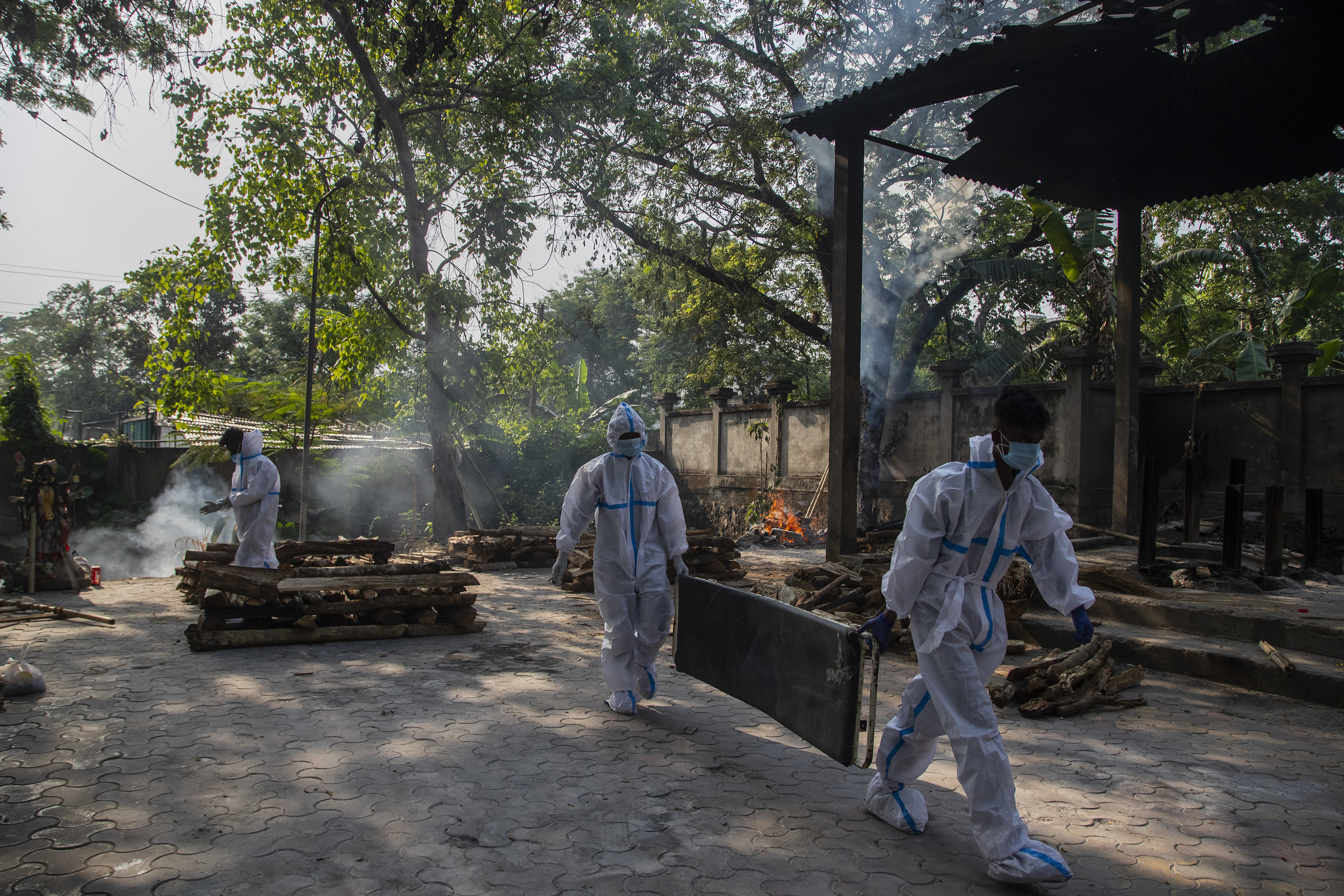
Stories of deaths tangled in bureaucracy and breakdowns have become dismally common in India, where deaths on Wednesday officially surged past 200,000. But the true death toll is believed to be far higher.
In India, mortality data was poor even before the pandemic, with most people dying at home and their deaths often going unregistered. The practice is particularly prevalent in rural areas, where the virus is now spreading fast.
This is partly why this nation of nearly 1.4 billion has recorded fewer deaths than Brazil and Mexico, which have smaller populations and fewer confirmed COVID-19 cases.
While determining exact numbers in a pandemic is difficult, experts say an overreliance on official data that didn't reflect the true extent of infections contributed to authorities being blindsided by a huge surge in recent weeks.
"People who could have been saved are dying now," said Gautam Menon, a professor of physics and biology at Ashoka University. Menon said there has been "serious undercounting" of deaths in many states.
IN PICTURES: India COVID-19 crisis overwhelms nation with record infection numbers
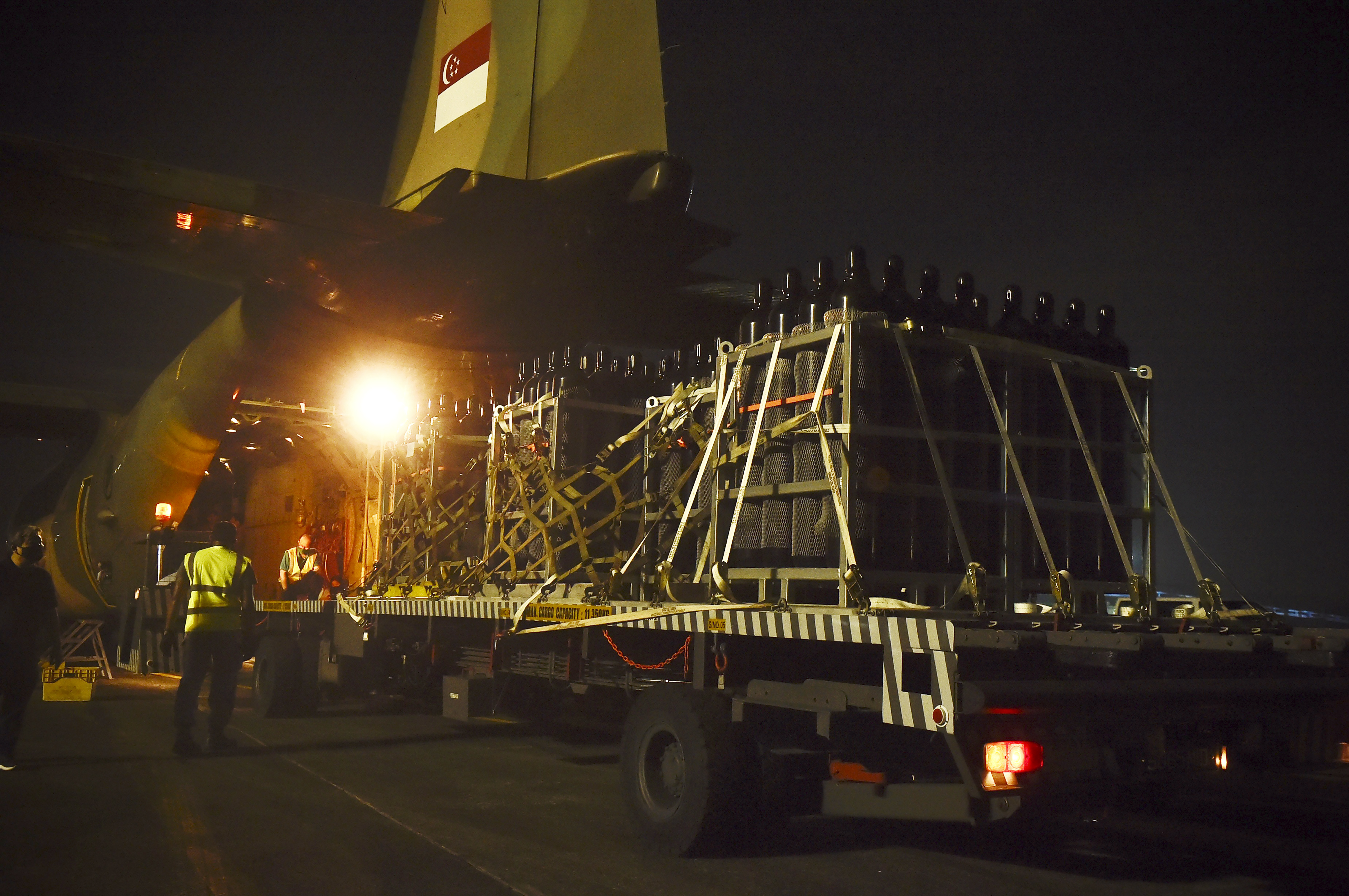
India had thought the worst was over when cases ebbed in September. But infections began increasing in February, and on Wednesday, 362,757 new confirmed cases, a global record, pushed the country's total past 17.9 million, second only to the U.S.
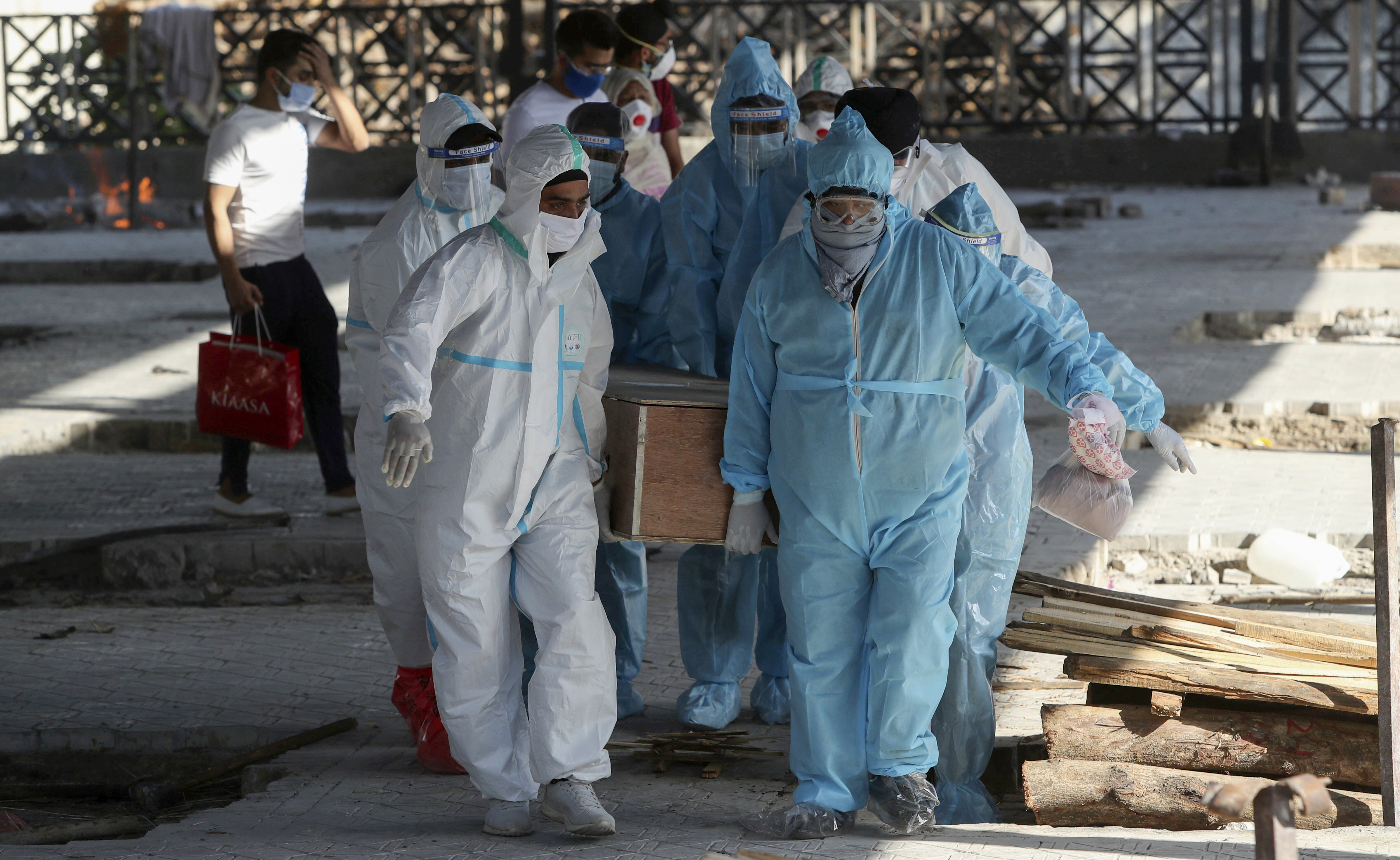
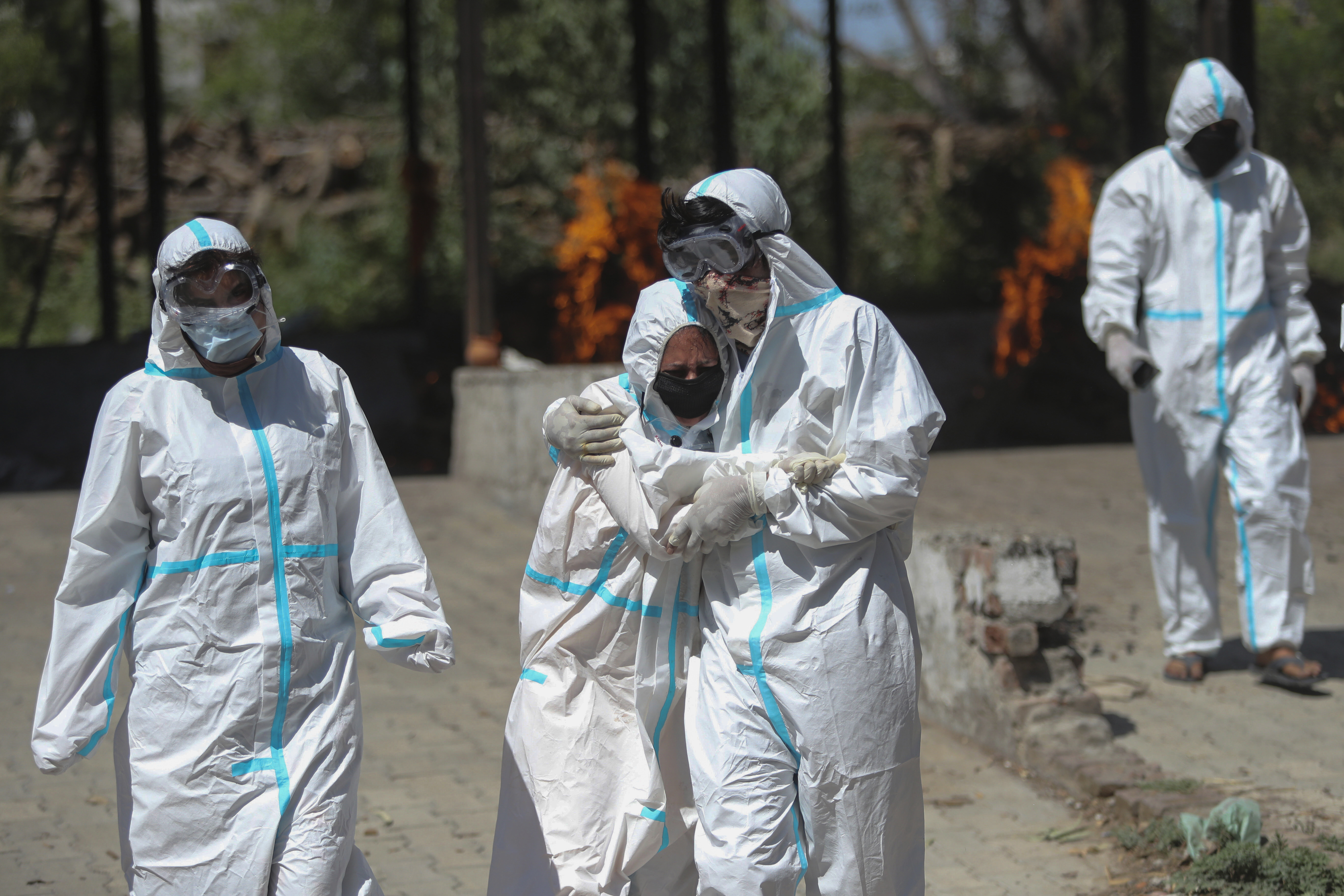
Local media have reported discrepancies between official state tallies of the dead and actual numbers of bodies in crematoriums and burial grounds. Many crematoriums have spilled over into parking lots and other empty spaces as blazing funeral pyres light up the night sky.
India's daily deaths, which have nearly tripled in the past three weeks, also reflect a shattered and underfunded health care system. Hospitals are scrambling for more oxygen, beds, ventilators and ambulances, while families marshal their own resources in the absence of a functioning system.
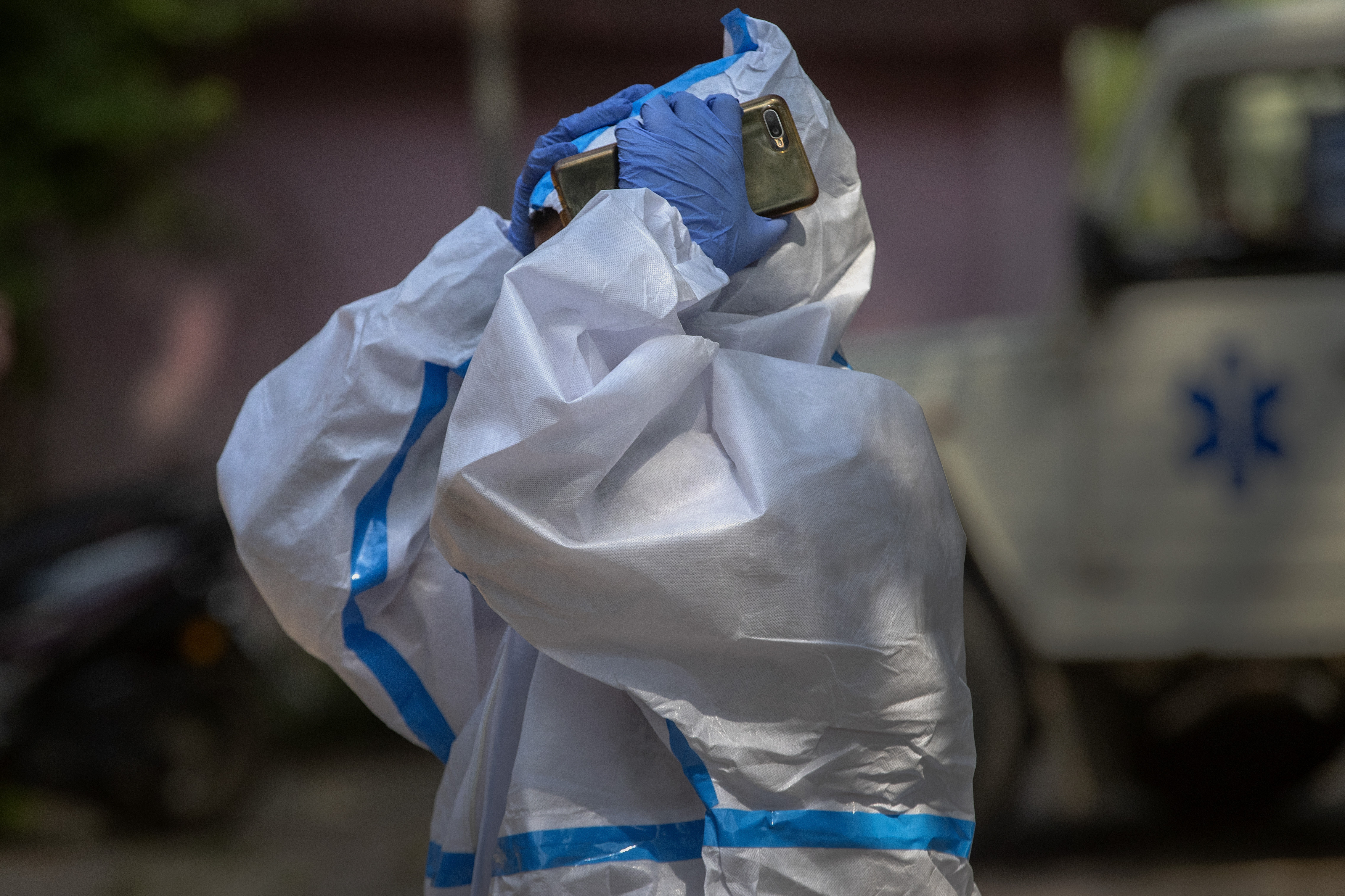
Jitender Singh Shunty runs an ambulance service in New Delhi transporting COVID-19 victims' bodies to a temporary crematorium in a parking lot. He said those who die at home are generally unaccounted for in state tallies, while the number of bodies has increased from 10 to nearly 50 daily.
"When I go home, my clothes smell of burnt flesh. I have never seen so many dead bodies in my life," Shunty said.
READ MORE: Flights from India could resume in weeks, PM says
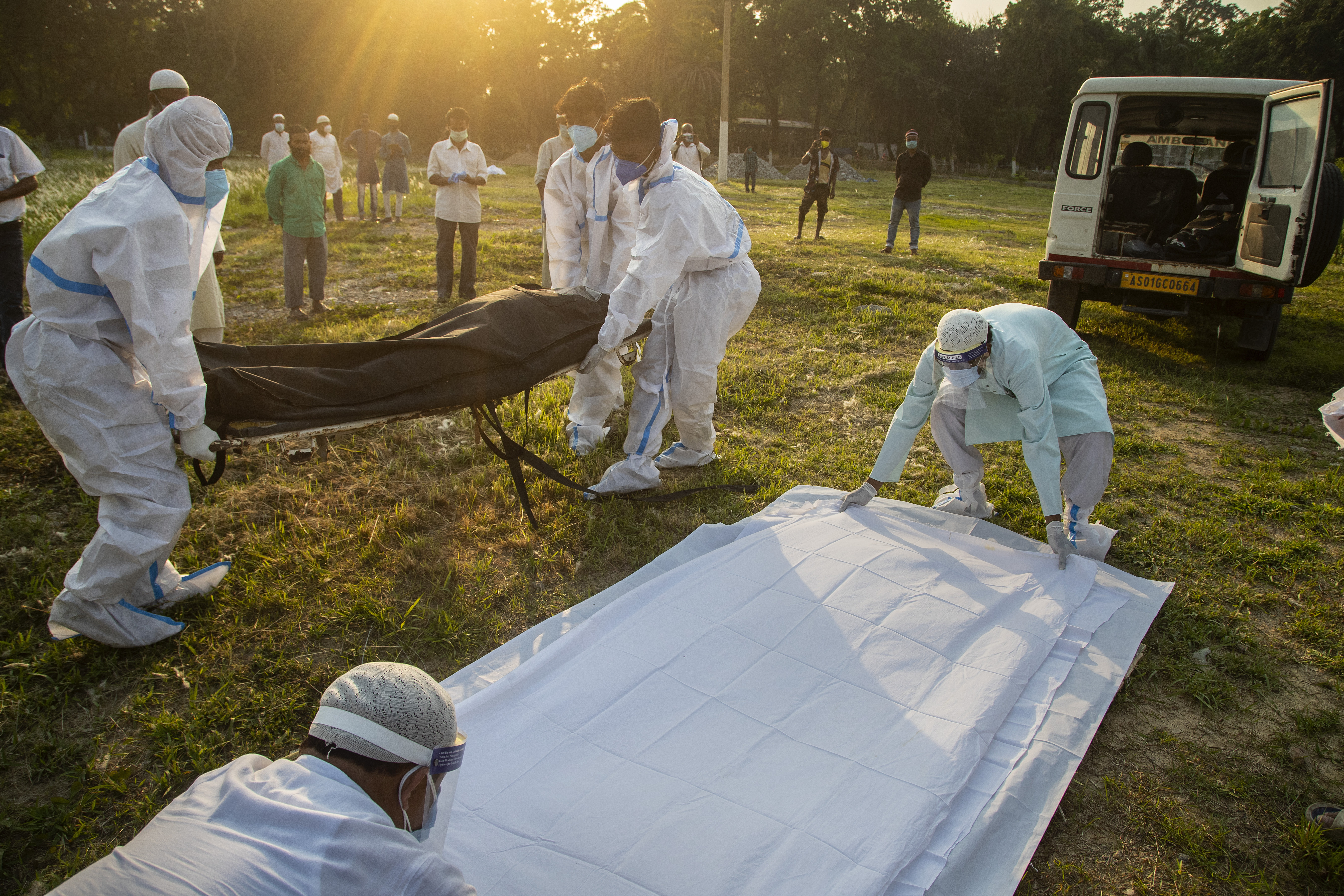
Burial grounds are also filling up fast. The capital's largest Muslim graveyard is running out of space, said Mohammad Shameem, the head gravedigger, noting he was now burying nearly 40 bodies a day.
In southern Telangana state too, doctors and activists are contesting the official death counts.
On April 23, the state said 33 people had died of COVID-19. But between 80 to 100 people died in just two hospitals in the state's capital, Hyderabad, the day before. It is unclear whether all were due to the virus, but experts say COVID-19 deaths across India aren't being listed as such.
Instead, many are attributed to underlying conditions despite national guidelines asking states to record all suspected COVID-19 deaths, even if the patient wasn't tested for the virus.
For instance, New Delhi officially recorded 4,000 COVID-19 deaths by Aug. 31, but this didn't include suspected deaths, according to data accessed by The Associated Press under a right-to-information request. Fatalities have since more than tripled to over 14,500. Officials didn't respond to queries on whether suspected deaths are now being included.
In Lucknow, officials said 39 people died of the virus in the city on Tuesday. But Suresh Chandra, who operates its Bhaisakhund electric crematorium, said his team had cremated 58 COVID-19 bodies by Tuesday evening, and 28 more were cremated at a nearby crematorium the same day.
Ajay Dwivedi, a government official in Lucknow, acknowledged more bodies were being cremated but said they included corpses from other districts.
Last year, the Indian government used low death and case counts to declare victory against the coronavirus. In October, a month after cases started to ebb, Prime Minister Narendra Modi said India was saving more lives than richer countries. In January he boasted at the World Economic Forum that India's success was incomparable.
At the heart of these statements was dubious data that shaped policy decisions.
Information about where people were getting infected and dying could have helped India better prepare for the current surge, said Dr Prabhat Jha, an epidemiologist at the University of Toronto who has studied deaths in India.
READ MORE: 'My son doesn't know me': Despair of Aussies trapped in India
Accurate data would have allowed experts to map the virus more clearly, identifying hotspots, driving vaccinations and strengthening public health resources, he said.
"You can't walk out of a pandemic without data," he said.
But even when reliable data is available, it hasn't always been heeded. With infections already rising in March, Health Minister Harsh Vardhan declared India was nearing the "endgame." When daily cases were in the hundreds of thousands, Modi's Bharatiya Janata Party and other political parties were holding massive election rallies, drawing thousands of maskless supporters.
The government also allowed a Hindu festival drawing hundreds of thousands to the banks of the Ganges River to go ahead despite warnings from experts that a devastating surge was starting.
Many were already convinced COVID-19 wasn't very lethal since the death toll seemed low.
India's health ministry did not respond to queries from AP, and ministers from Modi's party deflected questions about death counts.
Manohar Lal Khattar, chief minister of Haryana state, told reporters Monday that the dead will never come back and that "there was no point in a debate over the number of deaths."
The Indian Medical Association in February said 734 doctors had died of COVID-19 since the pandemic began. Days later, India's health ministry put the number at 313.
"This is criminal," said Dr Harjit Singh Bhatti, president of the Progressive Medicos and Scientists Forum. "The government lied about the deaths of health workers first, and now they are lying about deaths of ordinary citizens."
Tony Blair has a mullet now, and it's disturbing Britain
Few former world leaders have had their legacy debated as fiercely as Tony Blair.
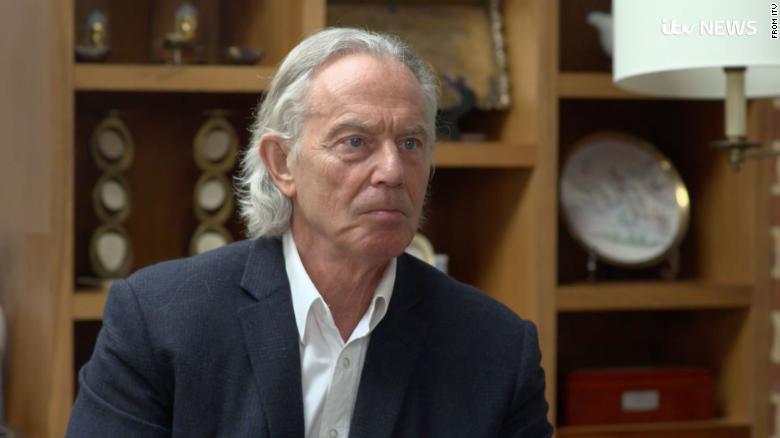
And now, it appears the former UK prime minister has animated Britons again, debuting an astonishing lockdown haircut that has raised eyebrows far beyond the political landscape.
The ex-Labour leader gave his first television interview in several weeks on Tuesday, speaking with CNN affiliate ITV News about the stability of the United Kingdom in the face of Scotland's independence movement.
READ MORE: Why Boris Johnson's apartment renovations have landed him in the political doghouse
But it was his arresting mullet that was of greatest concern to many commentators, and within hours Mr Blair — along with several ageing celebrities to whom he was likened — was trending on social media for all the wrong reasons.
He is not the only Briton to struggle with a calamitous coiffure of late. The UK's hairdressers were closed for several months during the country's third coronavirus lockdown, leaving many to rely on trims from family members or friends.
But salons reopened on April 12 and online commentators were unforgiving with Blair's efforts.
One Twitter user said in a tweet that went viral that the former prime minister was "morphing into the possessed Vigo painting in Ghostbusters — picking up on a similarity that several others noted.
Matt Gorman, a US political strategist, figured his transformation more closely resembled Back to the Future's Doc Brown.
And Peter Stringfellow, the mullet-sporting late British nightclub mogul known for mixing with celebrities, was cited by several Twitter users.
"Everybody knows you never go full Peter Stringfellow," writer Giles Paley-Phillips said in another viral tweet.
https://twitter.com/eliistender10/status/1387101300534484993
Mr Blair was in office from 1997 to 2007, enjoying one of the longest terms of any recent British prime minister.
Since leaving Downing Street he has campaigned against Britain's exit from the European Union, and has more recently intervened in the debate about global COVID-19 vaccine distribution.
He's not the first former British leader to come in for some gentle online mockery after their term expired.
In 2017, the web turned on ex-Conservative leader David Cameron after news emerged he had bought a pricey garden shed to write in.
Coincidentally, much of the ridicule Mr Blair received came on what some corners of the internet lovingly refer to as "Ed Balls day" — the 10-year anniversary of the date on which Mr Blair's former Labour colleague, Ed Balls, accidentally sent out a tweet that he has never lived down.
"Ed Balls," Ed Balls wrote in the message back in April 2011, apparently during an attempt to search his own name online.
Why Boris Johnson's apartment renovations have landed him in the political doghouse
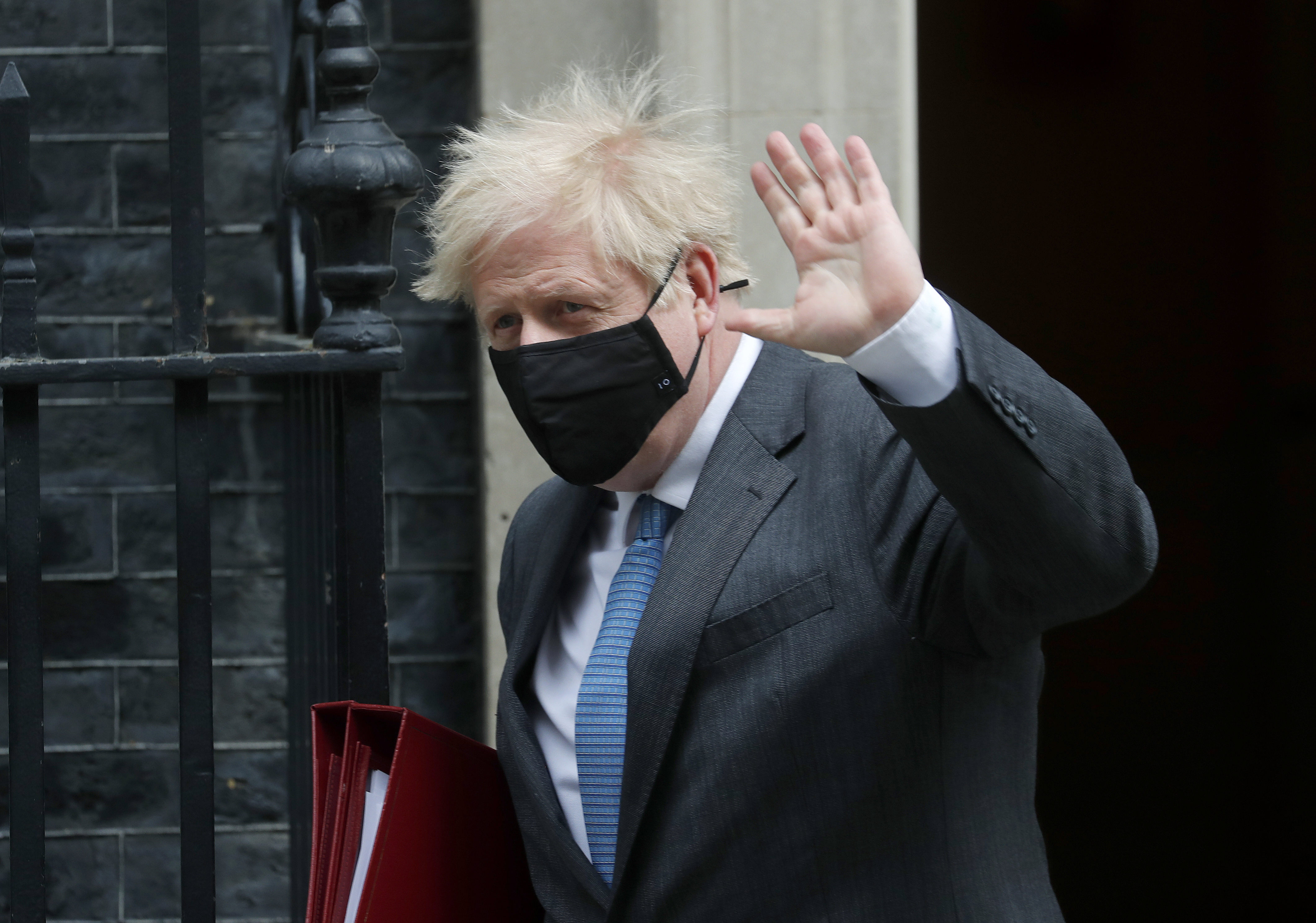
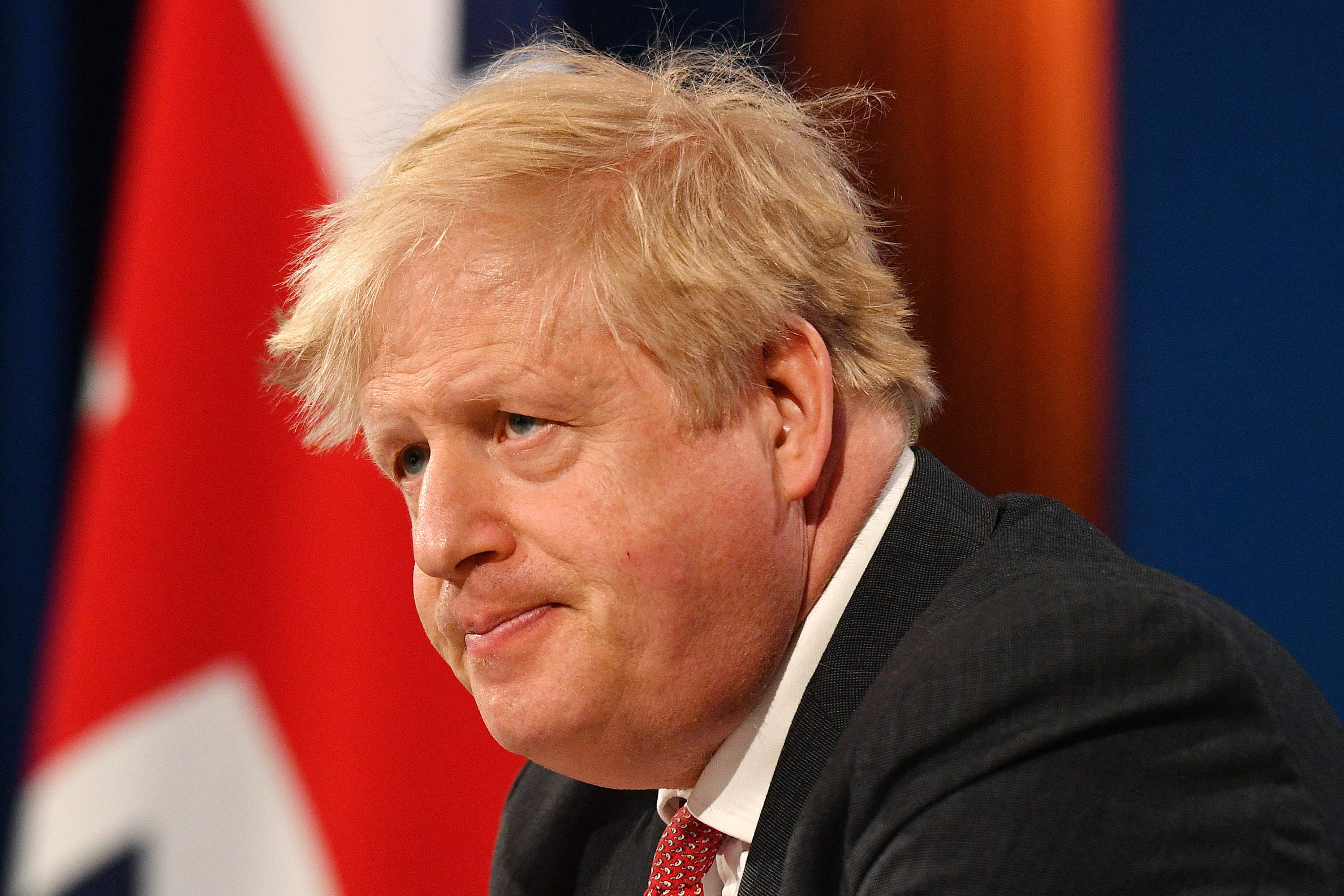
British Prime Minister Boris Johnson will face a formal investigation into the funding of renovations to his Downing Street apartment, after the country's political spending watchdog said there were "reasonable grounds" to suspect an offence might have occurred.
Mr Johnson has been under pressure for several days to explain how he paid for the upgrade to the flat, with British news outlets reporting that the work cost around £200,000 ($358,000).
The saga was elevated last week when Dominic Cummings, Mr Johnson's former closest ally, levelled accusations of "unethical, foolish, (and) possibly illegal" behaviour against his old boss, claiming he discussed plans to have Conservative Party donors pay for the refurbishments.
The opening of an investigation comes at a tense moment for the Prime Minister, whose party is preparing to contest local elections across the country next week.
READ MORE: Boris Johnson denies saying thousands of bodies better than lockdown
Where does Boris Johnson live?
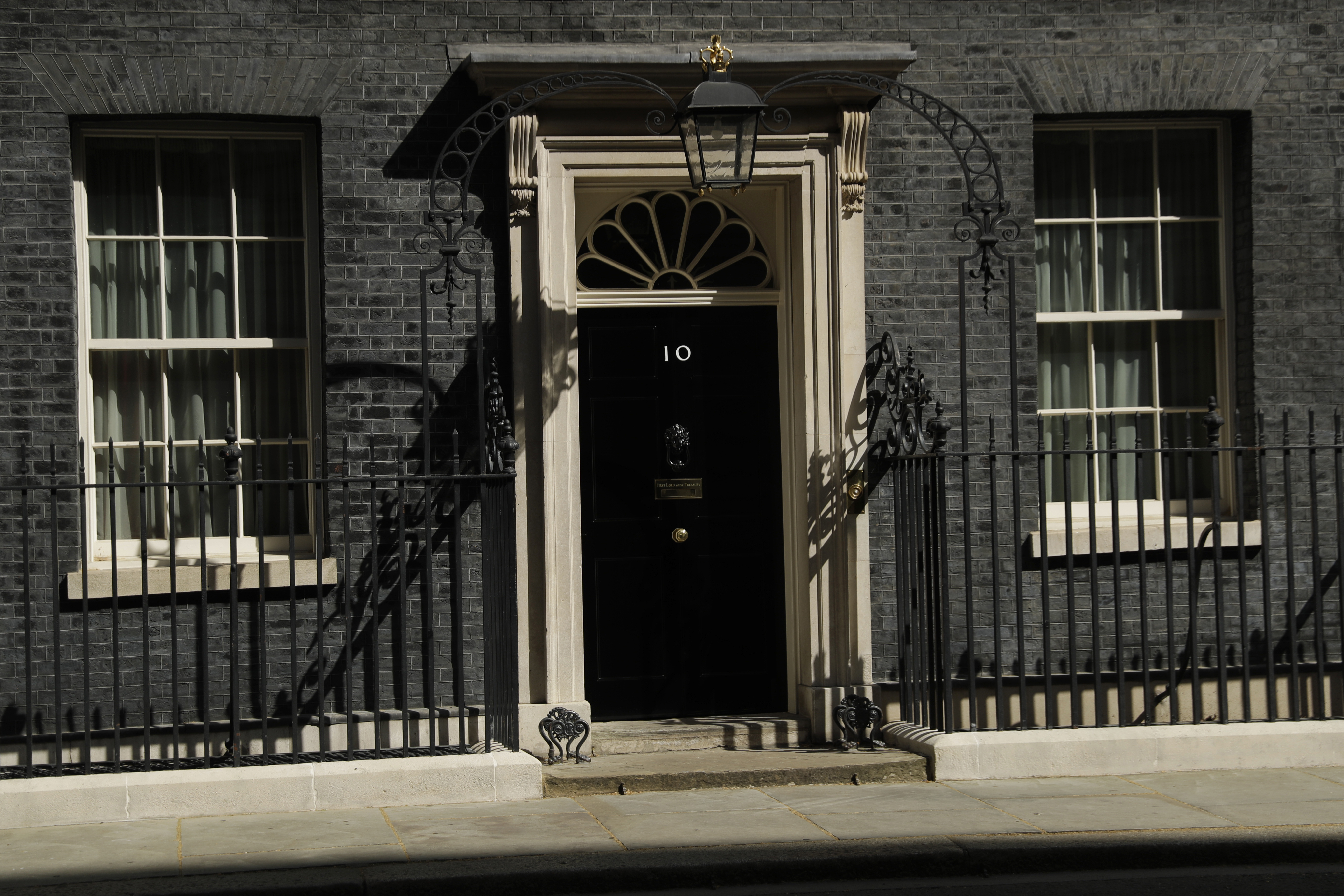
Compared with the Executive Residence at the White House or the various presidential palaces dotted around the world's capital cities, the British Prime Minister's London living quarters are relatively humble.
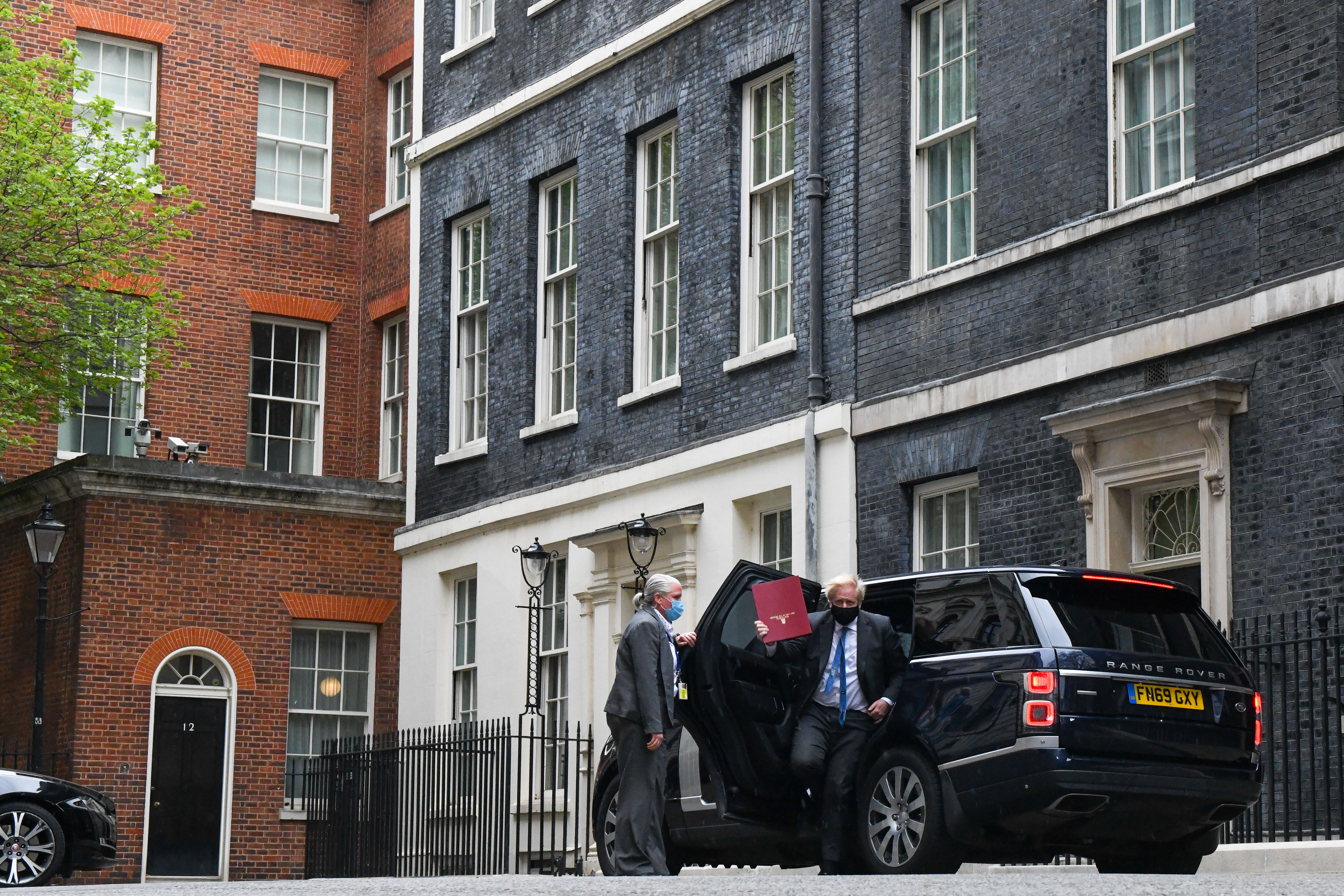
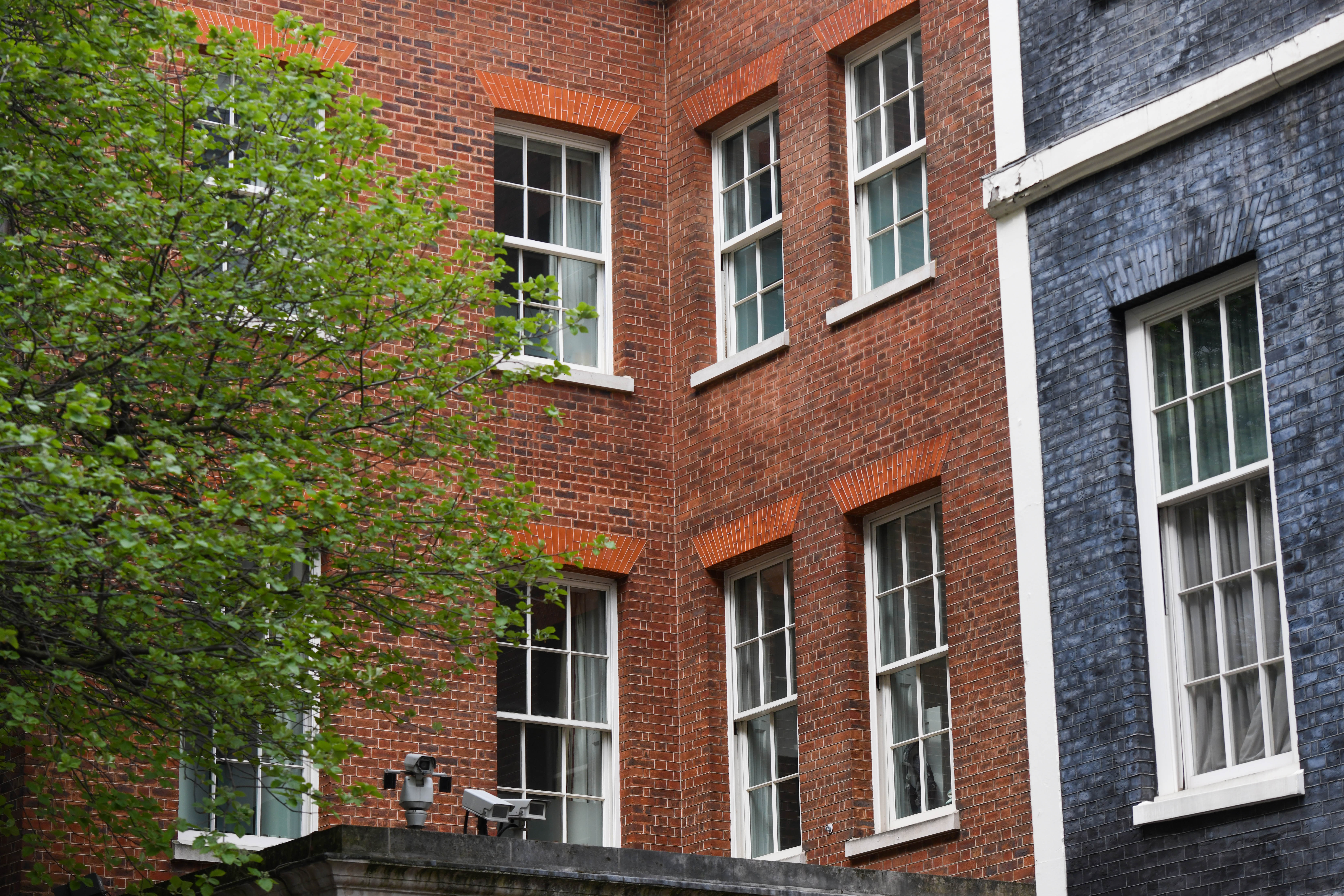
Leaders would traditionally live in a flat above Number 10 Downing Street but recent Prime Ministers have instead moved into the larger apartment next door, at Number 11 — above the offices of the Chancellor of the Exchequer.
Even so, the apartment is far from spacious. The buildings that line Downing Street consist of cramped offices and narrow corridors, and Prime Ministers are not afforded luxury in their official residence.
Prime Ministers are given £30,000 ($54,000) of public money a year to renovate the apartment during their term, and it is not uncommon for them or their spouses to put their own stamp on the interior design.
Former PM Tony Blair faced questions in 2002 over the cost of his revamp, which reportedly included adding a study.
Pictures released during David Cameron's premiership showed a modern kitchen and open-plan living space and Theresa May posed for a 2016 interview next to a fireplace, though it's not clear whether she made any significant changes to the interior design.
Of course, British leaders are not confined to this small apartment all year.
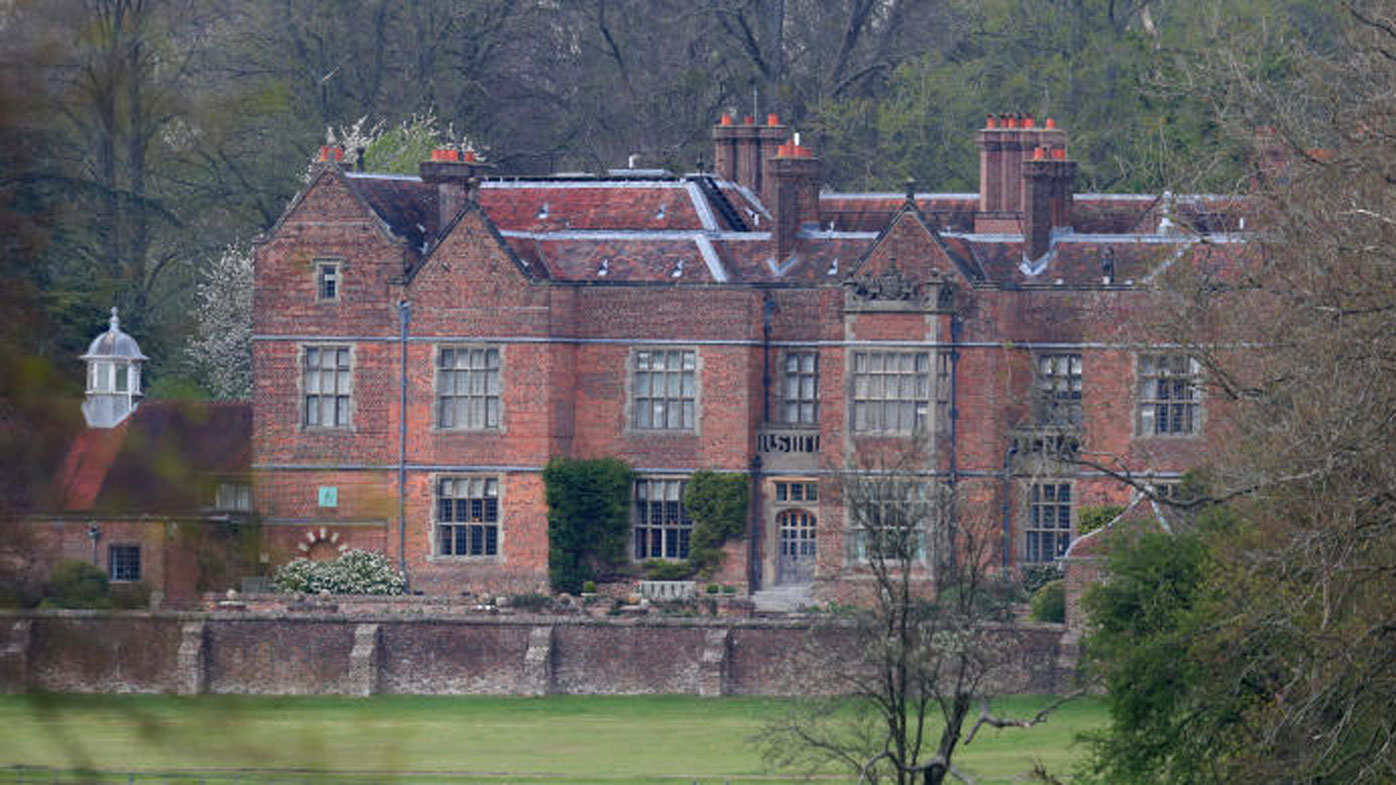
The far more spacious country house residence of Chequers sits in Buckinghamshire, a short drive from London, and that destination is often used to entertain foreign leaders or to provide the Prime Minister with an escape from Westminster.
READ MORE: Biden announces first overseas trip as US President
Why are the PM's renovations controversial?
Mr Johnson has been under pressure for weeks to explain how he paid for the renovations.
Those renovations were reportedly overseen by his fiancée, Carrie Symonds. But Mr Cummings, who left his role late last year after amassing a reputation as the driving force behind the Prime Minister's Brexit policy and re-election, alleged in a blog post that Mr Johnson planned to have Conservative Party donors pay for the upgrade.
If that was the case, the loan would need to have been declared to the UK's Electoral Commission.
Political donations and loans are tightly controlled in the United Kingdom, with loans of more than £7,500 ($13,400) logged and publicly revealed by the commission four times a year.
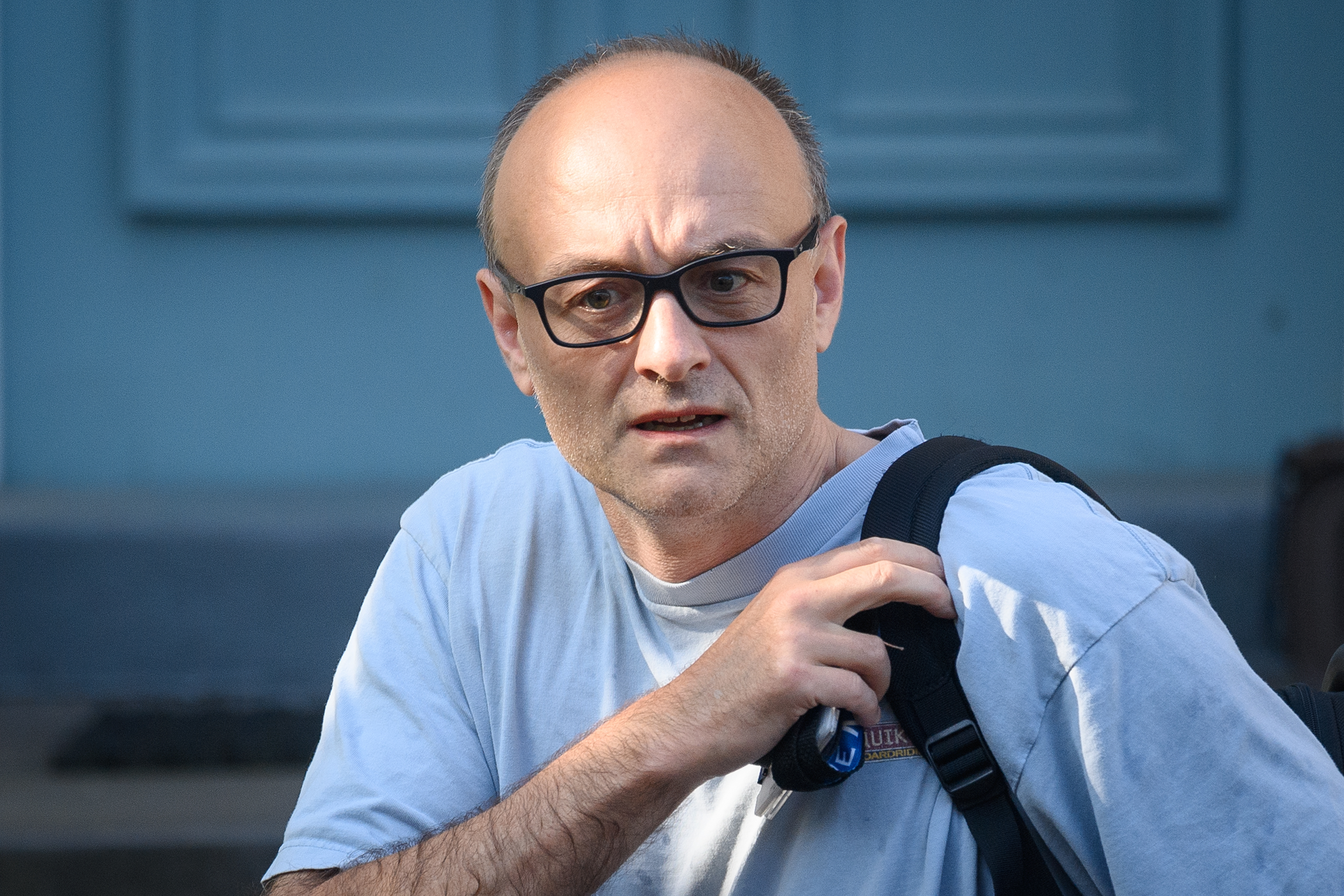
"I told him I thought his plans to have donors secretly pay for the renovation were unethical, foolish, possibly illegal and almost certainly broke the rules on proper disclosure of political donations," Mr Cummings wrote in an explosive post on Friday.
"I refused to help him organise these payments. My knowledge about them is therefore limited," Cummings also wrote.
In an interview with the BBC on Sunday, Johnson's international trade secretary, Liz Truss, said the Prime Minister had paid for the renovations himself.
But she did not say whether he had borrowed the money from a donor first.
A Number 10 spokesperson told CNN the government had "transparently laid out the historic expenditure" and that "any costs of wider refurbishment … have been met by the Prime Minister personally."
But the government has also not clarified where the funds came from originally.
The spokesperson added that more information on the works would be released when the Cabinet Office published its yearly accounts, which usually happens in July.
However, a separate register of ministerial interests has not been published by the government since last July, despite the ministerial code stating that one should be made public "twice yearly."
These outstanding questions have combined to spark a political storm over Number 10, with critics and opposition MPs increasing calls for clarity over how the apartment was revamped.
What is happening now?
The Electoral Commission, which oversees political spending and investigates breaches, said on Wednesday it would formally investigate.
It said in a statement there "are reasonable grounds to suspect that an offence or offences may have occurred.
"We will therefore continue this work as a formal investigation to establish whether this is the case," added the commission, which had previously confirmed to CNN it was looking into whether there were grounds for an official inquiry.
The move follows calls from the opposition Labour Party, which had urged Cummings' claims be investigated by the Electoral Commission, also alleging the ministerial code governing senior politicians' conduct might have been broken.
"The ministerial code clearly states 'Ministers should be as open as possible with Parliament and the public'. This has not happened," Labour MP Rachel Reeves said in a statement.
Reeves said "real and perceived conflicts of interest must be avoided" and that "there needs to be a full investigation given the gravity of the new accusations" from Cummings.
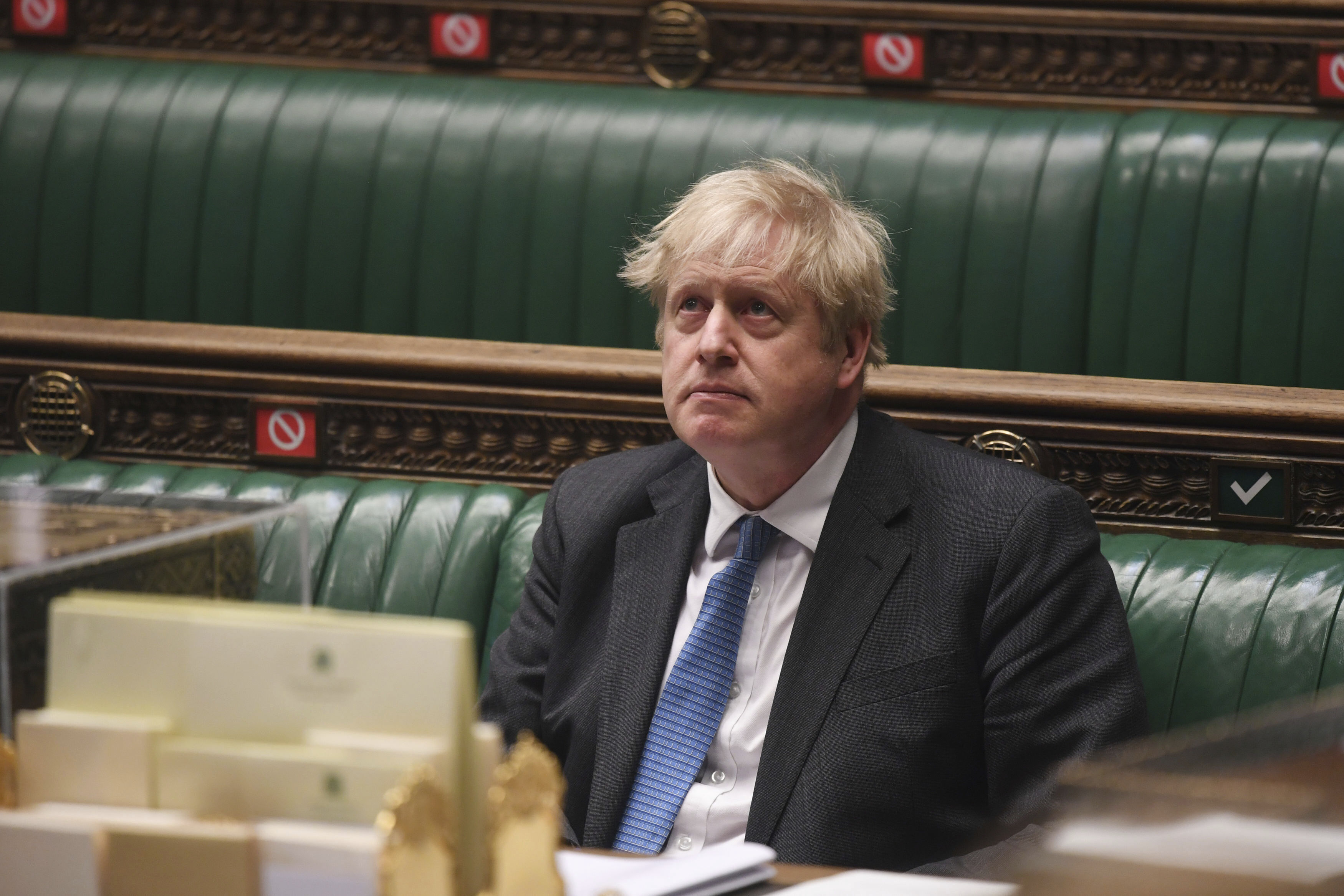
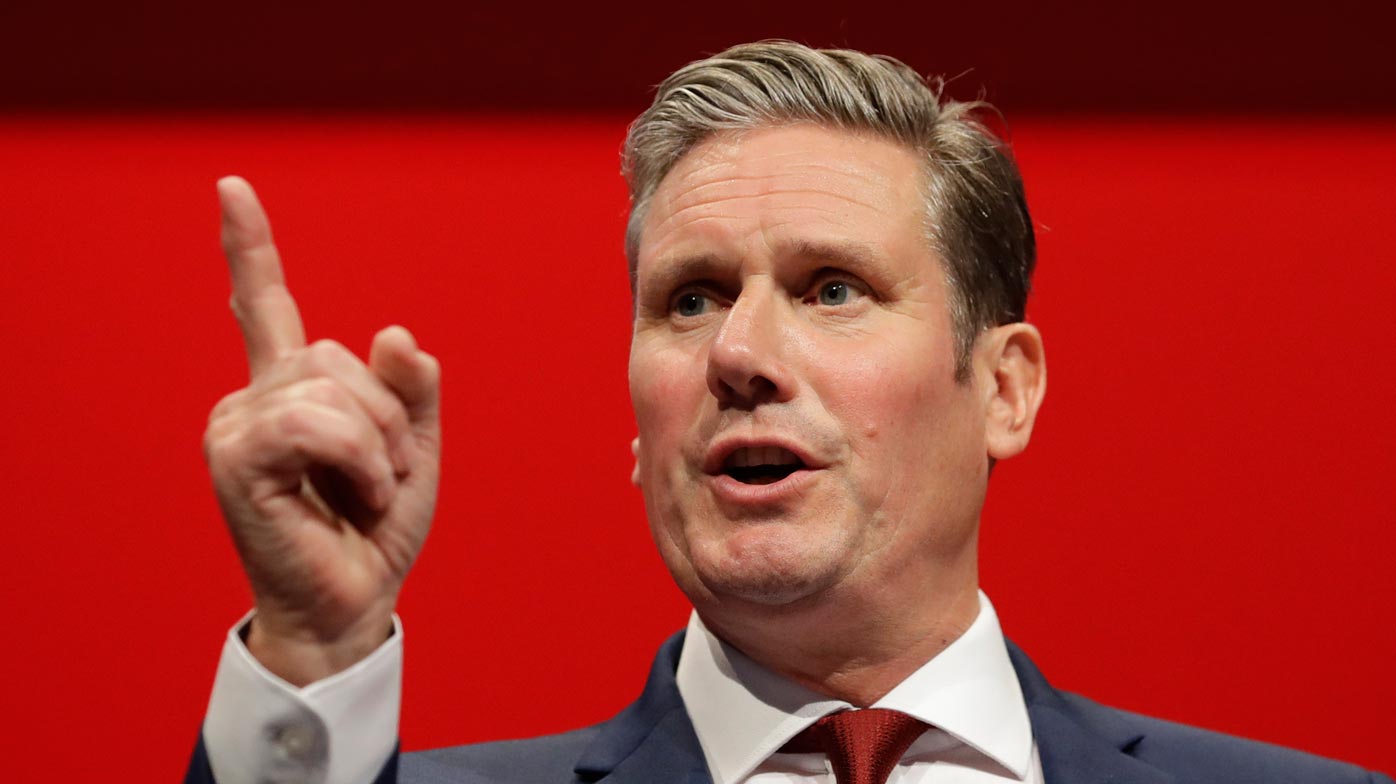
On Wednesday, Labour leader Keir Starmer pressed Johnson further in Parliament, asking: "Who initially — and Prime Minister, 'initially' is the key word here — who initially paid for redecorations of his Downing Street flat?"
"I paid for Downing Street refurbishments personally," Mr Johnson replied, sidestepping the opportunity to confirm whether a loan was ever put down beforehand.
"The answer is I have covered the costs," he said later after further questioning by Starmer.
Alleged breaches of the ministerial code are investigated by an independent adviser on ministerial interests or by the cabinet secretary, but the code is not legally binding.
Downing Street denied the code had been broken, telling CNN that ministers have "acted in accordance with the appropriate codes of conduct."
Why is Mr Johnson being accused of 'sleaze'?
The latest accusations form just part of a series of allegations that have combined to raise questions over Mr Johnson's government and its links to donors and lobbyists.
Last week, the Prime Minister came under scrutiny over texts to James Dyson, the billionaire founder of the vacuum cleaner company, in which he reportedly said he would "fix" a tax issue to ensure Dyson produced ventilators during the first wave of the COVID-19 pandemic last year. The texts were obtained by the BBC.
Several British media outlets have suggested Mr Cummings was the source of the leaks — something he denied in the same blog post in which he levelled accusations about the apartment.
The Prime Minister dismissed suggestions there was anything "sleazy" about his texts with Dyson.
"Let me tell you, if you think that there's anything remotely dodgy or rum or weird or sleazy about trying to secure more ventilators at a time of a national pandemic and doing everything in your power to do that, then I think you are out of your mind," he told reporters on Friday, according to PA Media.
The dual sagas coincide with new allegations about Mr Johnson's past comments in government.
On Monday, he was forced to deny allegations he said he would rather "let the bodies pile high in their thousands" than impose a third COVID-19 lockdown last year, after unnamed sources told the Daily Mail newspaper he had made the comment.
Mr Starmer challenged Mr Johnson to clarify in Parliament on Wednesday whether he ever made those remarks, to which the Prime Minister replied "No."
"Somebody here isn't telling the truth," Mr Starmer said, adding that members of Parliament "will have heard the Prime Minister's answer."
He then cited a clause in the ministerial code that states ministers are expected to offer their resignation if they are found to have misled Parliament.
"I'll leave it there for now," he concluded.
Local elections across the country next month will be the first concrete test of how far this series of allegations has resonated with Britain's voters.
Mr Johnson is enjoying a comfortable lead in opinion polls, after a speedy coronavirus vaccine rollout and a stringent lockdown earlier this year combined to bring the UK's COVID-19 situation under control.
Australia's house prices have seen the steepest increase in almost 18 years
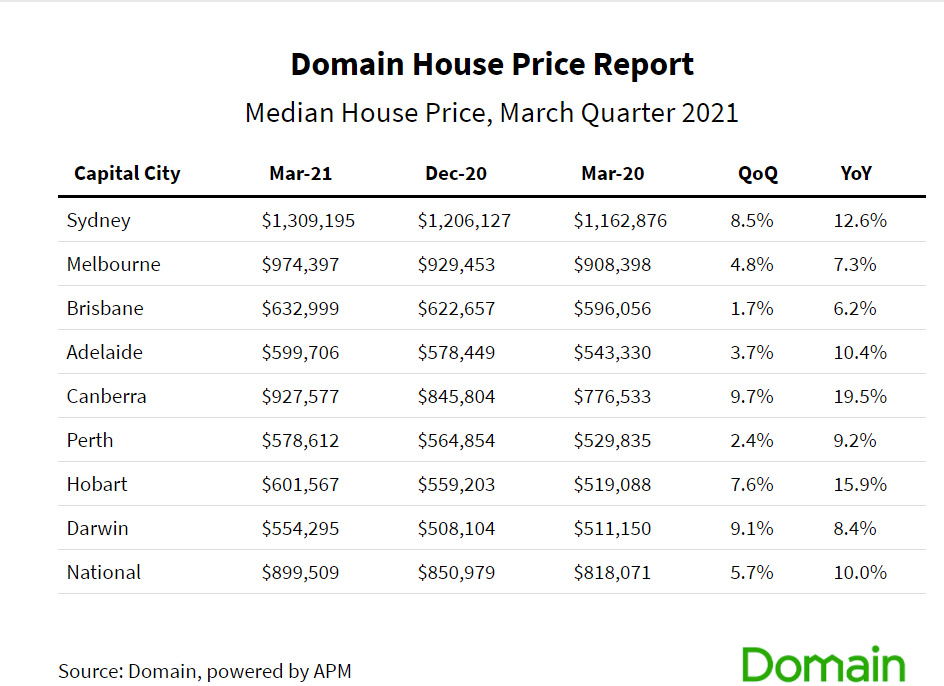
Australia's house prices have seen the steepest increase in almost 18 years — with Sydney and Canberra recording the fastest quarterly increases in nearly three decades.
Melbourne's house and unit prices have reached a new record high, with the median house price likely to pass $1m in the next quarter.
The Domain House Price report for the March quarter reveals property affordability is being pushed further out of reach for many desperate to get into the market, especially for houses.
READ MORE: Rents skyrocket in Queensland as interstate arrivals squeeze out locals
Released this morning, the report also reveals capital cities have outperformed regional areas for the first time in over a year.
In more grim news for buyers, traditionally affordable cities like Adelaide and Hobart are also setting price records.
Domain Senior Research Analyst Dr Nicola Powell said the average house price in Australia is now just under $900,000 with units at just under $585,000.
"Nationally, house prices reached a record high over the March quarter of $899,509," she said.
"The 5.7 per cent quarterly gain is the steepest rise in almost 18 years, with all capital cities posting growth.
"This is the first time house prices have risen simultaneously for two consecutive quarters since 2009 post-GFC."
READ MORE: Melbourne's average house price ticks over million-dollar mark
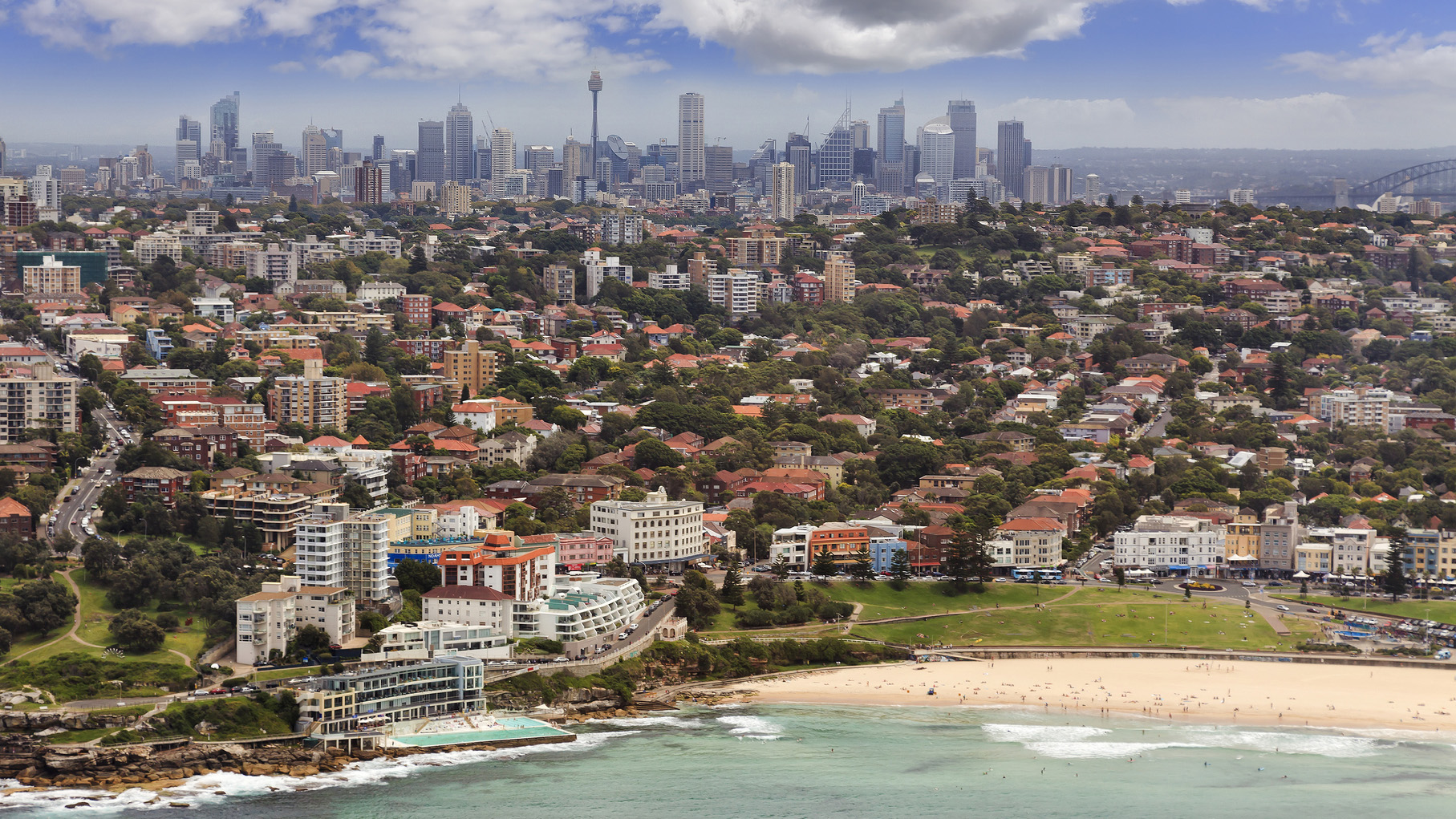
"Record low interest rates, improved household savings, low listing volumes, post-lockdown lifestyle changes, consumer sentiment roaring to an 11-year high, returning cashed-up expats and government incentives have fuelled demand for housing and a strong market performance."
Scroll down for a summary of each major market.
Sydney property prices
Sydney house prices soared to a new record median of $1,309,195 after jumping $103,000 over the March quarter, or 8.5 per cent.
"This is the fastest quarterly acceleration of house prices since Domain records began in 1993," Dr Powell said.
"This has pushed annual house price gains into double digit percentage growth, making it the steepest increase since the lead up to the previous price peak in mid-2017, at 12.6 per cent."
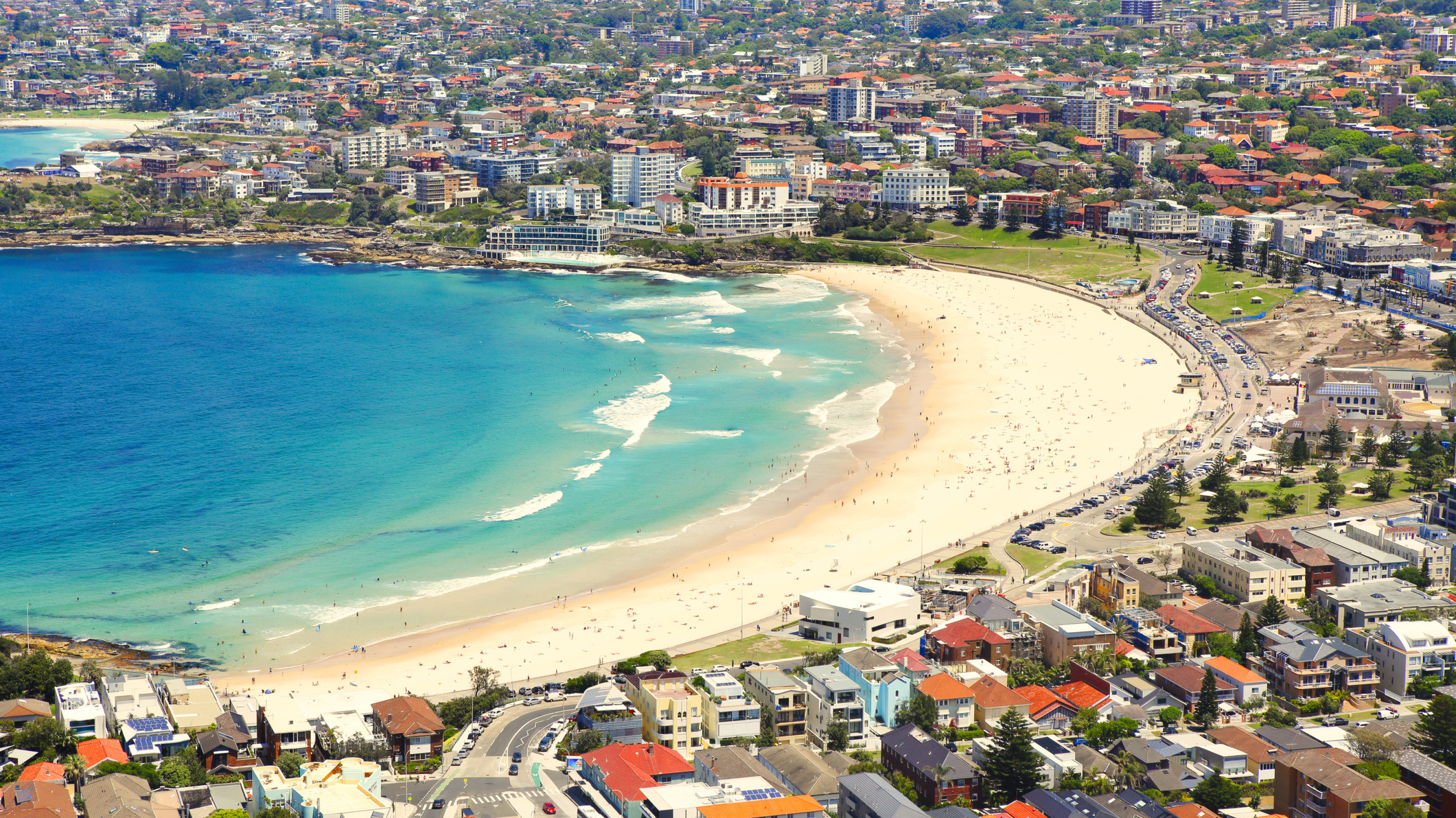
Houses at the top of the market are leading the charge, with the strongest quarterly gains recorded in the eastern suburbs, northern beaches, Baulkham Hills and Hawkesbury.
But all Sydney regions have hit record high prices.
"Over the past three decades, Sydney house prices have twice increased by more than eight per cent over a quarter, the first time in June 2015," Dr Powell said.
"This outcome highlights the rarity of such a significant quarterly gain, presenting unique conditions for buyers and sellers.
READ MORE: Australia's most expensive capital cities to rent a home revealed
"For homeowners, this is the fastest rate of capital growth on record."
Units are continuing to underperform compared with houses.
Unit prices increased 2.2 per cent over the March quarter to $751,038, a marginal 0.2 per cent higher than the same time last year.
Dr Powell said the rapid quarterly growth isn't likely to continue.
"Prices will still grow but it is unlikely to stay at such sustained growth rates over each quarter," Dr Powell said.
Melbourne property prices
For the first time in a year, housing prices in Melbourne have risen at a faster pace than regional Victoria.
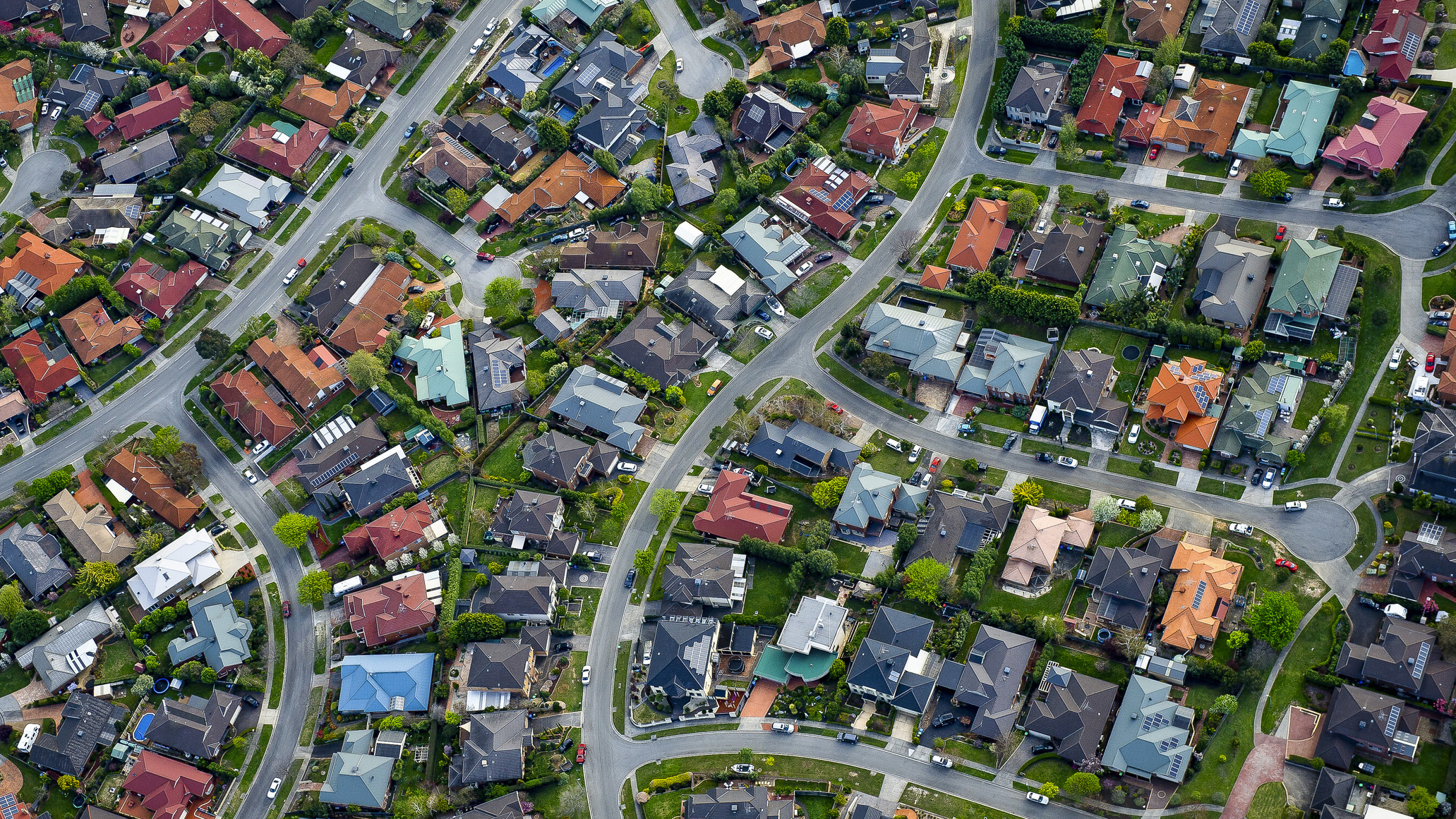
They surged $45,000 or 4.8 per cent over the March quarter to $974,397, a 7.3 per cent annual increase.
And that pace is likely to continue.
"Given the momentum that has built in the housing market, Melbourne's median house price is likely to crack $1 million over the coming quarter," Dr Powell said.
The Mornington Peninsula is the standout area, with house prices leaping 16.6 per cent compared to last year.
Units in the city are underperforming compared to houses, but they are at a record high following a 2.2 per cent rise to $568,793,
"Melbourne is the only capital city to record a new unit price high – all other cities remain below previous peaks," Dr Powell said.
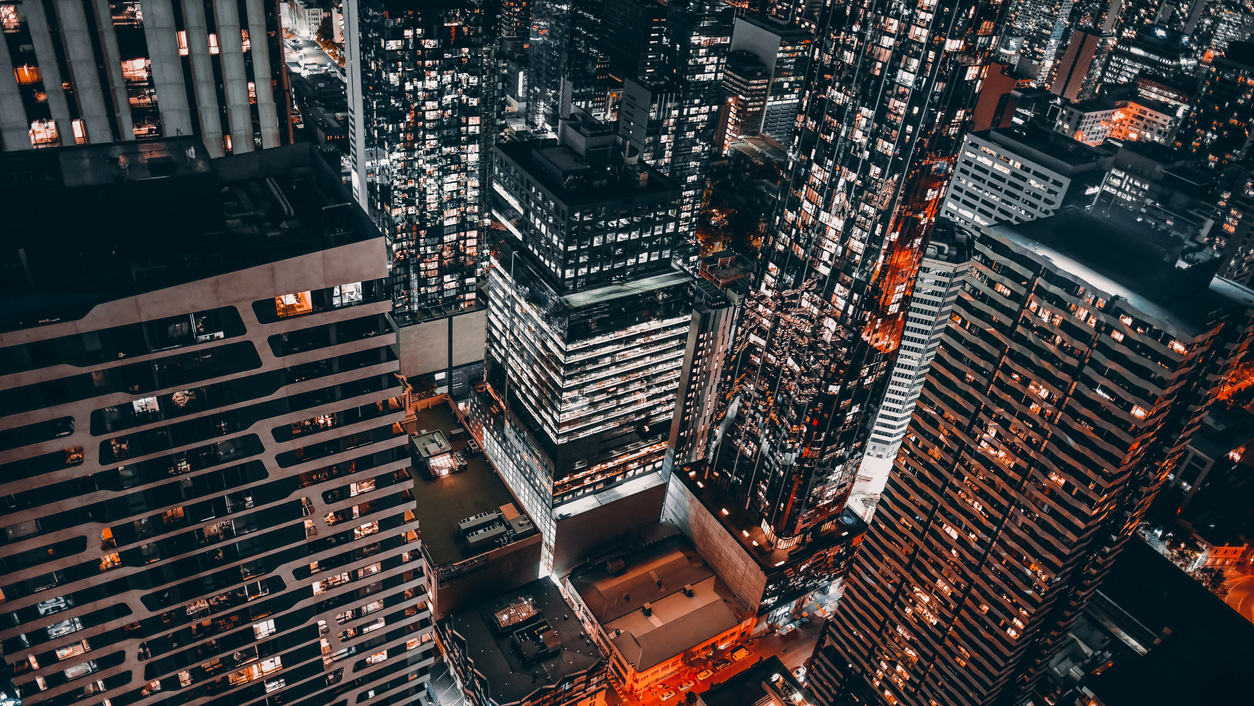
READ MORE: Average first home buyer deposit cracks $100,000
However, unit prices in the CBD have dropped $30,000 below the 2017 peak.
"A perfect storm has been created to fuel housing demand – a combination of record-low interest rates, reduced discretionary spending, as well as state and federal housing incentives," Dr Powell said.
"For Melbourne, conditions are exaggerated given residents have lived through multiple lockdowns.
"This will undoubtedly have spurred homeowners to rethink lifestyle choices, bring forward decisions or even readjust housing needs, resulting in booming levels of home loans financed."
Brisbane Property Prices
Greater Brisbane house prices are at a new record high, at $632,999, the Domain report found.
Prices have risen modestly for seven consecutive quarters, up a further 1.7 per cent over the March quarter.
This is 6.2 per cent higher than the same time last year.
However, units have not done so well for owners, but will help people get into the market.
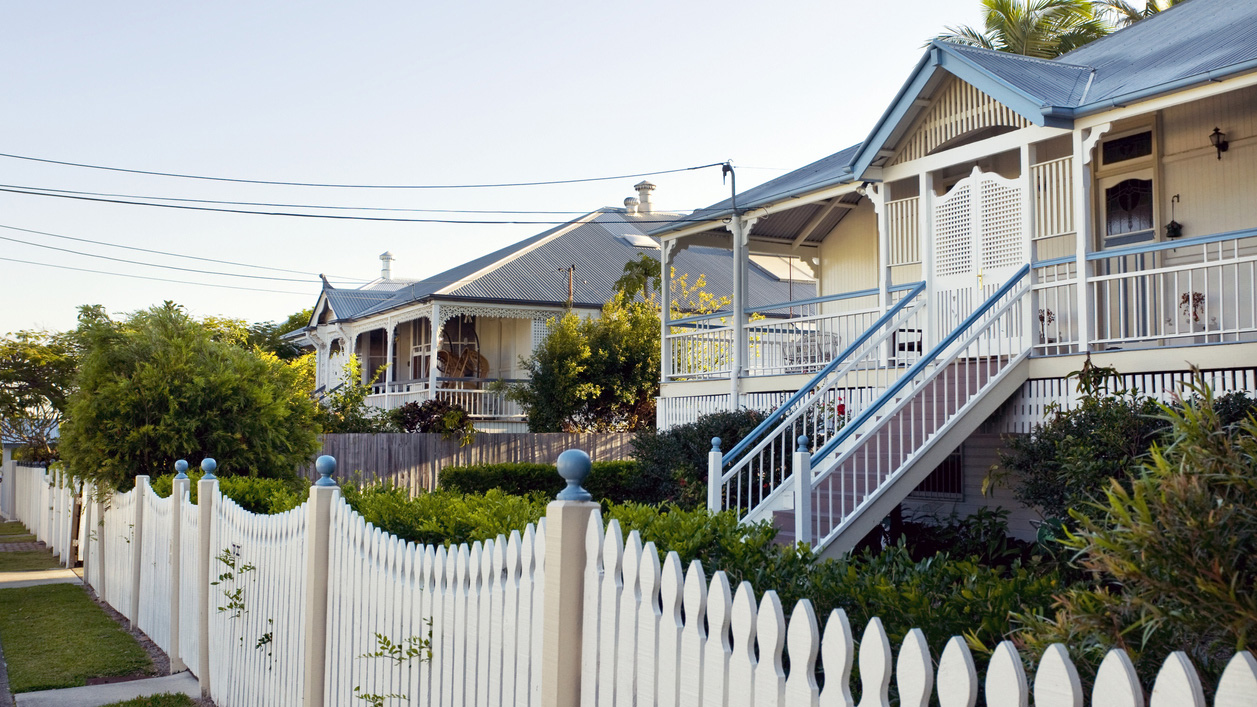
"Brisbane still has a two-speed market, with unit prices falling over the quarter and year, down 0.5 per cent and 1.1 per cent lower respectively," Dr Powell said.
"Affordability has improved for buyers who are paying a multi-year low for a unit at $398,612."
However, the divergence of house and unit prices has made the value gap between purchasing a house and unit the largest on record.
Meanwhile, prices hit new records on the Sunshine Coast, with houses providing some of the strongest rates of annual growth across Australia, the report says.
They increased 6.9 per cent over March to $770,000, a massive 19.4 per cent higher than one year ago.
Units there also jumped 10.2 per cent over the quarter to $550,000, 18.3 per cent higher than last year.
READ MORE: What you need to earn to afford a mortgage in Sydney
"This is the quickest rate of price increases in roughly 17 years," Dr Powell said.
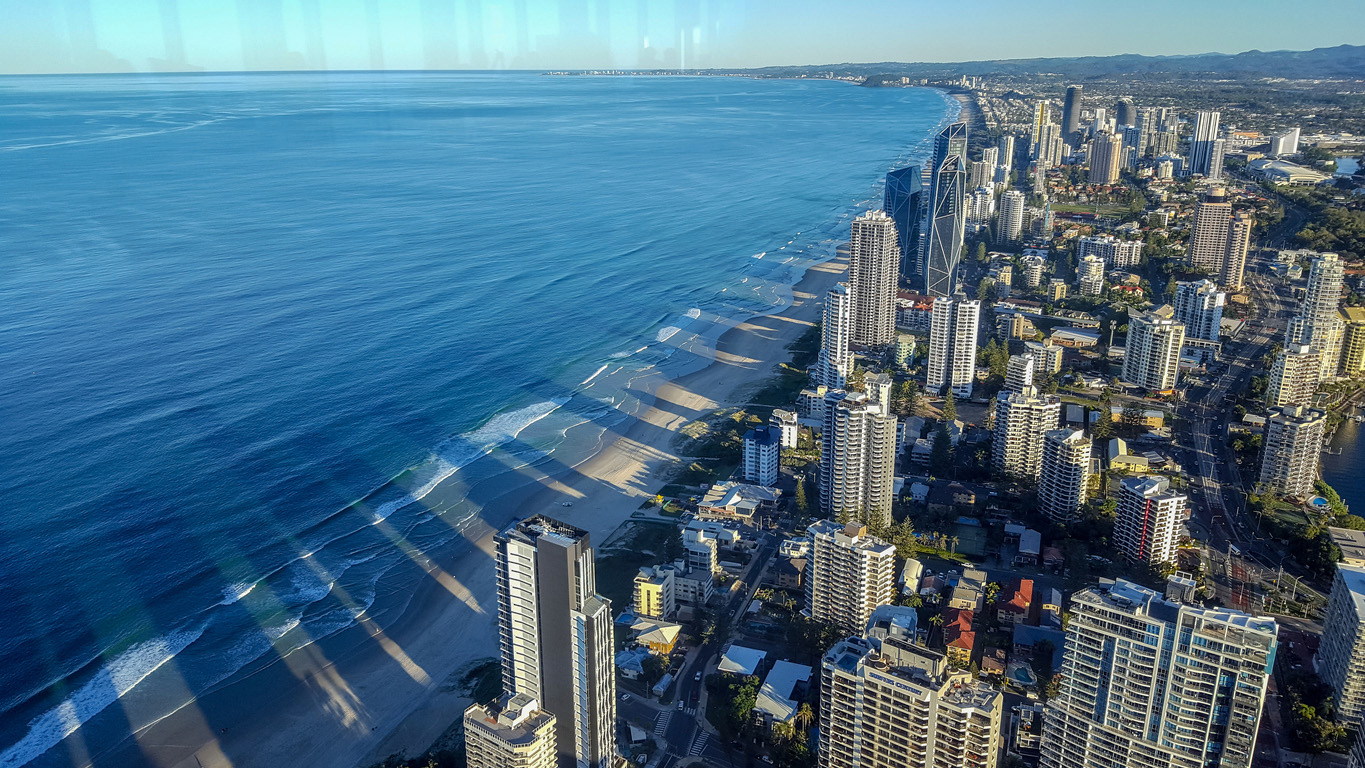
Also in Queensland, Gold Coast houses hit a new record high at $749,950 following a 4.2 per cent quarterly increase.
But unit prices on the Gold Coast weakened 1.2 per cent over the quarter to $479,400.
Dr Powell said interstate buyers are fuelling the market in the state.
"The number of Australians relocating to Queensland from other states is at its highest level since 2006, " she said.
"COVID-19 has been the driver of change, accelerating an exodus from the larger cities of Sydney and Melbourne, and shifting residents across state borders – Queensland has been the population winner.
"Changed lifestyle preferences post-lockdown and the option of remote working has driven demand to south-east Queensland as buyers are drawn by affordability, liveability, climate and greater value for money."
Adelaide property prices
Adelaide house prices have reached a new record high at $599,706, rising 3.7 per cent over the March quarter, the Domain report found.
This has resulted in the steepest annual gain since mid-2010, at 10.4 per cent.
The south of Adelaide was the only area to record double-digit annual house price growth, at 11.6 per cent.
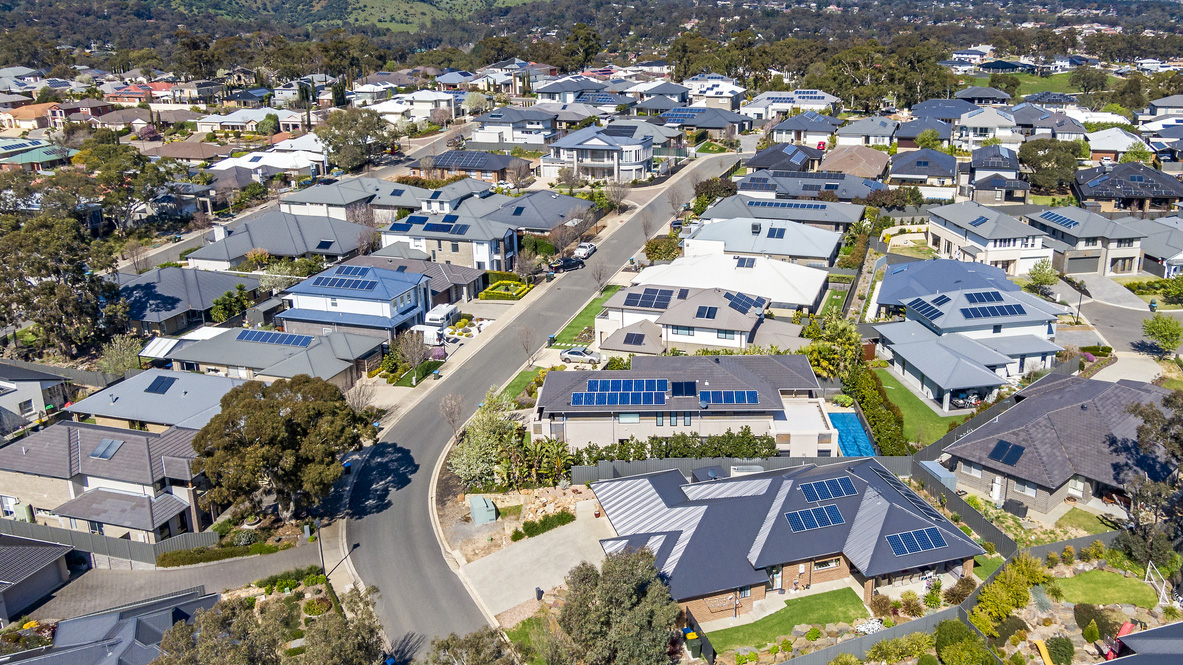
Adelaide is now the third most affordable city to purchase a house, behind Perth and Darwin.
"For the first time on record, it is now more affordable to purchase a house in Adelaide than Hobart," Dr Powell said.
Meanwhile, Adelaide unit prices increased a small 1.1 per cent over the quarter to $344,062, 6.9 per cent higher than the same time last year.
And the market in the city is busy, Dr Powell said.
"For houses and units, current sale transactions are at the highest level since 2007."
"The flow of new listings has not been able to keep pace with buyer demand, creating competition that the market has not experienced in some time."
READ MORE: The graph that explains Aussie's property FOMO crisis
Perth property prices
Perth house prices have reached their highest point in just over five years and unit prices the highest in almost three years, the Domain report found.
They are at $578,612 and $371,445 respectively.
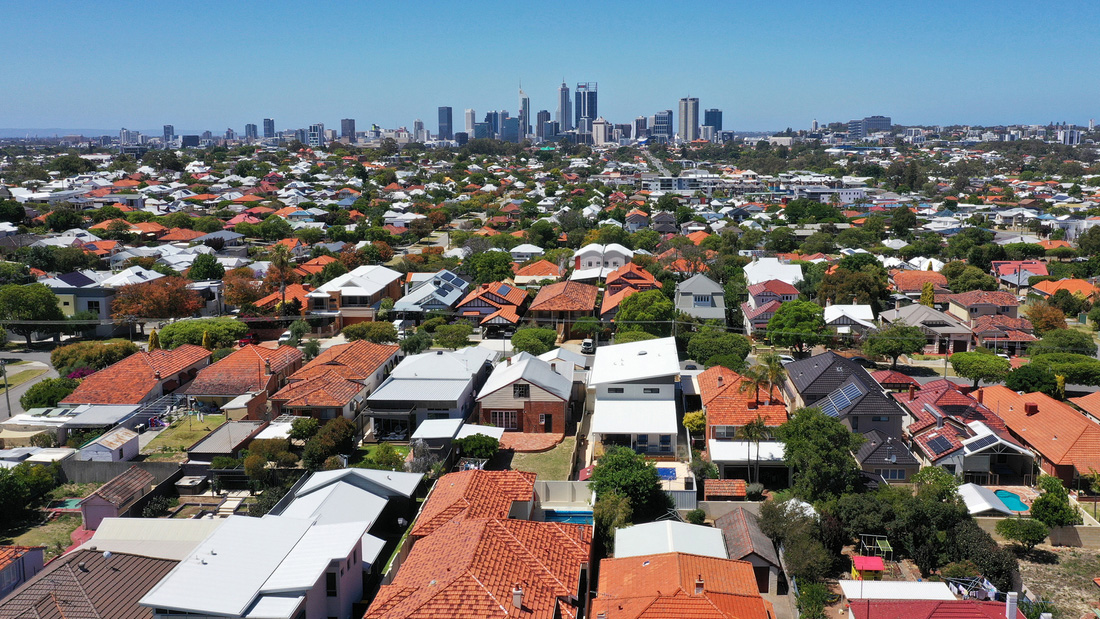
"It is clear Perth's housing market has moved into another price cycle, now roughly one year into a recovery following a five-year downturn," Dr Powell said.
House prices rose 2.4 per cent over the March quarter, the fourth consecutive quarter of growth.
Units notched a third consecutive quarter of growth, up 3.9 per cent.
"Setting Perth apart is the affordability factor, with homeowners aware prices are below peak but rising, creating pressure to purchase before they accelerate too far," Dr Powell said.
"Border closures will have also impacted Perth given the number of interstate workers; many would have chosen to relocate during the pandemic.
"Those from the eastern states would have found prices affordable in comparison, as would expats returning from overseas cities with far higher home prices.
"As a result, transactions in Perth are back to transaction volumes last seen back in 2014."
Hobart property prices
Hobart house prices are at a new record high, breaking $600,000 for the first time.
House prices soared 7.6 per cent over the March quarter to $601,567.
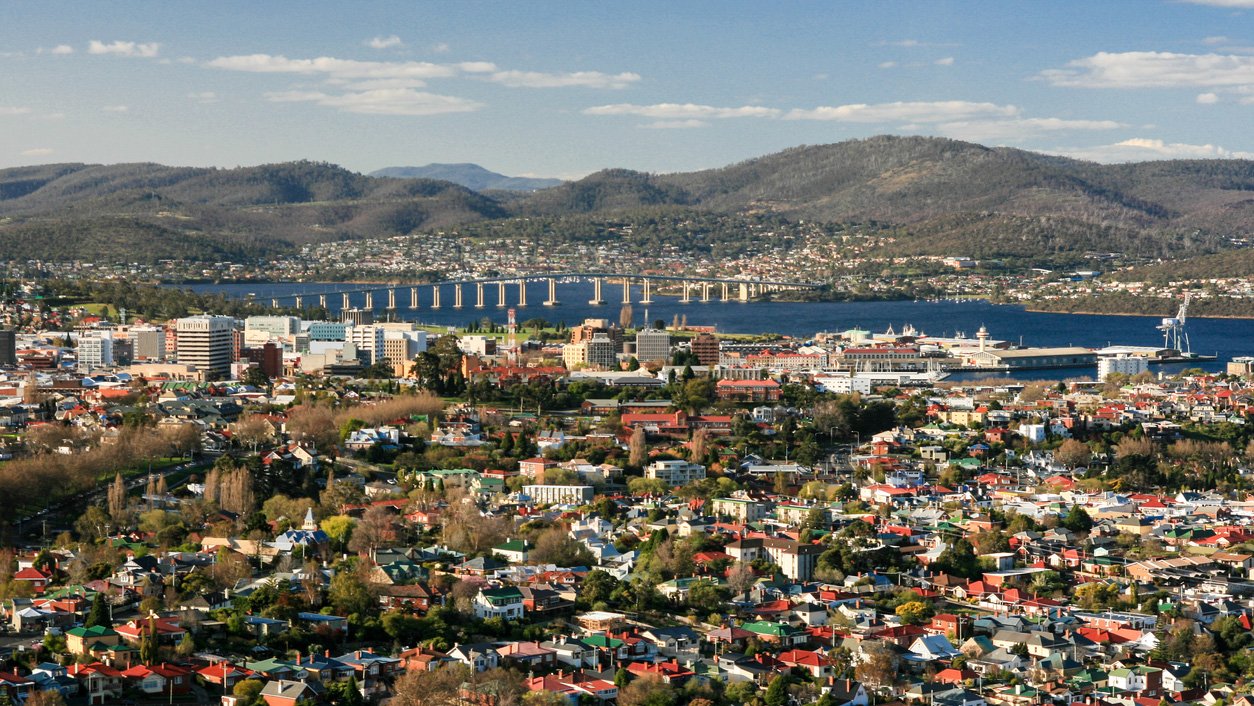
This is the steepest quarterly jump since 2017.
This has pushed annual gains 15.9 per cent higher, the biggest jump since 2018.
And it is growing, meaning the Tasmanian capital is losing its affordable tag.
READ MORE: 'Extreme offers' pricing first timers out of property market
"It appears that house price growth is accelerating," Dr Powell said.
"At the end of 2019, Hobart was the most affordable capital to purchase a house.
"Hobart house prices have now leapt past Adelaide this quarter, and remain more expensive than Darwin and Perth."
Inner Hobart units are the only region to fall annually but overall units have gained a huge amount over five years.
"Over the past five years house and unit prices have risen 73 per cent and 67 per cent respectively, surpassing all other capital cities," Dr Powell said.
"The local lifestyle and successful control of the pandemic, as well as the desire for lower density living will continue to place Hobart in the spotlight."
Canberra property prices
The start of 2021 has provided some record-breaking outcomes for Canberra, the report shows.
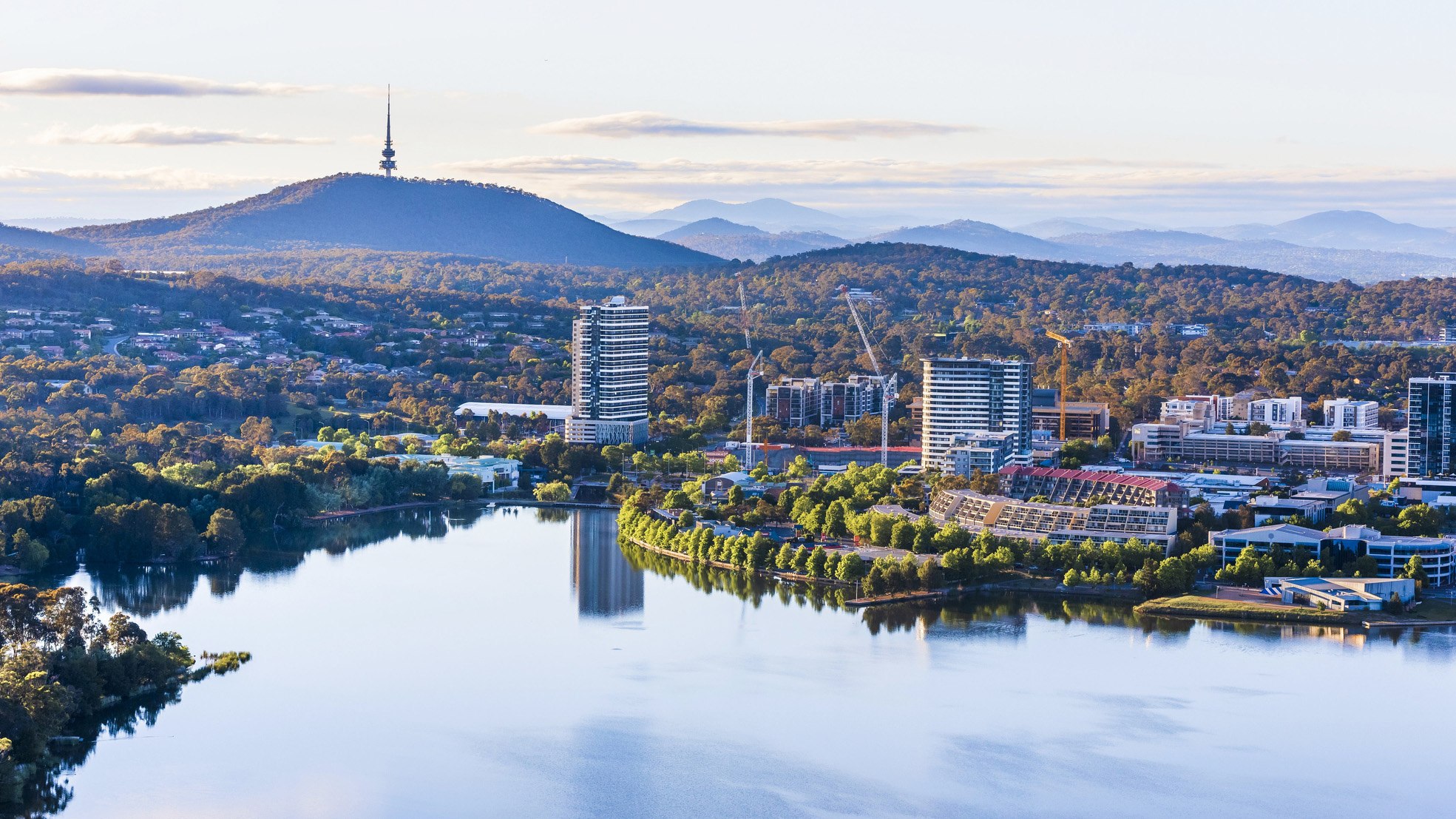
Over the March quarter house prices surged by 9.7 per cent to $927,577.
This is the fastest acceleration of house prices over a quarter since Domain records began in 1993, and the first time they have cracked the $900,000 mark.
This has pushed annual house price gains to 19.5 per cent, the steepest annual increase in 17 years.
READ MORE: Huge number of Aussie homeowners considering sale
"Canberra is a breakaway performer compared to the other capital cities, recording the strongest annual and quarterly house price growth," Dr Powell said.
"Another quarter at the same percentage growth rate would push house prices above $1 million.
Units declined five per cent over the March quarter, to $473,304, 2.8 per cent higher than the same time last year.
Darwin property prices
Following a multi-year downturn, prices began to improve in Darwin in the middle of last year.
For houses, this recovery continued and prices have hit the highest point since late 2017, Domain said.
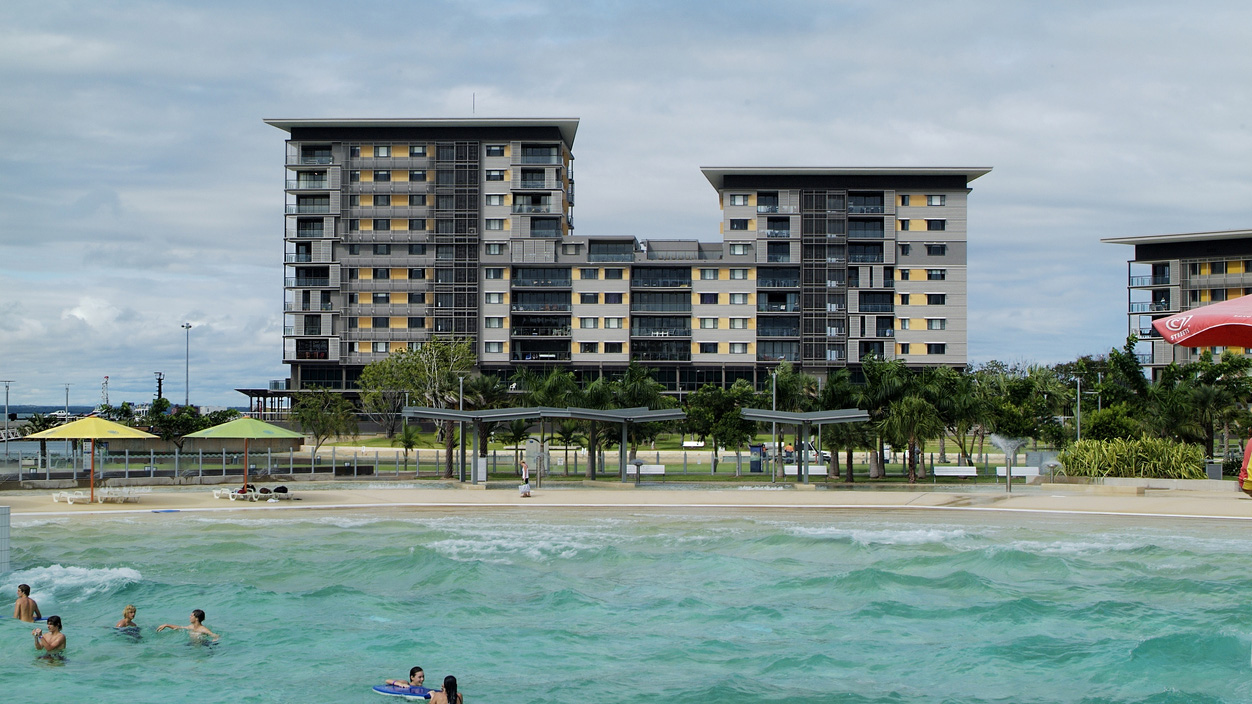
House prices jumped 9.1 per cent over the March quarter to $554,295, the steepest quarterly rise since 2009.
Unit prices declined a small 1.8 per cent over the quarter to $293,731.
Apartment prices are 20.2 per cent higher compared to last year, a rate of growth not seen since 2009, the Domain report found.
"Buyers will find prices have adjusted quickly over the past year, however houses remain $124,000 below the 2013 peak and units $193,000 lower than the 2016 high," Dr Powell said.
Parcel pinchers target Melbourne suburbs as workers return to offices
Melbourne suburbs have been hit by a parcel pinching crime wave as opportunistic thieves take advantage of workers returning to the office.
Residents are fed up and desperate for solutions.
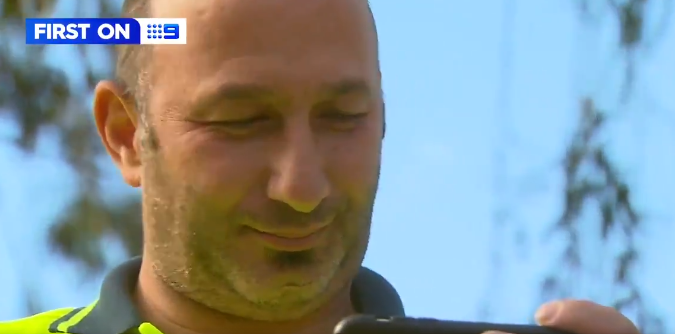
"It's very low … nothing's safe anymore," Chris Margiolakis from Clyde North told 9News.
READ MORE: Outrage erupts over Richard Pusey's 'lenient' 10-month prison sentence
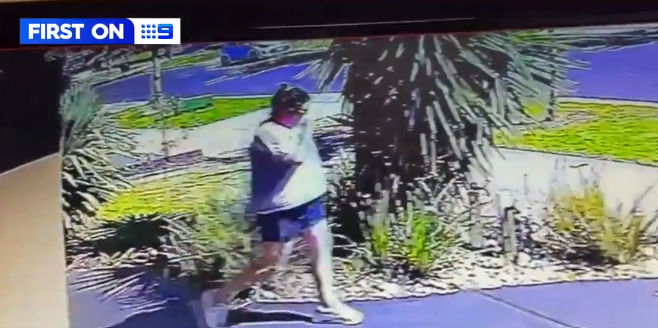
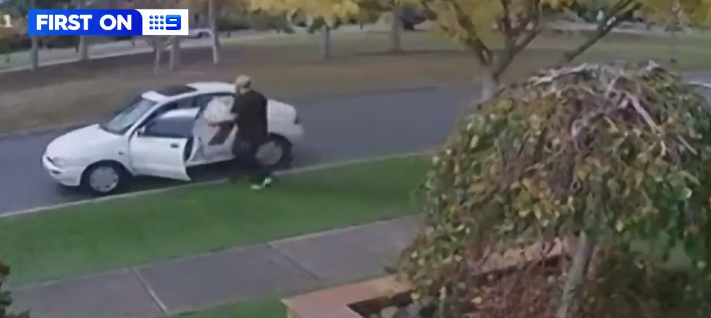
CCTV captured a delivery driver dropping a package to Mr Margiolakis' doorstep.
But video shows a woman pulling up to the house 30 seconds later, and taking the package for herself.
"It was an android TV box for a friend of mine for their birthday," Mr Margiolakis said.
"Unfortunately I had to ring them up and tell them 'sorry, you'll be receiving it a bit late'."
Mr Margiolakis' experience is not a unique one, with a Berwick resident also falling victim to parcel pinchers.
"It was an underfloor fan – useless to the thief but it cost me $1000," they said.
Parcel volume in Victoria is up 150 per cent on last year compared to an average of 90 per cent around the rest of the country.
READ MORE: Off-duty Victoria police officers suspended following CBD chase
Theft is also up, particularly in Melbourne's south-east.
Earlier this month six homes were targeted in Officer and Pakenham.
The best way residents can protect themselves is to register to have parcels delivered to a free Australia Post Parcel Locker nearby.
A PIN will be sent, and once the package arrives it can be picked up at any time.
Doddle Australia is a business that connects brands to ensure a safe delivery between customer and retailer by working with delivery companies.
"We're also helping them now with increasing the retail network of pick-up points, so you can buy online at – for example – Booktopia – and pick up at an IGA supermarket," Doddle Asia Pacific CEO Justin Dery said.
READ MORE: International mystery solved as seven-metre drone washes up in Victoria
If a parcel is stolen it should be reported to police.
The report and any available CCTV can then be provided to Australia Post who may provide reimbursement.
That was was the case for Mr Margiolakis, because it was clear the delivery driver left the package in an obvious spot.
The thief has still not been caught.
"Get a job, earn your money like we all do – and if you want to buy something – you buy it," Mr Margiolakis said.
Man, 55, dies after receiving COVID-19 vaccine, no link established
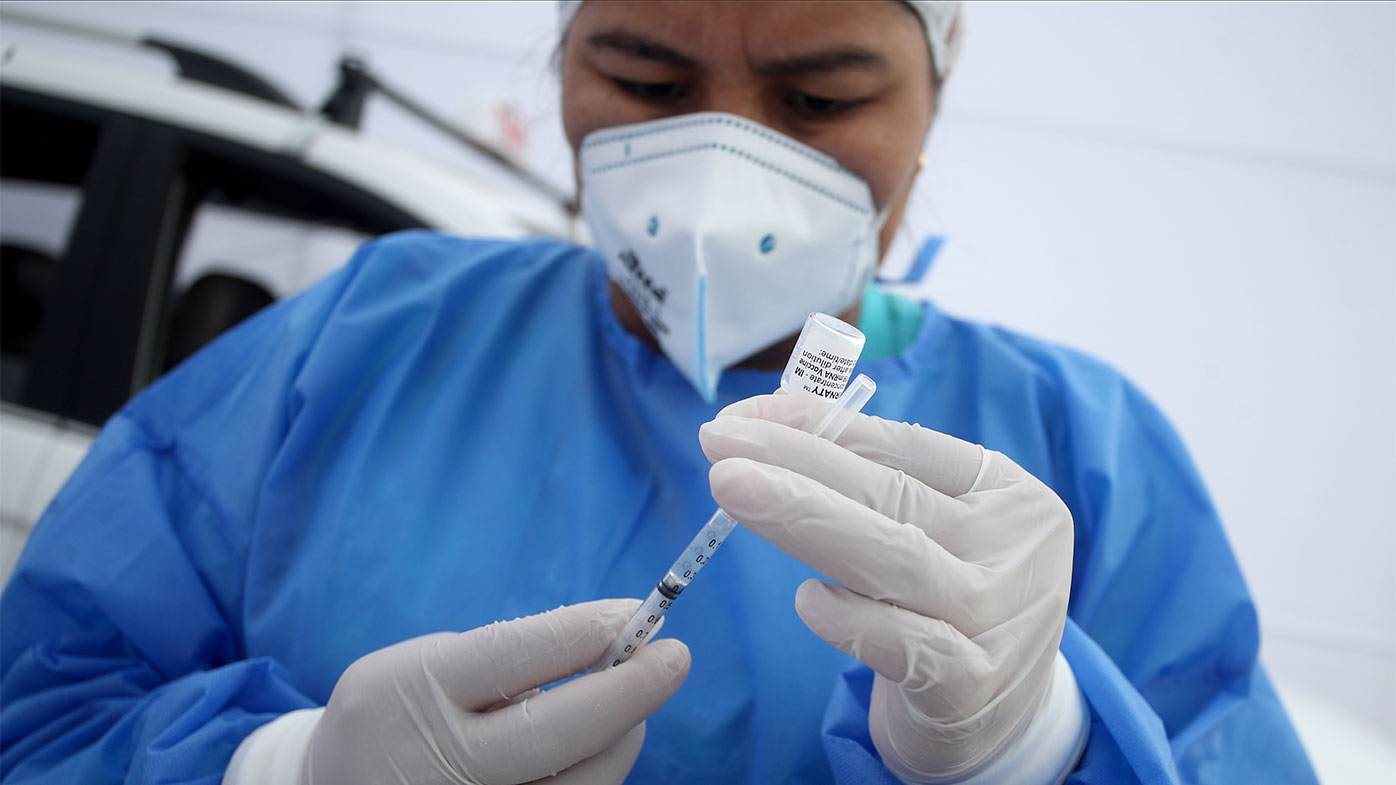
Health authorities will review the death of a Tamworth man who had been recently vaccinated for COVID-19 but say no link has been established to the jab.
The 55-year-old died in a Tamworth hospital last week, eight days after receiving a vaccine, the Northern Daily Leader reported.
His next-of-kin told the publication the man had no underlying health conditions, was "fit and healthy" and, according to hospital staff, had suffered a blood clot in his lungs.
READ MORE: Pill to treat COVID-19 could be available by year's end: Pfizer CEO
Australia's medicines regulator said it was "aware of this case" but did not comment publicly on an individual "adverse event following immunisation" reports, the name given to any untoward medical event that takes place after a vaccination has been given, regardless of a proven causal link.
"The reporting of an adverse event to TGA post vaccination does not mean the event was caused by the vaccination," the Therapeutic Goods Administration said, in a statement.
"All reports to the TGA of death following vaccination are reviewed to assess the likelihood that the vaccine contributed to the event or medical condition that lead (sic) to a fatal outcome."
As is standard practice, that review will be undertaken by clinical staff and include medical history, risk factors, medications and clinical notes.
In some cases, that could include speaking with the state health department and doctors or seeking expert advice from the Vaccine Safety Investigation Group (VSIG) or Advisory Committee on Vaccines.
NSW Health also declined to discuss individual cases.
"NSW Health is notified when a serious or unexpected adverse event occurs," the department said.
"NSW Health investigates these events and refers its expert panel findings to the TGA, which is responsible for assessing causality.
"Many conditions can arise during normal life, whether or not a vaccine is administered, but it remains important to report any new serious or unexpected events so that safety can be appropriately monitored."
The Tamworth man's family member told the Northern Daily Leader they didn't know which vaccine the man had received.
The TGA earlier this month recommended the Pfizer vaccine be given to those under 50 because of concerns about extremely rare blood clots possibly linked to the AstraZeneca vaccine.
As of April 22, the VSIG had reviewed six such cases, referred to as "thrombosis with thrombocytopenia syndrome" because of the combination of clots and low platelets, and found they were "likely" linked to vaccination.
That put the rate of cases at about six per million doses administered.
The TGA issued a similar statement in response to reports a 71-year old had died in Sydney days after receiving an Astra-Zeneca COVID-19.
Outrage erupts over Richard Pusey's 'lenient' sentence
The grieving husband of a Victorian police officer filmed by Richard Pusey as she lay dying on the Eastern Freeway has blasted his 10-month sentence as "too lenient".
The 42-year-old Porsche driver was sentenced to 10 months jail today after being convicted of outraging public decency – an Australian first – for "callously" filming and taunting four officers who had been hit by a truck on April 22 last year.
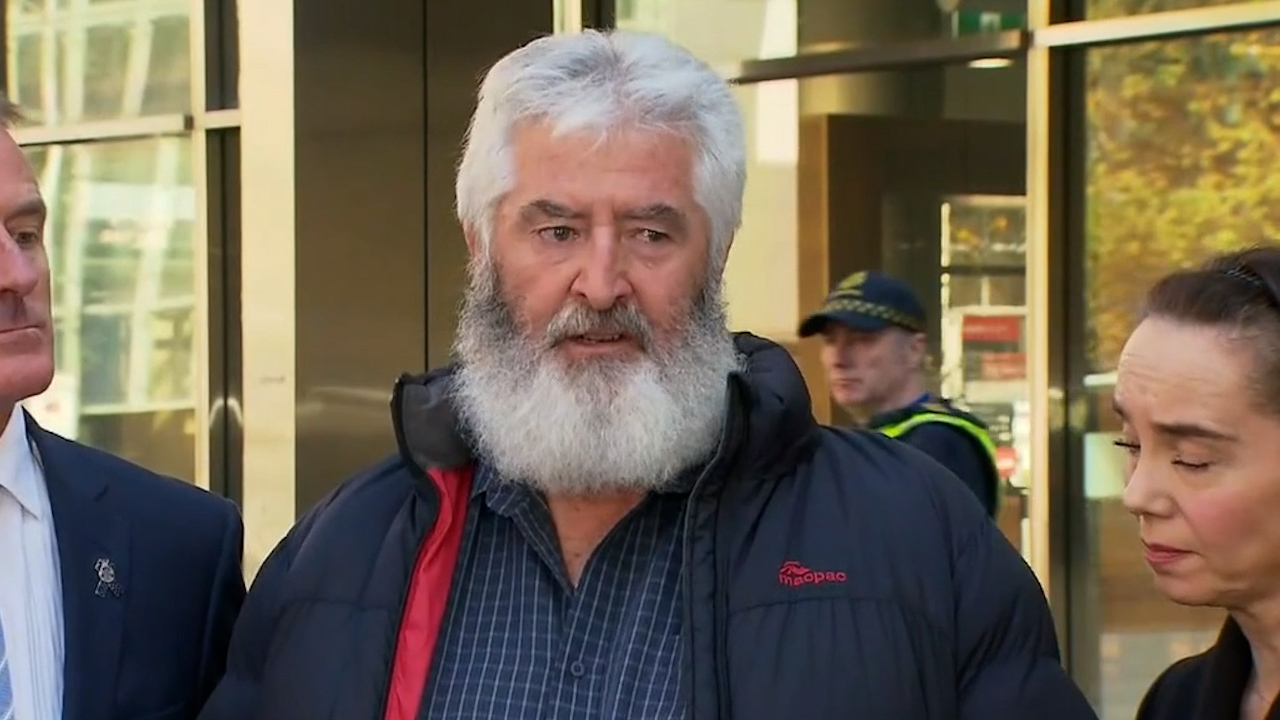
The husband of Leading Senior Constable Lynette Taylor, Stuart Schulze, said the sentence was "totally inappropriate" given the "outrageous" nature of Pusey's offending in a tearful speech outside Victoria's County Court.
LIVE UPDATES: Shots fired as US and Iranian navy ships clash
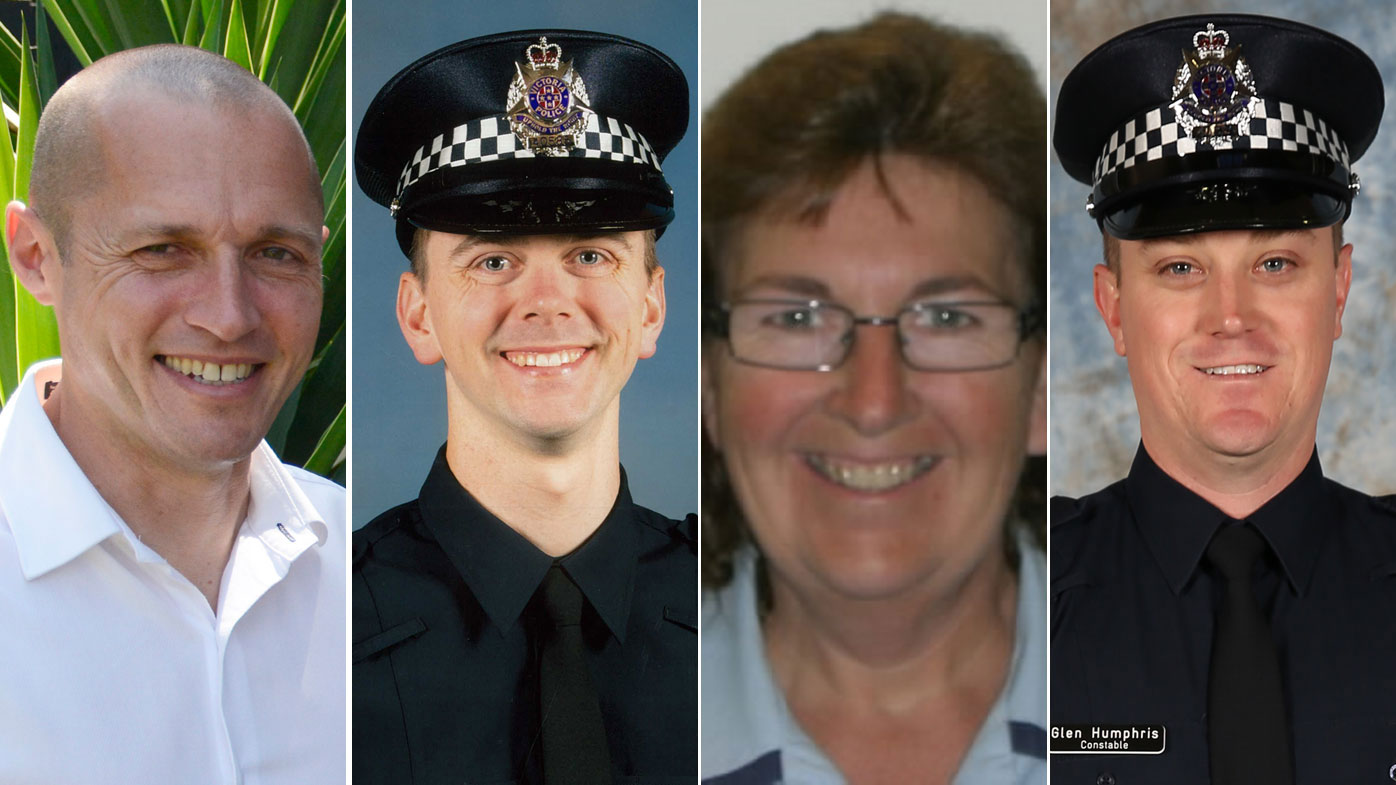
"It is difficult to comprehend that the court did not seem to understand that when the evidence of outrageous behaviour is put before it, it is its duty to set the appropriate standard," Mr Schulze said.
"This is the expectation of the community. If the court sets this level of punishment in a case that is too lenient, parts of our community now understand they now have a benchmark for accepted behaviour."
Senior Constable Kevin King, constables Glen Humphris and Josh Prestney were killed alongside Leading Senior Constable Lynette Taylor in the freeway tragedy.
The families of the fallen police officers watched on in anguish as Pusey was handed his sentence via videolink, the day marking an end to an agonising year of court proceedings.
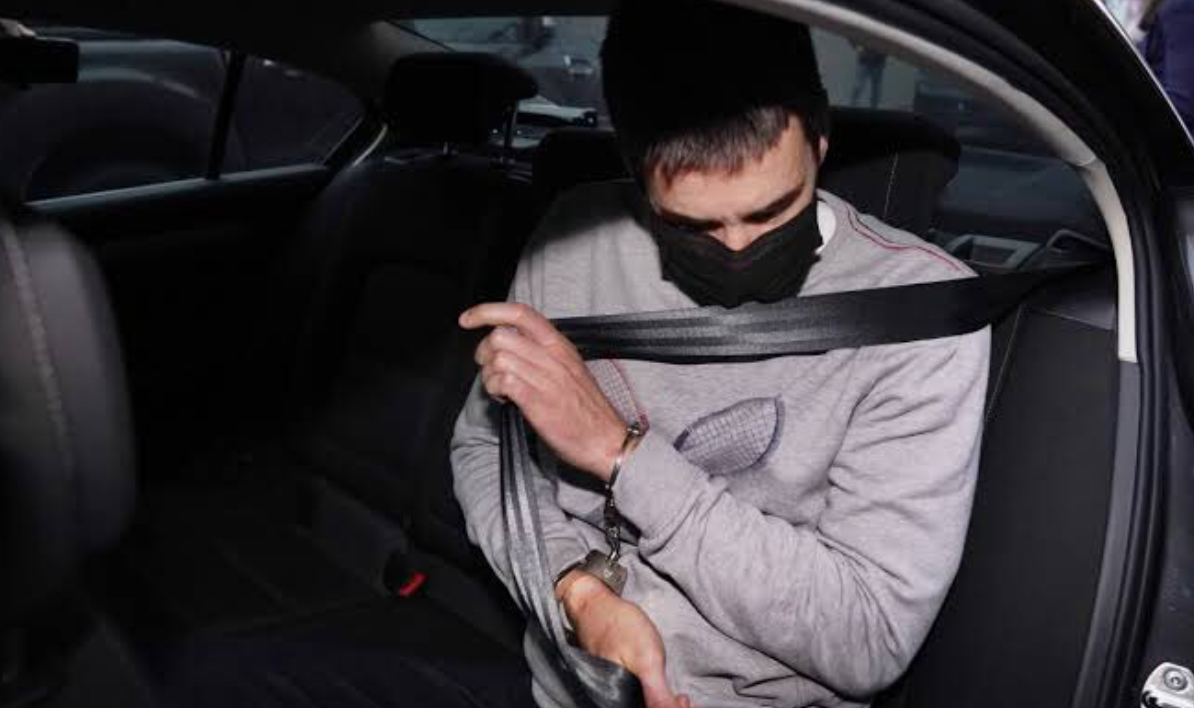
Pusey will serve just a few additional days in prison, with Judge Trevor Wraight noting the 296 days he has already been in jail for would count as time served.
However, he will not walk free just yet as he still remains in custody over other pending criminal matters.
The mortgage broker had been pulled over for speeding when truck driver Mohinder Singh swerved into the emergency lane of the freeway, killing the four officers.
Pusey had previously pleaded guilty to a number of charges, including admitting to outraging public decency, reckless conduct endangering persons and drug possession at the scene of the single largest loss of life in the history of Victoria Police.
He also pleaded guilty to exceeding the speed limit when travelling 149km/h down the 100km/h freeway near Kew, while dangerously weaving through cars.
He admitted to reckless conduct endangering serious injury to other motorists by driving at high speeds, as well as possessing drugs, including MDMA and ketamine.
Disgusting act when heroes most vulnerable
The outraging public decency charge relates to Pusey filming a minute-long video of the dying police officers, including Senior Constable Taylor who laid on the road "moaning" in pain.
The court heard he failed to render assistance to the officers – instead zooming in on their fatal injuries while making disturbing commentary.
When first responders asked him to help the dying officers, including to hold a blanket, Pusey continued to film.
His case is the first time the outraging public decency offence has been formally charged in Australia.
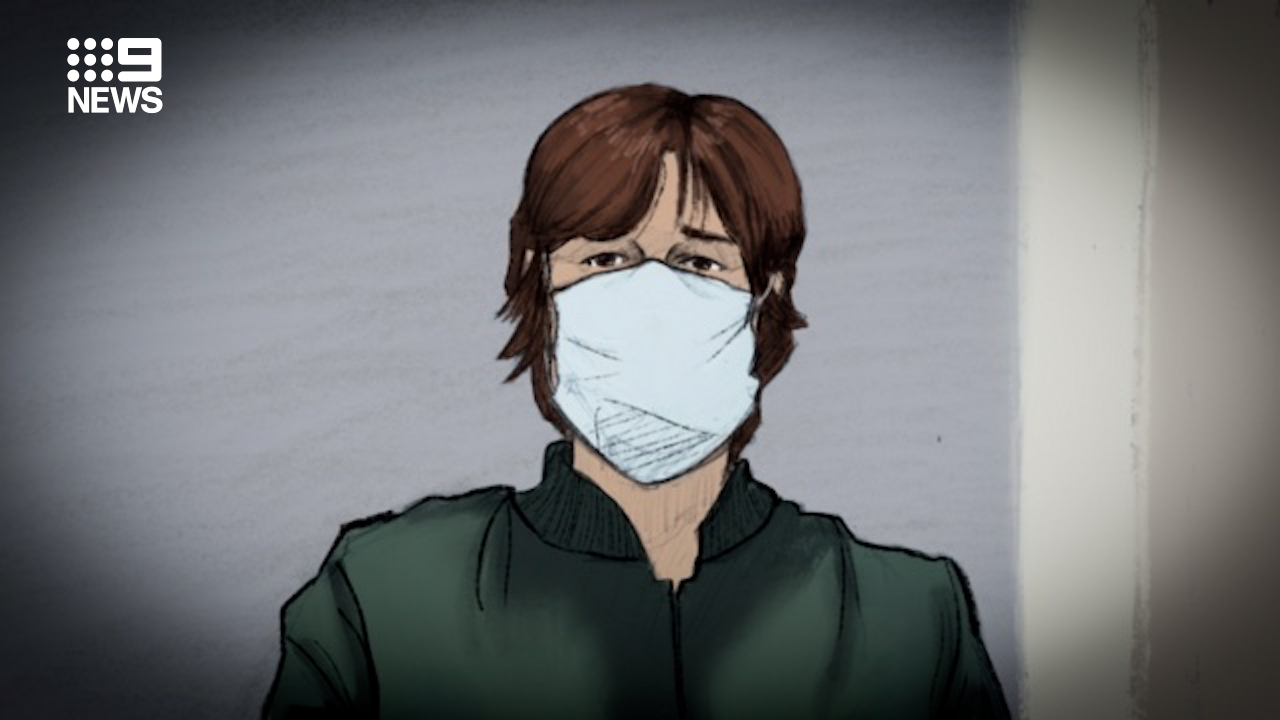
Judge Wraight described Pusey's conduct as "heartless, cruel and disgraceful" in the sentencing hearing today, noting his case represented a "serious example" of outraging public decency.
"(It) was not only derogatory and horrible, but it was also callous and reprehensible conduct," he said.
"A normal human reaction for a person coming upon a scene like this would be to telephone triple-zero.
"What you did, however, was film the scene with a running commentary."
The judge added Pusey seemed to "take pleasure" out of the destruction of the police officers.
"It can also be described as extremely insensitive and heartless," he said.
https://twitter.com/LanaMurphy/status/1387205338101780481?ref_src=twsrc%5Etfw
"Your focus was entirely on yourself."
However, the judge found there was evidence of Pusey having "genuine remorse" over his conduct following the accident.
Pusey later described his own actions as "derogatory" and "horrible".
Witnesses had observed Pusey to be in "some form of shock" and visibly distressed in the aftermath of the crash, Judge Wraight said.
He added Pusey did not upload any footage of the accident to social media.
READ MORE: Grieving families of Eastern Freeway crash speak ahead of anniversary
The father of Constable Josh Prestney said the family "acknowledged" the apology given by Pusey for his actions, but he did not say whether they accepted it.
"I don't think that's going to change that person," Andrew Prestney said outside court.
He added the family was just "relieved" the court process had concluded.
Police decry cowardly act
Police Association Victoria Chief Wayne Gatt described Pusey as a "worthless individual" after his sentencing.
"When his day comes, I hope that he faces the same coldness and the same callousness with which he provided my members when they faced theirs," he said.
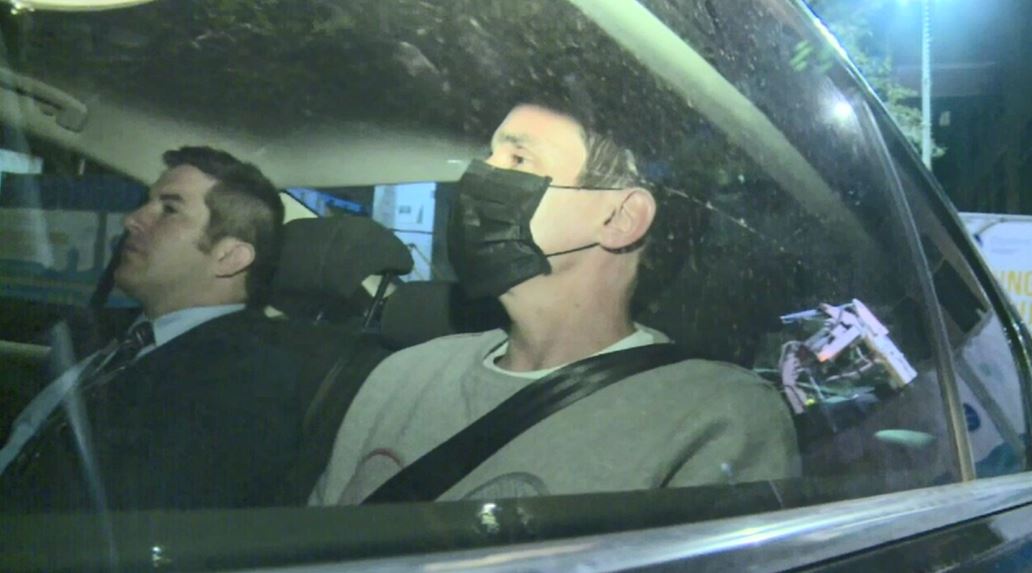
"Four upstanding heroes died on that day, and that one coward, one soulless coward lived.
"The judge made some remarks from Mr Pusey himself where he reflected on his own self-worth. It's perhaps the only thing I'll ever agree with Mr Pusey on."
'Most hated man in Australia'
The court heard yesterday a Corrections Victoria report found Pusey was too high-profile and "unpopular" to serve his sentence in the community.
Judge Wraight said he was "astounded" by the attitude of Corrections, calling the findings which deemed Pusey unsuitable for a community order as "quite disturbing".
It follows remarks by Judge Wraight in a hearing last month that Pusey appeared to have become "the most hated man in Australia".
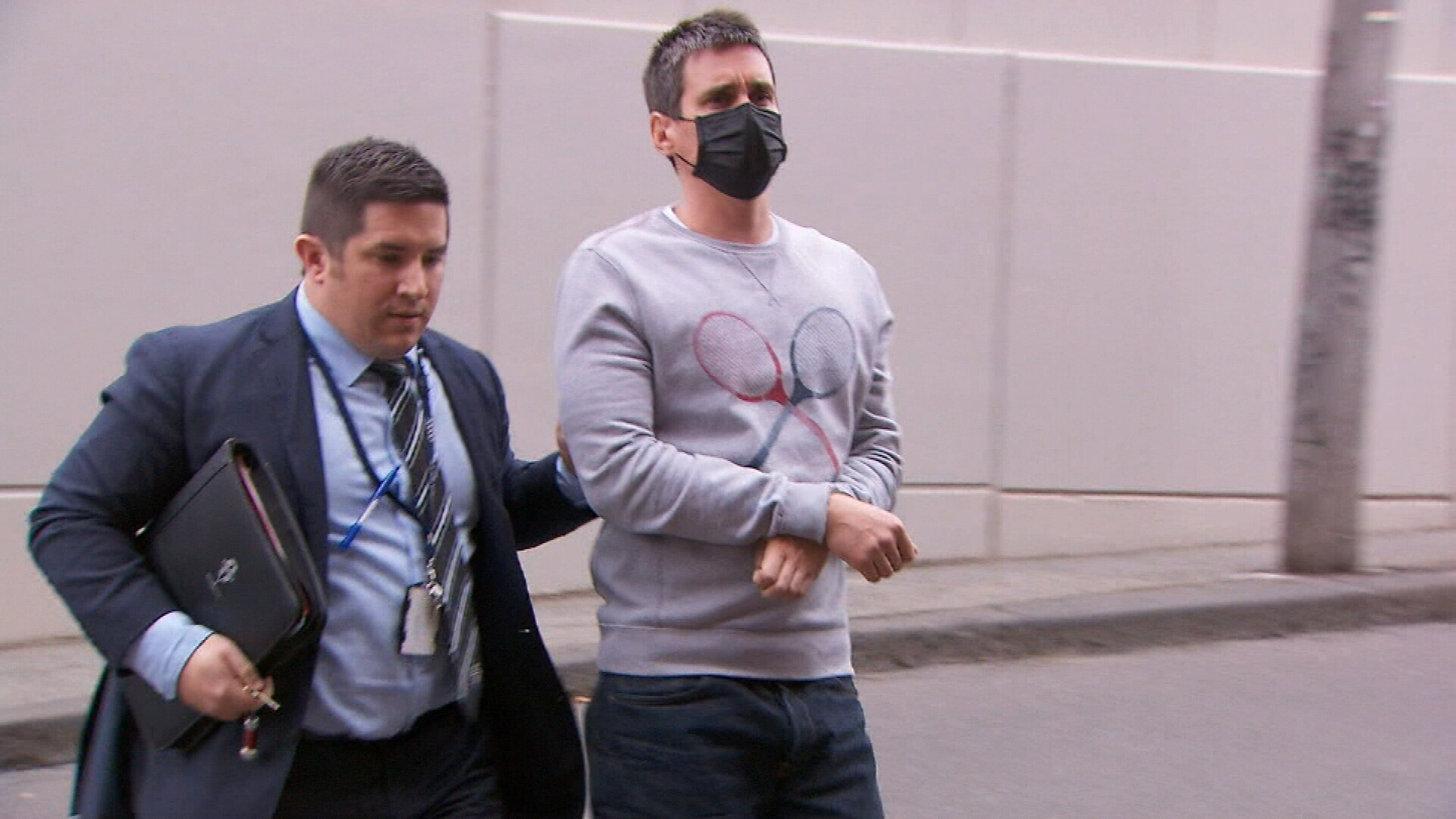
Following the crash, Pusey's home was vandalised and egged. He has also been victim to a number of threats, which has affected his mental health.
The court today heard Pusey requires ongoing psychological and psychiatric treatment due to his personality disorder.
His driver's licence has been suspended for two years and he will be required to pay a $1000 fine for his reckless driving.
Singh, 48, was sentenced to 22 years in jail over the crash that claimed the lives of the police officers earlier this month.