A man has died after being injured at a Tauranga address this weekend.The man was taken from the Surrey Grove address to hospital shortly after 12.20am on Saturday.”Tragically, the man passed away in Tauranga Hospital last night,”…
Tag Archives: oceania
Misdiagnosed Auckland woman with melanoma has turn for worse, needs hugely expensive new treatment
After misdiagnosis, an impromptu wedding and multiple treatments, a young Auckland woman has been told a hugely expensive medication is her last chance to beat cancer.Gemma Malins, 28, went to the doctor two years ago and was told…
Te Atatū pursuit: Motorist injured after being hit by car fleeing police
A member of the public has been taken to hospital after their car was hit by a driver fleeing police in West Auckland this afternoon.The collision happened near the Te Atatū offramp at about 4pm after the fleeing car was reportedly…
Europe reopens even as virus patients overwhelm ICU teams
Cradling the head of the deeply sedated COVID-19 patient like a precious jewel in his hands, Dr Alexy Tran Dinh steered his intensive-care nurses through the delicate process of rolling the woman off her stomach and onto her back, guiding the team like a dance instructor.
They moved only on Tran Dinh’s count, in unison and with extreme care, because the unconscious patient could die within minutes should they inadvertently rip the breathing tube from her mouth.
READ MORE: Warning as COVID-19 detected in three sewage plants across NSW
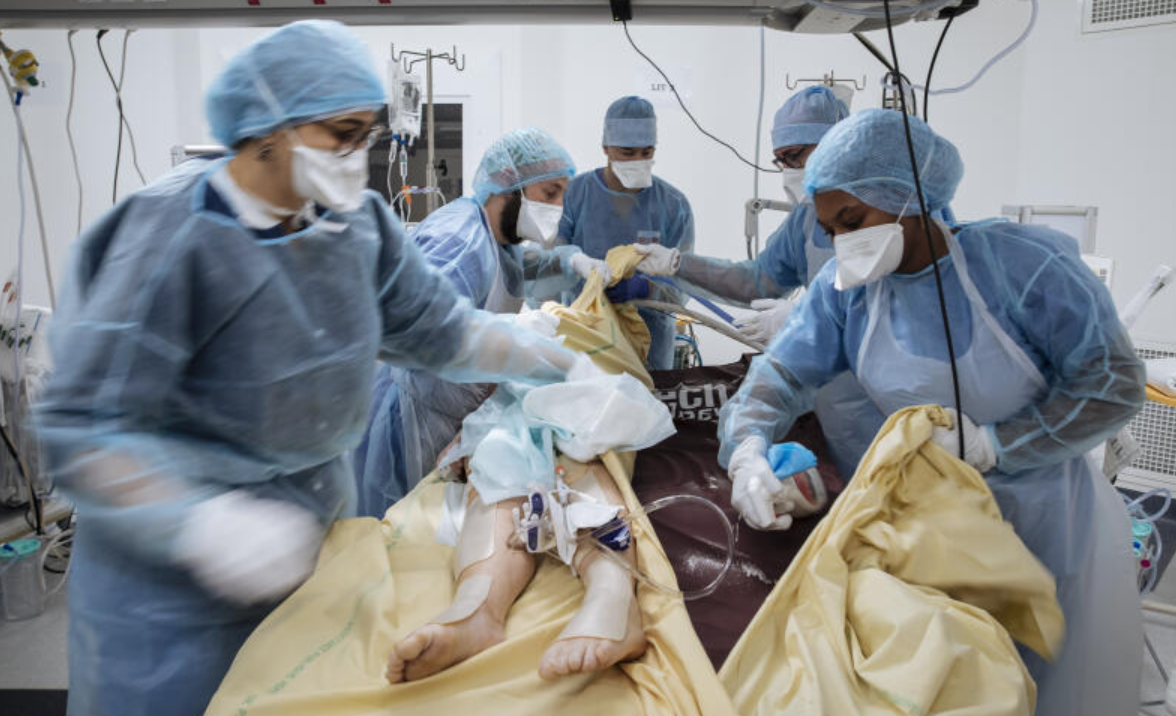
“One, two and three — onto the side," the doctor instructed.
His next order quickly followed: “Onto the back."
“Perfect,” he concluded when the move was done.
Pulling in three nurses and a burly care worker from another section of the Paris hospital, the series of coordinated movements was just one of thousands of medical interventions — big and small, human, mechanical and pharmaceutical — that were maintaining the 64-year-old retired waitress on the threshold of life, while she fought to heal her diseased lungs.
And she was just one of nearly 6,000 critically ill patients still in French intensive care units this week as the country embarked on the perilous process of gingerly easing out of its latest lockdown — too prematurely for some frontline workers in hospitals.
French President Emmanuel Macron's decision to reopen primary schools on Monday and allow people to move about more freely again in May – even though ICU numbers have remained stubbornly higher than at any point since the pandemic's catastrophic first surge – marks a shift away from prioritising hospitals that is taking place in multiple European capitals.
READ MORE: India sets new global COVID-19 record
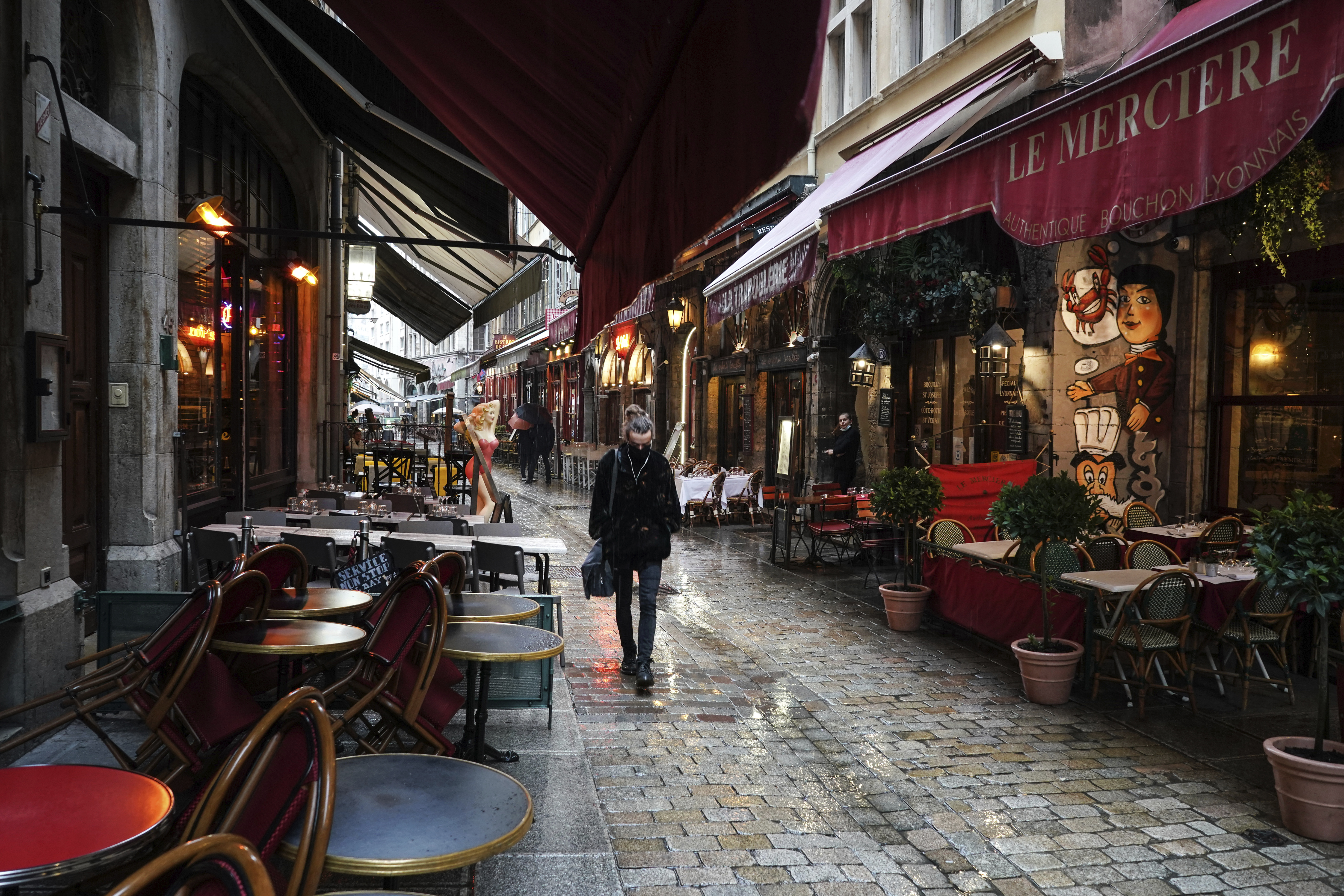
In France, Greece and elsewhere, the cursor is moving toward other economic, social and educational imperatives.
Governments are using ramped-up vaccinations to bolster arguments to ease restrictions, although just one-quarter of adults in Europe have received a first dose.
With record-high numbers of COVID-19 patients in critical care, Greece announced the reopening of its tourism industry from mid-May.
Spain's prime minister says the state of emergency that allowed for curfews and travel bans won't be extended when it expires May 9, in part because vaccinations are allowing for a safe de-escalation of restrictions.
This despite more than 2,200 critically ill COVID-19 patients still occupying one-fifth of Spain's ICU beds.
Beginning on Monday, in low-risk zones, Italy’s schools can reopen for full-time, in-person learning, and restaurants and bars can offer sit-down, outdoor service.
READ MORE: France becomes third European country to hit 100,000 virus deaths
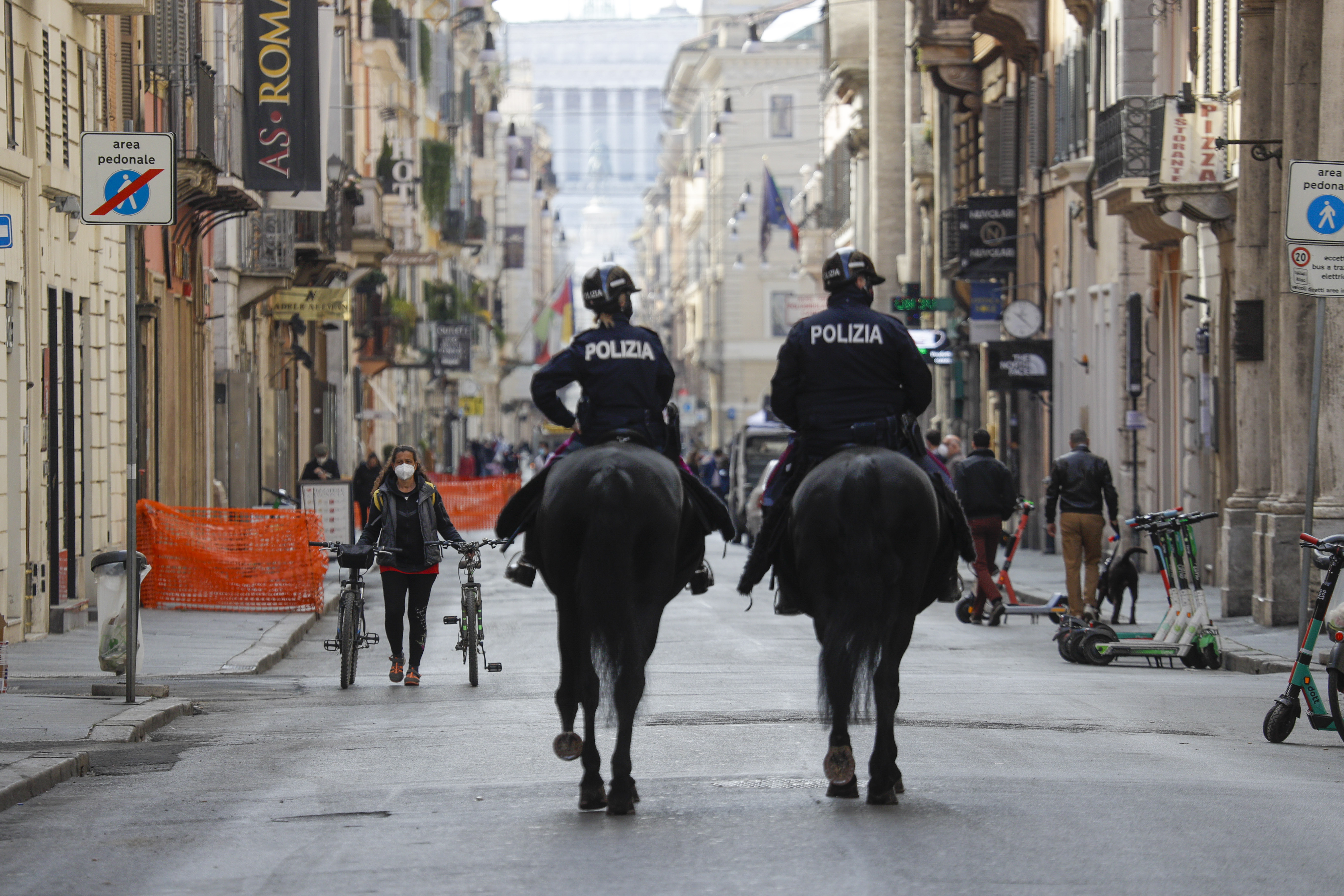
The Netherlands is ending a night curfew and reopening the outdoor terraces of bars and cafes for the first time since mid-October, even as hospitals scale back non-urgent care to increase ICU beds for COVID-19 patients.
In France, Prime Minister Jean Castex said the latest infection surge that pushed the country's COVID-19-related death toll beyond 100,000 people has begun a slow retreat, allowing for all schools to reopen and day-time travel restrictions to end starting May 3.
Castex also raised the prospect that stores and outdoor service at restaurants and cafes closed since October could reopen in mid-May.
“The peak of the third wave appears to be behind us, and the epidemic’s pressure is lifting,” Castex said on Thursday.
That's not how it feels to Nadia Boudra, a critical care nurse at Bichat Hospital in Paris.
Her 12-hour shift on Thursday started with the unpleasant job of sealing the corpse of a 69-year-old man who died overnight with COVID-19 in a body bag, just hours before his daughter flew in from Canada hoping to see him alive.
“We have our noses in it. We see what’s happening, we see that people are dying – a lot," she said.
For her, reopened schools and, possibly, outdoor eating and drinking in May are “too soon" – a misleading message that “things are getting better".
“Clearly, that is not the case".
After sending the man's body to the hospital morgue, Ms Boudra tended to the critically sick retired waitress, now the solitary occupant of the makeshift ICU set up for COVID-19 patients in what had been an operating room.
The tender care, expertise and technology poured into keeping this one woman alive offered a micro-level look at the momentous national efforts – human, medical, financial – that France and other countries are still expending in ICUs as healthy people now plan May getaways and drinks with friends.
As the woman lay unconscious, 5,980 other gravely ill patients were also being kept alive with round-the-clock human and mechanical devotion in other critical care units across France.
Automated drips supplied sedatives, painkillers and drugs to prevent deadly blood clots and leaks from the woman's veins.
Enriched oxygen, first bubbled through water to warm and humidify it, pumped mechanically into her lungs.
The ICU team also took a call from the woman's daughter, who telephones morning and night for news.
It was bad on Thursday morning: Tran Dinh told the daughter her mother's breathing had deteriorated.
“If you took away the machines, she would die in a few minutes, perhaps less,” the doctor said.
“There is no room for error.”
Yet this patient wasn't even the most fragile.
READ MORE: European Union announces massive focus on Pfizer
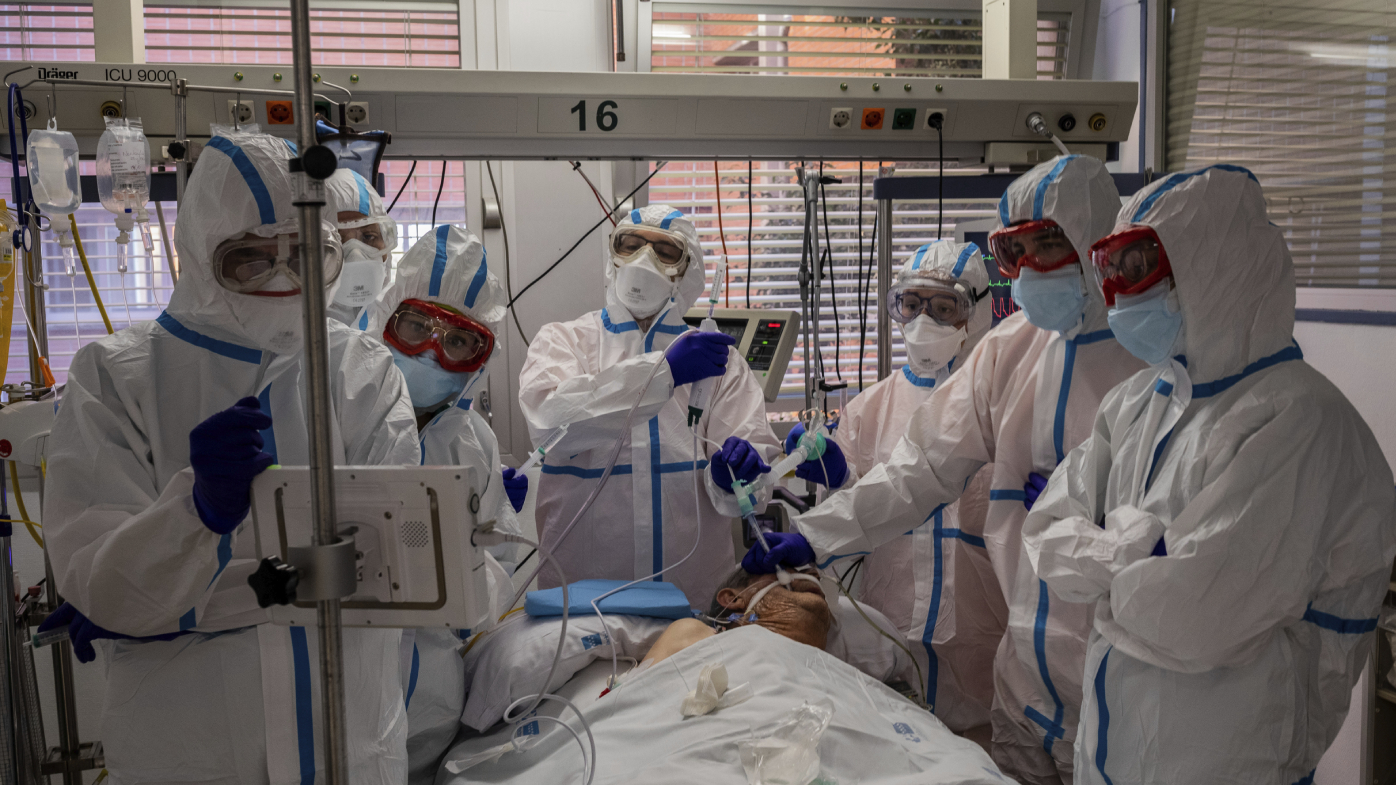
An artificial lung, a last resort for patients with lungs ravaged by the disease, was keeping a 53-year-old man alive.
Costly and resource-intensive, the state-of-the-art treatment is reserved for patients thought strong enough to have a chance of surviving.
About 50 per cent still die, said Dr Philippe Montravers, who heads the surgical ICU department at Bichat, run by Paris' hospital authority, AP-HP.
His unit has four of the ECMO machines — all of them used for COVID-19 patients.
The man has been hooked up to his for over a month but "is not improving at all,” Dr Montravers said.
“This machine only buys time,” he said.
“It’s a life buoy, nothing more.”
Nurse Lea Jourdan said tending to someone so fragile is physically and mentally wearing.
“You have to be careful about everything, all the tubes, not ripping anything out when you turn him over,” she said.
”It's tough to see the positive and say to oneself, ‘He will survive'."
Herald afternoon quiz: April 25
Test your brains with the Herald’s afternoon quiz. Be sure to check back on nzherald.co.nz for the morning quiz tomorrow. To challenge yourself with more quizzes, CLICK HERE.
'Nine out of 10 pain': The family photo hiding a crippling condition
Leigh Byford was in transit in Singapore when his back went out. He would spend more than 14 hours in excruciating agony, downing scores of pain killers to no effect.
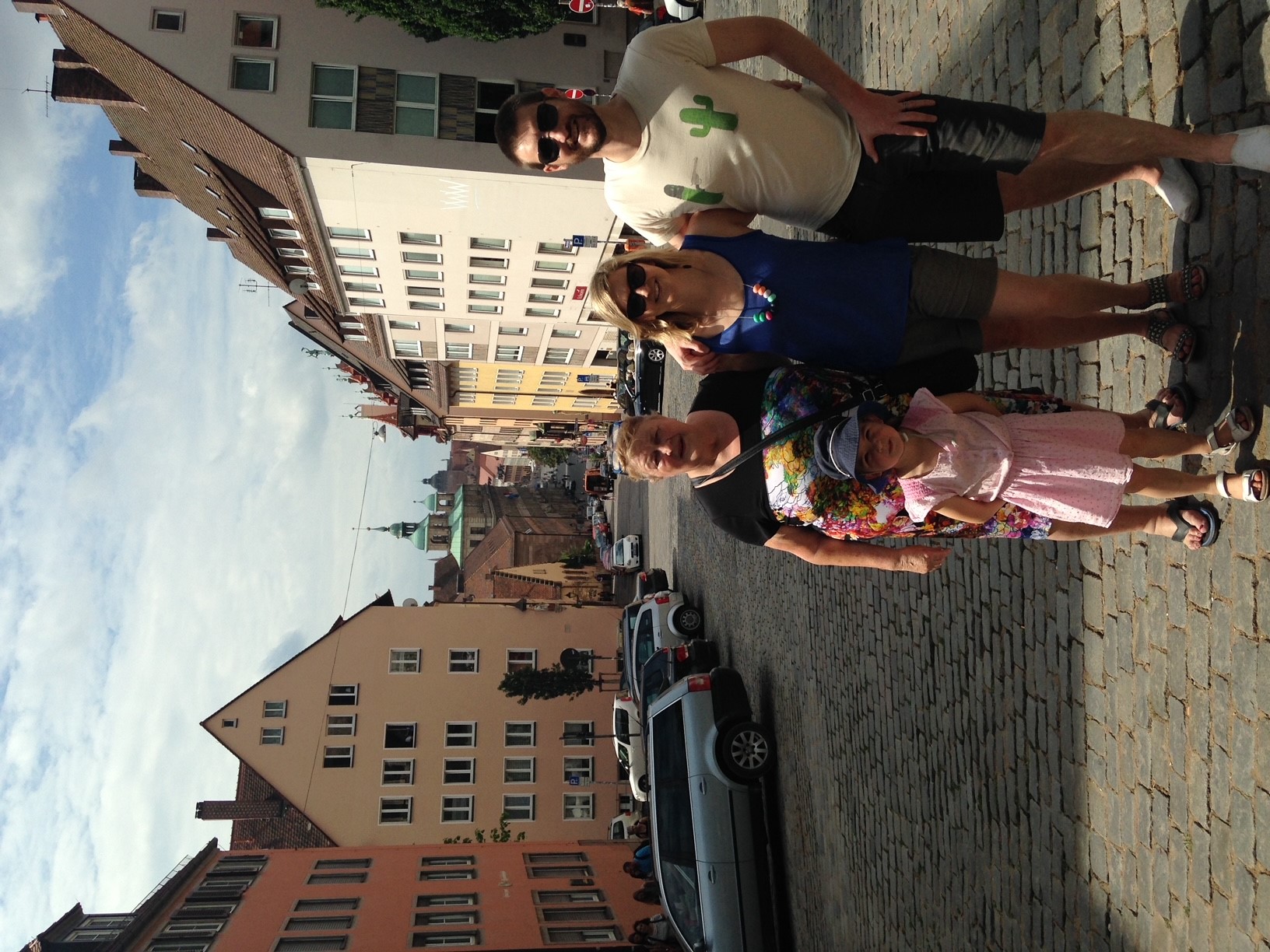
It was 2011 when Mr Byford, his wife and their two young children, boarded a flight from South Australia bound for Germany.
They were on a family holiday for a friend's wedding, with plans to visit their old haunts in London. Yet, just hours into their trip, the then 34-year-old's back seized up – it was the chronic pain he had been forced to live with since he was in his early 20s.
"I got a locum doctor (in Singapore) to get me some pain killers and then I tried to 'get through' to Heathrow," Mr Byford, a nurse, told 9News.
"So, I spent the entire flight in nine out of 10 pain. I wasn't screaming, but I was close."
He recalled sitting in the footwell of his economy seat, gobbling a cocktail of pills and alcohol in search of relief. None came.
'It was lucky I didn't die… I think I took about 18 tramadol, about 10 panadeine forte, whisky, anything'
"I sat with my knees on the ground with my head just on a pillow or something and I took, just to get through the flight," he said, pausing to think.
"It was lucky I didn't die… I think it's a 10 or 12-hour flight… I think I took about 18 tramadol, about 10 Panadeine Forte, whisky, anything," he said.
"I was just in intractable pain."
When the family arrived in Germany, Mr Byford said he was bedridden for the first two weeks of their trip. His pain was so severe he would miss the wedding.
"It was awful, my wife had to carry all the bags, we had two young kids with us. It was a nightmare," he said.
The first sign of pain
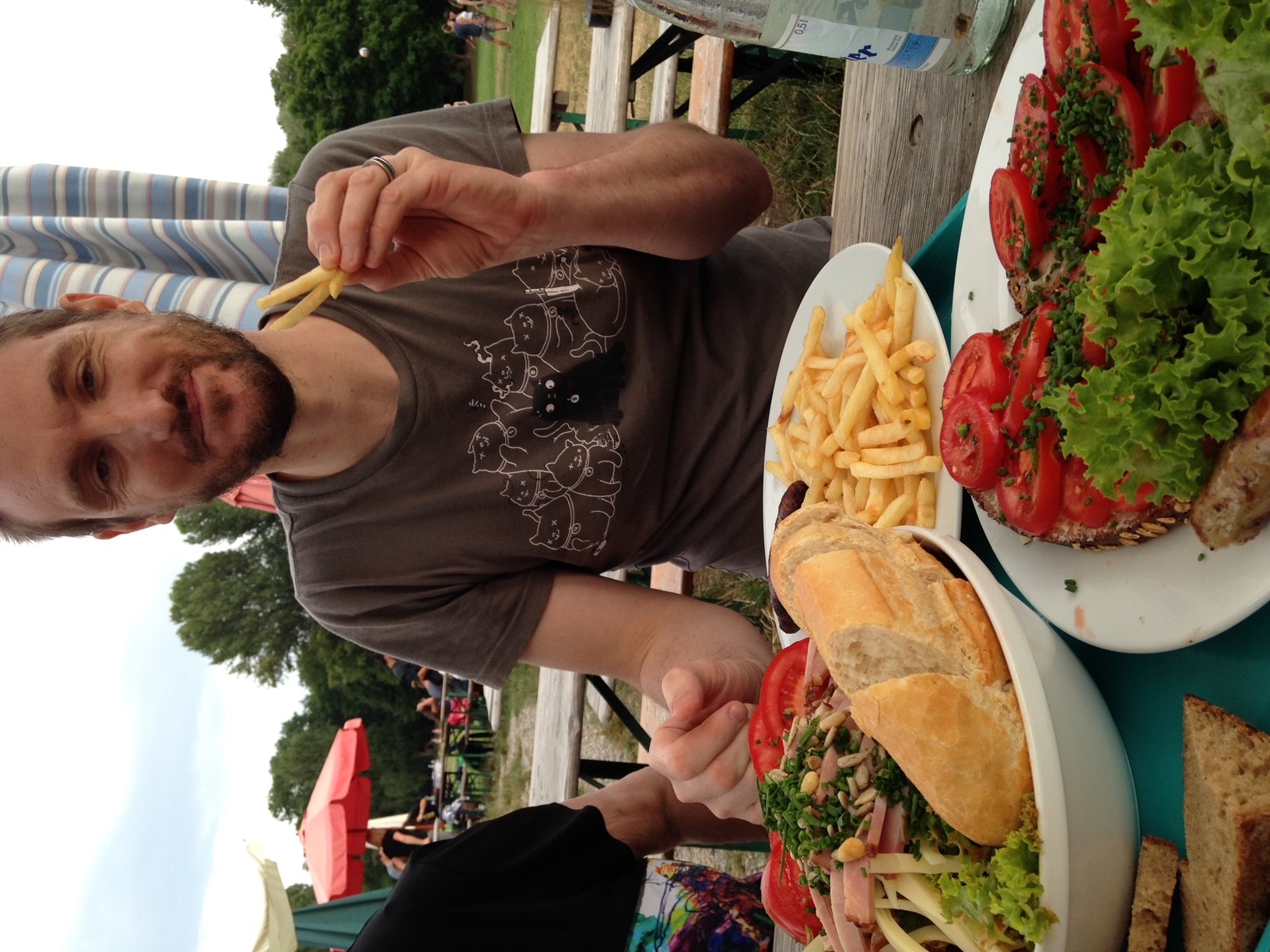
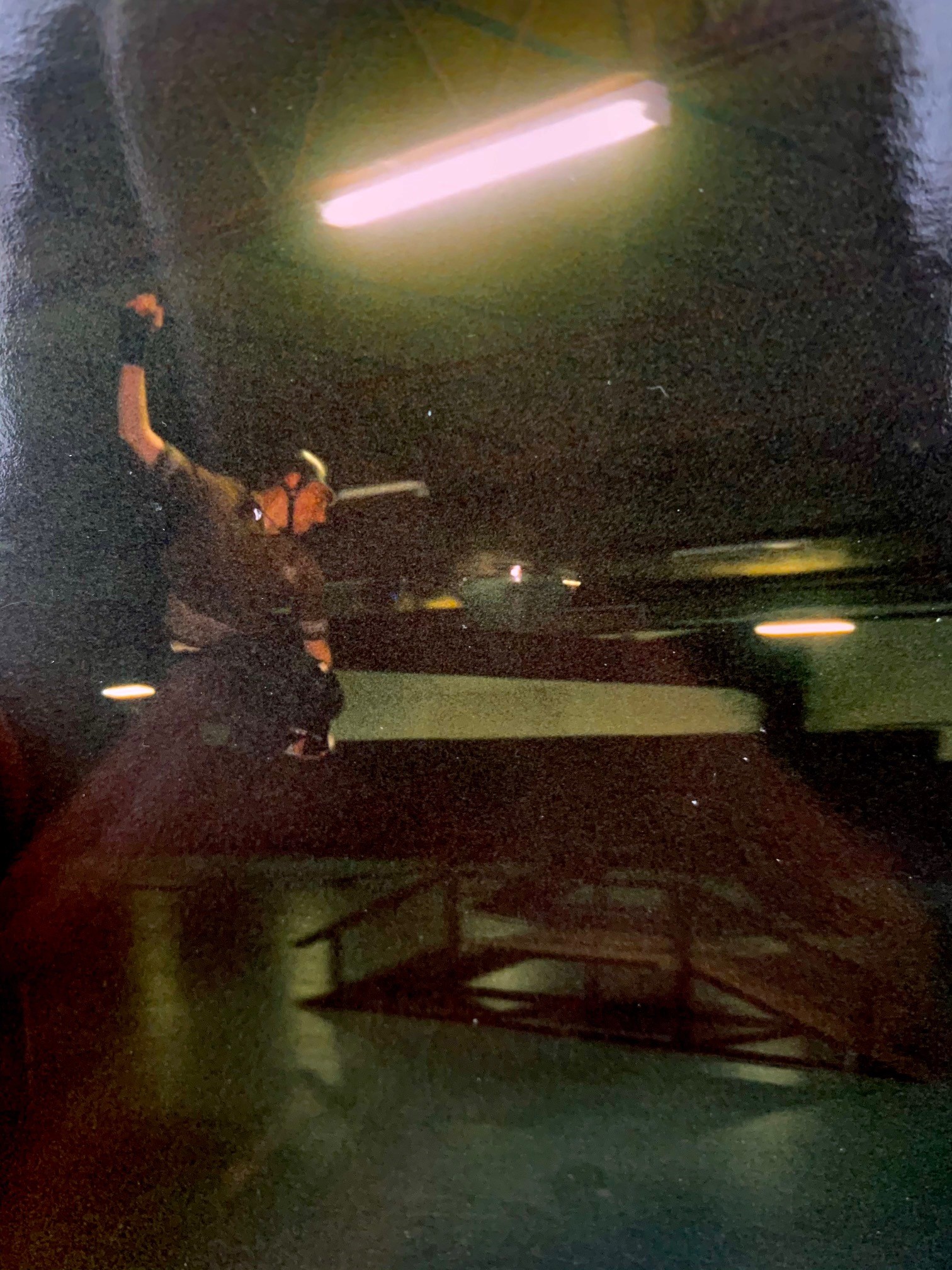
Mr Byford was 24, and in his second year at university studying nursing, when he developed chronic lower back pain. He felt his back go after a day at the skate park, and it never recovered.
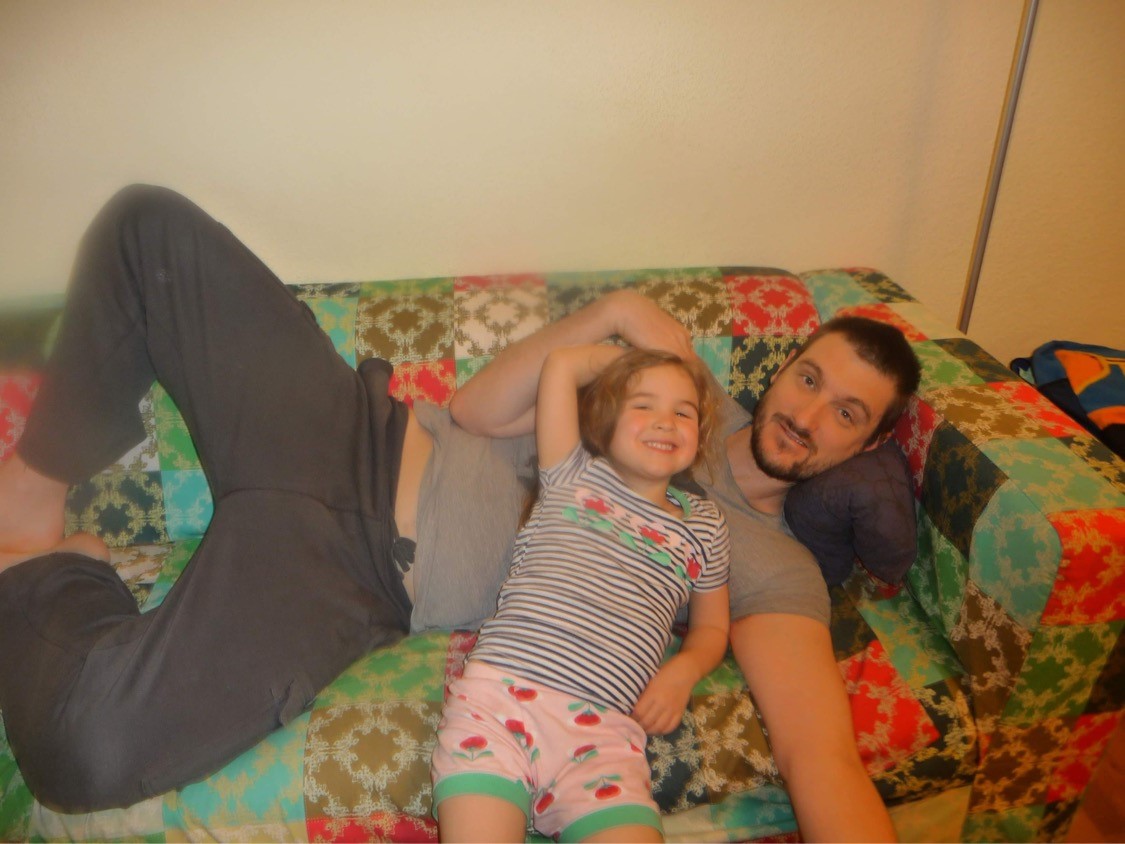
"At the time it was just excruciating pain in your lower back, so, it's probably more akin to having like a rotten tooth or something," he said.
"So, whenever you move you get this incredibly sharp pain and then you have this really nasty dull ache in your lower back which is right in the base of my spine." After countless GP visits, and no firm diagnosis, he tried a variety of treatments to manage the constant pain.
"Initially, I guess you try rest. I would have tried pain killers, anti-inflammatories," he said.
"People just assumed it was a disc issue and there's no good measure where you can look at the amount of damage that's happened to someone's back and be able to accurately predict how much pain they are going to be in. So, looking at somebody's CT and X-ray is not massively helpful."
'One of the things I found difficult at that age, and right the way through… it was more about masculinity as well'
As a result of the pain, Mr Byford said he became very protective of his back, as he believed he had a mechanical weakness.
"I was very concerned about it getting worse. So, I used to be overly protective of my spine," he said.
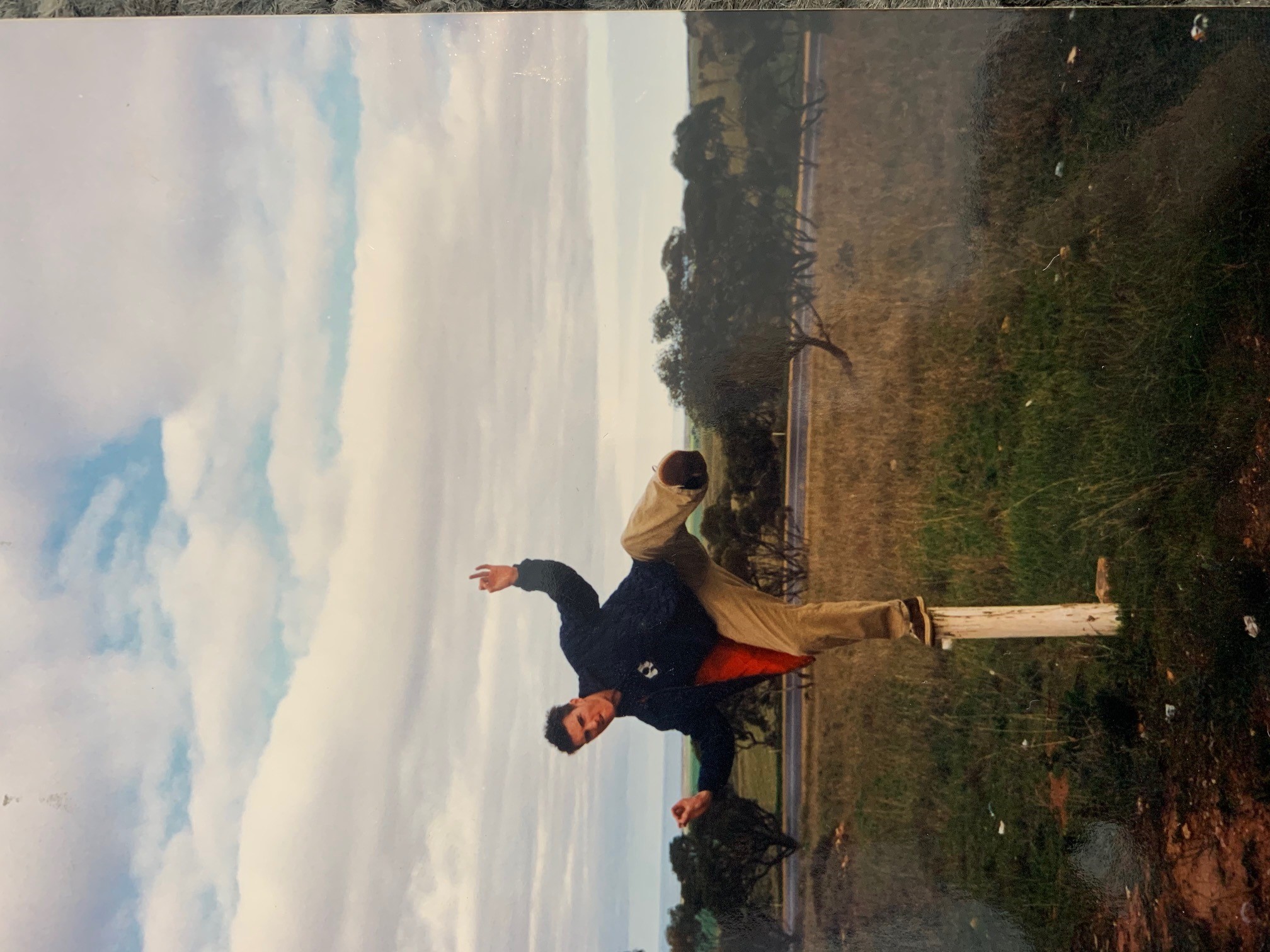
"They put me onto a Pilates programs, strengthening programs. I tried physiotherapy, osteopathy… I did something called cold laser therapy, I had acupuncture on top of just general analgesics."
He said he found the first four years living with chronic pain the most difficult, psychologically, in terms of depression and a feeling of loss of hope for his future.
"One of the things I found difficult at that age, and right the way through, until I started getting better in my mid-30s… it was more about masculinity as well," he said.
"Like if you go to a Bunnings and go to lift something and I couldn't because I'd be too scared I'd hurt myself. So, I'd always end up getting my wife to carry things.
"I remember one time just being in the car, I was in heaps of pain, and all I could do was just sit in the car. I just came along for the drive… and some guy gave me this hiding while my wife was at the back of the car loading the car up.
Mr Byford said because chronic back pain doesn't immediately reveal itself outwardly, many people "can't see anything wrong with a person".

A complex pain
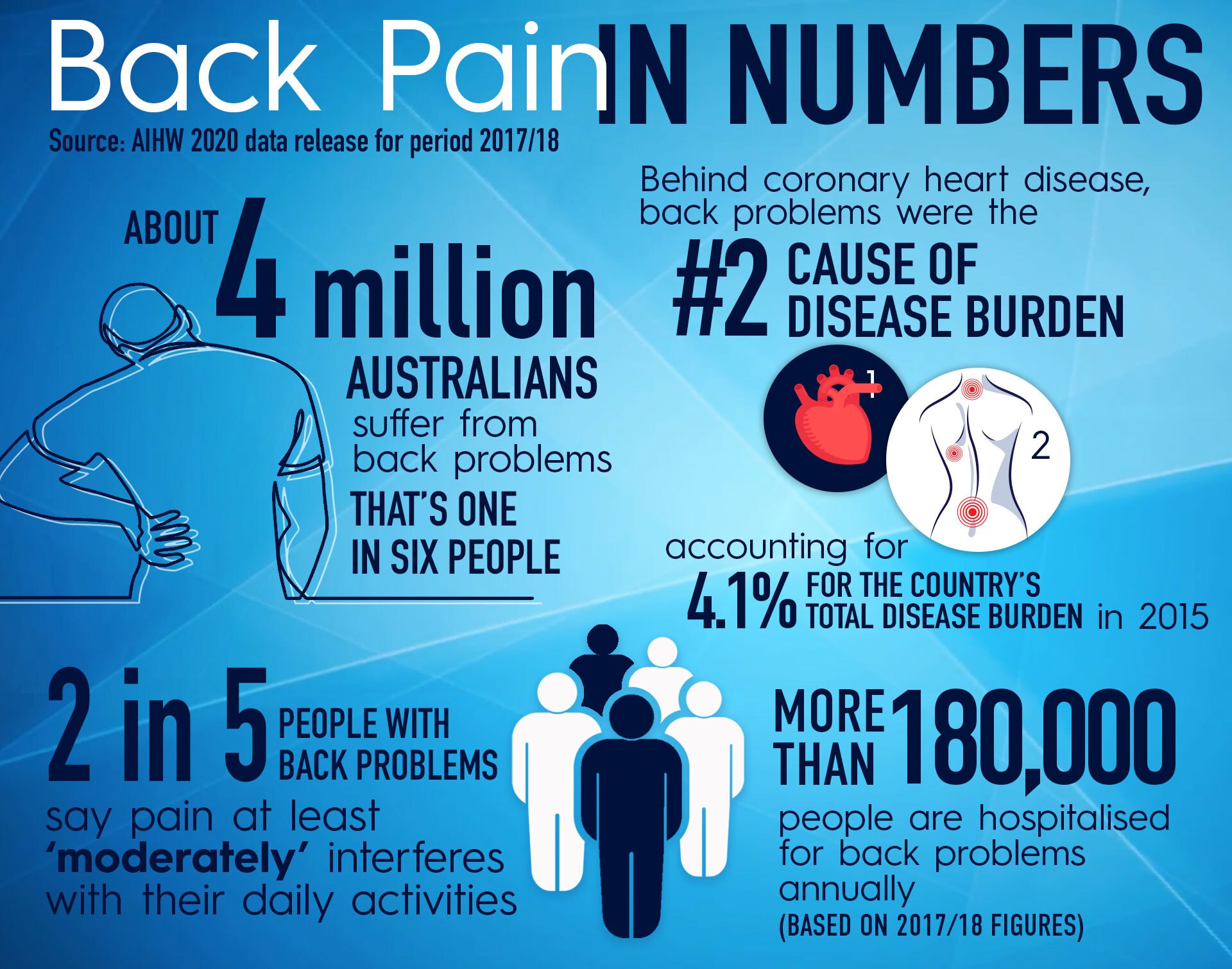
Research from the Australian Institute of Health and Welfare, released in August last year, found about 4 million people, or one-in-six Australians suffer back problems.
In 2017-18, there were more than 180,000 hospitalisations for back problems.
In 2015, back pain was the second leading cause of "disease burden". It accounted for 4.1 per cent of Australia's total disease burden.
"Back pain- low back pain in particular is the most common chronic pain and the most burdensome," Professor Lorimer Moseley, chair of Physiotherapy at the University of South Australia, told 9News.
'Most people associate back pain with a vulnerable back and actually one of the most extraordinary body parts is our back'
"It causes the biggest impact across society of the costs of treating it. Back pain is complex. Back pain is influenced by a range of things."
Professor Moseley, who is also the CEO of Pain Revolution, said the most common aspect of back pain that can be treated effectively is movement and loading of the back – something that is counterintuitive to our understanding of back pain.
"Most people associate back pain with a vulnerable back and actually one of the most extraordinary body parts is our back. It is so strong," he said.
"And it is fit for purpose but we've tended to move towards this society where we think backs are weak so if we have back pain we have a weak back.
People try to strengthen the back, even though they're worried all the time, and people are afraid of bending over. A common theme in people with back pain is the expectation their back will break in some way under loads they're already doing without realising."
Professor Moseley said there are two common misunderstandings about back pain "that drive me nuts".
The first, he said, is the very common label of a slipped disc.
"The disc is the part of the body that joins one vertebra to the next vertebra, and it's made of ligament and cartilage and it's so tightly integrated with your vertebra that there's no way every anybody could have a disc slip," he said.
"The phrase arose from looking at scans and seeing the disc with a different shape. And it looks, from side on like something might have slipped."
"But what's actually happened is those ligaments have stretched over time. And that's a normal part of ageing. You cannot actually slip a disc."
He said, broadly speaking, the most common misunderstanding from anyone who's had a scan of their back is the observations of the scan represent damage.
"Usually they do not," he said.
"They represent a change in the structure in the back in order to be better at withstanding the loads of your life.
"For me, my vertebrae have changed shape to be stronger because I've done a lot of manual and sport. If you took a scan of my back they would be reported as abnormalities."
The diagnosis
It was a chance conversation during work that Mr Byford finally learned of his condition.
He had just returned home from the family holiday in Germany, and in a bid to seek answers, soaked up any research studies he could find about chronic lower back pain.
After speaking with his treating doctors, a conversation with one of the nephrologists he worked with proved life changing.
Mr Byford was referred to a rheumatologist, who diagnosed him with ankylosing spondylitis – an inflammatory disease which can cause some of the small spinal bones to fuse.
"The best way to treat the condition I have is exercise, aerobic exercise but not impact. So, things like riding a bike, and swimming and just maintaining your fitness," he said.
"I take Panadol osteo and Nsaids, when I have to. Ultimately what would be preferential is these days there's these particular medications known as biologic medications…but essentially the PBS (Pharmaceutical Benefits Scheme) criteria is really, really hard so I can't afford the medication."
Medicine out of reach
Mr Byford said it would cost him $400 a week for the medication, but only $8 a week on the PBS.
"The thing that surprises me is that there are different ways of measuring the disease," he said.
"The way they (PBS) measure it is they scale the amount of damage that's happened to the spine and pelvis. I think with a plain x-ray they can judge the amount of bone change.
"So, they scale it one to four and so four is someone wheelchair bound, can't move at all… so with ankylosing spondylitis, apart from the inflammation, the other tissues ossify and become bone… it basically fuses it all up." He said he's classed as a stage two, and would need to be a stage three to qualify for the government benefit.
"If you were stage three you'd be hard pushed to be working. So, I find it slightly bizarre that they wouldn't supply the medication to try and reduce the progress of keeping someone working essentially," he said.
These days, Mr Byford remains in chronic pain, but continues to focusing on managing it as best he can.
"I always have some level of pain. Early on it was much worse. I was probably sitting at about seven out of 10 pain all the time. Maybe it would get down to five, and now for what it's worth, it's about a two," he said.
"I'm still very careful about how I lift things but since I got the diagnosis that it's an inflammatory back pain rather than a mechanical source it sort of freed me up psychologically to approach it slightly differently.
"So now I try and do as much as I can to be honest."
This article is part of a collaborative journalism project with the Australian Science Media Centre and Judith Neilson Institute.
Warning as coronavirus fragments found in sewage plant north of Sydney
Health authorities are warning that COVID-19 could be going undetected in New South Wales, after fragments of the virus were detected in a third sewage plant in two days.
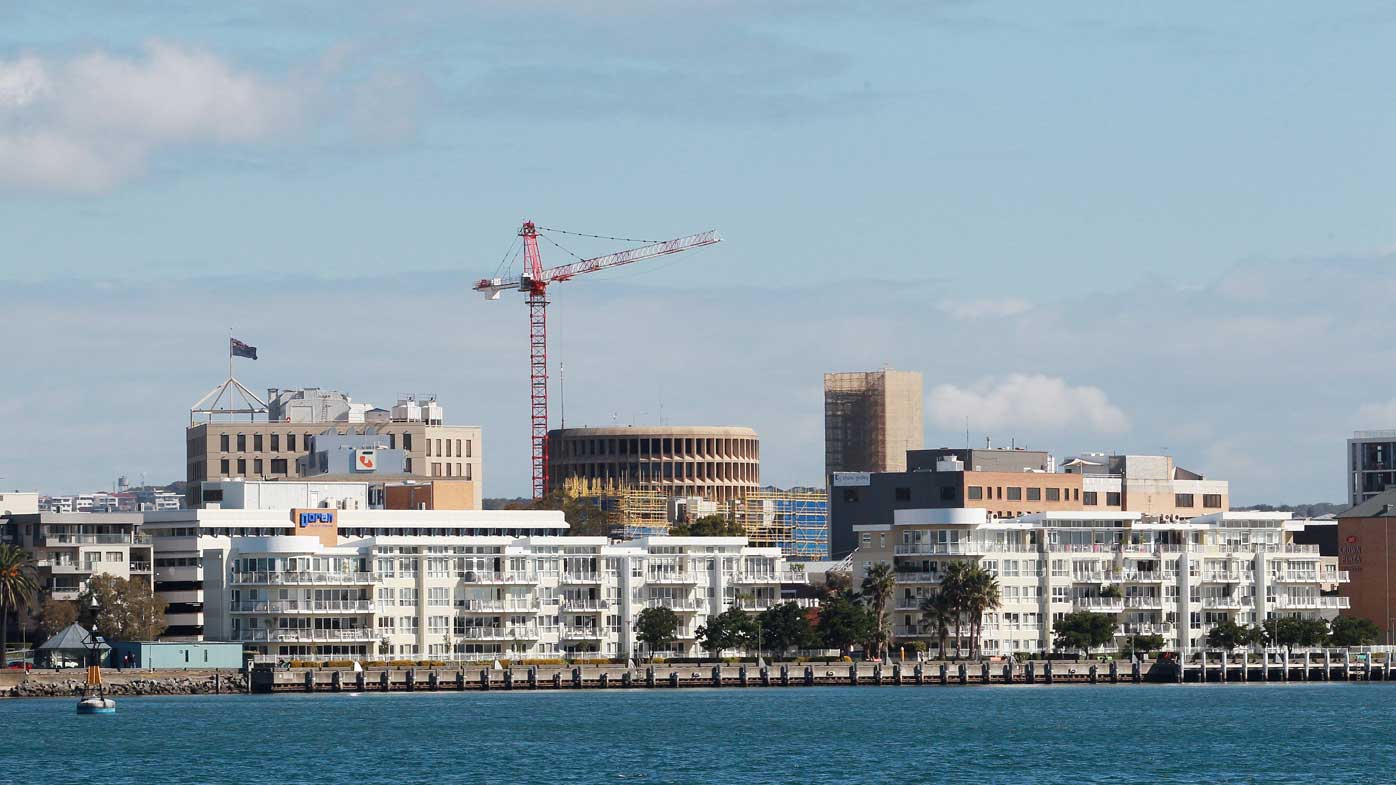
Fragments of the virus that causes COVID-19 have been found in the sewage system at Burwood Beach Treatment Plant from a sample taken on Wednesday.
The plant has a catchment of around 225,000 people and takes in Newcastle and the surrounding suburbs of Dudley, Charlestown, Jesmond, Lambton, New Lambton, Mayfield, Elermore Vale, Wallsend, Kotara, Garden Suburb, Adamstown Heights, Kahibah, Highfields, Merewether, Waratah West, Georgetown and Carrington.
READ MORE: Perth enters second day of lockdown as residents await contact tracing
https://twitter.com/NSWHealth/status/1386124536043642881?ref_src=twsrc%5Etfw
It follows similar health alerts issued yesterday for the sewage systems at Allambie Heights on Sydney's Northern Beaches and Merimbula on the NSW south coast.
These plants take in 83,400 people in the Northern Head catchment and 15,000 people on the South Coast.
Those samples were taken on April 22 and April 21 respectively.
NSW Health noted that the positive results could be from recently recovered cases of COVID-19, who can continue to shed fragments of the virus for several weeks after recovering.
READ MORE: Virus fragments found in two NSW sewage plants
"However, NSW Health is concerned that they could signal undetected cases in the community, and asks people in these areas to be alert for any symptoms that could signal COVID‑19," they wrote in a statement.
There are no new locally-acquired COVID-19 cases detected in NSW today and only one in hotel quarantine, with 7,706 tests conducted yesterday.
https://twitter.com/NSWHealth/status/1386124543794708481?ref_src=twsrc%5Etfw
One person remains critically ill in ICU and is on a ventilator.
In the state there are 87 people with the virus. Most are not in hospital.
More than half a million doses of coronavirus vaccines have now been administered in the state, with 192,336 jabs given by NSW Health and 361,530 administered by the Commonwealth government.
Parts of Caribbean island unrecognisable after volcano erupts
For over two weeks, a volcano on the island of St Vincent has erupted with unrelenting fury.
Now, residents don't even recognise their home.
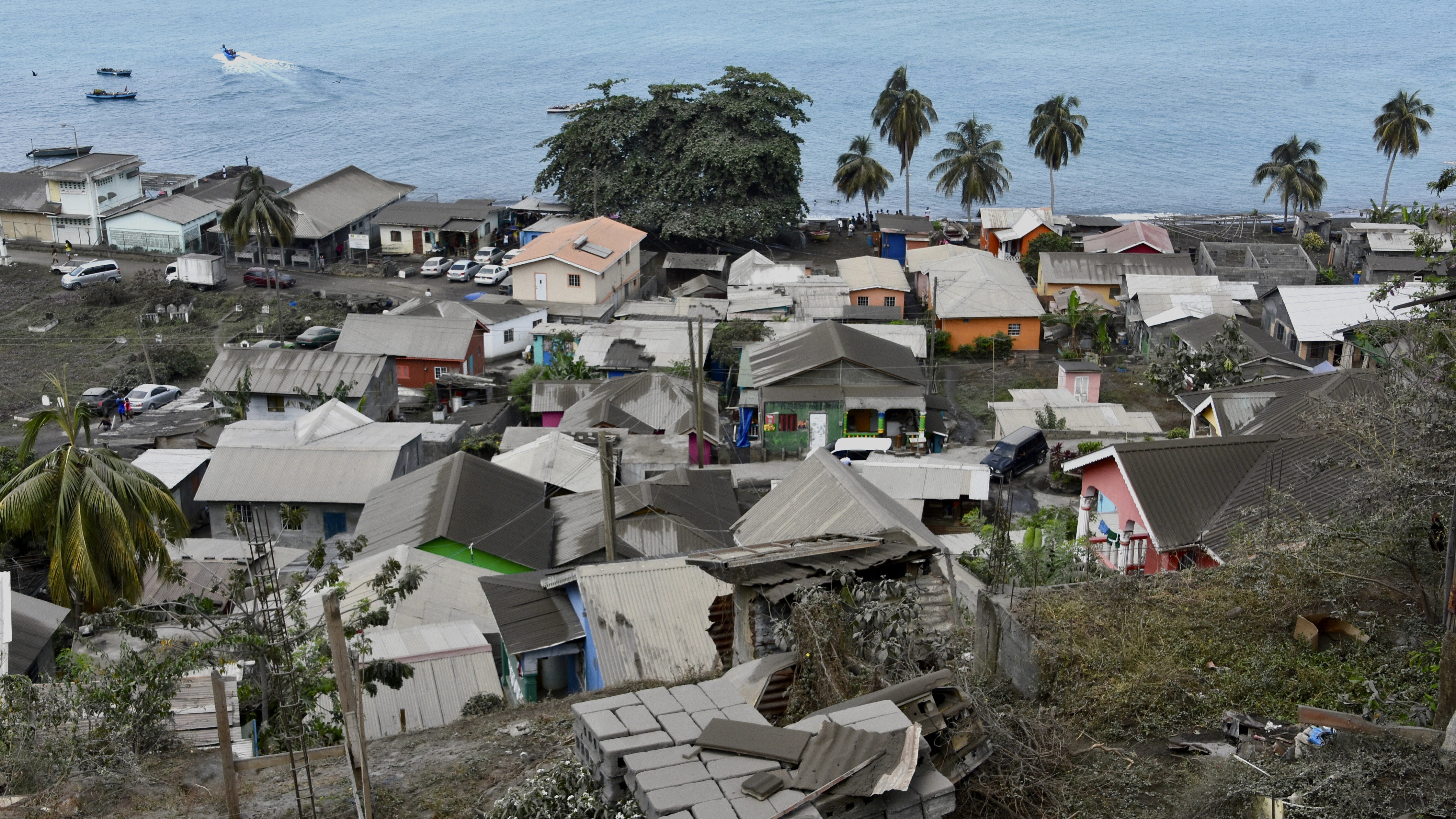
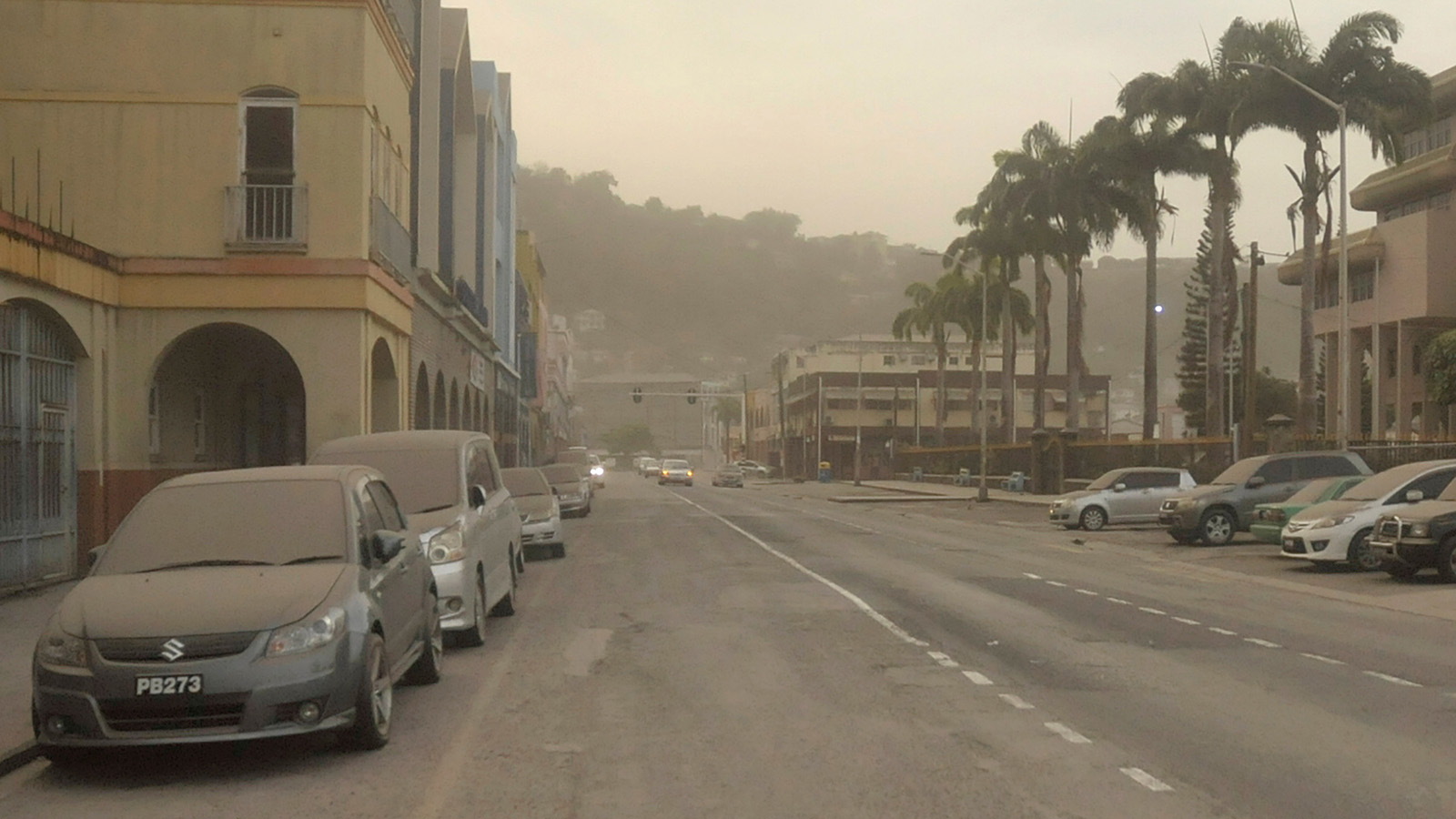
"It's like a desert, it's desolate, it's apocalyptic. The whole place is covered in grey ash," Ralph Gonsalves, the prime minister of St Vincent and the Grenadines, told CNN about the communities impacted by the eruptions.
READ MORE: 'Destroying everything in its path': St Vincent volcano erupts again
It has been 42 years since La Soufrière volcano – French for sulphur outlet – erupted.
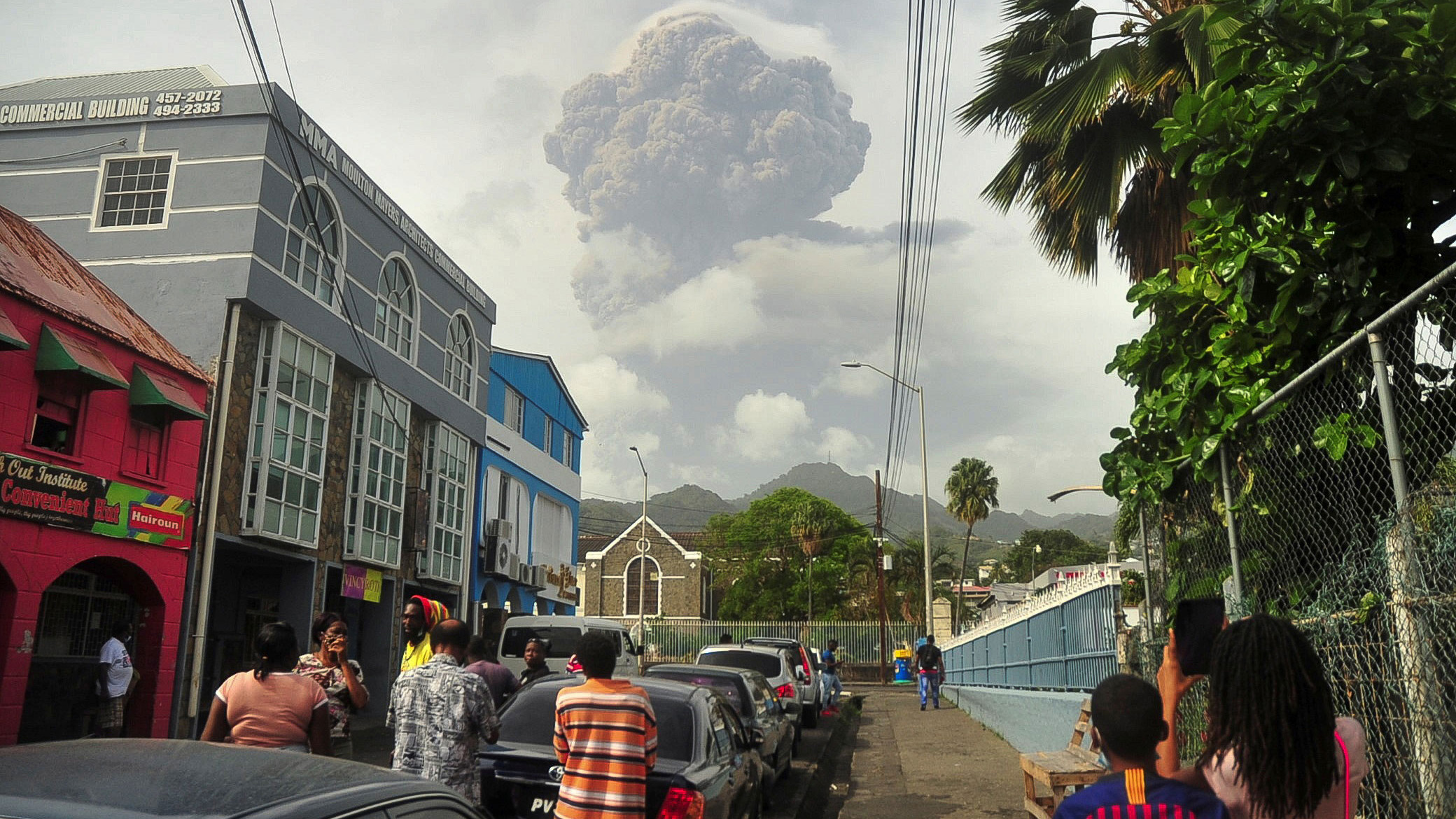
The 4247m stratovolcano is now making up for lost time, blasting ash and debris miles into the air and neighbouring islands.
For months, La Soufrière threatened to erupt and scientists warned residents to prepare to flee at any moment.
The government coordinated with cruise ship companies to begin ferrying people from the "red zone" where catastrophic destruction was expected to take place.
Then, at 8.51am on April 9, the National Emergency Management announced La Soufrière had erupted.

Thanks to the early evacuations, officials said, there have been no deaths or injuries reported as a result of the eruption.
But more than 7000 residents have taken refuge in government-run shelters and a greater number are staying with friends or family, said Mr Gonsalves, the left-leaning, Bible-quoting prime minister of the island chain who goes by the nickname "Comrade Ralph."
With more than 10 per cent of the island chain's 110,000 residents at least temporarily homeless, the local government does not have the resources to address all the need, he said.
"We are not able to do the humanitarian effort, we are not able to do the recovery, we will not be able to without substantial assistance from the region and the global community.
"We are really at the midnight hour of need," Mr Gonsalves said.
As the volcano continues to spew ash and pyroclastic flow, a deadly mixture of superheated gases, rock and mud, the ongoing danger has complicated efforts to deliver aid.
https://twitter.com/ComradeRalph/status/1384258996530417665?ref_src=twsrc%5Etfw
"It's not like a hurricane where you get hit and it's over," said Britnie Turner, the CEO of Aerial Recovery Group, a disaster management company bringing in supplies from the US.
The pandemic has also hurt efforts to help Vincentians impacted by the volcano, she said.
"Donations across the world have dropped dramatically since COVID started but don't stop giving," Ms Turner said. "Even though we are all experiencing pain. Even though the world is a little bit of a different place, we still need to help our neighbours."
In Miami, Michael Capponi, the founder and executive director of the non-profit Global Empowerment Mission, is filling containers with pre-packed boxes of food, water, face masks and hand gel to send to the island.
He called the disaster a "migrational crisis" as residents flee from the volcano to the south of the island and said his local partners on the ground still have been unable to assess the full extent of the damage.
"You have a foot of ash on everyone's roofs," Mr Capponi said. "You have all the crops that are completely destroyed that won't grow back for quite a while.
"Then you have boulders that were on fire that literally came through people's roofs."
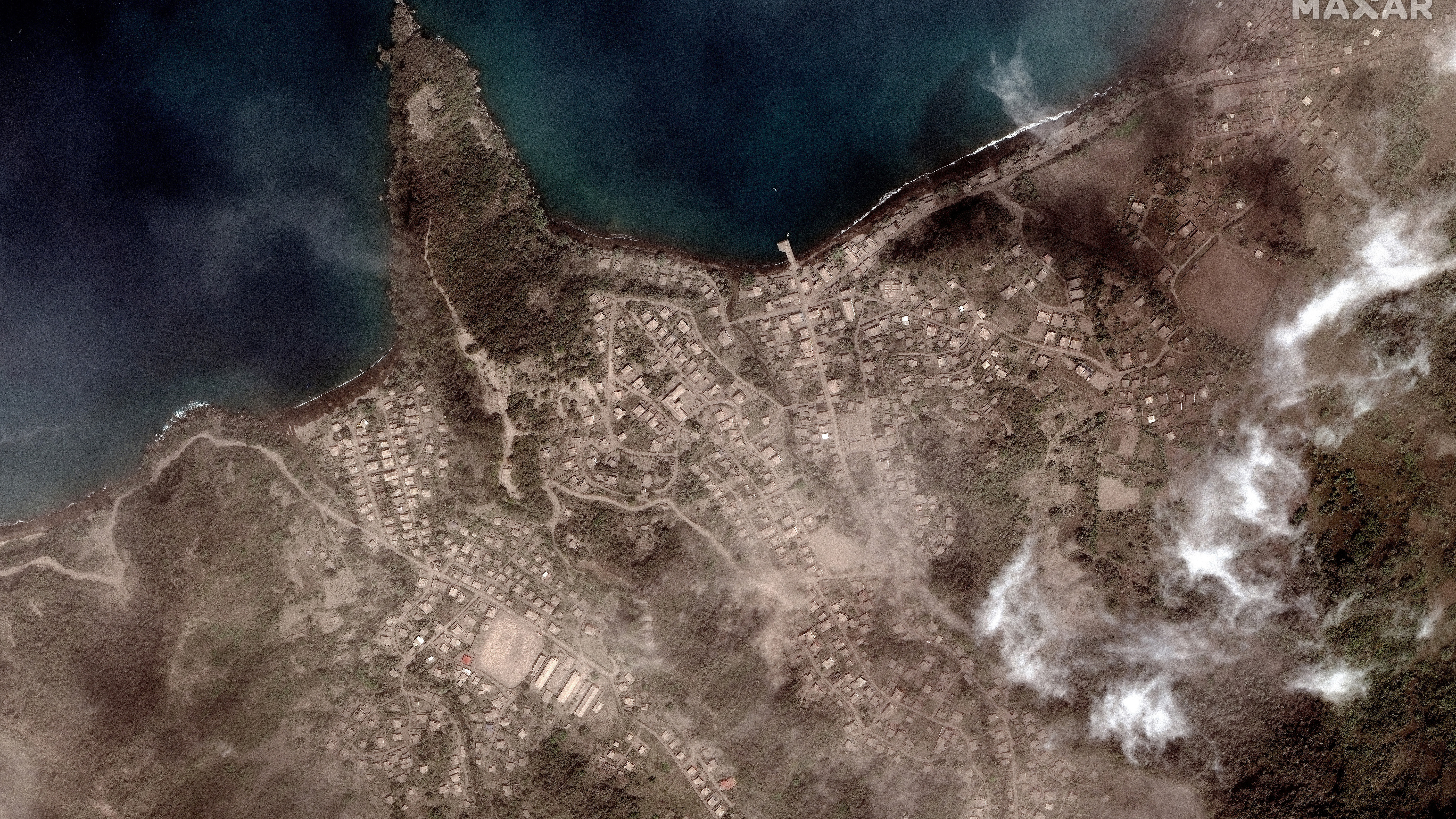
Mr Gonsalves said the government estimates that the volcano has already inflicted more than $100 million in damage in the last two weeks, with much more likely to come as scientists predict the volcanic activity could last for four months.
The Atlantic hurricane season begins June 1 and even if St Vincent is spared a direct hit, the heavy summer rains pose a new danger.
"There's a lot of material," Mr Gonsalves said. "Stone and ash and they rest on mud. The rains will lubricate and they will add to the weight and they will come down at a very fast pace."
Mr Gonsalves said the disaster his country is facing may only be beginning. He said he has written President Joe Biden and Vice President Kamala Harris for assistance.
"It's not going to be an easy struggle but we are not a people of lamentations," he said.
Covid 19 coronavirus: Two arrivals into NZ from Perth considered 'casual contacts'; no new community cases, no MIQ cases
Two people who arrived in New Zealand from Perth are being treated as casual contacts following the Covid outbreak in Western Australia.The two people are in isolation until results of their Covid tests are known – but the Ministry…
Covid 19 coronavirus: Australians exploit Tasman bubble to use New Zealand to get to other countries
An Australian art teacher has reportedly jumped through a loophole in the transtasman travel bubble to return to a job in Moscow and his girlfriend.Tim Byrnes flew to Auckland last week and caught a flight to Istanbul on Friday…