OPINION Just over a week ago, I marched Queen St with thousands of people – young, old and middle-aged – led by an increasingly organised group of school kids. Placards etched with memes, slogans, controversy and bleak truths spoke…
Tag Archives: oceania
Jim Salinger: Climate change, overfishing, a mammoth threat
New Zealand has a huge Exclusive Economic Zone – spanning four million sq km – which is 15 times the land area of Aotearoa New Zealand, and is the fourth largest in the world. If we add in the extended continental shelf area, it…
Herald morning quiz: April 21
Test your brains with the Herald’s morning quiz. Be sure to check back on nzherald.co.nz at 3pm for the afternoon quiz. To challenge yourself with more quizzes, CLICK HERE.
EU regulator finds link between J&J shot and blood clots
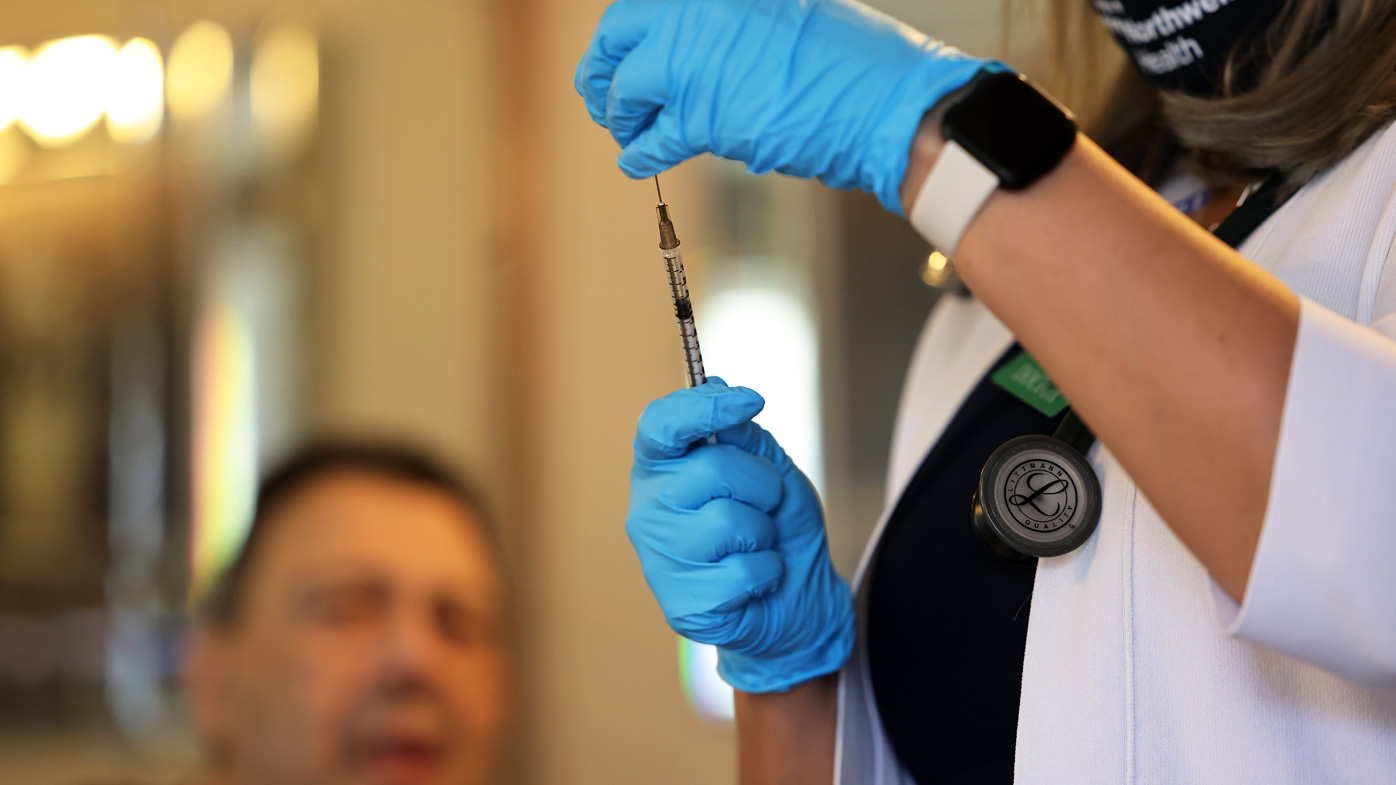
The European Union's drug regulatory agency said Tuesday that it found a "possible link" between Johnson & Johnson's COVID-19 vaccine and extremely rare blood clots and that a warning should be added to the label. But experts at the agency reiterated that the vaccine's benefits outweigh the risks.
The European Medicines Agency made those determinations after a very small number of blood clot cases in people who had gotten the vaccine were reported in the United States. The agency said a warning about the blood clots should be added to labels for the Johnson & Johnson's vaccine and that these rare blood disorders should be considered "very rare side effects of the vaccine".
The EMA also recommended a label change for the AstraZeneca COVID-19 vaccine after finding a link between it and rare blood clots. In both cases, the agency said the benefits of being immunised against COVID-19 still outweighed the very small risks of recipients developing the unusual clots.
READ MORE: Contact tracing form fails for first NZ bubble travellers

Last week, Johnson & Johnson halted its European roll-out of the vaccine after US officials recommended a pause in the vaccine, when they detected six very rare blood clot cases among nearly 7 million people who had been vaccinated.
European officials said they considered all currently available evidence from the US, which consisted of eight reports of serious cases of rare blood clots associated with low blood platelets, including one death. All of the cases occurred in people under age 60, but the EMA said that it hadn't been able to identify any specific risk factors.
Last week, J&J halted its European rollout of its one-dose vaccine after the US Food and Drug Administration recommended officials pause its use while the rare blood clot cases are examined. Officials identified six cases of the highly unusual blood clots among nearly 7 million people who were immunised with the shot in the US.
Johnson & Johnson advised European governments to store their doses until the EU drug regulator issued guidance on their use; widespread use of the shot in Europe has not yet started.
READ MORE: Australia's 'new problem' with vaccine rollout

The delay was a further blow to vaccination efforts in the European Union, which have been plagued by supply shortages, logistical problems and concerns over unusual blood clots also in a small number of people who received the AstraZeneca COVID-19 vaccine. Experts worry the temporary halt on J&J's shot could further shake vaccine confidence and complicate worldwide COVID-19 immunisation efforts.
Last week, South Africa suspended its use of the vaccine in the wake of the US. pause, and countries including Italy, Romania, the Netherlands, Denmark and Croatia put their J&J doses into storage.
The blood clots linked to the J&J vaccine are occurring in unusual parts of the body, such as veins that drain blood from the brain. Those patients also have abnormally low levels of blood platelets, a condition normally linked to bleeding, not clotting.
In its statement, the EMA said the cases it reviewed of unusual blood clots in people who received the J&J shot "were very similar to the cases that occurred with the COVID-19 vaccine developed by AstraZeneca."
With the AstraZeneca vaccine, scientists in Norway and Germany have suggested that some people are experiencing an abnormal immune system response, forming antibodies that attack their own platelets.

It's not yet clear if there might be a similar mechanism with the Johnson & Johnson vaccine. But both the J&J and AstraZeneca vaccines, as well as a Russian COVID-19 vaccine and one from China, are made with the same technology. They train the immune system to recognise the spike protein that coats the coronavirus. To do that, they use a cold virus, called an adenovirus, to carry the spike gene into the body.
"Suspicion is rising that these rare cases may be triggered by the adenovirus component of the AstraZeneca and J&J vaccines," said Eleanor Riley, a professor of immunology and infectious diseases at the University of Edinburgh. She said that while more data was needed, "it remains the case that for the vast majority of adults in Europe and the USA, the risks associated with contracting COVID-19 far, far outweigh any risk of being vaccinated."
On Monday, World Health Organisation Director-General Tedros Adhanom Ghebreyesus said more than 5 million new coronavirus cases were confirmed worldwide last week, the highest-ever number in a single week. He noted that cases and hospitalisations among younger people were "increasing at an alarming rate."
The European Medicines Agency, which regulates drugs used in European Union member nations, said last month there was a "possible link" between the AstraZeneca vaccine and rare blood clots but said the benefits of vaccination far outweighed the risks of COVID-19. It noted the risk is less than the blood clot risk that healthy women face from birth control pills.
The European Union ordered 200 million doses of the Johnson & Johnson for 2021 and EU officials had hoped the one-shot vaccine could be used both to boost the continent's lagging vaccination rates and to protect hard-to-reach populations, like migrant workers and the homeless.
Last month, the African Union announced it signed a deal to buy up to 400 million doses of the J&J vaccine. Johnson & Johnson also has a deal to supply up to 500 million doses to the UN-backed COVAX initiative that helps get vaccines to the world's poor.

Any concerns about the J&J vaccine would be another unwelcome complication for COVAX and for the billions of people in developing countries depending on the program. COVAX recently was hit by supply issues after its biggest supplier, the Serum Institute of India, announced it would delay exports of the AstraZeneca vaccine for several months due to a surge of cases on the subcontinent.
Chadian president killed on the battlefield, military says
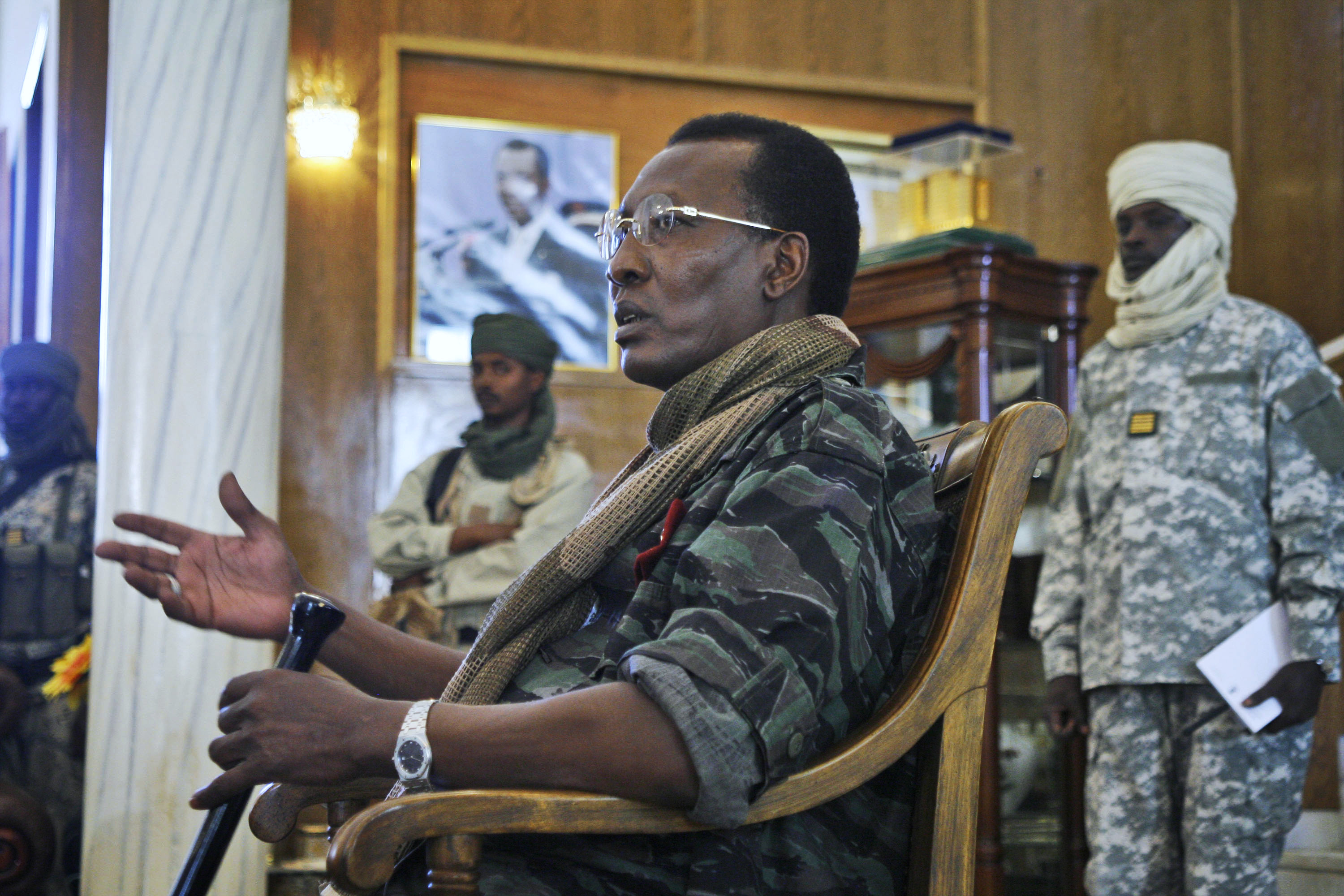
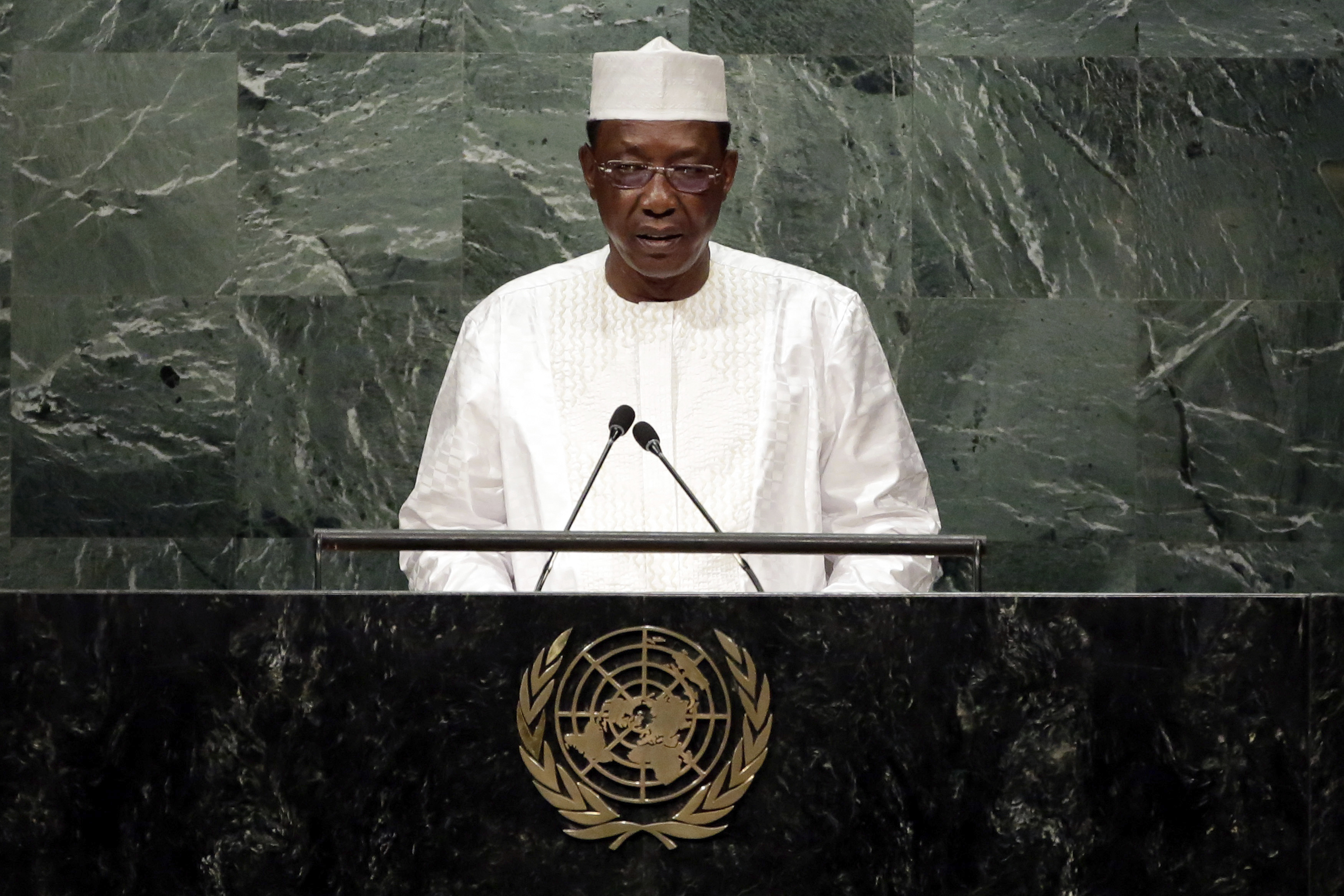
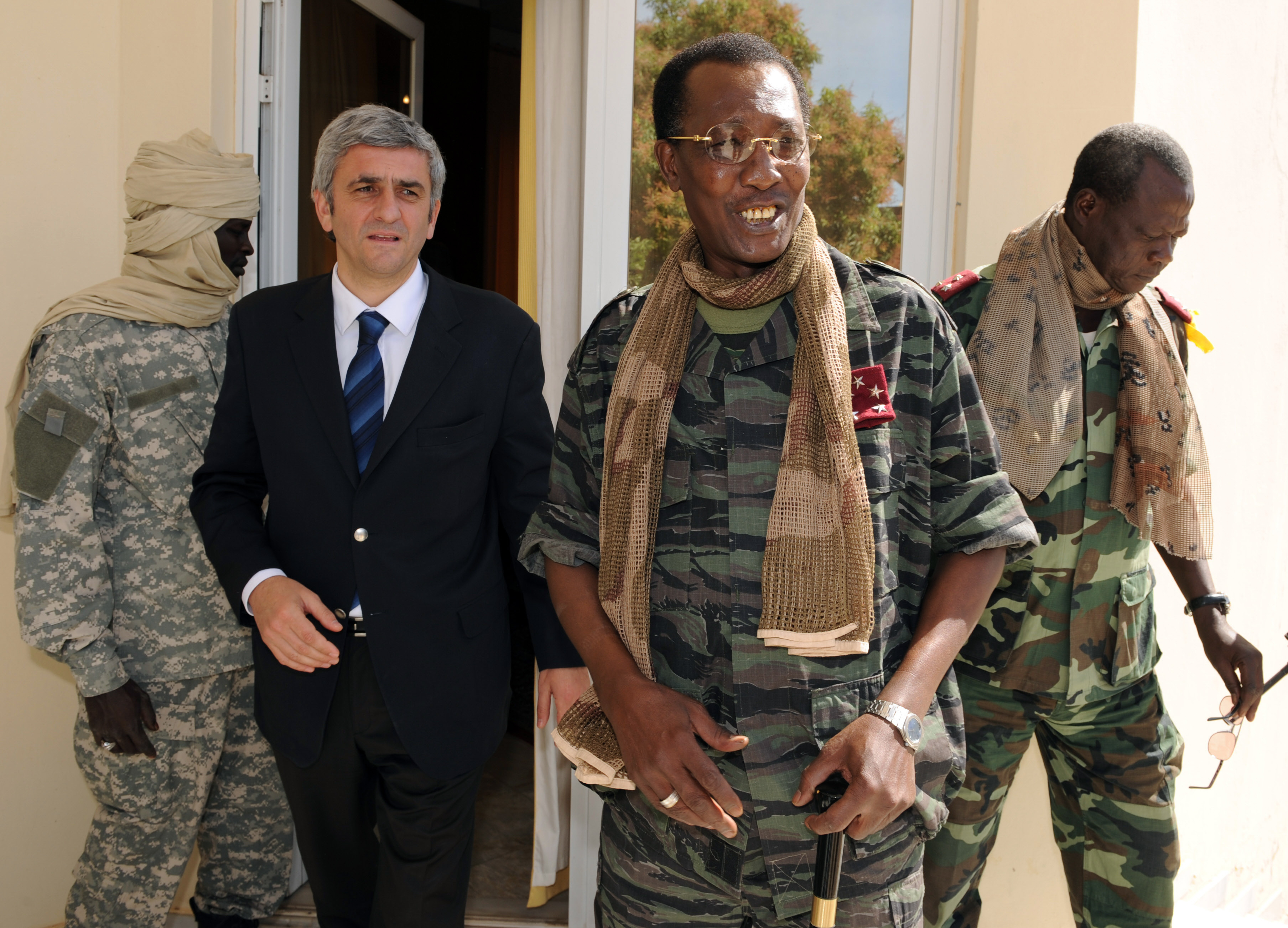
Chadian President Idriss Deby Itno, who ruled the central African nation for more than three decades, died Tuesday of wounds suffered on the battlefield during a fight against rebels, the military announced on national television and radio.
The stunning announcement came just hours after electoral officials had declared Deby, 68, the winner of the April 11 presidential election, paving the way for him to stay in power for six more years.
An 18-month transitional council will be led by Deby's 37-year-old son, Mahamat Idriss Deby Itno, the military said, also imposing a nightly curfew of 6pm.
"In the face of this worrying situation, the people of Chad must show their attachment to peace, to stability, and to national cohesion," Gen. Azem Bermandoa Agouma said.
The circumstances of Deby's death could not immediately be independently confirmed due to the remote location of the fighting.
The military said Deby had taken "the heroic lead in combat operations against terrorists who had come from Libya." After being wounded in battle, he then was taken to the capital, the general announced.
However, some foreign observers questioned how a head of state could have been killed, saying it cast doubt on his protective guard. The Chadian military had only acknowledged five deaths in weekend fighting in which it said it had killed 300 rebels.
"We still don't have the whole story," Laith Alkhouri, a global intelligence adviser, told The Associated Press. "It raises concerns regarding the security forces' assessment of the clashes and their intelligence regarding the severity of the situation."
Other analysts pointed to Deby's long history of visiting the battlefield as a former army commander-in-chief himself.

"There's no evidence to suggest this was a coup committed by his troops. Anyone who follows Deby knows he used to say 'to lead troops you have to smell the gunpowder,'" tweeted Cameron Hudson with the Atlantic Council's Africa Centre.
Deby first came to power in 1990 when his rebel forces overthrew then-President Hissene Habre, who was later convicted of human rights abuses at an international tribunal in Senegal.
Over the years Deby had survived numerous armed rebellions and managed to stay in power until this latest insurgency led by a group calling itself the Front for Change and Concord in Chad.
The rebels are believed to have armed and trained in neighbouring Libya before crossing into northern Chad on April 11. Their arrival came on the same day that Chad's president sought a sixth term on election day, which several top opposition candidates boycotted.
Deby was a major French ally in the fight against Islamic extremism in Africa, hosting the base for the French military's Operation Barkhane and supplying critical troops to the peacekeeping effort in northern Mali.
Deby's son, Mahamat, has served as a top commander for Chadian forces taking part in that effort.
'So weird': City on edge awaiting Chauvin verdict
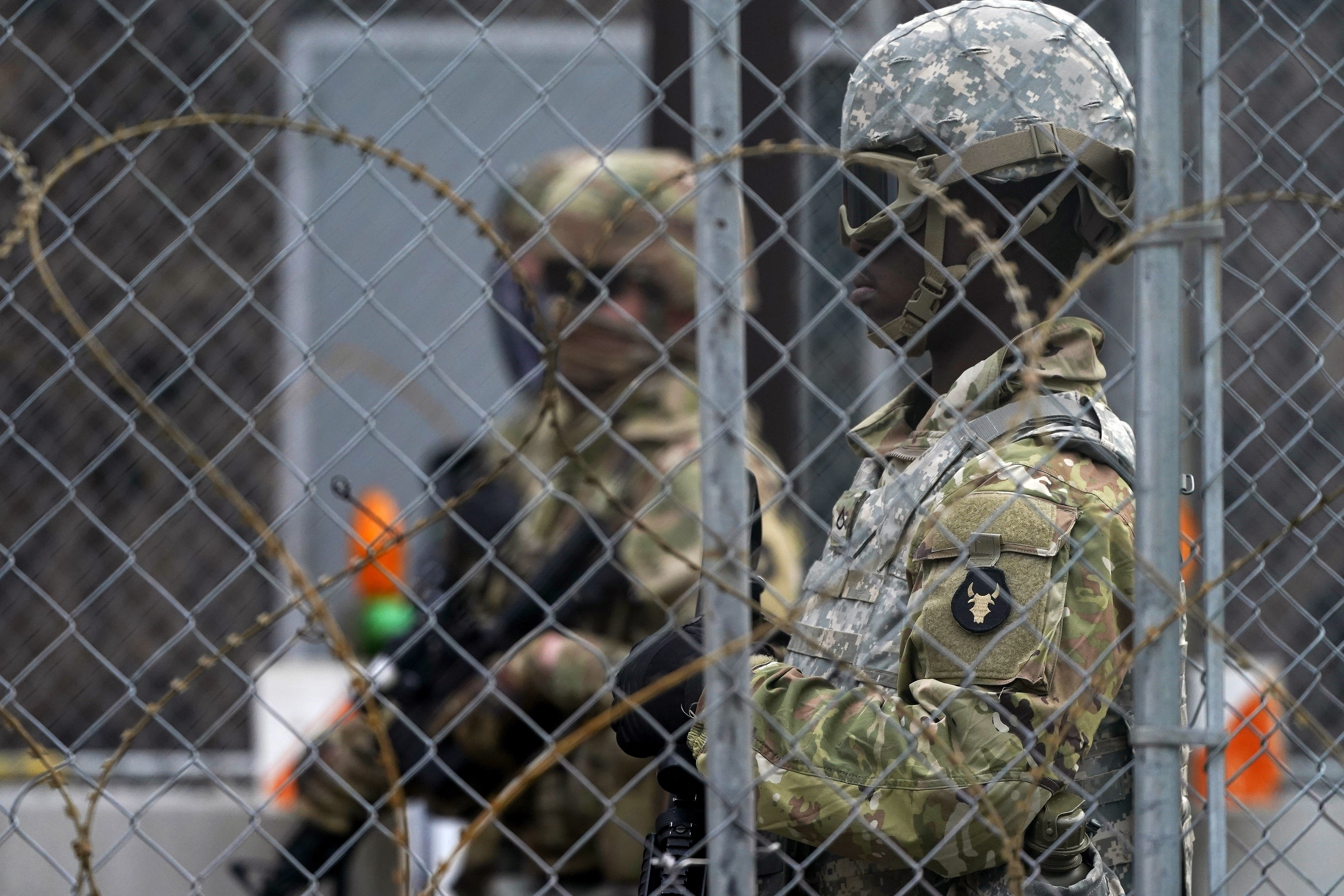
Just outside the entrance to Smile Orthodontics, in a Minneapolis neighbourhood of craft breweries and trendy shops, two soldiers in jungle camouflage and body armour were on watch Monday, assault rifles slung over their backs.
Snow flurries blew around them. A few steps away at the Iron Door Pub, three more National Guard soldiers and a Minneapolis police officer stood out front, watching the street. A handful of other soldiers were scattered nearby, along with four camouflaged Humvees and a couple police cars.
Across the street was a boarded-up building spray-painted with big yellow letters: "BLACK LIVES MATTER ALL YEAR ROUND."
READ MORE: UN condemns 'reprehensible' UK race report
Adam Martinez was walking down the street when he briefly stopped to stare at the scene.
"This city feels like it's occupied by the military," said Martinez, a commercial painter who lives in nearby St. Paul. "This is so weird."
More than 3000 National Guard soldiers, along with police officers, state police, sheriffs deputies and other law enforcement personnel have flooded the city in recent days, with a verdict looming in the trial of Derek Chauvin, the former police officer charged with murder in the death last year of George Floyd.
But in the city that has come to epitomise America's debate over police killings, there are places today in Minneapolis that can feel almost like a police state.
It leaves many wondering: How much is too much?
Concrete barriers, chain-link fences and barbed wire now ring parts of downtown Minneapolis so that authorities can quickly close off the courthouse where the trial is being held. It's become normal in recent days to pass convoys of desert-tan military vehicles on nearby highways, and stumble across armed men and women standing guard.
READ MORE: Minnesota cop charged in shooting of Black motorist
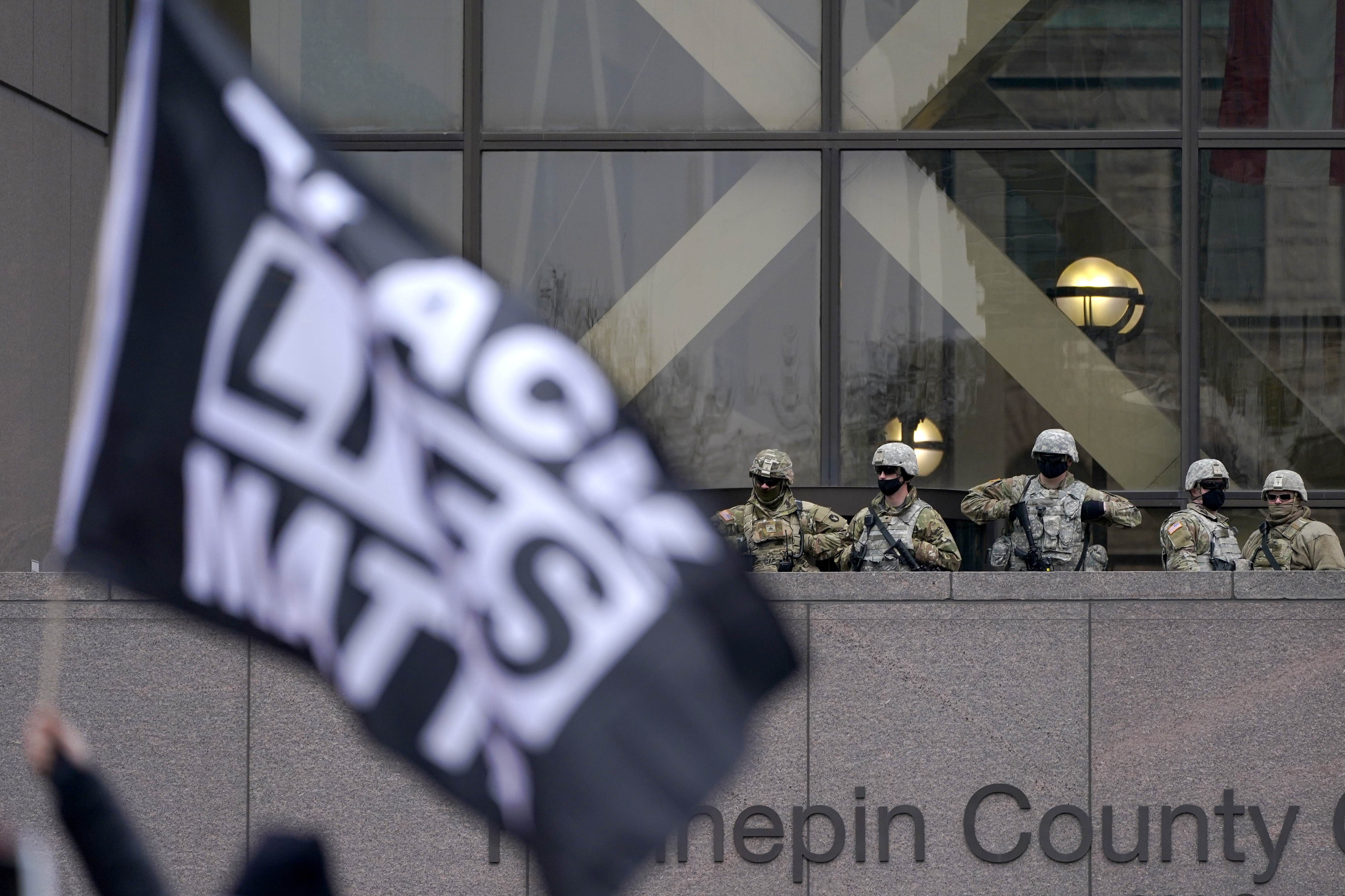
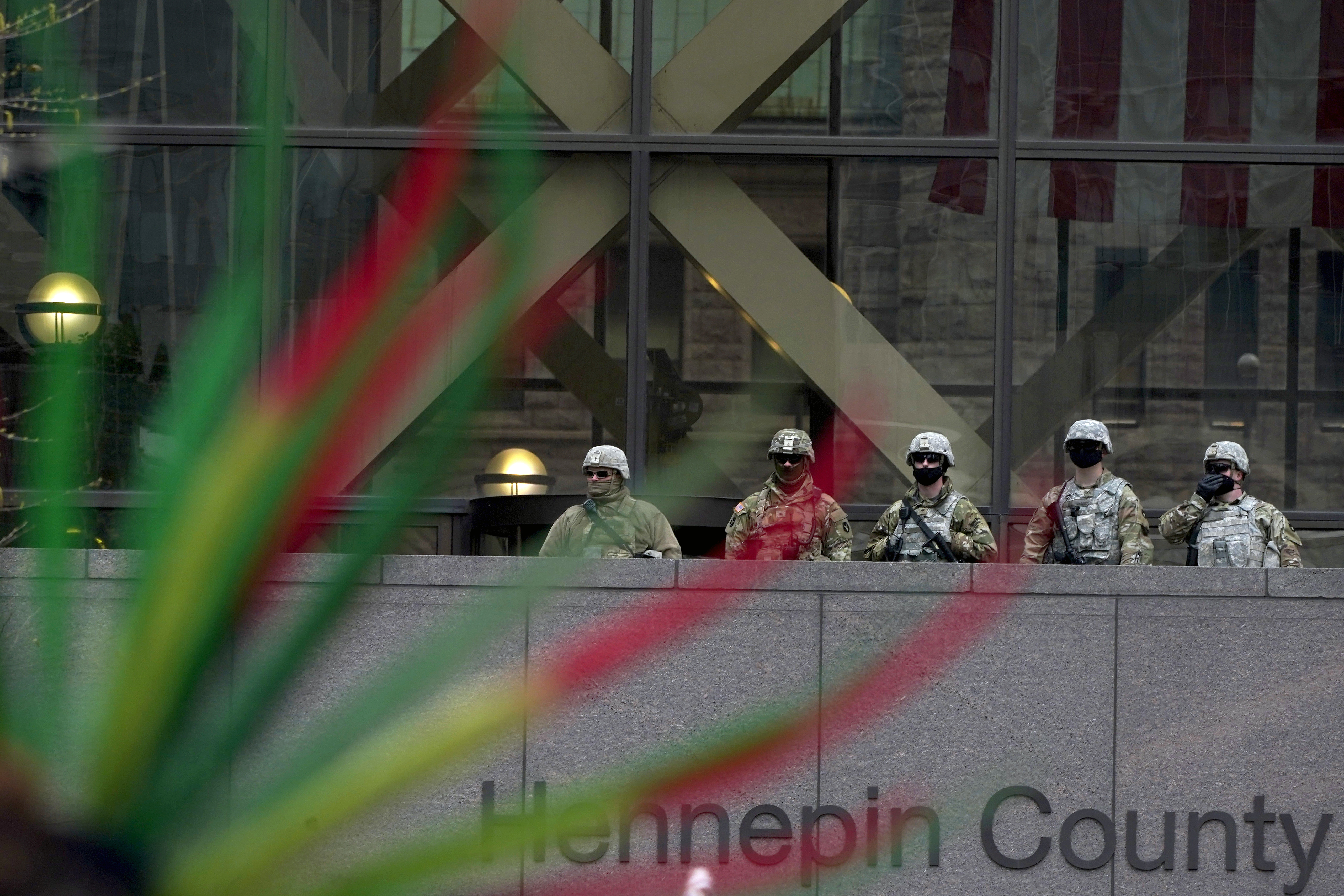
One day they'll park their armoured vehicles in front of the high-end kitchen store with its $160 bread knives and $400 cooking pots. The next they'll be outside the Depression-era movie theatre, or the popular Mexican grocery store or the liquor store ransacked by rioters during the protests that followed Floyd's death.
Meanwhile hundreds, and perhaps thousands, of stores and other buildings have been boarded up across the city, from Absolute Bail Bonds to glass-walled downtown office towers to Floyd's 99 Barbershop.
Behind all the security are the days of violence that began with protests over Floyd's death. Minneapolis Mayor Jacob Frey and Minnesota Governor Tim Walz faced withering criticism for not stepping in quicker to deploy the National Guard. City officials estimate the city suffered roughly $350 million in damage, mostly to commercial properties.
"They're between a rock and hard place," said Eli Silverman, professor emeritus at the John Jay College of Criminal Justice and a longtime scholar of policing. "You don't want to overmilitarise and make it appear that you've converted a sovereign state into a police state. But on the other hand, you have to be prepared, too," in case protests flare again.
More important than the size of the force, he said, is the expertise and planning behind it. Law enforcement leaders, for example, need to ensure proper crowd control training, and that officers from other jurisdictions are under a single command.
IN PICTURES: Minnesota protests intensify as police crack down on demonstrators
"It's not just numbers, it's the strategic decisions that are incorporated in these things," he said.
Minneapolis has a coordinated law-enforcement plan, called Operation Safety Net, that oversees planning and law-enforcement responses.
Speaking on Monday to reporters, top law-enforcement officials stood alongside local community leaders and vowed to protect property, allow peaceful protests, and try to de-escalate tensions before demonstrations turn violent.
Recent history, though, hasn't been so peaceful. A little over a week ago, 20-year-old Daunte Wright, a Black man, was killed by police during a traffic stop in the Minneapolis suburb of Brooklyn Center.
Protests outside the city's police headquarters regularly spilled into violence, with protesters lobbing water bottles and the occasional rock at an array of law enforcement officers, and law enforcement responding by going after protesters – and sometimes journalists – with pepper spray, tear gas and rubber bullets.
"We know we need to do better. What happened the last few days wasn't something we wanted," Hennepin County Sheriff David Hutchinson said at the press conference. "But we had to act to keep the community safe. And I will never back down from anybody when it comes to keeping this county safe."
Many here doubt the promises of law enforcement, which has long had a troubled relationship with the city's Black community.
Burhan Israfael, a community organiser who lives in Cedar-Riverside, a Minneapolis neighbourhood with one of the largest East African communities in the country, said the presence of military vehicles and armed soldiers was terrifying. He said the terror strikes particularly sharply at the city's many immigrants who fled violence for the safety of the United States.
"I don't know anybody that experienced and lived through something like that, that feels comfortable coming outside," he said. "To be faced with the violent image of somebody dressed in all that camouflage, sort of parading around those massive weapons — is unsettling for sure."
But plenty of others believe the city needs to be ready for trouble.
The Rev. Ian Bethel, a leader in the city's Black church community, sounded almost angry Monday as he spoke alongside the law enforcement officials.
"We're at a difficult time here, all of us having emotions, anxieties and stress that most of us have not been able yet to express in a proper way," he said. "But let me make this clear: One way you do not express whatever you got tied up in you is through violence."
On Monday afternoon, soon after lawyers' closing arguments and the Chauvin case going to the jury, about 300 protesters marched outside the courthouse.
There was no sign of violence.
Possible breakthrough in search for missing teen's body
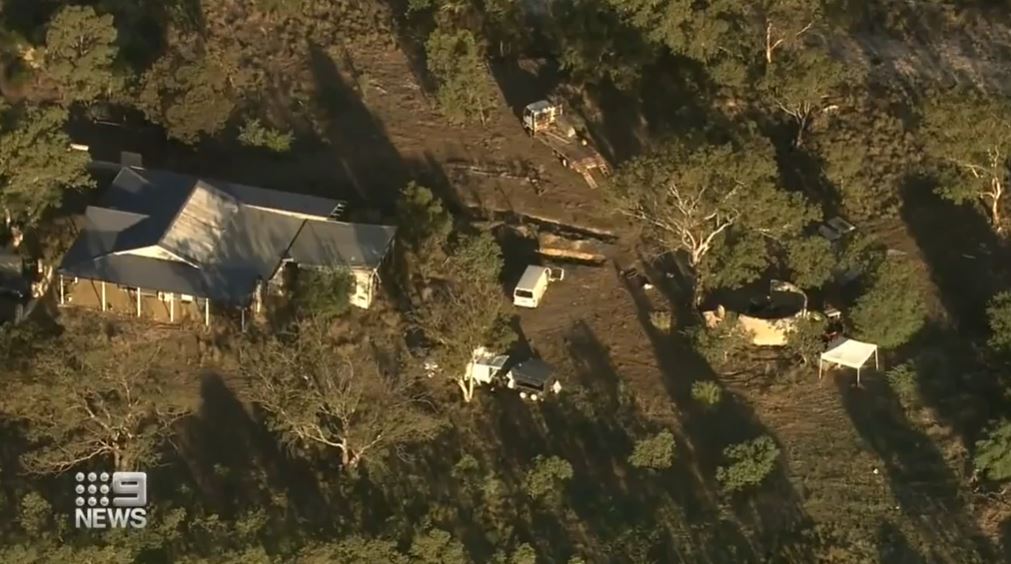
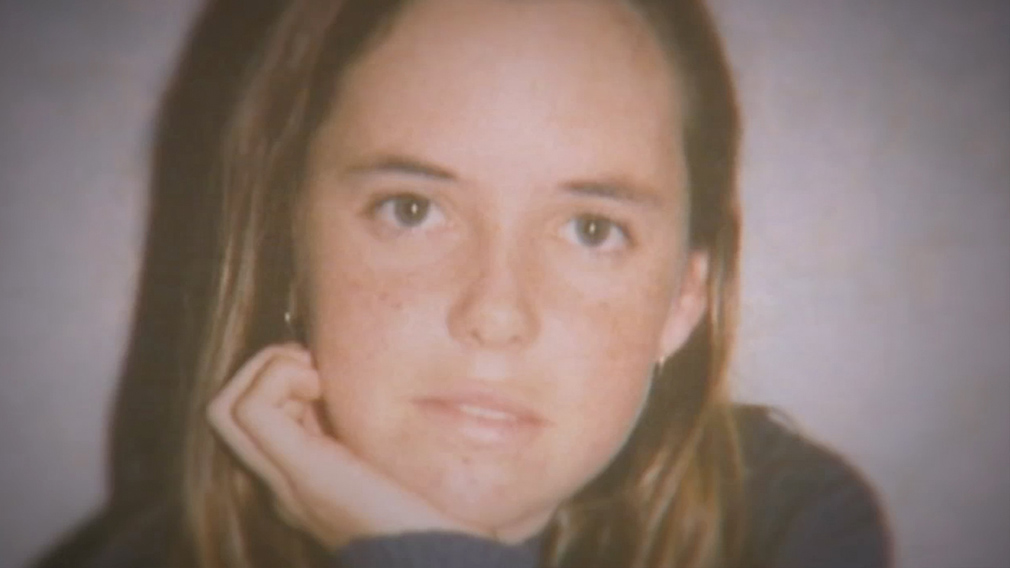
Police are searching a property in Badgingarra, about 200 kilometres north of Perth, after a tip-off about the location of missing teenager Hayley Dodd's body.
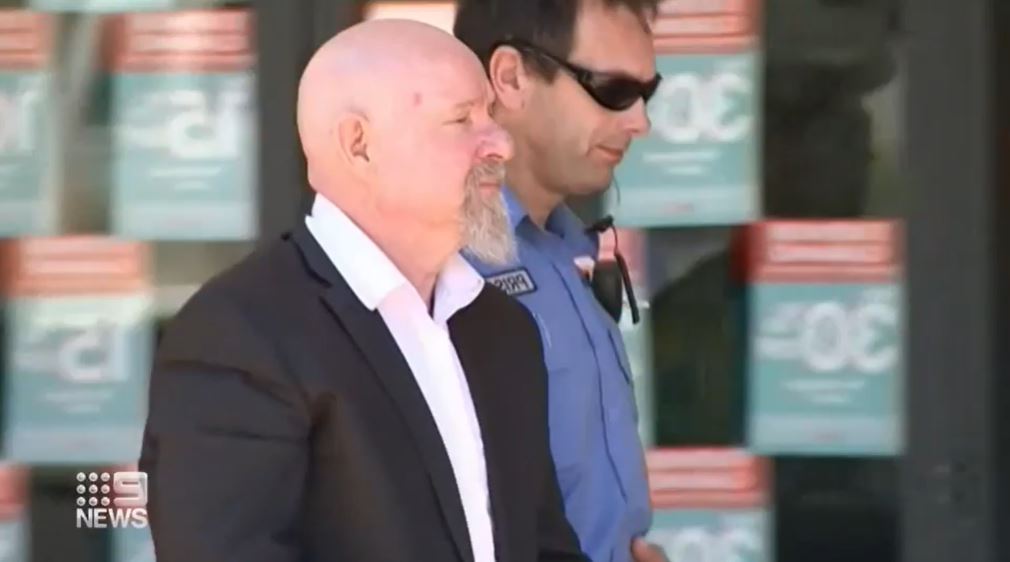
The property was previously occupied by Francis Wark, who was sentenced to 18 years in jail last week for Hayley's manslaughter.
It was the longest manslaughter sentence in Western Australia's history.
READ MORE: Hayley Dodd's killer handed longest manslaughter sentence in WA history
Hayley's body has never been found and Wark has never disclosed its location.
Wark faced two trials over the 17-year-old's death – first being found not guilty of her murder before last week's manslaughter sentence.
Hayley was last seen hitchhiking near Wark's property in July 1999.
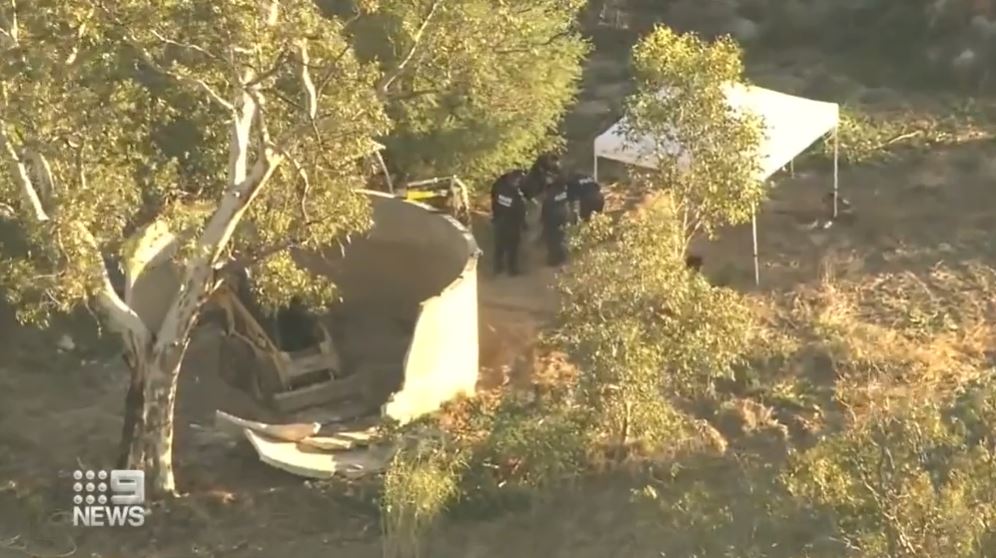
Today, specialist crime and forensic officers concentrated their search on an old water tank at the rear of the property, using a bobcat and scouring the surrounding land.
While Wark denied having any knowledge of what happened to Hayley, a cold case review in 2013 uncovered an earring the teen was wearing on a seat cover of a car Wark was driving at the time.
Police had also searched the Badgingarra property during the same 2013 review but found nothing at the time.
Wark has been behind bars since 2007, first for raping a hitchhiker in Queensland and then while awaiting trial over Hayley's death.
He will be eligible for parole after 16 years, but will not be granted an early release until he reveals the location of Hayley's body.
READ MORE: Francis Wark found guilty of the manslaughter of Hayley Dodd
At the time of Wark's sentencing, Hayley's mother Margaret said she wanted him to feel remorse over her daughter's death.
"I wanted him to feel it but not a single reaction from him. A heart of stone," Ms Dodd said outside court.
"My daughter Hayley was a beautiful 17-year-old girl whose only crime was naivety.
"The last two decades have been sheer hell."
A crime scene has been established at the Badgingarra property and while investigators confirmed there were "no significant developments" today, officers will return tomorrow.
Man charged after woman's burned body found in Gold Coast yard
An estranged partner has been charged with the murder of a young mother who was found dead in a Gold Coast backyard with burns to her body.
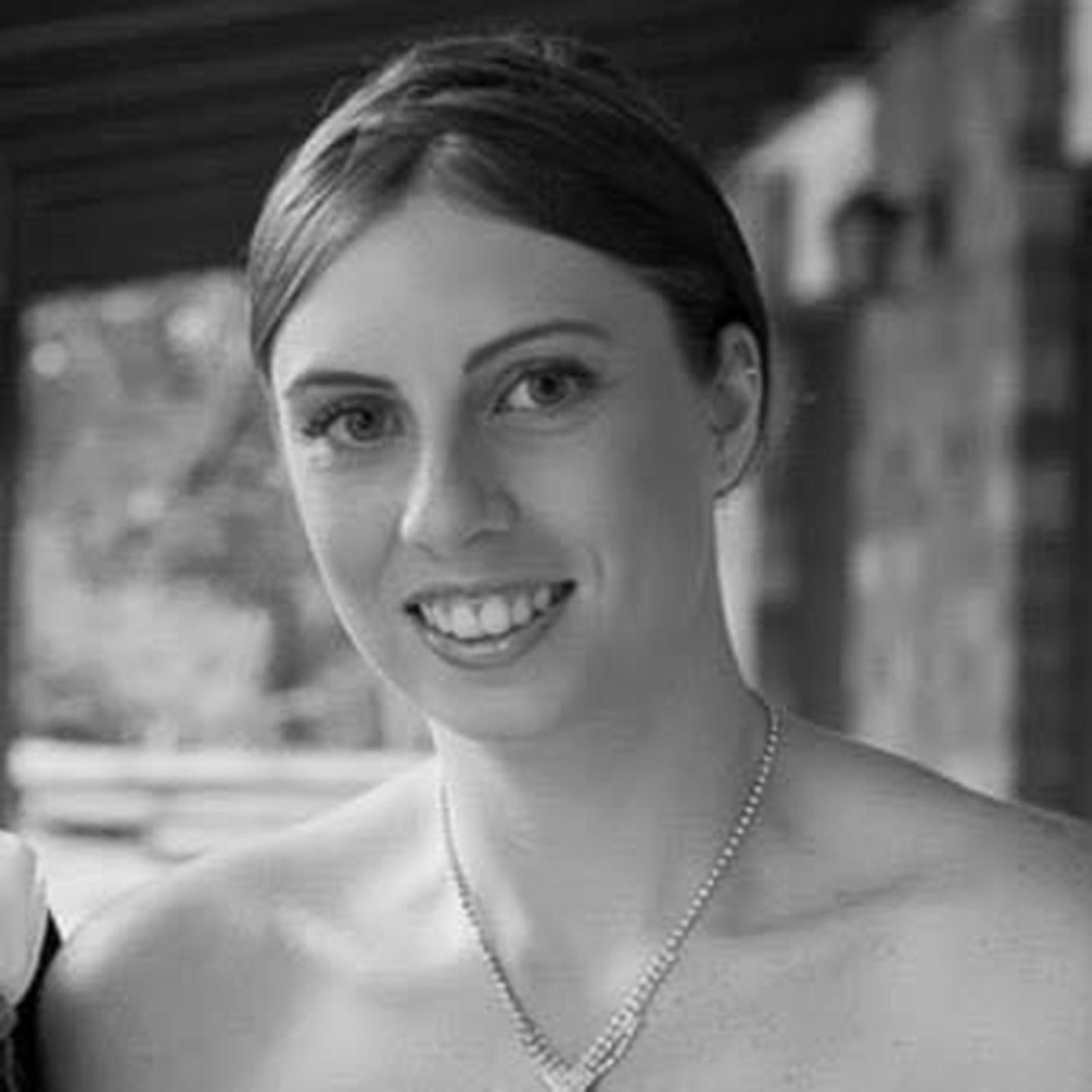
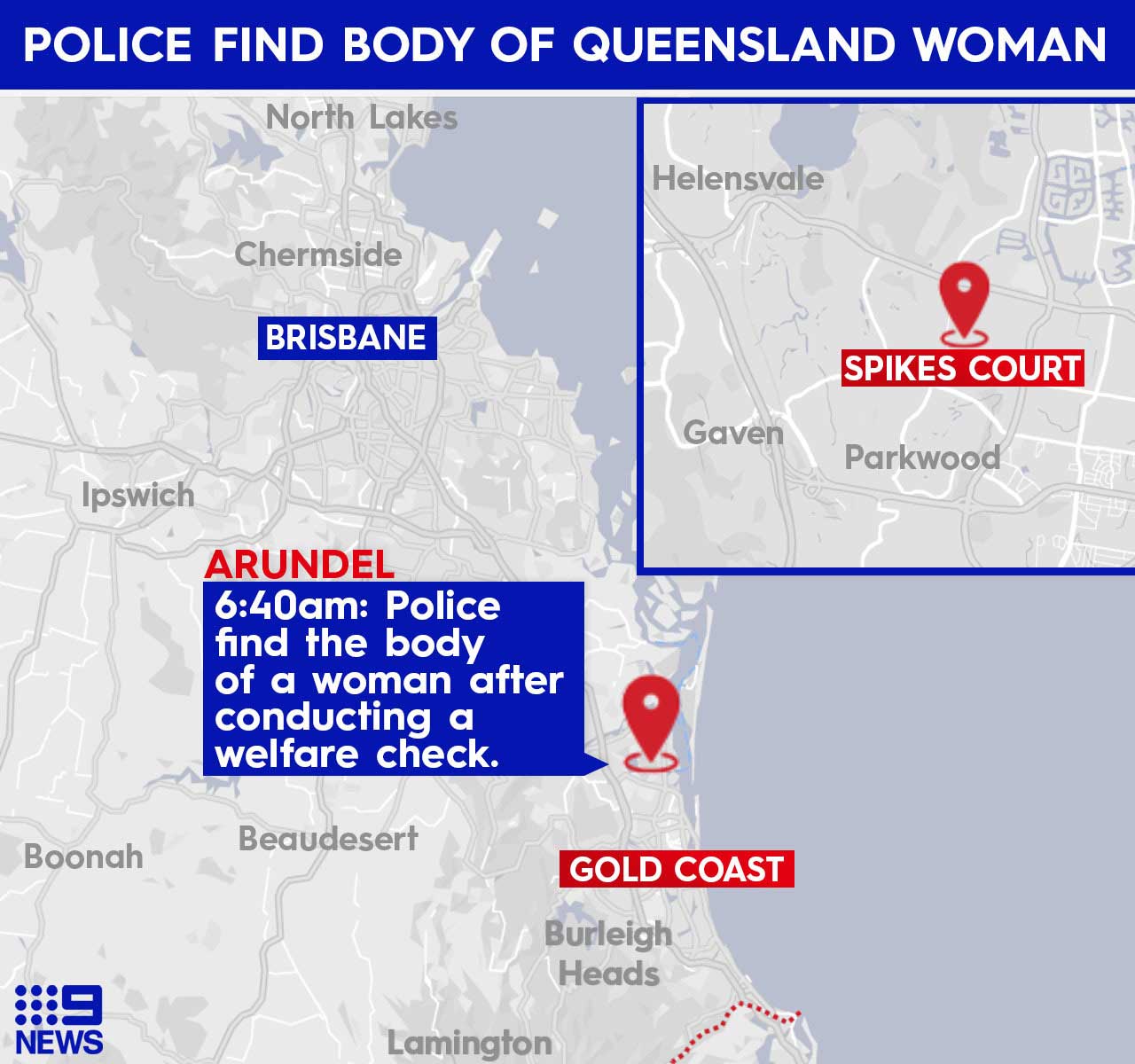
Police found the body of Kelly Wilkinson, 27, at the home in Arundel about 6.40am after neighbours reported hearing screams and the sound of an explosion.
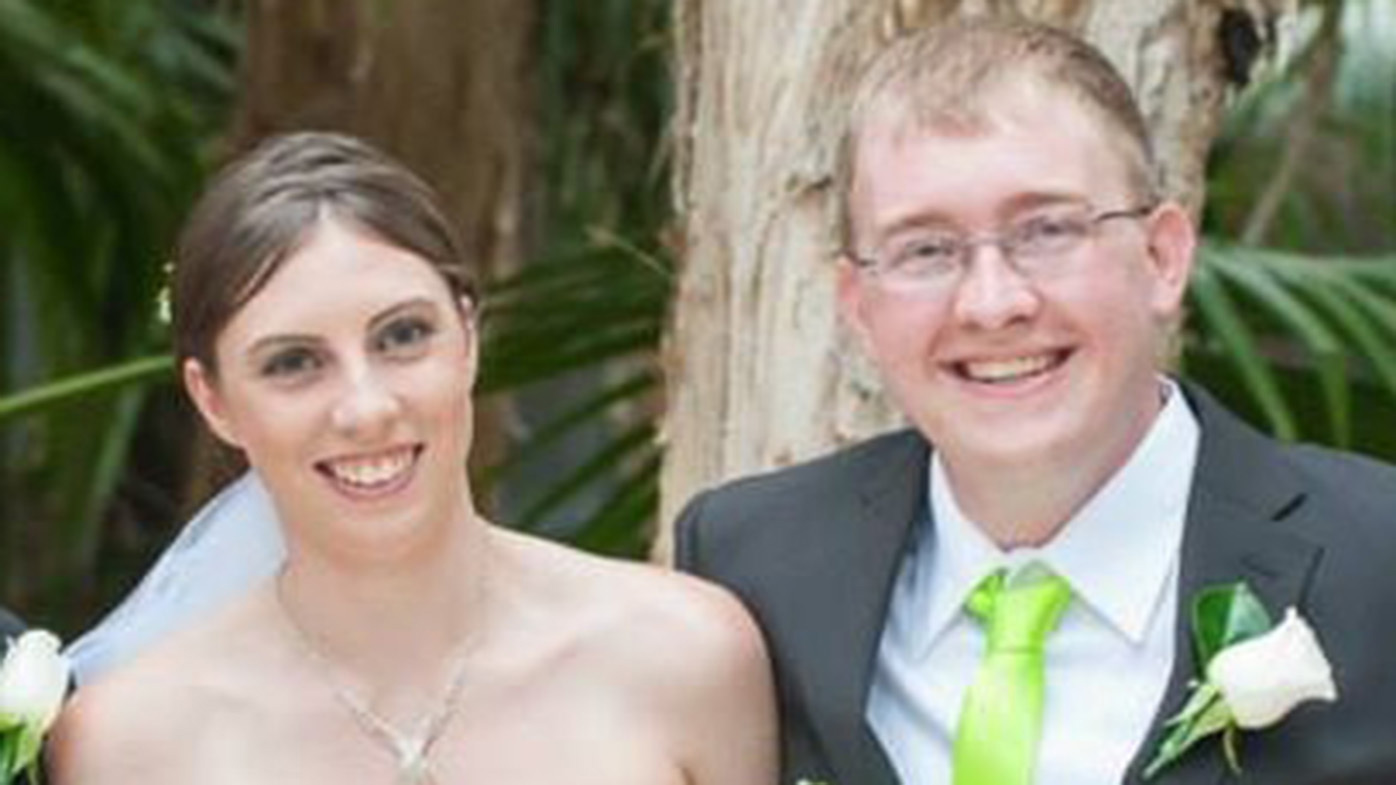
Ms Wilkinson's estranged partner Brian Johnston, 34, was found in a semi-conscious state on a front lawn several blocks away.
He was taken into custody earlier today and has since been charged with Ms Wilkinson's murder.
Neighbours told police they saw a man run from the scene injured and bloodied.
"He turned up in the bushes in the house next door to me – his left arm was heavily bandaged," one neighbour told 9News.
Officers allege Mr Johnston fled down Spikes Court, ran 250 metres along a busy road and headed up a hill to a different backyard.
"(A passerby) saw the fella and asked you know, 'are you okay mate?' He made some remark like, 'I'm fine', but he had his head down," the neighbour said.
Paramedics gave Mr Johnston treatment for his burns before rushing him to Gold Coast University Hospital.
Detective Inspector Chris Ahern said earlier today a forensic examination of the home is underway.
"One of the lines of inquiry is the male person located and the deceased female person were known to each other and were potentially in a previous relationship," he said.
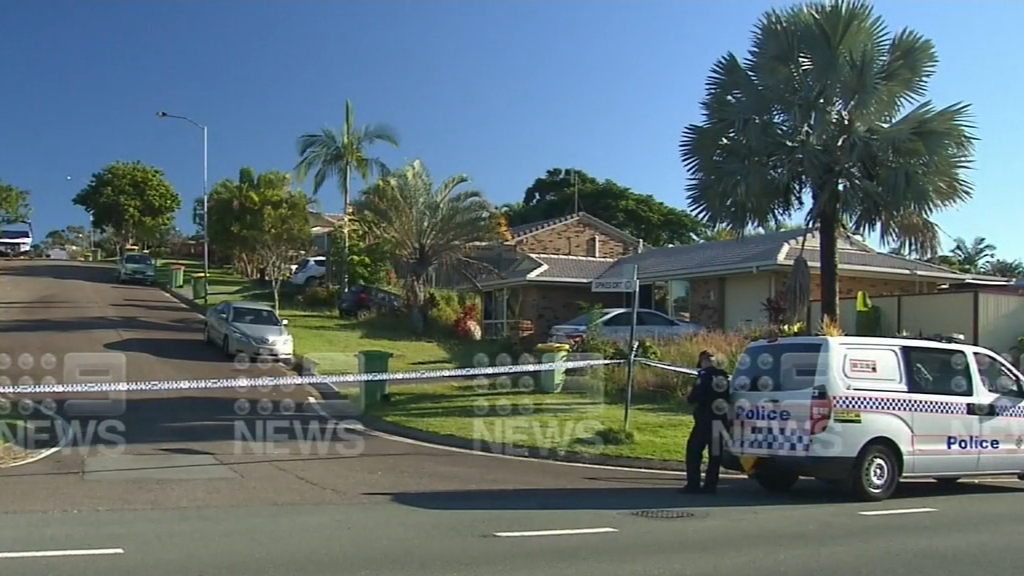
Police spent today canvassing the area with 15 officers, including forensic investigators and homicide detectives, at the home.
Rubbish collection on surrounding streets was halted as officers looked for other potential pieces of evidence.
"There may be further evidence that has left that scene," Detective Inspector Brendan Smith said.
"Our intention is to lock that area down and determine (whether that is the case)."
The family of Ms Wilkinson has set up a fundraiser to assist with funeral preparations and care for her children.
It has already raised over $6000 of its $20,000 donation goal.
"We are trying to raise money to pay for the funeral, the kids schooling and all other costs," the fundraiser reads.
Mr Johnston has been refused bail and investigations continue.
Anybody with information is urged to contact police at Policelink, or Crime Stoppers on 1800 333 000.
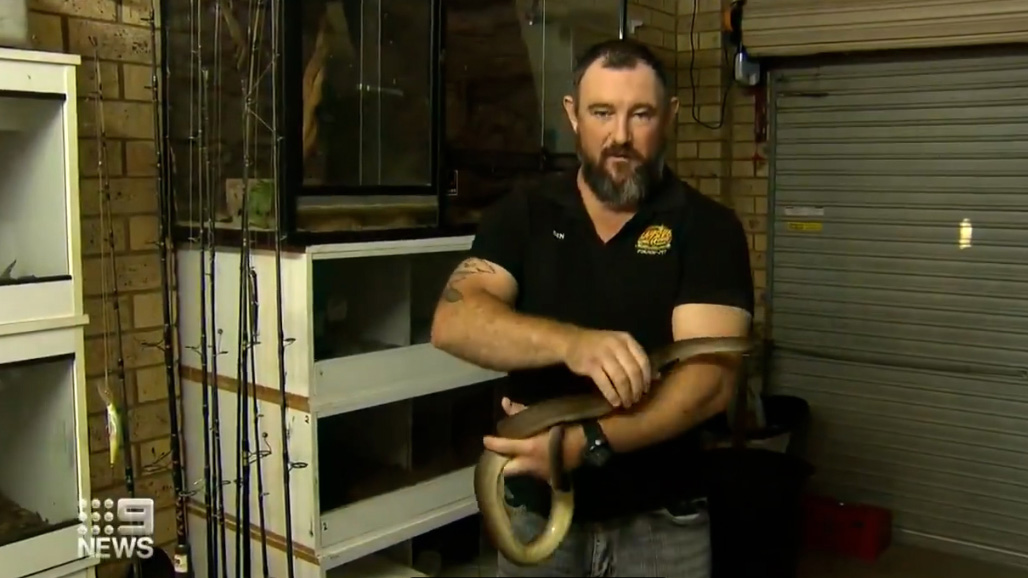
Snake handler almost killed by his own deadly pet reptile
A Queensland snake handler was nearly killed by his own pet reptile.
Doctors told Ben Avery, who owns a male Eastern tiger snake called Wesley Stripes in addition to running a business handling snakes, they can't believe he survived the potentially-deadly bite.
Mr Avery, from Brisbane's Bayside, was bitten on the thumb while feeding the creature- and instantly developed symptoms.
READ MORE: 'Absolute weapon' snake sheds giant skin in family roof
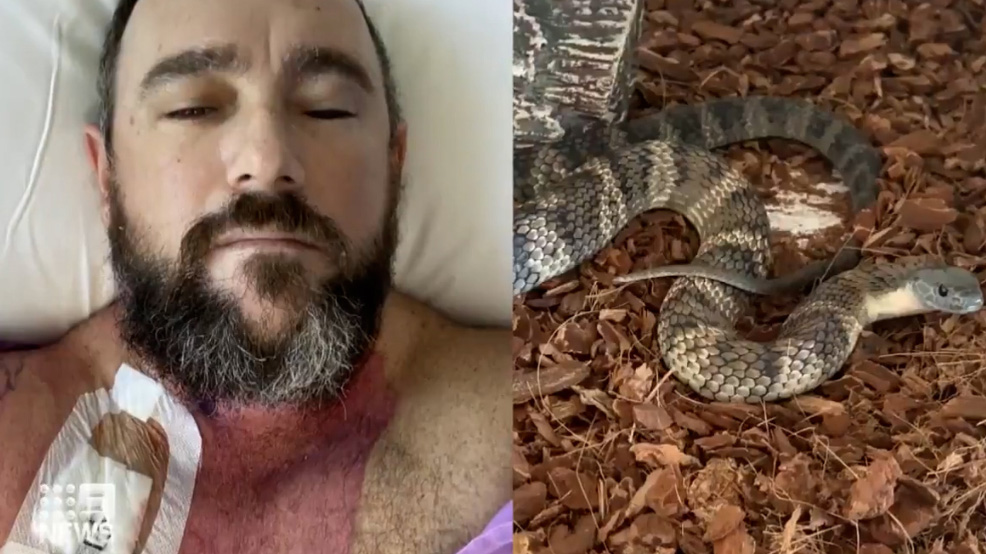
"I've never felt sicker in my life. My arm felt like it was in a vice," he said.
He started vomiting and had seizures, and his wife Melissa leaped into action.
Knowing how dangerous the tiger snake is, the couple already had a plan of what to do if he was bitten.
READ MORE: Red-bellied black snake found inside child's asthma puffer
They're the third deadliest snake in Australia, and 60 per cent of people bitten by them die.
"She knew exactly what to do," he said.
"Straight away he started to sweat," she said.
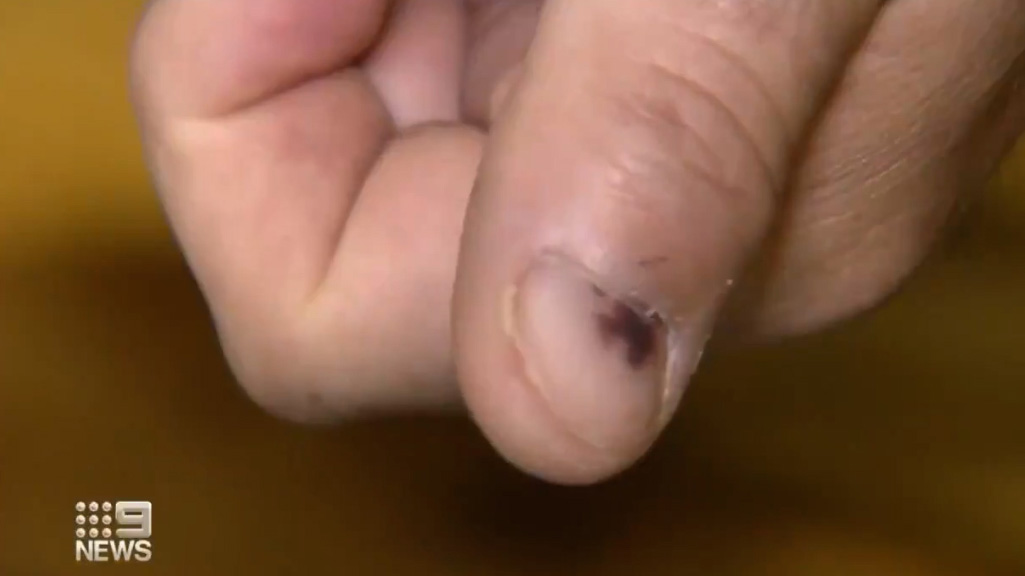
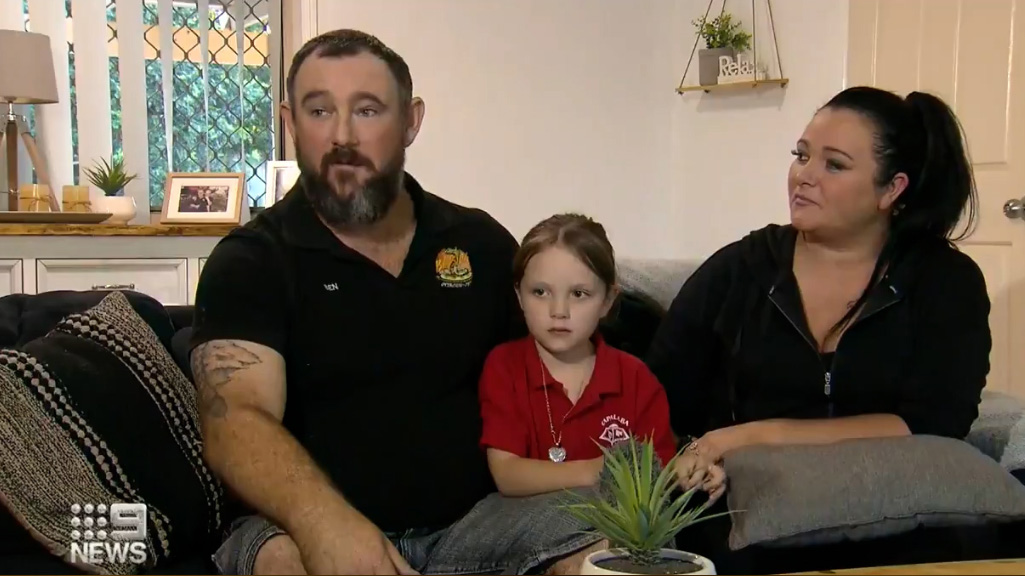
"I time-stamped my phone to be able to give an accurate bite time, grabbed a bandage, sat Ben down," she said.
He had kidney damage by the time he got to hospital – buthas recovered.
Wesley has now been rehomed with another experienced keeper.
Byron Bay locals protest planned Netflix reality series
Angry Byron Bay locals are protesting the filming of a reality television series that some fear will damage the reputation of their trendy tourist town.
About 100 surfers paddled to sea on Tuesday to form a cancel symbol off the coast of the NSW town in the hope that Netflix will can the series about social media influencers.
Several Byron Bay businesses have refused to sign filming permits that would allow “Byron Baes,” a contemporary abbreviation of “Byron Babes,” to be shot on their premises.
READ MORE: Queensland deputy premier defends Byron Bay holiday
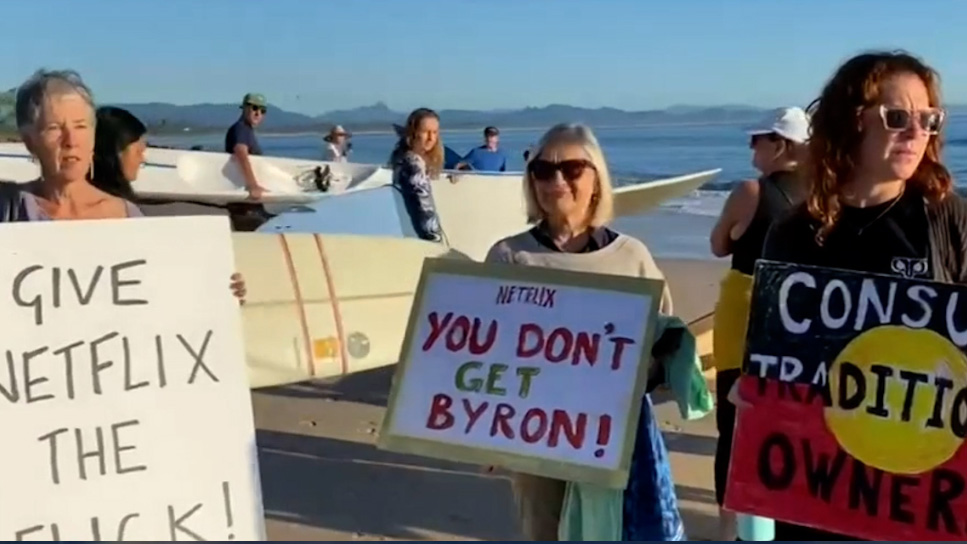
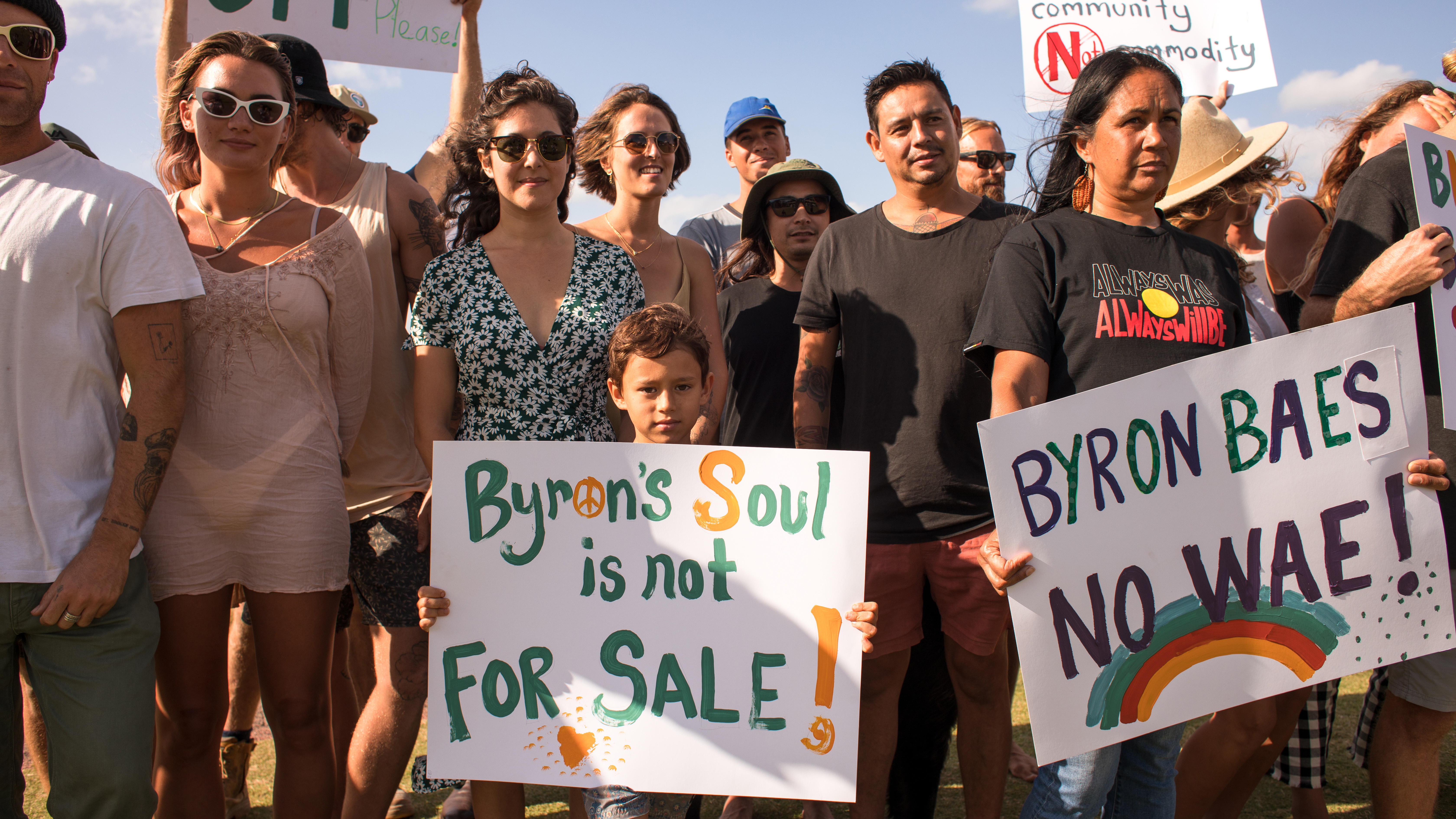
“It’s potentially going to threaten businesses if the portrayal of Byron is as absurd as I guess a lot of the doco-soap-reality shows are,” Byron Shire Mayor Simon Richardson told the ABC.
“As a community, we should have a right to be able to not be exploited and to go about our business and also just have a community that has its real and genuine concerns and challenges shared rather than a picture postcard filmed with people who have potentially been here for five minutes,” Mr Richardson added.
Ben Gordon is refusing to allow the eight-episode series to be filmed at his business, The Byron Bay General Store.
“They’re proposing to drag our name through the mud and make millions of dollars without offering anything back to the community and completely misrepresenting who we are and it’s totally wrong,” Mr Gordon told 9News at the Main Beach protest.
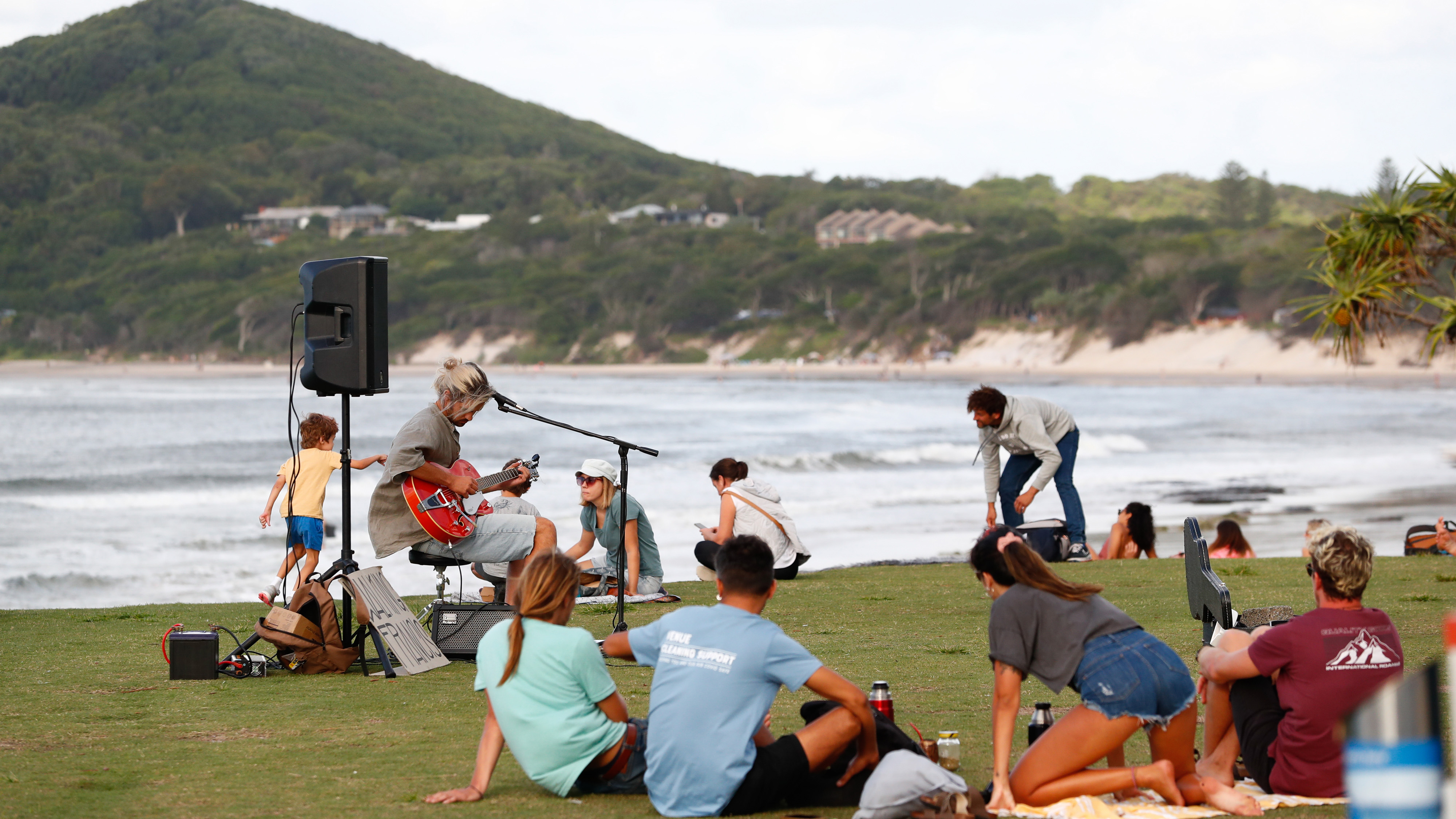
“There was no consultation whatsoever. They just came in unannounced,” Mr Gordon added.
Mr Gordon led a community meeting on the subject last week and complained that most of the cast were not from Byron Bay.
READ MORE: Accommodation prices skyrocket as Aussies flock to holiday hotspots
Netflix said its first Australian reality series would “aim to build a connection between the people we meet in the show and the audience.”
“The show is authentic and honest, and while it carries all the classic hallmarks of the form and embraces the drama, heartbreak and conflict that makes for such entertaining viewing, our goal is to lift the curtain on influencer culture to understand the motivation, the desire, and the pain behind this very human need to be loved,” a Netflix statement said.

“The reason behind choosing Byron Bay as a location was driven by the area’s unique attributes as a melting pot of entrepreneurialism, lifestyle and health practices, and the sometimes uneasy coming together of the traditional ‘old Byron’ and the alternative ‘new,’ all of which we’ll address in the series,” the statement added.
The town of 9,000 people is one of the most famous in Australia, partly because acting couple Chris Hemsworth and Elsa Pataky have built a mansion there.
International celebrities who are based or spend time in Byron Bay include Matt Damon, Zac Efron and Simon Baker.
Mr Richardson, the mayor, said the town 625km north of Sydney did not need the type of tourists who “might be turned on by a vacuous vision of who we are.”
“If we become a laughing stock through a really vacuous, fake show, it could have big — not just sensitivity challenges for us — but also economic challenges,” Mr Richardson said.
Byron Bay activists have successfully stood up to big business in the past.
The town has prevented KFC and McDonalds from opening restaurants there after protest campaigns.