A major new research programme aims to build on our stunning success against Covid-19 by wiping out other infectious diseases – making the 2020s the “decade of elimination”.”The successful elimination of Covid-19 transmission in…
Tag Archives: oceania
SPCA National Inspectorate Manager says Whanganui cat attack was 'confronting'
The manager in charge of the SPCA team that investigates animal welfare breaches says cases of abuse against animals are more prevalent than many people realise. The comments come in the wake of what he says was a “confronting”…
Why Māori are to be hit hardest by climate change, and what two east coast iwi are doing about it
The bountiful hauls of kaimoana integral to East Cape iwi have long been the envy of those inland. When manuhiri would arrive from across the motu they’d be treated to hākari (feasts) of kina, kōura (crayfish), kākahi…
Herald morning quiz: April 20
Test your brains with the Herald’s morning quiz. Be sure to check back on nzherald.co.nz at 3pm for the afternoon quiz. To challenge yourself with more quizzes, CLICK HERE.
75% chance of major Alpine Fault earthquake in next 50 years – study
New Zealand’s big-risk Alpine Fault has a 75 per cent chance of causing a major quake – most likely a powerful magnitude 8 event – within the next 50 years.That’s according to a new study that’s found the probability of an event…
India's capital to lock down amid devastating virus surge
New Delhi has imposed a weeklong lockdown starting Monday night to prevent the collapse of the Indian capital's health system, which authorities say has been pushed to its limit amid an explosive surge in coronavirus cases.
In scenes familiar from surges elsewhere, ambulances catapulted from one hospital to another, trying to find an empty bed over the weekend, while patients lined up outside of medical facilities waiting to be let in. Ambulances also idled outside of crematoriums, carrying half a dozen dead bodies each.
"People keep arriving, in an almost collapsing situation," said Dr. Suresh Kumar, who heads Lok Nayak Jai Prakash Narayan Hospital, one of New Delhi's largest hospitals for treating COVID-19 patients.
READ MORE: World's biggest vaccine producer is running out during second wave
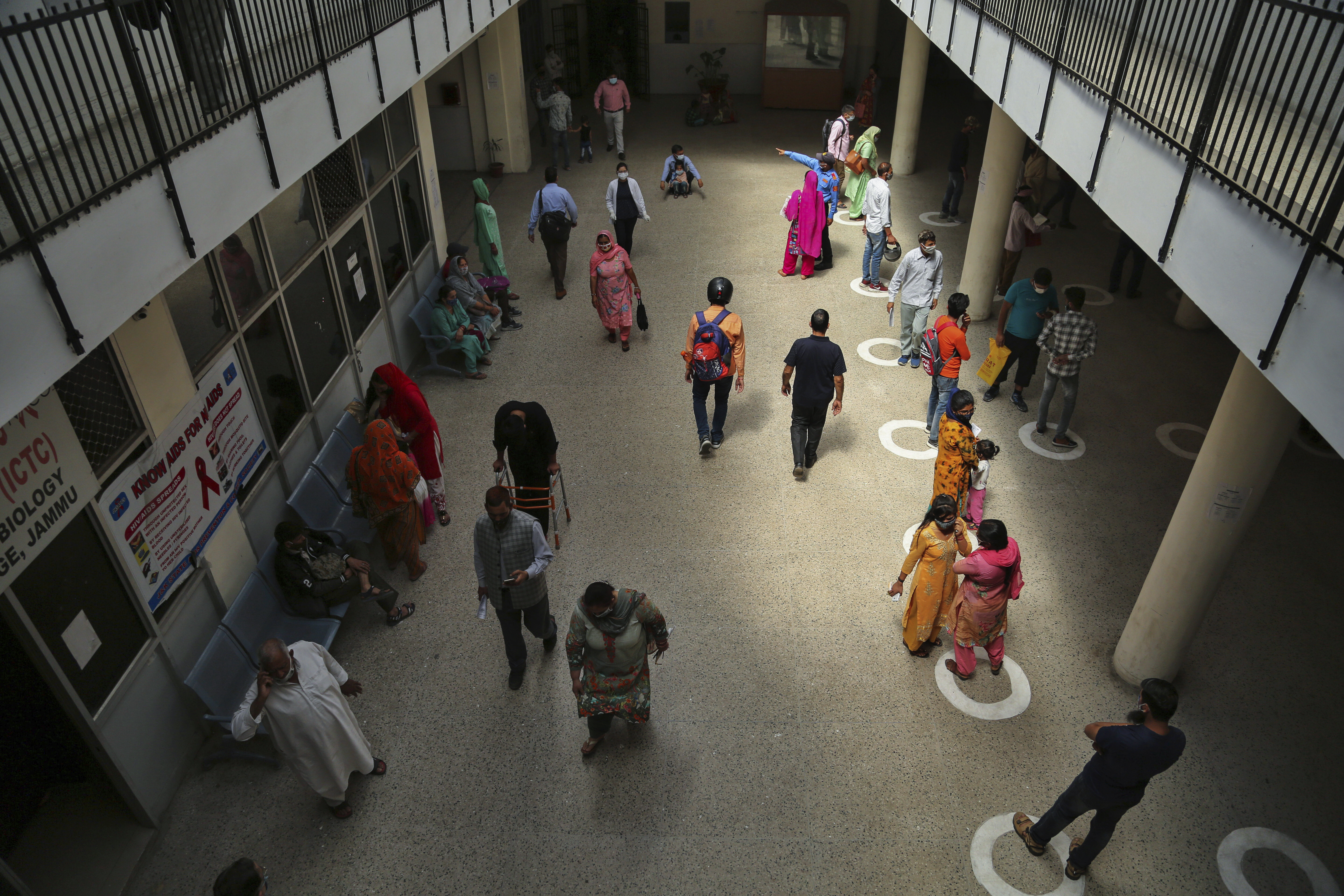
Most desperately need oxygen, Kumar said. But the city is facing shortages of oxygen and some medicine, according to Chief Minister Arvind Kejriwal, who told reporters that the new stringent measures being imposed were required to "prevent a collapse of the health system," which had "reached its limit."
Just months after India thought it had seen the worst of the pandemic, the virus is now spreading at a rate faster than at any other time, said Bhramar Mukherjee, a biostatistician at the University of Michigan who has been tracking infections in India.
The surge is devastating for India and has weighed heavily on the global efforts to end the pandemic since the country is a major vaccine producer but has been forced to delay exports of shots abroad, hampering campaigns in developing countries, in particular.
READ MORE: New Zealand bubble loophole could see Aussies fly to rest of the world
In a sign of the high stakes, the chief executive of Serum Institute of India, the world's largest maker of vaccines, asked US President Joe Biden on Twitter last week to lift the US embargo on exporting raw materials needed to make the shots.
The rise in cases comes amid setbacks in the worldwide vaccination campaign and deepening crises in many places beyond India, including Brazil and France. Over the weekend, the global death toll from the coronavirus passed a staggering 3 million people Saturday.
India reported over 270,000 infections on Monday, its highest daily rise since the pandemic started. It has now recorded more than 15 million infections and more than 178,000 deaths. Experts agree that even these figures are likely undercounts. Amid the rise in cases, British Prime Minister Boris Johnson called off a trip to New Delhi.
READ MORE: Nation shuts down travel after body with COVID washes ashore
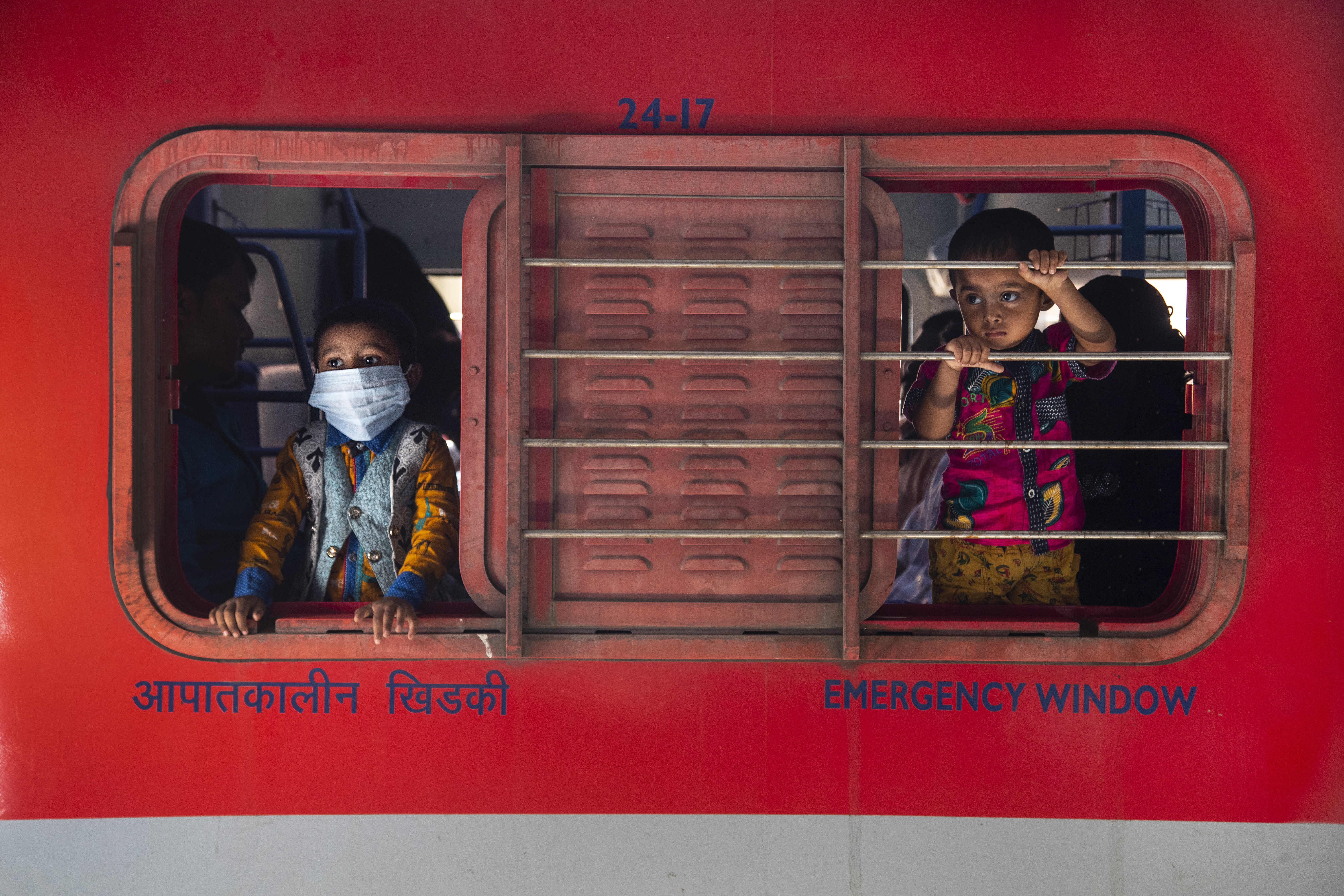
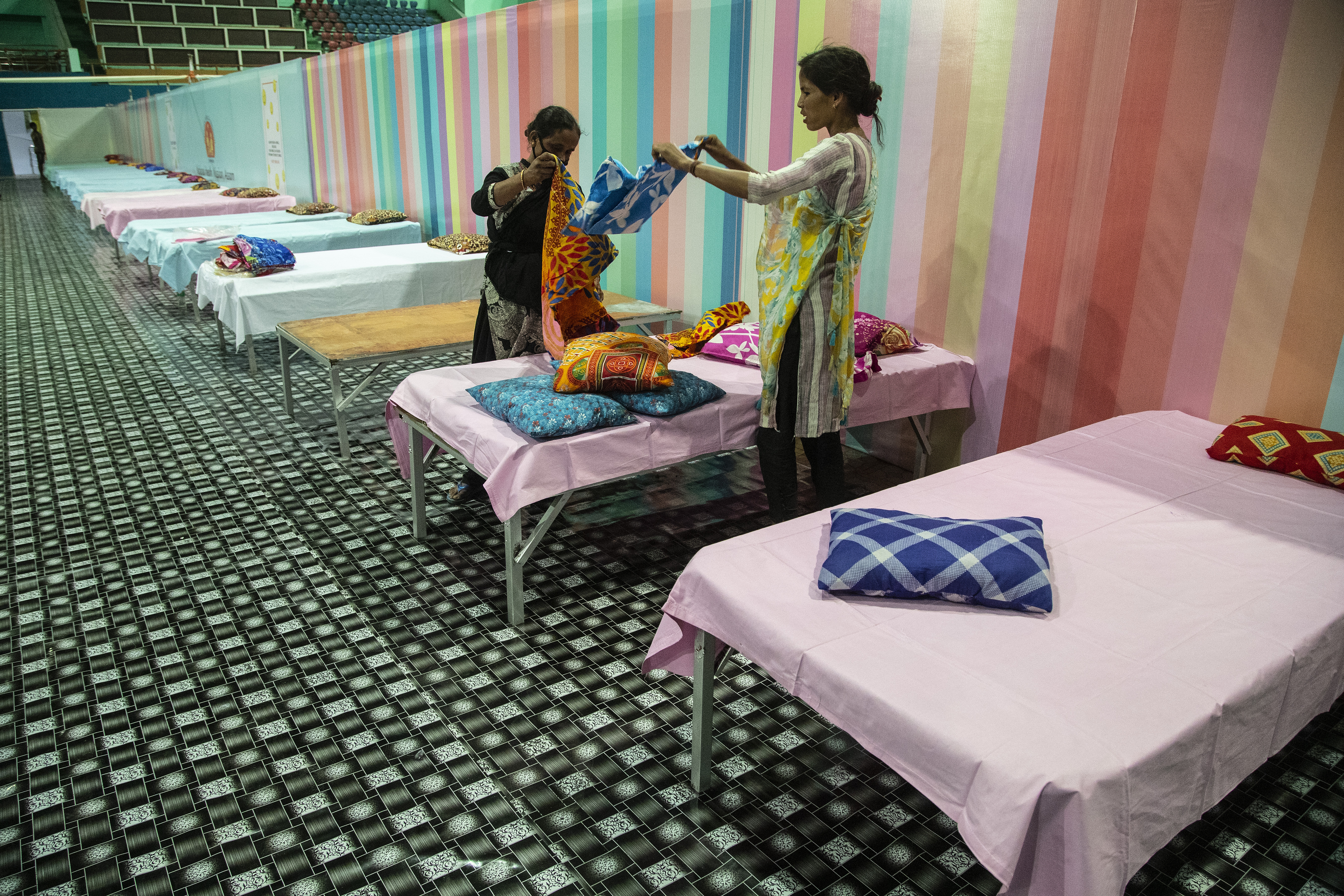
The city of 29 million people has fewer than 100 beds with ventilators, and fewer than 150 beds available for patients needing critical care. Similar strains can be seen in other parts of the vast country, where the fragile health system has been underfunded for decades and a failure to prepare for the current surge has left hospitals buckling under the pressure of mounting infections.
In the Himalayan Jammu state in India's north, the weekly average of COVID-19 cases has increased 14-fold in the past month. In Telengana state in southern India, home to Hyderabad city where most of India's vaccine makers are based, the weekly average of infections has increased 16-fold in the past month.
Meanwhile, election campaigns are continuing in West Bengal state in eastern India, amid an alarming increase there as well, and experts fear that crowded rallies could catalyse the spread of the virus. Top leaders of the ruling Bhartiya Janta Party, including Prime Minister Narendra Modi, have campaigned heavily to win polls in the region.
READ MORE: Victorians avoiding COVID-19 tests due to 'shame and stigma'
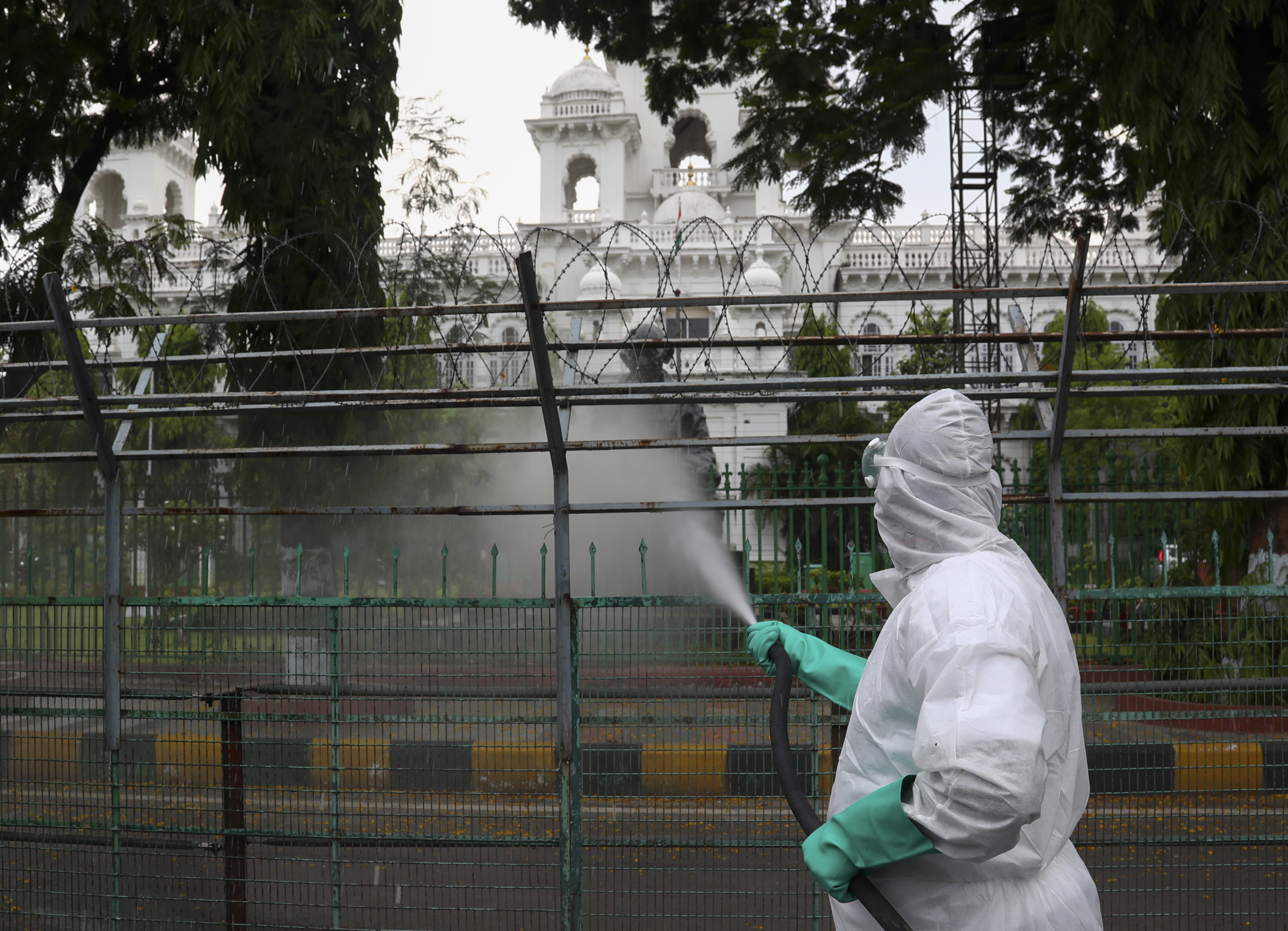
By contrast, in New Delhi, officials have begun to impose stringent measures again. The Indian capital was shut down over the weekend, but now authorities are extending that for a week: All shops and factories will close, except for those that provide essential services, like grocery stories. People are not supposed to leave their homes, except for a handful of reasons, like seeking medical care.
They will be allowed to travel to airports or train stations — a difference from the last lockdown when thousands of migrant workers were forced to walk to their home villages.
That previous harsh lockdown last year, which lasted months, left deep scars. Politicians have since been reticent to even mention the word. When similar measures were imposed in Mahrashtra state, home to the financial capital of Mumbai, in recent days, officials refused to call it a lockdown. Those restrictions are to last 15 days.
Kejriwal, the Delhi official, urged calm, especially among migrant workers who particularly suffered during the previous shutdown, saying this one would be "small."
But many feared it would spell economic ruin. Amrit Tripathi, a labourer in New Delhi, was among the thousands who walked home in last year's lockdown.
"We will starve," he said, if the current measures are extended.
NASA's Mars helicopter becomes first powered flight on another planet
NASA's experimental Mars helicopter rose from the dusty red surface into the thin air on Monday, achieving the first powered, controlled flight on another planet.
The triumph was hailed as a Wright Brothers moment. The mini 1.8kg copter named Ingenuity, in fact, carried a bit of wing fabric from the 1903 Wright Flyer, which made similar history at Kitty Hawk, North Carolina.
"We can now say that human beings have flown a rotorcraft on another planet," project manager MiMi Aung announced to her team.
READ MORE: Significant growth of artificial islands visible in satellite images
https://twitter.com/NASA/status/1384099167832735748https://twitter.com/Dr_ThomasZ/status/1384099645626847241
Flight controllers in California confirmed Ingenuity's brief hop after receiving data via the Perseverance rover, which stood watch more than 65 metres away. Ingenuity hitched a ride to Mars on Perseverance, clinging to the rover's belly upon their arrival in an ancient river delta in February.
The $85 million helicopter demo was considered high risk, yet high reward.
"Each world gets only one first flight," project manager MiMi Aung noted earlier this month. Speaking on a NASA webcast early Monday, she called it the "ultimate dream."
Aung and her team had to wait more than three excruciating hours before learning whether the pre-programmed flight had succeeded 287 million kilometres away. Adding to their anxiety: A software error prevented the helicopter from lifting off a week earlier and had engineers scrambling to come up with a fix.
READ MORE: Elon Musk's SpaceX wins NASA moon lander contract
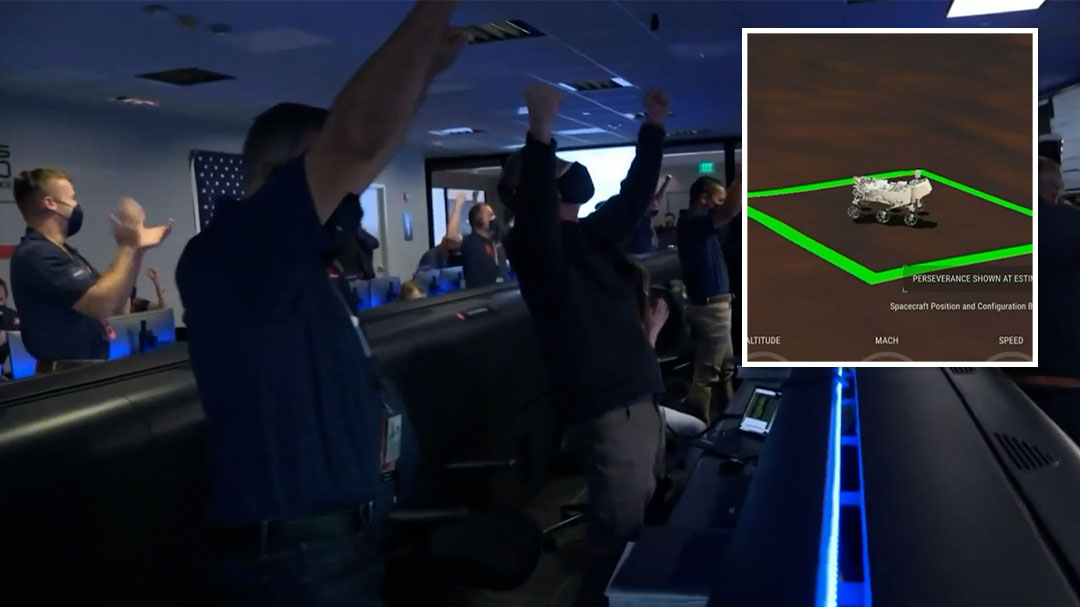
Applause, cheers and laughter erupted in the operations centre when success was finally declared.
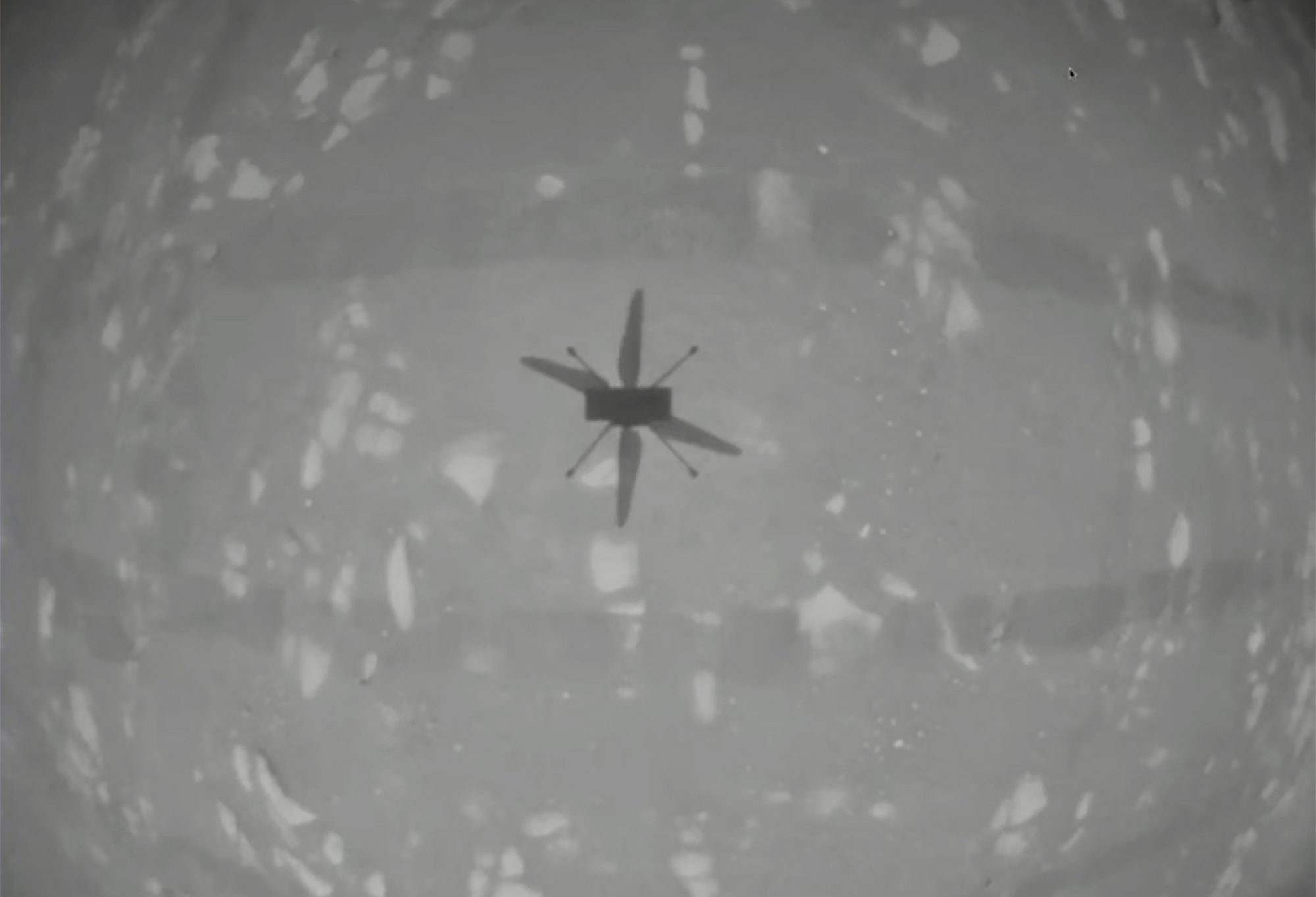
There was even more when the first black and white photo appeared on the screens, showing Ingenuity's shadow as it hovered above the surface of Mars.
Next came the stunning colour images of the helicopter descending back to the surface, taken by Perseverance, resulting in even more applause.


Details were initially sparse, but NASA had been aiming for a 40-second flight. The helicopter was supposed to rise 3 metres, hover for up to 30 seconds, then pivot toward the rover and land close to where it took off.
To accomplish all that, the helicopter's twin, counter-rotating rotor blades needed to spin at 2500 revolutions per minute — five times faster than on Earth. With an atmosphere just 1 per cent the thickness of Earth's, engineers had to build a helicopter light enough — with blades spinning fast enough — to generate this otherworldy lift. At the same time, it had to be sturdy enough to withstand the Martian wind and extreme cold.
More than six years in the making, Ingenuity is a barebones 60cm tall, a spindly four-legged chopper. Its fuselage, containing all the batteries, heaters and sensors, is the size of a tissue box. The carbon-fibre, foam-filled rotors are the biggest pieces: Each pair stretches 1.2m tip to tip.
https://twitter.com/NASA/status/1384099929128202240
The helicopter is topped with a solar panel for recharging the batteries, crucial for its survival during the minus-90C Martian nights.
NASA chose a flat, relatively rock-free patch for Ingenuity's airfield, measuring 10 metres by 10 metres. It turned out to be less than 30m from the original landing site in Jezero Crater. The helicopter was released from the rover onto the airfield on April 3. Flight commands were sent Sunday, after controllers sent up a software correction for the rotor blade spin-up.
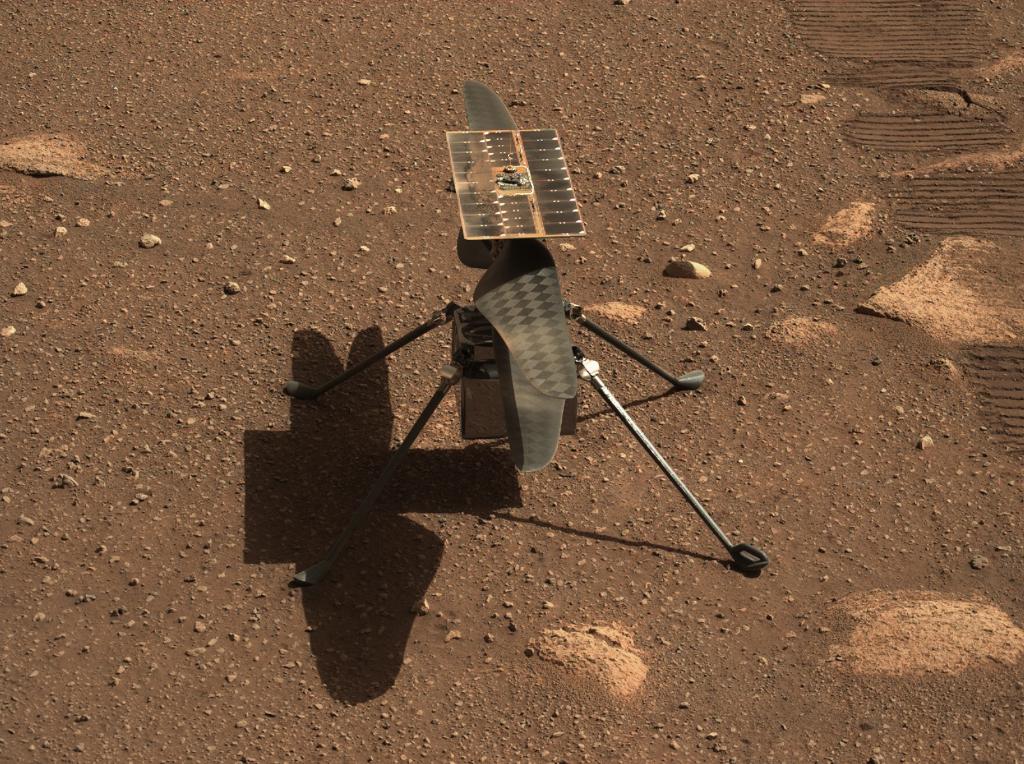
The little chopper with a giant job attracted attention from around the world, from the moment it launched with Perseverance last July until now. Even Arnold Schwarzenegger joined in the fun, rooting for Ingenuity over the weekend via Twitter. "Get to the chopper!" he shouted, re-enacting a line from his 1987 sci-fi film "Predator."
Up to five helicopter flights are planned, each one increasingly ambitious. If successful, the demo could lead the way to a fleet of Martian drones in decades to come, providing aerial views, transporting packages and serving as scouts for astronauts. High-altitude helicopters here on Earth could also benefit — imagine choppers easily navigating the Himalayas.
Ingenuity's team has until the beginning of May to complete the test flights. That's because the rover needs to get on with its main mission: collecting rock samples that could hold evidence of past Martian life, for return to Earth a decade from now.
Until then, Perseverance will keep watch over Ingenuity. Flight engineers affectionately call them Percy and Ginny. "Big sister's watching," said Malin Space Science Systems' Elsa Jensen, the rover's lead camera operator.
Man pops up from manhole after 'looking for lost dog'
A man has been rescued after being stuck in a manhole in the middle of a suburban street in south-east Queensland.
The man became trapped in traffic after attempting to climb out of a stormwater drain as cars passed by on Brisbane Road at Ipswich.
The first to spot the man was driver Clinton Jackson.
READ MORE: 'You have 48 hours': Scammers continuing to impersonate Australia Post
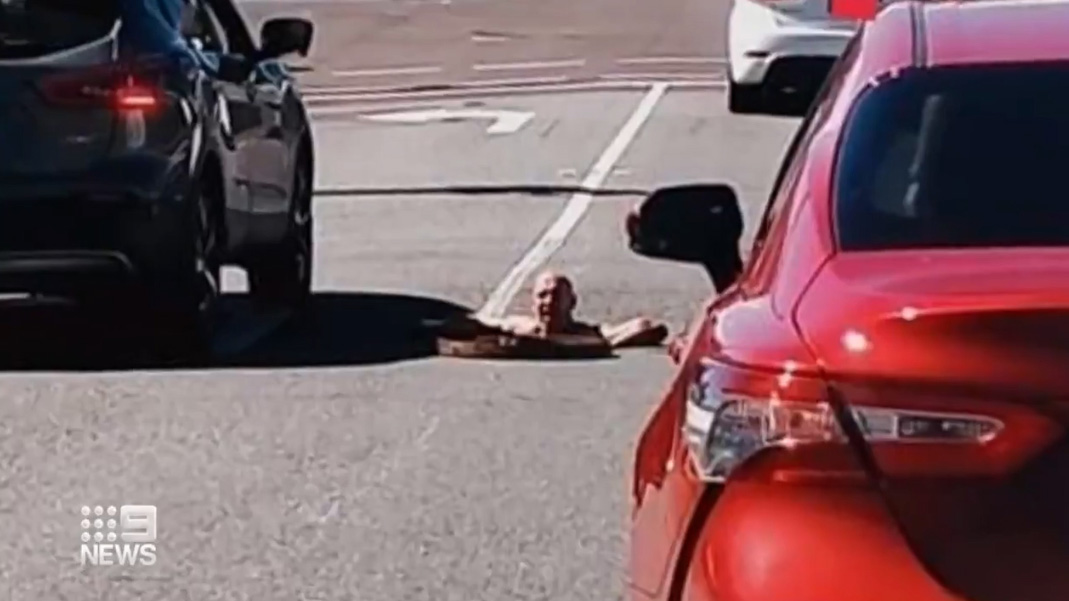
Mr Jackson was driving past and pulled over to ensure a larger traffic accident didn't happen.
"I drove past him at first and then I put the car back into reverse, pulled up and had a quick chat (with him)," Mr Jackson told 9News.
"I got close, and I saw a man down the hole."
When Mr Jackson asked the man what he was doing in the manhole, he said he was looking for a lost dog that had escaped through a drain pipe nearby on the banks of the Bremer River.
"He went through the tunnels, and he tried getting it back," Mr Clinton said.
The man, who was found in his underwear, was captured earlier on video swimming in the Bremmer before entering the drainpipe, with him having to commando crawl to get to the manhole.
"I was actually amazed how he was able to fit, to be honest – very lucky not to get hit, could've caused a major accident right there," Mr Clinton said.
New Zealand bubble loophole could see Aussies fly to rest of the world
A loophole means Australians going to New Zealand as part of the new travel bubble won't be stopped from flying onwards to the rest of the world.
While Australian authorities say Aussies still need an exemption to leave the country except for going across the Tasman, officials there have said they won't stop Australians leaving the nation to travel anywhere else.
New Zealanders are "advised" not to travel overseas- but are not banned like Australian residents have been.
However, Australian's Border Force warned if people do travel onwards it won't be easy to get back home because of the strict flight caps limiting the number of passengers allowed into the country.
READ MORE: New travel bubble on horizon as trans-Tasman flights take off
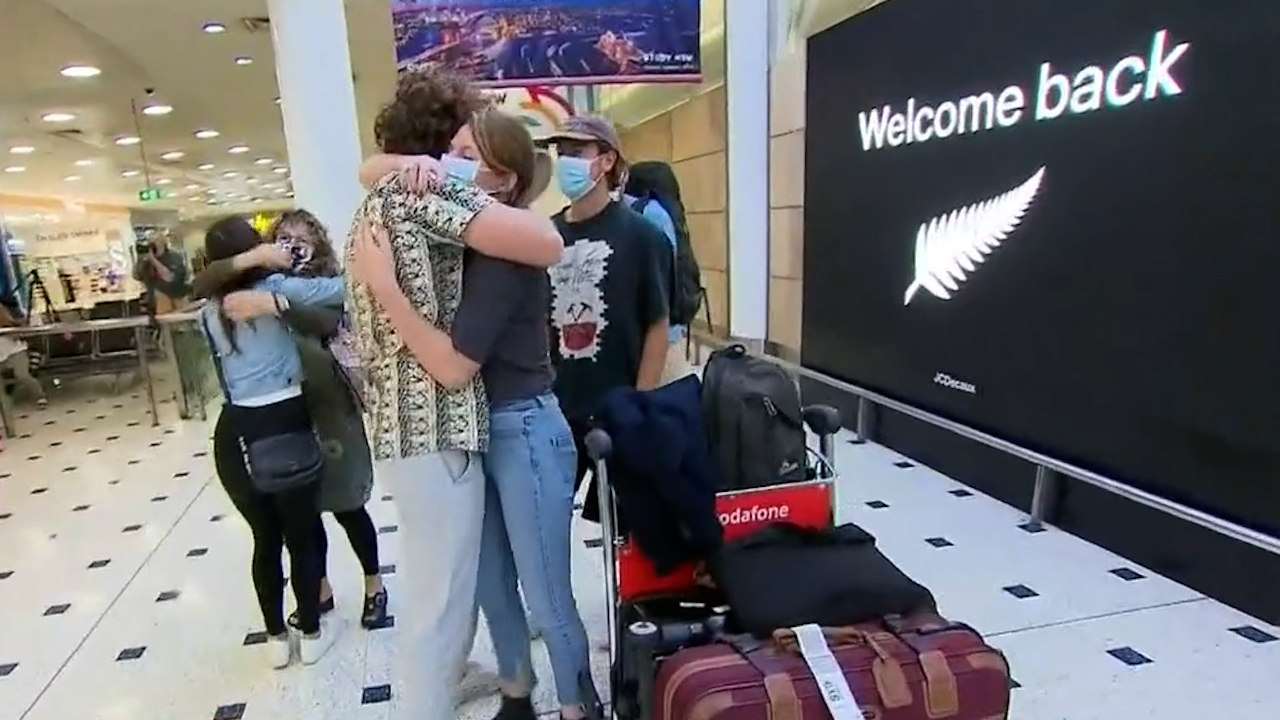
A New Zealand Customs spokesperson told 9News it has "no power" to stop Australians travelling onwards from New Zealand.
READ MORE: Mysterious first flight arrives minutes after Trans-Tasman bubble opens
"This is a domestic issue for the Australian Government's Department of Immigration and Border Protection," a spokeswoman told 9News.
"The New Zealand Customs Service has no role or power to prevent the further departure of Australian citizens to overseas destinations from New Zealand."
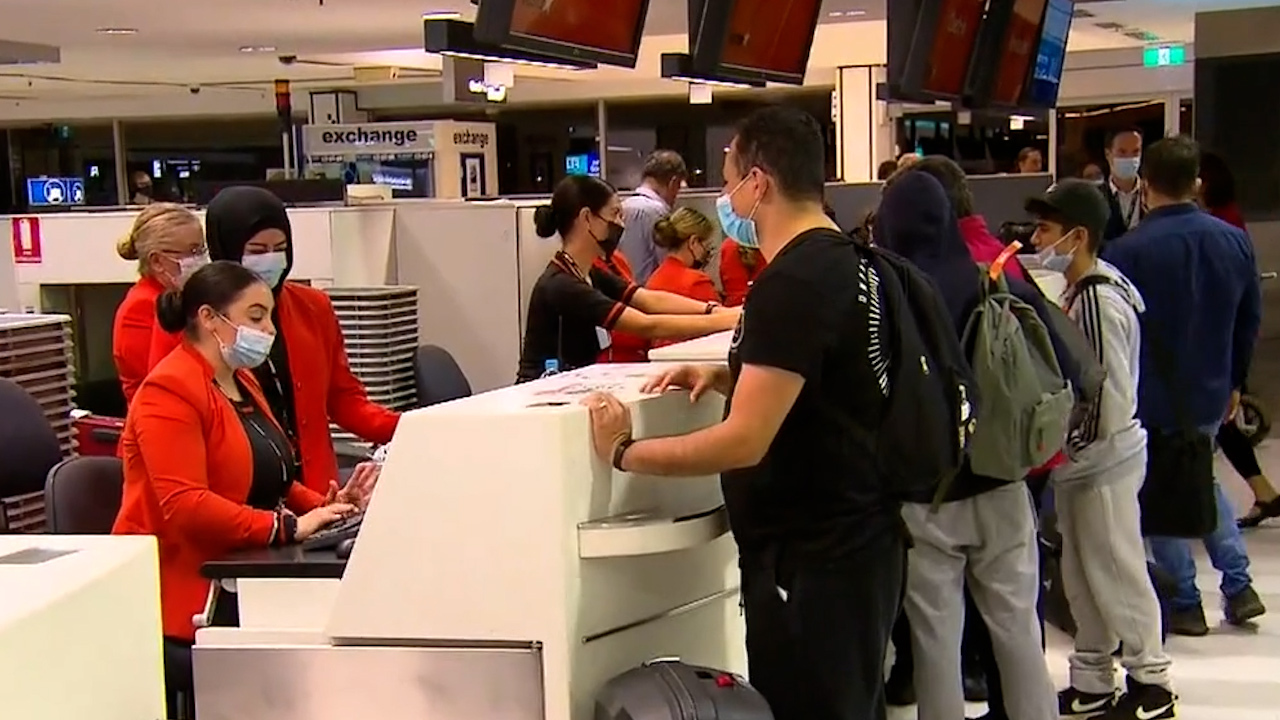
An Australian Border Force spokesperson told 9News people who want to transit through New Zealand to another destination, "must apply for an outward travel exemption".
"Australian citizens and permanent residents requesting an outwards exemption must acknowledge the risks of travel, and the limited and high cost of return flights to Australia," a spokesperson told 9News.
"Currently, New Zealand does not prevent Australian citizens leaving New Zealand and travelling onwards overseas.
"Those who travel onwards from New Zealand to another international destination must be aware that returning to Australia or New Zealand may be difficult due to the current restrictions on passenger numbers and the availability of flights.
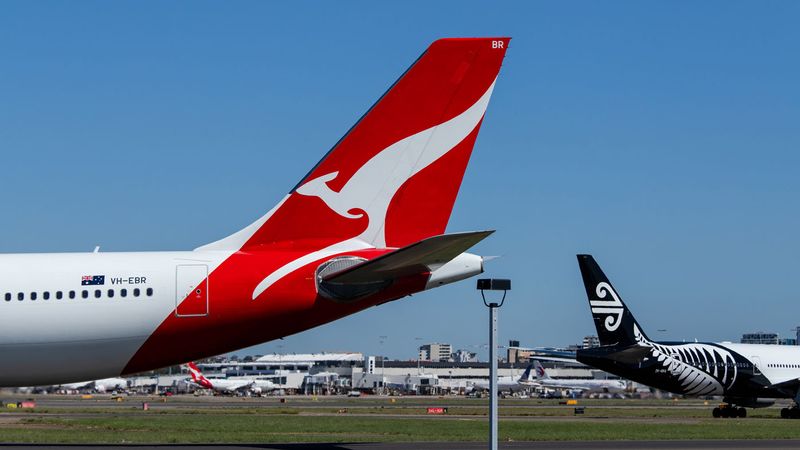
Australians have been banned from leaving the country, outside of some reasons, since last March.
Home Affairs says permission can only be granted to go, as part of the pandemic outbreak; for work; for medical treatment; for a 'compelling reason' for over three months; on compassionate or humanitarian grounds, or in the national interest.
By the end of last year, 100,000 Aussies were granted permission to go, mostly for more than three months – but thousands were refused.
There are restrictions coming back though, with more than 34,000 Aussies still trying to get home from overseas.
Only about 6000 people per week can come in, so getting on a flight without having a ticket cancelled is difficult, and can be expensive.
Both nations, outside of the trans-Tasman bubble, have hotel quarantine for 14 days, which costs about $3000.
New Zealanders have been able to come to Australia without quarantine since last October.
Only New Zealanders and Australians can go to New Zealand.
Over 50's to get COVID-19 vaccine early
Australians over the age of 50 will have access to the coronavirus vaccine after National Cabinet agreed to bring forward the next stage of the country's COVID-19 roll out.
Prime Minister Scott Morrison confirmed the changes in a statement this evening following the first emergency meeting of National Cabinet.
The nation's state and medical leaders will meet twice-weekly to solve Australia's delayed coronavirus vaccine program.
"National Cabinet agreed in-principle to a series of changes to the Australian COVID-19 Vaccination Strategy that will be put forward for approval at the next meeting of National Cabinet including options to bring forward the commencement of vaccinations for over 50-year-olds under the Australian COVID-19 Vaccination Strategy priority group 2a," Mr Morrison said in the statement.
READ MORE: The world's biggest vaccine producer is running out during a deadly second wave
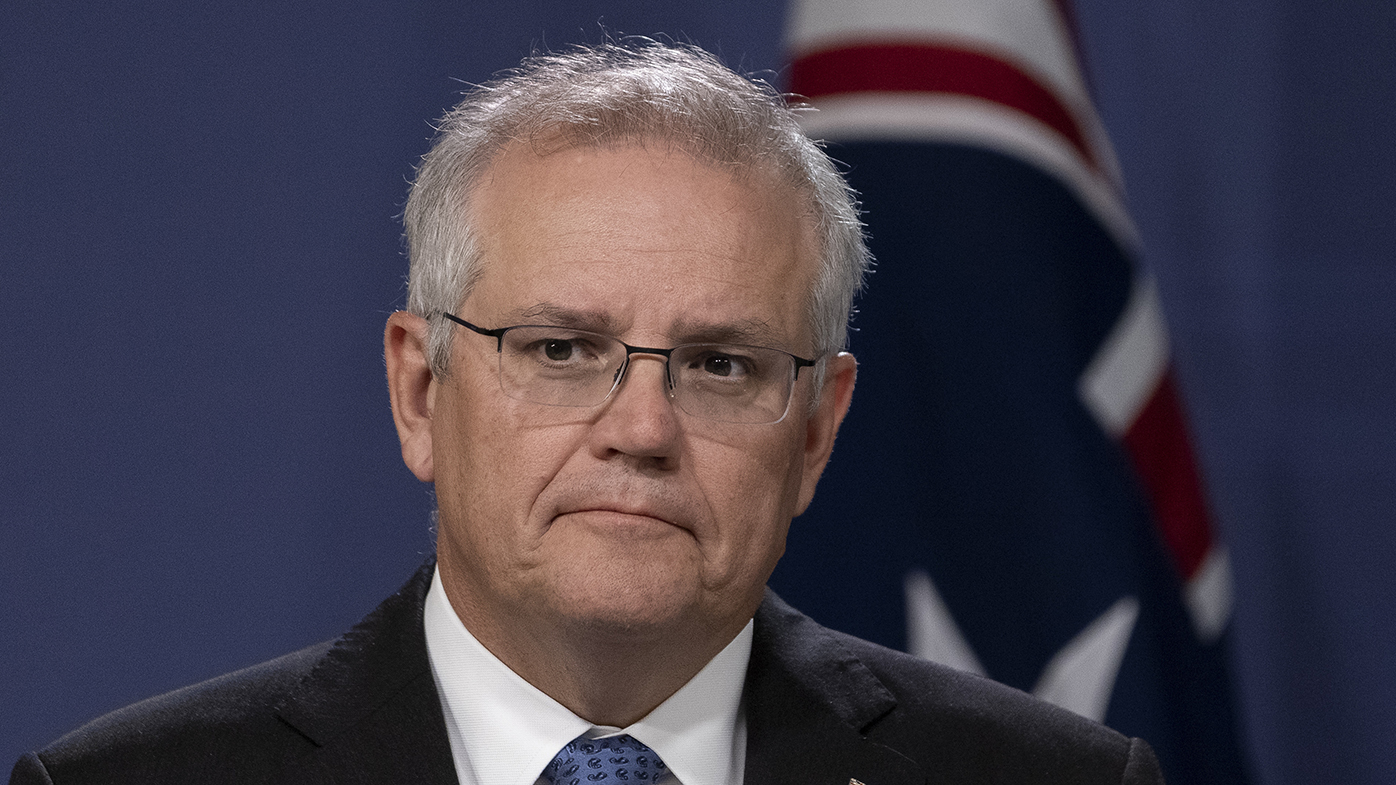
"And the readiness of more state and territory-operated vaccination sites including mass vaccination sites, as vaccine supplies increase."
He said National Cabinet also reinforced GPs will continue to be the primary model of the vaccine roll out, with states and territories to consider options to supplement rollout through expanded state vaccination centres.
To date, almost 1.6 million COVID-19 vaccines have been administered in Australia.
The number of administration sites continues to expand with 4,500 general practices, general practice respiratory centres and Aboriginal health services now administering COVID-19 vaccinations.
Mr Morrison said National Cabinet also received detailed health briefings on the roll out, including one on the blood clots associated with the AstraZeneca COVID-19 vaccine.
"The priority of the Australian COVID-19 Vaccination Strategy remains to vaccinate vulnerable populations under priority groups 1a and 1b," he said.
READ MORE: TGA finds NSW woman's death 'likely' linked to AstraZeneca vaccine
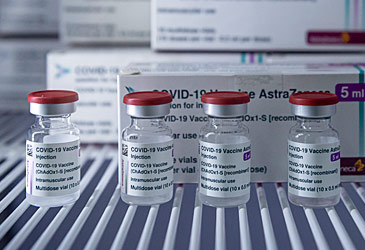
"The medical advice remains that the AstraZeneca COVID-19 vaccine is safe and recommended for Australians over 50 years old and all states will continue to be prioritised AstraZeneca for Australians over 50 years old."
There have been 29,500 confirmed COVID-19 cases in Australia and, with 910 deaths.
More than 16.3 million tests have been undertaken in Australia.
Globally, there have been over 141 million cases and sadly over 3 million deaths, with around 698,000 new cases and more than 9,000 deaths reported in the last 24 hours.
Mr Morrison said the Commonwealth will continue to finalise the vaccination of residential aged care facility (RACF) residents with Pfizer using an in-reach model.
National Cabinet will meet again on Thursday 22 April 2021.