Tag Archives: oceania

Newborn hospitalised with meningococcal disease

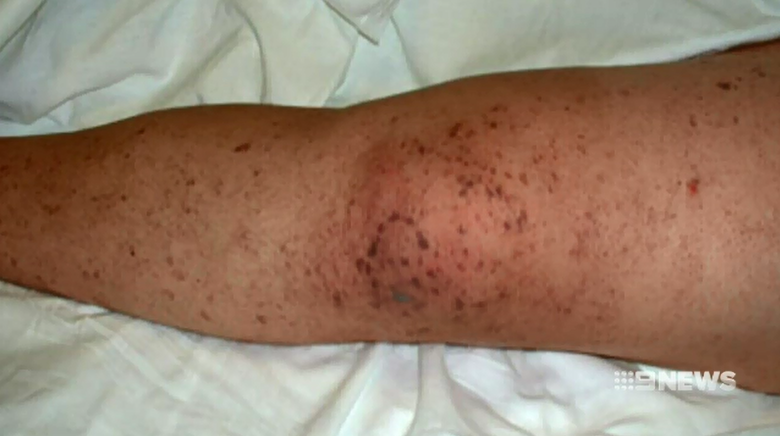
A four-month-old baby girl is tonight in hospital with the potentially deadly meningococcal disease.

Eight people identified as close contacts of the newborn, who lives in metropolitan Adelaide, have been given precautionary antibiotics to prevent further spread of the disease.

READ MORE: Adelaide woman fighting for life after contracting meningococcal

South Australian health authorities say they are yet to determine which strain of the deadly disease the girl is suffering from.

The baby was last reported to be in a stable condition.

She is the third case in SA in the last month following the death of a 29-year-old man earlier this month.

A a 21-year-old woman was also reported to be in a critical condition earlier in the week.

Coronavirus death toll tops a staggering 3 million worldwide

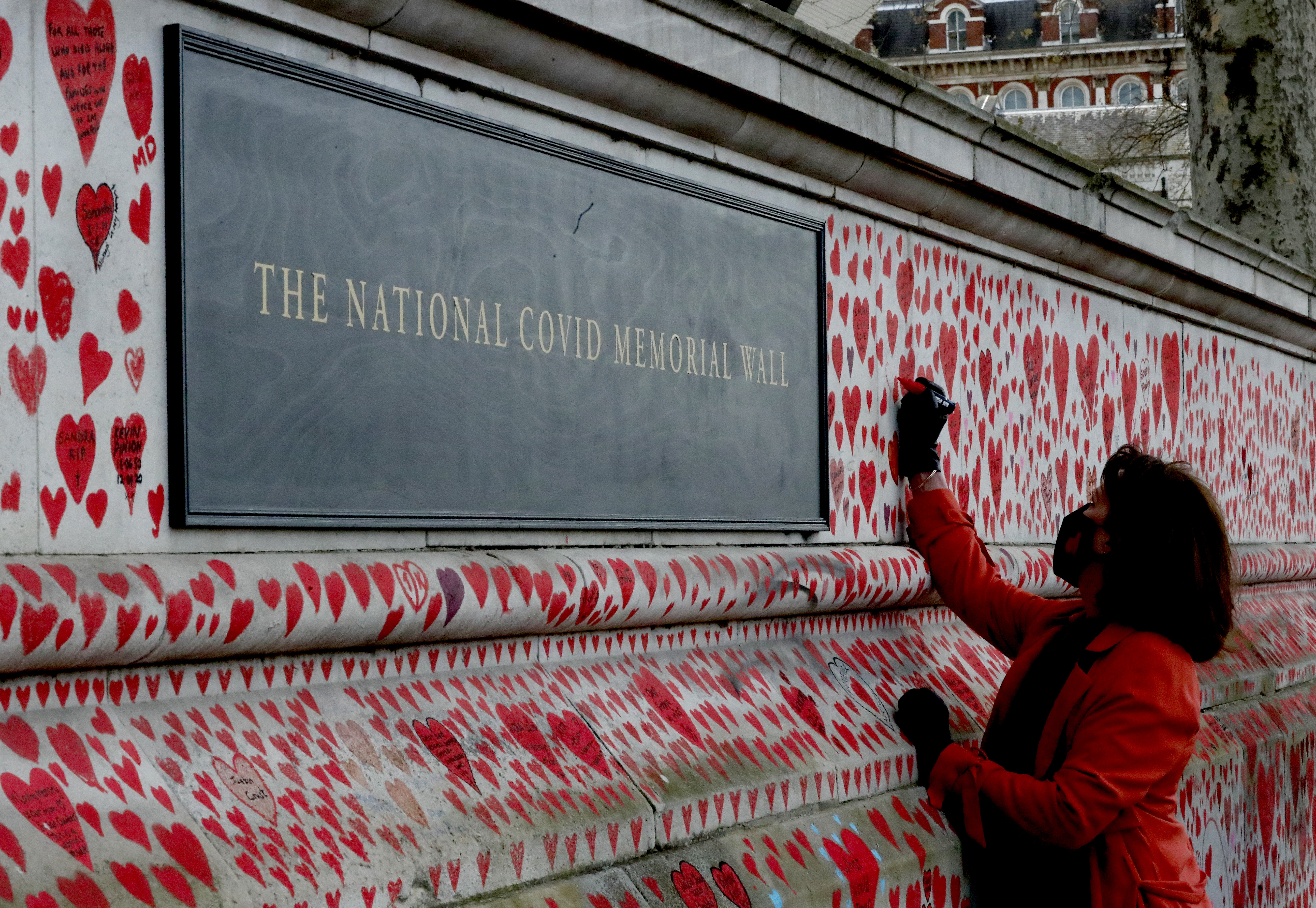
The global death toll from the coronavirus topped a staggering 3 million people Saturday amid repeated setbacks in the worldwide vaccination campaign and a deepening crisis in places such as Brazil, India and France.

The number of lives lost, as compiled by Johns Hopkins University, is about equal to the population of Kyiv, Ukraine; Caracas, Venezuela; or metropolitan Lisbon, Portugal. It is bigger than Chicago (2.7 million) and equivalent to Philadelphia and Dallas combined.

And the true number is believed to be significantly higher because of possible government concealment and the many cases overlooked in the early stages of the outbreak that began in Wuhan, China, at the end of 2019.

READ MORE: Military to oversee Australia's COVID vaccine rollout

When the world back in January passed the bleak threshold of 2 million deaths, immunisation drives had just started in Europe and the United States. Today, they are underway in more than 190 countries, though progress in bringing the virus under control varies widely.

While the campaigns in the US and Britain have hit their stride and people and businesses there are beginning to contemplate life after the pandemic, other places, mostly poorer countries but some rich ones as well, are lagging behind in putting shots in arms and have imposed new lockdowns and other restrictions as virus cases soar.

Worldwide, deaths are on the rise again, running at around 12,000 per day on average, and new cases are climbing too, eclipsing 700,000 a day.

RELATED: Brazil's hospitals are running out of life-saving drugs

"This is not the situation we want to be in 16 months into a pandemic, where we have proven control measures," said Maria Van Kerkhove, one of the World Health Organisation's leaders on COVID-19.

In Brazil, where deaths are running at about 3,000 per day, accounting for one-quarter of the lives lost worldwide in recent weeks, the crisis has been likened to a "raging inferno" by one WHO official. A more contagious variant of the virus has been rampaging across the country.

Shortage of intubation drugs threatens Brazil health sector

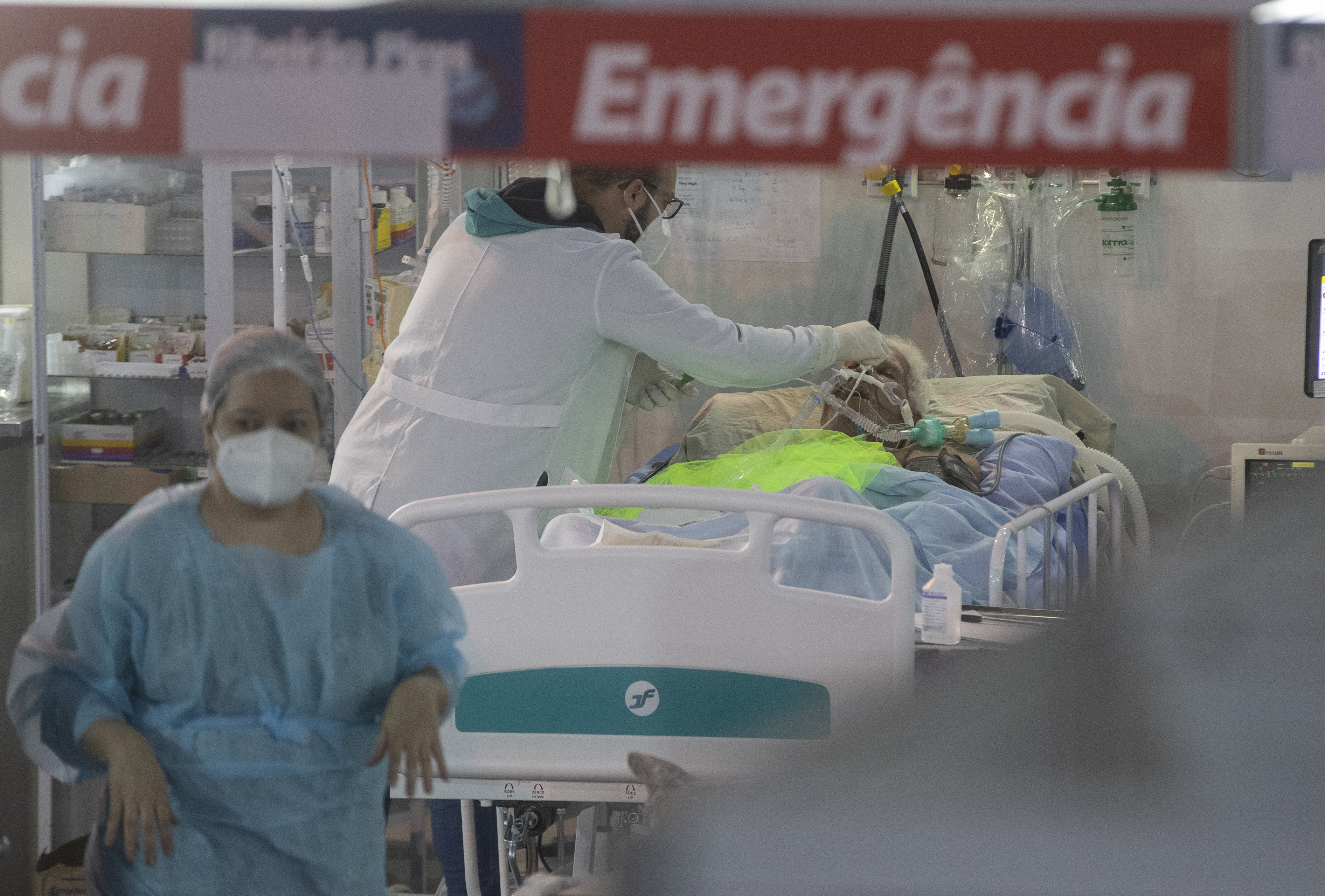
As cases surge, hospitals are running out of critical sedatives. As a result, there have been reports of some doctors diluting what supplies remain and even tying patients to their beds while breathing tubes are pushed down their throats.

The slow vaccine rollout has crushed Brazilians' pride in their own history of carrying out huge immunisation campaigns that were the envy of the developing world.

Taking cues from President Jair Bolsonaro, who has likened the virus to little more than a flu, his Health Ministry for months bet big on a single vaccine, ignoring other producers. When bottlenecks emerged, it was too late to get large quantities in time.

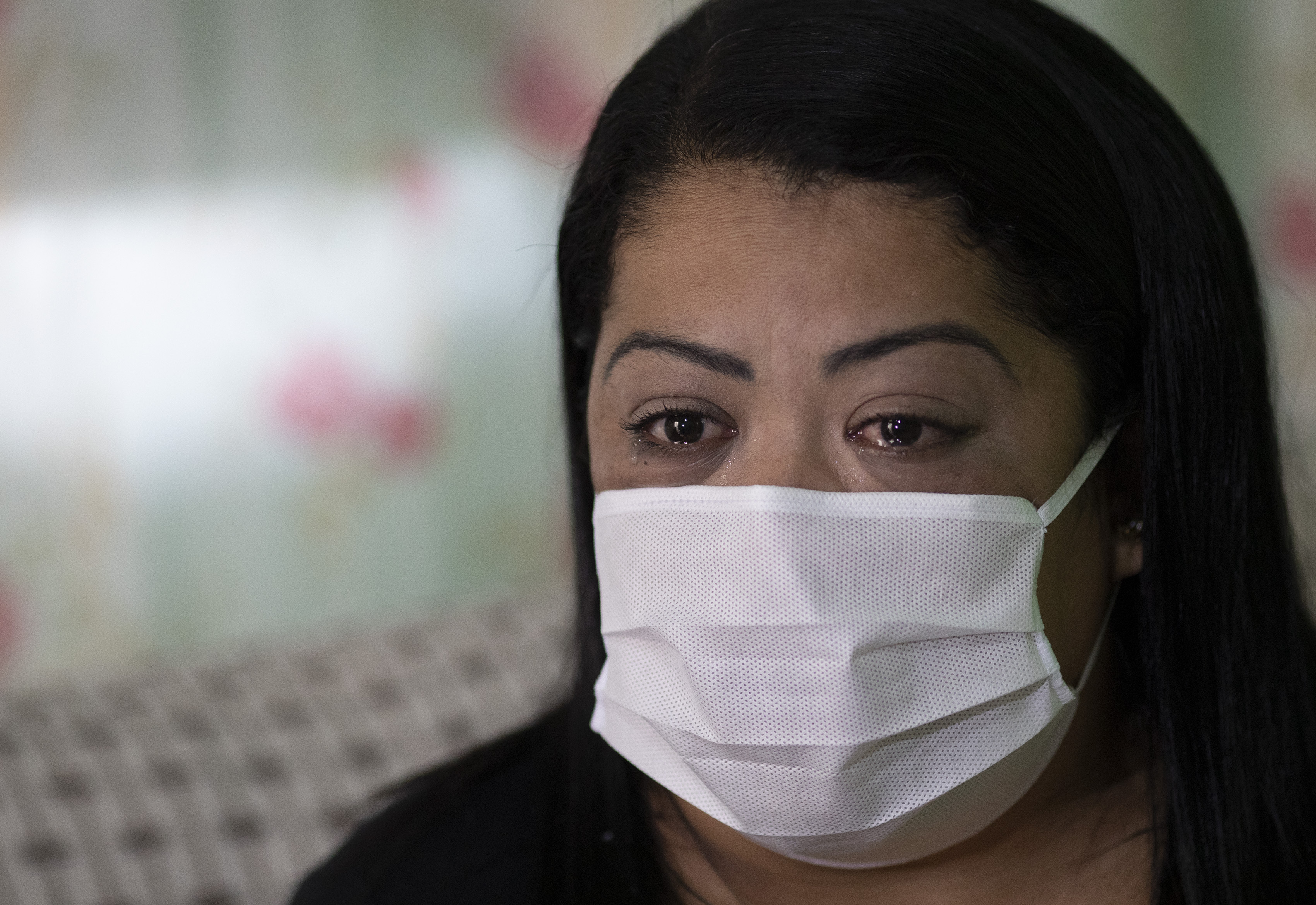
Watching so many patients suffer and die alone at her Rio de Janeiro hospital impelled nurse Lidiane Melo to take desperate measures.

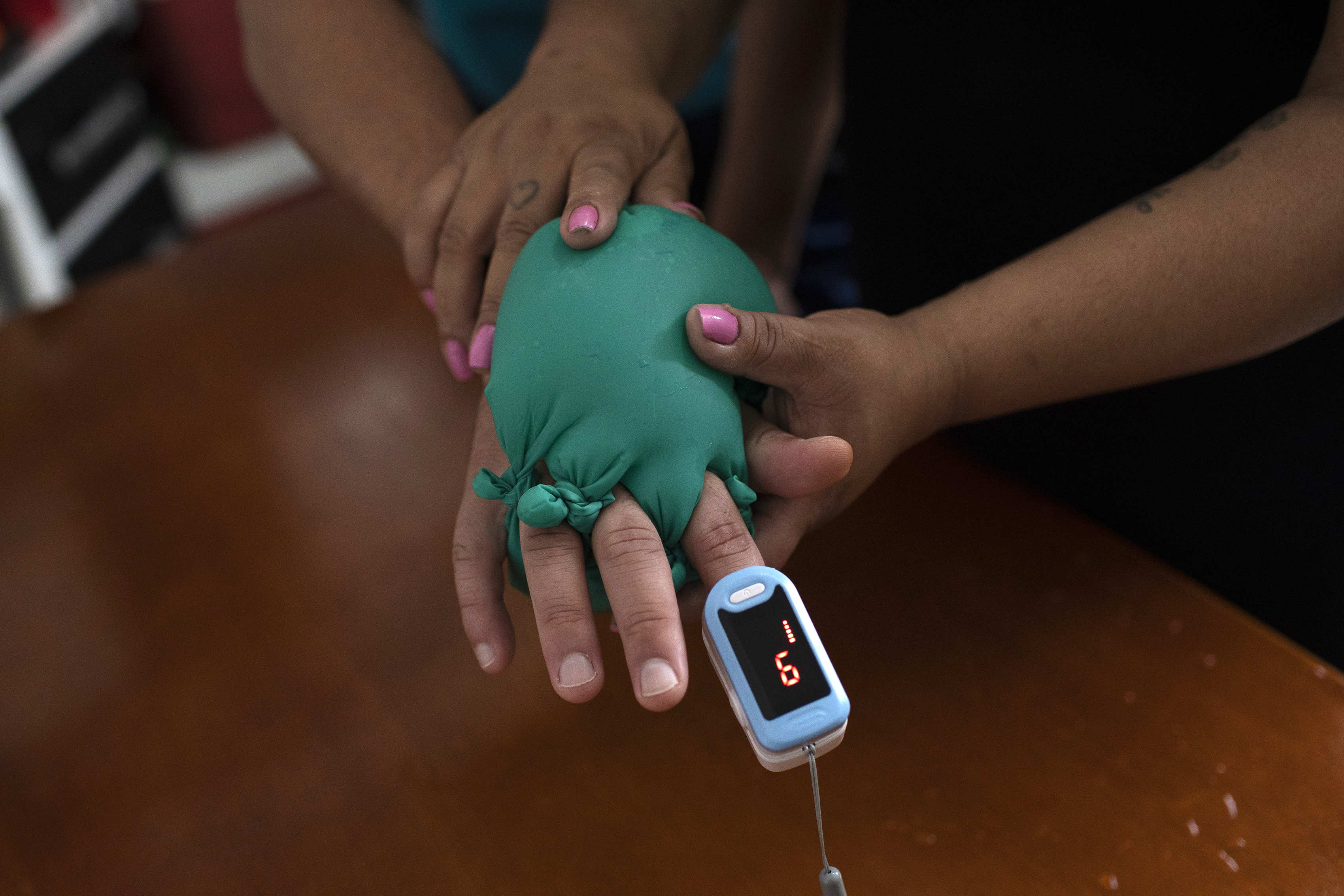
In the early days of the pandemic, as sufferers were calling out for comfort that she was too busy to provide, Melo filled two rubber gloves with warm water, knotted them shut, and sandwiched them around a patient's hand to simulate a loving touch.

Some have christened the practice the "hand of God," and it is now the searing image of a nation roiled by a medical emergency with no end in sight.

"Patients can't receive visitors. Sadly, there's no way. So it's a way to provide psychological support, to be there together with the patient holding their hand," Melo said. She added: "And this year it's worse, the seriousness of patients is 1,000 times greater."

This situation is similarly dire in India, where cases spiked in February after weeks of steady decline, taking authorities by surprise. In a surge driven by variants of the virus, India saw over 180,000 new infections in one 24-hour span during the past week, bringing the total number of cases to over 13.9 million.

Problems that India had overcome last year are coming back to haunt health officials. Only 178 ventilators were free Wednesday afternoon in New Delhi, a city of 29 million, where 13,000 new infections were reported the previous day.

The challenges facing India reverberate beyond its borders since the country is the biggest supplier of shots to COVAX, the U.N.-sponsored program to distribute vaccines to poorer parts of the world. Last month, India said it would suspend vaccine exports until the virus's spread inside the country slows.

The WHO recently described the supply situation as precarious. Up to 60 countries might not receive any more shots until June, by one estimate. To date, COVAX has delivered about 40 million doses to more than 100 countries, enough to cover barely 0.25 per cent of the world's population.

Globally, about 87 per cent of the 700 million doses dispensed have been given out in rich countries. While 1 in 4 people in wealthy nations have received a vaccine, in poor countries the figure is 1 in more than 500.

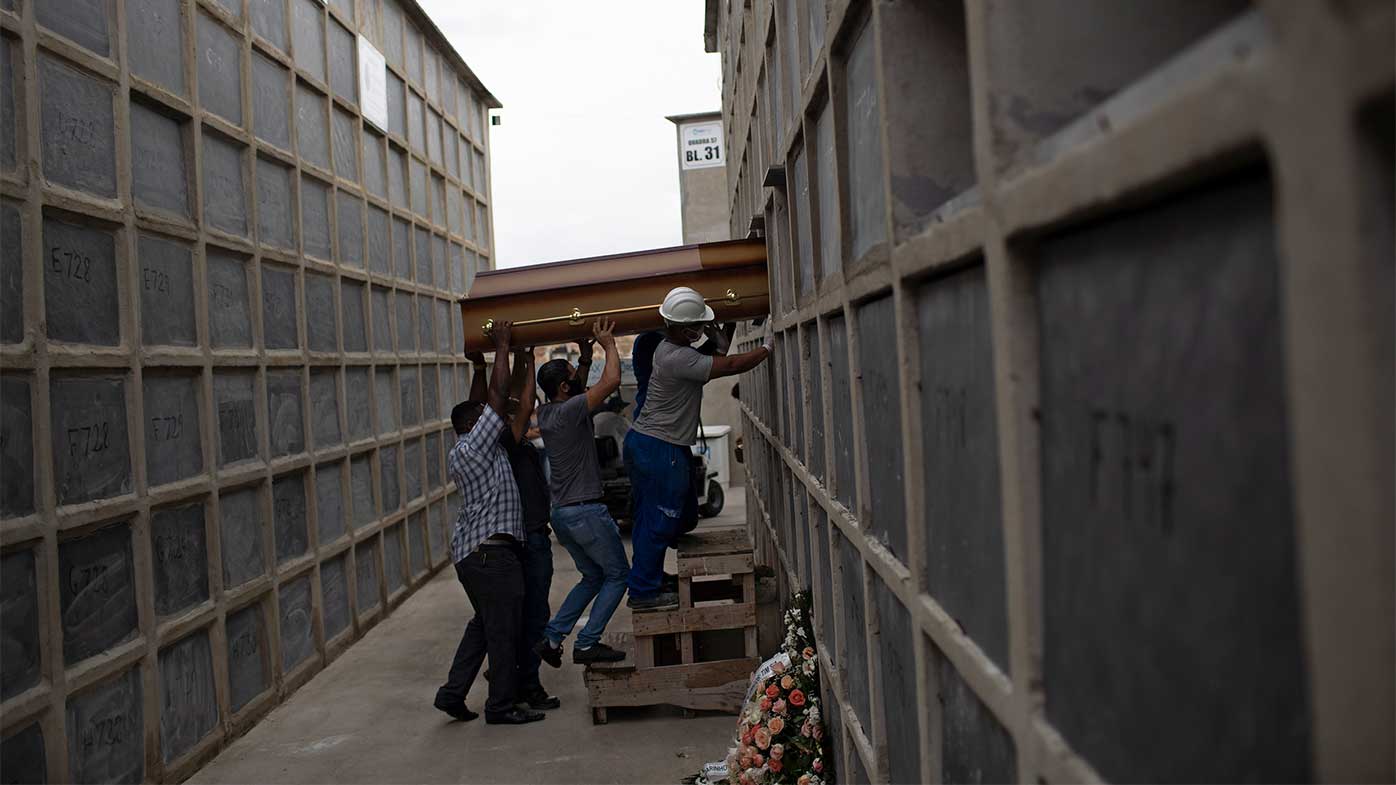
The coffin containing the remains a woman who died from complications related to COVID-19 is placed into a niche by cemetery workers and relatives at the Inahuma cemetery in Rio de Janeiro, Brazil.

In recent days, the US and some European countries put the use of Johnson & Johnson's COVID-19 vaccine on hold while authorities investigate extremely rare but dangerous blood clots. AstraZeneca's vaccine has likewise been hit with delays and restrictions because of a clotting scare.

Another concern: Poorer countries are relying on vaccines made by China and Russia, which some scientists believe provide less protection that those by Pfizer, Moderna and AstraZeneca.

Last week, the director of the Chinese Centre for Disease Control and Prevention acknowledged the country's vaccines offer low protection and said officials are considering mixing them with other shots to improve their effectiveness.

In the U.S., where over 560,000 lives have been lost, accounting for more than 1 in 6 of the world's COVID-19 deaths, hospitalisations and deaths have dropped, businesses are reopening, and life is beginning to return to something approaching normalcy in several states. The number of Americans filing for unemployment benefits tumbled last week to 576,000, a post-COVID-19 low.

But progress has been patchy, and new hot spots — most notably Michigan — have flared up in recent weeks. Still, deaths in the US are down to about 700 per day on average, plummeting from a mid-January peak of about 3,400.

In Europe, countries are feeling the brunt of a more contagious variant that first ravaged Britain and has pushed the continent's COVID-19-related death toll beyond 1 million.

Close to 6,000 gravely ill patients are being treated in French critical care units, numbers not seen since the first wave a year ago.

Dr. Marc Leone, head of intensive care at the North Hospital in Marseille, said exhausted front-line staff members who were feted as heroes at the start of the pandemic now feel alone and are clinging to hope that renewed school closings and other restrictions will help curb the virus in the coming weeks.

"There's exhaustion, more bad tempers. You have to tread carefully because there are a lot of conflicts," he said. "We'll give everything we have to get through these 15 days as best we can."

Boy attacked by dingo on Fraser Island

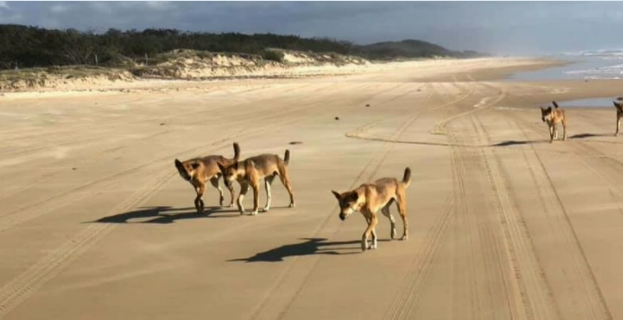
A child has been attacked by a dingo on Queensland's Fraser Island while on holiday with his family.

The two-year-old boy was staying at Orchid Beach when he was set upon by the wild animal just before 7.30am.

Emergency services said the boy appears to have wandered off on a remote track near the home while the parents were asleep inside.

"They had locked the house and were unfortunately sleeping in when they found one of their children had managed to exit the premises and go for a wander off," paramedic Kevin Charteris said.

https://twitter.com/QldEnvironment/status/1383196434900549634?ref_src=twsrc%5Etfw

READ MORE: Dingo attack: Child injured at Fraser Island

He was bitten more than a dozen times on the head, neck, shoulder, thigh and buttocks but is now in a stable condition.

Witnesses have told they heard sounds of the child screaming for help before rushing to confront the dingo.

The boy was treated at the scene by paramedics before an emergency chopper was flown in to take him to Bundaberg Hospital.

Queensland Environment said they were aware of the attack and are investigating.

In February another boy was also attacked by a dingo while staying at the same spot.

The nine-year-old was treated for minor injuries to his hand and legs.

READ MORE: 'The dingo was dragging my toddler into the bush'

In 2019 a 14-month-old boy had to undergo surgery to his skull when he was dragged from his family camper trailer by the head.

Due to these recent attack, authorities on the island have been strict in issuing fines to anyone caught interfering with the native animals, with offenders being slugged a minimum of $2135 per offence.

"We're very very grateful this wasn't another fatal attack," Mr Charteris said.

Two dead after shooting in Queensland

Two men have been killed during a shooting incident in the Moreton Bay area of Queensland.

The incident occurred at a home on King Street in Caboolture this afternoon.

Witnesses have described hearing gunshots and seeing a man fleeing the scene.

https://twitter.com/QldPolice/status/1383360227999830021

On Saturday evening, Queensland Police confirmed a man is currently assisting with their inquiries into the incident. No charges have yet been laid.

Police have established a crime scene and investigation are ongoing.

More to come.

The British-Aussie fundraiser and DJ who called Prince Philip 'dude'

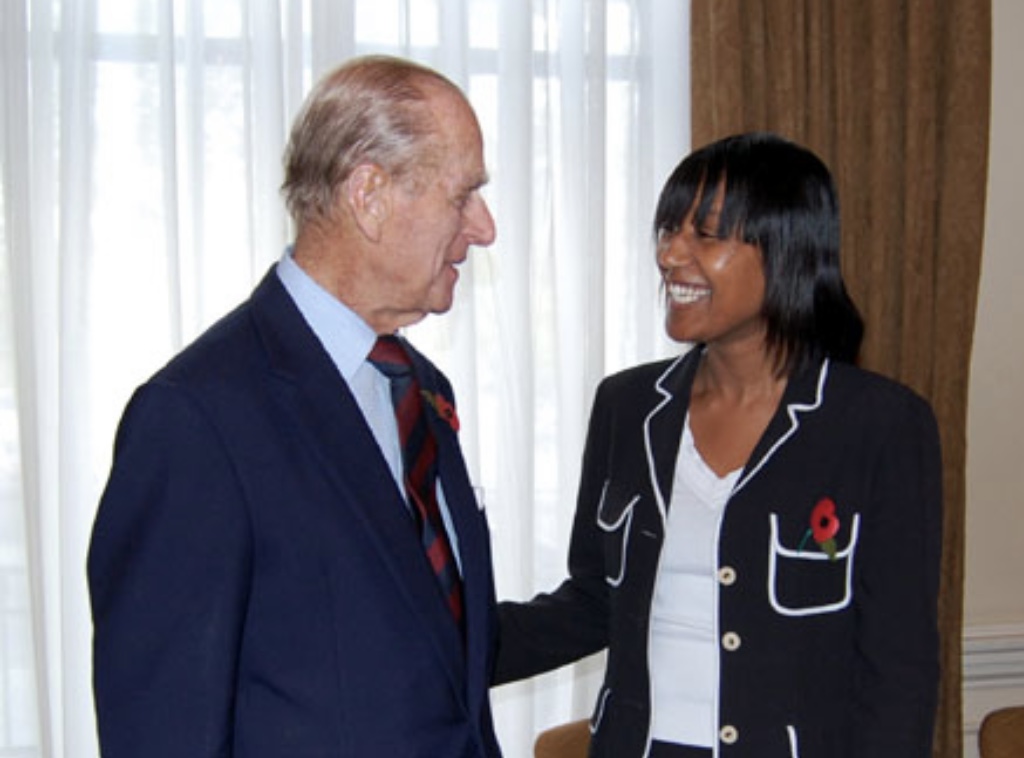
After the bathroom as big as her apartment and the biscuits with the little crowns on them, it was Prince Philip's eyes that struck Erica Myers-Davis on her first visit to Buckingham Palace.

The Duke of Edinburgh "bounced" into the room, every bit the sportsman he was, and "never moved like an old person" despite being already in his mid-80s.

"(It) was just his blue eyes, you know," she tells Nine.com.au.
EXPLAINER: Everything you need to know about Prince Philip's funeral

"He just has the most incredible blue eyes that twinkled. 

"So you sort of, kind of (thought) 'are you being serious, are you joking?'"

Born in the English Midlands to Jamaican parents, before living half her life in Australia, the fundraiser, author, board member and even DJ walked a long path to the palace.

That meeting, and many more like it from 2008 to 2017, came through Dr Myers-Davis's role with the Royal Commonwealth Ex-Services League, which she likes to think of as the prince's "favourite" of the hundreds of charities he supported.

Her lasting impression is of the "down to earth" way he would approach people, bursting into the room without ceremony, popping up from nowhere at her elbow to ask how she was and remembering minor details, months down the track. 

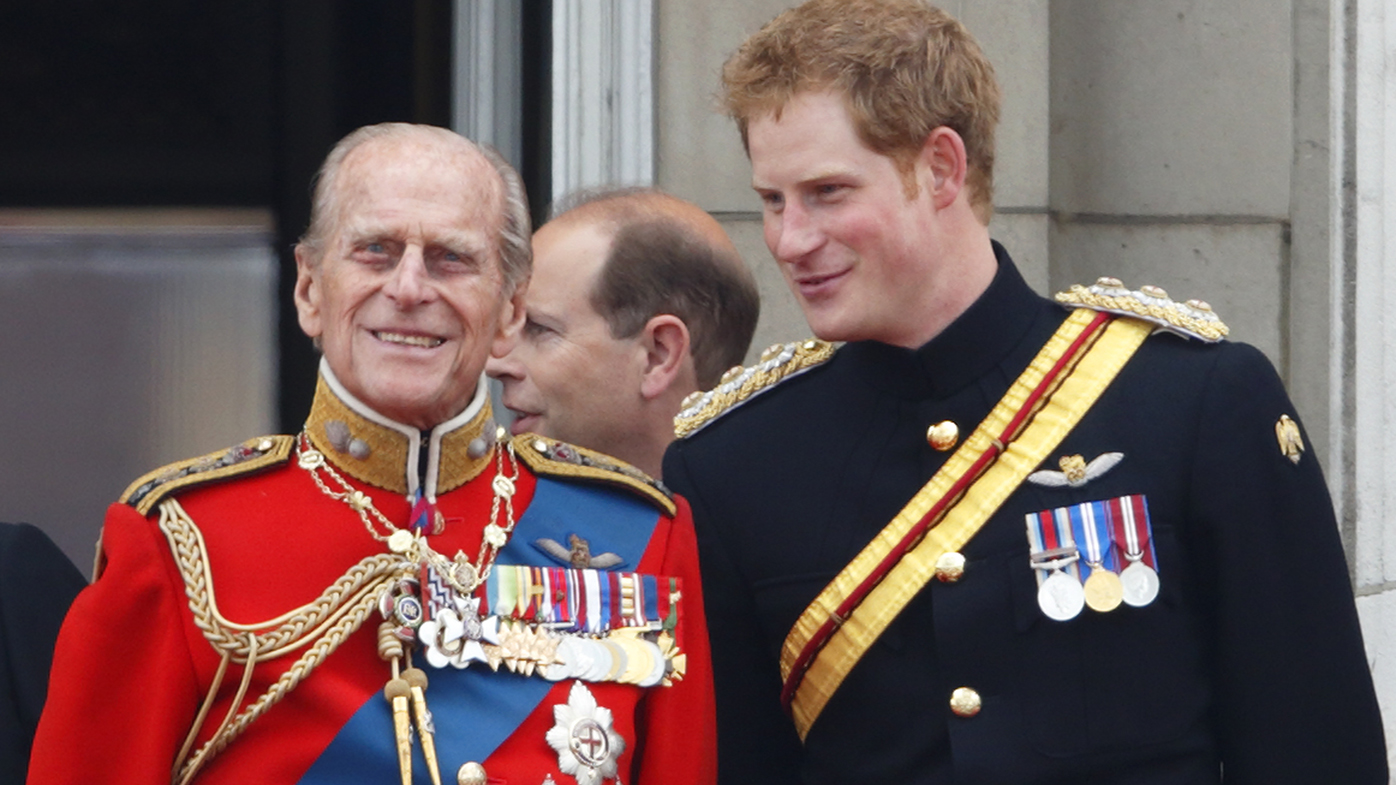
There's the way Philip encouraged her to write a book detailing the unsung roles people of colour played in helping to win World War II, and convinced Prince Harry to write a foreword.
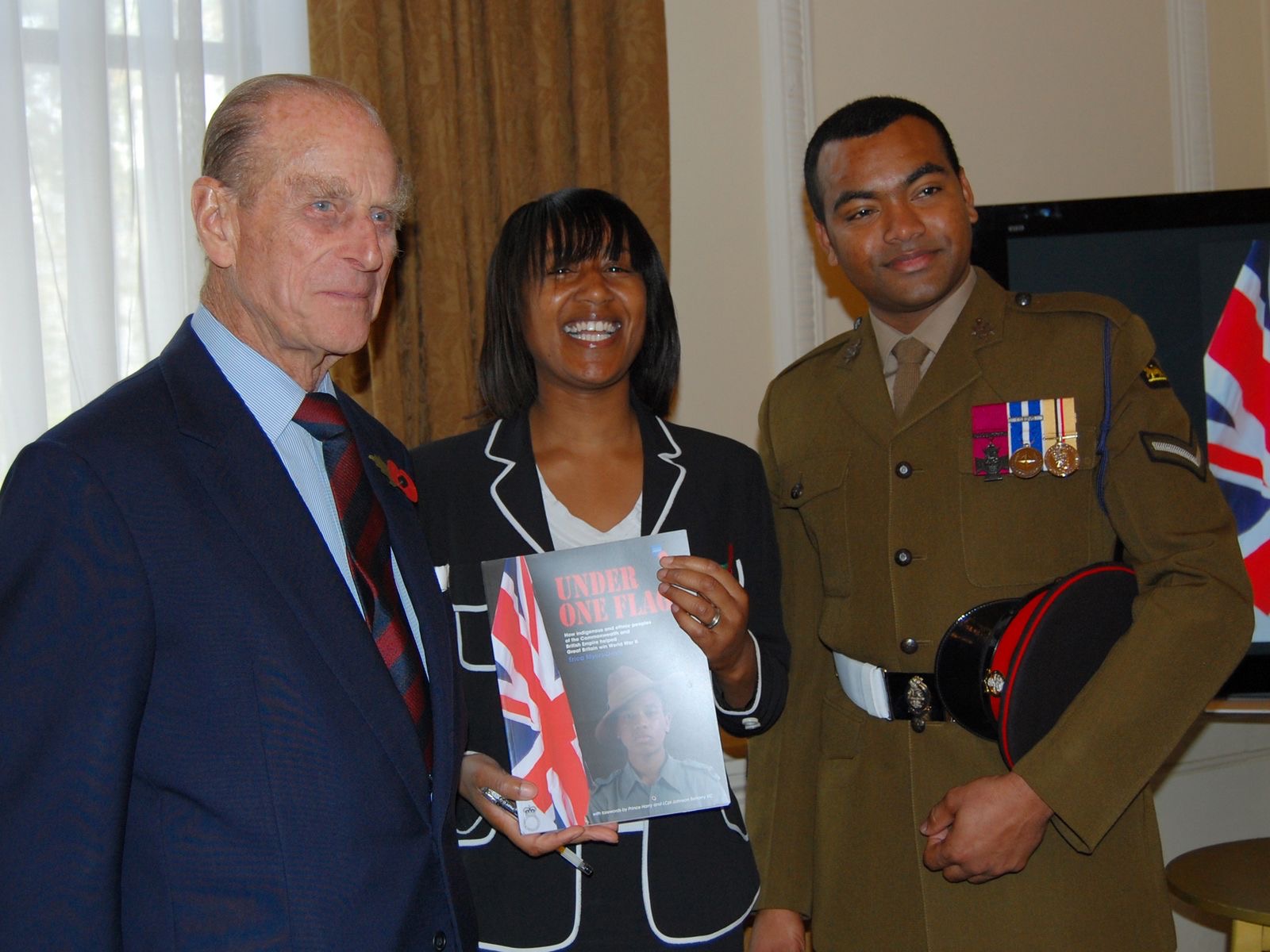
And her fondest memory, a party with English bubbly and fish and chips to celebrate the league's 90th anniversary, the same year the duke turned 90 himself, a coincidence she says he would often chuckle about.

He could be informal in a way the self-described "true Commonwealth citizen" had never expected of a royal. Not "aloof" but "very much himself", just like she imagines he would act at home.

Dr Myers-Davis admits she might have taken the informality a bit far on at least one occasion but "HRH", as she repeatedly refers to him, "didn't seem to mind".

"I'd spent 10 years in Australia, and I was very Aussie, you know, more Aussie than I realised, right?" she said.

"So I'd swear a lot, you know, with an Aussie accent and was very informal, because that's how Aussies are. 

"And coming back to the UK, it's quite formal, so when we'd have these meetings, apparently I would forget to say things like 'Your Highness' and 'Sir'. 

"And I would get told afterwards: 'Erica, you know, you called him 'dude' three times?"
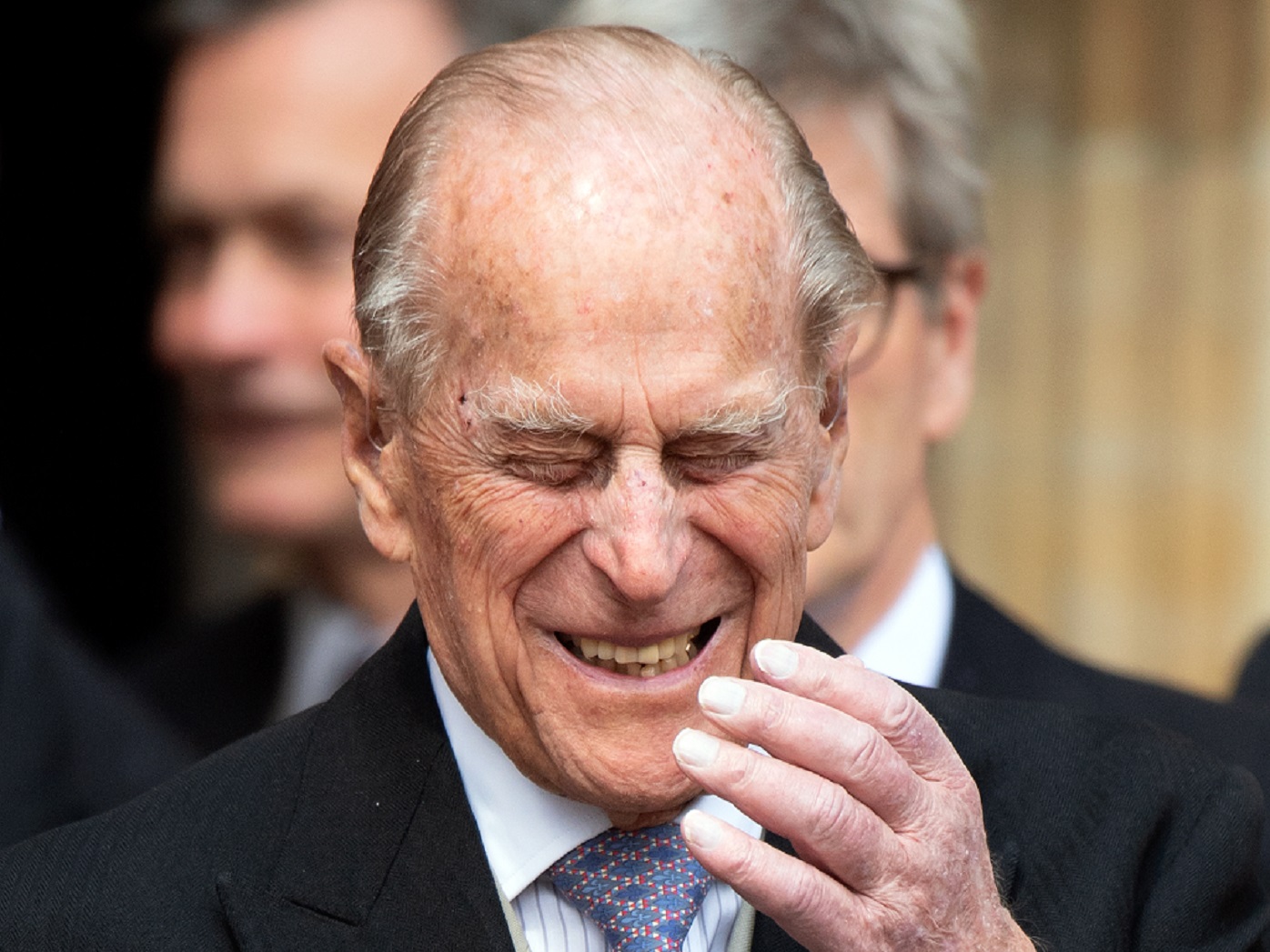
Prince Philip laughing eyes closed

A lasting legacy

Then on Friday, while on a Greek island not too far from the Prince's hometown of Corfu, came the tears when she heard about his passing.

"I think a lot of people are probably very surprised at how deep his legacy is," the RCEL council member for Jamaica says.

"Because I think, you know, often the media sort of focused on the sort of the gaffes and the, you know, whatever, which I have to say personally, I never sort of came across …

"I mean, he's so well-loved and respected, by veterans, by military, and, I think, around the Commonwealth.

"And he just did so much."

https://twitter.com/RoyalFamily/status/1383101143660773385

On how a man who lived a life of such privilege, so remote from most of his Commonwealth subjects, still managed to capture the imagination of people as far afield as Jamaica and Australia, Dr Myers-Davis says his "birth story" is more relatable than might be thought.

"Yes, he was born into a royal family, but his dad was threatened with death and they had to be rescued, sort of exiled," she says.

"And he had parents that were sort of a bit absent and he was sort of shuffled off between different people.

"I know, for me, personally, I mean, one thing we had in common was that we both went to boarding school about the age of seven and I kind of relate to some of that family sort of displacement."

https://twitter.com/RoyalFamily/status/1383102679782719495

'He just loved it' 

After joining the Royal Navy in 1938, aged 18, the prince took part in the battle of Crete and the Allied invasion of Sicily and was on duty when the Japanese surrendered on September 2, 1945, before famously giving up his career for Queen Elizabeth II.

On Saturday, the duke's coffin will be flanked by representatives from the Royal Navy, the Royal Marines, the Highlanders, and 4th Battalion Royal Regiment of Scotland and the Royal Air Force.

Dr Myers-Davis, though a civilian, thinks his years of service played a big role in his connection to other veterans and the work of the RCEL itself.

"He loved it, you know, like, he just loved it," she said.

"I mean, he led us for 41 years, took over from Lord Mountbatten. 

"He would be at every meeting. I don't think he ever missed a meeting, to be honest. He certainly never missed a conference."

The RCEL supports veterans in Commonwealth countries, including Australia and Jamaica, who served the Crown directly, as opposed to their own country's armed forces.

The league generally provides cash support for those who slip through the cracks of military pension eligibility in both the UK and their home country, including a few hundred Australians who served in the British Armed Forces, Dr Myers-Davis says.

'He made everyone feel comfortable'

Prince Philip's legacy, one of steadfast support for his wife and service to the Crown as the longest-serving royal consort in British history, has been complicated by a history of offensive and at-times racist remarks. 

While many hailed his quick wit and ability to entertain a group of people or lighten the mood at any gathering, others criticised his comments as racist, sexist, or behind the times.

For Dr Myers-Davis, her experience was firmly of the entertaining; he was welcoming Prince Philip, always trying to find a way to make visitors feel at home in what may have been a fairly intimidating situation for some.

"I never felt anything but comfortable with him and he made everyone feel comfortable," she said.

"And bearing in mind, the room was full of people from all across the Commonwealth.

"So every shade and colour was represented in that room and he was comfortable with everybody."
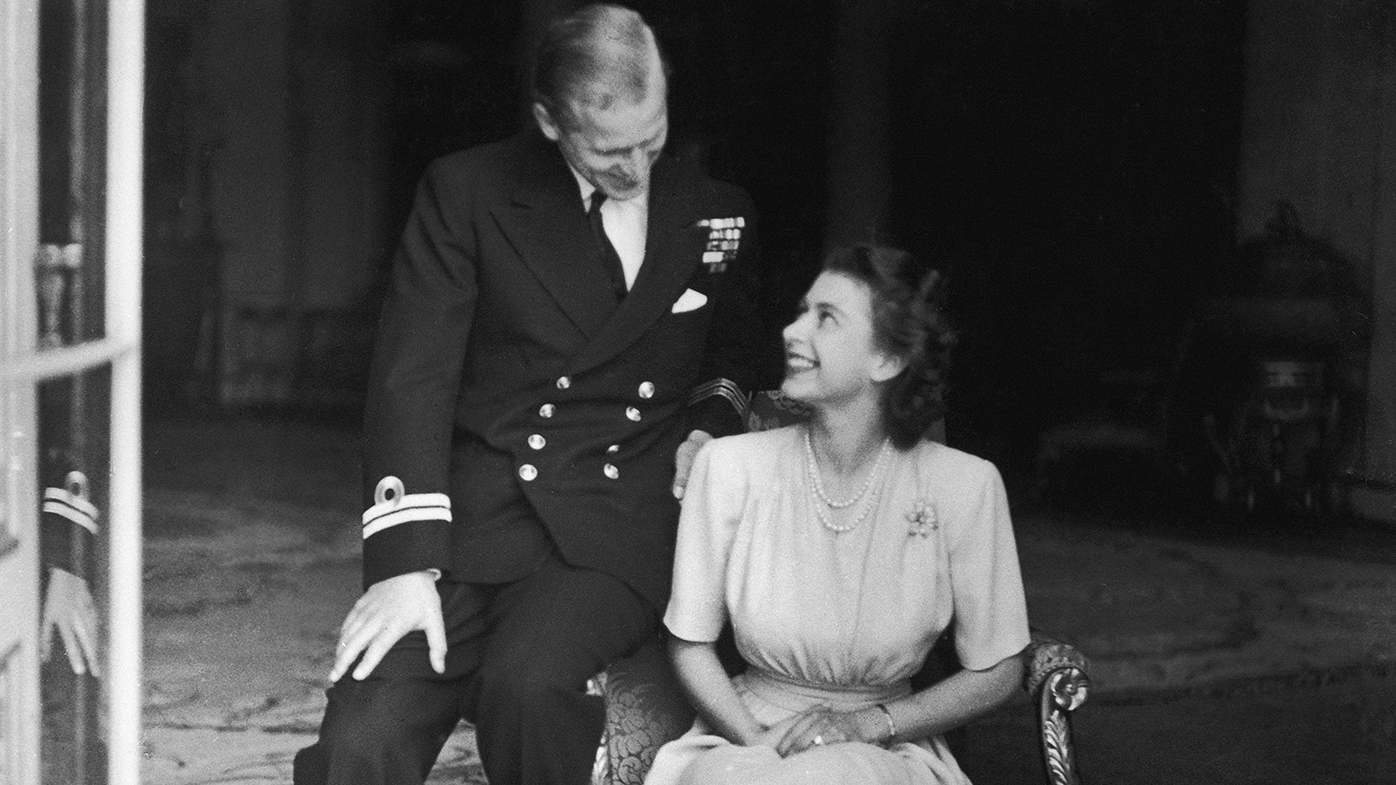
Prince Philip's 'fortitude and faith' to be remembered at funeral

Prince Philip will be remembered as a man of “courage, fortitude and faith” at a martial but also personal funeral that will mark the death of a royal patriarch who was a beloved husband and father, and one of a dwindling number of World War II veterans.

Hymns and music during Saturday’s funeral at Windsor Castle will reflect Philip’s military ties and wartime service in the Royal Navy, as well as his more than seven decades of support for his wife, Queen Elizabeth II.

Philip died April 9 at the age of age 99 after 73 years of marriage.

LIVE COVERAGE: Prince Philip's funeral

READ MORE: Prince Philip: What are the plans for his funeral?

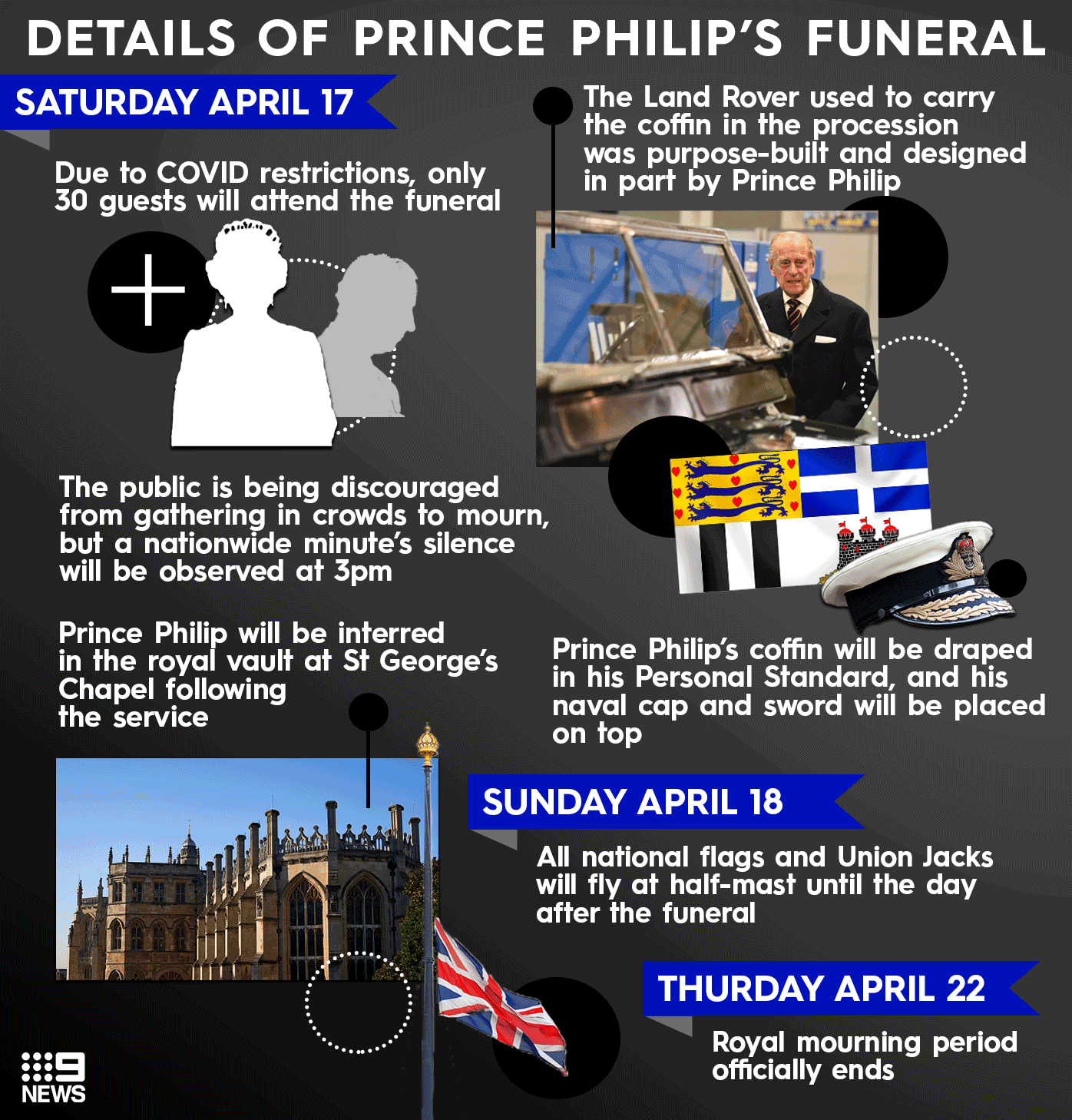
Coronavirus restrictions mean that instead of the 800 mourners included in the longstanding plans for his funeral, there will be only 30 inside St. George’s Chapel, including the widowed queen, her four children and eight grandchildren.

Many elements of the funeral are steeped in military and royal protocol, from the armed forces personnel lining the funeral route to the artillery salutes and Philip’s naval cap and sword atop the coffin.

More than 700 military personnel are set to take part, including army bands, Royal Marine buglers and an honour guard drawn from across the armed forces.

You can watch live coverage of Prince Philip's funeral on Channel 9 and 9Now, starting from 10pm AEST tonight.

https://twitter.com/RoyalFamily/status/1383163548268953601

To deter crowds from gathering during the pandemic, the entire procession and funeral will take place within the grounds of the castle, a 950-year-old royal residence 32 kilometres west of London.

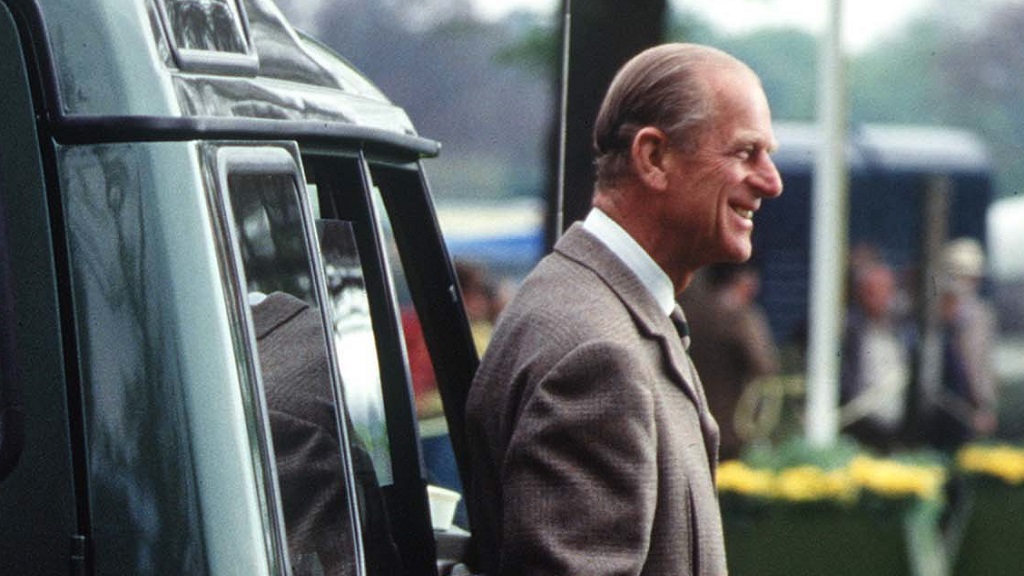
Philip was deeply involved in the funeral planning, and aspects of it reflect his personality, including his love of the rugged Land Rover. Philip drove several versions of the four-wheel-drive vehicle for decades until he was forced to give up his license at 97 after a crash.

His body will be borne to the chapel on a modified Land Rover Defender that he designed himself.

EXPLAINER: Your guide to the funeral plans

The children of Philip and the queen – Prince Charles, Princess Anne, Prince Andrew and Prince Edward – will walk behind the hearse. So will grandsons Prince William and Prince Harry, but not side by side.

The brothers, whose relationship has been strained amid Harry’s decision to quit royal duties and move to California, will flank their cousin Peter Phillips, the son of Princess Anne.

The moment is likely to stir memories of the image of William and Harry at 15 and 12, walking behind their mother Princess Diana’s coffin in 1997, accompanied by their grandfather Philip.

READ MORE: 'Today is about a public family coming together in private grief'

Armed forces bands will play hymns and classical music before the funeral service, which will also be preceded by a nationwide minute of silence.

Inside the Gothic chapel, the setting for centuries of royal weddings and funerals, the service will be simple and sombre. There will be no sermon, at Philip’s request, and no family eulogies or readings, in keeping with royal protocol.

But Dean of Windsor David Conner will say the country has been enriched by Philip’s “unwavering loyalty to our queen, by his service to the nation and the Commonwealth, by his courage, fortitude and faith.”

Philip spent almost 14 years in the Royal Navy and saw action in the Mediterranean, Indian Ocean and Pacific during World War II. Several elements of his funeral have a maritime theme, including the hymn “Eternal Father, Strong to Save,” which is associated with seafarers and asks God: “O hear us when we cry to thee/For those in peril on the sea.”

As Philip’s coffin is lowered into the Royal Vault, Royal Marine buglers will sound “Action Stations,” an alarm that alerts sailors to prepare for battle – a personal request from Philip.

Gen. Nick Carter, the head of Britain’s armed forces, said the ceremony would “reflect military precision and above all, I think, it will be a celebration of a life well-lived.”

Along with Philip’s children and grandchildren, the 30 funeral guests include other senior royals and several of his German relatives.

Philip was born a prince of Greece and Denmark and, like the queen, is related to a thicket of European royal families.

Some details around Prince Philip's funeral have been announced.

Mourners have been instructed to wear masks and observe social distancing inside the chapel, and not to join in when a four-person choir sings hymns.

The queen, who has spent much of the past year isolating with her husband at Windsor Castle, will sit alone.

Since Philip’s death at Windsor a week ago, many people have come to lay flowers outside the castle, despite official entreaties to stay away because of the coronavirus.

“Mainly we are here for the queen,” said Barbara Lee, who came with her children and grandchildren.

“You know, we feel so sorry for her, the same as we would for our own grandmothers, mothers. It’s a long time to have been with somebody, a whole life, and she must be absolutely devastated. And so must they all, because at the end of the day they are a normal family.”

Prince Philip funeral details Land Rover

For decades Philip was a fixture of British life, renowned for his founding of the Duke of Edinburgh’s Awards youth program and for a blunt-spoken manner that at times included downright offensive remarks.

He lived in his wife’s shadow, but his death has sparked a reflection about his role, and new appreciation from many in Britain.

“He was a character, an absolute character,” said Jenny Jeeves as she looked at the floral tributes in Windsor.

“He was fun, he was funny. Yes, he made quite a few gaffes, but it depends which way you took it really. Just a wonderful husband, father, and grandfather, and a good example to all of us, really.”