Tag Archives: oceania

Coronavirus patients much more likely to get blood clots than vaccine recipients

People who actually catch coronavirus are nine times more likely to develop these particular types of blood clots than people who get the AstraZeneca vaccine.

"When we look at what is happening with people who have been admitted to hospital throughout the whole pandemic, 16 per cent of people have had a clot of some sort related to their COVID disease," Chief Medical Officer Paul Kelly said.

"So clotting is a feature of COVID. It also happens to be a feature, very rarely, of this AstraZeneca vaccine."

READ MORE: Woman who died after COVID-19 jab had serious health issues
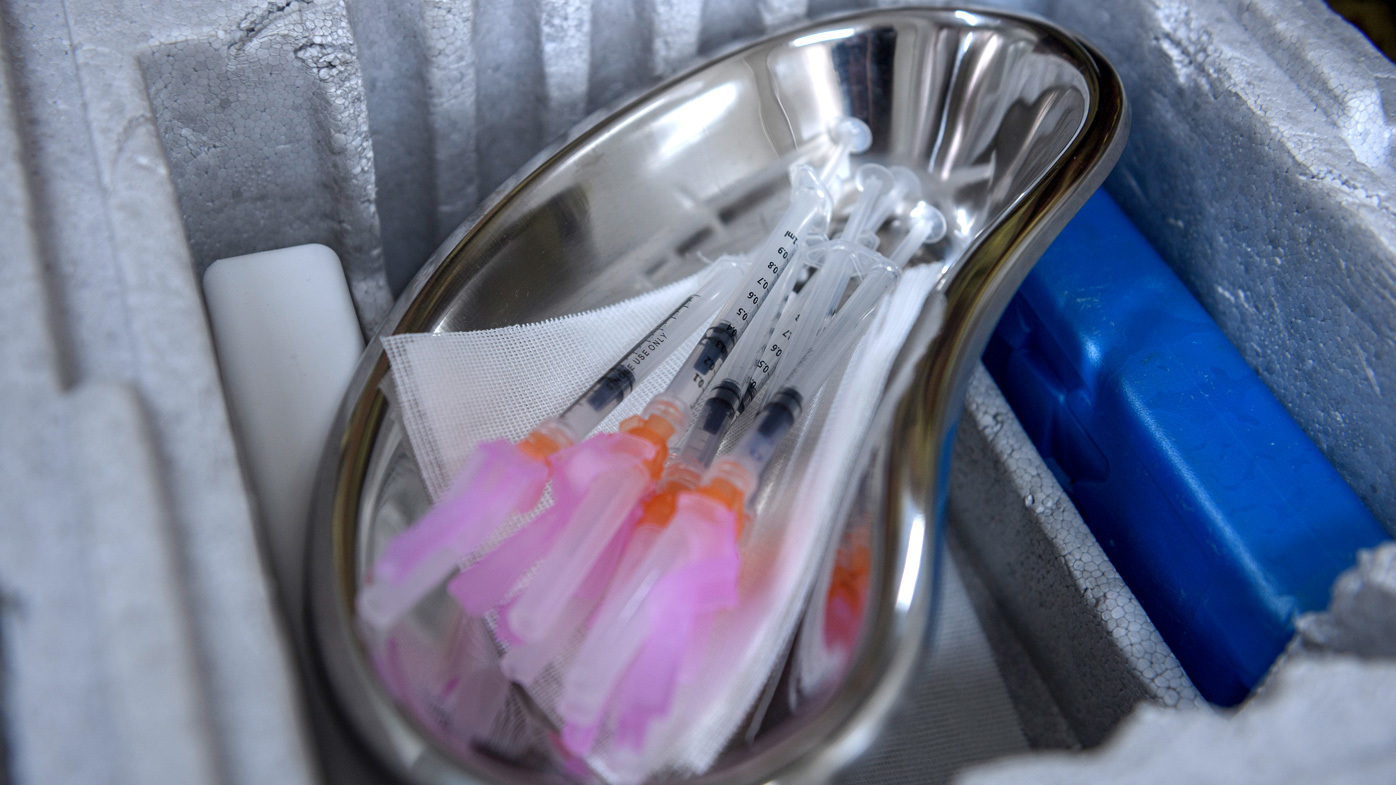
Australia has confirmed a second case of blood clotting linked to the AstraZeneca coronavirus vaccine.

Professor Kelly urged people who were eligible for the vaccine to come forward to get a shot.

The benefits of the AstraZeneca vaccine outweigh the risk of potential fatal blood clots, Professor Kelly said.

"The risk of severe COVID infection increases with age, whereas the risk of the clots decreases with age," he said.

"We are in a very unusual situation here in Australia at the moment, with no community transmission."

But he warned Australia's situation was only temporary.

AstraZeneca COVID-19 vaccine vials (Getty)

"The chances of being infected will increase, so being vaccinated is a protection not only for yourself, but also for the people you care for," he said.

"That is why we have a vaccination program."

Professor Kelly warned against jumping to conclusions in connection with the death of a 48-year-old woman who died days after receiving the coronavirus vaccine.

He said the Therapeutic Goods Administration (TGA) has a lot of information to look through.

"It is true she had the AstraZeneca vaccine a few days before she became ill," he said.

"Whether those two events are related is a matter for those experts that will be meeting today."

LIVE UPDATES: Shortage of intubation drugs threatens Brazil health sector
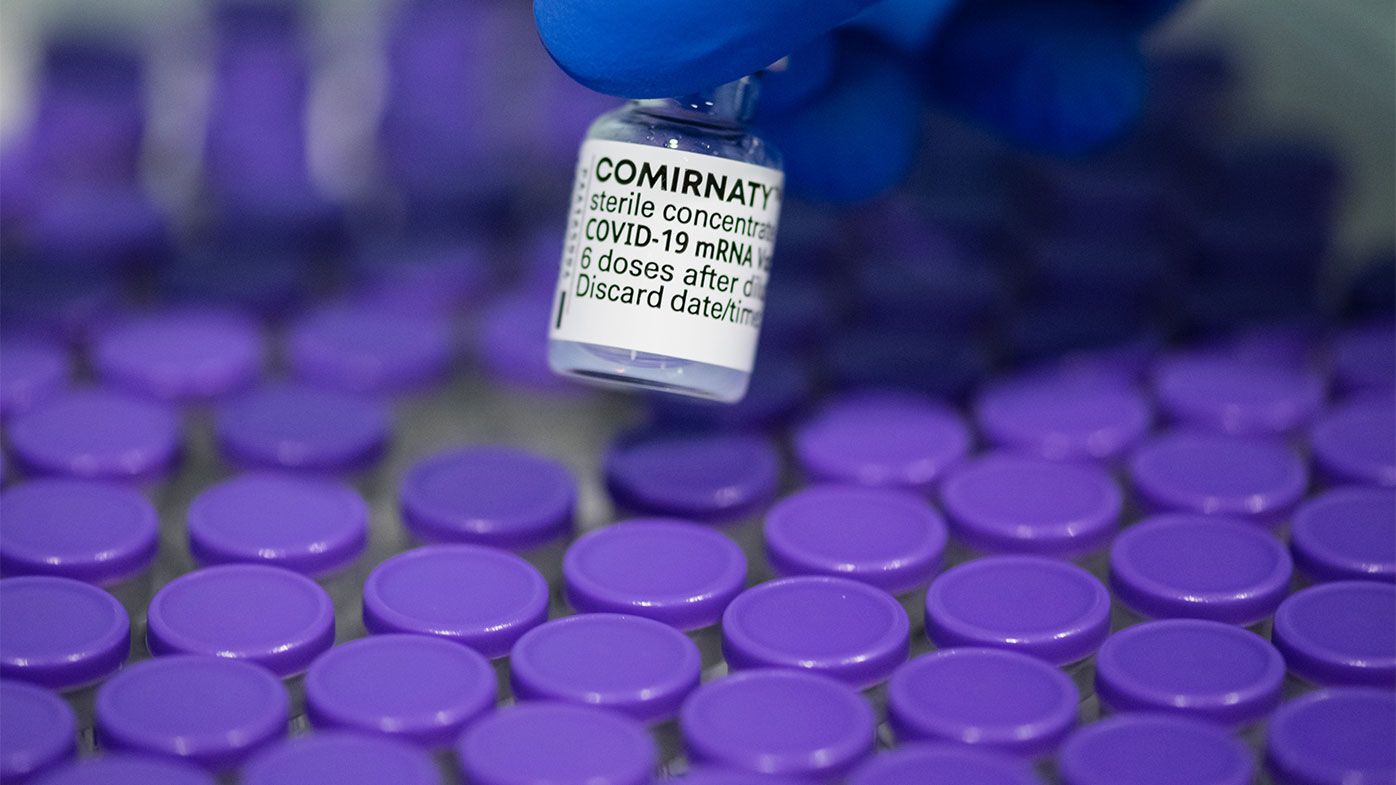
Vials of the Pfizer/BioNTech Comirnaty vaccine.

She had "severe chronic disease issues", the Chief Medical Officer said.

"I do know she did have several chronic disease issues, but whether that was why she was vaccinated or whether it was because she was one of the workers in those categories, I do not know that information," Professor Kelly said.

Professor Kelly noted it has only been one year since the very first people received the coronavirus vaccines in clinical trials.

"There are many unknowns at the moment in terms of the vaccine, one of them is about the duration of effectiveness," he said.

"It is likely that we will know sometime in the next six months to one year."

READ MORE: EU issues stinging rebuke of AstraZeneca
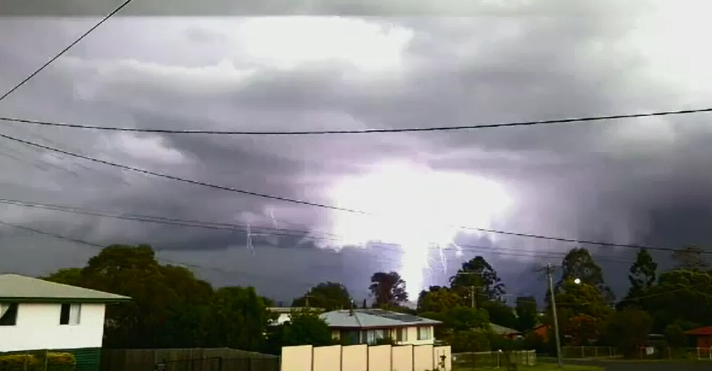
New study overhauls thinking on deadly thunderstorm asthma

On a balmy spring evening in November 2016, a thunderstorm struck as Melburnians were on their way home from work.

The storm prompted ryegrass pollen swept in from agricultural areas on a north-westerly to burst, spreading tiny particles through the air and deep into the lungs of unsuspecting residents.

Within an hour, thousands of calls to emergency services began flooding in.

LIVE UPDATES: Google misled customers about personal location data, rules court

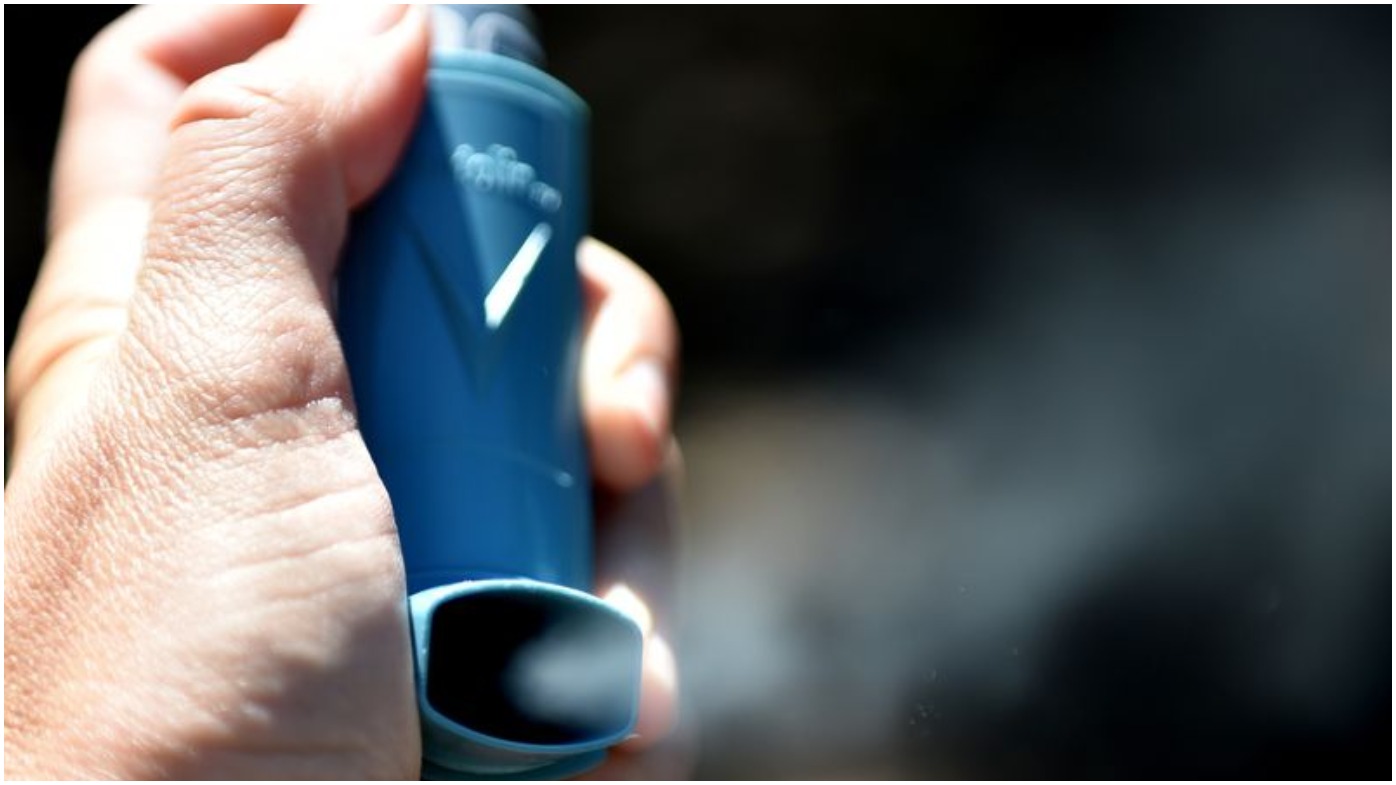
A thunderstorm asthma warning is in place for parts of Victoria as those with breathing and heart issues are at risk.

That night, emergency departments were overrun with more than 14,000 people presenting with the symptoms of thunderstorm asthma.

By the time it was over, seven men and three women – all aged between 18 and 57 – were dead.

It is regarded as the most catastrophic epidemic thunderstorm asthma event on record worldwide and prompted an outpouring of government funds to upgrade to pollen warning systems and increase surveillance to predict such deadly events.

However, just what made that storm – innocuous by any other standard – so deadly is still not fully understood.

Now, new in-depth research by some of Australia's leading meteorological bodies including the CSIRO suggests that models to predict such events are based on a number of false assumptions about what causes the pollen particles to rupture.

READ MORE: Australia at risk of fatal thunderstorm asthma event, research reveals

Hope Carnevali died during the thunderstorm asthma event last year. (60 Minutes)

Previously, it was believed that heavy rainfall was the primary factor causing ryegrass pollen particles to burst, sending millions of potentially deadly sub-pollen particles (SPP) into the air.

This would mean that the combination of a high pollen count in the air and rainfall combined to create the 2016 event.

However, notable during the storm that night was the absence of significant rainfall: just 4mm fell to the west of Melbourne and 2mm to the east.

Humidity levels before the storm remained very low following the city's first burst of summer heat that season.

Weather stations across Melbourne recording humidity levels of between just 18 and 19 per cent.

This didn't rise to the level necessary to burst the pollen (80 per cent) until five hours after the storm had passed – yet the influx of calls to emergency services began within 30 minutes of the storm.

Australia is at risk of a fatal thunderstorm asthma event and allergic attacks due to the effects of climate change.

Moreover, if rainfall combined with a high pollen count were enough to create thunderstorm asthma, such deadly events would be far more common than they actually are.

As it is, thunderstorm asthma is more common in south-east Australia than in any other part of the world, yet still only occurs just once in every five years in Melbourne on average.

These contradictory findings prompted the researchers to investigate other mechanisms which could have caused the pollen to burst.

They began experiments to see if whole pollen could be burst by wind gusts, electrical activity or lightning.

The results, published in science journal PLOS ONE on Thursday, are the combined work of the CSIRO, the Bureau of Meteorology and researchers from the University of Melbourne, the University of Tasmania and the Environment Protection Authority.

It is the first time that the cause of thunderstorm asthma has been explored using atmospheric modelling studies.

The researchers tried blasting whole pollen particles against strong wind gusts to see if they would burst.

However, when mapped against the weather conditions leading up to the storm, the results suggested more pollen should have ruptured the day before, when the pollen count was actually higher – with a maximum hourly average of 177 grains per cubic metre, compared with 102 grains the following day.

They then turned to electrical activity as a potential driver, but reached similar conclusions.

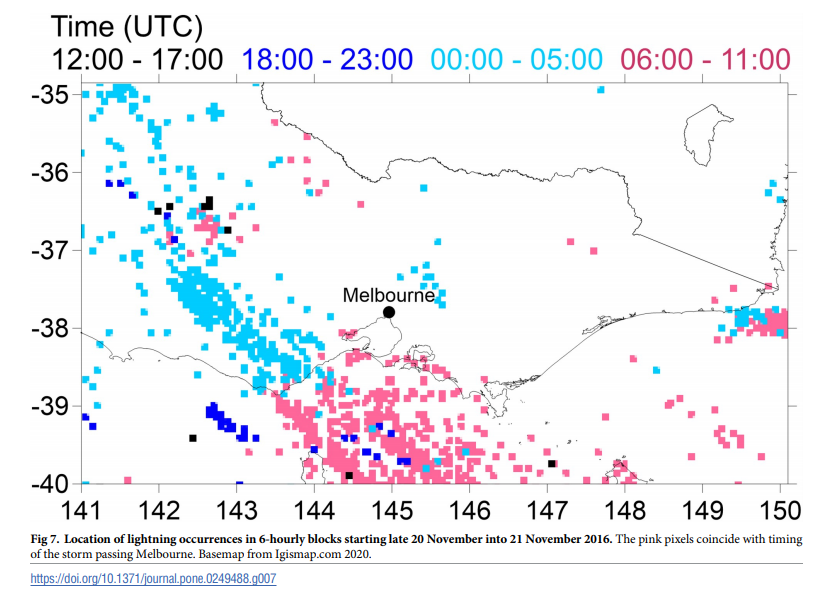
It was only when they looked at lightning – which proliferated during the November 21 storm – that the timing of the wave of asthma attacks matched up with the weather conditions.

Questions still remain unanswered.

For one thing, the lightning struck not in Melbourne itself – where the asthma attacks were concentrated – but to the west and south.

The researchers say further studies are needed to determine the exact combination of weather conditions that produce thunderstorm asthma – even suggesting that the storm itself may be less critical than the combination of wind currents in the atmosphere.

Whatever the cause, they say it remains clear that the rain itself was not the main cause of the catastrophic loss of life in Melbourne that day.