By Katie Todd of RNZ GPs say they’re still in the dark about whether they will be helping the Government meet its target of one million Covid-19 jabs by the end of June.More than 135,500 doses of the Pfizer vaccine have been…
Tag Archives: oceania
Family of Aussie sailor 'grateful' to teen who tried to save him
The family of celebrated sailor Peter Warner has expressed their gratitude to the teenager who dragged him from the water after their boat was hit by a wave on the NSW North Coast yesterday.
Mr Warner died after his yacht was struck by a strong wave while crossing the Ballina bar just before 9am, throwing him and his teenage passenger overboard.
"Peter was an experienced and very careful sailor. He would not have taken undue risk especially with the welfare of his crew," a statement from the family said.
READ MORE: Celebrated sailor Peter Warner killed in yacht capsize on NSW coast
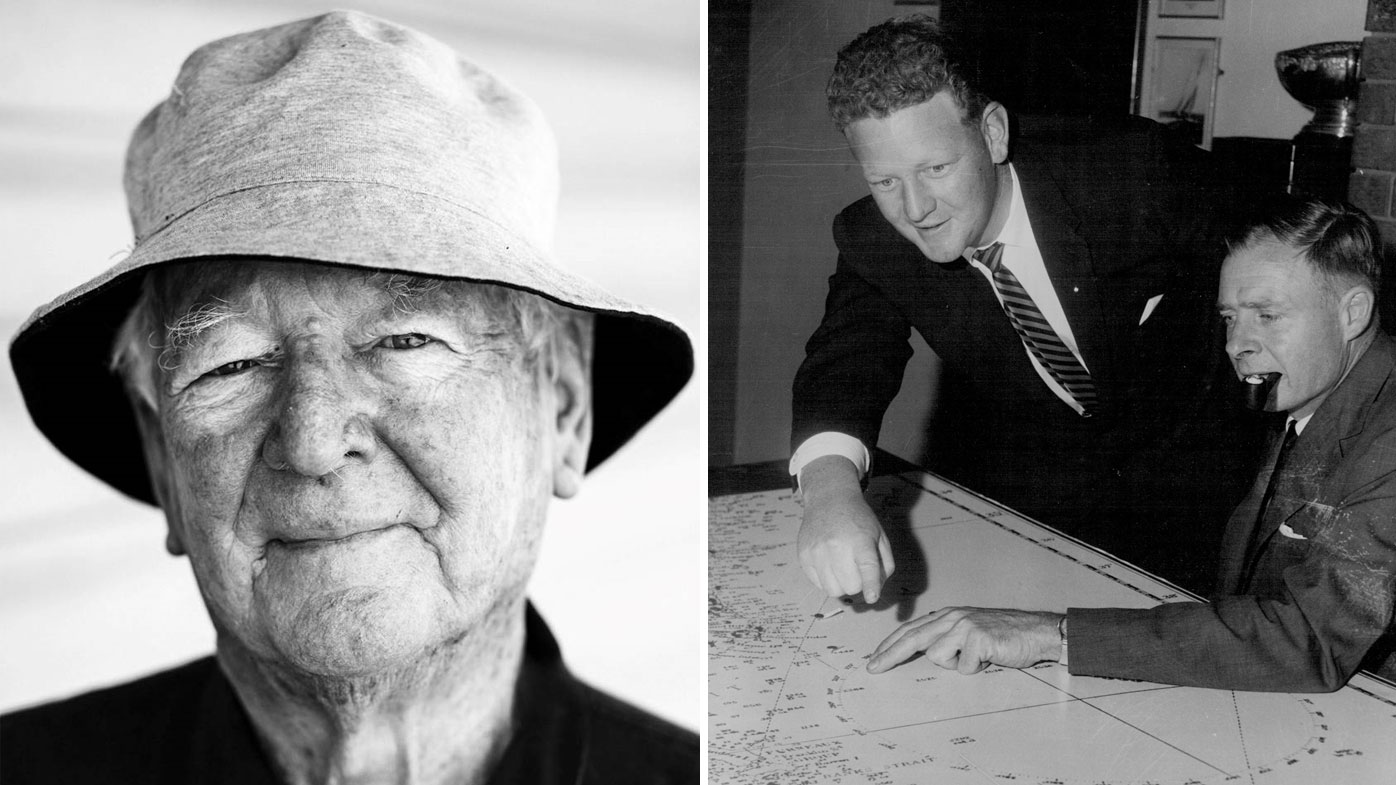
Mr Warner, 90, won three Sydney to Hobarts in the 1960s, but it was his rescue of marooned youngsters in the South Pacific that made him famous around the world.
According to the statement from his family, when Mr Warner set sail on his new boat Evergreen conditions were favourable, "otherwise he would not have attempted the voyage".
He was accompanied by the 17-year-old son of a neighbour at the time.
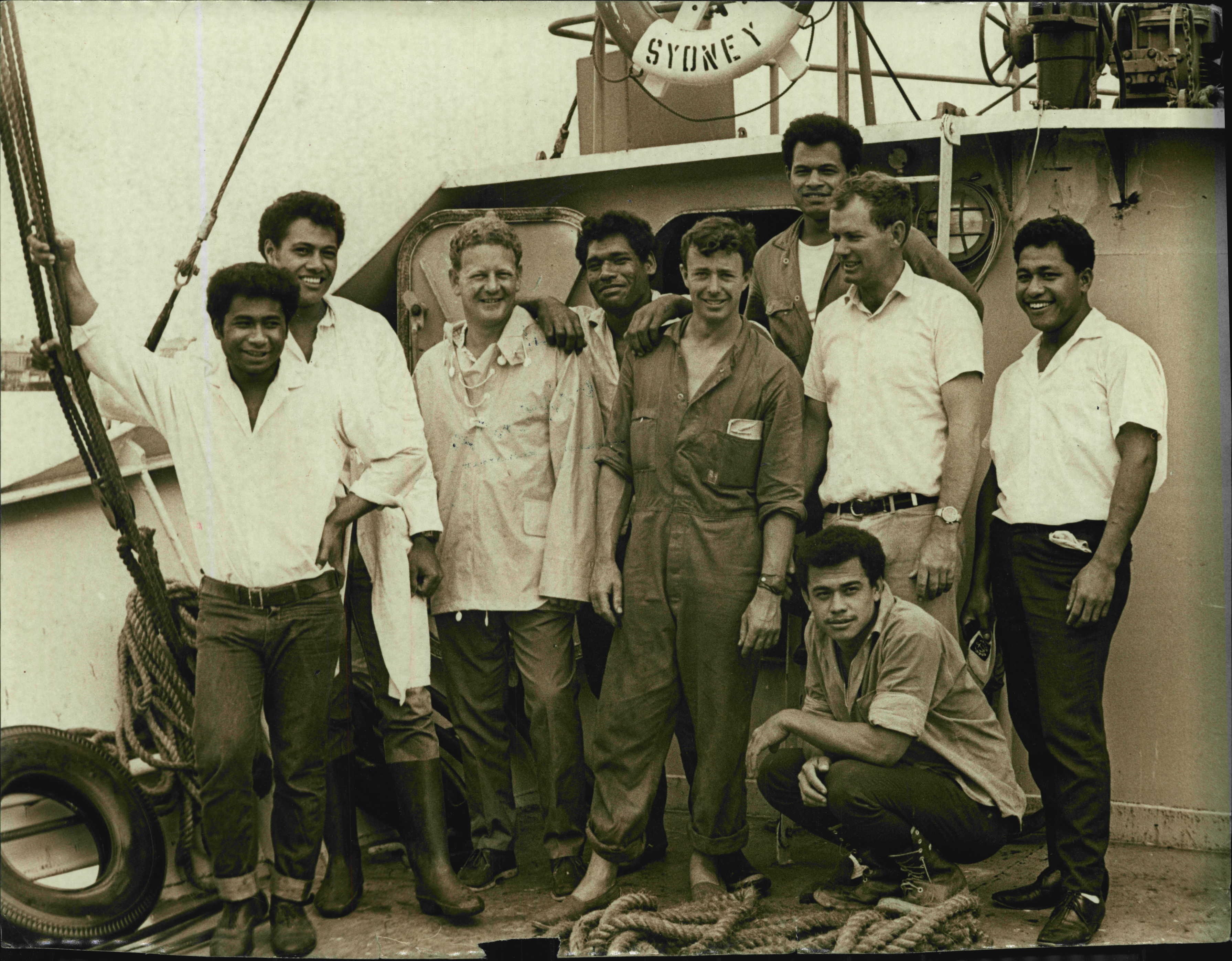
"They were wearing life jackets, his sailing companion went in to help Peter," the statement said.
"He could not get him back on board so got back himself, called for help then went back in the water to swim Peter to shore."
Once on shore, members of the public commenced CPR until paramedics arrived, however, he died at the scene.
"The family is so grateful to Peter's sailing companion," the family said.
Covid 19 coronavirus: Ministry of Health releases vaccine target data
More than one million New Zealanders are expected to be vaccinated by the end of June, according to the Ministry of Health’s newly released plan. It comes after the Government refused to share its progress numbers on the Ministry…
Gannets shot dead at Muriwai bird colony, DoC and police investigating
By RNZ An investigation has been launched after eight gannets were shot dead at the colony at Muriwai Beach, on Auckland’s west coast.The dead tākapu were discovered last month after Auckland emerged from its alert level…
Man jailed for more than 10 years after smuggling 113kg of meth in avocado pulp
A man who hid 113kg of methamphetamine in avocado pulp to smuggle it into the country has been sent to jail for more than 10 years. Victor Martos was sentenced in the Auckland High Court today for his role in the 2019 smuggling…
Wild weather: Waterspout spotted over Napier – thunderstorms rocking North Island
Waterspouts have been spotted ripping through Napier amid large thunderstorms pummelling across the North Island. Aimee Whiting noticed the waterspout – which is a water funnel resembling a tornado – from Emerson St in the town’s…
Wellington City Council fines contractor after polystyrene waste scattered along coastline
Wellington City Council have handed out a $200 fine after an “irresponsible” driver allowed a load of polystyrene balls to scatter across more than 7km of Wellington’s south coastline, including a marine reserve.”We were alerted…
Ousting of Australia Post CEO 'nothing to do with gender': PM
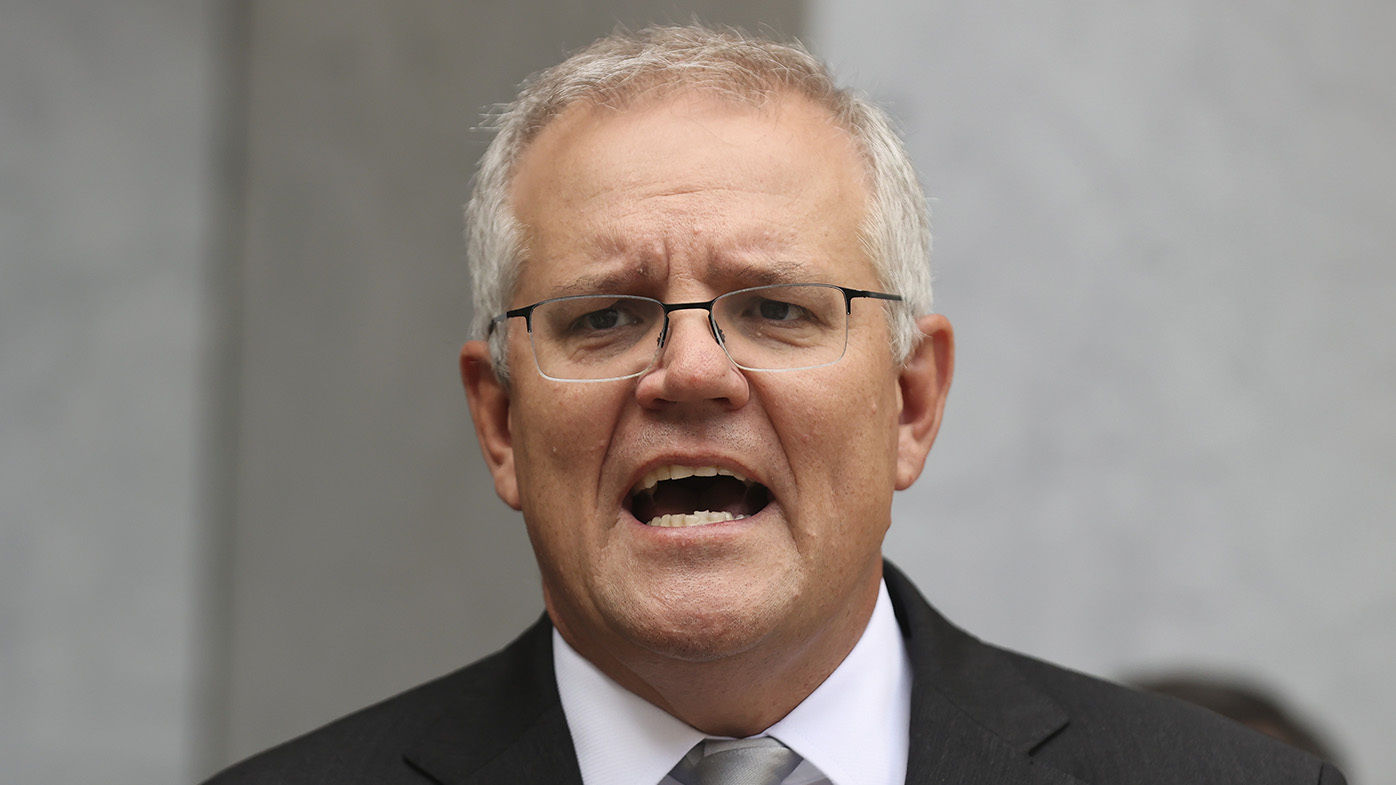
Prime Minister Scott Morrison has denied his calls for the resignation of then-Australia Post CEO Christine Holgate were based on gender.
Answering questions at a press conference in Western Australia today, Mr Morrison said he regrets "any distress", but did not apologise.
"This was about taxpayer organisations handing out Cartier watches to well-paid executives. This has nothing to do with gender. This has to do with the performance of people who are responsible for running taxpayer organisations," Mr Morrison said.
READ MORE: Christine Holgate: Scott Morrison's bullying 'an utter disgrace'
"We all carry big responsibilities, and it can be a very robust environment and that robust environment should not take account of people's genders.
"It should treat everybody equally. That's what I do."
The PM reaffirmed he was concerned Australia Post executives were being given Cartier watches as performance bonuses.
"I regret any distress that that strong language may have caused to her and indeed did cause to her. That was not my intention," Mr Morrison said.
"But this issue is about ultimately – all of us who serve in senior positions, whether it's Prime Minister or minister or chief executive or manager of a company, we all have responsibilities.
"This issue was about the way taxpayer money-funded companies are run."
READ MORE: Australia Post names Woolworths executive Paul Graham as new CEO
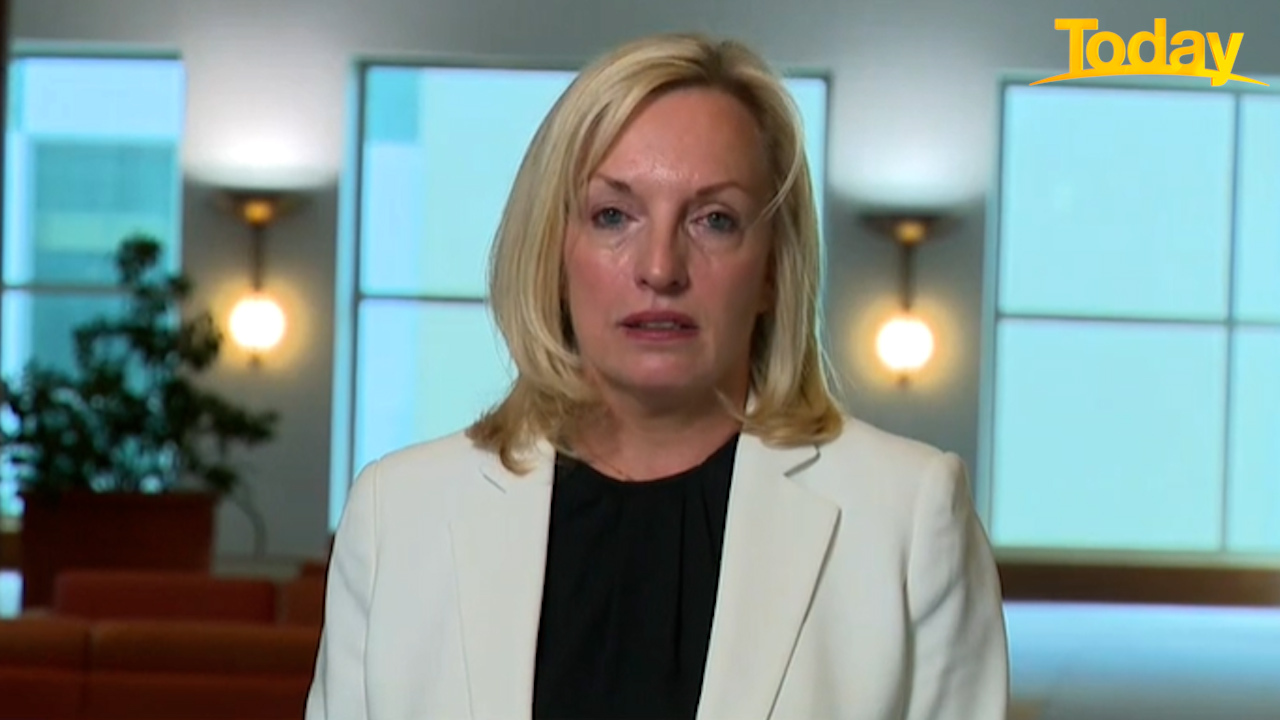
Ms Holgate said the experience of being "hung in parliament" will never leave her.
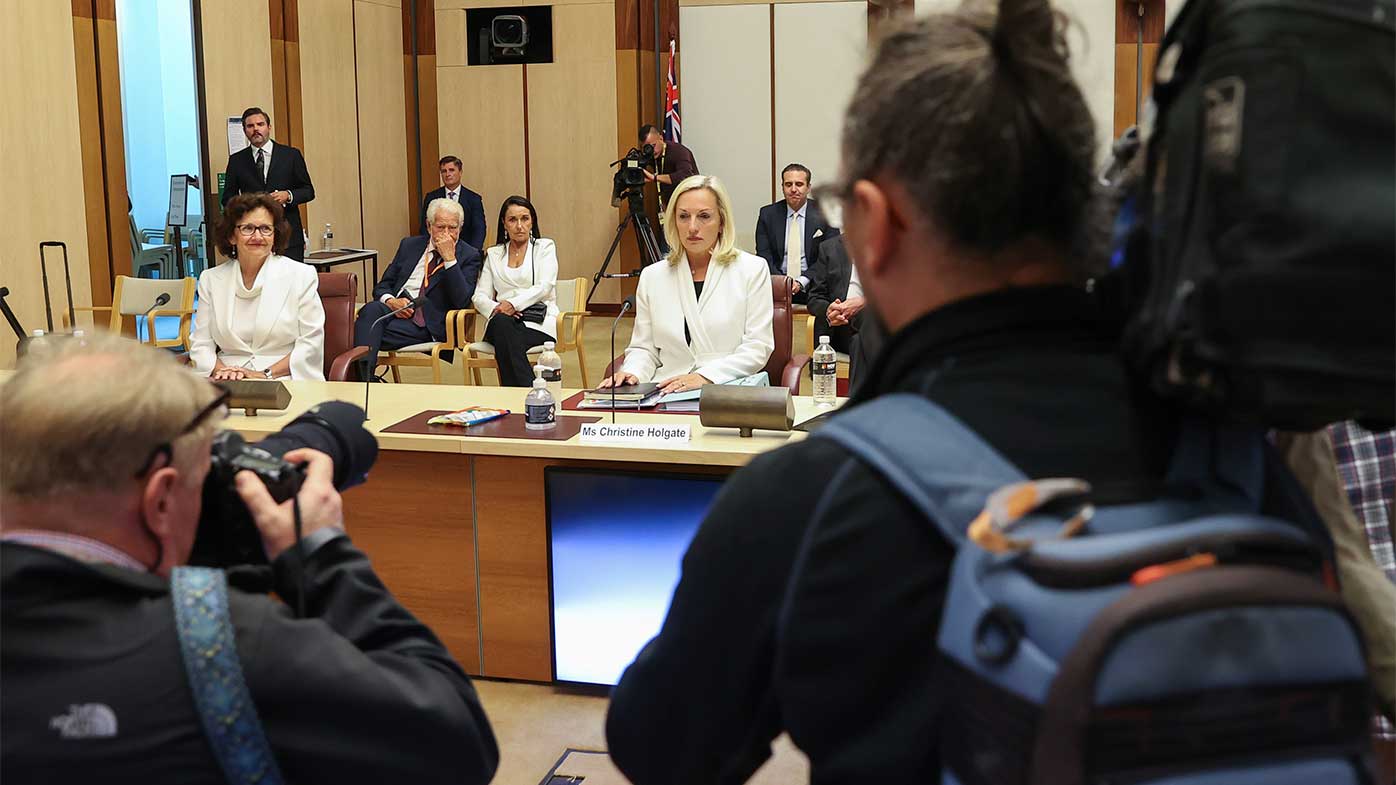
Ms Holgate appeared on Today the day after a scorching testimony to a Senate hearing that detailed extensive claims of bullying and harassment in October last year.
She stood down from her role after an enormous political fall-out following the purchasing of four Cartier watches for Australia Post executive worth approximately $20,000.
"Everybody makes mistakes sometimes. And if (Scott Morrison) was to call me and apologise, I would welcome that apology," Ms Holgate told Today.
"That's all I want. It's all the people have wanted. We just want respect. We just want a stop to bullying and humiliation."
READ MORE: Australia Post chairman admits Christine Holgate treated 'abysmally' but won't apologise
Ms Holgate said the past five months almost "broke" her, but she is stronger today for it.
"It felt like David fighting Goliath because I hope that makes me a more compassionate and understanding leader going forward," Ms Holgate said.
"You can't get run over and say, 'I'm completely OK now'. You can't be.
"Not if you're a person with real compassion.
"You know, we've all got feelings, but an apology would help, Karl."

Ms Holgate said she is "undoubtedly" most disappointed with Australia Post chair Lucio Di Bartolomeo, who she contends briefed the PM and lied about her resignation.
She said Mr Di Bartolomeo then leaked her offer of resignation to the media without her consent.
"He was the person who briefed the minister. He is the person who spoke to the minister before this event. He's the person who is supposed to stand up for me. He unlawfully stood me down," Ms Holgate said.
"It's been the most disgraceful act of bullying.
"We have contracts, as all employees do.
"At no point have they ever respected that contract. It is a disgraceful act of humiliation, bullying, intimidation, call it what you like."
Century-old shipwreck re-emerges on NSW beach
A century-old shipwreck has been exposed on a NSW North Coast beach after rough seas in recent days.
The 39-metre vessel, named Buster, is fully visible for the first time in years after wind and heavy seas washed away the sand on Woolgoolga Beach, north of Coffs Harbour.
The ship's well-preserved jumble of wooden limbs is now fully explorable after being buried beneath sand and water for more than 120 years.
READ MORE: Cold front to bring damaging winds to several states
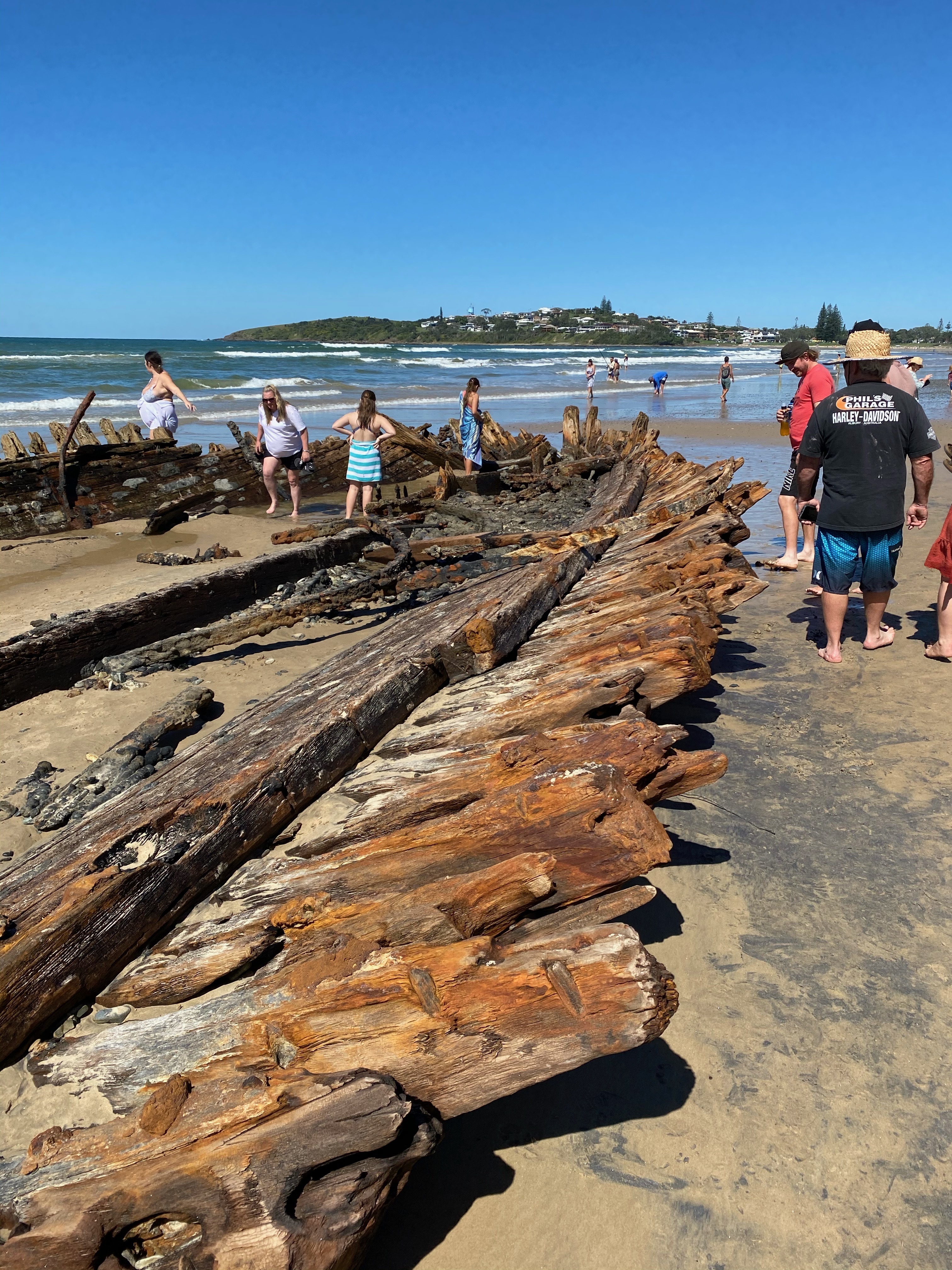
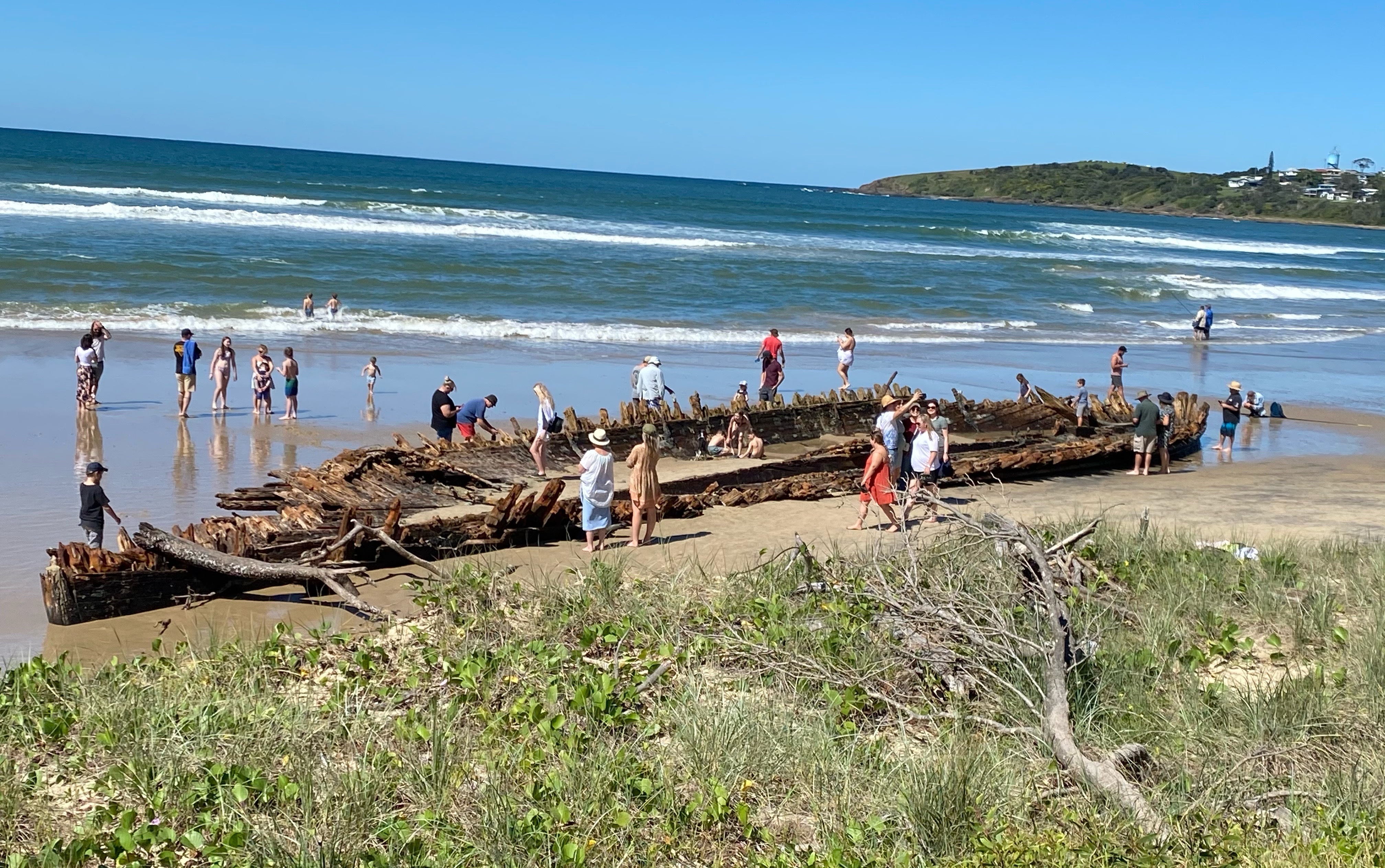
The wreck has already become a popular tourist attraction for families enjoying school holidays in the area with warnings from the council not to take parts of the ship away.
Buster was driven ashore by a violent storm at the mouth of Woolgoolga Lake in 1893.
The 310-tonne vessel was originally built in Canada during the late 1800s and arrived in the area from Sydney in February 1893 to load timber bound for New Zealand.
How drones are changing the face of policing in Australia
When Tasmanian police were searching for an alleged murderer in bushland in the state's north, it was a drone that tracked the suspect down.
Before the man's arrest, Tasmania Police described him as a skilled bushman, adept in the wild, and possibly having camouflage paint on his face and armed with a knife.
Tasmania Police said "significant" resources were used in the January search, including specialist and uniform personnel, sniffer dogs, thermal imaging and a chopper.
READ MORE: US Air Force training drone washes ashore on Florida beach
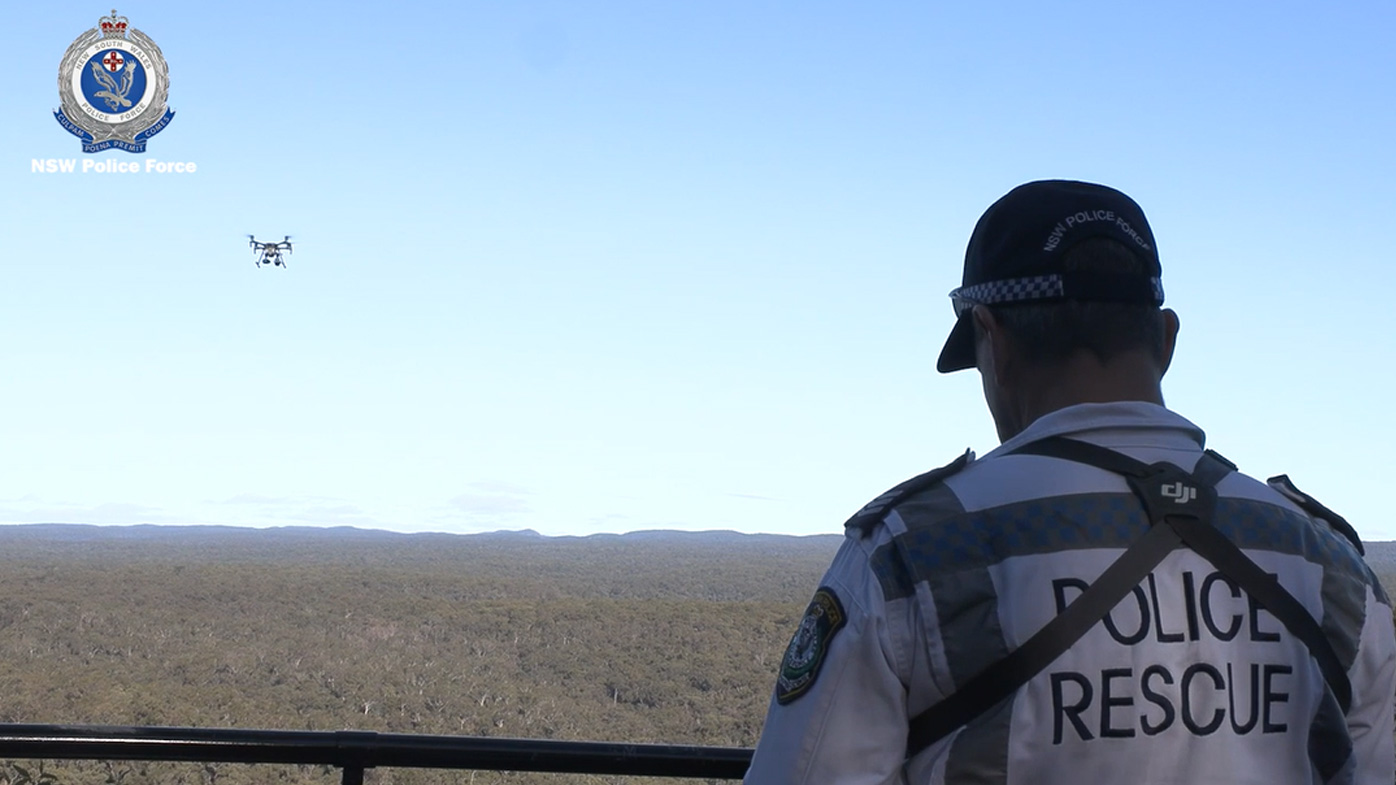
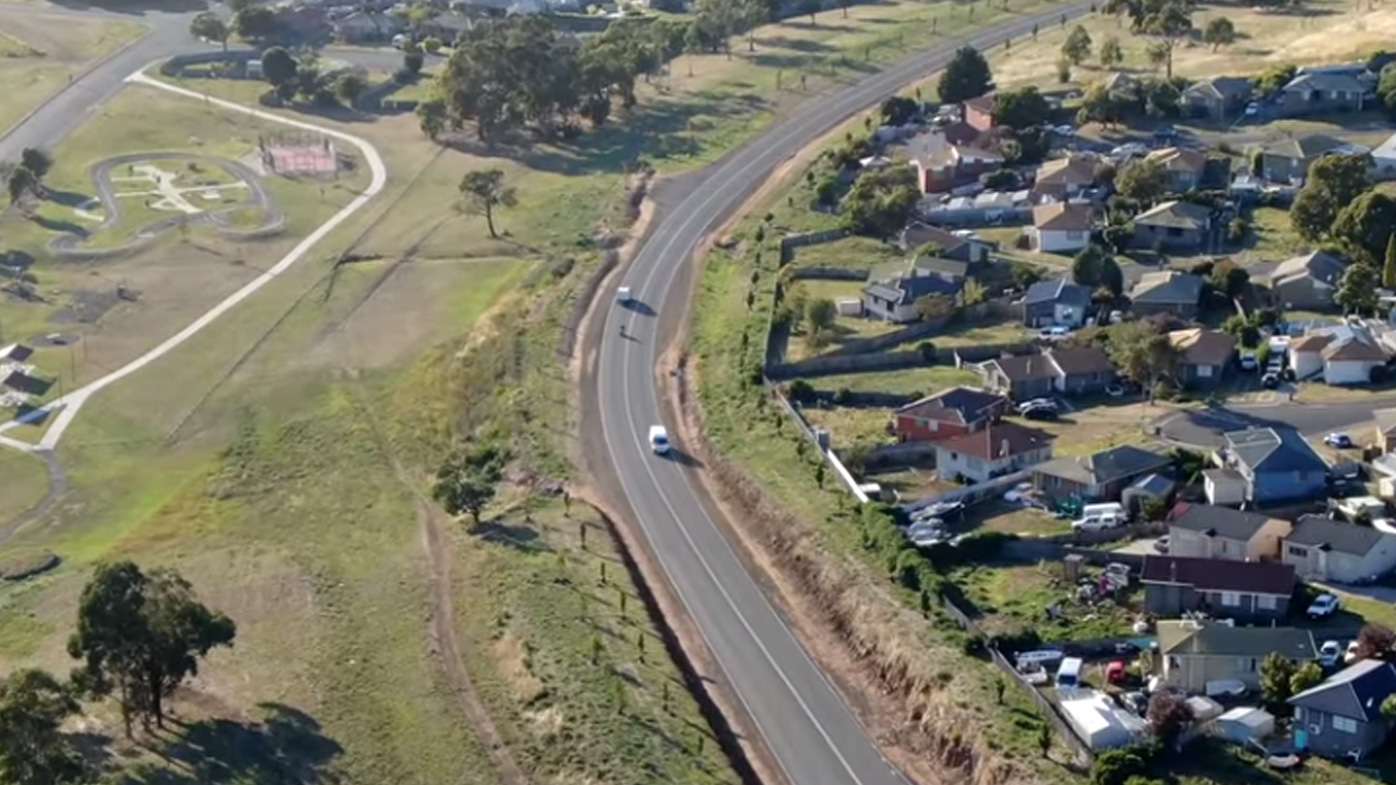
But it was a handheld drone, operated remotely by a trained police pilot, that spotted the suspect and made the breakthrough, with digital eyes in the air directing officers on the ground to the alleged murderer's location.
Australian state and territory police forces are increasingly leaning on their drone units to carry out operations just like the manhunt in Tasmania.
NSW Police, with 100 drones and 90 pilots, has the biggest fleet in the country, according to information gathered by nine.com.au.
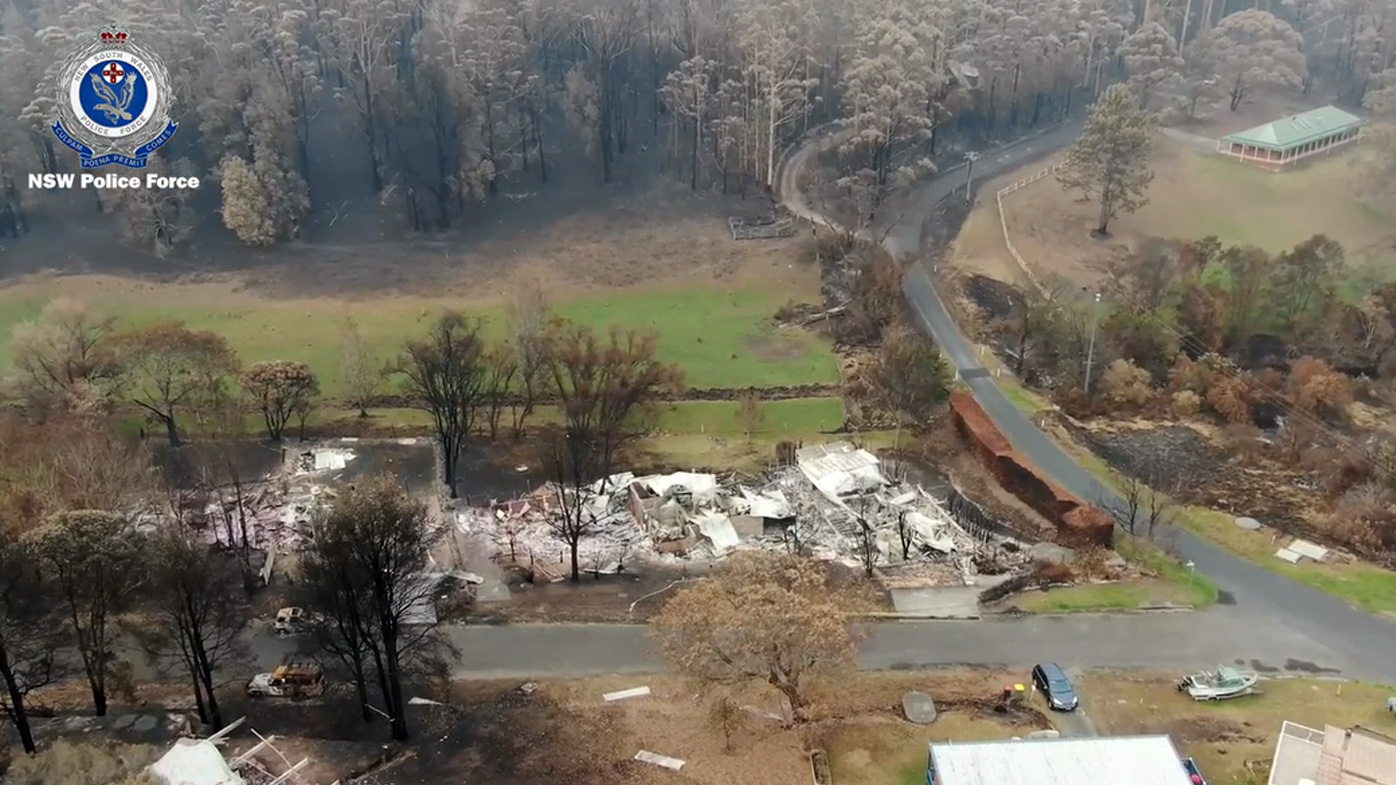
Police forces across Australia are using drones to track suspects, conduct search and rescue operations, map crime scenes, assist road safety enforcement and to surveil armed siege incidents and monitor natural disasters.
Drones are now "a vital tool" in the fight against crime, a Tasmania Police spokesperson said.
NSW Police said its 100-strong fleet of drones regularly "supports front line policing operations", and that high-tech in the air can reduce the risk to conventional police units and the community.

READ MORE: ADF drones could have been used to 'spy' on Victorians during COVID-19
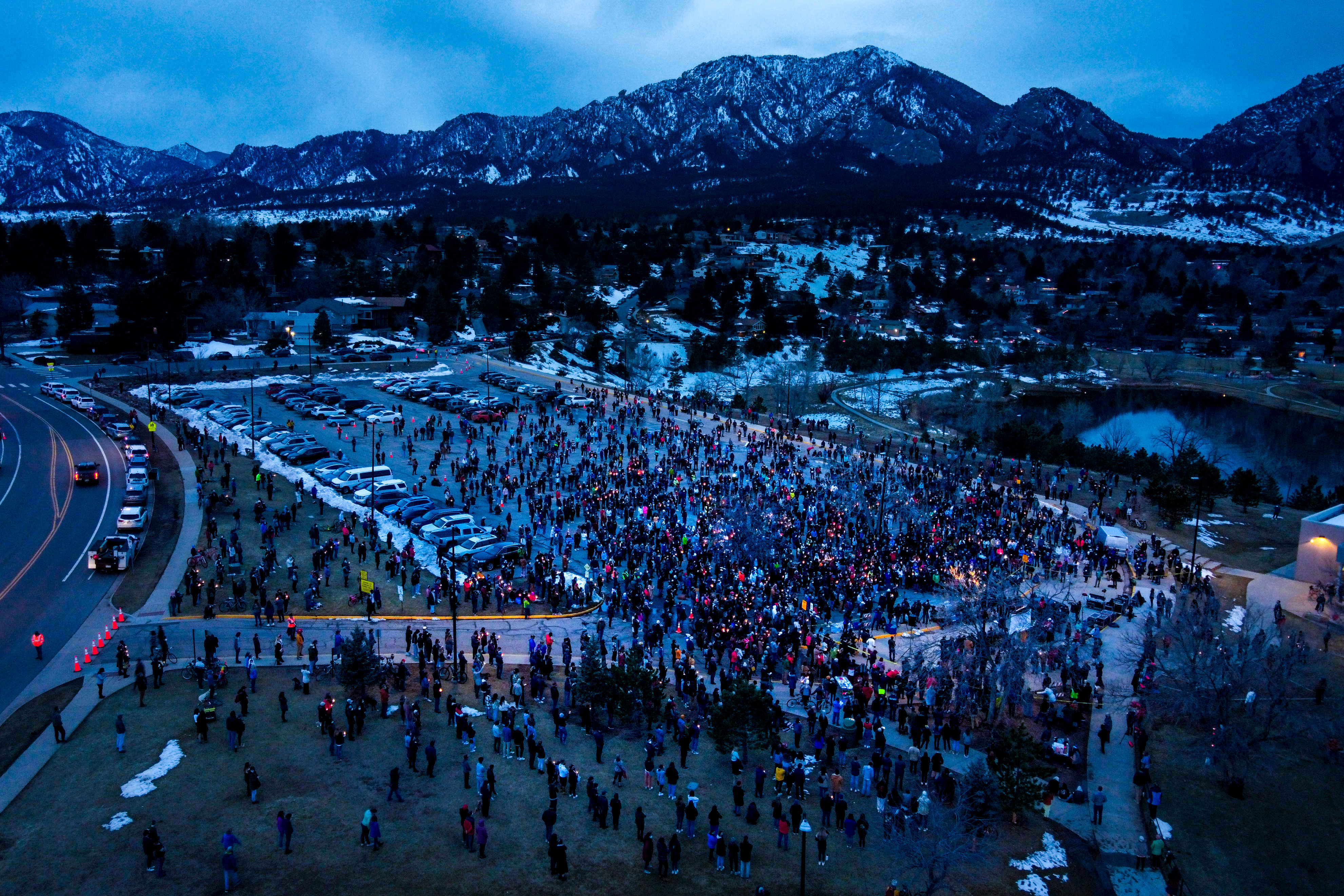
"[Drones] provide aerial platforms for policing major events," the NSW Police spokesperson said, alluding to the impressive power of camera-enabled drones to observe mass public gatherings.
Of the other Australian police forces willing to divulge the number of drones in operation, Victoria Police confirmed they had 30 drones, and Tasmania 23 drones and 19 pilots.
The Australian Federal Police, Queensland, South Australia and Northern Territory did not want to discuss specifics, citing protection of methodologies.
Only Australian Capital Territory Police and Western Australia Police did not respond to comment.
In the past financial year, Tasmania Police pilots launched drones in 227 operations.
"These new drones are an exciting new tool to be used in a wide variety of areas of policing," a Tasmania Police spokesperson said, discussing the merits of the small, easily maneuverable devices.
"We have had a number of successes across the state where offenders in stolen and evading vehicles have been apprehended with drone support.
"We have also located a number of stolen vehicles in bushland by using drones and have deployed drones to assist in searches for missing Tasmanians."
READ MORE: 'Killer robots' threaten future of humanity, campaigners warn
Leading artificial intelligence (AI) expert Dr Toby Walsh, a UNSW professor, said police drones of the future will only become more powerful and capable, which has the potential to raise red flags over privacy issues.
"There are some good uses of the technology in terms of being about to surveil and track people and conduct search and rescue operations," Dr Walsh said.
"But there are also worrying sides too, like surveilling large crowds in a way that changes our notion of privacy.
"The concerns potentially arise as the drones and technology get more sophisticated and the drones become autonomous."
Autonomous drones do not require a human pilot, with the machines instead able to fly through AI and powerful computing systems.
General trends in drone and technology tend to emerge first in the military and then cross over into police, Dr Walsh said.

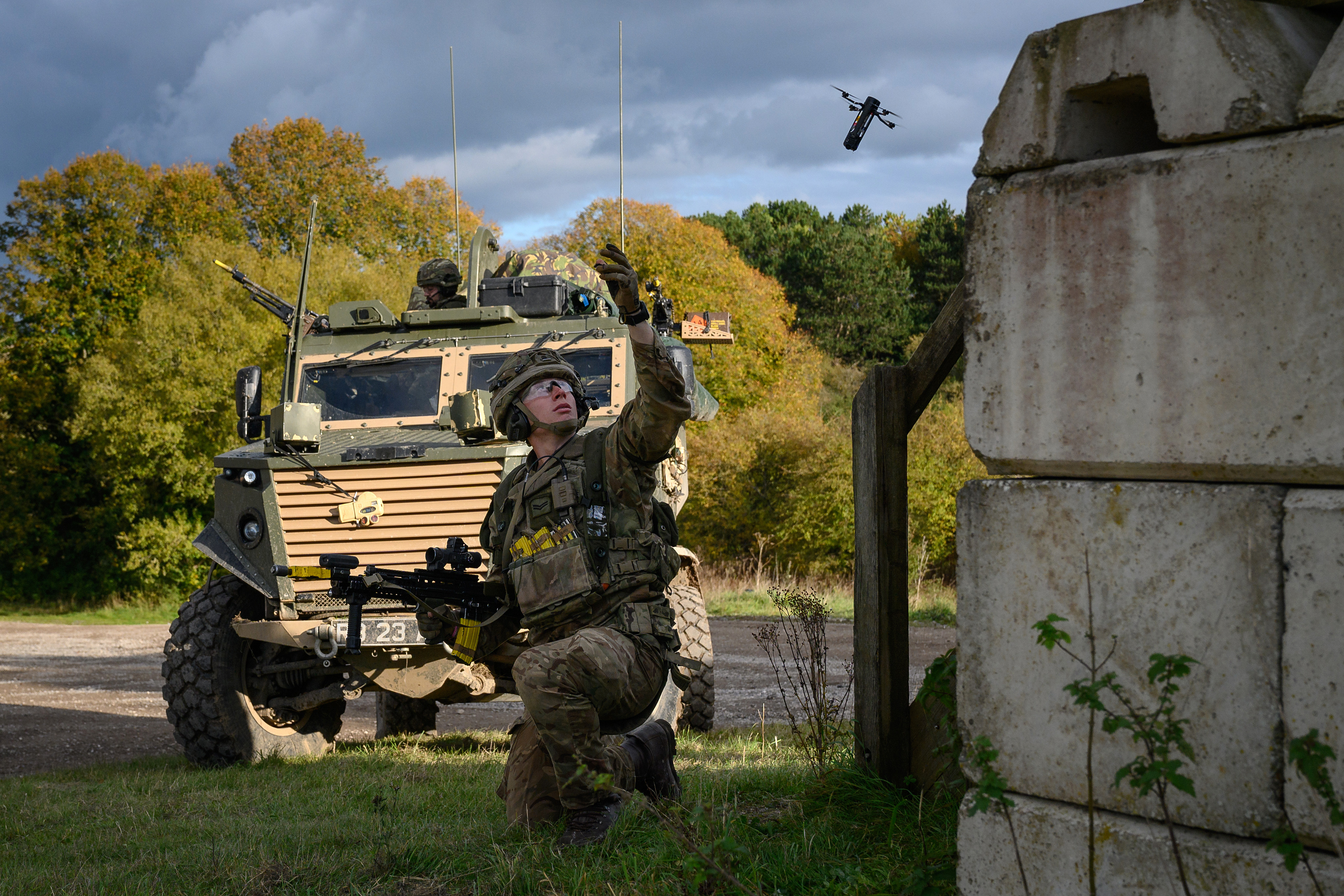
"US foot soldiers in Afghanistan and Syria used small drones strapped to their wrists that they could launch off their hand to fly into potentially dangerous compounds to see if there were any bad guys around the corner.
"Drones can be very useful in these high-risk situations, and that's an instance that could be extremely useful for police."
Once the size of a family car, some drones now are no bigger than a bird or even an insect, and capable of covert and complex flight patterns.
That kind of aerial capability, paired with AI and computer systems able to churn complex oceans of data, adds up to a formidable technology.
The Chinese government has deployed facial recognition software on its autonomous drones that can easily find a single person in a vast outdoor concert-sized crowd, Dr Walsh said.
"That takes us to a totally different place because humans simply can't do that."
Video edit and production: Tara Blancato
Contact me: ms******@******om.au
FOLLOW: Mark Saunokonoko on Twitter