Test your brains with the Herald’s afternoon quiz. Be sure to check back on nzherald.co.nz for the morning quiz tomorrow. To challenge yourself with more quizzes, CLICK HERE.
Tag Archives: oceania
Serious crash on SH2 at Upper Hutt, delays expected
Motorists in the Upper Hutt area are asked to expect delays following a serious crash on State Highway 2 between a car and a motorcycle.Waka Kotahi NZTA said the crash occurred about 2.40pm south of Kaitoke Loop Rd.An ambulance…
Woman left without uterus after botched routine procedure
A young woman has been left without a uterus and part of her bowel after a botched “routine procedure”, a Government-funded investigation has found.”If I had been given more information … then I would not have put my life at risk…
Covid 19 coronavirus: What new NZ case means for transtasman travel bubble
A new case of Covid-19 in Auckland has cast a cloud over New Zealand and Australia’s travel bubble, just one week before it is due to begin.The new case, revealed yesterday, is a hotel worker at Auckland’s Grand Millennium hotel…
Election donations: Māori Party referred to police over $320,000 in undeclared donations
The Māori Party has been referred to police for failing to disclose about $320,000 worth of donations within the required time frame.The Electoral Commission has announced it had referred the Māori Party to police over…
Samoa election: Island nation waits to see if it has elected its first woman Prime Minister
Samoa is on the cusp of change – no matter what its general election result is. The island nation is eagerly waiting to find out exactly who will govern for the next five years; after preliminary results over the weekend resulted…
'Battle zone' after volcano erupts on Caribbean island
There has been a massive power outage on the Caribbean island of St Vincent where La Soufrière volcano began erupting on Friday, St Vincent and the Grenadines National Emergency Management Organisation reported.
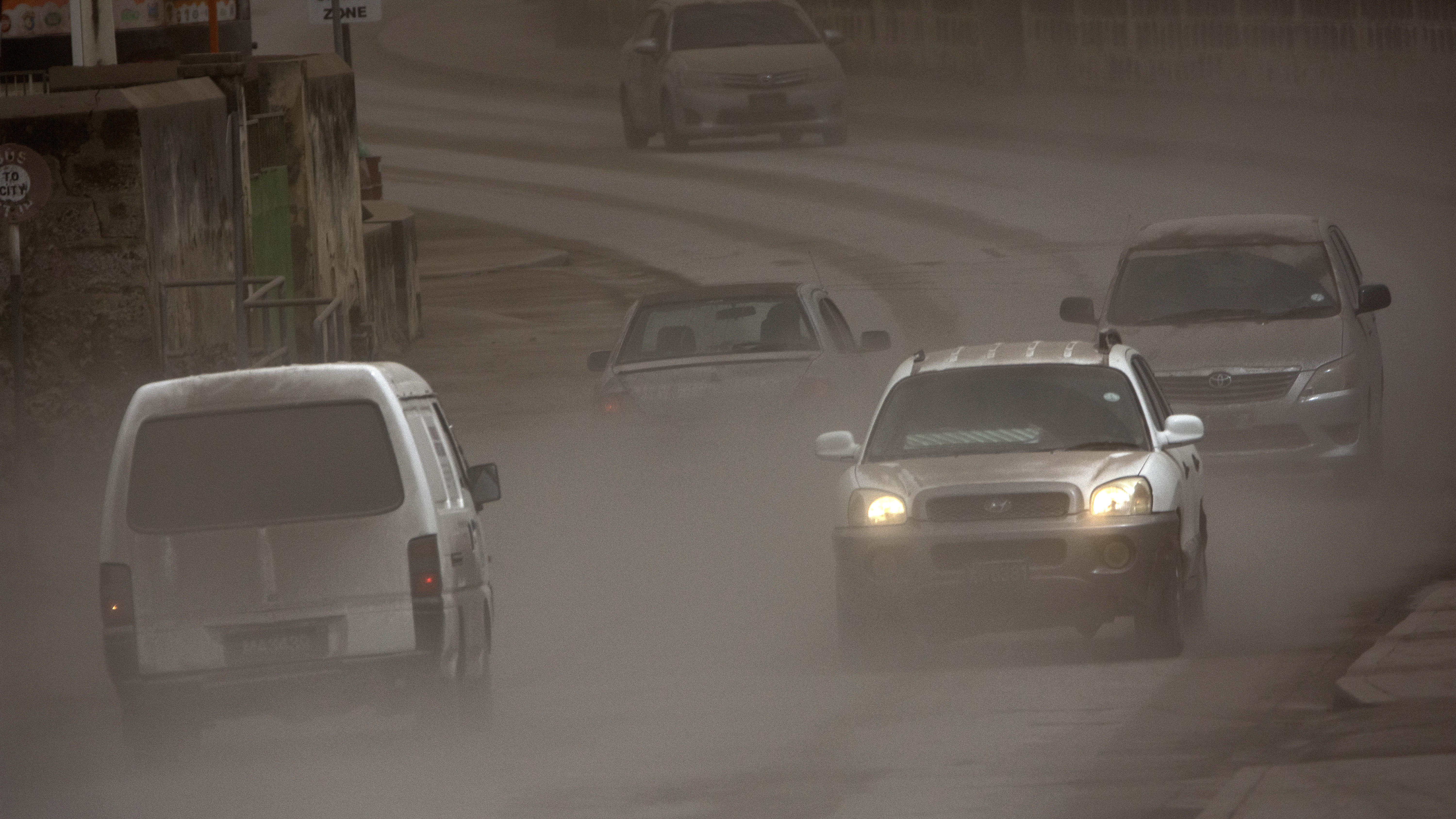
"Day number three and everything looks like a battle zone. Dreary morning with the ash beginning to harden on the ground due to overnight showers. Many homes still without water and electricity," NEMO said in one of a series of tweets.
Volcanic ash has been continuing to fall and there are warnings of more danger ahead.
READ MORE: Almost 7,000 people in danger as volcano erupts three times on Caribbean island
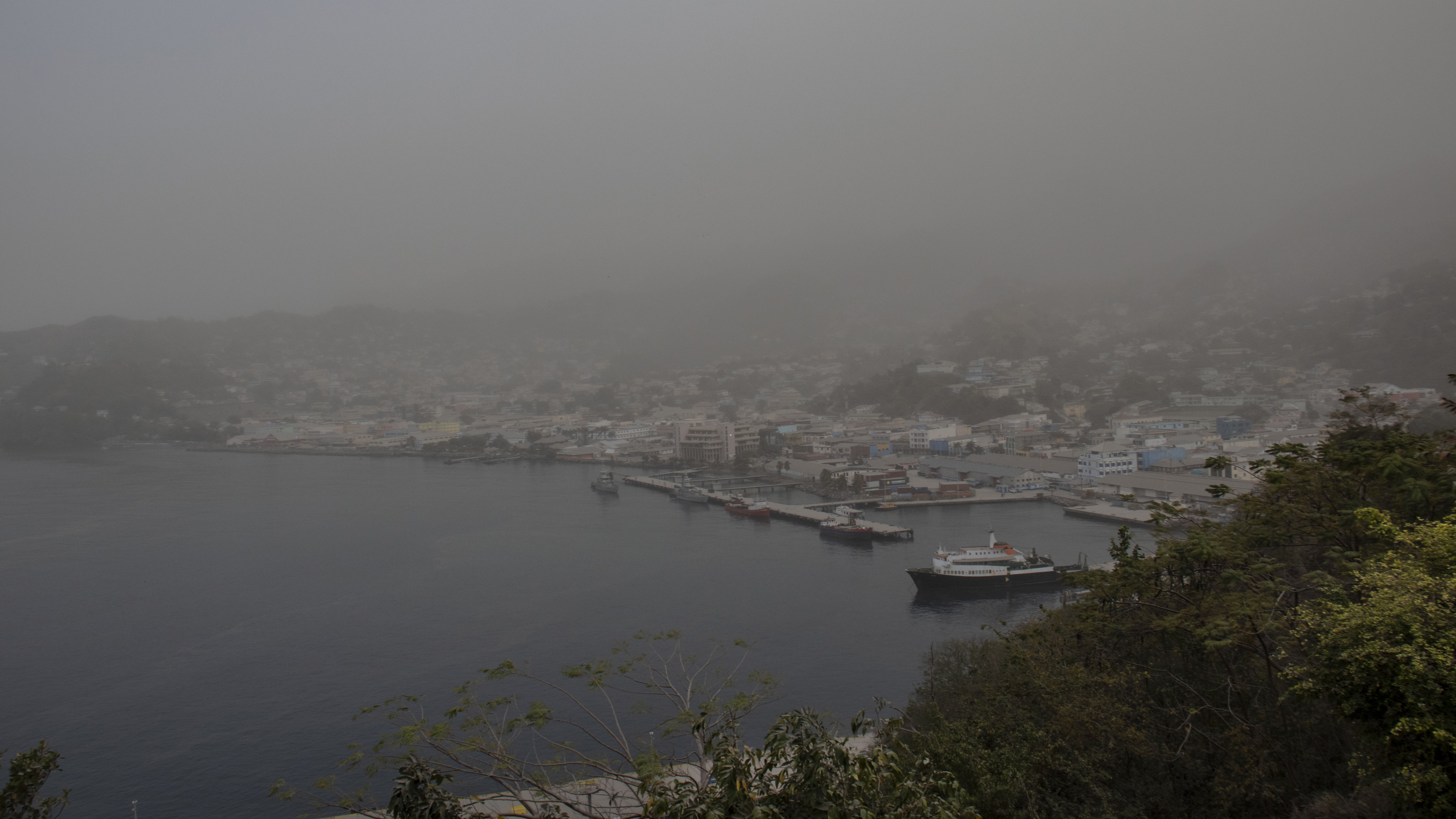
"Pyroclastic flows" at La Soufriere could possibly cause destruction and devastation of areas close to the volcano, according to NEMO.
Pyroclastic flows "contain a high-density mix of hot lava blocks, pumice, ash and volcanic gas. They move at very high speed down volcanic slopes, typically following valleys," according to the USGS and "destroy nearly everything in their path."
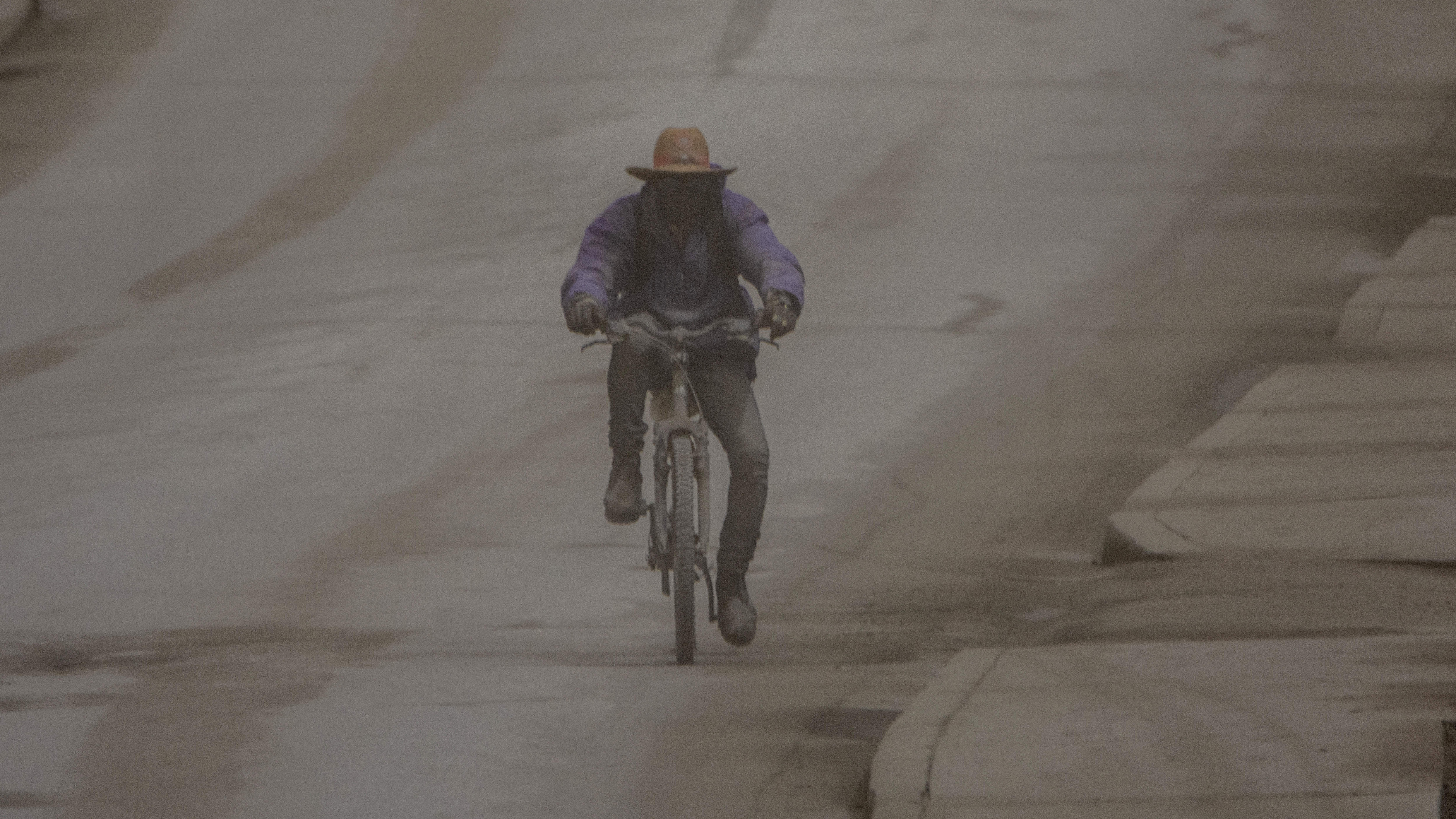
The University of the West Indies Seismic Research Centre tweeted photos taken by one of its researchers Sunday morning of an ash covered landscape in St Vincent, using the hashtag #stilldangerous.
READ MORE: Pfizer vaccine rollout will be made easier as vials 'very stable' at -20C
It posted a scientific update on Twitter, saying that tremors lasting up to 20 minutes had continued.
"Based on visual observations and satellite imagery, the intervals are associated with periods of explosive activity or enhanced venting," it said.
"Thunder and lightning were experienced during these periods."

Ash had continued to fall on the island overnight and had also impacted neighbouring islands, the Grenadines, Barbados and St Lucia, it said. "Explosions and accompanying ashfall, of similar or larger magnitude, are likely to continue to occur over the next few days."
On Thursday, Prime Minister Ralph Gonsalves declared a disaster alert prompted by a change in the volcano's eruptive activity. He issued an evacuation order for all residents living in what is considered a "red zone."
Mr Gonsalves has said it could take four months for life to return to normal on the island.
Authorities have said it is likely that explosive eruptions could continue "for days and possibly weeks" after the first eruption Friday emitted a plume of ash that extended 6096 metres into the sky.
Friday morning's eruption was the first by the La Soufrière volcano since April 1979, according to NEMO.
"La Soufriere Volcano erupted the second Friday in April (Friday April 13) in 1979. Four days shy of it's anniversary it has again erupted on the second Friday in April (9) in 2021," the organisation said on Twitter.
La Soufrière is located on the largest island of the St Vincent and the Grenadines chain
Iran calls Natanz atomic site blackout 'nuclear terrorism'
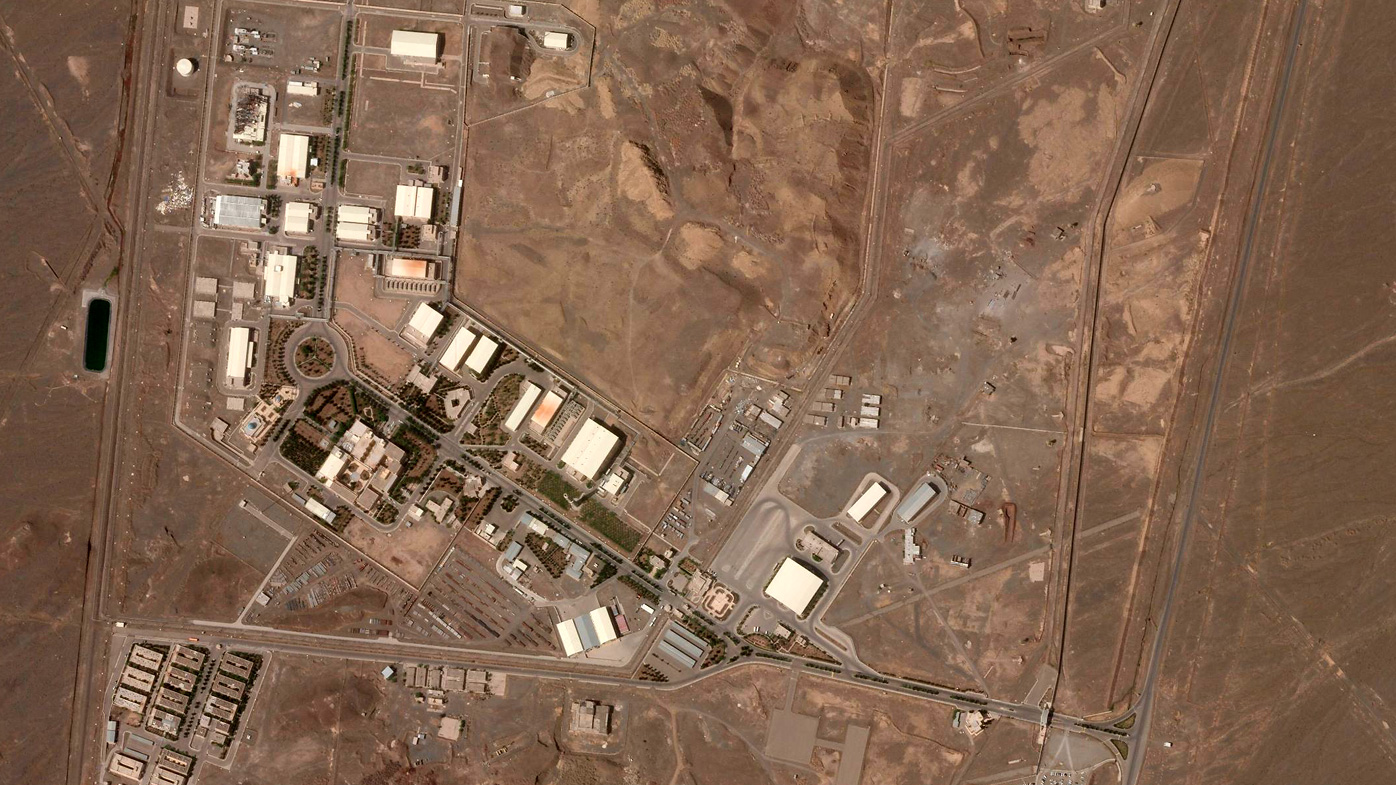
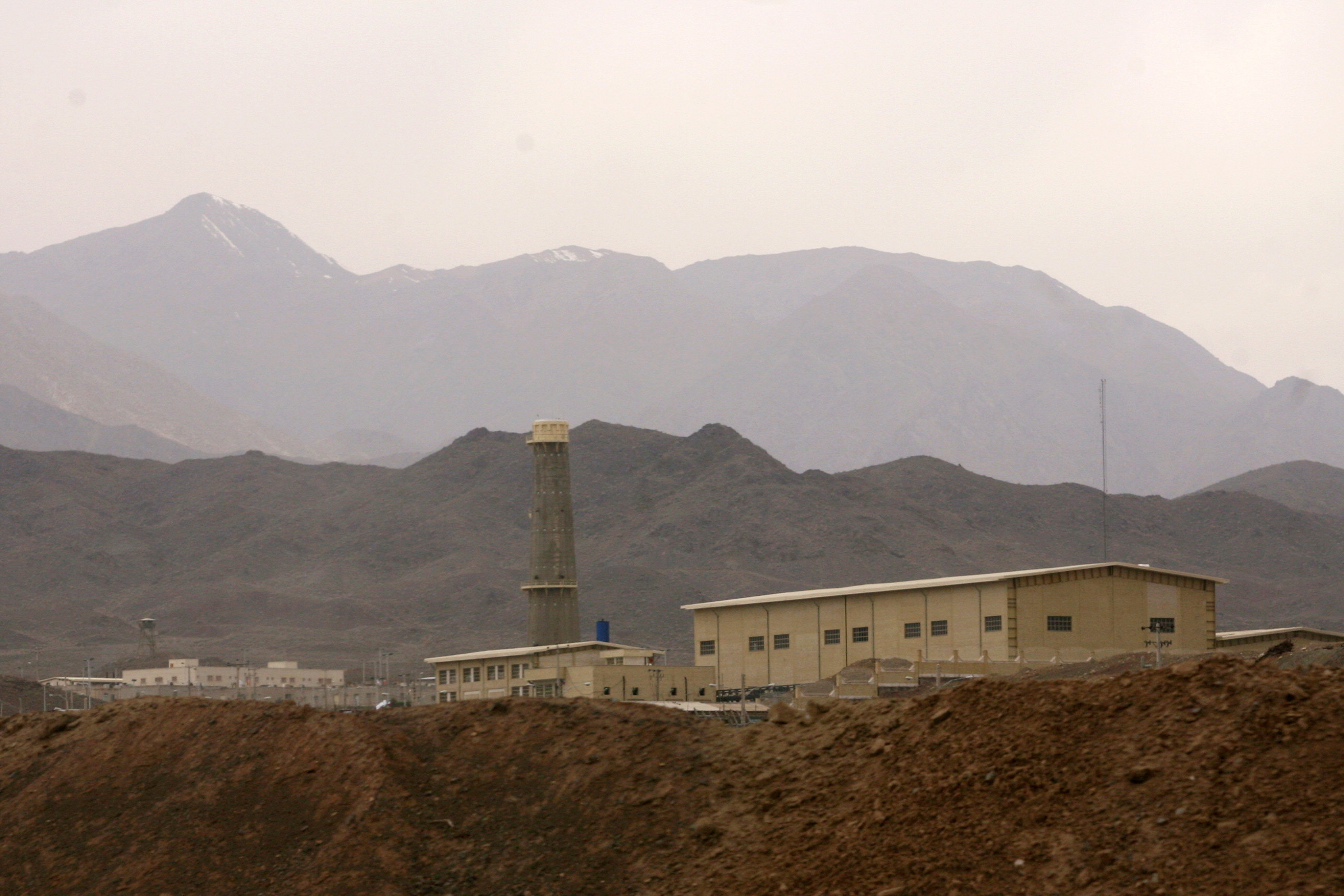
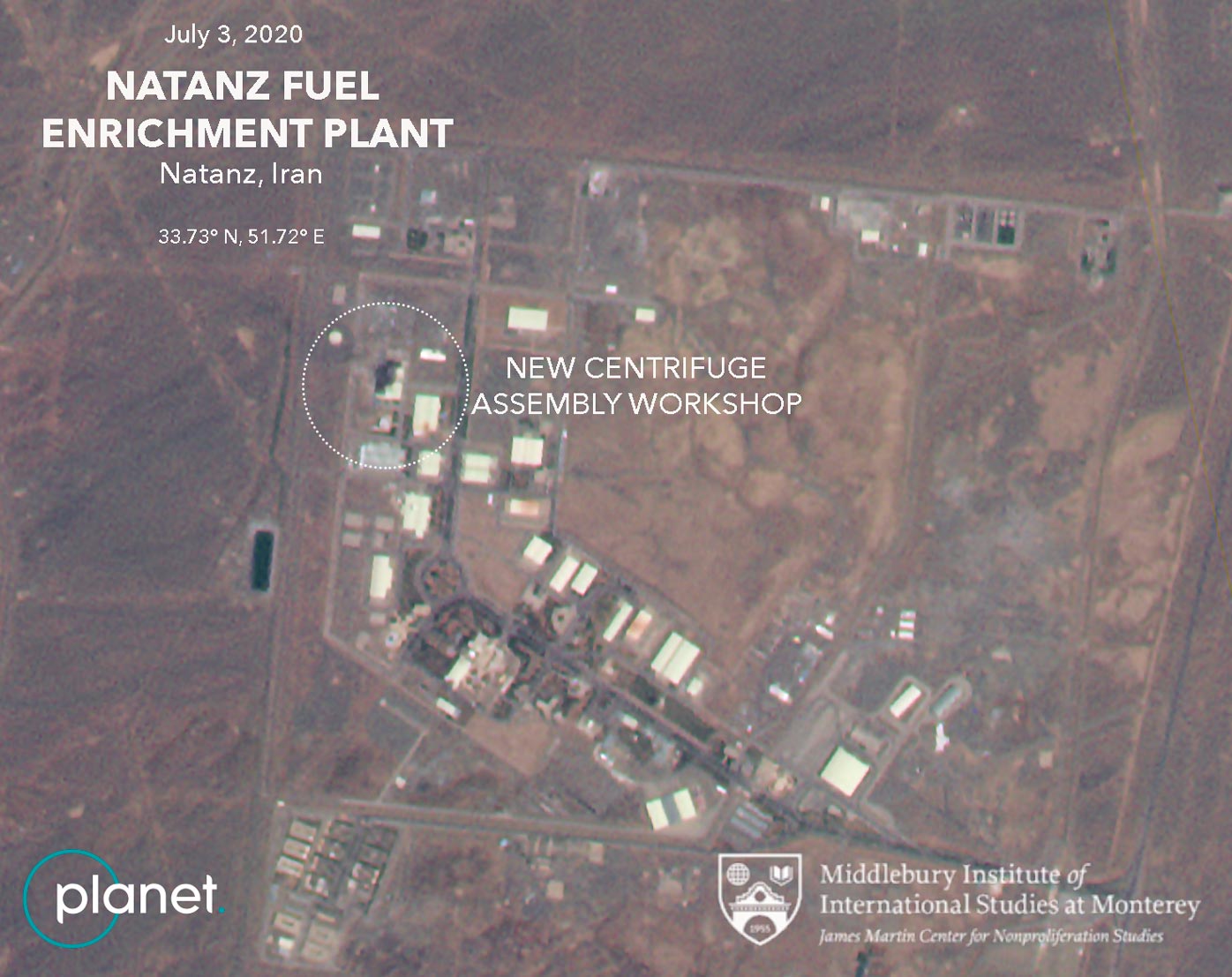
Iran today described a blackout at its underground Natanz atomic facility an act of "nuclear terrorism," raising regional tensions as world powers and Tehran continue to negotiate over its tattered nuclear deal.
While there was no immediate claim of responsibility, suspicion fell immediately on Israel, where its media nearly uniformly reported a devastating cyberattack orchestrated by the country caused the blackout.
If Israel was responsible, it further heightens tensions between the two nations, already engaged in a shadow conflict across the wider Middle East.
READ MORE: Sextortion scams boom: What you need to know
Israeli Prime Minister Benjamin Netanyahu, who met on Sunday (local time) with US Defence Secretary Lloyd Austin, has vowed to do everything in his power to stop the nuclear deal.
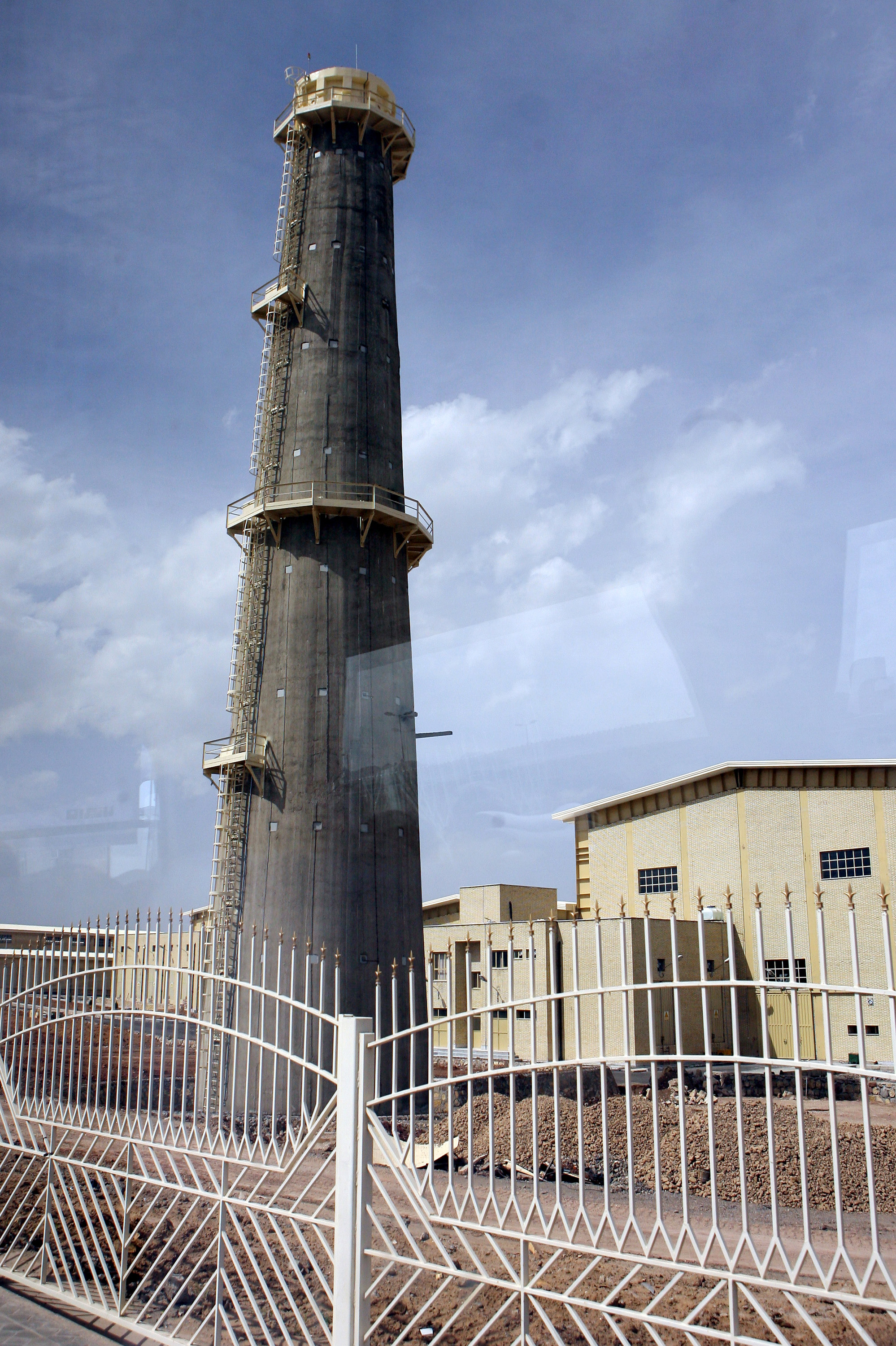
Details remained few about what happened early on Sunday morning at the facility, which initially was described as a blackout caused by the electrical grid feeding its above-ground workshops and underground enrichment halls.
'Terrorist action'
Iran's Atomic Energy Organisation condemned the incident, calling it a "terrorist action," according to the Iranian telegram channel of the Revolution Guard Corps, or IRGC.
Akbar Salehi, chief of the organisation, said, "Today's attack demonstrates that the enemies of Iran's progress and advancement in nuclear science, as well as nuclear negotiations, are in desperation committing terrorist actions against the nuclear technology at Natanz (nuclear facility)," reported IRGC, a branch of the Iranian Armed Forces.
Mr Salehi also said, "Iran reserves the right to respond against the perpetrators, and those who committed the terrorist action," IRGC reported.
Earlier on Sunday, Iranian officials confirmed an "incident" at Natanz, a day after the government said it was launching more than 150 new uranium enrichment centrifuges at the underground facility.
"Fortunately, the incident did not cause any human injuries or leaks," said Behrouz Kamalvand, a spokesman for the Atomic Energy Organisation.
"The causes of the accident are under investigation and further information will be announced later."
READ MORE: Australian IDs and credit cards sold on dark web for less than $20
During the 15th anniversary of Iran's National Nuclear Technology Day on Saturday, Iranian President Hassan Rouhani announced new uranium enrichment centrifuges at the plant, stating that while Iran's nuclear activities are for "peaceful and civil purposes," the country's nuclear capability was also stronger than at any time before.
"Today, a chain of 164 IR-6 centrifuges was launched," Mr Rouhani said, according to state-run Press TV.
"It can provide us with products 10 times more than the former chain."
The Natanz nuclear plant lost a building when a fire broke out last July.
READ MORE: Iran state TV acknowledges ship attacked in Red Sea
The Iranian government said at the time that it was an attack on its nuclear program.
It was also the target of the Stuxnet cyberattack in 2010, which security experts believe was carried out by Israel and the US.
Natanz suffered a mysterious explosion at its advanced centrifuge assembly plant in July last year that authorities later described as sabotage.
Iran now is rebuilding that facility deep inside a nearby mountain.
Iran also blamed Israel for the November killing of a scientist who began the country's military nuclear program decades earlier.
Israeli cyberattack
Multiple Israeli media outlets reported on Sunday that an Israeli cyberattack caused the blackout in Natanz.
Public broadcaster Kan said the Mossad was behind the attack.
Channel 12 TV cited "experts" as estimating the attack shut down entire sections of the facility.
While the reports offered no sourcing for their information, Israeli media maintains a close relationship with the country's military and intelligence agencies.
"It's hard for me to believe it's a coincidence," Yoel Guzansky, a senior fellow at Tel Aviv's Institute for National Security Studies, said of Sunday's blackout.
"If it's not a coincidence, and that's a big if, someone is trying to send a message that 'we can limit Iran's advance and we have red lines.'"
It also sends a message that Iran's most sensitive nuclear site is "penetrable," he added.
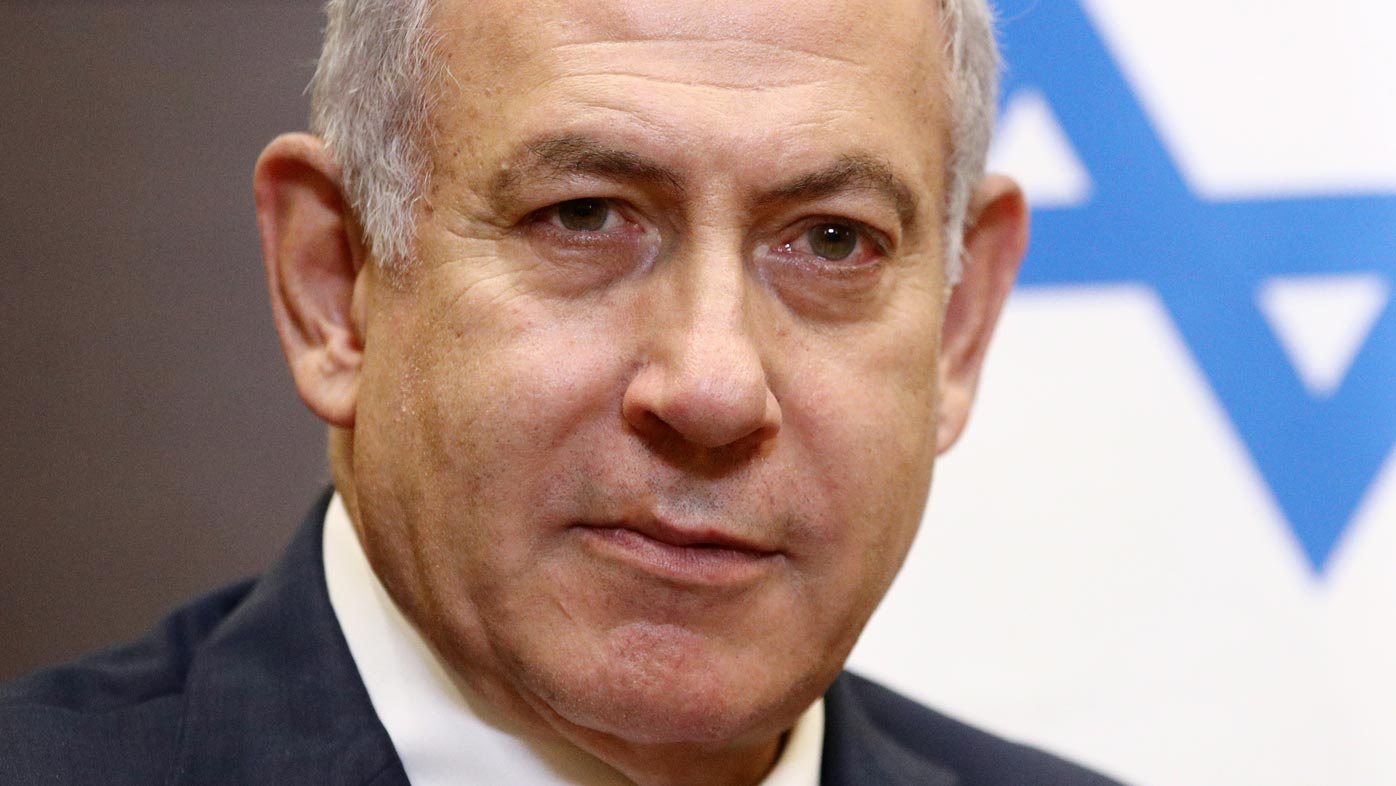
Mr Netanyahu later on Sunday night toasted his security chiefs, with the head of the Mossad, Yossi Cohen, at his side on the eve of his country's Independence Day.
"It is very difficult to explain what we have accomplished," Mr Netanyahu said of Israel's history, saying the country had been transformed from a position of weakness into a "world power."
Israel typically doesn't discuss operations carried out by its Mossad intelligence agency or specialised military units.
In recent weeks, Mr Netanyahu repeatedly has described Iran as the major threat to his country as he struggles to hold onto power after multiple elections and while facing corruption charges.
Speaking at the event on Sunday night, Mr Netanyahu urged his security chiefs to "continue in this direction, and to continue to keep the sword of David in your hands," using an expression referring to Jewish strength.
With CNN, Associated Press
Billy the Bus stolen in cruel heist from Cromwell artist Judy Cockeram
A Cromwell woman wants help catching her missing bus.Judy Cockeram’s 1962 Bedford J2 bus has been stolen from land she owns in the Kawarau Gorge.Billy the Bus had been a sanctuary and retreat for the Cromwell artist since 2016….
Local Focus: Vanished artwork to return in time for Anzac Day
Artist Matt Pine can’t actually remember when his artwork “Cone Piece” was taken down.But it’s been nearly two decades since one of Whanganui’s most significant public artworks was last hanging in the foyer of the Whanganui War…