Tag Archives: oceania

'A lot of us can't even get out of bed': Living with crippling migraines

Charmaine Summers was suffering crippling migraines up to five times a week.

The Adelaide mum had to give up her job as a project administrator as she found it more and more difficult to cope.

"People would find me at work hiding in somebody's office in tears," she said.

READ MORE: A miracle migraine drug is changing sufferers' lives but most can't afford it
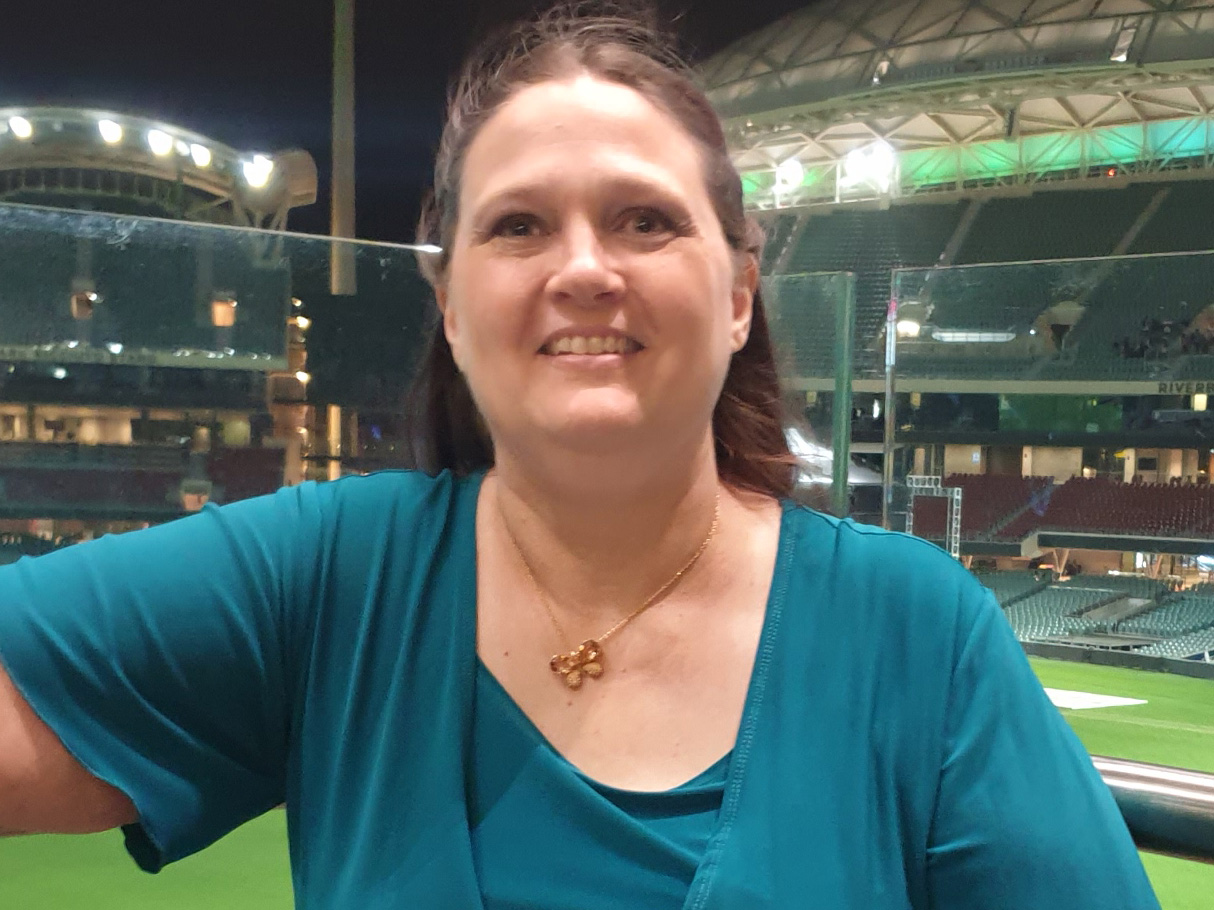
Charmaine Summers

"It was very, very hard to maintain employment when I would never know if I would wake up with pain or not.

"I really liked my job but my boss was not that great in understanding. I was a wreck."

The 51-year-old resigned. She said it was perhaps the lowest point in her 35-year battle with the debilitating condition.

READ MORE: Paracetamol no better than placebo for many types of pain, study finds
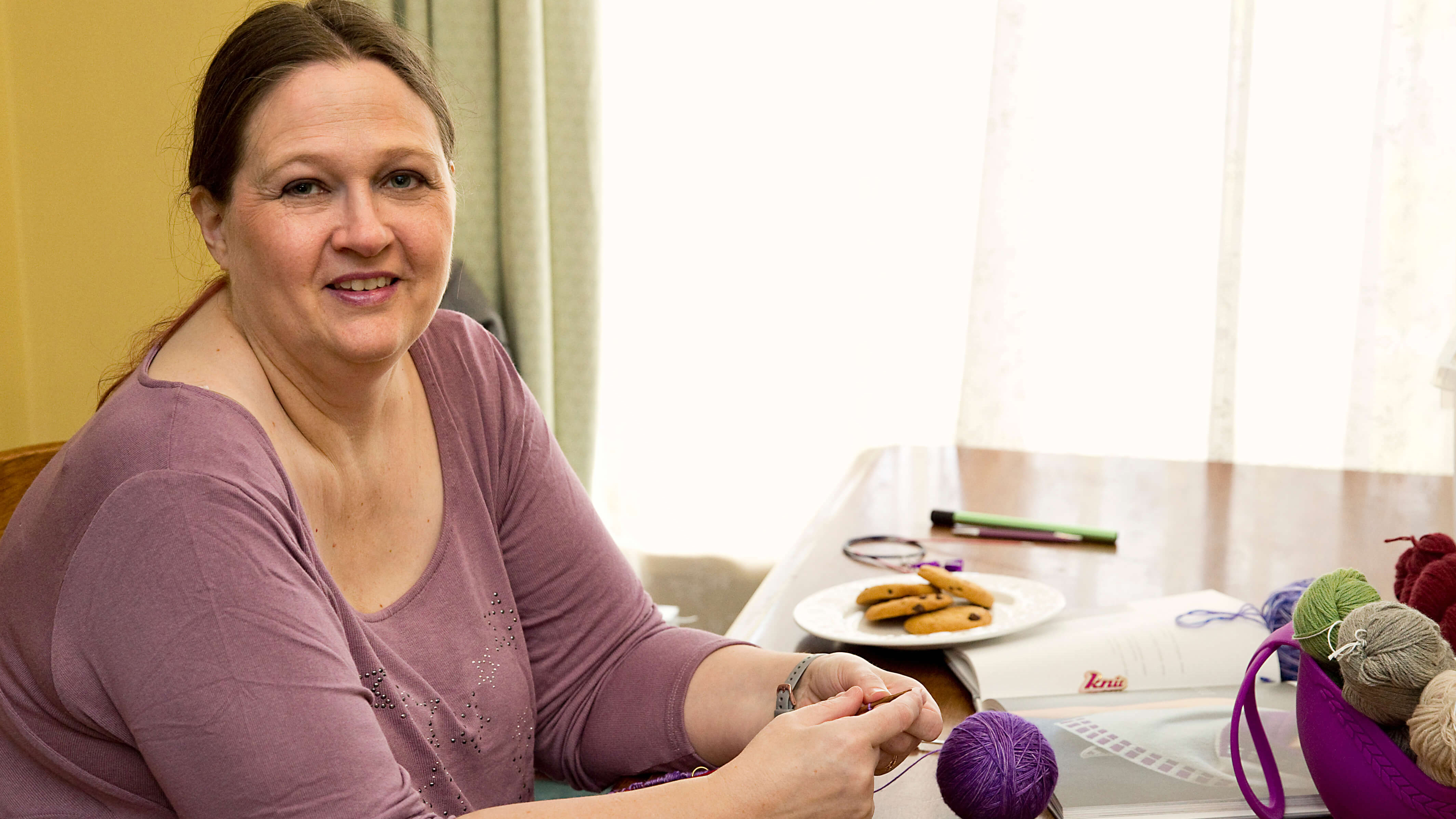
Charmaine Summers

Started as a teenager

Mrs Summers was 16 when she first experienced a severe stabbing headache.

She didn't know what it was until her GP diagnosed a migraine but she soon discovered the reality of dealing with Australia's most common form of severe headache.
Charmaine Summers

The severity of her migraine attacks increased when pregnant with her son Kyle. Then she was in her 20s.

By the time she reached 40 she was suffering from migraines three or four days a week. They can knock her out for days.

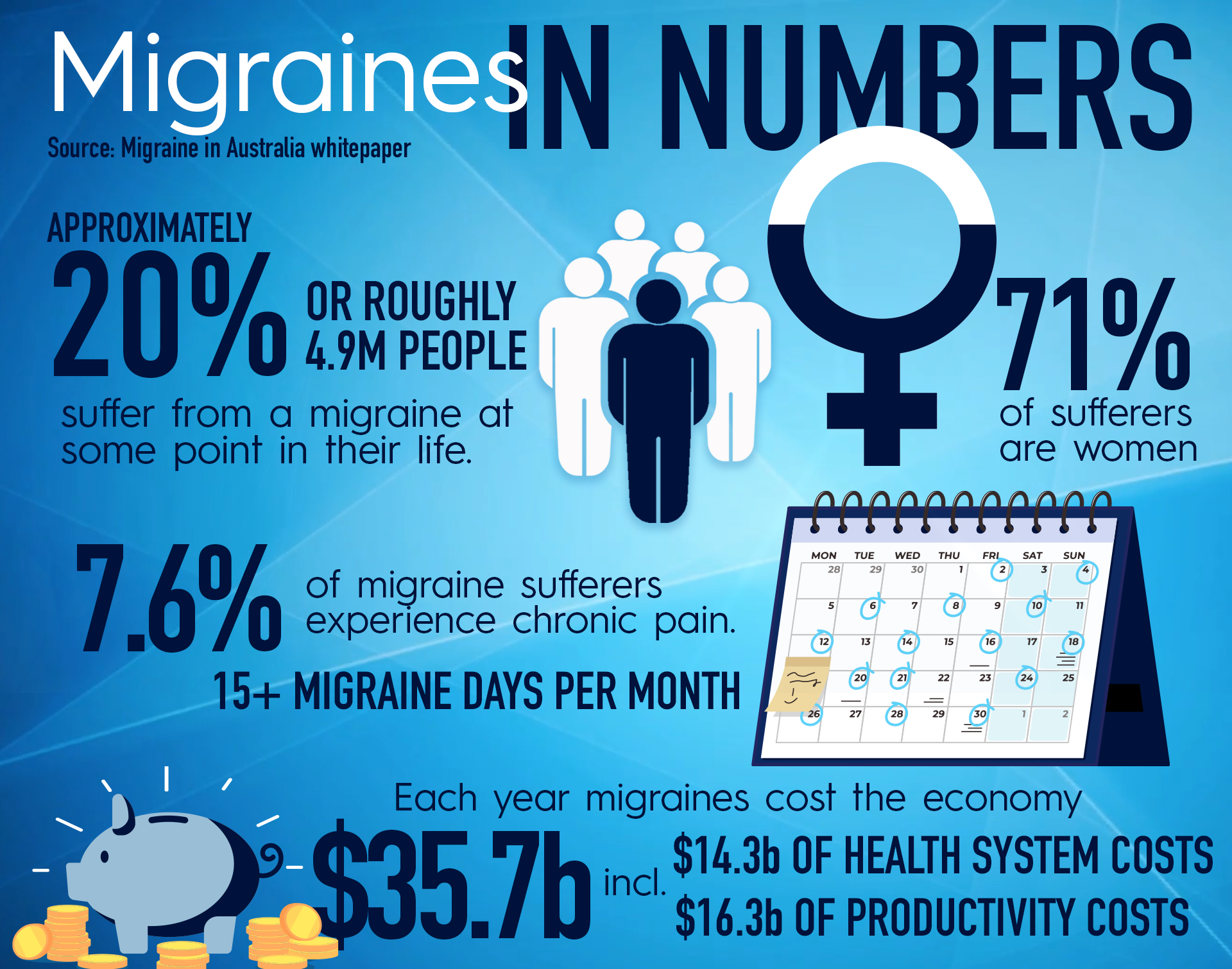
Many Australians live with a similar condition. Headache Australia state almost five million people suffer from migraines – the crippling condition also costs the nation $35.7 billion a year.

Pain Explained: Migraines

That includes costs to the health system, plus lost productivity.

"There's a lot of us out there that just can't even get out of bed, can't manage to look after our kids, can't cook dinner," Mrs Summers said.

Spent more than $10,000

Mrs Summers has tried everything from surgery to alternative therapies to try and ease her attacks.
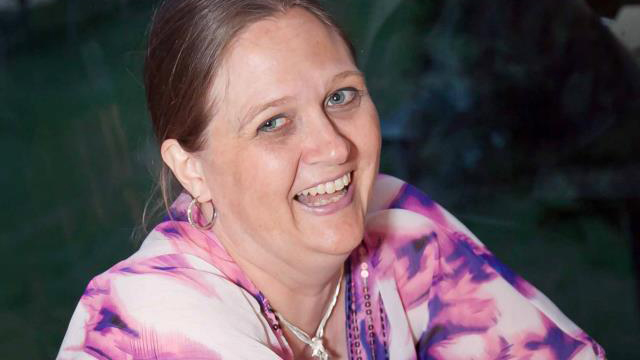
Charmaine Summers

She had her breast size reduced to take weight off her shoulders, got her eyesight treated to correct her double vision, and even had sinus surgery. But nothing really helped.

"I've probably spent $10,000-plus trying to cure my migraines," she said.

Mrs Summers said some medical staff have been unsympathetic. One even told her she was suffering 'because she was a woman'.
She has also been told she gets them 'because she is fat'. But she has a thyroid problem while many migraine drugs also cause weight gain.

"It's really hard on your mental state," she said.

Pioneering new migraine drugs

Mrs Summers last year managed to get on separate trials for two of three new drugs which aim to prevent migraines developing.
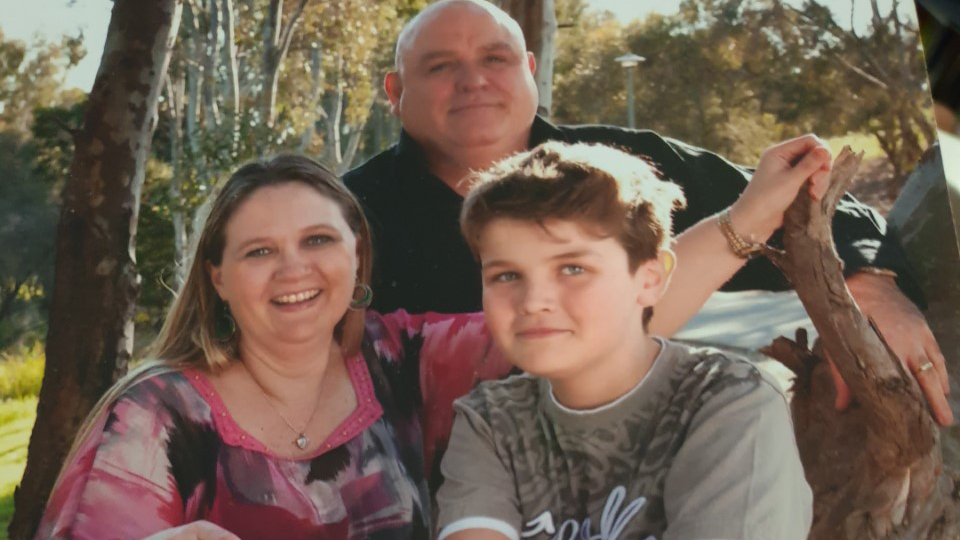
Charmaine Summers

They are called CGRP's and they finally gave her some relief.

"I've gone from three or four migraines a week down to one or two a month, and my pain has gone down from an eight to a three or a four," she said.

READ MORE: Drug that mimics popular diet could bring relief for migraine sufferers

However, both trials are now over.
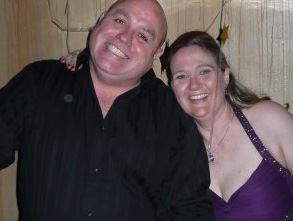
Charmaine Summers

And while she is still benefitting from the drugs as they are currently in her system following monthly injections, she cannot afford to continue to take them.

None are on the PBS so do not receive Australian government funding. This would make them affordable for patients.

The drugs Aimovig and Ajovy cost around $800 a month, and Emgality is also expensive.
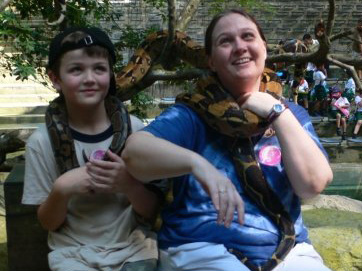
Charmaine Summers

And while she has set up her own business selling yarn and knitting accessories from home, Mrs Summers said she can't afford the drugs long-term.

It's a hard blow to take after such a breakthrough.

"I'm starting to live," she said.

A migraine is a neurological disorder that causes a severe headache, which normally only affects one side of the head.

Other symptoms can include vomiting, sensitivity to light, sound and smells. Speech can be affected and limbs can go numb.

Some migraine attacks begin with disturbed vision, called an aura, and while many people have known 'triggers' other patients have no idea what starts them.

Doctors don't know why migraines happen.

Professor Paul Rolan, from the University of Adelaide, explained how severe pain from a migraine actually comes from the membranes and blood vessels outside the brain.
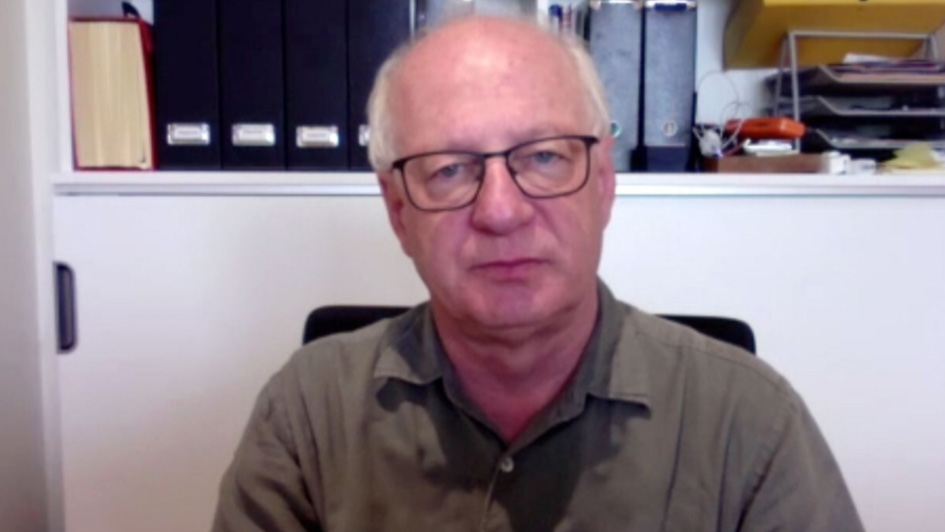
Migraine expert Professor Paul Rolan, from the University of Adelaide.

"It sounds odd, but the brain itself can't feel pain," he said. "But the membranes around it are exquisitely pain-sensitive.

"As you can imagine, they're protecting our most important organ. So any inflammation on those membranes causes this headache."

He said there is some evidence migraine patients' brains are super sensitive to environmental stimuli.

He said the new drugs are the biggest breakthrough for years, and he hopes they'll eventually be available for an affordable price.

Prof Rolan is also working on research on whether inflammation in certain brain cells causes migraines.

New migraine drug updates

The makers of Aimovig, Novartis, said it has made three submissions to the PBS and has "no plans" for more.

New migraine drug, Aimovig

Eli Lilly Australia said it is "working closely" with the government to get patients access to Emgality after it wasn't recommended for PBS listing last year.

Teva Pharma Australia, which makes Ajovy, said it "remains committed" to getting the drug on the PBS.

The Department of Health said: "There are no barriers to these companies listing these medicines on the PBS and the Government urges them to provide listing proposals consistent with the recommendations of the PBAC."

This article is part of a collaborative journalism project with the Australian Science Media Centre and Judith Neilsen Institute.


Major setback to the AstraZeneca vaccine causing chaos and confusion

More than 1.6 million Australians have received the COVID-19 jab but a major setback to the AstraZeneca vaccine is causing chaos and confusion in the community.

Australian Medical Association President Dr Omar Khorshid today called for calm about the nation's vaccine roll-out.

"Right now we've got GPs, doctors, we've got hospitals, governments, scrambling to work out what it means for them and how we reset the programs," Dr Khorshid said.

The Pfizer vaccine is the preferred jab for Australians under 50, after AstraZeneca was linked to rare blood clots.

AstraZeneca COVID-19 vaccine vials (Getty)

READ MORE: Johnson & Johnson vaccine reviewed over possible blood clot link

The Australian Technical Advisory Group on Immunisation (ATAGI) issued updated advice recommending that the AstraZeneca jab be reserved for those over the age of 50, due to a rare but serious side effect of a blood clotting disorder.

While the AstraZeneca vaccine isn't banned for an aged group, some doctors were concerned they could face legal action if their patients suffered serious side-effects.

"We have strong, clear indemnity protection against any side-effects of the vaccine for patients and doctors," Health Minister Greg Hunt said.

However, Shadow Health Minister Mark Butler claims doctors are feeling "left in the lurch by government making decisions on the run".

There is also confusion over the vaccine timeline. The federal government previously aimed for all Australians to have their first dose by the end of October this year.

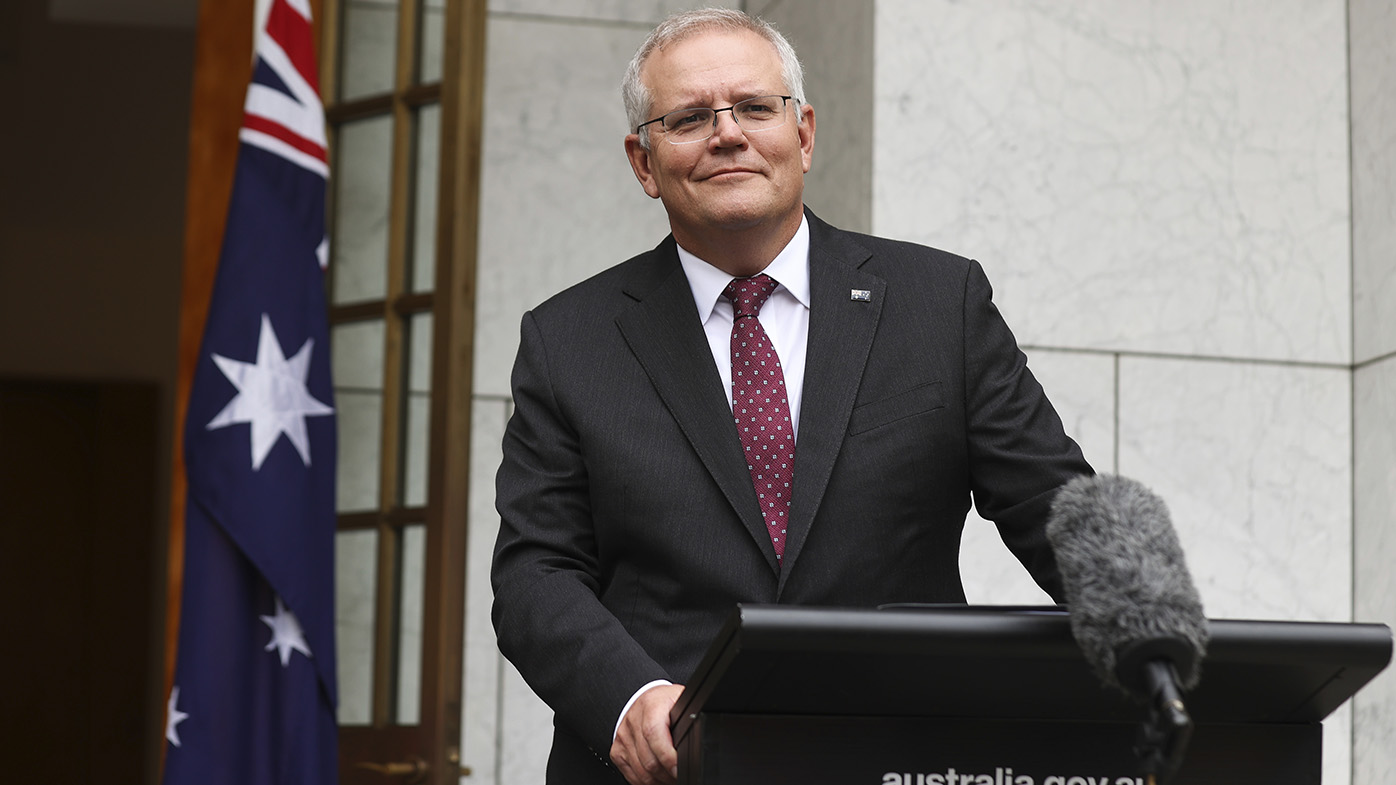
While Prime Minister Scott Morrison won't be drawn on a new target date, Trade Minister Dan Tehan said the goal was "by the end of the year".

However, Mr Hunt was quick to step back Mr Tehan's comments, saying there has been no change to the timeline. He would not be drawn on a specific date, other than to say all Australians will be vaccinated "as early as possible".

A vial of AstraZeneca vaccine.

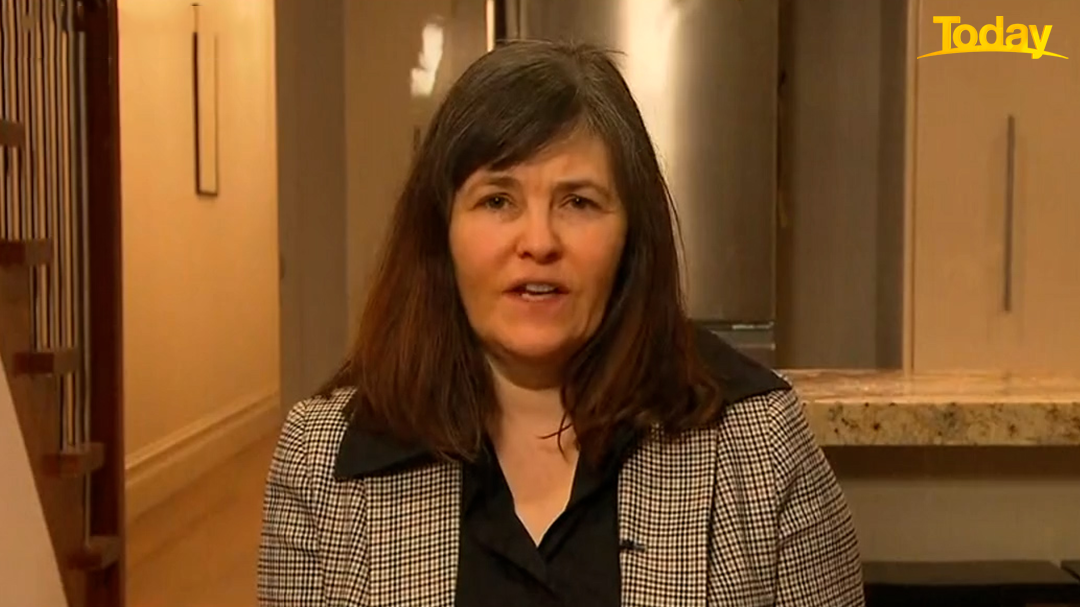
Leading Australian epidemiologist Professor Nancy Baxter said the Federal Government needs to "entirely rethink" its coronavirus vaccination strategy after the AstraZeneca health warnings.

"The vaccine program frankly was already pretty much in disarray," Professor Baxter told Weekend Today.

"Now that we have to wait for a large part of the population for the Pfizer to come, they will have to rethink the program entirely."

Professor Baxter said Australians under 50 could still elect to receive the AstraZeneca vaccine if they chose, noting the risk remained remote.

"It's uncommon – about 1 in 100,000 to one in 200,000 people – meaning that 99,999 people who get the AstraZeneca vaccine do not have a problem," she said.

Around one-quarter of those who do develop the blood clotting reaction will die.

Professor Baxter noted that this was still lower than the risk profile for many other drugs which continue to be used in Australia.

"When we give any medication, there's always some risks of side-effects. That's accepted because of the benefit of the medication," she said.

"If you got penicillin for an infection, there's ten times the risk there would be a serious drug reaction with that drug (compared to the AstraZeneca vaccine)."

Professor Baxter said the age cut-off was in part based on a weighing up of the risks of the vaccine versus the risks of contracting coronavirus.

"Older people are at more risk of COVID-19, so the risk-benefit equation balances out better for them," she said.

"Also, there is some data that indicates age is a risk factor, so younger people are more likely to get it (blood clots) than older people."

It's expected that more data will be uncovered over the coming months.

The Federal Government has already responded to the ATAGI recommendation by contracting a further 20 million doses of the Pfizer shot in addition to 20 million already secured – enough to vaccinate the bulk of the adult Australian population – but those additional doses won't arrive in Australia until at least October.

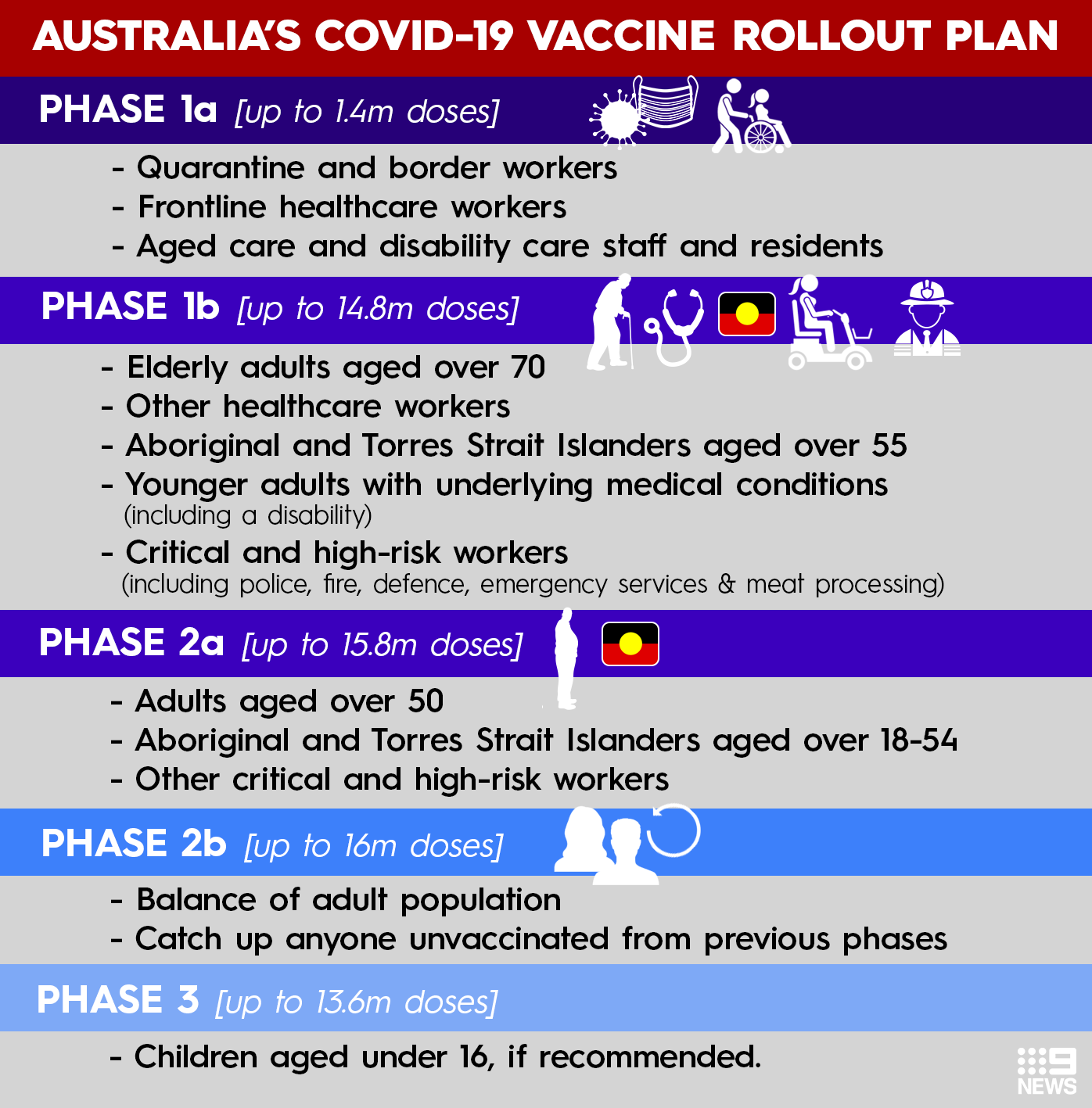
Professor Baxter, who is the head of the Melbourne School of Population and Global Health, said Australia should already have enough Pfizer doses to progress through Phase 1B of its vaccine rollout.

This includes vaccinating all Australians over the age of 70 and Indigenous Australians over 55 – all of whom can still receive AstraZeneca under current health advice – but also many younger Australians, including healthcare workers, emergency responders and those with underlying medical conditions that make them vulnerable.

However, logistical concerns around administering the Pfizer vaccine are likely to further delay Australia's already tardy vaccination progress.

Australia's vaccine rollout is broken down into phases.

More ultra-low temperature freezers will likely need to be secured and getting the vaccine to more remote locations could prove problematic.

Australia's third vaccine option, Novavax, has been contracted for 51 million doses but is unlikely to be approved for use in Australia for several months as it is still undergoing phase three clinical trials in the United Kingdom.

"We have to reboot – they really need to rethink the program," Professor Baxter said.

"Once we get enough Pfizer to be vaccinating a large number of people, we need to look at how we approach it.

"We need to do it faster than we were hoping before, if we're hoping to get everyone vaccinated by the end of the year."

It's a goal that now appears unlikely, with Prime Minister Scott Morrison refusing to outline a revised timeline for the vaccination program at his National Cabinet update on Friday.

Prince Philip's funeral details announced

Prince Philip's royal ceremonial funeral will take place next Saturday, April 17 at 3pm (midnight April 18 AEST) at St George's Chapel, Windsor Castle.

It will be a slimmed-down service amid the COVID-19 pandemic that will be entirely closed to the public.

Philip, also known as the Duke of Edinburgh, took part in planning his funeral and its focus on family was in accordance with his wishes. The 99-year-old duke, who died Friday, also took part in designing the modified Land Rover that will carry his coffin.

READ MORE: What happens in the days after Prince Philip's death?

"Although the ceremonial arrangements are reduced, the occasion will still celebrate and recognise the duke's life and his more than 70 years of service to the Queen, the UK and the Commonwealth," a palace spokesman said Saturday while speaking on condition of anonymity in line with policy.

RELATED: 'You will be greatly missed': Prince Harry and Meghan pay tribute

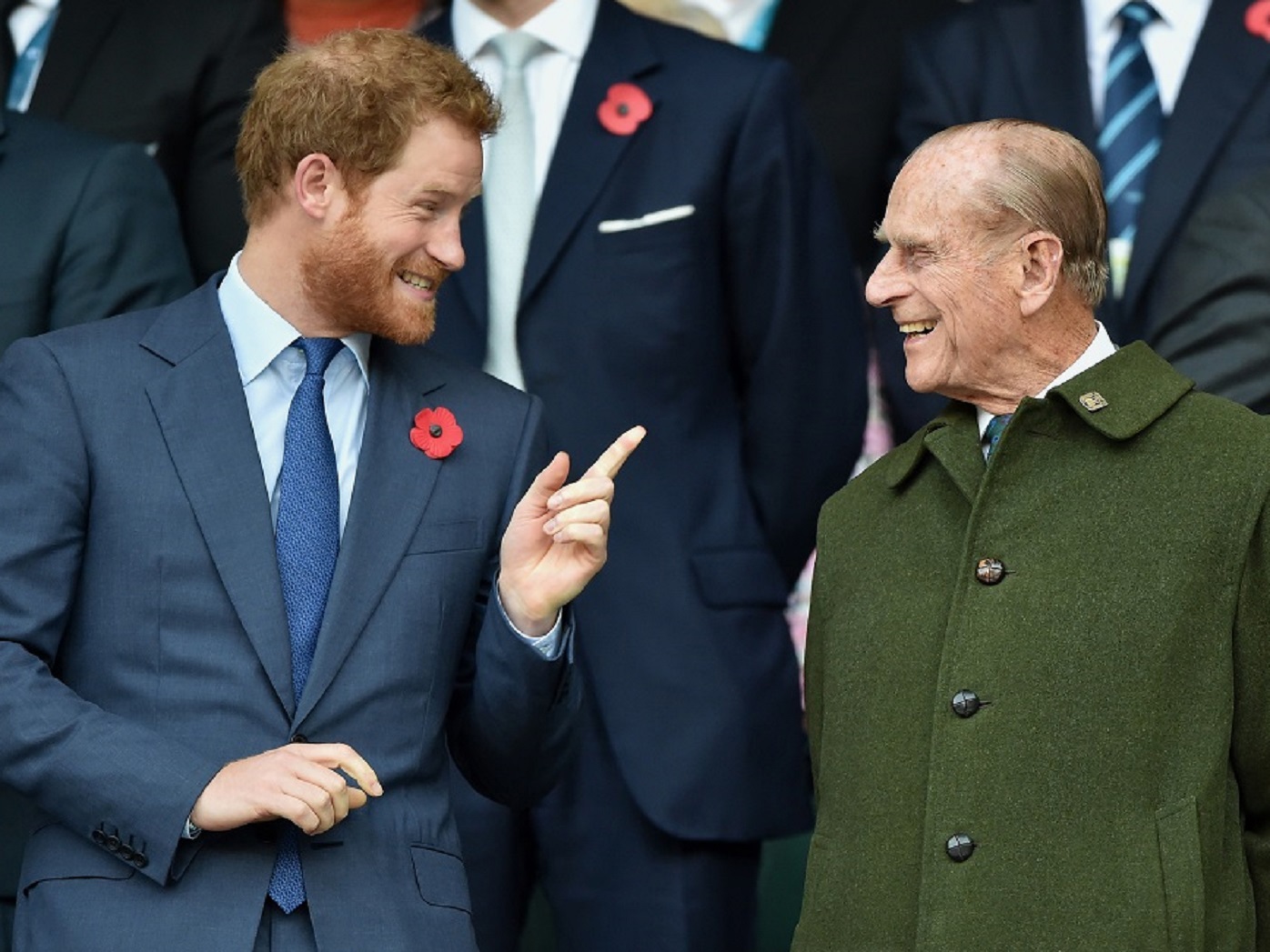
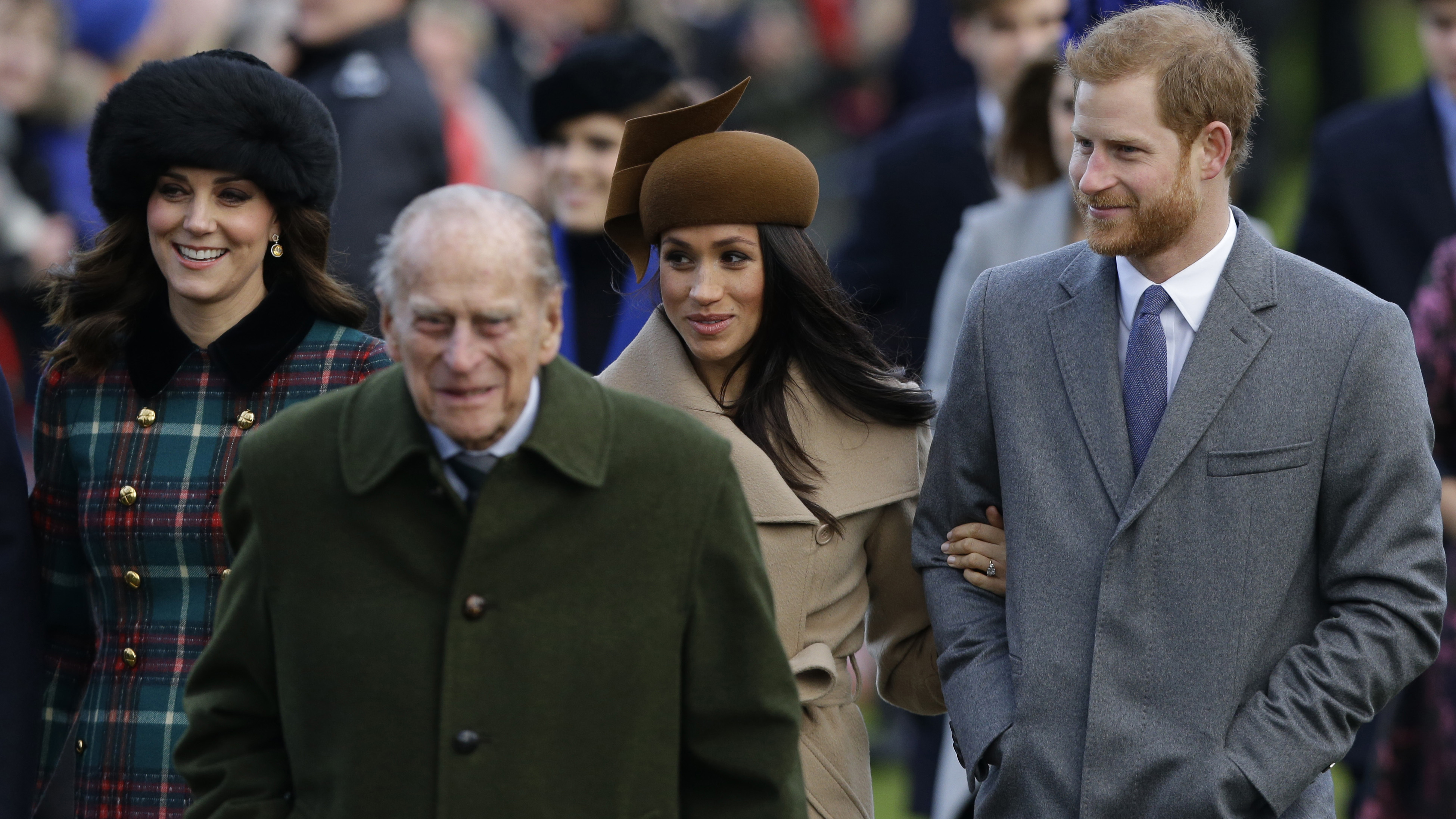
Prince Harry, Philip's grandson who stepped away from royal duties last year and now lives in California, will attend the service along with other members of the royal family. His wife, the duchess of Sussex, who is pregnant, has been advised by her doctor not to attend.

Downing Street has announced UK Prime Minister Boris Johnson will not attend the funeral, to allow another family member to take his place.

"The prime minister has throughout wanted to act in accordance with what is best for the Royal household, and so to allow for as many family members as possible will not be attending the funeral on Saturday," a statement from Downing Street said on Saturday.

Prince Harry is said to be greatly concerned about his grandfather following his recent hospitalisation.

Palace officials said the ceremony would be conducted strictly in line with the British government's COVID-19 guidelines, which restrict the number of people attending funerals to 30.

They declined to say whether the royal family would be required to wear masks.

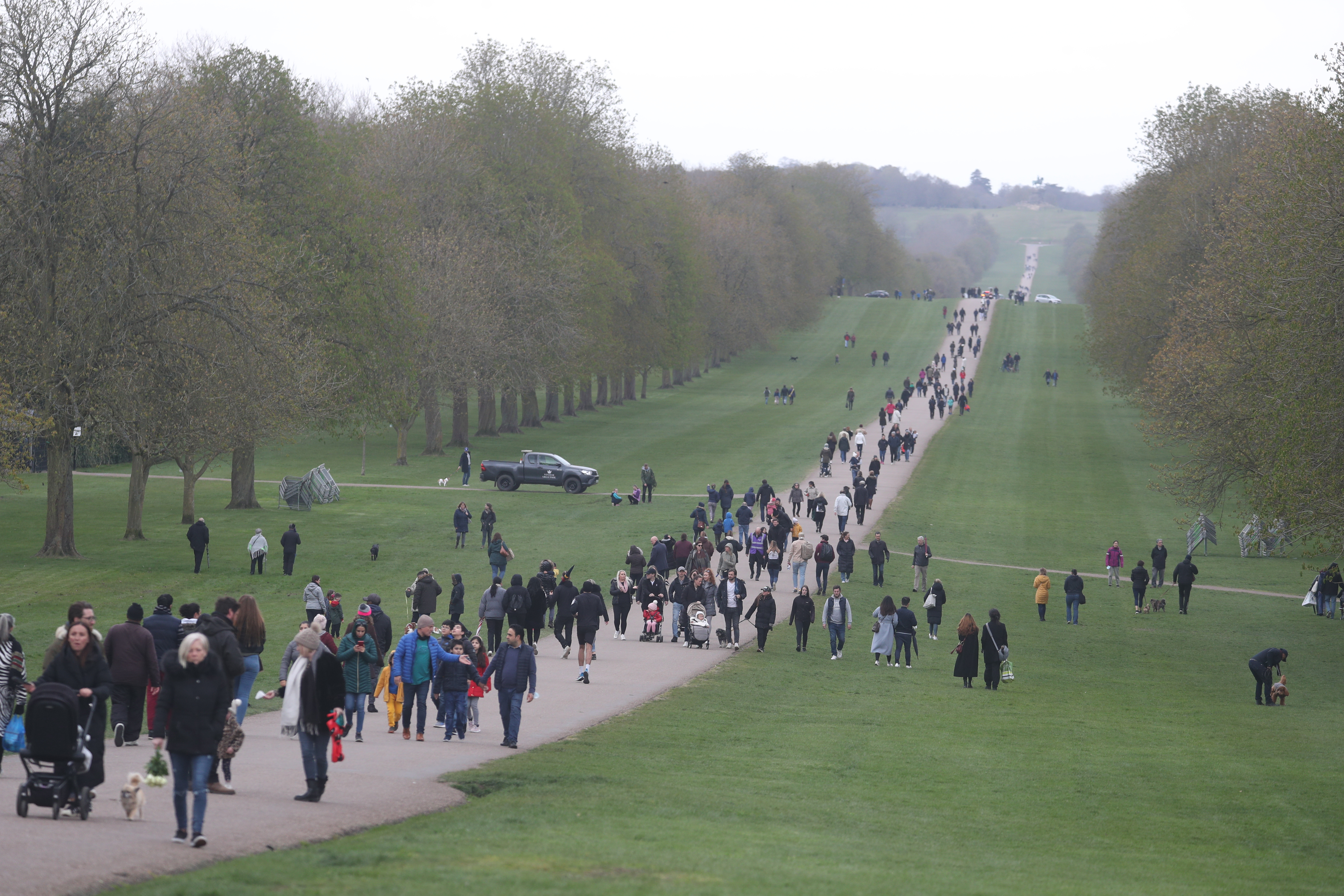
The palace appealed to the public not to gather in Windsor, and for those who wished to pay their respects to Philips to stay at home instead.

"While there is sadness that the public will not be able to physically be part of events to commemorate the life of the duke, the royal family asks that anyone wishing to express their condolences do so in the safest way possible and not by visiting Windsor or any other royal palaces to pay their respects,'' the palace spokesman said.

"The family's wish is very much that people continue to follow the guidelines to keep themselves and others safe.''

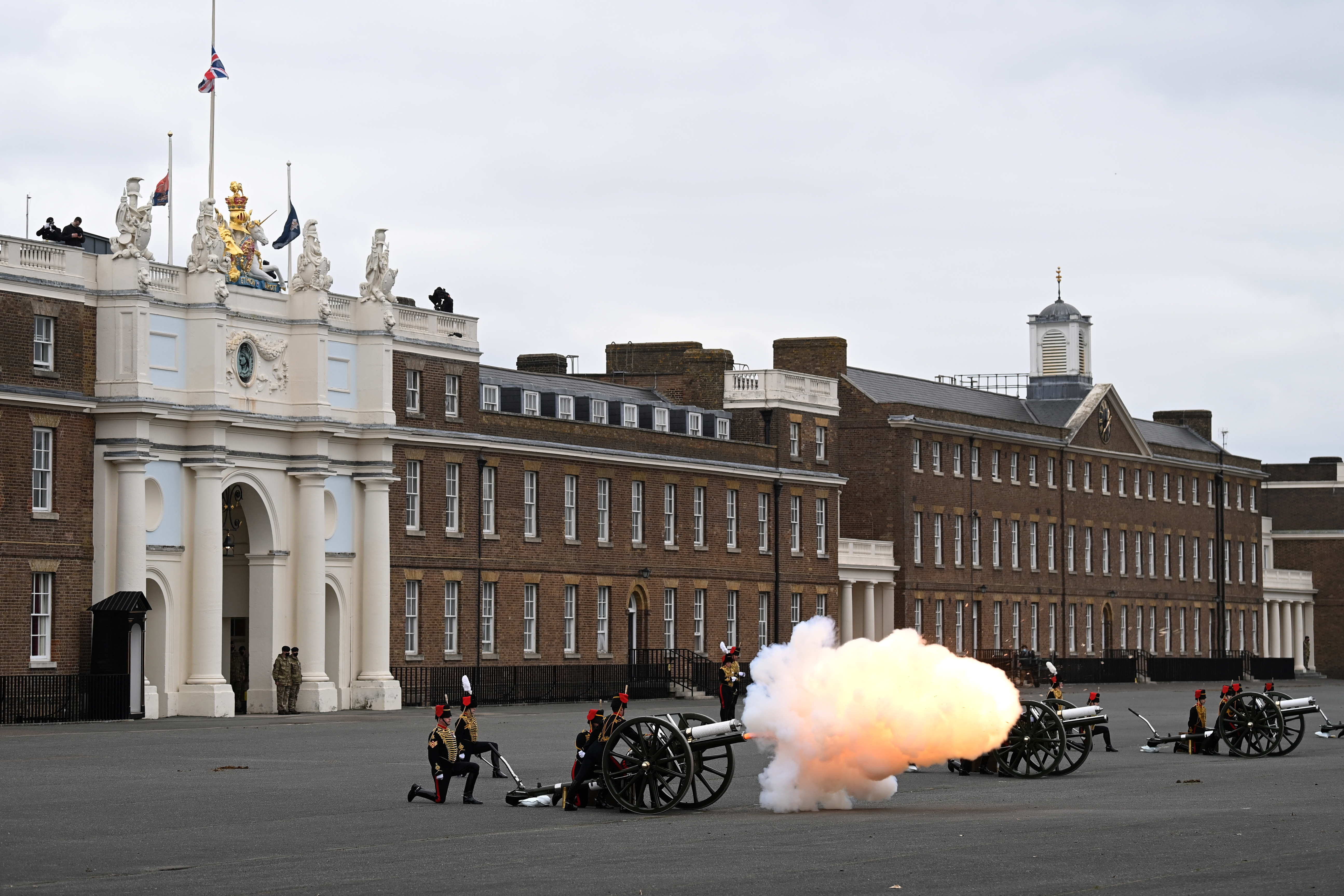
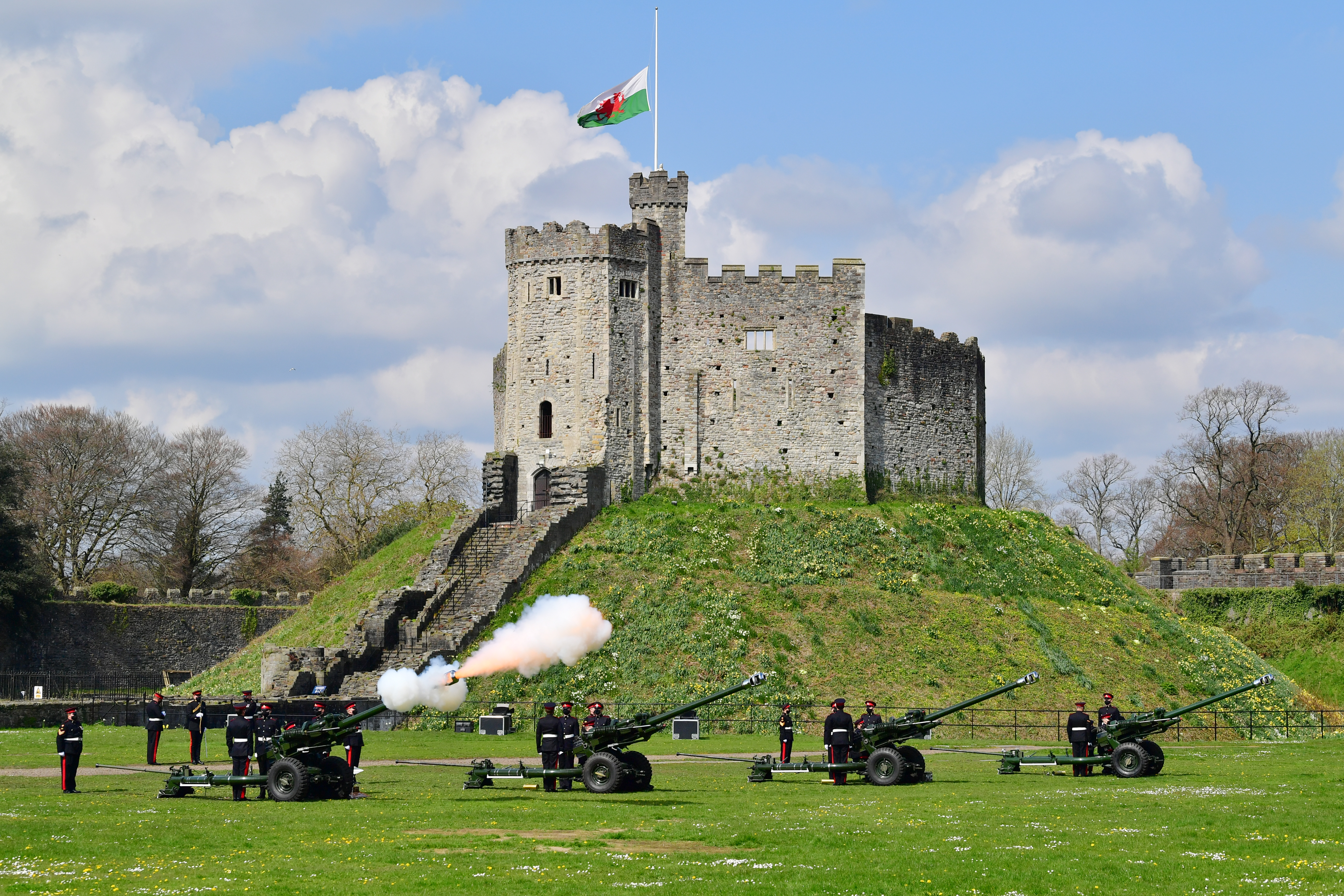
The announcement comes after military teams across the UK and on ships at sea fired 41-gun salutes Saturday to mark the death of Philip, honouring the former naval officer and husband of Queen Elizabeth II whom they considered one of their own.

Batteries in London, Edinburgh, Cardiff and Belfast — the capitals of the four nations that make up the United Kingdom — as well as other cities around the UK and the Mediterranean outpost of Gibraltar fired the volleys at one-minute intervals beginning at midday (9pm AEST).

Ships including the HMS Montrose, a frigate patrolling the Persian Gulf, offered their own salutes.

"The Duke of Edinburgh served among us during the Second World War, and he remained devoted to the Royal Navy and the Armed Forces as a whole," Gen. Nick Carter, chief of the defence staff, said in a statement.

"A life well-lived. His Royal Highness leaves us with a legacy of indomitable spirit, steadfastness and an unshakeable sense of duty."

Members of the Commonwealth, a group of 54 countries headed by the monarch, were also invited to honour Philip.

The Australian Defence Force began its salute at 5pm outside Parliament House in Canberra, and New Zealand planned to offer its own tribute on Sunday.

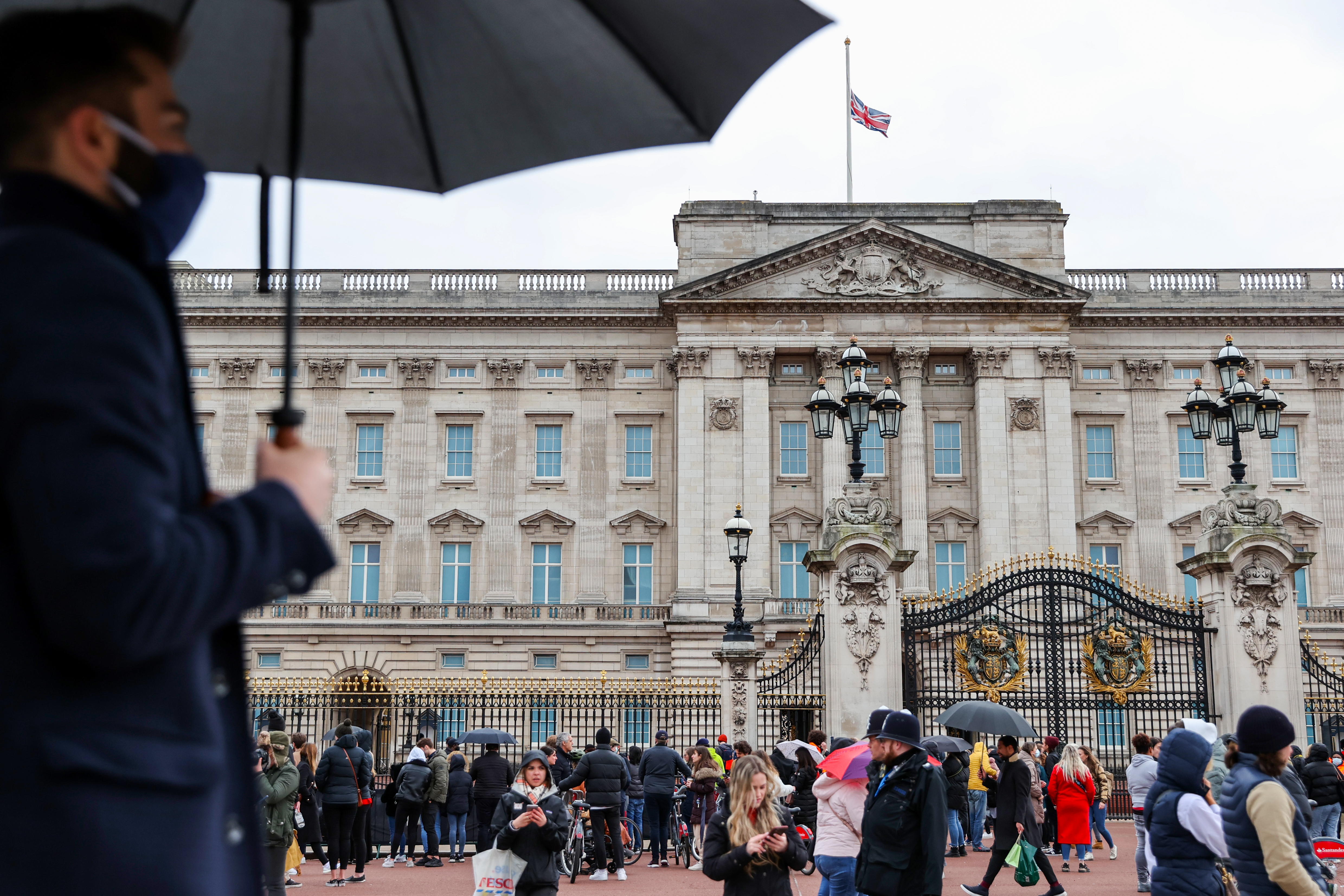
Members of the public continued to honour Philip's life of service on Saturday, leaving flowers outside Buckingham Palace and Windsor Castle despite appeals from authorities and the royal family to refrain from gathering.

FULL STATEMENT FROM BUCKINGHAM PALACE:

The Funeral of His Royal Highness The Duke of Edinburgh will take place at St George's Chapel, Windsor on Saturday, 17th April 2021 at 1500hrs. The service will be preceded by a Ceremonial Procession inside the grounds of Windsor Castle.

The Duke of Edinburgh's coffin, covered with His Royal Highness's Personal Standard and dressed with a wreath of flowers, is resting in the Private Chapel at Windsor Castle, where it will remain until the day of the Funeral.

On Saturday 17th April, The Duke of Edinburgh's coffin will be moved by a Bearer Party found by The Queen's Company, 1st Battalion Grenadier Guards. Positioned in the Quadrangle at Windsor Castle will be representative detachments drawn from His Royal Highness's military special relationships.

His Royal Highness's coffin will be carried in a purpose-built Land Rover – which The Duke was involved in the design of – flanked by military Pall Bearers, in a small Ceremonial Procession from the State Entrance to St George's Chapel, for the Funeral Service. Members of the Royal Family and The Duke of Edinburgh's Household will walk behind the coffin from the Quadrangle, down Chapel Hill and into Horseshoe Cloister. The Funeral Service will begin with a National Minute's Silence at 1500hrs.

The Funeral Service will be attended by Her Majesty The Queen and Members of the Royal Family. The coffin, carried by a Bearer Party found by the Royal Marines, will be received at the top of the West Steps of St George's Chapel by the Dean of Windsor and the Archbishop of Canterbury. The Duke of Edinburgh's Naval Cap and Sword will be placed on the coffin ahead of the service and His Royal Highness's Insignia will be laid on the Altar of the Chapel. At the conclusion of the service, His Royal Highness will be interred in the Royal Vault in St George's Chapel.

Union Flags flying at half-mast at Royal Residences will remain at half-mast until the day after the Funeral. It is The Queen's wish that the Royal Family will observe two weeks of Royal Mourning, starting yesterday.

What happens in the days after Prince Philip's death?

The United Kingdom is now in mourning following the news Prince Philip, the Duke of Edinburgh's death on Friday.

The Queen's husband, and Britain's longest-serving royal consort, will be farewelled next Saturday April 17, Buckingham Palace has announced.

The Duke was entitled to a full state funeral at Westminster Abbey but had requested a "no-fuss" send-off and in-keeping with his wishes, he will be given a royal ceremonial funeral at St George's Chapel at Windsor Castle.

LIVE UPDATES: Prince Philip dies aged 99

In the hours after his death, the UK's College of Arms confirmed the Duke would not be given a state funeral or lie in state for public mourning and has asked Britons to stay away and instead, watch the service from home as it's broadcast on TV.

The revised funeral arrangements due to the current COVID-19 restrictions in the UK "still very much reflect the personal wishes of the Duke", Buckingham Palace said.

Official Royal Mourning will last for two weeks from the day of Prince Philip's passing (on Friday), while the National Mourning period will officially last for one week — until the funeral service next Saturday.

Union Flags flying at half-mast at Royal Residences will remain at half-mast until the day after the Funeral.

So, what happens between now and then?

Operation Forth Bridge

Operation Forth Bridge – the codename used to signify the death of Prince Philip – is now under way.

Simon Morgan, who spent many years as a member of the Royal Protection Detail, said the plan is in place so everyone knows the protocol.

"Forth Bridge was always very much a low-key occasion," he told Weekend Today.

"That was the Duke's own words. Everything with the Duke was always very low key. What we are going to see now, due to the current COVID restriction, an even more low-key event.

"Certainly I think that will come out in the next couple of days as to what that will actually look like," Mr Morgan said.

From Monday in the UK funerals can have up to 30 people attend, which will also impact the size of the service.

READ MORE: Prince Philip, the longest-serving British royal consort

Day of death

This marks the first day of the mourning process.

Prior to his death, Prince Philip made his wishes clear – he did not want a state funeral, nor a lying in state.

Flags will be lowered to half-mast around the country, and members of parliament in the UK are expected to wear black armbands on their left arms.

READ MORE: Tributes to Prince Philip after royal family announced death the Duke of Edinburgh's death, aged 99

The ceremonial mace that sits at the House of Commons will be draped in black, or have a black bow fastened to it.

Councils will be encouraged to scale back official business.

The Queen will enter an official period of mourning until the Duke is laid to rest.

Queen Elizabeth poses for a family portrait with a young Charles and Anne

This means she will not conduct any affairs of state and laws will not be presented for royal assent.

After seven days

The body was expected to be taken to St James's Palace on day seven.

However, in line with His Royal Highness's wishes, it will instead be lying in rest in the Private Chapel at Windsor Castle, where it has been since day one and will remain until the day of the Funeral.

His children, Charles, Anne, Andrew and Edward, together with their families, are expected to hold a vigil ahead of the funeral service the following day.

Prince laid to rest

There will be a service at St George's Chapel, in Windsor Castle next Saturday, April 17.

The service will be preceded by a Ceremonial Procession inside the grounds of Windsor Castle.

The service will only be attended by 30 people — including the Duke's children and grandchildren as well as his long-serving staff including his valet, page and private secretary – due to COVID restrictions.

All of the party, except the Queen, will walk behind the coffin, covered with His Royal Highness's Personal Standard and dressed with a wreath of flowers, from the Quadrangle, down Chapel Hill and into Horseshoe Cloister.

The Funeral Service will begin with a National Minute's Silence at 3pm (midnight April 18 AEST).

The Duke of Edinburgh's Naval Cap and Sword will be placed on the coffin ahead of the service and His Royal Highness's Insignia will be laid on the Altar of the Chapel.

The coffin, carried by a Bearer Party found by the Royal Marines, will be received at the top of the West Steps of St George's Chapel by the Dean of Windsor and the Archbishop of Canterbury.

At the conclusion of the service, His Royal Highness will be interred in the Royal Vault in St George's Chapel.

It's understood he will remain there until the Queen passes, upon which they will both be buried in the Memorial Chapel, their coffins interred together, forever.

'My dear papa'

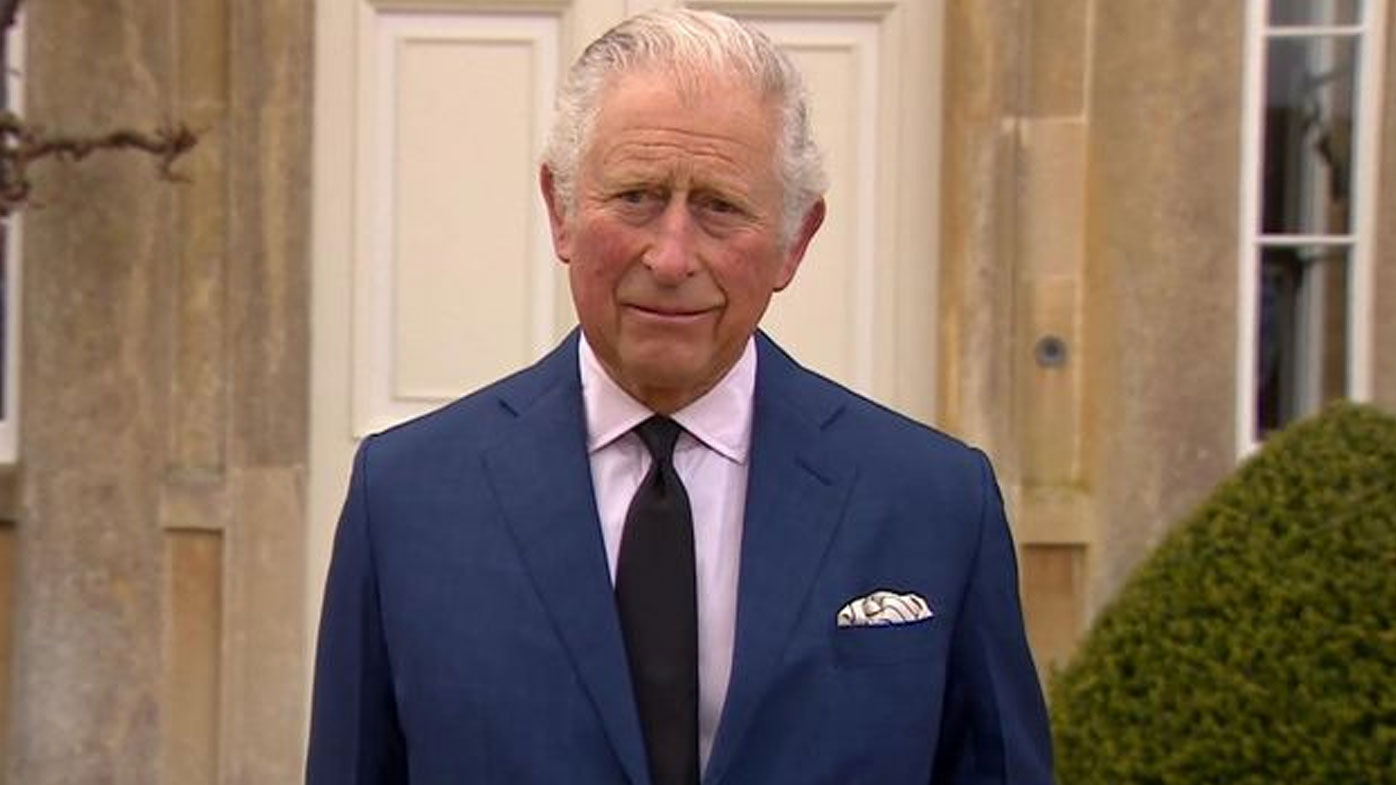
Prince Charles said the royal family is "deeply grateful'' for outpouring of support they've received following the death of his father, Prince Philip.

In a deeply personal message, the heir to the throne said he was touched by the number of people around the world who have shared the family's loss and sorrow.

"My dear Papa was a very special person who I think, above all else, would have been amazed by the reaction and the touching things that have been said about him,'' Charles said speaking from outside his southwestern England home of Highgrove.

READ MORE: Prince Philip's funeral details announced

Prince Charles pays tribute to his father Prince Philip

"And from that point of view we are, my family, deeply grateful for all that. It will sustain us in this particular loss and at this particularly sad time.''

Philip, 99, died Friday. The palace says a royal ceremonial funeral will take place April 17 at Windsor Castle — a slimmed-down service amid the COVID-19 pandemic that will be entirely closed to the public.

RELATED: World reacts to Prince Philip's death

The palace insisted the royals would strictly adhere to national virus guidelines, measures that in theory would entail mask wearing in an enclosed space and social distancing. The palace declined to comment on specifics.

Philip, the queen's husband of 73 years who was also known as the Duke of Edinburgh, took part in planning his own funeral and its focus on family was in accordance with his wishes. The duke also took part in designing the modified Land Rover that will carry his coffin.

"Although the ceremonial arrangements are reduced, the occasion will still celebrate and recognise the duke's life and his more than 70 years of service to the Queen, the UK and the Commonwealth," a palace spokesman said Saturday while speaking on condition of anonymity in line with policy.

Prince Harry, Philip's grandson who stepped away from royal duties last year and now lives in California, will attend the service along with other members of the royal family.

His wife, the duchess of Sussex, who is pregnant, has been advised by her doctor not to attend.

Prince Philip dies aged 99