A Gisborne health board member has been reprimanded after posting misinformation about the Covid-19 vaccine on social media.Hauora Tairāwhiti board member Meredith Akuhata-Brown, who is also a Gisborne district councillor,…
Tag Archives: oceania
Onewa Road's 68 cameras: The technology enforcing bus lane compliance
By RNZ People on the North Shore in Auckland using Onewa Rd are up in arms over an increase in traffic cameras monitoring bus lane compliance.There will soon be 68 cameras operating from 17 sites on a 2.3km stretch of the…
Auckland ratepayers chip in $100,000 to Rod Stewart's singalong at America's Cup
Auckland ratepayers chipped in $100,000 towards a campaign featuring pop star Sir Rod Stewart record a video version of his 1975 hit Sailing at America’s Cup fan zones.Tourism New Zealand paid $918,000 for the Rock the Dock event,…
'My brain was burning': Doctors thought mum having pandemic breakdown
Imagine falling dramatically ill from an autoimmune condition that causes your body to attack your brain, only for everyone around you to assume you're going mad.
That is what happened to Queensland mum-of-three Elly Hawkins in April last year, just as the COVID-19 pandemic was taking hold in Australia.
"The doctors just kept telling me I was having this breakdown due to the pandemic," Ms Hawkins says.
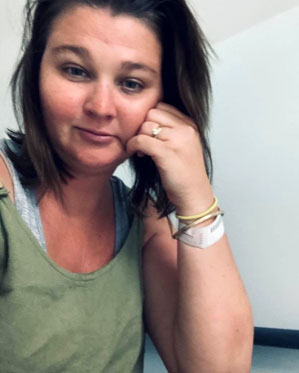
It would take almost six months for Ms Hawkins, 35, to find a neurologist who knew what was really going on and diagnose her mystery illness – autoimmune encephalitis.
The rare condition is often described as making patients feel like their brain is on fire.
It is the subject of Netflix documentary by the same name, Brain on Fire, based on the true story of former New York Post reporter Susannah Cahalan who almost ended up in a psychiatric ward when doctors believed she had schizophrenia.
'I couldn't taste or smell'
Ms Hawkins remembers the day her life began to suddenly fall apart with the same condition.
It was April Fools' Day last year.
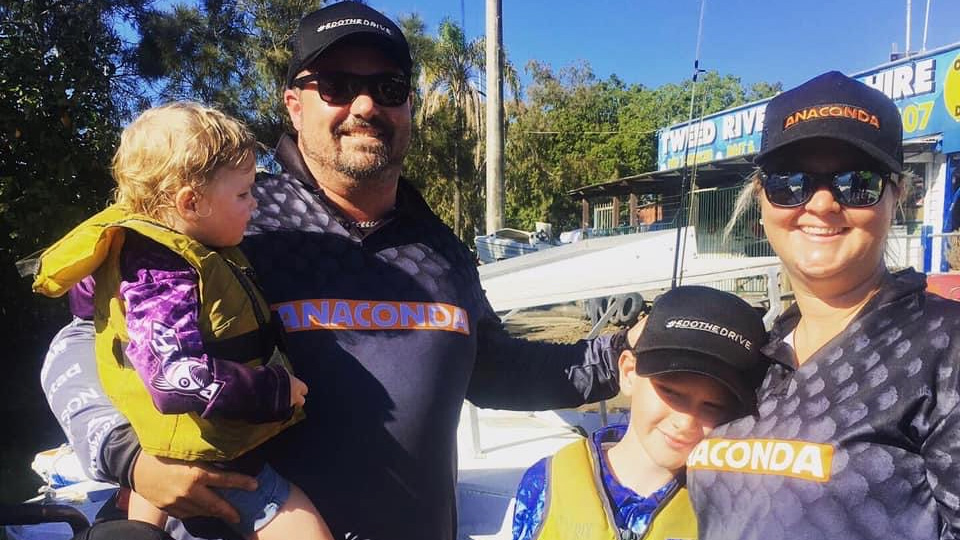
The family was living in an RV at the time in Yamba, on the northern NSW coast, having spent the past 18 months travelling around Australia.
She had woken up in the morning dizzy with vertigo, something that had never happened to her before.
Ms Hawkins, who was then studying for her nursing degree, said the thought crossed her mind that she might be having a stroke.
But it was later that day, when she was eating her husband's favourite spicy soup dish, that she knew something was really wrong.
"When I'm eating this dish I usually carry on like an idiot, grunting at how spicy he makes it and blowing my nose as the heat takes over. To my surprise, half-way through the dish I realised I couldn't taste or smell the soup," Ms Hawkins said.
"I panicked and told my husband, who said, 'Oh no, you have COVID'."
Ms Hawkins went to the doctor, who ordered a blood test to check for any viruses and prescribed some medication for the vertigo.
Then she went into the pharmacy to buy the medicine – and it was there her reality began to warp.
Without being aware of it, Ms Hawkins was acting very aggressively towards the pharmacist, swearing and spitting.
"He explained my behaviour was not acceptable… I was confused and scared and knew deep down something was seriously wrong with me," Ms Hawkins said.
Ms Hawkins rushed back to the doctor's office.
"I was taken into the examination room and it was discovered I had lost vision in my left eye. I was extremely confused and failed the neurological exams," she said.
"The doctor rang my husband and explained I needed to go straight to hospital."
At the hospital, Ms Hawkins couldn't remember her date of birth, couldn't sign her name and hardly knew where she was.
But a CT scan showed up nothing unusual and she was discharged the next day with a referral for a mental health doctor.
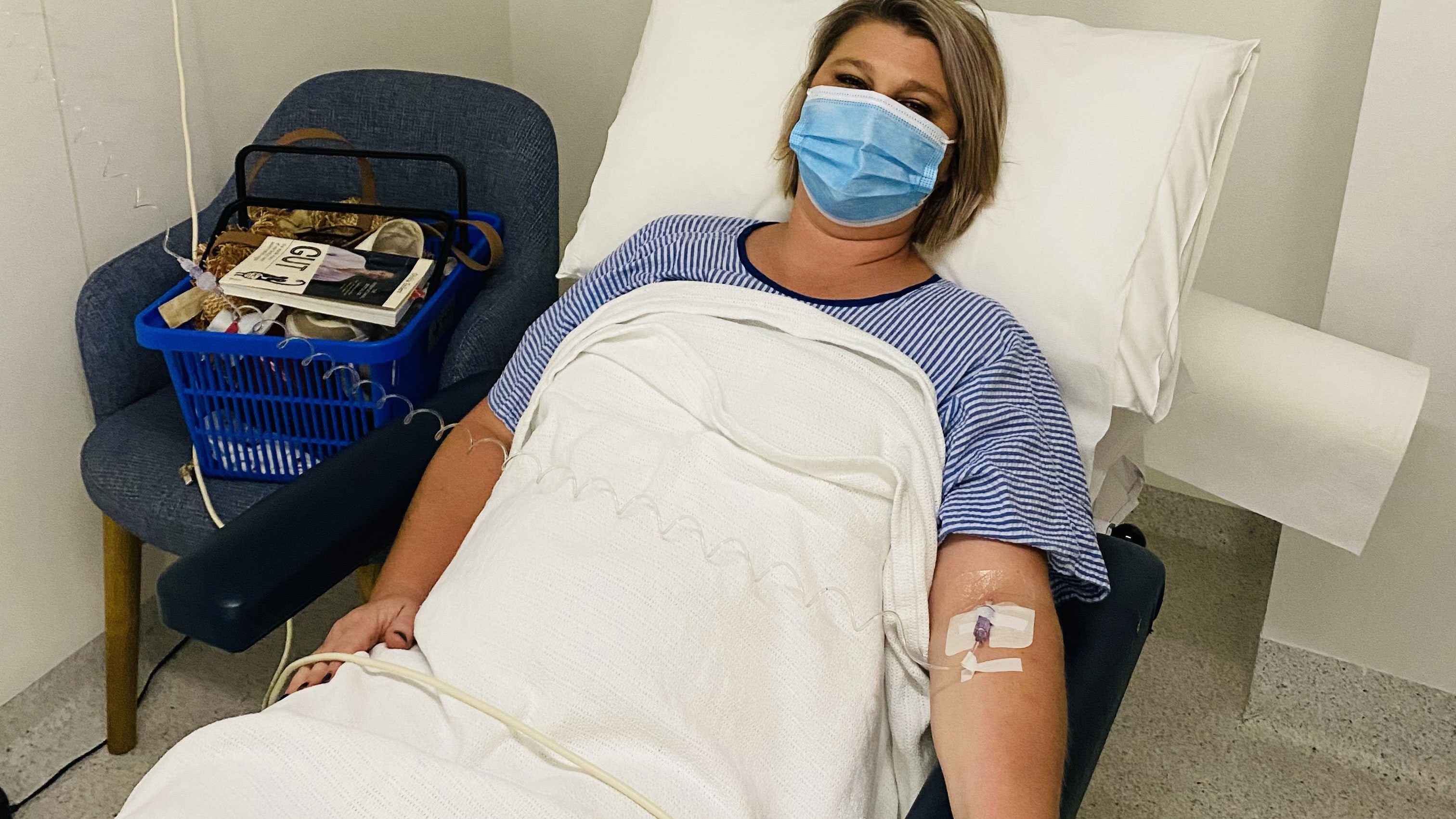
The next day her husband took Ms Hawkins to a different hospital, where she passed the neurological examination and was discharged, with doctors suggesting she may have anxiety issues due to the COVID-19 pandemic.
"All blood tests and COVID testing had returned normal. The doctors could not find anything wrong with me," she said.
What followed was weeks of agony where Ms Hawkins' condition continued to deteriorate without explanation.
"I was slowly losing the ability to function. I would slur my words and stutter. My head felt like it was being suctioned from the edges of my brain. The left side of my body had also lost function," she said.
"I could not remember anything… basic objects no longer had names.
"I remember my daughter asking me to brush her hair. I vividly remember saying, 'If you can show me what a brush is, I can figure out how to use it'."
In desperation, Ms Hawkins got a private referral to see a neurologist on the Gold Coast two weeks after she first fell ill.
She says the neurologist told her she had "some sort of inflammatory response in the brain" and would likely get better if she rested up at home.
A repeat MRI showed up nothing unusual.
The family decided to move to Bribie Island in Queensland to be nearer to family.
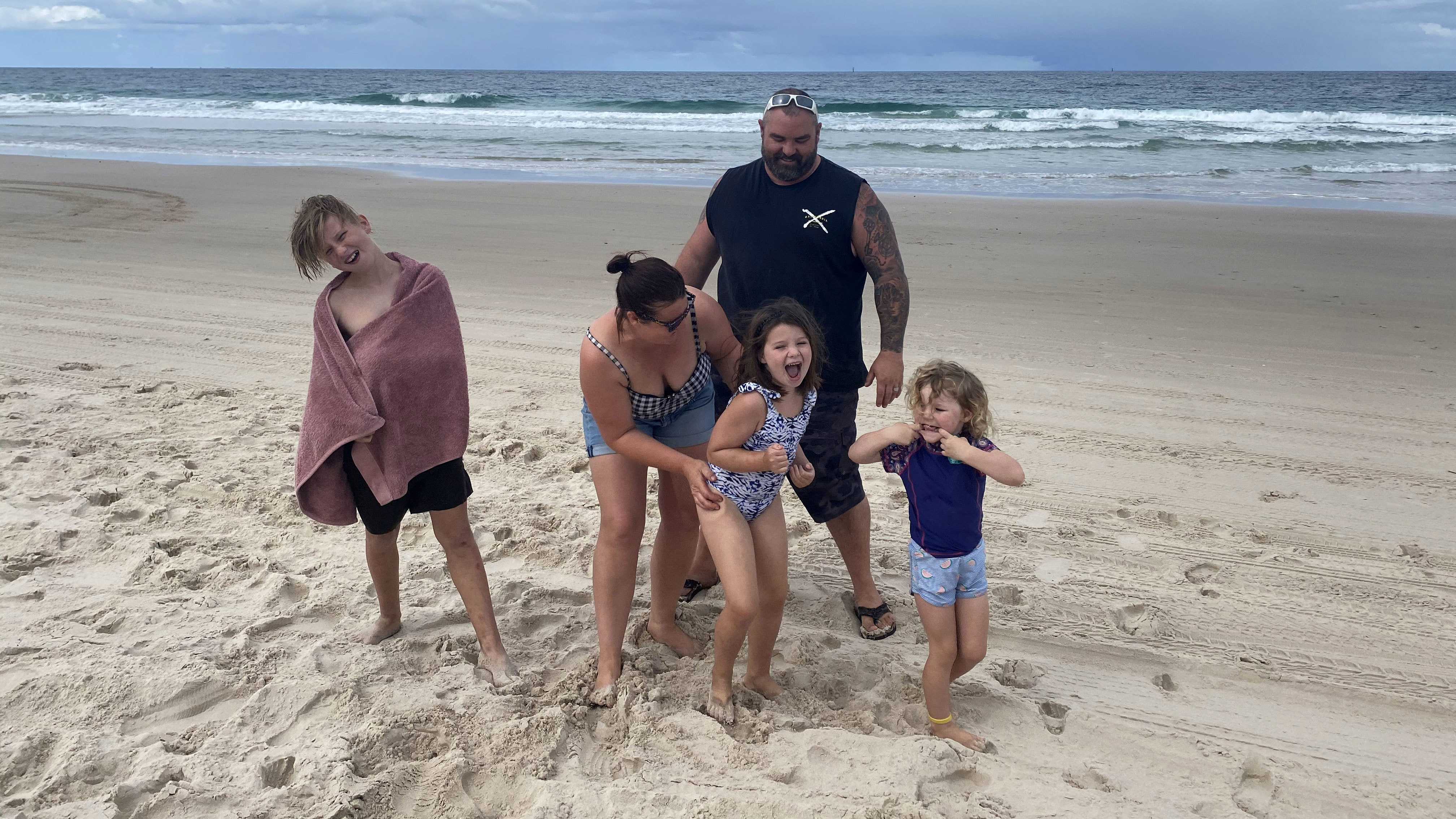
In May, Ms Hawkins said she did miraculously start to feel better.
"My speech and vision returned. My sense of taste and smell slowly came back. I could identify objects and use cutlery. I could wash and dress myself again."
But after three weeks of respite, the symptoms returned.
"I was sleeping 15-19 hours a day. The spinning in my head was worse than ever. I felt like my brain was burning."
Ms Hawkins said she was hearing voices in her head, having delusions and could not even recognise her own children.
"The scariest moment for me was when I did not recognise my children. I could not figure out who they belonged to. In my mind, I knew they did not belong to me and I thought, 'what on Earth were these small humans doing in my house,'" she said.
In and out of doctors' offices, it took until August for a breakthrough when she was referred to a leading Brisbane neurologist, Dr Stefan Blum, who specialises in complex cases.
Five days later she had her diagnosis.
How common is autoimmune encephalitis?
According to researchers at Monash University, around 3500 Australians are estimated to be living with autoimmune encephalitis.
However, Dr Blum, who is also an associate professor at the University of Queensland, said much was still unknown about how common it is.
"There is a lot of new data that has come out since 2008, mostly relating to the antibodies that are causing this condition," Dr Blum said.

"It was thought to be extremely rare and only seen in patients with cancers and now it is a bit more frequently diagnosed, even though we still don't know a lot about this condition."
Some triggers for the condition were obvious, such as a tumour, Dr Blum said.
Other potential triggers could be a virus or infection, but often the cause was never discovered at all, he said.
Dr Blum, who currently treats around 30-40 patients with autoimmune encephalitis, said it was relatively common for patients with the condition to come to the attention of a psychiatrist first.
Although increased awareness in recent years meant most psychiatrists were testing for, and therefore diagnosing, more cases of autoimmune encephalitis, it was still not known how many were being missed, Dr Blum said.
"Are there still a lot of people around who are not getting diagnosed? Probably. I can't say for sure but it is certainly a probability," he said.
"We are doing a study at the moment with the University of Queensland and a few other sites to answer precisely that question.
"How many patients in the psychiatric world do actually have autoimmune encephalitis?"
The study, which is being run through the Queensland Centre for Mental Health Research, is led by Professor James Scott and funded by the National Health and Medical Research Council.
It builds on research which showed five of 113 patients admitted to hospital with a diagnosis of psychosis had antibodies and evidence of inflammation associated with autoimmune encephalitis.
Ms Hawkins said although she was initially thrilled to get her diagnosis, her recovery had been slow.
Inflammation in her brain has left her with some damage to her frontal lobe.
"I'm still not able to work and am on a lot of medication that I am slowing trying to wean off," Ms Hawkins said.
"Autoimmune encephalitis is not something that you cure but I'm hoping that I will one day get to a point where I am in remission."
Ms Hawkins said she was determined to speak out about her condition in the hope of reaching others who may be going undiagnosed or have loved ones who are.
Contact reporter Emily McPherson at em********@******om.au
Festival drug testing law to be made permanent, Health Minister Andrew Little says
By RNZ The Government has given a permanent all-clear for pill testing at summer festivals, allowing partygoers to check whether their illicit drugs have been laced.MPs rushed through interim legislation under urgency late last…
Sydney Zoo in 'deep shock' after death of chimpanzee Mogli
Zookeepers at Sydney Zoo in Western Sydney are in "deep shock" after chimpanzee Mogli was found dead this morning.
Patrons at the zoo were asked to stay in their cars and visitors were temporarily delayed entry to the zoo as authorities worked to recover Mogli's body.
In a statement, the zoo said it was currently investigating the circumstances of its death.
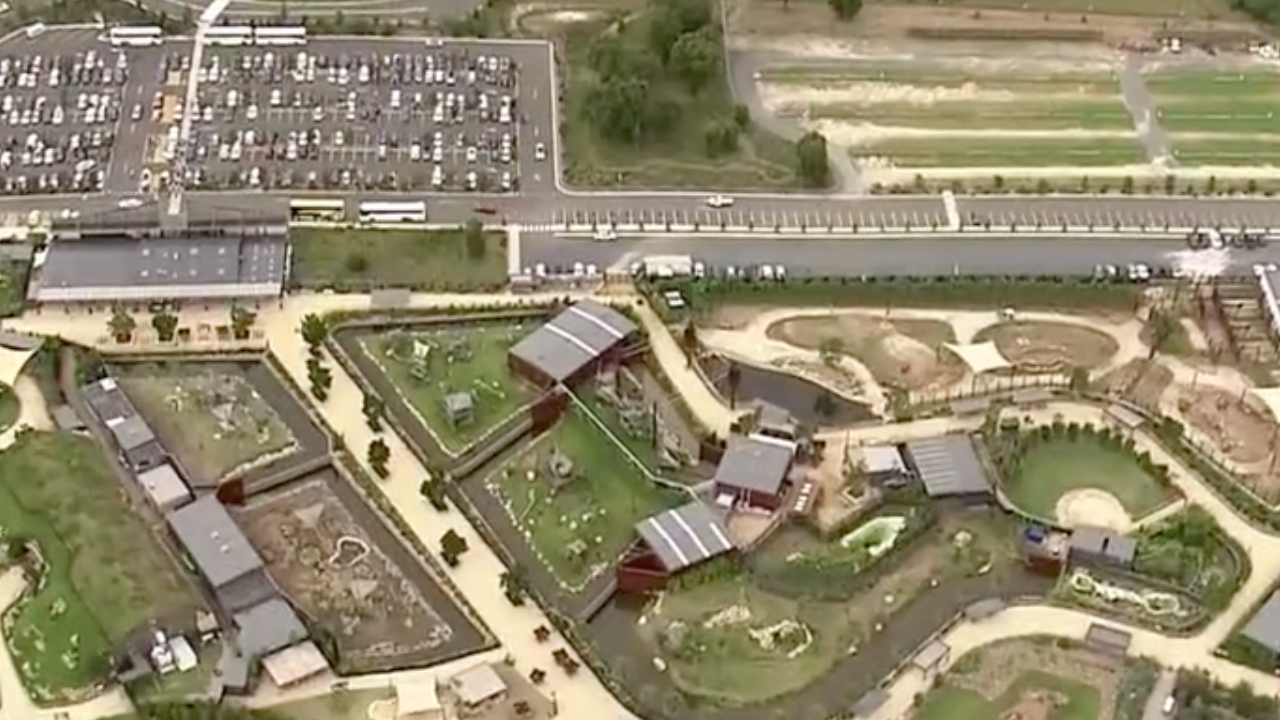
"Sydney Zoo is sad to announce the death of Mogli a beloved member of our chimpanzee troop," the zoo said in a statement.
"Mogli was found in the chimpanzee habitat this morning by our team. We are currently investigating the circumstances and once more information is known we will make a further statement.
"We would like to confirm that media reports of an escaped animal are false. The team are in a state of deep shock and grief."

More to come.
Cold blast could bring snow to southern states
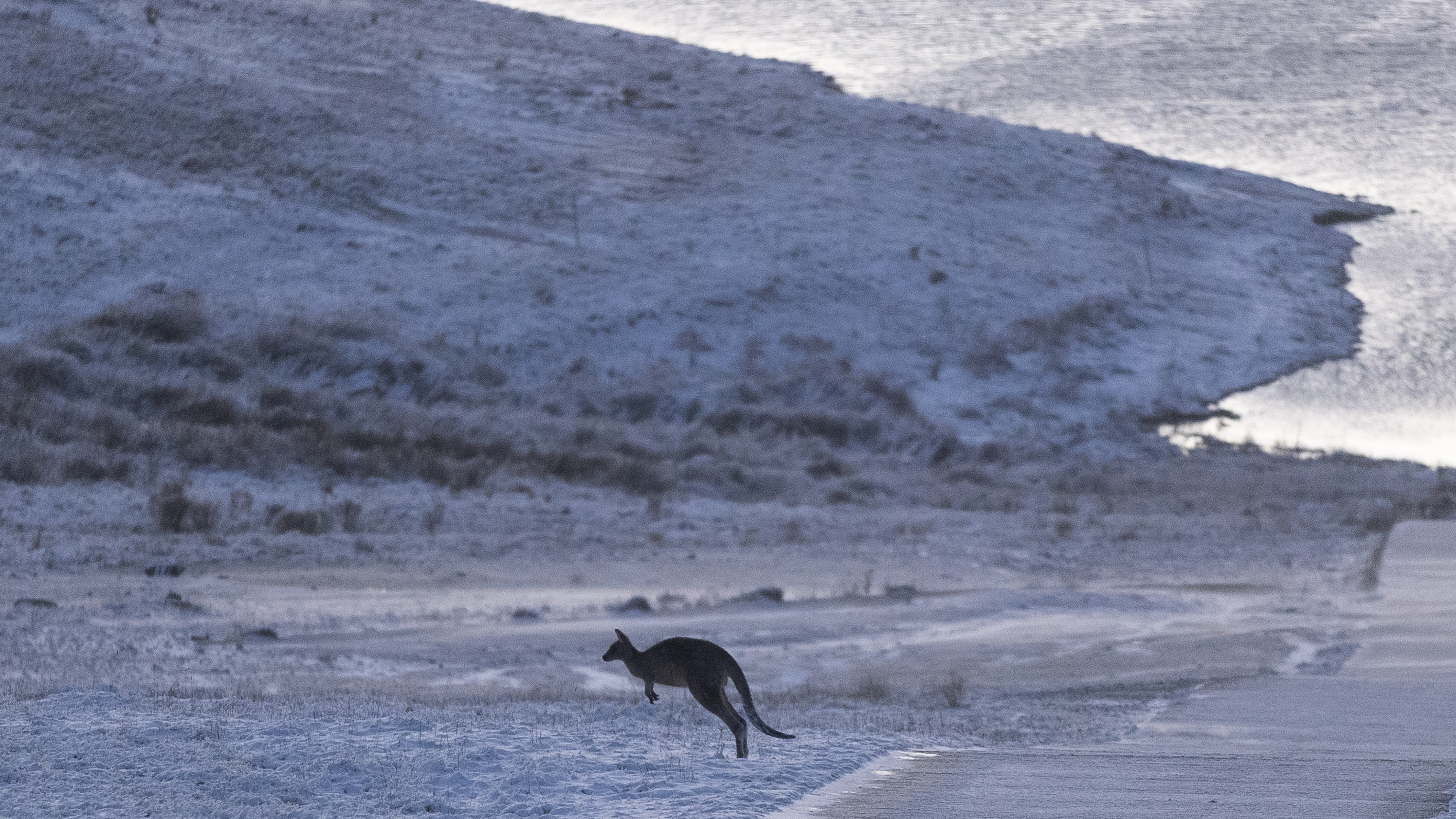
It could snow in parts of Australia's southern states this weekend, as a cold blast sweeps in.
Forecasters say the first snow of winter could fall on higher ground in a signal the warm summer weather is finally over.
Snow is forecast below 700m in Tasmania, and 900m in Victoria, NSW while the ACT is heading for sub zero temperatures by Monday.
READ MORE: Audi crushed by tree as wild storms batter Sydney
https://twitter.com/BOM_Vic/status/1380042647310630912?ref_src=twsrc%5Etfw
Victoria has already cooled down from 30C earlier this week to 17C today – but over the weekend it will drop to as low as 9C overnight.
It will only reach 15C during Sunday, with showers forecast.
READ MORE: WA travellers told to 'get out now' as 'triple threat' of storms close in
Canberra is expected to plunge below zero on Monday.
The low will be -1C, while it'll be a warmer 17C in the daytime.
Meanwhile, Adelaide will see a low of 12C over the weekend, with Sunday reaching 19C.
https://twitter.com/BOM_au/status/1380027013533171714?ref_src=twsrc%5Etfw
Over in Tasmania, Hobart will be a cool 7C overnight at the weekend, rising to 15C on Saturday and 13C on Sunday.
Sydney will largely escape the cold blast, with highs of 25C expected on Saturday.

This cold snap is being caused by two cold fronts.
They've already moved through Tasmania and Victoria and will head towards eastern Victoria today.
Tomorrow another cold front will come through, bringing more cold air.
Soldiers tackle devastating African locust plague
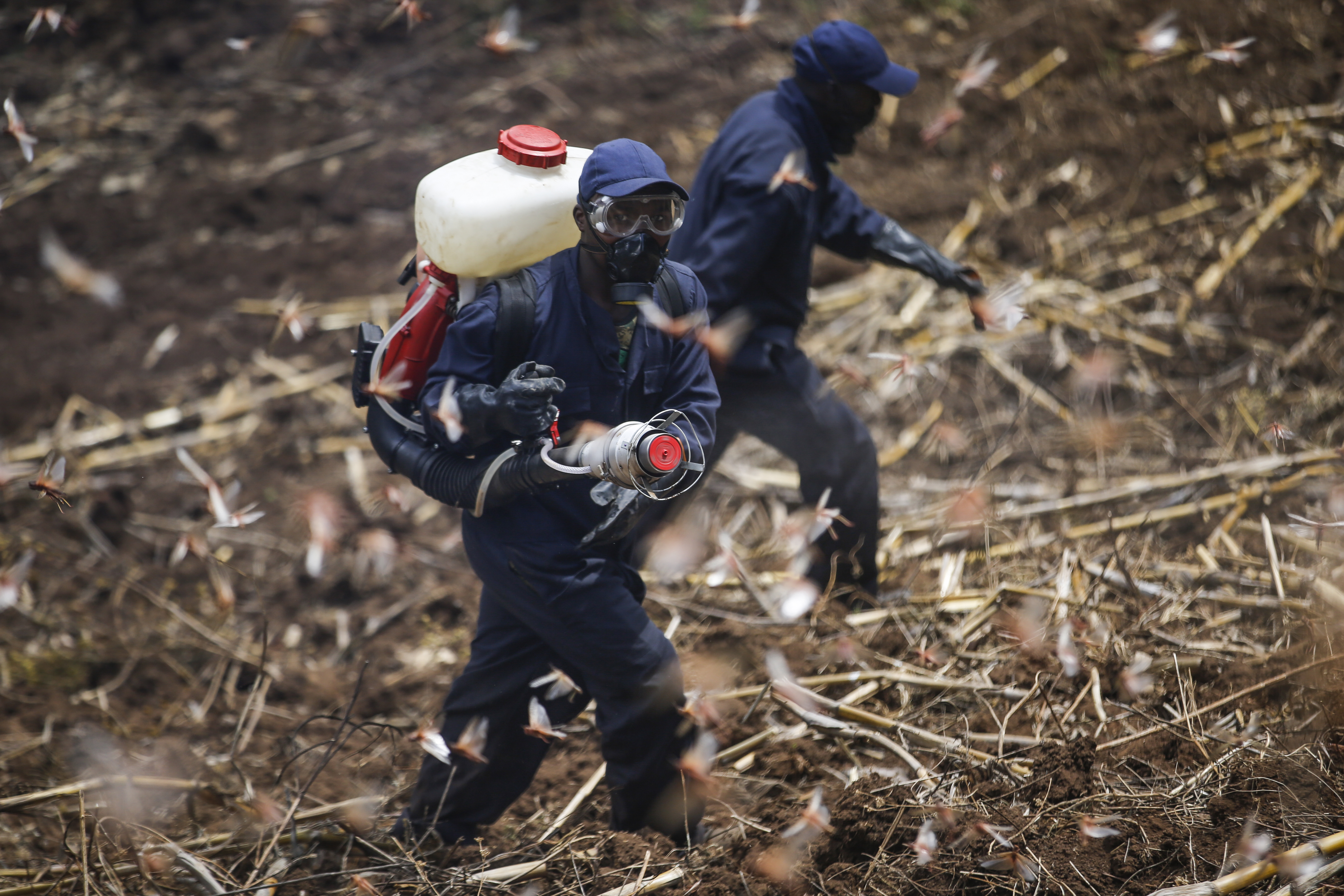
In a convoy of pickup trucks fitted with spray guns, soldiers zoom through Baraka' s hills leaving a trail of dust and bemused villagers in its wake.
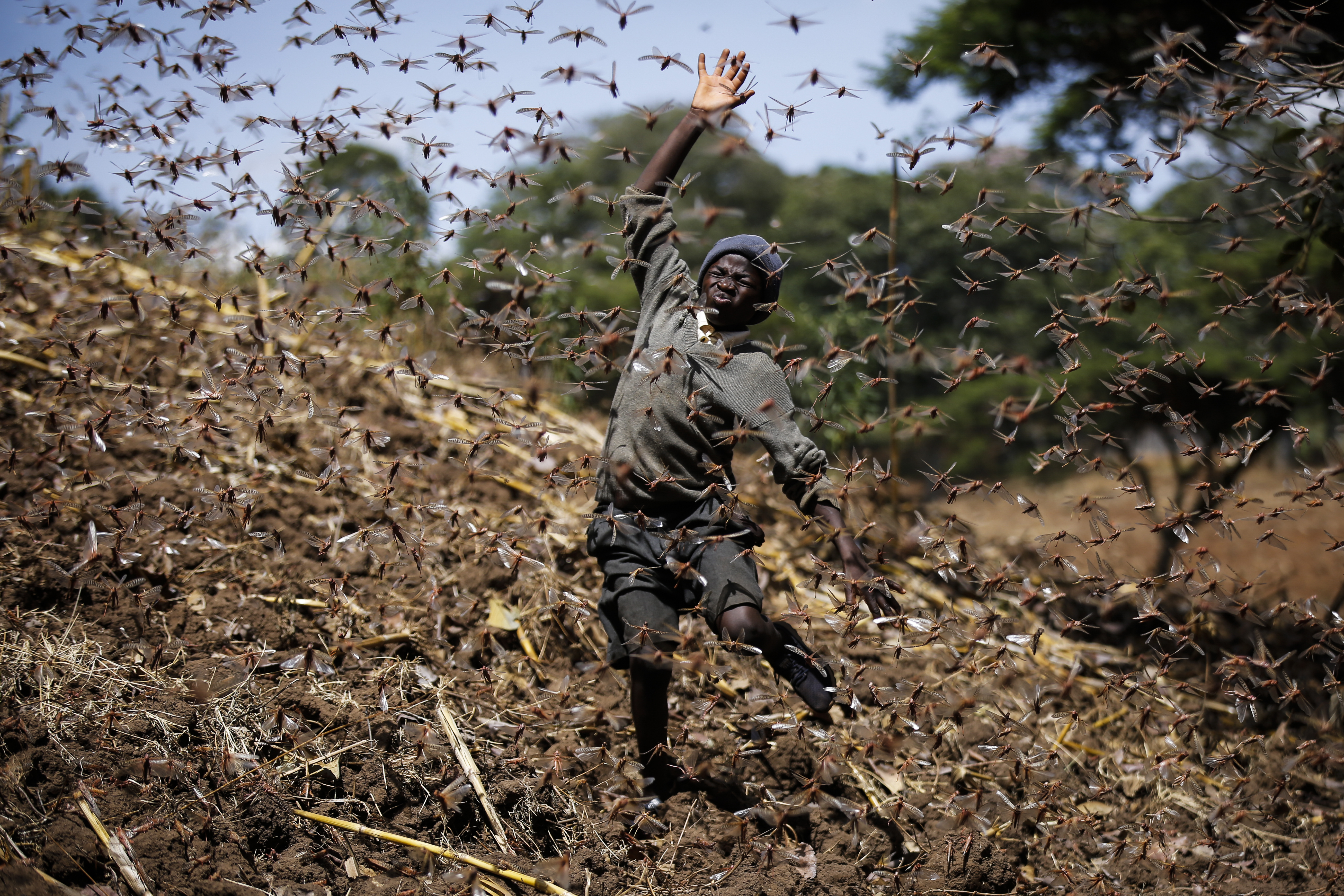
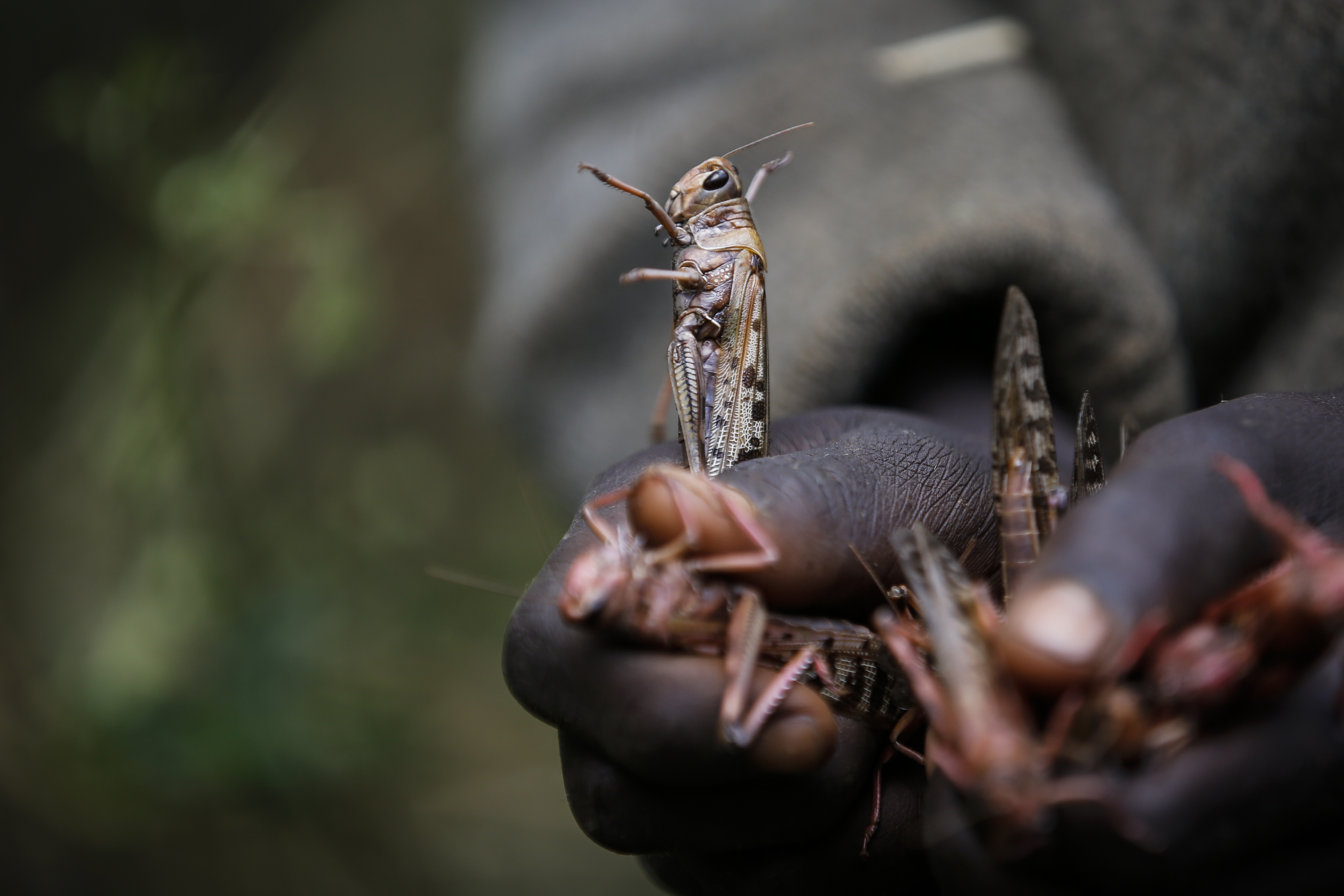
The vehicles brake when the soldiers see the enemy: billions of invading desert locusts that have landed in a twitching swarm where a forested area meets farmland.
The deployment of soldiers among the usual agriculture officials is a testament to the seriousness of the threat as East Africa's locust outbreak continues well into a second year. The young locusts arrive in waves from breeding grounds in Somalia, where insecurity hampers the response.
READ MORE: 'This is genocide': Tigrayans tell of rape, ethnic cleansing in Ethiopia
It's the beginning of the planting season in Kenya, but the delayed rains have brought a small amount of optimism in the fight against the locusts, though farmers still worry about their crops.
The United Nations' Food and Agriculture Organisation says the locust swarms have been spotted in the Rift Valley — which produces Kenya's staple foods of maize, wheat and potatoes.
But the FAO says that as a result of the poor rains in Kenya and neighbouring Ethiopia, the swarms in both countries are remaining immature. Their numbers also continue to decline due to ongoing control operations.
READ MORE: Egypt seeks settlement out of court for Suez Canal blockage
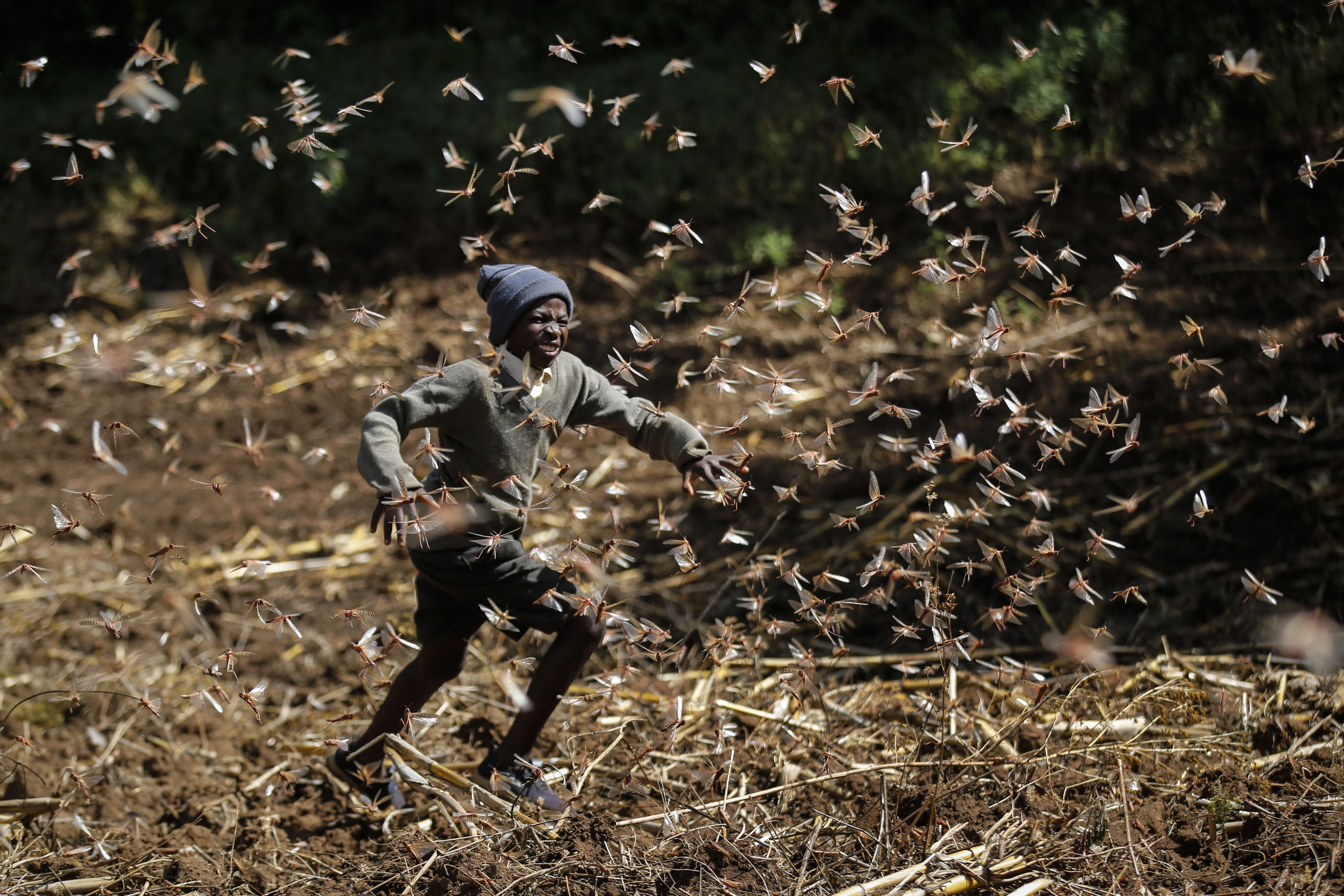
Without rainfall, the swarms will not breed, severely limiting the scale and extent of their threat, the FAO says in a recent update.
"For this reason, there is cautious optimism that the current upsurge is winding down in the Horn of Africa, especially if poor rains limit breeding this spring in northern Kenya and southern Ethiopia, followed by equally poor rains during the summer in northeast Ethiopia."
Last year, authorities managed to contain what was seen as the biggest locust infestation in Kenya in 70 years, largely through coordinated aerial spraying which covered vast territories quickly.
READ MORE: Egypt parades royal mummies to new resting place
Many of those swarms were in uninhabited areas. This year the swarms have presented a different challenge by landing in more inhabited areas. That means spraying is out of the question because it could adversely affect people and livestock, says Ambrose Nyatich, a livelihood recovery expert with the FAO.
So the delayed rains are a benefit — in part.
Desert locusts pose an unprecedented risk to agriculture-based livelihoods and food security in the already fragile Horn of Africa region amid economic crises, drought and conflict, FAO says.
READ MORE: Tanzanian president dies after weeks of secret hospitalisation
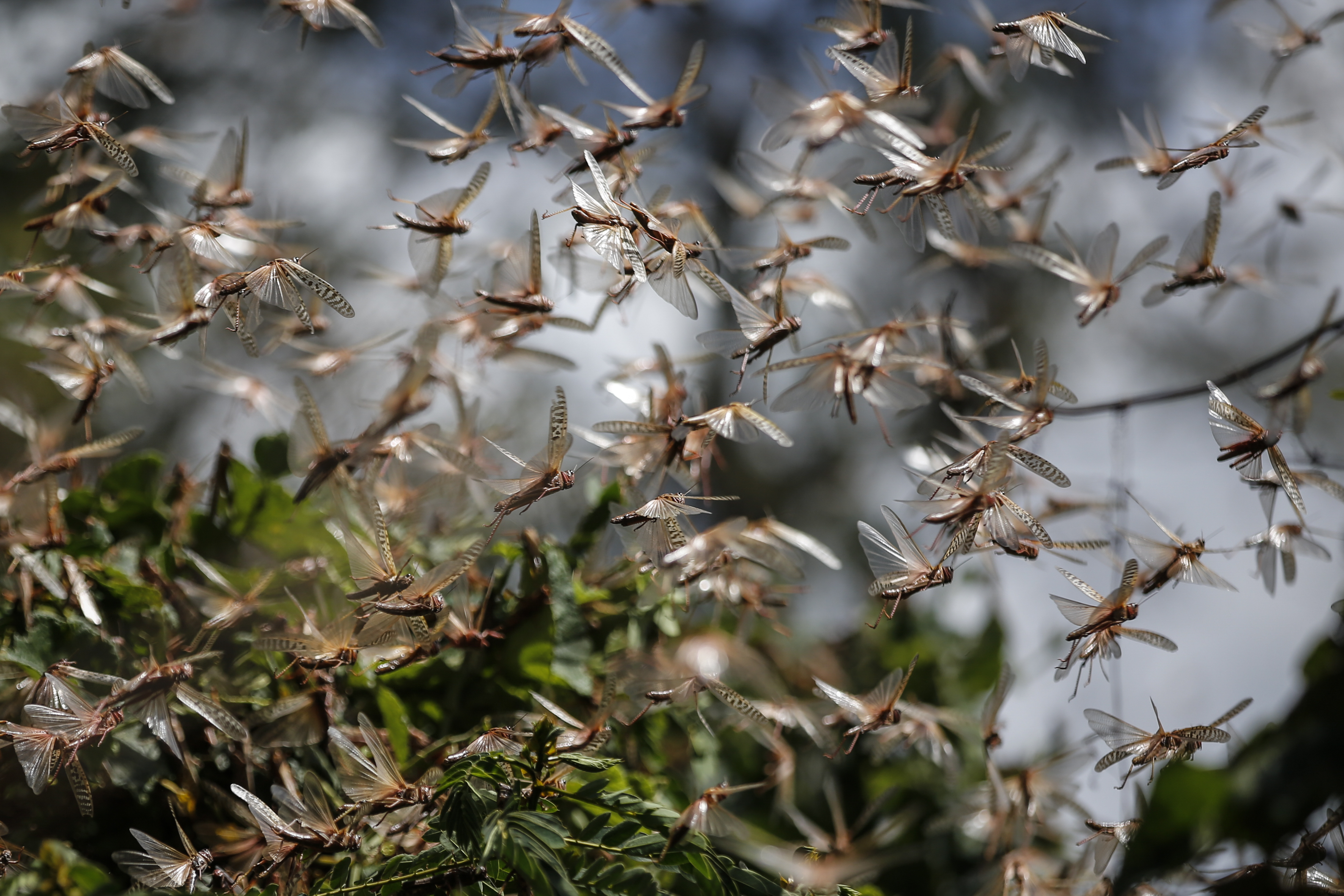
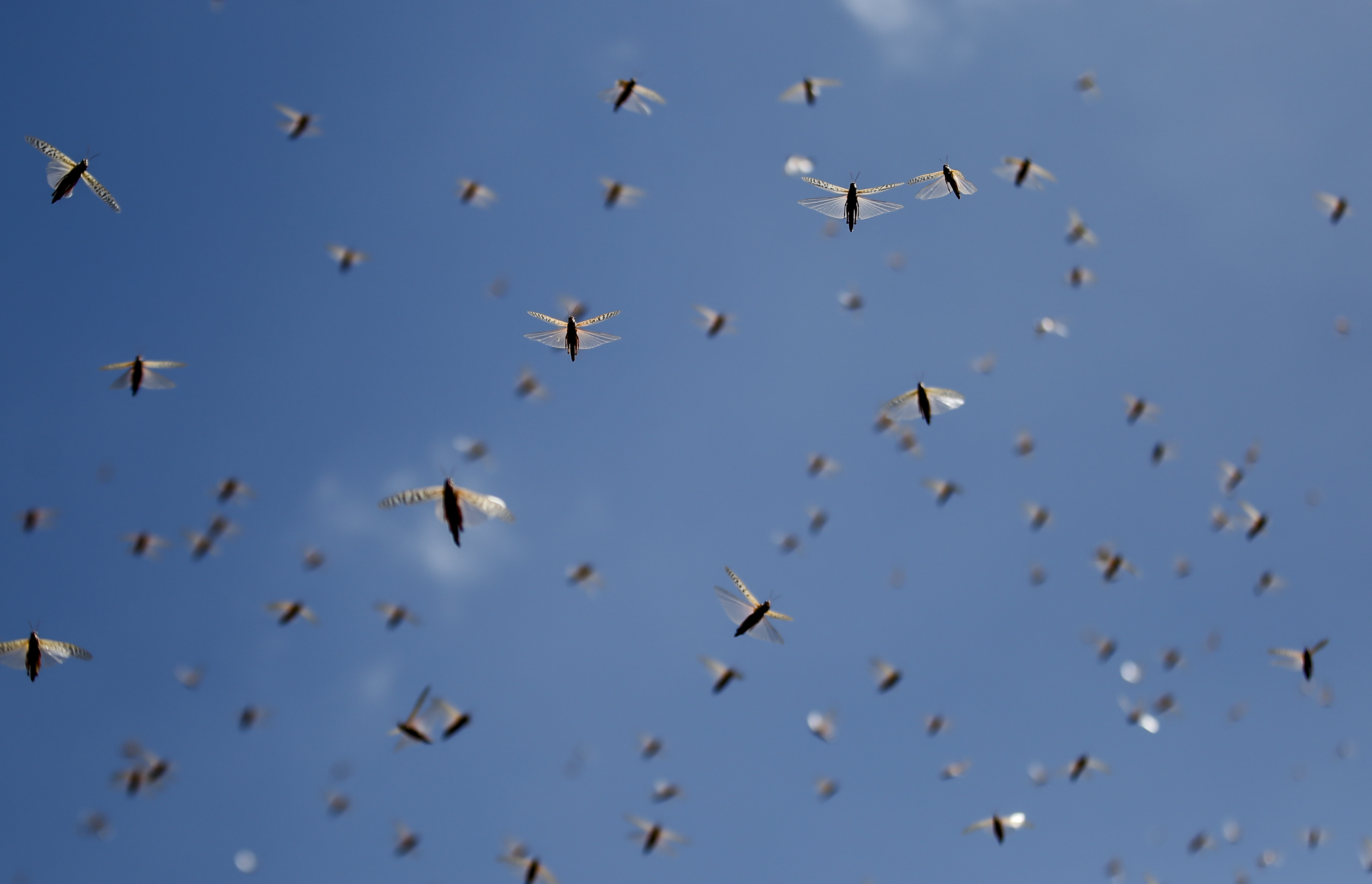
A typical desert locust swarm can contain up to 150 million locusts per square kilometre, according to the East African regional body, the Intergovernmental Authority on Development. "An average swarm can destroy as much food crops in a day as is sufficient to feed 2500 people."
Farmers like Hannah Nyokabi in the community of Baraka — which means "blessing" in Swahili — find themselves in a difficult situation. Poor rains might lessen the locust threat but will almost certainly mean a poor harvest.
"Things have gone very bad. If you look at the farm there is nothing," she said. "We have children who are in school, and we were depending on the farm for their fees."
READ MORE: Chaos as freed Nigerian schoolgirls reunited with families
Another farmer, Anne Wa Mago, 60, called a poor harvest better than nothing.
"We are lucky (the locusts) arrived when we had not planted, otherwise they would have wiped out our produce," she said, motioning at thousands of the voracious insects crowding a tree branch.
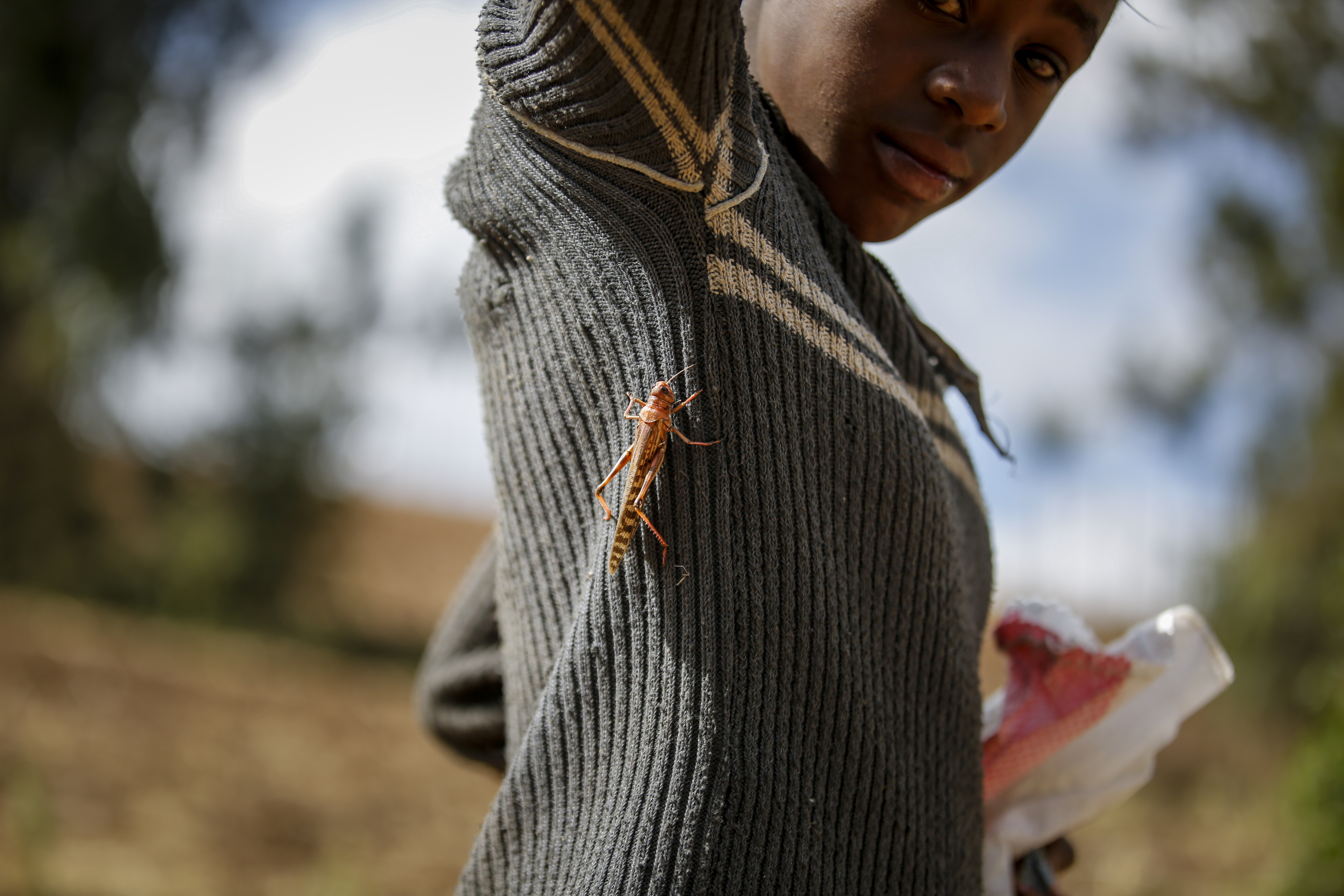
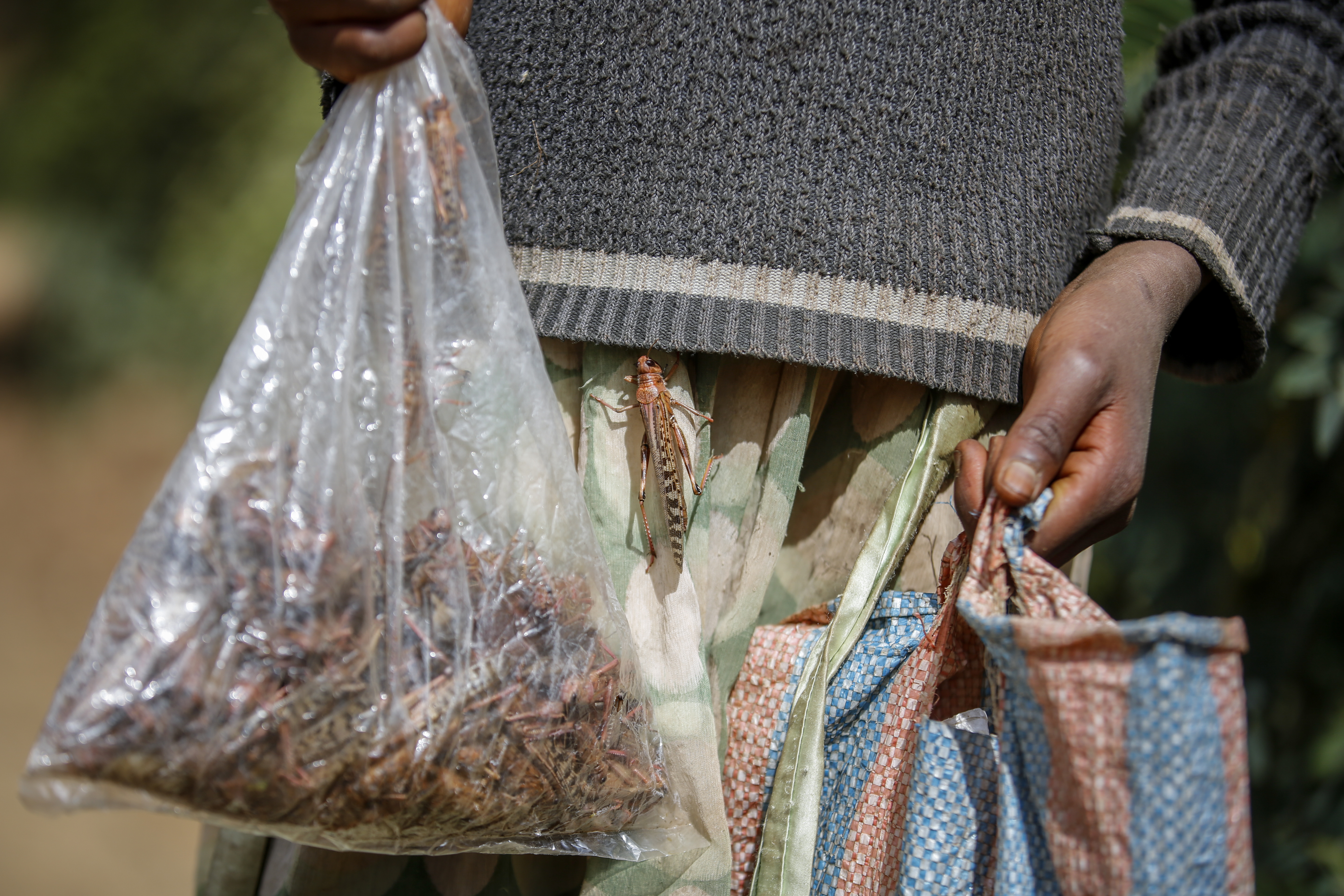
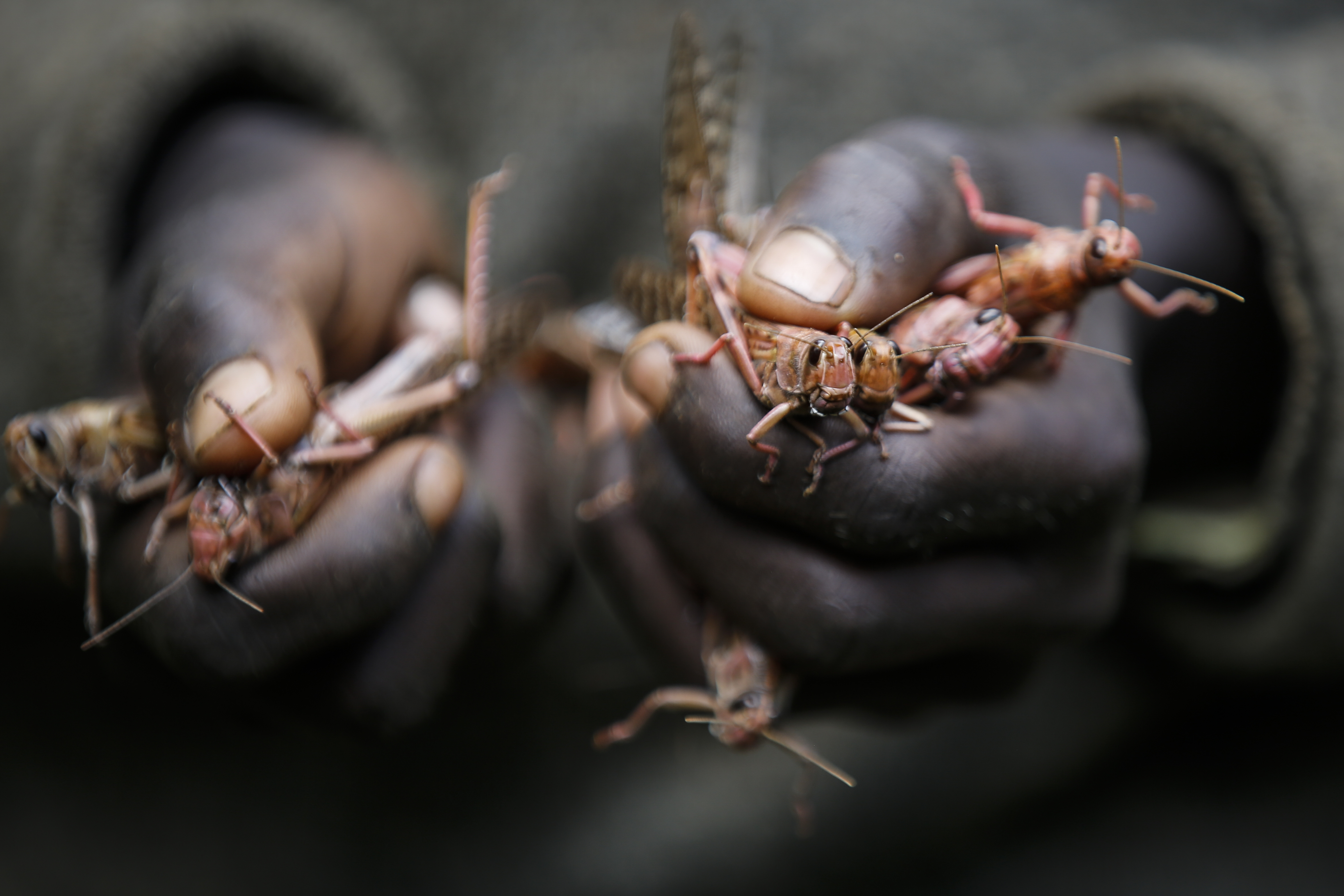
Groups of school children, some still in uniforms, ran around the farms snatching the locusts from the air or the ground.
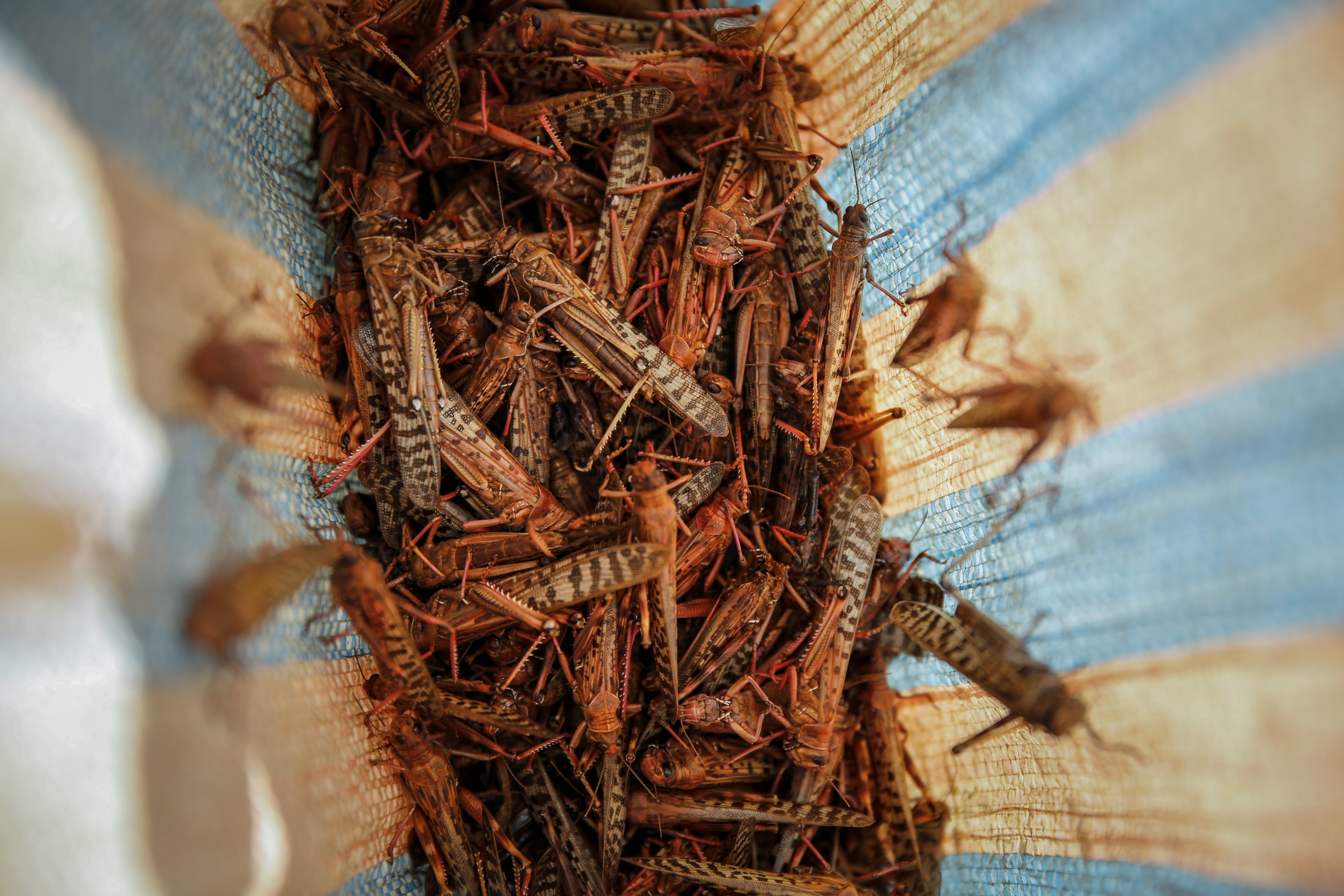
To them, the swarm that recently arrived, almost blighting the sun, is a windfall like no other. A kilogram of locusts fetches money from a non-governmental organisation that wants to turn the insects into livestock food.
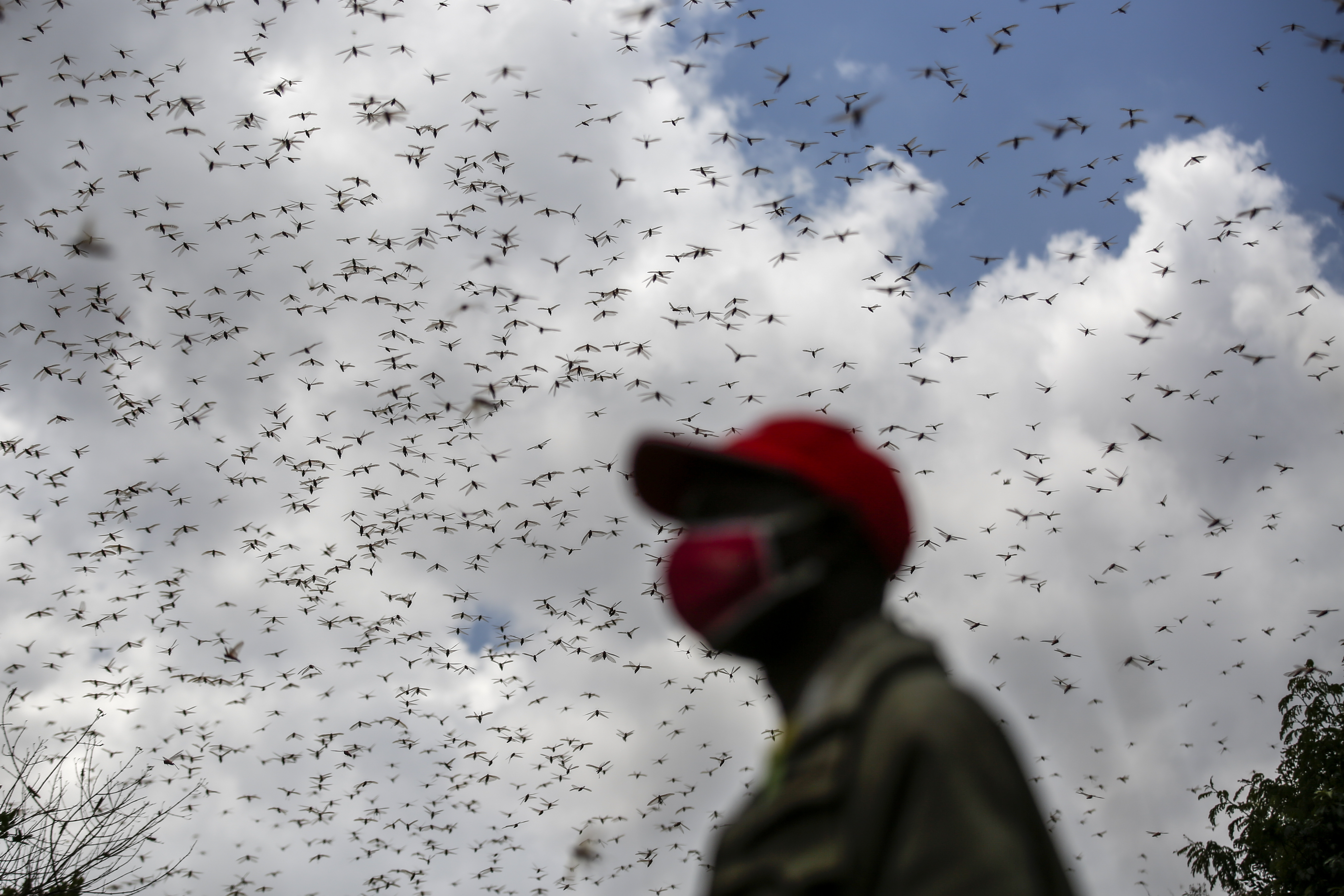
"This is money that has come to our doorstep," said 16-year-old John Mbithi. Anne Wangari, 12, said she had collected 35 kilograms before leaving for school.
But Nyatich with the FAO warned against using locusts for food because they could have been sprayed with insecticide.
"The initiatives that were being conducted by some organisations to try and use locusts for fish feeds or animal feeds is something that should be looked into in terms of how can we regulate it going forward maybe in the future," Nyatich said.
Covid 19 coronavirus: Vaccine rollout in Otago called 'a shambles'
A new booking system for Covid-19 vaccinations will be launched next week, as the Southern District Health board concedes the current procedure has caused problems and is confusing.No national vaccination booking system existed,…
Chris Lynch: How will mental health improve when reports are being censored?
OPINION:The Ministry of Health is accused of being deceitful and I can understand why.This week, it finally released data on its Covid-19 vaccination programme, but it took a bit of pressure to get there. The announcement came…