Tag Archives: oceania

Pfizer vaccine recommended over AstraZeneca for adults under 50

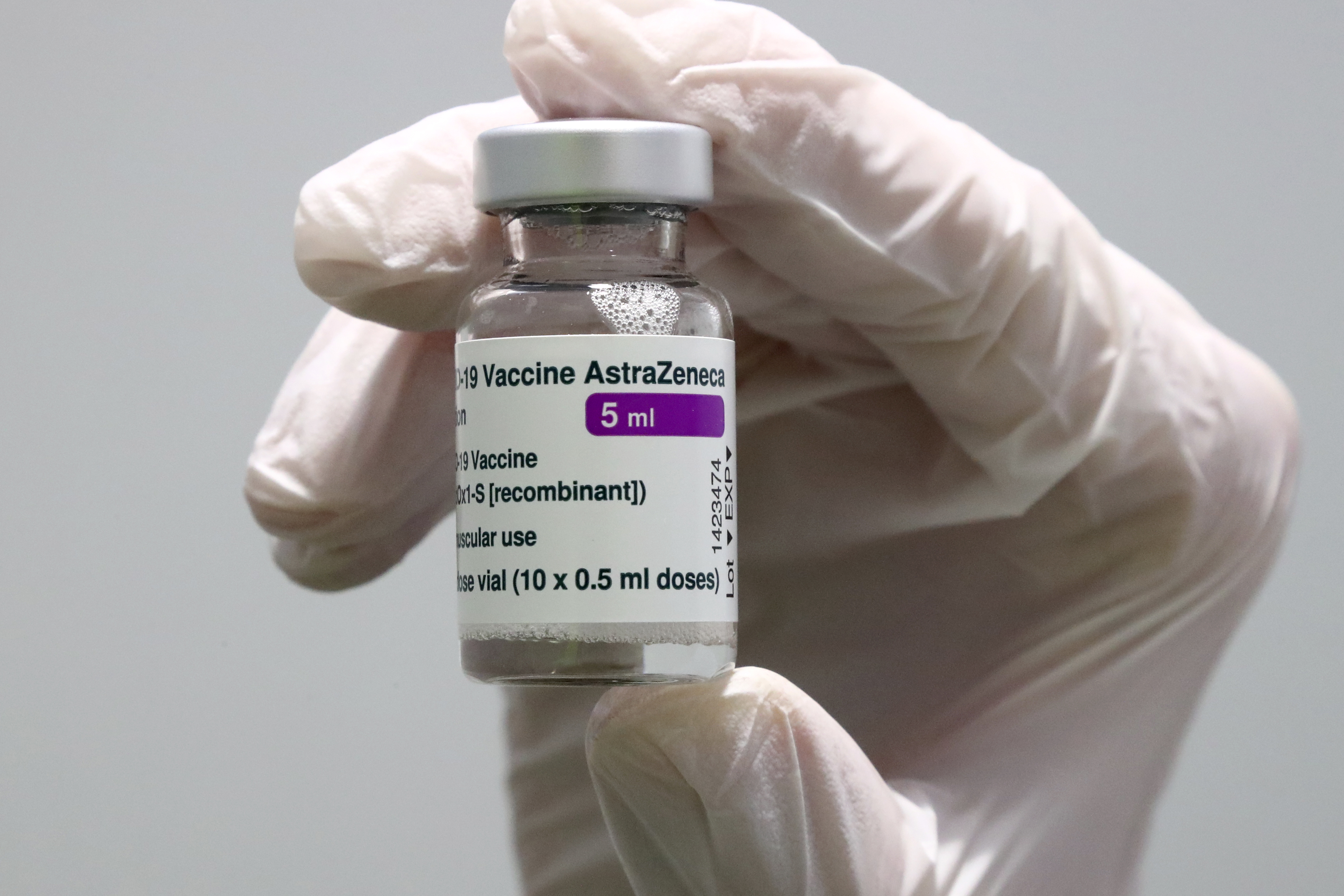
The Australian COVID-19 vaccination rollout is up in the air after Scott Morrison advised the AstraZeneca jab should not be used by people under the age of 50.

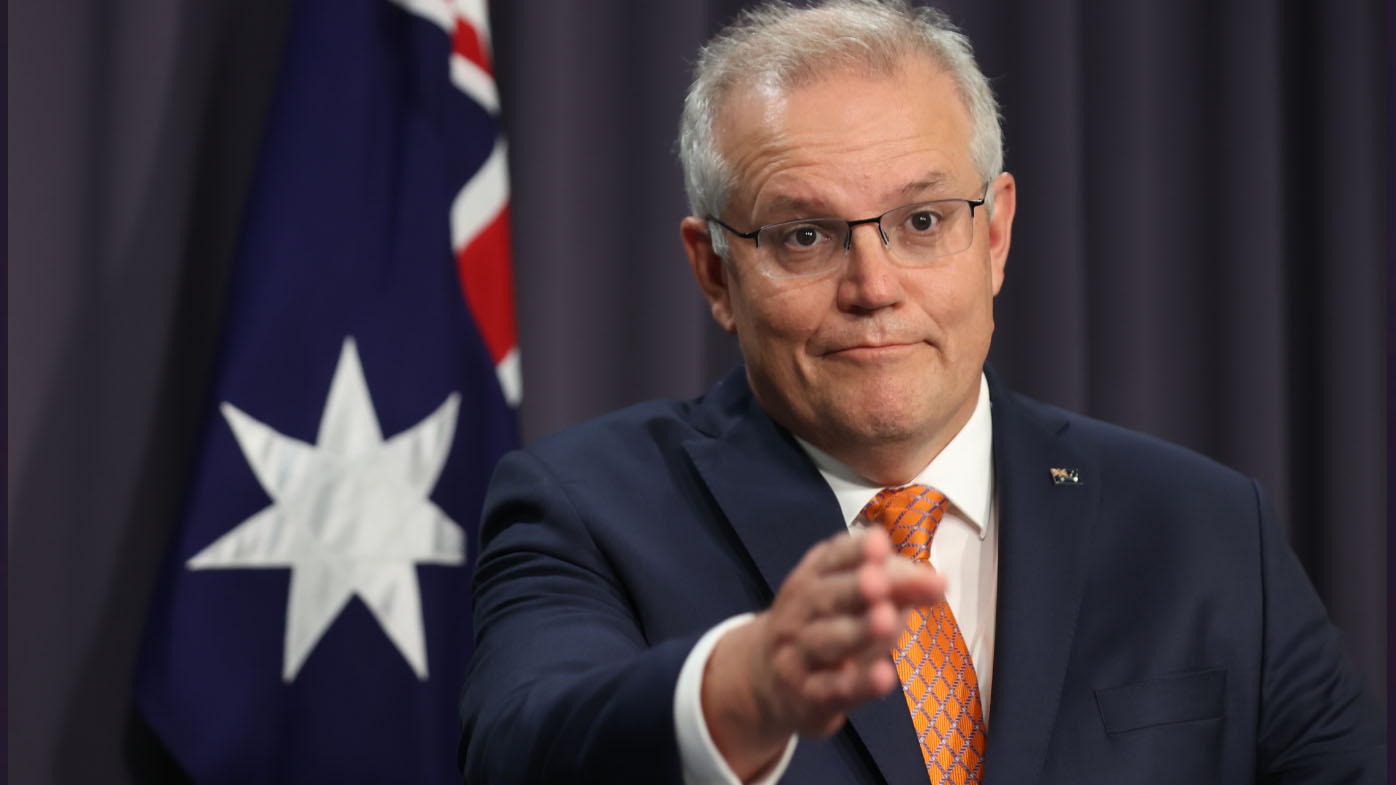
The Prime Minister called a snap press conference at 7.15pm AEST to announce the "recalibration" of the Australian rollout, after receiving medical advice in "the last 15 minutes" over the potential blood clot risks for younger people.

The Australian Technical Advisory Group on Immunisation (ATAGI) recommends the AstraZeneca coronavirus vaccine should be used by those over the age of 50, while the Pfizer jab should be taken up by younger Australians.

READ MORE: AstraZeneca vaccine 'very safe' says Chief Medical Officer
It gave three main recommendations:

  • People under 50 should be given the Pfizer vaccine instead of AstraZeneca
  • A first dose of AstraZeneca COVID-19 vaccine should only be given to adults under 50 years of age where benefit clearly outweighs the risk for that individual's circumstance
  • People that have had their first dose of the COVID-19 AstraZeneca without any serious adverse events can safely be given their second dose

"We thought it was important that we came and briefed you on that this evening so it was available immediately to Australians," Mr Morrison said.

Vaccine rollout could be further delayed

The change to the advice regarding vaccines has now raised questions about whether all Australians will be vaccinated by the end of 2021.

When asked, the Prime Minister said he did not have an update to the rollout timeline and "we have to take the time to assess the implications for the program".

"When we've done that, we may be able to form a view. But I don't think anyone should expect that any time soon," Mr Morrison said.

"It won't stop the work that we're doing in rolling out the vaccination program right now with the doses that we have, particularly from Pfizer, but also rolling out from AstraZeneca, which are predominantly for older Australians above 50 in phases 1A and 1B."

READ MORE: How long will coronavirus vaccines protect people?
Reactions 'very rare'

Australia's Chief Health Officer Paul Kelly said an adverse reaction from the AstraZeneca vaccine is very rare.

"At the moment, it seems to be around four to six per million doses of vaccine," Dr Kelly said.

"It's only been found in the first dose of the AstraZeneca vaccine, usually within four to 10 days after that vaccine.

"But it is serious, and it can cause up to a 25 per cent death rate when it occurs."

Late Thursday night, AstraZeneca Australia put out a statement saying it respected the government's decision and had been collaborating with regulators and advisory groups around the world, including in Australia, to understand any possible cause of the clots.

"The World Health Organisation (WHO) noted today that, whilst concerning, the events under assessment are very rare, with low numbers reported among the almost 200 million individuals who have received the AstraZeneca COVID-19 vaccine around the world," the Anglo-Swedish drugmaker said.

"Overall, regulatory agencies have reaffirmed the vaccine offers a high-level of protection against all severities of COVID-19 and that these benefits continue to far outweigh the risks."

Professor Kelly said the use of the Pfizer vaccine is preferred over the AstraZeneca vaccine in adults "aged less than 50 years who have not already received a first dose of AstraZeneca vaccine".

https://twitter.com/Fi_Willan/status/1380093646079356928

"Immunisation providers should only give a first dose of AstraZeneca COVID-19 vaccine to adults under 50 years of age where benefit clearly outweighs the risk for that individual's circumstances," the Chief Medical Officer said.

"The third recommendation is people that have had their first dose of the COVID-19 AstraZeneca without any serious adverse events can safely be given their second dose."

Professor Kelly said it is nearly impossible to predict who will develop a blood clot after getting the AstraZeneca vaccine.

'It seems it comes virtually spontaneously," he said.

"It can't be predicted because of what people have had in the past, particular diseases – the only one thing is, if you've had this with the first AstraZeneca vaccine, you don't have the second."

'Precautionary position'

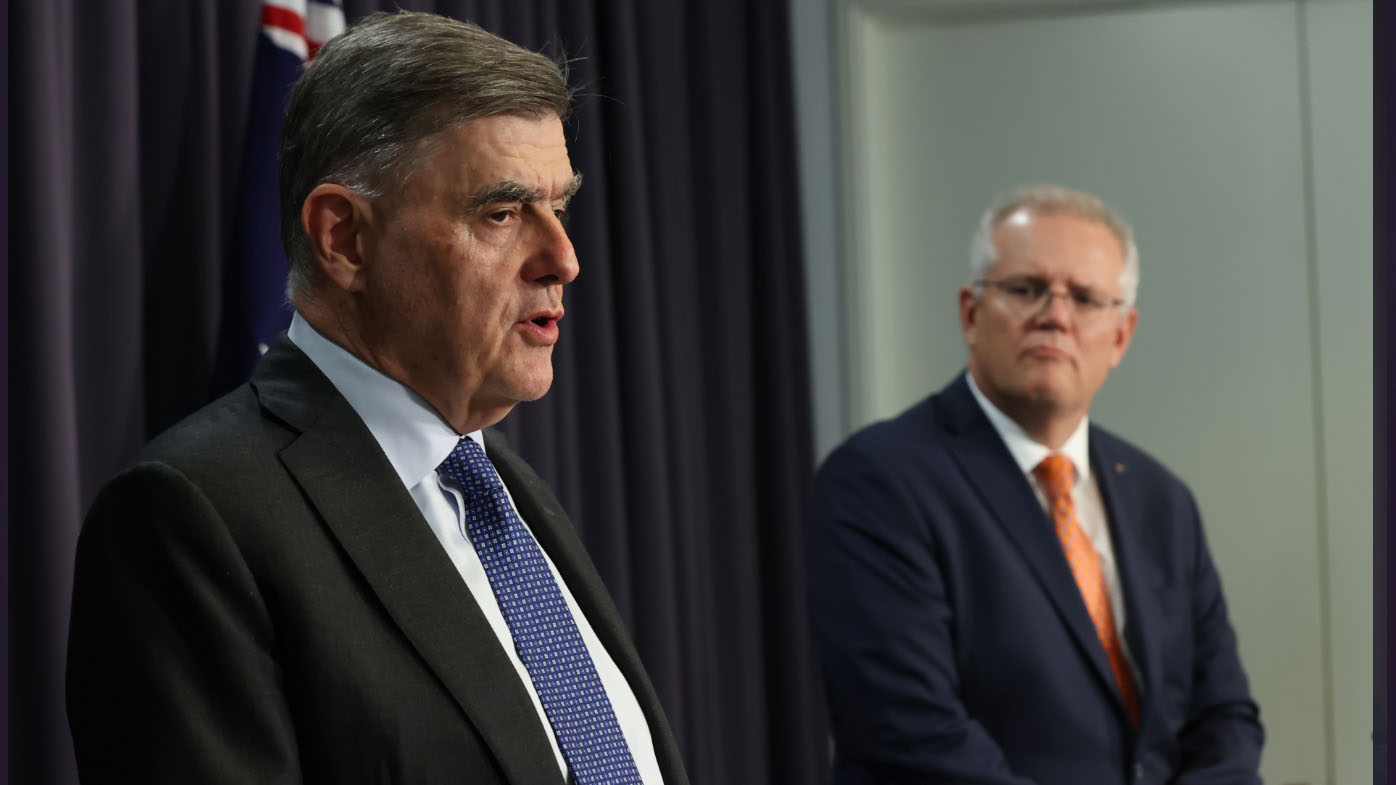
Secretary of the Department of Health Professor Brendan Murphy said the decision to attach an advisory for under 50s to the AstraZenca vaccine is a precautionary measure.

"This is a very, very rare event, and it is a highly precautionary position that Australia can take because we're in a fortunate position with COVID," Professor Murphy said.
"All vaccines have adverse effects. Some serious. Flu vaccines do. The Pfizer vaccine has a risk of anaphylaxis, which we've seen.

"But this syndrome, after all of the work we've done with the UK and Europe, does seem to be a real syndrome, and we now feel that, at an abundance of caution, given that this syndrome seems to occur mainly in younger people for whom the risk of severe COVID is not so great, that there is a basis to have a preferred recommendation for those under 50."

There is now work in place to exchange Pfizer vaccines already sent to aged care facilities with AstraZeneca shots.

Relief for family as man charged with cold case murder of Melbourne siblings

The family of two siblings killed in Melbourne's south-east more than three decades ago has expressed their relief after learning a man had been charged with their murders.

Doris McCartney and Ronald Swann were found dead in their Keith Street home in Moorabbin on October 22, 1989.

Today, Glen William Nash was charged with two counts of murder.

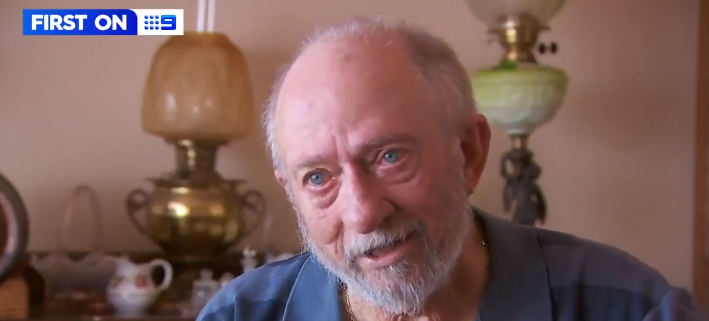
Ms McCartney's devastated son Ian McCartney told 9News the charges had been a long time coming.

LIVE UPDATES: Australia asks for immediate advice on AstraZeneca vaccine

"It's been a long 31 years," Mr McCartney said.

"Most of our family have suffered really badly."

Mr Nash, 58, was arrested this morning in Rowville – a week after a $1 million reward was offered for information on the siblings' alleged murder.

Mr McCartney said he hoped the arrest would bring him and his family closure.

"Just to actually know what the reason is would give us a lot of peace," he said.

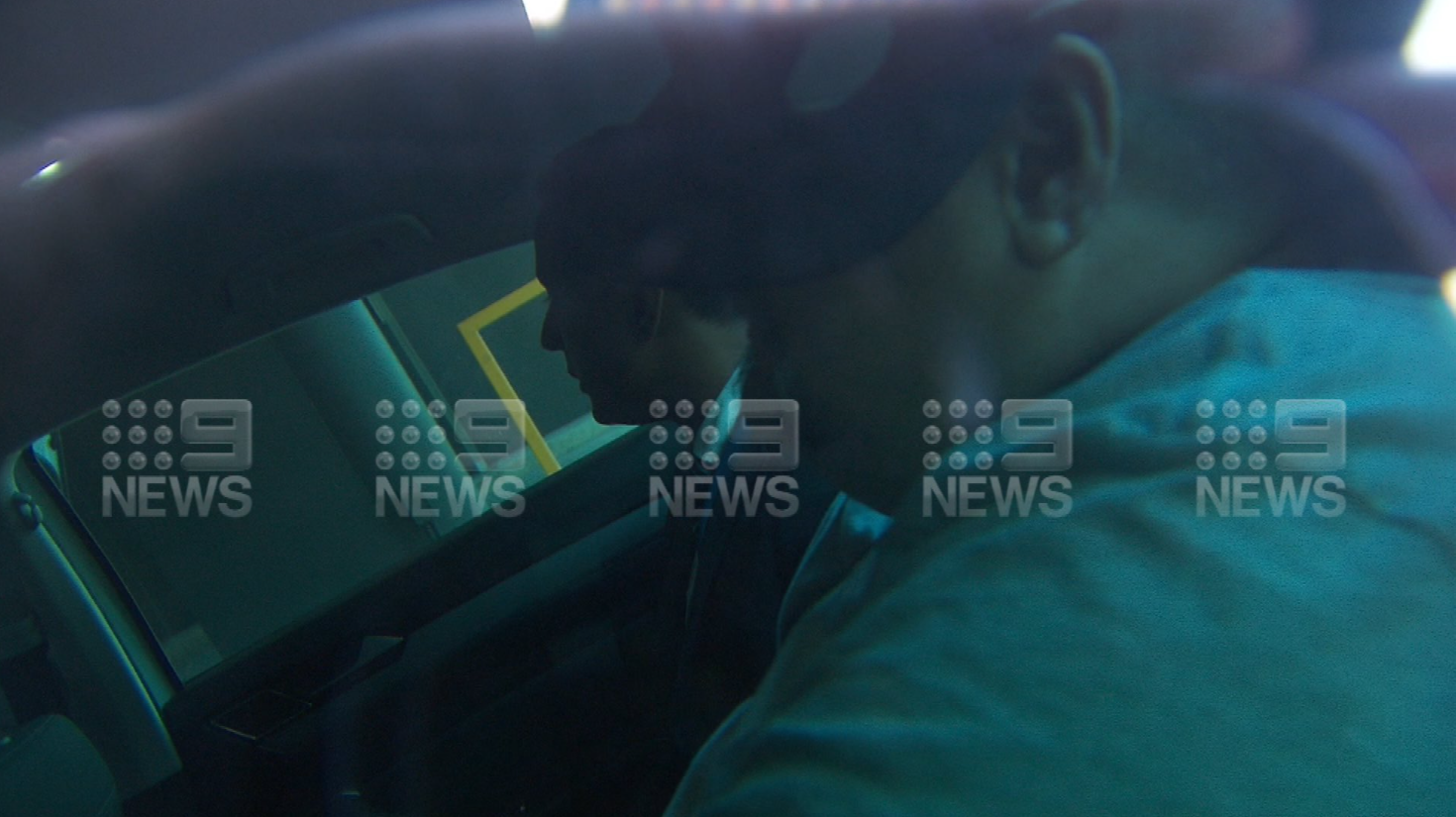
Exclusive 9News images captured the man covering half of his face with a baseball cap as he sat in the back of a detective car while being driven to police headquarters.

A friend of Ms McCartney discovered the bodies at the time and contacted police.

Ms McCartney, 71, and Mr Swann, 69, allegedly appeared to have been assaulted.

https://twitter.com/NearyTy_9/status/1380024061867159560?ref_src=twsrc%5Etfw

Nash's arrest follows an "extensive and exhaustive investigation" over the past 31 years.

He was a former player at a local cricket club and would have been 27 years old at the time.

Detective Inspector Tim Day last month said investigators were determined to solve the case and provide answers to the family.

"This is a family that has suffered the loss of two loved ones in the most horrific circumstances, without ever knowing why," he said.

"Over the years we have followed up a number of avenues of enquiry and interviewed several people."

Further lines of enquiry had only emerged recently, Detective Inspector Day said.

Ms McCartney was a widower and her younger brother, a World War II veteran, had moved into her Keith Street home to support her.

READ MORE: Arrests made after large haul of baby formula found in Melbourne

Police have previously said there was no sign of forced entry into the pair's home and nothing had appeared to be taken.

"From all accounts, they lived a quiet life," Detective Inspector Day said.

A number of people had previously been interviewed about the murders, but no one had ever been charged.

Last month Mr McCartney said he thought about the deaths of his beloved mother and uncle every day.

"There's not a day in 31 years that I haven't thought about it," he said.

"Sometimes it's hours, other times it might be five minutes."

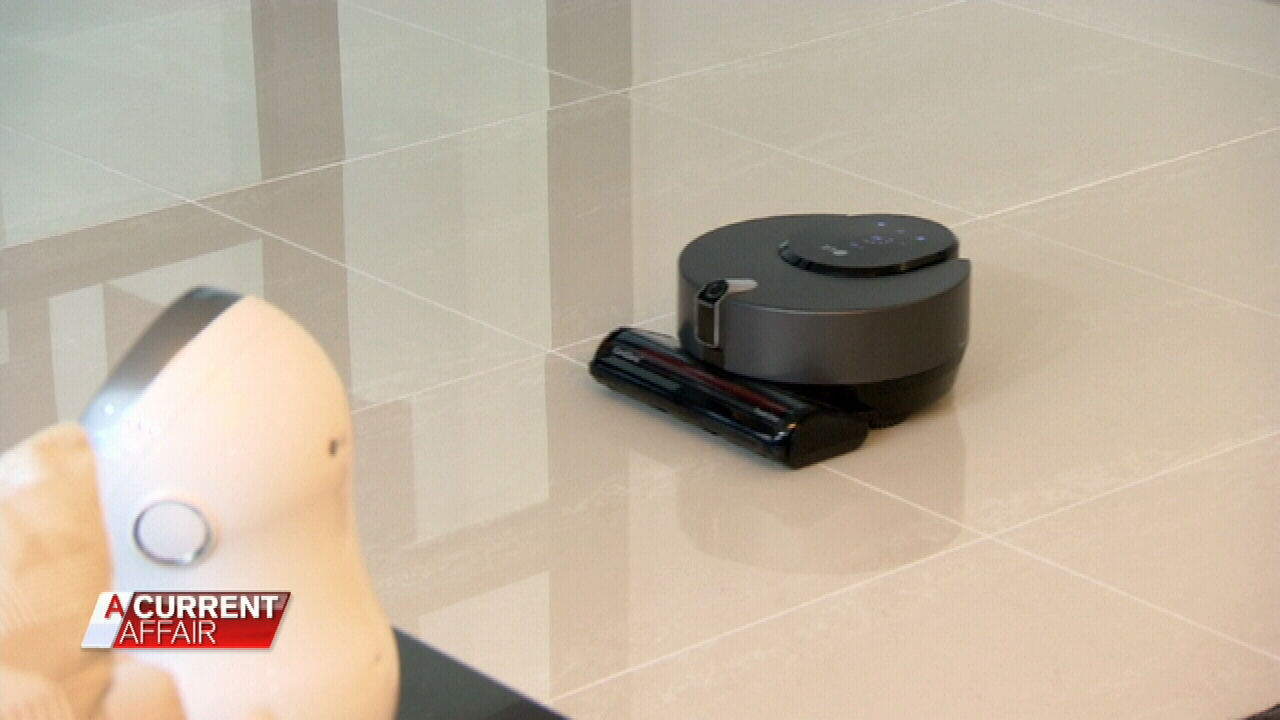
Optus Pause lets parents nuke internet connection on every device

Tearing kids away from their phones, games or streaming has never been easy. 

Parental controls have made things more manageable for modern families, but are often limited to a single device. 

I clearly remember the horror of waking up late on school holidays to find my Mum had taken the Xbox power cord to work; which is why I couldn't be happier to be a grown man as Optus Pause unleashes on the world. 

The concept is simple enough, a parent – who controls a family's Optus accounts – can cut every device off the internet with a swipe. 

Clive Dickens, the company's Vice President of Digital Product development jokingly compared that authority to everyone's favourite crime-fighting spider in our interview; "with great power comes great responsibility."

READ MORE: The women leading the fight for gender equality in video game industry

The Optus Pause function allows parents to enforce a 'time out' on devices

"You could be at work, pausing the connectivity at home, where someone might be on a Zoom call for work," he said.

"In the home, you can power down your router or change your internet password, so there is some level of control… but you've never had this level of device control before in one place."

Optus Pause, which went live today, is a free option controlled with a slider inside the My Optus app.

Parental control settings are nothing new, both Telstra and Vodafone allow users to limit content and connectivity, but Optus is leaning on a sharper, shorter and more dramatic impact to control behaviour. 

"Optus Pause doesn't differentiate between mobile and home, because it's just connectivity," said Mr Dickens.

"If you want to pause the connectivity of a family member outside the home, you can do that."

READ MORE: Husband steals Xbox from son

Smart homes?

"If you want to pause the connectivity of a family member inside the home, you can do that too."

"Usually, it would depend on what type of modem you have, what type of router or what type of phone you have. We have resolved all of those issues to make it really simple."

You can choose to pause connectivity to devices for 15, 30 or 45 minutes and can even target a specific Wi-Fi router or sim card. 

The connection automatically restarts once the time expires so users don't have to remember to turn anything back on.  

"It's a pause, not a switch. Nobody wants to switch off the internet," admitted Mr Dickens, who says parents were rarely ending pauses early during testing.

"We've got internet-powered speakers, fridges, we'll probably have internet-powered toasters and washing machines soon."

"They want to pause for me time, study time, dinner time or even maybe bedtime."

"You can obviously have device-level control as well. If you want to pause just one user, you can do that as well."

Optus says calls and texts are unaffected on devices affected by a "pause," which will allow emergency and emergency service notifications to continue. 

The child inside knows "one more game" is just as much of an emergency in the moment. 

Leaders of Russia and China tighten their grips, grow closer

They're not leaders for life — not technically, at least. But in political reality, the powerful tenures of China's Xi Jinping and, as of this week, Russia's Vladimir Putin are looking as if they will extend much deeper into the 21st century — even as the two superpowers whose destinies they steer gather more clout with each passing year.

What's more, as they consolidate political control at home, sometimes with harsh measures, they're working together more substantively than ever in a growing challenge to the West and the world's other superpower, the United States, which elects its leader every four years.

This week, Mr Putin signed a law allowing him to potentially hold onto power until 2036. The 68-year-old Russian president, who has been in power for more than two decades — longer than any other Kremlin leader since Soviet dictator Josef Stalin — pushed through a constitutional vote last year allowing him to run again in 2024 when his current six-year term ends. He has overseen a systematic crackdown on dissent.

READ MORE: What Russian escalation could look like following 'killer' remark

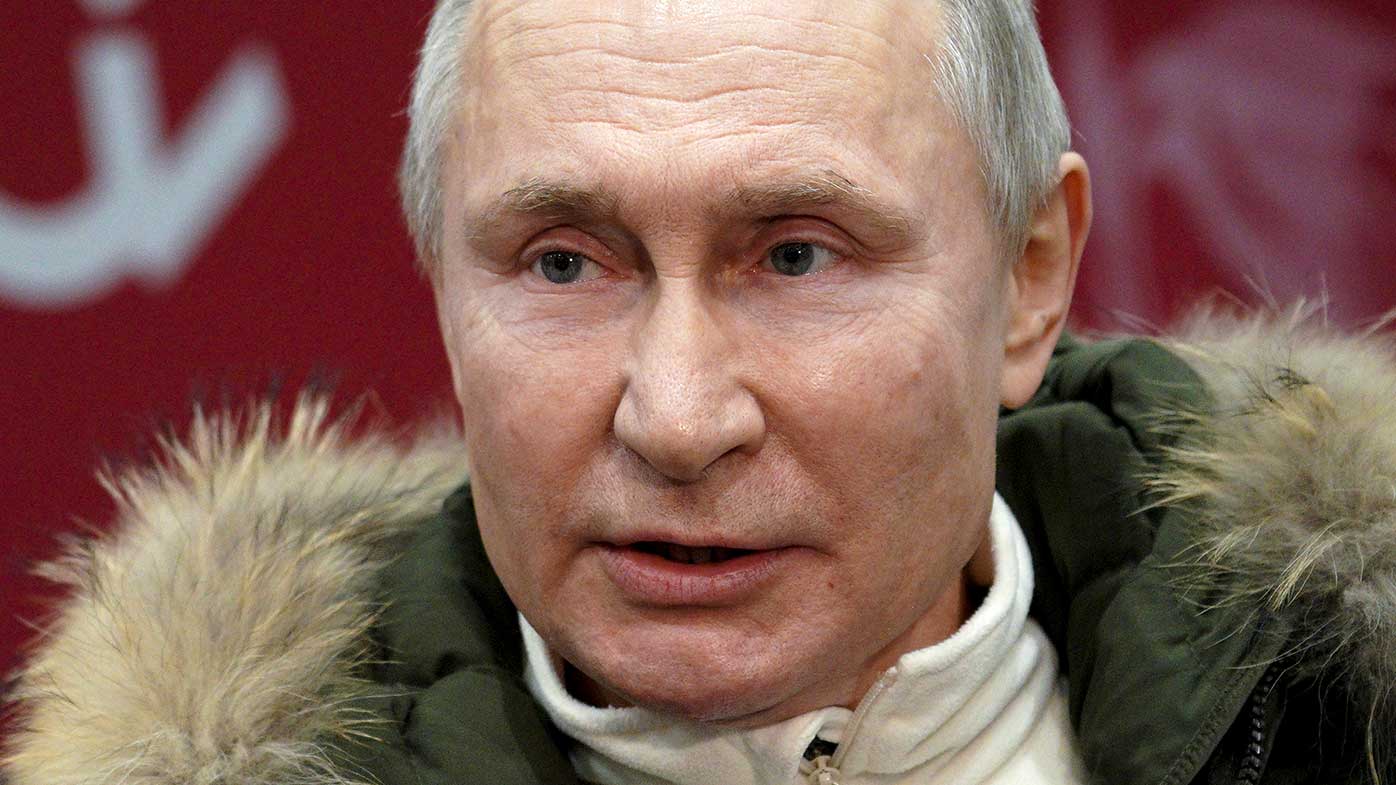
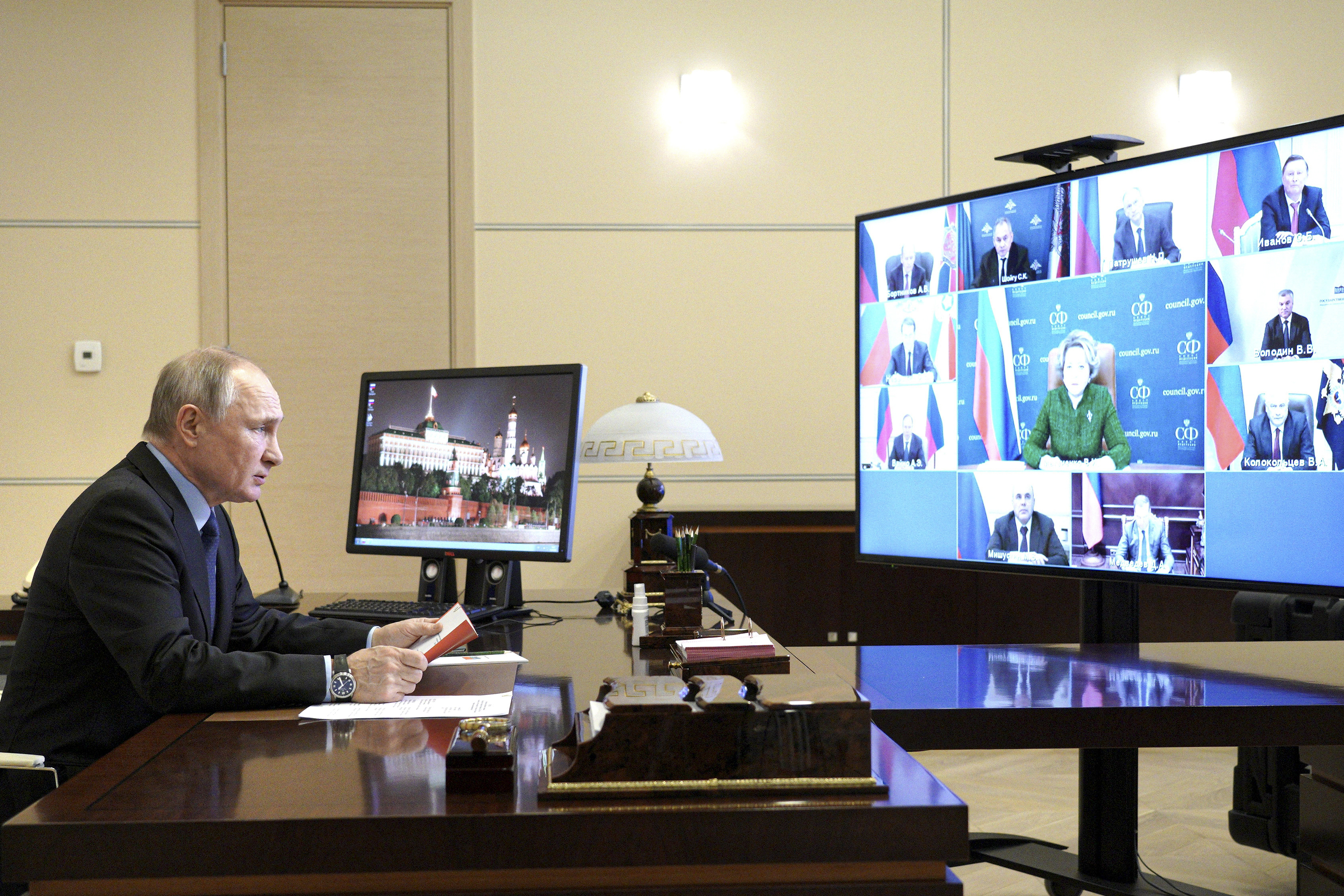
Russian President Vladimir Putin.

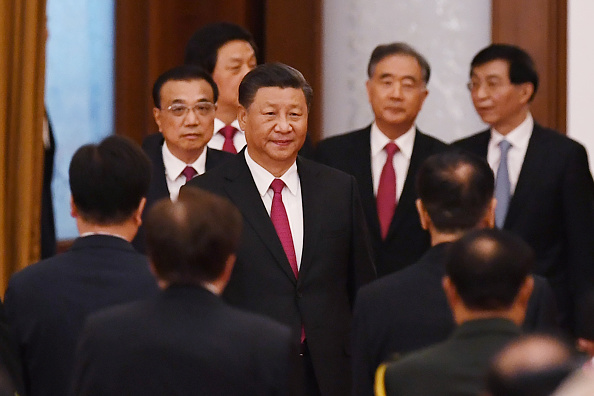
In China, Mr Xi, who came to power in 2012, has imposed even tighter controls on the already repressive political scene, emerging as one of his nation's most powerful leaders in the seven decades of Communist Party rule that began with Mao Zedong's often-brutal regime. Under Mr Xi, the government has rounded up, imprisoned or silenced intellectuals, legal activists and other voices, cracked down on Hong Kong’s opposition and used security forces to suppress calls for minority rights in Xinjiang, Tibet and Inner Mongolia.

Mr Xi has sidelined rivals, locked up critics and tightened the party’s control over information. An ongoing crackdown against corruption has won popular support while also keeping potential competitors in line.

His steady consolidation of power led to the removal of term limits on the Chinese presidency in 2018, demolishing a convention the party had established to prevent a repeat of the abuse produced by Mao’s one-person rule. Mr Xi further telegraphed his intention to remain in power by breaking from tradition and not indicating a preferred successor. One who appeared eager to take on the role, Sun Zhengcai, was brought down in 2017 and sentenced to life in prison on corruption charges.

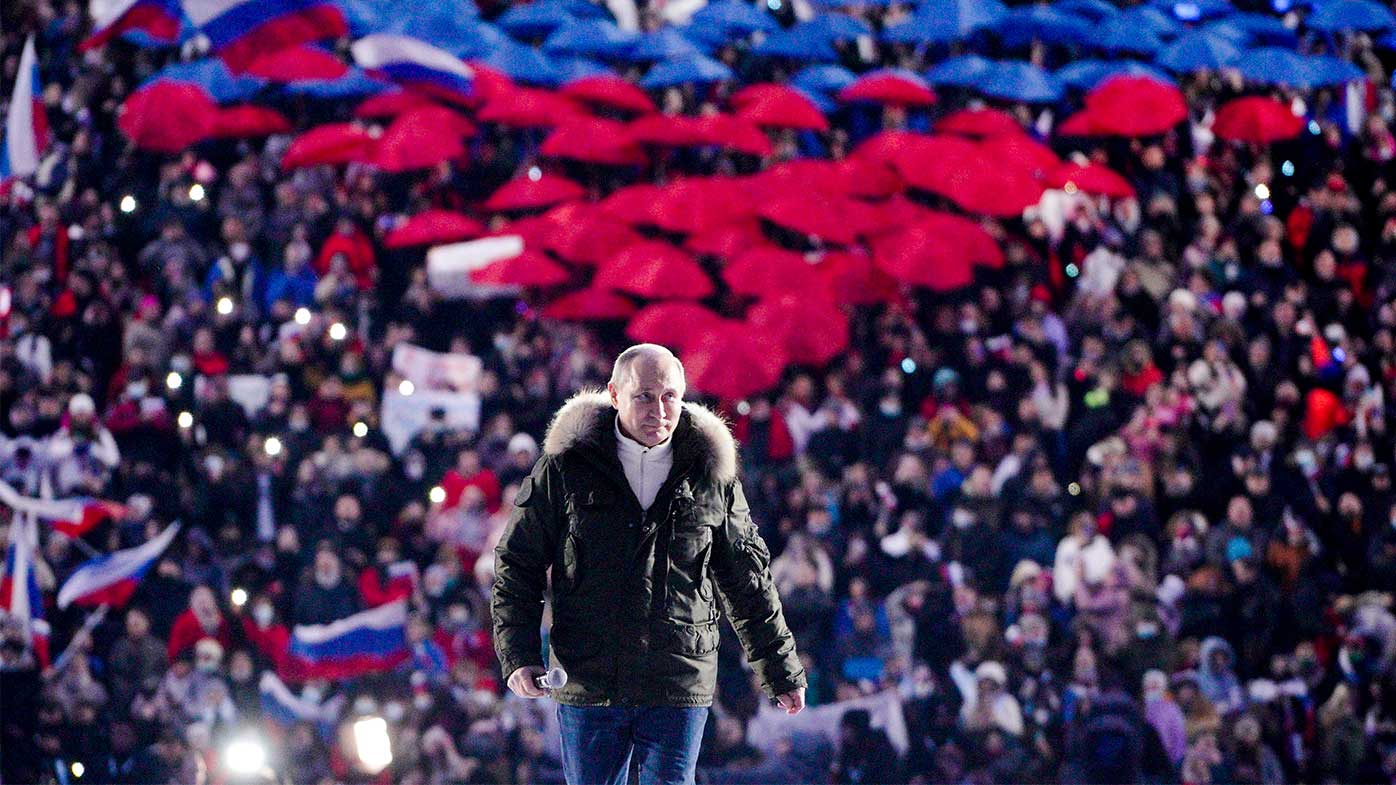
Russian President Vladimir Putin at a concert.

And in Russia, Putin’s most outspoken critic, Alexei Navalny, was arrested in January upon his return from Germany, where he spent five months recovering from a nerve-agent poisoning that he blames on the Kremlin — an accusation Russian authorities have denied. In February, Mr Navalny was sentenced to 2½ years in prison.

In defying the West, Mr Putin and Mr Xi both have tapped nationalist feelings. Russia’s 2014 annexation of Ukraine’s Crimea propelled Mr Putin’s approval ratings to nearly 90 percent before they slackened amid economic woes and unpopular pensions reform.

But the impact of Mr Putin's and Mr Xi's enduring retention of power hardly ends at their respective nations' borders. It ripples outward into the geopolitical balance of power in countless ways.

As Moscow's relations with the West sank to post-Cold War lows amid accusations of election meddling and hacking attacks, Mr Putin has increasingly sought to strengthen ties with China. And while China so far has avoided a showdown with the West like Russia's, it is coming under growing pressure from Washington and its allies over Beijing’s human rights record in Xinjiang, Hong Kong and the South China Sea.

US President Joe Biden has taken an increasingly tough line with both leaders, recently describing Putin as a “killer” and having his top national security aides excoriate China for a litany of issues. Such approaches suggest that Moscow and Beijing will have incentives to build an even stronger alliance.

Like their nations, the two leaders themselves have fostered a closer relationship, too.

Mr Putin and Mr Xi have developed strong personal ties to bolster a “strategic partnership” between the two former Communist rivals as they vie with the West for influence. And even though Moscow and Beijing in the past rejected the possibility of forging a military alliance, Mr Putin said last fall that such a prospect can't be ruled out entirely.

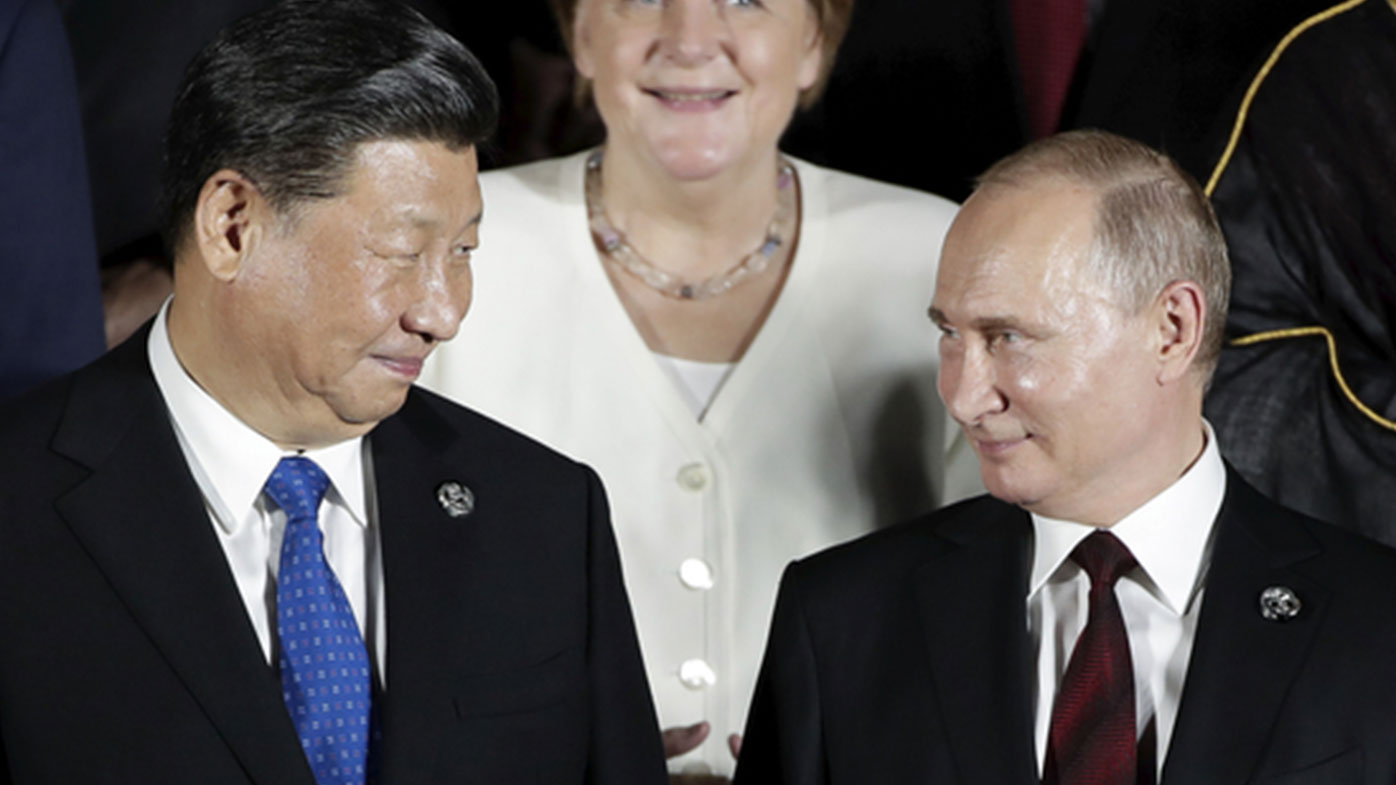
President of China Xi Jinping and President of Russia Vladimir Putin.

While both Mr Putin and Mr Xi each appear to be firmly entrenched, numerous challenges persist. The pandemic, for one, posed a major challenge for both rulers, and they took a similarly cautious approach when it struck.

Mr Putin responded last spring by introducing a sweeping six-week lockdown that severely hurt the already weak Russian economy. His approval rating plummeted to a historic low of 59 percent. Later, the government eased restrictions and steered clear from new lockdowns, helping reduce economic damage and shore up Mr Putin’s ratings.

Mr Xi remained out of the public eye in the first uncertain weeks, possibly fearing that any misstep could have given rivals a chance to topple him. In the end, China controlled the pandemic better than many other places, enhancing Mr Xi’s position as leader.

Mr Xi must also figure out how to satisfy ambitious young politicians who may see their careers being stymied by his lengthy tenure. And he has to demonstrate that his extended rule will not lead to the excesses of the Mao years, especially the disastrous and deeply traumatic 1966-76 Cultural Revolution.

“Xi has to manage an essential paradox. He venerates Mao and is building the same cult of personality and centrality of the party,” said Daniel Blumenthal, director of Asian Studies at the American Enterprise Institute. “But he knows his people fear and loathe Maoism so he has to also pretend he is not Mao. For now, he is an unchallenged strong leader, dealing with cracks and fissures in the party and society through Maoist-style campaigns and purges.”

Mr Putin faces even more daunting challenges. Russia's economy is a fraction of China's, and its overwhelming reliance on exports of oil and gas and other raw materials makes it vulnerable to market fluctuations. Western economic and financial sanctions have cut Moscow's access to Western technologies and capital markets, slowing down the economy and impeding modernisation efforts. Stagnant living standards and falling incomes have fueled growing discontent.

Russia's increasingly close ties with China are part of its strategy to offset Western sanctions. Chinese companies provided substitutes for missing Western technologies, helped with major infrastructure projects like energy supplies to Crimea and channelled cash flows to ease the burden from sanctions on Kremlin-connected tycoons.

“Beijing helped Moscow, at least to some extent, to withstand US and EU pressure,” Alexander Gabuev, the top China expert with the Carnegie Moscow Centre wrote in a recent analysis. “This assistance also allowed Moscow to become more assertive elsewhere in the world, from being present in the Middle East and Africa to supporting the Venezuelan regime and interfering in US elections.”

Military cooperation remains a high-stakes frontier. As U.S. pressure grew, Russia has moved to expand military ties with China. Their armed forces have held a series of joint drills, and Mr Putin has noted that Russia has provided China with cutting-edge military technologies.

But a full-on alliance — putting the joint military might of Mr Xi's and Mr Putin's grips on their nations? Something like that seems less abstract when the increasingly tight relationship between the two long-term leaders is taken into consideration.

“We don’t need it,” Mr Putin said in October. “But theoretically, it’s quite possible to imagine it.”