The organiser of a packed public meeting calling for more police in Paihia now plans to lobby the Government for better resourcing of Northland’s thin blue line. The meeting, which followed a petition calling for permanent staffing…
Tag Archives: oceania
Air NZ and Qantas duke it out on Twitter over pavlova and Crowded House
Air New Zealand and Qantas aren’t just planning on renewing their rivalry now the transtasman bubble is opening, they’ve also been quick to get back to a favourite pastime of poking fun at each other.Qantas took to Twitter yesterday…
Editorial: Bubble a significant and welcome step
EDITORIAL: The announcement that quarantine-free travel between New Zealand and Australia will start on April 19 has understandably sent shivers of excitement through our sectors suffering from severe ostracisation.It’s not an…
Herald morning quiz: April 7
Test your brains with the Herald’s morning quiz. Be sure to check back on nzherald.co.nz at 3pm for the afternoon quiz. To challenge yourself with more quizzes, CLICK HERE.
After COVID crash, IMF tips record growth for 2021
The rollout of COVID-19 vaccines and vast sums of government aid will accelerate global economic growth to a record high this year in a powerful rebound from the pandemic recession, the International Monetary Fund says in its latest forecast.
The 190-country lending agency on Tuesday (Wednesday AEST) said it expected the world economy to expand 6 per cent in 2021, up from the 5.5 per cent it had forecast in January.
It would be the fastest expansion for the global economy in IMF records dating back to 1980.
READ MORE: Tax cuts driving economic recovery, insists Treasurer
In 2022, the IMF predicts, international economic growth will decelerate to a still strong 4.4 per cent, up from its January forecast of 4.2 per cent.
"A way out of this health and economic crisis is increasingly visible,'' IMF chief economist Gita Gopinath told reporters.
The agency's economists now estimate the global economy shrank 3.3 per cent in 2020 after the devastating recession that followed the coronavirus' eruption across the world early last spring.
That is the worst annual figure in the IMF's database, though not as severe as the 3.5 per cent drop it had estimated three months ago.
Without US$16 trillion ($20.92 trillion) in global government aid that helped sustain companies and consumers during COVID-19 lockdowns, IMF forecasters said last year's downturn could have been three times worse.
Australia's economy is no exception, set to expand 4.5 per cent in 2021 before a significant slowdown to 2.8 per cent in 2022.
Those figures, based on a combination of Australian government forecasts and IMF analysis, would come on the back of a 2.4 per cent slump last year.

The US economy, the world's largest, is now forecast to expand 6.4 per cent in 2021 — its fastest growth since 1984 — and 3.5 per cent in 2022.
That growth is being supported by President Joe Biden's US$1.9 trillion ($2.5 trillion) relief package, while an acceleration in the vaccine rollout is beginning to let Americans return to restaurants, bars, shops and airports in larger numbers.
Professor Gopinath warned the economic recovery was likely to be uneven.
The rebound is expected to be slower in poor countries that can't afford massive government stimulus and in those dependent on tourism.
Economic damage from the health crisis is "reversing gains in poverty reduction'' and last year increased the ranks of extreme poor by 95 million compared with pre-pandemic projections.
Because of trends accelerated by the pandemic, such as stepped-up automation and a shift toward e-commerce and away from brick-and-mortar stores, the economist predicted "many of the jobs lost are unlikely to return''.
A faster recovery in the United States means US interest rates could rise "in unexpected ways,'' rattling financial markets and pulling investment out of hard-hit, debt-ridden emerging markets.
In the IMF's estimation, the global rebound will gradually lose momentum and return to pre-COVID levels of just above 3 per cent growth.
Countries will again encounter the obstacles they faced before the pandemic, including ageing work forces in most rich countries and in China.
The world's second-largest economy, China, which imposed a draconian COVID-19 clampdown a year ago and got a head start on an economic recovery, will record 8.4 per cent growth this year and 5.6 per cent in 2022, the IMF estimates.
The monetary fund expects the 19 countries that share the euro currency to collectively expand 4.4 per cent this year and 3.8 per cent in 2022. Japan is expected to register 3.3 per cent growth this year and 2.5 per cent the next.
Man dies after Sydney hedge trimmer accident
A man has died after a hedge trimmer accident in Sydney's lower North Shore.
Four crews, including the Careflight Rapid Response Rescue Helicopter, arrived at the scene on Smith Road, Artarmon just after 5pm today.
Paramedics treated a man in his 50s for a serious laceration to his right arm.
READ MORE: Violent road rage spree leaves four men injured in Sydney
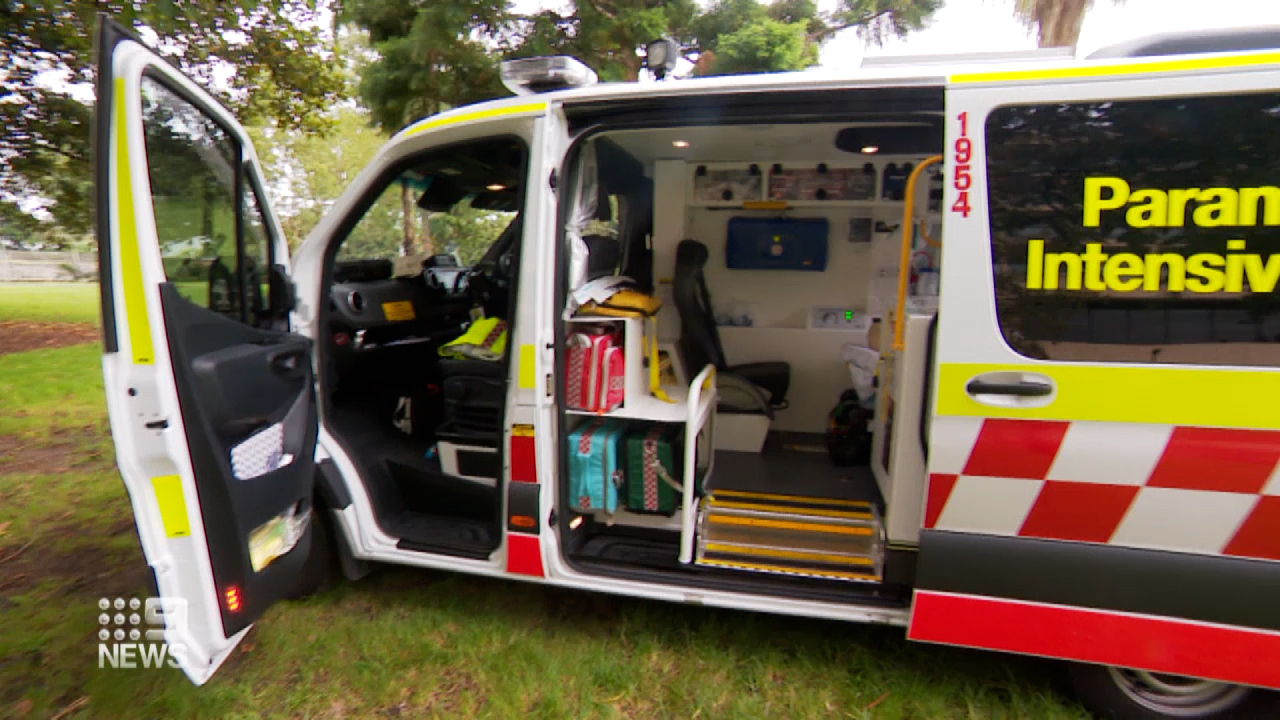
NSW Ambulance said the patient was also suffering a serious medical emergency when they arrived.
The man was taken to Royal North Shore Hospital where it's understood he later died.
NSW Ambulance Inspector Carolyn Parish said paramedic crews were confronted with
"an understandably traumatic and chaotic scene".
READ MORE: Australia facing timber shortage amid home-renovation boom
"The patient had been using a power tool whilst hedging prior to the medical emergency," Inspector Parish said.
"The patient had lost a large amount of blood. Paramedics worked to stabilise him before getting him to hospital."
New hope for University of Queensland COVID vaccine following new 'technology' report
It's been four months after Queensland's home-grown COVID vaccine plans were dashed, but a new hope has reignited University of Queensland researchers to carry on where they left off.
A new report released today looking into the University's pre-clinical trials has revealed that the local jab could be a major contender against current Pfizer and Astra Zeneca vaccines.
Findings have also revealed the UQ jab isn't as delicate as the others, allowing it to be stored in your average refrigerator, as compared to Pfizer's required -70 degree storage temperature.
READ MORE: What's gone wrong with Australia's vaccination rollout?
There are also suggestions the vaccine's 'clamp technology', a feature that sees an extra little protein introduced that helps keeps the injection in the right shape, would potentially make the UQ jab more effective as compared to other vaccines.
The vaccine was originally scrapped late last year following initial results showing some patients had contracted HIV, but they actually didn't.
A false reading that infectious diseases expert Dr Paul Griffin said was caused by a "protein that resembled a protein in HIV".
"(It) certainly carried no risk of giving anybody HIV, but it did mean there was some interference of testing for HIV," Dr Griffin told 9News.

While researchers still continue to work away on its current jab, the effort alone won't help it re-enter the vaccine race – with the university needing to put forward a whole new case to be considered for a mass-produced vaccine.
Researchers would need to restart up to two year-long clinical trials – and would need a chunk of funding from the Federal Government, who have already set aside up to a billion dollars for the Melbourne-made CSL jab.
Case against foreign interference accused delayed
The case against a former Liberal Party candidate, the first person in Australia charged with a foreign interference offence, has been delayed as police wade through piles of evidence.
Di Sanh Duong, who goes by 'Sunny', was charged in November last year with preparing an act of foreign interference – following a year-long investigation.
He is facing a decade in jail if he is found guilty of spying for China.
READ MORE: Family in 'constant pain' as mystery surrounds Murray River death of beloved dad
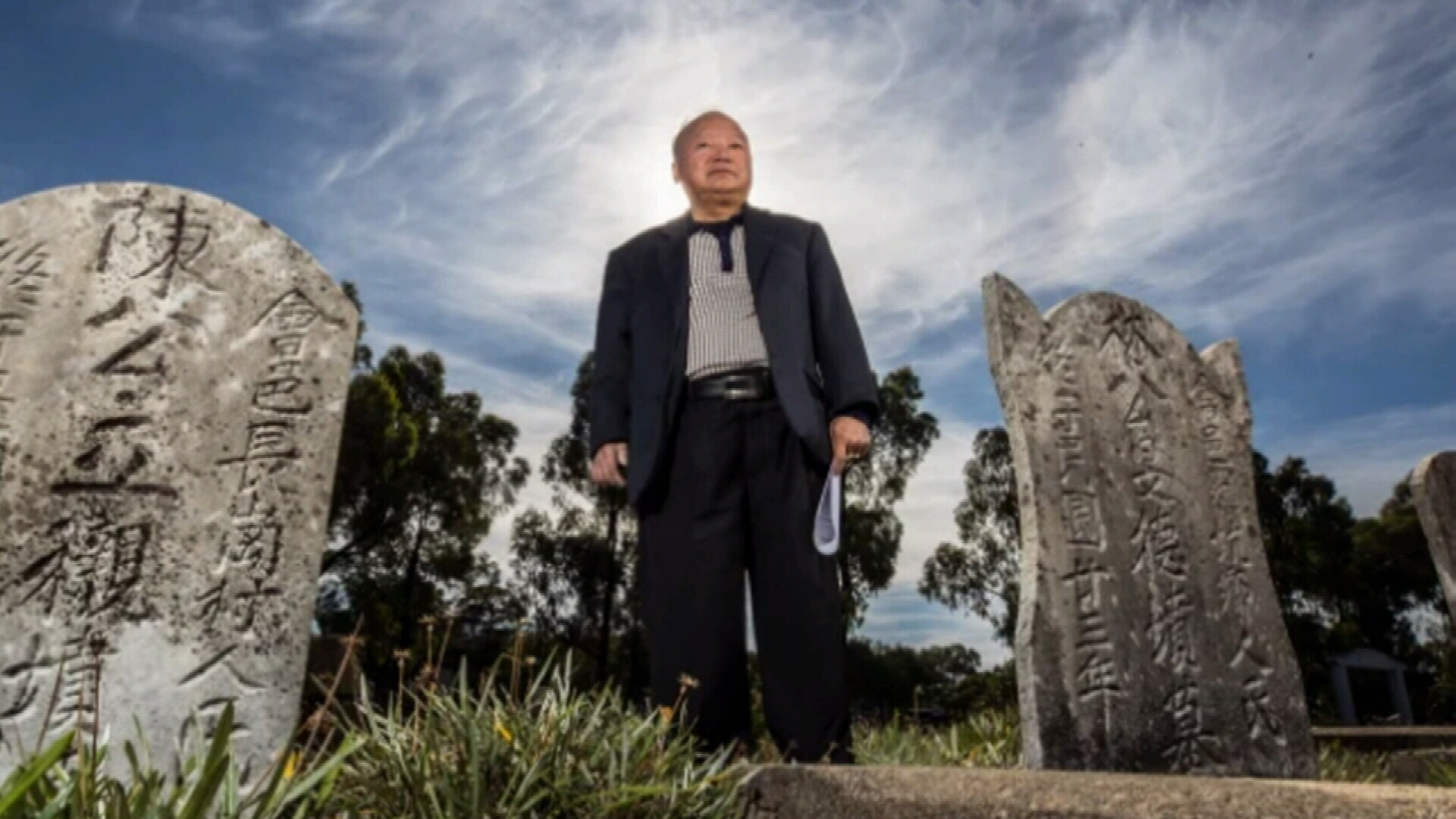
It's alleged the 65-year-old's activities went beyond routine diplomatic influence.
Today, prosecutors asked for more time to hand over their brief of evidence, in order to make sure national security information is not shared with Mr Duong's legal team.
The investigation by the AFP and domestic spy agency ASIO is titled "Operation Fruithof".
So far 500 pages of witness statements have been collected by investigators, including nine hours of recording and 2.23 gigabytes of electronic material.
Some of that electronic evidence is from Mr Duong's iPhone, which contains more than 230,000 messages on the WeChat encrypted messaging app.
More than 90 per cent of the material is in a foreign language.
READ MORE: Overseas fruit pickers return to Victorian farms
Three interpreters have been working around the clock to translate the information, but investigators have revealed because of the nature and sensitivity of this case, other translators are refusing to take on the work.
Since charges against the Chinese-Australian community leader were made public, the Royal Melbourne Hospital has returned a financial contribution from Mr Duong of $37,000 which was supposed to go towards COVID-19 research.
Federal Parliament passed the foreign interference laws in 2018.
South-east Queensland rain deluge continues
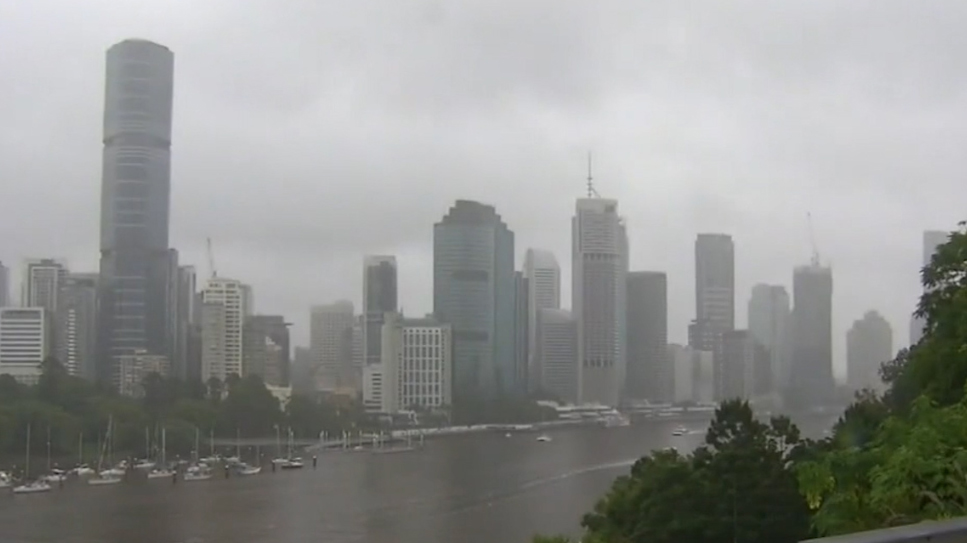
Roads became rivers north of Brisbane and oceangoers of all types were warned away from the Gold Coast's wild and woolly beaches as south-east Queensland entered its second day of nonstop rain.
Forecasters said the "thick grey carpet" hanging over the region would start to move on, but it doubled back and remained to drench Queenslanders.
The Sunshine Coast and Gold Coast hinterlands bore the brunt of the downpour with 160 millimetres coming down on Monday night, double the 80 millimetres recorded in greater Brisbane in the same period.
"We've seen some pretty good rain totals across south-east Queensland," Matt Marshall from the Bureau of Meteorology said.
"The hinterland about the Gold Coast and Springbrook were pushing around 150 millimetres there as well."
All Gold Coast beaches were closed today, with a hazardous surf warning for parts of Queensland's south-east coast spilling across the New South Wales border.
A seven-metre wave was recorded on the coast as the Bureau of Meteorology warned surf conditions would be hazardous for swimmers, surfers, rock fishers and anyone in boats in the Gold Coast, Sunshine Coast and Fraser Island.
Residents of the Byron coast were asked to "consider staying out of the water and avoid walking near surf-exposed areas" as the strong swells spread further south.
https://twitter.com/lifesavingqld/status/1379229871830786049
A marine wind warning remains in place for Fraser Island Coast, Sunshine Coast Waters, Moreton Bay and Gold Coast waters.
https://twitter.com/BOM_Qld/status/1378908068629602305?ref_src=twsrc%5Etfw
Cyclone heading for WA
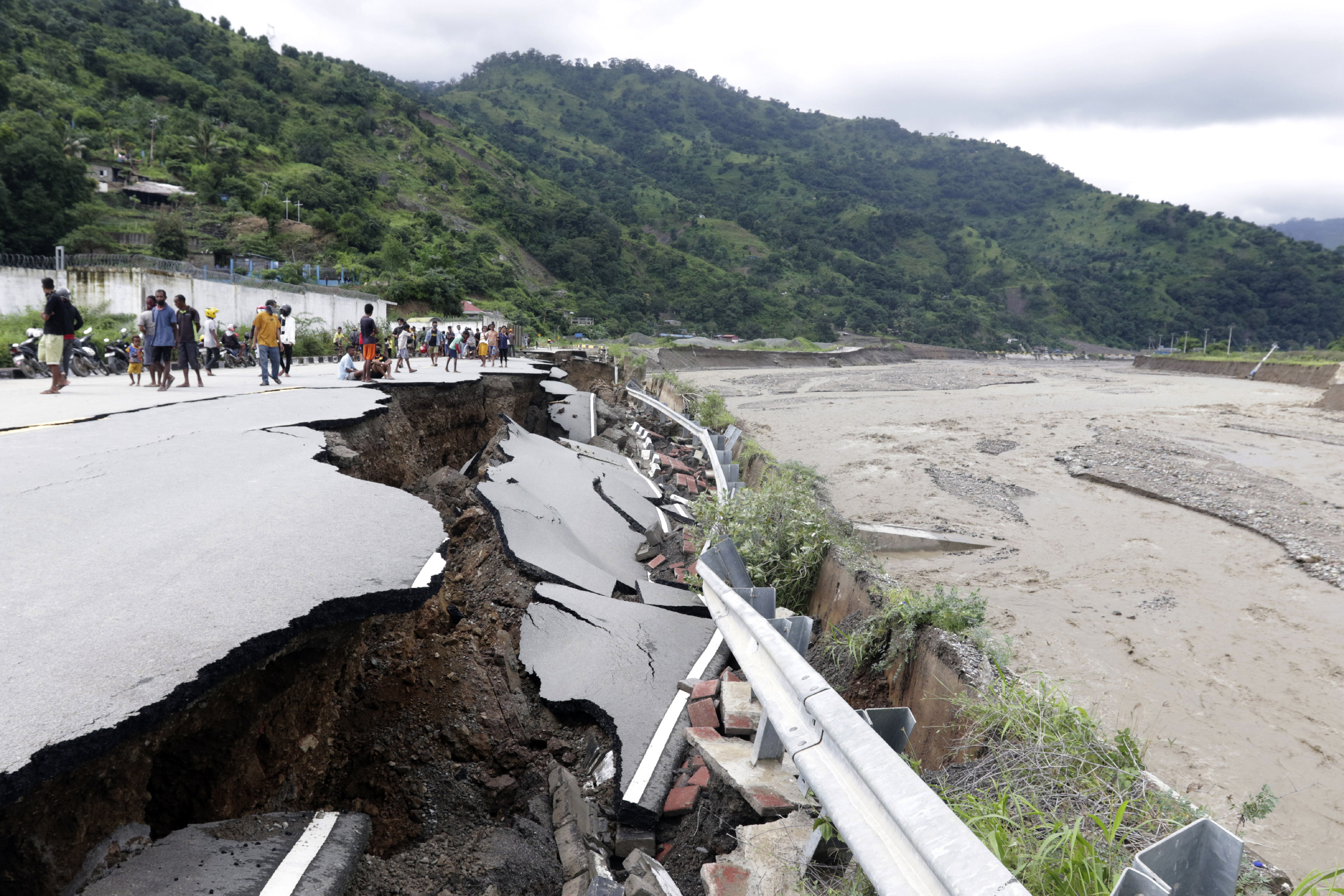
Tropical cyclone Cerosia could impact WA on Wednesday afternoon but is not expected to make landfall.
More than 130 people have died in Indonesia and more than 20 in East Timor after the cyclone caused floods and landslides.
"It's currently a category two system, and at this stage, it's forecast to move in a south-westerly direction parallel to the coast of northern WA, away from the land area," Ms Scully said.
"It is moving into a favourable environment, and at this stage, we're forecasting it to intensify to category 3 system by tomorrow afternoon.
"There is a fair bit of uncertainty but it looks like it may start to bring some rain into the Pilbara area from Thursday, more likely Friday."
Nurses sounded alarm weeks before girl's tragic hospital death
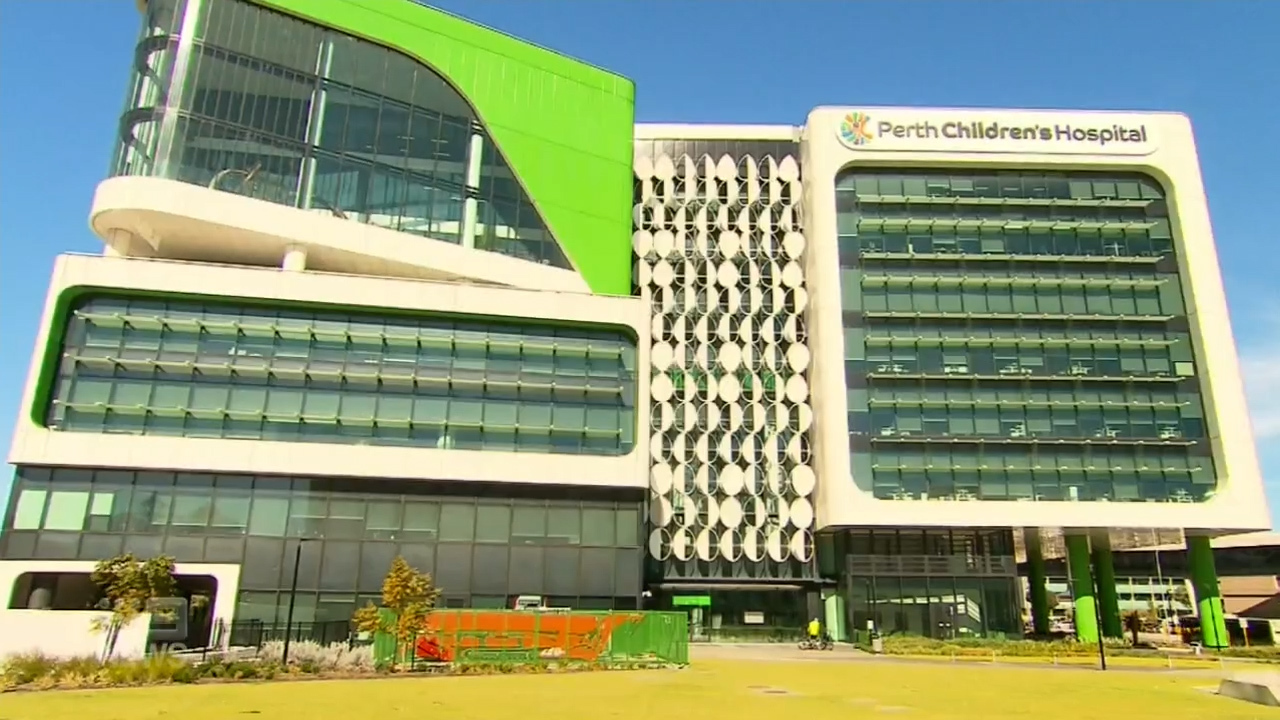
It's taken the tragic death of a seven-year-old girl to blow wide open a crisis at Perth Children's Hospital.
Aishwarya Aswath's mother and father said she waited up to two hours for treatment in the emergency department while they pleaded for medical care.
Emergency department nurses say they have been pleading for help too, sounding the alarm a month ago about staffing issues and safety.
READ MORE: 'I've lost my daughter': Distraught parents call for hospital review

"We said it'd take a catastrophic situation before anything changed," Australian Nursing Federation WA president Mark Olsen said.
"How prophetic that was. How sad that was."
In a letter dated March 9, emergency nurses at WA's only dedicated children's hospital warned they had "grave concerns regarding the staffing levels and safety within our department".
"There have been several incidents resulting in significant harm to patients in these past few months," they wrote, saying they had first alerted management in December.
"Having had discussions with my colleagues, many of them now feel anxious about working in the department knowing they cannot deliver adequate care to all their patients."
At one stage on that day, there were 93 young patients for just eight nurses, a ratio of 11 to one.
"Compare that to what's going on in other states. It's outrageously dangerous, outrageously dangerous," Mr Olsen said.
And that understaffing could be fatal, as in the tragic case of Aishwarya, according to a witness who asked not to be named.
"Her parents were being polite and pleading with their eyes for help. Their little girl was lying across the chairs breathing rapidly and limp," they said.
"Even when I saw the nurse finally take them into a room, they were treating them with no sense of urgency, no care."
WATCH: Perth's health system under pressure as hospitals declare code yellow
What happened on Saturday
Under Perth Children's Hospital's triage rules, the seven-year-old should have been classified as an emergency and seen within 10 minutes.
But on Saturday night wait times blew out to an average of 72 minutes.
WA Health Minister Roger Cook fronted the cameras on Tuesday, facing heavy questioning over the incident.
"It may be that triaging was wrong," he said.
"It may be that the triaging was correct but then other events took place."
Aishwarya waited about 120 minutes, the amount of time only allowed for non-urgent cases.
"I actually went to the reception four or five times and I asked them to look at her," mother Prasitha Sasidharan said.
"I was begging."
An investigation is underway into what went wrong.
"We will do everything we can to provide them with the answers about what happened for their little girl," Mr Cook said.
Other parents come forward
Since revealing Aishwarya's devastating story last night, Nine News has been inundated with dozens of Perth Children's hospital's emergency department stories from parents.
Some tell of a casual disregard for their children's health, while others reveal dangerous delays.
Rachael Berne took her 11-month-old son Jaxon to PCH with a temperature of nearly 40C.
His condition was wrongly dismissed as the flu, Ms Berne said.
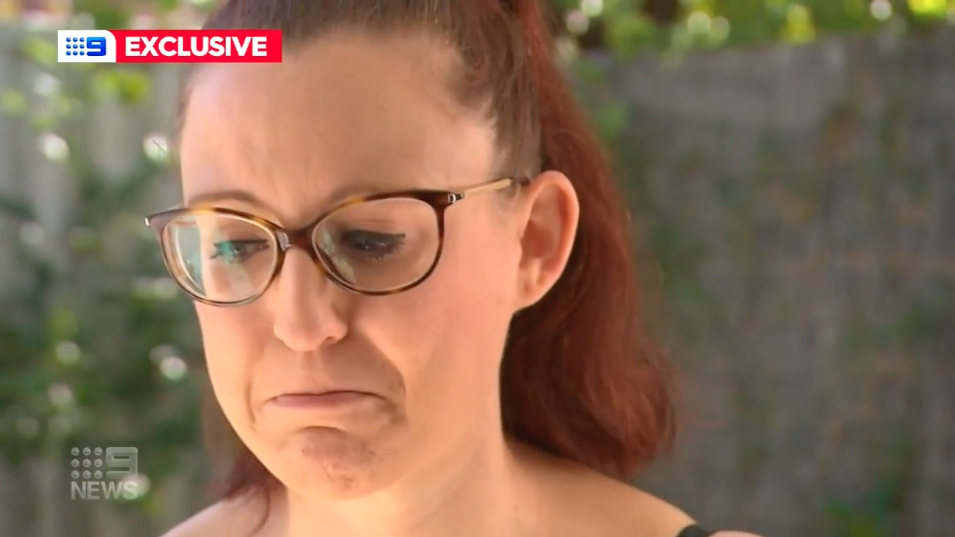
When the worried mother went to Midland Hospital it was discovered he had a bacterial infection, which would have killed him if he didn't get antibiotics.
"It's scary when you get to the point when he's just laying lifeless," she told 9News.
The parents of another 10-month-old who has a serious heart condition say when they took him to PCH with a rash and fever they were made to wait for three and a half hours for treatment.
Another child, a four-year-old with a broken arm, ended up with a nerve and pressure injury after a cast was wrongly fitted.
Mr Cook said the health system was performing "incredibly well under pressure", but admitted it was overstressed by a demand that was "at times overwhelming".
"It's overstressed not just from the COVID experience but the impact of post-COVID presentations," he said.
The hospital has begun a review to discover the cause of death and the coroner is also investigating.
Hospital management expressed its condolences to the family and offered to provide any support possible.