Test your brains with the Herald’s afternoon quiz. Be sure to check back on nzherald.co.nz for the morning quiz tomorrow. To challenge yourself with more quizzes, CLICK HERE.
Tag Archives: oceania
Painter's 'good turn' becomes asbestos nightmare
What should have been a simple good turn for a client turned into a nightmare for house painter John Quaid, 35, who is still recovering from an experience that gave him serious health issues and left him reeling.
Mr Quaid says he was contracted to paint the timber window frames and some concrete on an older-style two-storey flat in Christchurch, New Zealand.
"Scaffolding was erected, and while I was waterblasting the window frames, this lady came out and said, 'Do you mind waterblasting the roof since you're up there?' I thought that's not going to take long, but that turned out to be a big mistake."
READ MORE: Study reveals way to reverse type 2 diabetes
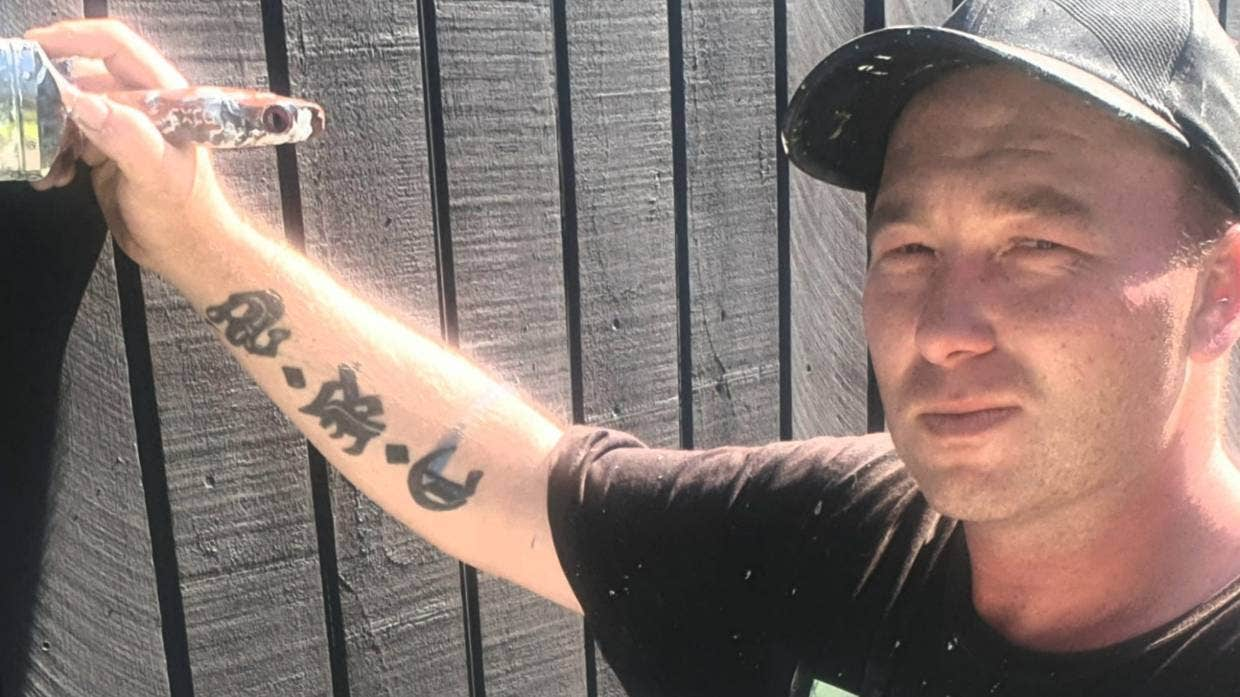
Mr Quaid says a neighbour called the council, and a representative came out and took a sample of the water run-off going down the drain and found it tested positive for asbestos.
"I had seen the neighbour coming out and looking at me doing the work and thought she was probably just looking at the dirt coming off. Neither myself nor the owner had any idea that the decramastic tiles contained asbestos. They had no paperwork with the title of her house to suggest there was asbestos in the roofing."
Mr Quaid says the owner was required to move out of the house for several months while remedial work was carried out – water and run-off had found its way inside through window cracks. "I believe she only returned about three weeks ago and this happened five or six months ago. They had to replace the carpet and repaint the interior, amongst other things."
READ MORE: Mother-of-two contracts deadly disease by inhaling crystalline silica
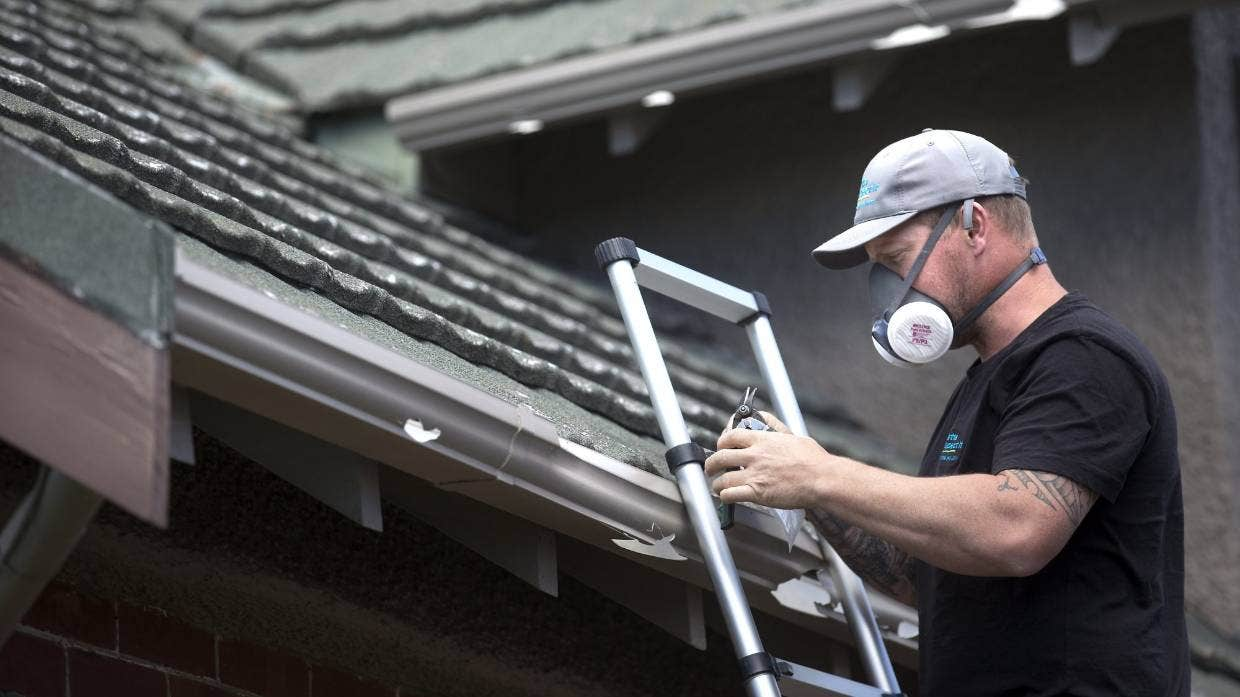
The cost to Mr Quaid has been substantial.
His insurance company said asbestos issues are not covered by public liability insurance.
"I went to a lawyer, and she said at the end of the day, even though it wasn't part of my original job, I should have done due diligence – homework in other words. The advice received by the homeowner was the same."
The homeowner's insurance covered most of the restoration, but Mr Quaid says they have asked him for $5000 to cover the excess and other costs – money he does not have. He says he is applying for a personal loan and hopes to be able to pay it off.
Mr Quaid, who is a Type 1 diabetic, says it has been "quite an ordeal".
"It really got to me. I didn't know how to deal with it. I went away for a week and when I came back the doctor diagnosed anxiety and depression.
"I had a mental breakdown and had to take a lot of time off work. The doctor gave me medication, and I have also been having counselling to get my head around things. I have slowly got back to work, but I am still catching up. I want to pay them and sort it out."
'I have waterblasted tiles like this before'
Mr Quaid says he has been a qualified painter for 18 years and hadn't heard about asbestos in roofing tiles.
"I know about asbestos in other areas of a house, and I know what to look for. But I have been on jobs before, with the same roofing tiles, and waterblasted those without being aware, and I have seen other people doing the same thing."
Mr Quaid says he hopes the episode will serve as a warning to other people waterblasting older decramastic tiles to do their homework first.
"Now, when I do roofs, I know [what can happen] and I can get an asbestos test done."
Pre-80s decramastic tiles more likely to contain asbestos
The experience is no surprise to Chris Saunders, manager of asbestos removal specialist Hazmat in Wellington.
"I am astounded that to this day, many homeowners and contractors still don't know, or claim not to know of the dangers of asbestos, or its presence in numerous building materials of older homes.
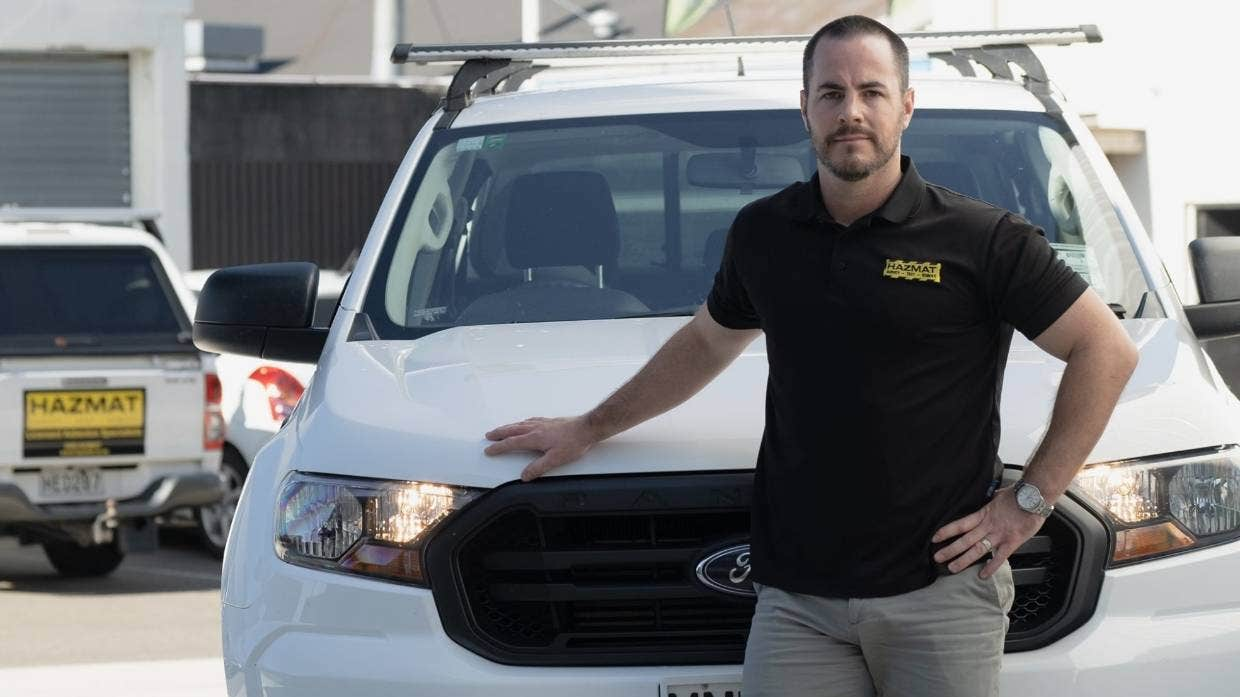
"A significant part of our business is in cleaning up asbestos contamination from DIY projects gone wrong. Unnecessary asbestos fibre respiration is very dangerous, and more media attention to the subject is certainly warranted in my view."
Hazmat says some versions of mastic or bitumen-based pressed metal roof tiles produced prior to the early 1980s contain asbestos.
"Mastic or bitumen was the most common material used to adhere the stone chip to the pressed metal at that time," the company says on its website.
"All mastic or bitumen-based pressed metal roof tiles should be suspected of containing asbestos until proven otherwise. Particular profiles which are likely to be affected include decramastic and early Harveytiles. However, other profiles may be affected.
"Pressed metal roof tiles manufactured by other parties are believed to have been introduced and manufactured after the ban on asbestos was implemented, but the same care should be taken regardless for any pressed metal roof tiles which may contain a mastic or bitumen-based product."
Hazmat also says there are no risks associated with pressed metal roof tiles containing asbestos if they remain in good condition and are left undisturbed.
"A significant health risk arises when adhesive expires, stone chips become dislodged and asbestos fibres may become airborne and can be breathed into the lungs. This may occur if the tiles may be disturbed during maintenance, cleaning or removal."
Jeremy Gray of Builderscrack.co.nz says unforeseen asbestos issues aren't common. "But because of the variety of materials that features asbestos throughout New Zealand's building history, and the variety of jobs that homeowners have tradies do, Builderscrack strongly suggests if anyone is unsure or if they know asbestos has been used, they need to get advice from an expert."
"For a relatively lower project cost, it may be possible to encapsulate asbestos safely, rather than remove it."
This story original appeared on stuff.co.nz and has been republished with permission
What's gone wrong with Australia's vaccination rollout?
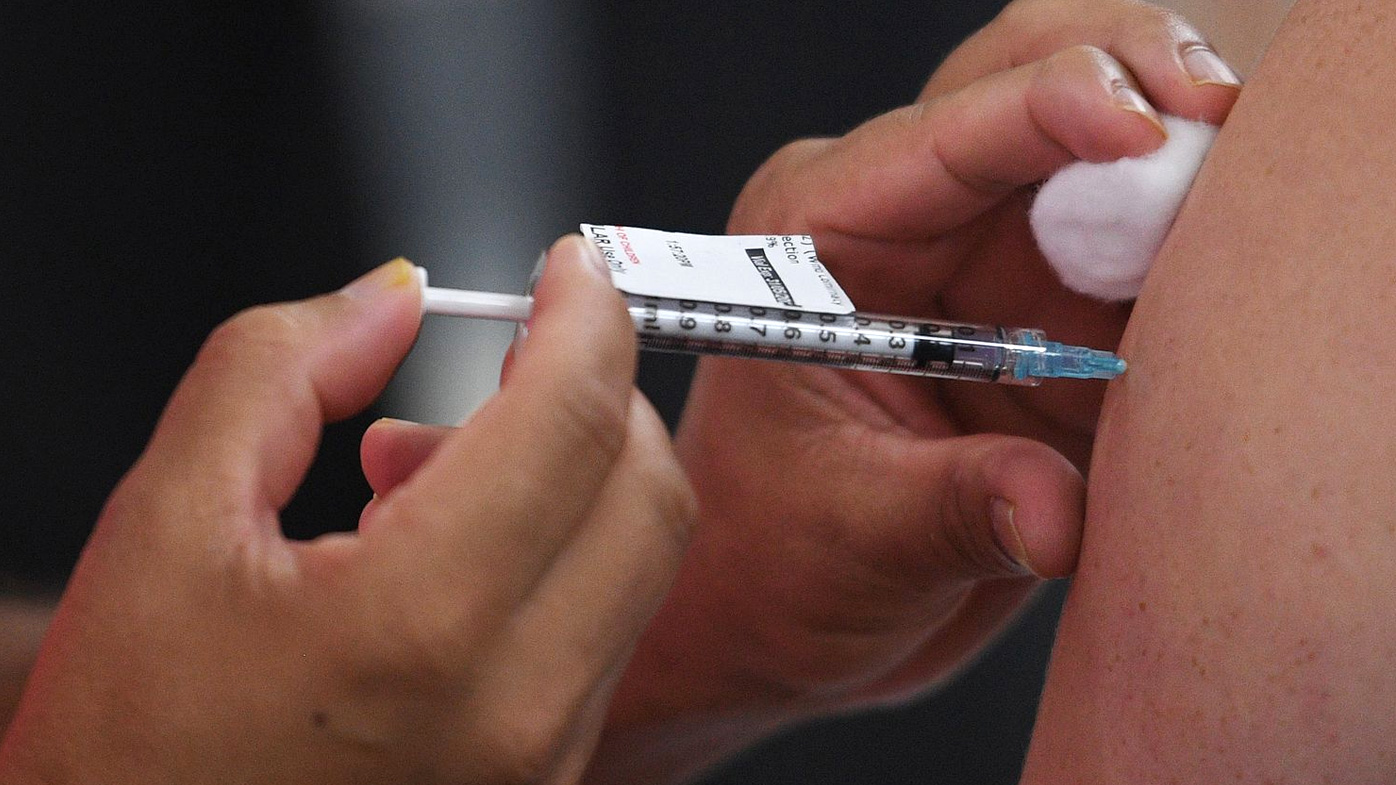
Australia is tipped to hit one million coronavirus vaccine jabs by the end of the week.
While complex and logistically challenging, the national rollout has become mired in controversy as federal and state governments bicker in public over who and what is to blame for the considerable lag.
Here is a closer look at Australia's vaccination program, which is millions of jabs behind where the government expected it to be.
READ MORE: Top doctor warns of new COVID-19 virus killing the young
Are we behind schedule?
Yes. At the beginning of the year the Federal Government forecast four million doses would be administered by the end of March.
So how many have we done?
As of today, 841,000 jabs.
So, we've obviously missed the March target?
Yes, when supply problems became clear, the government later pushed the four million target back to the end of April.
What are the supply problems?
The Federal Government has blamed the European Union for leaving Australia three million doses behind schedule.
What does the EU have to do with it?
Earlier this month, Italy and the EU blocked a shipment of the AstraZeneca coronavirus vaccine containing 250,000 doses, destined for Australia.
The block followed the EU tightening its rules on vaccine exports in an effort to secure its own supply.
The government said this created major supply problems and put us behind schedule.
So is there a supply issue?
That was at the centre of the very public clash between the Commonwealth and NSW and Queensland. Both states claimed the government supply line was uncertain, making it difficult to schedule first and second doses. Some federal ministers claimed the supply was secure and that states were stockpiling vaccines when they just needed to hurry up and get Australians jabbed. GP clinics have also complained about supplies.
Can this be resolved?
The local manufacture of the AstraZeneca vaccine at Melbourne-based CSL, which began at the end of March, is key to ensuring steady supplies. CSL believes it can ramp up production to one million doses per week.
How many doses have been delivered to each state?
As of April 6, NSW has been delivered 126,494 doses, Victoria 116,234, Queensland 86,985, WA 56,872, Tasmania 17,511, South Australia 28,759, ACT 12,778 and Northern Territory 8647.
Supply aside, how can we speed up our vaccination rate?
Some state governments are considering doing what the US and UK have done, and setting up vaccination centres at sports stadiums and convention centres to get Australians jabbed as rapidly possible.
Two people injured in crash between car and truck near Timaru
Two people have been injured in a car crash near Timaru early this afternoon.A police spokeswoman said a truck and a car crashed at the intersection of Blair St and Old North Rd, Washdyke at 12.35pm.A St John spokesman confirmed…
The grandmother who can't stop doing burnouts
Proving that age is no barrier, 80-year-old Lorraine Tuckett is fast becoming the face of burnouts.
The grandmother is capturing hearts across the country by racking up millions of views on social media for her extreme hobby.
Lorraine was initially convinced to give controlled burnouts a go by her grandson Guy after the death of her husband a couple of years ago.
LIVE UPDATES: NZ travel bubble set to resume
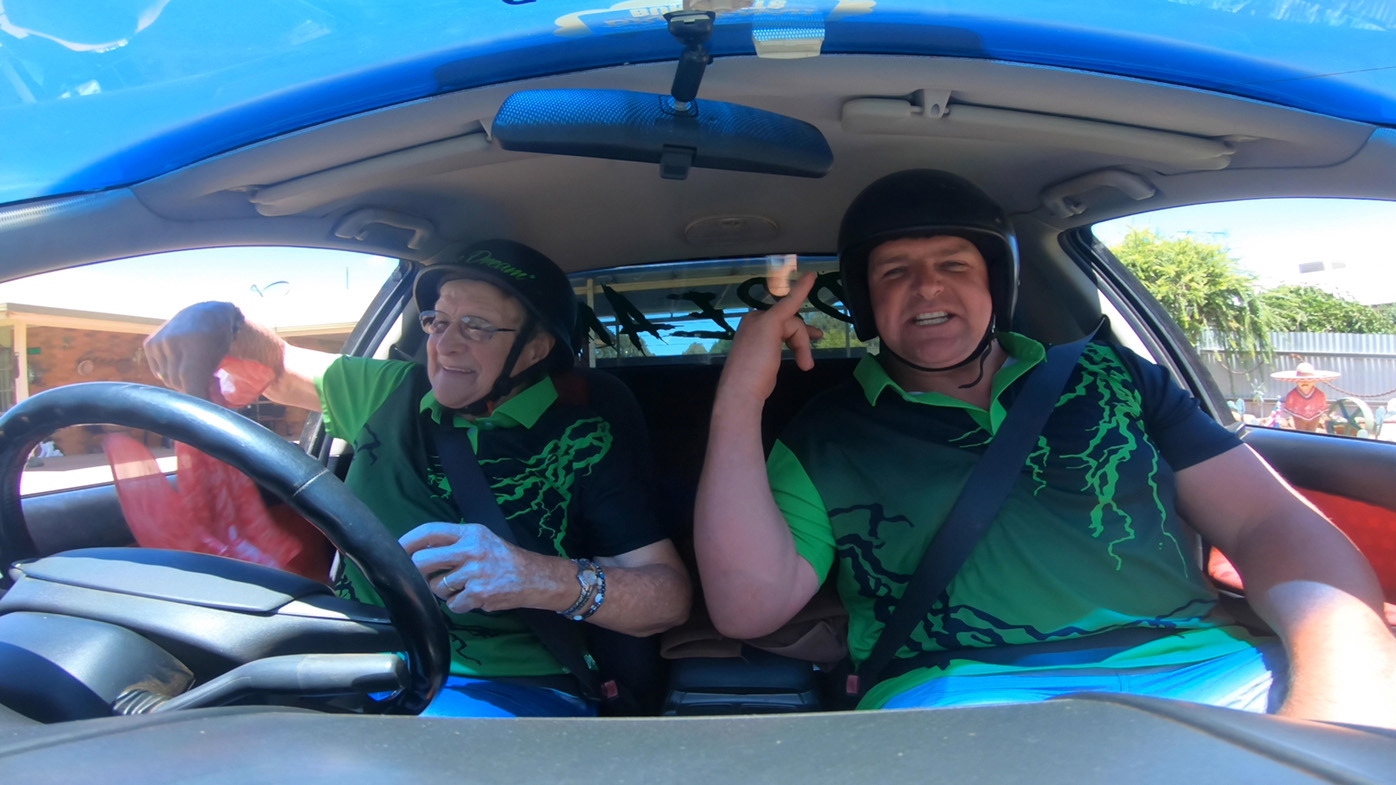
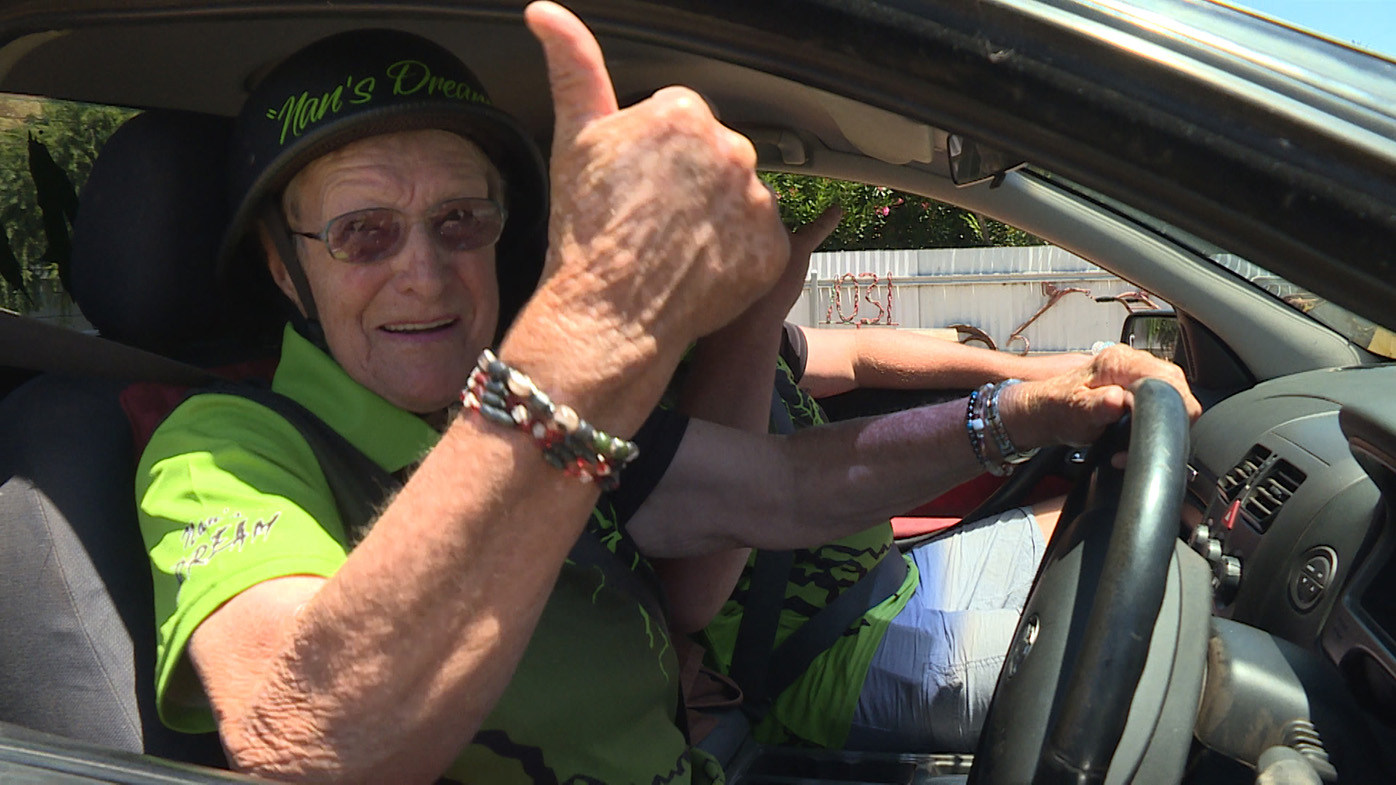
Since then she hasn't looked back, believing it keeps her looking and feeling young.
"Every burnout I'm a bit nervous, but only cause I'm that excited about doing it," Ms Tuckett said.
Driving her V8 Holden ute named "Nan's Dream" recently at the controlled Brobenah Burnouts near her hometown of Leeton, Ms Tuckett was not only the oldest participant but the only woman in a field of around 30 men.

It's a fact that doesn't intimidate her but actually has the opposite effect: Lorraine thriving on the attention.
"It's just excitement plus, just being around all these young blokes," she said.
According to her co-driver Guy, "Nan" is an inspiration.
"I feel privileged (and) over the moon that I've got my 80-year-old nan driving it with me," he said.
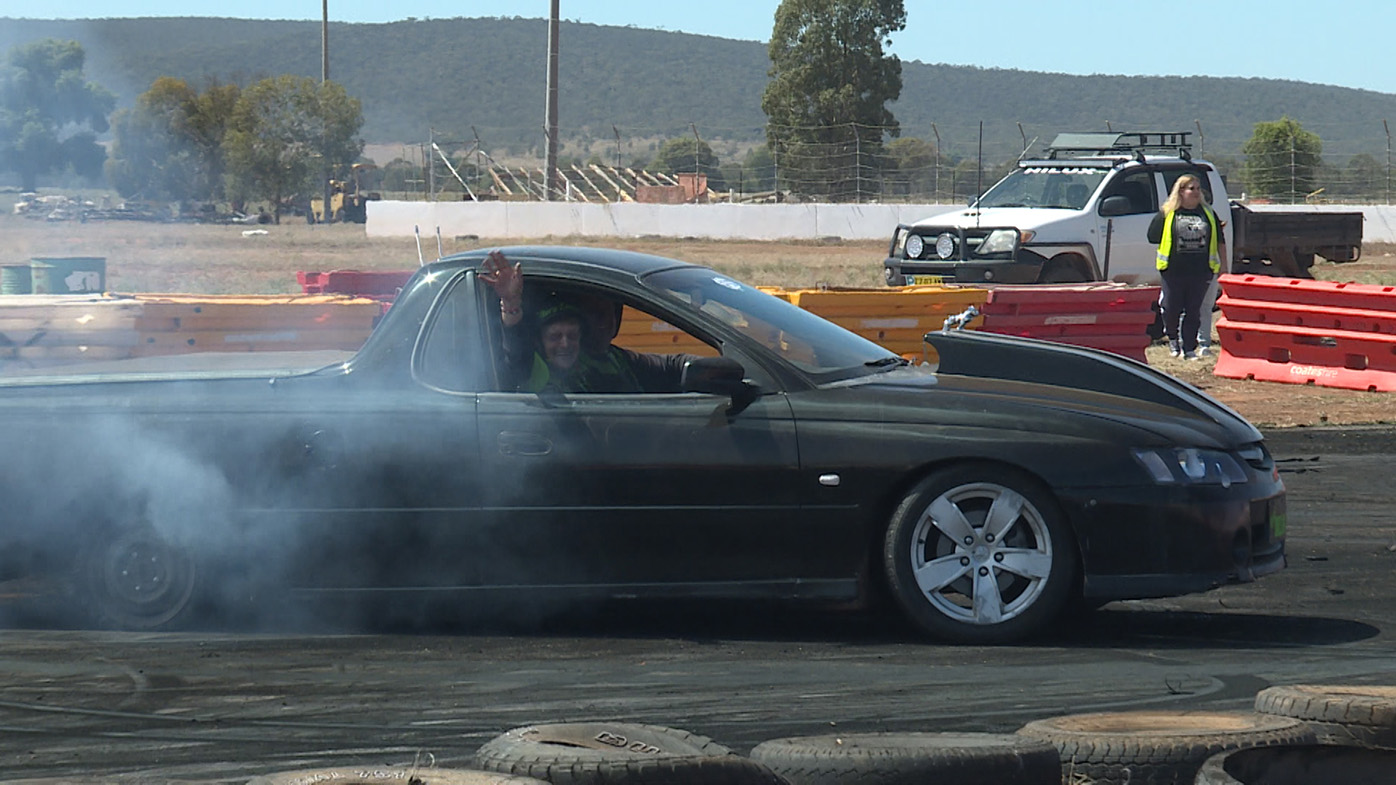
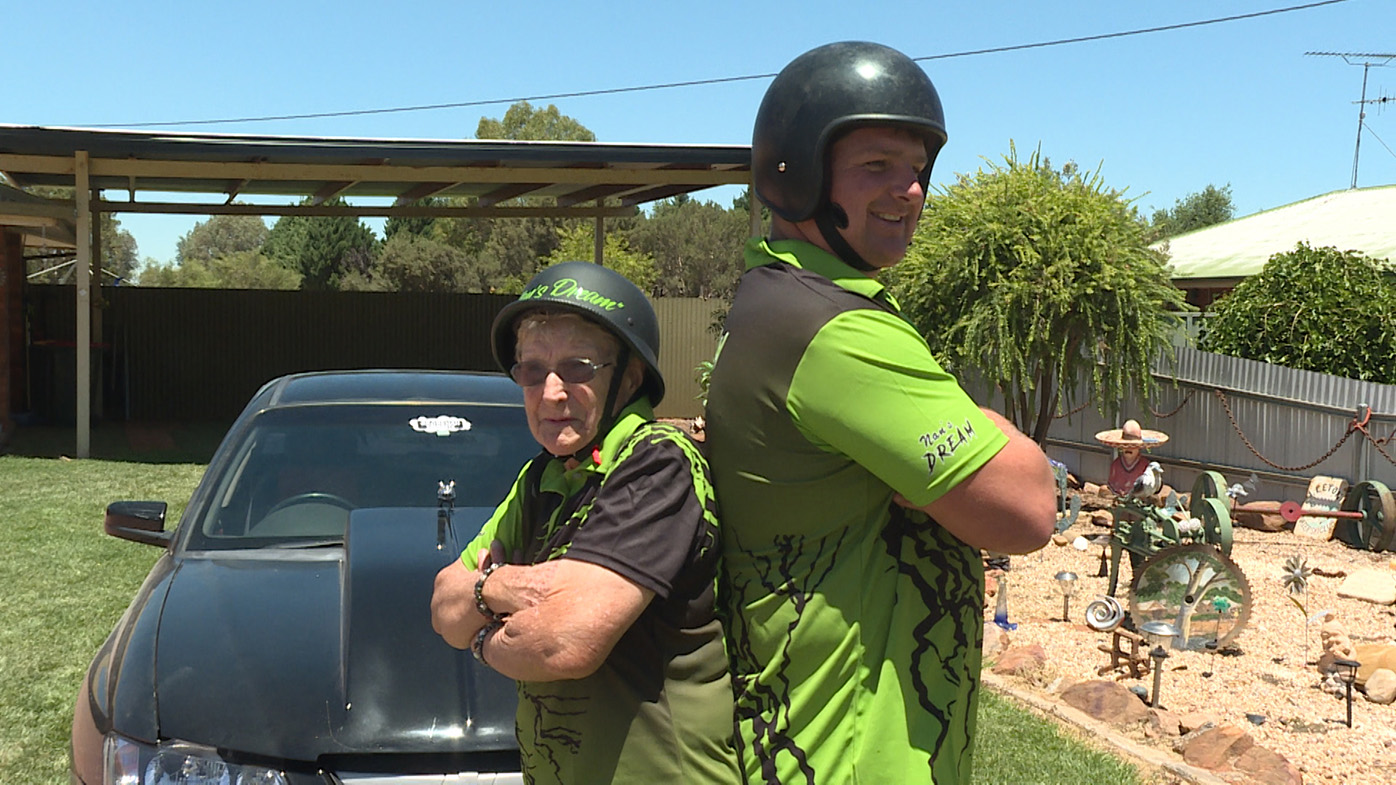
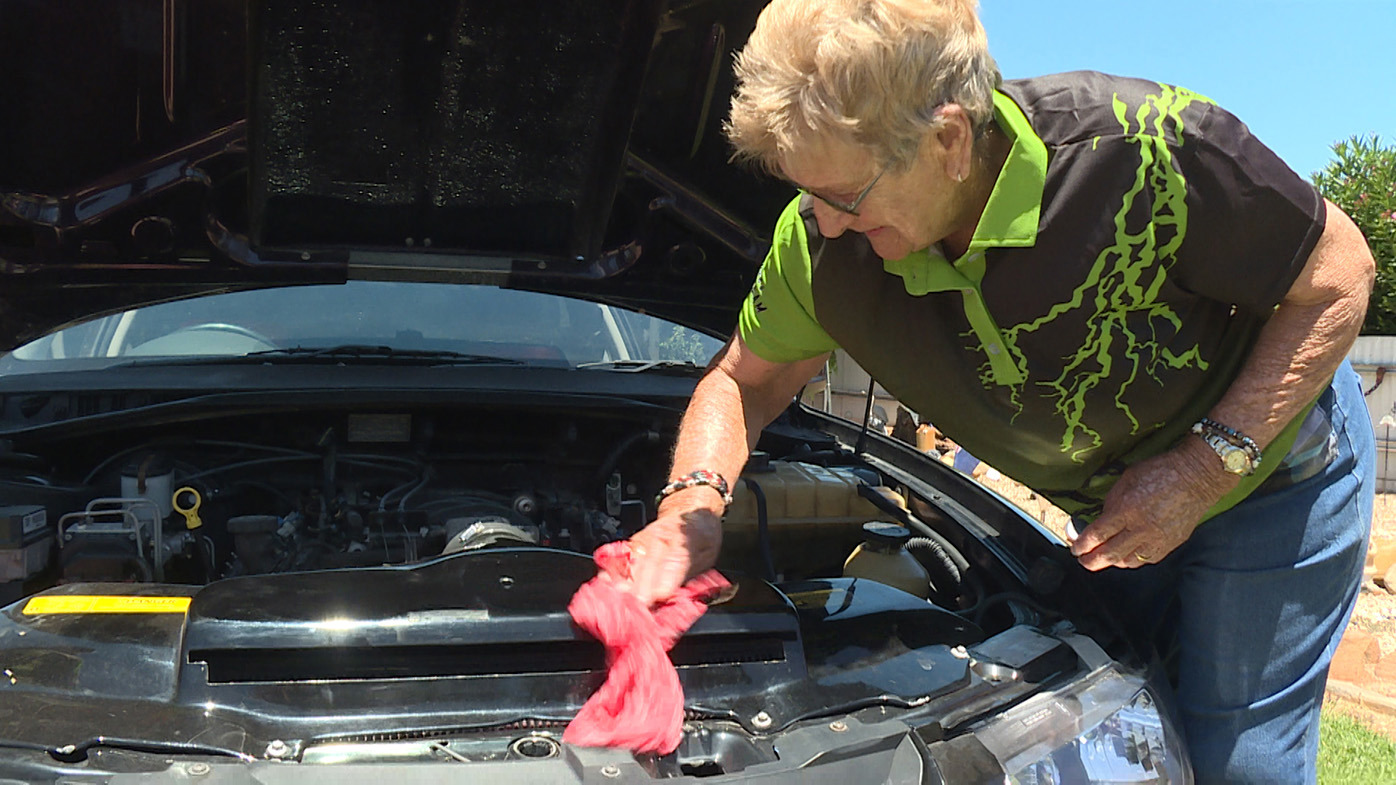
But it's not just her grandson that's in awe of her ability.
Due to the notoriety of Ms Tuckett's burnouts, her influence has stretched beyond the local motor racing community in the Riverina region of New South Wales.
Her hobby has reached a wider audience, and is giving burnout rallies across the country credibility.
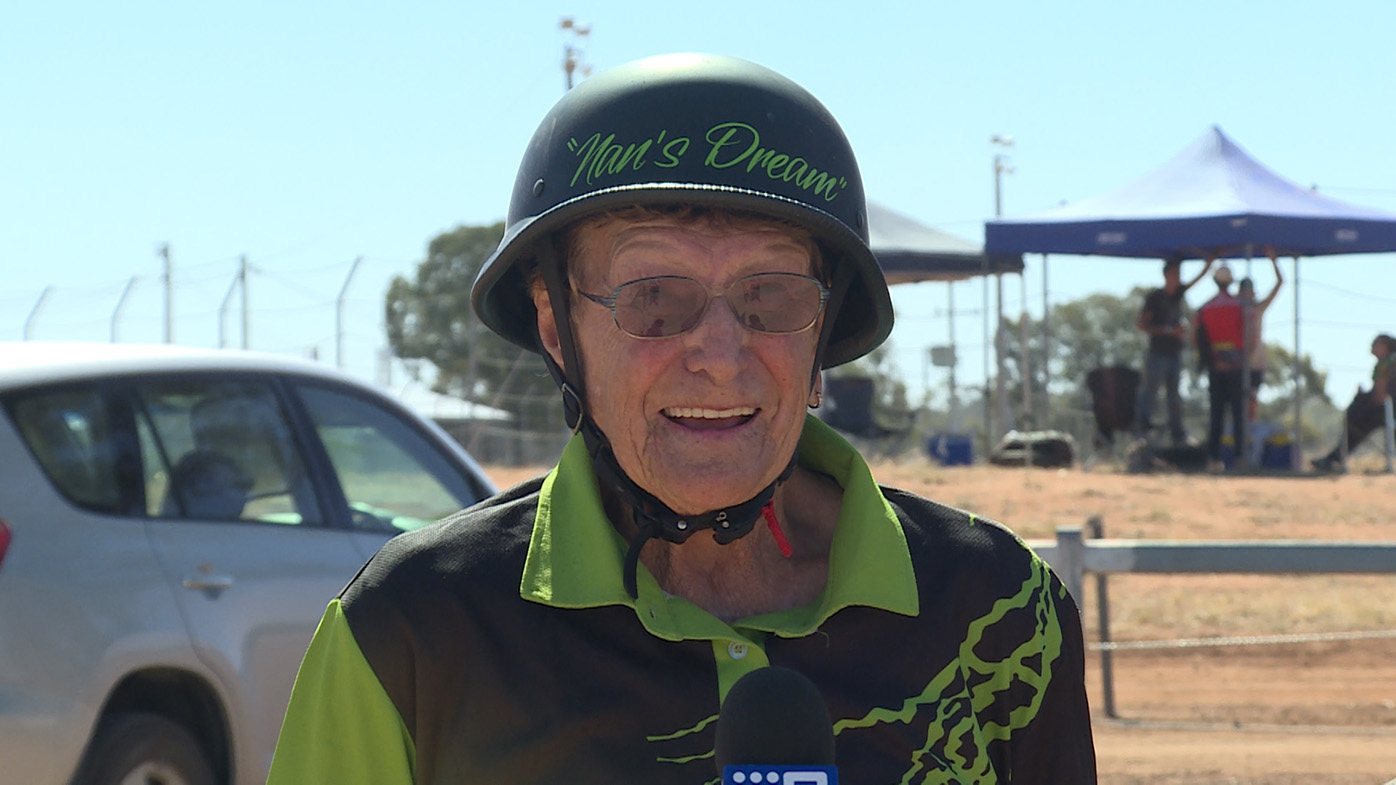
Ronnie Watts, who is the president of a Riverina motorsports club, said it's the best thing for the sport.
"An 80-year-old lady doing burnouts in an LS-1 ute, she does legitimise burnouts, she's not a crazy old lady, she's a nice lady," he said.
Mr Watts hopes the positive attention brought to the sport by Ms Tuckett will keep people from doing burnouts illegally on the streets.
"I'd love to think it discourages them," he said.
As for Ms Tuckett, she'd love nothing more than to see people pick the craft, and burn some rubber in a controlled environment.
She's urging others to get off the streets and get involved in the legitimate sport.
Leeton's burnout queen admits, in characteristic tongue-in-cheek fashion, she'd love more women to consider getting involved.
"I've got to have a bit of competition on the girl's side," she said.
Six dead in US murder-suicide after chilling note posted online
Two young Texan brothers entered into a murder-suicide pact and killed their entire family, police in Texas have said.
In a note posted on Instagram, 19-year-old Farhan Towhid said he and his 21-year-old brother Tanvir made an agreement to kill their sister, parents and grandmother.
"Hey everyone. I killed myself and my family," the note read.

Farhad gave a twisted justification for the mass killing.
"If I killed just myself, they would be miserable," he wrote.
"I love my family. I genuinely do. And that's exactly why I decided to kill them."
The document has since been removed by Google, though his Instagram page remains active.
Farhan's twin sister Farbin, their parents Iren and Towhidul Islam and their grandmother were found dead in a home in Allen, a suburb in the Dallas metropolitan area.
The two brothers' bodies were also found inside.
CBS Dallas-Fort Worth said the family was part of a tight-knit Bangladeshi community.
*Readers seeking support and information about suicide prevention can contact Lifeline on 13 11 14 or Beyond Blue on 1300 224 636.
Satellite images show huge Russian military buildup in the Arctic
Russia is amassing unprecedented military might in the Arctic and testing its newest weapons in a region freshly ice-free due to the climate emergency, in a bid to secure its northern coast and open up a key shipping route from Asia to Europe.
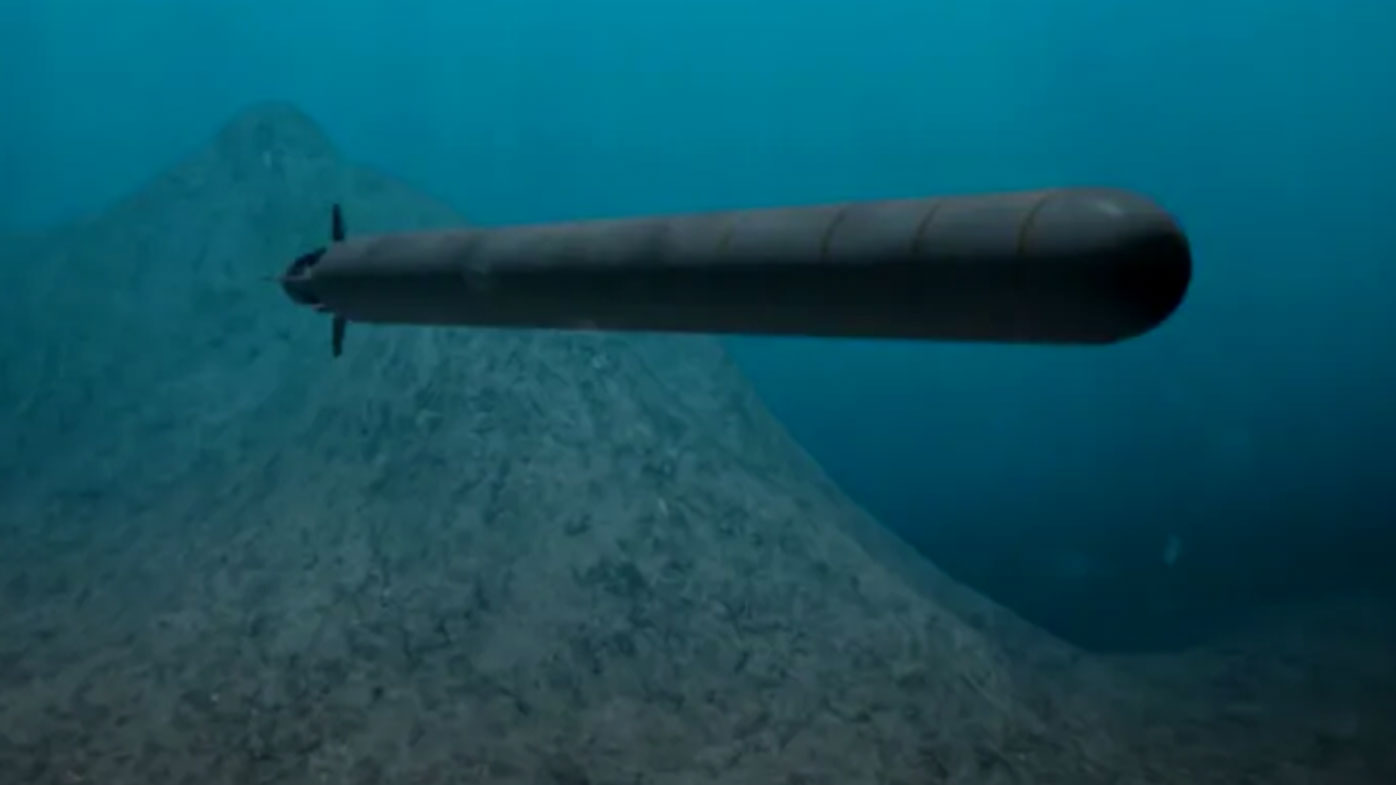
Weapons experts and Western officials have expressed particular concern about one Russian 'super-weapon,' the Poseidon 2M39 torpedo. Development of the torpedo is moving fast with Russian President Vladimir Putin requesting an update on a "key stage" of the tests in February from his defence minister Sergei Shoigu, with further tests planned this year, according to multiple reports in state media.
This unmanned stealth torpedo is powered by a nuclear reactor and intended by Russian designers to sneak past coastal defences – like those of the US – on the sea floor.
READ MORE: Drone stealth torpedoes: The future of war
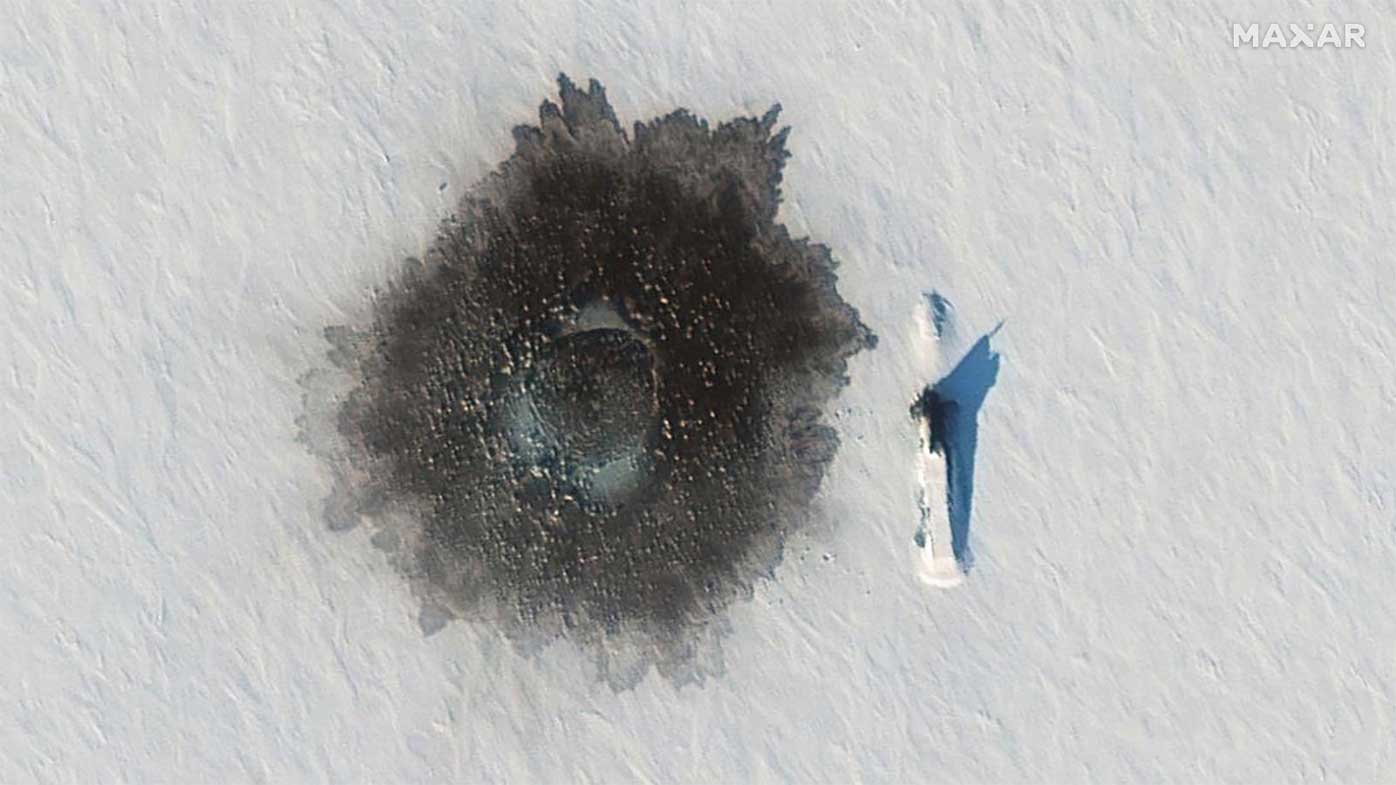
The device is intended to deliver a warhead of multiple megatons, according to Russian officials, causing radioactive waves that would render swathes of the target coastline uninhabitable for decades.
In November, Christopher A Ford, then-assistant secretary of state for International Security and Non-Proliferation, said the Poseidon is designed to "inundate US coastal cities with radioactive tsunamis".
Experts agree that the weapon is "very real" and already coming to fruition. The head of Norwegian intelligence, Vice Admiral Nils Andreas Stensønes, told CNN that his agency has assessed the Poseidon as "part of the new type of nuclear deterrent weapons. And it is in a testing phase. But it's a strategic system and it's aimed at targets … and has an influence far beyond the region in which they test it currently." Vice Admiral Stensønes declined to give details on the torpedo's testing progress so far.
READ MORE: Thieves steal manuals from Russia's 'doomsday plane'
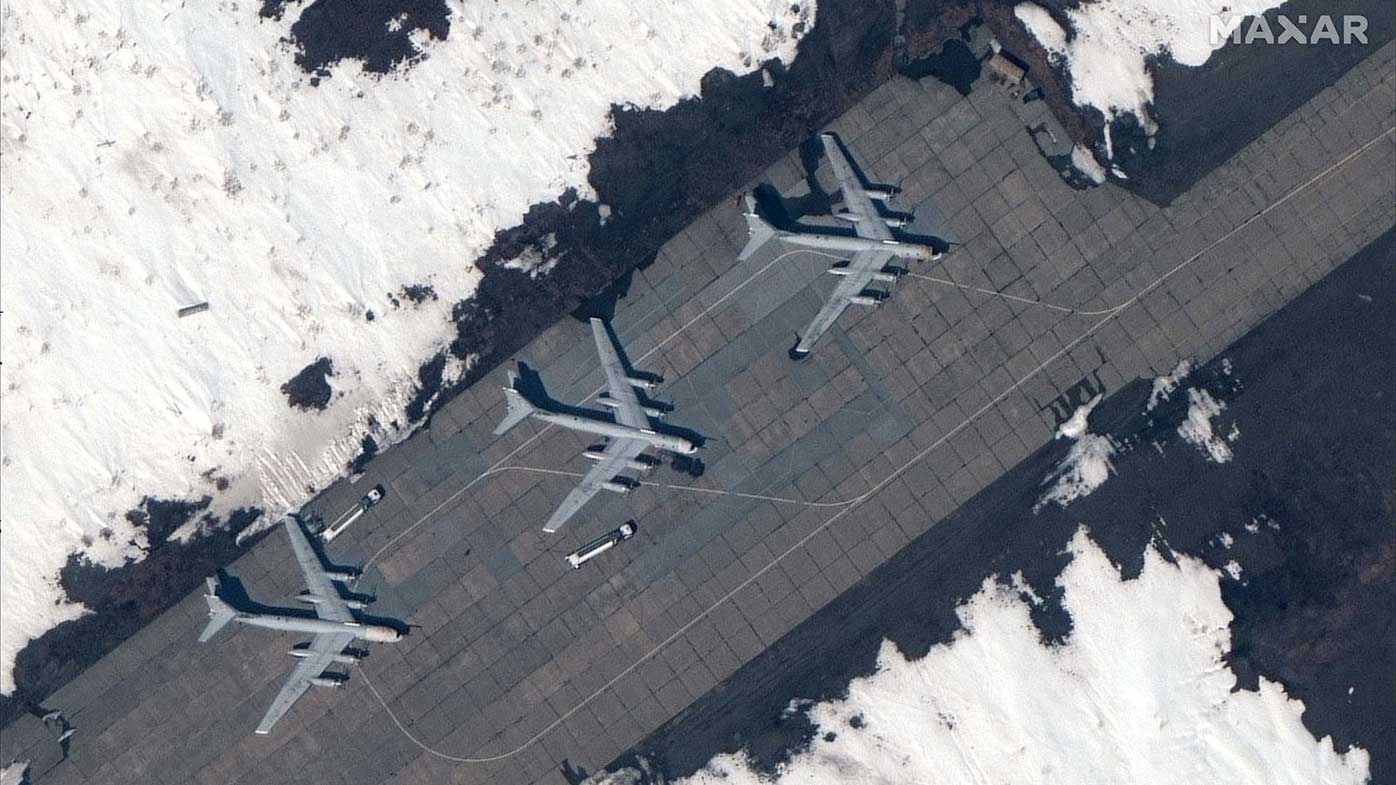
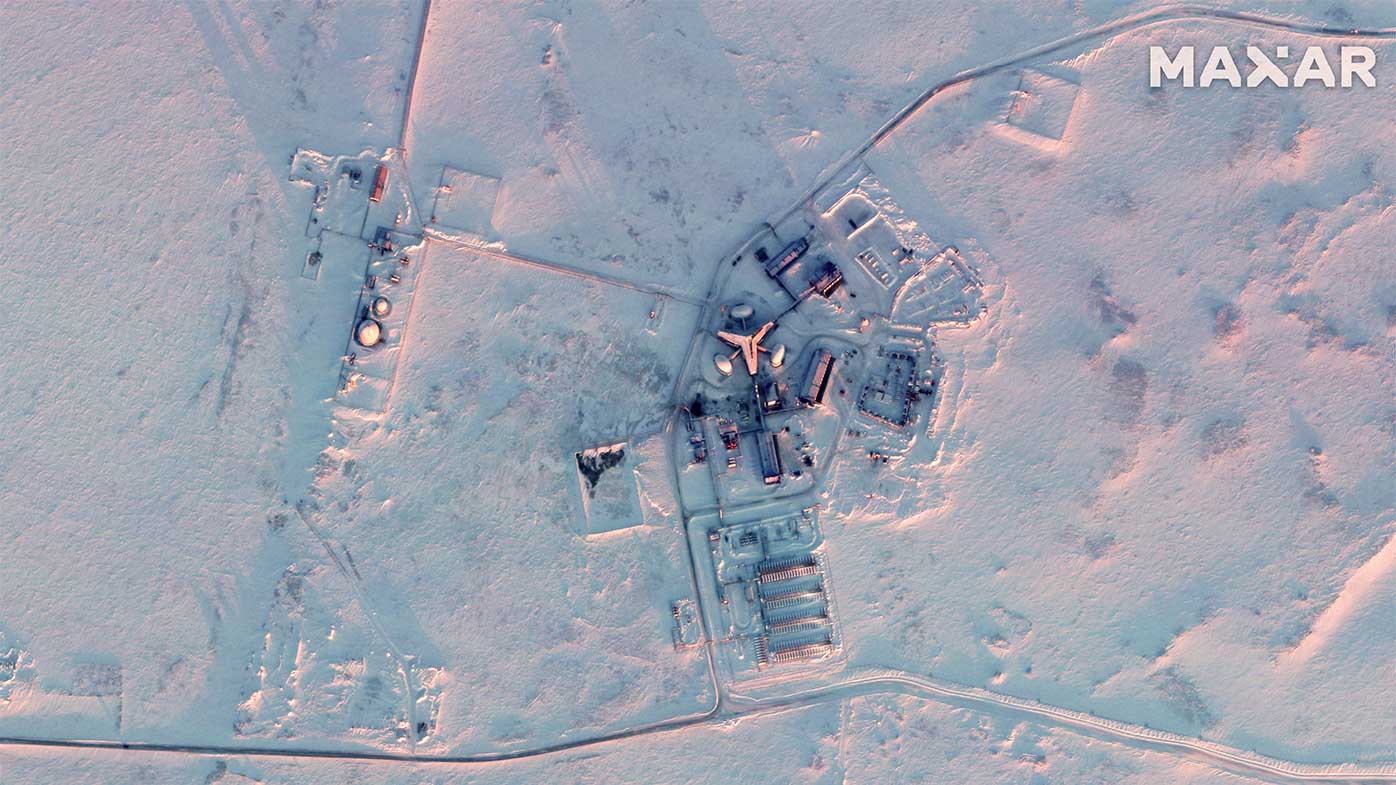
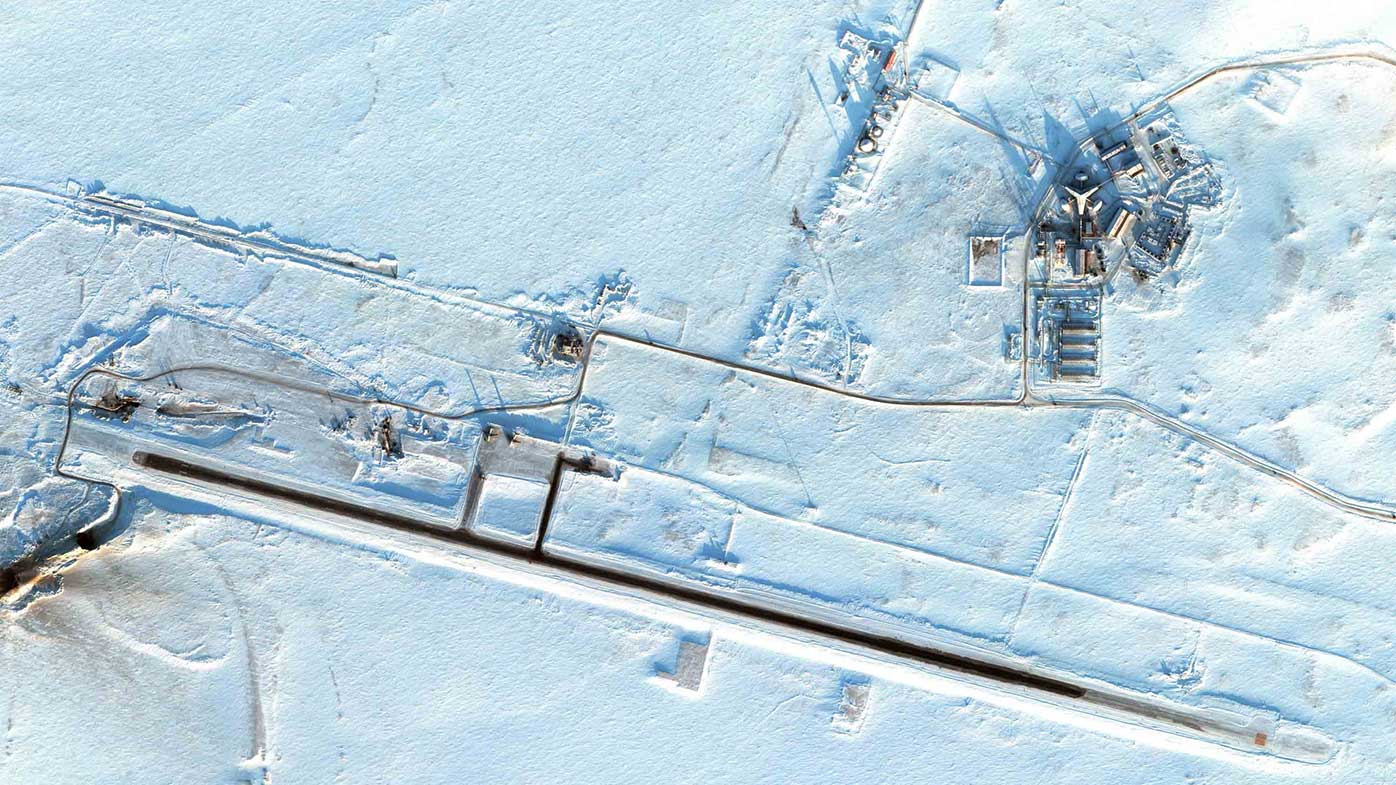
Satellite images provided to CNN by space technology company Maxar detail a stark and continuous build-up of Russian military bases and hardware on the country's Arctic coastline, together with underground storage facilities likely for the Poseidon and other new high-tech weapons. The Russian hardware in the High North area includes bombers and MiG31BM jets, and new radar systems close to the coast of Alaska.
The Russian build-up has been matched by NATO and US troop and equipment movements. American B-1 Lancer bombers stationed in Norway's Ørland air base have recently completed missions in the eastern Barents Sea, for example. The US military's stealth Seawolf submarine was acknowledged by US officials in August as being in the area.
A senior State Department official told CNN: "There's clearly a military challenge from the Russians in the Arctic," including their refitting of old Cold War bases and build-up of new facilities on the Kola Peninsula near the city of Murmansk. "That has implications for the United States and its allies, not least because it creates the capacity to project power up to the North Atlantic," the official said.
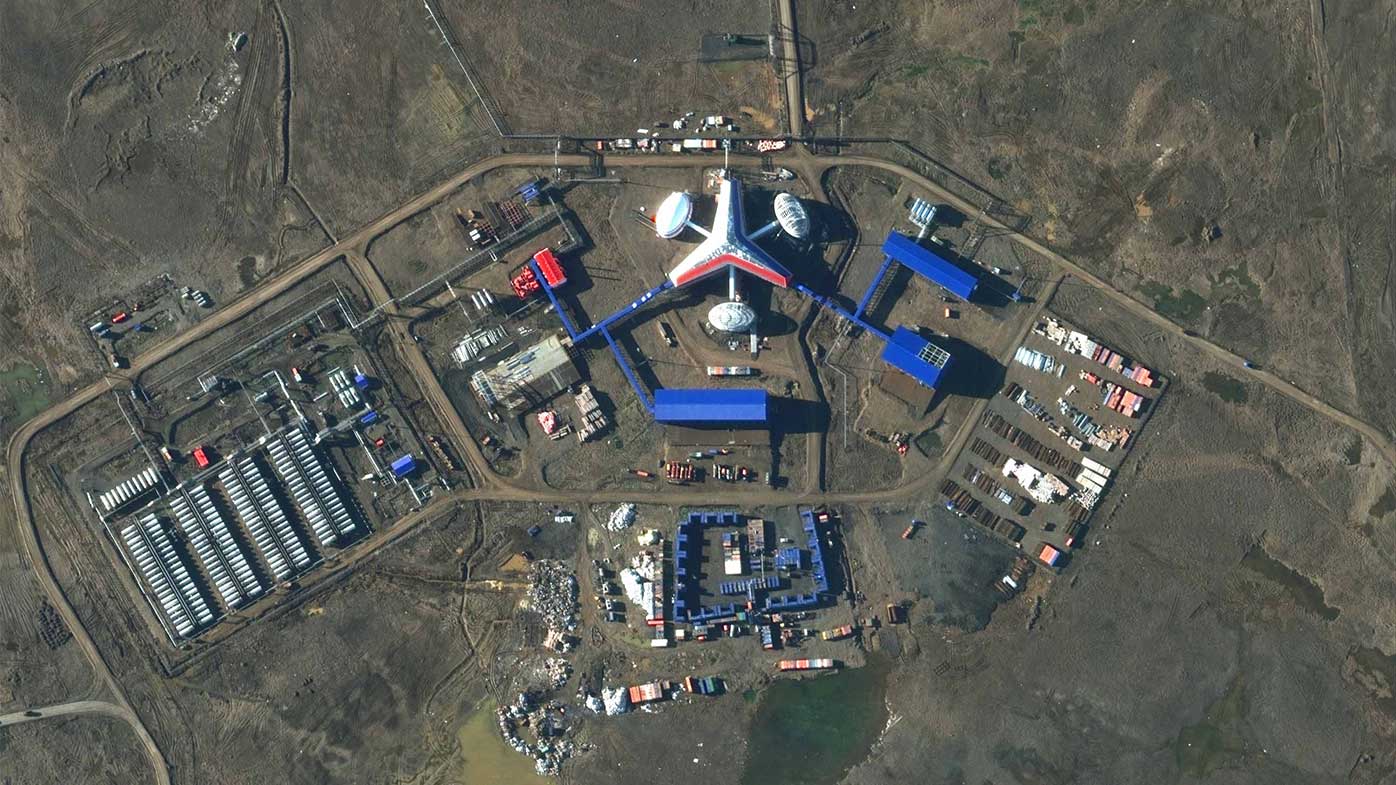
The satellite images show the slow and methodical strengthening of airfields and "trefoil" bases – with a shamrock-like design, daubed in the red, white and blue of the Russian flag – at several locations along Russia's Arctic coast over the past five years. The bases are inside Russian territory and part of a legitimate defence of its borders and coastline. US officials have voiced concern, however, that the forces might be used to establish de facto control over areas of the Arctic that are further afield, and soon to be ice-free.
"Russia is refurbishing Soviet-era airfields and radar installations, constructing new ports and search-and-rescue centres, and building up its fleet of nuclear- and conventionally-powered icebreakers," Lt. Col. Thomas Campbell, a Pentagon spokesman, told CNN.
"It is also expanding its network of air and coastal defence missile systems, thus strengthening its anti-access and area-denial capabilities over key portions of the Arctic," he added.
Campbell also noted the recent creation of a Quick Reaction Alert force at two Arctic airfields – Rogachevo and Anadyr – and the trial of one at Nagurskoye airfield last year. Satellite imagery from March 16 shows probable MiG31BMs at Nagurskoye for what is thought to be the first time, bringing a new capability of Russian stealth air power to the far north.
High-tech weapons are also being regularly tested in the Arctic area, according to Russian officials quoted in state media and Western officials.
Campbell added that in November, Russia claimed the successful test of the Tsirkon anti-ship hypersonic cruise missile.
The Tsirkon and the Poseidon are part of a new generation of weapons pledged by Putin in 2018 as strategic game changers in a fast-changing world.
At the time US officials scorned the new weapons as technically far-fetched and improbable, yet they appear to be nearing fruition. The Norwegian intelligence chief Vice Admiral Stensønes told CNN the Tsirkon as a "new technology, with hypersonic speeds, which makes it hard to defend against."
On Thursday, Russian state news agency TASS cited a source in the military industrial complex as saying there had been another successful test of the Tsirkon from the Admiral Gorshkov warship, saying all four test rockets had hit their target, and that another more advanced level of tests would begin in May or June.
The climate emergency has removed many of Russia's natural defences to its north, such as walls of sheet ice, at an unanticipated rate. "The melt is moving faster than scientists predicted or thought possible several years ago," said the senior State Department official. "It's going to be a dramatic transformation in the decades ahead in terms of physical access."
US officials also expressed concern at Moscow's apparent bid to influence the "Northern Sea Route" – a shipping lane that runs from between Norway and Alaska, along Russia's northern coast, across to the North Atlantic. The "NSR" potentially halves the time it currently takes shipping containers to reach Europe from Asia via the Suez Canal.
Russia's Rosatom state nuclear company released elaborately produced drone video this February of the 'Christophe de Margerie' tanker completing an eastern route across the Arctic in winter for the first time, accompanied by the '50 Let Pobedy' nuclear icebreaker for its journey in three of the six Arctic seas.
Campbell said Russia sought to exploit the NSR as a "major international shipping lane," yet voiced concern at the rules Moscow was seeking to impose on vessels using the route. "Russian laws governing NSR transits exceed Russia's authority under international law," the Pentagon spokesman said.
"They require any vessel transiting the NSR through international waters to have a Russian pilot onboard to guide the vessel. Russia is also attempting to require foreign vessels to obtain permission before entering the NSR."
The senior State Department official added: "The Russian assertions about the Northern Sea Route is most certainly an effort to lay down some rules of the road, get some de facto acquiescence on the part of the international community, and then claim this is the way things are supposed to work."
Elizabeth Buchanan, lecturer of Strategic Studies at Deakin University, said that "basic geography affords Russia the NSR which is increasingly seeing thinner ice for more of the year making it commercially viable to use as a transport artery. This might yet transform global shipping, and with it the movements of 90+ percent of all goods globally."
The State Department official believes the Russians are mostly interested in exporting hydrocarbons – essential to the country's economy – along the route, but also in the resources being uncovered by the fast melt. The flexing of their military muscles in the north – key to Moscow's nuclear defence strategy, and also mostly on Russian coastal territory – could be a bid to impose their writ on the wider area, the official said.
"When the Russians are testing weapons, jamming GPS signals, closing off airspace or sea space for exercises, or flying bombers over the Arctic along the airspace of allies and partners, they are always trying to send a message," the official added.
Russia insists motives are peaceful and economic
Russia's foreign ministry declined to comment, yet Moscow has long maintained its goals in the Arctic are economic and peaceful.
A March 2020 document by Kremlin policymakers presented Russia's key goals in an area behind 20 percent of its exports and 10 percent of its GDP. The strategy focuses on ensuring Russia's territorial integrity and regional peace. It also expresses the need to guarantee high living standards and economic growth in the region, as well as developing a resource base and the NSR as "a globally competitive national transport corridor".
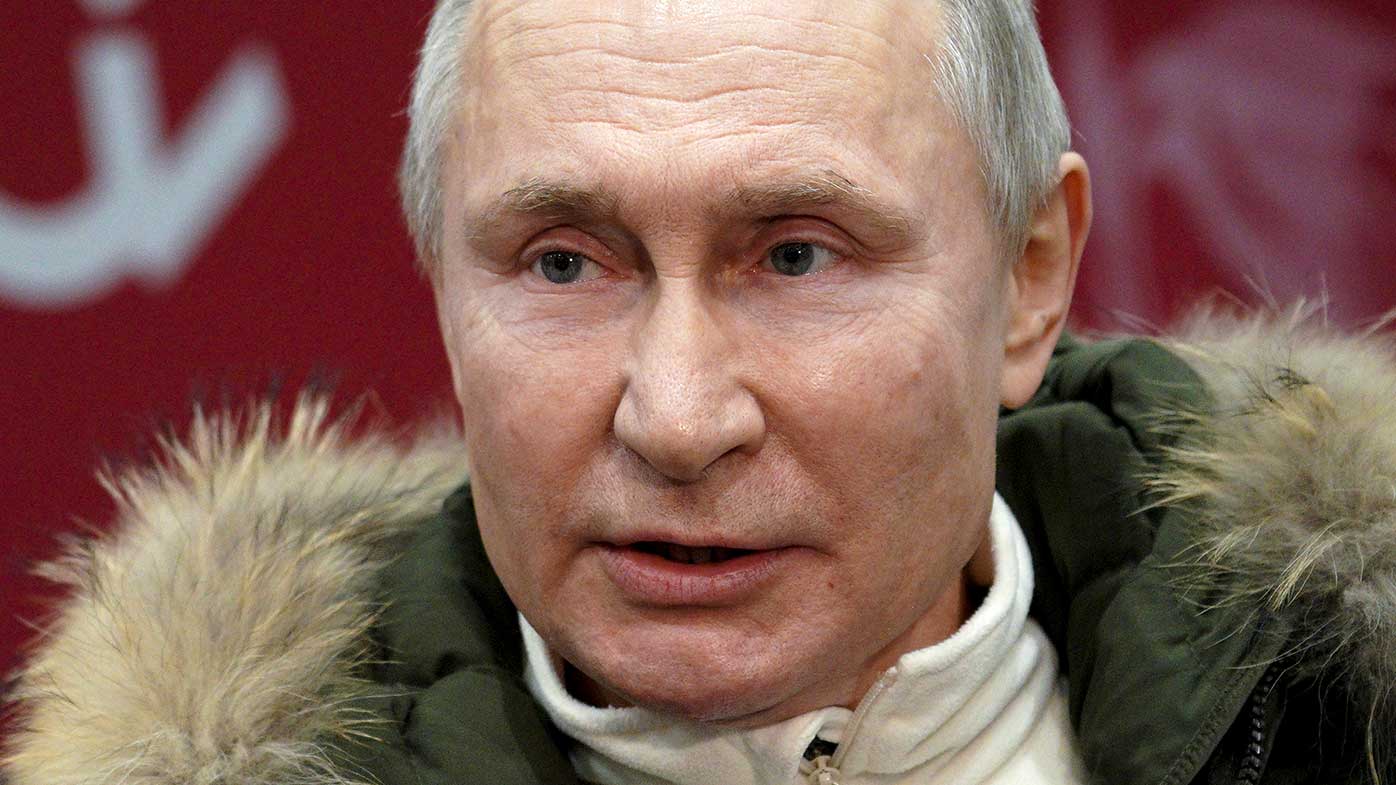
Mr Putin regularly extols the importance of Russia's technological superiority in the Arctic. In November, during the unveiling of a new icebreaker in St Petersburg, the Russian President said: "It is well-known that we have a unique icebreaker fleet that holds a leading position in the development and study of Arctic territories. We must reaffirm this superiority constantly, every day."
Mr Putin said of a submarine exercise last week in which three submarines surfaced at the same time in the polar ice: "The Arctic expedition … has no analogues in the Soviet and the modern history of Russia."
Among these new weapons is the Poseidon 2M39. The plans for this torpedo were initially revealed in an apparently purposeful brandishing of a document discussing its capabilities by a Russian general in 2015.
READ MORE: Three Russian bomber pilots killed when seats eject

It was subsequently partially dismissed by analysts as a "paper tiger" weapon, meant to terrify with its apocalyptic destructive powers that appear to slip around current treaty requirements, but not to be successfully deployed.
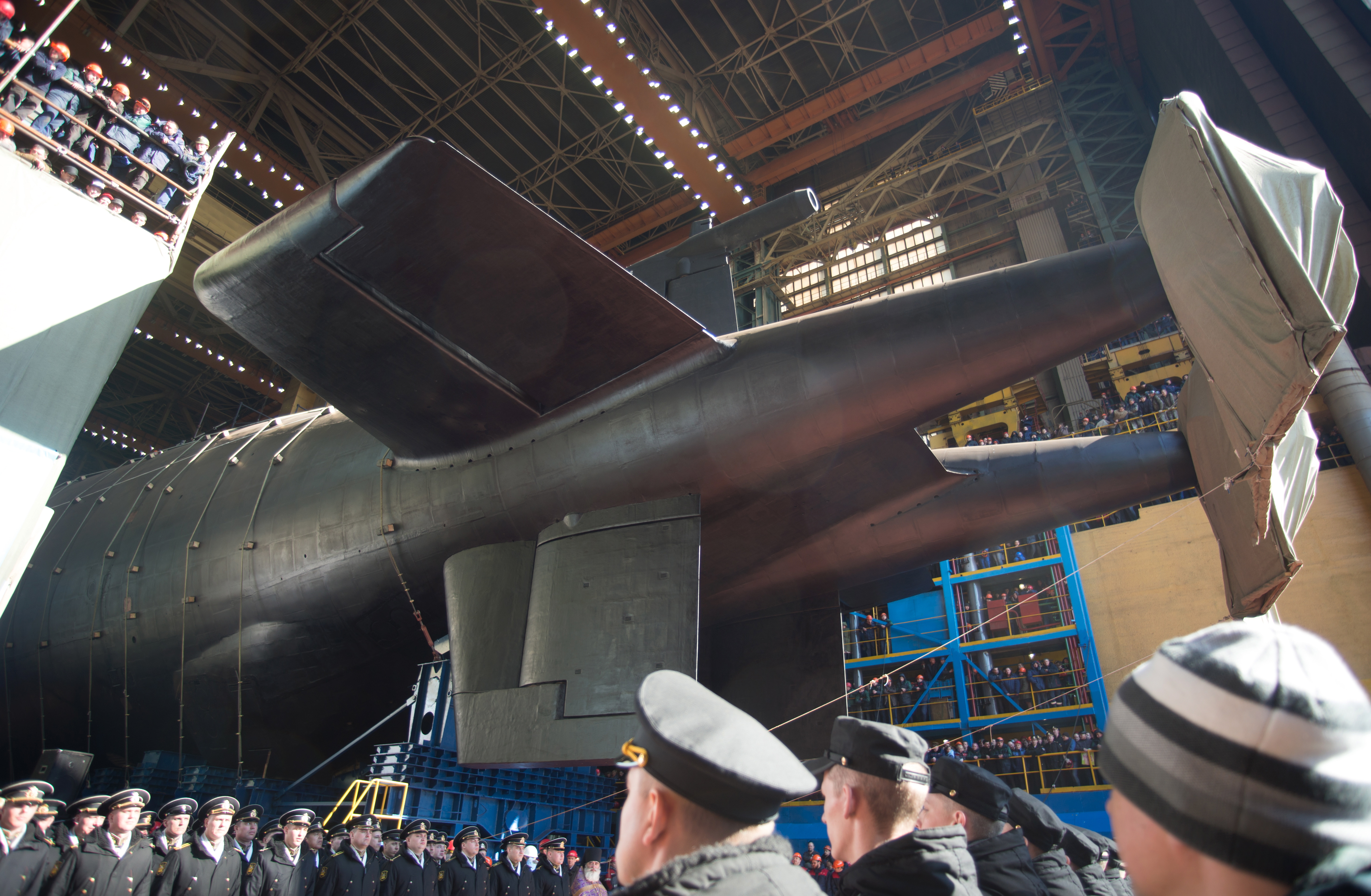
Yet a series of developments in the Arctic – including, according to Russian media reports, the testing of up to three Russian submarines designed to carry the stealth weapon, which has been suggested to be 20 metres long – have now led analysts to consider the project real and active.
Russia's state news agency, RIA Novosti, cited a "source" on Monday saying that tests for the Belgorod submarine, especially developed to be armed with the Poseidon torpedo, would be completed in September.
Manash Pratim Boruah, a submarine expert at Jane's Fighting Ships, said: "The reality of the weapon is clear. You can absolutely see development around the torpedo, which is happening. There is a very good probability that the Poseidon will be tested, and then there is a danger of it polluting a lot. Even without a warhead, but definitely with just a nuclear reactor inside."
Mr Boruah said some of the specifications for the torpedo leaked by the Russians were optimistic and doubted it could reach a speed of 100 knots with a 100MW nuclear reactor. He added that at such a speed, it would probably be detected quite easily as it would create a large acoustic signature.
"Even if you tone it down from the speculation, it is still quite dangerous," he said.
Mr Boruah added that the construction of storage bays for the Poseidon, probably around Olenya Guba on the Kola Peninsula, were meant to be complete next year. He also expressed concerns about the Tsirkon hyper-sonic missile that Russia says it has tested twice already, which at speeds of 6 to 7 Mach would "definitely cause a lot of damage without a particularly having big warhead itself".
Katarzyna Zysk, professor of international relations at the state-run Norwegian Institute for Defence Studies, said the Poseidon was "getting quite real," given the level of infrastructure development and testing of submarines to carry the torpedo.
"It is absolutely a project that will be used to scare, as a negotiation card in the future, perhaps in arms control talks," Dr Zysk said. "But in order to do so, it has to be credible. This seems to be real."
Vice Admiral Stensønes also raised the concern that testing such nuclear weapons could have serious environmental consequences. "We are ecologically worried. This is not only a theoretical thing: in fact, we have seen serious accidents in the last few years," he said, referring to the testing of the Burevestnik missile which was reported to have caused a fatal nuclear accident in 2019. "The potential of a nuclear contamination is absolutely there."
UK to ease lockdown next week, will post virus tests to homes
Britain's slow but steady march out of a three-month lockdown remains on track even as coronavirus cases surge elsewhere in Europe.
Prime Minister Boris Johnson announced on Monday (local time), the lockdown would ease, as he confirmed that businesses from barbers to bookstores will be allowed to reopen next week.
Mr Johnson said it's too soon to decide, however, whether UK residents will be able to have summer trips abroad.
LIVE UPDATES: New Zealand travel bubble date to be announced
https://twitter.com/BorisJohnson/status/1379127672480141317?ref_src=twsrc%5Etfw
He confirmed that the government will test out a contentious "vaccine passport" system — a way for people to offer proof they have protection from COVID-19 — as a tool to help travel and large events return safely.
Four weeks after England took its first step out of lockdown by reopening schools, Mr Johnson said Britain's vaccination program was proceeding well and infections were falling.
He said the next step would come as planned on April 12, with the reopening of hairdressers, beauty salons, gyms, nonessential shops and bar and restaurant patios.
"We set out our road map and we're sticking to it," Mr Johnson said during a news conference.
But, he added, "We can't be complacent. We can see the waves of sickness afflicting other countries, and we've seen how this story goes."
A ban on overnight stays away from home in England will also be lifted April 12, and outdoor venues such as zoos and drive-in cinemas can operate again.
Scotland, Wales and Northern Ireland are following similar but slightly different paths out of lockdown.
Britain has recorded almost 127,000 coronavirus deaths, the highest toll in Europe.
But infections and deaths both have fallen sharply during the current lockdown and since the start of a vaccination campaign that has given a first dose to more than 31 million people, or six in 10 adults.
The government aims to give all adults at least one shot of vaccine by July, and hopes that a combination of vaccination and mass testing will allow indoor socialising and large-scale events to return.
It says all adults and children in England will be encouraged to have routine coronavirus tests twice a week as a way to stamp out new outbreaks.
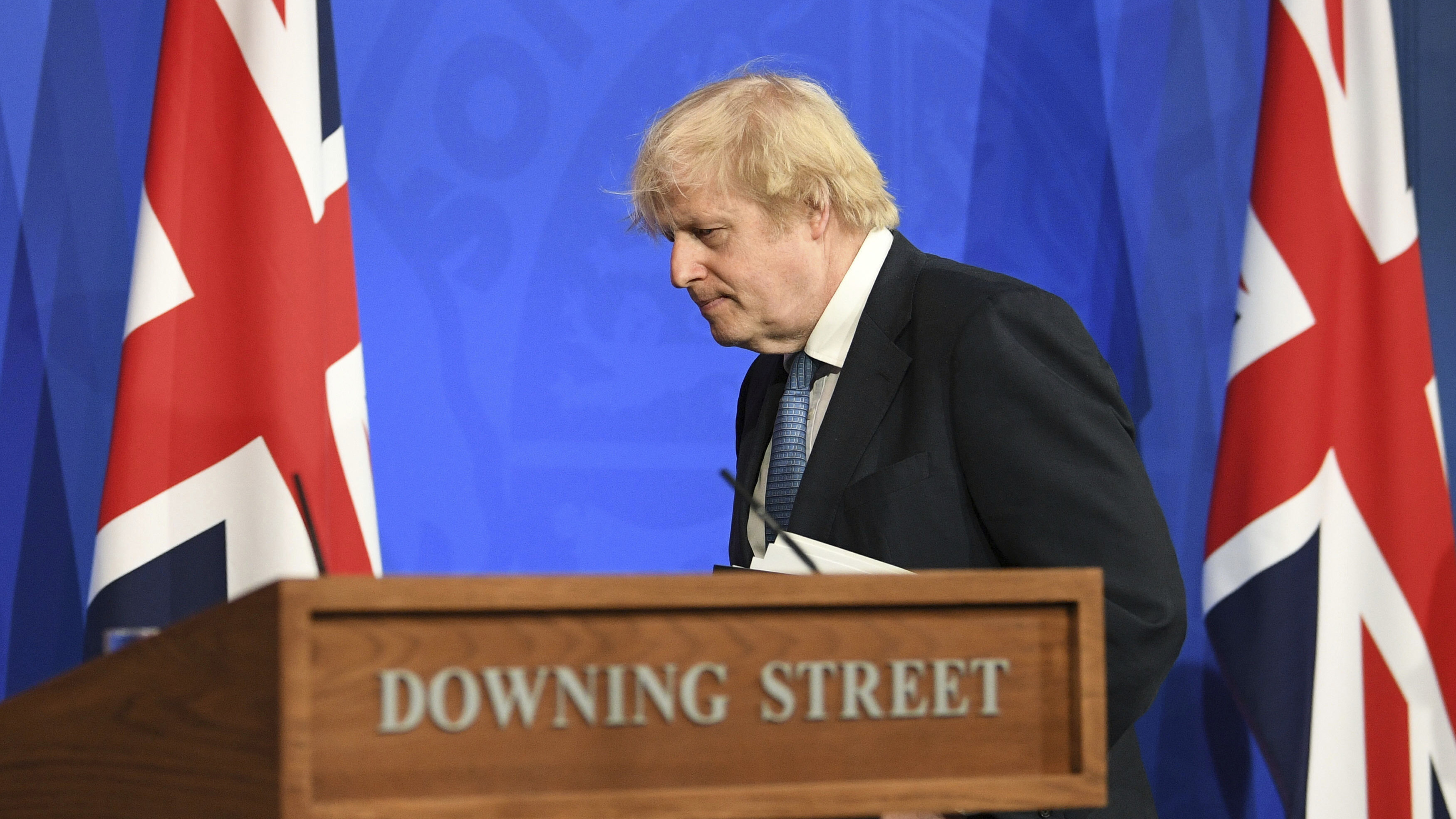
The government said free lateral flow tests will be available free starting on Friday by mail, from pharmacies and in workplaces.
Lateral flow tests give results in minutes but are less accurate than the PCR swab tests used to officially confirm cases of COVID-19.
But the government insists they are reliable and will help find people who contract the virus but don't have symptoms.
Britons are currently banned by law from going on holiday abroad under the extraordinary powers Parliament has given the government to fight the pandemic.
The government said on Monday it won't lift the travel ban before May 17 — and maybe later.
"The government hopes people will be able to travel to and from the UK to take a summer holiday this year, but it is still too soon to know what is possible," it said in an official update.
Once travel resumes, Britain will rank countries on a traffic-light system as green, yellow or red based on their level of vaccinations, infections and worrying new virus variants. People arriving from "green" countries will have to be tested but won't face quarantine.
The government also is testing a system of "COVID-status certification" — often dubbed "vaccine passports" — that would allow people seeking to travel or attend events to show they either have received a coronavirus vaccine, tested negative for the virus, or recently had COVID-19 and therefore have some immunity.
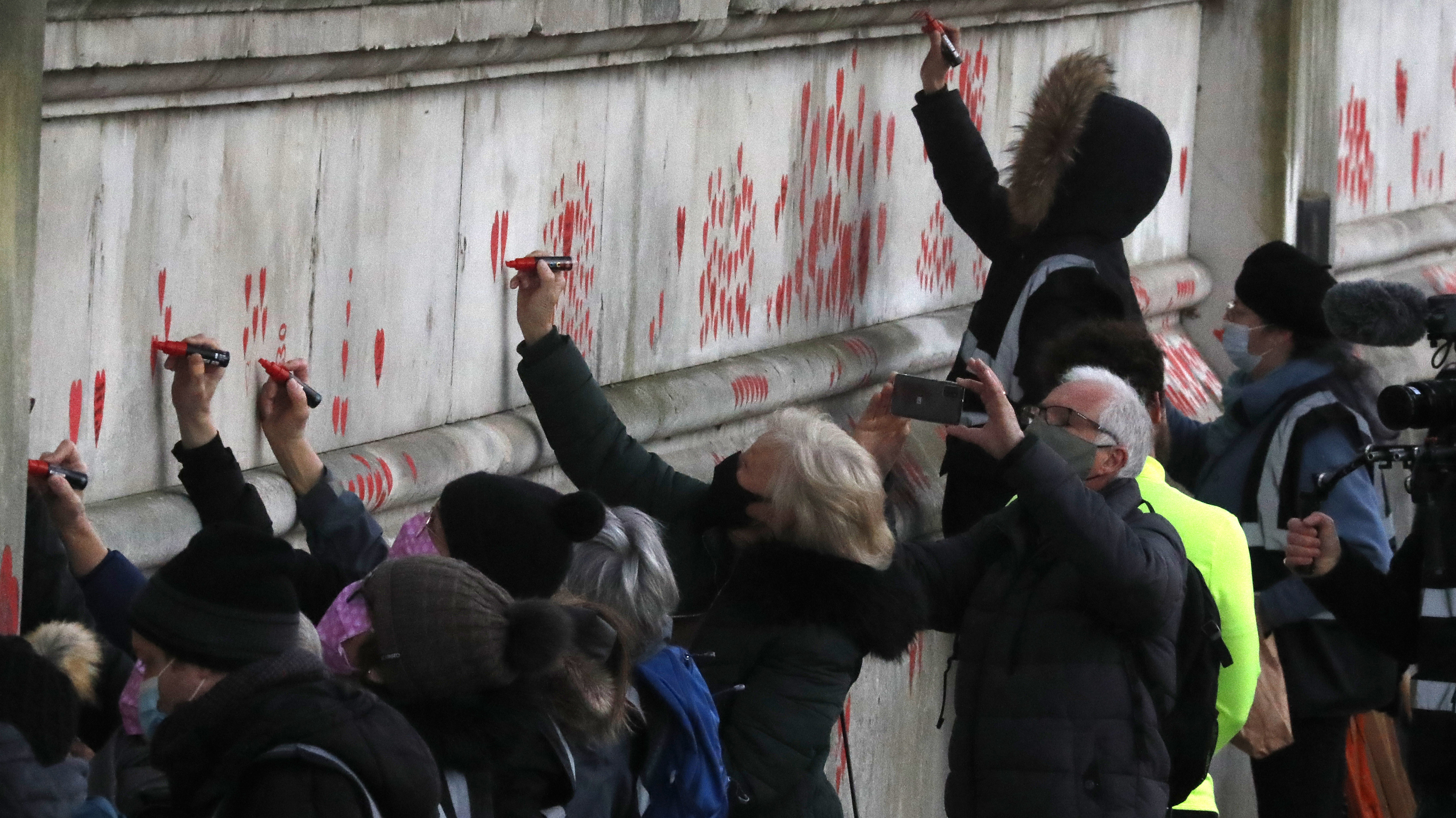
A series of events will start this month, including football matches, comedy shows and marathon races.
The government said the first events will rely only on testing, "but in later pilots vaccination and acquired immunity are expected to be alternative ways to demonstrate status."
The issue of vaccine passports has been hotly debated around the world, raising questions about how much governments, employers and venues have a right to know about a person's virus status.
The idea is opposed by a wide swath of British lawmakers, from left-of-centre opposition politicians to members of Johnson's Conservative Party, and the policy could face stiff opposition when it is put before Parliament later this month.
Conservative legislator Graham Brady said vaccine passports would be "intrusive, costly and unnecessary."
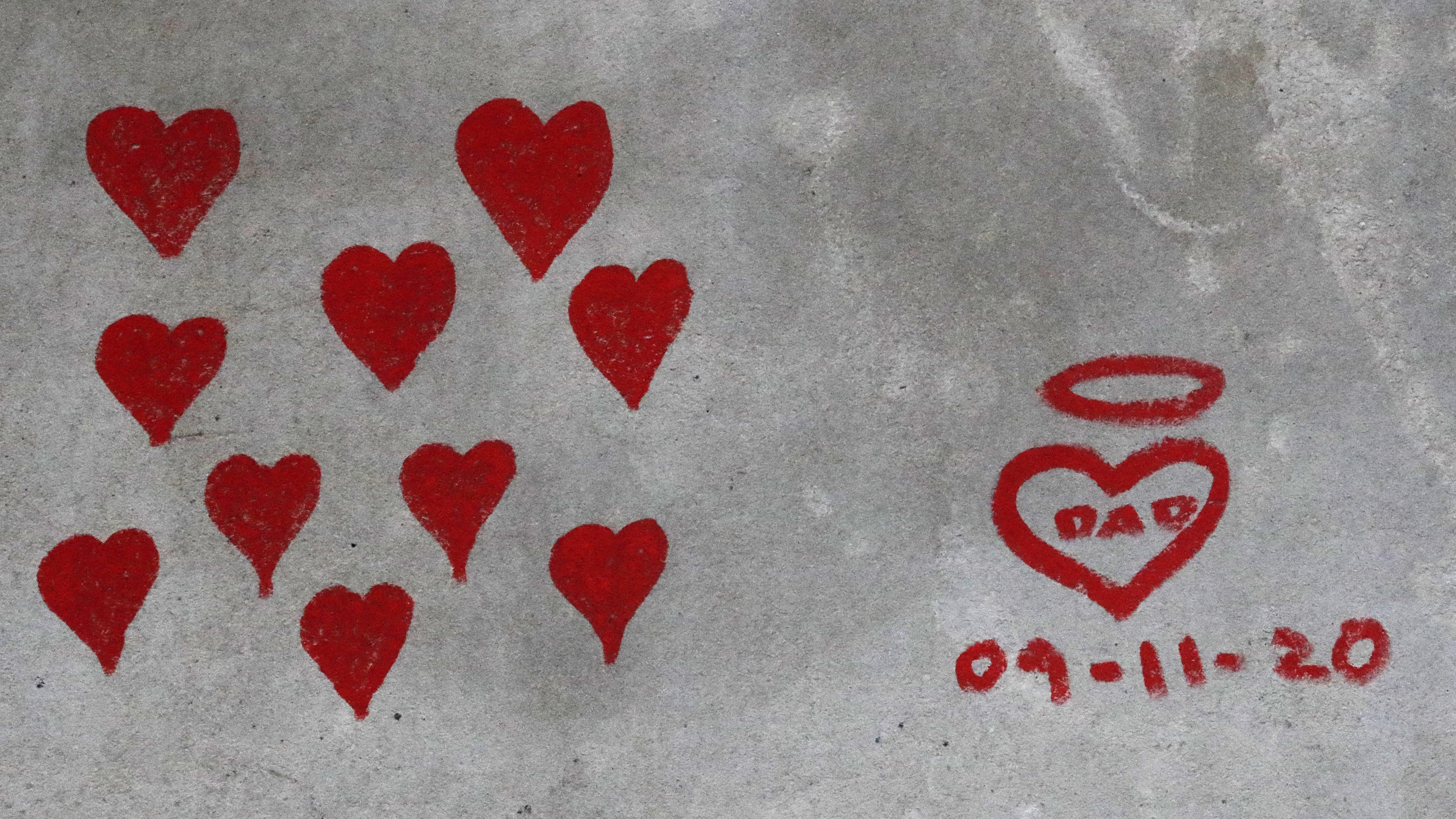
The leader of the opposition Labour Party, Keir Starmer, called the idea "un-British."
The government said vaccine passports were all but unavoidable, since many countries were certain to demand proof of COVID-19 status for entry.
And it said barring British businesses from asking customers for similar proof would be "an unjustified intrusion on how businesses choose to make their premises safe."
The government said, however, that vaccine passports would never be needed to access "essential public services, public transport and essential shops."
https://twitter.com/BorisJohnson/status/1378370848705363968?ref_src=twsrc%5Etfw
Mr Johnson acknowledged that vaccine passports raised "complicated ethical and practical issues" and stressed their introduction wasn't imminent.
"We're some way off finalising any plans for COVID-certification in the UK," he said.
India's daily virus cases soar past 100,000 for first time
India has reported its biggest single-day spike in confirmed coronavirus cases since the pandemic began, and officials in the hard-hit state home to Mumbai are resuming the closure of some businesses and places of worship in a bid to slow the spread.
The Health Ministry on Monday reported 103,558 new COVID-19 infections in the previous 24 hours, topping the previous peak of 97,894 daily cases recorded in late September. Fatalities rose by 478, raising the country's death toll to 165,101.
India now has a seven-day rolling average of more than 73,000 cases per day and infections in the country are being reported faster than anywhere else in the world.
READ MORE: 'Permanently on the brink': Top doctor's warning for Australia
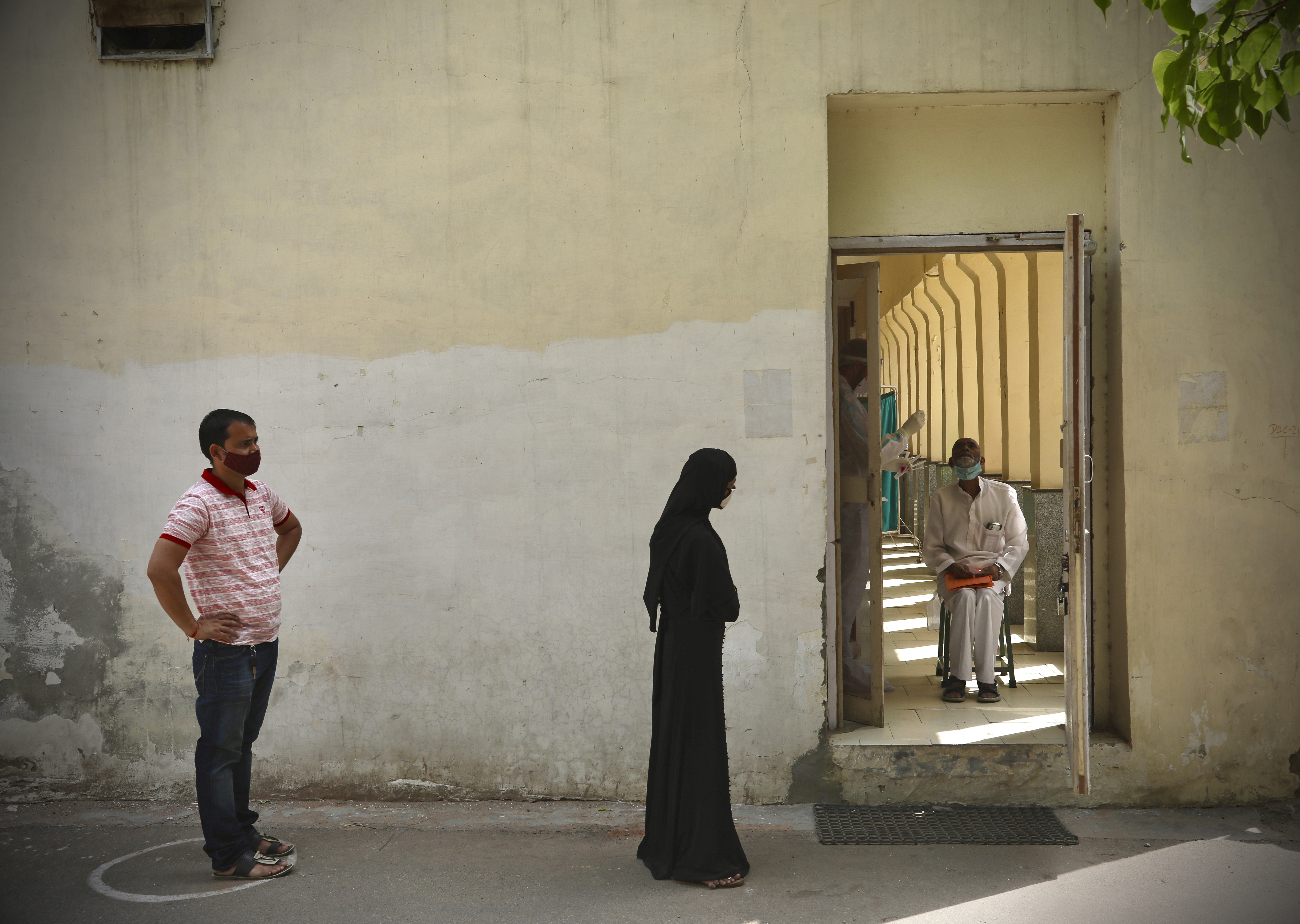
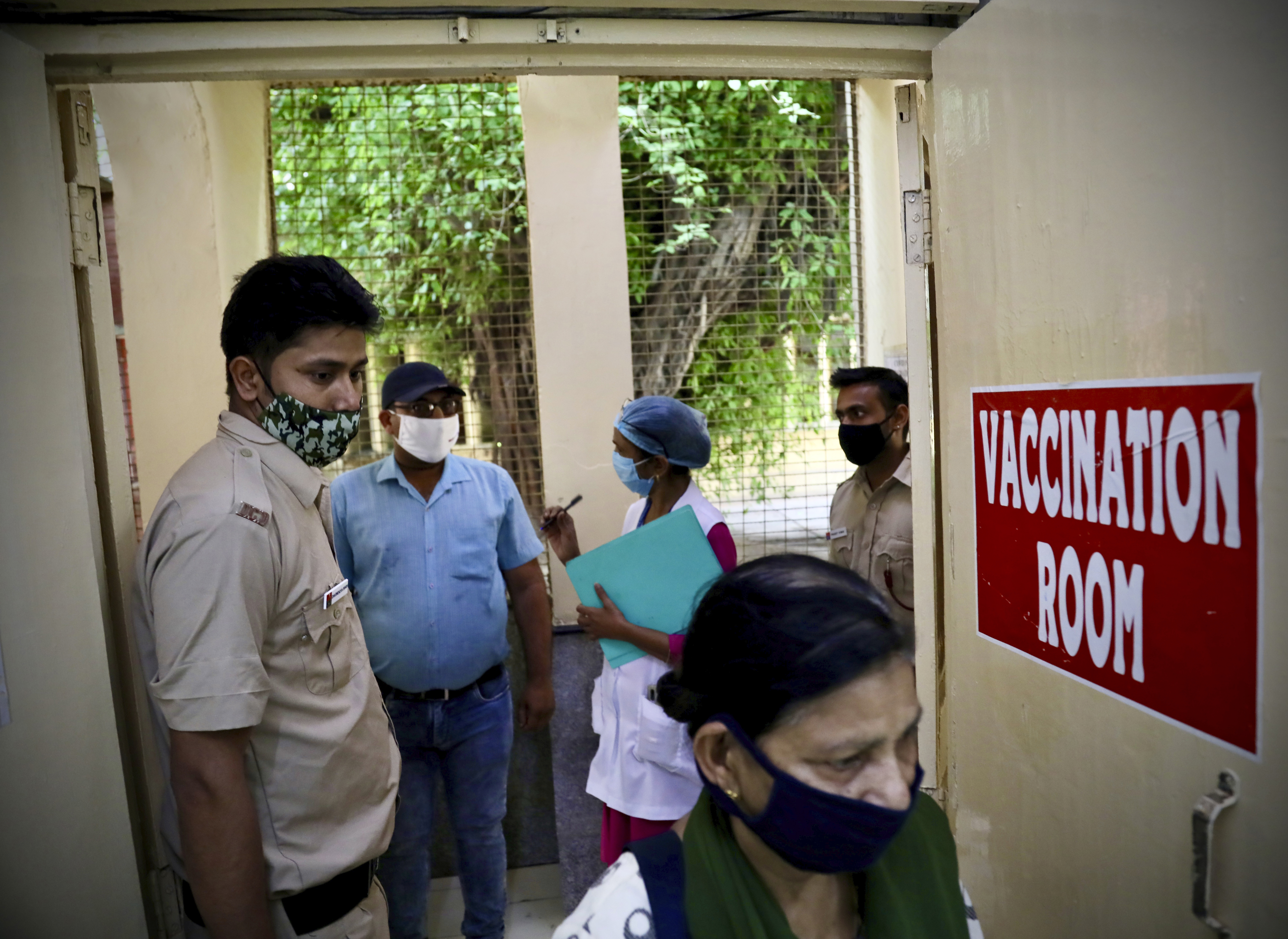
The biggest contributor to the surge has been the western state of Maharashtra, home to the commercial capital of Mumbai. The state has contributed more than 55 per cent of total cases in the country in the last two weeks.
The state will start shutting cinemas, restaurants, shopping malls and places of worship from Monday evening. Authorities will also impose a complete lockdown at weekends.
Infections had receded in India for several months but started to rise again in late February. Since then, new cases have increased more than tenfold.
READ MORE: How long will coronavirus vaccines protect people?
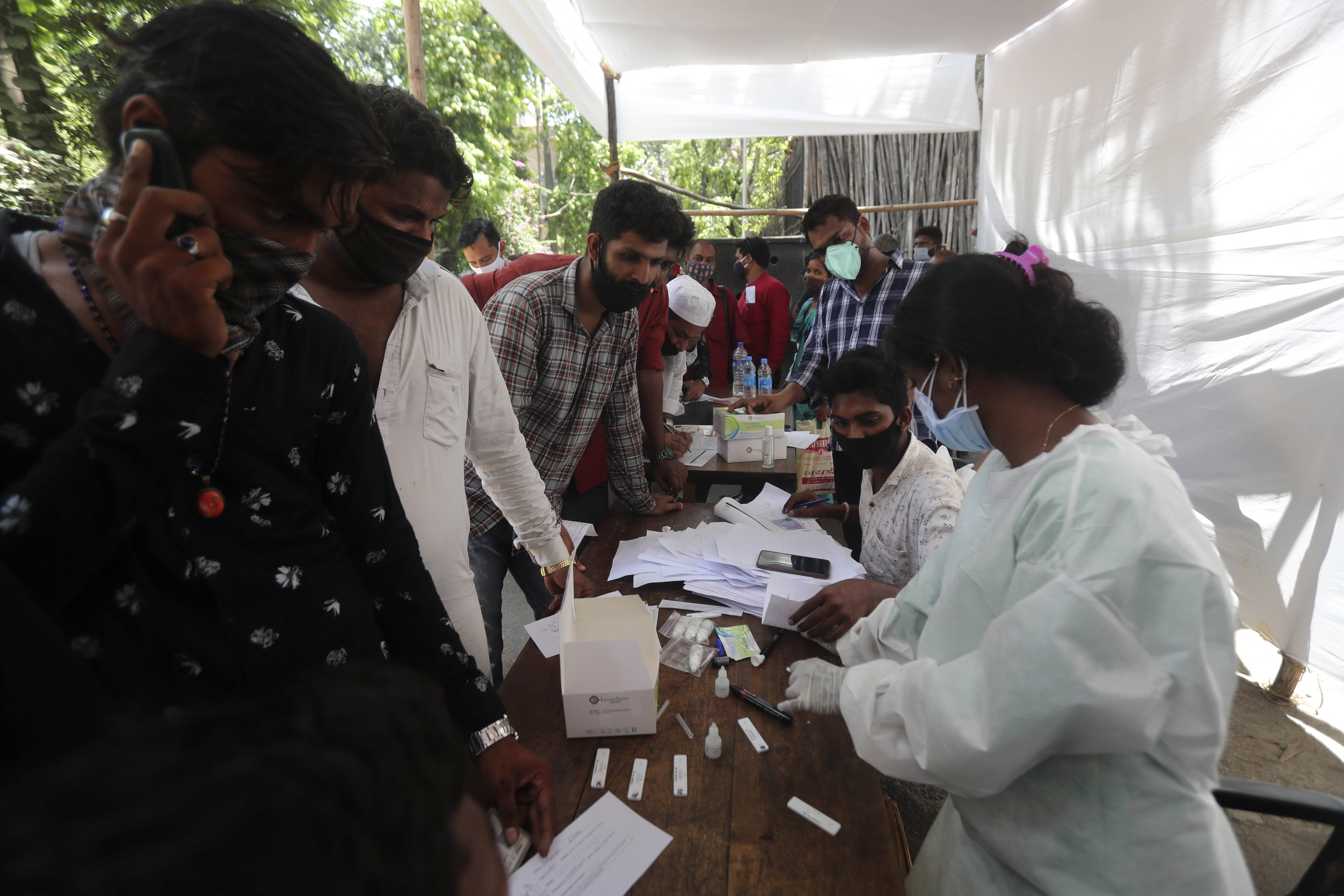
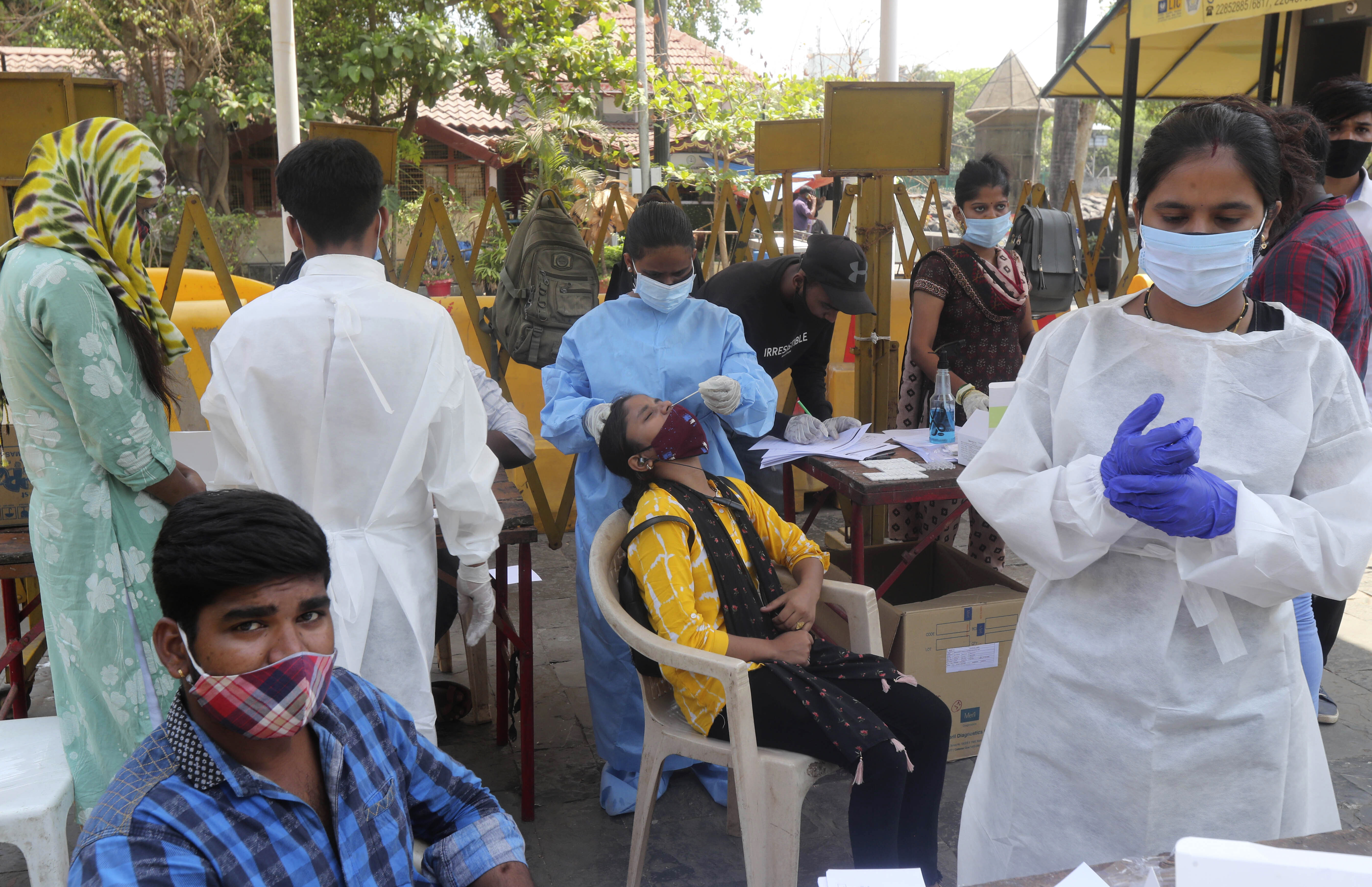
India has confirmed a new and potentially troublesome variant of the virus, but officials have cautioned against linking that or other variants to the surge.
Experts say the surge is blamed in part on growing disregard for social distancing and mask-wearing in public spaces, including public gatherings. Some say the government has been sending mixed messages.
As health officials continue to warn of gatherings in public places, Prime Minister Narendra Modi and his party leaders continue to hold mammoth rallies in several states where local elections are underway.
READ MORE: EU to blame for Australia's plagued vaccine rollout, minister claims
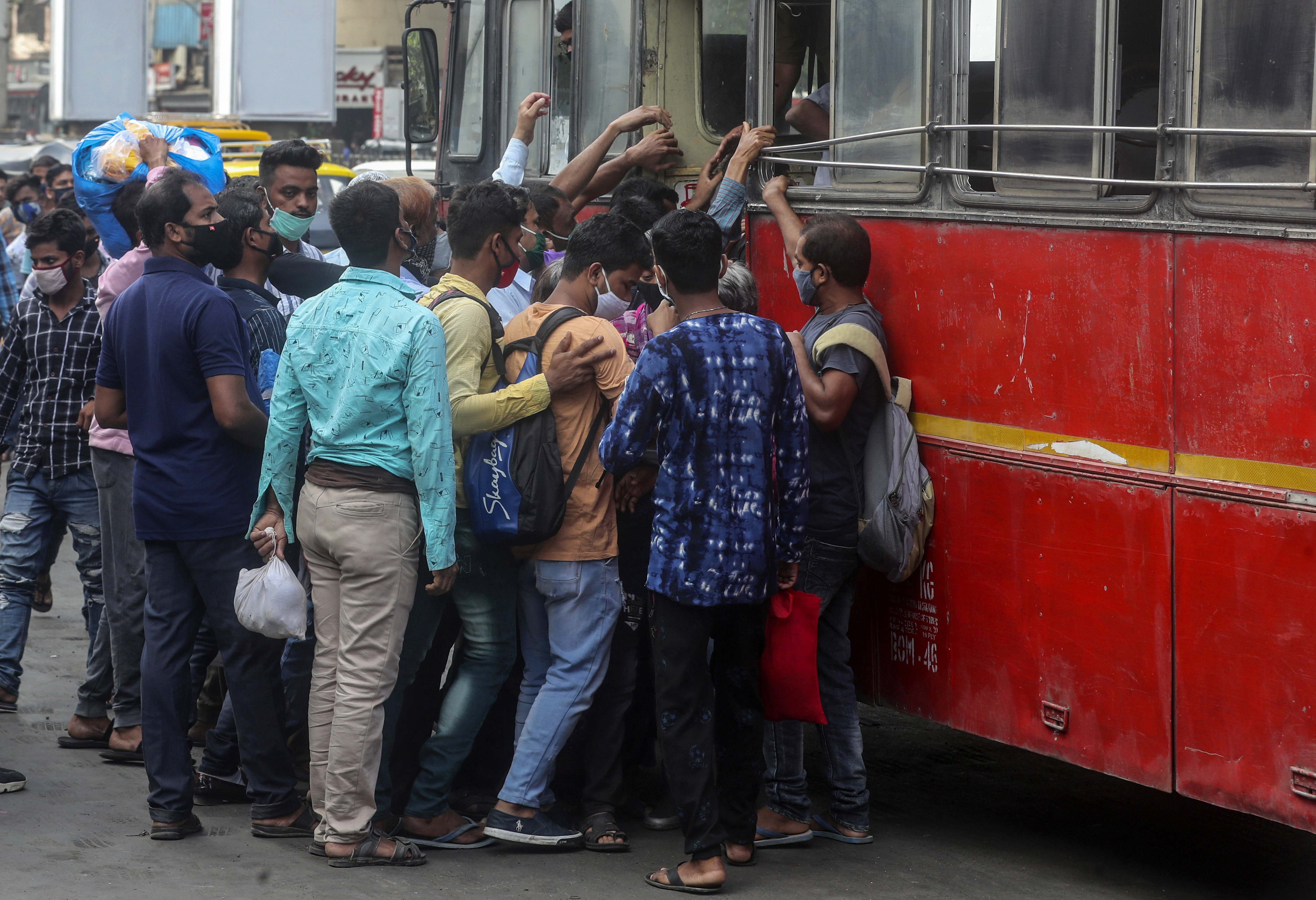
Modi's government has also allowed a huge monthlong Hindu festival to go ahead on the banks of the Ganges River in northern Uttarakhand state. The festival draws tens of thousands of devotees daily.
India has intensified its vaccination drive in recent weeks, now administering over 3 million jabs a day. But the shots have been slow to reach India's nearly 1.4 billion people.
More than 76 million Indians have received at least one shot, but only 9.5 million of them have received both. Health officials want to cover 300 million people by August, but experts say the vaccinations need to move faster to stop the spread.
READ MORE: New 'double mutant' virus variant detected in India
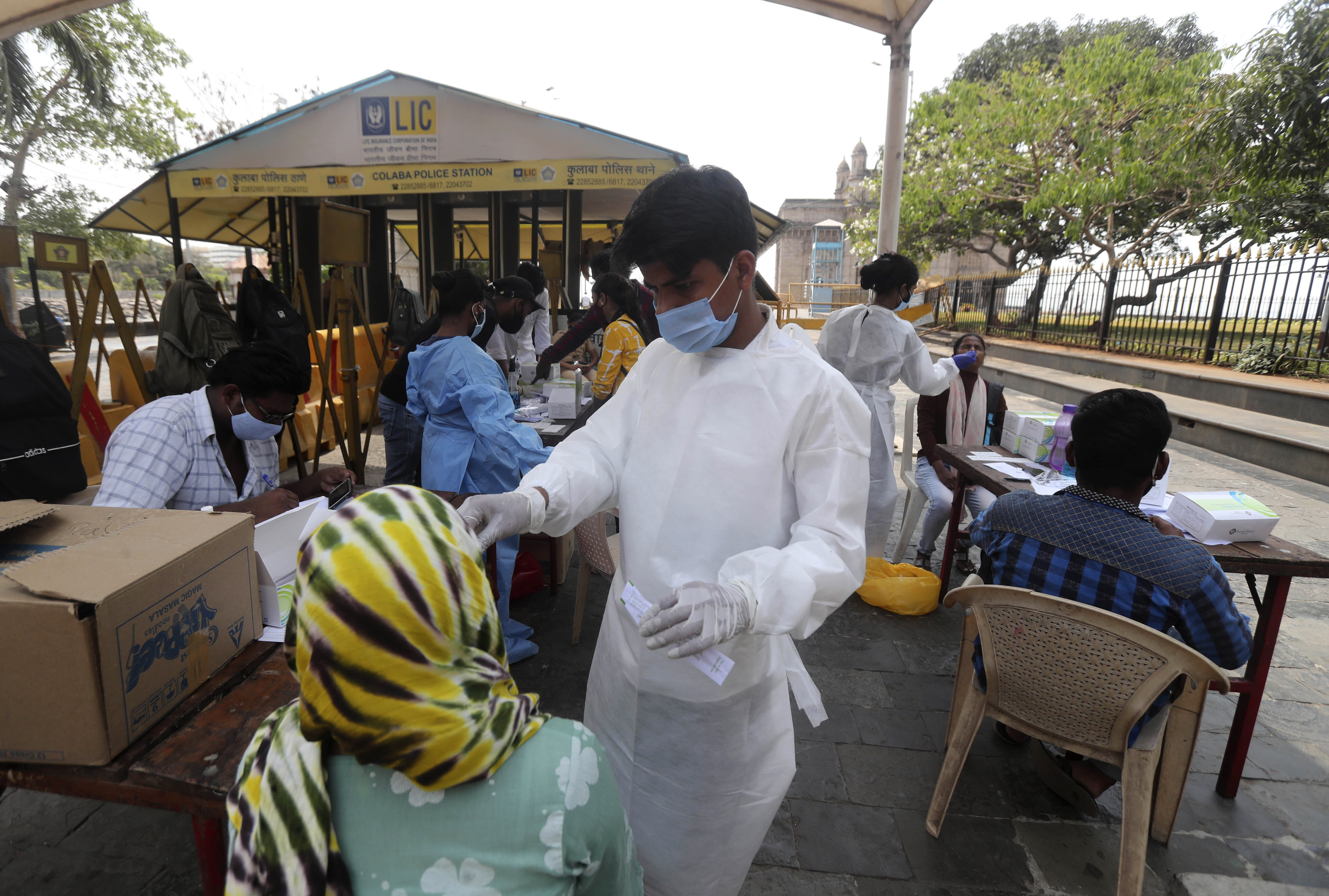
The country has launched the third phase of its coronavirus vaccination drive with those older than 45 eligible for the jab. In the first two phases, frontline workers and people above the age of 60 were eligible.
India has reported 12.6 million virus cases since the pandemic began, the highest after the United States and Brazil.
Crash blocks SH2 near Melling, Lower Hutt
Traffic is blocked on State Highway 2 north of Wellington, after a truck collided with a car this morning. Emergency services are responding to the crash near the Melling Link, Lower Hutt, which occurred just after 6.30. Both…