One of the two police officers assaulted in a Waikato baseball bat attack suffered a skull fracture and remains in hospital.The two police officers were assaulted in Hamilton overnight following a routine traffic stop.A vehicle…
Tag Archives: oceania
Medicinal cannabis patients facing supply nightmare as demand surges
Brisbane mum Lanai Carter isn't sure how her son's next medical cannabis prescription can be filled.
Lindsay Carter, 22, has been using both cannabis oil and cannabis flower for years to treat seizures brought on by a brain tumour he was diagnosed with in 2013.
In 2015, a year before its use became legal in Australia, his family was the first in the country to be granted special permission to import botanical medicinal cannabis.
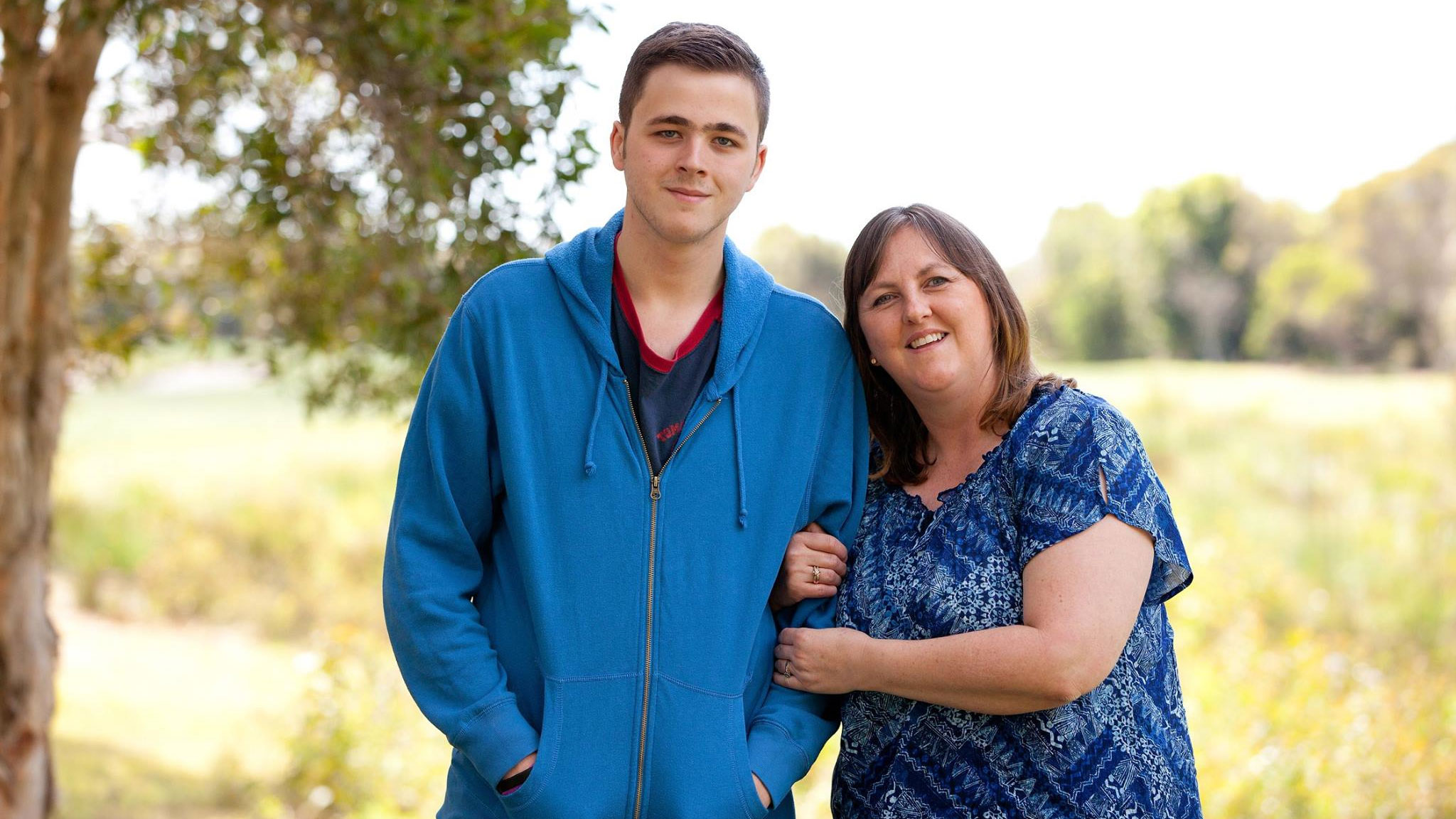
The difference the treatment makes for her son is life changing, Mrs Carter says.
"When we can get the treatment he needs his seizure levels got down as low as one seizure in a week," she said.
"Without medical cannabis oil, he can have between five tonic-clonic (grand mal) seizures a day and up to 20 focal seizures in a day."
But a critical part of Lindsay's treatment, which involves taking a specific type of THC cannabis oil, has been largely unavailable in Australia – due to supply issues – since 2018.
The cannabis flower which Lindsay uses has also been hit with out-of-stock problems in recent times, partly because of high demand.
The family would be facing up to $8000 per month for Lindsay's treatment and have often had to rely on donations to afford his medical treatment.
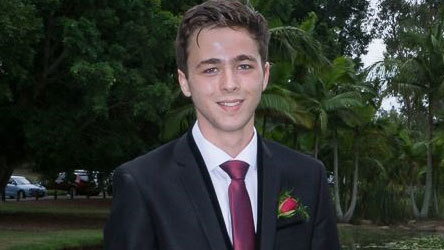
It's a struggle the Carters face constantly.
"When Lindsay knows his medicine is about to run out I see this look of absolute horror on his face," Mrs Carter said.
Earlier this month, Lindsay began rationing his remaining doses and almost ended up in hospital, Mrs Carter said.
"He was running low on the vaporised cannabis and he had two seizures in the same morning and went into post seizure vomiting for both of those. We really struggled to keep him out of hospital that day."
The battle to get a consistent and affordable supply of medicinal cannabis is one Mrs Carter and her son have been fighting for ever since his diagnosis at the age of 14.
The Carter family was among those prominently campaigning for medicinal cannabis to be legalised in Australia as far back as 2014.
However, 18 months after it was made legal in 2016, the Carters were still forced to fly to Canada to get the medicinal cannabis Lindsay needed because of a lack of supply here.
After years of making headlines, the New York Times dubbed Lindsay the "reluctant poster boy" for medicinal cannabis in Australia.
Mrs Carter said her son just wanted to get on with his life.
"He doesn't ever want to think of himself as being disabled as much as he has had to come to terms with it," she said.
"He just wants to be a normal young adult and be able to live without the fear of always having to worry where his medicine is coming from."
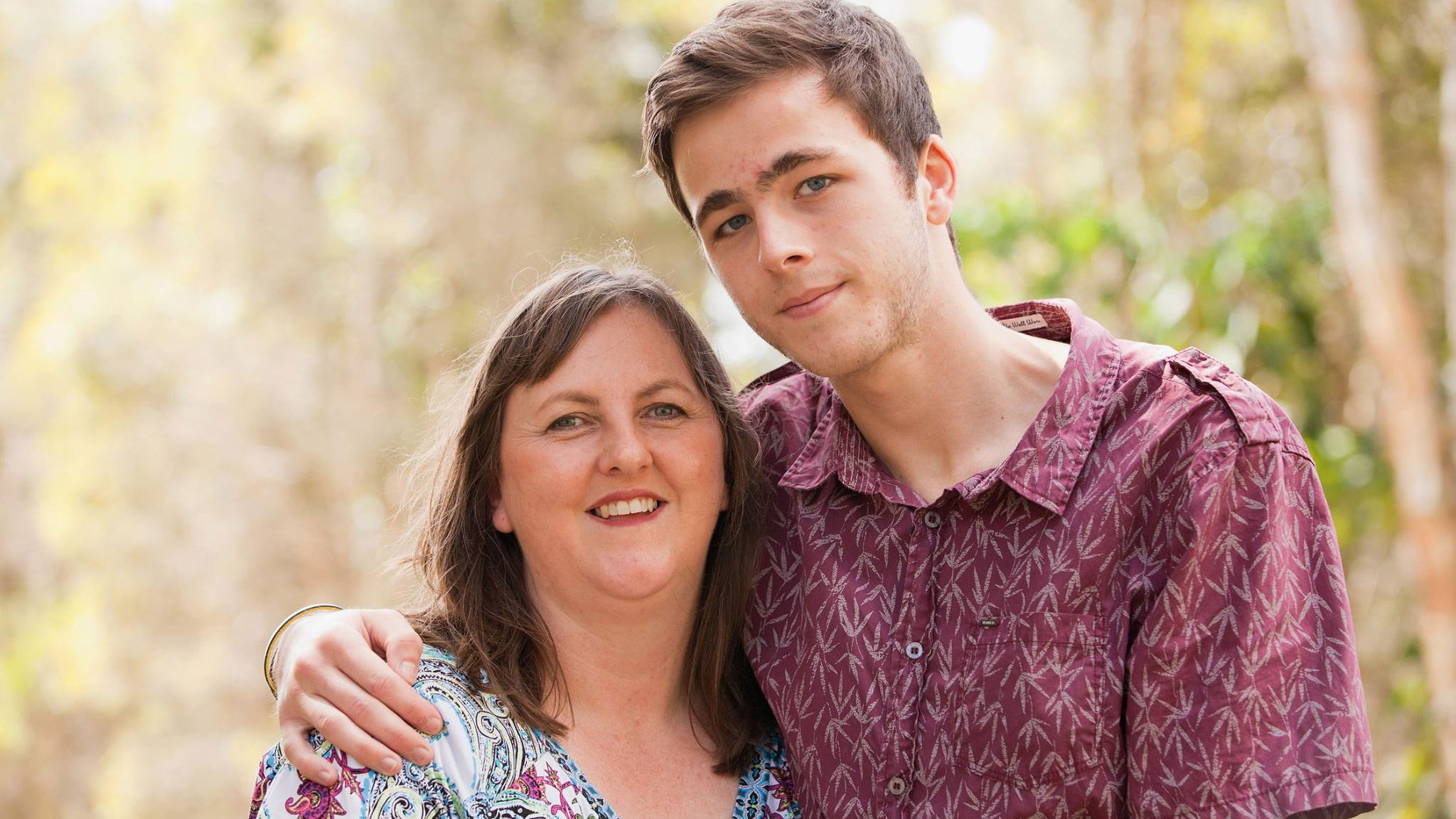
Mrs Carter said the intense frustration she felt compelled her speak out again now on behalf of her son and other medicinal cannabis patients.
"In Australia, it's almost like medical cannabis is available to the rich and famous and not the poor and disabled," she said.
"Apart from a few very limited compassionate access schemes in children's hospitals there is nothing there for children like my son."
Mrs Carter said she hoped the government could make some changes to make medicinal cannabis more affordable, such as covering it under the National Disability Insurance Scheme (NDIS).
A spokesperson for the National Disability Insurance Agency (NDIA) said health supports were the responsibility of the Health Department, rather than the NDIS.
The NDIS does not fund supports provided by the health system, including medical and clinical treatment services and medications.
This continued to be the responsibility of state and territory governments, the spokesperson said.
The Health Department is yet to respond to nine.com.au's request for comment.
Access to medicinal cannabis is granted under a Special Access Scheme run by the Therapeutic Goods Administration (TGA).
Under the scheme, doctors can provide a restricted prescription for medicinal cannabis if patients show they have a medical reason for needing it.
The demand for medicinal cannabis has more than doubled over the past year.
Last month, the TGA approved more than 8000 applications for medical cannabis.
During 2020, the number of approvals reached almost 100,000.
Matt Cantelo is the CEO of Australian Natural Therapeutics Group (ANTG), one of the largest growers and producers of medicinal cannabis in Australia.
Mr Cantelo said despite record numbers of Australians using medicinal cannabis there were still a lot of negative perceptions about the drug, due to stigmatisation among doctors.
His Armidale-based facility was recently granted a licence to produce large quantities of medicinal cannabis oil for commercial use – a move he hopes will mean more affordable access for Australian patients.
"Many patients in Australia are unable to afford the ongoing costs of imported medicinal cannabis – which can be tens of thousands of dollars a year for the treatment of ailments like epilepsy-induced seizures," he said.
"We are seeing patients forced to the black market, or even trying to grow their own, which is not legal, nor safe."
ANTG plans to have four new varieties of Australian medicinal-grade cannabis oils available in the market within the next month.
Victim of Hawke's Bay dog attack says owners must take responsibility
The victim of a “terrifying” dog attack in Hastings says the incident would been much worse had it happened to a child or older person.But he says it’s not the dog that is to blame – but animal owners.Dean Kirdy was walking down…
Union says pedestrian was dragged 600 metres under a bus in central Wellington
A passenger was dragged 600m under a bus in central Wellington before the driver realised anything was wrong, the Tramways Union says.Emergency services were called to Taranaki St just before 10pm on Saturday after the pedestrian…
Herald afternoon quiz: April 5
Test your brains with the Herald’s afternoon quiz. Be sure to check back on nzherald.co.nz for the morning quiz tomorrow. To challenge yourself with more quizzes, CLICK HERE.
Police at scene of death at Auckland home in suburb of Remuera
Police and forensic units are at a home in the Auckland suburb of Remuera after a person died.Officers on the scene at the house refused to provide further details but confirmed someone had died. A statement from police said…
Covid-19 coronavirus: More than 400 people convicted for breaching restrictions
By RNZ One in five people convicted of breaching Covid-19 restrictions last year were sentenced to time in prison.Annual statistics from the Ministry of Justice show of the 640 people charged with offences, 460 were ultimately…
How long will coronavirus vaccines protect people?
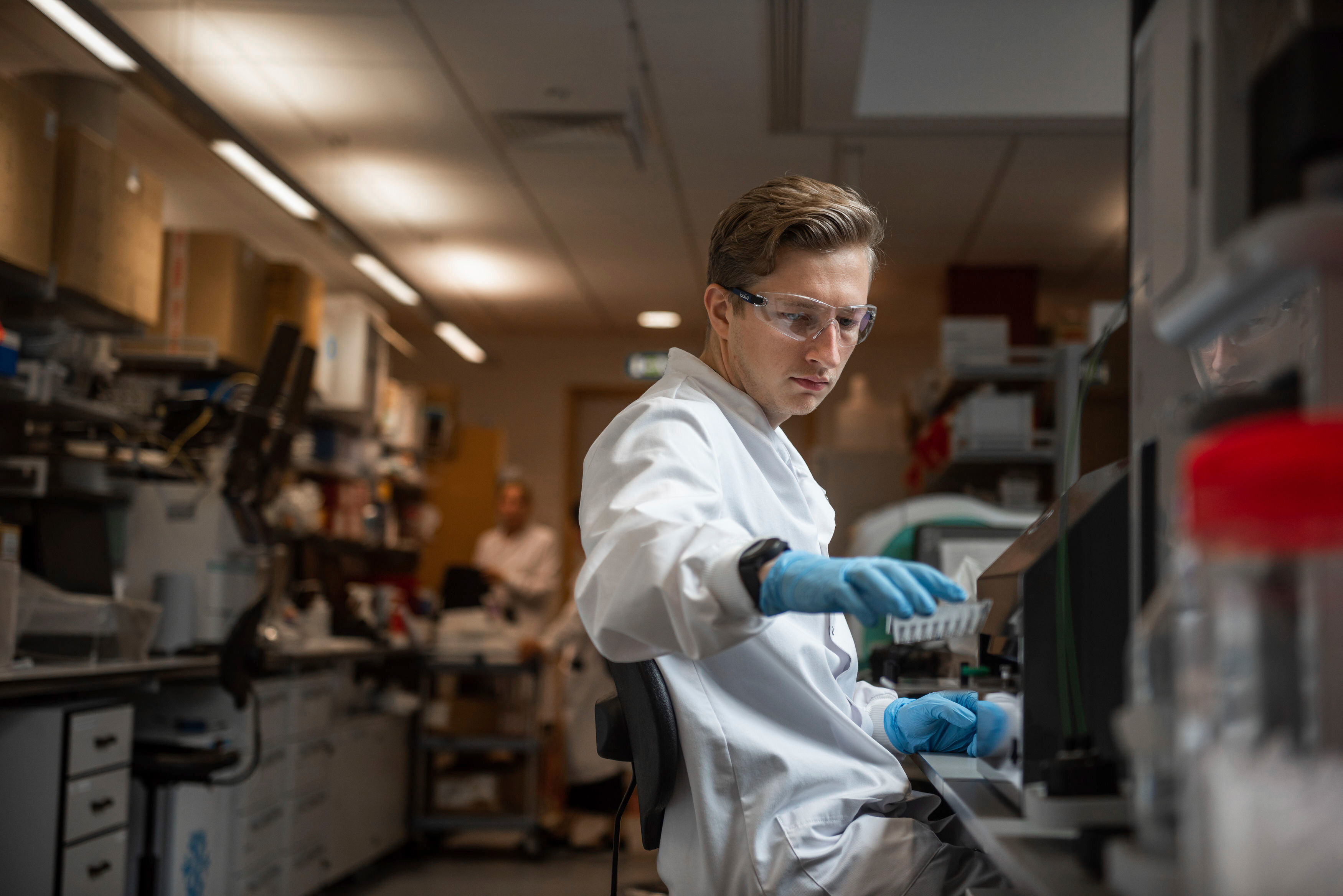
Ian Haydon helped test Moderna's coronavirus vaccine last year.
Now, he's helping test the tweaked version of that vaccine designed to fight a new, more contagious variant.
"A year ago I tried the Moderna vaccine to see if it was safe. (Spoiler: It is!) Now, on my #COVIDvaccine anniversary, I'm happy to share that I just got a 3rd dose. This booster experiment will reveal (1) if strain-adapted vaccines boost immunity & (2) whether they are safe," Mr Haydon, a communications specialist at the University of Washington, said via Twitter last Saturday.
READ MORE: Top doctor warns of new COVID-19 virus killing the young
"It's unclear whether this new tweaked version is even going to be necessary," Mr Haydon told CNN in a telephone interview.
"But it's being developed and tested now so that we have it in hand."
Doctors are worried that coronavirus may end up being like influenza, which requires a new vaccine every year both because the circulating strains mutate fast and because immunity from the vaccine wears off quickly.
Although initial evidence suggests immunity from vaccination against coronavirus provides long-lasting protection, vaccine makers have begun making and testing versions of their vaccines that protect against worrying variants of the virus.
That includes the B.1.351 version first seen in South Africa, which carries a mutation that, in lab experimentMs, appears to allow it to evade the human immune response a little.
READ MORE: Man in Adelaide hospital with South African variant
READ MORE: EU to blame for Australia's plagued vaccine rollout, minister claims
The latest report from vaccine maker Pfizer shows people in South Africa who got its coronavirus vaccine after B.1.351 became the dominant circulating virus were still very strongly protected from infection – something that backs up laboratory experiments that have shown the vaccine causes such a strong and broad immune response that it provides a cushion against any effects of mutant viruses.
"It is still matched enough that we have good protection," Scott Hensley, an immunologist and vaccine expert at the University of Pennsylvania, said.
No chances
But vaccine makers are not taking chances.
The trial Mr Haydon is taking part in is testing not only a third dose of Moderna vaccine tweaked to protect specifically against B.1.351 – that's what he got – but a third dose of original vaccine in some volunteers, too, to see if the boosted immune response is both safe and provides an advantage.
A report out last month from Pfizer suggests people who get both doses keep strong immunity for at least six months.
Experts have been at pains to point out that doesn't mean immunity stops at six months.
It means that's the longest volunteers in the trials have been followed to see what their immunity is.
It's likely to last much longer, Mr Hensley said.
"I would not be surprised if we learned a year from now that these vaccines are still producing a strong immune response," Mr Hensley told CNN.
"I would not be surprised if this is a vaccine that we only get once."
READ MORE: Melbourne man suffers blood clots after receiving AstraZeneca jab
That would make the vaccine more akin to vaccines against measles than flu vaccines.
Vaccination against measles protects against infection for life in 96 per cent of people.
Protection from Pfizer's two-dose vaccine remains above 91 per cent even at six months, according to the company.
It has released the details in a statement, not a formal scientific publication, and the data covers only a few thousand people.
But if it holds up, that's an indication that both the Pfizer and Moderna vaccines elicit a long-lasting immune response, experts say.
Mr Hensley says the technology used by both vaccines – delivery of genetic material known as messenger RNA of mRNA – is especially potent.
"The antibody responses elicited by these mRNA vaccines are incredibly high. What we know in animal models with other mRNA vaccines that have been tested previously – we know that those antibody responses are incredibly long-lived and they don't drop over time," Mr Hensley, whose lab has been testing experimental mRNA vaccines for years, said.
While the coronavirus vaccines are of course new – the virus has only been around since the end of 2019 – the mRNA technology has been studied for many years and used to make vaccines against influenza, Ebola and Zika virus.
Tweaking the formula
Several studies have indicated this with coronavirus vaccine.
In January, a team led by Dr Alicia Widge at the National Institute of Allergy and Infectious Diseases wrote the New England Journal of Medicine to say their research showed two doses of Moderna's vaccine produced plenty of antibodies that declined only very slightly over time.
The vaccine also caused the body to produce immune cells known as T cells and B cells that can keep defences going for years.
The vaccine-induced immune response was stronger and less variable than the immune response that follows a natural infection, they found.
Another study in the New England Journal of Medicine in February showed blood taken from people who got Pfizer/BioNTech's COVID-19 vaccine continued to produce an immune response against B.1.351.
"Although we do not yet know exactly what level of neutralisation is required for protection against COVID-19 disease or infection, our experience with other vaccines tells us that it is likely that the Pfizer vaccine offers relatively good protection against this new variant," Scott Weaver, director of the Institute for Human Infections and Immunity at University of Texas Medical Branch, told CNN at the time.
EXPLAINER: What we know about AstraZeneca blood clot reports
Nonetheless, last month, South African virologists argued that there's growing evidence the vaccines being developed do not work as well against B.1.351 and urged vaccine makes to start tweaking their formulas now.
Although he's taking part in clinical trials that require regular blood draws to check his immunity, Mr Haydon has no idea how well protected he is from the virus.
"I know that early on in the trial, myself and all the participants did develop neutralising antibodies – the kind that you are looking for. That was clear many, many months ago," Mr Haydon said.
"But the level of those antibodies, and how the levels have changed over time, is not something that I'm told. That is one of the main things that is being evaluated over the study."
He had a strong reaction to the first round of vaccination and said the third dose he just received caused some effects, too.
"Flulike is the right way to describe my symptoms," he said.
"I ended up with a fever, chills, a little bit of nausea, headache," he added.
Immunologists say that's a sign the immune system is responding to the vaccine, although people who report no symptoms also develop an immune response, so the symptoms do not appear to suggest someone's having a better response than someone who doesn't develop a fever.
Mr Haydon doesn't know whether his response this time around says anything about what level of immunity he still had from the first dose he was given a year ago.
What he does know is that he cannot behave as if he is completely immune.
So he still wears a mask whenever he goes out and has avoided almost all travel.
"We're living in a world where most people aren't vaccinated. The fact that you yourself are vaccinated doesn't change everything for you," Mr Haydon said.
"We still have to take a lot of the same precautions as an unvaccinated person," he added.
"Although your risk of going to the hospital is greatly diminished, spreading the virus is a major concern.
It's not until recently that we started to collect data (showing) that vaccinated people also spread the virus a lot less. So that's a recent discovery and a very good sign."
EU to blame for Australia's plagued vaccine rollout, minister claims
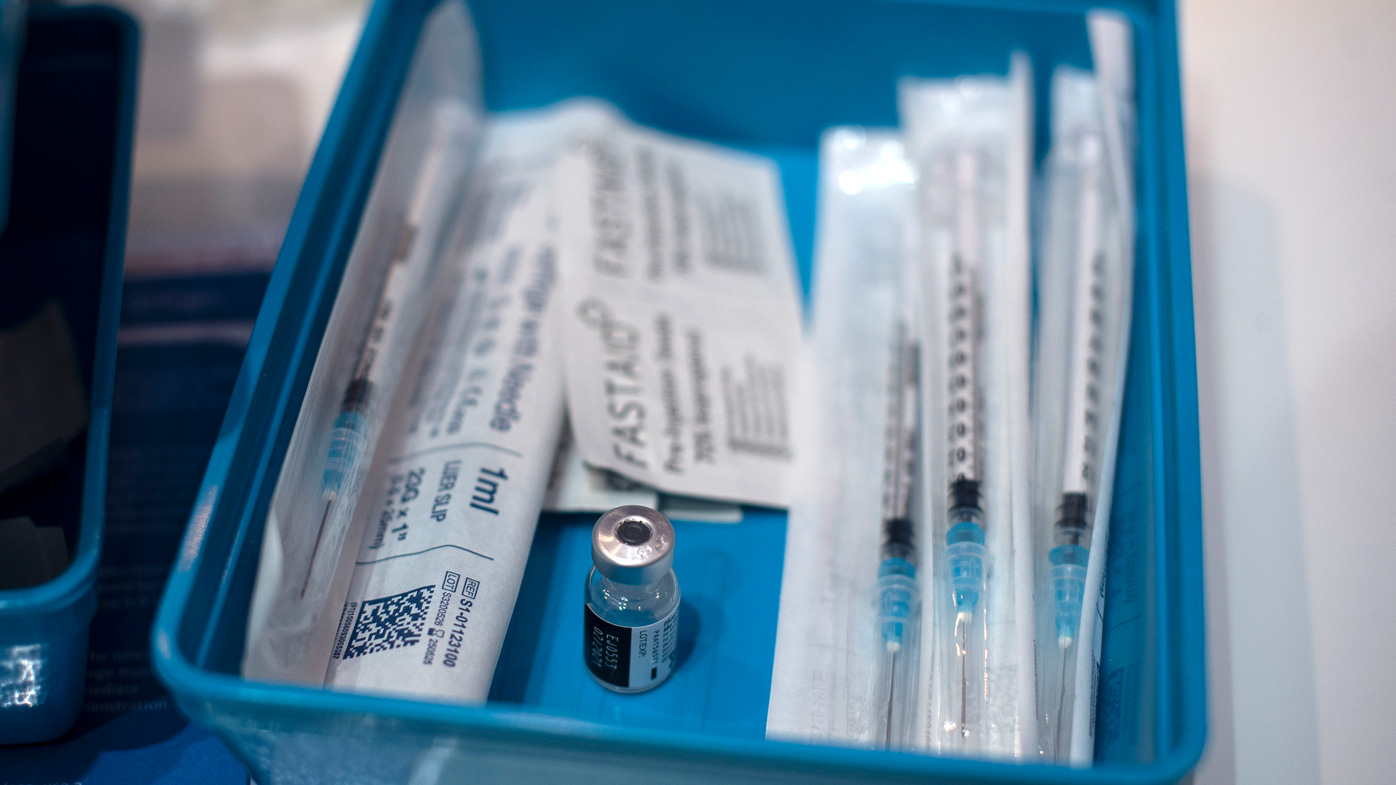
One million Australians could receive the COVID-19 vaccine by the end of the week, as the Federal Government tries to fix its problem-plagued vaccination program.
From today the number of medical centres giving out the jab will double from 1500 to 3000.
Manufacturing of the vaccine at Melbourne-based CSL is also now ramping up in an effort to help guarantee the supply of the vaccine, an issue which has put Australia millions of doses behind schedule.
READ MORE: Top doctor warns of new COVID-19 virus killing the young
So far 840,000 doses have been administered, almost three million short of where Australia expected to be by the end of March.
Last week a war of words erupted between Canberra and the New South Wales and Queensland governments, with the states blaming the Federal Government for the slow rollout.
Federal Minister for Agriculture David Littleproud, who has criticised Queensland for having unused vaccines in storage, blamed the stop-start rollout on a European Union export block.
"The arithmetic is simple on this," Mr Littleproud told Today.
"We are 3 million short at the moment. We were 3 million short by the EU.
"They cut us short."
Earlier this month Italy and the European Union blocked a shipment of the AstraZeneca coronavirus vaccine containing 250,000 doses, destined for Australia.
The block followed the EU tightening its rules on vaccine exports in an effort to secure its own supply.
NSW and Queensland health officials claimed the lack of a certainty on Federal Government supply had created major problems in their states with scheduling the first and second jabs.
READ MORE: Melbourne man suffers blood clots after receiving AstraZeneca jab
Mr Littleproud said the states needed to trust that the supply of vaccines was secure.
"We need to make sure they are not in the locker, they are in people's arms," he said.
"We need the states to trust us the manufacturing now taking place in Melbourne will get around the country.
"We are making up for that 3 million we were undercut by the EU and we have to trust Australian manufacturing to do the job, and they will."
Australia's vaccine rollout will no longer be shrouded in secrecy, with the Federal Government set to reveal daily the number of doses handed to each state and exactly how many have been administered.
Last week saw federal and state health officials accuse each other of hoarding and failing to create steady and well-planned lines of supply.
Overseas, mass vaccination hubs have allowed countries like the US and the UK to very quickly vaccinate millions of people.
NSW is now heading down that road as well, pushing ahead with plans to set up mass vaccination sites at places like stadiums and convention centres.
It is expected to take another 12 weeks for everybody in group 1B to be vaccinated.
UK eyes testing out COVID-19 passports at mass gatherings
Britain is planning to test a series of measures including "coronavirus status certifications" over the coming weeks to see if they can allow people to safely return to mass gatherings at sports arenas, nightclubs and concerts.
People attending a range of events, including conferences and soccer's FA Cup, will need to be tested both before and after. The trials will also gather evidence on how ventilation and different approaches to social distancing could enable large events to go ahead.
Officials are also developing plans to trial COVID-19 passports that are expected to show if a person has received a vaccine, has recently tested negative for the virus, or has some immunity due to having tested positive in the previous six months.
READ MORE: Top doctor warns of new COVID-19 virus targeting the young

The issue of vaccine passports has been a hotly debated topic around the world, including in the United States and Israel. The question is how much governments, employers, venues and other places have a right to know about a person's virus status. Many disagree over what the right balance is between a person's right to medical privacy and the collective right of people in groups not to be infected with a dangerous disease by others.
Some critics also say such vaccine passports will enable discrimination against poor people and impoverished nations that do not have ready access to vaccines.
Authorities in Britain have said the passes could involve the use of an app or paper certificates for those who don't have access to the digital option.
But UK Sports Minister Nigel Huddleston stressed to reporters that "the earliest pilots almost certainly won't involve any elements of certification" but will involve testing before and after the events. Prime Minister Boris Johnson is expected to set out more details about the coronavirus passports on Monday.
"We are doing everything we can to enable the reopening of our country so people can return to the events, travel and other things they love as safely as possible, and these reviews will play an important role in allowing this to happen," Johnson said.
READ MORE: Italy enters three-day Easter lockdown amid vaccination snags
Dozens of British lawmakers, including some from Johnson's own Conservative Party, have opposed the plans.
Cabinet minister Michael Gove, who has led the task force responsible for drawing up the plans, acknowledged that vaccine passports raised "a host of practical and ethical questions" which needed to be resolved before any wider rollout.
Officials said the trial events include the FA Cup semi-final at London's Wembley Stadium later this month with a crowd of 4000 in a stadium that seats 90,000, and the event's final on May 15, with a crowd of 21,000. Other events include the World Snooker Championship in Sheffield, central England and a comedy club gathering.
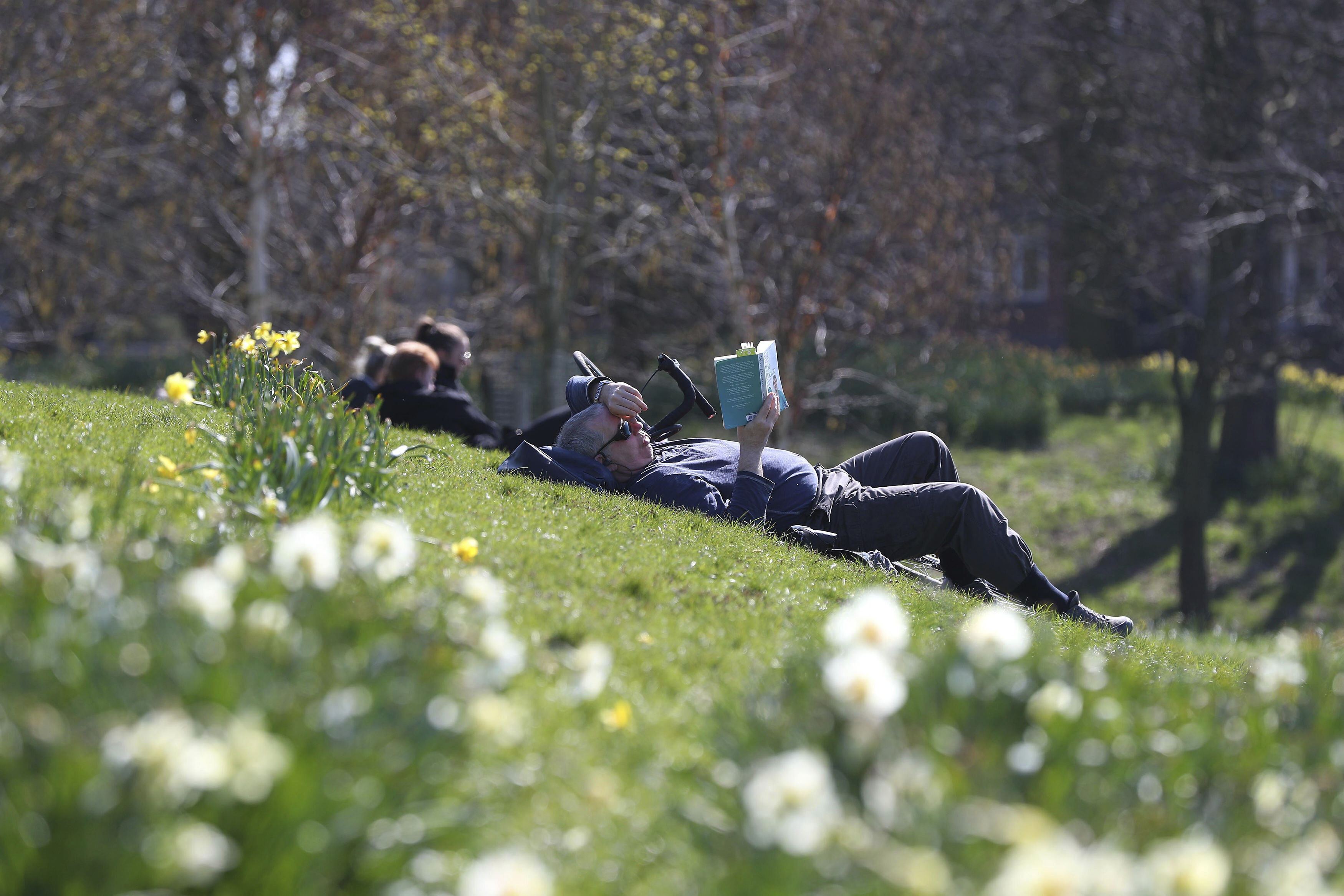
The news about the trials came as businesses including pubs, restaurants, nonessential shops and hairdressers prepared to welcome back customers as restrictions ease in England. Officials say about 47 per cent of the country's population has had a first dose of the coronavirus vaccine, and more than 5 million people in the UK have received their second dose.
READ MORE: Man in intensive care with coronavirus in Adelaide
Johnson's government is also expected to set out its approach to easing restrictions on international travel next week. Media reports say when Britain's current ban on foreign holidays is lifted, a risk-based traffic light system with ratings for countries around the world will be introduced and travellers will be required to quarantine accordingly.
More details are to be unveiled when a government task force on global travel reports on April 12. The government has said that international leisure travel cannot take place until mid-May at the earliest.
Last week the UK added four more nations to its red list of countries from which travel is banned except for UK citizens and those with residency rights. By April 9, the U.K. red list will be up to 39 countries. It aims to prevent more virus variants — especially ones first detected in Brazil and South Africa — from getting into the UK.
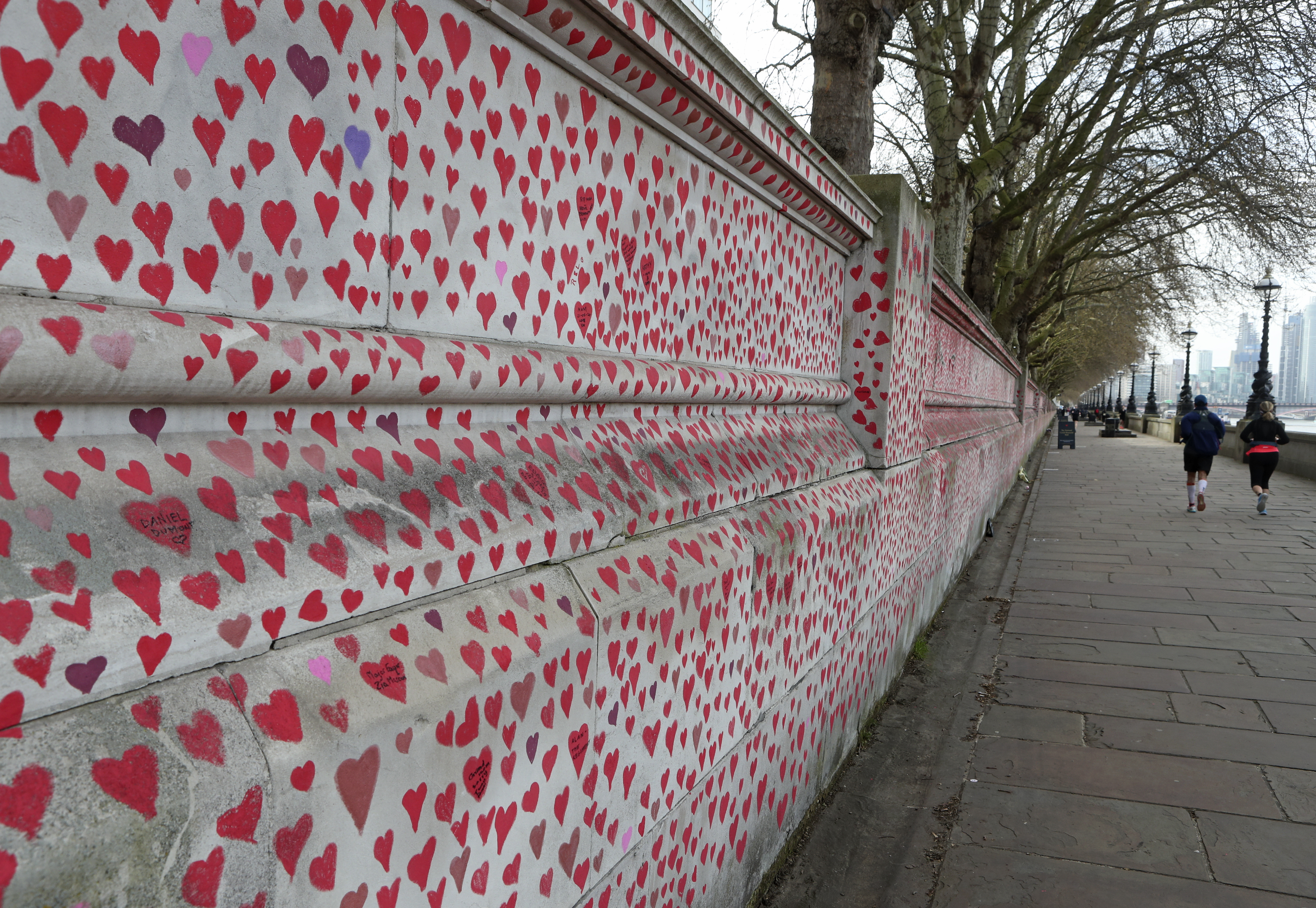
Despite Britain's success on the vaccination front, it still has the highest reported COVID-19 death toll in Europe at around 127,000 deaths.
READ MORE: North Korea sees mass exodus of foreigners due to COVID-19