We are a blessed country in so many ways. Not only are we surrounded bybeautiful natural landscapes and oceans, lakes and rivers, but we’ve also beenprotected from the worst of the pandemic-induced restrictions prevalentacross…
Tag Archives: oceania
Waitematā Harbour tragedy: 25-year-old chef killed after falling from charter boat
The 25-year-old woman who died after falling from a charter boat in Waitematā Harbour was a young chef with extensive family in South Auckland now grieving together.A family member confirmed to the Weekend Herald that Danielle…
Auckland investment home buyer says auctions sending house prices sky high
Jose De La Macorra’s shoulders hang heavy a day after buying an Auckland investment property.”I feel like I’ve been robbed,” he says.He paid $899,000 for a three-bedroom Glendowie unit in Auckland’s east – an investment he had…
Privacy lapse: Folder with personal details inside left behind on public transport
A government official left a folder behind on Wellington public transport containing the private details of 16 individuals and groups.Department of Internal Affairs chief executive Paul James has apologised for the mistake, while…
Warm weather for Easter after a wet and wild week for the North
Despite a wet and wild week across the North Island, this weekend is geared up for dry weather for most parts of the country – perfect for hunting for Easter eggs with the kids. That includes southern cities such as Christchurch…
Housing: Desperate Auckland first home buyers bid at two auctions at once
First-home buyer Kristina Searle felt her anxiety welling as the clock counted five minutes to the start of bidding, when suddenly a text lit her phone.”We’ve got the house!”In a separate Ray White auction room across Auckland,…
Herald morning quiz: April 3
Test your brains with the Herald’s morning quiz. Be sure to check back on nzherald.co.nz at 3pm for the afternoon quiz. To challenge yourself with more quizzes, CLICK HERE.
Chief homicide detective was on the scene shortly after George Floyd died
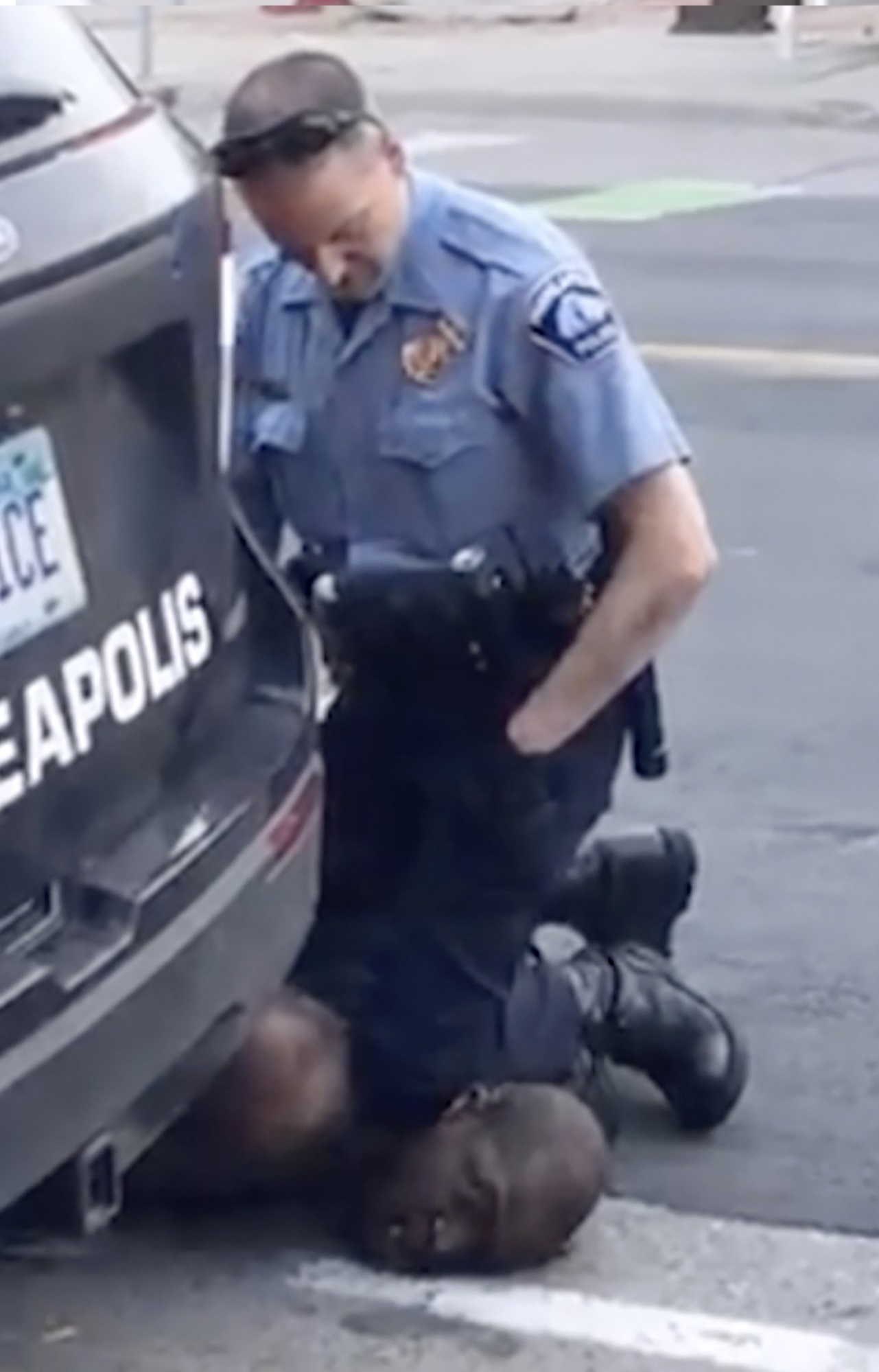
The Minneapolis Police Department's top homicide detective was on the scene after former police officer Derek Chauvin knelt on George Floyd's neck for more than nine minutes last May, the sergeant who secured the area testified on Friday.
Sgt. Jon Edwards, a 14-year police veteran, said he arrived to secure the scene of a "possible critical incident" shortly after 9:30pm. He had other officers canvass the area for potential witnesses.
At the scene, Edwards said, he asked two officers — J. Alexander Kueng and Thomas Lane — to activate their body-worn cameras. Both officers were later charged with aiding and abetting second-degree murder and aiding and abetting second-degree manslaughter.
READ MORE: Pandemic shapes trial of ex-cop in George Floyd's death
Lt. Richard Zimmerman, head of the homicide division for more than 12 years, arrived at the Chicago Avenue scene shortly before 10pm Kueng and Lane were taken to City Hall as part of a critical incident investigation, according to Edwards.
Zimmerman took the witness stand after Edwards.
The jury returned Friday for the abbreviated fifth day of testimony after, a day earlier, hearing Chauvin's perspective in the minutes after Floyd's limp body was taken away in an ambulance. It was the second time they heard his take on the events of that day. Judge Peter Cahill said he would send jurors home early on Friday because the trial was ahead of schedule.
RELATED: Minneapolis to pay $34m to settle Floyd family lawsuit
On Wednesday, a clip from Chauvin's body camera showed him defending his actions to a bystander.
A call to Sgt. David Pleoger, his supervisor at the time, was captured on body camera footage and played during Pleoger's testimony on Thursday. Chauvin made the call shortly after kneeling on Floyd's neck for more than nine minutes on May 25 to explain his version of what happened.
"I was just going to call and have you come out to our scene here," Chauvin told Pleoger. "We just had to hold a guy down. He was going crazy. He wouldn't … he wouldn't go in the back of the squad — "
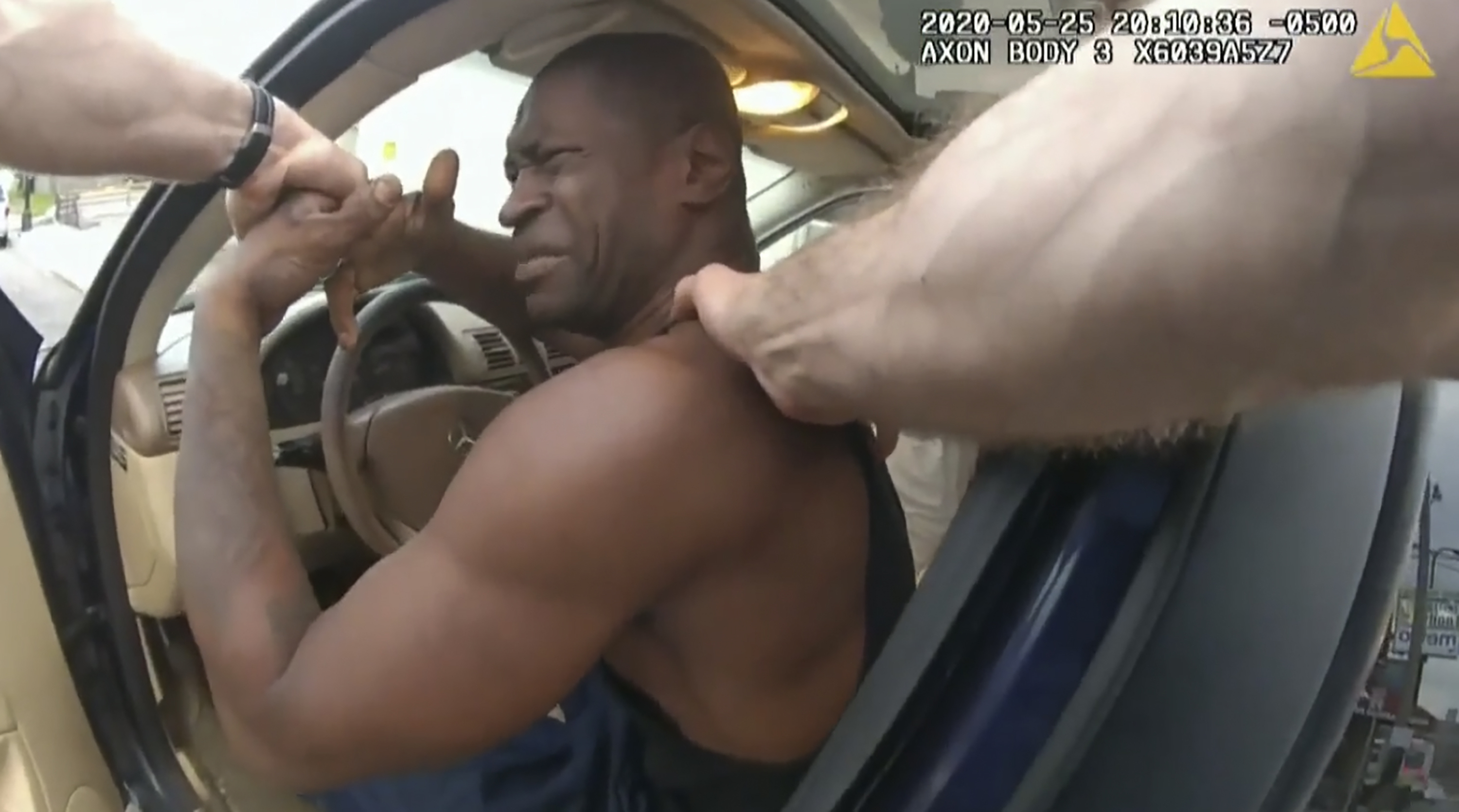
The video ends but in the rest of the call, Chauvin said Floyd had a medical emergency after struggling with officers trying to put him into a car, according to Pleoger. Chauvin did not mention holding his knee down on Floyd's neck and back, Pleoger said.
Pleoger drove to the scene and asked officers to speak to witnesses. "We can try, but they're all pretty hostile," Chauvin responded.
Later that night, at the Hennepin County Medical Centre, Chauvin told his supervisor that he had knelt on Floyd's neck, Pleoger told the jury.
The clip from Chauvin's body camera played for the jury on Wednesday also showed him defending his actions to a bystander who called him out for his treatment of Floyd.
"That's one person's opinion," Chauvin responded as he got into his squad car. "We had to control this guy because he's a sizeable guy. It looks like he's probably on something."
His version of the encounter is contradicted by videos showing Chauvin kneeling on Floyd, who was handcuffed, after he had passed out. Prosecutors said he knelt on Floyd for 3 minutes and 51 seconds during which Floyd was non-responsive.
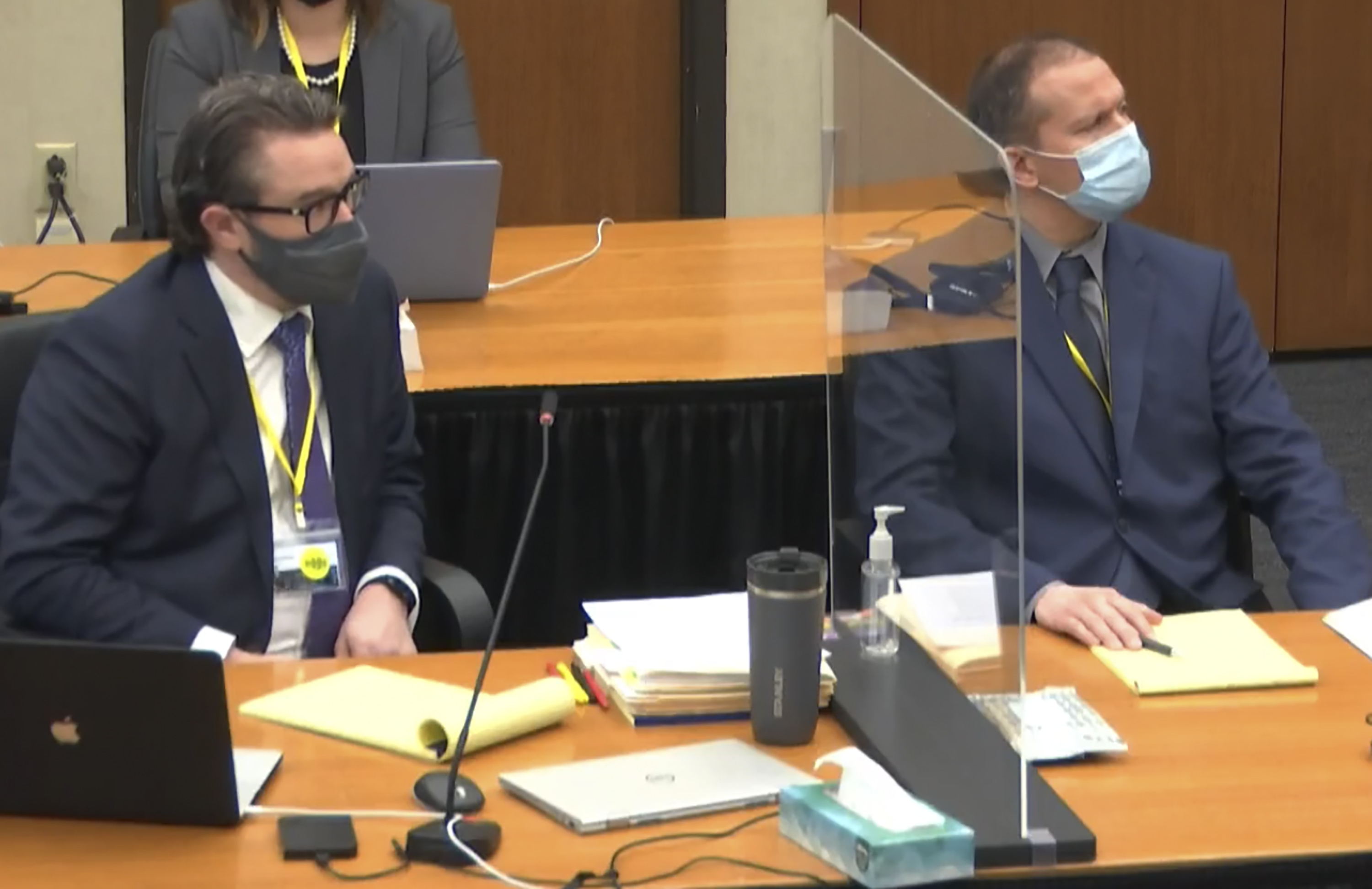
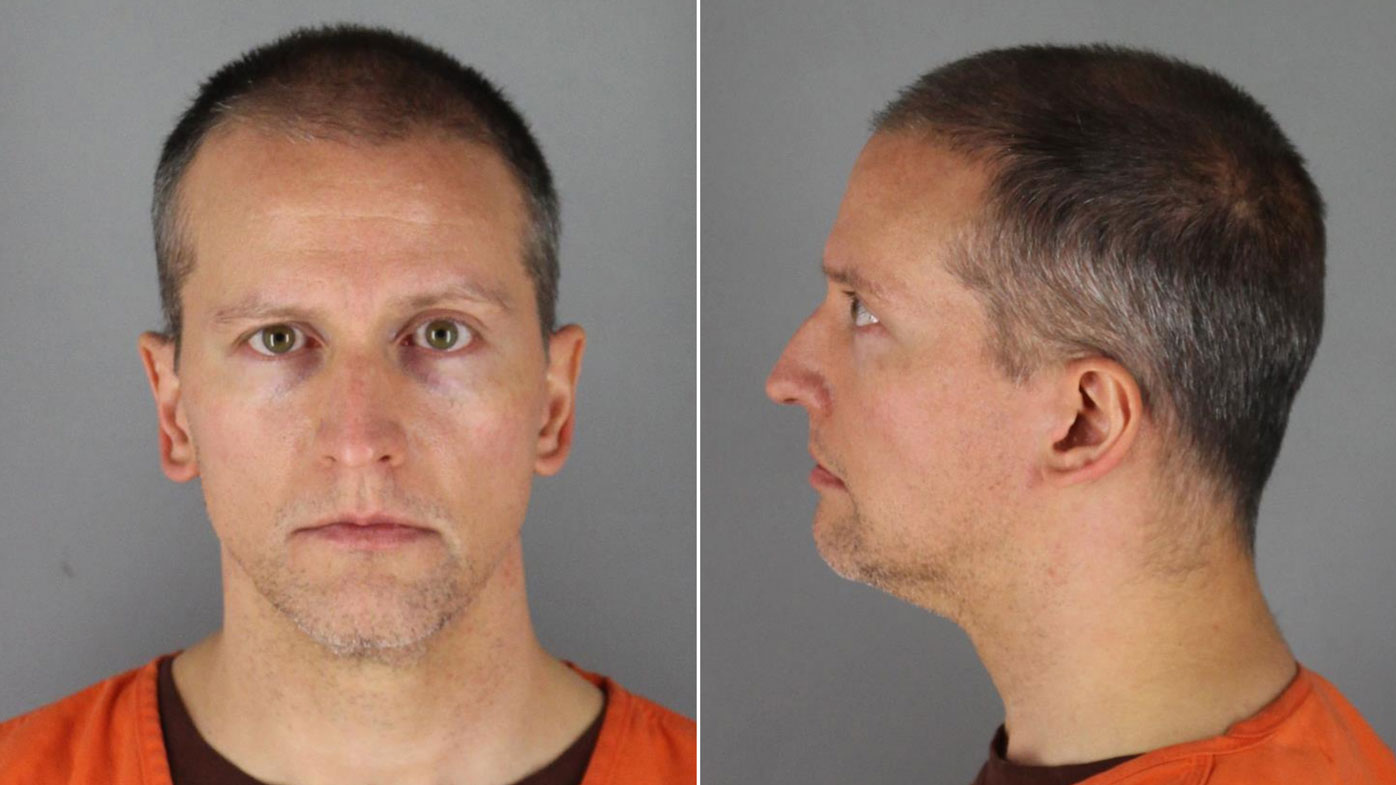
Chauvin has pleaded not guilty to charges of second-degree murder, third-degree murder and second-degree manslaughter. The defendant, in a suit and tie, has sat at the defense table, taking notes on a large legal pad.
Earlier Thursday, Floyd's girlfriend spoke about Floyd's struggles with opioid addiction, and a pair of first responders testified that Floyd appeared dead when they arrived.
Supervisor says Chauvin's use of force should have ended earlier
Pleoger's testimony centred on police protocols for the use of force. Officers can use force in certain circumstances, but that force should stop once the person is under control.
Pleoger testified that his review of bodycam footage showed Chauvin's use of force should have ended earlier.
"When Mr. Floyd was no longer offering up any resistance to the officers, they could have ended the restraint," he said. "It would be reasonable to put a knee on someone's neck until they were not resisting anymore, but it should stop when they are no longer combative."
He said officers are required to call an ambulance and provide emergency aid while waiting for the ambulance. Restrained persons should be put on their side to help their breathing.
Pleoger, on cross examination, said he had not conducted a formal use of force review because the death investigation moved up the chain of command.
'I thought he was dead'
A pair of Hennepin County paramedics said Floyd he was unresponsive, not breathing and had no pulse when they arrived on the scene.
"In layman terms, I thought he was dead," paramedic Derek Smith said.
Smith and his partner Seth Bravinder were first called to the scene as a non-emergency Code 2 for a mouth injury. A minute and half later, the call was upgraded to a Code 3 — meaning the ambulance uses lights and sirens.
Floyd did not appear to be breathing or moving. Smith checked Floyd's pulse and pupils while Chauvin kept his knee on him. The paramedic said he believed his heart had stopped. Bravinder motioned for Chauvin to lift his knee off Floyd to get him on a stretcher and in the ambulance.
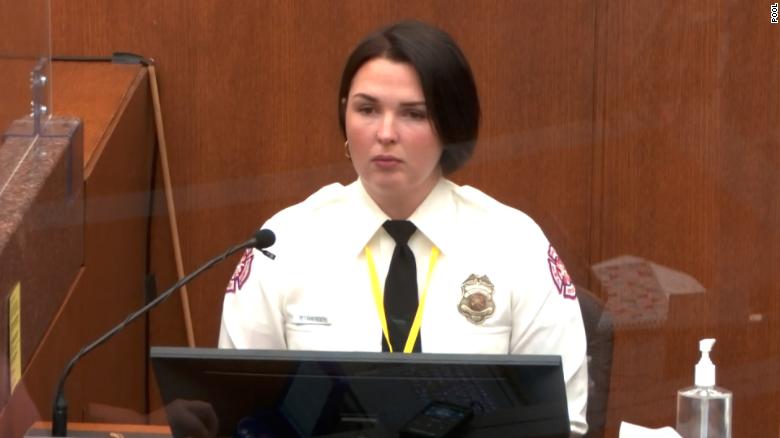
Bravinder said they were concerned about the crowd of bystanders.
An officer climbed into the ambulance and helped with chest compressions. Smith removed Floyd's handcuffs, he testified. Bravinder stopped the ambulance at one point to assist in Floyd's treatment, he testified.
In the ambulance, however, Floyd had flatlined — meaning his heart showed no activity. Attempts to restart his heart with chest compressions, establishing an airway and electric shock failed. They dropped him off at the hospital
Fire Department Capt. Jeremy Norton testified that no one ever found a pulse in Floyd's body. He later reported the incident to superiors in the Fire Department because it involved the death of someone in police custody and an off-duty firefighter was a witness.
Floyd and girlfriend struggled with opioid addiction
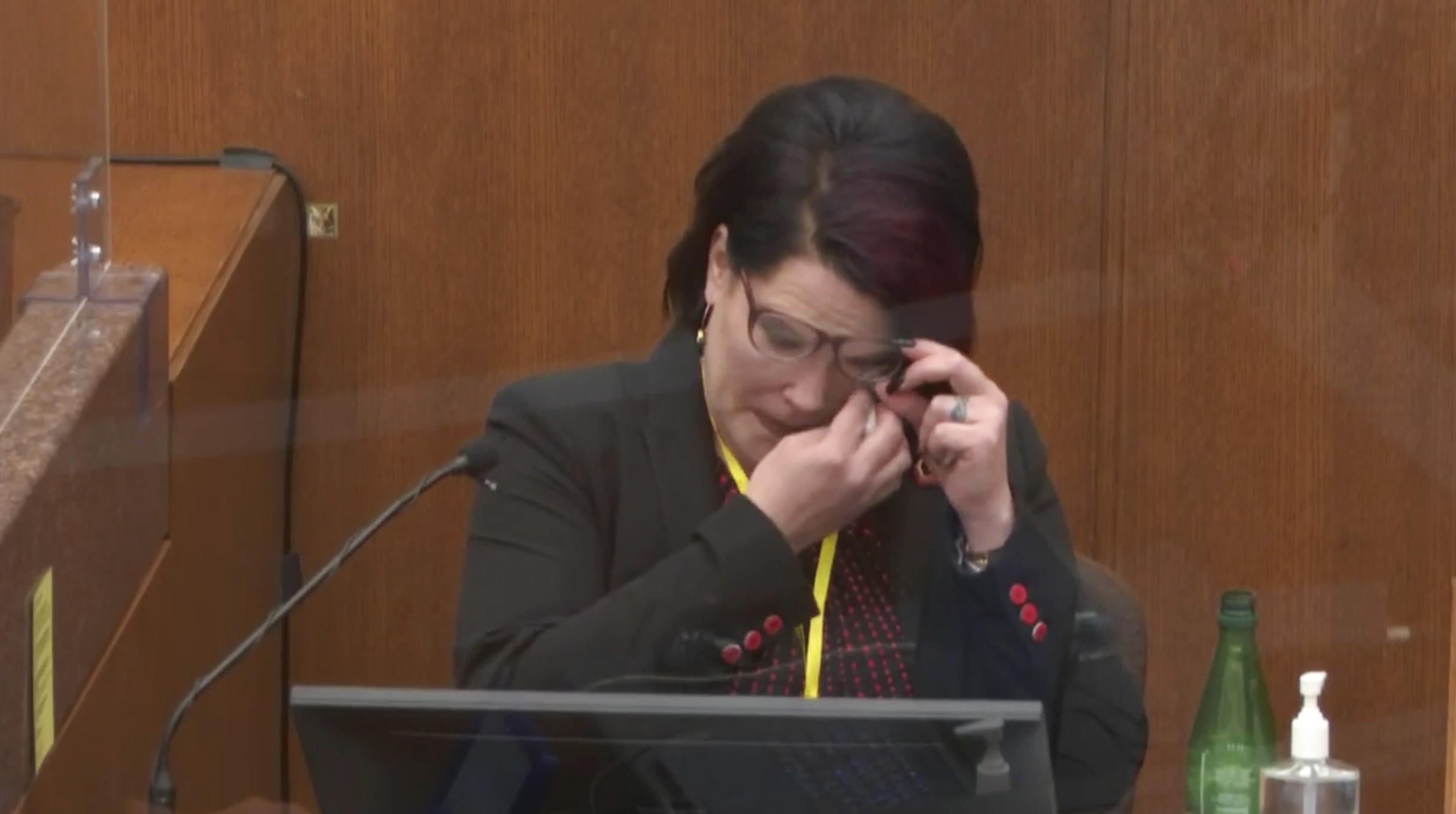
Courteney Ross, 45, told the jury she met Floyd in August 2017. He worked as a security guard at the Salvation Army.
Floyd worked out every day and never complained of shortness of breath, she said. He was a mama's boy who was a "shell of himself" after his mother's death in 2018.
READ MORE: George Floyd's family, leaders hold prayer service on eve of trial
They both struggled with addiction to opioids, she testified. They were prescribed opioid painkillers to treat chronic pain, which ultimately led to an addiction and their use of street drugs, she testified.
In March 2020, she found Floyd doubled over in pain and took him to the emergency room, she testified. He had overdosed, she said. She said she believed he had started using again in May 2020.
In opening statements, prosecutors acknowledged Floyd's history of opioid addiction but said it was irrelevant to his death last May. But defence attorney Eric Nelson argued that Floyd's true cause of death was drug use and several preexisting health issues.
Delicate operation to save tradie after severe electric shock
An Adelaide tradesman's workmates and skilled rescuers have been credited with saving his life after he suffered a severe electric shock on Friday.
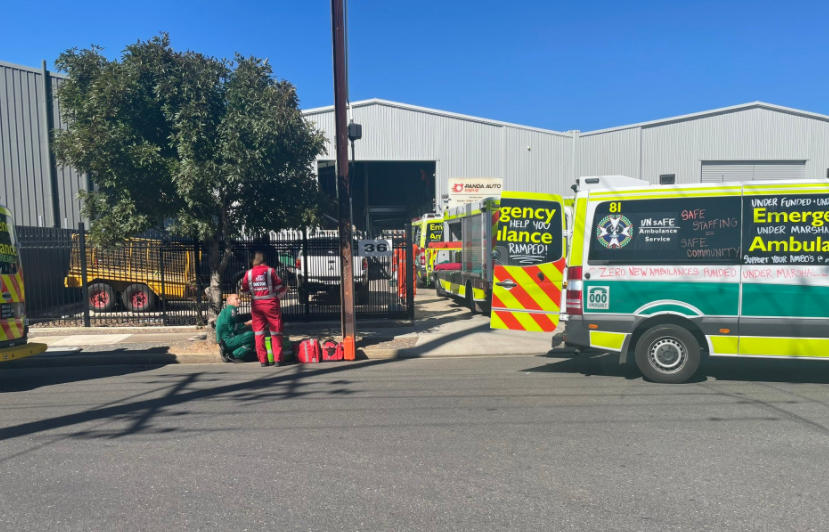
Paramedics had to climb up to where the 52-year-old man was trapped beneath the roof of an Edwardstown business to stabilise him.
He was fighting for life as specialist rescue workers removed him from Panda Auto in a delicate, hour-long operation.
READ MORE: Sun, storms and a cyclone over Easter long weekend
"(He) had to have some immediate therapy that got his heart started again," South Australia Ambulance Service's Grant Copley said.
The injured worker was carefully loaded into an ambulance and raced to the Flinders Medical Centre.
The man suffered a severe electric shock just before 11am (11.30am AEDT).
Paramedics said the decision from one colleague to immediately start CPR may have saved the man's life.
"He had first aid and good first aid rendered to him by his work colleagues until paramedics arrived," Mr Copley said.
The worker's condition improved on Friday afternoon, upgraded to serious but stable.
Safe Work SA is investigating the incident.
An Adelaide man was electrocuted in December of last year.
The 48-year-old Morphettville man was found unresponsive on the roof of the Aberfoyle Hub Shopping Centre and died at the scene.
Explainer: What we know about AstraZeneca blood clot reports
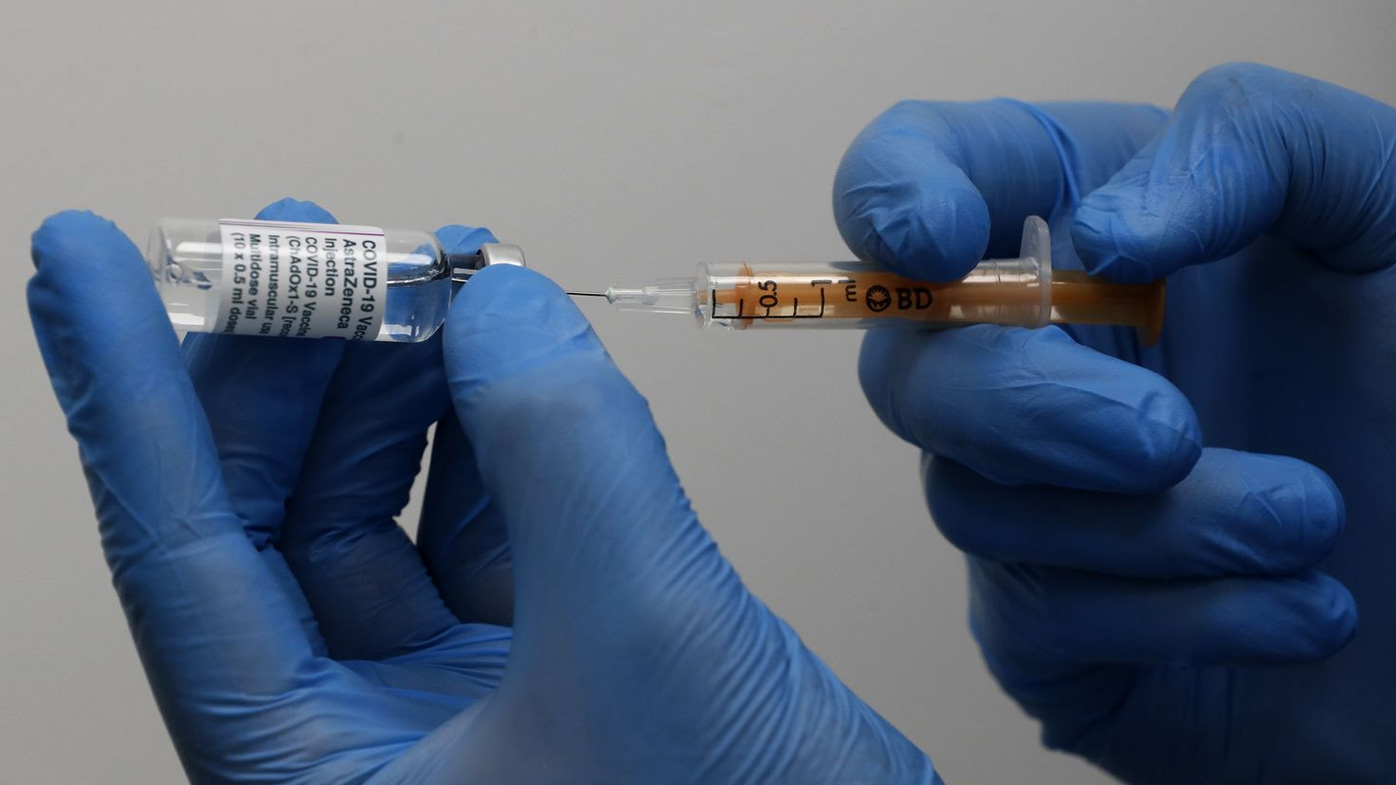
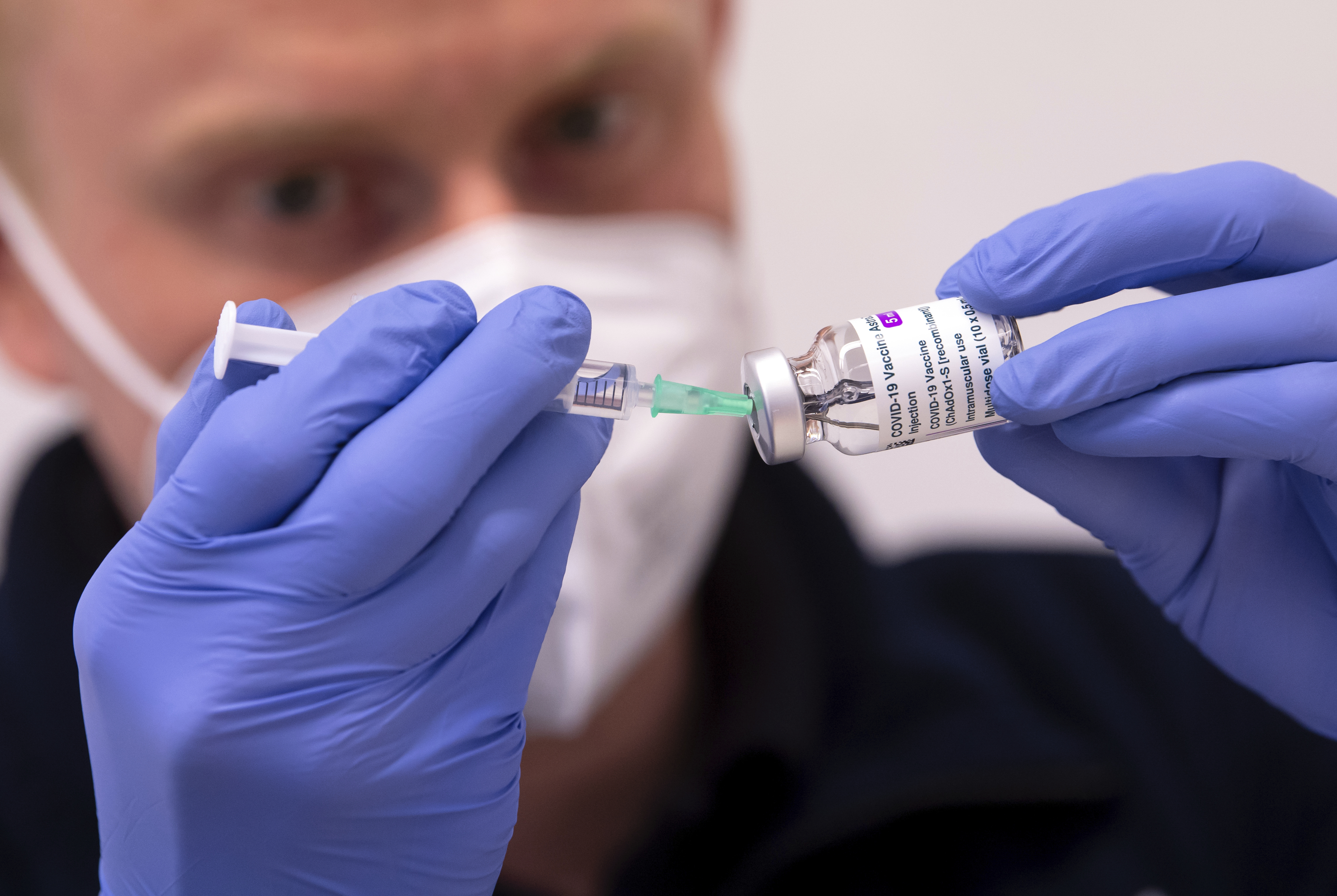
Australian vaccine experts will meet again on Saturday to discuss a Melbourne man's blood clots as experts around the world try to uncover whether there is a causal link to the AstraZeneca COVID-19 vaccine.
The Therapeutic Goods Administration is investigating what's thought to be the first Australian vaccine recipient affected by an "extremely rare" blood clotting disorder detected in a few dozen people who received the Anglo-Swiss drug maker's jab.
Though rare, the disorder does occur naturally and after weeks of investigation, no evidence has emerged that the vaccine is the cause of recent rare clots that have been reported in Europe, the UK and now Australia.
READ MORE: EU says 'no evidence' to restrict use of AstraZeneca vaccine
Links of this sort can take months or more to properly investigate and Europe's regulator does report seeing more of the rare brain clots than would be expected.
But the European Medicines Agency, having looked into 62 cases reported worldwide by March 22 at an incidence of 4.8 per million doses, points out the benefits of the vaccine far outweigh any potential risk.
It also notes that COVID-19 itself often causes blood clotting disorders, further complicating attempts to clarify the situation.
READ MORE: Germany to restrict AstraZeneca use in under-60s over blood clots
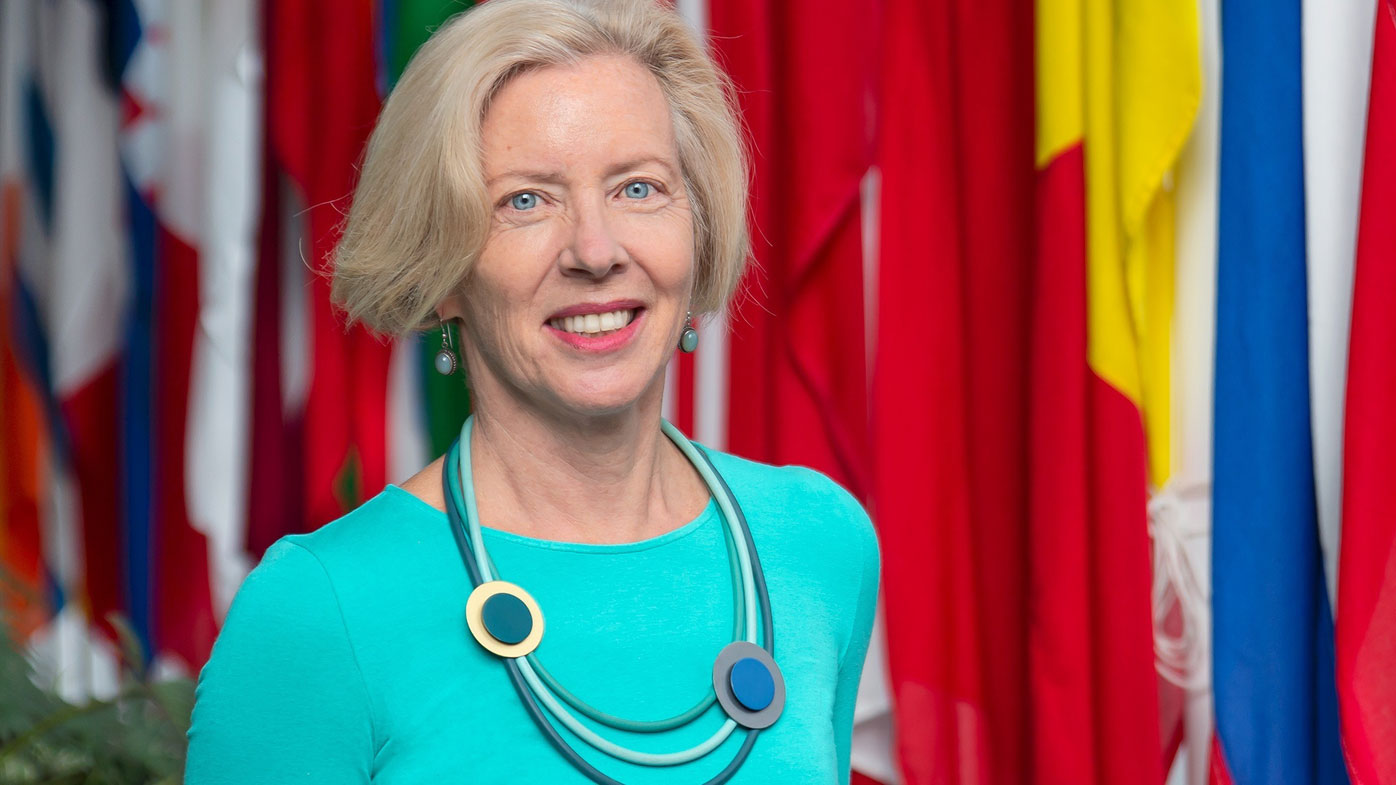
"According to the current scientific knowledge, there is no evidence that would support restricting the use of this vaccine in any population," EMA executive director Emer Cooke said.
She said the EMA's experts had not determined any underlying risk factors for the blood clots or established a causal relationship to the AstraZeneca vaccine.
"The link is possible, and we cannot say any more than that at this point," Ms Cooke said.
What's the situation in Australia?
In Australia, acting Chief Medical Officer Professor Michael Kidd said more than 425,000 doses of the AstraZeneca vaccine had been administered.
"One case of this clotting disorder has been recorded in Australia overnight and we are taking this very seriously," Professor Kidd said.
"Investigators have not at this time confirmed a causal link with the COVID-19 AstraZeneca vaccine but investigations are ongoing.
"Central venous sinus thrombosis is a very rare disorder that is previously not been known to be associated with vaccination, however it has been noted as a complication of people who have contracted COVID-19."
READ MORE: Pfizer vaccine works for teens, study reveals
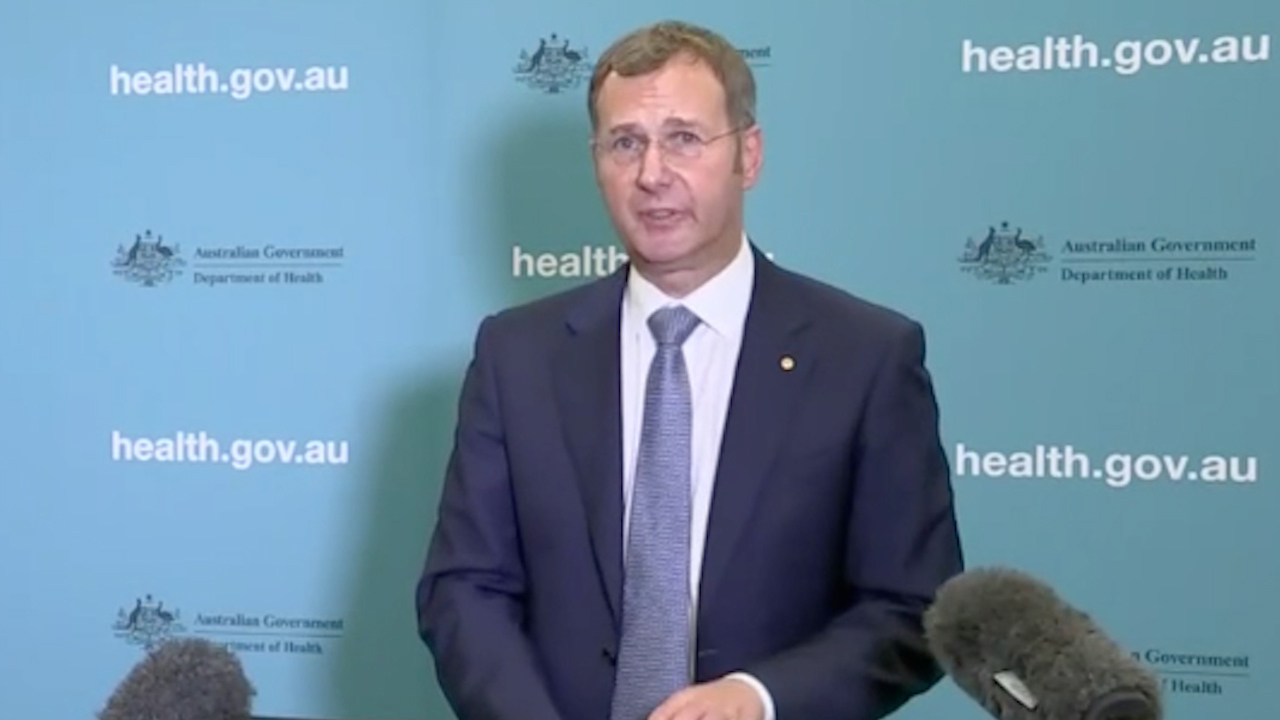
He recommended Australians who experienced serious symptoms after receiving the AstraZeneca vaccine to seek medical help.
Those were more likely to be common side effects such as fever, sore muscles, tiredness and headache within 24 hours of getting the jab but could also include anaphylaxis, a known rare reaction to vaccinations in general, shortly after.
He said anyone suffering, "severe, persistent headache or other worrying symptoms, 4-20 days after the vaccine" should seek medical help immediately.
The TGA vaccine safety investigation group is meeting on Saturday to examine the issue.
How has this story developed over the past month?
German officials have decided to limit the use of AstraZeneca's coronavirus vaccine in people under 60 after more unusual blood clots were reported in a small number of people who received the shots.
In response, Europe's drug regulator reiterated on Wednesday that "there is no evidence that would support restricting the use of this vaccine in any population."
Earlier in March, more than a dozen countries, including Germany, suspended their use of AstraZeneca over the blood clot issue. Most restarted — some with the kinds of restrictions Germany imposed on Tuesday — after the EMA said the benefits of the vaccine outweighed the risks of not inoculating people against COVID-19.
But the seesawing back and forth in some countries on who can take the vaccine has raised concerns its credibility could be permanently damaged. Here's a look at what we know — and what we don't.
READ MORE: How AstraZeneca went from pandemic hero to villain
What happened in Germany?
Earlier this week, Germany's medical regulator released new data showing a rise in reported cases of unusual kinds of blood clots in people who recently got a dose of the AstraZeneca vaccine.
In response, Health Minister Jens Spahn and state officials agreed to only give the vaccine to people aged 60 or older, unless they were at high risk of developing serious complications from COVID-19 and agreed to take the shot.
"It's about weighing the risk of a side effect that is statistically small, but needs to be taken seriously, and the risk of falling ill with corona," Mr Spahn said.
Some 2.7 million doses of AstraZeneca have been administered in Germany so far.
Germany's medical regulator said its tally of the rare blood clots reported by March 29 had increased to 31.
Nine of the people died and all but two of the cases involved women, who were aged 20 to 63, the Paul Ehrlich Institute said.
Some clots have also been reported elsewhere among the tens of millions of people who have received the AstraZeneca vaccine.
What have previous investigations found?
The EMA's initial investigation concluded the AstraZeneca shot did not raise the overall risk of blood clots but could not rule out a link to rare clots.
It recommended a new warning be added to the vaccine's leaflet and continued to authorise it for people 18 and over.
The EMA is looking closely at two rare types of blood clots, including one that affects the brain, reported in people who got at least one dose of the AstraZeneca vaccine and could update its recommendations for the vaccine next week.
On Wednesday, Dr Peter Arlett of the EMA said the agency was seeing "more cases of (brain clots) than we would expect to see.
READ MORE: EU drug agency declares 'no indication' AstraZeneca vaccine caused dangerous blood clots
He noted more younger women have been affected but it wasn't clear if that was significant since younger women were also more likely to receive the AstraZeneca vaccine in Europe.
He did not say how many of these kinds of clots would typically show up in the general population.
Emer Cooke, the agency's executive director, said its experts had not been able to identify specific risk factors for those who might be at higher risk for the rare clots.
The World Health Organisation's expert committee also evaluated available data for the AstraZeneca vaccine and said the shot was safe and effective.
On Wednesday, WHO vaccines department head Dr Kate O'Brien, said it was continuing to review the situation.
It's normal to continue to look for side effects as new vaccines are rolled out since they are typically tested in tens of thousands of people but some rare problems might only occur once millions receive the shot.
How can scientists figure out if there is a link between the two?
"The way to tell if cases are caused by vaccination is to look to see if there is an excess of cases in people who have been vaccinated," said Dr Peter English, past chair of the British Medical Association's public health medicine committee.
That will take some time. It took about a year, for instance, before scientists were able to conclude that a swine flu vaccine was responsible for some cases of narcolepsy in Europe.
Adam Finn, a professor of paediatrics at the University of Bristol, said there was no compelling evidence yet that the vaccine was to blame for the rare clots.
"The mechanism by which these blood clotting abnormalities come about, and why they affect this very small proportion of individuals, has still not been properly worked out," he said in a statement.
In a statement, AstraZeneca said it was analysing the tens of millions of records for people who received its vaccine "to understand whether these very rare cases of blood clots … occur any more commonly than would be expected naturally (in a) population of millions of people."
What does this mean for COVID-19 vaccinations?
It's bad news. Health officials worry the repeated suspensions and restrictions for the AstraZeneca vaccine could undermine confidence in a shot that is key to global efforts to stamp out the pandemic since it's cheaper and easier to store than some others.
In Norway, which recently extended its suspension of the AstraZeneca vaccine for three weeks, officials say the confusion is prompting a wave of vaccine hesitancy.
The leader of the Norwegian Association for General Practice, Marte Kvittum Tangen, told broadcaster NRK that resuming vaccination with AstraZeneca "will be very difficult if we want the greatest possible vaccination coverage in the population in the long run."
Professor Finn said the biggest health threat to the world currently was COVID-19 and any doubts about the effectiveness of authorised coronavirus vaccines were problematic.
"We need to stay focused on the need to prevent (COVID-19) taking millions more human lives before it is brought under control and the only effective way to do that is through vaccination," he said.