Tag Archives: oceania

Everything we know about the two Queensland clusters

Queensland is now fighting two COVID-19 clusters sparked by an unvaccinated doctor and nurse who worked with coronavirus patients from overseas at the same Brisbane hospital.

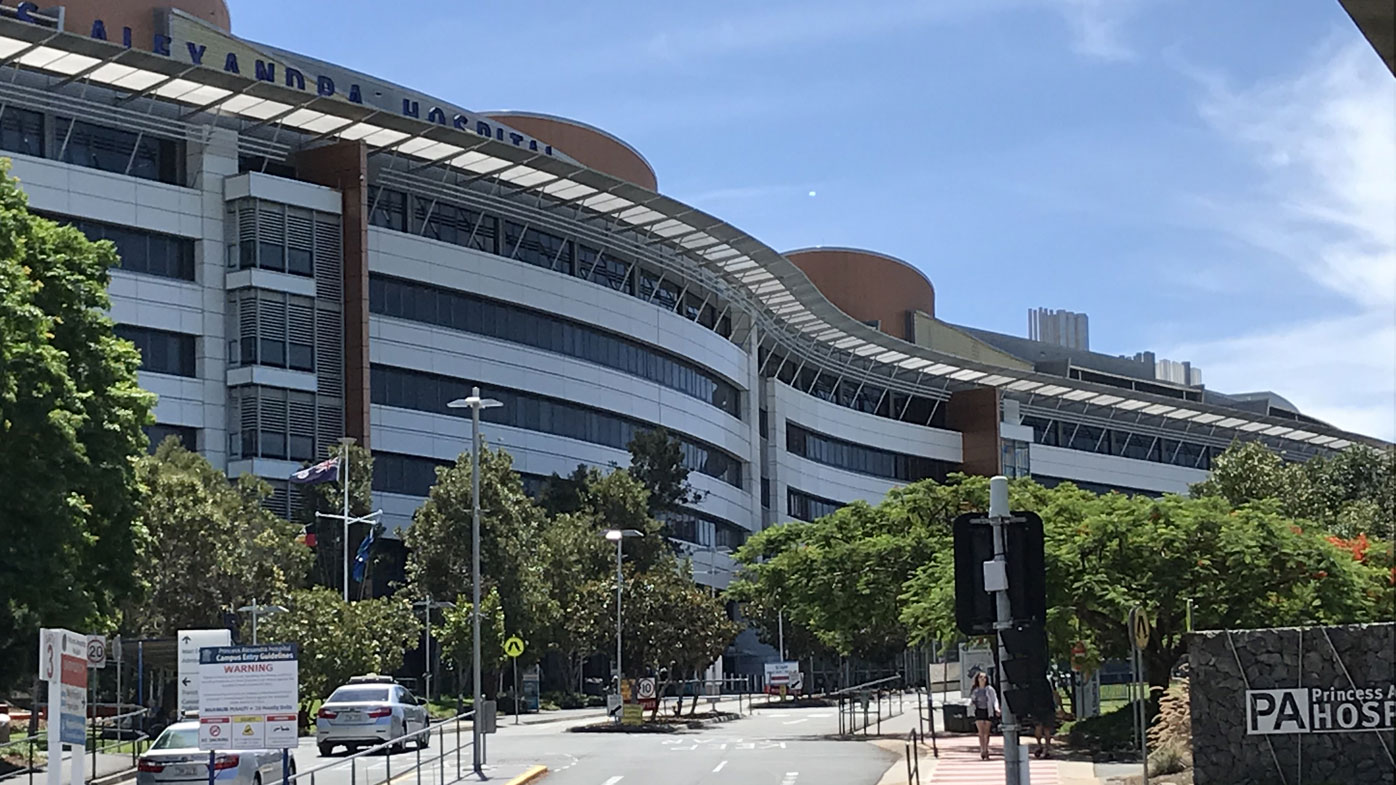
A female doctor from Princess Alexandra Hospital is believed linked to cluster one, and a female nurse at the same facility is assumed central to cluster two.

Both clusters are circulating the highly transmissible UK strain, also known as B1.1.7.

Here's what we know about each cluster.

LIVE UPDATES: Latest Queensland coronavirus developments and border news

A doctor and nurse from Brisbane's Princess Alexandra Hospital are central to two COVID-19 cluster outbreaks in Queensland.

Cluster 1 – Eight people, with two under investigation

The first cluster is related to a doctor at the Princess Alexandra Hospital who treated a confirmed case, Chief Health Officer Jeannette Young said.

The infected patient had earlier passed the virus on to another returned traveller while they were in hotel quarantine.

So by March 12, there were three cases in this cluster.

Later, two men who live in northern Brisbane came forward and returned positive tests, bringing the cluster to five.

READ MORE: How other states and territories are reacting to Brisbane's lockdown

More cases have been linked to a hen's party in Byron Bay attended by infectious COVID-19 cases from Queensland.

Three more cases were then added to the cluster.

Two further cases are currently under investigation, which Dr Young expects will be confirmed as linked to cluster 1 soon.

So, cluster one totals eight people, and is likely to move to at least 10.

Cluster 2 – Eight people

The nurse at the centre of this cluster worked at Princess Alexandra Hospital on March 18, in the COVID ward.

However, genomic testing has linked her to a patient, a returned traveller, who was only admitted to the hospital on March 22.

After her 18 March shift, Dr Young said the nurse's next shift was 23 March, with that shift beginning at 10pm.

That night she worked through into the next day, on the 24th.

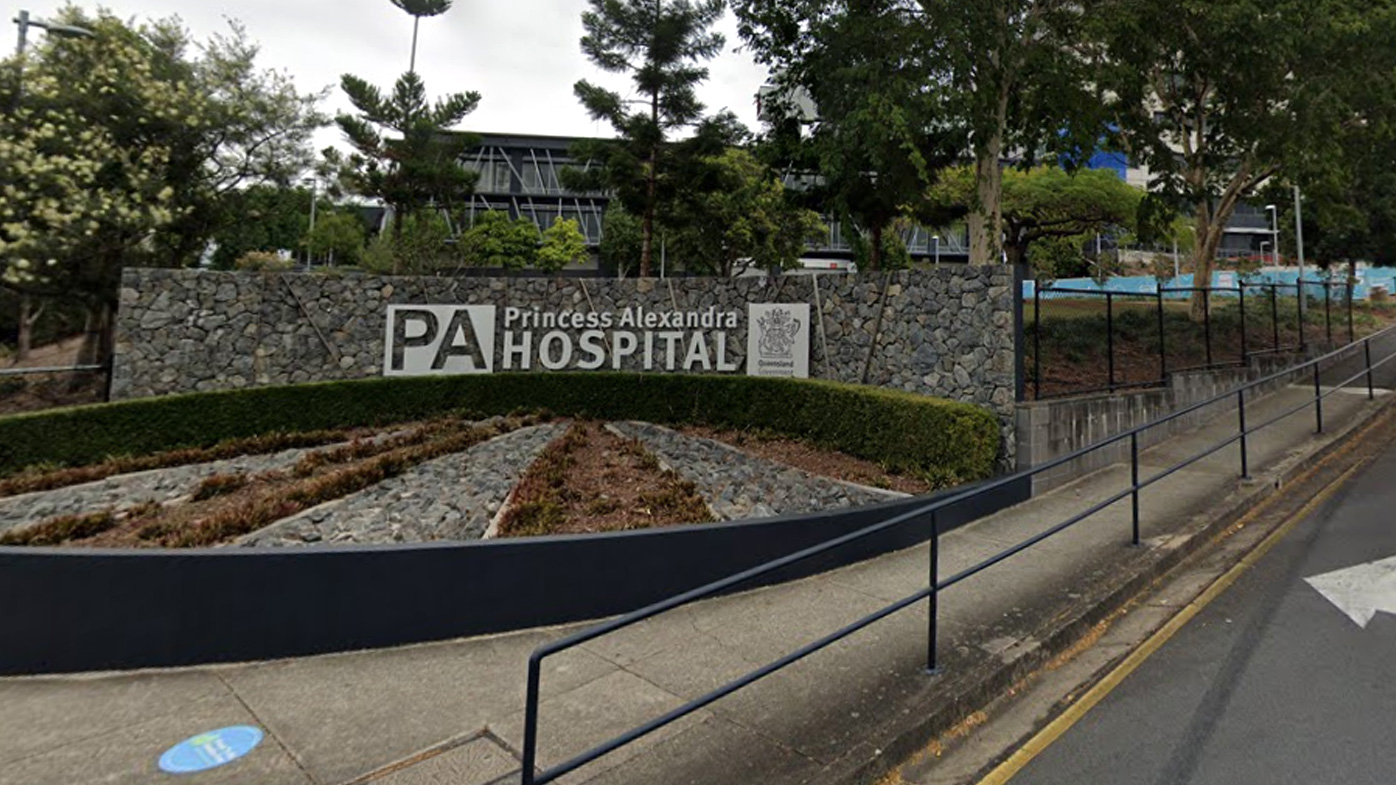
Princess Alexandra Hospital at Buranda.

Queensland Health are trying to establish how the nurse caught the virus, whether directly from the returned traveller or another means of transmission.

The nurse passed the virus to her sister, and the pair were part of a hen's party that travelled to Byron Bay, in the north of New South Wales.

Today, it was confirmed another five people on that hen's party had tested positive, including a tradie who was with the group as an "entertainer".

That tradie, who lives on the Gold Coast, worked at a Queensland aged care facility after returning from his "entertainer" work on the Byron trip.

Residents at that aged care facility have been given their first vaccination jab, Queensland Health said.

It was not known yet if any vulnerable residents had been administered a second dose.

So, including the original returned traveller, cluster two totals eight people.

Dr Young said, separate to the above, that one outstanding case under investigation could be linked to either of the clusters.

READ MORE: NSW expects new cases after Byron Bay hen's party

CCTV released in hunt for group that stabbed man outside his home

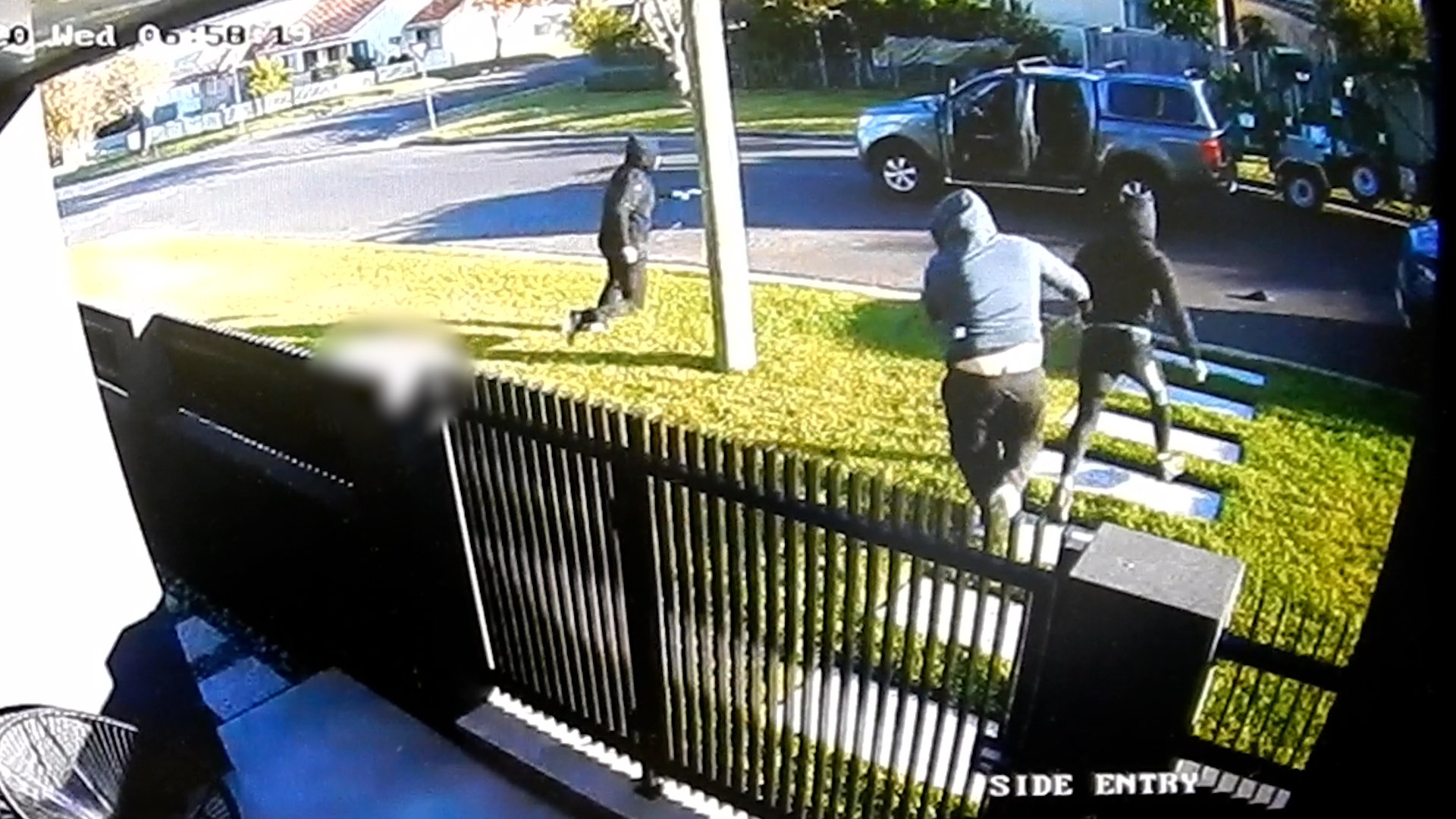
Three men in hoods jumped from a car armed with baseball bats before a man was left critical in a stabbing outside his home in Sydney's south west.

Police have released CCTV they believe could be they key to finding the three people who stabbed a man outside his Panania home about 7am on September 23 last year.

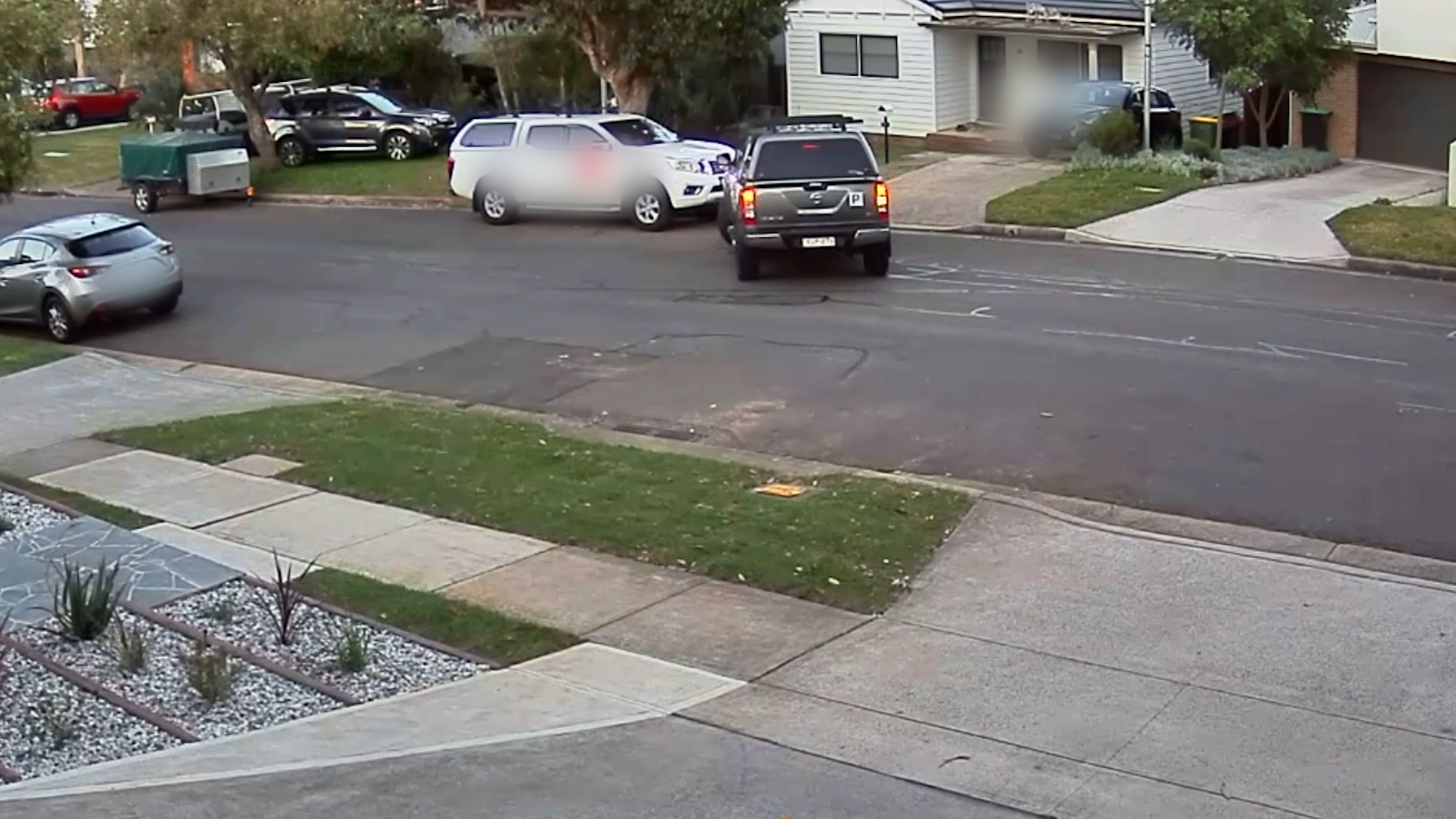
The 34-year-old man was standing next to his car when a Nissan Navara with a green P-plate, pulled up beside him and three unknown men launched their attack.

READ MORE: NSW expects new cases after Byron Bay hen party

The three were armed with baseball bats and were seen on CCTV chasing the man before assaulting him as he tried to escape.

The group then fled the scene. They were last seen heading toward Lambert Street.

The injured man was treated at the scene, before being taken to Liverpool Hospital in a critical condition where he underwent surgery.

Investigators are hopeful the CCTV images will assist in identifying the three men involved in the assault.

READ MORE: Mother of two charged with murder after father stabbed to death

The first man is described as being aged between 20 and 30, of medium build with dark facial hair.

He is seen wearing a black hooded jumper, black pants, a black cap with black and white sports shoes and light-coloured gloves.

The second man is described as being about 180-185 centimetres tall and of medium build, wearing a black hooded jumper, black pants and gloves.

The third man is described as being about 180-185 centimetres tall, of medium to large build and is shown wearing wearing a blue hooded jumper with black pants.

The incident is being treated as targeted and inquiries into the circumstances are continuing.

Anyone with information is urged to contact Crime Stoppers: 1800 333 000 or https://nsw.crimestoppers.com.au.

Chinese lab leak unlikely, says WHO's coronavirus taskforce

COVID-19 probably came to people through an animal, and likely started spreading no more than a month or two before it was noticed in December 2019, a World Health Organisation draft report has found.

The least likely source: a laboratory leak, the WHO's joint international team concluded.

The WHO is scheduled to release the final report on its investigation into the origins of coronavirus today, but a draft version of the report obtained by CNN shows there's still no smoking gun and no evidence suggesting the virus was spreading any earlier than the very end of 2019.

READ MORE: WHO Wuhan mission finds possible signs of wider outbreak
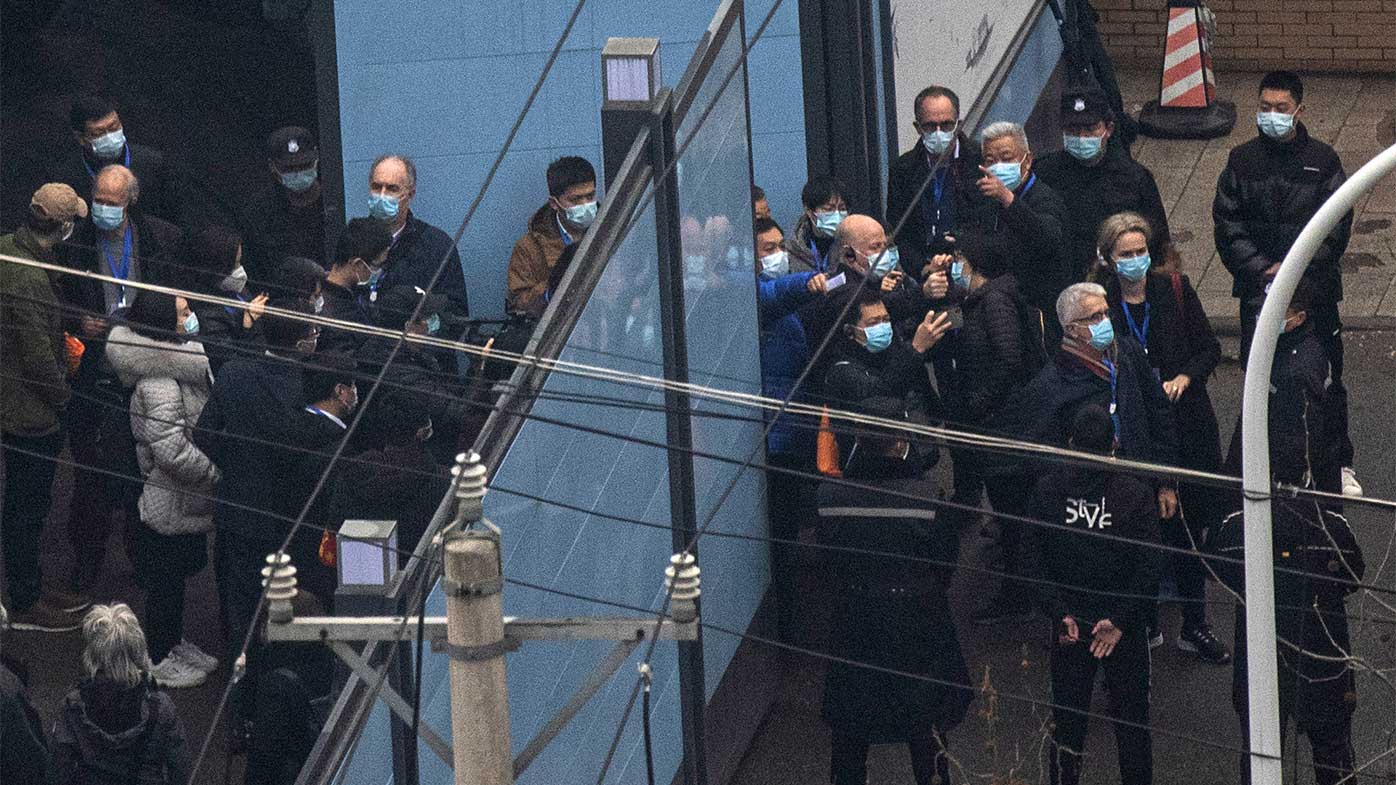
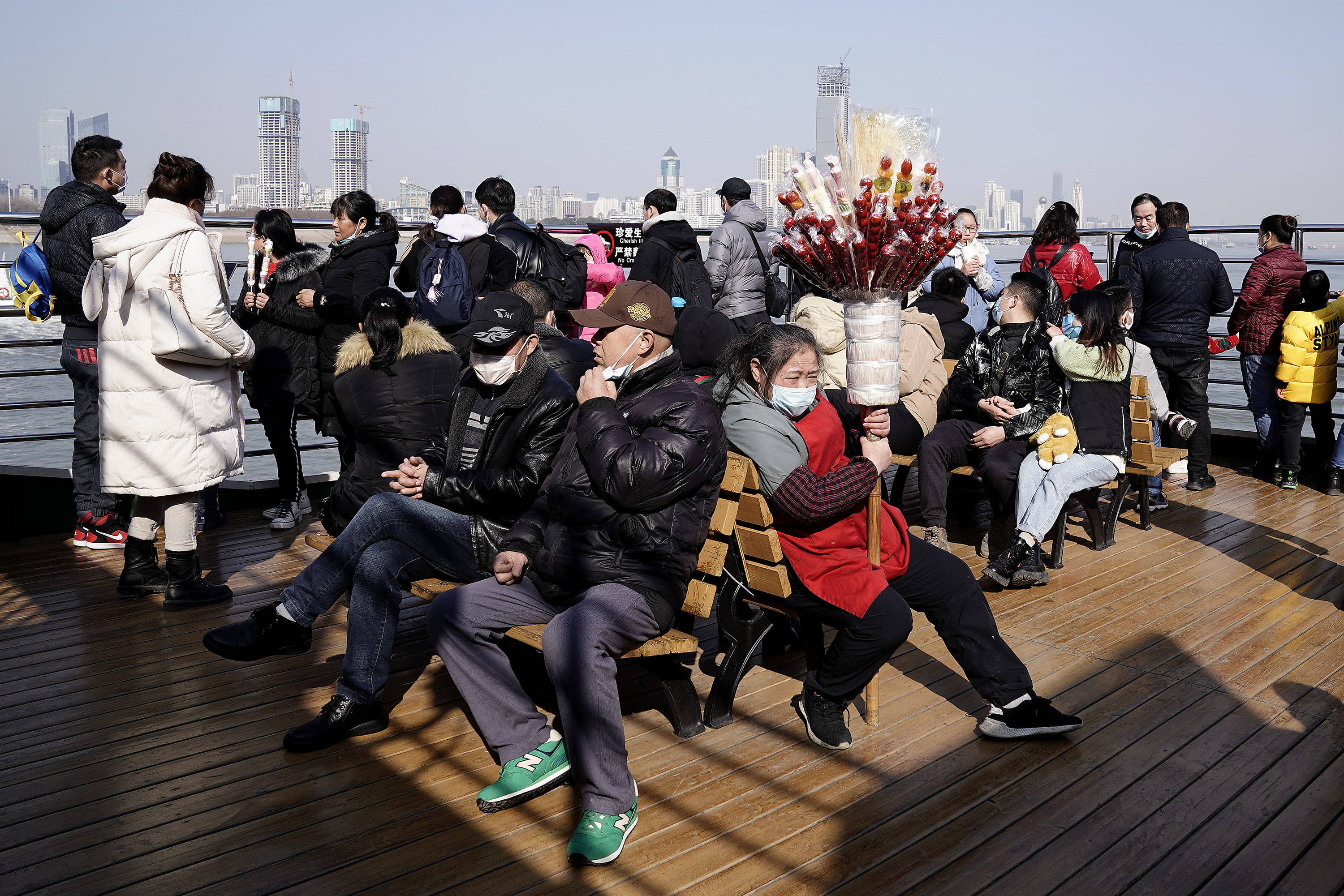
Investigative team members of the World Health Organisation are seen visiting a Huanan seafood market in Wuhan.

The report gives four possible sources for the virus and the most likely scenario is via an intermediate animal host, possibly a wild animal captured and then raised on a farm.

But the investigation has not found what other animal was infected by a bat – considered the most likely original source of the virus – and then may have transmitted it to a human.

"The possible intermediate host of SARS-CoV-2 remains elusive," it reads.

Next likely is direct transmission from one of the animals known to carry a similar coronavirus, such as a bat or a pangolin.

Possible but not probable is transmission from frozen or chilled food, and least likely is an accidental laboratory release, the report finds.

Former US Centres for Disease Control and Prevention Director Dr Robert Redfield told CNN's Dr Sanjay Gupta that his personal opinion was the virus was released from a lab.
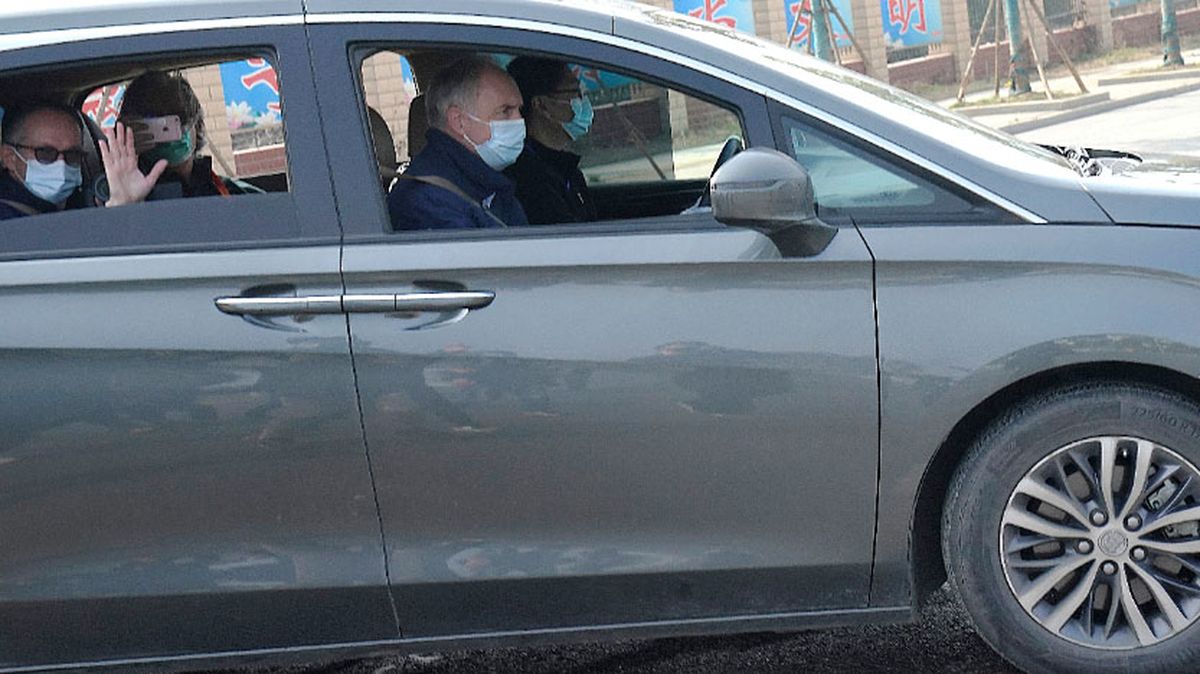
The report says this is "extremely unlikely".

"There is no record of viruses closely related to SARS-CoV-2 in any laboratory before December 2019, or genomes that in combination could provide a SARS-CoV-2 genome," it reads.

"In view of the above, a laboratory origin of the pandemic was considered to be extremely unlikely."

Independent researchers have been saying this for months.

Genomic testing of the virus indicates it was not engineered in a lab but passed naturally from animals – as did the SARS virus that infected 8000 people globally in 2002-2004 before it was stopped.

Frozen food is also not a likely source, the report indicates.

"There is no conclusive evidence for foodborne transmission of SARS-CoV-2 and the probability of a cold-chain contamination with the virus from a reservoir is very low," it says.

The role of the Huanan seafood market in Wuhan is also unclear.

It's possible the market was not the original source of the outbreak, but that the crowds that gathered at the market – which was densely packed, with a roof and open sewers – may have amplified the spread of the virus.
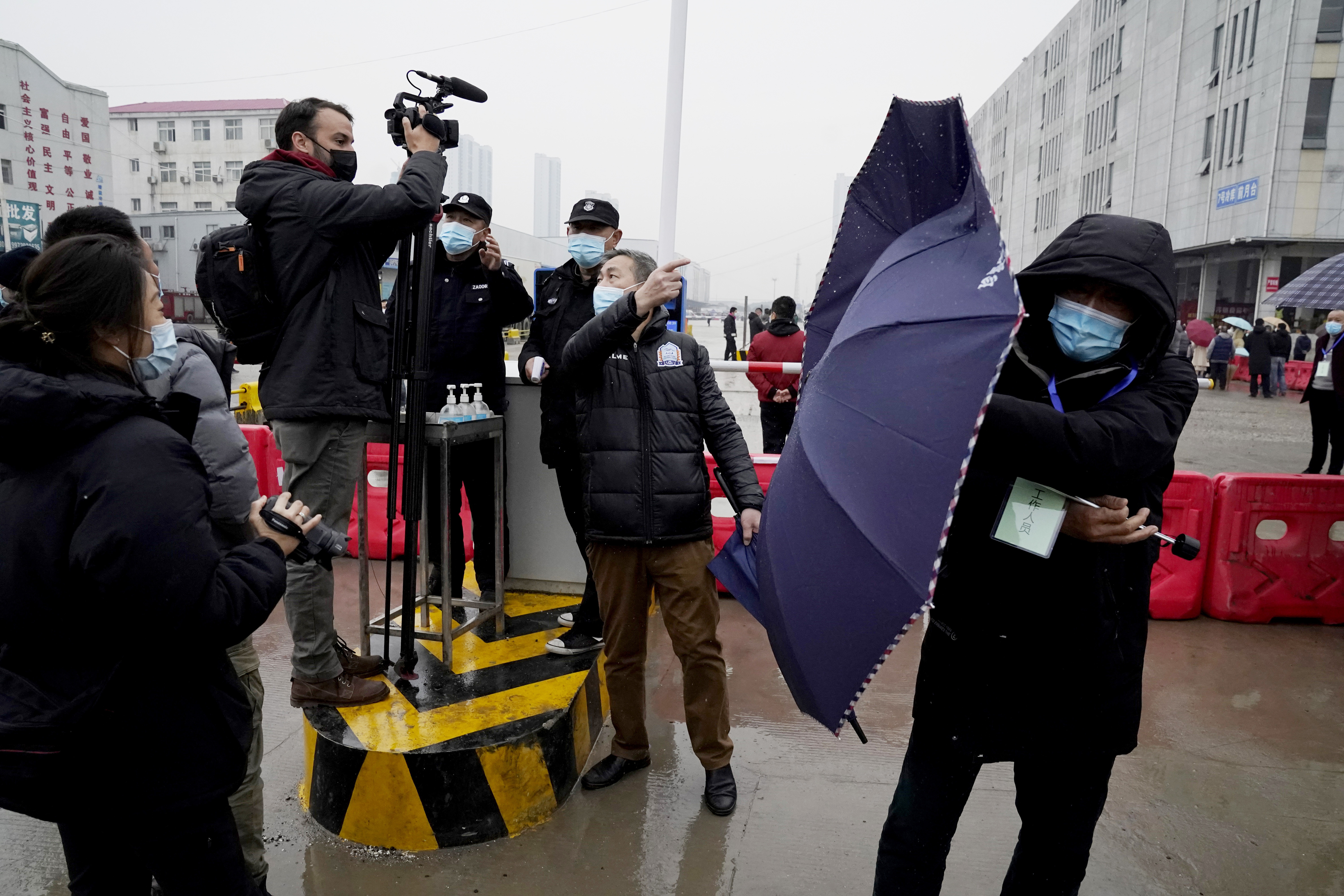
Sampling at the market turned up the virus on surfaces but not in samples taken from animals or food sold at the market.

Plus, there is evidence the virus was circulating before the Huanan market outbreak – including at other markets.

"Many of the early cases were associated with the Huanan market, but a similar number of cases were associated with other markets and some were not associated with any markets," the report added.

"Transmission within the wider community in December could account for cases not associated with the Huanan market which, together with the presence of early cases not associated with that market, could suggest that the Huanan market was not the original source of the outbreak.

"No firm conclusion therefore about the role of the Huanan market in the origin of the outbreak, or how the infection was introduced into the market, can currently be drawn."

The report recommends more testing of blood samples taken and stored before the first outbreak in December, more testing of animals from Southeast Asia, and more in-depth study of mass gatherings that could have aided the spread of the virus.

READ MORE: WHO team heads to controversial China bat lab
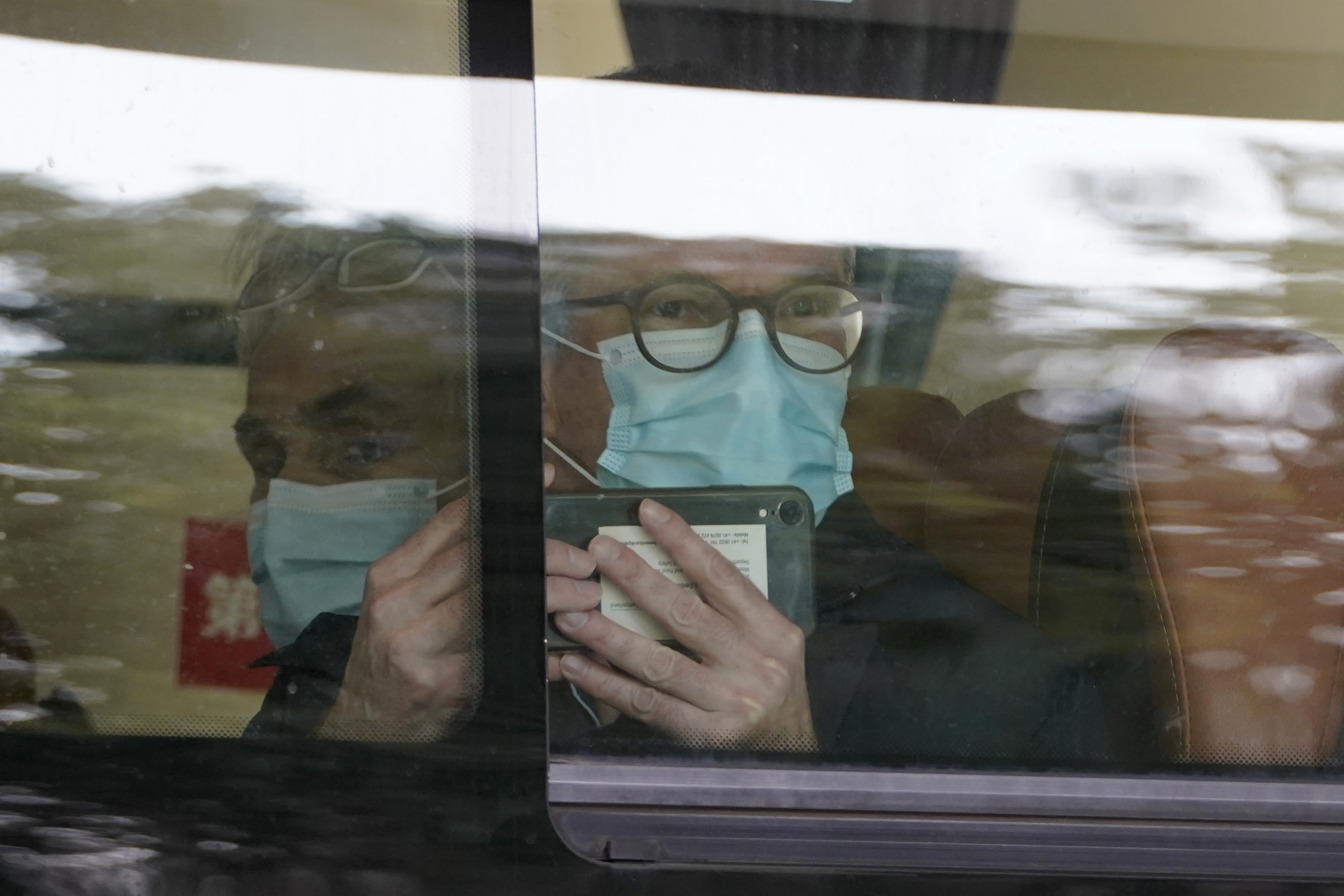
The report was written by a joint international team made up of 17 Chinese experts plus 17 experts from other countries, WHO, the Global Outbreak Alert and Response Network (GOARN) and the World Organisation for Animal Health (OIE).

The United Nations Food and Agriculture Organisation of the United Nations (FAO) participated as an observer.

"Following initial online meetings, a joint study was conducted over a 28-day period from 14 January to 10 February 2021 in the city of Wuhan, People's Republic of China," the report reads.

The team looked for evidence the virus was circulating in China before anyone noticed.

"The epidemiology working group closely examined the possibilities of identifying earlier cases of COVID-19 through studies from surveillance of morbidity (illness) due to respiratory diseases in and around Wuhan in late 2019," it read.
"It also drew on national sentinel surveillance data; laboratory confirmations of disease; reports of retail pharmacy purchases for antipyretics (fever reducers), cold and cough medications; a convenience subset of stored samples of more than 4500 research project samples from the second half of 2019 stored at various hospitals in Wuhan, the rest of Hubei Province and other provinces. In none of these studies was there evidence of an impact of the causative agent of COVID-19 on morbidity in the months before the outbreak of COVID-19."

The report suggests further checks into farms as a possible source of the virus.

"Although the closest related viruses have been found in bats, the evolutionary distance between these bat viruses and SARS-CoV-2 is estimated to be several decades, suggesting a missing link," the report reads.

Animals such as mink and rabbits are susceptible to the virus, the report noted.

Mink farms in several countries have been the cause of outbreaks of COVID-19.

"The increasing number of animals shown to be susceptible to SARS-CoV-2 includes animals that are farmed in sufficient densities to allow potential for enzootic circulation," the report says.

"High-density farming is common in many places across the world and includes many livestock species as well as farmed wildlife.

"There was a large network of domesticated wild animal farms, supplying farmed wildlife."
'Fingers crossed' for good news from Queensland contact tracers

Tourism operators, holidaymakers and millions of Queenslanders are nervously waiting to see whether a snap Brisbane lockdown and urgent contact tracing can stop a COVID-19 outbreak that may stretch as far afield as central Queensland and northern NSW.

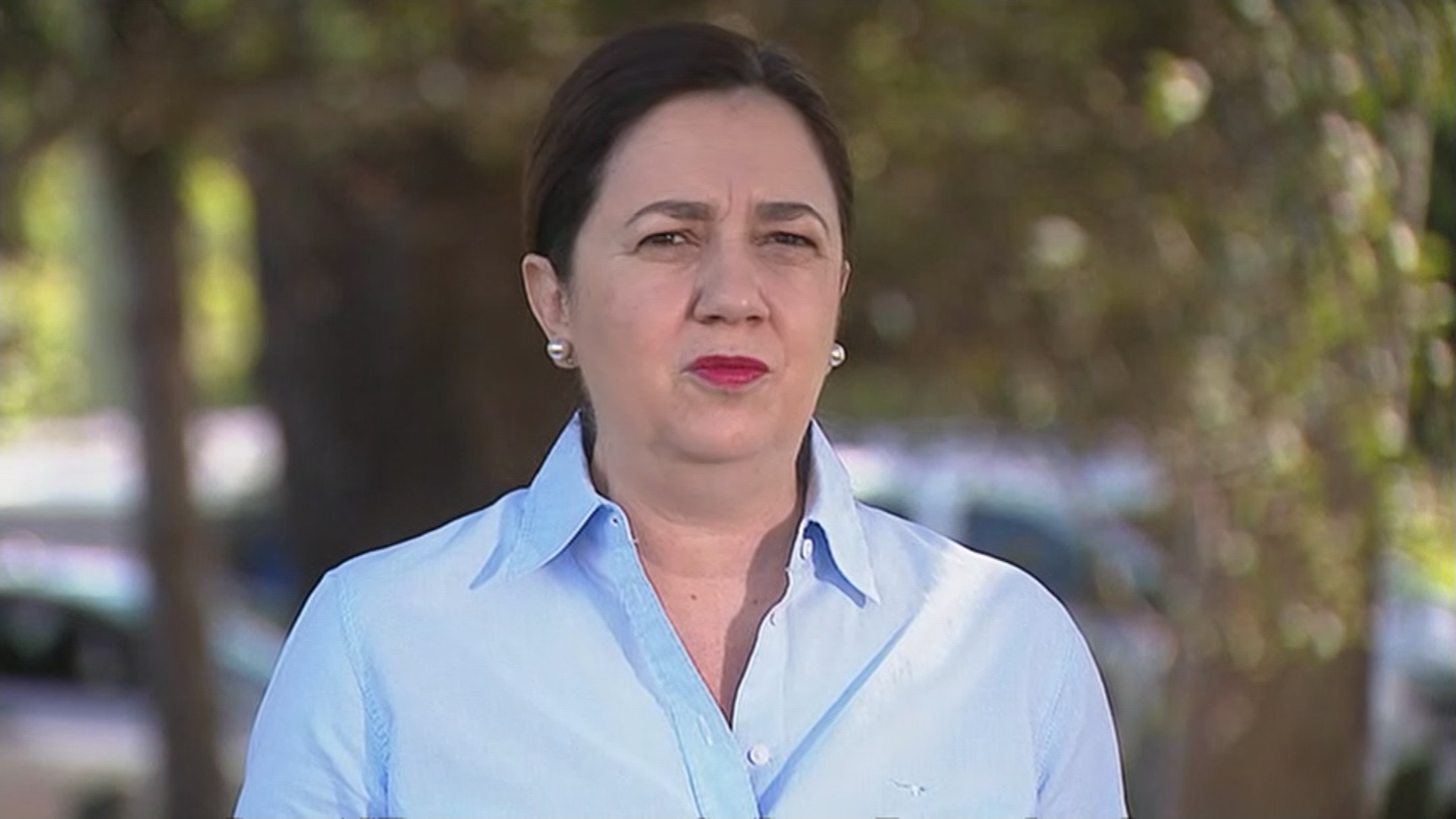
After a sleepless night, Premier Annastacia Palaszczuk yesterday announced the three-day greater Brisbane lockdown as a "protective measure" to avoid a longer shutdown. There were four new locally acquired cases, taking the cluster to seven.

Residents of Brisbane, Logan, Moreton Bay, Ipswich and the Redlands are confined to their homes, with limited exceptions, until tomorrow afternoon and everyone else in the state must wear a mask.

READ MORE: What you can and can't do in Greater Brisbane lockdown

It's hoped the "circuit breaker" will give contact tracers the upper hand in a race to track down any missing links in an infection chain dating back more than two weeks and potentially affecting dozens of venues, before the Easter long weekend.

Schools will be closed from today, meaning thousands of students across the affected areas start their holidays early.

https://twitter.com/QLDEducation/status/1376455680450772992?ref_src=twsrc%5Etfw

The reaction was immediate and far-ranging, as supermarket shelves emptied, other states slammed their borders shut, sporting teams rushed to change travel plans and some travellers reportedly cancelled holidays.

Ms Palaszczuk apologised for the inconvenience but said she was acting on the health advice and it would be unforgivable to let the situation spiral out of control without taking such a step.

"Last time was three days and that was all that was needed," she said.

"So look, fingers crossed. It's gonna really depend on how our contact tracers go over the next 24 hours."

But medical experts aren't unanimous about the value of such a short shutdown to combat a virus with an incubation period stretching from five days to two weeks.

University of NSW Professor of Biosecurity Raina MacIntyre told the ABC's 7.30 the move was a particularly good approach due to the impending Easter break.

"When you have a lockdown, you stop people having contact with each other and thereby reduce the opportunities for transmission," she said, adding that the move was about stopping transmission, not identifying new cases.

"So that's the purpose to kind of act as a circuit breaker to stop those transmissions that we don't know about."

Australian National University infectious diseases expert Peter Colignon said lockdowns were useful when used to stop widespread community transmission. But in this instance, he said the cases appeared to link back to the Princess Alexandra Hospital doctor who tested positive on March 12.

"Other than helping contact tracers a bit, there's not really any evidence so far that the short lockdowns make a lot of difference," he told 7.30.

READ MORE: Queensland Premier refuses to apologise for coronavirus party blunder

So far, seven cases have been identified in the state's latest outbreak but authorities are still trying to nail down the exact chain of transmission.

Queensland Chief Health Officer Jeannette Young said she believed the brother of one of the two men to test positive could be the link back to the original infection at the PA Hospital.

That belief was based on a serology test that showed the man had previously been infected with the coronavirus but could not definitively link him to the same genome sequence as the doctor and his brother.

Dr Young is also waiting on genome sequencing from an infected COVID-19 ward nurse and her sister to determine whether she was infected at work.

READ MORE: Byron Bay coronavirus alert after infected duo visit holiday town

The result could raise further questions about infection control protocols in Queensland hospitals and vaccination priorities or indicate wider community spread.

The CHO said health professionals dealing with COVID-19 patients wore full PPE at all times but were not tested before or after every shift.

"She hadn't been vaccinated. She'd been on leave," Dr Young said.

The sisters had spent time in Byron Bay while infectious and another positive case had been to Gladstone.

Anyone who has been in greater Brisbane since March 20 must also comply with the lockdown regulations.

Ms Palaszczuk declared greater Brisbane a COVID-19 hotspot and urged the leaders of other states to do the same.

Queensland Tourism Industry Council chief executive Daniel Gschwind told Nine newspapers the move was a "body blow" to the sector that would "reverberate through the state and interstate confidence will be shattered again".