A person has been killed in a crash in West Auckland in the early hours of this morning. Police and fire crews rushed to the scene of a serious crash, in the suburb of Massey, after reports a vehicle had crashed into a power pole….
Tag Archives: oceania
Herald morning quiz: March 29
Test your brains with the Herald’s morning quiz. Be sure to check back on nzherald.co.nz at 3pm for the afternoon quiz. To challenge yourself with more quizzes, CLICK HERE.
Netsafe warns Kiwis to be vigilant after spike in Easter holiday online incidents brings losses up to at least $1.2m in past four years
An internet safety organisation is warning Kiwis to be vigilant this Easter as data shows a 360 per cent jump in online incidents during the break since 2017.Netsafe CEO Martin Cocker said during Easter many people connect online…
Teen's heroic final moments as he dies saving a mate
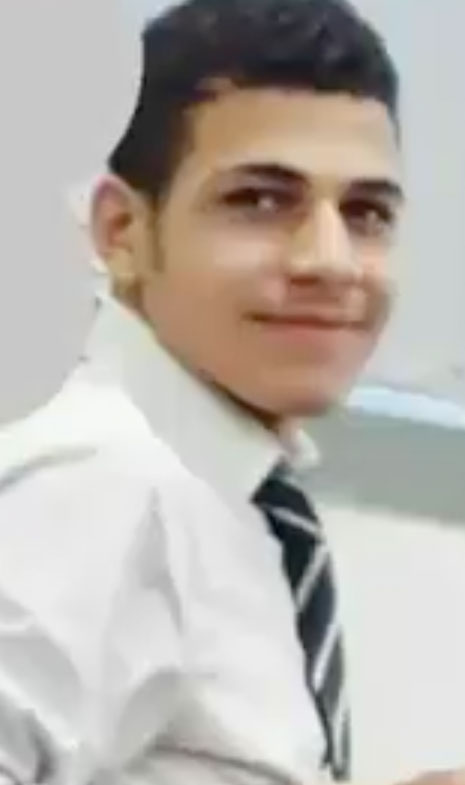
Police have praised the heroic final moments of a 16-year-old boy whose body has been found in waters off South Australia.
Shortly before 2pm on Saturday, emergency services were called to Innes National Park after a group of people were swept off the rocks at Browns Beach.
Four people managed to make it to safety, but a desperate search operation was launched for Ahmad Alfarhan.
The 16-year-old's body was located on Sunday morning.
Police said Ahmad had been with a group of eight other students and a teacher when one of the students slipped and fell into the water.
Ahmad went in after him and so did two other students and the teacher.
"(He was) actually the first person who went in to save his mate, we really see that as a really heroic act to try and rescue his mate and unfortunately it was to his demise," police said at the scene.
Police, local fishermen, Sea Rescue, SES, CFS, National Parks and PolAir joined the search for Ahmad.
The four others were taken to hospital to be treated.
READ MORE: Restrictions lift across South Australia ahead of Easter
A report is being prepared for the coroner.
Woman pinned against wall in Sydney road rage attack
Police are hunting for a man after a woman was allegedly rammed by a car and pinned against a wall in an alleged road rage attack in Sydney's west overnight.
The incident started when the 41-year-old woman and a man she was with got into a heated argument with a stranger driving a Skoda Octavia while standing on Penelope Lucas Lane in Rosehill yesterday evening.
The unknown man then allegedly drove his car at the pair, pinning the woman against a wall.
He then reversed and sped off, leaving the woman with severe lower leg injuries.
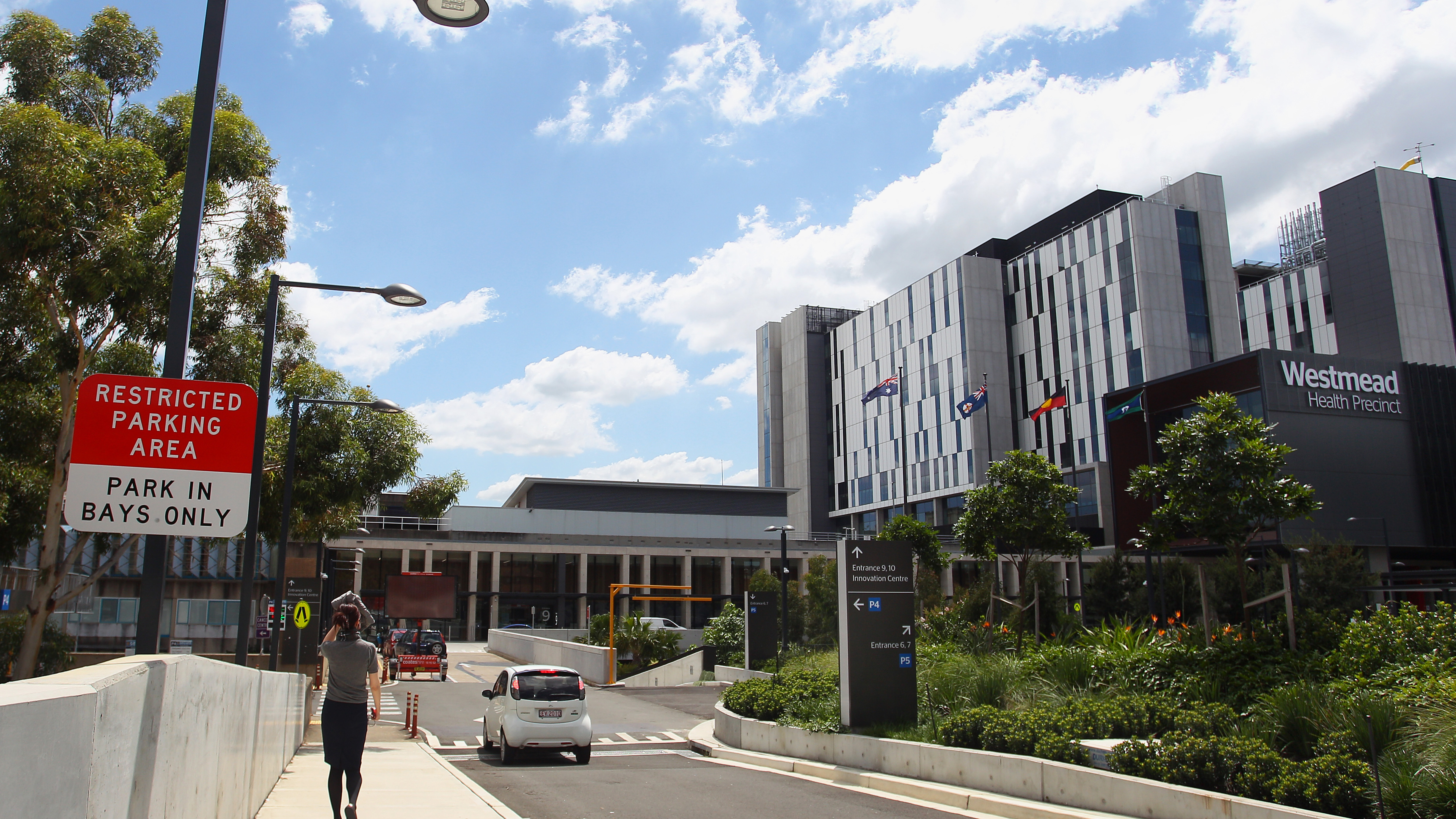
Emergency services were called at about 6.30pm and she was taken to Westmead Hospital in a stable condition.
The 37-year-old man she had been with suffered a minor foot injury but didn't require hospitalisation.
Detectives conducted an extensive search of the area, finding the abandoned Skoda Octavia on nearby Crown Street in Harris Park a short time later.
The driver had fled the scene.He is described as being of African appearance with short, curly hair and wearing a basketball jersey and shorts.
Anyone with information about the incident is urged to contact Crime Stoppers on 1800 333 000 or at https://nsw.crimestoppers.com.au.
Hunting COVID mutations in race to find dangerous strains
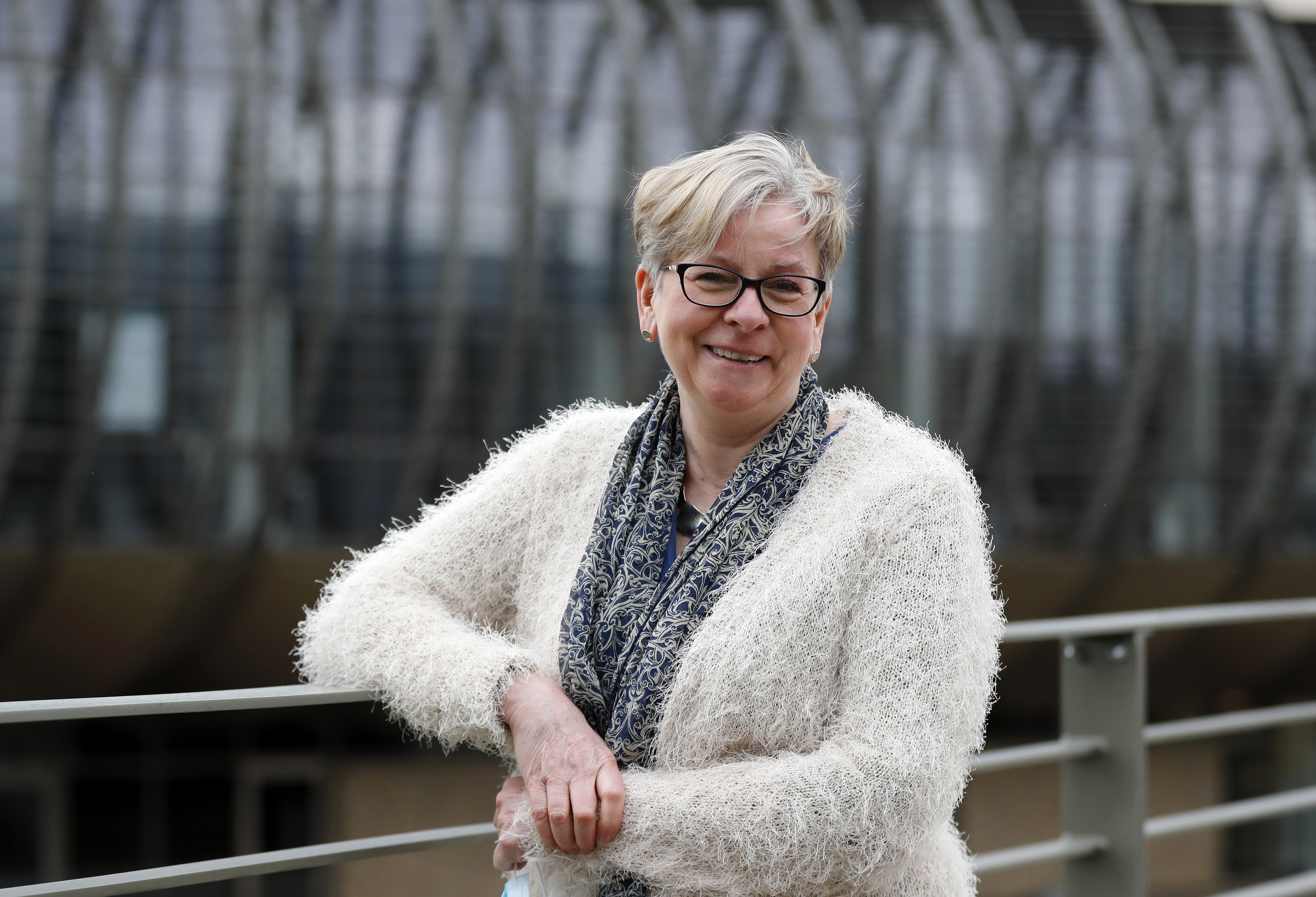
On March 4, 2020, when there were just 84 confirmed cases of COVID-19 in the UK, professor Sharon Peacock recognised that the country needed to expand its capacity to analyse the genetic makeup of the virus.
The Cambridge University microbiologist understood that genomic sequencing would be crucial in tracking the disease, controlling outbreaks and developing vaccines. So she began working with colleagues around the country to put together a plan. Within a month, the government had provided £20 million ($36.1 million) to fund their work.
READ MORE: Incredible mission to vaccinate most remote peoples on Earth
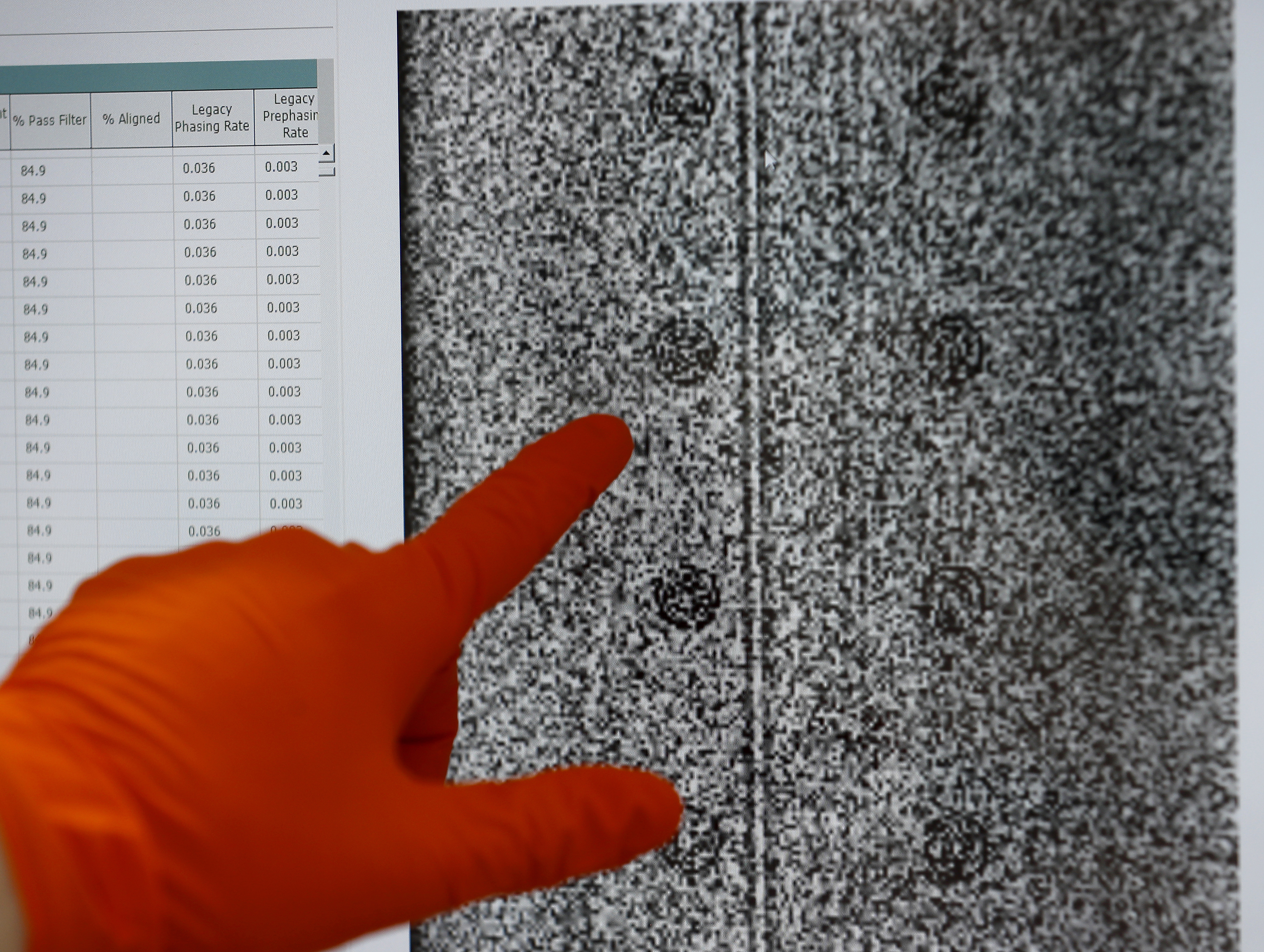
The initiative helped make Britain a world leader in rapidly analysing the genetic material from large numbers of COVID-19 infections, generating more than 40 per cent of the genomic sequences identified to date. These days, their top priority is finding new variants that are more dangerous or resistant to vaccines, information that is critical to helping researchers modify the vaccines or develop new ones to combat the ever-changing virus.
"They've shown the world how you do this," said Dr Eric Topol, chair of innovative medicine at Scripps Research in San Diego, California.
Genomic sequencing is essentially the process of mapping the unique genetic makeup of individual organisms — in this case the virus that causes COVID-19. While the technique is used by researchers to study everything from cancer to outbreaks of food poisoning and the flu virus, this is the first time authorities are using it to provide real-time surveillance of a global pandemic.
READ MORE: India records highest single-day rise in COVID-19 cases since October
Peacock, 62, heads Britain's sequencing effort as executive director and chair of the COVID-19 UK Genomics Consortium, known as COG-UK, the group she helped create a year ago.
During the first week of this month, COG-UK sequenced 13,171 viruses, up from 260 during its first 12 days of operation in March last year, according to weekly reports on the group's website.
Behind that growth is a system that links the science of genomic sequencing with the resources of Britain's national health care system.
Positive COVID-19 tests from hospitals and community testing programs around the country are sent to a network of 17 laboratories where scientists spend their days extracting the genetic material from each swab and analysing it to identify that virus' unique genetic code. The sequences are then cross-referenced with public health data to better understand how, where and why COVID-19 is spreading.
When mutations in the virus correspond with an otherwise unexplained increase in cases, that's a clue that a new variant of concern is circulating in the area.
The importance of genomic sequencing became obvious late last year as the number of new infections began to spike in southeastern England. When cases continued to rise despite tough local restrictions, public health officials went to work to find out why.
READ MORE: Fight looming over COVID vaccine after 'raid' on Rome warehouse
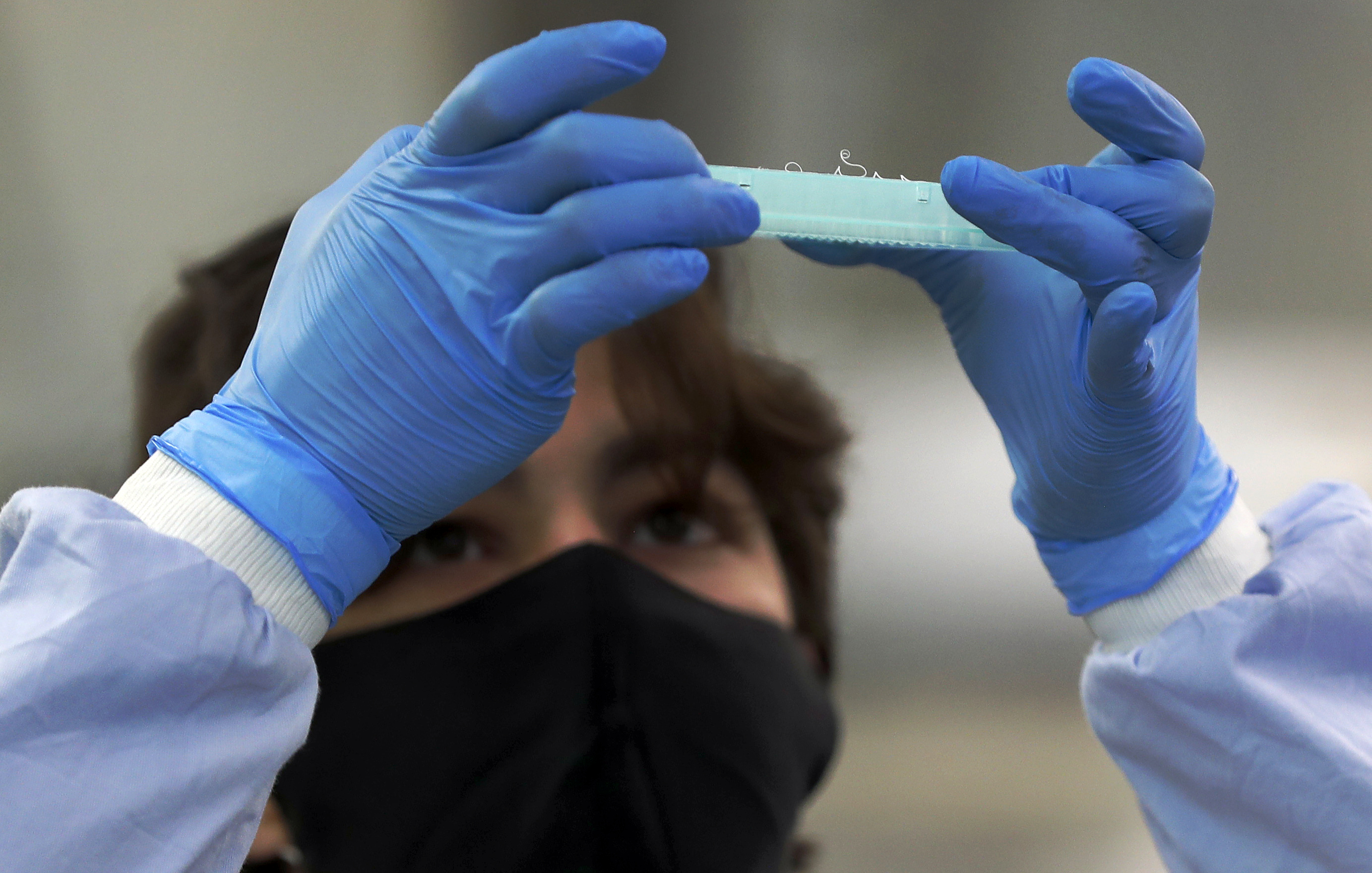
Combing through data from genome sequencing, scientists identified a new variant that included a number of mutations that made it easier for the virus to hop from one person to another.
Armed with this information, Prime Minister Boris Johnson imposed a national lockdown, scrapping a strategy of local restrictions that had failed to contain the new variant.
The scientific sleuthing is crucial, but it's like looking for a needle in a haystack because researchers must sift through the genetic sequences from thousands of harmless variants to find the rare dangerous ones, Peacock said.
"It's vital so that we can understand what variants are circulating, both in the United Kingdom and around the world, and therefore the implications of that on vaccine development and the way that we may have to adapt vaccines," she said.
The effort is a worldwide collaboration, with more than 120 countries submitting sequences to GISAID, a data-sharing hub originally created to track influenza viruses.
Iceland, Australia, New Zealand and Denmark actually sequence a higher percentage of their COVID-19 cases than Britain, and Denmark does the work faster. But COG-UK'S work, combined with Britain's size and high number of cases, have made it the world leader in sequencing COVID-19. The UK has submitted 379,294 of the almost 898,000 sequences in the GISAID database.
READ MORE: New 'double mutant' virus variant detected in India
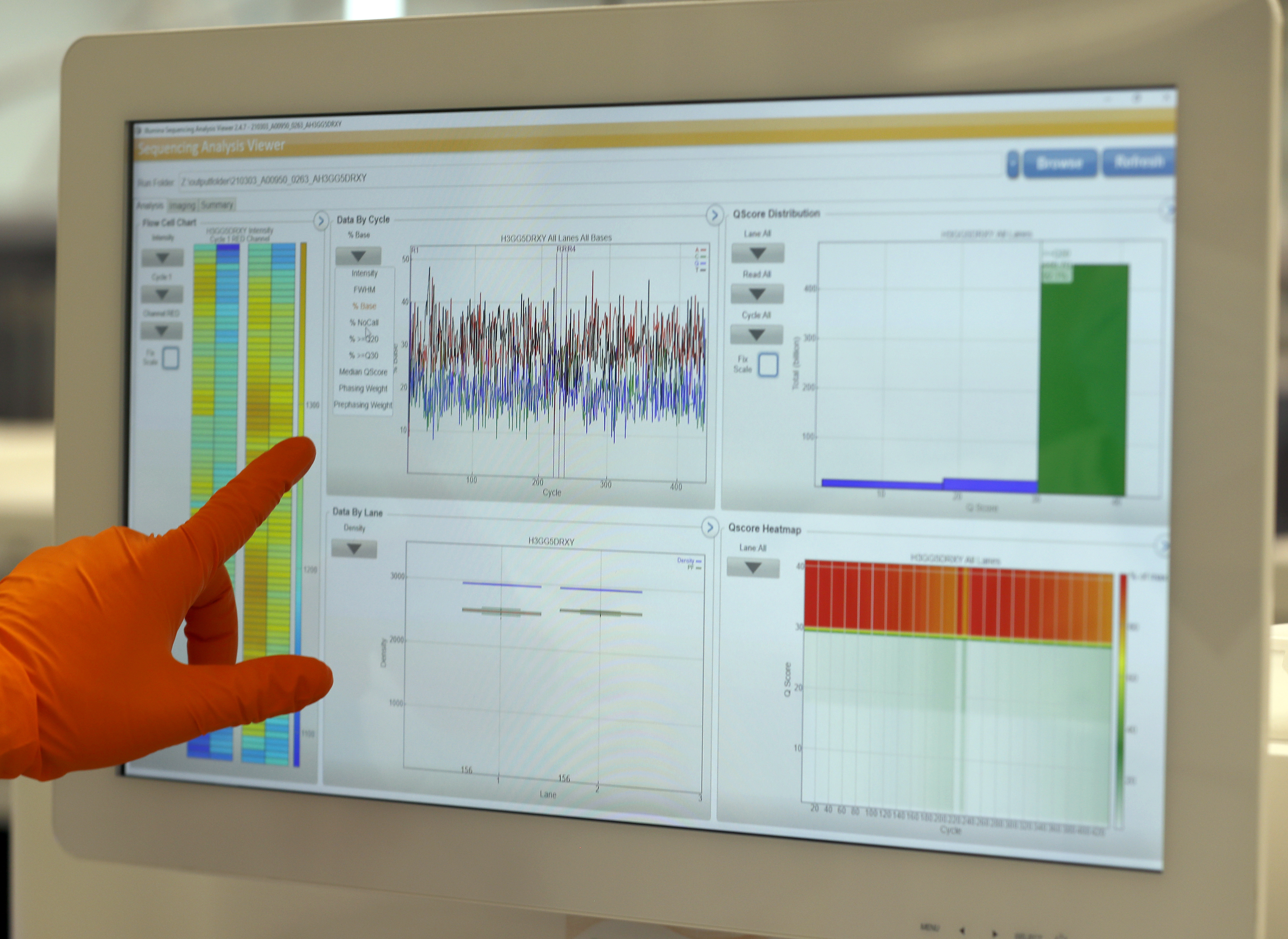
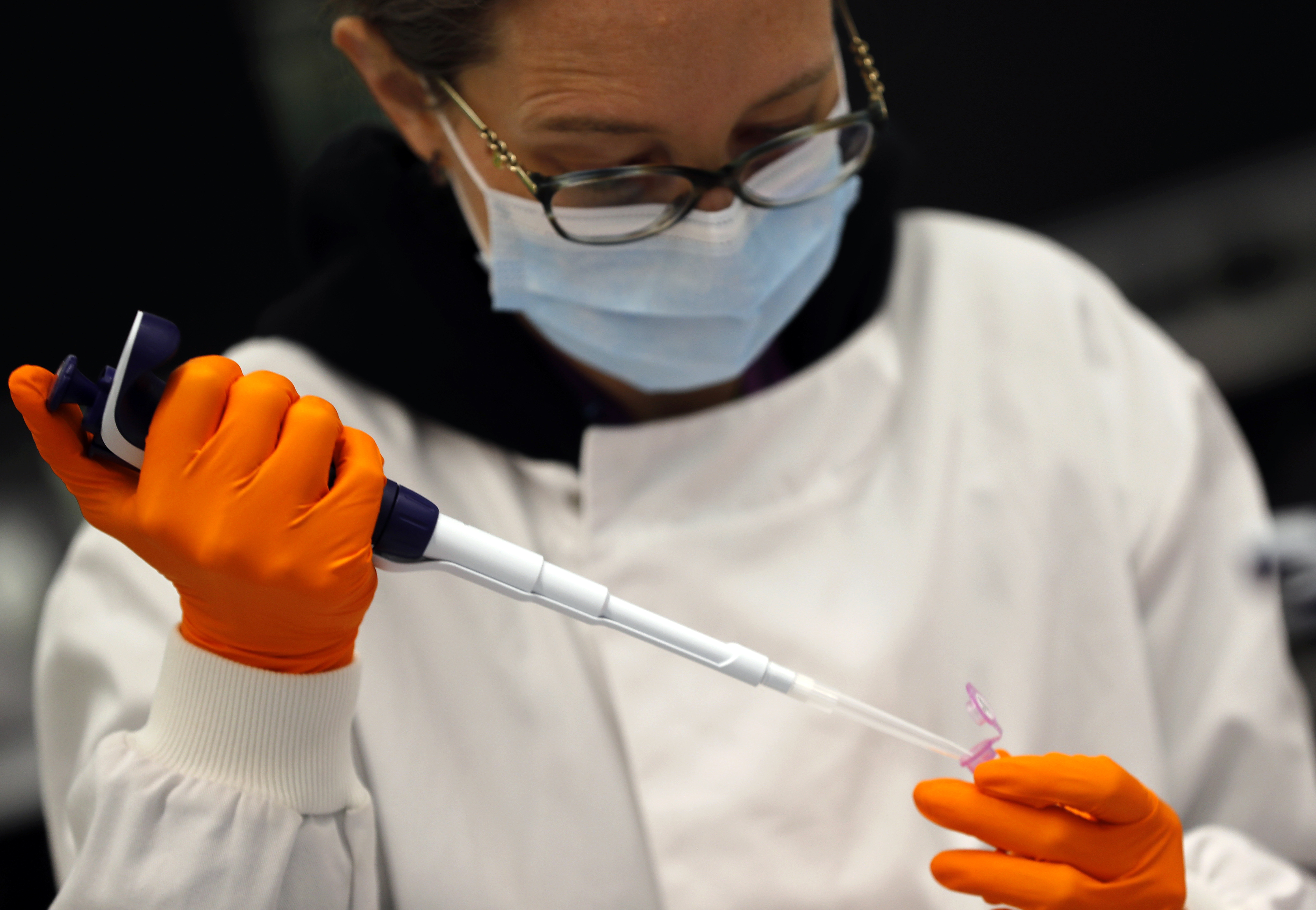
That work is paying dividends even for advanced countries like Denmark, where scientists use tools developed in Britain to analyse their own data, said Mads Albertsen, a professor at Denmark's Aalborg University who is part of the country's genomic sequencing effort.
"What the UK has just done by far best is the whole setup," Albertsen said. "So they have many more researchers and a much more professional structure around how to use the data."
The US is also trying to learn from Britain as the Biden administration reverses the anti-science policies of his predecessor that slowed the country's sequencing efforts, said Topol at Scripps Research. Representatives from COG-UK took part in a recent call with American researchers and the Rockefeller Foundation aimed at building capacity in the United States.
"To Peacock and the crew's credit, they didn't just stop at sequence," Topol said. "They organised labs to do this other work, which is actually very intensive lab assessment. And then there's the epidemiologic assessment, too. So everything has to fire on every cylinder, you know. It's like a car with 12 cylinders. They all have to fire to move."
The UK's sequencing success was built on the foundation of groundbreaking genetic science in Britain, stretching back to the work of James Watson, Francis Crick and Rosalind Franklin, who were credited with discovering the chemical structure of DNA. Other British scientists developed early sequencing techniques and later new technology that slashed the time and cost of sequencing.
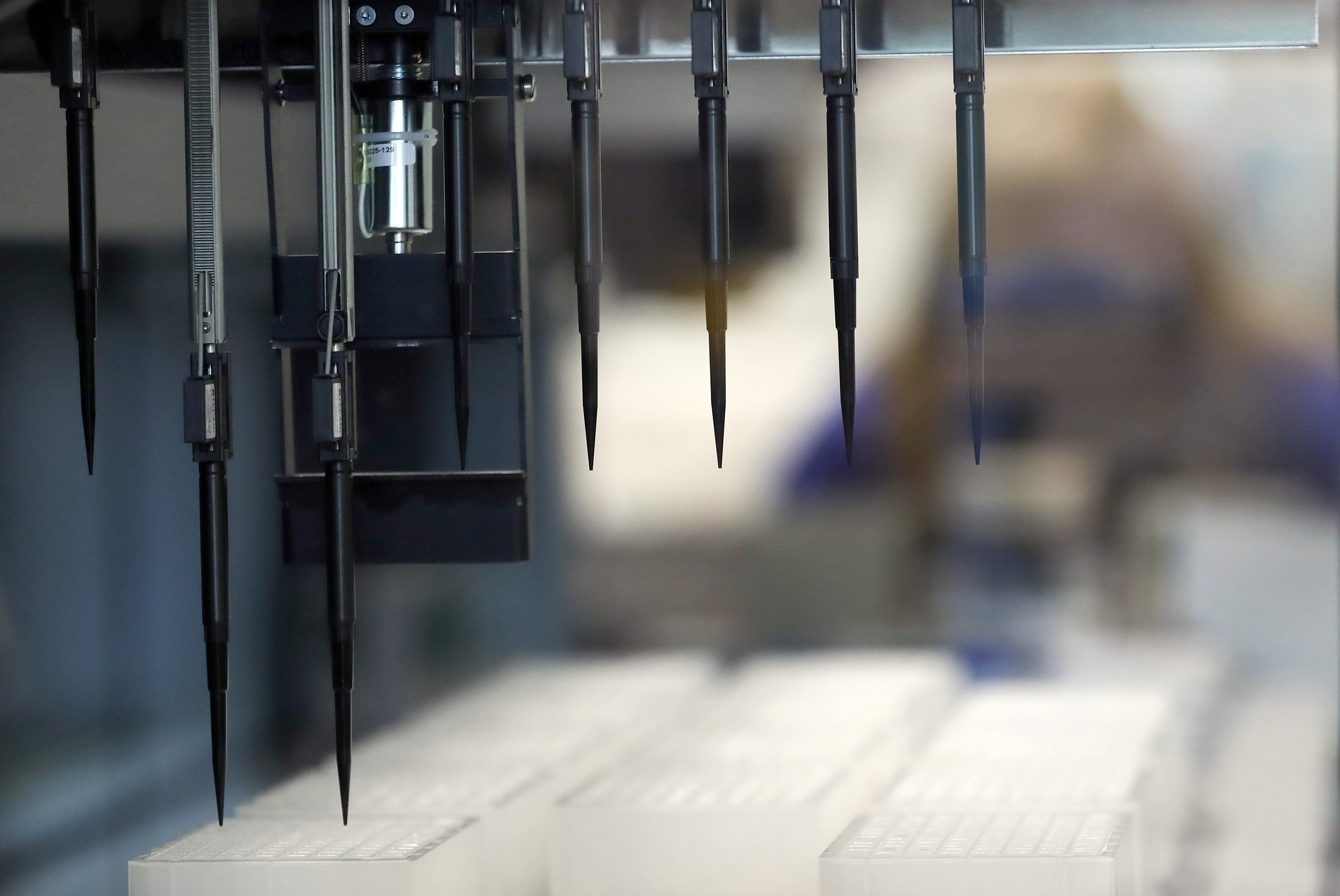
That success attracted investment, such as the Wellcome Trust's 1992 decision to create the Sanger Centre to help map the human genome, further expanding the pool of expertise in Britain. And Britain's National Health Service provided a wealth of data for researchers to study.
Yet colleagues say Peacock personally deserves much of the credit for COG-UK's success, though she prefers to highlight the work of others.
A ferociously good organiser, she glued the nation's DNA detectives together through goodwill and chatrooms. Part of the trick was persuading eminent scientists to put aside their egos and academic rivalries to work together to help fight the pandemic, said Andrew Page, an expert in computer analysis of pathogen genomics who is working with COG-UK.
Peacock's work on the project has earned her notoriety and the moniker of variant-hunter-in-chief. But she prefers a simpler term.
"I consider myself, first and foremost a scientist that's doing their best to try and help both the population in the United Kingdom and elsewhere to control the pandemic,'' she said. "Perhaps there's a better phrase for that, but scientist will do it."
Meghan, Harry speak from privilege, but they are human
The British Royals hey? There seems to be a new issue with that family every few years. Indeed, perhaps more frequently than that.
Obviously, they're one of the most scrutinised families in the world. Regal rulers of the Commonwealth, it comes with the territory.
This latest issue is a case of what to do about "the spare" and his spouse. And it's an issue that's been bubbling for some time.
Following Prince Harry and Meghan's "tell-all" interview with Oprah Winfrey, the world has been waiting for a significant response from the royal family, who was firmly in the firing line.
READ MORE: Sussexes 'frustrated' with fallout following Oprah interview
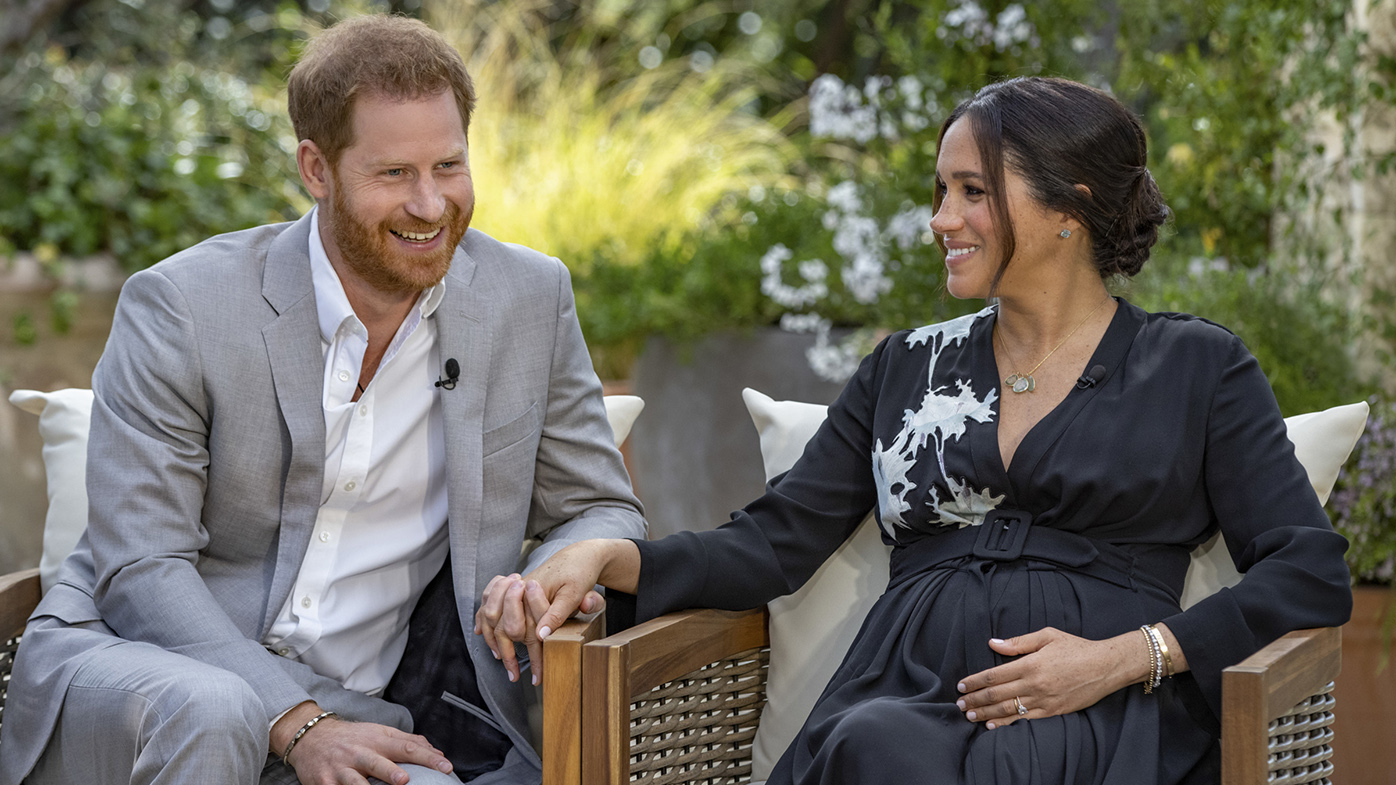
But, true to form, the royals haven't responded in any expansive way, reverting to their "never complain, never explain" mantra, one that's been thrown out the window by the Sussexes.
There were several alarming claims raised in that interview, including accusations of racism. Meghan told Winfrey about an incident when the colour of Archie's skin was raised with Harry.
A bizarre topic to discuss, right? And one that outraged many. But others have dismissed it as a topic mixed race families openly discuss, like Dr Musharref Hussain, an envoy of the Queen in Nottinghamshire.
An Islamic scholar, he has travelled with Prince Charles to Indonesia, and been awarded an Order of the British Empire by the Queen.
He told us his dealings with the royals have been nothing but pleasant, with no experience of racism at all.
READ MORE: Charlie Hebdo cartoon of Meghan Markle and Queen sparks outrage
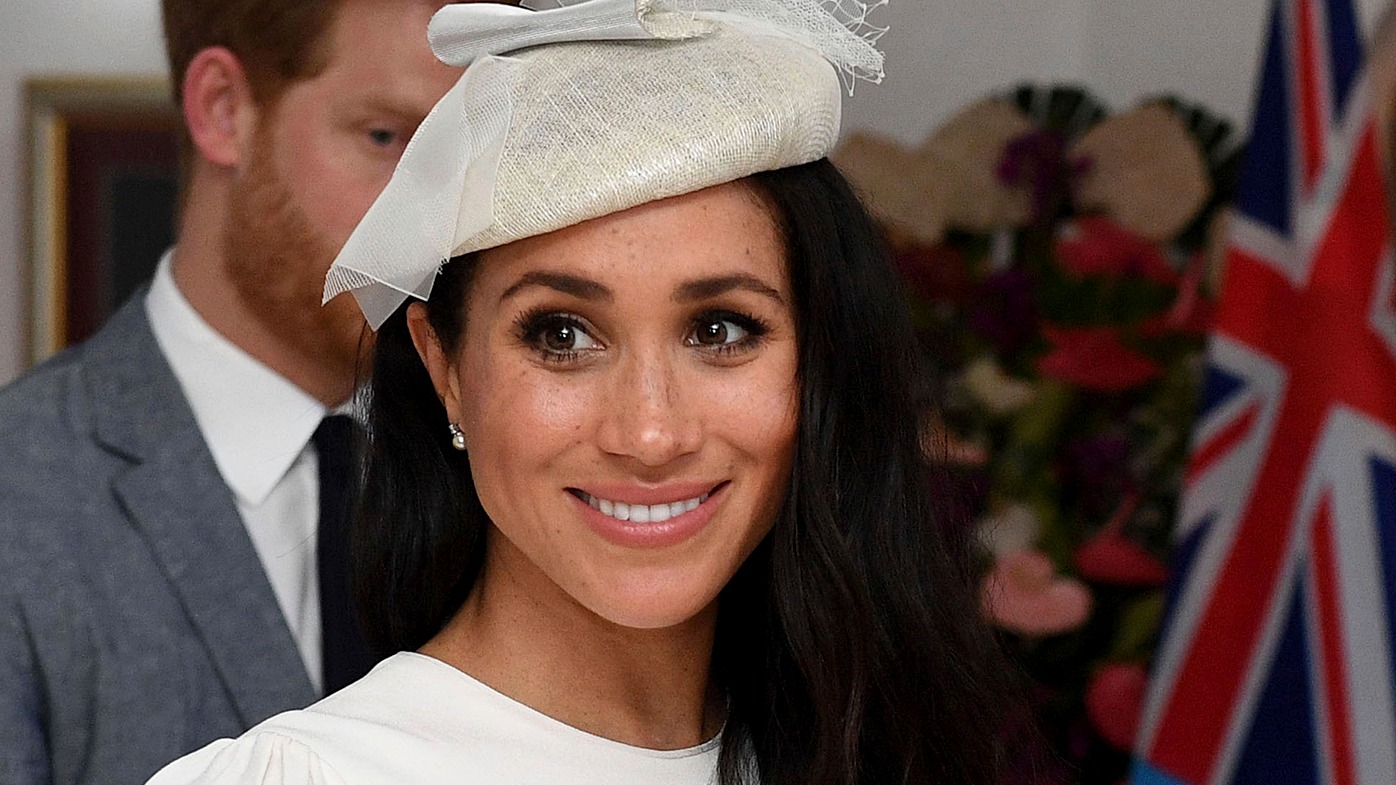
Another claim Meghan and Harry made pertained to their wedding – the one watched by hundreds of millions around the world.
Meghan told Winfrey they tied the knot in secret three days earlier.
But royal reporter for The Times newspaper, Valentine Low, says that's also not true, and was able to verify it pretty quickly by retrieving their legally-binding wedding document, dated May 19, 2018.
So what did their interview tell us?
Meghan and Harry were keen to get their story out there. They had some grievances: Meghan admitting she was not prepared for the exposure nor received the support necessary to adapt to it, which is entirely likely, given the very public role of the royals; and Harry confessing he felt trapped within the royal institution, one he feels his father and brother are unable to escape.
Certainly, Meghan and Harry speak from a place which smacks of privilege, but they are human, and they have their personal experiences in life, just like the rest of us.
And why would they want to bring down the royal family? To what end? If that was their experience of life inside The Firm, who are we to say it wasn't?
This interview, really, was always going to happen. Now we've heard their piece, what, one wonders, will come next?
Two teenagers suspended for 'hours' in ride
Those afraid of heights have a new excuse to steer clear of amusement park rides.
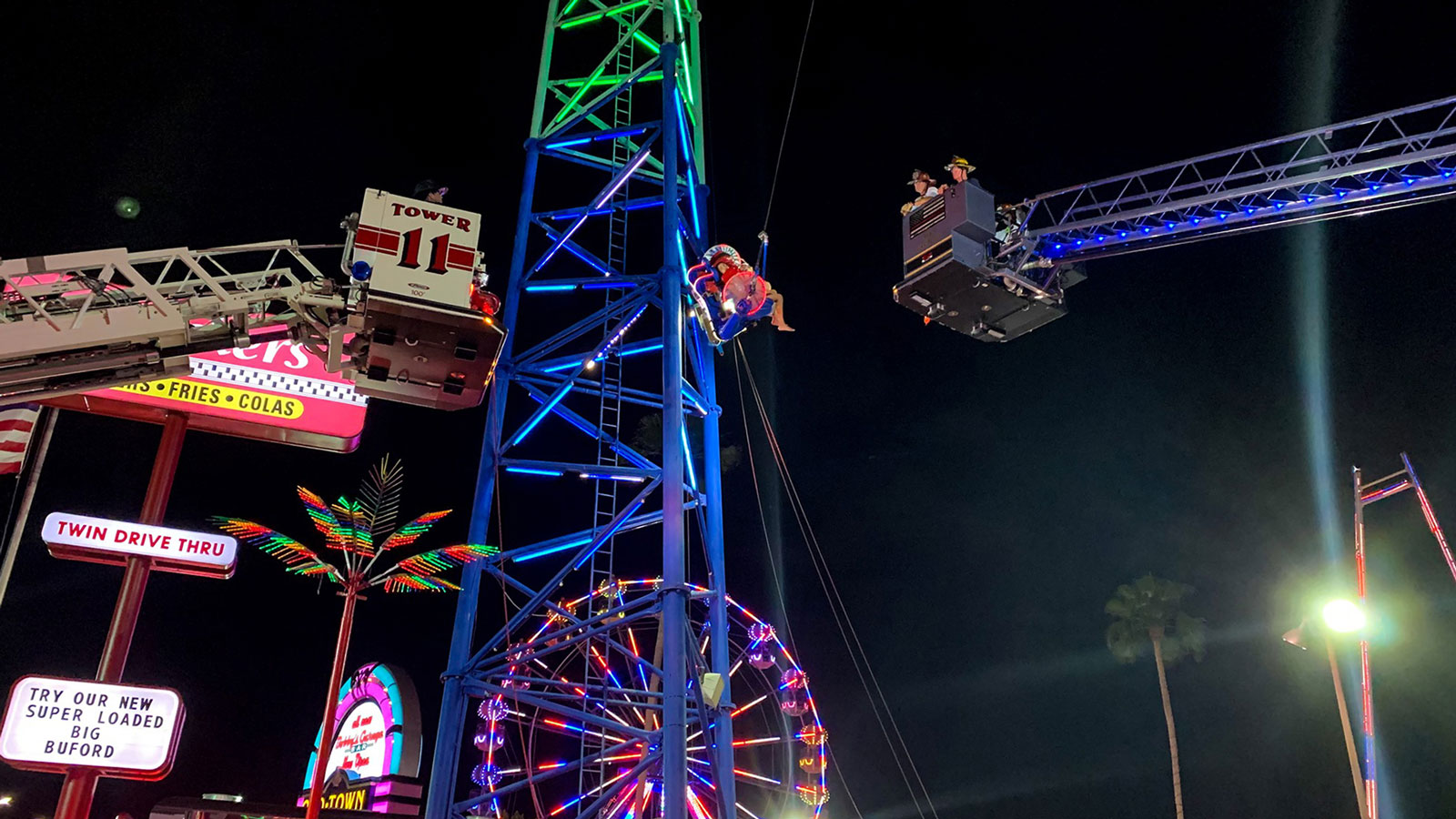
This week, two Florida teens were suspended for a few hours on a slingshot ride around three stories high after a cable snapped, rescue officials told CNN affiliate WKMG.
The passengers were rescued without injuries from the ride at Old Town theme park by the Osceola County Fire Rescue and Kissimmee Fire Department. The cable that snapped was non-load-bearing, rescue crews said.
READ MORE: Police chief says Miami partying 'couldn't go on any longer'
The cause of the malfunction is still being investigated.
John Stine, director of marketing and sales for Old Town Slingshot, told WKMG there's "no timetable" for the investigation.
"We'll do it when everything is done the way it needs to be done," Mr Stine said.
The slingshot ride was last inspected on March 19 without issue, the Florida Department of Agriculture & Consumer Services told WKMG.
READ MORE: Trump's Mar-a-Lago partially closed due to COVID outbreak
https://twitter.com/FLPoliceScanner/status/1375362991173025793
Mr Stine said the company performs daily inspections, with state inspections happening twice a year.
"The ride is designed with redundancy, so if something like this does happen, it's very unusual to begin with, but if it does, then we have a backup system and everything went fine," Mr Stine said.
"The only unfortunate situation is they were suspended on the ride for a few hours."
READ MORE: Two dead, two injured after plane crashes into car in Florida
https://twitter.com/wecke/status/1375275662118883335
Investigators said rescue crews had to retrieve the passengers from the 30-to-40-foot height they were stranded at, since the ride cannot lower a pod below 30 feet when the cable is not functioning, as a safety precaution.
Slingshot attractions across Florida in Daytona Beach, Orlando and Panama City Beach have been closed as a result of the Kissimmee malfunction, WKMG-TV reported.
Officials said the rides will not reopen until the state performs an inspection and consults with the manufacturer.
Earth safe from 'God of chaos' asteroid this century
An asteroid named for the Egyptian god of chaos and darkness won't be wreaking any havoc on Earth – at least not this century.
That's the good news from NASA's Centre for Near-Earth Object Studies.
Asteroid 99942 Apophis has been considered one of the most hazardous asteroids with the potential to impact Earth since its discovery in 2004. Now, scientists have revised that opinion after a precise analysis of the asteroid's orbit.
Previous predictions noted that the 33832cm-wide asteroid might be too close for comfort in 2029, 2036, and it could have a slight chance of impacting Earth in 2068.
READ MORE: Interstellar object is cookie-shaped planet shard, new report claims
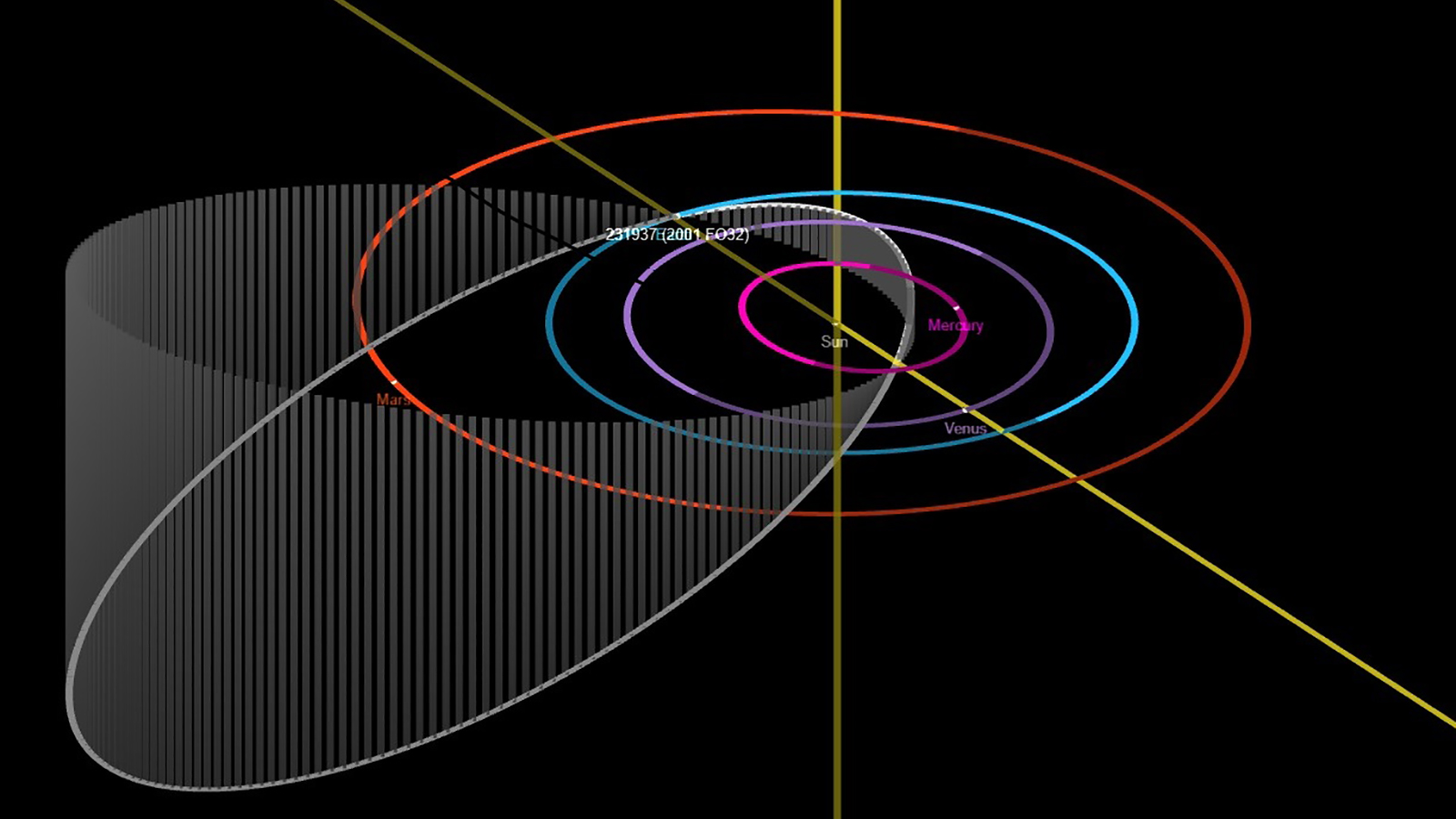
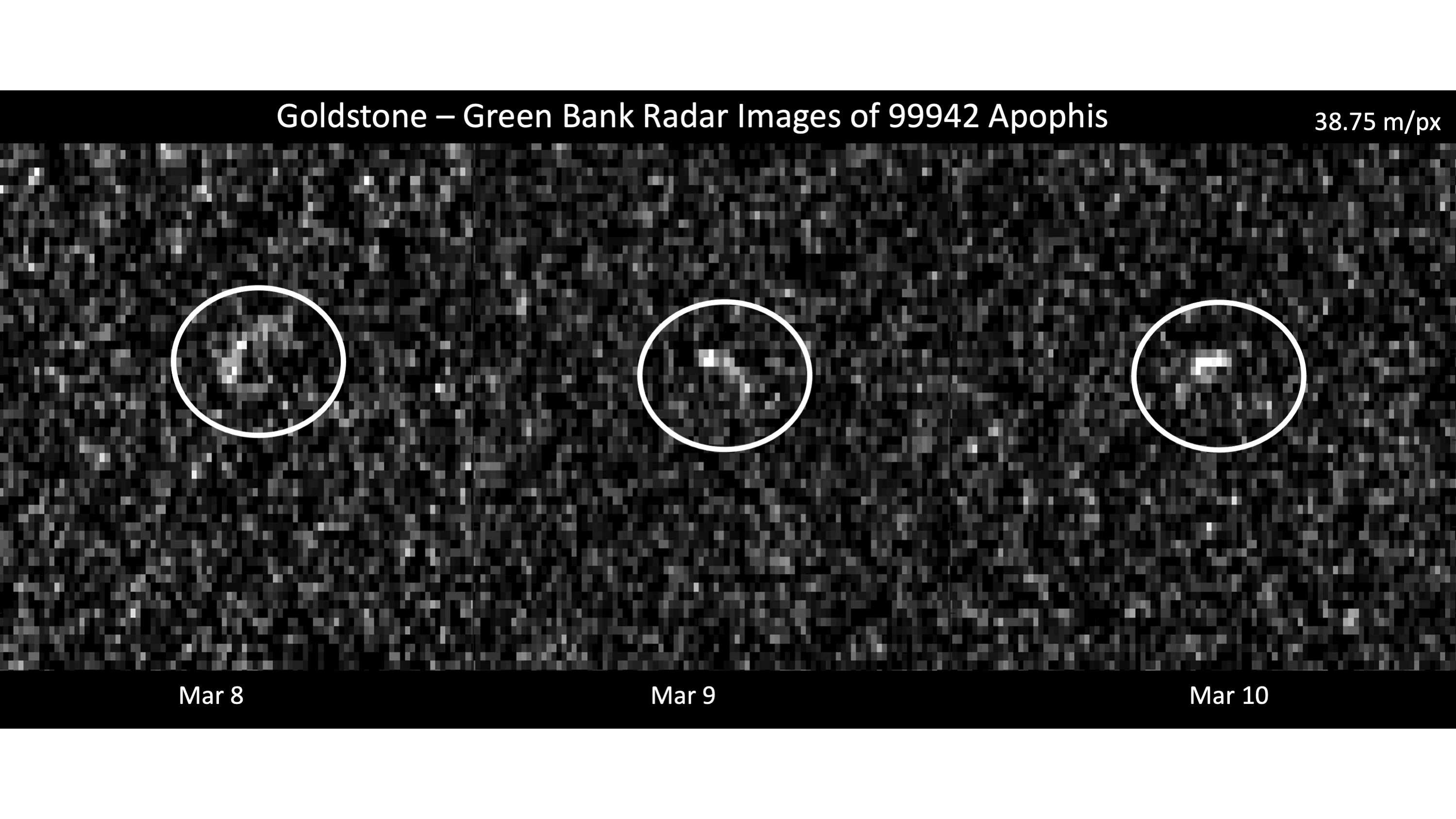
It recently passed within 16 million kilometres of Earth on March 5.
During that distant flyby, astronomers used radar observations to get a better handle on the asteroid's orbit around the sun.
Their results allowed them to rule out any risk of the asteroid impacting Earth in 2068. The previous concerns about 2029 and 2036 had already been put aside due to prediction refinements and research.
"A 2068 impact is not in the realm of possibility anymore, and our calculations don't show any impact risk for at least the next 100 years," said Davide Farnocchia, navigation engineer and researcher at NASA's Center for Near-Earth Object Studies (CNEOS), in a statement.
"With the support of recent optical observations and additional radar observations, the uncertainty in Apophis' orbit has collapsed from hundreds of kilometres to just a handful of kilometres when projected to 2029," Mr Farnocchia said.
"This greatly improved knowledge of its position in 2029 provides more certainty of its future motion, so we can now remove Apophis from the risk list."
READ MORE: Scientists 'speechless' by samples from asteroid 300 million km away
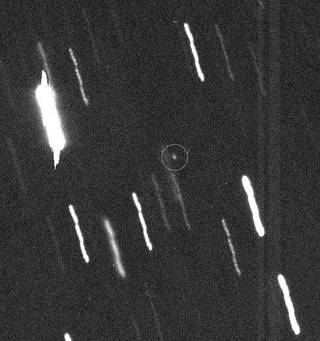
The CNEOS Center maintains a risk list, tracking asteroids with orbits that bring them close to Earth – close enough to cause concern over a potential impact.
Scientists at the centre use radar and telescopes to study near-Earth objects and understand the dangers they may pose to the planet.
The European Space Agency's Near-Earth Object Coordination Centre also has removed the asteroid from its risk list.
The CNEOS Center is managed by NASA's Jet Propulsion Laboratory in Pasadena, California.
READ MORE: Space capsule with precious cargo crashes to earth in Australia
In order to observe Apophis and remove it from the risk list, astronomers used the Deep Space Network's Goldstone radio antenna near Barstow, California.
This dish is one of three around the globe that enable communications with spacecraft across deep space. Scientists also relied on a collaboration with the Green Bank Telescope in West Virginia.
"Although Apophis made a recent close approach with Earth, it was still nearly 17 million kilometres away," Marina Brozovic, a scientist at JPL, said in a statement.
"Even so, we were able to acquire incredibly precise information about its distance to an accuracy of about 150 metres. This campaign not only helped us rule out any impact risk, it set us up for a wonderful science opportunity."
While the images seem fuzzy, the resolution is quite strong considering the asteroid was about 27 million kilometres away, or 44 times the distance between Earth and the moon, at the time.
READ MORE: NASA provides photos of rare metal asteroid worth more than entire world's economy
"If we had binoculars as powerful as this radar, we would be able to sit in Los Angeles and read a dinner menu at a restaurant in New York," Ms Brozovic said.
The data from this observation will help scientists learn more about the asteroid's shape and rotation rate. The current belief is that Apophis is shaped like a peanut.
Even though Apophis poses no risk over the next century, it will encounter Earth's gravitational field during its flyby on April 13, 2029, and will pass within 32,000 kilometres of Earth's surface. That's closer than satellites that orbit Earth and 10 times nearer than the moon.
Apophis will be visible to people in the Eastern hemisphere with the naked eye, no telescope or binoculars needed. And astronomers will get their chance to study the asteroid up close.
"When I started working with asteroids after college, Apophis was the poster child for hazardous asteroids," Mr Farnocchia said.
"There's a certain sense of satisfaction to see it removed from the risk list, and we're looking forward to the science we might uncover during its close approach in 2029."
Otto's death after NK capture gave parents' lives new meaning
Wind the clock back a few years and North Korea was headline news just about every day.
Remember the nuclear missile tests? Remember President Trump calling Kim Jong Un "little rocket man"? But then remember the two of them kissing and making up at their bizarre Singapore summit?
It was a wild ride for a few years there, but a global pandemic and a presidential election in the US have taken the world's gaze elsewhere.
But this week we got a little reminder of what Kim Jong Un is all about: launching his first missile tests since Joe Biden took office in the White House.
READ MORE: Biden warns North Korea on missile launches
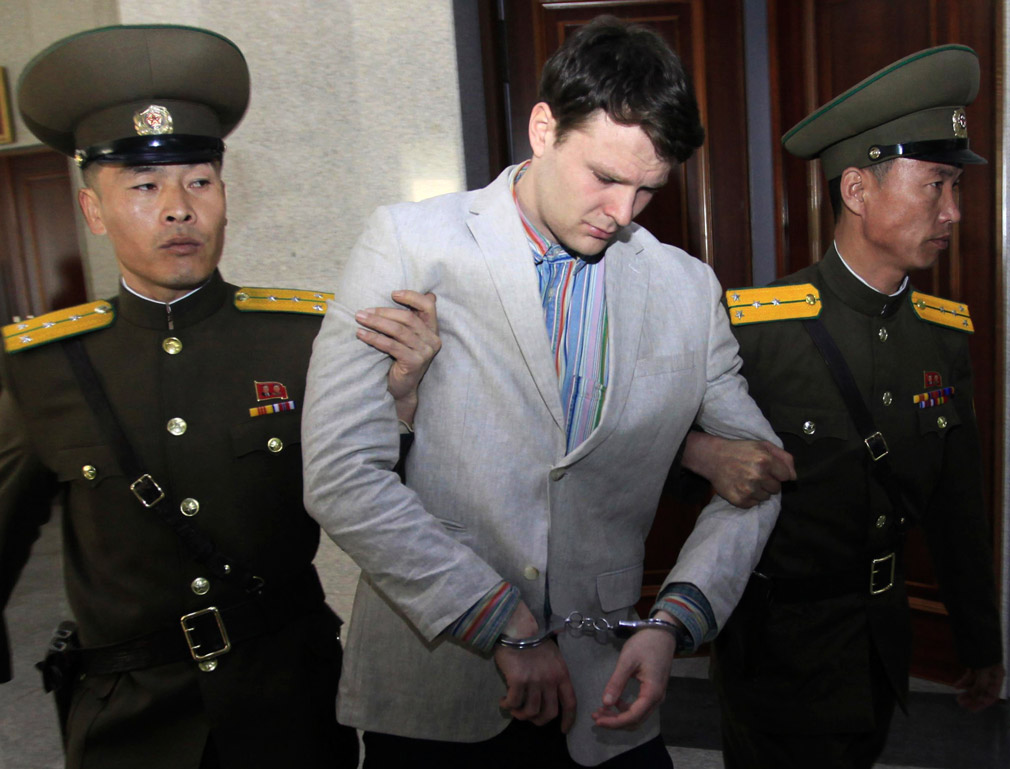
The important point to be made here is that North Korea hasn't changed its ways — it's not like the country has started behaving in the last year or two, we just stopped paying attention.
That's why voices like Fred and Cindy Warmbier are so important.
They're not you your normal players in international politics, but that's what makes you sit up and listen when they speak.
They certainly never coveted the role of galvanising a global movement to bring about regime change in a rogue nation.
Up until 2016, the couple led very peaceful and modest lives in suburban Cincinnati, raising three children.
Like most parents, they wanted the world for their kids, and their kids wanted to see the world.
None more so than their oldest boy, Otto — he'd already visited Cuba, Israel, South America, and Europe when he decided his next destination would be North Korea.
READ MORE: North Korea fires two ballistic missiles, senior US official says

It prompted an age-old conundrum for his parents: you naturally worry for you child, but also don't want to hold them back from living their dreams once they reach adulthood.
So Otto, then 21 years old, set off with a tour group for a five day trip of a lifetime to the rogue state, then engaged in a delicate game of international brinkmanship with his native country, the USA.
The Warmbiers could never have realised Otto was about to become a pawn in that very game.
The rest is now a sad chapter in history: the young man was captured by the North Koreans and used as a bargaining chip as they expanded their nuclear weapons program.
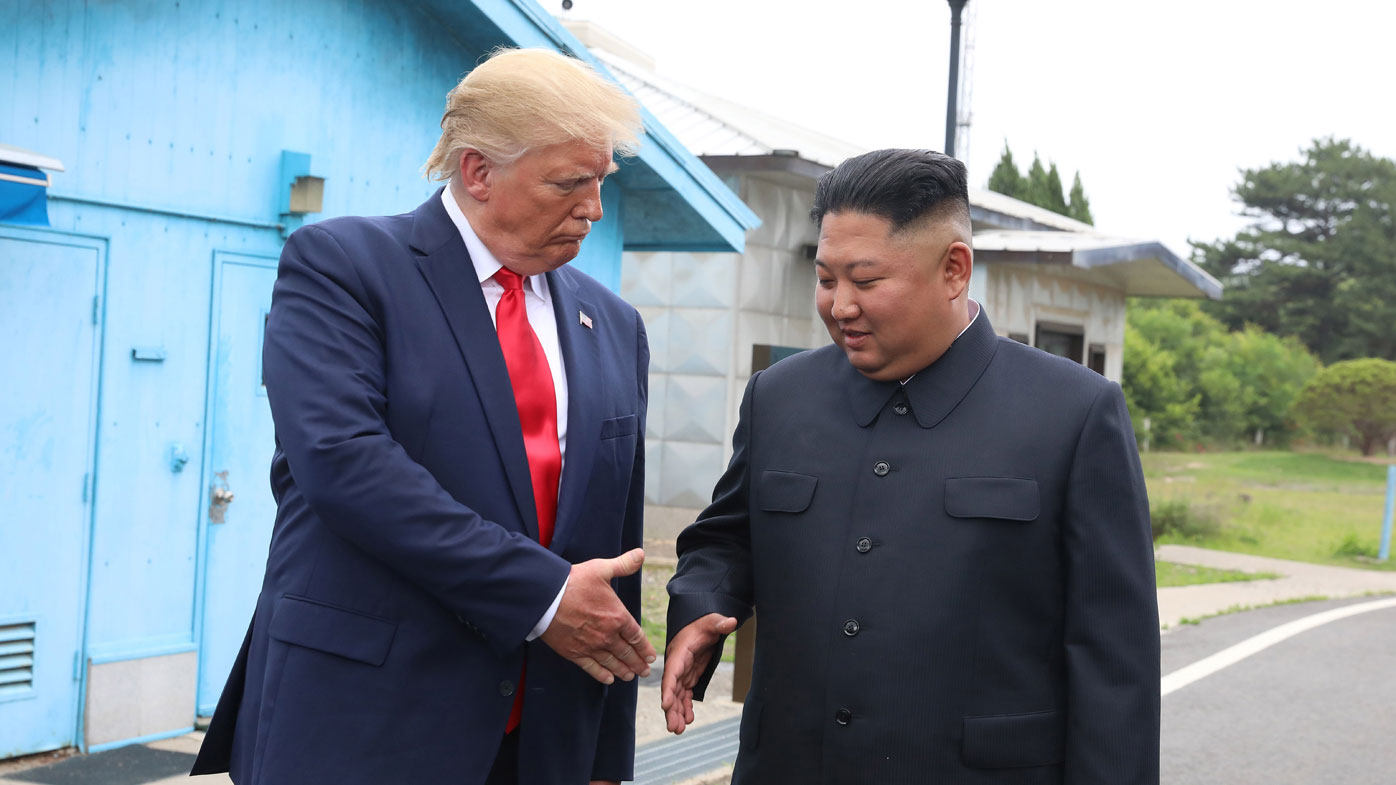
Fifteen months later he was returned to America in a coma, and died six days later.
Despite their utter heartbreak, Fred and Cindy Warmbier have decided not to let this tragedy break them completely.
"I'll tell you what it does Tom, it's a motivator", Fred told me.
It was an honour that they chose to sit down with us for their feature interview on television, nearly four years after the senseless killing of their boy.
Having been to North Korea myself on two occasions, I've spoken to countless experts over the years on the Korea conundrum.
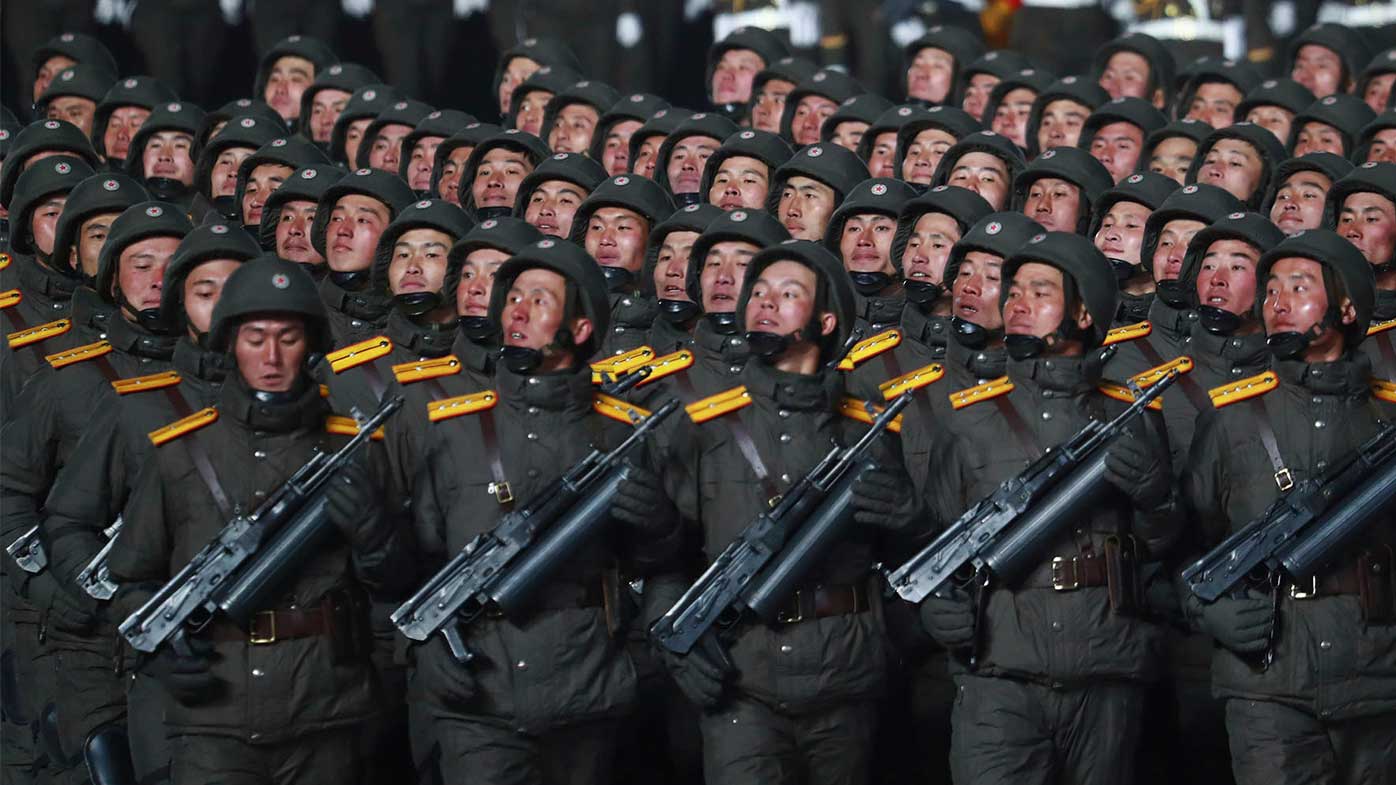
But none of them have ever have the cut through of an everyday mum and dad, who can bring home just how barbaric Kim Jong Un's regime is.
Otto's tragic death has given Fred and Cindy's lives new meaning.
Their story, coupled with the hidden camera sting exposing North Korea's missile deals (including right here in Australia) are a timely reminder not to forget about the dangers of Pyongyang's powerbrokers.