Test your brains with the Herald’s afternoon quiz. Be sure to check back on nzherald.co.nz for the morning quiz tomorrow. To challenge yourself with more quizzes, CLICK HERE.
Tag Archives: oceania
Wellington powerhouse trio open Mediterranean fusion plant-based pizzeria
A Cuba Street spot has become New Zealand’s first plant-based pizzeria.Once home to Cuba Street Bistro and Herbivore, number 203 has spent most of the pandemic empty. Now the glass reads Nolita, opened by powerhouse trio of Wellington…
Missing woman's car found in floodwaters
The car of a woman missing on the NSW Mid North Coast has been found in floodwaters.
Adele Morrison, 78, was last seen leaving her home in Port Macquarie about 6am on Tuesday, March 16 to travel to Gloucester.
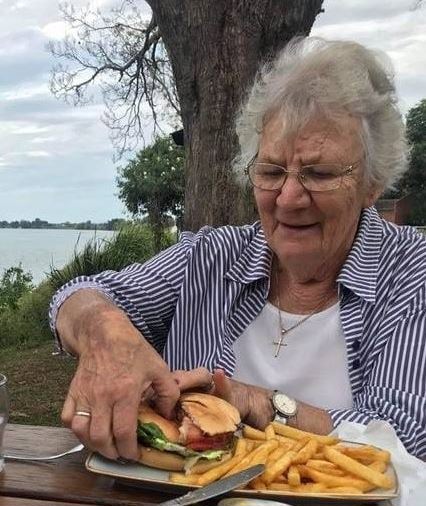
Investigations found Ms Morrison went to a shopping centre at Gloucester about 10.45am on the same day, but her movements after this remain unknown and she has not been heard from since.
Yesterday her car was found in floodwaters at Barrington River, Barrington, but there was no one inside.
Police and family continue to hold serious concerns for Ms Morrison's welfare due to her age and current weather conditions in the area.

It is also out of character for Ms Morrison not to have made contact with family members.
Ms Morrison is described as being of Caucasian appearance, between 150cm to 160cm tall, with a medium build, grey hair and hazel eyes.
Australian wheat exports to China booming despite tensions
Australian wheat exports to China are booming despite ongoing diplomatic and trade tensions between the two countries.
Wheat bought by China from Australia during the first two months of the year were 479.3 per cent more than the amount purchased over the same period last year, reports The South China Morning Post.
China's surging demand for wheat has been caused by its recovering domestic pig farmers and their need for more feed, the Ministry of Commerce said.
READ MORE: Mouse plague decimating crops, destroying livelihoods
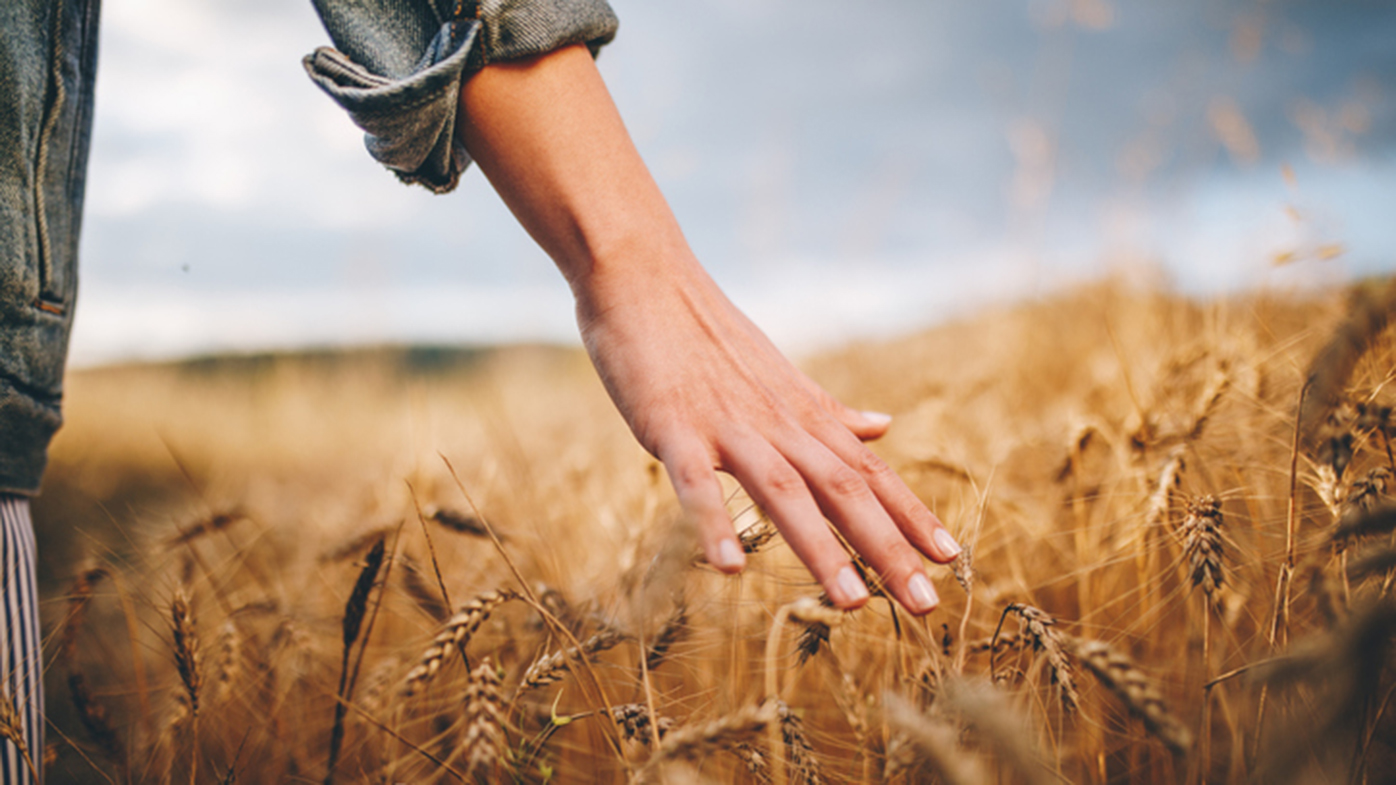
Wheat is used to make basic foodstuffs in China such as noodles, dumplings, buns and pastries.
Australian grain farmers have been able to cash in largely because Russia – a major wheat producing nation – has curbed exports in a bid to stop domestic food price inflation.
Wheat is also in high demand after prices of other feed raw materials, such as corn and soybeans, soared.
Australian farmers harvested their biggest wheat crop last year and sales to China and other countries including Vietnam and Indonesia are booming.
New figures from the Australian Bureau of Statistics (ABS) for February showed its $1.3 billion in exports of cereals, including wheat, for the month was the highest monthly export on record.
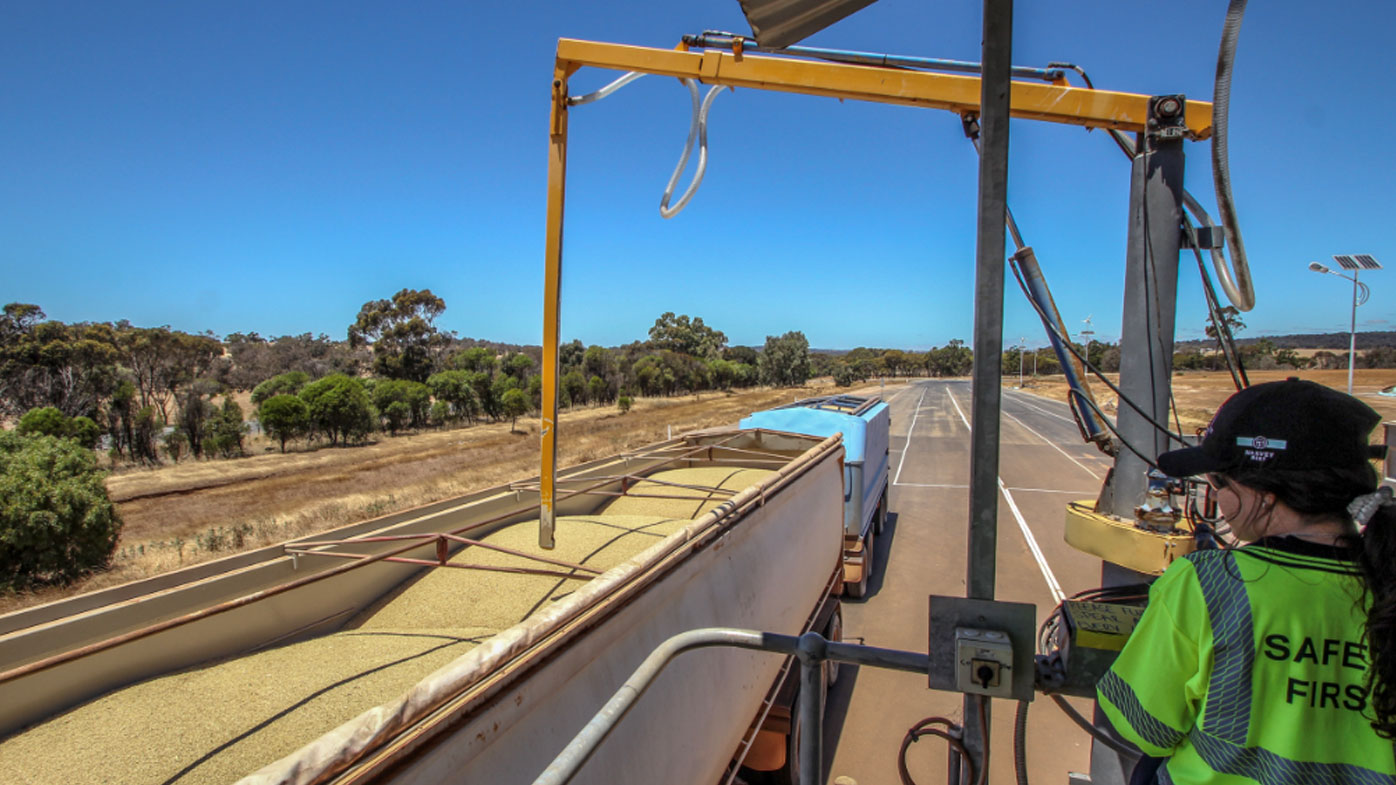
Wheat sales to China remained strong, although they have declined after the record high sale in December worth $248 million, which was Australia's largest-ever monthly wheat export to any single country.
The latest Rabobank Rural Confidence Survey this month said that despite the COVID-19 pandemic, last year marked a major recovery for Australian farmers, after years of drought.
Last year a range of Australian exports – including barley – were subjected to trade sanctions amid a row between Canberra and Beijing over Australia's push for an international inquiry into the origins of COVID-19 in China.
'Mr Bondi' has charges dropped, police to pay legal fees
Police have dropped charges against a man known as "Mr Bondi", who was arrested after swimming at the famous beach during the COVID-19 lockdown.
After a months-long legal battle, police today withdrew their case against Dimitri Moskovich.
LIVE UPDATES: New COVID-19 case in Brisbane

Mr Moskovich pleaded not guilty in July last year to charges of resisting arrest and failing to comply with a notice in a public place.
"This court has never seen a person less guilty than me," Mr Moskovich said at the time.
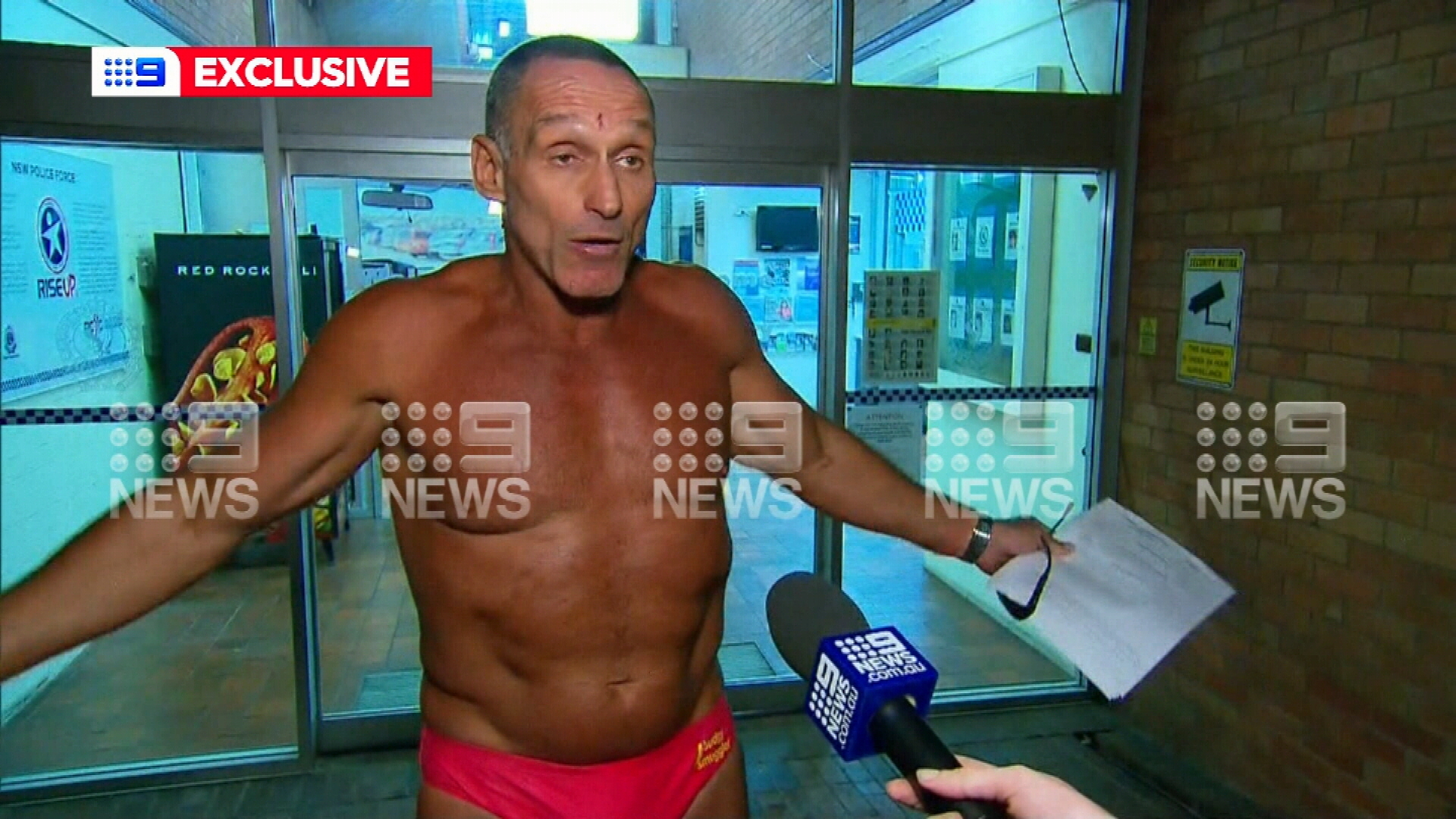
Police have agreed to pay Mr Moskovich's $25,000 legal fees.
The Bondi local now plans to sue the force for unlawful arrest and assault.
India records highest single-day rise in COVID-19 cases since October
India has recorded 53,476 new COVID-19 cases on Thursday marking the highest single-day rise in cases since October 23, according to a CNN tally of figures from the Indian Ministry of Health.
The country has been reporting more than 35,000 new cases daily for over a week in a recent surge in cases after they fell in January and February this year.
Randeep Guleria, director at the All India Institute of Medical Sciences, told CNN on Wednesday that "it is the beginning of a second wave."
LIVE UPDATES: Biden pledges 200 million COVID-19 vaccine doses

The rise in cases comes as the country's top researchers announced that there are nearly 800 variants of concern present in the country.
The Indian SARS-CoV-2 Consortium on Genomics, which has been carrying out genome sequencing and analysis of coronavirus strains since December, says 771 cases of variants of concern have been detected in India.
Most of the cases are the coronavirus variant first identified in the UK, according to a statement from the Indian Ministry of Health on Wednesday.
While the Health Ministry has not correlated these to the recent rise in cases, these variants have been primarily detected in states such as Punjab and Maharashtra, two states that the health ministry has called states of "grave concern," given that they are contributing to most of the nation's case load.
READ MORE: PNG's health system under pressure as COVID-19 cases rise
Mr Guleria said the emergence of the more infectious UK variant in some states may be one of the factors contributing to the recent surge in case numbers.
The Health Ministry has said "such mutations confer immune escape and increased infectivity," while adding that further analysis is being conducted.
The country's first wave of infections started climbing last summer and peaked in September, with numbers slowly declining since then. By February, the number of daily cases had fallen by nearly 90 per cent, to about 10,000 a day.
But by the start of March, it became clear that cases were slowly on the increase again — and they have exploded in the past few weeks.
India has now reported a total of more than 11.7 million cases and 160,000 related deaths, according to Johns Hopkins University data.
READ MORE: New 'double mutant' virus variant detected in India
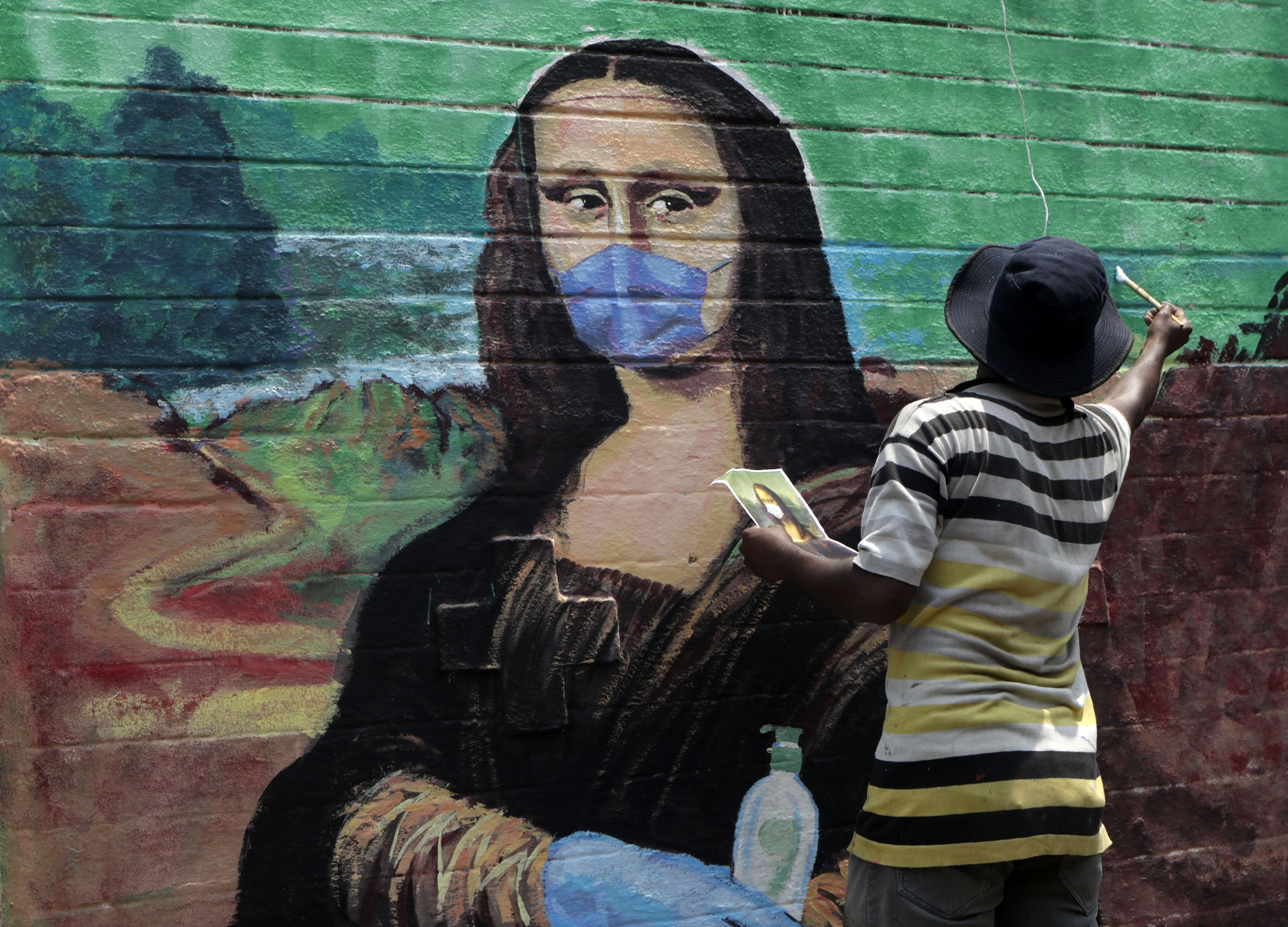
Mr Guleria said the second wave "is something that has already been seen in many European countries; we seem to be following them."
A number of factors are contributing to that rise, Mr Guleria explained.
"One of the factors is that today it's been one year since India had the lockdown and there are people who seem to have gone into COVID-19 fatigue," he said, adding that "you see that in the community, when you go out, wearing a mask has become less and less.
"We see crowds developing, partying, a lot of marriage ceremonies are happening in India," he added.
Variants and mutations
All viruses evolve over time, and sometimes make changes when they replicate, causing mutations. Some mutations have little effect, but others could make the variant more easily transmissible, or cause infections with more severe symptoms.
From around 10,787 samples analysed by the Indian SARS-CoV-2 Consortium on Genomics from 18 states, 771 cases of variants of concern were detected, the majority of which were the UK strain, according to the Ministry of Health. Thirty-four were the variant first identified in South Africa and one was variant P.1 from Brazil.
The Ministry of Health and Family Welfare also said it has found a variant with mutations that don't match previously identified variants of concern.
It's not unusual to see multiple mutations in one variant. "All of these viruses (variants) which we are dealing with are already mutants," said virologist T Jacob John. The strain that became globally prevalent was already different from the first strain that originated in Wuhan, China, he added.
The strain first found in the UK, the B.1.1.7 variant, has 23 mutations compared to the original strain found in Wuhan, according to the American Society of Microbiology.

The Brazil variant known as P.1 has 17 mutations, and the South Africa variant known as B.1.351 also has multiple mutations, according to the US Centre for Disease Control and Prevention (CDC).
How dangerous a mutation is depends on where in the virus it's happening. For instance, the South Africa variant has mutations that change the structure of the spike protein, which appear to affect the receptor binding domain — the part of the spike protein most important for attaching to and infecting cells. Researchers are now investigating whether it could help the virus partly escape the effects of vaccines.
Mr Guleria cautioned that a new variant was not necessarily cause for alarm, since researchers are still investigating the effect of the mutations.
"They are not clear as to what is the significance of this," he said. "Does it have clinical significance or is it just an observation? And that has to be linked to epidemiological data, which is what is being done."
One question is which variants and which mutations might be able to evade the effects of our existing vaccines.
"If somebody was infected with coronavirus six months ago, that person is immune to the non-mutated coronavirus," Mr John said.
"But is the person still immune against the variants? (That has to be) studied."
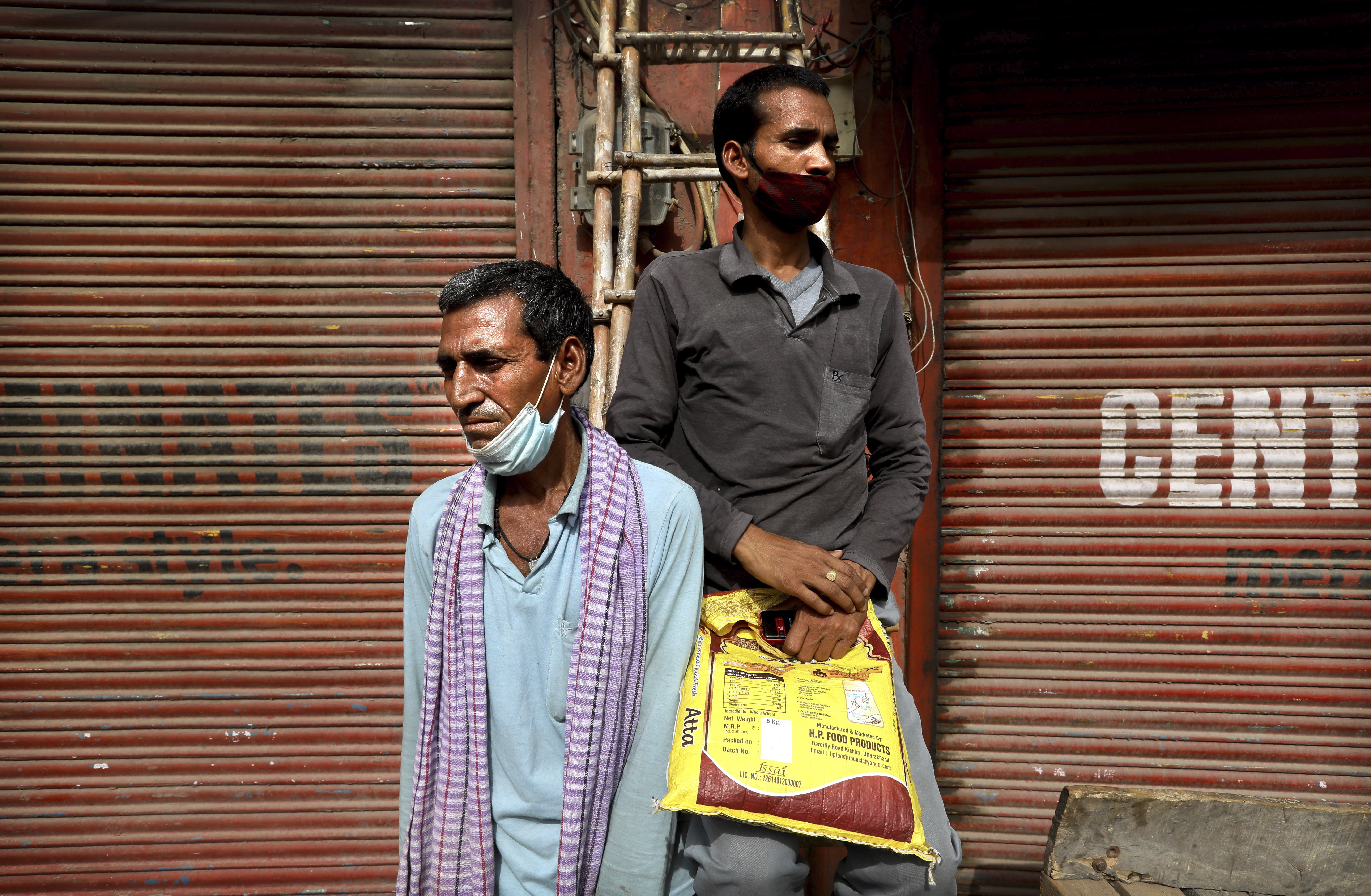
India's vaccination drive
In the meantime, Indian authorities are working to control the spike by implementing new restrictions and stepping up the country's vaccine program.
India is administering two vaccines domestically. One is Covishield, a vaccine developed by Oxford University and AstraZeneca and produced by the Serum Institute of India, the world's largest vaccine maker.
The other is India's first homegrown coronavirus vaccine, Covaxin, developed jointly by Bharat Biotech and the government-run Indian Council of Medical Research.
So far, India has administered more than 50 million doses of vaccines, with more than 8.1 million people fully vaccinated, according to Johns Hopkins University.
The Serum Institute of India not only produces most of the vaccines for India, it is also responsible for many of the vaccines distributed to the rest of the world.
In September last year, SII pledged to manufacture and deliver 200 million doses for COVAX – a WHO vaccine alliance set up to ensure fair access to COVID-19 vaccines.
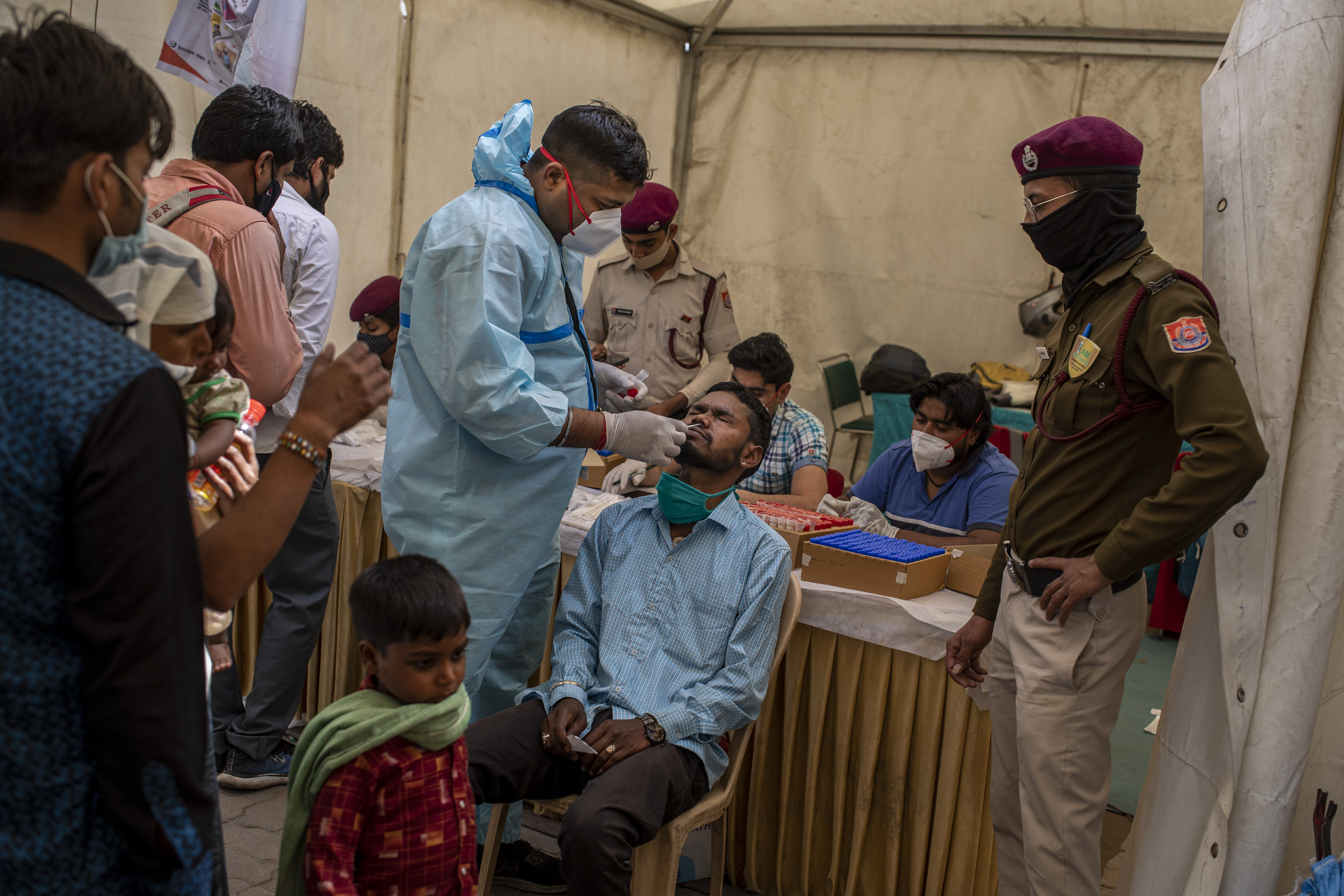
But SII has had to halt or delay its exports several times in recent months as global and domestic demand surged.
On January 4, India restricted the export of the AstraZeneca vaccine produced by SII until at least March.
"We were given a restricted license only to give it and provide it to the government of India because they want to prioritise for the most vulnerable and needy segments first," SII CEO Adar Poonawalla said at the time.
"The only condition is that we can only supply to the government of India, we can't sell it in the private market, and we can't export it."
Thursday, Reuters reported that India would likely delay deliveries of AstraZeneca vaccines to COVAX, citing UNICEF.
India had put a temporary hold on all major exports of AstraZeneca shots made by SII to meet domestic demand, according to Reuters.
CNN has reached out to SII, UNICEF and the Ministry of External Affairs for comment, but has not yet received a response.
Several cities and states including Mumbai, Delhi and Odisha have banned gatherings during Holi, the upcoming festival of colours, on March 28.
Covid-19 coronavirus: Impact of imports on hot potato chip industry affecting local growers
The impact of Covid-19 on the chip industry in the Northern Hemisphere is putting locally grown and processed hot potato chips at the local chippie under threat.The problem?Quiet streets and empty bars in Covid-ridden Europe have…
Only 10% of people using QR codes in Dunedin, study finds
A survey of QR code scanning at 40 randomly selected venues has revealed a deeply embedded Covid-19 complacency in Dunedin.Health officials have long been concerned by falling rates of QR code scanning, as information gathered from…
Sallies in focus over employing sex offender Dwayne Keats
The Salvation Army is under fire again after it emerged another sex offender spent years working for the Christian charity.It comes on the back of an Otago Daily Times investigation which revealed 47-year-old Dwayne Keats, a rapist…
Rush hour emergency: Death on tracks causes major disruptions to Auckland trains; fog, crashes on SH1
The discovery of a dead person on tracks caused all trains across Auckland to be delayed or cancelled ahead of morning rush hour this morning. There was widespread disruption across the city’s rail network after police revealed…