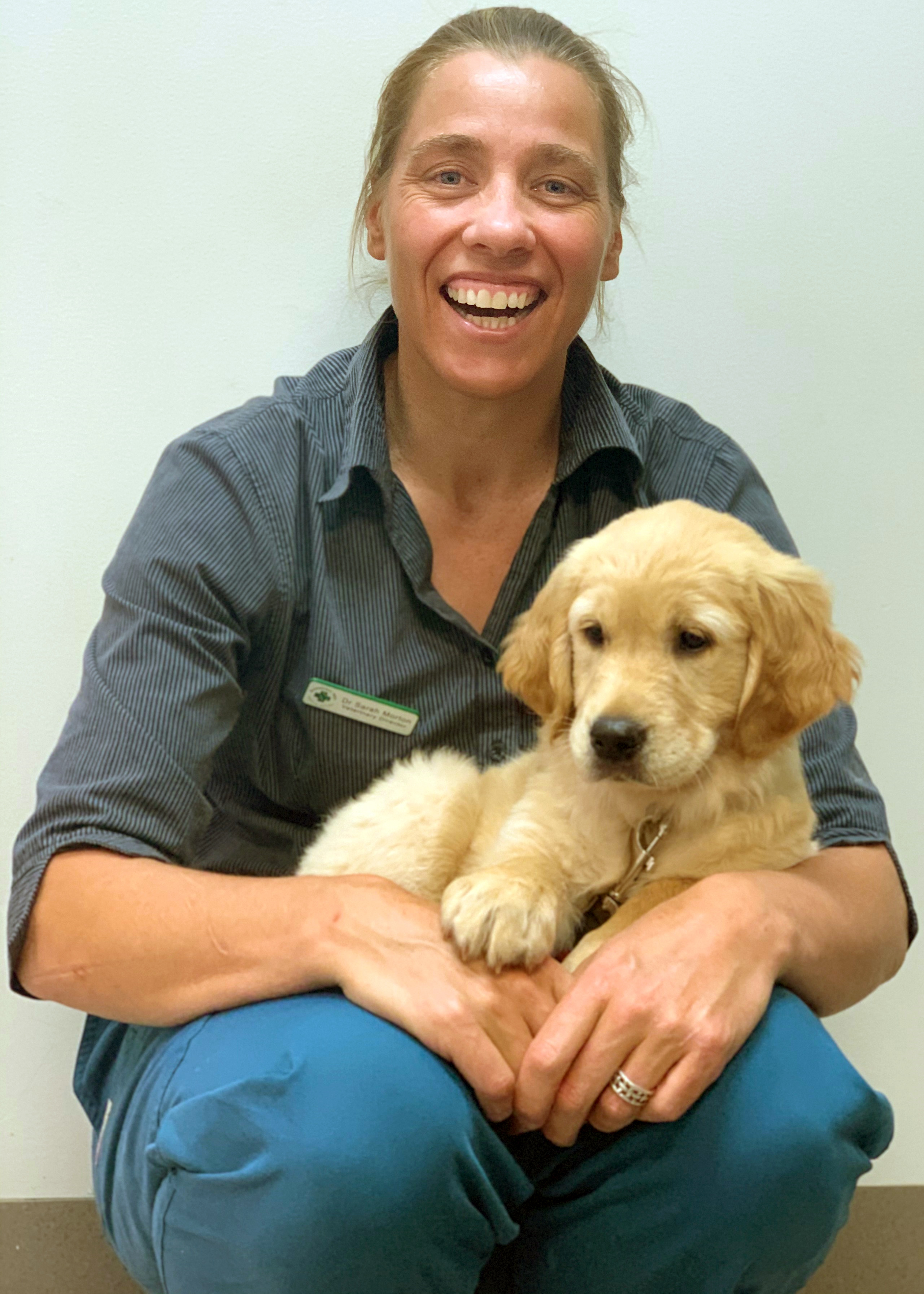
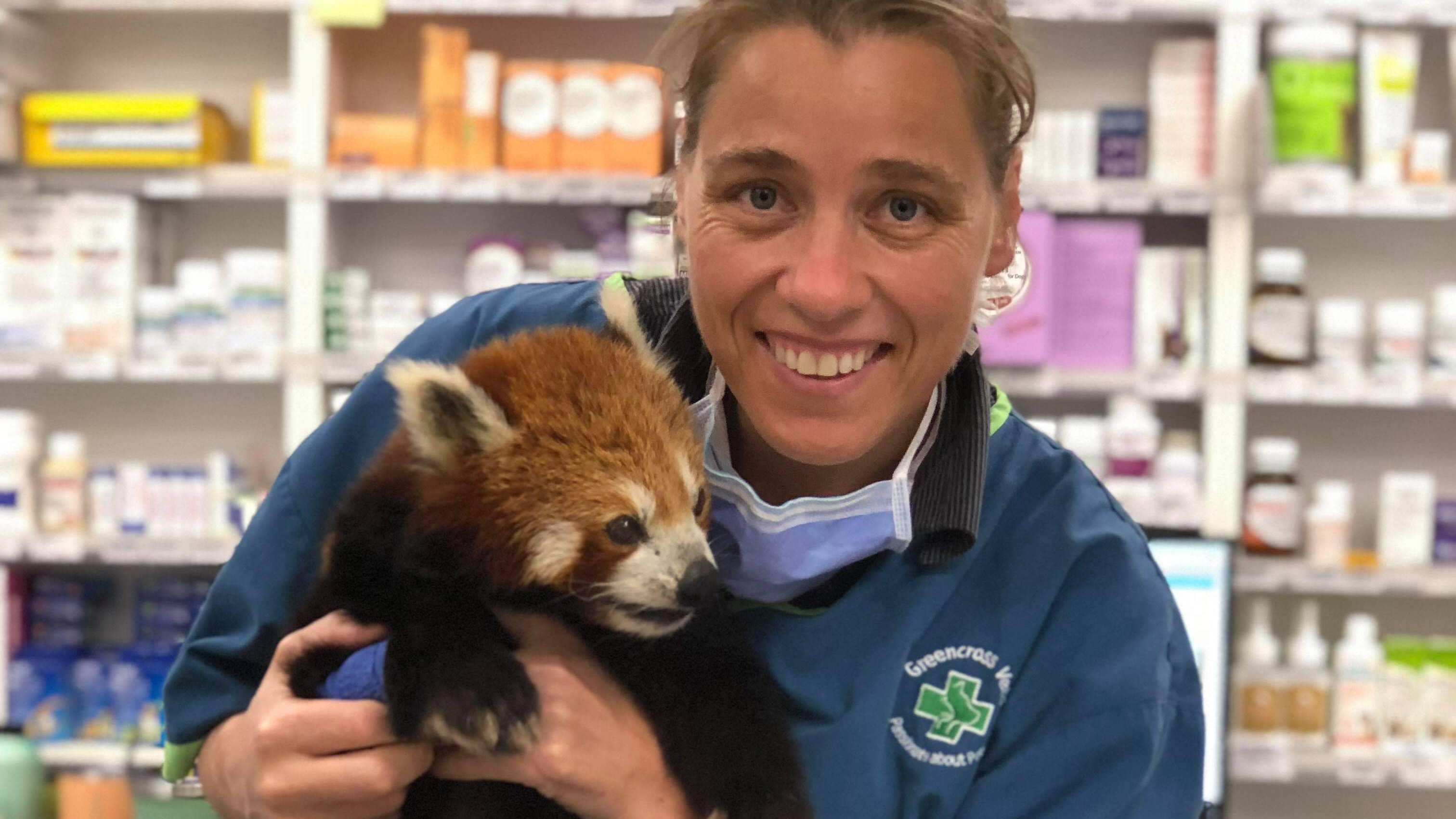
"Most people think vets earn a lot of money to play with cute animals all day, which couldn't be further from the truth," Sunshine Coast vet Sarah Morton says.
The reality is many vets in Australia are taking home surprisingly low salaries in exchange for long hours spent working under stressful conditions, according to those in the industry.
There is also one dark fact most Australians have never heard before.
Vets are about four times as likely to take their own life than the general Australian population and twice as likely as healthcare workers.
READ MORE: Sydney mother's plea after losing teen son to suicide
One vet will die by suicide every 12 weeks, figures from the Australian Veterinary Association show.
It's a tragedy that has hit home on a personal level for most vets, including Dr Morton.
In August 2019, she lost her senior vet and close friend, Jo, to suicide.
"Jo was just terrific – she was loud, bubbly, happy and smiley," Dr Morton said.
"The clients all adored her. They loved her so much, it really rocked their world."
Studious and astute by nature, Jo always worked to an "exceptional standard", Dr Morton said.
"She made me a better vet because her standards were second to none. I guess in hindsight she was always a bit too hard on herself and making sure everything was perfect," she said.
While Jo had been struggling with poor mental health for a long time, her friend had selflessly hidden her suffering from everyone, Dr Morton said.
Gold Coast psychologist Nadine Hamilton has spent years researching mental health among veterinarians and the reasons behind the profession's high suicide rate, which is seen not just in Australia but worldwide.
Vets were often incredibly intelligent, high achievers who put a lot of pressure on themselves in the face of a very demanding job, Dr Hamilton said.
"A vet's job is incredibly stressful," Dr Hamilton said.
"They could go from vaccinating a kitten to having a dog come in that has half of its face ripped off in a dog fight. Then they might need to euthanise someone's 16-year-old dog before seeing another cat that has been hit by a car. It is just this pressure."
Facing such suffering day-in-day-out led many vets to experience compassion fatigue towards the animals and their owners, Dr Hamilton said.
Emotional blackmail and difficult customers
Another big issue for vets was having to deal with difficult customers who were sometimes "rude, threatening and bullying", she said.
"Every vet that I have ever met and worked with is hugely compassionate, but it can be taken advantage of," she said, adding that some owners weren't above using emotional blackmail if they could not afford the treatment their pet needed.
"Owners will say things like, 'If you don't do this for my pet then I will take care of it myself.' I have heard plenty of horror stories around that sort of manipulation.
"I have heard of vets who have had guns pulled on them, it is horrific stuff."
The financial worries that came with running a small business were a common stress factor for vets, while they also perversely had to deal with the misconception from owners that they were earning a lot of money off the back of their high bills.
"We don't get Medicare for our pets. When we get their vet bills we are comparing it to a heavily-subsidised medical system for humans. It's not the vet's fault but they cop the blame for it," Dr Hamilton said.
"The reality is that after five years of uni the average starting salary for vets is around $48,000-$50,000 a year, and the average salary of a vet is between $75,000-$80,000 a year."
High attrition rate leading to vet shortage
While government figures show there is an increasing number of vets graduating from courses at university, they also point to a growing number of job vacancies.
Dr Hamilton said many vets were choosing to leave the industry before it became too much for them.
"Sadly, the numbers are dwindling in the vet industry. They are either leaving or taking their lives," she said.
Dr Morton said she was considered unusual for how long she had continued to work as a vet full time.
"We are finding that a lot of people are leaving within five years, or they are dropping right back to part time or locuming a few days a week," she said.
"At the moment I have two vacancies I am trying to fill because both of my vets – who are wonderful and gorgeous – need a break and are taking extended leave. They are both about to turn 30 and are taking 12 months and 6 months off respectively."
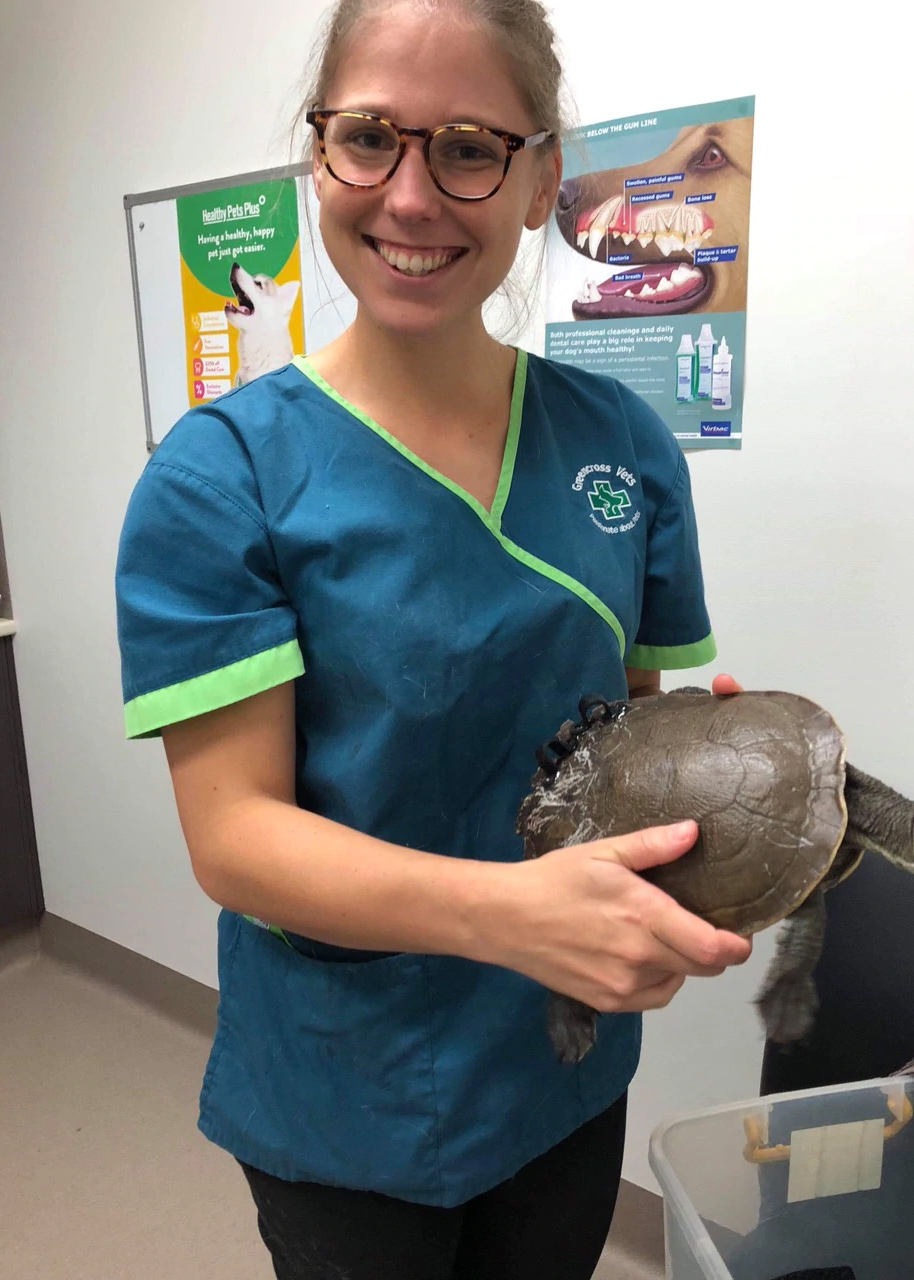
There were many things that needed to be done to help address the emotional burnout among vets, Dr Morton said.
Mental health peer support groups with mentors for vets and vet nurses were needed urgently, while more attention should be given to the topics of mental health and resilience during vet school, she said.
Vet salaries also needed to increase, while people should be more realistic about how much their pet's medical care would likely cost, she said.
"I think that when people take on an animal they need to understand that it is a luxury item and they need to put aside $4000-$5000 a year to pay for things that may or may not come up. They need to understand that this is the case, or they need to get pet insurance," she said.
Dr Hamilton said raising awareness about the plight of vets among the public was key.
Over the past few years, there have been several high-profile campaigns launched with this aim in mind.
A Facebook campaign called Not One More Vet began in 2014 after the suicide of the world-renown US vet, Dr Sophia Yin.
In Australia, Dr Hamilton started her own campaign 'Love Your Pet Love Your Vet' in 2017, which is now a registered charity.
Yet, despite all the work that had been done, Dr Hamilton said most people were still not aware of the suicide rate for vets.
"This year we'll be running a campaign to highlight just that, that people aren't aware of it and where would we be without vets," Dr Hamilton said.
"My theory is that it took a pandemic for people to realise the value of doctors and nurses. But what about our vets?
"Our vets have been on the front line with all the wildlife that was injured in the bushfires. If someone's dog gets run over it's straight to the vet. Where would we be if they weren't here?"
Readers seeking support and information about suicide prevention can contact Lifeline on 13 11 14, Suicide Call Back Service 1300 659 467 or Kids Helpline on 1800 551 800.
Contact reporter Emily McPherson at em********@******om.au