The numbers from tonight’s draw are in.
Tag Archives: oceania
BBQ explosion leaves four people in hospital
A barbecue explosion on NSW south coast has left four people in hospital, including two children.
Emergency services were called to the Big4 holiday park at Lake Conjola at 7.30am today following reports of a barbecue explosion.
Paramedics assessed five people with four being taken to hospital.
READ MORE: Catherine O'Hara, star of Home Alone and Schitt's Creek, dies aged 71
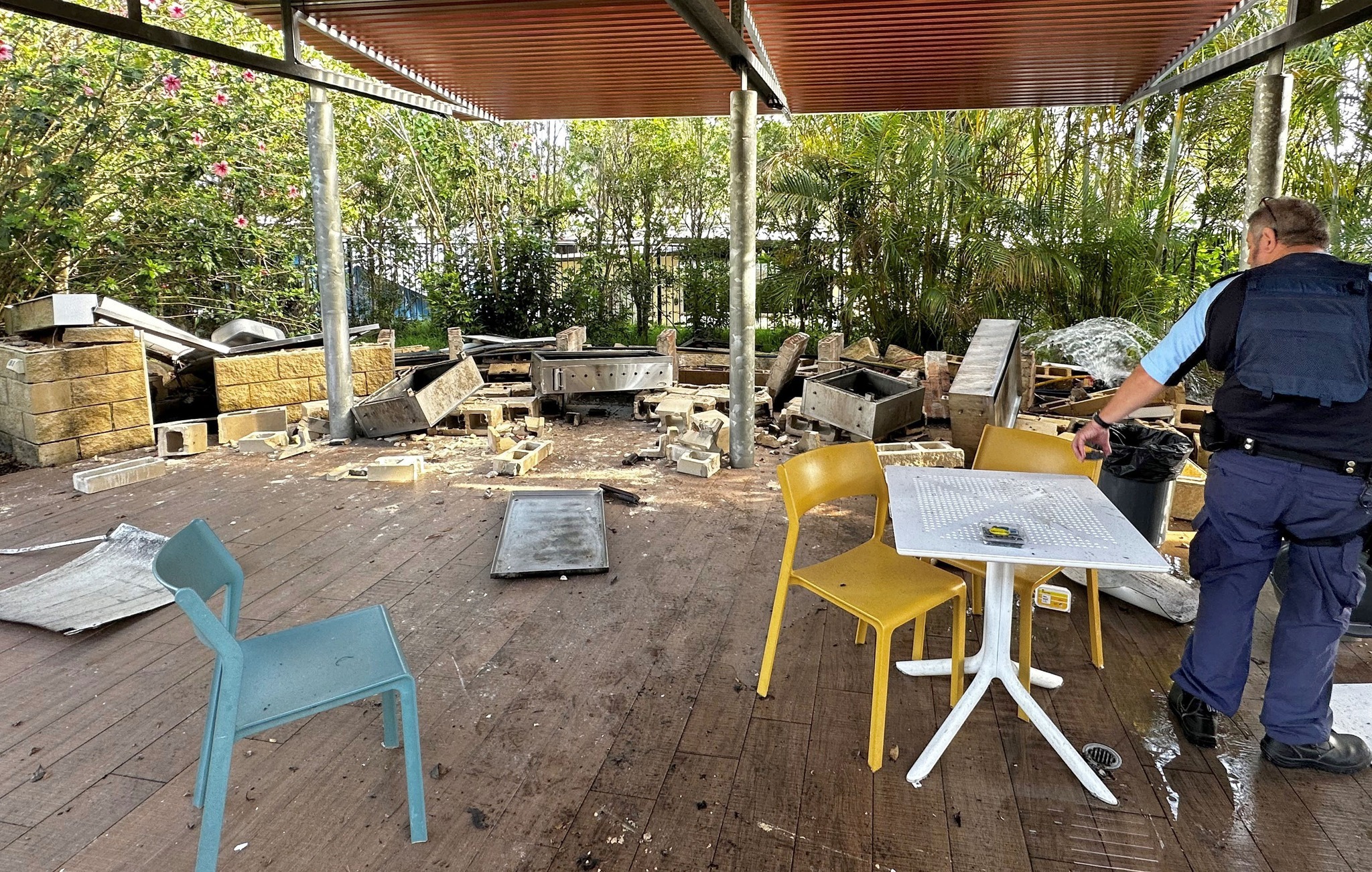
A man his in his 30s was airlifted to Wollongong hospital in a stable condition with facial injuries.
A woman, also in her 30s, suffered injuries to her abdomen and was taken to hospital in a stable condition.
Two children, under the age of five, suffered minor injuries and were transported to Nowra Hospital in stable conditions.
A fifth person was involved in the incident but did not require hospitalisation.
NEVER MISS A STORY: Get your breaking news and exclusive stories first by following us across all platforms.
- Download the 9NEWS App here via Apple and Google Play
- Make 9News your preferred source on Google by ticking this box here
- Sign up to our breaking newsletter here
Beloved actress Catherine O’Hara dies, aged 71
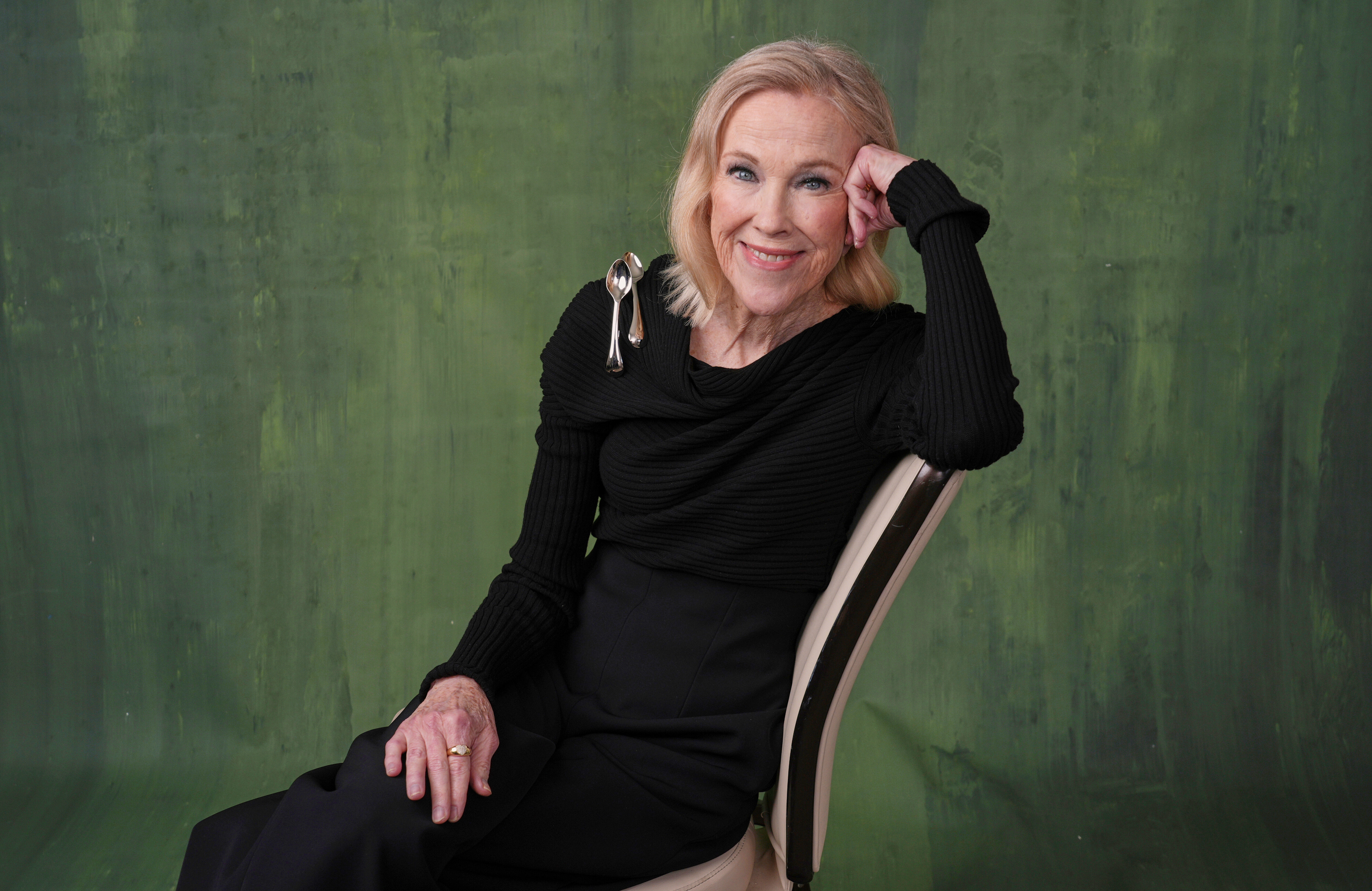
Actress Catherine O'Hara, the star of Home Alone and Schitt's Creek, has died aged 71.
The Canadian-born star died at her home in Los Angeles "following a brief illness", according to a statement from her agency.
The Los Angeles Fire Department responded to a call at O'Hara's home at 4.48am on Friday (11.48pm AEDT) and she was taken to hospital in a "serious" condition, according to Page Six.
READ MORE: Luigi Mangione will not face death penalty, judge rules
Dispatch audio from paramedics revealed O'Hara was having difficulty breathing.
She was taken to hospital where she was pronounced dead hours later.
The cause of her death has not been revealed.
O'Hara had been starring in the hit sitcom The Studio, which was just about to launch its second season after scooping a number of Emmys last year on debut.
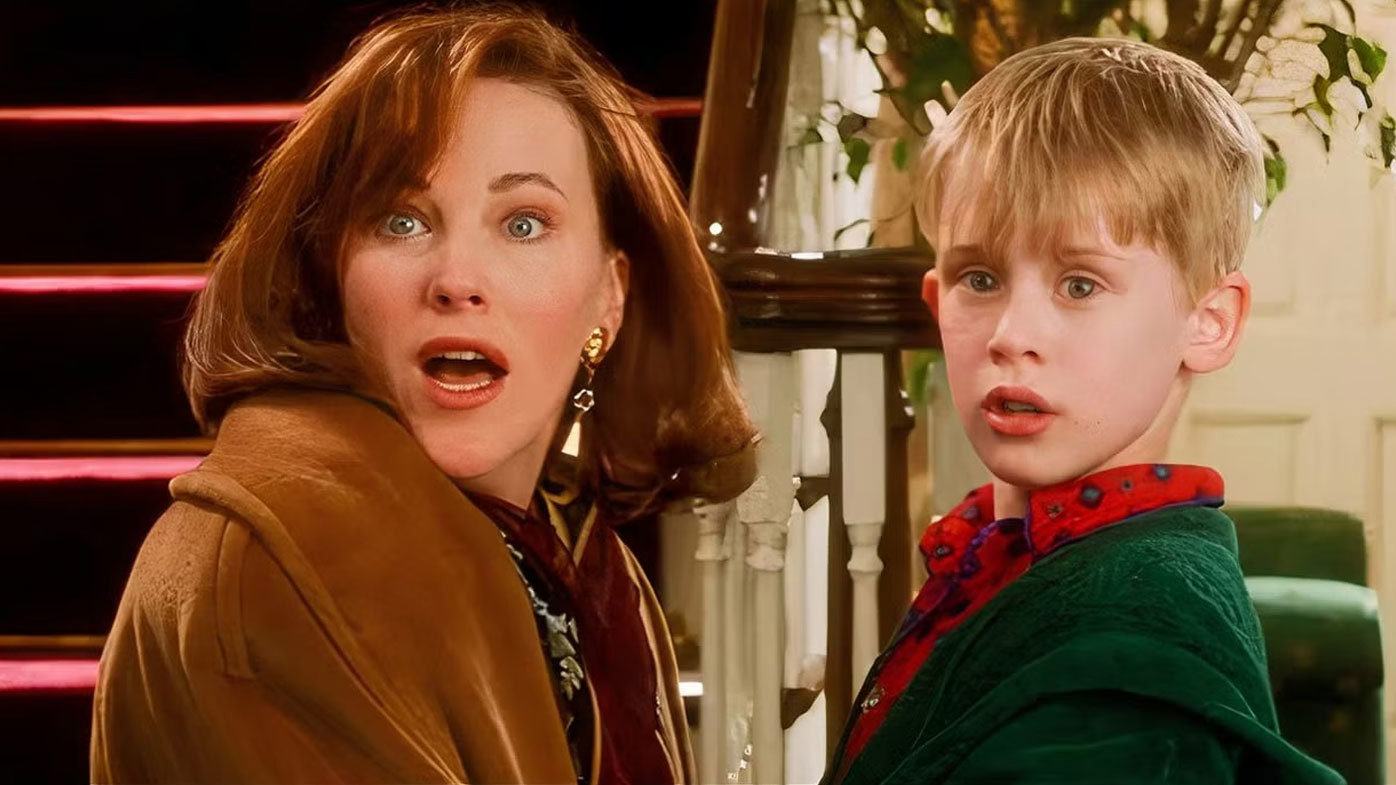
The two-time Emmy-winning actor, who was born in Toronto, was known for comedic roles in a career spanning five decades — from Kevin's beleaguered mum in Home Alone to the iconic Moira Rose in Schitt's Creek.
O'Hara's career was launched at the Second City in Toronto in the 1970s, an improvisation and sketch comedy theatre group.
It was there that she first worked with Eugene Levy, who would become a lifelong collaborator – and her Schitt's Creek co-star.
READ MORE: More human remains and clothes found in search for missing Belgian tourist
The two would be among the original cast of the sketch show SCTV, which would help launch the careers of other top Canadian comedians, like Martin Short and Andrea Martin.
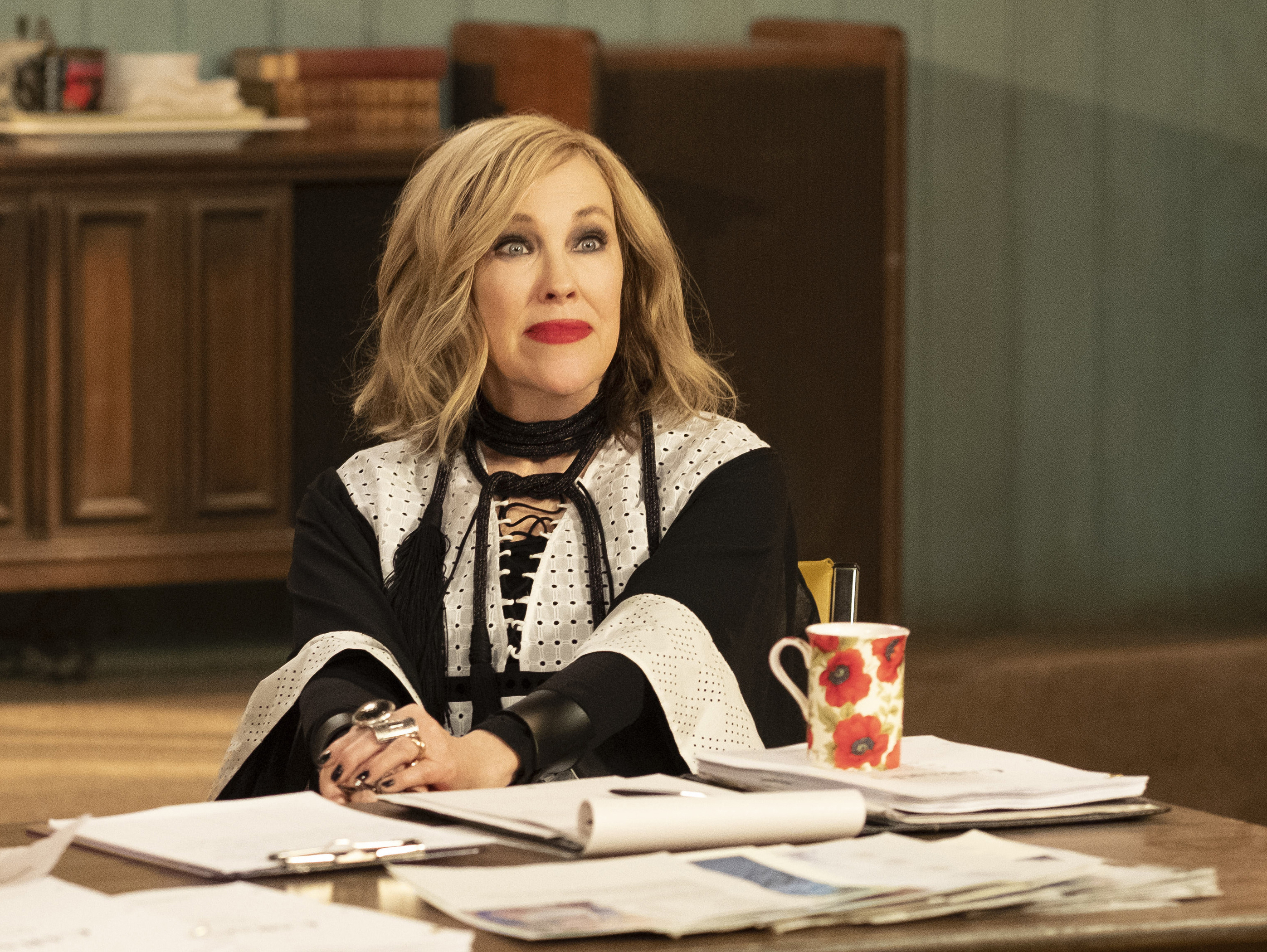
It also gave O'Hara the first of her Emmy Awards in 1982, her second coming from Schitt's Creek in 2020, a sitcom that won her a new legion of fans.
Her role as matriarch Moira Rose also earned her a Golden Globe and two Actor Awards (formerly known as SAG Awards).
READ MORE: Brothers and parents found dead suspected double murder-suicide in Perth
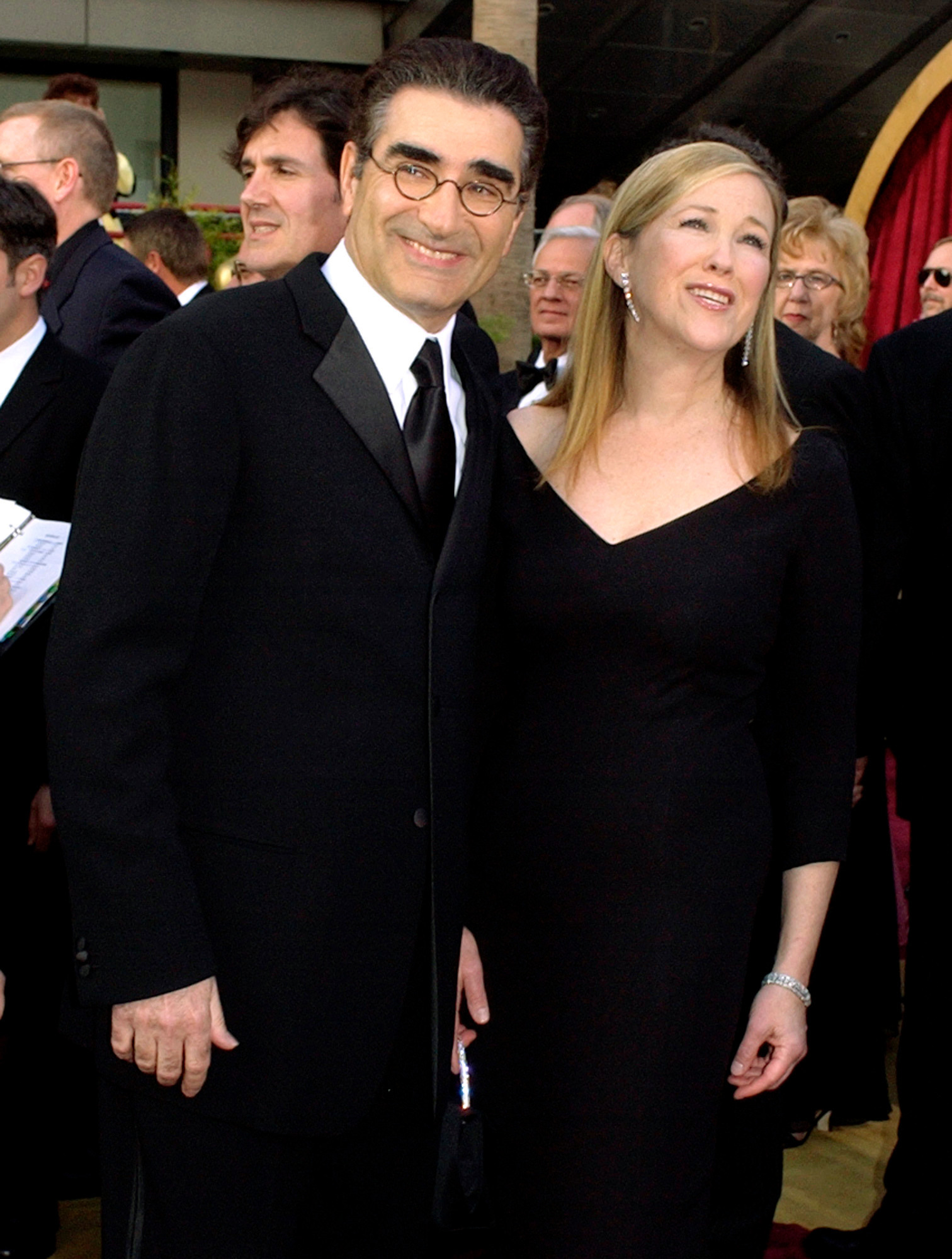
O'Hara also frequently collaborated with director Christopher Guest, starring in many of his iconic mockumentaries, including Waiting for Guffman, For Your Consideration and Best in Show.
She also starred in Tim Burton's 1988 hit Beetlejuice and its 2024 sequel Beetlejuice Beetlejuice, alongside Michael Keaton and Winona Ryder.
READ MORE: Nine sells radio empire for $56 million
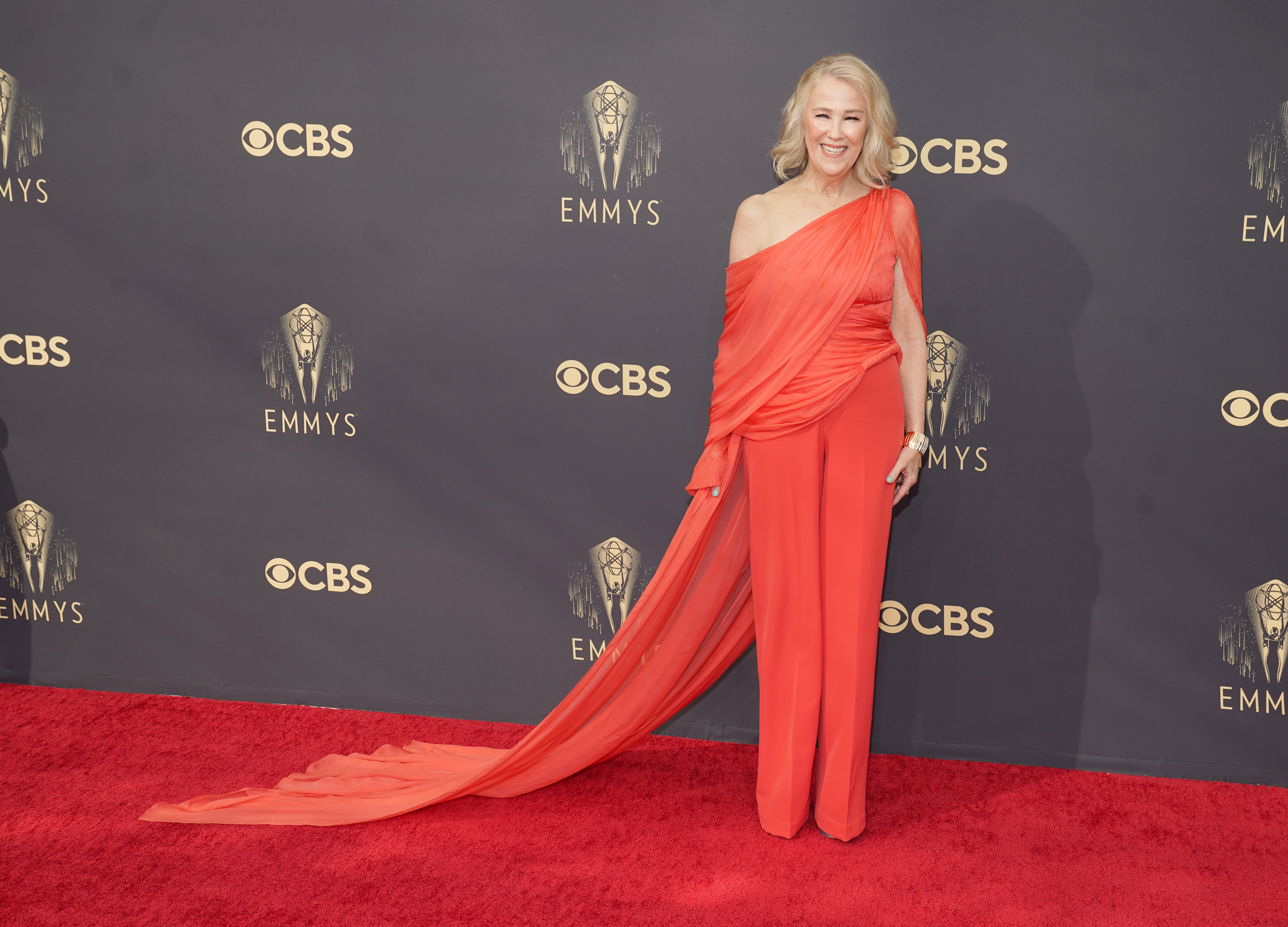
O'Hara's dramatic turn in HBO's The Last of Us earned her an Emmy nomination, as did her recent role as a Hollywood producer in The Studio.
The actor is survived by her husband of 33 years, Bo Welch, and sons Matthew, 31, and Luke, 29.
A private celebration of life will be held by the family, according to her agency.
Tributes flow from A-listers
Dan Levy, who worked with her on Schitt's Creek in which she played Monica said she was a "gift"
"What a gift to have gotten to dance in the warm glow of Catherine O'Hara's brilliance for all those years," he said.
"Having spent over fifty years collaborating with my Dad, Catherine was extended family before she ever played my family. It's hard to imagine a world without her in it. I will cherish every funny memory I was fortunate enough to make with her."

Macaulay Culkin the actor, who played O'Hara's son in two Home Alone movies, said on Instagram: "Mama. I thought we had time. I wanted more. I wanted to sit in a chair next to you. I heard you. But I had so much more to say. I love you. I'll see you later".
Actress Meryl Streep who co-starred with O'Hara in Heartburn, said in a statement: "Catherine O'Hara brought love and light to our world, through whip smart compassion for the collection of eccentrics she portrayed…such a loss for her family and friends, and the audience she graced as friends."
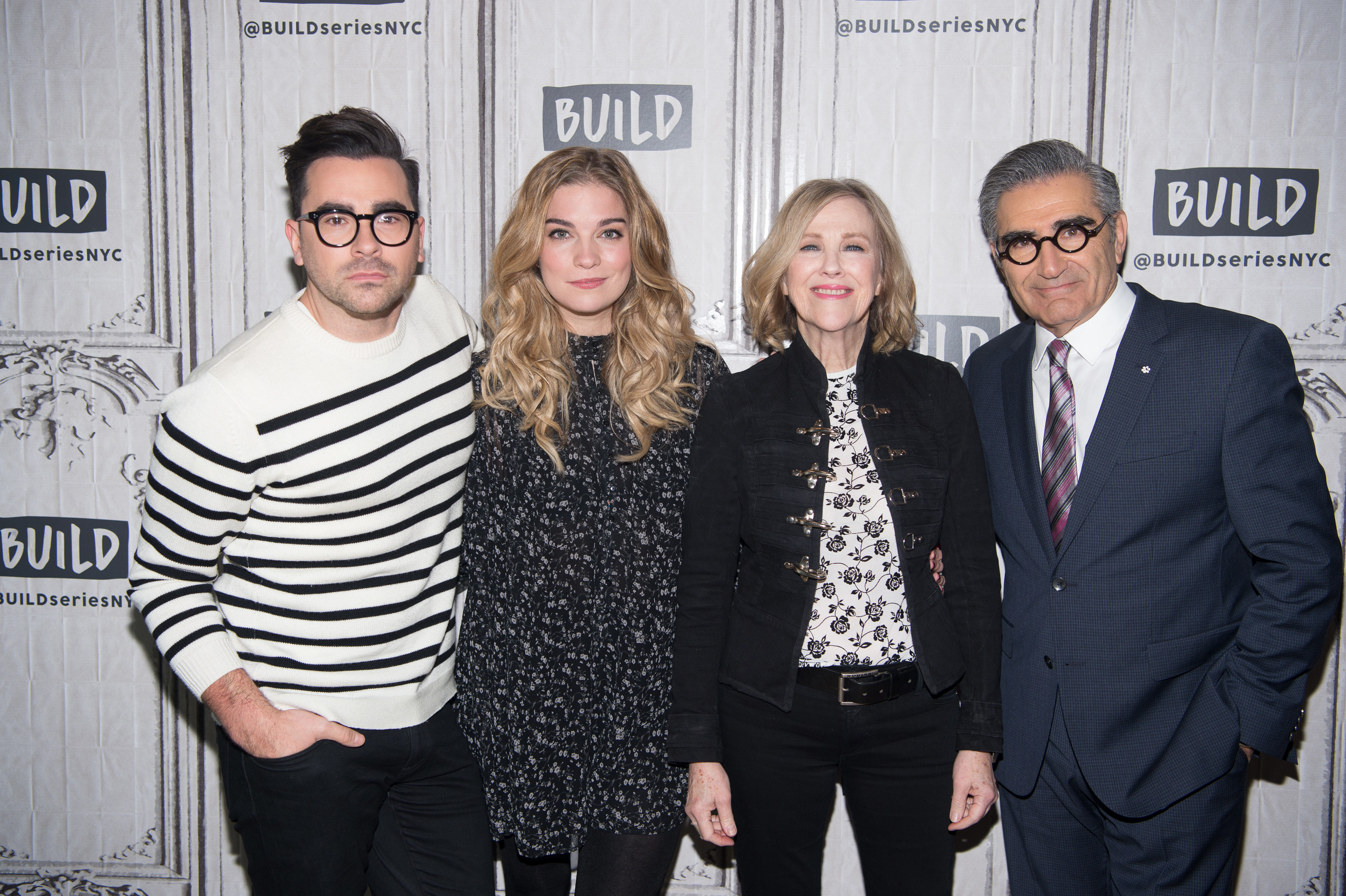
Batman star Michael Keaton, said: "We go back before the first Beetlejuice. She's been my pretend wife, my pretend nemesis and my real life, true friend. This one hurts. Man am I gonna miss her."
Pedro Pascal who worked with O'Hara on the second season of The Last of Us, said on Instagram: "Oh, genius to be near you. Eternally grateful. There is less light in my world, this lucky world that had you, will keep you, always. Always."
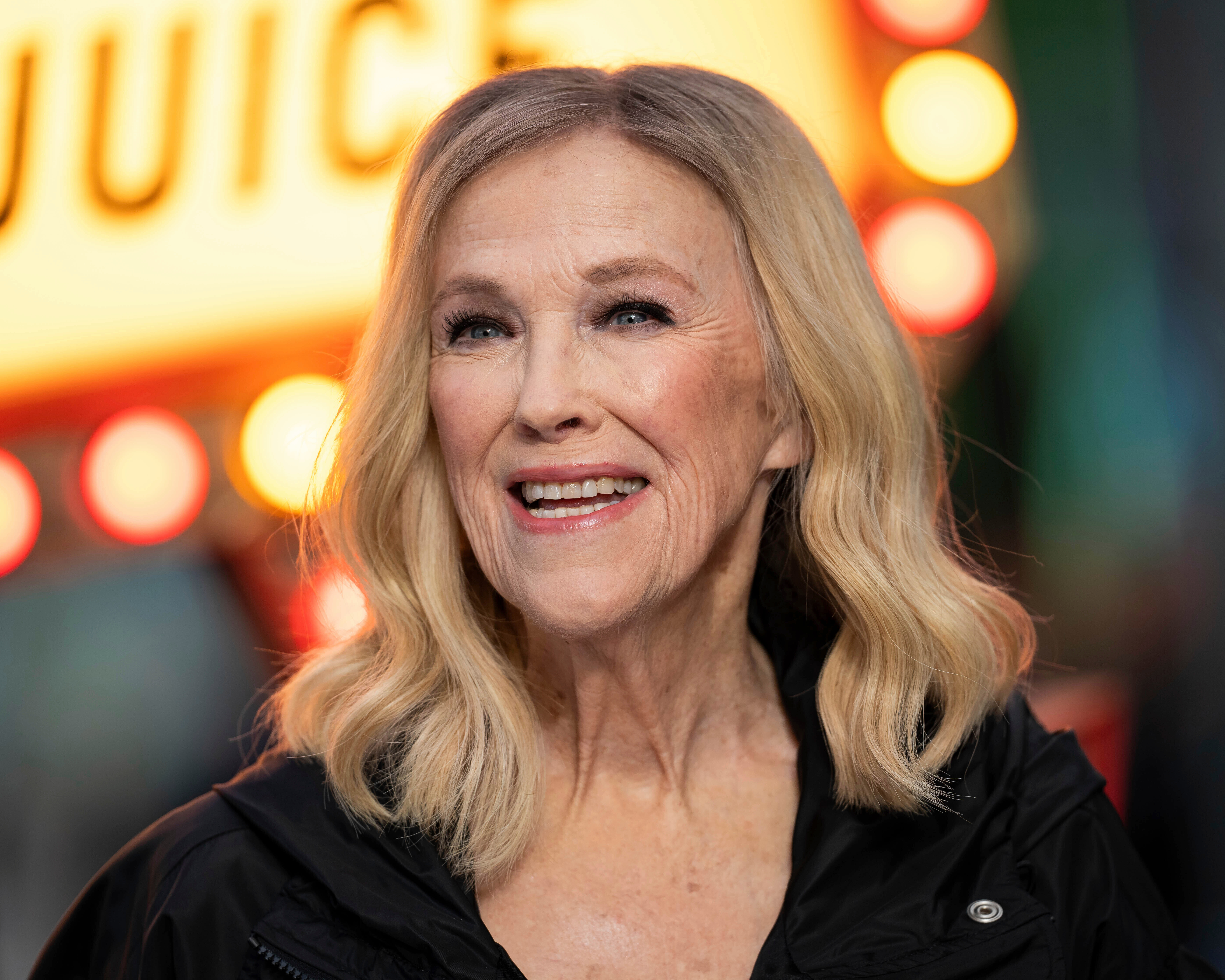
Actor, director and producer Rita Wilson said: "Catherine O'Hara — a woman who was authentic and truthful in all she did. You saw it in her work, if you knew her you saw it in her life, and you saw it in her family. Bo, Luke and Matthew, our deepest sympathies. May Catherine rest in peace. May her memory be eternal."
Alec Baldwin who starred with her in Beetlejuice said: "Catherine O'Hara was one of the greatest comic talents in the movie business. She had a quality that was all her own and my sympathy goes out to Bo and their family."
NEVER MISS A STORY: Get your breaking news and exclusive stories first by following us across all platforms.
-
Download the 9NEWS App here via Apple and Google Play
-
Make 9News your preferred source on Google by ticking this box here
Sign up to our breaking newsletter here
Rotorua woman Jackie Wheeler formally identified as Mount Maunganui landslide victim
The 71-year-old Rotorua woman has been formally identified in an identification hearing.
Auckland import business owner Wei Xu sentenced for cigarette smuggling scheme
Wei Xu stood to gain nearly $4 million from the illegal imports.
List of Trump allegations released in Epstein files
The US Justice Department on Friday (local time) released many more records from its investigative files on Jeffrey Epstein, resuming disclosures under a law intended to reveal what the government knew about the millionaire financier's sexual abuse of young girls and his interactions with rich and powerful people such as Donald Trump and Bill Clinton.
Deputy Attorney General Todd Blanche said the department would be releasing more than three million pages of documents along with more than 2,000 videos and 180,000 images.
The files, posted to the department's website, include some of the several million pages of records that officials said were withheld from an initial release in December.
READ MORE: Catherine O'Hara, star of Home Alone and Schitt's Creek, dies aged 71
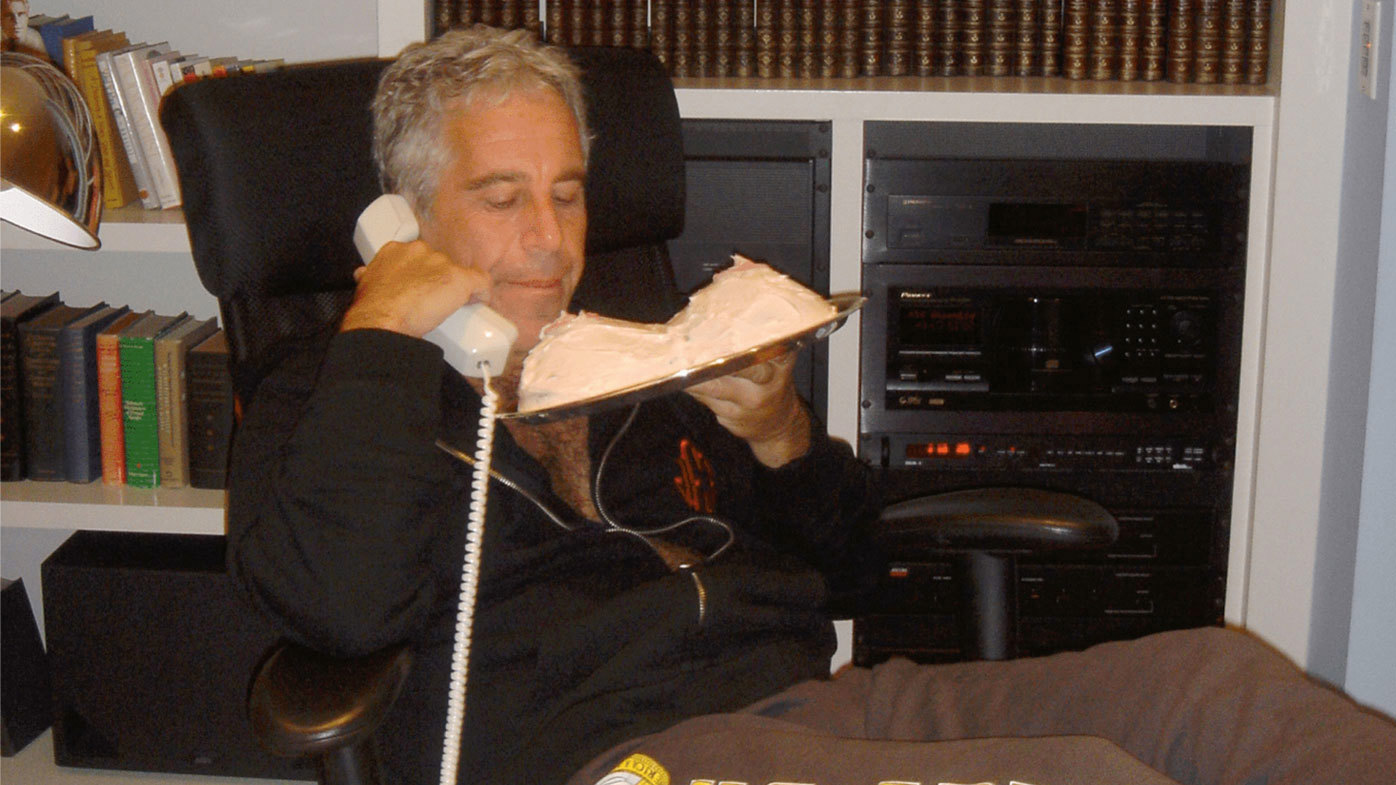
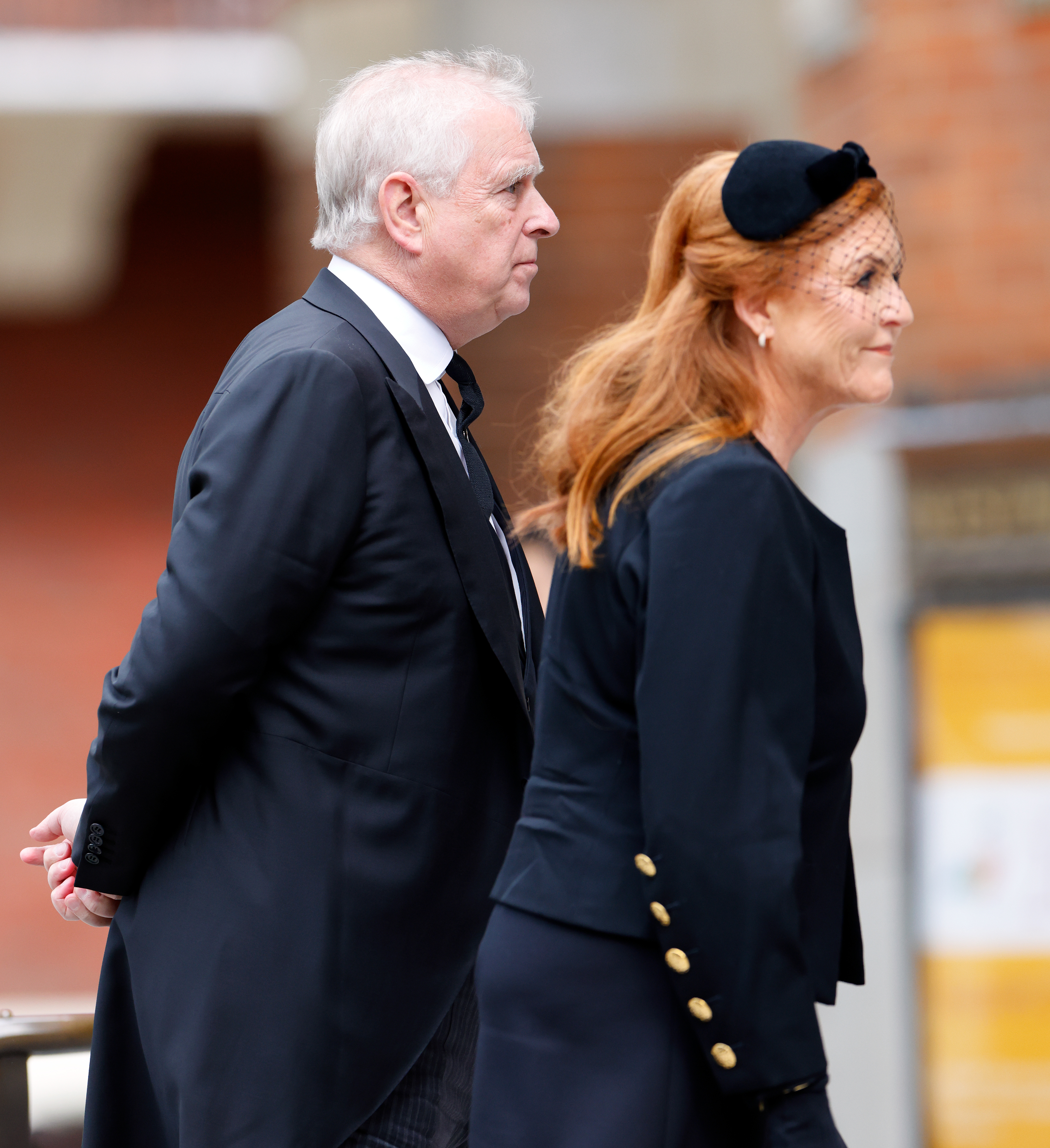
Included were documents concerning some of Epstein's famous associates, including Andrew Mountbatten-Windsor, formerly known as Britain's Prince Andrew, and email correspondence between Epstein and Elon Musk and other prominent contacts from across the political spectrum.
The documents were disclosed under the Epstein Files Transparency Act, the law enacted after months of public and political pressure that requires the government to open its files on the late financier and his confidant and onetime girlfriend, Ghislaine Maxwell.
READ MORE: Why does it smell like smoke in Sydney and northern NSW?
Lawmakers complained when the Justice Department made only a limited release last month, but officials said more time was needed to review additional documents that were discovered and to ensure no sensitive information about victims was released.
Friday's disclosure represents the largest document dump to date about a saga the Trump administration has struggled to shake because of the president's previous association with Epstein.
Criminal investigations into the financier have long animated online sleuths, conspiracy theorists and others who have suspected government cover-ups and clamored for a full accounting, demands that Blanche acknowledged might not be satisfied by the latest release.
"There's a hunger, or a thirst, for information that I don't think will be satisfied by the review of these documents," he said.
READ MORE: Luigi Mangione will not face death penalty, judge rules
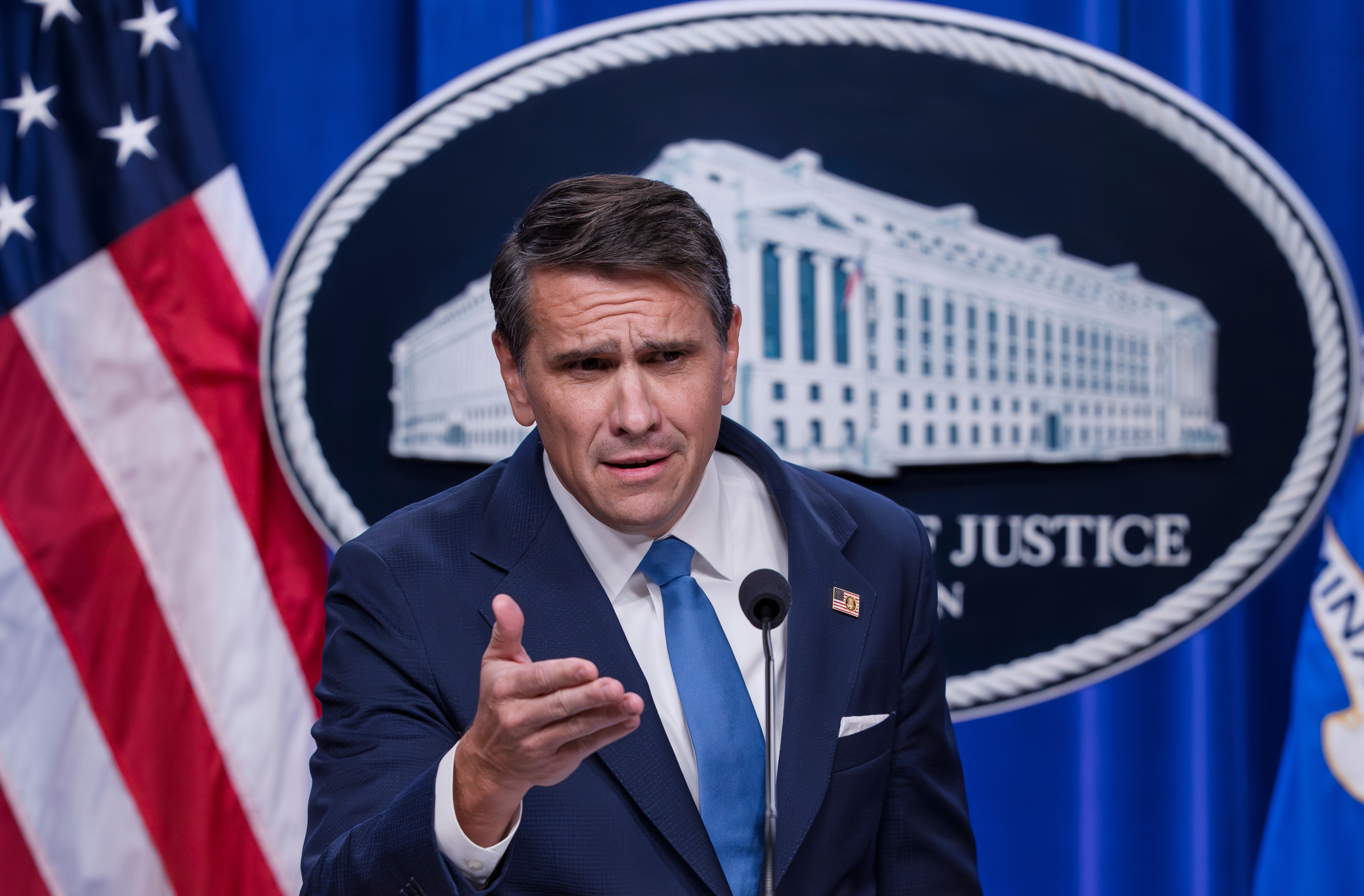
After missing a December 19 deadline set by Congress to release all the files, the Justice Department said it tasked hundreds of lawyers with reviewing the records to determine what needed to be redacted, or blacked out.
It denied any effort to shield Trump, who says he cut ties with Epstein years ago after an earlier friendship, from potential embarrassment.
Epstein's famous friends
The latest batch includes correspondence either with or about some of Epstein's friends.
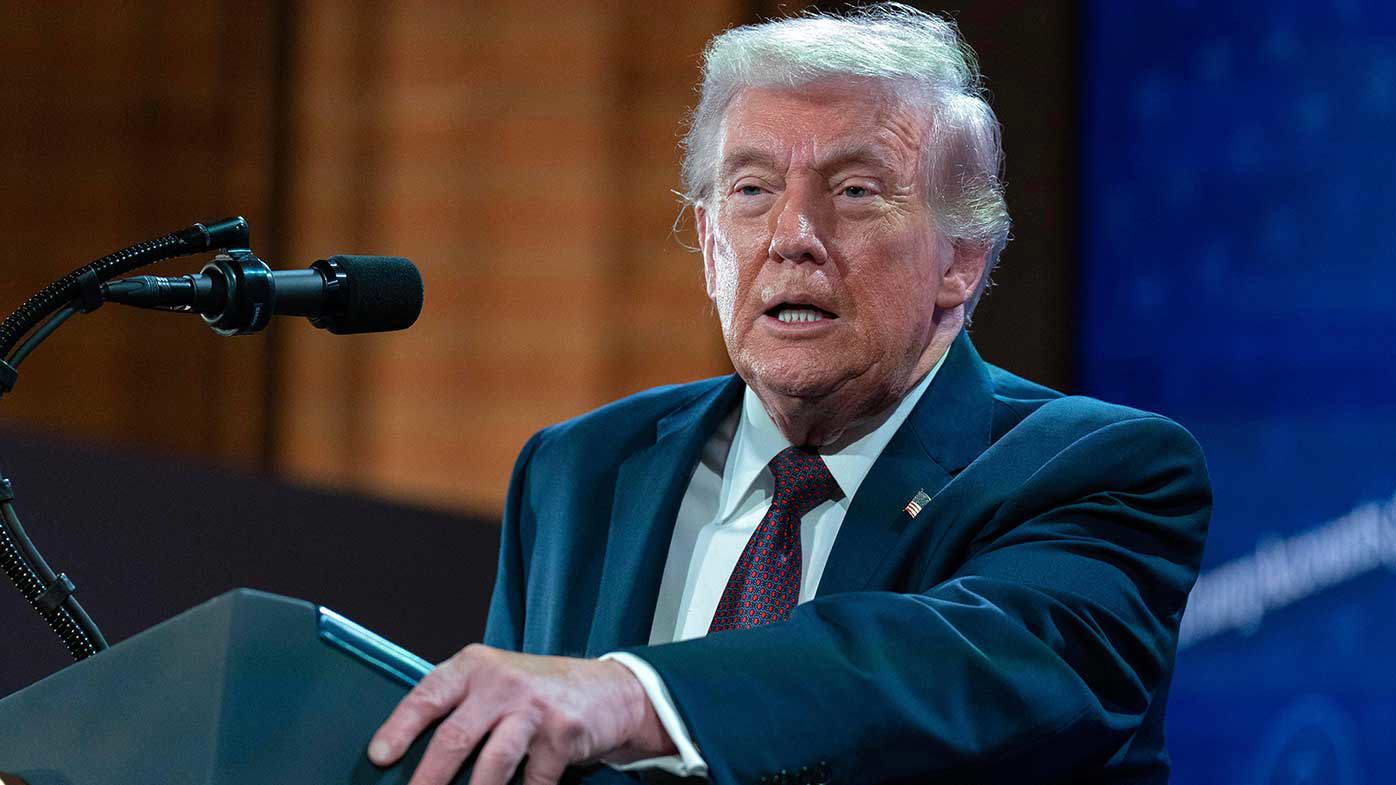
The records have thousands of references to Trump, including emails in which Epstein and others shared news articles about him, commented on his policies or politics, or gossiped about him and his family.
Also included was a spreadsheet created last August summarizing calls to the FBI's National Threat Operation Center or to a hotline established by prosecutors from people claiming without corroboration to have some knowledge of wrongdoing by Trump.
Mountbatten-Windsor's name appears at least several hundred times in the documents, sometimes in news clippings, sometimes in Epstein's private email correspondence and in guest lists for dinners organised by Epstein.
READ MORE: More human remains and clothes found in search for missing Belgian tourist
Some records document an attempt by prosecutors in New York to get the former prince to agree to be interviewed as part of their Epstein sex trafficking probe.
The records also show Musk, the billionaire Tesla founder, reached out to Epstein on at least two occasions to plan visits to the Caribbean island where many of the allegations of sexual abuse purportedly occurred.
In a 2012 exchange, Epstein asked how many people Musk would like flown by helicopter to the island he owned.
"Probably just Talulah and me," Musk responded, referencing his then-partner, actress Talulah Riley. "What day/night will be the wildest party on our island?"
Musk messaged Epstein again ahead of a planned Caribbean trip in 2013. "Will be in the BVI/St Bart's area over the holidays," he wrote. "Is there a good time to visit?" Epstein extended an invite for after the New Year holiday.
It's not immediately clear if the island visits took place. Spokespeople for Musk's companies, Tesla and X, didn't respond to emails seeking comment.
Musk has said he repeatedly rebuffed Epstein's overtures.
"Epstein tried to get me to go to his island and I REFUSED," he posted on X in 2025 when House Democrats released an Epstein calendar with an entry mentioning a potential Musk visit.
Epstein also appears to have tried to connect New York Giants co-owner Steve Tisch with women, according to emails.
In one exchange, Tisch told Epstein he had had lunch with one of Epstein's assistant's friends. He described her as a "very sweet girl," and asked if Epstein knew anything about her.
"no, but i will ask," said Epstein, before inquiring if Tisch had contacted another woman, crudely describing her physical features.
Tisch said in a statement that he had a "brief association" with Epstein where they emailed about adult women and other topics. He said he "never went to his island" and that he "deeply regrets" the association.
The documents show that Epstein and Steve Bannon, a conservative activist who served as Trump's White House strategist earlier in the president's first term, bantered over politics with the financier, discussed get-togethers with him over breakfast, lunch or dinner and, on March 29, 2019, asked Epstein if he could supply his plane to pick him up in Rome:
Epstein told him his pilot and crew "are doing their best" to arrange that flight but if Bannon could find a charter flight instead, "I'm happy to pay."
Apparently in France at the time, Epstein sent a text message saying: "My guys can pick you up. Come for dinner."
The exchange did not show how that played out.
In December 2012, Epstein invited Howard Lutnick, now Trump's commerce secretary, to his private island for lunch, the records show.
Lutnick's wife accepted the invitation and said they would arrive on a yacht with their children. On another occasion in 2011, the two men had drinks, according to a schedule shared with Epstein.
Lutnick has said he cut ties with Epstein long ago. A Commerce Department spokesman said Lutnick had "limited interactions with Mr Epstein in the presence of his wife and has never been accused of wrongdoing."
Another Epstein contact surfacing in the records is former Obama White House general counsel Kathy Ruemmler.
In one of several exchanges, Epstein emailed Ruemmler to advise that Democrats should stop demonizing Trump as a Mafia-type figure even as he derided the president as a "maniac."
A spokesperson for Goldman Sachs, where Ruemmler is general counsel and chief legal officer, said in a statement that Ruemmler "had a professional association with Jeffrey Epstein when she was a lawyer in private practice" and "regrets ever knowing him."
Building on the earlier release
The tens of thousands of pages released last month included previously released flight logs showing Trump flew on Epstein's private jet in the 1990s, before their falling-out, and several photographs of Clinton.
None of Epstein's victims who have gone public with their stories have publicly accused Trump, a Republican, nor Clinton, a Democrat, of wrongdoing. Both have said they had no knowledge he was abusing underage girls.
Epstein killed himself in a New York jail cell in August 2019, a month after being indicted on federal sex trafficking charges.
In 2008 and 2009, Epstein served jail time in Florida after pleading guilty to soliciting prostitution from someone under the age of 18.
At the time, investigators had gathered evidence that Epstein had sexually abused underage girls at his Palm Beach home. The US attorney's office agreed not to prosecute him in exchange for his guilty plea to lesser state charges.
A draft indictment from that period released on Friday shows prosecutors contemplated federal charges against not just Epstein but three others who were his personal assistants and wee suspected of participating in a conspiracy to recruit underage girls to perform lewd acts with Epstein.
In 2021, a federal jury in New York convicted Maxwell, a British socialite, of sex trafficking for helping recruit some of his underage victims. She is serving a 20-year prison sentence.
US prosecutors never charged anyone else in connection with Epstein's abuse of girls.
One victim, Virginia Roberts Giuffre, accused him in lawsuits of having arranged for her to have sexual encounters at age 17 and 18 with numerous politicians, business titans, academics and others. They all denied her allegations.
Among those accused was Britain's Prince Andrew, who was stripped of his royal titles amid the scandal. Andrew denied having sex with Giuffre but settled her lawsuit for an undisclosed sum.
Giuffre died by suicide last year at age 41.
Nine.com.au is not suggesting that by appearing in any of the Epstein documents implies wrongdoing, only that names have appeared.
NEVER MISS A STORY: Get your breaking news and exclusive stories first by following us across all platforms.
-
Download the 9NEWS App here via Apple and Google Play
-
Make 9News your preferred source on Google by ticking this box here
- Sign up to our breaking newsletter here
Weather: Raincoats needed for first week back to school
It will be a wet start for many on the first day back at school on Monday.
Serious motorcycle crash closes State Highway 3 near Rātana
There are no detours and motorists face significant delays on State Highway 3.
Thomas Coughlan: Chris Hipkins and Nicola Willis go to war over who broke the economy
As Parliament returned, Hipkins and Willis clashed.
Thousands turn up to protest in Auckland, Destiny Church bridge walk blocked
About 1200 Destiny Church protesters were turned back at the Fanshawe St ramp.