Families and charities are making renewed calls to urgently bring home Australian women and children trapped in increasingly dangerous Syrian refugee camps.
As the 10-year anniversary of the Syrian civil war is commemorated this week, the Refugee Council of Australia and Save The Children are supporting a push to repatriate Australians who were caught up in the Islamic State (ISIS) caliphate.
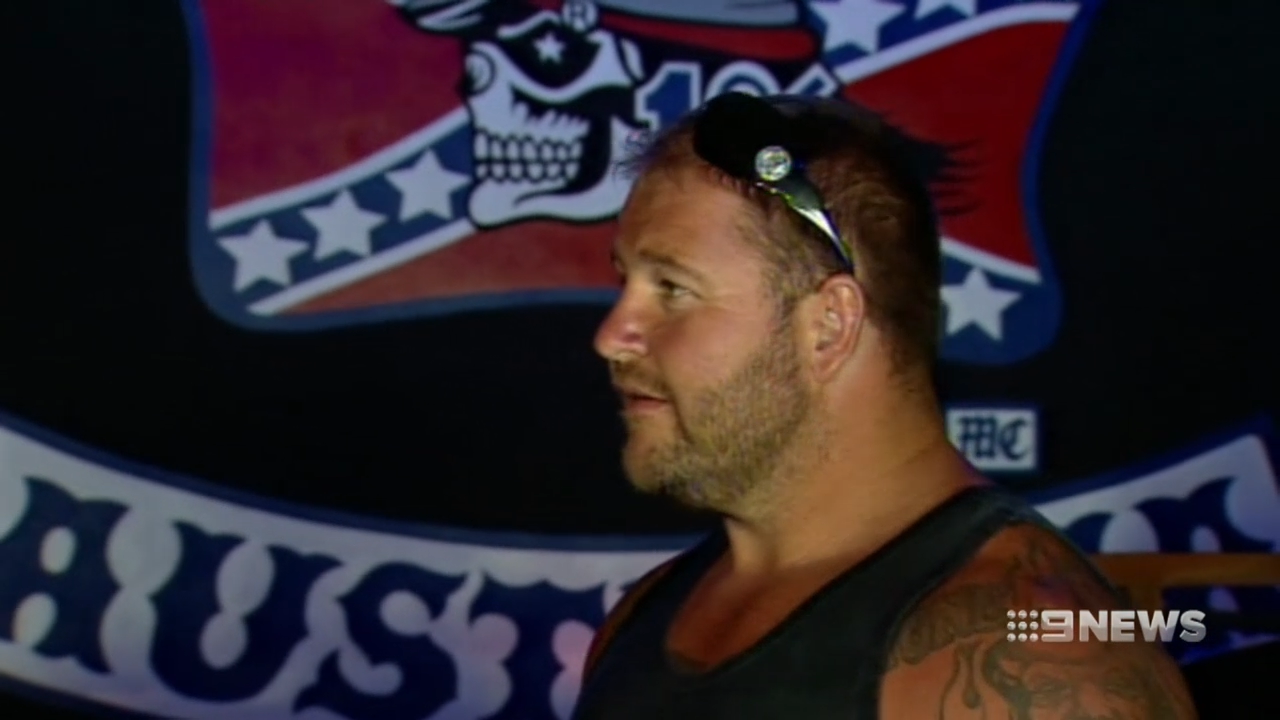
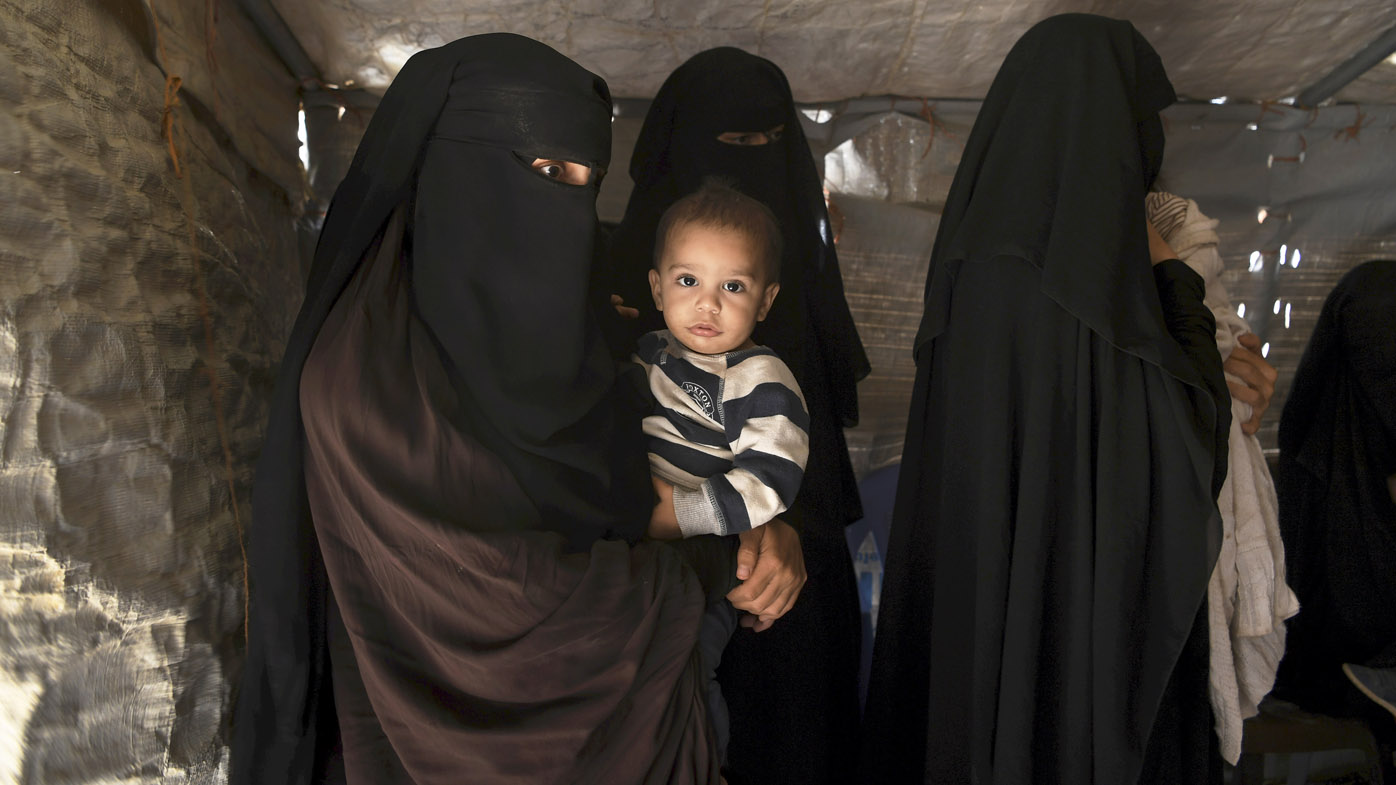
Kamalle Dabboussy's Sydney-born daughter Mariam and three young grandchildren are marooned in the mud and misery of al-Roj refugee camp in north-east Syria, among an estimated 60 Aussies stuck there.
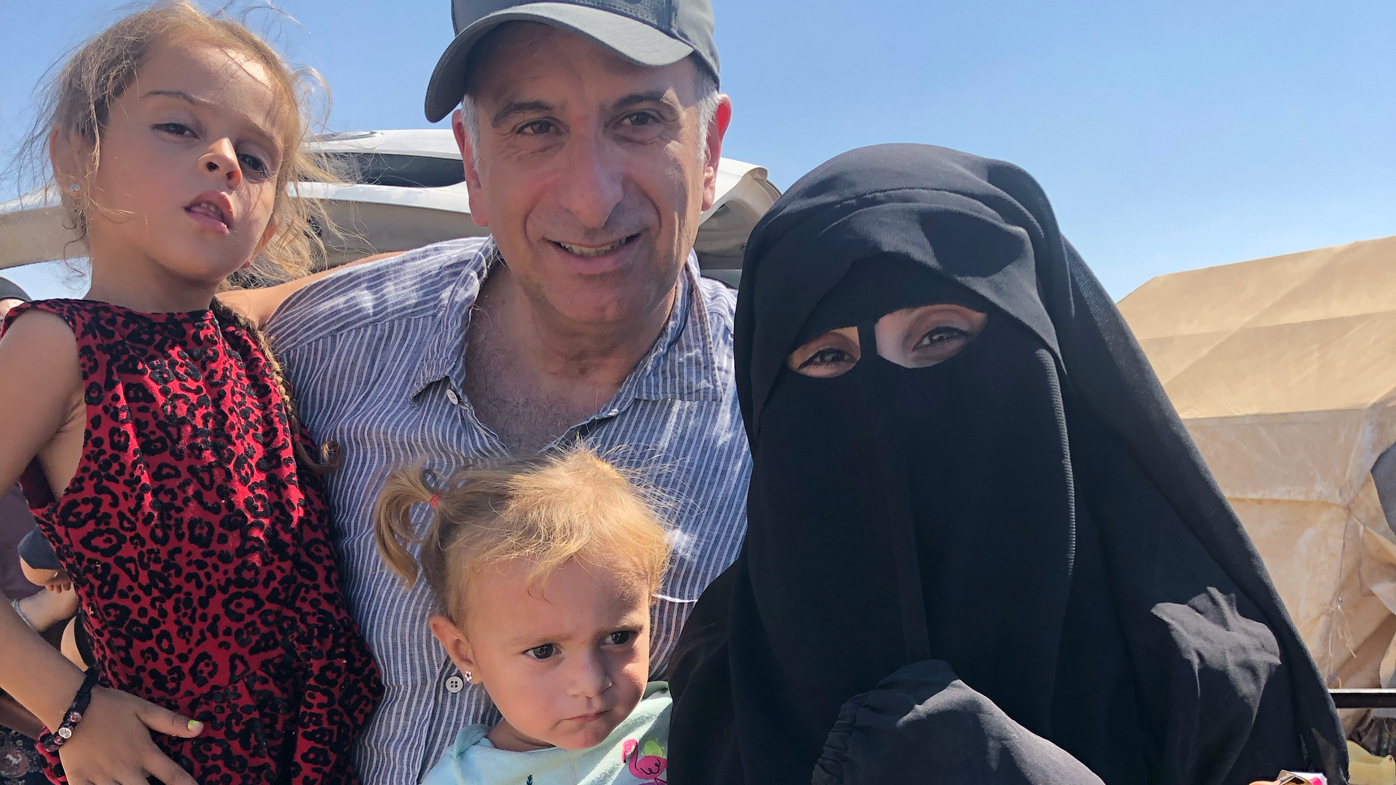
He says it's time they were allowed to come back.
"I have grandchildren there who are six, four and two. Would we rather they came home to Australia when they are six or 26, four or 24?" he said.
"It doesn't make sense to delay this hardship, rob them of their childhood, leaving them exposed to exploitation, slavery and radical elements."
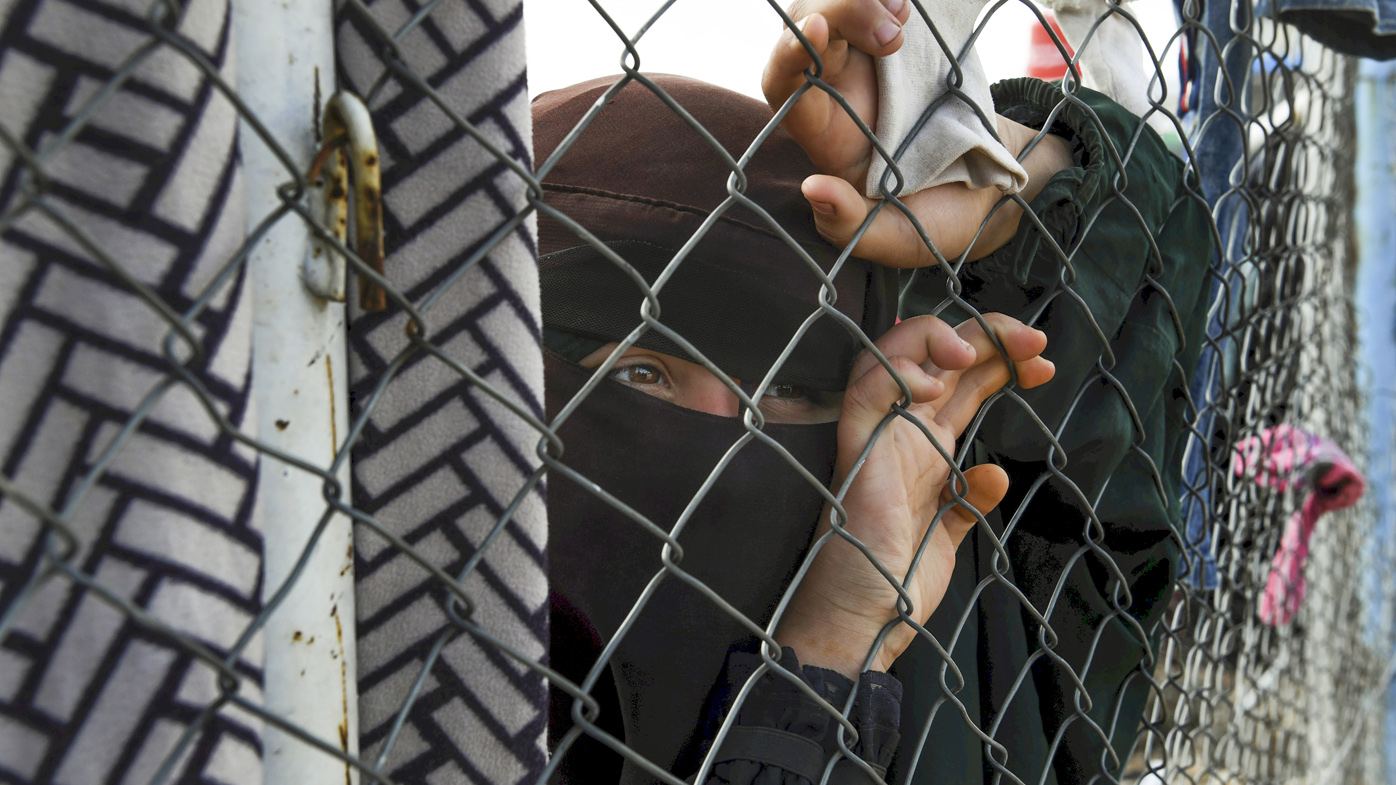
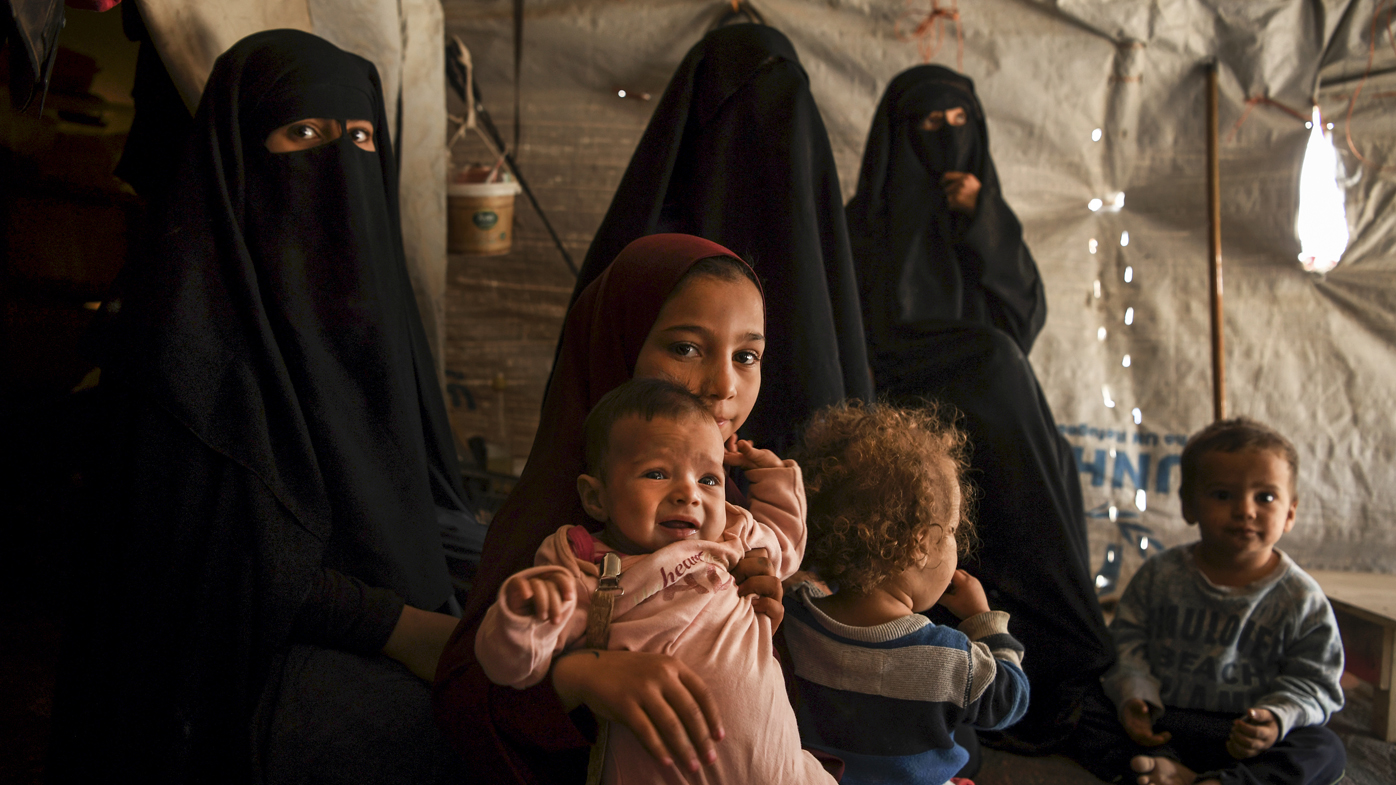
An estimated 10,000 ISIS widows and orphans are among 70,000 people, mainly Iraqi and Syrians, in the al-Roj and al-Hawl detention camps, where the security situation is deteriorating fast.
There have been a number of killings, including that of a member of staff with medical charity Medecins Sans Frontieres, which has now suspended operations, and the risk to children of radicalisation grows.
Food shortages and a lack of medical care are also huge daily issues.
The US, Russia and Indonesia are countries that have begun taking back their citizens, and the Belgian government has just announced it will also start repatriations imminently.
"In these camps are the terrorists of tomorrow and we cannot permit that," Belgium's prime minister prime minister Alexander de Croo said.
"These children, we must do all we can to get them out."
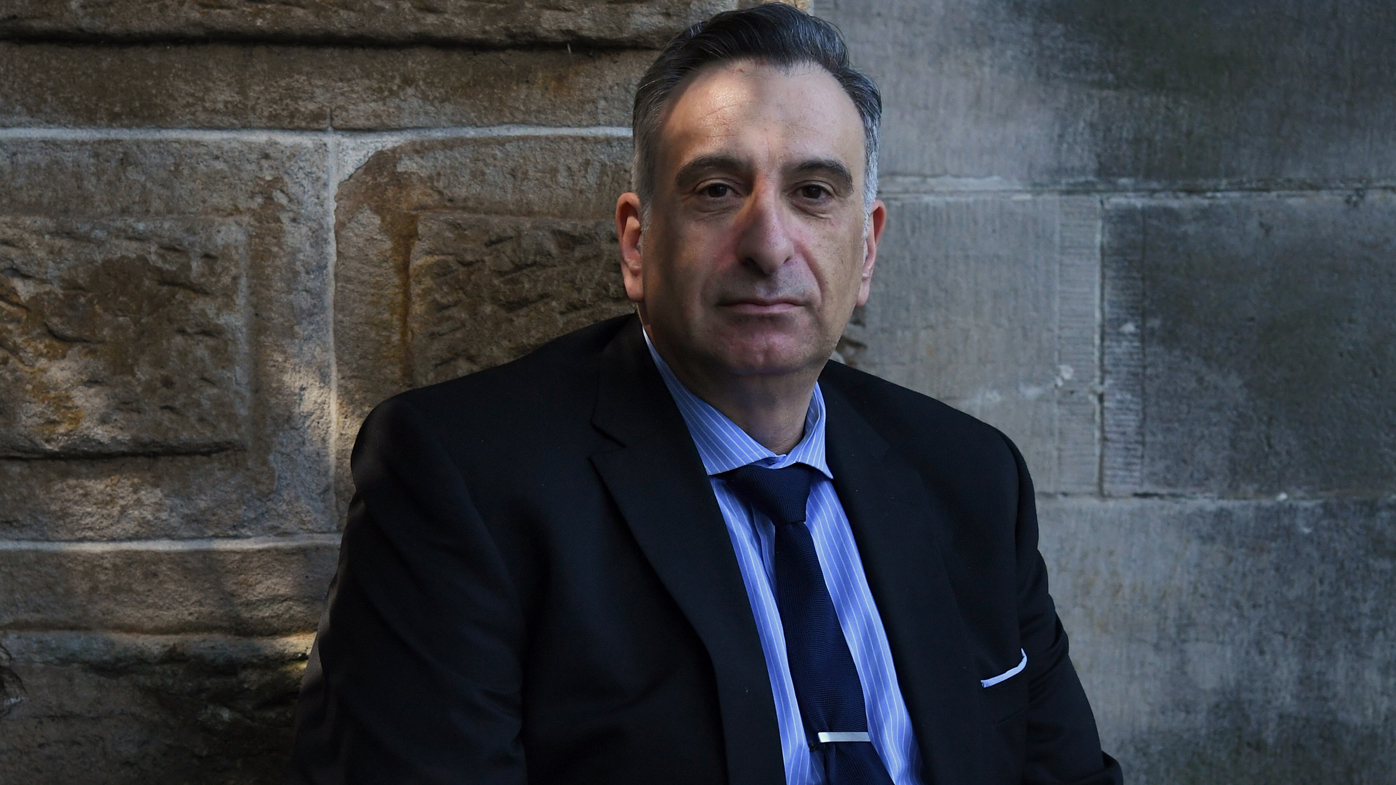
Mr Dabboussy welcomed the move.
"It's been coming for some time," he said.
"It's not sustainable to keep people in these places.
"Al-Hawl is the wild west, it's a very dangerous place to be, and al-Roj might be a degree safer but it's no holiday camp," he said.
"I have been advising the government for some time that elements are attempting to regroup, rename and rebrand.
"They have been using the camps and western governments' continual rejection of their returning as evidence their countries don't care about them and they should be joining the ranks of ISIS mark II."
The region is also witnessing more terrorist attacks in Iraq and Syria.
Last month, eight people – including a family of six and a police officer – were shot dead by ISIS militants 135km north of Baghdad.
The Australian government's default position is that no lives will be risked trying to extract citizens from dangerous places.
"These are not innocent women," Home Affairs Minister Peter Dutton has previously said.
Mariam Dabboussy claims she and her husband were duped by his brother into going to Syria in mid-2015 while on a family holiday to Lebanon with their 18-month-old.
Her husband, Kaled Zahab, was killed in an airstrike on an Islamic State training camp.
She was forced to remarry twice after his death.
She found herself starving, and living in trenches under blankets, looking after her children in the last ISIS stronghold, the Iraqi town of Baghouz, which fell to the Kurds in March 2019.
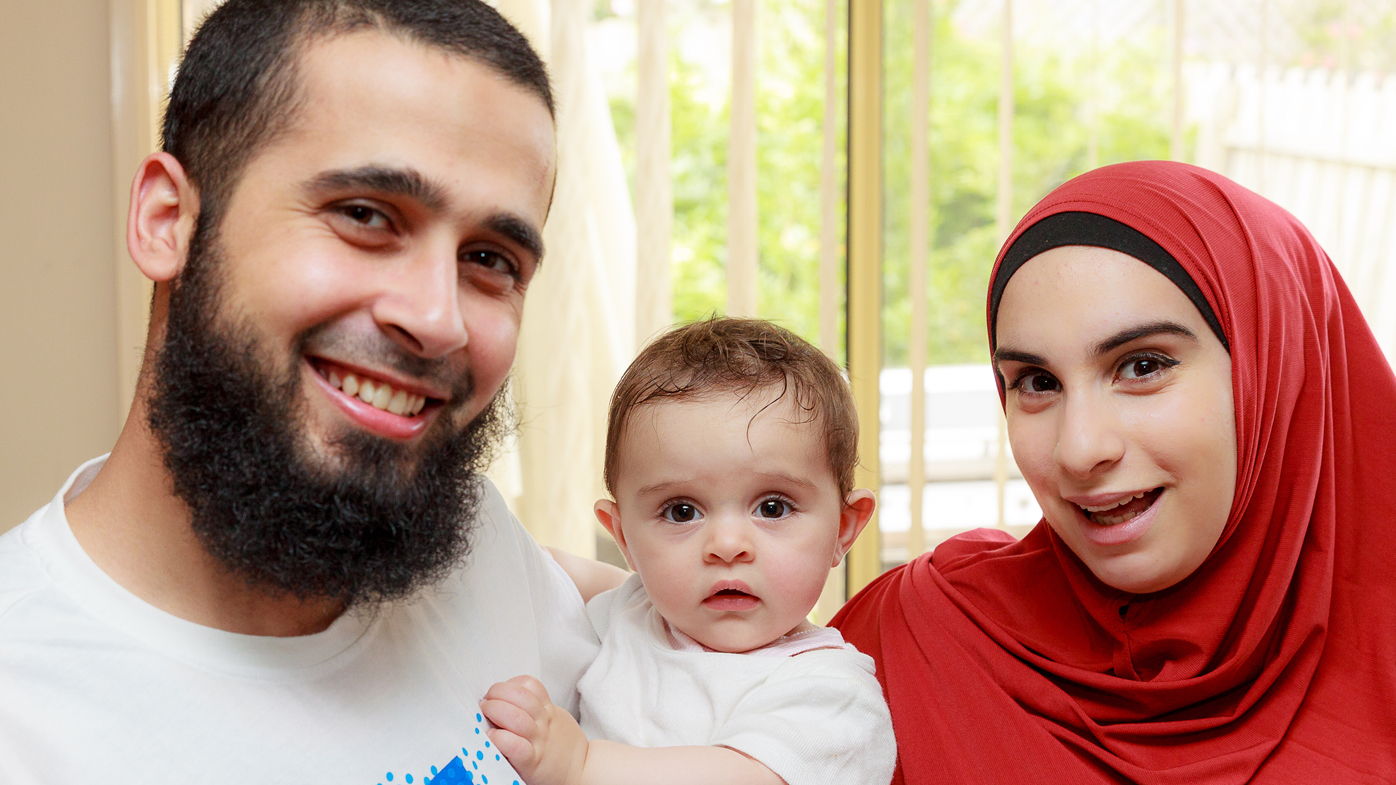
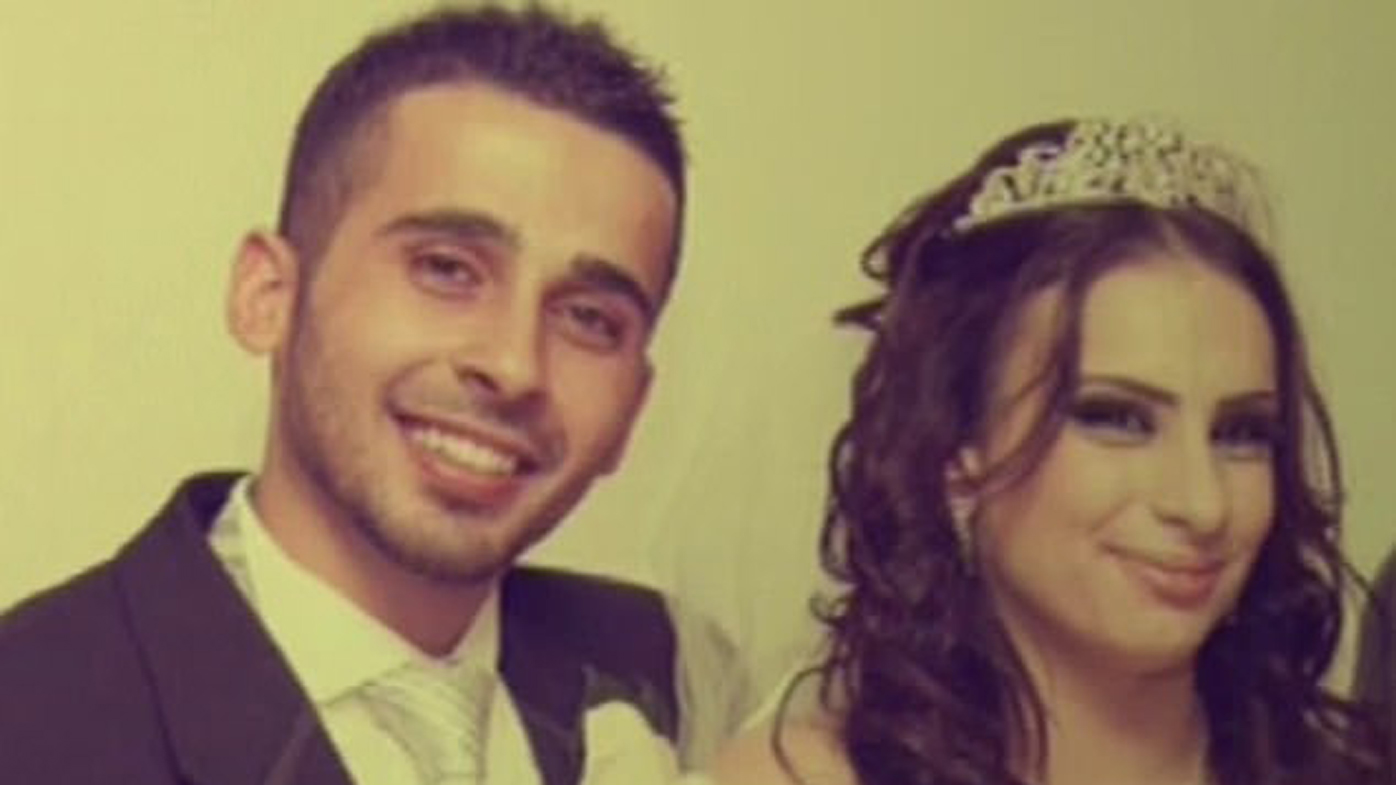
As surviving foreigners, the family was relocated to The Annexe, a fenced-off area within Al-Hawl camp, which her father, Kamalle, labelled the "Wild West".
The deprivation there – 80 per cent are children – was described by Save The Children's Syria Response Director Sonia Khush.
"When you walk into The Annexe what you see first is a sea of children running around," she said.
"And they don't look happy, they don't look healthy, they're living in squalid conditions, often barefoot in very cold weather, the camp floods every time it rains, the tents have holes and we're struggling to provide services because of the camp administration.
"They deserve humanitarian assistance like everybody else does, but most importantly they should be taken home.
"These women ended up in this camp for many different reasons.
"Everyone has their own story, but if countries take them home they can work through those stories, and deal with them appropriately through each country's justice system.
"Leaving them in the camp is condemning those children to a terrible future, where they will be unhealthy, they will not be educated properly and that leads us to concern about what path they will go down."
'Launched a war on his people'
The Arab Spring, begun by a street hawker who set fire to himself in Tunisia in December 2010, saw a wave of of popular uprisings spread across largely Muslim countries in North Africa and into the Gulf and the Middle East, turfing out despotic rulers who had governed with self-interest for decades.
The regimes of presidents Zine El Abidine Ben Ali of Tunisia, Hosni Mubarak in Egypt and Ali Abdullah Saleh in Yemen were dismantled.
In Libya, Colonel Muammar al-Gaddafi was deposed, found hiding in a drainpipe and killed.
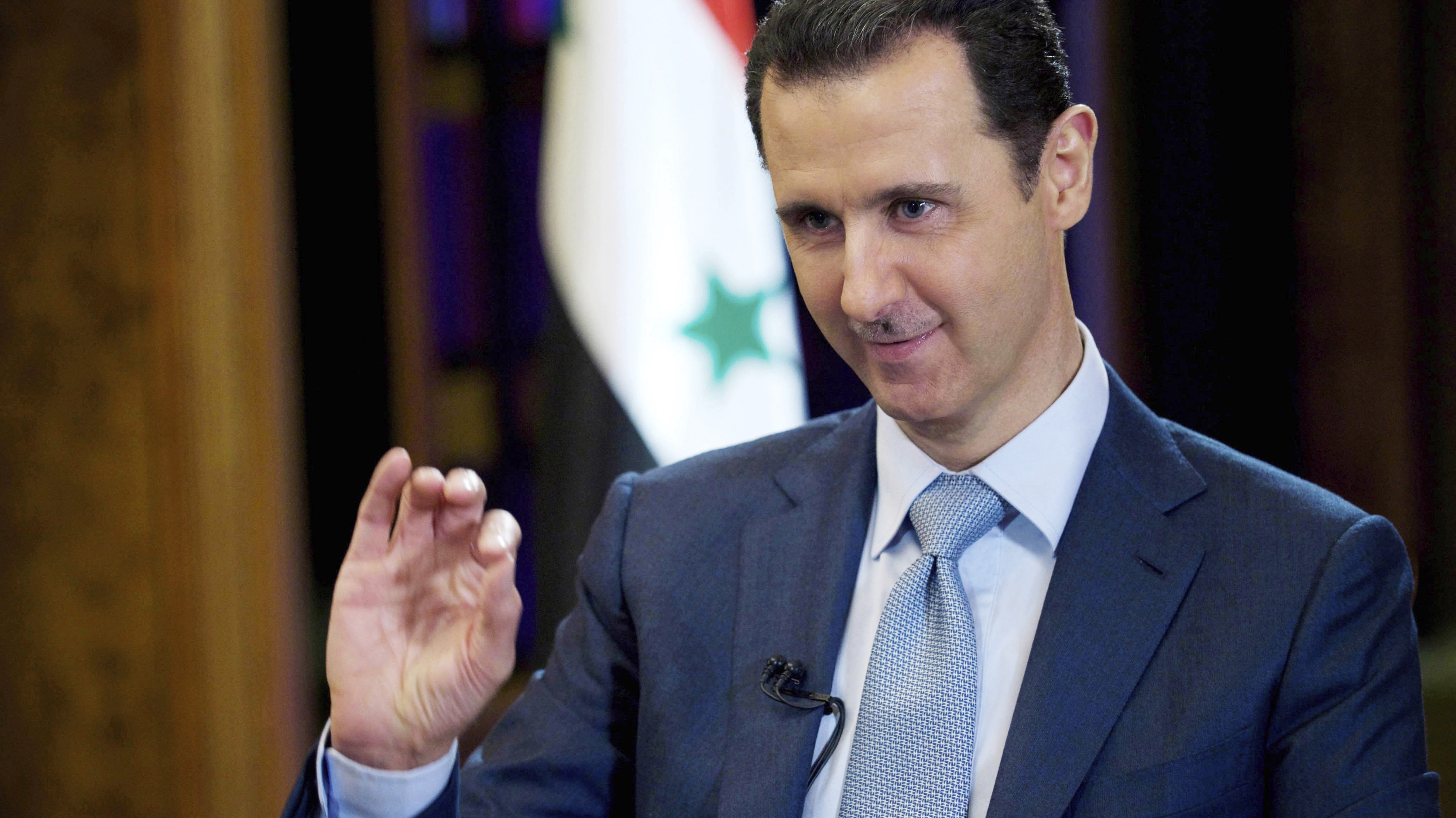
A number of other countries also saw mass protests but in Syria, President Bashar al-Assad refused to accept demands for democratic reforms and in the words of The Economist "launched a war on his people".
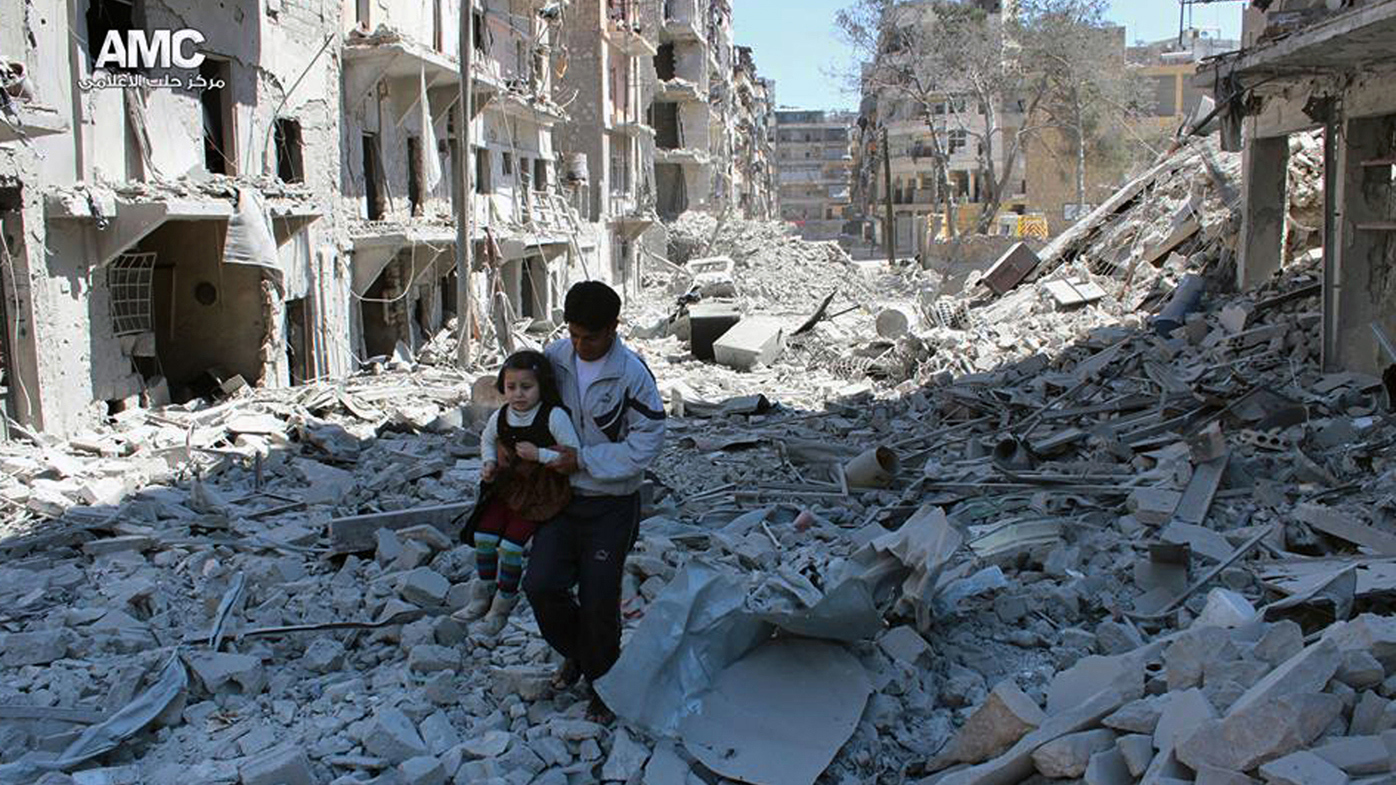
Approximately 380,000 have died in the conflict which has sucked in Turkey, Russia, the US and the Kurds, who are most to thank for crushing the ISIS, which used extreme violence, rape and murder to cast its evil shadow across much of Syria and Iraq.
ISIS occupied at its peak in 2015, an area the size of the United Kingdom, subjugating 12 million people to strict Sharia law and using sex slavery to breed children for its caliphate.
Syrians fleeing war and ISIS created the greatest displacement of humans in history, 6.2 million within the country and 5.6 million refugees, mostly living in camps in neighbouring countries such as Turkey (3.6m), Lebanon (1m) and Jordan (660,000).
According to the UN, nine out of ten Syrian refugee families are living in extreme poverty.
Ten million are in need of basic humanitarian assistance.
"It's atrocious to think there's been ten years of this misery," Mr Dabboussy said.
"It's not an anniversary, it feels more like a commiseration."
'New generation knows nothing but conflict'
To mark the decade of conflict, Save The Children conducted a survey among 1900 displaced children in Syria and in Jordan, Lebanon, Turkey and Netherlands.
"More than half had no interest or desire to return to Syria because they didn't think it was a safe place to live," Ms Khush said.
An end to the violence was the biggest wish for the future (25 per cent) followed by an education (18 per cent).
"You have a new generation of children that knows nothing but conflict, so normality for them is moving from one camp to another, one tent to another," Ms Khush said.
"We've spoken to children that have been displaced up to 20 times in their short life so that kind of instability really has an effect on a young child.
"The children in Syria face so many risks.
"You talk about the average child who lives in a tent that may flood every time it rains, they may get harassed on the street, when they get to school, they may find it has been occupied by an armed group, or a bomb drops on it."
The International Committee for the Red Cross interviewed 1400 Syrians aged 18 to 25 in Syria, Lebanon and Germany.
One in six said one of their parents had been killed or seriously injured; 47 per cent had lost a close relative or friend in the conflict; 77 per cent struggled to find food or necessities; one in five postponed marriage plans and 73 per cent reported anxiety issues.
"Having young Syrians speak about the need for psychological support or mental health, that was something that we don't normally see in this region," ICRC Spokesperson for the Middle East Sara al-Zarqawi said.
Thousands had issues that were not diagnosed, let alone treated, she said.
Syria has only 83 registered psychiatrists in the whole country.
"Many young Syrians spent their teens and early 20s going through much loss, loss of loved ones, opportunities, houses, separation from familes," Ms al-Zarqawi said.
"They talked to us about having anxieties, sleep disorders, nightmares, unable to function when they hear loud noises that remind them of the conflict."
"When you speak to a young Syrian you definitely think they are much older than they actually are, it's because of the experiences they've gone through.
"Before the conflict Syrians were so proud they had an enrolment rate of 93 per cent in education but today two million children cannot go to school. Schools have been closed, destroyed."
However, Ms al-Zarqawi said most people surveyed were not interested in blaming anyone for their troubles, they merely wanted to move forward.
"They have hope for the future. All they basically want is peace and a good life. And they would really like people to understand what they're going through, the context."
'They still believe in the caliphate'
There are many in the West, however, who believe any sympathy extended to the Syrian people should not automatically be applied to foreign citizens caught up in the complicated mess ISIS left behind.
British Army sniper turned filmmaker Alan Duncan volunteered to fight ISIS alongside Kurds in the Peshmerga (literal translation: "those who face death") and was at Baghouz when the terror group was finally routed.
He visited the Al-Hawl camp in a bid to learn more about the motivations of some of the westerners there.
He found children as young as nine doing the one-fingered ISIS salute.
"The radicalisation is getting more and more extreme. ISIS want to keep control. They're killing refugees who are trying to get along with the camp administration, 25 have been murdered in the last two months," Mr Duncan said.
"Some of these Western parents are 100 per cent ISIS, they still believe in the caliphate and as far as they are concerned their son or daughter is either a future suicide bomber, a fighter, or a breeder, to continue the caliphate.
"They don't consider the fall of Baghouz a lost war, that was a lost battle.
"There's money coming into the camp. ISIS are building a cell, a ready-made army."
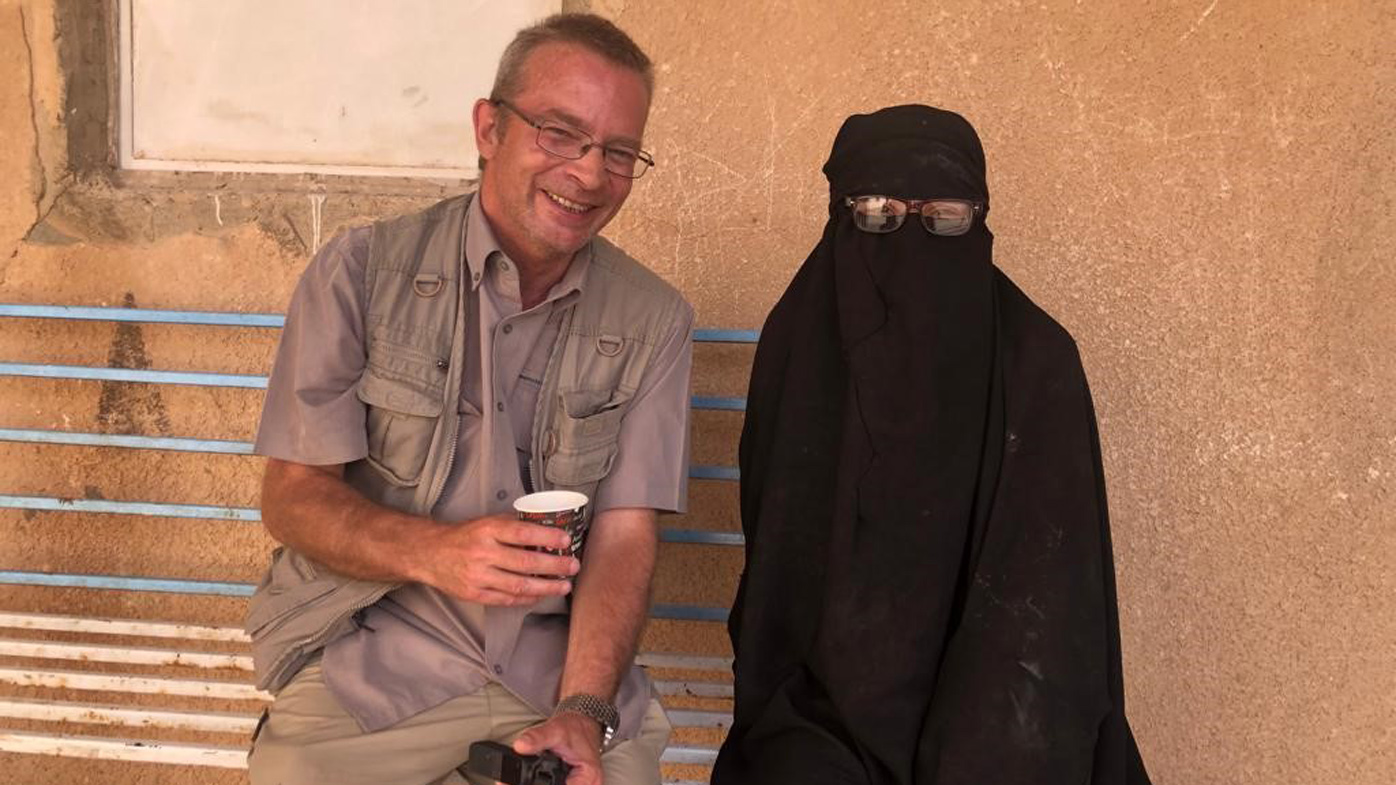
Mr Duncan did not have permission to enter the camp, but in his own words "blagged it".
While in The Annexe, he came across Naveen, a Yazidi who had been captured by ISIS at Mount Sinjar in 2014 and held as a sex slave.
She was owned by a Syrian doctor whose three wives were Western.
"We rescued her and took her back to her family," Mr Duncan said.
"She is one of the strongest women you'll ever meet. She has lived through true oppression."
Yazidis were slaughtered in their thousands by ISIS, mass graves are still being discovered and 3000 are missing.
Mr Duncan believes children should be repatriated, but that Western women should face trial in Iraq or Syria first.
And countries such as the UK and Australia should provide more financial support the Kurds running the camps, on the frontline for the West against ISIS.
Naveen is now married and living in Kurdistan.
She has applied for asylum in Australia.
'A drop in the ocean globally'
Australia has resettled around 79,000 refugees in the last five years, 16,500 of them Syrian and 29,346 Iraqis, many of them Yazidis like Naveen.
That is the third highest intake behind the US and Canada, there are "some great stories to be told" of happy resettlement in places like Wagga Wagga, Armidale and Coffs Harbour, Paul Power, CEO of the Refugee Council of Australia, said.
"However, less than 300 Syrians who applied for asylum have been allowed in," he said.
"They have to work through a mountain of documentation to make an application.
"Their chances are as close to zero as Home Affairs can make it."
Mr Power said while the number of people Australia is taking in was significant in our terms, it was "a drop in the ocean globally".
More must also be done, he said, to support countries such as Lebanon, which was having to cope with 1 million refugees among a population of just 5 million, which was having to cope with an economic crisis, soaring food prices and civil unrest.
The Australian Government responded today by saying it "remains deeply concerned about the situation in the camps in north-east Syria".
"Our ability to provide consular assistance to Australians in Syria remains limited due to the dangerous and volatile security environment," it said in a statement.
"Syria remains classified as 'do not travel'.
"The Government continues to monitor the situation in Syria, and remains conscious of the particular needs of children."
Independent Zali Steggall is among the Australian MPs supporting repatriation.
"I believe the Australian government has a duty of care to Australian citizens, in particular children," she said.
"Other nations have dealt with their citizens caught in Syria and the Australian Government should follow their lead.
"I strongly support that any adults who have committed crimes should face appropriate proceedings.
"I understand that all of these citizens have confirmed through legal representatives that they are willing to comply with any conditions imposed by the Australian Government for their return."
Mr Dabboussy lives in hope.
"We're looking at 18 women now and about 40 children, maybe more as two have just been found living with a Syrian woman in Al-Hawl," he said.
"If a country like Australia cannot look after that sort of number I fear for the rest of the world.
"I, as a grandfather, am prepared to be every day involved with my daughter and grandchildren's lives to make sure they are successful and living well in Australia.
"We are ready to receive them and make sure they are well adjusted and integrated into society."