Posting revenge porn online is on track to become a criminal offence, with the proposed law change being supported by all parties.The amendment to the Harmful Digital Communications Act seeks to explicitly make posting of intimate…
Tag Archives: oceania
Victim furious, sickened after man who filmed her without consent during sex gets away with police warning
A woman who caught her ex filming her during sex without her permission says she will never recover from the humiliation, shame and shock – made worse when police would not charge the man with a crime.The Hawkes Bay woman is furious…
Covid 19 coronavirus: Huge leap in mothers in distress and financial hardship in Auckland's lockdown
A charity supporting mothers has seen a dramatic spike in mothers in need during Auckland’s level 3 lockdown last week.The Mums Clique charity says 37 per cent of the 716 mothers it helped last week had lost jobs or income in…
Woman charged after alleged murder of elderly Melbourne man
A woman has been charged following the alleged murder of an elderly man in Melbourne last year.
Kon Kritikos was found bashed in his Coburg home about 11pm on November 11 last year.
Investigators arrested a 45-year-old woman from Kurunjang this morning.
READ MORE: Man assaulted as knife-wielding intruders storm Bulleen home
She was interviewed by detectives charged with one count of murder.
The 45-year-old appeared at Melbourne Magistrates' Court this afternoon, and will return in July.
The 87-year-old victim as rushed to hospital after the alleged attack but died two weeks later on November 24.
Heads up: Some sea slugs grow new bodies after decapitation
Scientists have discovered the ultimate case of regeneration: Some decapitated sea slugs can regrow hearts and whole new bodies.
This “wonder of nature,” reported in a biology journal on Monday, could eventually help scientists better understand and tackle regeneration of human tissue.
Biology researcher Sayaka Mitoh said she loves studying Japanese sea slugs because they are small, cute and weird.
They can even briefly photosynthesise like a plant drawing food from the sun.
READ MORE: How the 'cold blob' is slowing down our oceans – and what it means
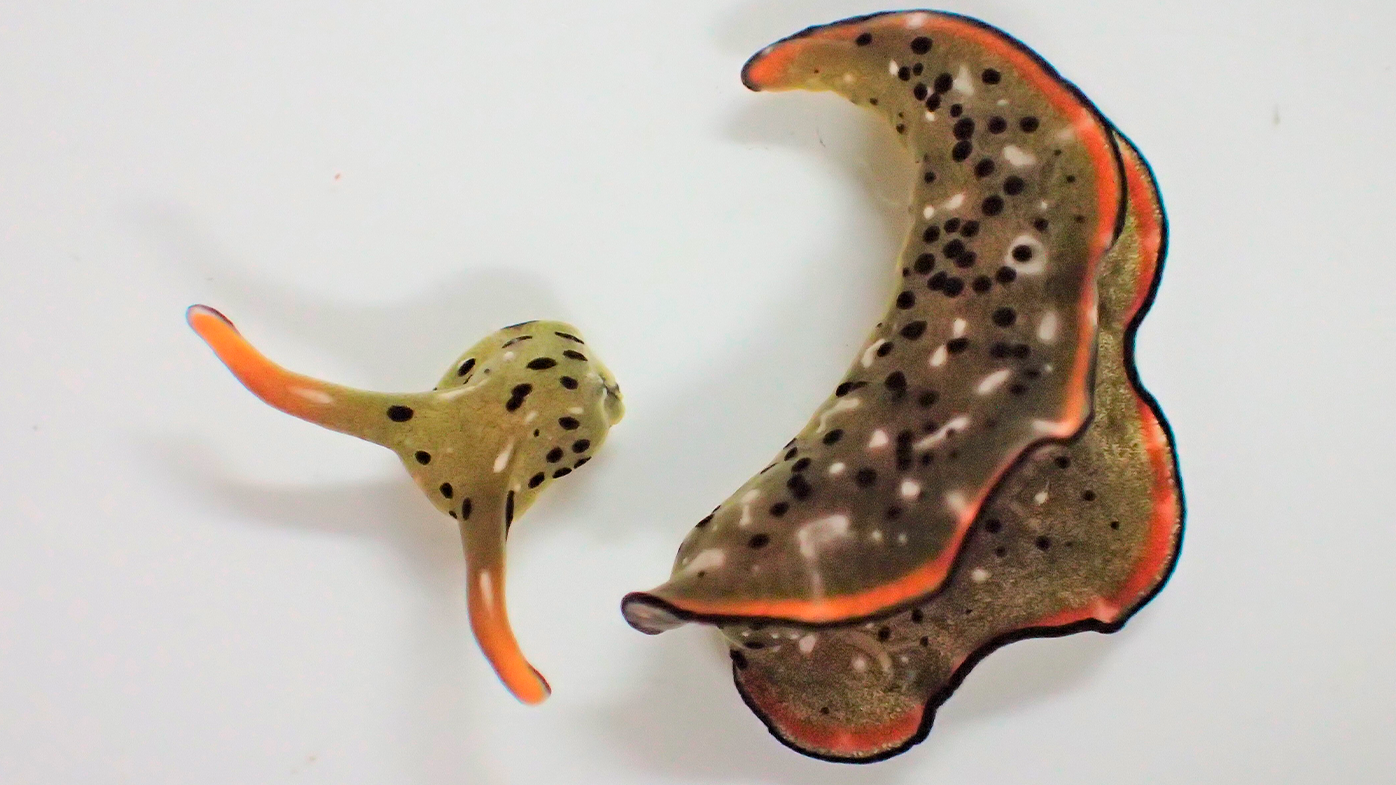
One day in the lab, she saw something bizarre: A sea slug had decapitated itself and the head kept on moving and living.
Then a couple more did the same, according to a study in Current Biology.
So the doctoral student and Nara Women’s University aquatic ecology professor Yoichi Yusa tried it themselves, cutting the heads off 16 sea slugs.
Six of the creatures started regeneration, with three succeeding and surviving.
One of the three even lost and regrew its body twice. Two different species of Japanese sea slugs did this regeneration trick.
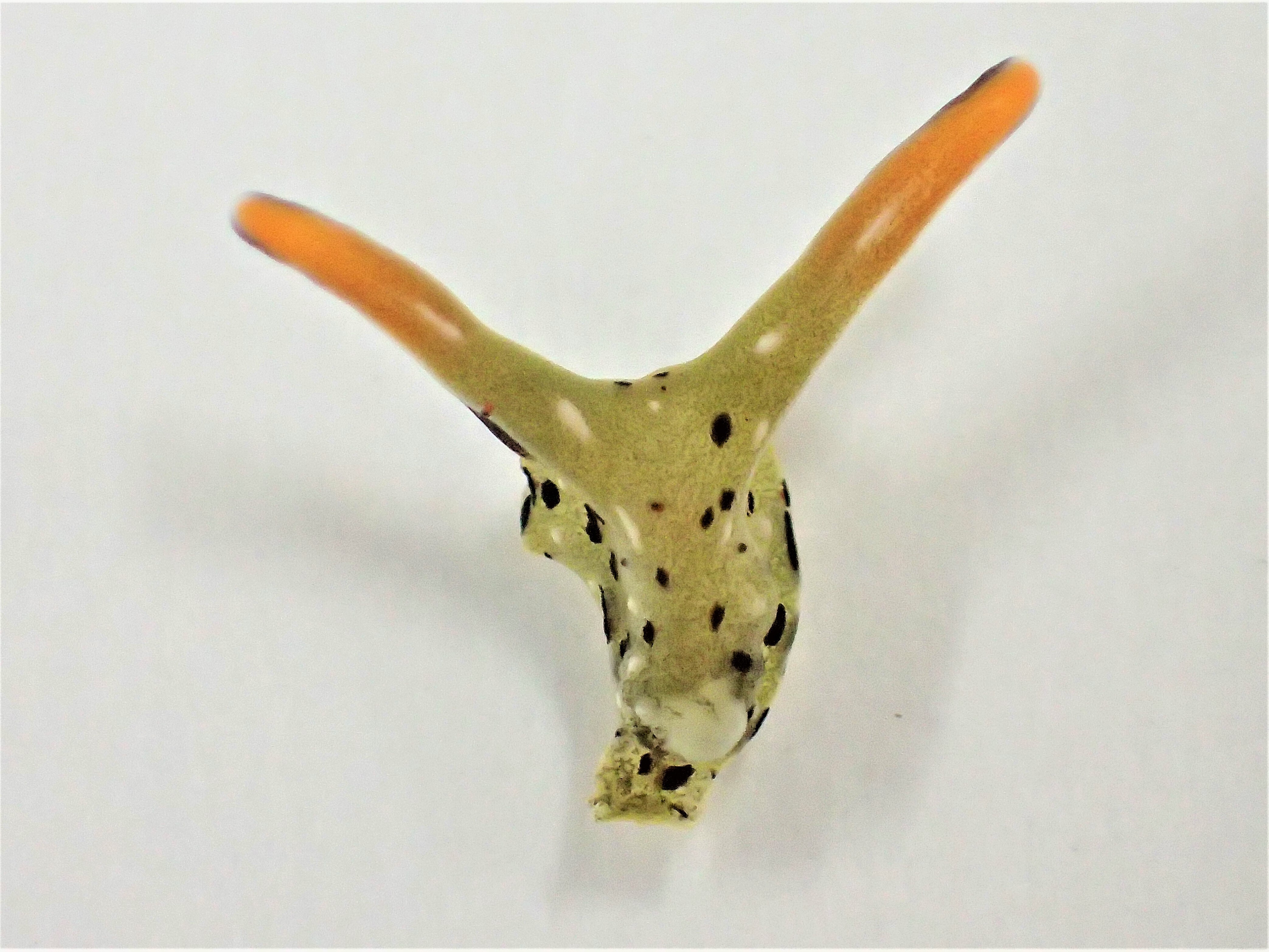
Other creatures can cast off body parts when needed, like when some lizards drop their tails to get away from a predator, in a biological phenomenon called autotomy.
“We think that this is the most extreme case of autotomy,’’ Professor Yusa said.
“Some animals can autotomise their legs or appendages or tails, but no other animal shed their whole body.”
Scientists had thought that such a relatively large animal — one of the sea slug species can grow to 15 centimetres long — couldn't survive without a heart to pump blood and nutrients to the brain, said Canadian marine biologist Susan Anthony, who wasn’t part of the study.
But the same thing that makes this species spectacular is probably what helps it pull off the trick, said Ms Anthony and Professor Yusa.
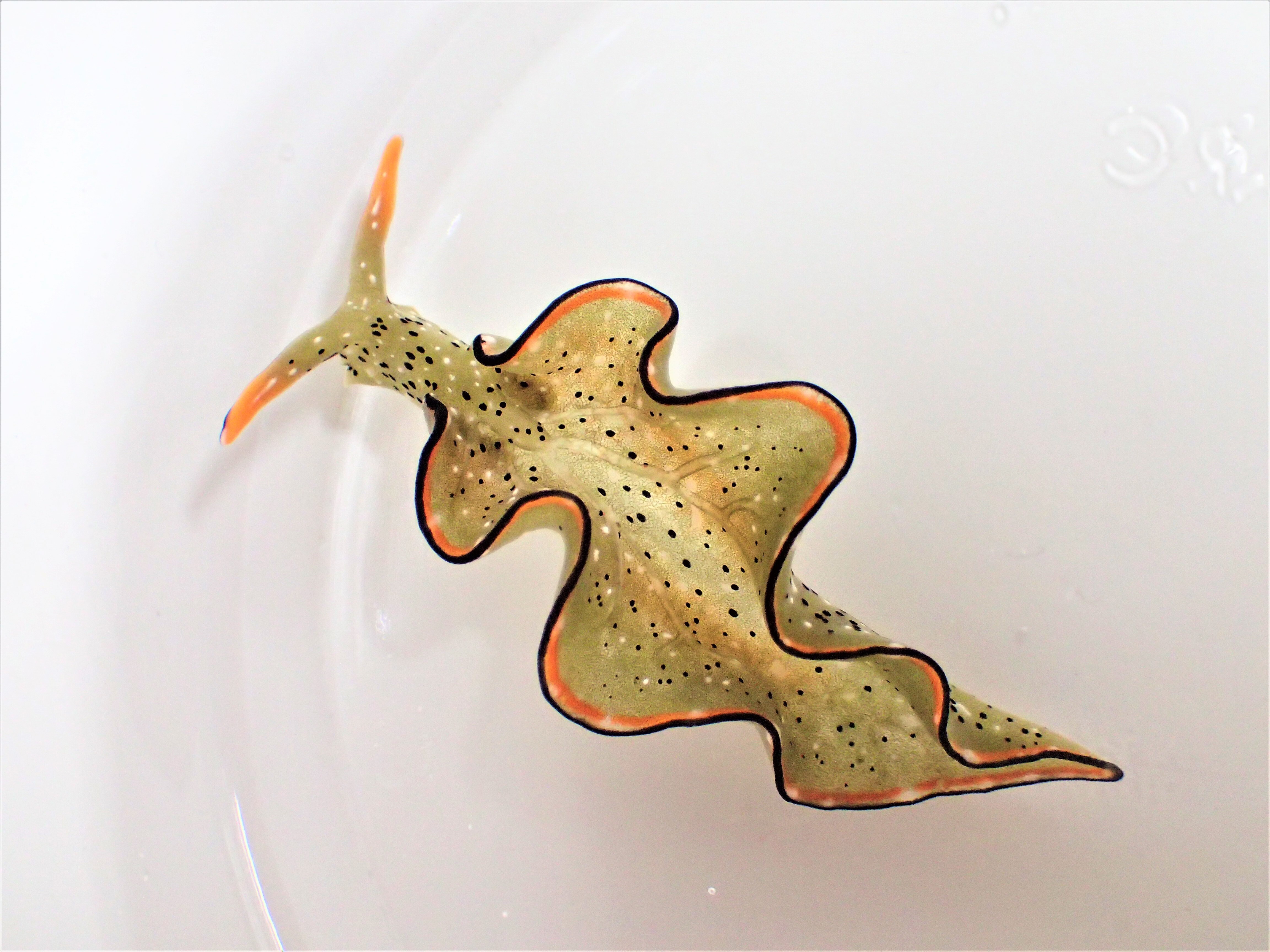
When these sea slugs eat a certain type of algae they can photosynthesise their food from sunlight and oxygen, just like a plant, for about 10 days, Professor Yusa said.
What’s probably happening after decapitation is that the head sort of acts like a plant, he said. It turns a shade of green and gets its energy from oxygen and sunlight. The fact that it becomes tiny helps, he said.
These species probably developed the feat as a way of fighting off parasites, Ms Mitoh and Professor Yusa said.
Humans may be able to learn something useful from the sea creatures, several scientists said. What’s especially intriguing is that these sea slugs are more complex than flatworms or other species that are known to regenerate, said Nicholas Curtis, a biology professor at Ave Maria University who wasn’t part of the study.
“It is of course a wonder of nature, but understanding the underlying molecular mechanisms involved could help us to understand how our cells and tissues can be used to repair damage,” Professor Curtis said in an email.
Second day of severe storms to hit east coast
Severe thunderstorms are expected to lash parts of Queensland and New South Wales for the second day with large hail, damaging wind and heavy rain all possible in both states.
Eastern Australia was hit with extreme conditions yesterday with Newcastle and Port Stephens in central NSW experiencing wind gusts of 95 kilometres per hour and 24 millimeters of rain in 20 minutes at Maitland Airport.
https://twitter.com/weatherzone/status/1369072349169868800
Further north, multiple storms delivered accumulated rainfall totals of over 50 millimeters in parts of northeast NSW and southeast Queensland between Monday afternoon and Tuesday morning.
This included 52 millimeters at Moree, which was its heaviest rain in four years, and 116 millimeters at Uki in the Tweed Valley.
The weather pattern that triggered Monday's wet and stormy weather will remain in place today with weather warnings in place for NSW and Queensland.
https://twitter.com/BOM_NSW/status/1369051594470404097
The most active region for storms today, and the area most likely to see severe storms, is northeastern and northern inland NSW and the southern/southeast inland of Queensland.
Showers and storms are possible in Sydney and Brisbane today as well, although most likely in western parts of both cities.
The storms are the result of a broad trough also generating showers and storms in northern Western Australia and the Northern Territory.
A weak front is bringing the odd light shower to Tasmania.
Conditions will be mostly clear elsewhere under a high pressure system.
Bushfire-ravaged town facing influx of European wasps
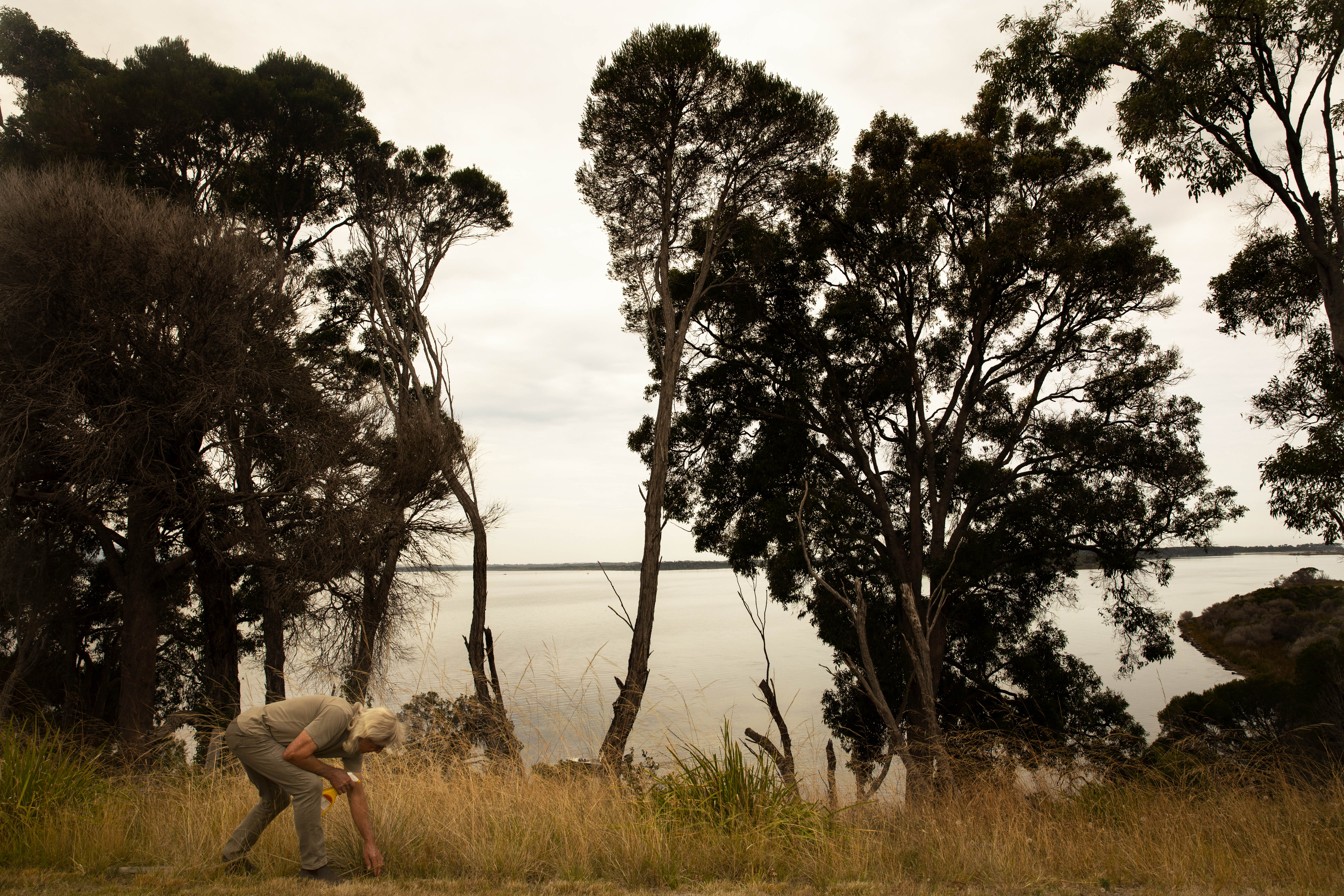
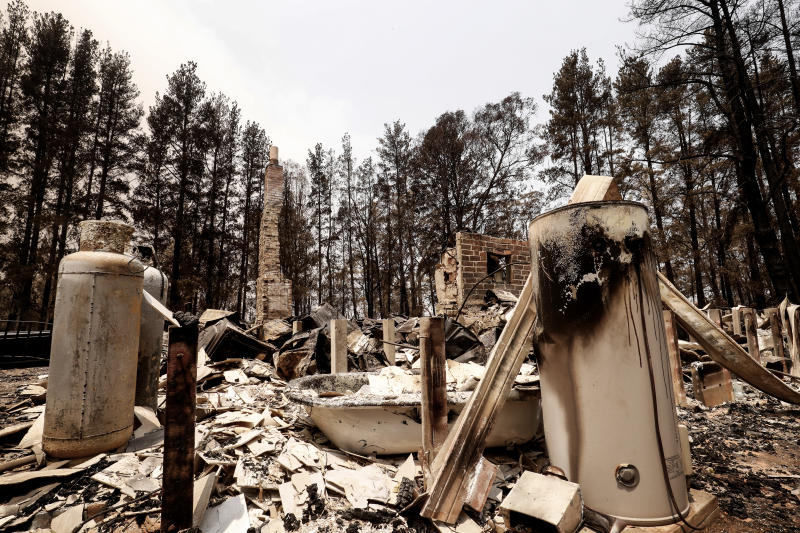
More than a year since the regional Victorian town of Mallacoota was ravaged by bushfires, local residents are facing a new threat – an influx of European wasps.
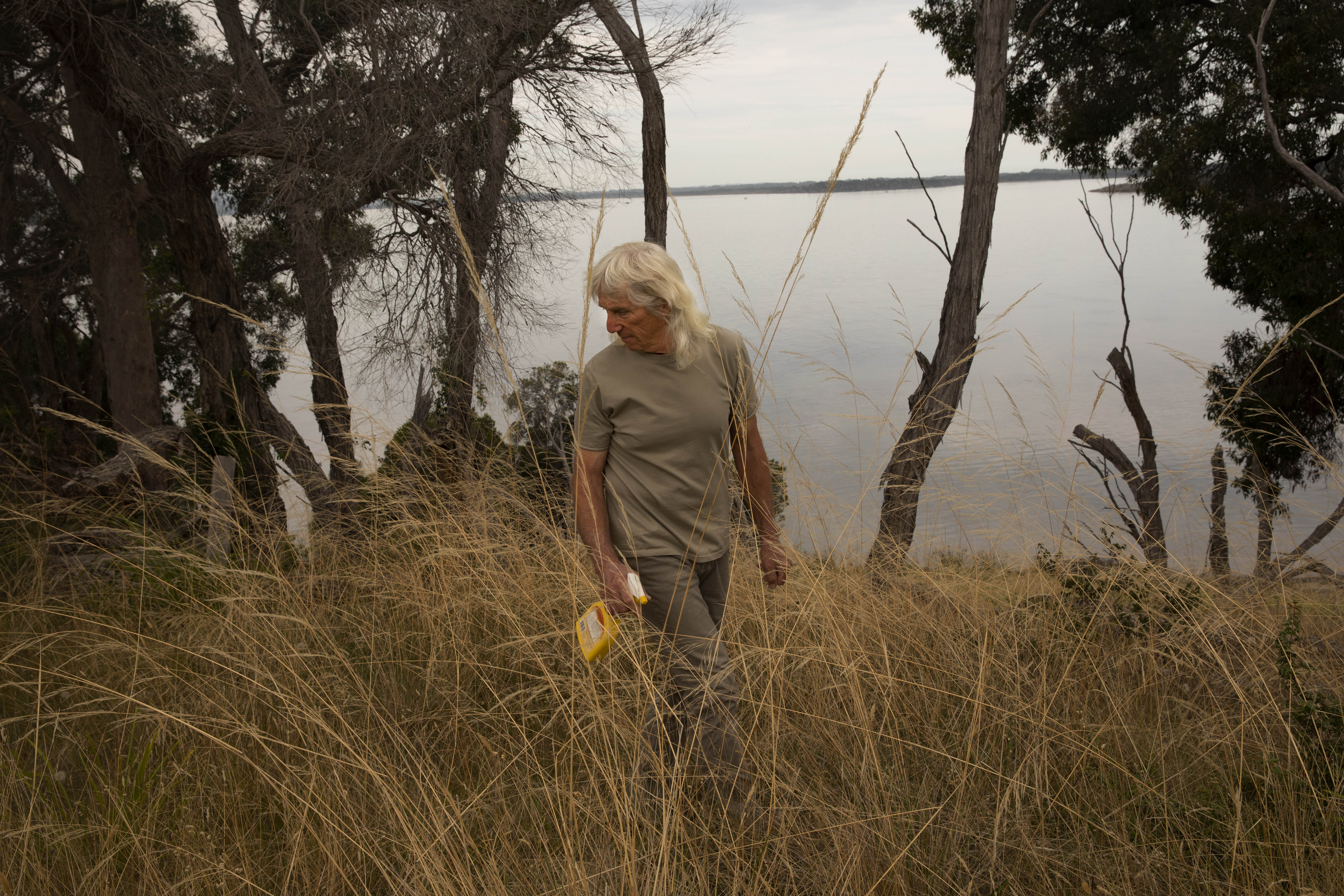
Local resident Martin Ascher said he believes the fires destroyed the regular food source for the species, forcing large numbers into town.
Mr Ascher said this isn't the first time the town has had to deal with European wasps.
READ MORE: Australia facing new disaster threat after bushfires and rain
Wasp numbers had spiked when Mr Ascher moved to Mallacoota 16 years ago but over time, through careful monitoring and conservation, the species had been brought under control.
"We managed to reduce the numbers pre-fire," he told told 3AW radio's Ross and Russel.
"We got to the stage where it was just the odd one here and there.
"Since the fire, they've taken off. They're everywhere."
READ MORE: How SA family plans to rebuild after losing 250 Angus stud cattle in fire
Mr Ascher said since the onset of COVID-19 and people being forced to spend more time eating and drinking outdoors, the wasps had become a particular problem.
"People have moved to spending a lot more time outdoors," he said.
"We found the wasps were hovering around children and you can't comfortably eat outdoors if you've got European wasps hanging around your food."
Unlike a bee, which can only sting once, the European wasp can sting repeatedly – often causing more severe symptoms including burning pain, inflammation, heart palpitations, nausea and difficultly breathing or swallowing.
Around one in 10 people who are stung two or more times become allergic, which means they will experience severe reactions to any subsequent stings.
European wasps don't have natural predators in Australia and the warmer climate means nests can thrive with some nests containing more than 100,000 wasps.
Why Australia's classic car market is now booming
Australia's classic car market is booming in the wake of the COVID-19 pandemic as motor enthusiasts and investors alike look for value with rose-coloured glasses.
Online marketplace and auction house Grays has reported "record" February numbers for its classic car category, racking up more than 1.3 million page views and nearly 200,000 unique visitors.
Grays reports unprecedented demand especially for Australian cars, given the death of local manufacturing.
READ MORE: Land Rover recalls luxury 4WDs over potentially deadly fault
"We are used to seeing strong demand for classic Australian cars, but we've never seen anything like this," said Grays CEO Chris Corbin.
"Clearance rates have never been higher and we don't foresee demand or prices falling in the near future."
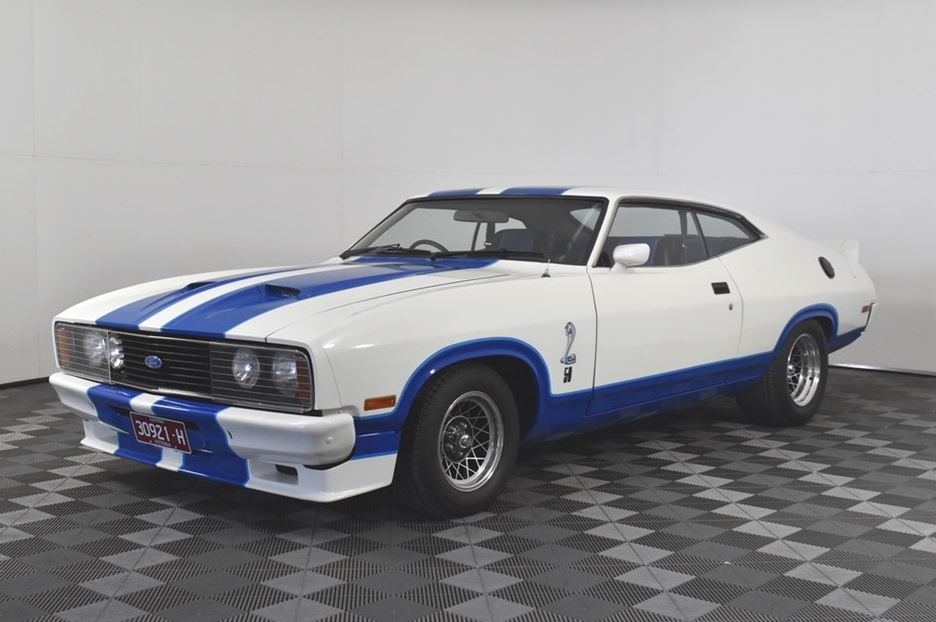
A recent sale by Grays saw the top four results all go to classic Aussie muscle cars, the highlight of which was a 1978 Ford XC Cobra complete with racing stripes that sold for $194,000.
READ MORE: Hyper-rare 1973 Ford expected to fetch hundreds of thousands at auction

Another oddity that proved the strength of the market was a period-correct 1963 Holden EJ Taxi, still with the original cabbie paint, beaded seat cover and taxi meter.
The marketplace reports buyer demand far outstripping that of supply, especially since the onset of the COVID-19 pandemic.
It's not restricted to one auctioneer either.
READ MORE: Man sells '57 pickup for same price he paid 44 years ago
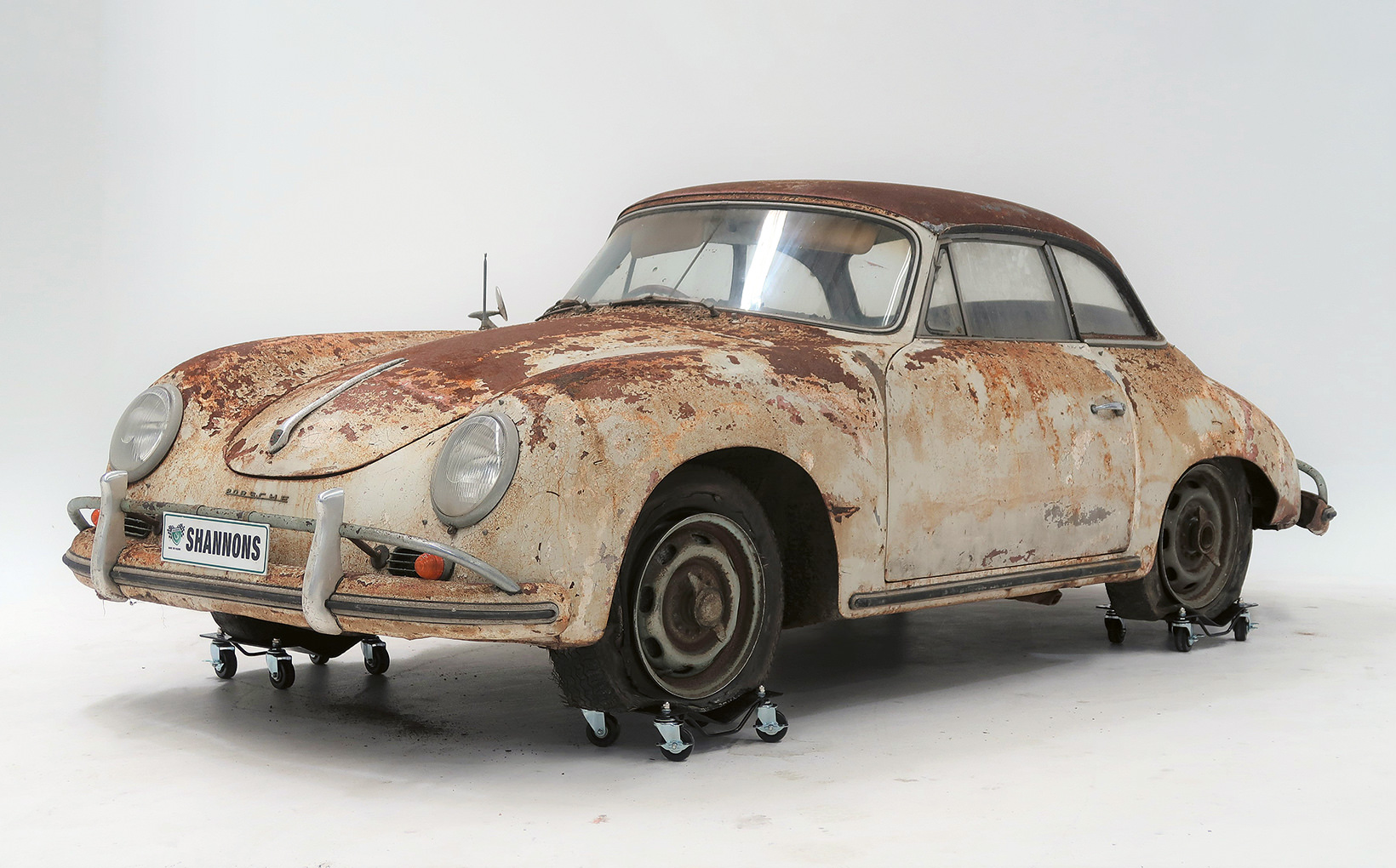
A week ago Shannons reported a 97 per cent clearance rate and a combined $10.7 million worth of capital changing hands in its recent Summer Timed Online auction of classic cars.
The headline was a barn-find and rust-ravaged 1958 Porsche 356A. Pursued by two bidders, the complete car eventually sold for a spanner-spinning $230,000.
That's more than $110,000 above what auctioneers predicted would be the high price for the vehicle.
Supercharged by the lack of travel options, many consumers are turning to vehicles as recreational holidays and weekend getaway machines.
READ MORE: Very last Holden ever made in Australia to be auctioned off
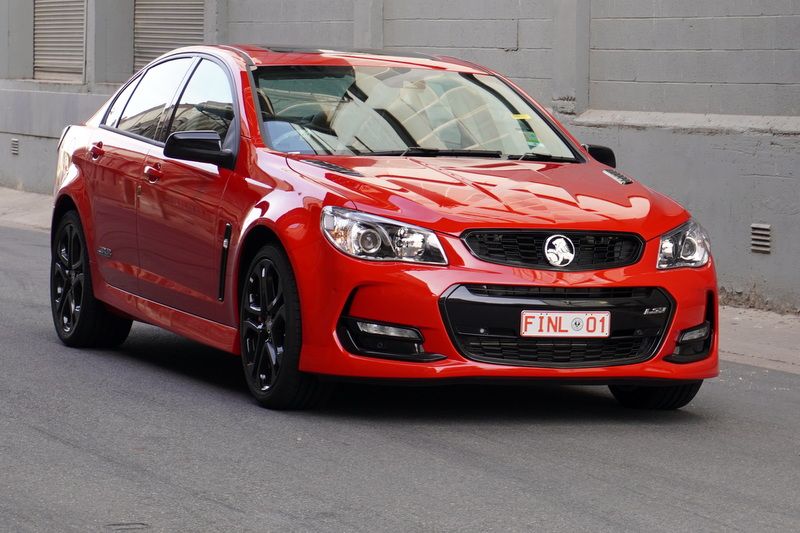
Data from the Australian share market shows those who deal in used cars – or the periphery of car accessories – have benefited enormously throughout the pandemic.
In its half-year results, Carsales.com Limited reported an earnings growth of 13 per cent in Australia.
Those who performed even better was ARB Corporation, the 4×4 accessory giant who sells and fits everything from bullbars to snorkels to suspension lift kits for those wishing to transform their 4WD into a track-tackling monster.
READ MORE: Holden HSV GTSR W1 Maloo tipped to be Australia's most expensive
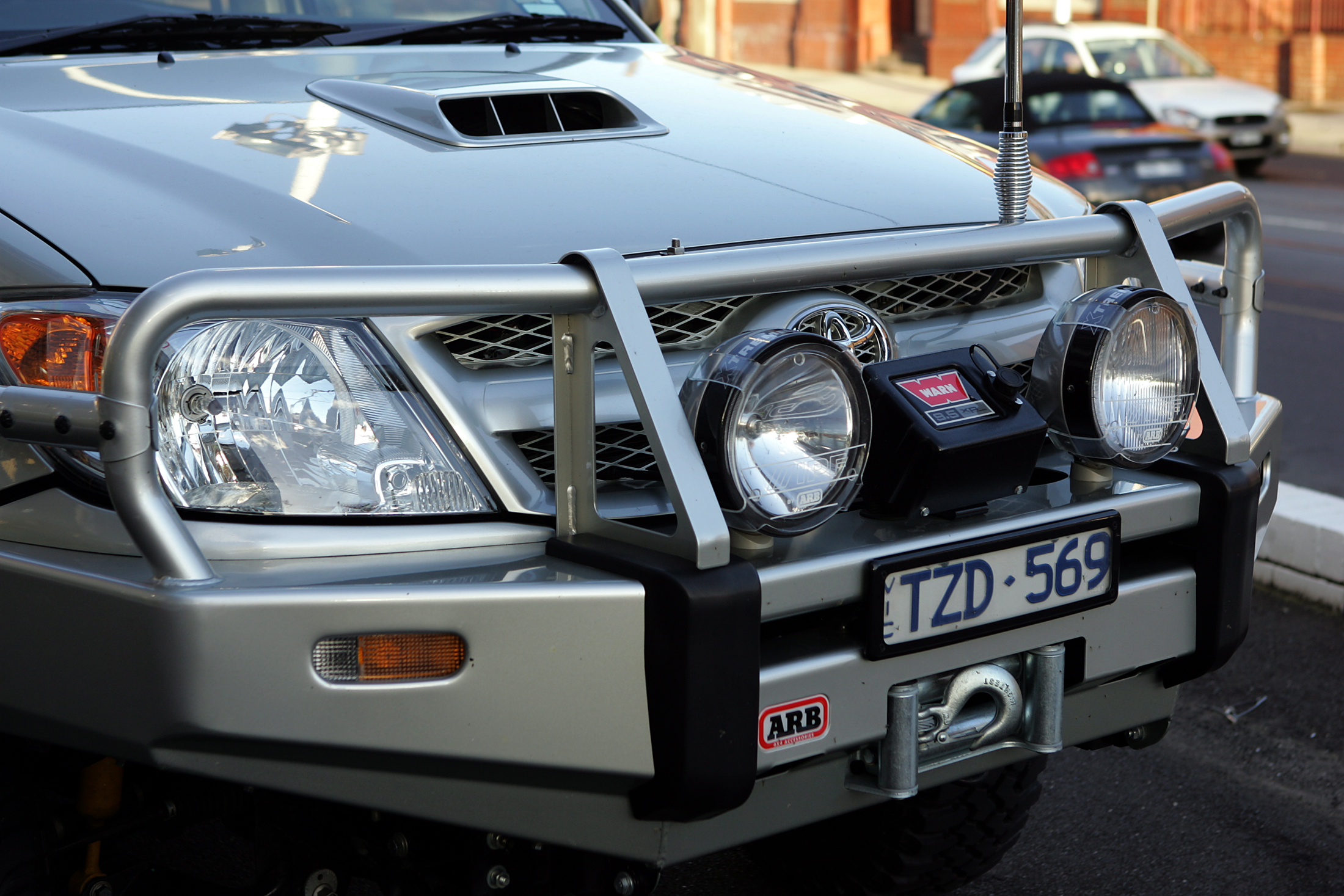
In its half-year results, ARB reported a profit after tax of $54 million in just six months – an increase of 113.5 per cent on the same period last year.
"The company experienced a pleasing recovery during the financial half year ended 31 December 2020 from the worst of the COVID-19 impacts encountered during the final quarter of the previous financial year," ARB's Chairman Roger Brown wrote to shareholders.
"The recovery can be attributed to satisfying pent up demand created during the early lockdown periods, an increased trend towards local touring in many countries and the impact of governments' financial stimulus on consumer demand and confidence."
Have you recently considered purchasing a classic car as an investment? We want to hear from you. Get in touch with Stuart at sm****@******om.au
The information provided on this website is general in nature only and does not constitute personal financial advice. The information has been prepared without taking into account your personal objectives, financial situation or needs. Before acting on any information on this website you should consider the appropriateness of the information having regard to your objectives, financial situation and needs.
Most distant cosmic jet discovered 13 billion light-years away
It has taken 13 billion years for the light from the powerful jets of a distant object to reach us.
These jets, the most distant known source of radio emission to date, are coming from a recently discovered quasar that existed when the universe was only 780 million years old, an adolescent on the astronomical timescale.
Quasars are the bright objects found at the centre of some galaxies and are known as some of the most luminous objects in the universe. They are powered by supermassive black holes.
These insatiable black holes gobble up surrounding gas. As they chow down, the black holes release energy. This energy forms jets that emit light in radio wavelengths, streaming out bright beacons from the distant universe.
This newly found quasar has been designated as P172+18. The jets are blasting out material at nearly the speed of sound.
Given the quasar's distance, which is 13 billion light-years away, astronomers are seeing the object as it existed in the early days of the universe, which could provide more insight about galaxy and black hole evolution.
This isn't the most distant quasar ever found, but it's the first with telltale jets dating back this early in the universe's history. It's a "radio-loud" quasar, meaning its jets are bright in radio wavelengths. Only about 10% of quasars discovered fall into this category.
The supermassive black hole feeding this quasar is 300 million times more massive than our sun.
The study was published in The Astrophysical Journal.
Clues of the early universe
"The black hole is eating up matter very rapidly, growing in mass at one of the highest rates ever observed," said study author Chiara Mazzucchelli, astronomer at the European Southern Observatory in Chile, in a statement.
It's likely that rapidly growing supermassive black holes like this one and the radio jets from quasars like P172+18, are related. The jets themselves could actually disturb gas that's around the black hole and cause more of it to drop inside. This could help astronomers understand how some black holes from the early universe were able to grow so quickly.
"I find it very exciting to discover 'new' black holes for the first time, and to provide one more building block to understand the primordial Universe, where we come from, and ultimately ourselves," Mazzucchelli said.
"Jets have a role in regulating star formation and the growth of their host galaxies, so this discovery is valuable to understanding these processes in the early universe," said study author Chris Carilli, chief scientist at the National Radio Astronomy Observatory, in a statement. "The jets at that time also propelled atoms and magnetic fields into what had been pristine space between the galaxies."
Multiple telescopes and observatories, including the Magellan Telescope at Las Campanas Observatory in Chile, the European Southern Observatory's Very Large Telescope (also in Chile), the National Radio Astronomy Observatory's Very Large Array in New Mexico and the Keck Observatory in Hawaii all contributed to the discovery of the quasar and its jets.
Astronomers can use these quasars to learn more about objects closer to Earth as well because they act like beacons, the researchers said.
This quasar could be just the first of many that astronomers may find in the distant universe.
"This discovery makes me optimistic and I believe — and hope — that the distance record will be broken soon," said study author Eduardo Bañados, astrophysicist at the Max Planck Institute for Astronomy in Germany, in a statement.
How UK tabloids reacted to Harry, Meghan interview
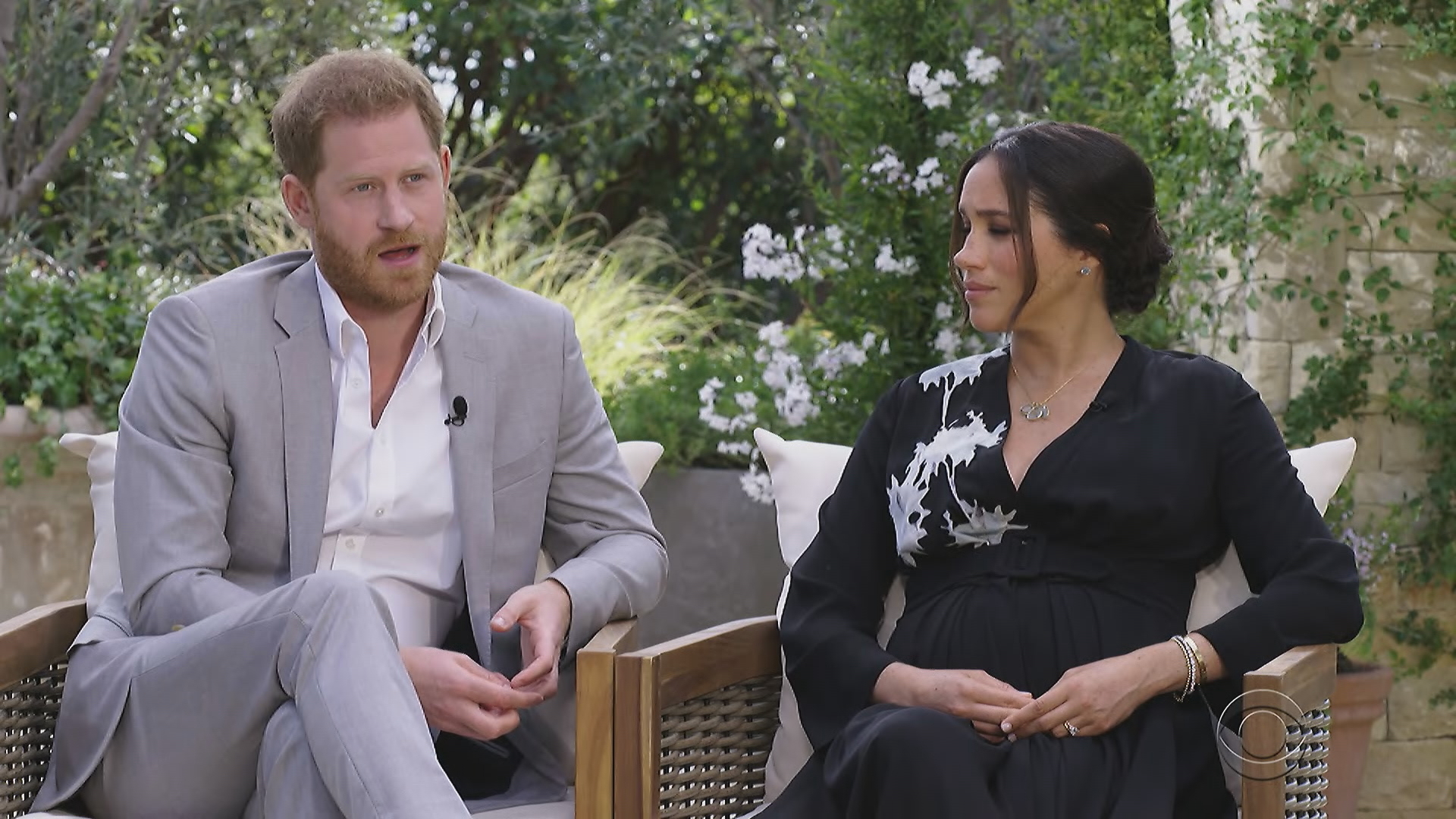
British tabloids are hammering Meghan, Duchess of Sussex, and her husband Prince Harry after their explosive interview with Oprah Winfrey.
Meghan revealed during the sit-down conversation that life within the royal family was so isolating, lonely and lacking in support that she had experienced suicidal thoughts. She also said that individuals within the institution had raised concerns about the color of their son Archie's skin.
Even before the interview — Meghan's first since she and her husband announced plans to step back from senior roles in the British royal family — the UK media had been criticizing the event. The relationship between the couple and the country's press, and particularly newspaper tabloids, has long been tumultuous.
The Daily Mail ran wall-to-wall coverage of the interview, and tried to fit all of the bombshells into a single headline this way: "Meghan claims she was suicidal when she was 5 months pregnant, Kate made HER cry and Royals refused to make Archie a prince because they were worried how 'dark' he would be, as Harry reveals their new baby will be a GIRL." The website was dominated with coverage, including at least 13 articles about the interview that included photos.
The interview aired at 1 am local UK time.
The tabloid's website also included a prominent banner that read: "I WANTED TO KILL MYSELF," and featured a clip playing on loop from the interview, which showed Meghan saying, with subtitles: "I just didn't want to be alive anymore."
Another article on the website ripped into the couple's discussion during the interview about life in the United States, where they are raising chickens.
"Back to basics at their $14.5 million mansion," read one headline.
Monday's print edition of the Daily Mail, meanwhile, highlighted the allegations about concerns of Archie's skin color: "MEGHAN ACCUSES PALACE OF RACISM," the front page of Monday's edition of the Daily Mail read. While other news outlets used images provided by Harpo Productions, Winfrey's production company, the Daily Mail chose a closely cropped image focused on Meghan's face.
The deluge of stories on the Daily Mail homepage follows a dismissive pre-interview banner headline earlier on Sunday, in which the outlet attempted to lambast the CBS special as "a sideshow."
READ MORE: Meghan tells Oprah 'I just didn't want to be alive' as bombshell revelations lays bare royal rift
Other newspapers were also quick to weigh in on the potential fallout of the interview.
"Meghan Markle may never return to Britain after angering Royal Family with bombshell Oprah interview," The Sun newspaper wrote, referring to Meghan's name before marriage. It cited "insiders [who] fear she and Prince Harry could have burnt their bridges by failing to tell family members what was in the two-hour chat before it was shown."
The publication has come up with a new nickname for Meghan amid her rift with the royal family: "Megxile." Previously, British tabloids have labelled the couple's decision to step away from their royal duties "Megxit," a riff on the term used to describe the United Kingdom's departure from the European Union.
"Queen: Duty and family unite us," read the front page of the Daily Express newspaper. "That's public service for you, Harry and Meghan … NOT a self-serving TV chat with Oprah."
Even ahead of the program, British tabloids came armed for the occasion, which was among the biggest royal interviews in decades.
The Daily Mirror's print edition will point to Princes "Charles & William's 'immense sadness'" amid "Oprah interview fallout," Sky News reported.
Both the duke and duchess have increasingly opened up about the harsh media scrutiny they have received.
Last month, Prince Harry told late night talk show host James Corden that his experiences had prompted him to take a step back from the royal family. "We all know what the British press can be like, and it was destroying my mental health," he said.
READ MORE: The biggest revelations from Harry and Meghan's Oprah interview
And in April of last year, Harry and Meghan said they would cut off all dealings with four of the United Kingdom's biggest tabloid newspapers after years of strained relations. The couple has also tussled with the media in court.
In the interview with Oprah on Sunday, Meghan said that it had become painfully clear that there were double standards in how the media covered her and Catherine, the Duchess of Cambridge and wife to Prince William, who is second in the line of succession to the British throne.
"I can see now what layers were at play there. And again, they really seemed to want a narrative of a hero and a villain," said Meghan.
Coverage of the interview with Meghan and Harry was not limited to the tabloids. British morning shows and broadsheets also featured excerpts prominently on Monday.
If you or someone you know is in need of support contact Lifeline on 13 11 14 or the Suicide Callback Line on 1300 659 467.