A 91-year-old man who lost his father in a 1932 maritime disaster in Napier fears he may never see a memorial built at the site of the tragedy.Ray Cooper’s father Eddie Cooper, aged 28, was one of 10 men who died when their launch…
Tag Archives: oceania
Covid 19 coronavirus: Lodger of family in Auckland cluster not in quarantine
A lodger in the same household as one of the families at the centre of Auckland’s latest Covid-19 cluster is self-isolating at home instead of in a quarantine facility, the Ministry of Health has revealed. The Ministry and Auckland…
Hamilton motorists urged to take care after torrential rain, flooding
Hamilton motorists have been urged to take care while on the region’s roads and delay travel if possible, after torrential rain caused flooding throughout the city. Police issued a statement this afternoon stating the areas of Fairfield…
Covid 19 coronavirus: Ministry of Health considers starting vaccinations in South Auckland as priority
The Ministry of Health is considering starting vaccinations in South Auckland as a priority after border workers, director-general of health Dr Ashley Bloomfield says.Otago University academic and GP Ben Gray this morning called…
More than 100,000 Aussies granted travel exemptions during pandemic
Despite the Federal Government's ban on international travel, more than 11,000 Australians are getting permission to head overseas each month.
Data obtained by 9News under FOI laws reveals there 105,028 travel exemptions approved for people to leave Australia between March 25 and December 31, 2020.
Reasons include lengthy overseas trips, business travel and family matters.
READ MORE: New rules for domestic and international travel in response to UK strain
More than 40 per cent (43 per cent) of exempt travellers intended to depart from Sydney, followed by Melbourne (29 per cent), Brisbane (13 per cent) and Perth (9 per cent).
The most successful reason for an exemption was an intention to stay overseas for at least three months (51,793 exemptions approved), followed by compassionate and compelling grounds (31,091 exemptions approved).
Compassionate and compelling grounds included the death or serious illness of a close family member and parents travelling for surrogacy, adoption or picking up a child from overseas.
READ MORE: Thousands of Australians stranded as international border ban extended until June
Urgent and unavoidable personal business was the third largest category, with 11,686 exemptions granted, while critical industries and business travel secured another 8963 exemptions.
Urgent medical treatment not available in Australia (882 exemptions), response to the COVID-19 outbreak (438 exemptions) and national interest (175 exemptions) were the smallest categories.
Glow-in-the-dark sharks captured on camera for first time ever
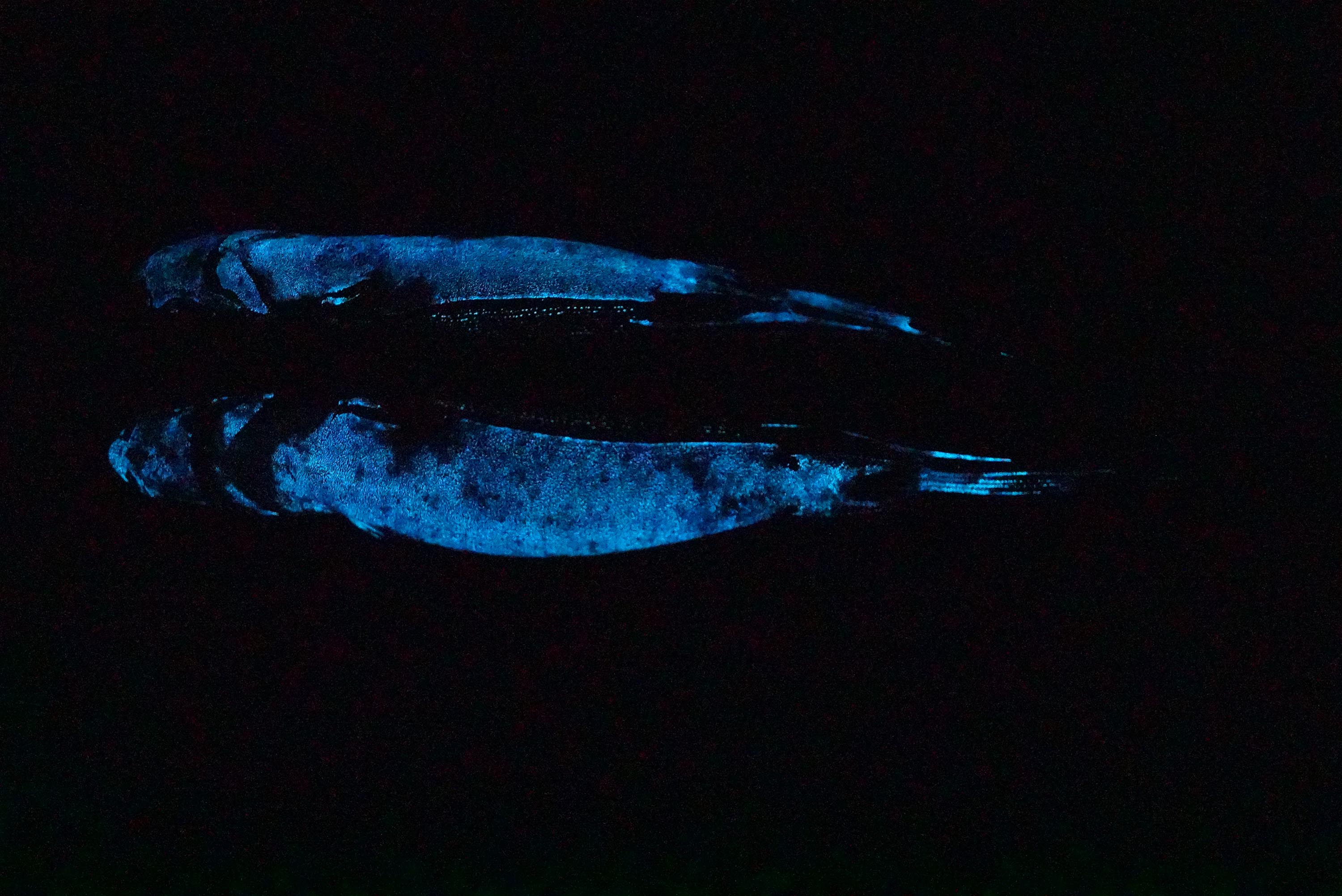
Scientists have taken the first-ever photos of a glow-in-the-dark shark producing its own light.
The kitefin shark, Dalatias licha, is the world's largest known bioluminescent vertebrate, growing to nearly 1.8 metres in length.
It was found in an area of ocean known as Chatham Rise, off the east coast of New Zealand's South Island, according to a study published Tuesday by researchers from the Catholic University of Louvain, Belgium and the National Institute of Water and Atmospheric Research (NIWA) in New Zealand.
Bioluminescence refers to the production of visible light by living organisms through a biochemical reaction.
READ MORE: Strange striped patterns in Russia snow baffle NASA scientists
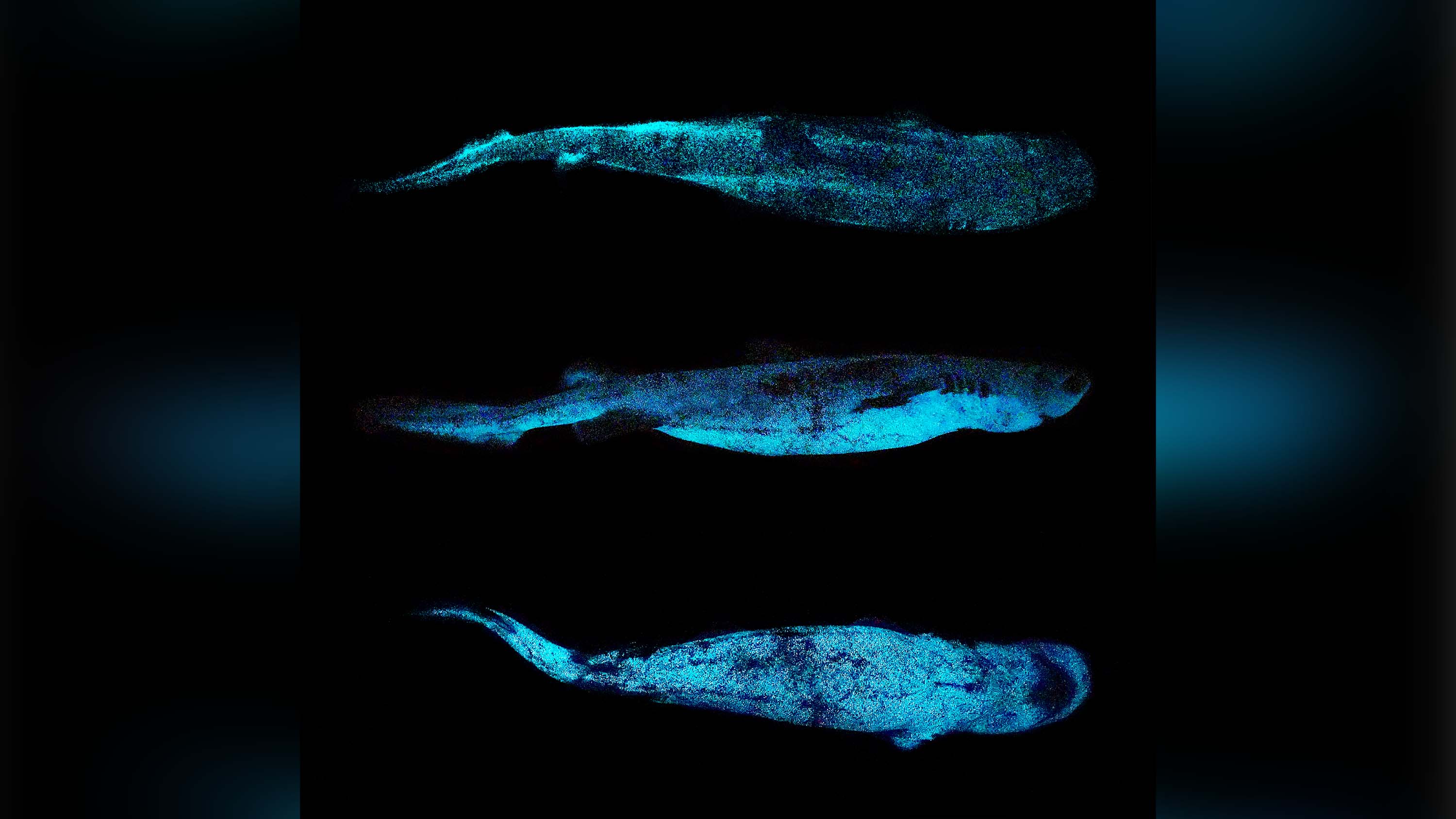
Some 57 of the 540 known shark species are thought to be capable of producing light, study co-author Jérôme Mallefet, head of the marine biology laboratory at UCLouvain, told CNN on Wednesday.
While specimens had previously shown that the kitefin shark should be capable of producing light, they are "really difficult to observe", as they live between 200 and 900 metres below the ocean's surface, Mallefet said.
Bioluminescence was also documented in two other species of deepwater shark, Etmopterus lucifer (the blackbelly lanternshark) and Etmopterus granulosus (southern lanternshark), as part of the research.
Mallefet noticed that the sharks had been caught accidentally during NIWA's trawling surveys, which are used to measure fish stocks, and contacted the organisation.
He was invited to join a survey trip in January 2020 and spent 30 days on board the boat, capturing multiple sharks.
"I was just like a kid at the bottom of a Christmas tree," said Mallefet, describing how he managed to take a picture of a kitefin shark in a bucket in a dark room on the ship.
READ MORE: Australia deadliest country in world for shark attacks in 2020
The deep sea below 200 metres is described as the twilight zone. Many people mistakenly believe there is no light visible there, but there is some light that the sharks find useful, Mallefet said.
"They use light to disappear," he said, explaining how bioluminescence can render the sharks invisible against the faint glow from the ocean's surface.
This protects the sharks from predators swimming below them, and also makes it easier for them to hunt prey, Mallefet said.
"We know that's the case for Dalatias licha," he said, as the remains of smaller sharks were found inside the bellies of some specimens despite the fact that the species is the slowest swimming shark in the world.
The luminous sharks haven't given up all of their secrets, however, including why their dorsal fin glows.
Further research is needed to work out whether this could be used for signaling, Mallefet said, adding: "There are still question marks."
Mallefet told CNN he would like to study the dorsal fin in greater detail on future trips to the area, as well as looking into what the sharks eat and whether they are eaten.
The aim is to find out more about the deep sea, which remains mysterious despite the fact that it's the most common environment on Earth, in order to make people think more about preserving it, he said.
"I fear that we have done a lot of mistakes throwing stuff in the sea," said Mallefet. "I fear what will happen for the next generations."
All the different strains of coronavirus explained
All viruses mutate constantly, and scientists can identify the different strains.
Coronavirus has mutated into a number of notable strains since the first case was detected in December 2019, with the latest found in Australia believed to originate in Russia.
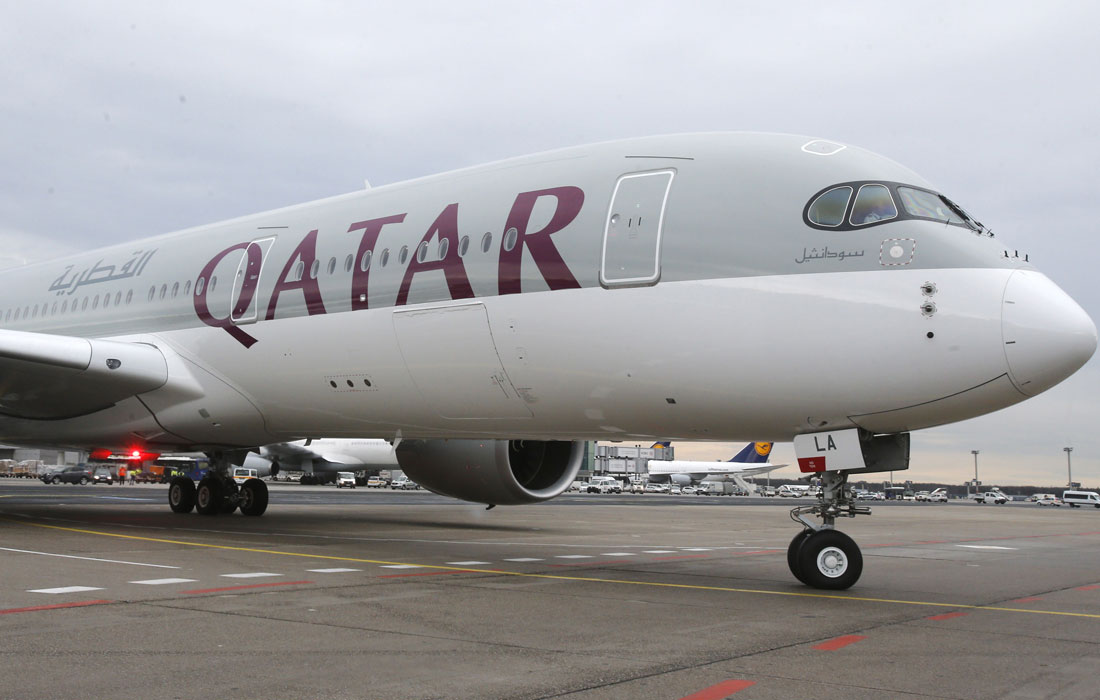
It has led to 14 day hotel quarantine being extended for dozen of people who don't have the virus, after two people from a Qatar Airways flight that landed in Brisbane last month tested positive for the strain.
LIVE UPDATES: Russian strain found in Australia 'increasing in frequency'
"Whilst this is not considered a variant of concern, little is known about the strain," a letter sent to passengers said.
"Information about the characteristics of these variants is rapidly emerging" America's Centre for Disease Control and Prevention said last month.
"Scientists are working to learn more about how easily they spread, whether they could cause more severe illness, and whether currently authorised vaccines will protect people against them."
Different coronavirus strains
UK strain
This strain, known as B.1.1.7, was first identified in the United Kingdon and has since spread globally, including to Australia where it sparked lockdowns in Perth, Melbourne and Brisbane.
Scientists believe it could be up to 70 per cent more transmissible than others and slightly more deadly. However, more studies will be needed to verify this claim.
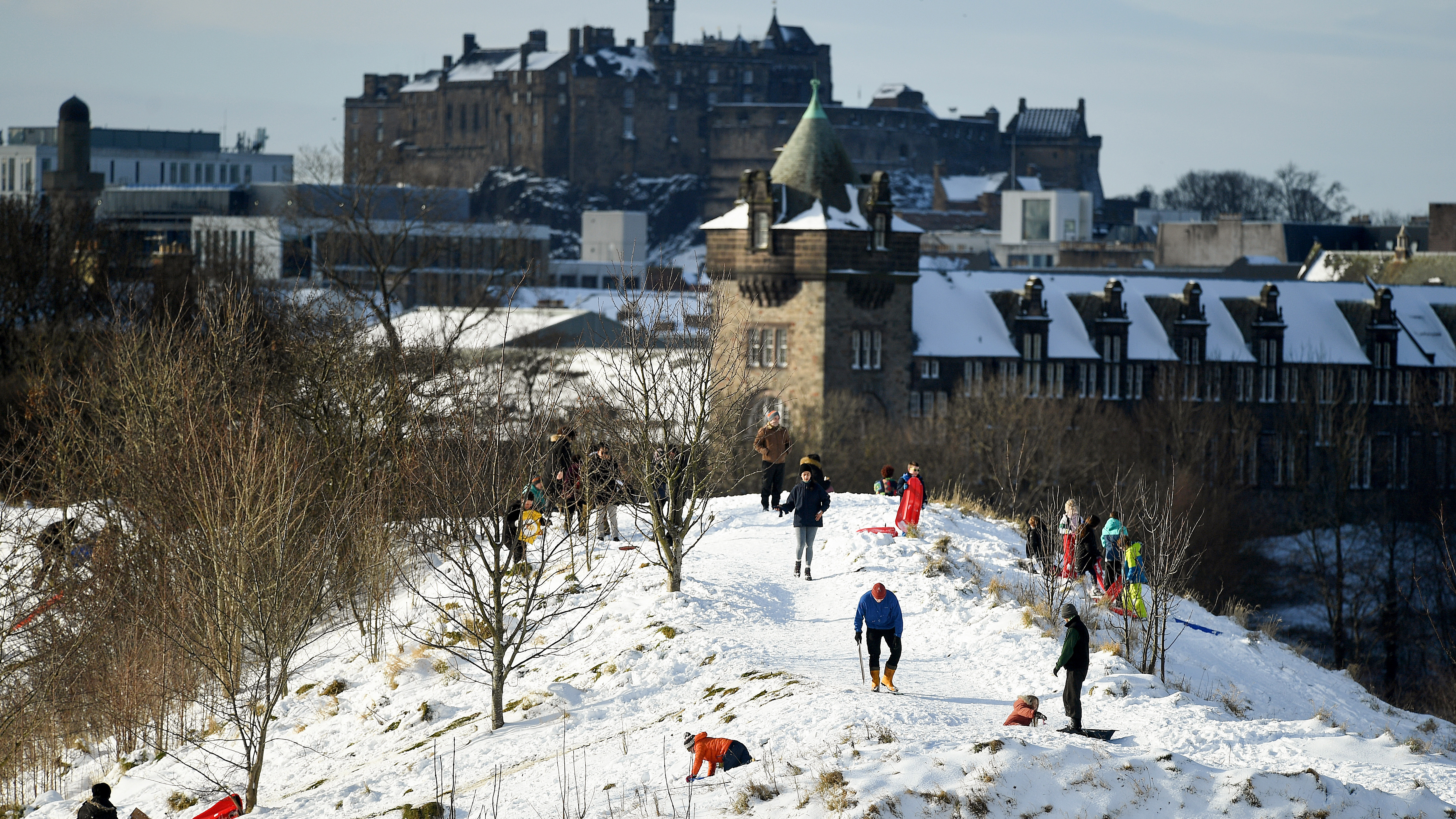
American authorities predict the B.1.1.7 variant will become the dominant strain in the United States this month.
Last month, Germany's Health Minister said the virus variant first detected in Britain last year now accounts for more than a fifth of all positive tests in the country.
South African strain
The B.1.351 strain was first identified in South Africa, where it has become the dominant type infecting local residents.
Cases and deaths in South Africa have started to fall recently after a second surge of the virus. However, the nation is still battling one of Africa's most severe outbreaks, with more than 46,000 people dead.
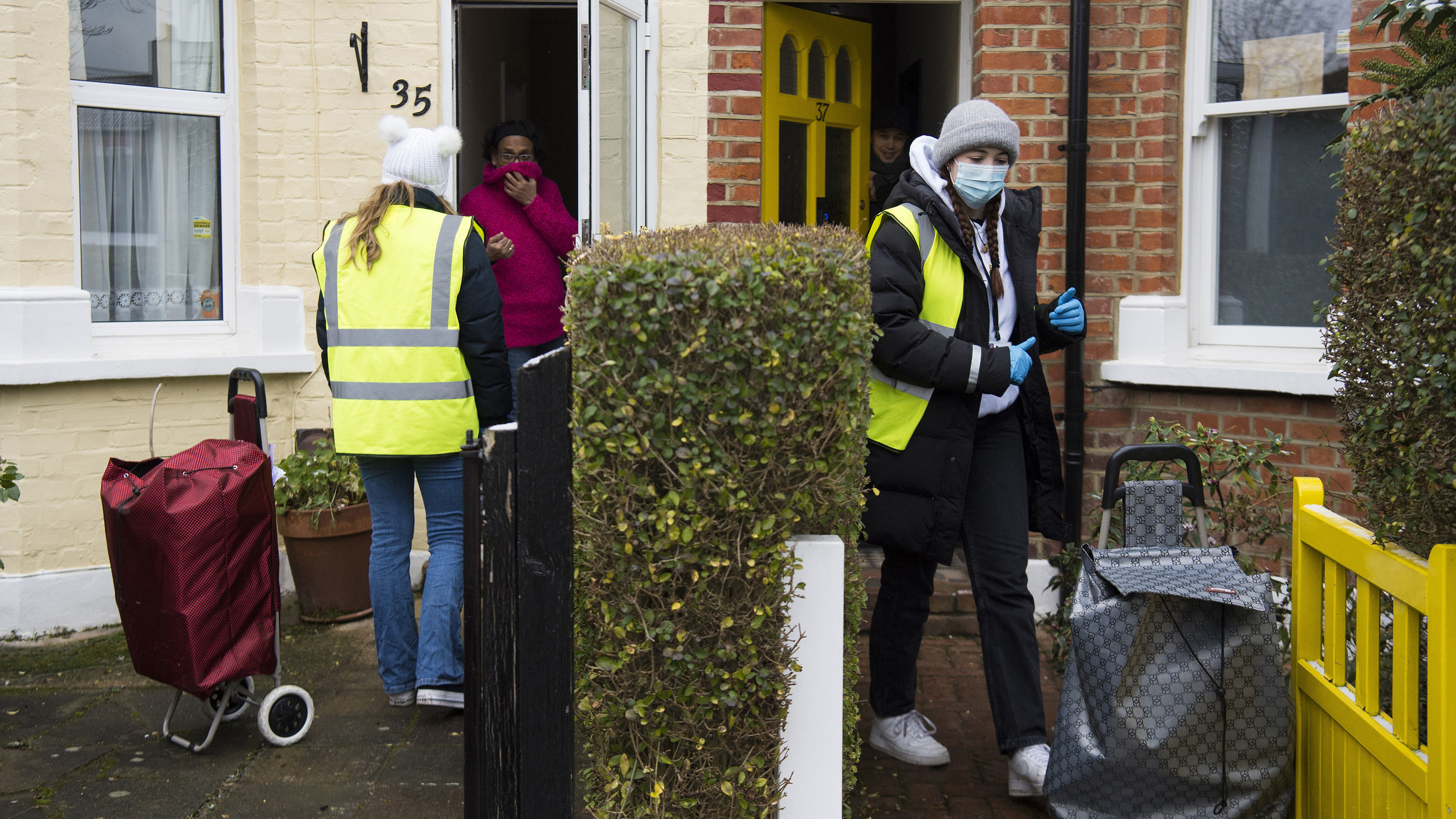
Australia's Chief Medical Officer Paul Kelly has predicted the South African strain to dominate the globe.
The first cases were found in Australia late last year.
South Africa temperately halted the rollout of the AstraZeneca vaccine over the new strain. However, Johnson & Johnson's vaccine has been tested in South Africa and showed to give strong protection against severe illness.
It is now being rolled out to health care workers.
Brazilian strain
The P.1 strain was first detected in Brazil, and is suspected of fuelling a COVID-19 resurgence in the nation. Brazilian authorities said 260,000 people have already died.
The UK is searching for people in the county who have the Brazil strain.
The variant, which was first found in the city of Manaus, appears to be more contagious than other COVID-19 strains.
It can potentially be contracted by someone who was already infected or who has been vaccinated.
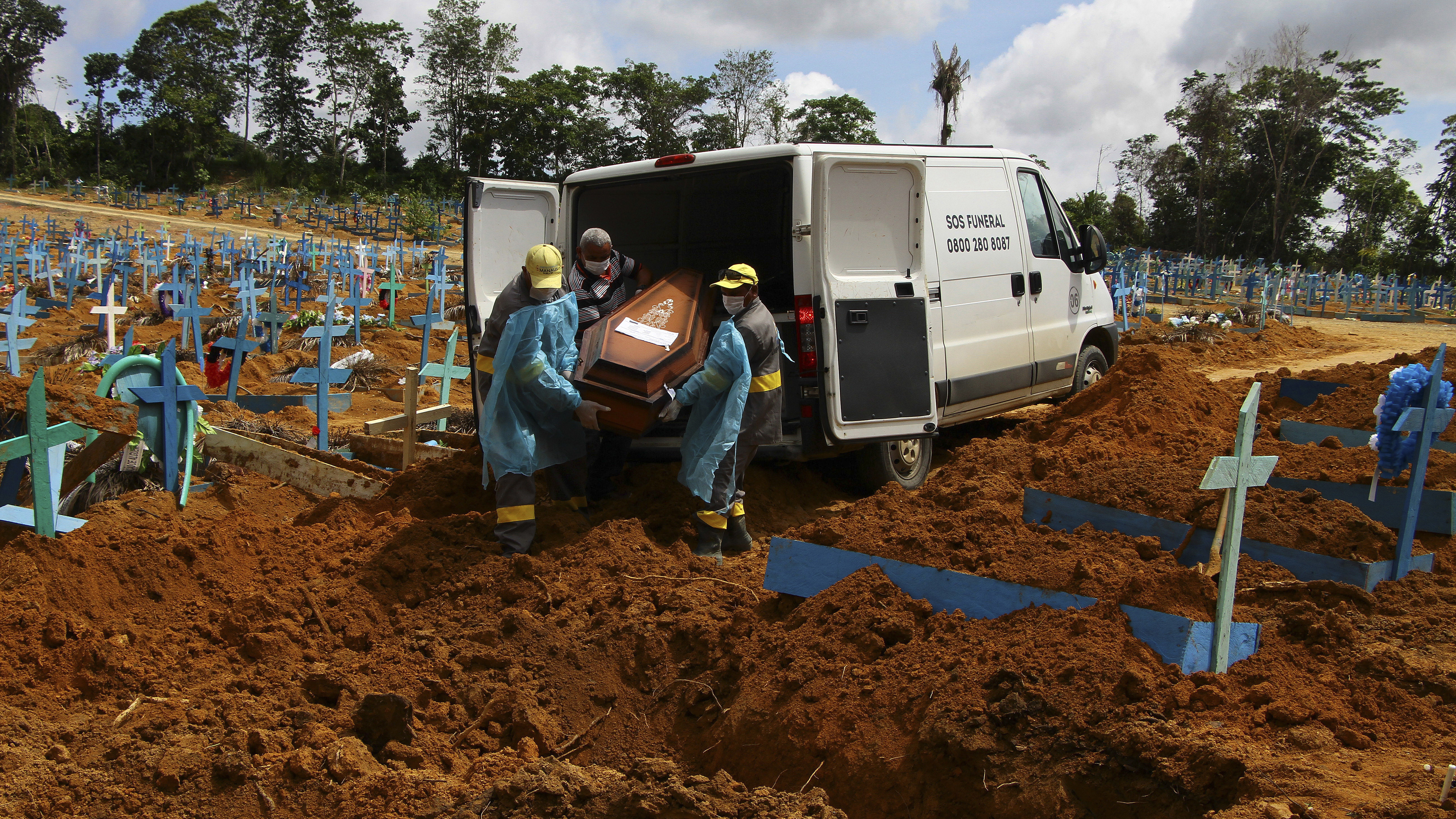
Public Health England said the variant, called P.1 has been designated "of concern", "as it shares some important mutations with the variant first identified in South Africa (B.1.351), such as E484K and N501Y."
READ MORE: America's recent progress with COVID-19 could be wiped out by variants, CDC director says
"It is possible that this variant may respond less well to current vaccines, but more work is needed to understand this," it said
The first case has emerged in America on the West Coast this week, according to medical authorities.
Russian strain
More than 70 Australians who returned from overseas this week had 14-day quarantine extended by five days after two people tested positive for the Russian strain, known as B1.1.317.
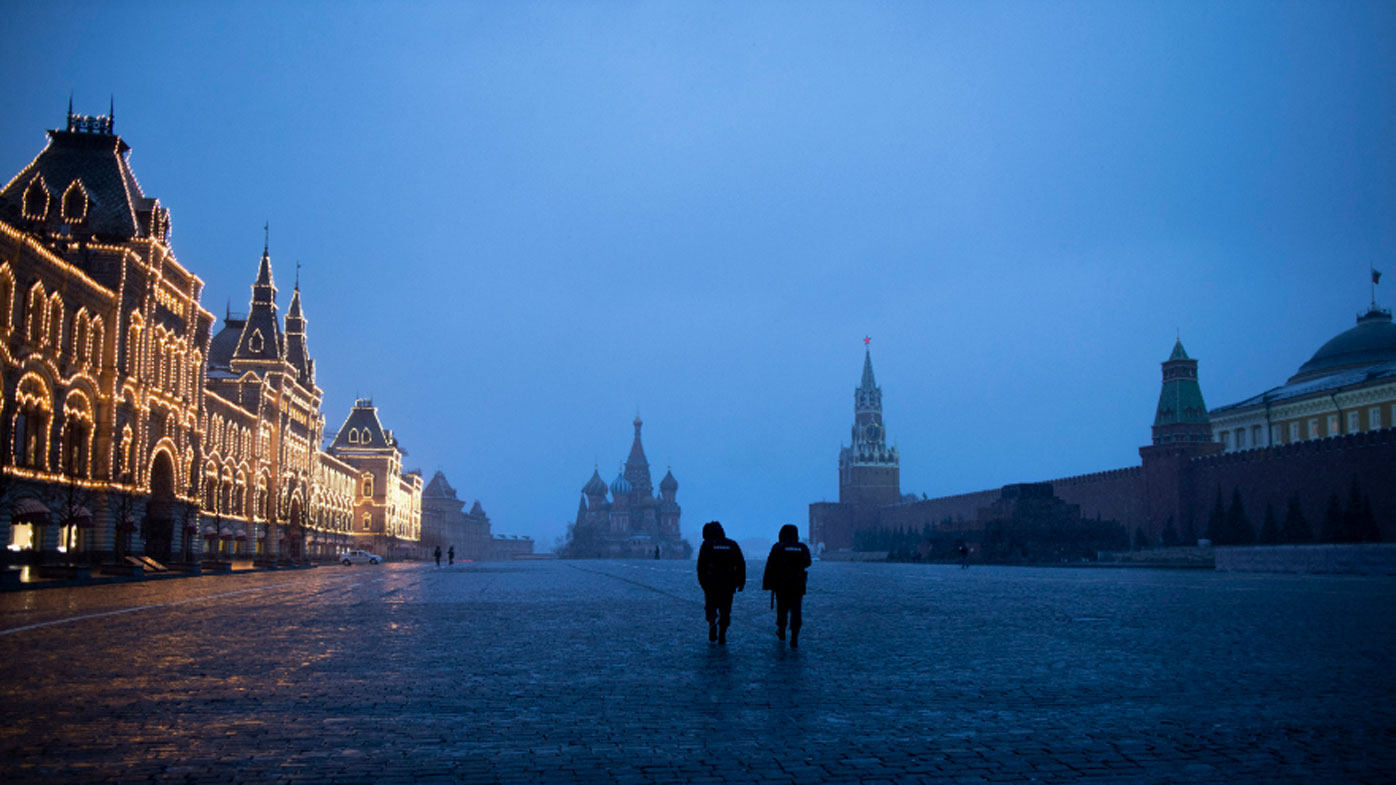
They landed in Brisbane on a Qatar Airways flight.
Australian doctors say they don't know much about the strain yet.
Other strains
Two separate teams of researchers said this week they have found a worrying new coronavirus variant in New York City and elsewhere in the Northeast of America.
It is believed to carry mutations that help it evade the body's natural immune response.
Genomics researchers have named the variant B.1.526. It has appeared in people in diverse neighbourhoods of New York City.
One of the mutations in this variant is the same concerning change found in the variant first seen in South Africa and known as B.1.351.
It appears to evade, somewhat, the body's response to vaccines, as well. And it's becoming more common.
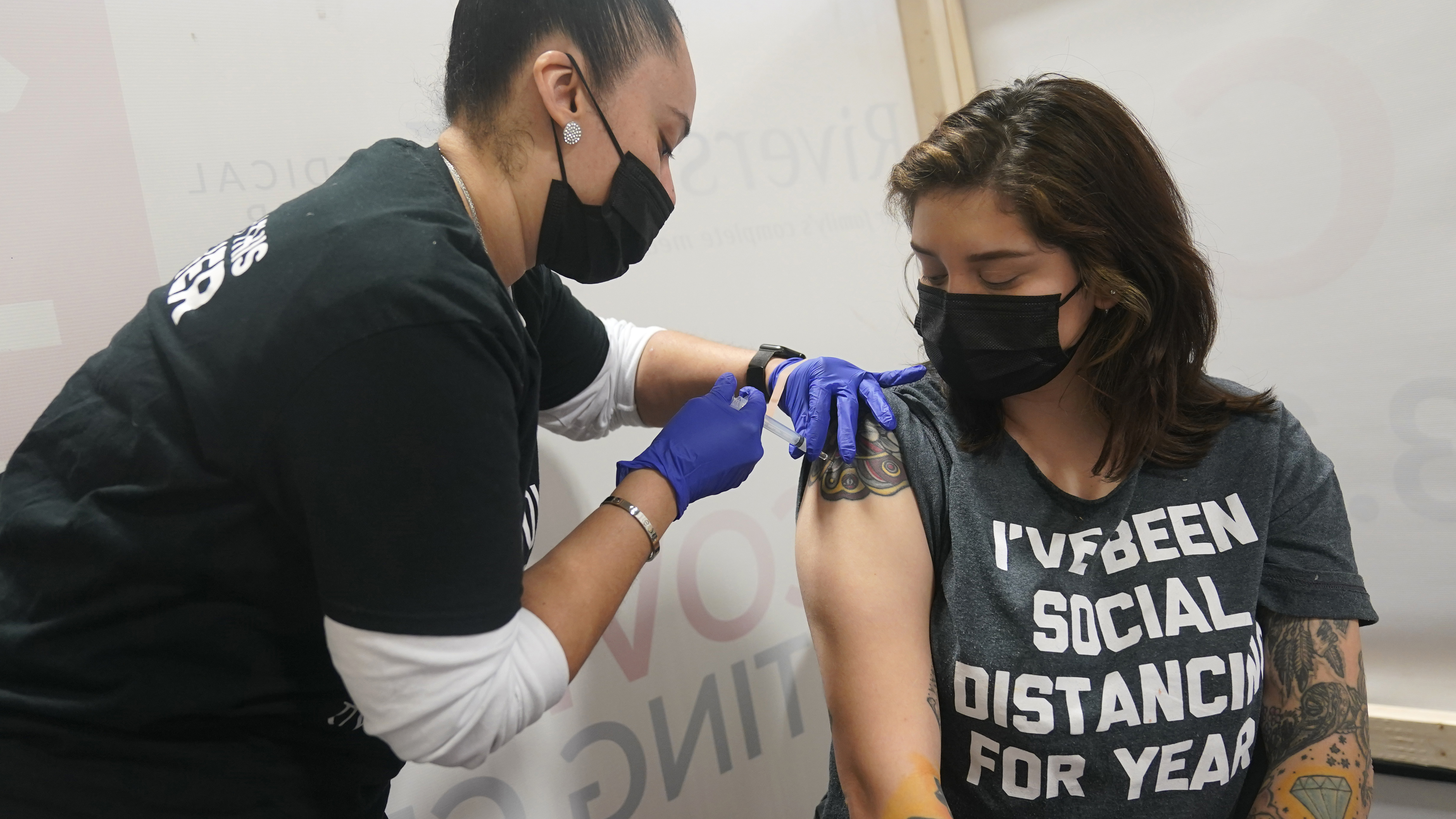
"We observed a steady increase in the detection rate from late December to mid-February, with an alarming rise to 12.7 per cent in the past two weeks," one team, at Columbia University Medical Center, wrote in a report that has yet to be published.
Will the vaccine work against new strains?
The Australian Government said in December that mutations are common in "SARS-CoV-2 and other viruses, and usually do not affect the infectivity or severity of disease".
Authorities also noted there is "no evidence" that variants can cause more severe disease.
"The vaccines procured for Australia induce a broad immune response to protect individuals. There is no evidence at this stage that these vaccines would not be effective against the UK variant."
EXPLAINED: When will I be eligible to receive the coronavirus vaccine?
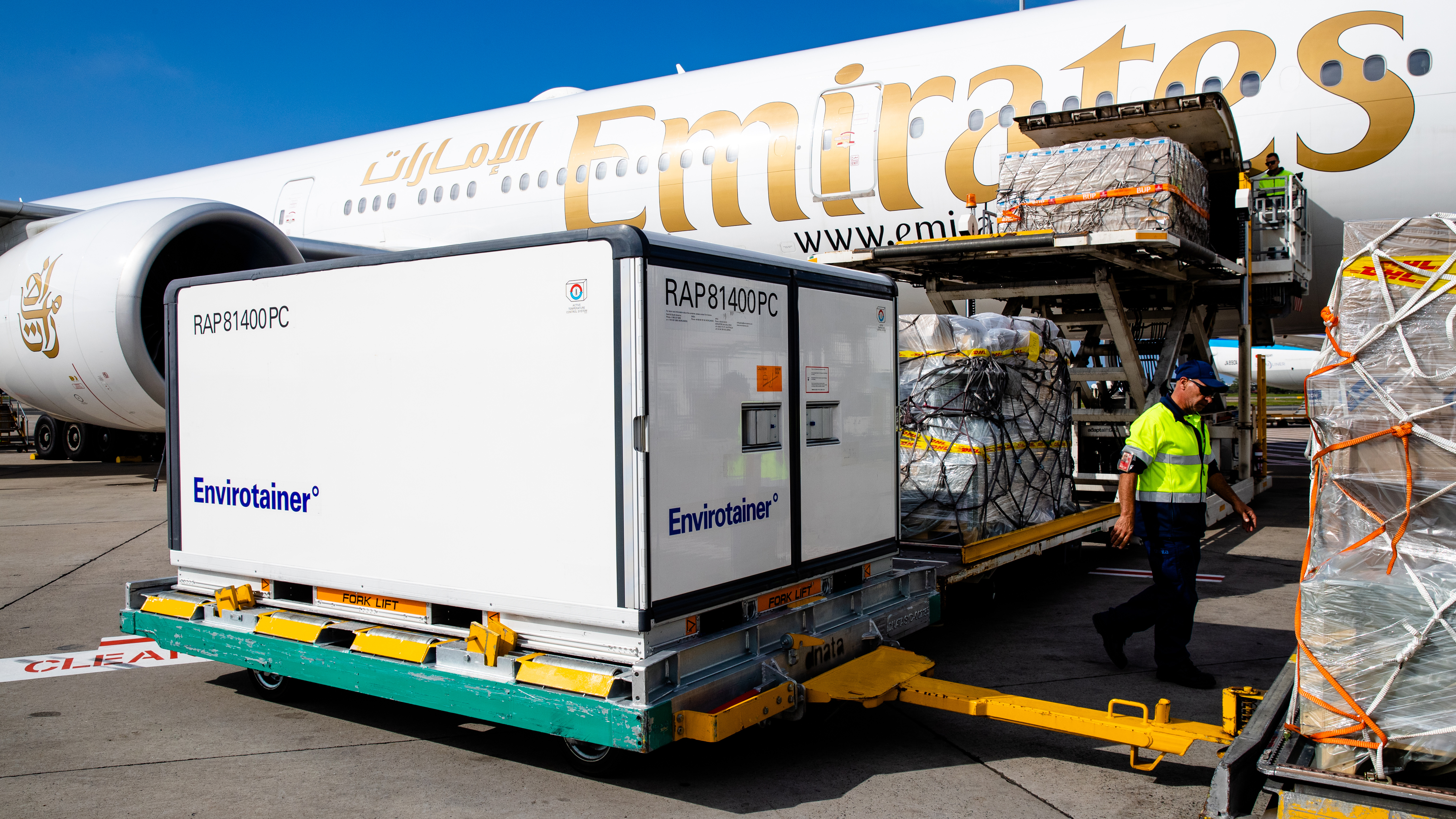
British scientists said there has been "reassuring data" on the effects of the vaccines on variants.
– Reported with CNN, AP
Buckingham Palace to investigate after Meghan accused of bullying
Buckingham Palace has said it is launching an investigation after a newspaper reported that a former aide had made a bullying allegation against the Duchess of Sussex.
The Times of London reported allegations that the duchess drove out two personal assistants and left staff feeling “humiliated.”
It said an official complaint was made by Jason Knauf, then the communications secretary to Meghan and her husband, Prince Harry. He now works for Harry’s elder brother, Prince William.
LIVE UPDATES: Calls for inquiry into Christian Porter allegations
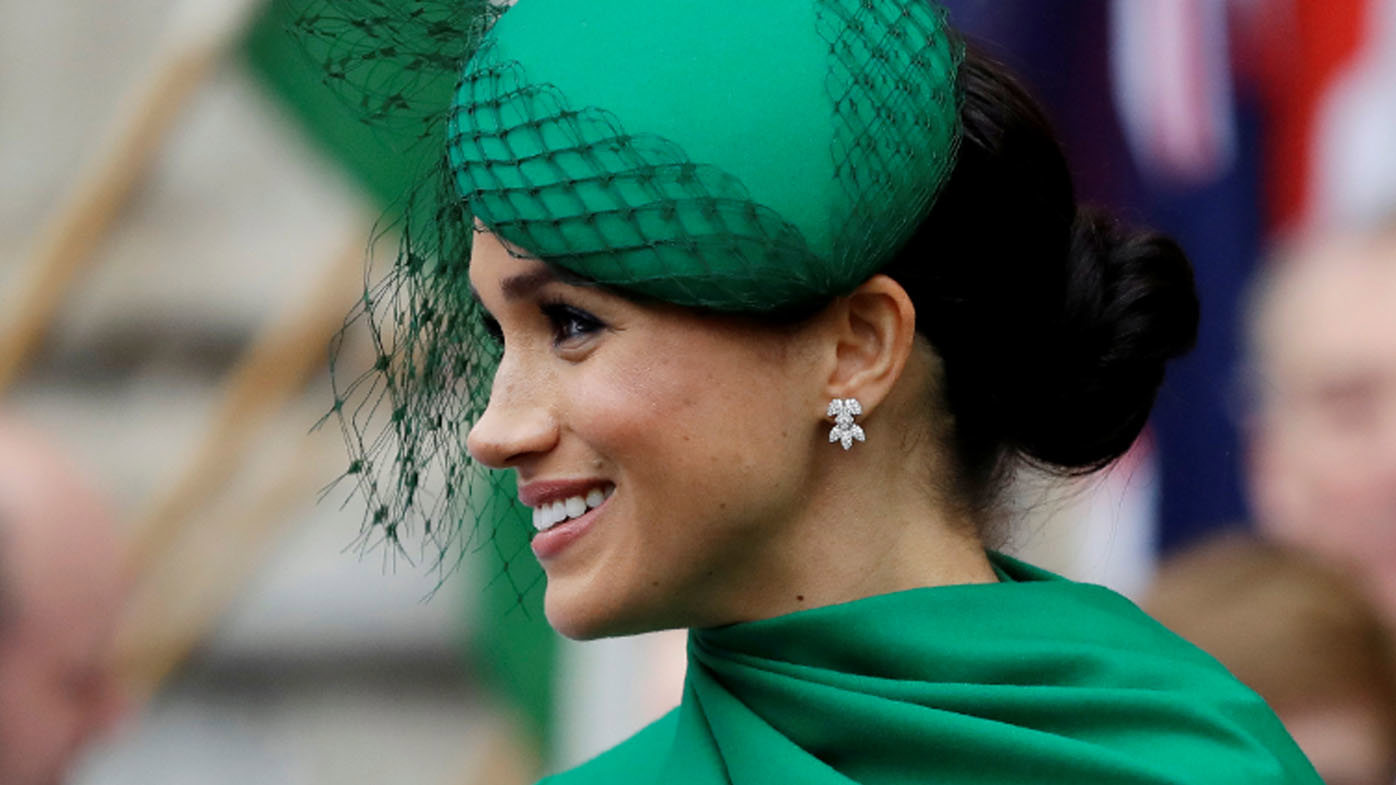
The palace said it was “clearly very concerned” about the allegations.
It said in a statement that the palace human resources team “will look into the circumstances outlined in the article” and would seek to speak to current and former staff.
“The Royal Household has had a Dignity at Work policy in place for a number of years and does not and will not tolerate bullying or harassment in the workplace,” it said.
American actress Meghan Markle, a former star of the TV legal drama Suits, married Harry, a grandson of Queen Elizabeth II, at Windsor Castle in May 2018.
Their son, Archie, was born the following year.
In early 2020, Meghan and Harry announced they were quitting royal duties and moving to North America, citing what they said were the unbearable intrusions and racist attitudes of the British media.
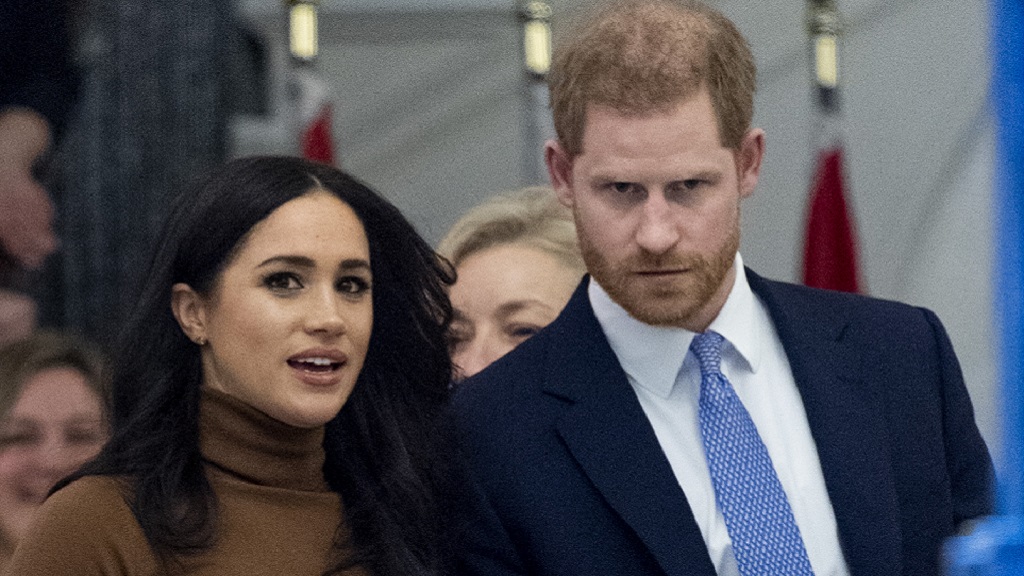
They recently bought a house in Santa Barbara, California, and are expecting a second child.
The bullying allegations were reported four days before the scheduled broadcast of an Oprah Winfrey interview with Meghan, which is anticipated to draw a huge audience.
It also comes less than two weeks after the palace announced that the couple’s split from official duties would be final.
A spokesman for the duchess said she was "saddened by this latest attack on her character, particularly as someone who has been the target of bullying herself and is deeply committed to supporting those who have experienced pain and trauma".
Local Focus: Cousins world premiere held in Rotorua
The much-anticipated movie Cousins saw co-directors Ainsley Gardiner and Briar Grace-Smith walk the red carpet alongside novelist Patricia Grace for the world-wide premiere in Rotorua on Wednesday night. Cousins is the powerful…
Response to Michael Bassett's `Racism on a grand scale'
I write in response to the article ‘Racism on a grand scale,’ by Dr Michael Bassett (March 2).It is curious to me that the author, who laments the apparent demise of Pākehā culture in Aotearoa New Zealand as racism on…