By Liu Chen of RNZ Aucklanders who beat the lockdown and fled to other parts of the North Island are being urged to keep level 3 with them. Thousands left Auckland in between the lockdown being announced and the change coming…
Tag Archives: oceania
Leighton Smith Podcast Episode 100
On this week’s podcast: Brendan O’Neill, editor at Spiked-online.com, ponders the future of western civilisation on podcast 100.We talk Marxism (as he was once a Marxist), technocracy, Covid-19, democracy, racism and more. Even…
Barry Soper: Did Bishop Brian Tamaki and wife Hannah deserve the wrath of the Government in 'escaping' Auckland?
OPINION: Did self-appointed Bishop Brian Tamaki – who now describes himself as an Apostle – and his politically ambitious wife Hannah deserve the wrath of the Government in “escaping” Auckland to dodge the city’s lockdown?After…
Kris Faafoi hopeful meaningful talk will occur between Facebook, Google and local media
Broadcasting Minister Kris Faafoi met Facebook and Google last week and he wants to encourage them to have commercial discussions with traditional media as is happening in Australia.”I am confident the commercial discussions taking…
Covid 19 coronavirus: No spike in alcohol consumption during pandemic
New Zealanders may have swapped beers for wine and spirits during the Covid-19 pandemic, but there was no spike in drinking consumption overall, new Stats NZ data reveals. Alcohol available for consumption in the year ending…
The power, politics and possessions of the 'world's richest royals'
With thousands of princes and a collective worth estimated to be as high as almost $2 trillion, the Saudi royal family may be the most powerful aristocrats in the world – and they're back in the spotlight.
The al Sauds trace their ancestry back to the rulers of the 1700s, but the modern family is descended from Abdul Aziz bin Abdul Rahman bin Faisal, better known in the West as Ibn Saud, who founded the Kingdom of Saudi Arabia and ruled from 1902-1953.
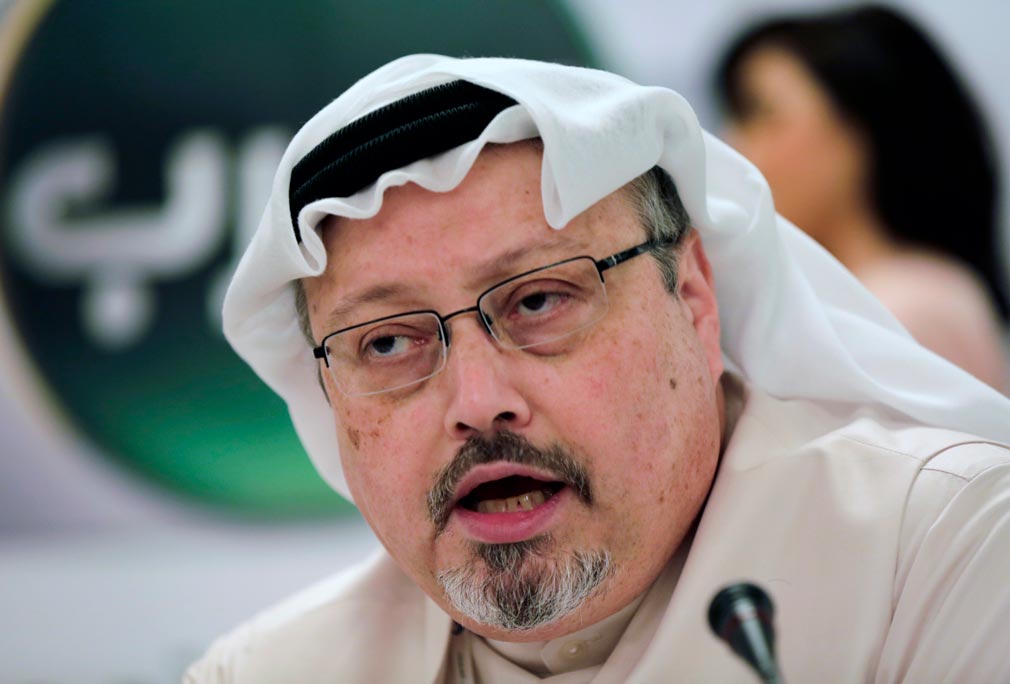
The killing of journalist Jamal Khashoggi in 2018, determined by the CIA to be ordered by current Crown Prince Mohammed bin Salman, has thrust the family – among the wealthiest in the world – into the spotlight of Western scrutiny once more.
READ MORE: Joe Biden stops arms trade with the Middle East
Who are the Saudi royals?
The royal ruling family of Saudi Arabia includes up to 15,000 members, including 4000 princes, who serve in an array of governing positions, at the heads of businesses and on advisory councils.
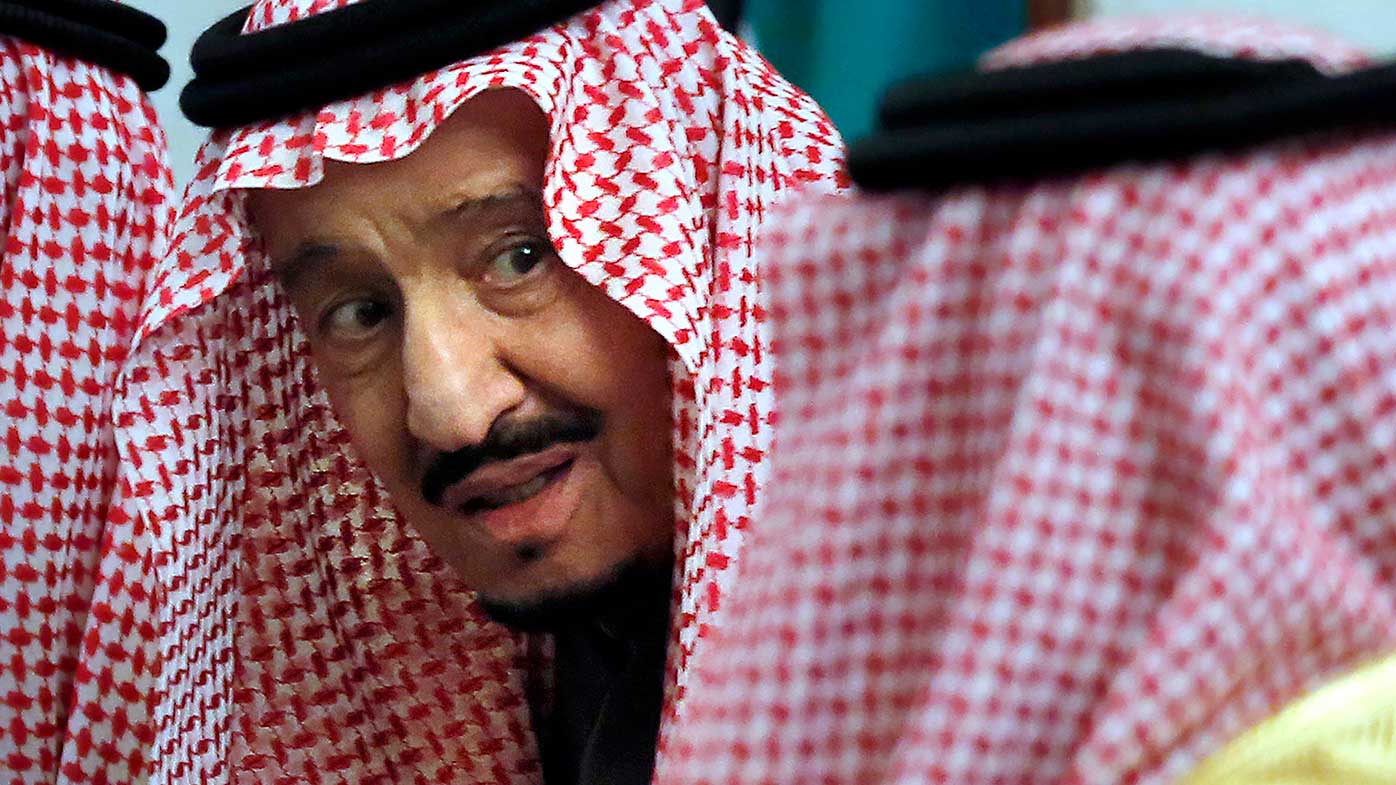
The current king, Salman, is the sixth son of Ibn Saud rule after coming to power in 2015. He has largely been a traditionalist, opposing the imposition of democracy and refusing to commute heavy punishments including prison sentences and lashes for blasphemy.
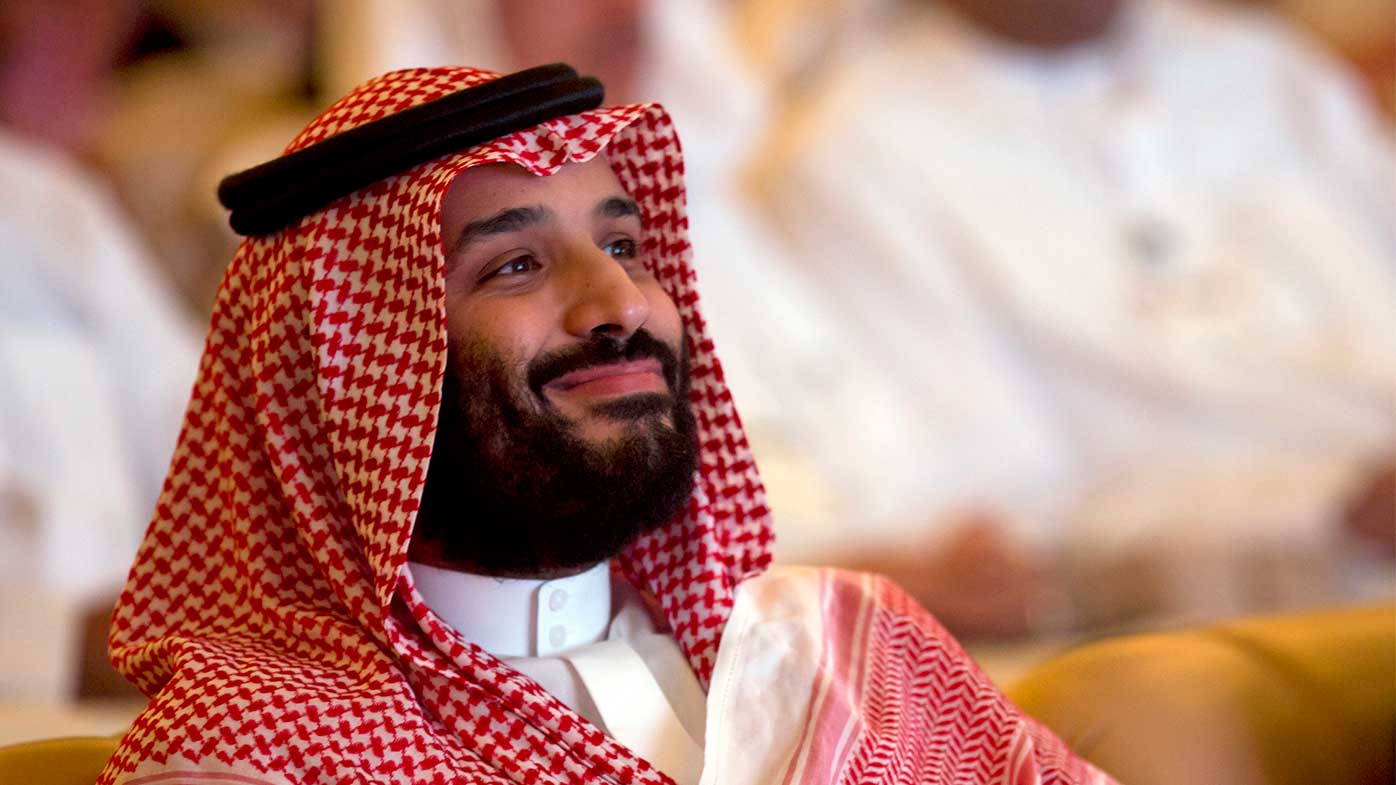
However, in recent years, it has been speculated the de facto ruler of the kingdom is his son Mohammed bin Salman, who was appointed Crown Prince in 2017, and has spearheaded a number of reforms, including a recent change to the law to allow women to drive.
READ MORE: Saudi crown prince likely approved Jamal Khashoggi's murder, says US
The prince also restricted the power of religious police and increased the access of women to the country's cultural arena, including concerts and soccer matches.
However, Mohammed bin Salman has also been criticised for a crackdown on human rights protests, and an increase in aggressive foreign policy that saw Saudi Arabia intervene in the Yemeni civil conflict, with devastating humanitarian consequences.
Since 2017 he has also sowed division in the royal family, including a "purge" involving the seizure of assets from hundreds of members – allegedly in the name of corruption – and more recent arrests of formerly senior royals believed to oppose the Crown Prince's gathering of power.
The murder of Khashoggi further called into question Prince Mohammed's reformist tendencies, though he has denied any involvement.
Five people sentenced to death over the reporter's death, but were spared after Khashoggi's family "forgave" them.
The richest royals in the world
Estimated to be the richest royal family in the world, it has historically been difficult to pinpoint the exact level of al Saud wealth, but they were collectively estimated by Bloomberg earlier this year to be worth US$95 billion ($121.3 billion).
However, other estimates, as reported by CNBC last year, put the family's net worth as high as US$1.4 trillion ($1.79 trillion).
By contrast, the UK royal family's net worth was last year estimated by Forbes to be US$88 billion ($112 million).
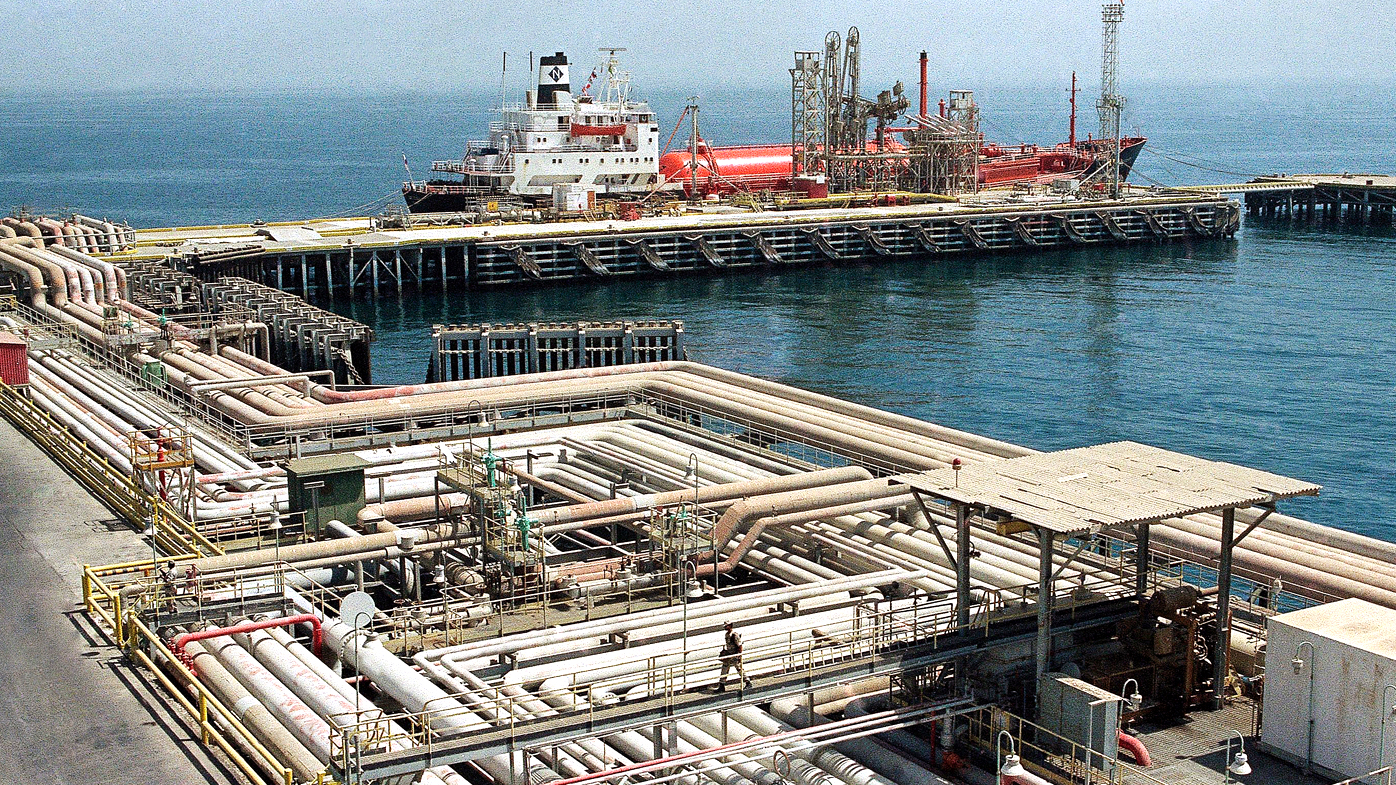
However, UK royal wealth is largely based on land ownership, while the al Saud family's fortune is built on oil, and their control of Saudi politics and business – including a close association with oil behemoth Aramco – makes it harder to track the full spread of their incomes.
King Salman is estimated to be personally worth US$18 billion ($23 billion), while estimations of the Crown Prince's wealth vary from US$1-$5 billion ($1.28-$6.39 billion).
Among Mohammed bin Salman's possessions is believed to be the world's most expensive painting, Leonardo Da Vinci's Salvator Mundi.
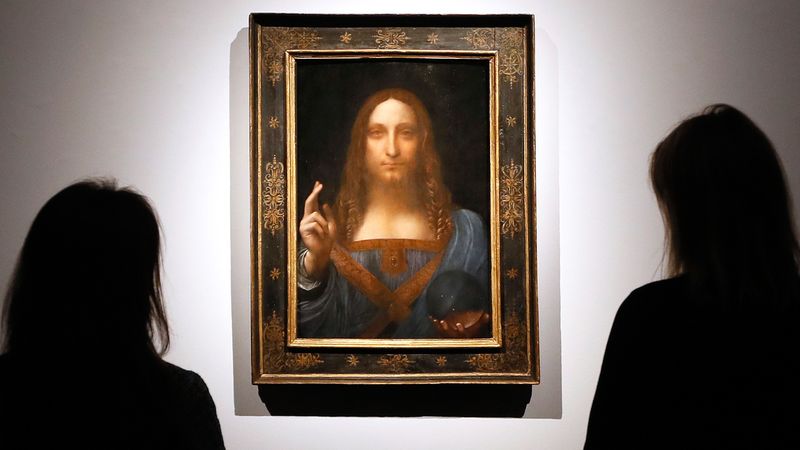
The painting of Jesus Christ last sold for a record US$450.3 million at auction in 2017 to Saudi Culture Minister Prince Badr bin Abdullah, who is believed to have been acting as a stand-in for the senior prince.
In 2019, Bloomberg reported the painting was being kept on Mohammed bin Salman's luxury yacht.
Porter denies historical rape claim
Attorney-General Christian Porter has identified himself as the Cabinet minister at the centre of an historical rape allegation and strongly denied the claims.
Mr Porter said he will not be standing down as attorney-general in the wake of the allegation.
He will instead be taking a short period of leave to improve his mental health.
LIVE UPDATES: Christian Porter denies historical rape allegation
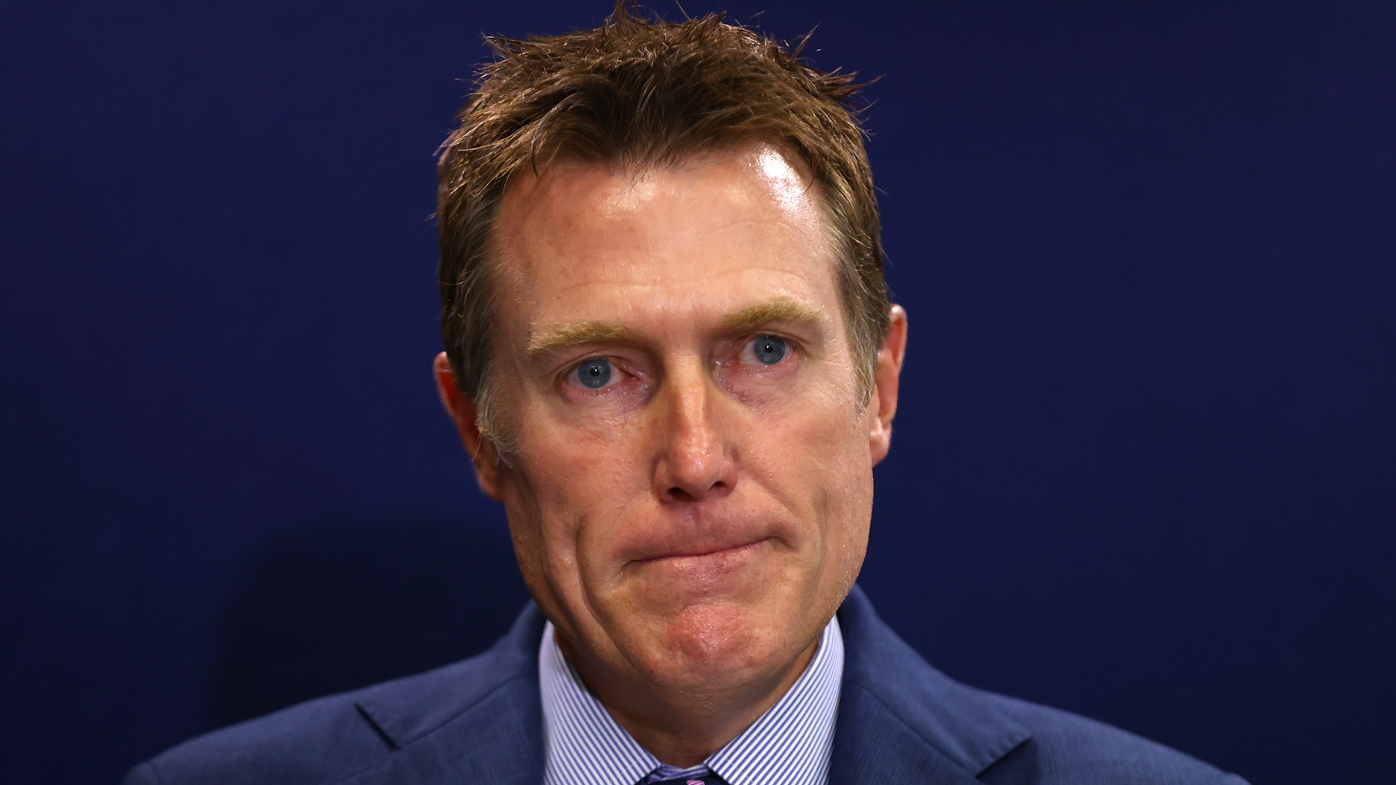
"I can say what has been put forward in allegations simply did not happen," Mr Porter said at a media conference in Perth this afternoon.
Mr Porter said standing down would set a precedent for anyone in Australia who has accusations presented to them.
"If I stand down from my position as attorney-general because of an allegation about something that simply did not happen, then any person in Australia can lose their career, their job, their life's work based on nothing more than an accusation that appears in print," Mr Porter said.
"If that happens, anyone in public life is able to be removed simply by the printing of an allegation.
"Every child we raise can have their lives destroyed by online reporting of accusations alone."
Michaelia Cash will take over Mr Porter's duties as attorney-general and industrial relations minister.
ANALYSIS: Chris Uhlmann on the Porter press conference
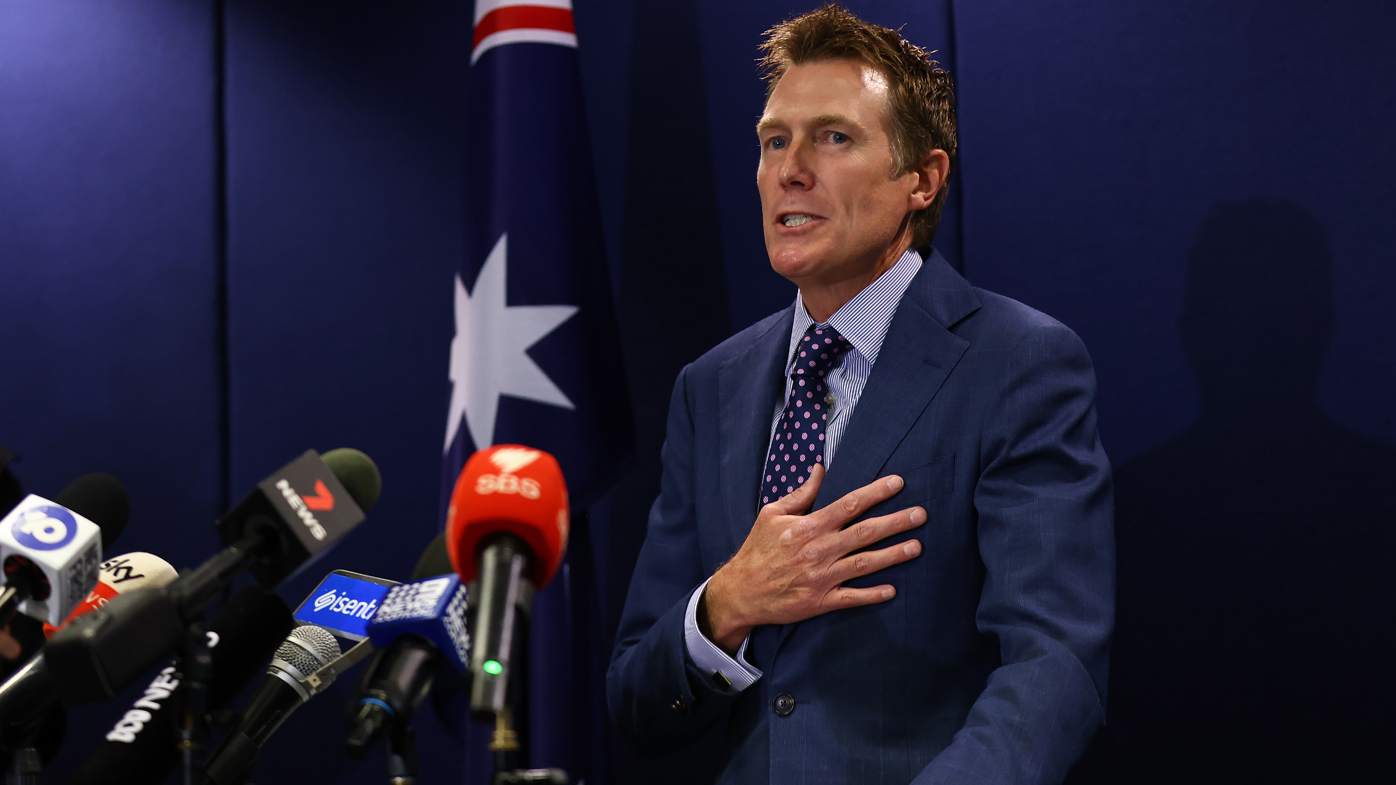
The allegation dates back to 1988 when the woman was 16 and before Mr Porter entered politics.
A document outlining the woman's claims was circulated to several politicians, including the office of Prime Minister Scott Morrison.
NSW Police yesterday said it had closed its investigation into the allegation.
Police said in a statement it had sought legal advice about the case which determined there was "insufficient admissible evidence to proceed".
The woman who made the allegation first went to police in Adelaide in November 2019 and the matter was referred to NSW Police in February last year.
The woman took her own life in June.
Mr Porter said he had not had contact with the complainant involved in the allegations since they last spoke in 1988.
He said he had never seen the statement from the complainant which detailed the allegations nor had any formal or substantive detail presented to him.
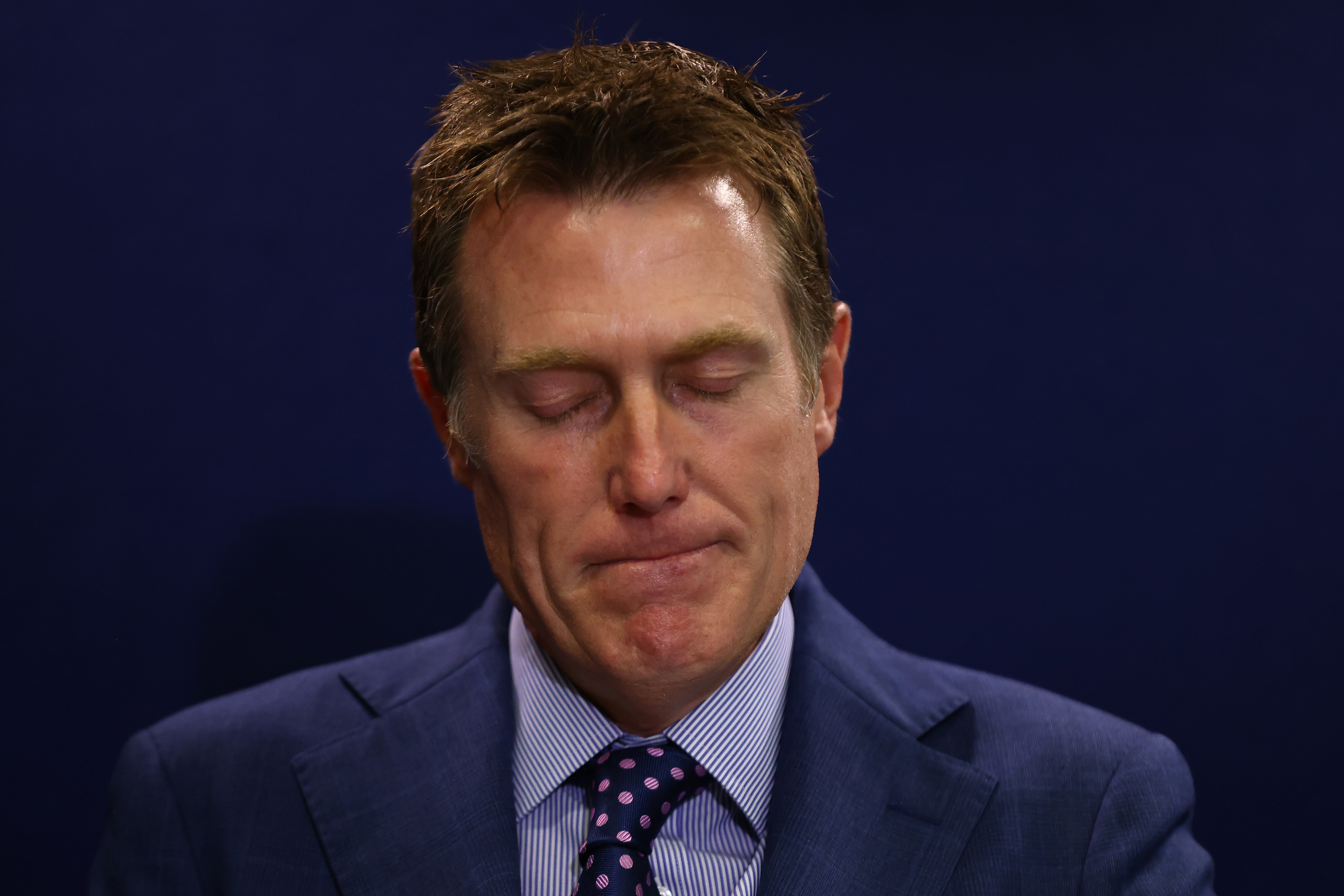
The attorney-general said he first heard of rumours around November last year, but nothing formal was presented to him.
He said no journalist had presented the allegation to him in a way that allowed for a response.
"None of the senior politicians or ex-politicians that have known about these allegations and rumours put them to me," Mr Porter said.
"No journalist has put the detail of the allegations to me in a way that would allow seeking a response, not ever.
"All I know about the allegations is what I have read in the media."
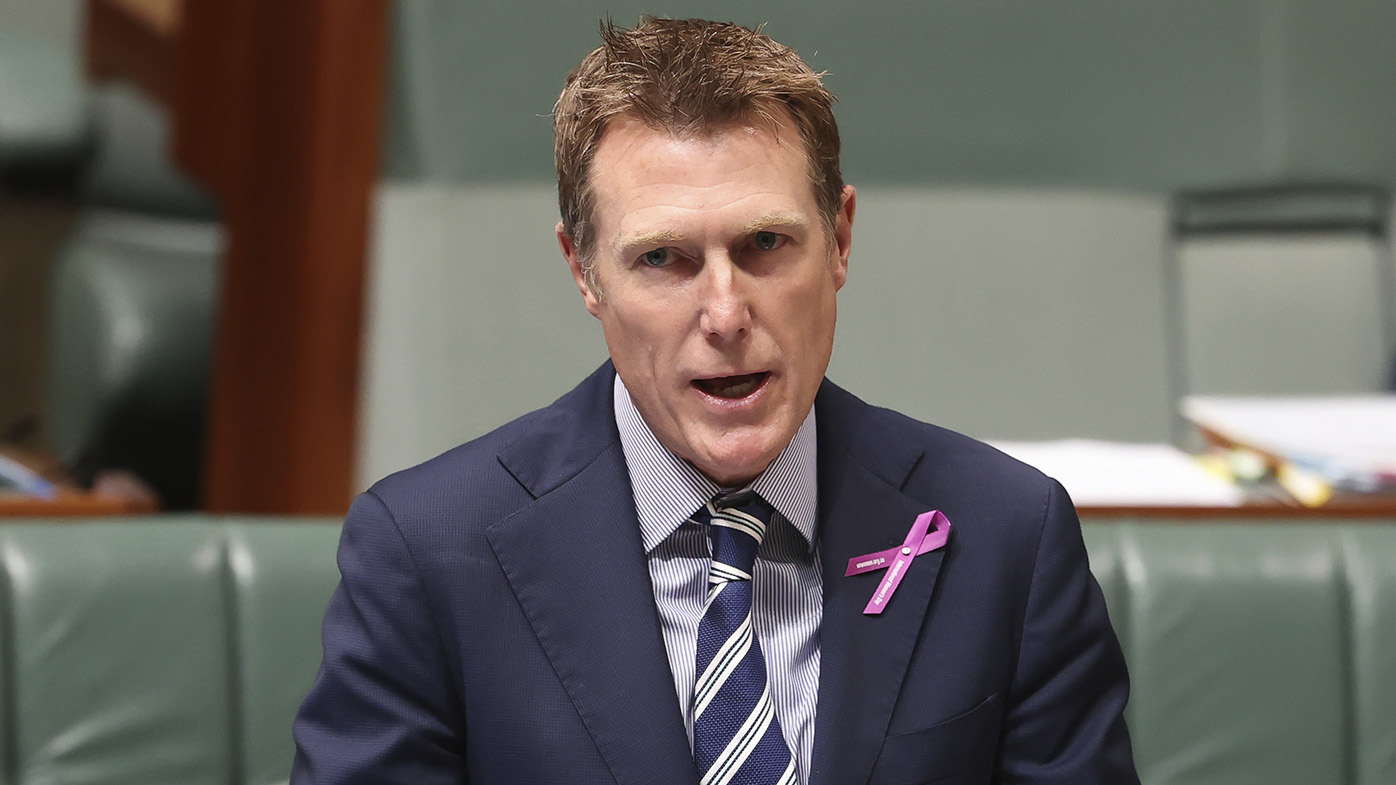
Mr Porter opened his media conference by addressing the parents of the woman who made the allegation.
"You did not deserve the frenzied circumstances of this past week," Mr Porter said.
"I hope you can understand that."
Earlier today, the woman's family released a statement requesting privacy.
"The family of the deceased do not wish to make any comment in relation to this matter as they continue to experience considerable grief arising from this loss," a statement released through lawyer Shona Hoskins read.
"They request that their privacy be respected during this difficult time."
Readers seeking support can contact Lifeline on 13 11 14, the Suicide Call Back Service on 1300 659 467 or suicidecallbackservice.org.au and Beyond Blue on 1300 22 4636.
Grace Tame takes aim at PM's response to Higgins rape claims
Australian of the Year Grace Tame has taken aim at the rhetoric used by Australia's male leaders, including Prime Minister Scott Morrison, to discuss sexual assault and abuse.
In an address to the National Press Club this afternoon, Ms Tame said she was not surprised by the recent rape allegations which have rocked Australian politics.
"Cover-up culture, the abuse of power, is not unique to Parliament…it happens everywhere," she said.
READ MORE: Now all of Australia knows Grace Tame's name
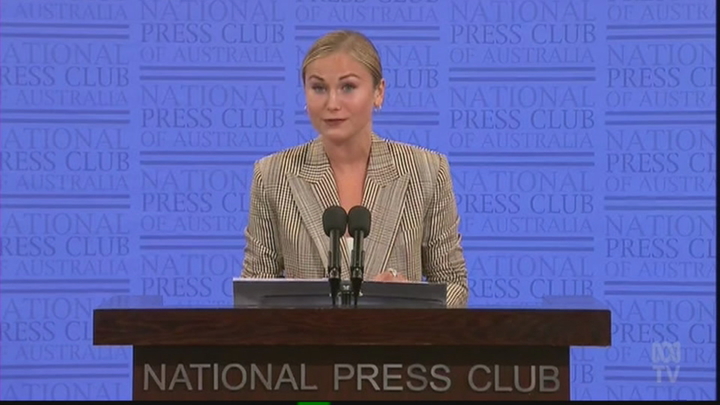
The response of Australia's political leaders to the allegations was also characteristic of the current culture, she said.
Ms Tame was questioned about Mr Morrison's reaction to rape claims made by former Liberal staffer Brittany Higgins against a male colleague, in which Mr Morrison talked about speaking to his wife Jenny who helped him "clarify" how he felt "as a father" about the allegations.
"It shouldn't take having children to have a conscience," Ms Tame said in response.
"And, actually, on top of that, having children doesn't guarantee a conscience."
Ms Tame also criticised comments made by Defence Chief Angus Campbell, who reportedly told the new recruits at the Australian Defence Force Academy in Canberra to protect themselves by avoiding the attention of would-be predators.
General Campbell said "young attractive people" needed to be aware of risk factors such as alcohol and being out and alone after midnight.
Ms Tame said the remarks were "really unhelpful".
"I'm not judge, jury and executioner, but that's not helpful rhetoric at all," she said.
"That feeds the idea that this is something that a victim has to foresee and stop themselves, if they're to blame," she said.
Ms Tame, 26, was groomed and raped by her 58-year-old maths teacher when she was 15.
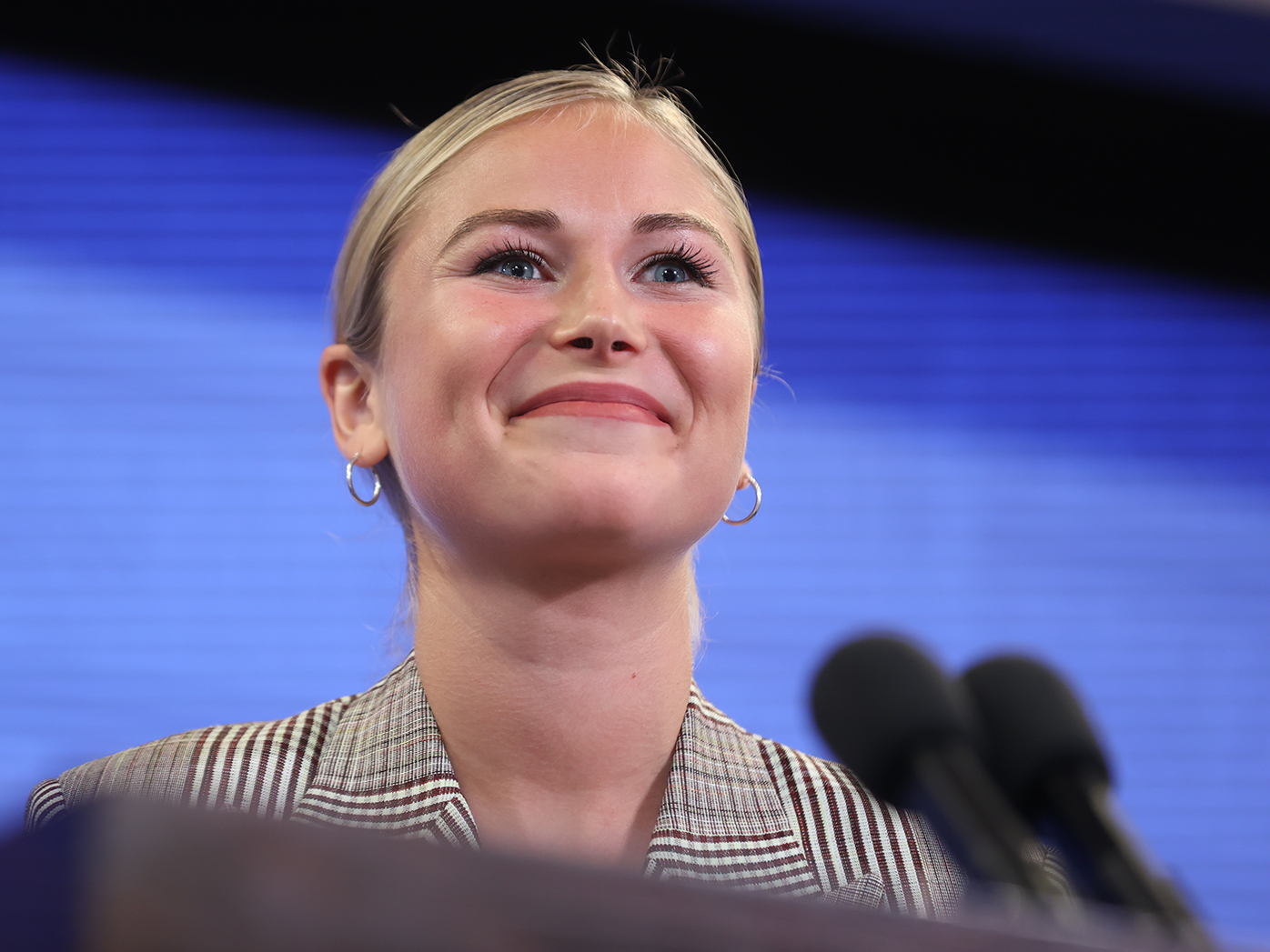
He was convicted and jailed, however under Tasmania's sexual-assault victim gag laws, Ms Tame couldn't legally speak out about her experience – despite the perpetrator and media being free to do so.
Ms Tame urged State and Federal governments to undertake policy reform on sexual assault on a national level.
She called for more education in schools on grooming and a national system that supports survivors.
"We need to agree on something as absolute as what consent is," she said.
"We need a uniform, state and federal, national standard definition of consent. Only then can we effectively teach this fundamentally important principle consistently around Australia."
Readers seeking support can contact Lifeline on 13 11 14, the Suicide Call Back Service on 1300 659 467 or suicidecallbackservice.org.au and Beyond Blue on 1300 22 4636.
Police divers search waters near Melissa Caddick's home
Police divers have searched the waters near where Melissa Caddick is believed to have disappeared.
A trainer containing remains of a foot washed up on a beach in Tathra on the NSW South Coast last weekend. DNA testing later confirmed the remains were Ms Caddick's.
More human remains were found on Mollymook beach but yesterday NSW Police said they do not belong to Ms Caddick.
READ MORE: Human remains on Mollymook beach not connected to Melissa Caddick
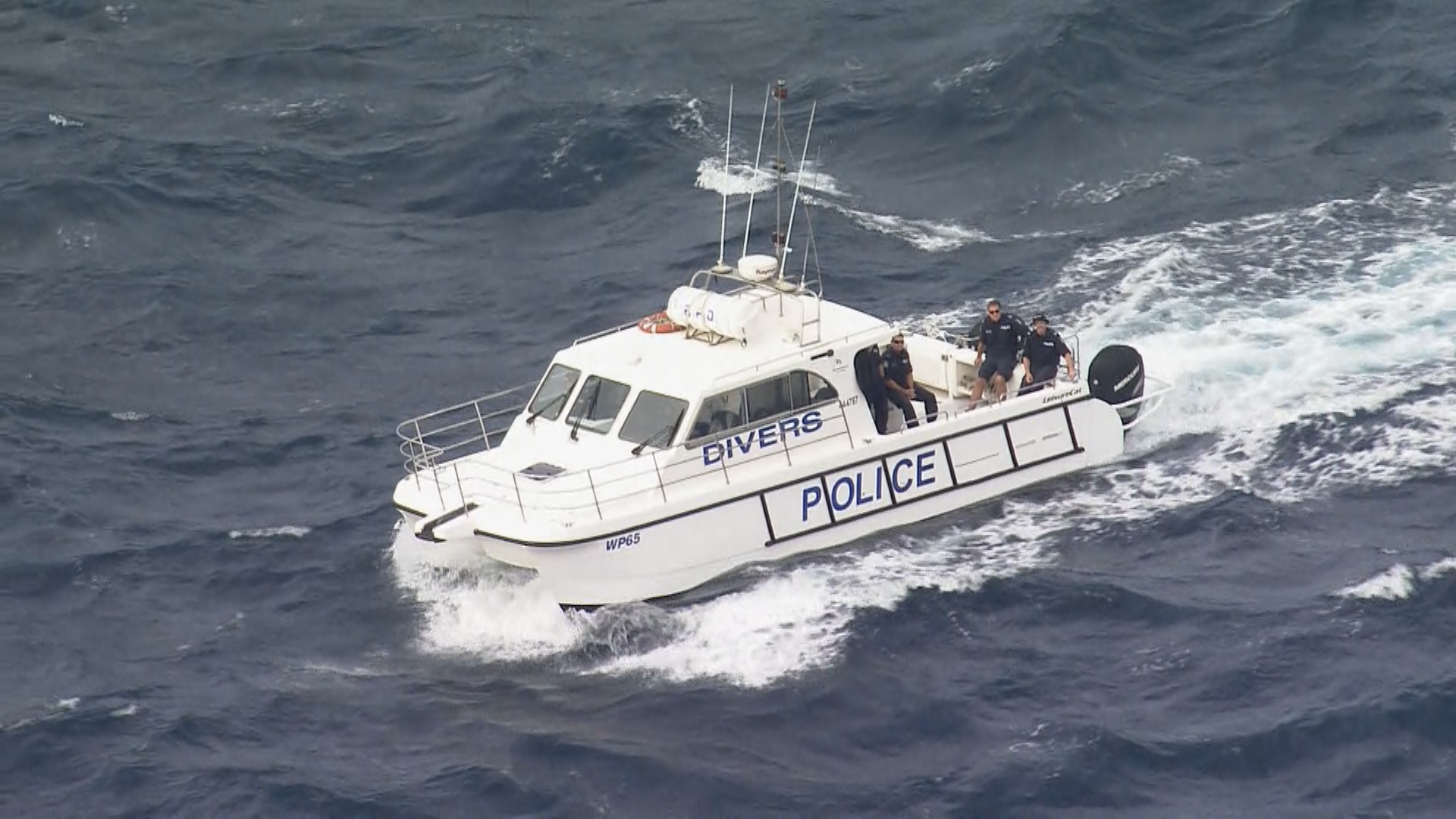
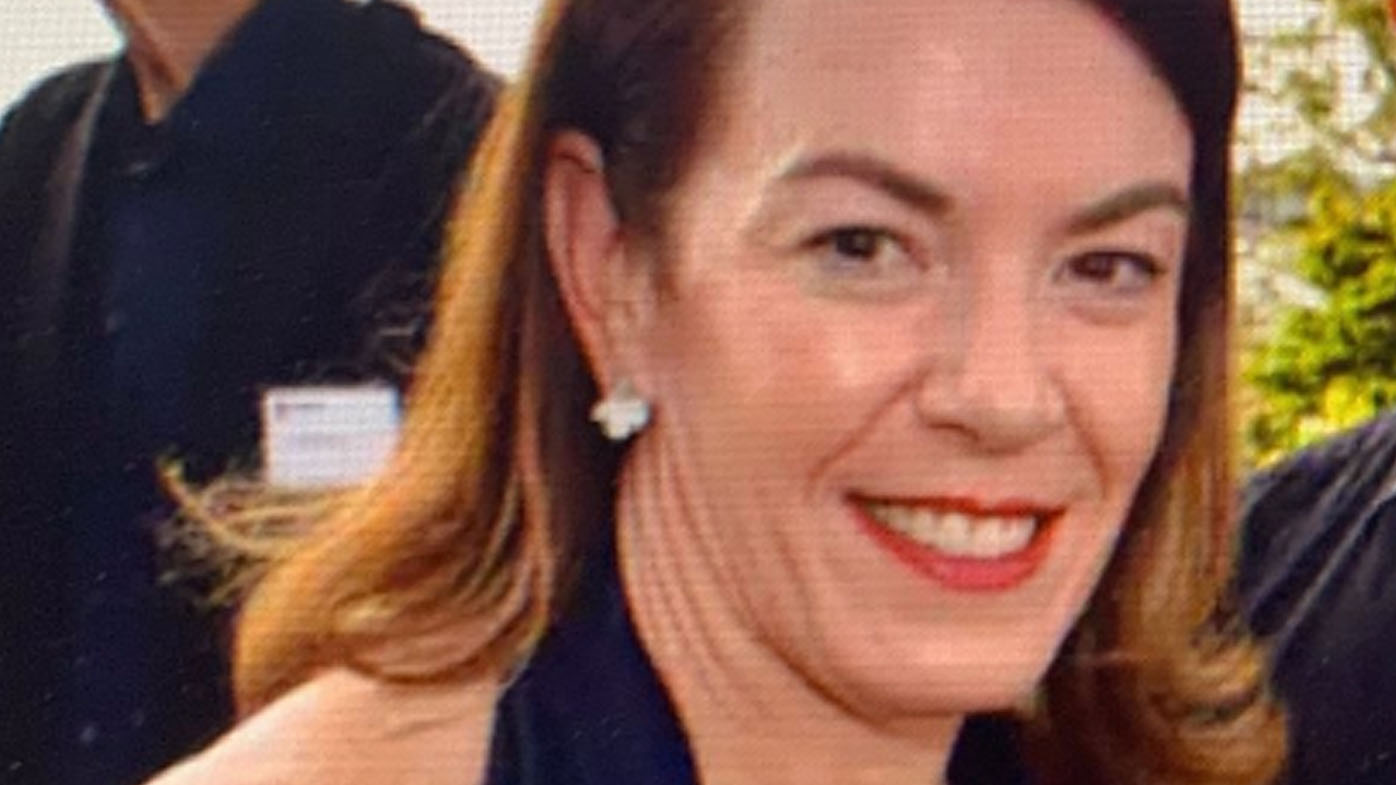
Today divers surveyed the waters and cliffs around Dover Heights, then left.
Offshore drift modelling found a body which entered the water near Ms Caddick's home in Dover Heights, in Sydney's affluent eastern suburbs, may have drifted to the South Coast over time.
Ms Caddick disappeared on November 12 last year after leaving her home for what her husband believed was a morning run at 5.30am.
READ MORE: Melissa Caddick used Commonwealth Bank letterheads on fake documents
Business leaders push plan to restart international travel this year
Business bosses have unveiled a plan to restart international travel that would see Australians heading overseas again before the end of the year.
The Business Council of Australia, made up of the CEOs of Australia's top companies, wants to see international borders start to reopen once all Aussies over 50 years of age have been vaccinated against the coronavirus.
They say the plan would help Australia avoid another $170 billion economic hit.
READ MORE: Australia's COVID-19 vaccine rollout: When will I be eligible to receive the jab?
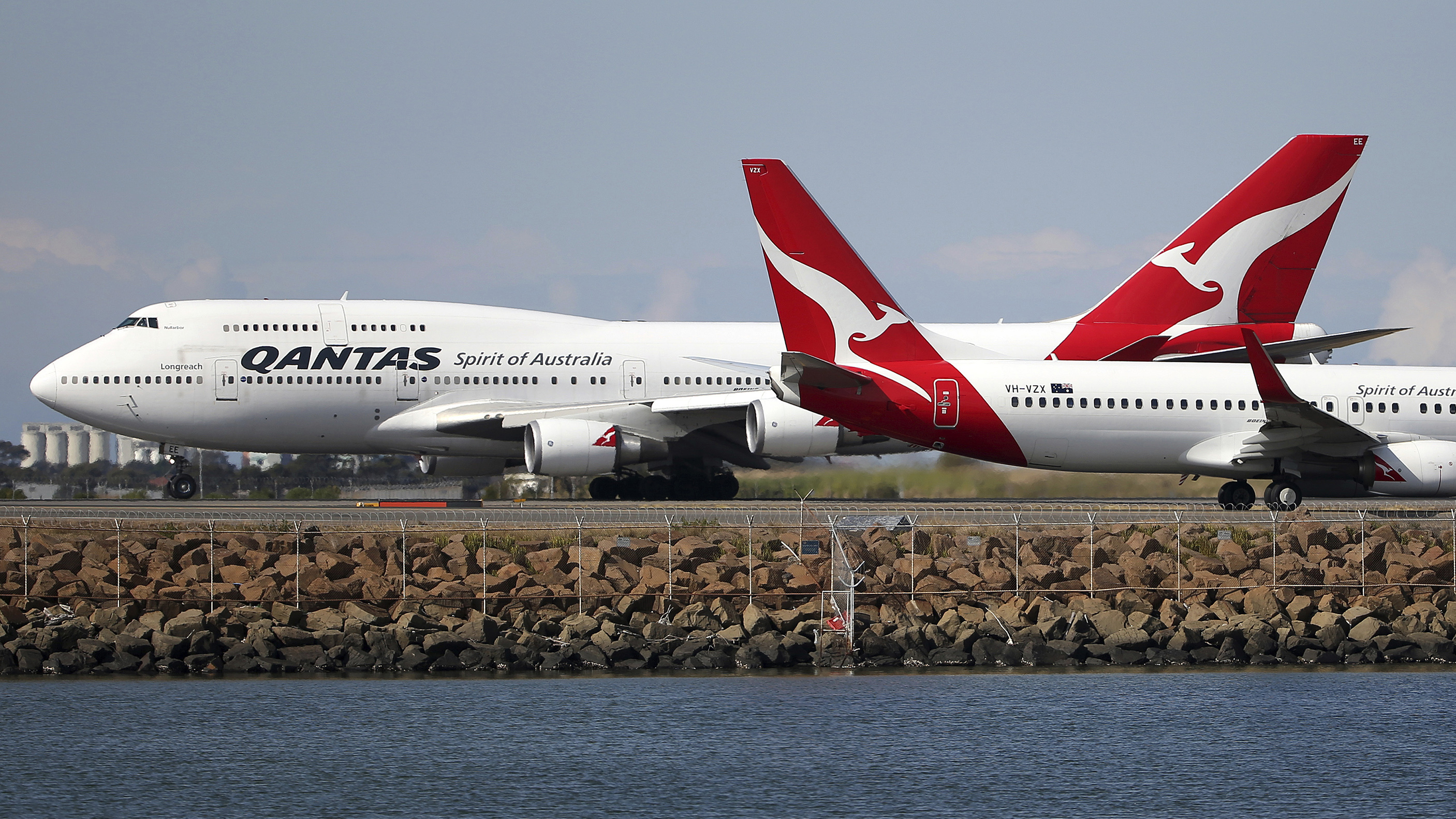
The government said the vaccine rollout should be complete by October, with over-50s vaccinated just ahead of the general population.
Qantas has also said it wants to restart international flights in October.
Business Council chief executive Jennifer Westacott called for a shift in attitude, asking for leaders to shift from reporting numbers of cases to numbers of people vaccinated.
She wants the National Cabinet to give people the ability to plan travel and end snap domestic lockdowns for good.
"Sectors like tourism, where employment has halved since the pandemic began, will continue to be hard hit while international borders are closed," Ms Westacott said.
READ MORE: Airports want kickstart of international travel 'within months'
"With carefully targeted support we can position these businesses to ramp back up and re-create jobs once it is safe to do so."
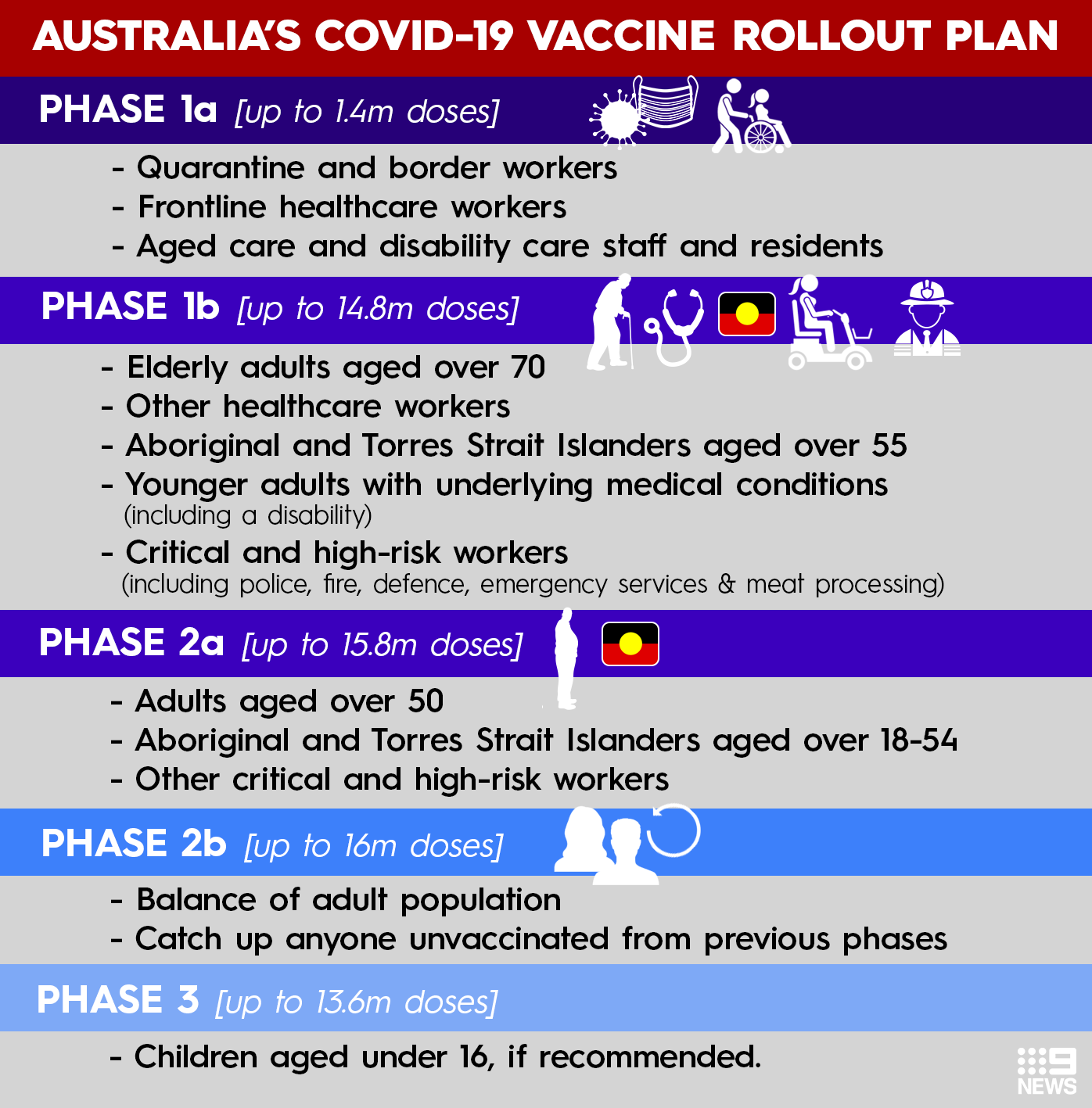
The BCA outlined what it wanted to see at each of the government-defined vaccination stages.
Stage 1a is currently underway but the Army will be brought in to help amid delays.
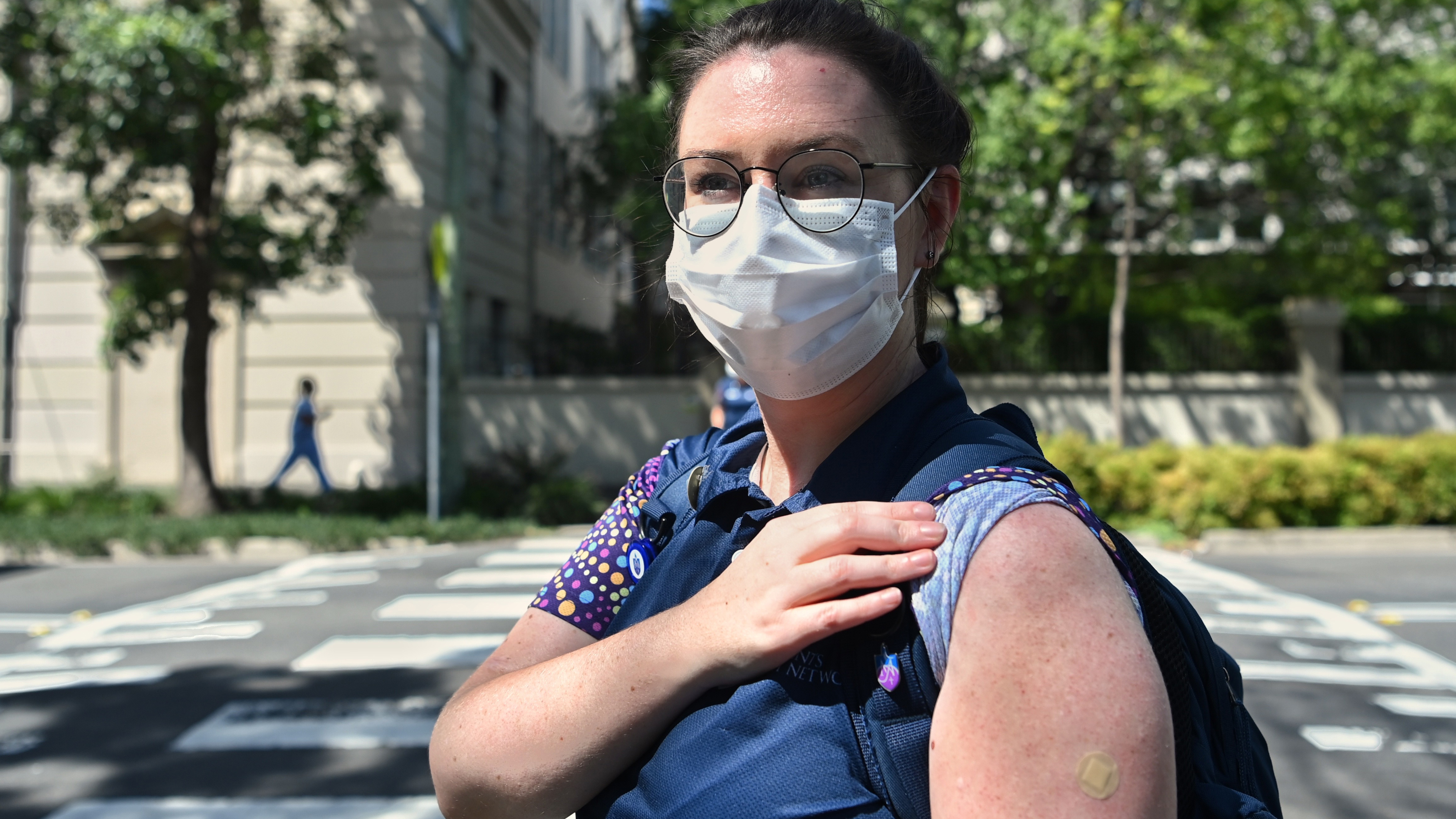
At the end of phase 1b — when more than a quarter of the population will be vaccinated including frontline and health workers, those more vulnerable and everyone over 70 — domestic borders should stay open for good, it says.
Capacity limits on venues should also be abandoned.
When Australians over 50 are vaccinated in stage 2a, the BCA wants international borders open, including to students, who add billions of dollars to the economy.
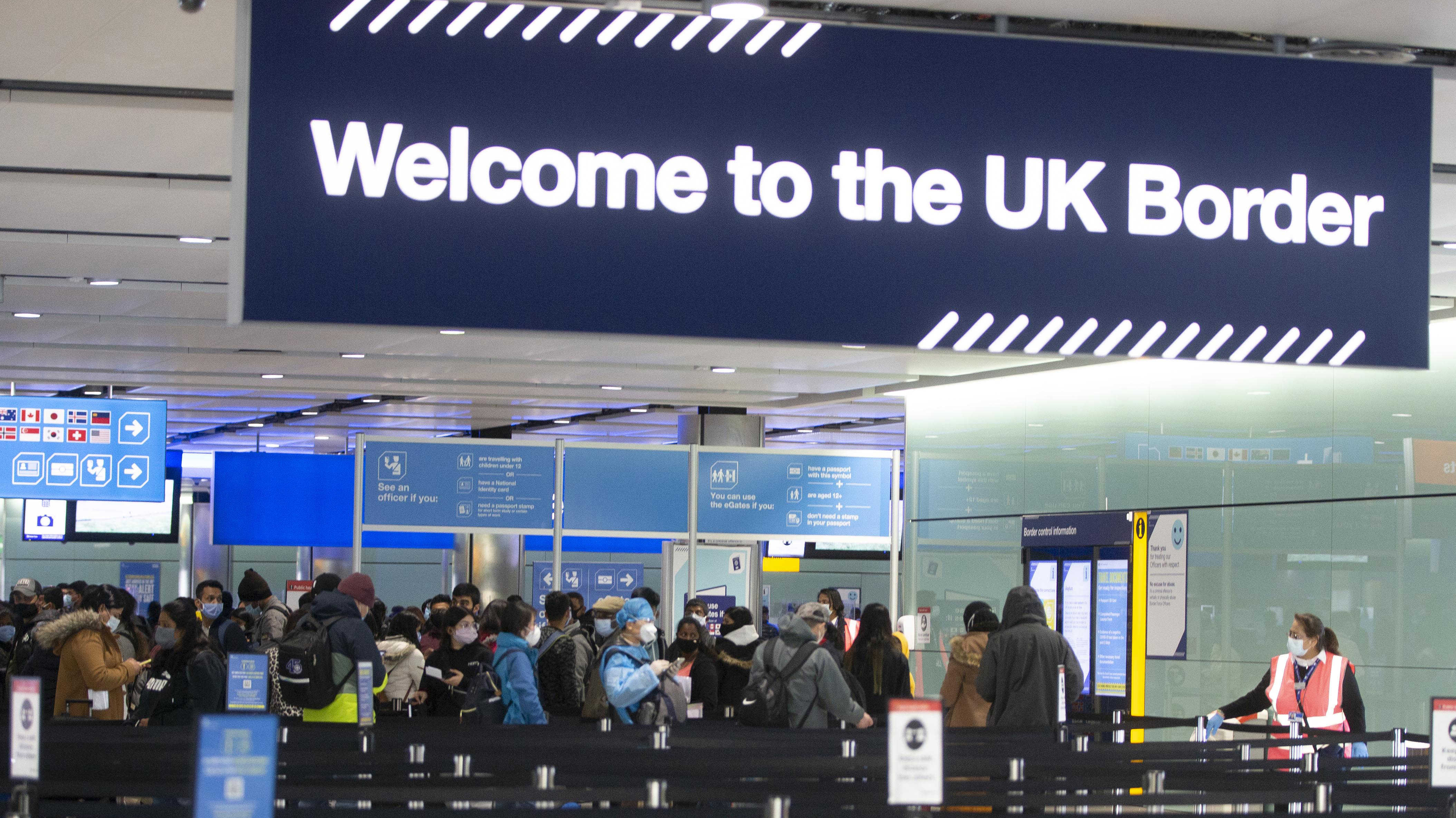
But government bosses have indicated hotel quarantine will stay in place for some time, with priority given to returning Australians still stranded overseas and in-demand workers.
That means strict flight caps that have forced airlines to fly with only about 30 passengers per plane could remain.
READ MORE: International border ban extended to June
During stage 2b, when everyone over 18 has received the jab, vaccine corridors will enable international travel among low-risk countries, the council argues.
There are no clear dates in place for these phases but the federal government wants the rollout complete by the end of October.
The BCA report, called Shifting gear: three steps to safely, quickly and permanently reopen Australia in 2021, was based on research and data produced by Accenture.
"Now that we know much more about the virus and have a clear vaccination rollout plan, there should be no excuse for knee-jerk reactions," Ms Westacott added.
"Domestic border closures cost Australia $2.1 billion a month and over 52 per cent of Australians say they won't travel, not because of fear of the virus, but because they fear snap border closures.
"The Morrison government's comprehensive plan to roll out the vaccine is our best opportunity to open key sectors of the economy and keep them open as more people are protected."
Ms Westacott said every vaccination reduced the risks from the coronavirus, so it made sense to phase out restrictions at the same time.
"Once and for all, it's time to end arbitrary border closures, patchwork restrictions that aren't based on risk and get serious about giving Australians the certainty to plan no matter where they are in the county," she said.
On Wednesday, the international travel ban was extended until June but was expected to last longer.