A jury will soon decide what happened in the “very moment” a woman fatally shot her partner in rural Auckland, believing he was an intruder. Amy Christine Smith is on trial in the High Court at Auckland accused of murdering Danny…
Tag Archives: oceania
Man remanded in custody over Northland police dog shooting
A man who allegedly shot a Northland police dog has been further remanded in custody.A 30-year-old man appeared in Whangārei District Court today on a raft of charges, including allegedly shooting the police dog at Tangowahine…
Covid 19 coronavirus: Raro still go – Cook Islands still confident travel bubble on track despite Auckland's lockdown
Auckland’s lockdown hasn’t derailed the Cook Islands’ hope that there’ll soon be a quarantine-free travel bubble.Cook Islands private sector taskforce chairman Fletcher Melvin said while the latest cases had caused concern they…
Avalanche that killed Australian police officer Nathan Deutschbein results in safety recommendations
The death of an Australian police officer caught in a deadly South Island avalanche has resulted in a raft of safety recommendations for other New Zealand mountaineers. Nathan Deutschbein, a New South Wales police officer and father…
Iceberg bigger than New York City broke off ice shelf in Antarctica
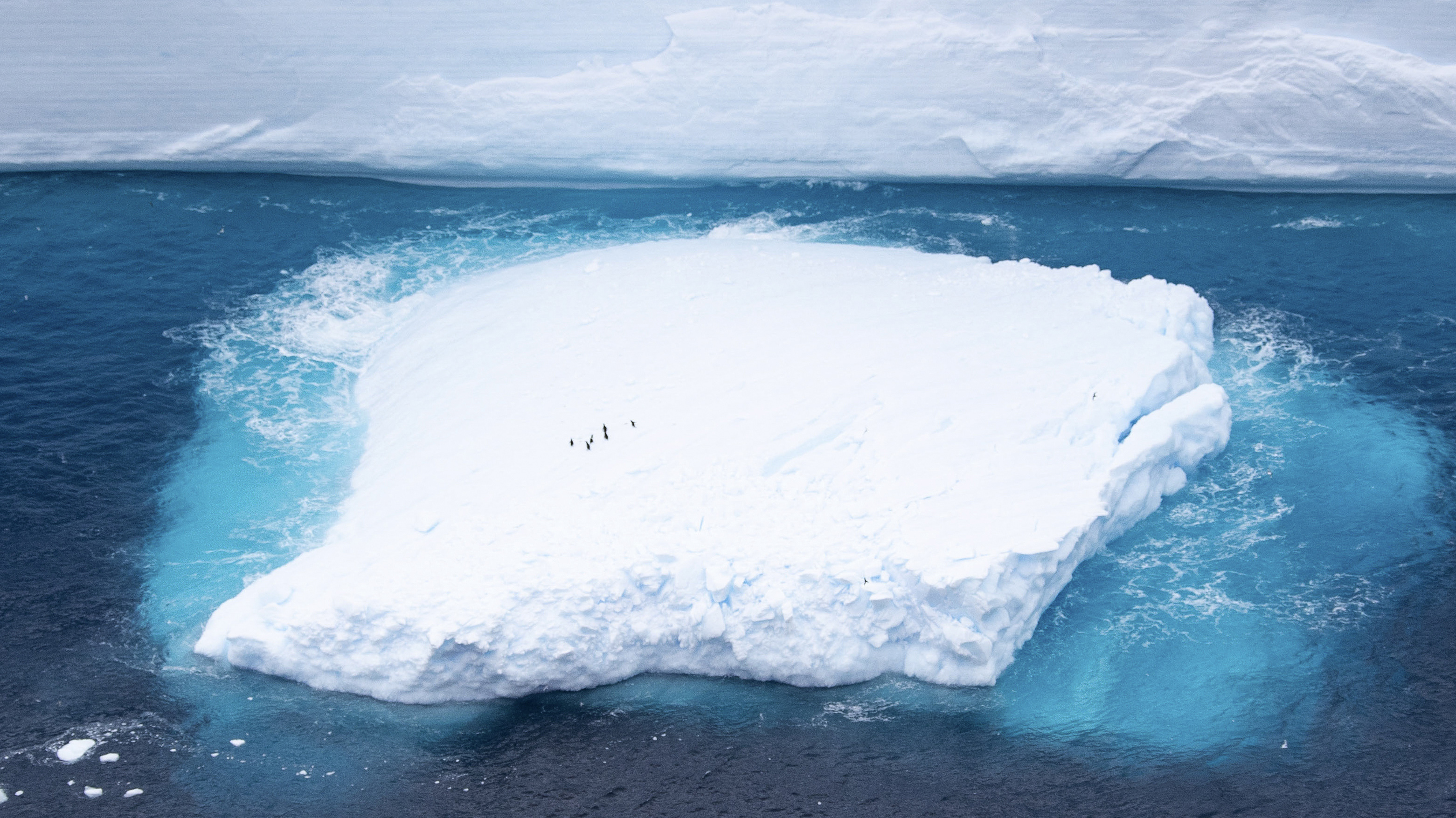
A giant iceberg broke off the Brunt Ice Shelf in Antarctica on Friday, not far from a British scientific outpost.
The 1270 square kilometre chunk of ice is bigger than New York City and broke free in a process called calving, according to a statement from the British Antarctic Survey (BAS).
The BAS's Halley Research Station, located on the Brunt Ice Shelf, is closed for the Antarctic winter and its 12-person staff left earlier this month.
READ MORE Strange life forms found under Antarctic ice
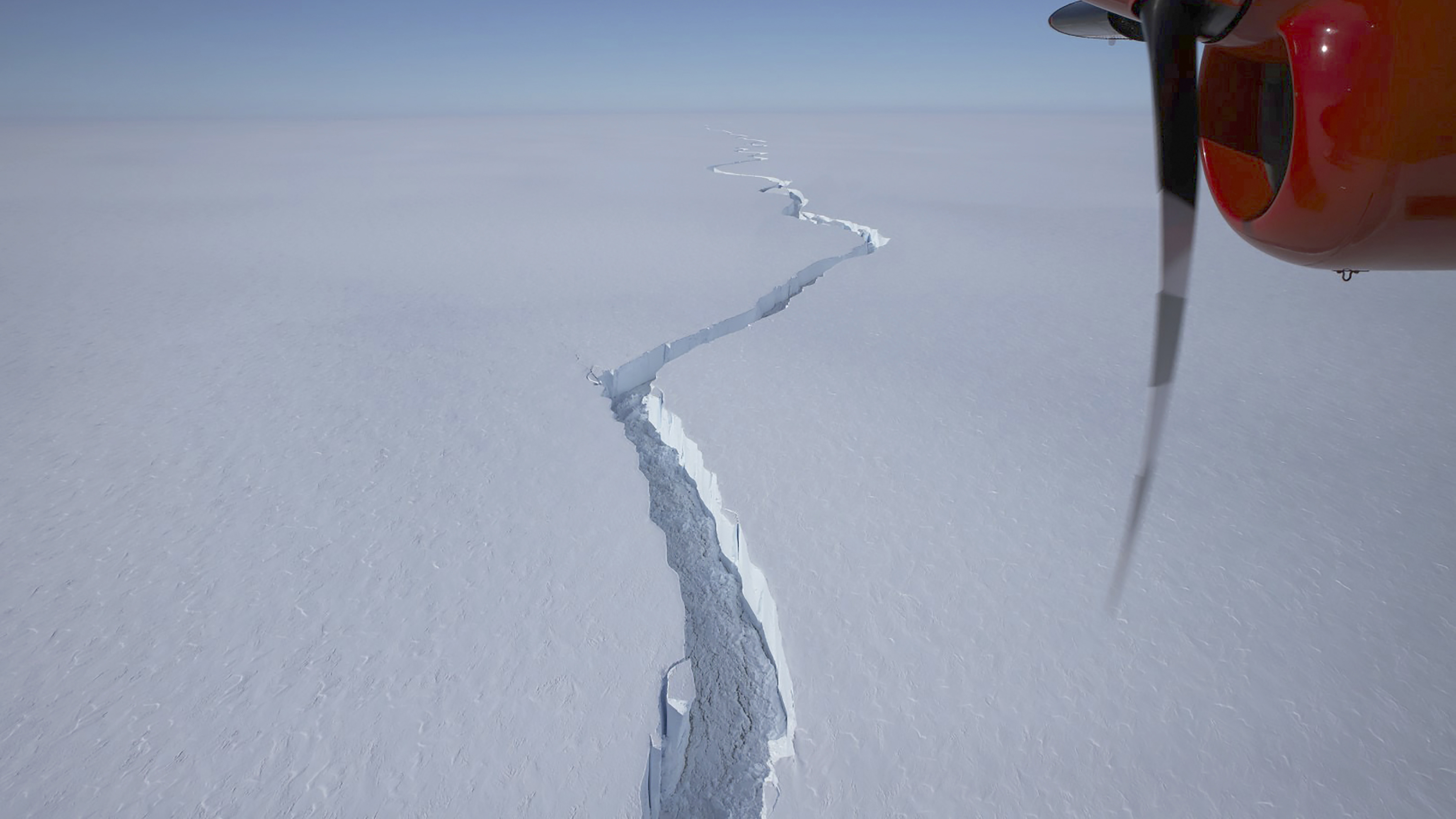
Scientists have been expecting a large iceberg to break away for years because of vast cracks that have formed in the 150-metre-thick floating ice shelf, according to the BAS.
A new chasm, known as the North Rift, started moving toward another large crack in November and grew a kilometre a day in January.
Aerial video taken in mid-February shows the North Rift stretching as far as the eye can see.
READ MORE: The Arctic hasn't been this warm for three million years
The crack widened to several hundred meters on Friday morning – freeing it from the rest of the ice shelf, the BAS said.
https://twitter.com/BAS_News/status/1365296381443919874?ref_src=twsrc%5Etfw
"Our teams at BAS have been prepared for the calving of an iceberg from Brunt Ice Shelf for years," said BAS Director Jane Francis in the statement.
She said they get daily updates on the ice shelf from an automated network of high-precision GPS instruments as well as satellite images.
"All the data are sent back to Cambridge for analysis, so we know what's happening even in the Antarctic winter, when there are no staff on the station, it's pitch black, and the temperature falls below minus 50 degrees C," she said.
https://twitter.com/BAS_News/status/1365706092341309444?ref_src=twsrc%5Etfw
The BAS moved the Halley Research Station farther inland in 2016 as a precaution and staff have only worked there during the Antarctic summer since 2017 because evacuations would be difficult during the dark winter.
READ MORE How Antarctica will stay coronavirus-free as new arrivals land
"This is a dynamic situation. Four years ago, we moved Halley Research Station inland to ensure that it would not be carried away when an iceberg eventually formed.
"That was a wise decision," BAS Director of Operations Simon Garrod said in the statement.
"Our job now is to keep a close eye on the situation and assess any potential impact of the present calving on the remaining ice shelf."
An even bigger iceberg broke away from the Larsen C Ice Shelf in 2017 and floated into the open ocean late last year.
There have been six Halley Research Stations in place on the Brunt Ice Shelf since 1956 to make atmospheric and space weather observations.
The ice shelf flows toward the sea at a rate of about 2km per year and icebergs break off at irregular intervals.
"Change in the ice at Halley is a natural process and there is no connection to the calving events seen on Larsen C Ice Shelf, and no evidence that climate change has played a significant role," according to the BAS.
Scientists are now watching the iceberg to see what it will do next.
"Over coming weeks or months, the iceberg may move away; or it could run aground and remain close to Brunt Ice Shelf," Ms Francis said in the statement.
Mum hits out at delays to Kmart safety rollout after son injured
A Victorian mum has questioned why retail giant Kmart is yet to fully implement promised safety improvements after her son was injured by a clothing rack hook.
Kirsty Colbert was shopping with her four-year-old son Alexander at Kmart's Delecombe store last Tuesday when the accident happened.
Kmart is in the process of attaching plastic covers to the hooks nationally but say there had been some delays due to COVID-19 border closures, although the rollout was still proceeding relatively to plan.
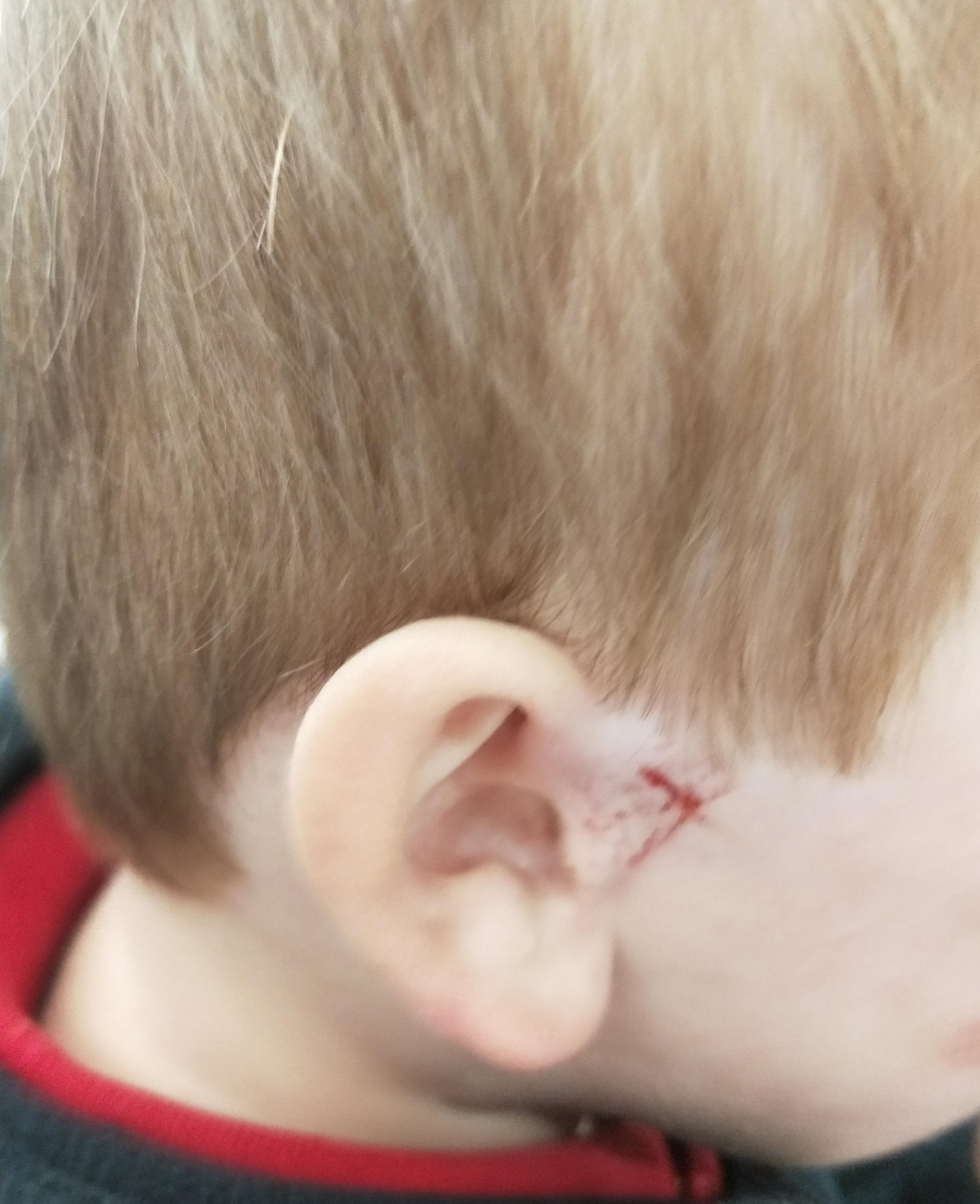
"We were just walking around Kmart and he looked away for a second from where he was walking. The next minute he turned around and walked straight into the metal hook," she said.
Ms Colbert said her son was left with a nasty cut, bruise and swelling where the hook hit his face just above his ear.
"There was blood all on the side of his face," she said.
Ms Colbert said the scary thing was how easily the accident happened.
"It was not like he was being silly, or running or anything. Those hooks are really dangerous and sharp," she said.
WARNING GRAPHIC IMAGES BELOW
Last year, nine.com.au published a series of articles detailing the cases of several children who suffered horrific eye injuries after colliding with the same clothing hooks at Kmart and Target stores.
The hooks are used industry wide and often placed at the eye level of toddlers.
Those injured include six-year-old Cecilia Chan who almost lost her eye and needed two surgeries after colliding with one of the hooks while shopping with her grandmother at a Kmart store in Chatswood, Sydney.
Weeks before Cecilia's accident, five-year-old Saad was impaled in his eye socket by a hook at Target's Parramatta store in Sydney.

After nine.com.au's investigation, Kmart and Target – both owned by Wesfarmers – conducted a safety review and promised to install plastic covers on all apparel arm hooks at Australian and New Zealand stores.
The roll-out was due to be completed by early this year and involved altering 1.2 million apparel hooks at Kmart stores and 900,000 in Target stores.
A Kmart spokesperson said there had been some delays due to border closures but the rollout was still proceeding relatively to plan.
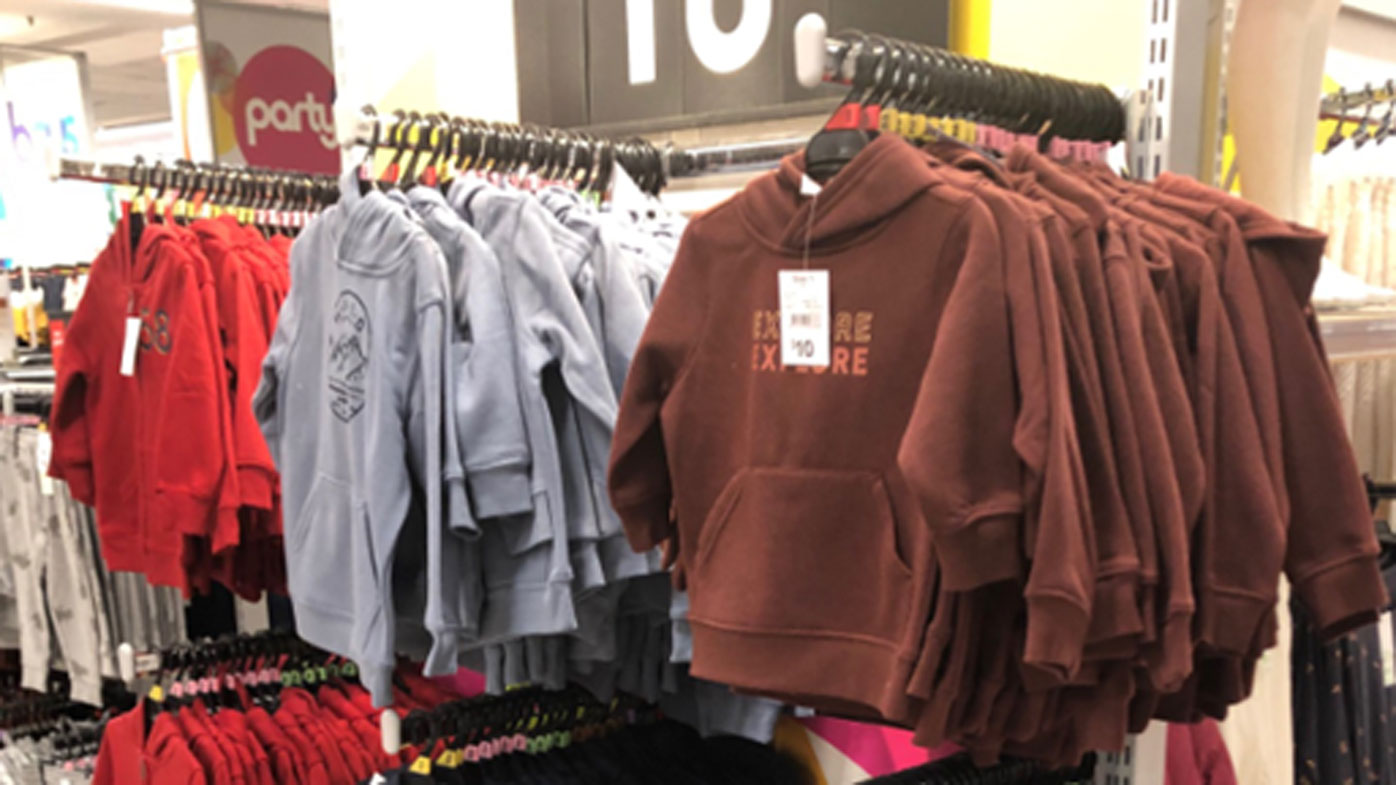
The plastic covers have not yet been installed on hooks at the Delecombe store where Ms Colbert's son was injured.
Ms Colbert said she was horrified to hear about the serious injuries other children had suffered.
"That is the exact same hook that has caused all of these injuries. They should have removed those hooks as soon as this happened," Ms Colbert said.
"Why were they left here when they know the risk and why are they still like it today?"
The Kmart spokesperson said customer safety was the company's "highest priority".
"We were sorry to learn of the recent injury suffered by a child in our Delecombe store on an apparel arm," he spokesperson said.
"While we are glad the injury wasn't more severe, this reinforces the potential safety risk around these arms and is why we are currently rolling out plastic caps across all apparel arms in our stores in Australia and New Zealand."
Contact reporter Emily McPherson at em********@******om.au.
Is COVID to blame for the deadliest avalanche season in the US?
The coronavirus pandemic has wreaked havoc on the US economy, health care system and schools.
Some experts say it's also to blame for a recent spike in avalanche deaths. Seriously.
So far this winter season, 33 people have died in US avalanches, according to the Colorado Avalanche Information Centre (CAIC).That's not far from the record 36 deaths set in 2008 and reached again in 2010.
READ MORE: Cyclone warning for Far North Queensland
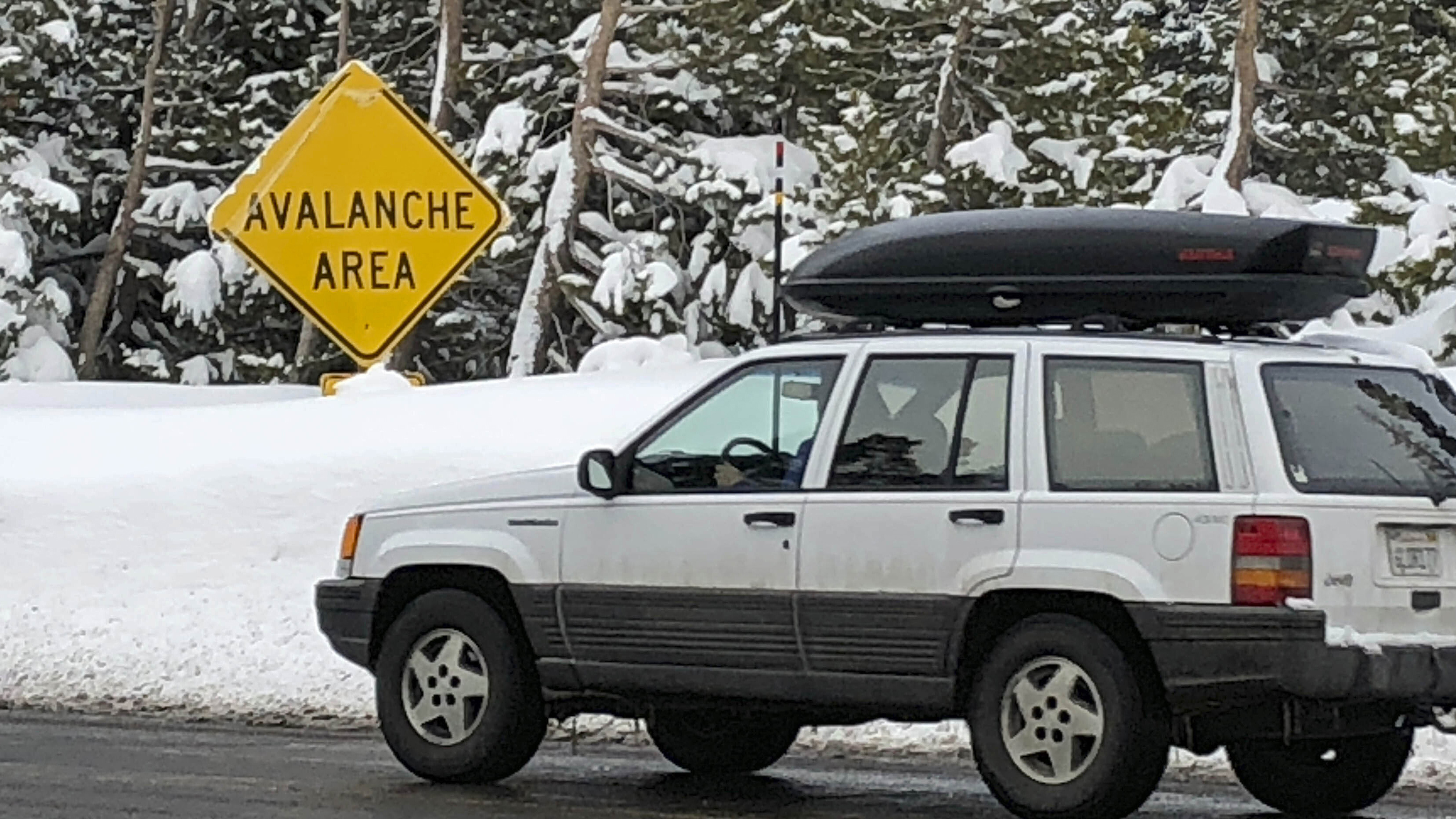
But a unique combination of climate- and pandemic-related trends could see the US break the record. Here's why:
Climate creates avalanche conditions. The National Oceanic and Atmospheric Administration (NOAA) says the three factors needed for an avalanche to occur are a slope, snowpack and a trigger.
Slope is obvious. But snowpack refers to the accumulation of snow on the ground.
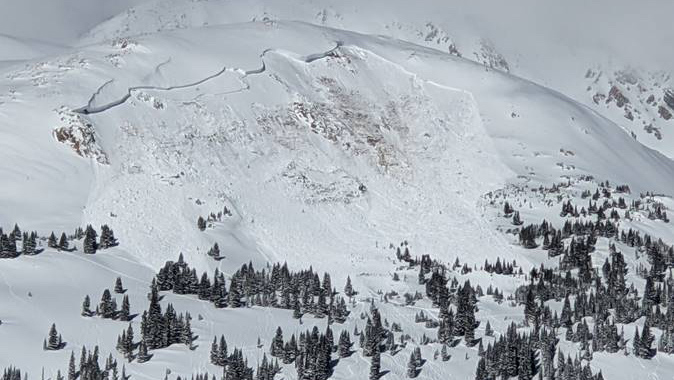
Every storm brings a different type of snow, which builds in layers.
This year, the weaker layers are deep in the snowpack, while the stronger layers are on top.
That makes for an incredibly unstable surface, says Brian Lazar, deputy director at CAIC.
"This year we are seeing a pretty dangerous snowpack, the kind of unique conditions that only come around once every 10 years or so," Mr Lazar told CNN.
READ MORE: US avalanche kills four skiers, injures four more
"This structure is highly conducive to producing avalanches."
"Like any structure, you don't want your weakest materials at the bottom, so when you build a snowpack structure with weaker layers under stronger layers, its the perfect condition to produce avalanches," he said.
Mr Lazar says the effects of climate change – in particular, long drought periods followed by intense precipitation events – contributed to this season's weak snowpack.
"This year was characterised by early season snowfall that stuck on the ground followed by a fairly pronounced drought period, and when you have these drought periods during cold, clear conditions, it turns the existing snow on the ground into weak layers," he said.
But people in the backcountry trigger them.
About 90 per cent of avalanche accidents are triggered by the victim or someone in the victim's group, according to the Utah Avalanche Centre.
READ MORE: Bodies of skiers missing after avalanche found in Colorado
With the coronavirus pandemic still raging across the US, more people than ever are heading to the mountains to enjoy nature and avoid crowds, where the virus spreads.
Many are taking up skiing, snowboarding and snowmobiling.
Snow Trails, a ski resort in Mansfield, Ohio, has experienced a 60 per cent increase in visitors compared to last year's winter season, spokesperson Nate Wolleson told CNN.
It's a trend that extends across the country, including many public and national parks, according to Dr Karl Birkeland, director of the US Forest Service's National Avalanche Centre.
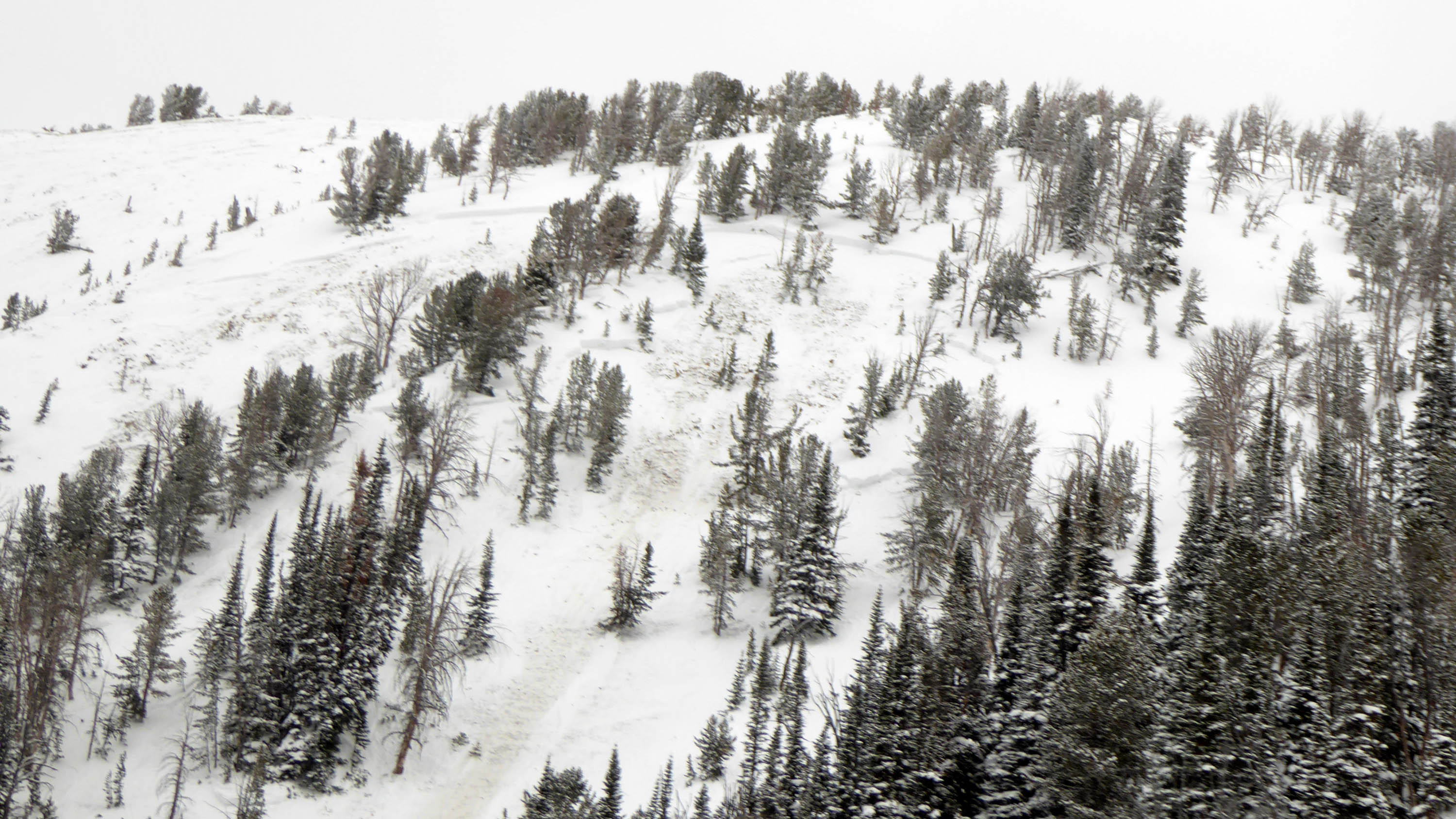
Although more visitors is usually a good thing, this season's weak snowpack has made winter sports a lot more dangerous – especially in the backcountry, where avalanches are common.
"We are seeing dramatic increases in use in our public lands, so there's more people out there skiing and snowboarding, and it means there's more potential triggers," Mr Birkeland said.
"The pandemic has definitely increased the number of people going into the backcountry, which increased our exposure to potential avalanche accidents."
CNN meteorologist Derek Van Dam echoed Mr Birkeland's assessment, saying the weak snowpack combined with a higher rate of backcountry traffic has contributed to this season's spike in avalanche deaths.
"People simply want to recreate outdoors and avoid large crowds," he said.
"Backcountry skiing provides this escape to a certain extent."
But a lot of these people don't have experience in winter sports, aren't familiar with the terrain and lack avalanche rescue gear, said Craig Gordon, a forecaster for the Utah Avalanche Centre.
He suggests visitors check avalanche forecasts before embarking on adventures and carry safety equipment, such as shovels and beacons, which emit radio signals used to locate buried victims.
"No matter how you plan to recreate in the backcountry, make sure to get the gear, training, forecast, and get out of harms way," Mr Gordon said.
Aussie property prices rise at fastest rate in 17 years
Australia's property prices are rising at the fastest rate in 17 years as historically low interest rates and restricted supply spur buyers into action.
New data from property research firm CoreLogic shows Australian home values surged 2.1 per cent higher in the month of February – a stratospheric lift not seen since August 2003.
Over the past 30 days property prices have risen in every capital city and region of the country, signalling a sustained period of growth not seen since the end of the Global Financial Crisis.
READ MORE: See how much stamp duty has increased by in your suburb
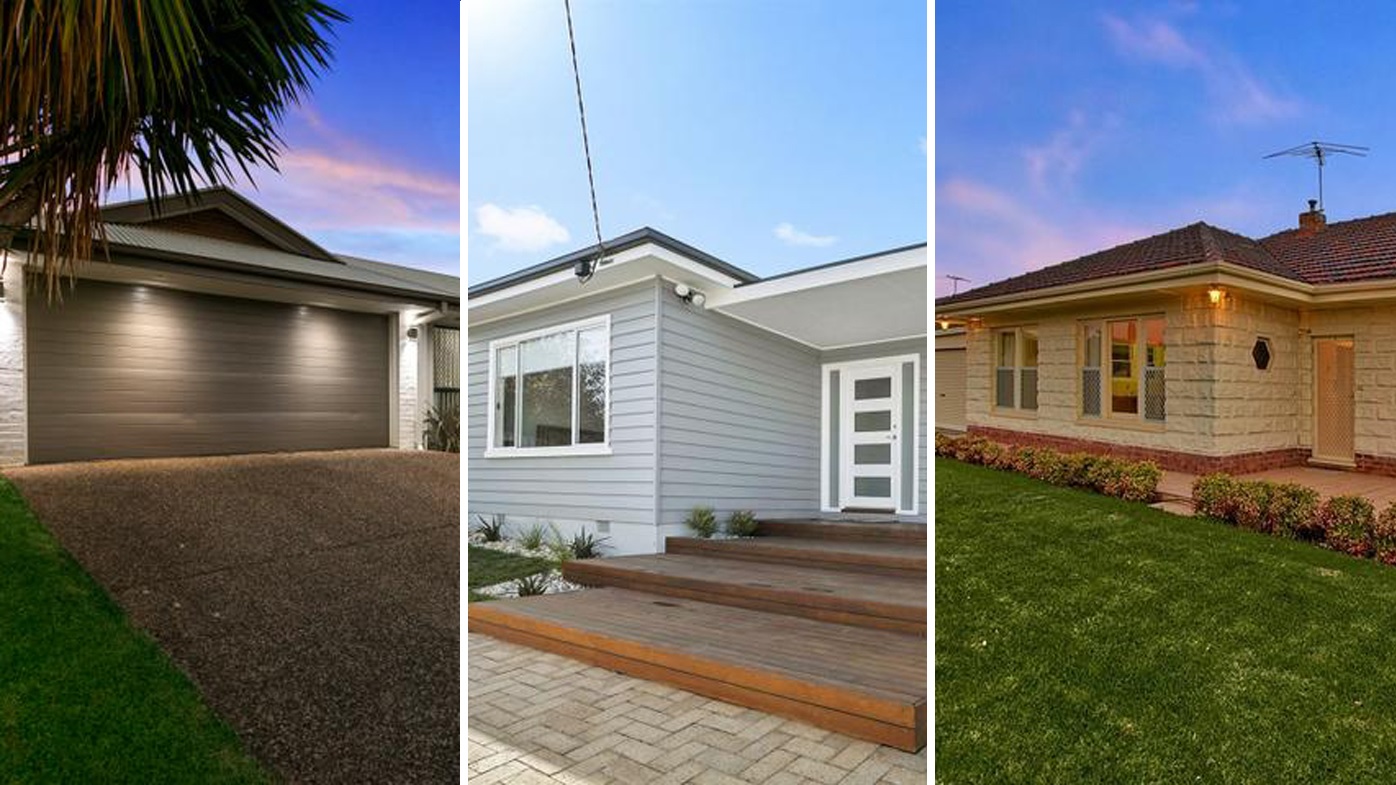
"Spurred on by a combination of record low mortgage rates, improving economic conditions, government incentives and low advertised supply levels, Australia's housing market is in the midst of a broad-based boom," CoreLogic notes in its release.
"Housing values are rising across each of the capital city and rest of state regions, demonstrating the diverse nature of this housing upswing."
Sydney and Melbourne led the charge, rising 2.5 per cent and 2.1 per cent respectively.
CoreLogic's research director Tim Lawless predicts it won't be long until both cities eclipse record highs set in 2017.
READ MORE: Interest rates kept on hold at historic low 0.1 per cent
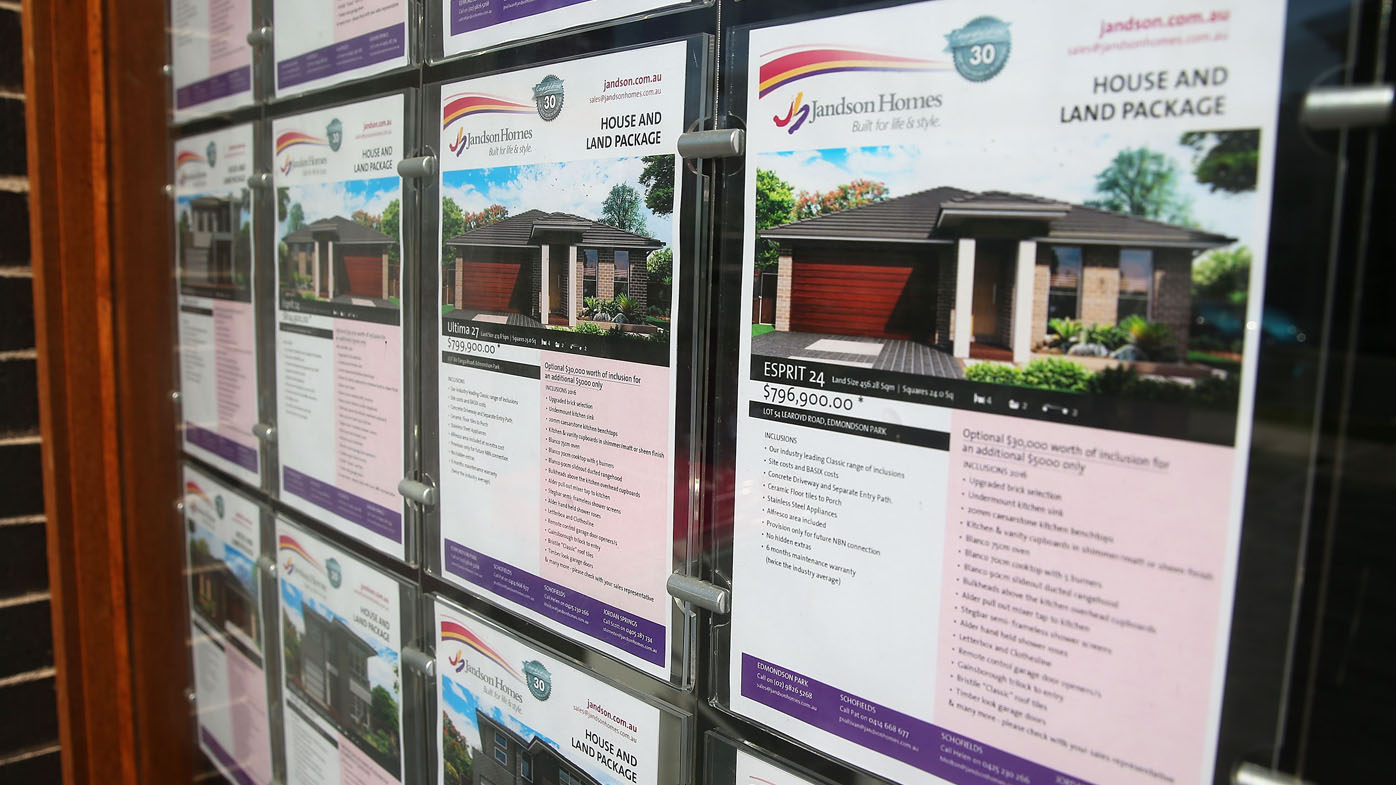
"Whether this newfound growth in Sydney and Melbourne can be sustained is unclear," Mr Lawless said.
"Both cities are still recording values below their earlier peaks, however at this current rate of appreciation it won't be long before Australia's two most expensive capital city markets are moving through new record highs.
"With household incomes expected to remain subdued and stimulus winding down, it is likely affordability will once again become a challenge in these cities."
Sydney's median property value – which includes both units and houses – is now an lip-pursing $895,933.
READ MORE: Humble beachside cottage almost cracks $2.5 million
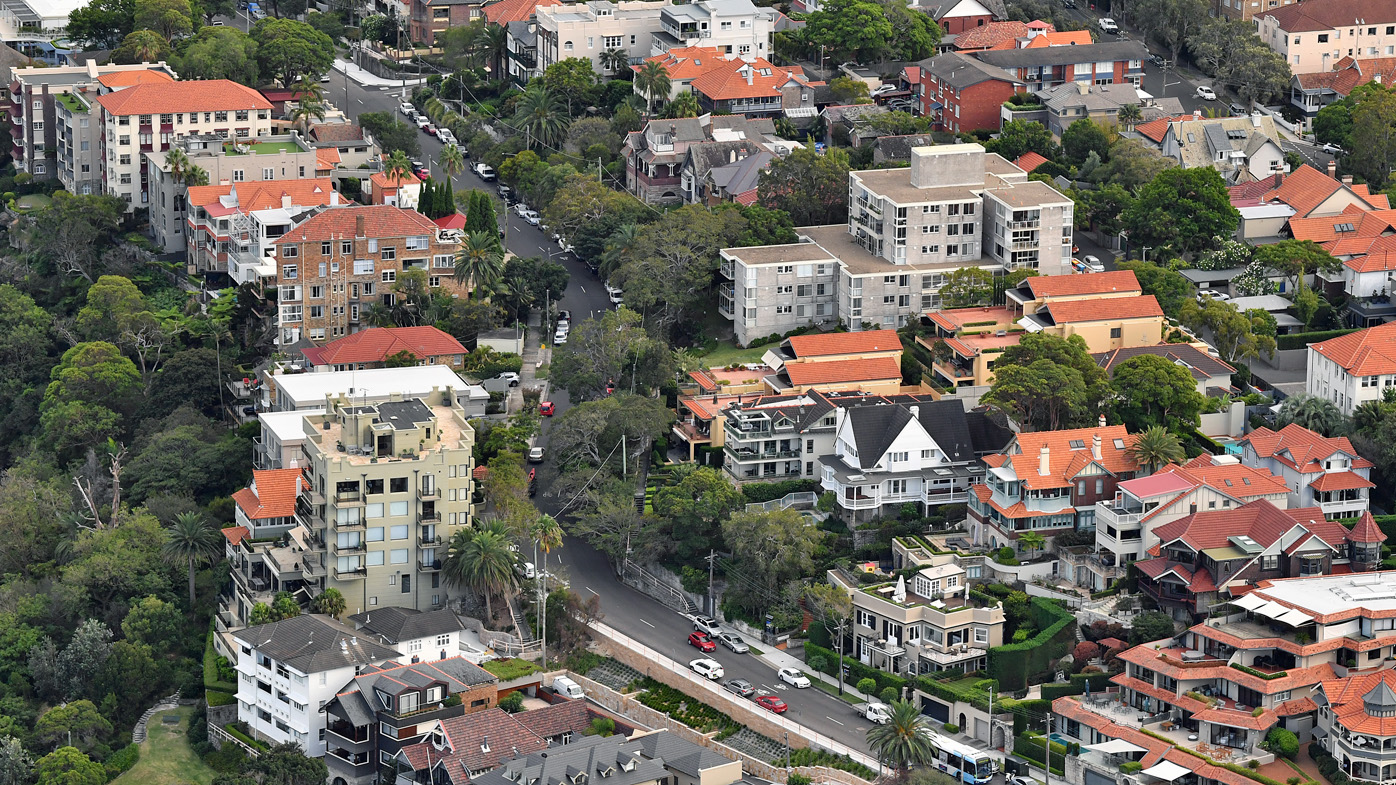
Melbourne is a close second at $717,767, followed by Canberra $706,454 and then, in a surprise, Hobart with a median of $535,994.
Hobart is now more expensive than Brisbane, which carries a median of $535,618.
On the cheaper end of the market remains Perth ($491,795), Adelaide ($478,587) and Darwin ($438,645).
The median property price for the country as a whole is now $598,884.
Mr Lawless said a primary driver of the current boom could be buyer's fear of missing out – or FOMO – combined with a relatively smaller number of properties.
READ MORE: How long it takes to afford a property in Australia
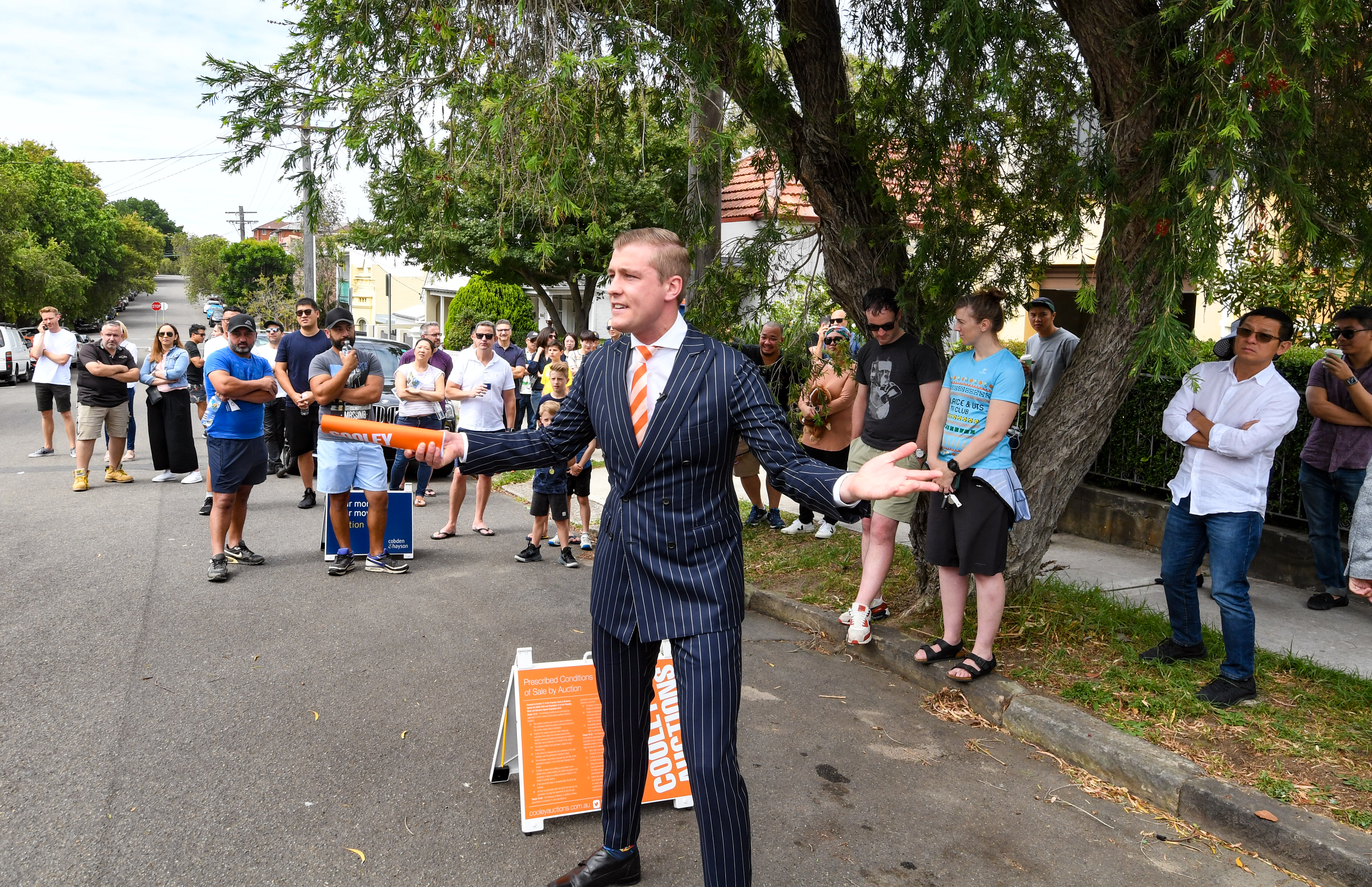
This means more parties competing for the same properties, and producing bumper results at auction.
"Housing inventory is around record lows for this time of the year and buyer demand is well above average. These conditions favour sellers," Mr Lawless said.
"Buyers are likely confronting a sense of FOMO which limits their ability to negotiate.
"Vendor discounting rates were estimated at a record low of 2.6 per cent in February, and auction clearance rates have consistently been in the high 70 per cent to low 80 per cent, which is well above average."
READ MORE: House prices defy pandemic to hit record high
Australia's property prices February 2021*
|
City: |
Monthly change: |
Median value: |
|
Sydney |
+ 2.5 per cent |
$895,933 |
|
Melbourne |
+ 2.1 per cent |
$717,767 |
|
Brisbane |
+ 1.5 per cent |
$535,618 |
|
Adelaide |
+ 0.8 per cent |
$478,587 |
|
Perth |
+ 1.5 per cent |
$491,795 |
|
Hobart |
+ 2.5 per cent |
$535,994 |
|
Darwin |
+ 0.7 per cent |
$438,645 |
|
Canberra |
+ 1.9 per cent |
$706,454 |
|
National |
+ 2.1 per cent |
$598,884 |
*CoreLogic Data, includes units and houses.
Melissa Caddick's remains vital to confirming timeline of death
A leading Australian criminologist believes police will be able to determine when Sydney businesswoman Melissa Caddick died by examining her washed up remains.
Forensic testing is underway after human remains were found on the NSW South Coast at Mollymook on Friday night, days after a badly decomposed foot turned up on the beach at Tathra.
DNA testing confirmed the foot belonged to Ms Caddick, however the second lot of remains are yet to be identified.
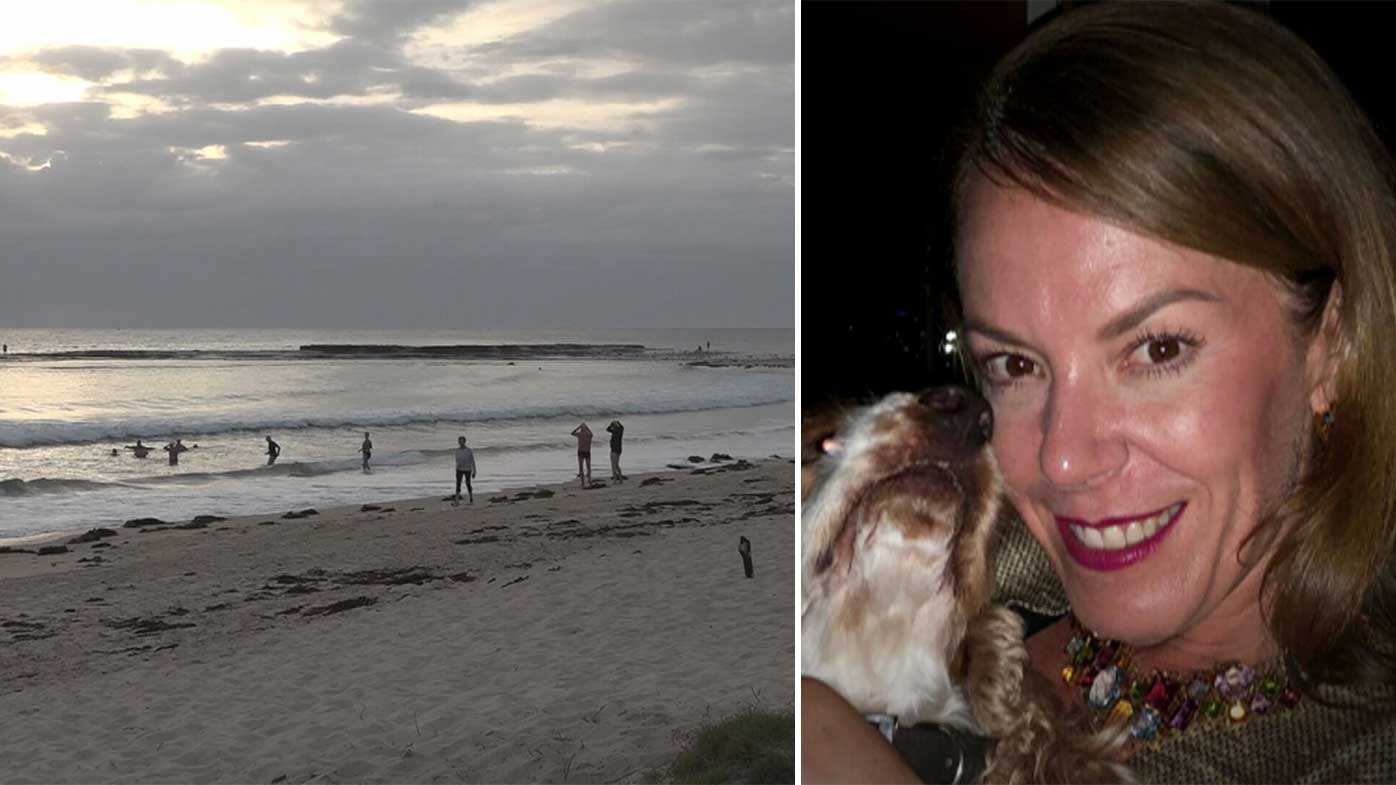
Criminologist Dr Terry Goldsworthy said if investigators were able to date the remains, they should be able to tell how long they have been in the water and decomposing.
"It should give them some idea if they are looking something that occurred in the last week or two months ago," he told Today.
"They should be able to pick that difference. That will assist them in terms of then determining where they focus their investigation."
Offshore drift modelling found a body which entered the water near Ms Caddick's home in Dover Heights, in Sydney's affluent eastern suburbs, could have drifted to the South Coast over time.
Detectives have expanded their search for human remains linked to the missing woman, with officers scouring a third beachside location in NSW yesterday.
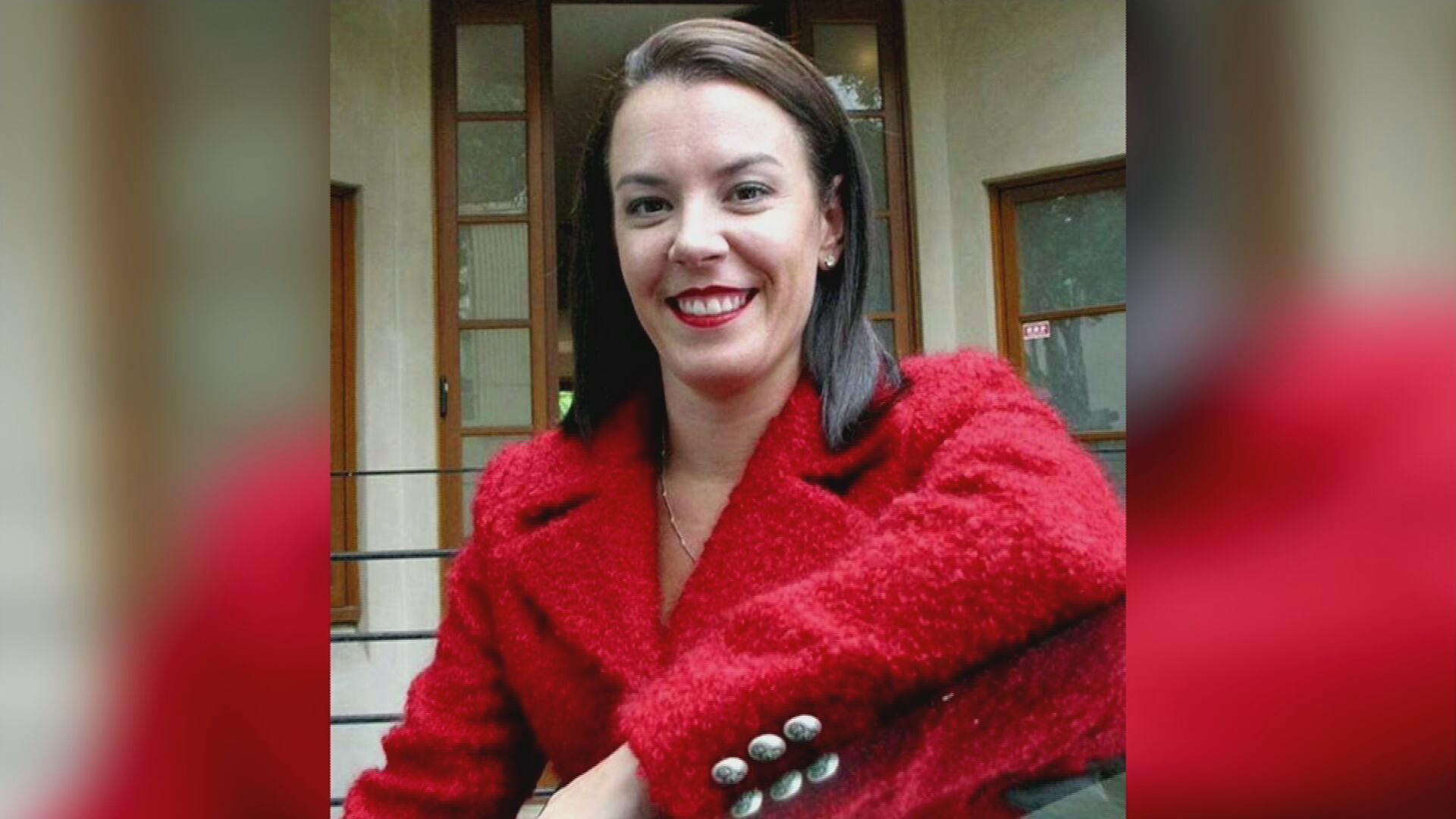
Police combed through Cunjarong Point, about 30 kilometres north of Mollymook, with searches also continuing at Mollymook and Tathra.
Dr Goldsworthy said Ms Caddick's remains raised possible theories of foul play, accidents and self harm.
"(Police) will still need to conduct those inquiries."
The 49-year-old woman disappeared on November 12 last year after leaving her home for what her husband believed was a morning run at 5.30am.
She had been under investigation for allegedly running a Ponzi scheme, using millions from investors to make lavish personal purchases.
The Australian Federal Police (AFP) raided her home as part of an ASIC investigation the day before she disappeared.
Bluff oyster season kicks off: Hopes for a good catch
An oysterman who has been harvesting the delicacy for 43 years has seen many changes in the industry.However, Bluff man John Edminstin said one thing had not changed — the expectation of a good catch when the season started.Boats…