A plane has crashed in the Marlborough Sounds.Emergency services were called about 2.30pm.It is understood the plane hit a tree and the pilot has contacted police. Read More Central Otago fatal plane crash pilot named -…
Tag Archives: oceania
Herald afternoon quiz: February 18
Test your brains with the Herald’s afternoon quiz. Be sure to check back on nzherald.co.nz for the morning quiz tomorrow. To challenge yourself with more quizzes, CLICK HERE.
Victim of fatal assault near Te Papa named
A man who died in hospital yesterday following a serious assault on Saturday has been named by police. He was Simon Strickland, 58, from Waterloo in Lower Hutt. Strickland was found critically injured around 7.15pm on Saturday…
Wellington family giving away house for free — here's how you can get it
Do you want a free two-bedroom house in Lower Hutt for free? If so, read on.A Wellington family who have recently purchased a new home has decided to give their first home away for free to whoever can get it moved from the land…
Mining chief admits blowing up ancient site was 'dark day'
Mining giant Rio Tinto has delivered the biggest dividend in its history but its reputation remains dented after the destruction of 46,000-year-old rock shelters in Western Australia, its chief executive said.
The world's leading iron ore delivered the biggest dividend in its history yesterday – $7.18 a share – following a rise in iron ore prices since last year.
But new chief executive Jakob Stausholm, giving the company's full-year result, said restoring public trust was vital after Rio Tinto's decision to blast sites at Juukan Gorge, in the Pilbara, last May.
READ MORE: China wants to break dependency on Australia for iron ore
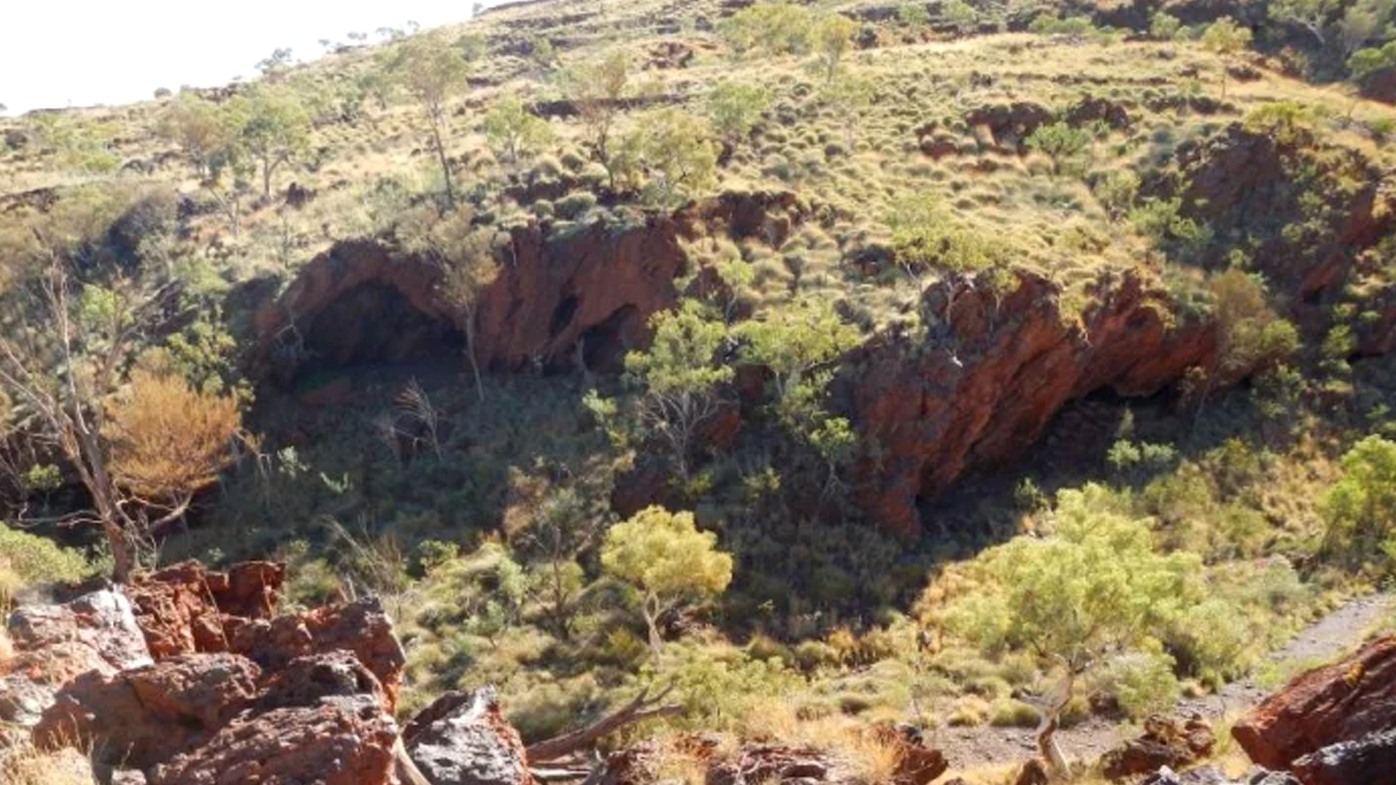
The explosion took place at ancient cave sites known to be culturally important and triggered the resignation of former CEO Jean-Sebastien Jacques.
Mr Stausholm said he recently travelled to the Pilbara to meet local indigenous people, who remain shocked by the destruction.
He said he used the visit to "express my deep regret about the damage we caused".
And the destruction of the rock shelters was a "dark day" for Rio Tinto.
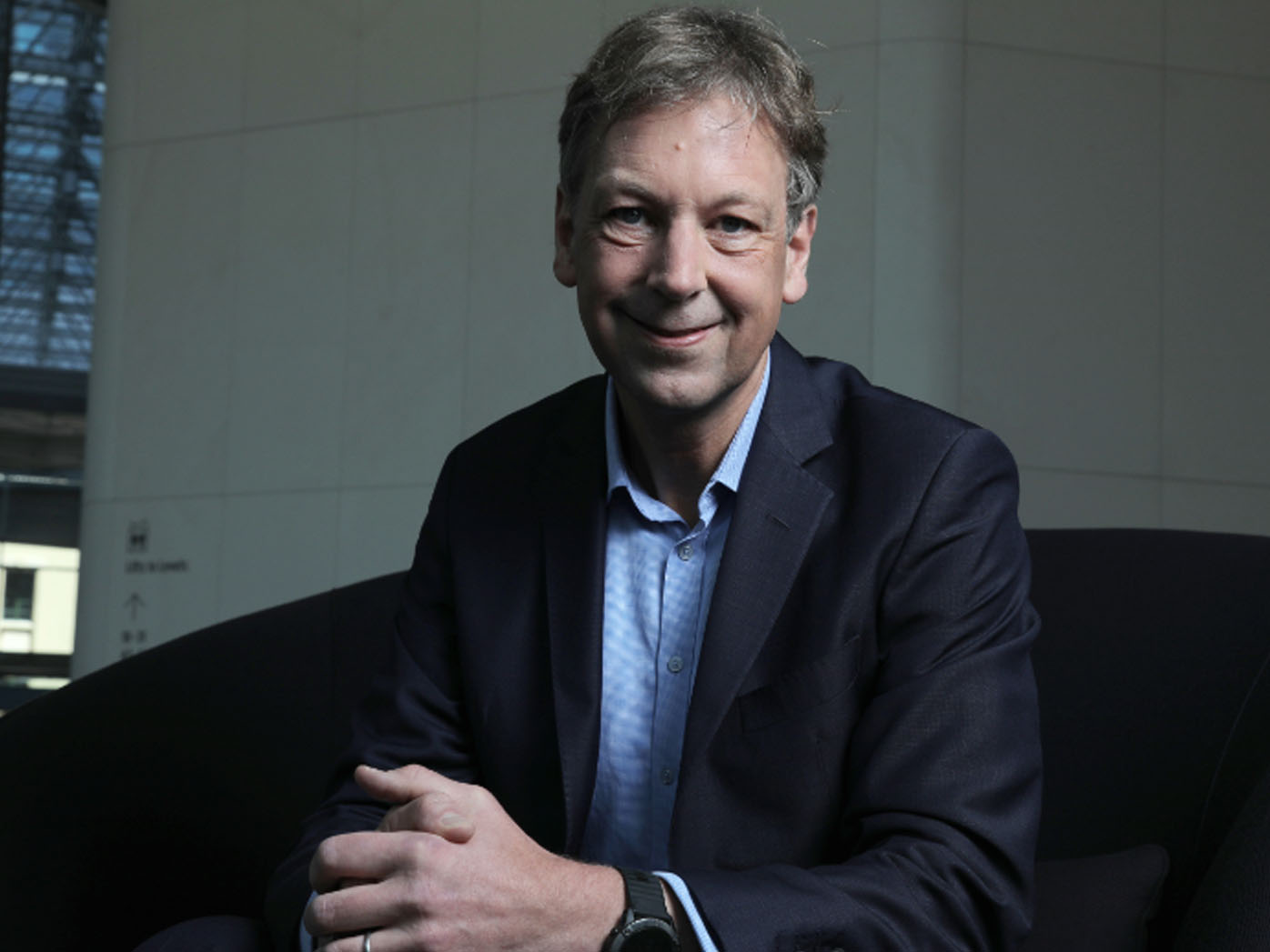
Rio Tinto's underlying profit beat forecasts to increase by 20 per cent to $16 billion.
The company's biggest customers for its iron ore are Chinese steel mills.
They combine the mineral with coal and in blast furnaces heated at more than 1000C to make liquid steel.
Mr Stausholm also said the mining giant would aim to reduce its massive carbon footprint across its global operations.
Part of Rio Tinto's plans to reduce emissions will be to partner with steel producers to develop technologies that can slash their carbon footprint by 30 per cent from 2030.
Facebook's news ban 'wrong, unnecessary and heavy-handed'
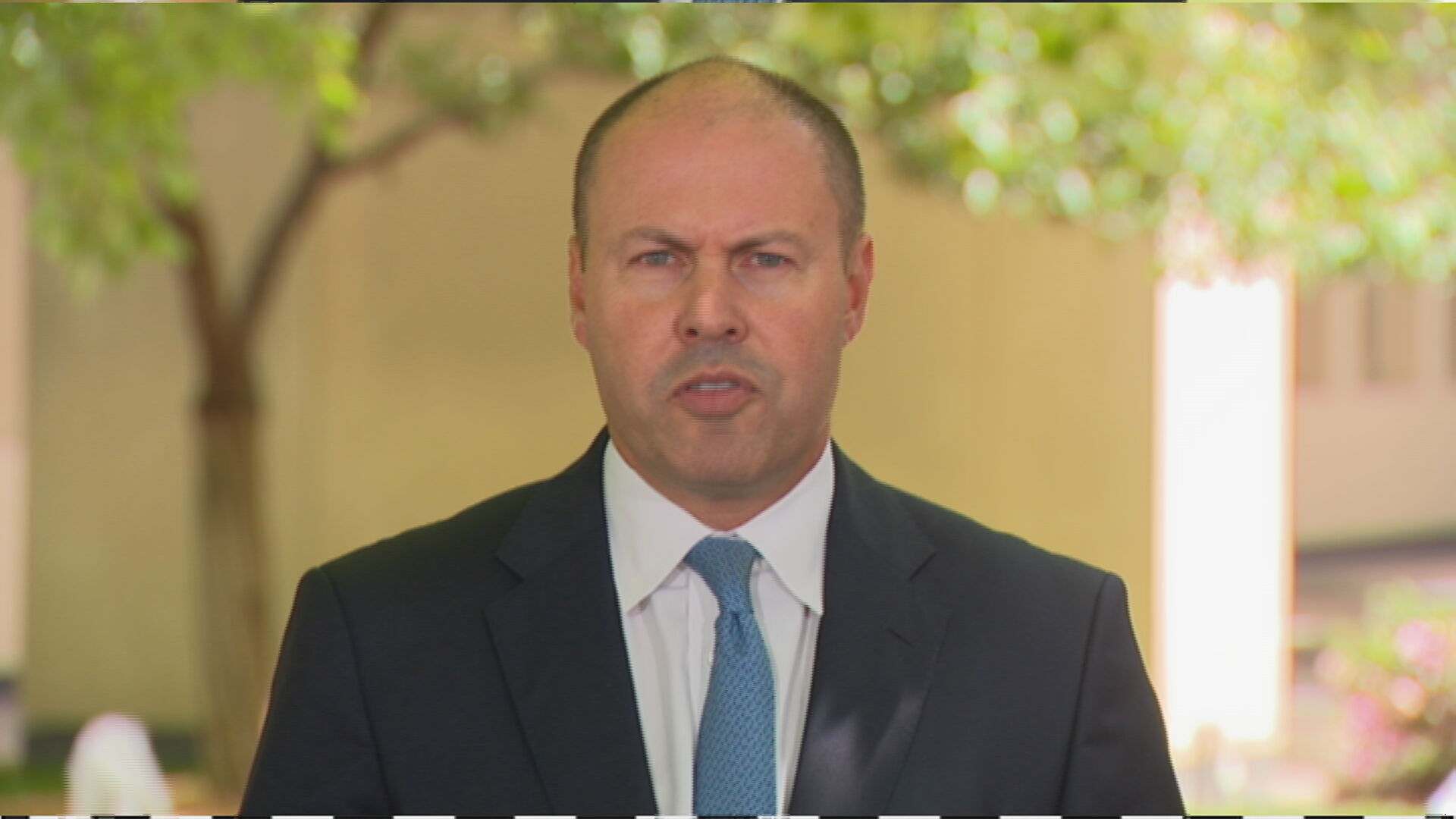
Facebook's actions against Australian news will damage its reputation, Treasurer Josh Frydenberg says.
He said Facebook's ban has shown the immense power of "digital giants".
"Facebook was wrong. Facebook's actions were unnecessary, they were heavy-handed," Mr Frydenberg said in Canberra today.
READ MORE: Worldwide backlash against Facebook's ban on Australian news
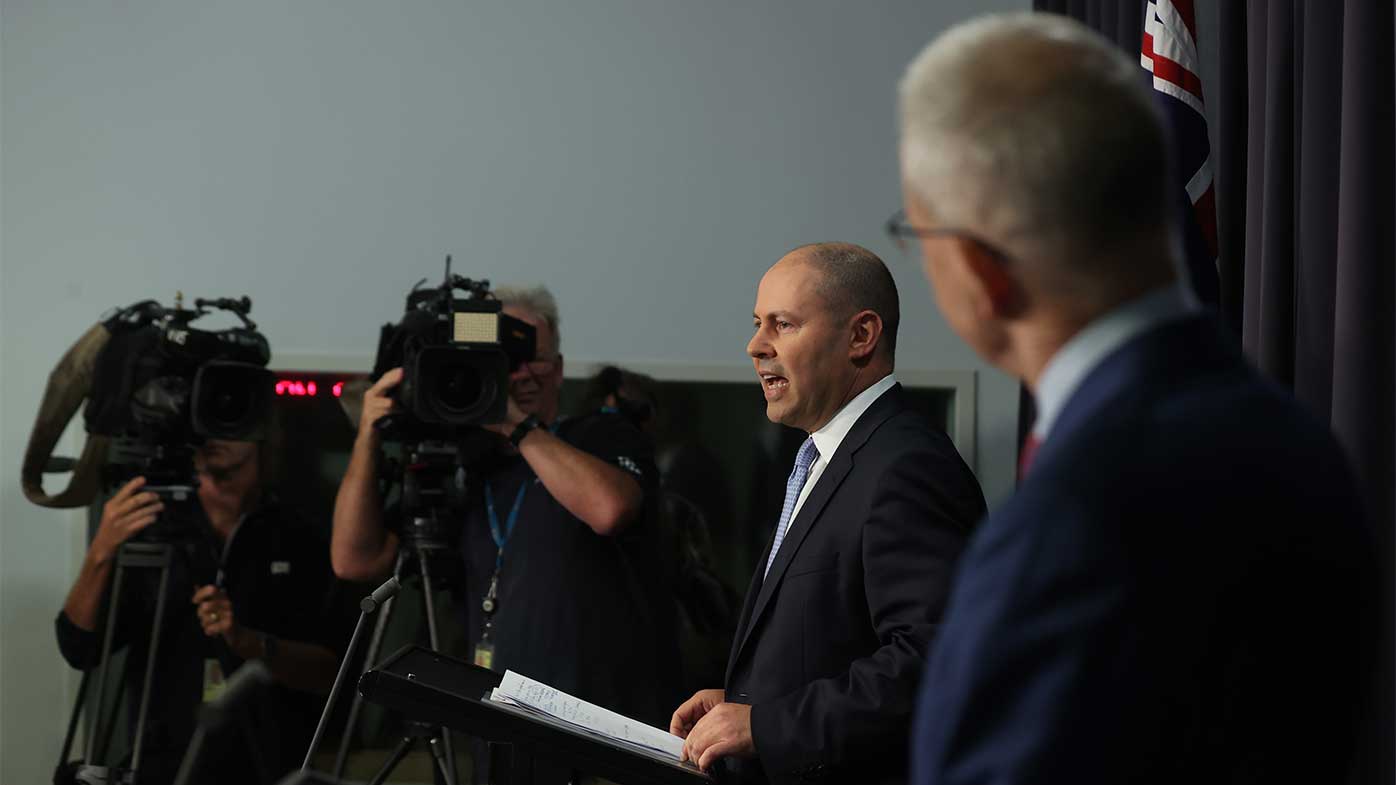
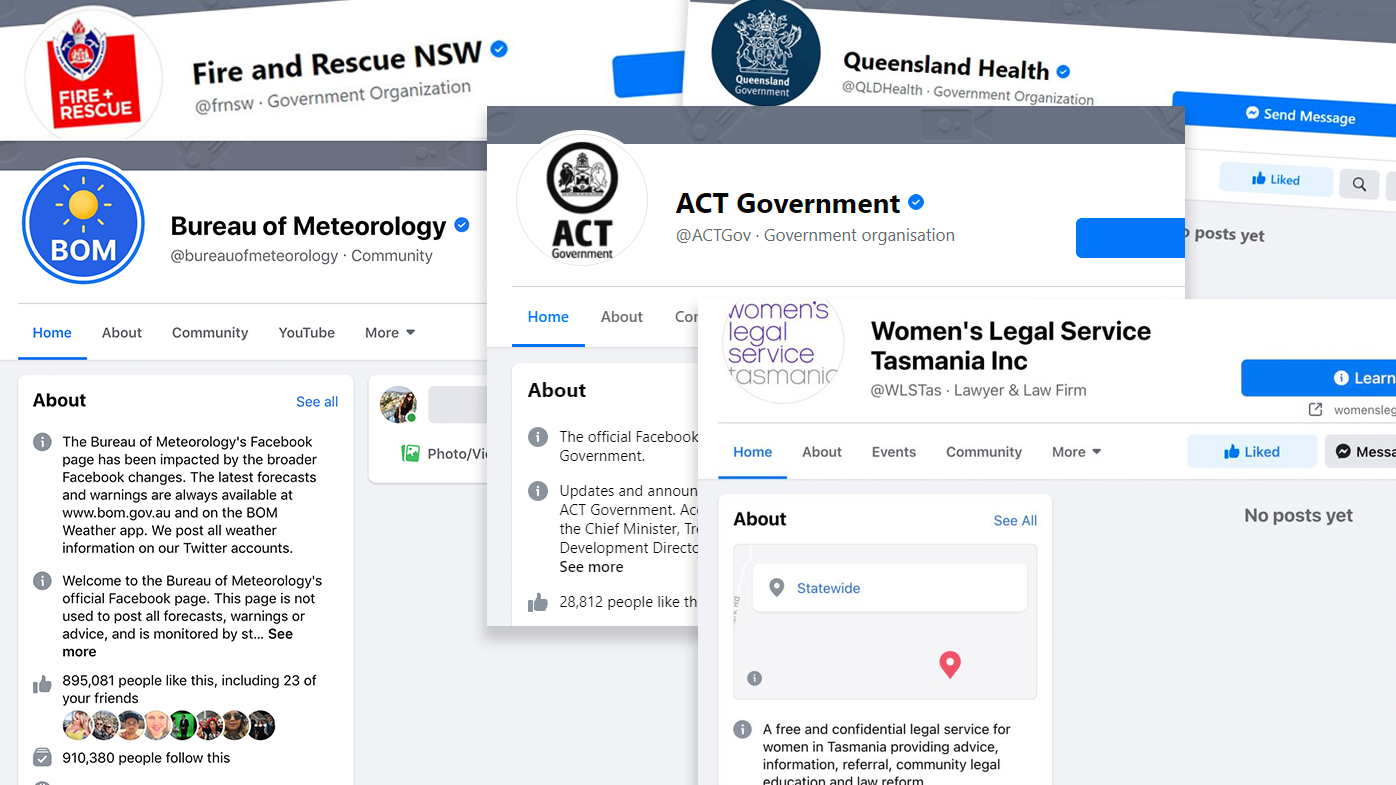
"Their decision to block Australians' access to government sites – be they about support through the pandemic, mental health, emergency services, the Bureau of Meteorology – were completely unrelated to the media code which is yet to pass through the Senate."
READ MORE: 'Facebook is not compatible with democracy'
Mr Frydenberg said the government remains committed to legislating and implementing the code.
Treasurer Josh Frydenberg said the timing of Facebook's ban came as the social giant saw the passage of the proposed code through the House of Representatives yesterday.
The bill is yet to go through the Senate.
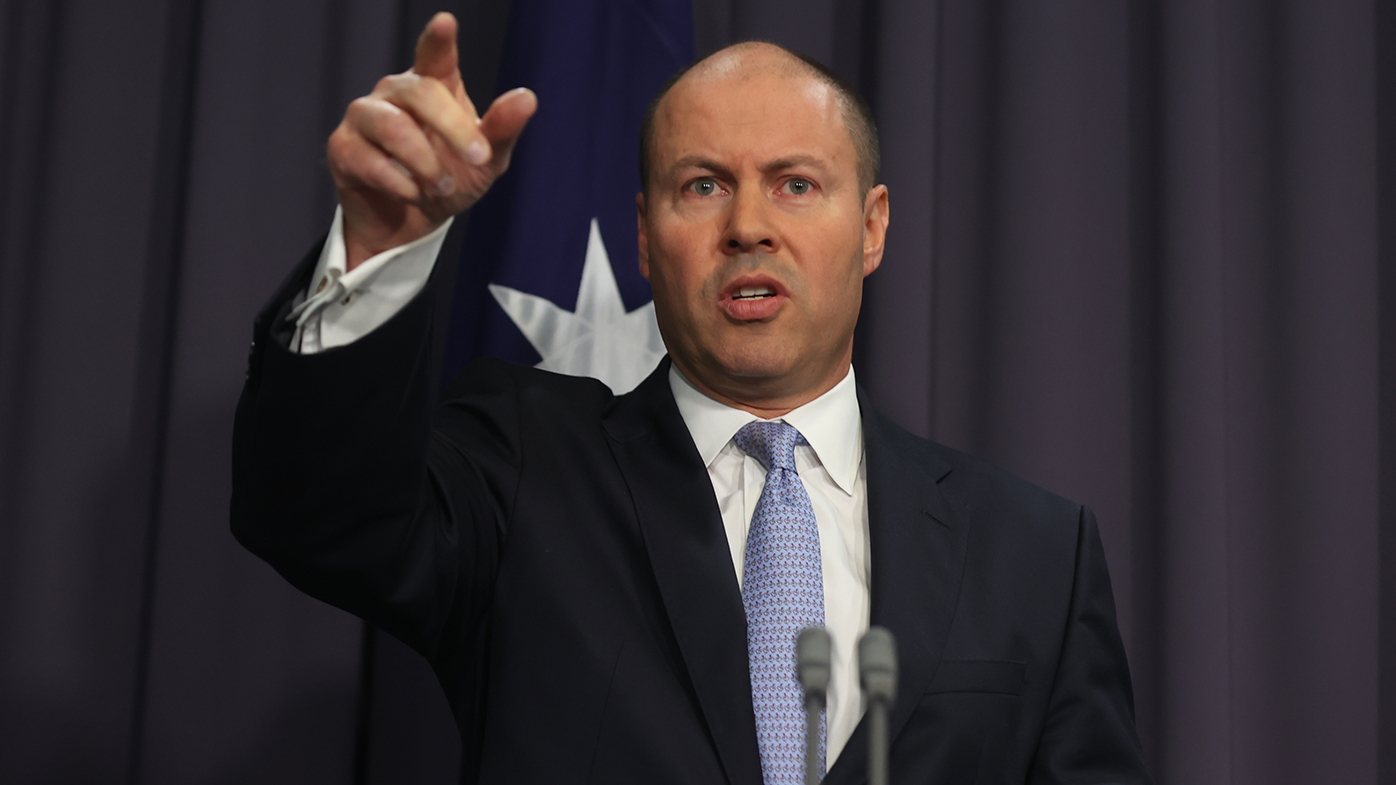
"This digital code, this new media bargaining code, is very important microeconomic reform," he said.
"We want to thank Google for the very constructive discussions that they have been having with stakeholders."
Mr Frydenberg said the government was given no warning before the ban.
"With respect to Facebook, they were pretty well down the pitch and they had entered into good-faith negotiations with the media businesses," Mr Frydenberg said.
"These actions have come at the eleventh hour."
READ MORE: How to follow 9News on digital and social media platforms
Mr Frydenberg said part of the reason why the heads of Facebook and Google have been so engaged with Australia's media code is the precedent it sets globally.
"It's fair to say the eyes of the world are watching what's happening here in Australia in real time," he said.
"There's no doubt the work of the ACCC, which has been over more than a couple of years, has been world-leading. So, other countries are watching."
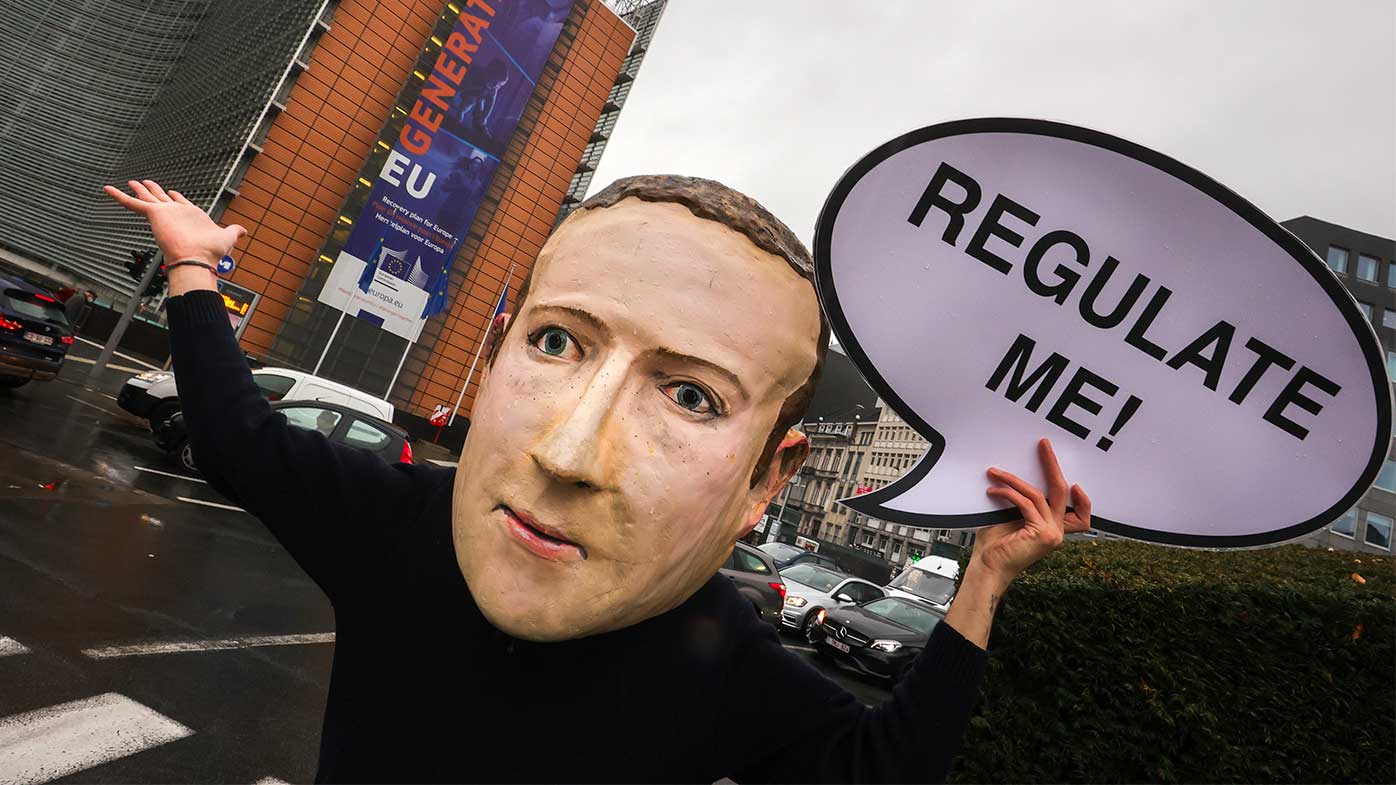
EXPLAINED: Facebook has banned Australia's access to news, here's what it means
Communications Minister Paul Fletcher described Facebook's decision as "very unfortunate".
"We have been very clear all the way along that we certainly want Google and Facebook to stay in Australia, continue to be important parts of the digital economy here," he said.
"But at the same time if you're doing business in Australia you need to comply with the laws made by the elected Australian Parliament."
He said the government will remain tough on Facebook, and no movement has been made on their threats to pull out from Australia as they have done so this morning.
"I took their threats pretty seriously. But we didn't budge. The Prime Minister didn't budge. The Australian Government makes laws for Australians," Mr Frydenberg said.
"And we want the rules of the digital world to replicate the rules of the physical world. So, we've been sticking to our principles and we have been sticking to our guns."
He slammed Facebook for blocking the pages of health departments and emergency services.
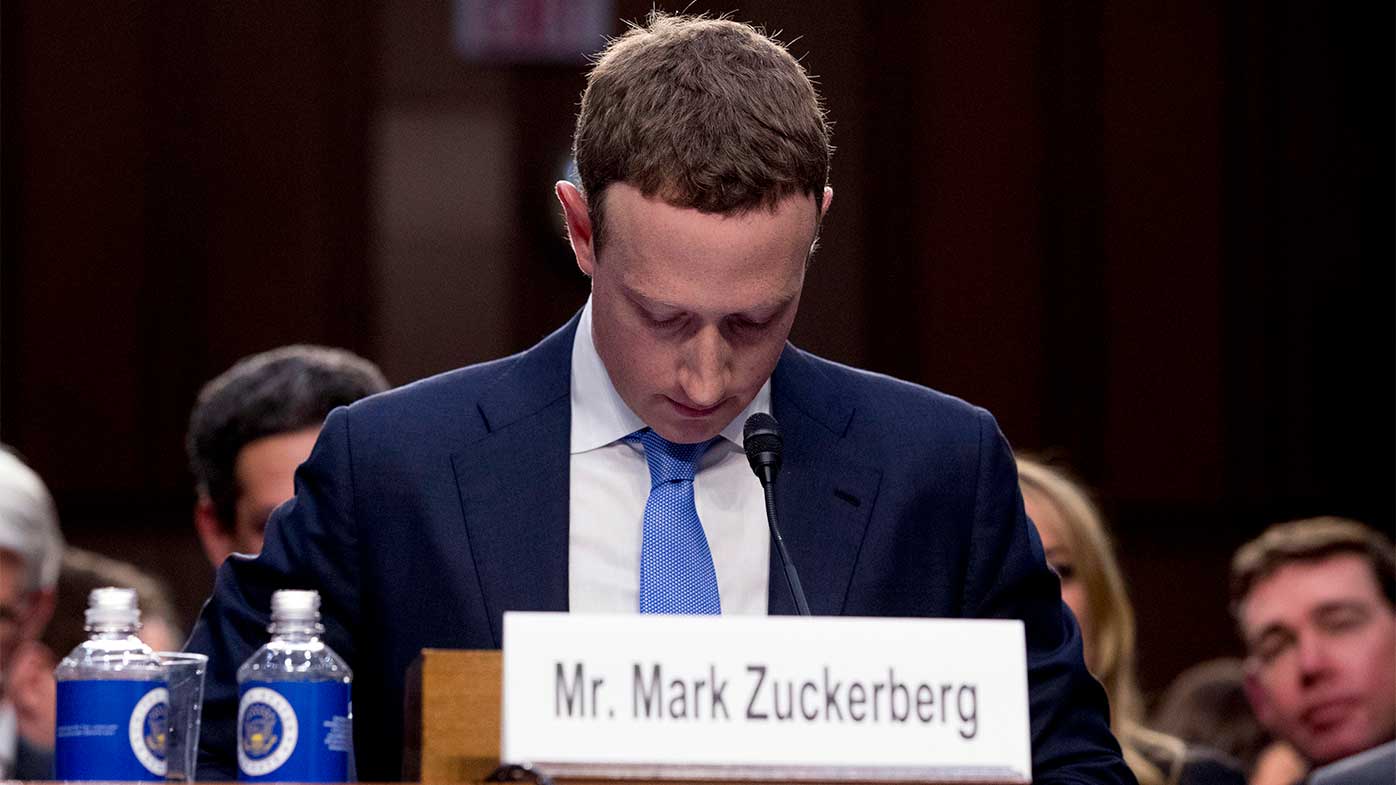
"That's a public safety issue," Mr Fletcher said.
"I've spoken to Facebook this morning and said the Government expects them to restore those pages as quickly as possible."
READ MORE: What are the global implications for Facebook, following the news ban?
Opposition Leader Anthony Albanese called on the government to "fix this today".
"During a global pandemic, Australians can't access state health departments on Facebook," he said.
"On a day of flood and fire warnings in Queensland and WA, Australians can't access the Bureau of Meteorology on Facebook.
"The Government has said that this is all under control. It's very clear that it is not."
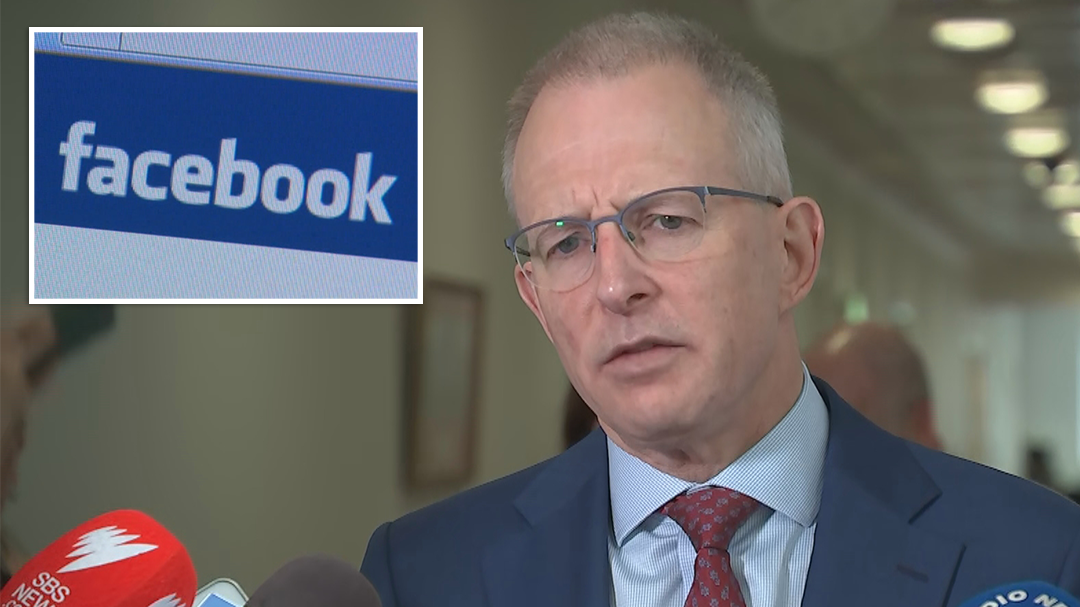
Facebook news ban 'a warning shot' in global struggle
Facebook has "rolled the dice" by banning Australian users and publishers from sharing news content and the move could cost the tech giant billions of dollars.
That is the view of digital media expert Andrew Hughes, who told nine.com.au today's decision was aimed at putting other countries on notice if they followed Australia's attempts to regulate digital media.
"It's a warning shot for the Federal Government and is aimed at the rest of the world. Facebook is saying: 'If you mess with us, this is what happens,'" Dr Hughes said.
READ MORE: Fire authorities, Bureau of Meteorology and state health pages caught up in Facebook news ban
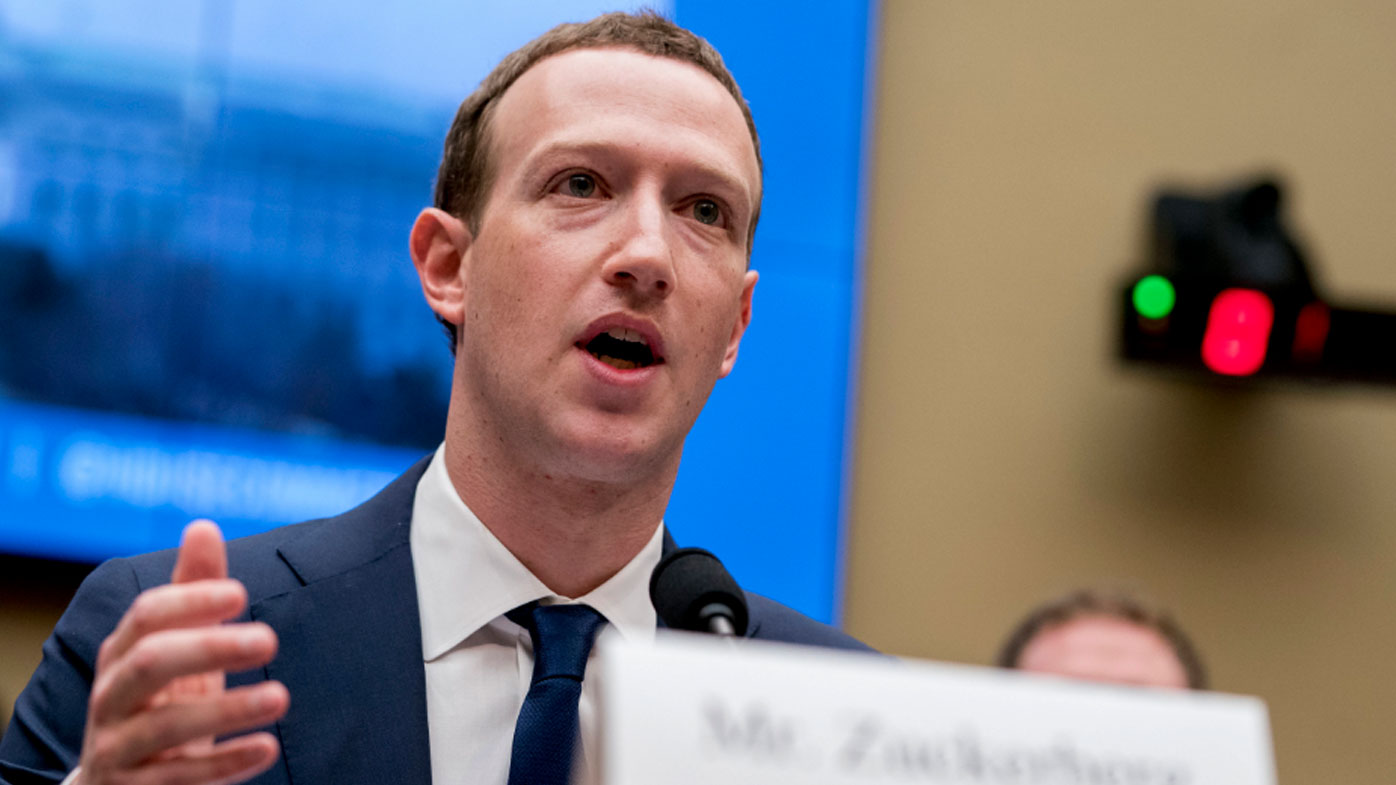
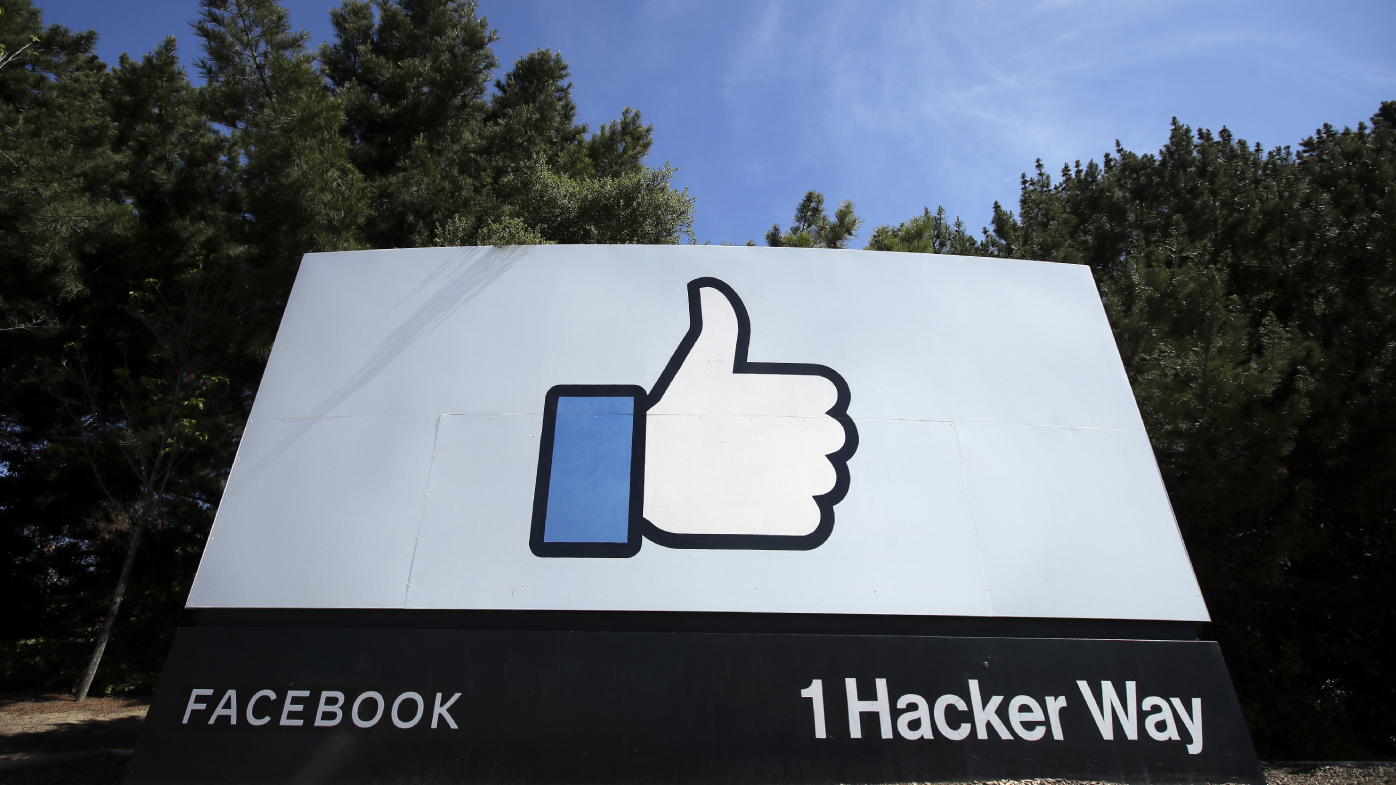
Facebook this morning said it was left with a "stark choice" after being unable to find a "solution" in discussions with the Australian government over proposed media bargaining laws.
The news ban has extended to Australian emergency services Facebook pages as well as to government sites.
Dr Hughes, of the Australian National University in Canberra, said Facebook should have followed Google in making deals with Australian media companies to pay for original news content.
But instead it decided to pull news content in Australia, fearing it would open a can of worms.
"Facebook has probably been planning the move for some time. Unlike its competitors, it has only limited platforms to move its business to," Dr Hughes said.
"If it agreed to paying for news content here, bigger jurisdictions such as the US, UK and European Union would follow.
"That is how it works in this business.
"But there will also be other regions watching, such as Brazil and Indonesia, which aren't first world economies but have millions of social media users.
"It could end up costing Facebook billions of dollars."
EXPLAINED: Facebook has banned Australia's access to news, here's what it means for you
The technology giant said the Federal Government, and the proposed legislation, "seeks to penalise Facebook for content it didn't take or ask for".
"The proposed law fundamentally misunderstands the relationship between our platform and publishers who use it to share news content," William Easton, Facebook's Australia and New Zealand managing director, said in a blog post.
Nine, the publisher of this site, said it was "unreasonable behaviour".
Dr Hughes said Facebook's ban was also part of a wider dispute between tech companies and national governments.
"It's essentially a power struggle … Facebook is the prominent word-of-mouth communications tool," he said.
"The Australian government is saying to Facebook, 'you've had it good for so long and you can't expect not to pay forever.'"
What is the code of conduct for digital platforms?
In July, Treasurer Josh Frydenberg and the Australian Competition and Consumer Commission (ACCC) announced the draft code for digital platforms.
Under the mandatory code of conduct, technology giants Google and Facebook would be required to negotiate with Australian media companies over payment for news content and notify them of algorithm changes.
It followed a direction from the Morrison government in December 2019 to facilitate the development of voluntary codes to address bargaining power imbalances between digital platforms and news media businesses.
READ MORE: Facebook's news ban 'wrong, unnecessary and heavy-handed', says Frydenberg
The development of a code of conduct is part of the government's response to the ACCC's Digital Platforms Inquiry final report to promote competition, enhance consumer protection and support a sustainable Australian media landscape in the digital age.
"What we've sought to do is create a level playing field to ensure a fair go for Australian news media businesses and that when they generate original content, they are fairly paid for it," Mr Frydenberg said in July.
"We want Google and Facebook to continue to provide these services to the Australian community which are so much loved and used by Australians.
"But we want it to be on our terms.
"We want it to be in accordance with our law and we want it to be fair, and that is what has motivated us with this mandatory code."
Facebook bans Australians from sharing or viewing news content
Social media giant Facebook will prohibit publishers and people in Australia from sharing or viewing Australian and international news content in response to Australia's proposed media bargaining laws — a move Nine says will inhibit news creators from sharing quality news and information.
Facebook this morning said it was left with a "stark choice" after being unable to find a "solution" in discussions with the Australian government.
"The proposed law fundamentally misunderstands the relationship between our platform and publishers who use it to share news content," William Easton, Facebook's Australia and New Zealand managing director, said in a blog post.
BREAKING: Emergency services, government health departments hit by Facebook news ban
LIVE UPDATES: Victoria's coronavirus lockdown lifted after five days
"It has left us facing a stark choice: attempt to comply with a law that ignores the realities of this relationship, or stop allowing news content on our services in Australia. With a heavy heart, we are choosing the latter."
Nine, which is the publisher of this site, said it was "unreasonable behaviour".
"It is unfortunate Facebook have taken this position and it will indeed inhibit us from sharing our quality news and information with Australians. Nobody benefits from this decision as Facebook will now be a platform for misinformation to rapidly spread without balance. This action proves again their monopoly position and unreasonable behaviour," a spokesperson said.
"But today's statement does not mean Facebook will not have to abide by the Federal Governments proposed code. Value has already been transferred and Facebook has benefited from our content for many years. We should be able to access their monopoly platform and have the right to monetise our content as a result.
"We have been negotiating with Facebook in good faith and we remain willing to do a deal with them that provides a mutually beneficial outcome and ensures quality information is available to all Australians on their platform."
READ MORE: What are the global implications for Facebook, following the news ban?

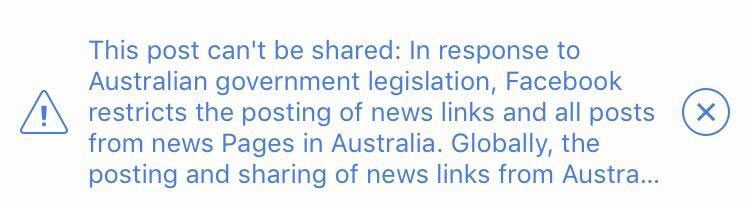
Facebook said the Federal Government, and the proposed law, "seeks to penalise Facebook for content it didn't take or ask for".
"Unfortunately, this means people and news organisations in Australia are now restricted from posting news links and sharing or viewing Australian and international news content on Facebook.
"Globally, posting and sharing news links from Australian publishers is also restricted."
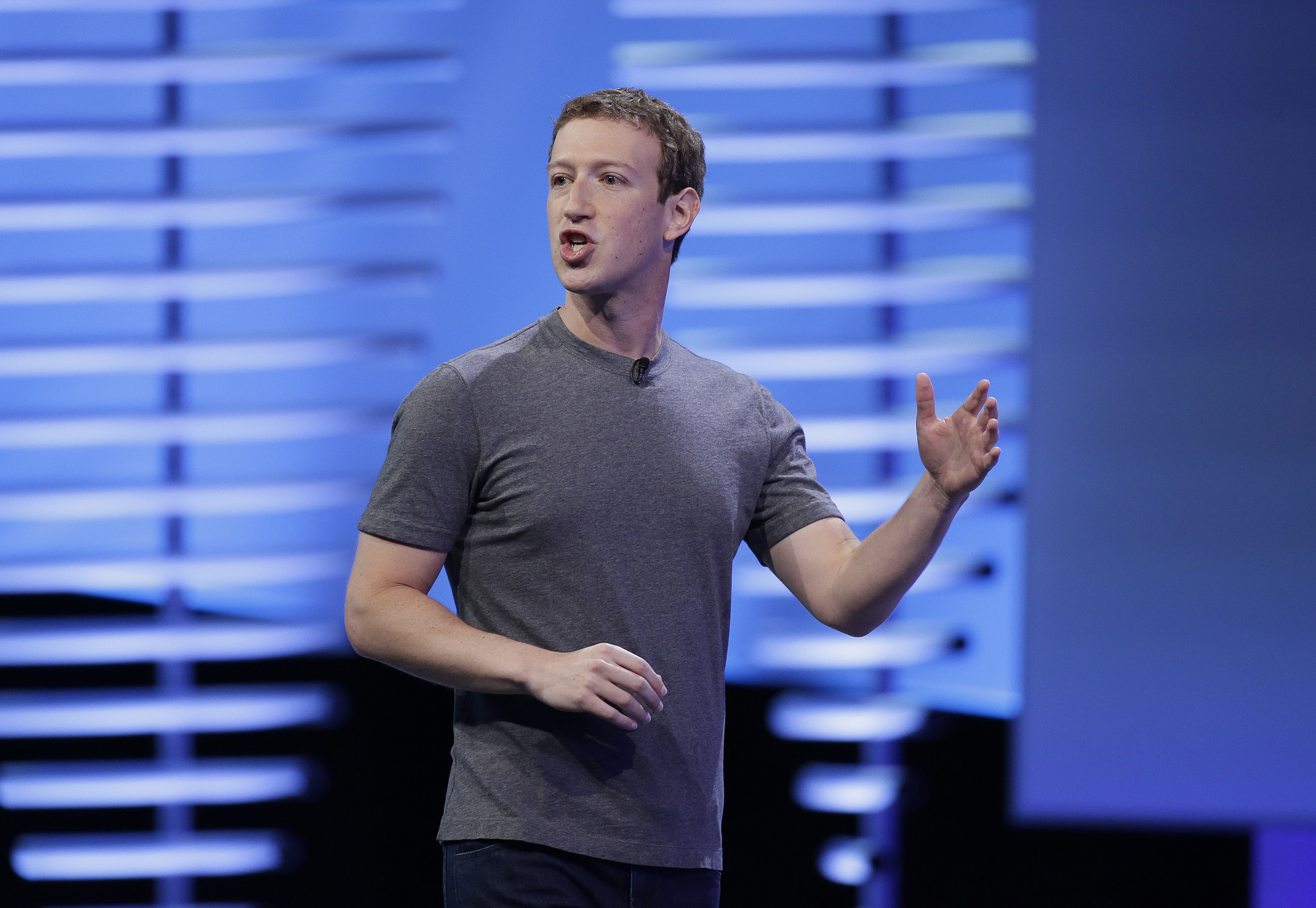
Treasurer Josh Frydenberg tweeted that he'd had a "constructive discussion" with Facebook CEO Mark Zuckerberg this morning following the announcement.
"He raised a few remaining issues with the Government's news media bargaining code and we agreed to continue our conversation to try to find a pathway forward," Mr Frydenberg said.
EXPLAINED: Facebook has banned Australia's access to news, here's what it means for you
'Raises very serious questions'
Communications Minister Paul Fletcher told 2GB's Ben Fordham the government would proceed with its planned reforms despite Facebook's action.
"It's certainly something that raises concern… the government will consider it very carefully," Mr Fletcher said.
But, he said, "we'll be maintaining the path that we've been following".
https://twitter.com/JoshFrydenberg/status/1362144150712315905?ref_src=twsrc%5Etfw
"We expect people doing business in Australia to comply with the laws of the land in Australia.
"There are already questions about the credibility of information and sources on the Facebook platform and the decision they're taking, it seems, is what they want to do is remove authoritative and credible news sources on the platform.
READ MORE: Facebook's news ban 'wrong, unnecessary and heavy-handed', says Frydenberg
https://omny.fm/shows/ben-fordham-full-show/communications-minister-reacts-to-facebook-blockin/embed
"(Facebook is) effectively saying to Australians, 'If you're looking for reliable news, Facebook is not the place to look for it.'"
Facebook's actions this morning "raises very serious questions", he said.
"Including questions about the credibility of information that people want to find on Facebook," Mr Fletcher said.
He urged Australians to seek their news from other sources to ensure they get "credible, fact-checked information".
Deal struck with Google
Yesterday Mr Frydenberg called negotiations between Google and Australia's biggest publishers "a world first" for rewarding original journalism.
He said agreements between news creators and Google "will help sustain public interest journalism in this country for years to come".
The announcement comes after a report in the Sydney Morning Herald which said Google has agreed to pay Nine more than $30 million a year for use of its news content.
The deal comes amid a tense battle between Australia's biggest news publishers and multinational companies such as Google and Facebook over the nation's proposed media bargaining code, which would see Google pay for original news content.
The Treasurer said he still intends to legislate the code.
What is the code of conduct for digital platforms?
In July, Mr Frydenberg and the Australian Competition and Consumer Commission (ACCC) announced the draft code for digital platforms.
Under the mandatory code of conduct, technology giants Google and Facebook would be required to negotiate with Australian media companies over payment for news content and notify them of algorithm changes.
It followed a direction from the Morrison Government, in December 2019, to facilitate the development of voluntary codes to address bargaining power imbalances between digital platforms and news media businesses.
The development of a code of conduct is part of the government's response to the ACCC's Digital Platforms Inquiry final report to promote competition, enhance consumer protection and support a sustainable Australian media landscape in the digital age.
"What we've sought to do is create a level playing field to ensure a fair go for Australian news media businesses and that when they generate original content, they are fairly paid for it," Mr Frydenberg said in July.
"We want Google and Facebook to continue to provide these services to the Australian community which are so much loved and used by Australians. But we want it to be on our terms.
"We want it to be in accordance with our law and we want it to be fair, and that is what has motivated us with this mandatory code."
READ MORE: Worldwide backlash against Facebook's ban on Australian news
Unsafe lead levels found in Otago children's blood
By RNZ Unsafe lead levels have been detected in children’s blood tests in east Otago.This follows a contamination scare which has resulted in a do not drink notice and emergency water tankers.Dunedin City Council says it may…
Covid 19 coronavirus: Auckland out of lockdown – Jacinda Ardern sounds warning, Professor Des Gorman criticises alert-level response
VIRUS LATEST* Revealed: New locations of interest as community cases grow to six * Covid-19: Shift to Level 2 ‘not cautious enough’ – expert * LSG Sky Chefs and its communal cafeteria – a possible area of contamination? * …