Test your brains with the Herald’s morning quiz. Be sure to check back on nzherald.co.nz at 3pm for the afternoon quiz. To challenge yourself with more quizzes, CLICK HERE.
Tag Archives: oceania
Rehabbed Northland meth dealer Grant McCready impresses judge
Impressed by a drug dealer’s rehabilitation and offer of employment, a judge imposed a non-custodial sentence on a Northlander who vowed to be a productive member of society.Grant Raymond McCready earlier pleaded guilty to 10 charges…
Victoria exits third lockdown amid warnings, celebration
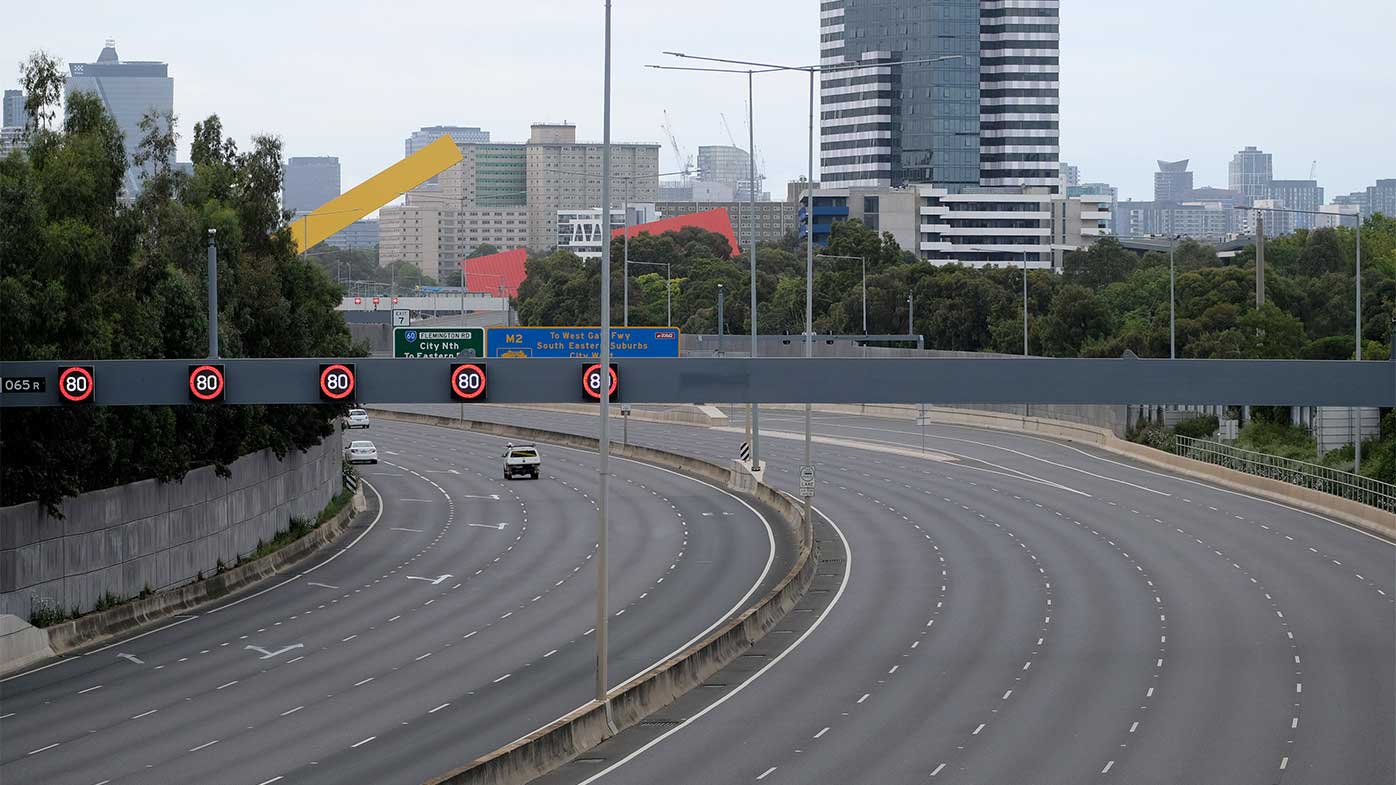
Victorians are rejoicing to have ended their third lockdown, re-emerging from the toughest of their restrictions at the stroke of midnight.
There was relief yesterday when Premier Daniel Andrews confirmed the "short, sharp circuit-breaker" lockdown would end after five days as planned.
Some bars planned to open as soon as the clock struck 11.59pm on Wednesday, while tennis fans prepared to flock back to Melbourne Park from later today for the final days of the Australian Open.
Despite the breakthrough after an outbreak of the UK strain of COVID-19 last week, some restrictions will remain in place and cross-border travel is still limited.
Here's what Victorians need to know about the changes:
READ MORE: Top doc warns delaying COVID jab will delay 'return to normal'
What's changing
From 12.01am, people will be able to leave their house for any reason rather than just for the "essential four" of work, caregiving, shopping and fitness.
There will also be no travel distance limit in place for people headed out to exercise or hit the store.
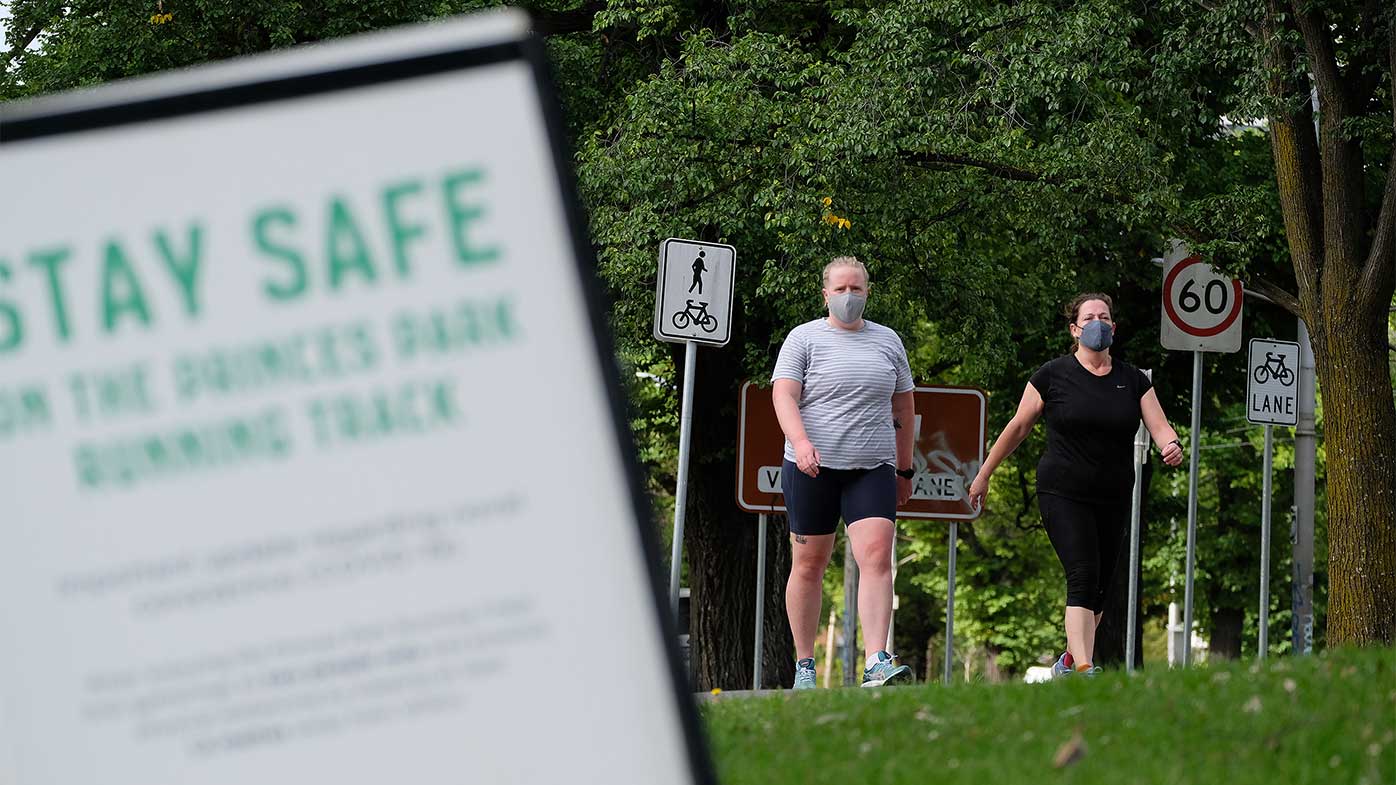
However, when out of doors, Victorians will need to carry a mask.
Masks are mandatory indoors, and outdoors when social distancing is impossible, such as at shopping centres, on transport, or in crowds.
A temporary limit on houseguests is also in place until Friday next week, with a maximum of five visitors allowed. Out of doors, 20 people can gather in public.
READ MORE: Daniel Andrews nominated for leadership award
Schools, universities and TAFE centres will all be allowed to open, though it will be up to individual institutions to determine how they approach the final days of the week.
Offices will also be open, though high-density workplaces will still be limited by the 50 per cent cap.
Funerals and weddings do not have a specific cap, but crowd numbers will be limited by the venue density limit.
Return to the Open
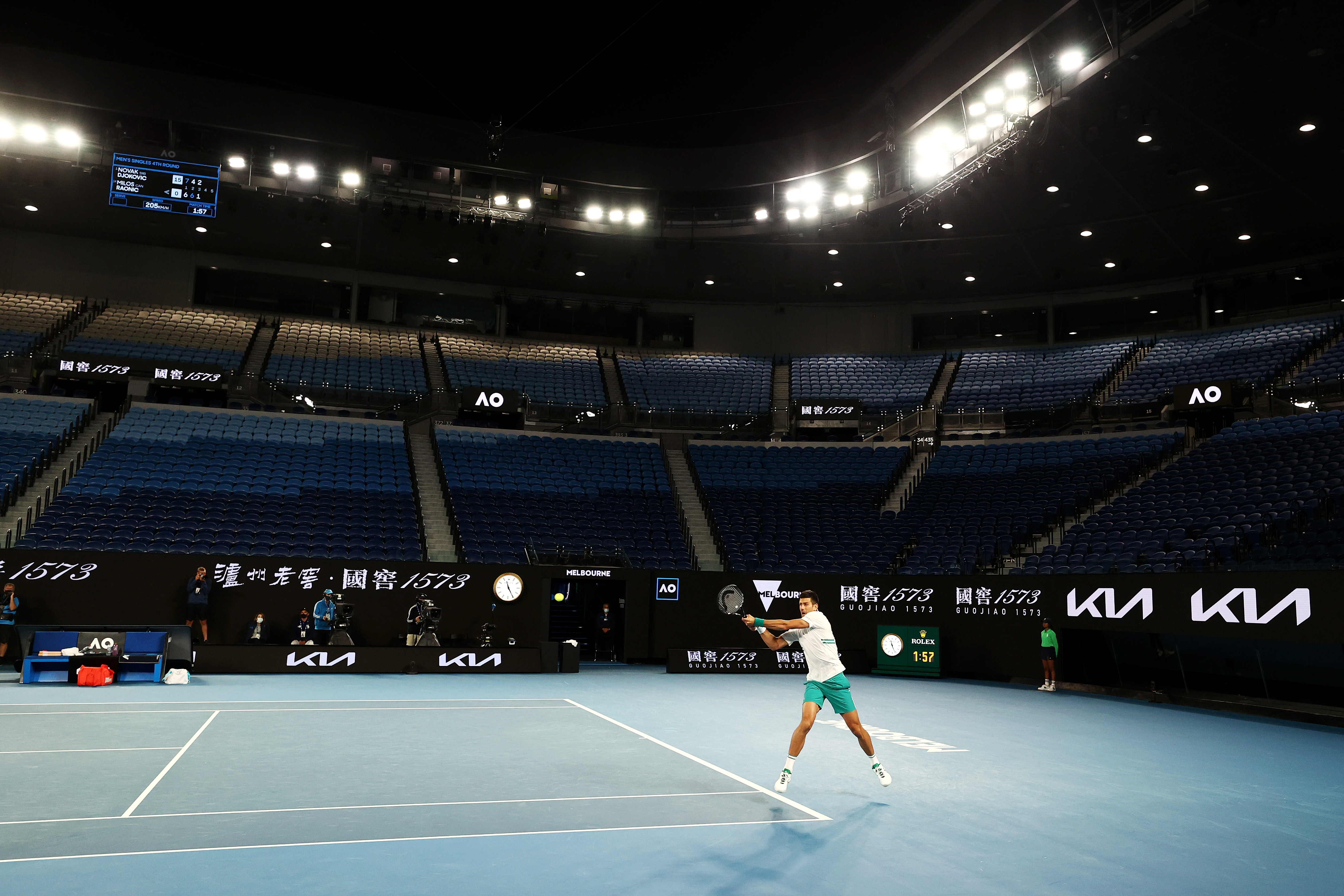
Crowds will return to the Australian Open from today, with a 50 per cent capacity limit enforced for the final four days of the tournament.
Tennis Australia and health authorities agreed to allow masked punters to return to Melbourne Park.
"The crowd will be capped at 7477 for each session, which is approximately 50 per cent capacity," Tennis Australia CEO Craig Tiley said.
Thursday morning's clash between Naomi Osaki and Serena Williams will be played in front of a socially distanced crowd, the first at the Open in five days.
Businesses celebrate amid warnings
The retail and hospitality sectors will be permitted to reopen, with Victorians urged to dine out to support small businesses.
Vince Diaco, owner of Rebel Blue Greek restaurant in Windsor, said he was overjoyed to be able to open again, but insisted damaging lockdowns could not keep happening.
"We are very excited to be back to normal after what was a very rapid and disappointing decision to lock us down for the third time," he said.
"Businesses have been struggling for over a year now and yes we understand the strain of the situation but this cannot keep happening and needs to be managed in a more strategic way."
Mr Diaco said people dining at restaurants and cafes would make "the world of difference" to small businesses.
Borders begin to come down
South Australia has also dropped its border restrictions with regional Victoria.
"We will be keeping the greater metropolitan restrictions in place and they will remain until the 14 days since the community exposure is eclipsed and that will be the 25th, next Thursday," Premier Steven Marshall said.
Other states will keep their existing restrictions on Victorian entry in place for now.
What comes next
Mr Andrews said he would have "more to say" in coming days about support for businesses.
"We'll make announcements when we're in a position to do that," he said.
"We'll make sure we get payments and other supports out there as fast as we possibly can."
The reopening of the hospitality sector comes as the City of Melbourne announced it would extend its outdoor dining program until mid-2021 to support businesses.
Prince Philip admitted to hospital, palace says
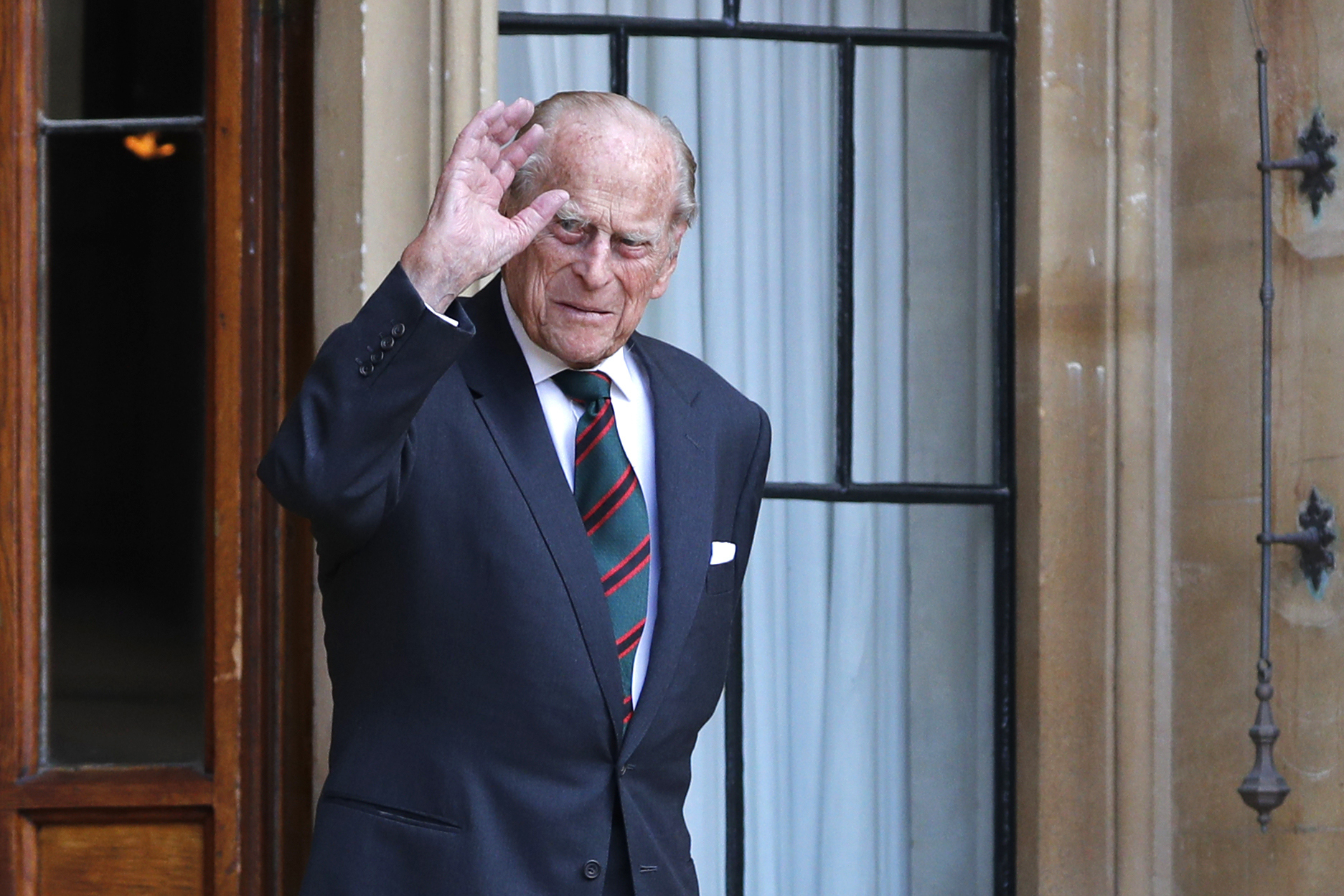
Prince Philip, 99, has been admitted to a London hospital after feeling unwell, Buckingham Palace says.
The palace said overnight that the husband of Queen Elizabeth II was admitted to the private King Edward VII Hospital on Tuesday evening.
It called the admission "a precautionary measure" taken on the advice of Philip's doctor.
https://twitter.com/benavery9/status/1362041069152600067
The palace said Philip is expected to remain in the hospital for a few days of "observation and rest".
Philip, also known as the Duke of Edinburgh, retired from public duties in 2017 and rarely appears in public.
During England's current coronavirus lockdown, he has been staying at Windsor Castle, west of London, with the queen.
Philip married the then-Princess Elizabeth in 1947 and is the longest-serving royal consort in British history. He and the queen have four children, eight grandchildren and nine great-grandchildren.
A former naval officer and keen polo player, Philip enjoyed robust health well into old age but has had a number of health issues in recent years.
In 2011, he was rushed to a hospital by helicopter after suffering chest pains and treated for a blocked coronary artery. In 2017, he spent two nights in the King Edward VII hospital and was hospitalised for 10 days in 2018 for a hip replacement.
Philip was last hospitalised in December 2019, spending four nights in the King Edward VII Hospital for what the palace said was planned treatment of a pre-existing condition.
He was forced to give up driving at the age of 97, after smashing into a car while driving a Land Rover near Sandringham estate in January 2019. Philip needed help to get out of the Land Rover but wasn't injured. A woman in the other vehicle suffered a broken wrist.
Queensland acts to strengthen domestic violence laws
The Queensland Government will set up an independent taskforce to investigate the potential to make coercive control a crime.
Premier Annastacia Palaszczuk made the announcement in a series of tweets this morning.
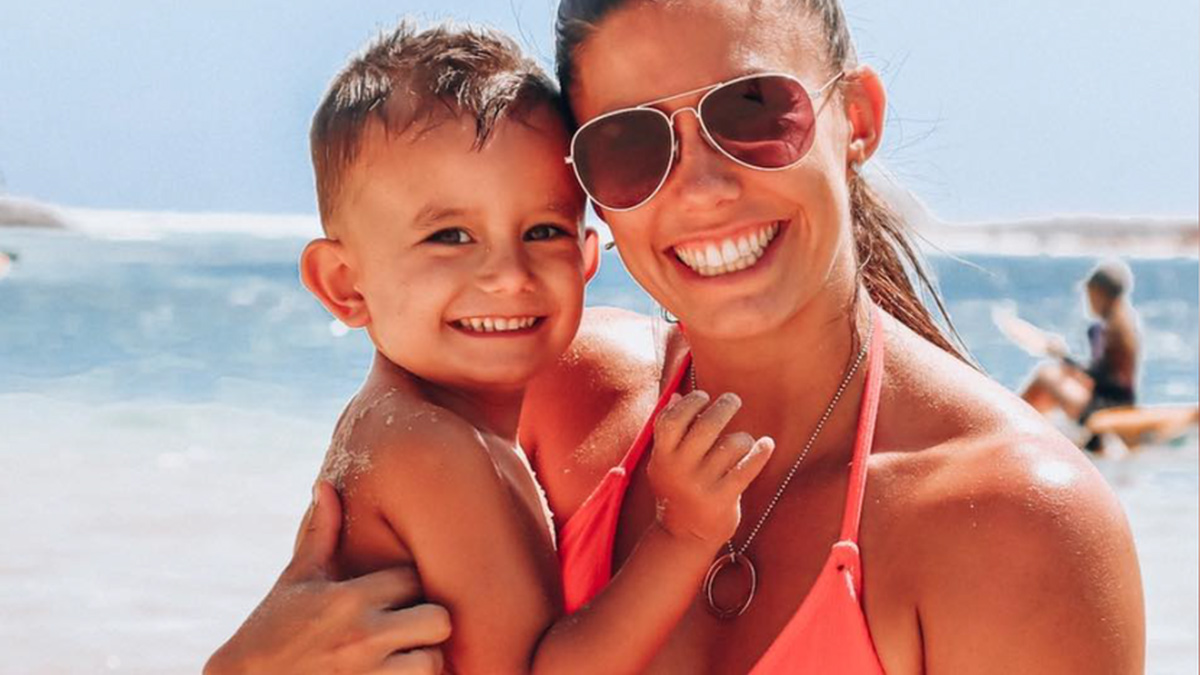
The move comes a year after Brisbane mum Hannah Clarke and her three children were murdered by her estranged husband.
Coercive control is a form of non-physical domestic and family violence.
It includes behaviours such as controlling what someone wears, limiting access to money, tracking someone's location, controlling who they see and persistent texting.
Coercive control is seen by many domestic violence experts as a precursor to physical violence and murder.
The new taskforce will consult with a wide range of domestic violence survivors, service providers, legal experts, domestic and family violence experts and the community.
"We've seen legislation against coercive control in places like the UK, and it's important that we too have legislation in place to better protect victims," Ms Palaszczuk wrote on Twitter.
https://twitter.com/AnnastaciaMP/status/1361771068323553282?ref_src=twsrc%5Etfw
The chair of the taskforce is expected to be announced later today.
During the election, Ms Palaszczuk committed to making coercive control a crime.
Currently, Tasmania is the only Australian state which has laws directly addressing coercive and controlling behaviours.
However, the NSW, Victoria, South Australian and the Northern Territory state governments are also considering introducing similar laws.
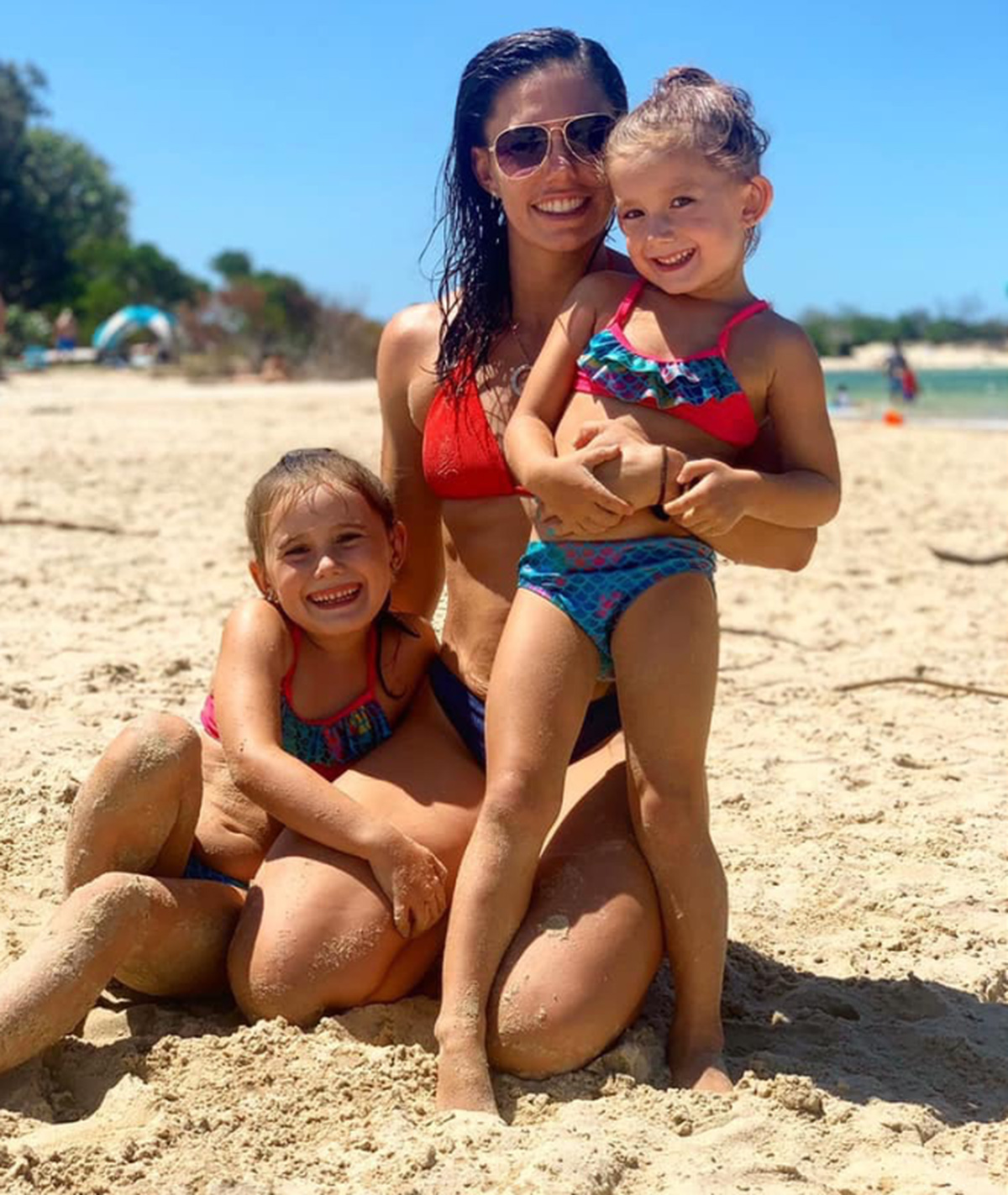
Ms Clarke's family have advocated for law reform when it comes to coercive control.
She and her children, Aaliyah, six, Laianah, four, and Trey, three, died after they were doused in petrol and set alight by Rowan Baxter on February 19, 2020.
REVIEW: Lego pushes into the online market with new app VIDIYO
Lego's take on TikTok is as fascinating as it is limited.
On March 1, Lego VIDIYO will start appearing on app stores and store shelves in a bid to combine the world's most famous plastic bricks with the fun of creating and safely sharing music videos from home.
It sounds simple but the pitch gets a little complicated to explain (or write about) compared to good ol' fashioned Lego.
On top of buying a set, you have to build the character, scan them into the app to unlock them as a bandmate, then create a Lego account to share the videos you make to earn points that unlock costumes and more.
You can download the Lego VIDIYO app and get started for free, but you can't unlock its full potential without buying the physical sets.
The bricks
There are six "beatbox" starter kits to collect that fuse colourful characters with music genres.
Party Llama is all about Latin music, K-Pop tracks are hiding within Unicorn DJ and ETDM is Lego's extraterrestrial take on electronic dance music.
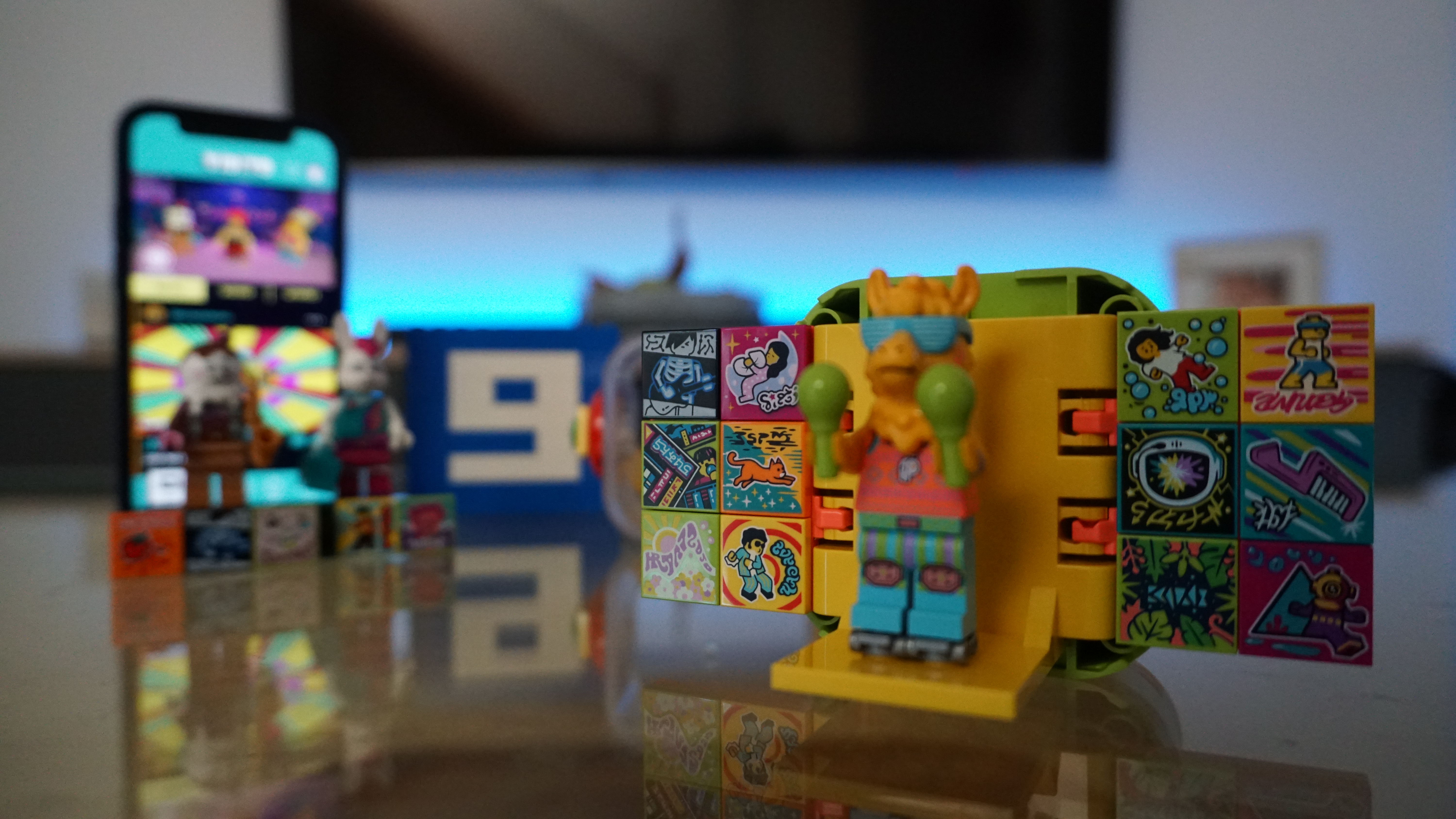
Scanning one of these six figures both allows you to use a virtual version of the character in your music videos and unlocks a selection of songs in their respective genres. If you, like me, love the look of Party Llama but aren't the biggest fan of latin music, you'll be rewarded with a selection of songs you might not recognise let alone like.
There are just 30 songs at launch which pales in comparison to the near-unlimited selection you can find on TikTok and Instagram. Big names like Taylor Swift and The Weeknd are among the selection and Lego's promising to add new music every week in partnership with Universal Music.
Lego VIDIYO wouldn't exist without this partnership but it also means hits from artists signed to other labels will likely never see the light of day.
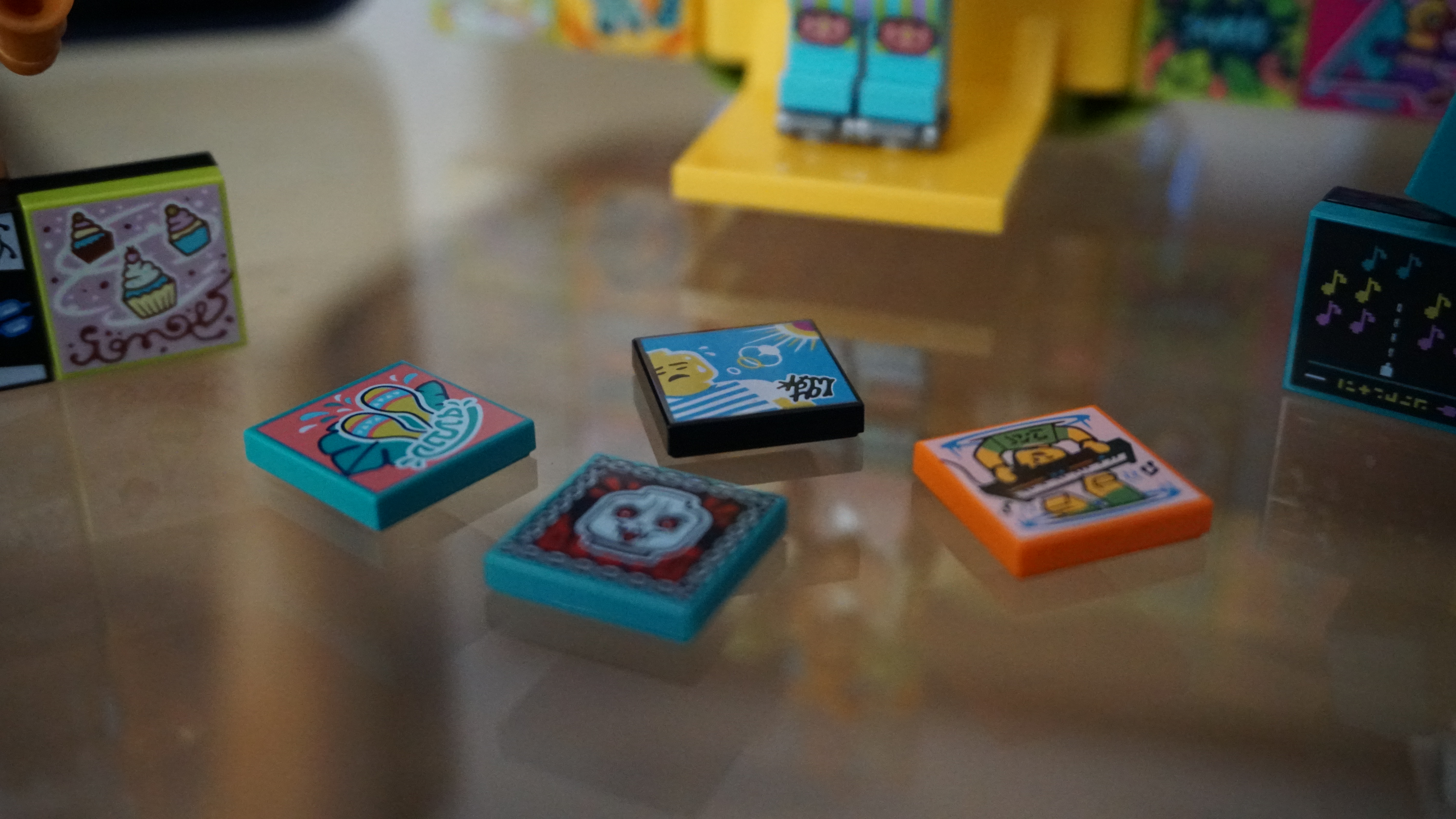
In addition to characters and music, the starter kits – as well as the mystery bandmate packs – come with a number of critical new bricks called "beat bits".
There are more than 130 beat bits and each unlocks different effects to use in your videos.
Unlike the characters which only have to be scanned once, beat bits have to be scanned at the start of every video. You can stack up to 12 on either side of your starter kit which you can then activate at any time with a tap.
Beat bits can send cats flying across the screen, add X-ray and underwater filters or trigger dance moves that can send your bandmates floating into the sky.
There's nothing to explain what each beat bit does or how they'll work in combination with one another, and much of the fun comes from trial and error.
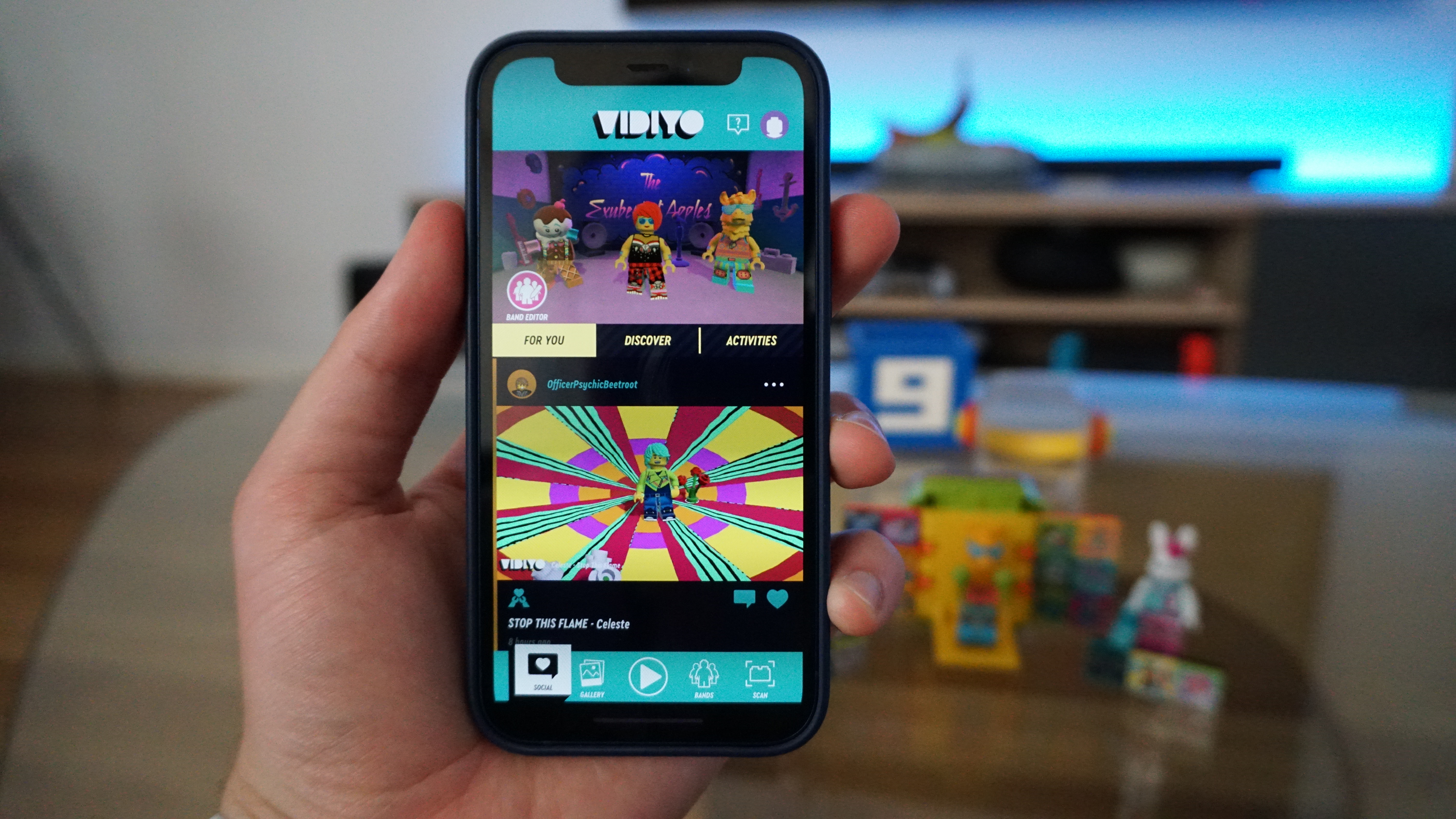
The app
There's plenty to do in the VIDIYO app (even in early access) but the meat on this bone is recording and sharing video.
Unfortunately, the process isn't as simple as choosing your song and hitting record.
You have to register each character separately before they can be used and if you swap out their head or legs, the scan won't recognise them.
You then have to create a band, select your band, scan your beat bits and select your 'stage'. VIDIYO is an augmented reality (AR) experience, so the background in videos is the world around you.
The app uses your camera to search for a flat surface but has some problems with shiny, reflective or glass surfaces, which can leave your bandmates floating in midair. However, that's not nearly as big a hurdle to the fun as needing to scan a character surrounded by beat bits before every video.
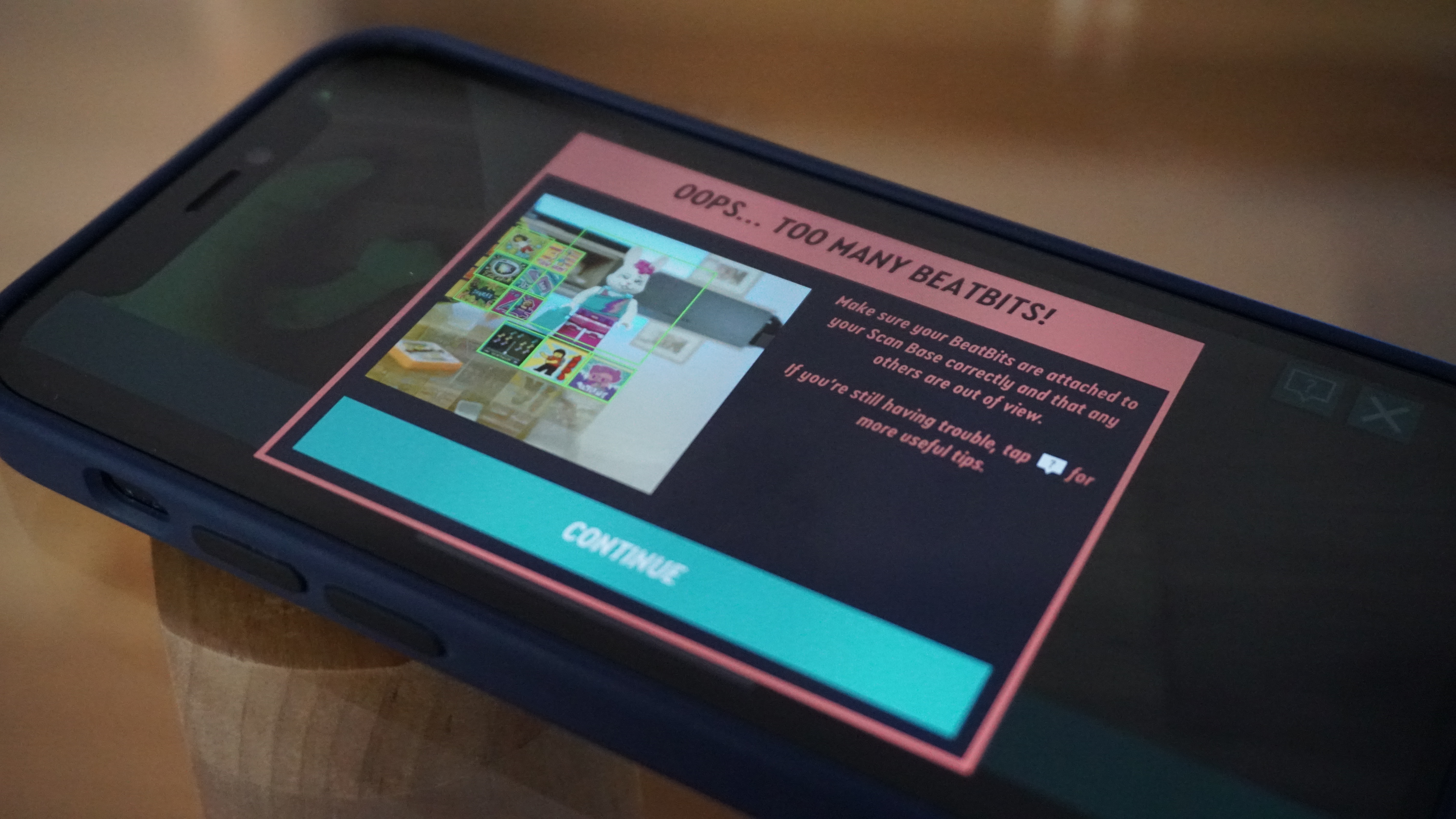
You literally can't record a video without access to the physical bricks. There's no option to virtually select the best bits you've previously scanned from a list either, so you'll have to rearrange them in the real world every time. Building and rebuilding is part of the fun with Lego but in this instance, it's an unnecessary barrier to it.
Once you're scanned and set up, the music starts and you have 60 seconds to 'perform'. Infinitely more creative minds than mine have already directed some wonderfully inventive clips using the tools provided by Lego combined with handcrafted sets and editing. You can still have fun with the basics as I did, but there's a wealth of depth for players who want it.
Each video is automatically saved to your gallery, but you can only share 5, 10 or 20 second clips. Every video is watched and approved by Lego's team before being shared online which can take up to 15 minutes. A delay Lego is happy to wear to deliver on its promise of a safe social network for kids.
Videos can't be named but can be tagged with prewritten phrases like "My Favourite Band" and "Wow".
Once approved, videos appear on one of two tabs on the app's home page: 'for you' and 'discover'. The latter has some basic search functions based on those prewritten tags but is generally pretty limited.
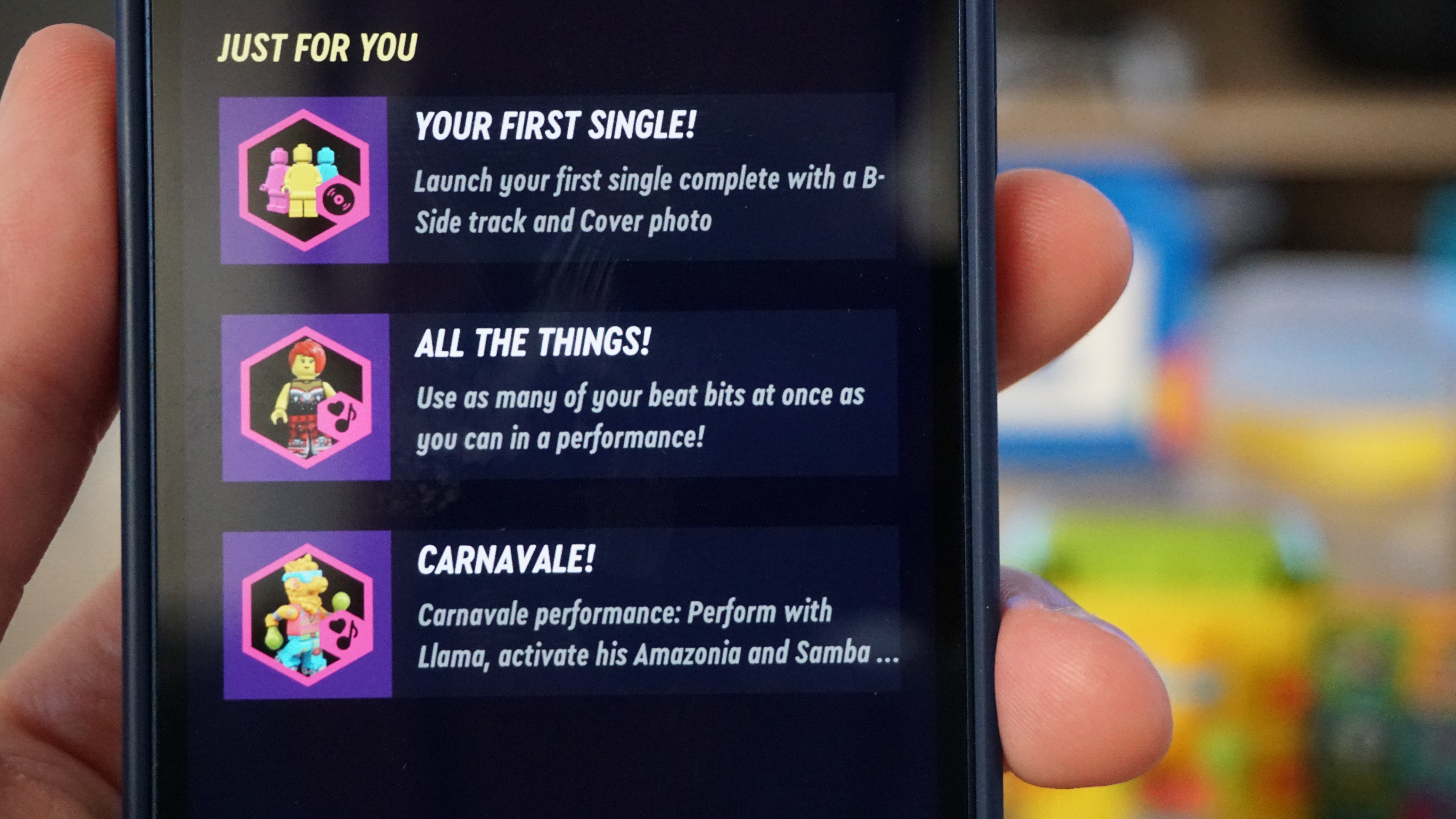
If you're lacking inspiration, there are a number of daily activities to complete to earn 'beat coins'. Beat coins can be spent in the app on cosmetics like new hairstyles, clothing, poses for those in your band, which you can then use in videos or take photos that can be used to create and share album covers.
No real money can be spent to gather beat coins and there are no microtransactions in the app.
Verdict
Lego VIDIYO aims to be greater than the sum of its parts. The problem is those parts get in the way of each other.
On their own, the individual $25.99 'beat boxes' are basic – and somewhat boring – builds.
Their value is explicitly tied to the app which, at launch, doesn't offer enough for those who don't heavily invest.
Accessing all 30 songs requires all six 'beat boxes' which together cost $155.94.
That being said, Lego has created something special.
Kids aged 7-10 who can navigate the hurdles required before hitting the record button will undoubtedly have fun, but the app must be streamlined and offer more for free over time if it's to unlock its own potential.
Wellington fatal assault: Young man dies after incident outside Te Papa
A man has died after spending four days in hospital following a serious assault in central Wellington. Police have now started a homicide investigation after the fatal assault that occurred outside Te Papa on Saturday night. The…
Sydney mum 'butchered like she was nothing' by daughter
The sister of a woman who decapitated their mother in her western Sydney home says she will never forgive her, as audio of the Triple Zero call made in the moments after the attack was made public.
Jessica Camilleri faced a sentence hearing in the Supreme Court today after she was found guilty of the manslaughter of her mother Rita in St Clair in 2019.
Audio of an emergency call Ms Camilleri made after fatally stabbing her mother was released today.

She can be heard telling the operator she needs police and an ambulance, and saying she killed her mother "in self-defence".
"In the frustration I didn't know what I was doing, I cut her head off," she said.
"I chopped her head off with a knife."
She did not react as her sister Kristy Torrisi delivered her powerful victim impact statement.
"My mother was taken from me by the selfish hands of my own sister," Ms Torrisi said.
"She was killed and butchered like she was nothing, all because of a fit of rage."
Ms Torrisi told the court they had tried to help Ms Camilleri with her various mental health issues for many years.
"She preferred the attention her behaviour attracted instead," she said.
"It was her own choices in refusing the help that led her here.
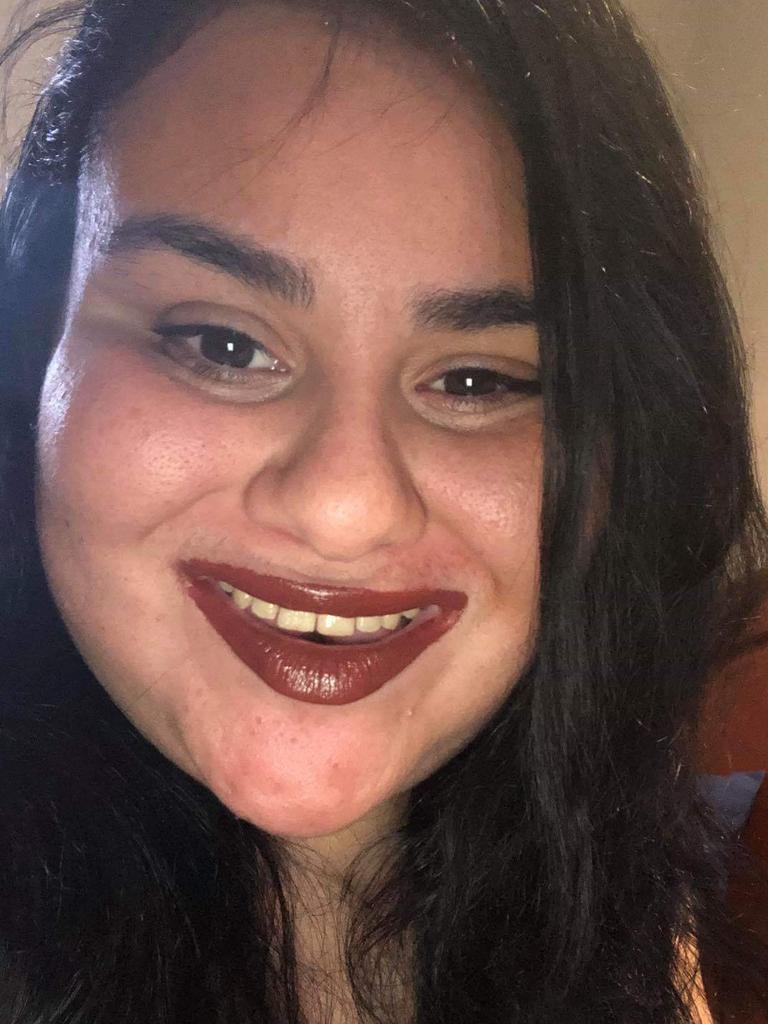
"My mother Rita Camilleri was a beautiful woman inside and out, she had a heart of gold and always put others before herself including Jessica."
She also detailed her battle with depression and the difficulties of dealing with the outside world.
"I have been labelled that girl, the girl whose mother got beheaded," Ms Torrisi said.
Ms Camilleri had history of making prank phone calls and threatening to cut people's heads off before the killing.
She was also obsessed with horror movies which included The Texas Chainsaw Massacre.
Her trial was told an argument broke out when Mrs Camilleri threatened to send her daughter to a mental health unit because she'd had enough.
"I couldn't stop because I had enough of living like his always being belt up when I did something wrong," Ms Camilleri later told police.
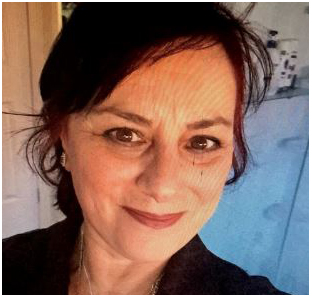
She had stabbed her mother more than 200 times.
Mrs Camilleri's sister Mary Hill told the court today she had raised concerns about her sister's safety on several occasions.
"She was blinded and couldn't see what I could see… Rita was a testament to a mother's unconditional love for her daughter," Ms Hill said.
She also hit out at the mental health system for failing the family.
"Until more resources and funding put towards essential mental health services, there will be more tragic cases," Ms Hill said.
Covid 19 coronavirus: Hospitality sector toasts new rules, offered help for lockdown hangover
Hospitality groups and suppliers are toasting a drop in coronavirus alert levels but operators don’t expect a sudden rush to restaurants and bars.The Government’s covid resurgence supplementary payment offer won praise but experts…
Crowds to return to the Australian Open tomorrow at 50 per cent capacity
Crowds will return to the Australian Open from tomorrow, with a 50 per cent capacity limit enforced for the final four days of the tournament.
Tennis Australia and health authorities agreed to allow masked punters to return to Melbourne Park after it was announced a five-day lockdown would be lifted at midnight tonight.
"The crowd will be capped at 7477 for each session, which is approximately 50 per cent capacity," Tennis Australia CEO Craig Tiley said.
READ MORE: Some restrictions to remain across Victoria
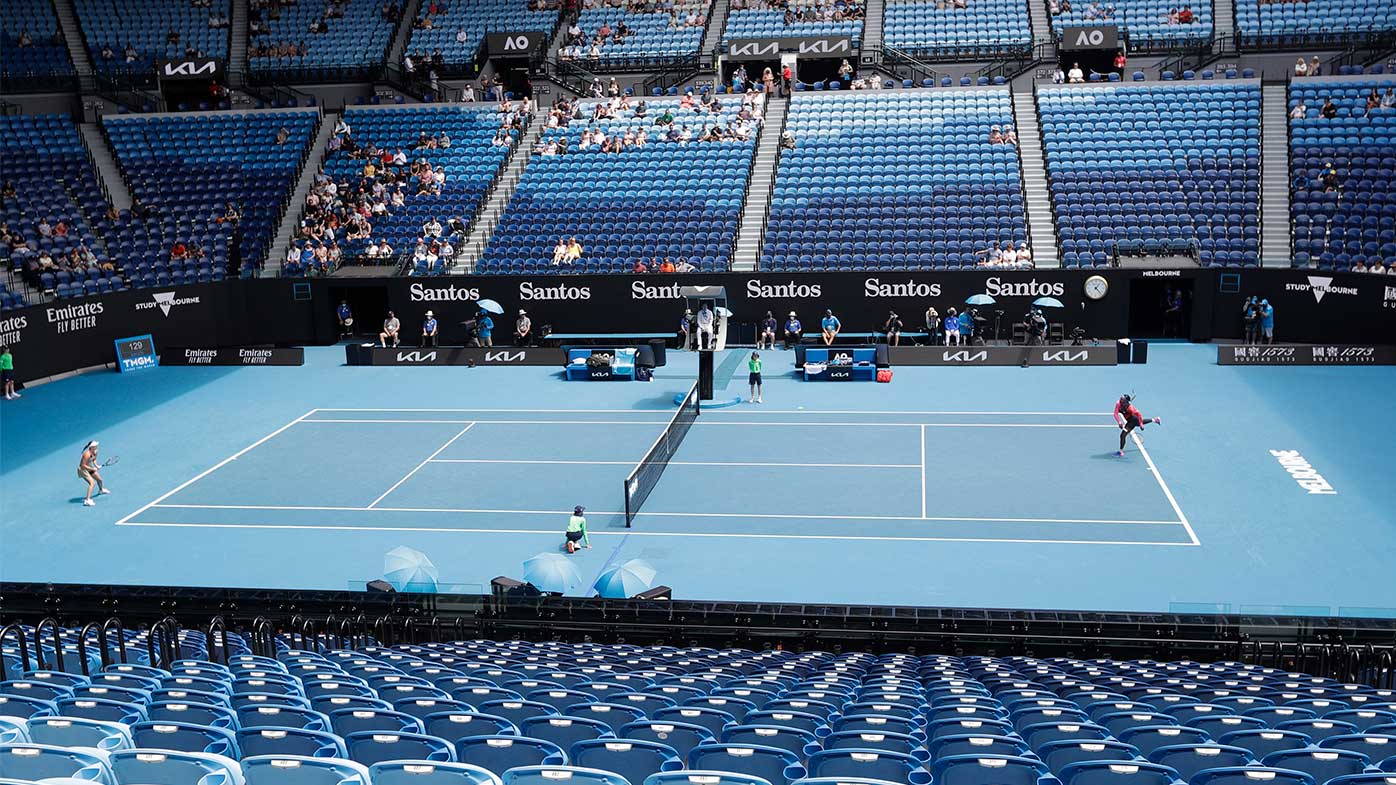
"Last week we had our first real experience of live sport with fans in the stands and the atmosphere was electric.
"The players appreciated the opportunity to compete in front of crowds for the first time in almost a year, and many spoke about how emotional it was to connect with fans again."
Earlier today Premier Daniel Andrews said a decision on the tennis tournament would be made "as soon as possible".
No crowds were permitted
Currently no crowds are allowed at the event, with ticketholders intending on attending in the past five days having to stay home.
With the lockdown staying in place until midnight tonight, the blockbuster clash between Rafael Nadal and Stefanos Tsitsipas will be played in an empty Rod Laver Arena.
But tomorrow morning's clash between Naomi Osaki and Serena Williams will be played in front of a socially distanced crowd.
LIVE UPDATES: The latest on the Australian Open
No new coronavirus cases have been diagnosed in Victoria in the past 24 hours.
Nearly 40,000 tests were conducted across the state in the past 24 hours.
What's open in Victoria?
Hospitality venues have a density quotient of one person per two square metres, but up to 25 patrons are allowed before that rule applies.
Cinemas and galleries will be open at 50 percent total capacity. Zoos and amusement parks are open at 75 percent of venue capacity.
Nightclubs are open with a maximum of 50 people on the dancefloor. Gaming venues are open with every second machine turned off.
READ MORE: Everything you can and can't do in Victoria
Real estate inspections and auctions are allowed to operate with a density quotient of one person per square metres.
Hairdressers and beauty salons are open but face masks are required, but can be removed for beauty services.
Brothels and sex on premises venues are open with a one person per four square metres density quotient.