A frigid blast of winter weather across the US plunged Texas into an unusually icy emergency.
Tag Archives: oceania
Strange life forms found under Antarctic ice
The accidental discovery of strange life forms on a boulder beneath the ice shelves of the Antarctic has confounded scientists.
Researchers were drilling through 900m of ice in the Filchner-Ronne Ice Shelf, situated on the southeastern Weddell Sea, when they stumbled upon unexpected creatures "firmly attached to a rock," living in the darkness and subzero temperatures.
A collection of stationary animals — sponges and potentially several previously unknown species — were among the discoveries.
READ MORE: Crumbling Antarctic glaciers threaten sea levels
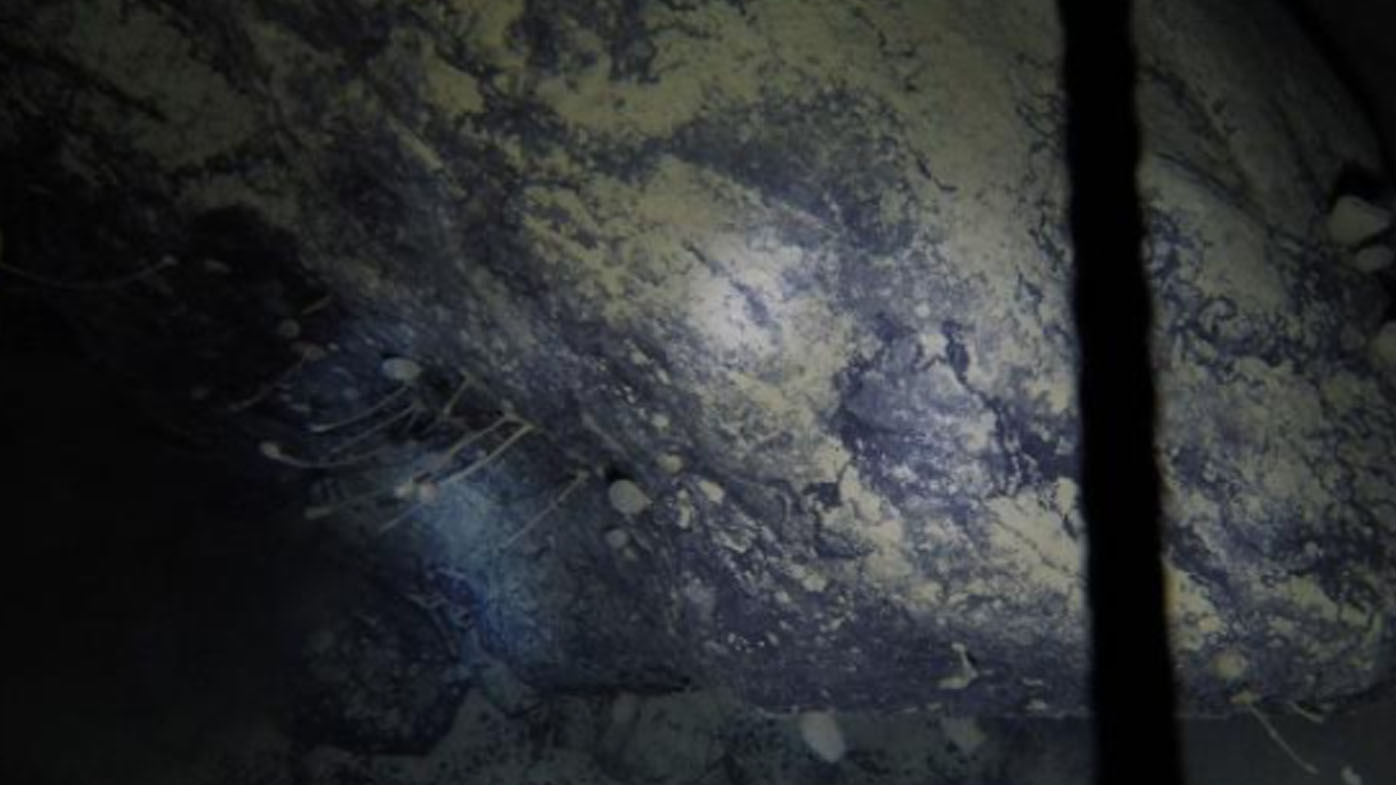
Animals like these aren't expected to live in these extreme locations, because they are so far from sunlight and any obvious source of food.
It was "a genuine surprise to see these animals there," said marine biologist Huw Griffiths, lead author of a new study documenting the discovery. "It's about 160 kilometres further under the ice shelf than we had ever seen a sponge before."
The accidental discovery was made by a team of geologists, who were drilling through the ice to collect mud samples but came across the rock harbouring these strange creatures.
The area beneath giant floating ice shelves is one of the least known habitats on Earth.
READ MORE: Mummified penguins unearthed in Antarctica
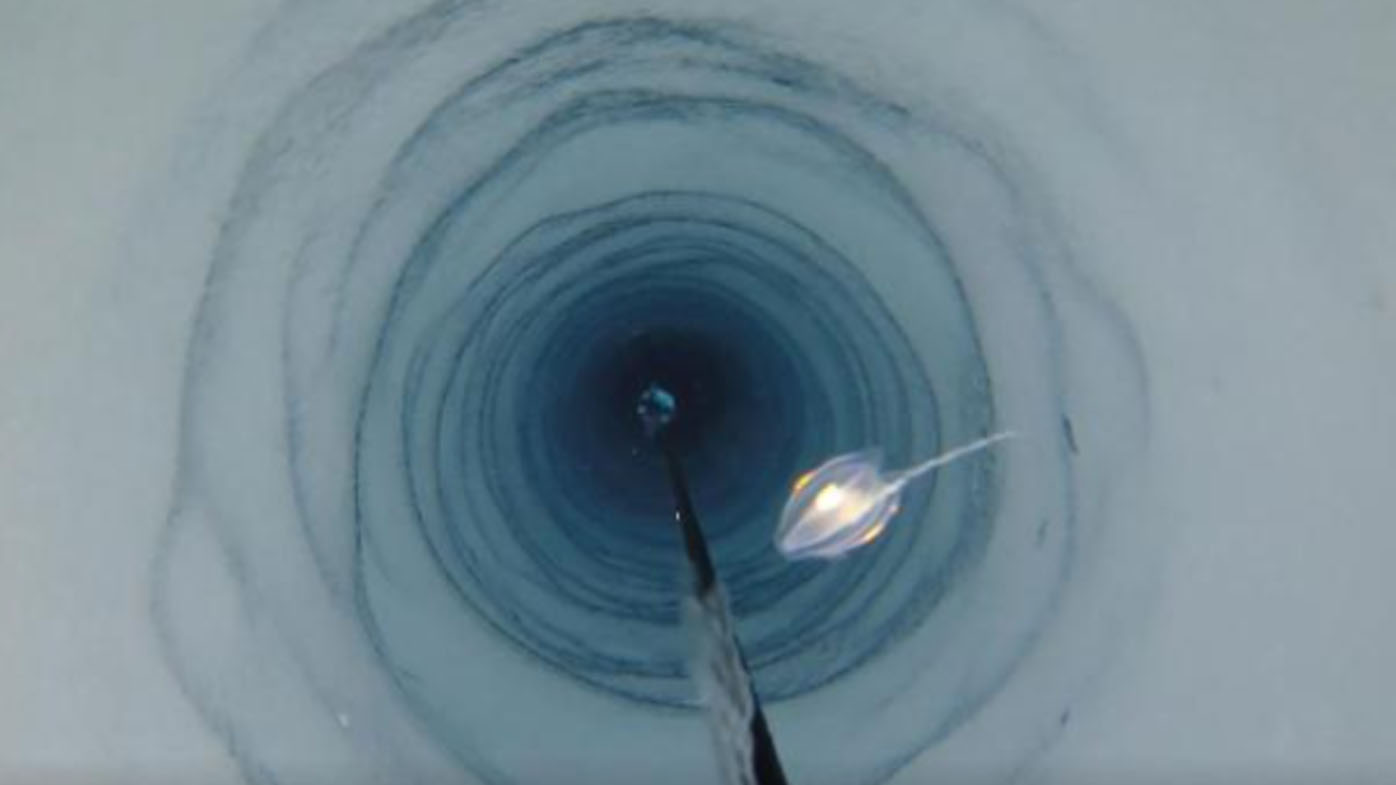
To get a glance at what is happening below a huge mass of ice, boreholes are drilled through it and cameras lowered down. The total area that humans have seen below the ice shelves adds up to about the size of a tennis court, according to Dr Griffiths, who has worked with the British Antarctic Survey for more than 20 years.
Finding the sponges in this remote location, Dr Griffiths said, was what made this discovery particularly perplexing.
If there was lots of sunlight and an abundance of food, filter-feeding animals like these would usually dominate, Dr Griffiths said. In deep seas with a limited food supply, you're more likely to find crabs and mobile animals that scavenge for food, he added.
https://twitter.com/BAS_News/status/1361198123213852673?ref_src=twsrc%5Etfw
"Somehow, some really specialised members of the filter-feeding community can survive," he said. "They could be brand-new species or they could just be incredibly hardy version of what normally lives in Antarctica — we just don't know. My guess would be that they are potentially a new species."
Dr Griffiths said: "If they are living somewhere as tough as this, they are probably specially adapted to being there. There is a good chance they might go weeks, months and years without food — you have to be pretty hardy to cope with that."
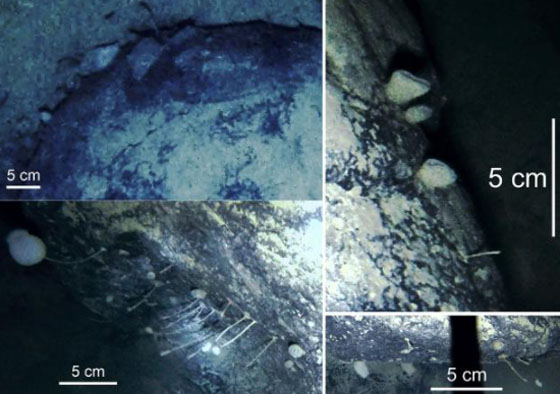
This could be an opportunity to learn from these "hardy" organisms and how they survive in extreme conditions — be it for medical, engineering or other scientific purposes, he said.
Smarter technology and ideas are needed to get closer to these animals, he said, and more research is required to really get a better and bigger picture of what's going on beneath the ice.
"It's this idea that there is a whole world that we know nothing about. The idea that there are lots more of these rocks down there. … That would constitute a huge habitat that we didn't know existed," Dr Griffiths said.
"There are so many questions. There is life on Earth that isn't playing by the rules that biologists understand."
AstraZeneca vaccine approved for use in Australia
Australia's Therapeutic Goods Administration (TGA) has granted provisional approval to AstraZeneca for its COVID-19 vaccine, making it the second vaccine to receive regulatory approval in Australia.
Initial supply of this vaccine will be imported into Australia from overseas, however it is anticipated that ongoing supply will be manufactured in Australia.
Prior to the supply of vaccines manufactured onshore, AstraZeneca will submit further information and data to the TGA to confirm that onshore manufacturing will meet strict quality standards.
READ MORE: Pfizer vaccine likely to 'retain effectiveness' against some variants
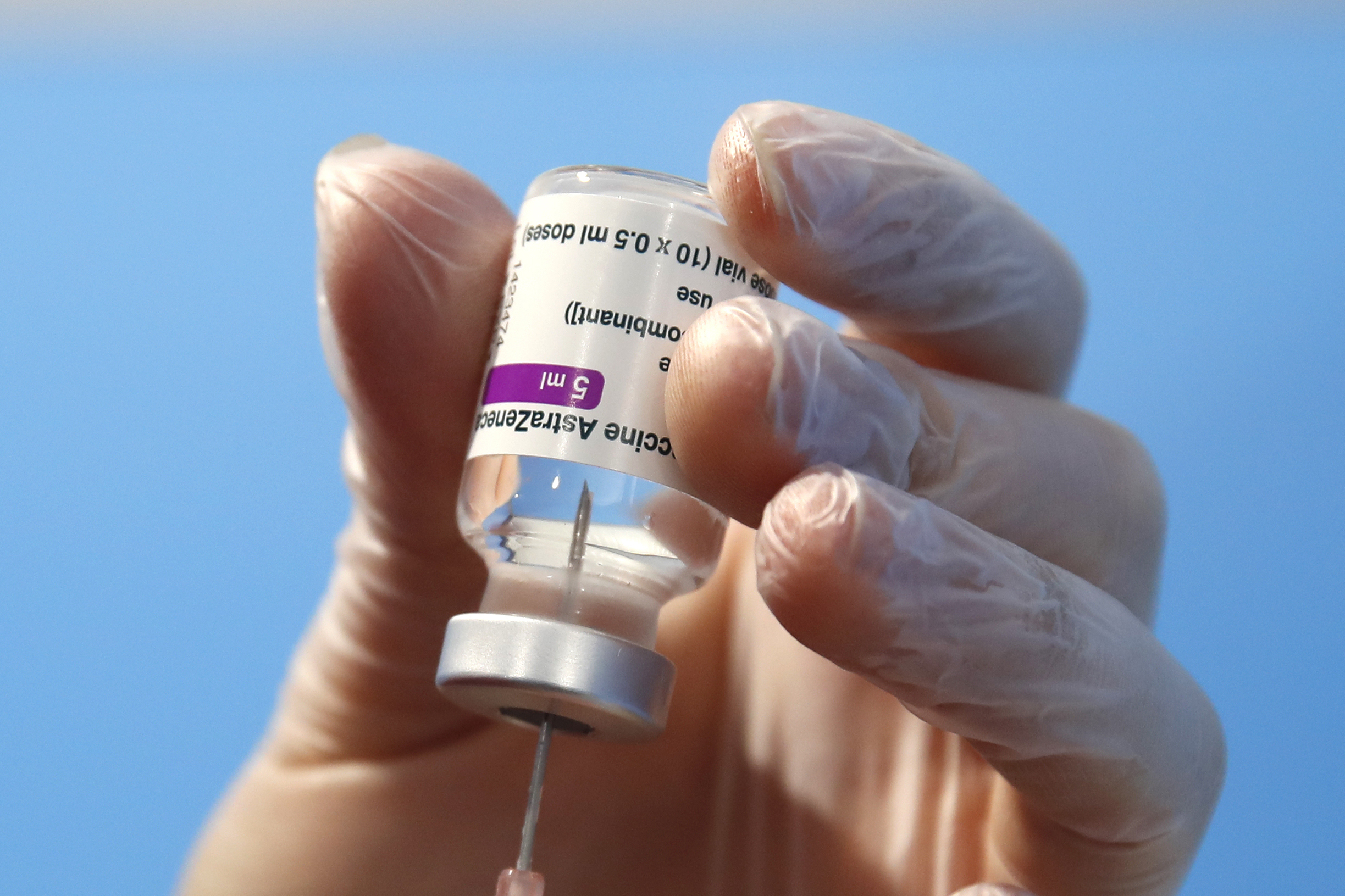
The approval is valid for two years and the vaccine can now be legally supplied in the country, the TGA said.
The second dose of the vaccine is to be administered from four to 12 weeks after the first.
The approval is given for Australians aged 18 years and older. There were no safety concerns from elderly patients during the vaccine trials.
"Elderly patients over 65 years of age demonstrated a strong immune response (high seroconversion rates) to the vaccine in clinical trials, however there were an insufficient number of participants infected by COVID-19 to conclusively determine the efficacy in this subgroup," the TGA noted in its approval.
READ MORE: WHO approves AstraZeneca's COVID-19 vaccine for emergency use

"In this sub-population, efficacy has been inferred from immunogenicity data and efficacy demonstrated in the general population.
"Reassuringly, there were no safety concerns in this age group in the clinical studies, nor in the large numbers of elderly people who have been vaccinated to date in overseas rollouts."
Rollout an 'enormous exercise': PM
Australia's vaccination strategy is an "enormous exercise", Prime Minister Scott Morrison has said.
"The vaccines that we have, they address the critical issue of serious disease and indeed, the risk of fatality that can arise from COVID-19," he said.
"Increasingly we're seeing positive signs about its impact on transmissibility as well."
READ MORE: Australia's coronavirus vaccination program begins crucial week
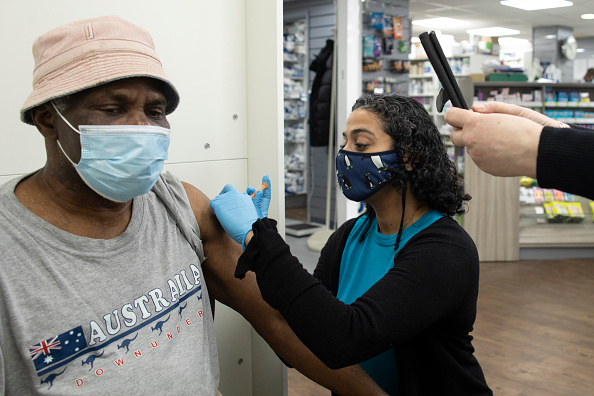
Health Minister Greg Hunt has touted the positive results seen from the AstraZeneca vaccine published in top medical journal The Lancet.
The journal stated the AstraZeneca vaccine offers a 100 percent "protection against severe disease, hospitalisation, and death".
"What that means is that the vaccine rollout is on track," he said.
"All of the team at the TGA that have worked extraordinary hours to tick every box, to assess everything, to make sure that safety, safety, safety, is the number one priority."
READ MORE: UK hits target: Gives at least 1 vaccine shot to 15 million
'No indication' vaccine is unsafe for pregnant women
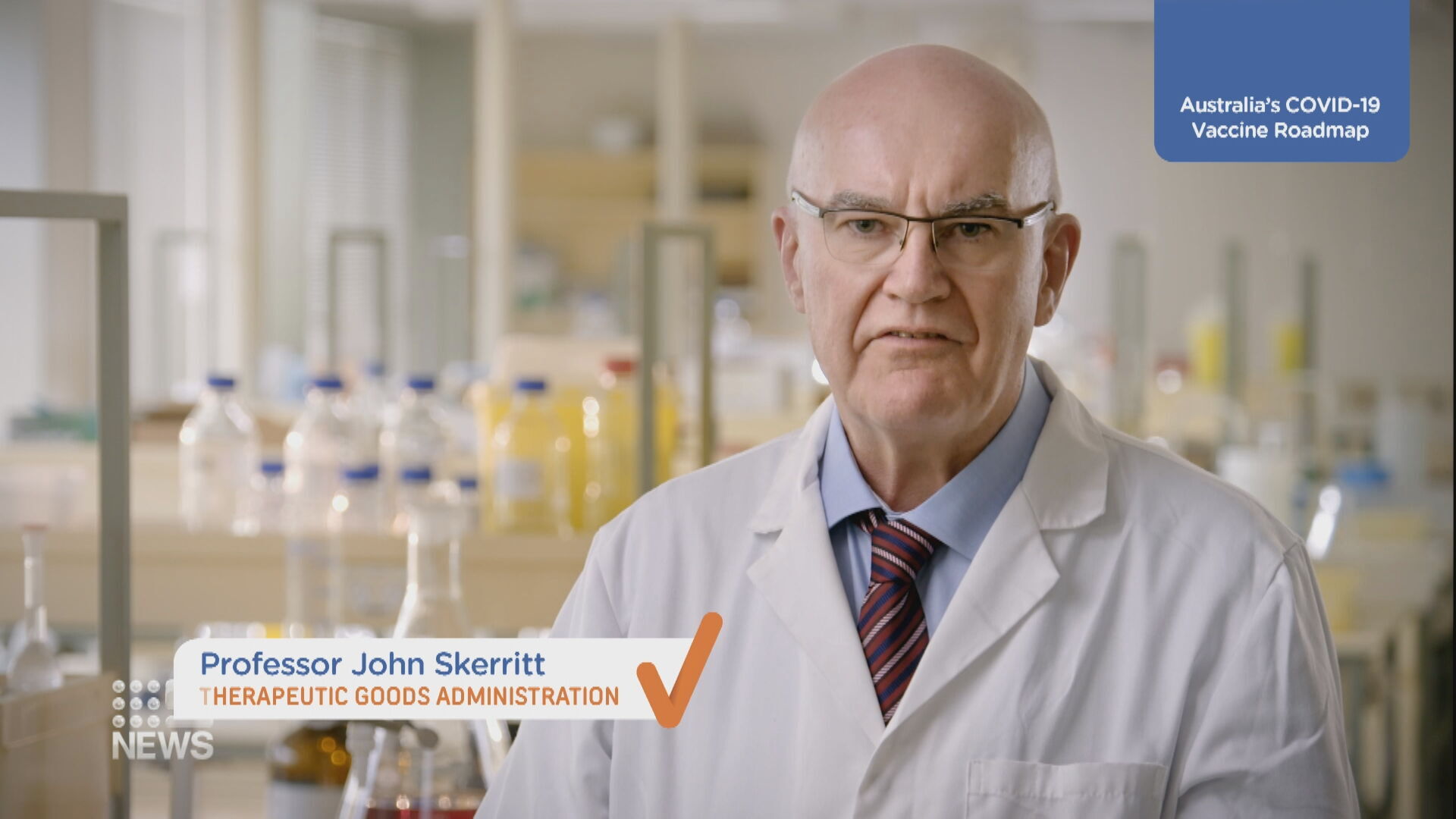
TGA boss John Skerritt also said there was no indication the vaccine was unsafe for pregnant women.
"If you're known to be pregnant, you can't volunteer for a clinical trial. It's just a safety measure, a precautionary measure," Prof Skerritt said.
"However, there were a number of people who didn't know they were pregnant or became pregnant during the trials, and there haven't been reports of adverse outcomes."
READ MORE: Oxford University testing COVID-19 vaccine in children
Of the pregnant women overseas who have since received the vaccine, there has been no indication of a problem.
"Those babies are yet to be born and so forth, again, there's no evidence of anything untoward such as miscarriage or illness during pregnancy," Prof Skerritt said.
"As the weeks and months go on, we'll know a lot more about pregnancy with these vaccines."
You can get up-to-date information from the Federal Government's Coronavirus Australia app, available on the App Store, Google Play and the Government's WhatsApp channel.
Beyond Blue's Coronavirus Mental Wellbeing Support Service is a 24/7 service free of charge to all Australians. Visit the site here or call 1800512348
For coronavirus breaking news alerts and livestreams straight to your smartphone sign up to the 9News app and set notifications to on at the App Store or Google Play.
Imitations of famous Australian wines spotted in China
Imitations of famous Australian wine brands have been spotted on store shelves in China, months after exports were hit with trade sanctions by Beijing.
Knock-offs, being sold as 'Penfunils' and 'Benfords' were seen on supermarket shelves in China's Hainan province on Sunday.
China based journalist Patrick Fok spotted the apparent counterfeits and posted them on social media.
READ MORE: China announces massive new tariffs on Australian wine
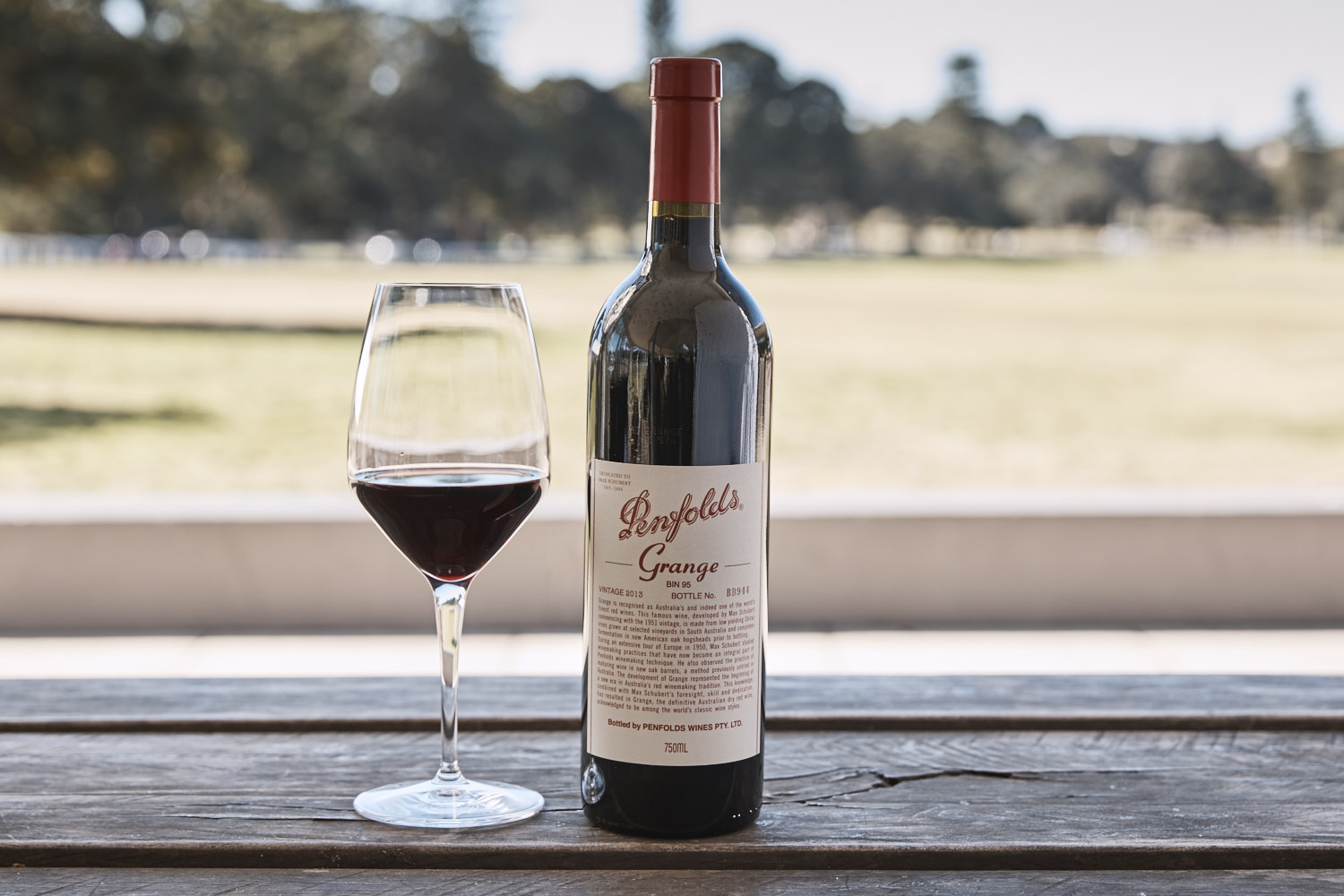
"Spotted in Hainan. Must admit I have never come across these Australian labels," he tweeted.
The knock-off bottles used the same signature red and while label, with a similar font used on real Penfolds bottles.
A spokesman for Treasury Wine Estates, which own Penfolds, told Nine.com.au the company is investigating the incident.
"We take any infringement of our Penfolds brand very seriously and we continue to make significant investments in our brand protection program across markets including China," the spokesman said.
Last year in an anti-dumping measure China imposed massive tariffs on Australian wine exports.
https://twitter.com/PaddyFok/status/1360775563388936193?ref_src=twsrc%5Etfw
China's Ministry of Commerce announced last November the duties would range from 107.1 per cent to 212.1 per cent, effectively doubling to tripling the cost of Australian wine.
"There is a causal relationship between (wine) dumping and material damage," the ministry said in a statement.
Just weeks later importers were told they would be required to pay a deposit of 6.3 per cent to 6.4 per cent, pending a final ruling.
Wine along with other Australian exports were targeted with trade sanctions last year amid plunging relations between Canberra and Beijing.
They came after Prime Minister Scott Morrison's called for an international inquiry into the origins of the pandemic in China and concerns about foreign interference in Australia.
READ MORE: China's wine investigation 'lacks substance'
China accounted for nearly 40 per cent of Australian wine exports, by far the biggest global market.
China has argued that Australian winemakers have flooded its market with cheap wine, selling it for less than it sells in Australia.
The Federal Government is now preparing to take China to the World Trade Organisation over the wine tariffs.
Heatwave warning for south, as showers drench east
A burst of late-summer heat is set to hit southern Australia this week, causing temperatures to soar 10C above average in some states.
The heat will drift across southern Australia this week as northerly winds develop ahead of a low pressure through.
The hot air will move from west to east during the week, sending temperatures soaring from Perth to Hobart.
READ MORE: Millions without power in Texas as snow storm slams US
The hottest temperatures are predicted in southwestern Australia early in the week, where Perth is forecast to reach 31C today.
By the middle of the week, temperatures will be soaring in South Australia as inland heat gets driven towards the nation's south coast.
Some places on the West Coast and Eyre Peninsula should reach 40C tomorrow or Thursday.
Adelaide is forecast to reach at least 30C each day between today and Friday, peaking at 36C tomorrow.
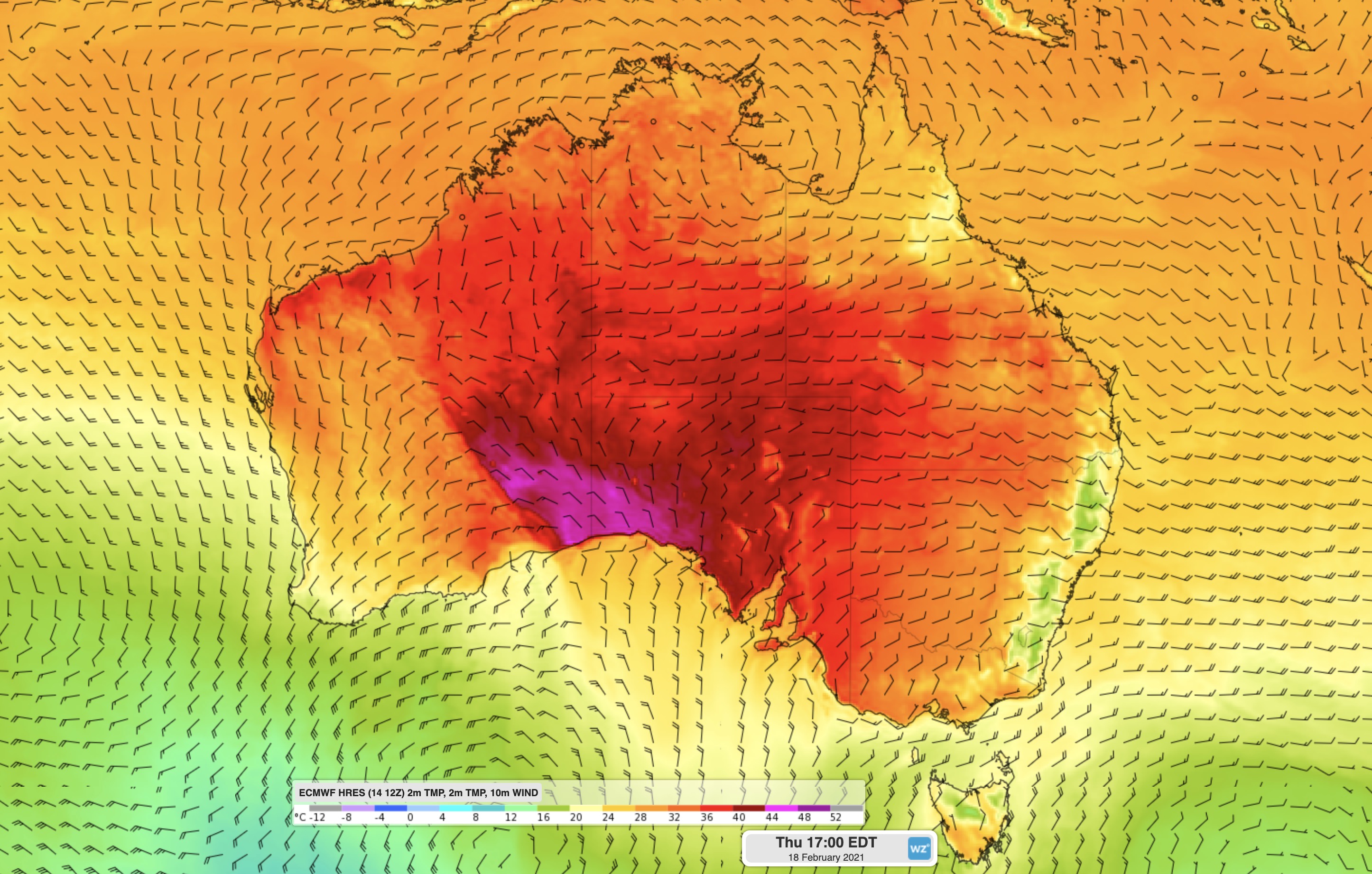
As the hot air spreads further east, a string of hot days and warm nights will cause a low-intensity to severe heatwave in parts of Victoria and Tasmania towards the end of the week.
Melbourne is tipped to have five days of 31-33C starting from today, with the highest temperatures likely to occur on Friday or Saturday.
Hobart is forecast to reach the high-twenties to low-thirties between Wednesday and Saturday, topping out at 32C on Friday – 10C above the city's average maximum temperature for February.
Here's your state-by-state weather forecast for Tuesday, February 16, 2021:
New South Wales and the ACT
Showers, cool-to-mild in the northeast. Clearing shower, cool-to-mild in the southeast. Mostly sunny, very warm-to-hot in the west.
Sydney will be cloudy with a high chance of showers and temperatures peaking at 25C.
A strong wind warning in place for the Byron Coast, Coffs Coast and Macquarie Coast.
Canberra will be partly cloudy with a minimum of 12C and top of 25C today.
Victoria
Mostly cloudy, very warm in the south. Mostly sunny, hot in the northwest. Mostly cloudy, very warm in the northeast.
Melbourne will be mostly sunny with the chance of fog early this morning. Temperatures will range between 16C and 31C.
https://twitter.com/BOM_Vic/status/1361410520629342212
Queensland
Showers increasing, mild-to-warm in the southeast. Showers, warm in the northeast. Mostly sunny, very warm in the northwest. Sunny, very warm in the southwest.
Brisbane will be partly cloudy with a medium chance of showers, most likely in the late morning and afternoon and temperatures between 20C and 28C.
South Australia
Mostly sunny, hot-to-very hot in the southeast and central. Sunny, very warm in the west. Mostly sunny, hot in north.
Adelaide will be mostly sunny with a minimum of 17C and a maximum of 33C.
https://twitter.com/BOM_SA/status/1361131274124091396
Western Australia
Mostly sunny, warm-to-very warm in the southwest and south. Mostly sunny, warm in the northwest. Showers/storms, warm in the northeast.
Perth will be mostly sunny with a minimum of 21C and a maximum of 31C.
Tasmania
Mostly cloudy, warm in the southwest. Mostly sunny, very warm in the southeast. Mostly sunny, mild-to-warm in the northwest. Mostly cloudy, mild in the northeast.
Hobart will be partly cloudy with daytime maximum temperatures 20C to 25C.
https://twitter.com/BOM_Tas/status/1361405414903074822
Northern Territory
Showers/storms, warm in the north. Mostly sunny, very warm over the interior. Sunny, very warm-to-hot in the south.
Darwin will be partly cloudy with a high chance of showers. The chance of a thunderstorm temperatures ranging between 24C and 30C.
– Reported with Weatherzone
What hotel quarantine could look like at Victoria's Avalon Airport
The CEO of Avalon Airport says the proposal to transform Victoria's second airport into a hotel quarantine facility could see as many as 300 cabins set up on the tarmac.
Avalon Airport, located about 56 kilometres outside of Melbourne's CBD, is being informally considered by the Victorian Government as a new hotel quarantine facility in regional Victoria.
CEO Justin Giddings told Today the option of an outdoor, self-contained facility would strengthen the safety of the state's hotel quarantine system.
READ MORE: Victoria records two new local cases of COVID-19
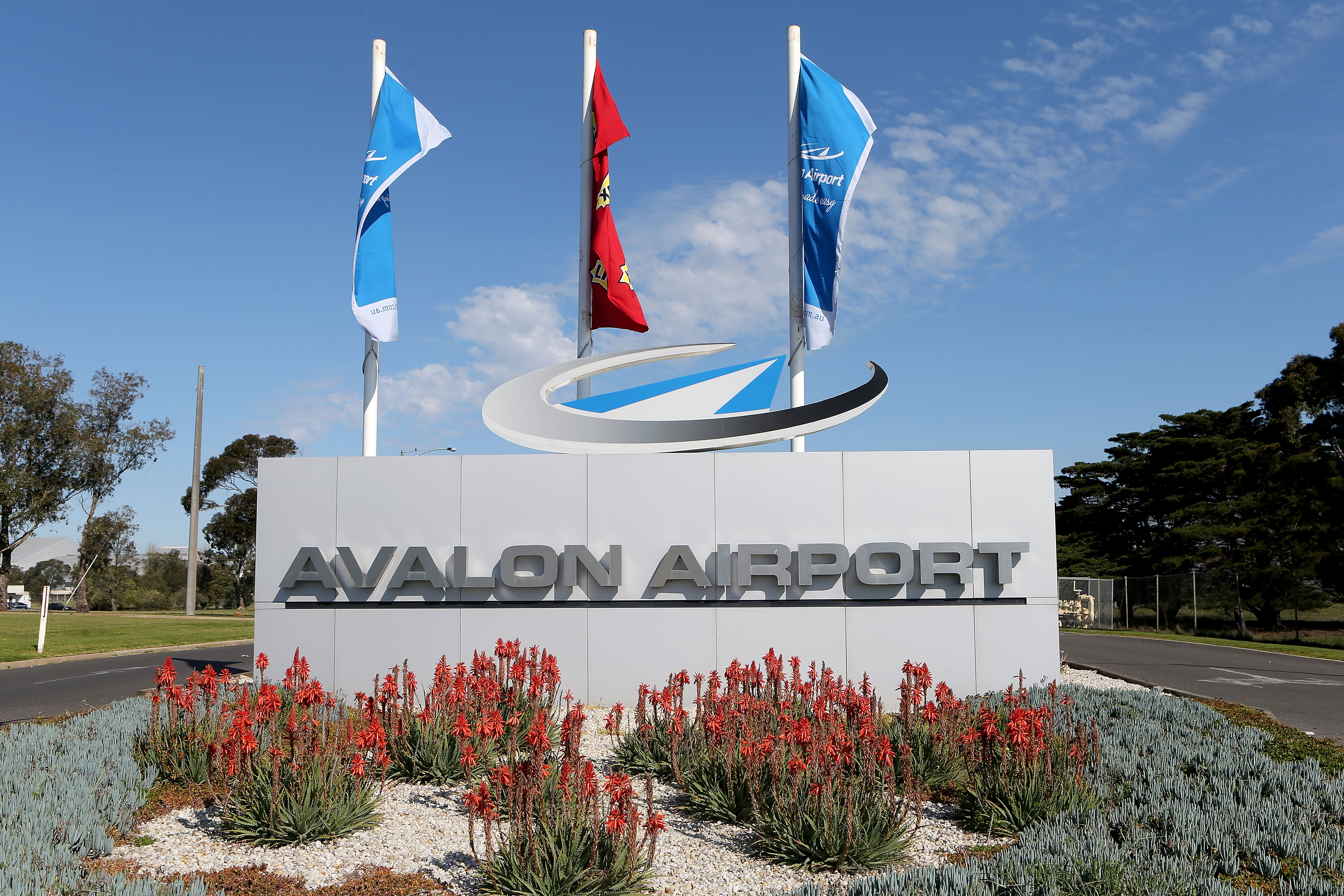
International flights would land at the airport and travellers would disembark, undergo processing through immigration and then walk directly into a quarantine facility – the system ensuring "minimal contact with anybody", Mr Giddings said.
"I just think that being able to walk across to a facility if you are able, to allow you to go into an environment where you have access to outdoors … will really increase the effectiveness and the safety of everyone," he said.
"Being able to go outside, see the stars at night, get some sunshine, get some fresh air – I just think it would be a reasonable environment to spend 14 days."
READ MORE: Travellers with COVID-19 to evacuate Melbourne's Holiday Inn hotel
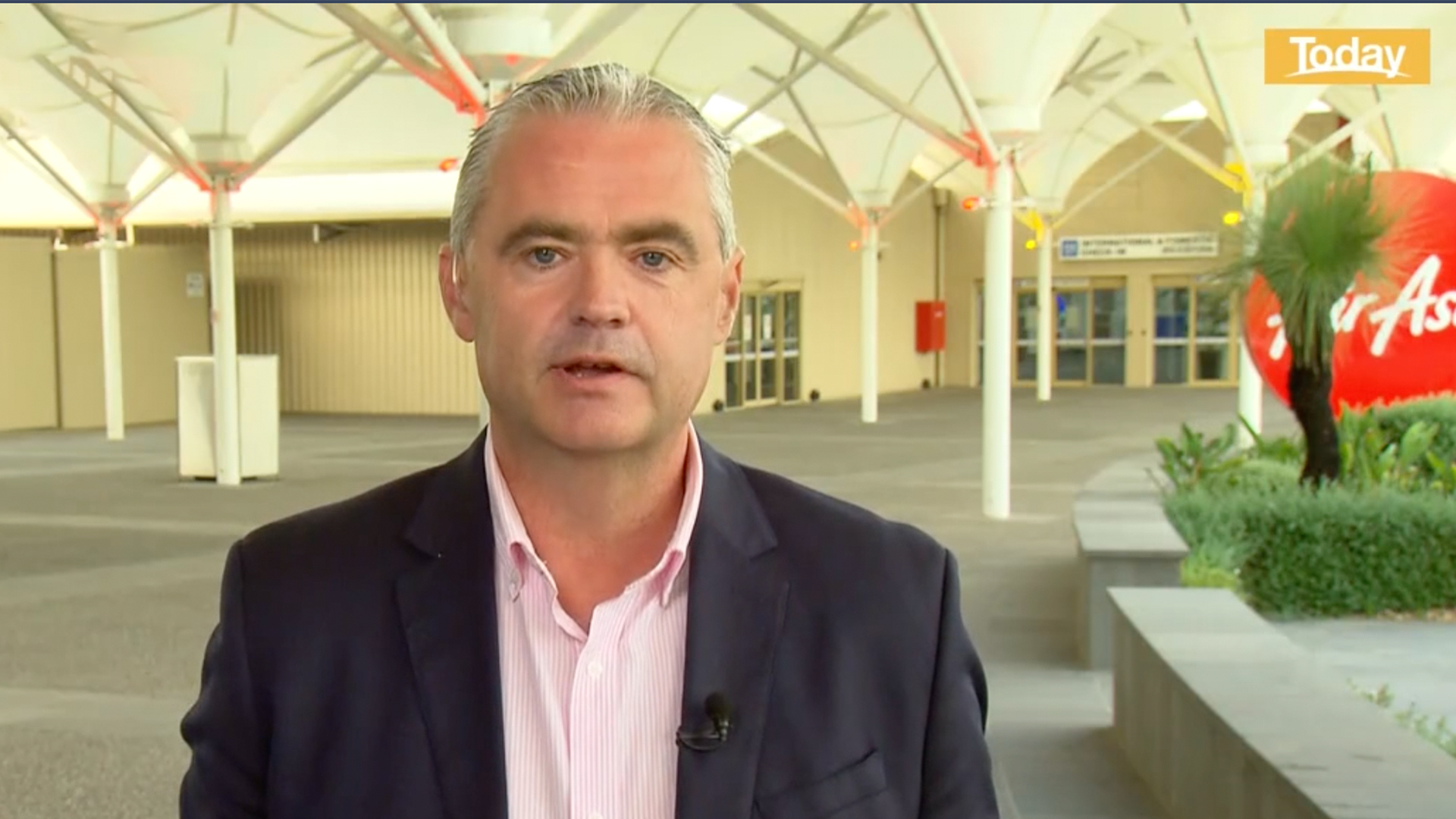
Mr Giddings said the outdoor cabins could be set up in stages over a couple of months.
"We can build it up to be quite large within the number of months," he said.
"It's all been informal discussions at this stage. We're hoping we can sit down and formally sit with government and DHHS and come up with a good solution."
The discussions come as Victoria undergoes its third lockdown after the virus seeped out of hotel quarantine once again, with 17 cases of the UK strain linked to the Holiday Inn cluster.
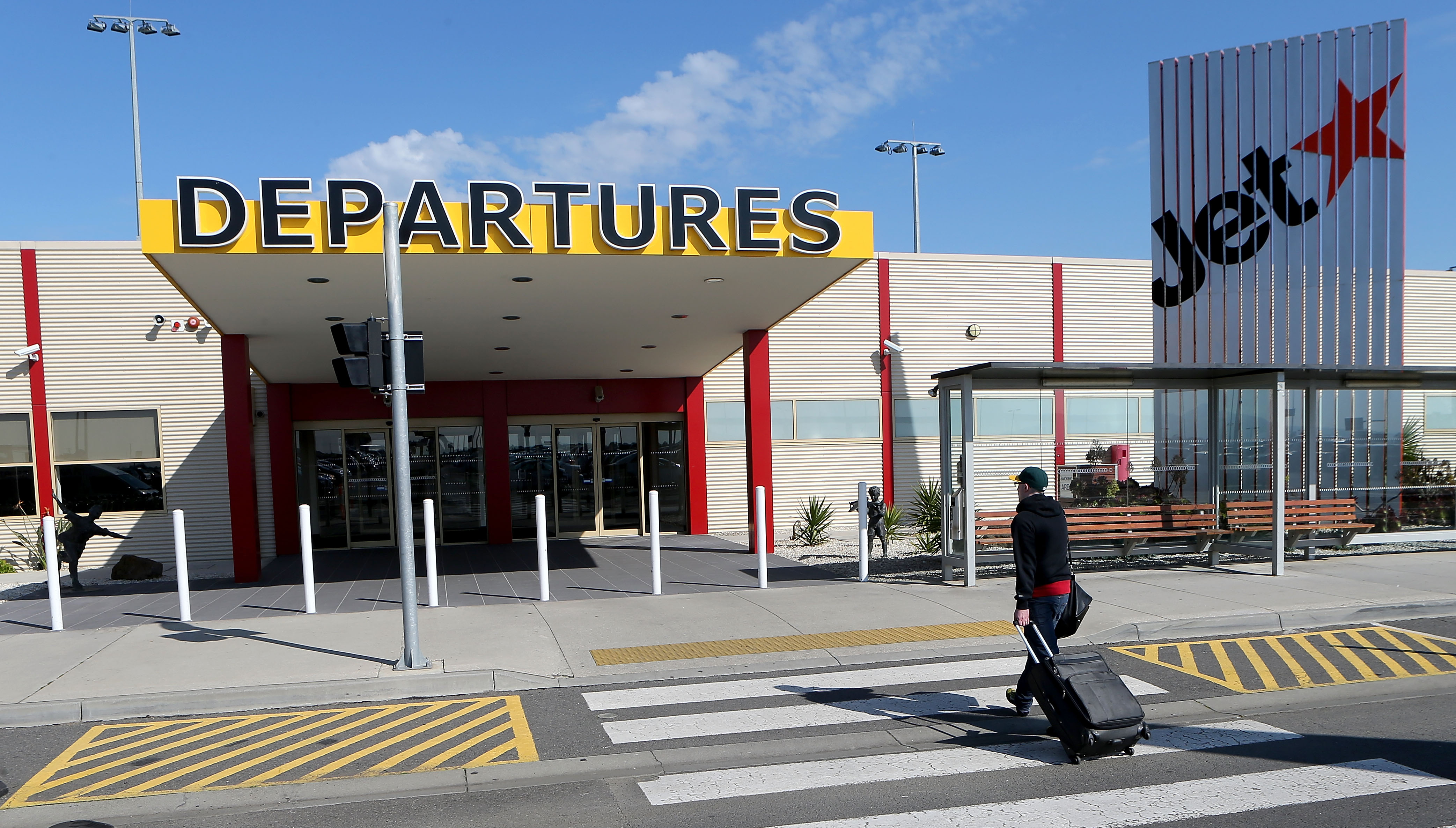
The airport quarantine facility would mimic the outdoor set up of the Howard Springs facility in Darwin, with the Northern Territory the only state or territory in the country to have been spared of hotel outbreaks and COVID-19 leakages.
Premier Daniel Andrews yesterday remained tight-lipped about considerations to turn the airport into a quarantine facility, but admitted Avalon would have "some real strength".
"No decision has been made. Sites with very large amounts of space and an international airport located just next door, that's obviously got some real strength," he said.
"That could work well for say charter flights, where the Australian Government can direct those flights to land wherever they choose.
"Hopefully we can have a productive discussion at National Cabinet."
Millions without power in Texas as 'unprecedented' snow slams US
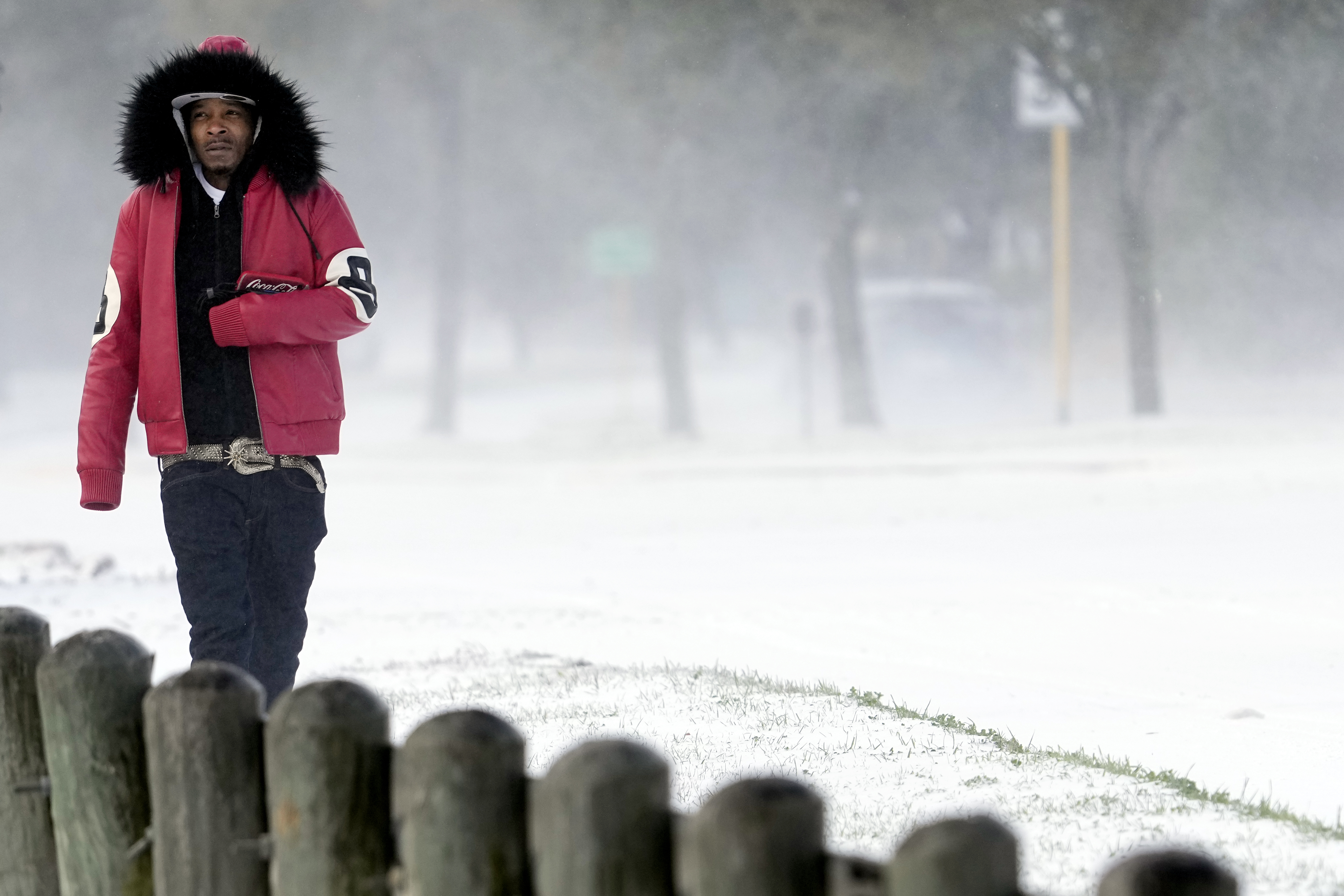
A frigid blast of winter weather across the US plunged Texas into an unusually icy emergency on Monday which knocked out power to more than two million people, closed dangerously snowy and slick highways and put the delivery of new COVID-19 vaccine shipments on hold.
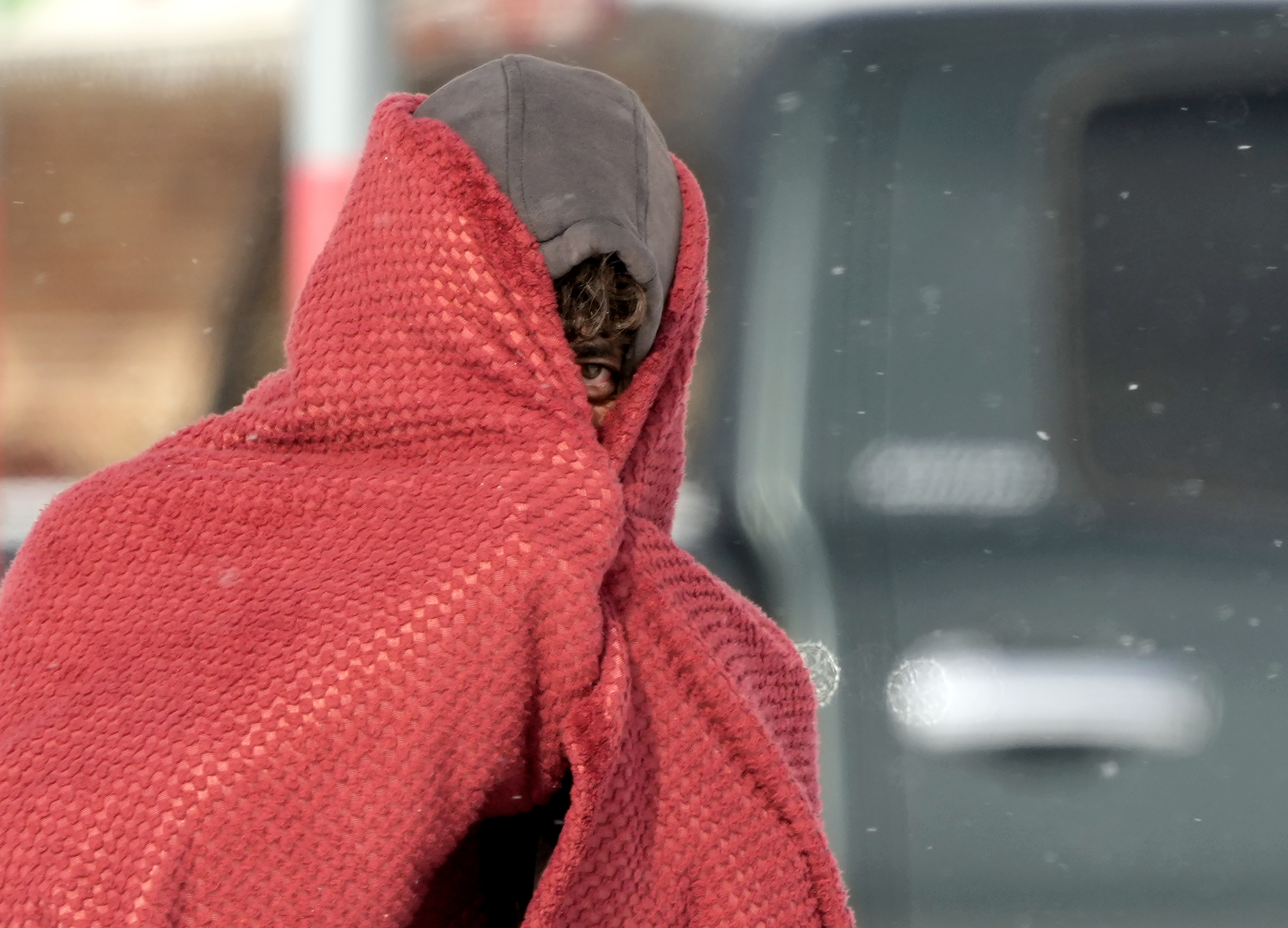
Temperatures nosedived into the single-digits and homes that had already been without electricity for hours had no certainty about when the lights and heat would come back on, as the state's overwhelmed power grid throttled into rotating blackouts that are typically only seen in 38C summers.
The storm was part of a massive system that brought snow, sleet and freezing rain to the southern Plains and was spreading across the Ohio Valley and to the Northeast.
READ MORE: Six killed in 130 car pile up on icy Texas interstate
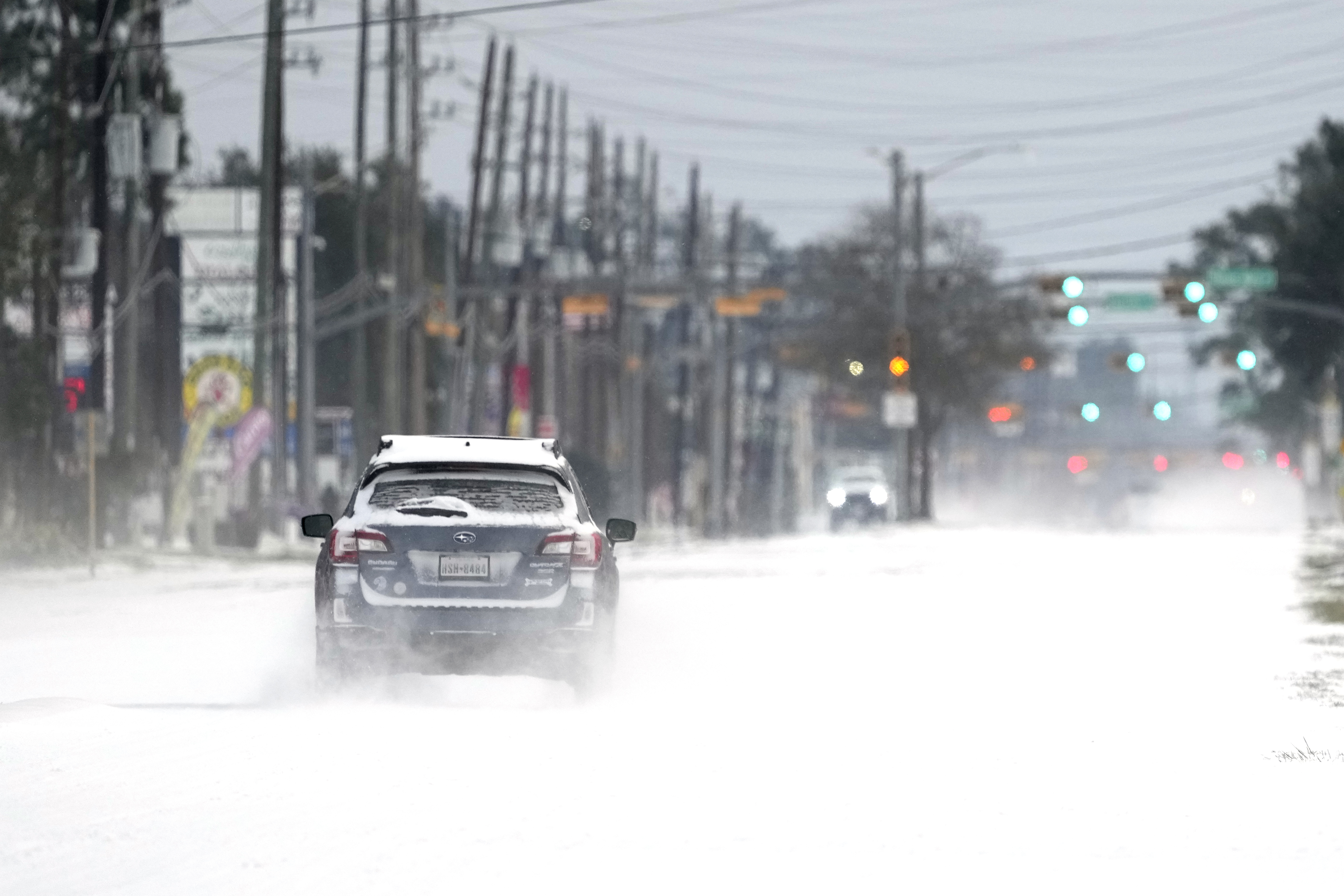
"We're living through a really historic event going on right now," Jason Furtado, a professor of meteorology at the University of Oklahoma, said, pointing to all of Texas under a winter storm warning and the extent of the freezing temperatures.
In Houston, where county leaders had warned that the deteriorating conditions could create problems on the scale of massive hurricanes that slam the Gulf Coast, one electric provider said power may not be restored to some homes until Tuesday.
"This weather event, it's really unprecedented. We all living here know that," said Dan Woodfin, senior director of system operations at the Electric Reliability Council of Texas.
He defended preparations made by grid operators and described the demand on the system as record-setting.
READ MORE: Pile of beach debris turns out to be strange sea creature
"This event was well beyond the design parameters for a typical, or even an extreme, Texas winter that you would normally plan for. And so that is really the result that we're seeing," Mr Woodfin said.
The largest grocery store chain in Texas, H-E-B, closed locations around Austin and San Antonio, cities that are unaccustomed to snow and have little resources to clear roads.
State health officials said Texas, which expected to receive more than 400,000 additional vaccine doses this week, now does not expecting deliveries to occur until at least Wednesday.
"Vaccination will resume as soon as it is safe," said Douglas Loveday, a spokesman for the Texas Department of State Health Services.
Read more: Another monolith found in Texas car park
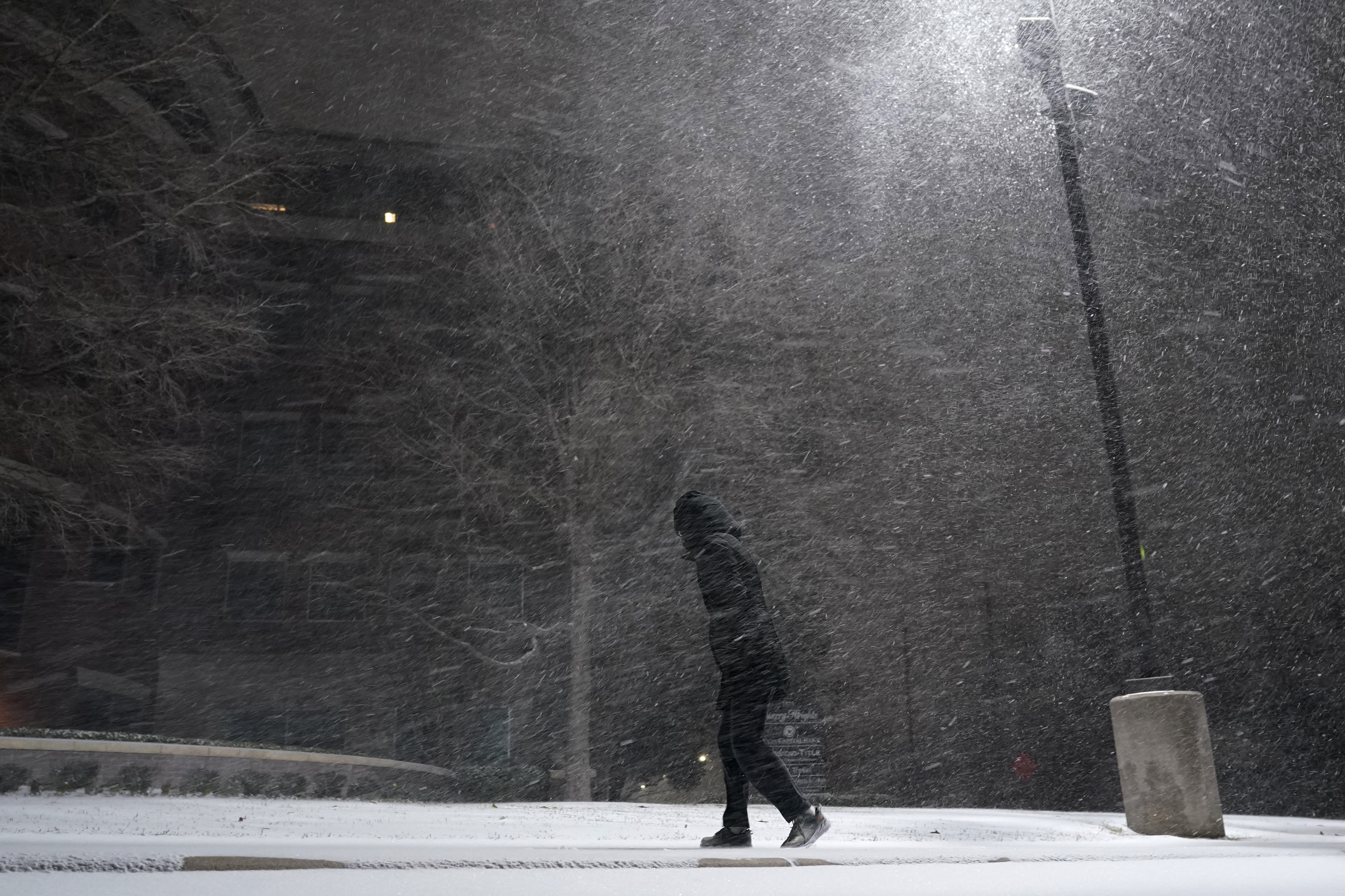
Lauren Schneider, a 24-year-old lab technician, was walking to a Dallas grocery store near her home Monday morning dressed in a coat, hat and face mask.
Ms Schneider said she didn't feel comfortable driving with the roads covered in snow and ice.
She said she hadn't seen a serious snowfall in Dallas since her childhood and was caught without enough groceries.
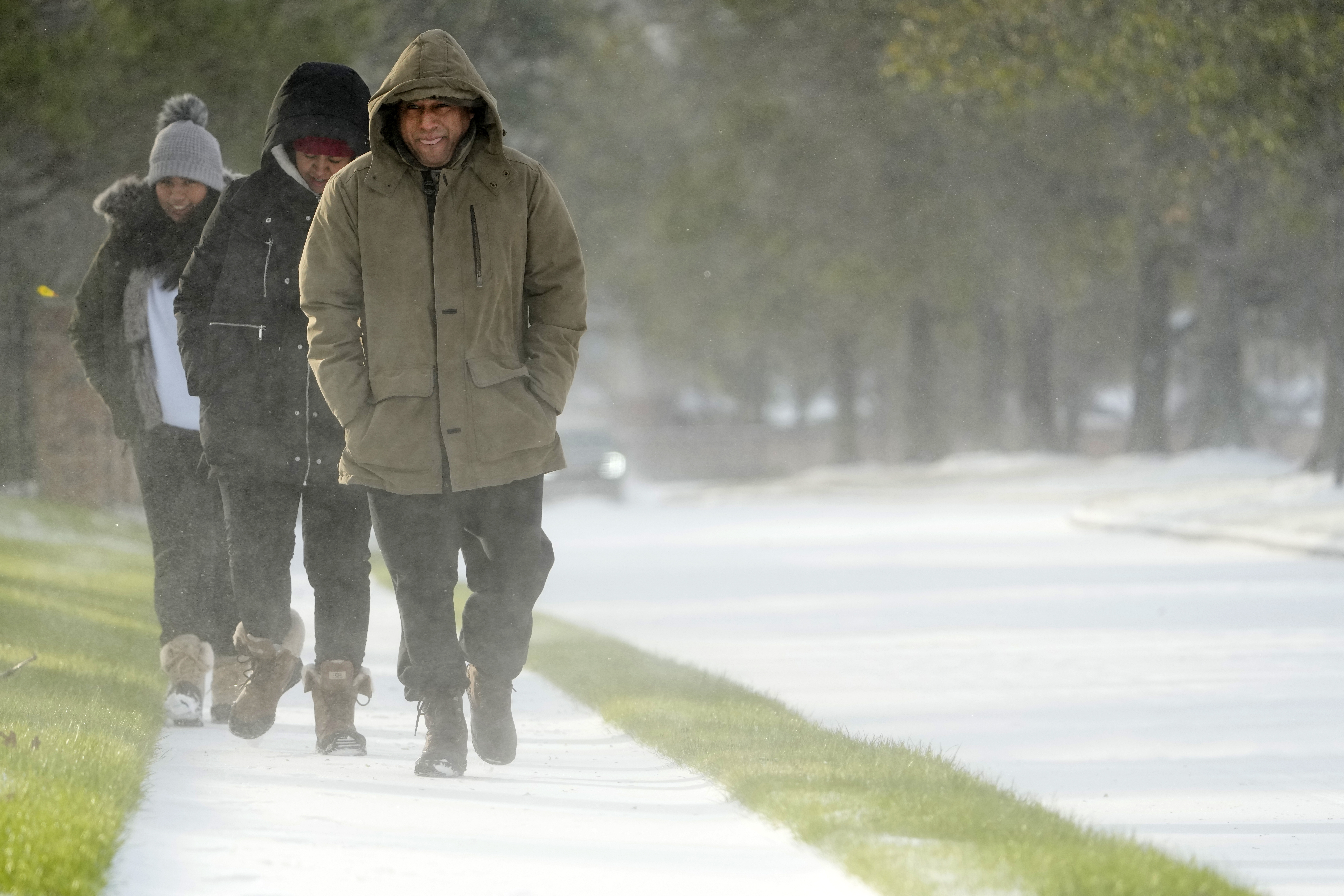
"I really didn't think it's would be this serious," Ms Schneider said.
Several cities in the US saw record lows as Artic air remained over the central part of the country.
In Minnesota, the Hibbing/Chisholm weather station registered minus minus 39 degrees Celsius, while Sioux Falls, South Dakota, dropped to minus 26 degrees Celsius.
In Kansas, where wind chills dropped to as low as minus 34 degrees Celsius in some areas, Gov. Laura Kelly declared a state of disaster.
Most government offices and schools were closed for Presidents Day, and authorities pleaded with residents to stay home.
Louisiana State Police reported that it had investigated nearly 75 weather-related crashes caused by a mixture of snow, sleet and freezing rain in the past 24 hours.
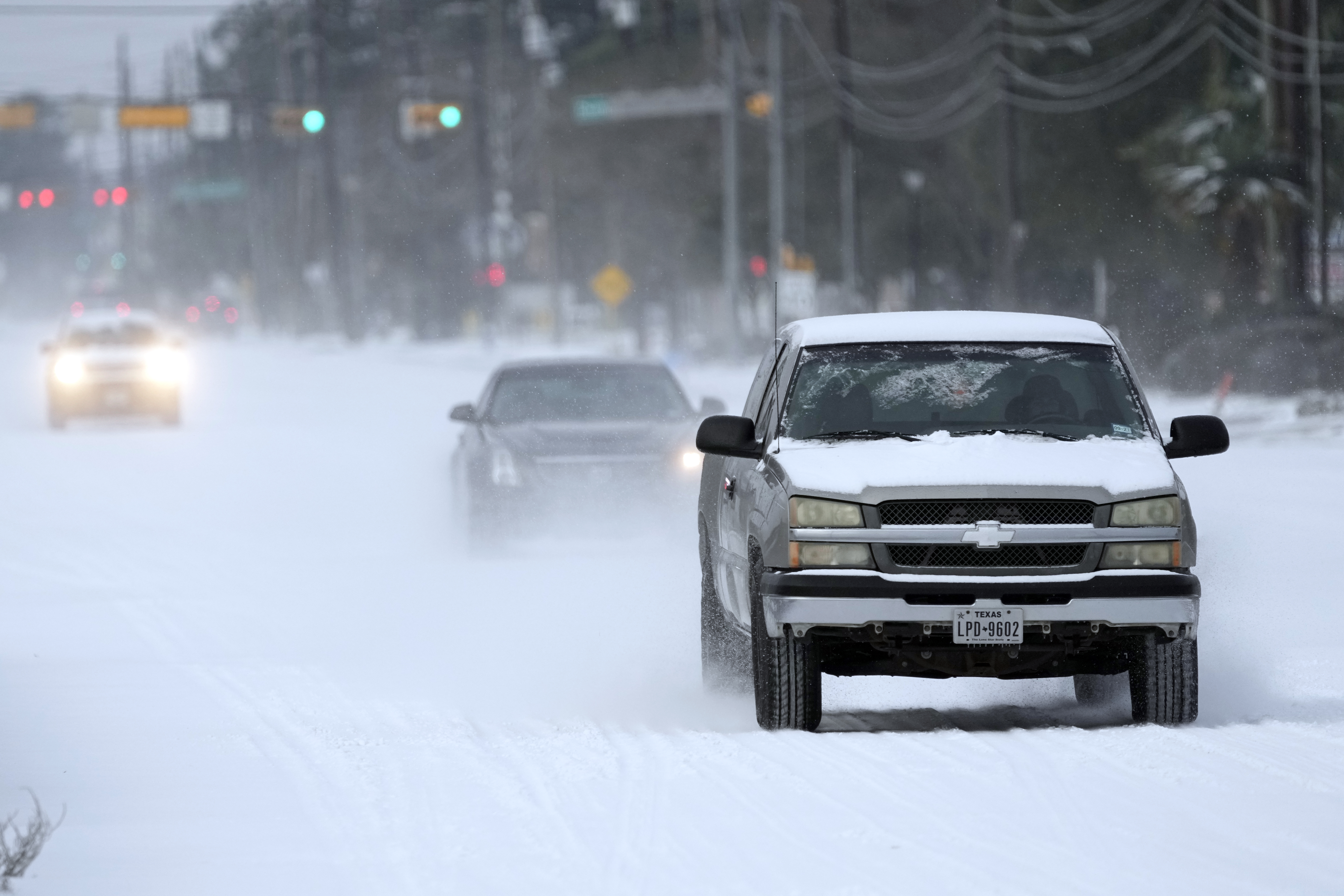
"We already have some accidents on our roadways," Kentucky Gov. Andy Beshear said during a morning news conference. "It is slick and it is dangerous."
Air travel was also affected. By mid-morning, 3000 flights had been cancelled across the country, about 1600 of them at Dallas/Fort Worth International and Bush Intercontinental airports in Texas.
Read more: The 27 public servants earning more than $1 million
At DFW, the temperature was -15C, -16C colder than Moscow.
The storm arrived over a three-day holiday weekend that has seen the most US air travel since the period around New Year's.
More than one million people went through airport security checkpoints on Thursday and Friday.
However, that was still less than half the traffic of a year ago, before the pandemic hit with full force.
The southern Plains had been gearing up for the winter weather for the better part of the weekend.
Texas Gov. Greg Abbott issued a disaster declaration for all of the state's 254 counties. Abbott, Oklahoma Gov. Kevin Stitt and Arkansas Gov. Asa Hutchinson each activated National Guard units to assist state agencies with tasks including rescuing stranded drivers.
President Joe Biden also declared an emergency in Texas in a statement Sunday night.
The declaration is intended to add federal aid to state and local response efforts.
Teancum Petersen-Crofts, who killed his mother and two siblings by repeatedly stabbing found not guilty of murder
A New Zealand man who killed his mother and two siblings by repeatedly stabbing them has been found not guilty of murder due to unsoundness of mind.Teancum Petersen-Crofts, 21, stood trial in the Western Australia Supreme Court…
Invercargill shooting: Man lucky to be alive after dispute believed to be over a woman
It was good luck a man survived being shot in the stomach after a dispute between two men over a girl, a jury heard.Joel Maikara Amohanga, 30, appeared in the High Court at Invercargill yesterday on the first day of his trial where…
Two crashes in Canterbury: One serious, one fatal
A person has died after a car crashed into a power pole in North Canterbury. Police were alerted to the single-vehicle crash on South Eyre Rd in Swannanoa about 3.30pm on Monday.Investigations into the crash are ongoing. Read…