Tag Archives: oceania

Weather conditions in Australia's 'heat engine' warding off heatwaves nationwide

At this time of year it wouldn't be unusual for Australians to be sweltering from the oppressive summer heat.

But instead, conditions in most places on the continent are considerably mild.

It's not the sudden onset of global cooling that's keeping Australia out of heatwave conditions.

READ MORE: Flood emergency in WA

Instead, it's unusual weather in a part of Australia where barely anybody lives.

https://twitter.com/BOM_au/status/1359334645561704453

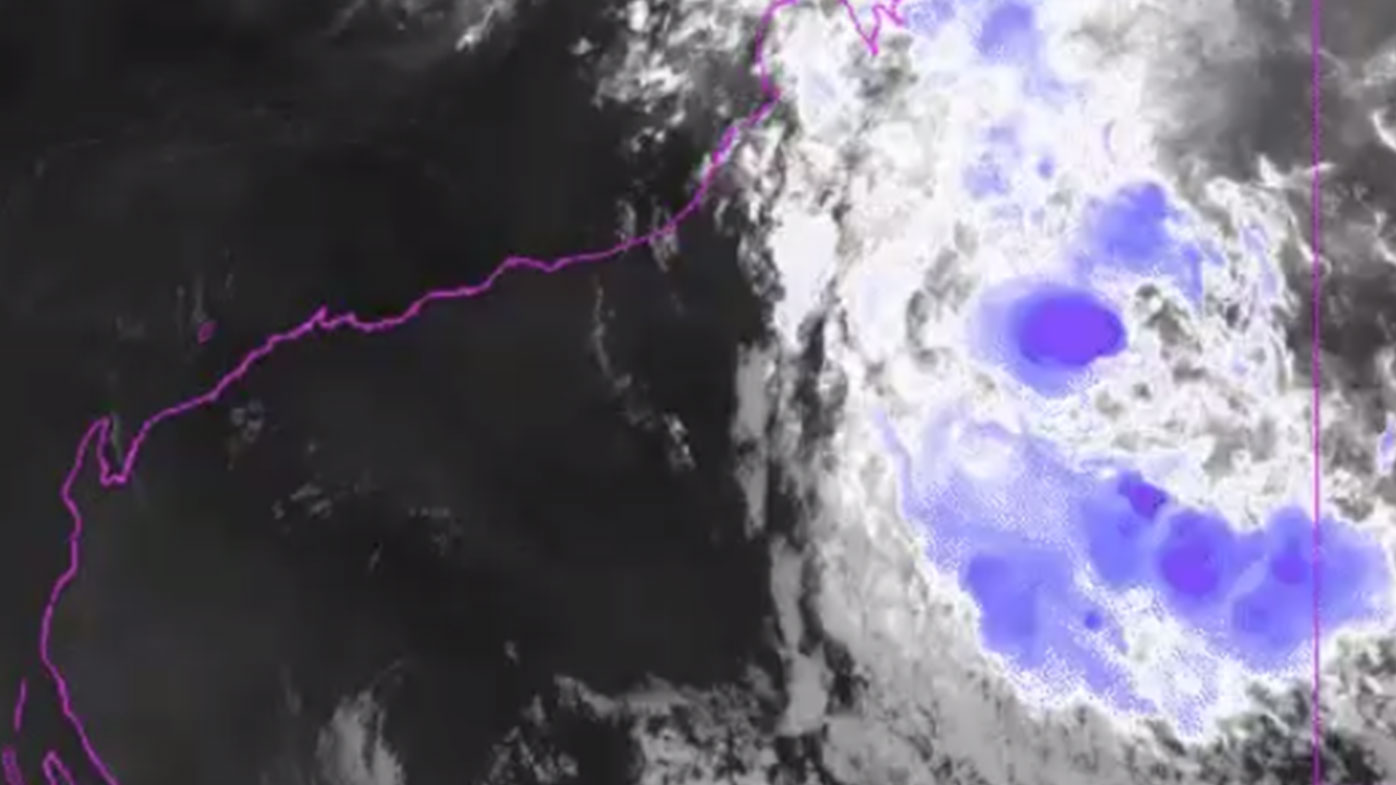
Cloud and rain over the Pilbara has prevented heatwave conditions from developing across the rest of the country, according to the Bureau of Meteorology.

"The Pilbara in WA is Australia's heat engine, but plenty of cloud and rain have prevented heat from building this past week," the bureau said in a statement.

In the next few days, the only parts of Australia recording heatwave conditions are parts of South Australia, southern Northern Territory and far southwestern Queensland.

Rain in the Pilbara is keeping the whole country cooler.

Even those conditions are listed by the bureau as a "low-intensity heatwave".

A tropical low over northeastern Western Australia is dumping heavy falls over the outback.

In the Northern Territory's remote Nathan River cattle station, 310mm fell in three days. It was the cattle station's heaviest falls in 18 years.

The Pilbara will be at least partly cloudy for the rest of the week.

READ MORE: Man survives four weeks in outback on 'crunchy ants and leaves'

RAAF pilot suffered bloodied nose after bailing out during WWII

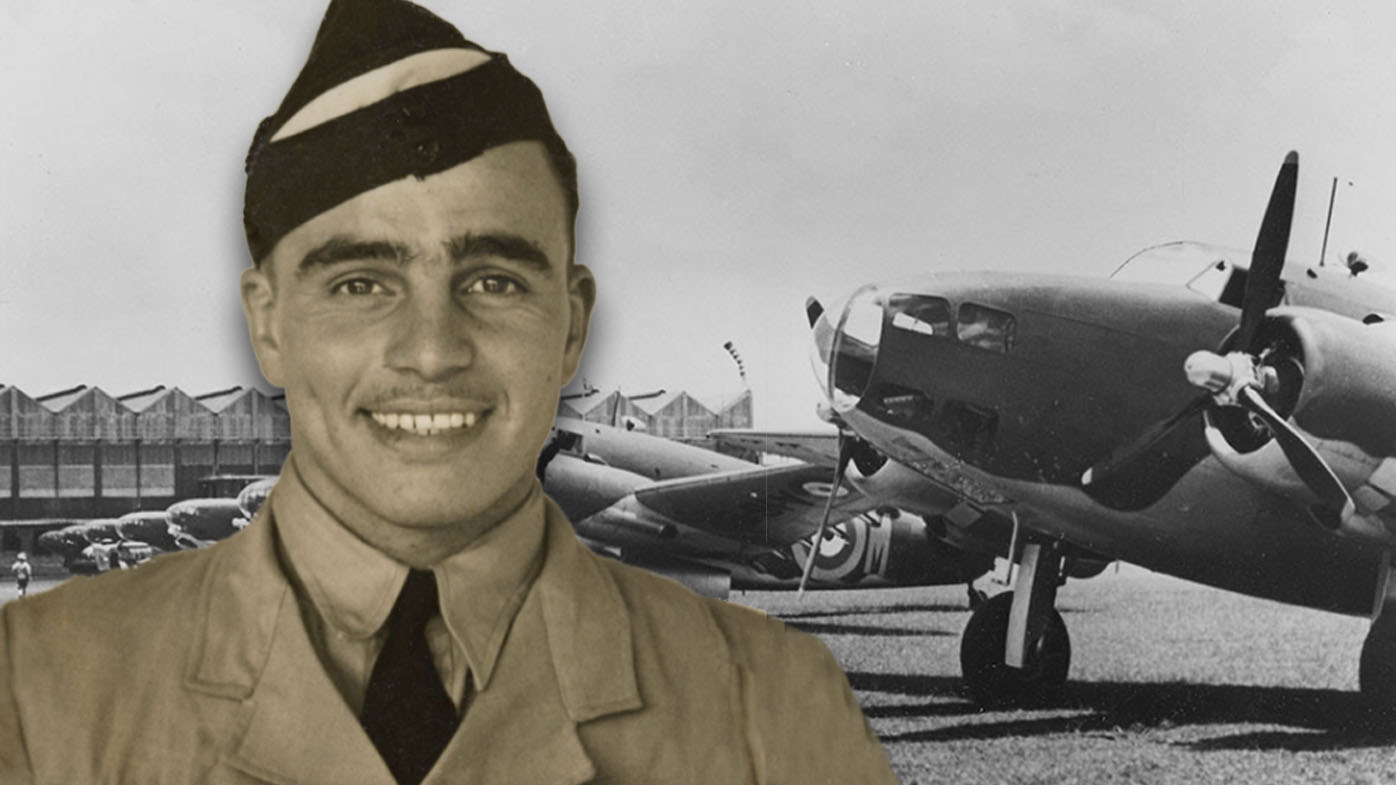
As streams of smoke poured from the engine of Alexander MacDonald's plane the World War II pilot from Sydney had only one decision to make, when to bail out.

It was late one evening in 1943 when the Sergeant from Waitara, in New South Wales, was flying above Sicily's south east and his engine began to splutter.

He was eight kilometres from the city of Modeca and his altitude of about 5000 feet was dropping fast.

At 1000 feet, Sergeant MacDonald decided to eject, parachuting to the ground in allied territory.

He would suffer only a bloody nose in the ordeal and become only the second Australian member of the Caterpillar Club – individuals who had bailed out and been saved by an Irvin parachute.

Sergeant Alexander MacDonald became the second Australian member of the Caterpillar Club after baling out over Italy in 1943.

The Department of Air would share Sergeant MacDonald's remarkable story in a press release in August 1943. In it he would share intimate details behind his decision.

"The countryside was too hilly and too closely terraced for a crash landing, so I decided to jump at 1000 feet. I pushed the stick smartly forward and felt myself catapulted from the cockpit," he said in the statement recently released by the Australian National Archives.

"I pulled the rip cord and my parachute opened with a slight jerk. After a short fall I landed with a heavy bump in a sitting position.

"Sicilian peasants came from all directions and soon a crowd of over 200 had gathered. They were very friendly, expressing some concern, but my only injury was a bleeding nose."

Sergeant MacDonald said the locals led him to a dying donkey that had been hit by the aircraft, the only casualty in the crash.

When the Royal Australian Air Force pilot sought directions to the nearest road, he said the crowd all answered at once.

"Speaking with a volubility far beyond my recently acquired knowledge of Italian," he said in the statement.

"After some time six of them guided me to the roadway where a passing cyclist loaded my flying kit on his machine and walked with me to a military post seven miles away.

"On the way the cyclist took me to his home where he and his wife were hospitality itself. They served a welcome meal of spaghetti eggs and bread and showed a desire to help in every possible way."

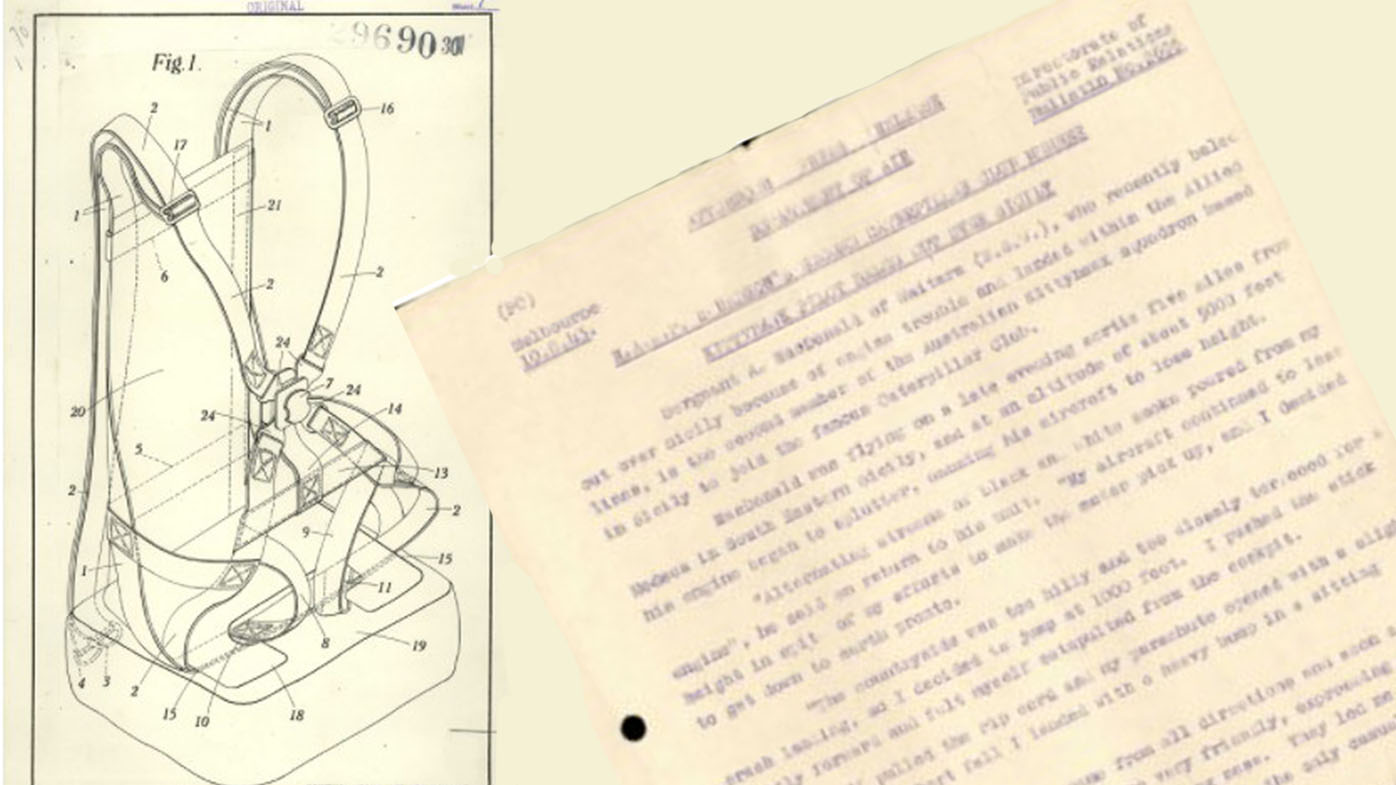
Sergeant Alexander MacDonald's account of bailing from his plane in 1943 (left) with a patent application for an improved parachute harness. (NAA: A627, 29690/1930)

Sergeant MacDonald spent the night at the military came and returned to his unit the next day.

He was one of the lucky ones, with other Australian pilots who have crashed behind enemy lines during WWII ending up as prisoners of war.

South Australian David Richards and Victorian Leslie Harvey both ended up POWs in Germany.

The Caterpillar Club was founded in 1922 by Leslie Irvin, a stuntman from California.

Mr Irvin also owned the Irvin Air Chute Company.

"Eligible members would receive a gold caterpillar pin and membership card from the Irvin Air Chute Company," ANA records said.

Contact reporter Kate Kachor at kk*****@******om.au

A quirky Presidents Day sale

It's almost Presidents Day, and now there's a chance to own a quirky piece of White House history.

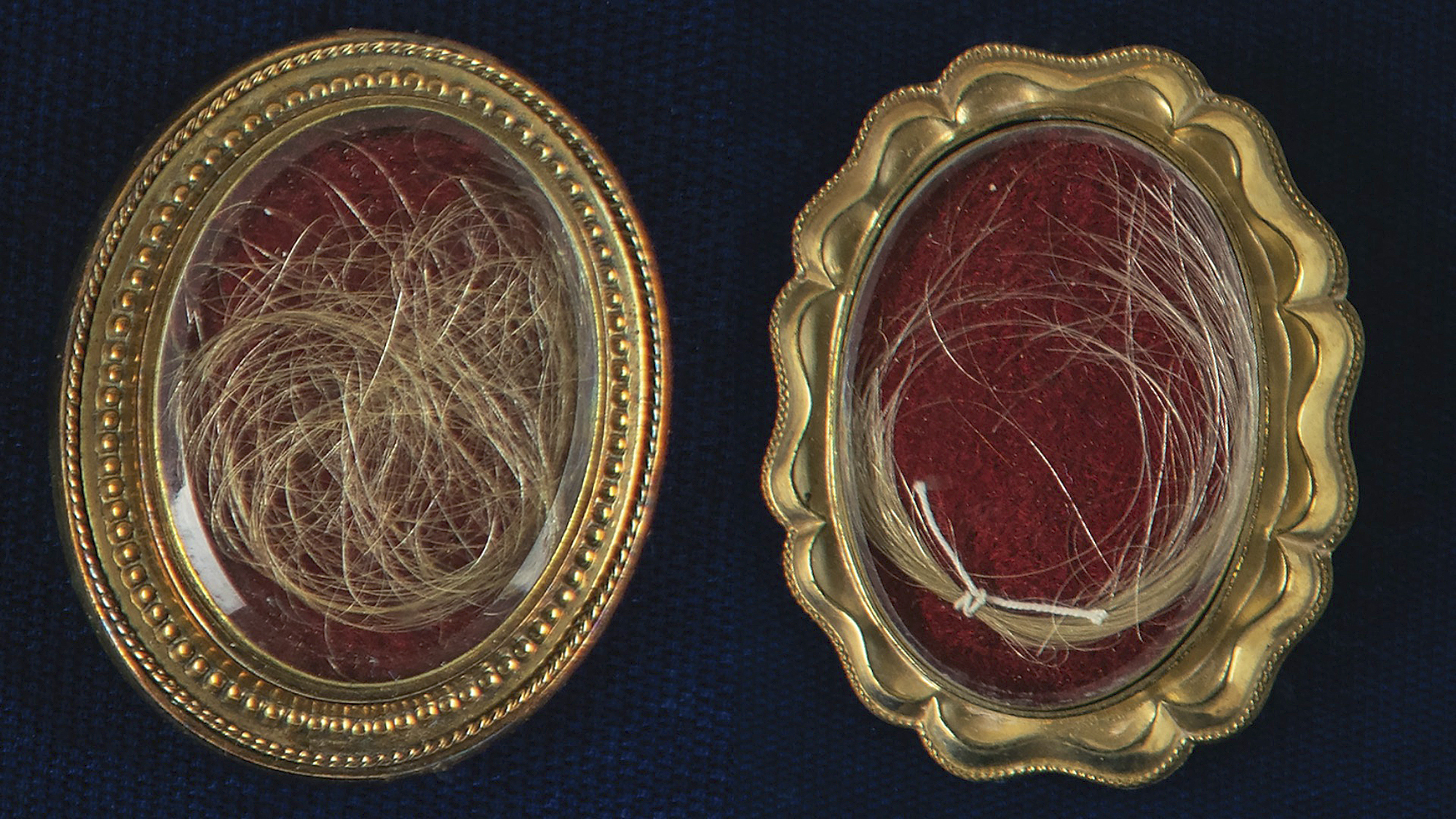
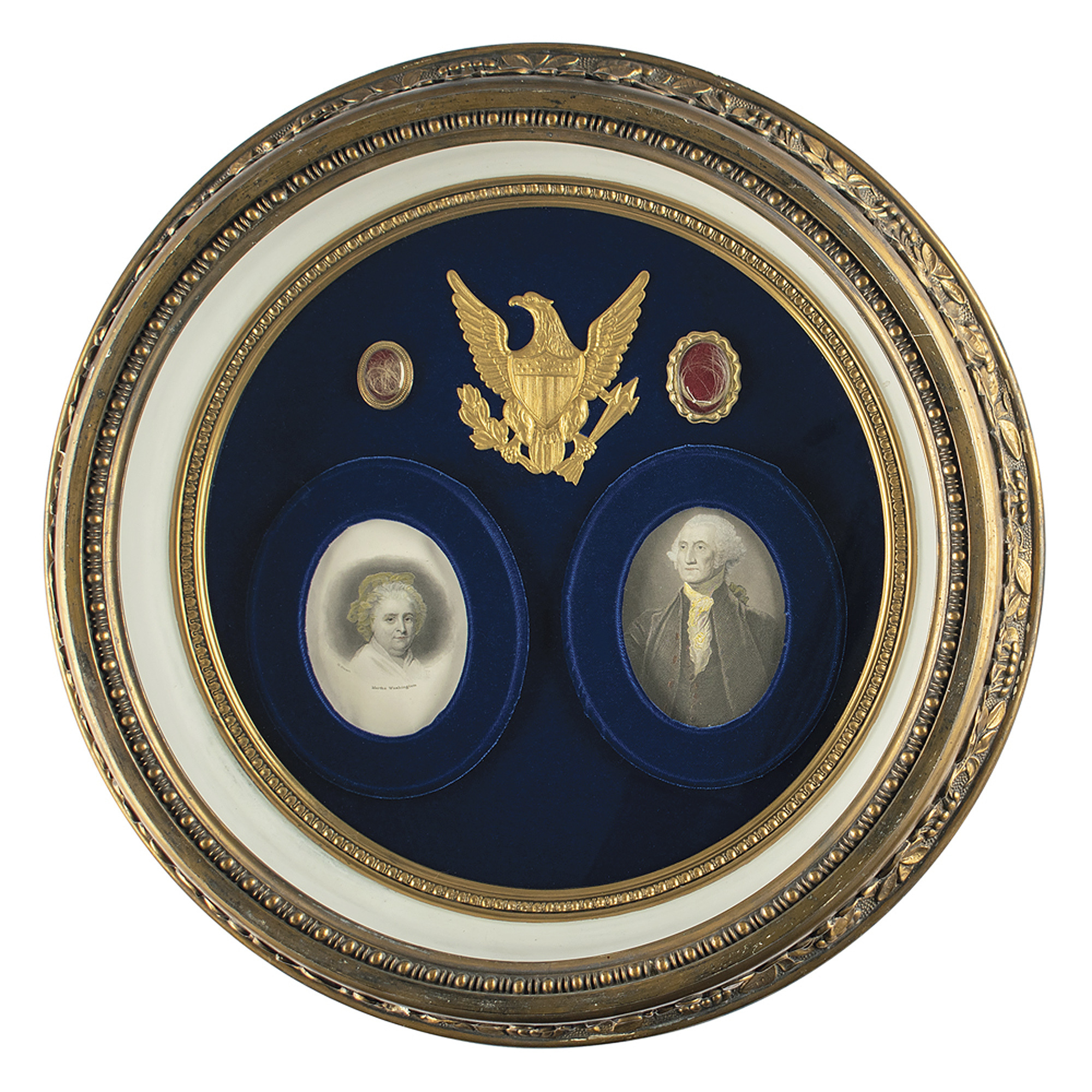
Locks of George and Martha Washington's hair, Andrew Johnson's order of a national day of mourning after Abraham Lincoln's assassination and the pen that Warren Harding used to end US involvement in World War I are among a trove of nearly 300 presidential artifacts hitting the auction block.

Boston-based RR Auction said online bidding gets underway Thursday and runs through February 18.

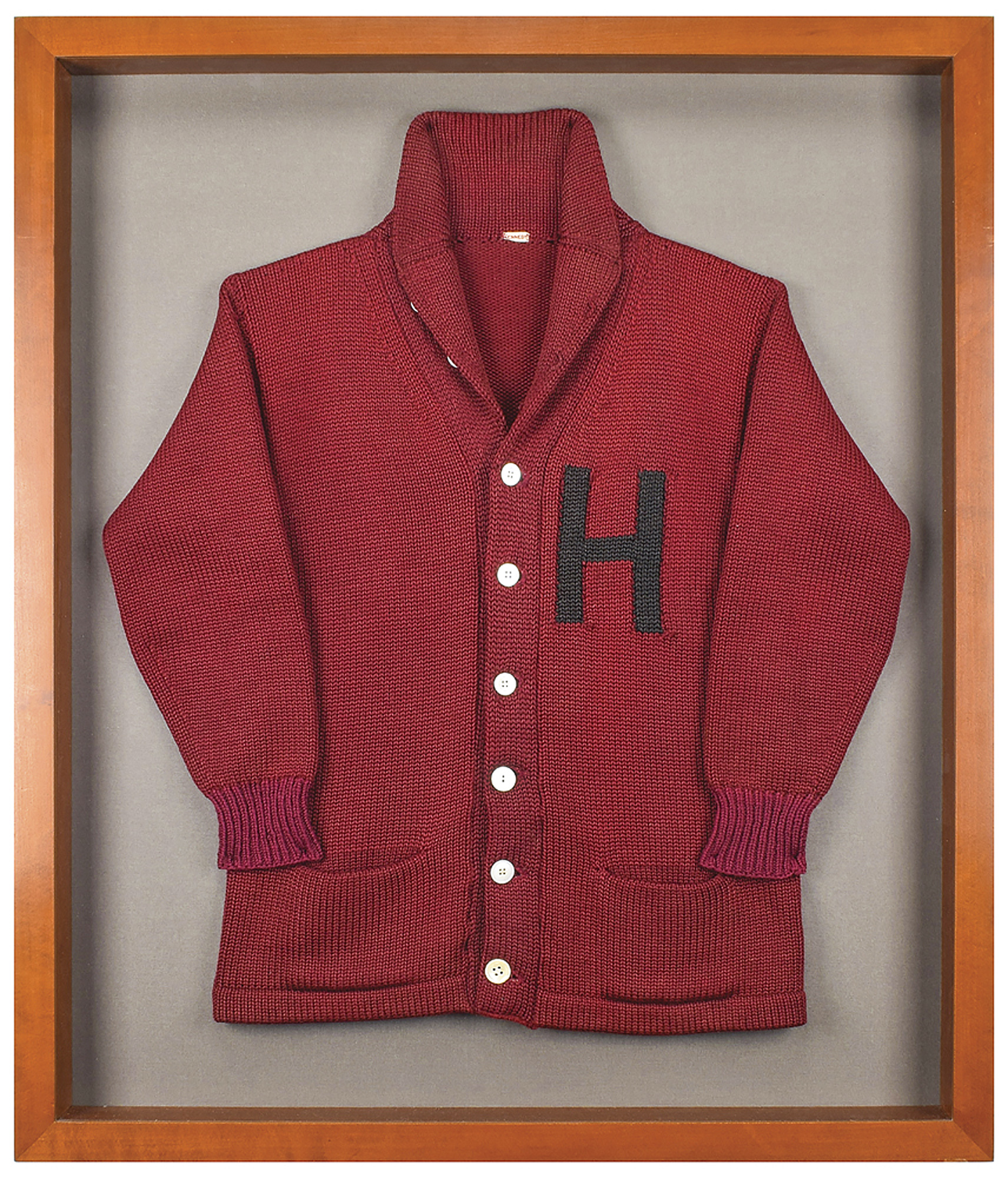
Other items being auctioned include John F. Kennedy's crimson Harvard sweater and a photograph of Lincoln and his son, Tad, signed by the 16th president.

There are also numerous documents and personal papers signed by John Quincy Adams, James Monroe, James Madison, Andrew Jackson, Martin Van Buren, Zachary Taylor, Millard Fillmore, James Buchanan, Ulysses S. Grant, James Garfield and other presidents.

RR Auction spokesperson Mike Graff said the collection “honors America’s esteemed commanders-in-chief."

“From the nation’s founding to modern times, these are the leaders who have guided the United States through times of war and peace,” he said.

The clippings of the Washingtons' hair were passed down through their grandniece's family and include documentation, the auction house said.

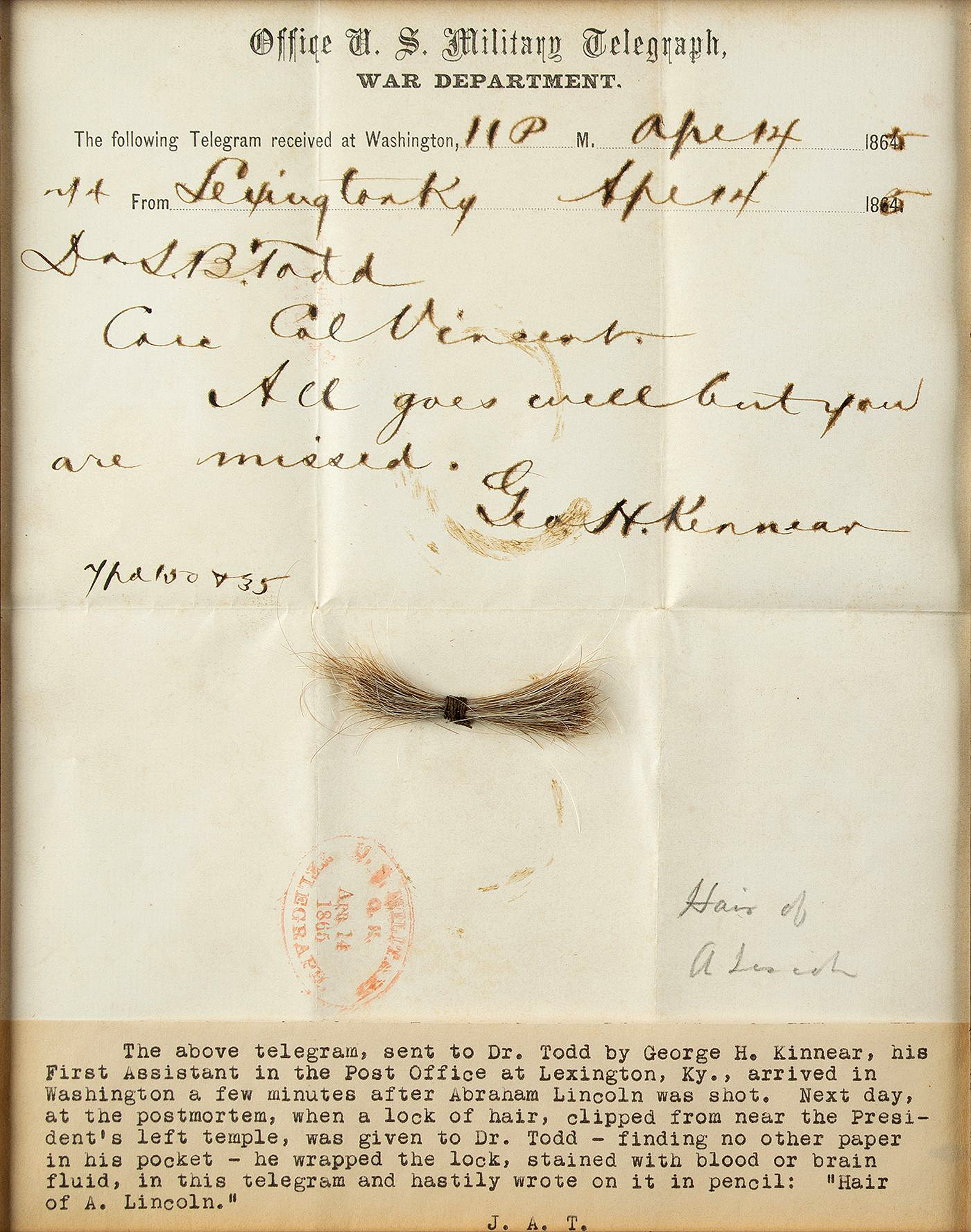
Last year, RR Auction sold a lock of Lincoln’s hair wrapped in a bloodstained telegram about his 1865 assassination to an unidentified buyer for more than $110,000.

Johnson's order for a day of mourning in Lincoln's honor is dated May 31, 1865. It reads: “Tomorrow June 1 being the day appointed for Special Humiliation and Prayer in consequence of the assassination of Abraham Lincoln late President of the United States, the Executive Office and the Various Departments will be closed during the day.”

Harding used the signing pen on July 2, 1921, to adopt what became known as the Knox-Porter Resolution, a joint act of Congress drafted by two Pennsylvania Republicans, Sen. Philander Knox and Rep. Stephen Porter, to terminate the U.S. role in World War I.

JFK's Harvard sweater was acquired by Herman Lang, a CBS cameraman who filmed an interview with Jacqueline Kennedy in 1964, the year after the 35th president's assassination in Dallas.

Lang mentioned he was cold, and one of the former first lady's staffers brought him the cardigan, RR Auction says. He tried to return it but was told he could keep it as a memento.

Trump's impeachment trial begins with video of storming of US Capitol

Donald Trump's historic second impeachment trial has opened with graphic video showing the former president whipping up a rally crowd to march to the Capitol and "fight like hell" against his re-election defeat, followed by images of the deadly attack on Congress that came soon after.

In an early test of the former president's defence, Mr Trump's team lost a crucial bid to halt the trial on constitutional grounds. Senators confirmed, 56-44, their jurisdiction over the trial, the first of a president no longer in office.

While six Republican senators joined the Democrats in proceeding, the tally showed how far prosecutors have to go to win conviction, which requires a two-thirds threshold of 67 senators.

READ MORE: The latest on Trump's impeachment
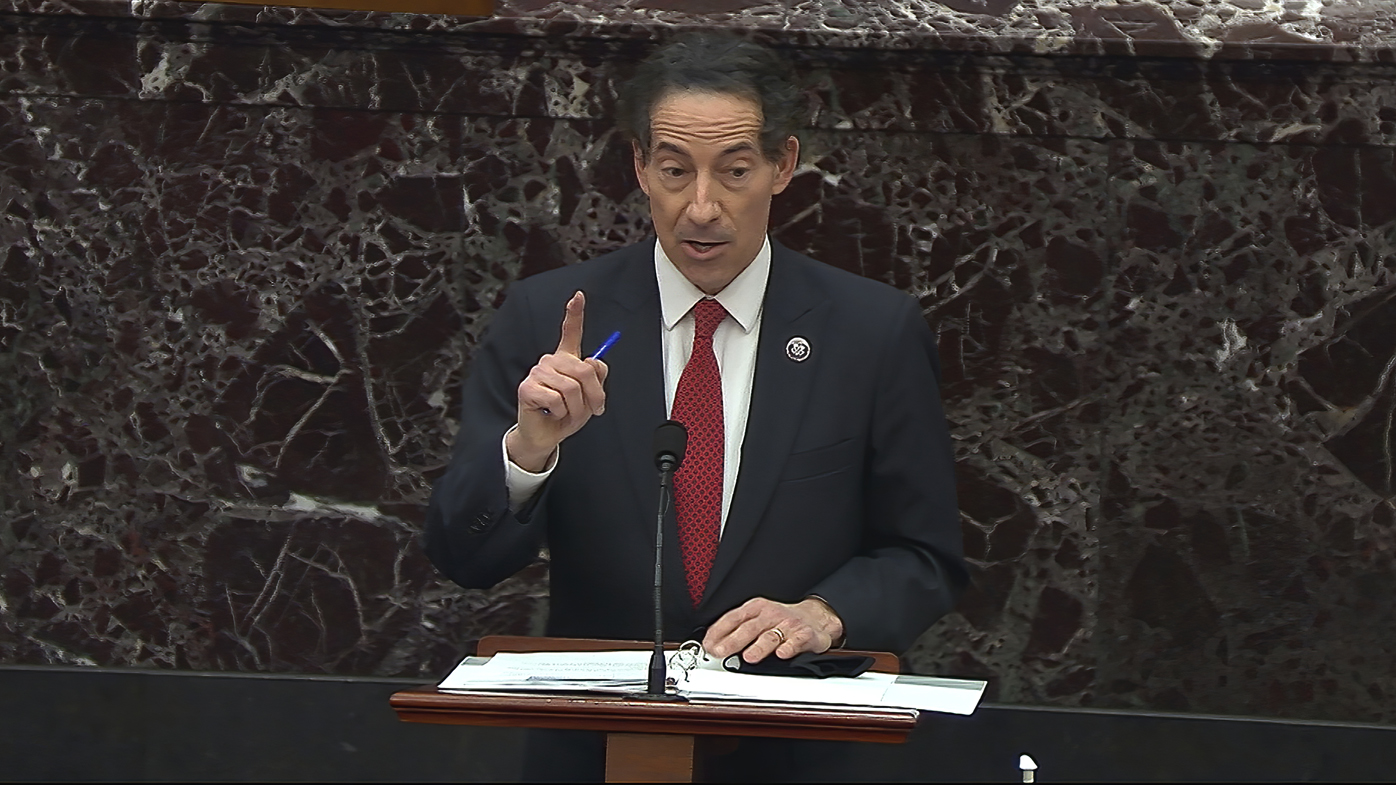
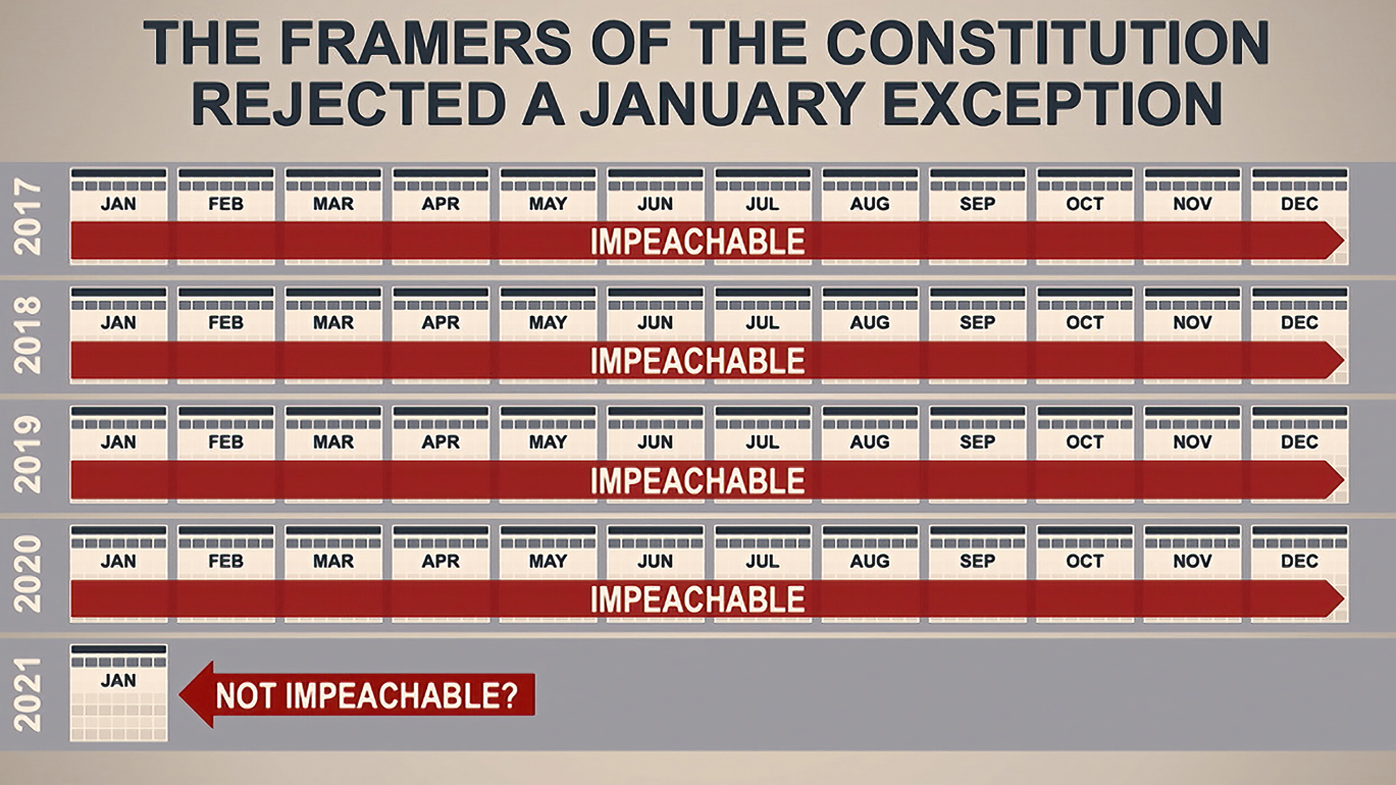
House impeachment manager Rep. Jamie Raskin is leading the second trial of former president Donald Trump in the US Senate.A chart displayed during Mr Raskin's opening remarks to support Democrats' claims the trial is constitutionally sound.

The vote was on whether a former president could be tried after leaving office.

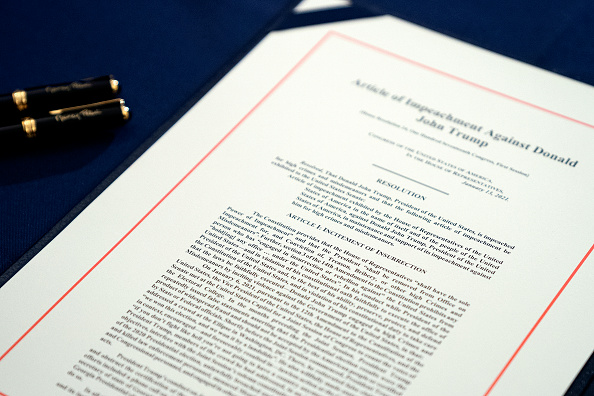
House Democrats prosecuting the case told senators they were presenting "cold, hard facts" against Mr Trump, who is charged with inciting the mob siege of the Capitol to overturn the election he lost to Democrat Joe Biden.

Senators sitting as jurors, many who themselves fled for safety that day, watched the jarring video of Trump supporters battling past police to storm the halls, Trump flags waving.

"That's a high crime and misdemeanour," declared Rep. Jamie Raskin, in opening remarks.

"If that's not an impeachable offence, then there's no such thing."

READ MORE: Democrat tearfully recalls Capitol riots

Mr Trump is the first president to face impeachment charges after leaving office and the first to be twice impeached.

The Capitol siege stunned the world as hundreds of rioters ransacked the building to try to stop the certification of Mr Biden's victory, a domestic attack on the nation's seat of government unlike any in its history. Five people died.

Acquittal is likely, but the trial will test the nation's attitude toward Mr Trump's brand of presidential power, the Democrats' resolve in pursuing him, and the loyalty of Mr Trump's Republican allies defending him.

https://twitter.com/AmeliaAdams9/status/1359127873077010437?s=20

Mr Trump's lawyers are insisting that he is not guilty of the sole charge of "incitement of insurrection," his fiery words just a figure of speech as he encouraged a rally crowd to "fight like hell" for his presidency.

But prosecutors say he "has no good defence" and they promise new evidence.

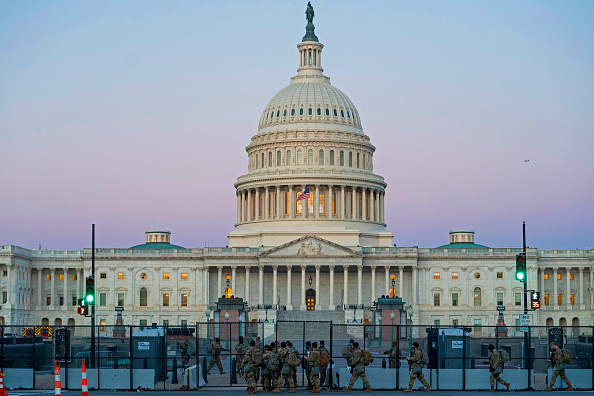
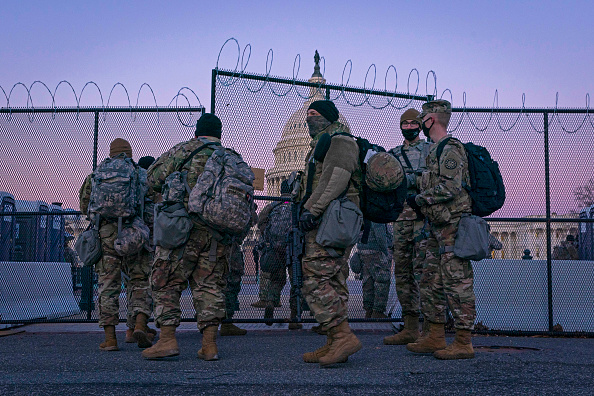
Security remained extremely tight at the Capitol today, a changed place after the attack, fenced off with razor wire with armed National Guard troops on patrol.

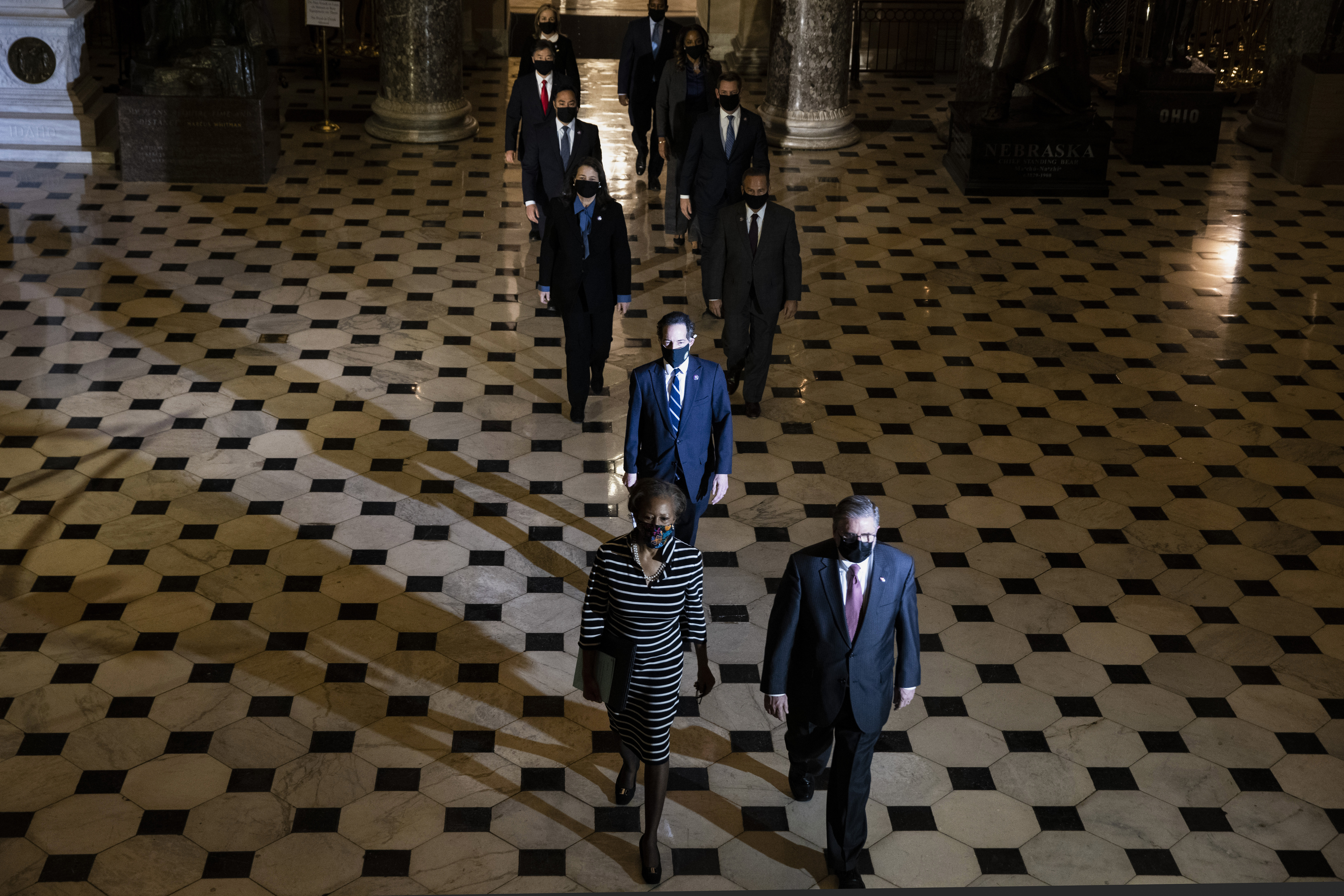
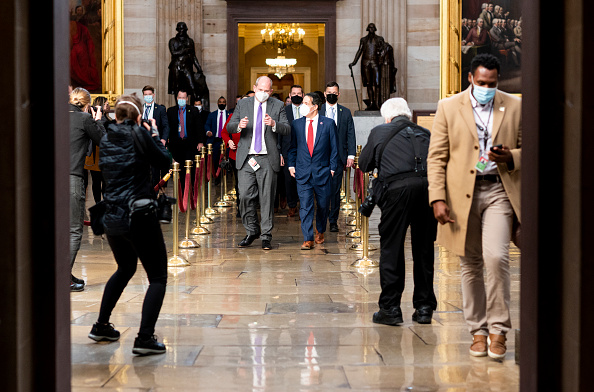
The nine House managers walked across the shuttered building to prosecute the case before the Senate.

White House press secretary Jen Psaki said Mr Biden would not be watching the trial of his predecessor.

"Joe Biden is the president, he's not a pundit, he's not going to opine on back and forth arguments," she said.
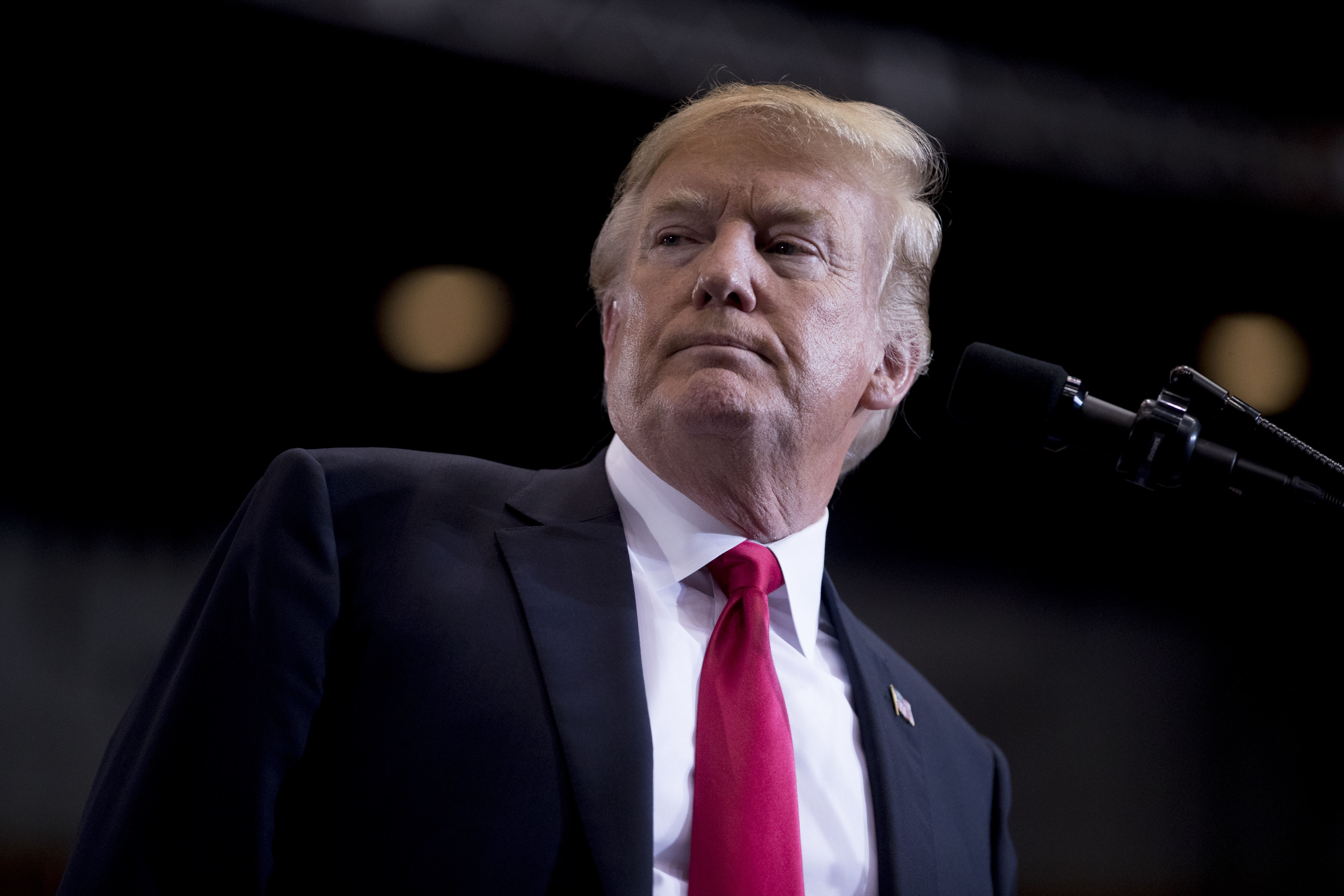
With senators gathered as the court of impeachment, sworn to deliver "impartial justice," the trial started with debate and a vote over whether it's constitutionally permissible to prosecute Mr Trump after he is no longer in the White House.

Mr Trump's defence team has focused on that question, which could resonate with Republicans eager to acquit Mr Trump without being seen as condoning his behaviour.

Lead lawyer Bruce Castor said that no member of the former president's defence team would do anything but condemn the violence of the "repugnant" attack, and "in the strongest possible way denounce the rioters."

READ MORE: How Donald Trump's second impeachment will work

READ MORE: Donald Trump rejects calls to testify at his impeachment trial

Yet Mr Trump's attorney appealed to the senators as "patriots first," and encouraged them to be "cool headed" as they assess the arguments.

At one pivotal point, Mr Raskin told the personal story of bringing his family to the Capitol the day of the riot, to witness the certification of the Electoral College vote, only to have his daughter and son-in-law hiding in an office, fearing for their lives.

"Senators, this cannot be our future," Mr Raskin said through tears.

"This cannot be the future of America."
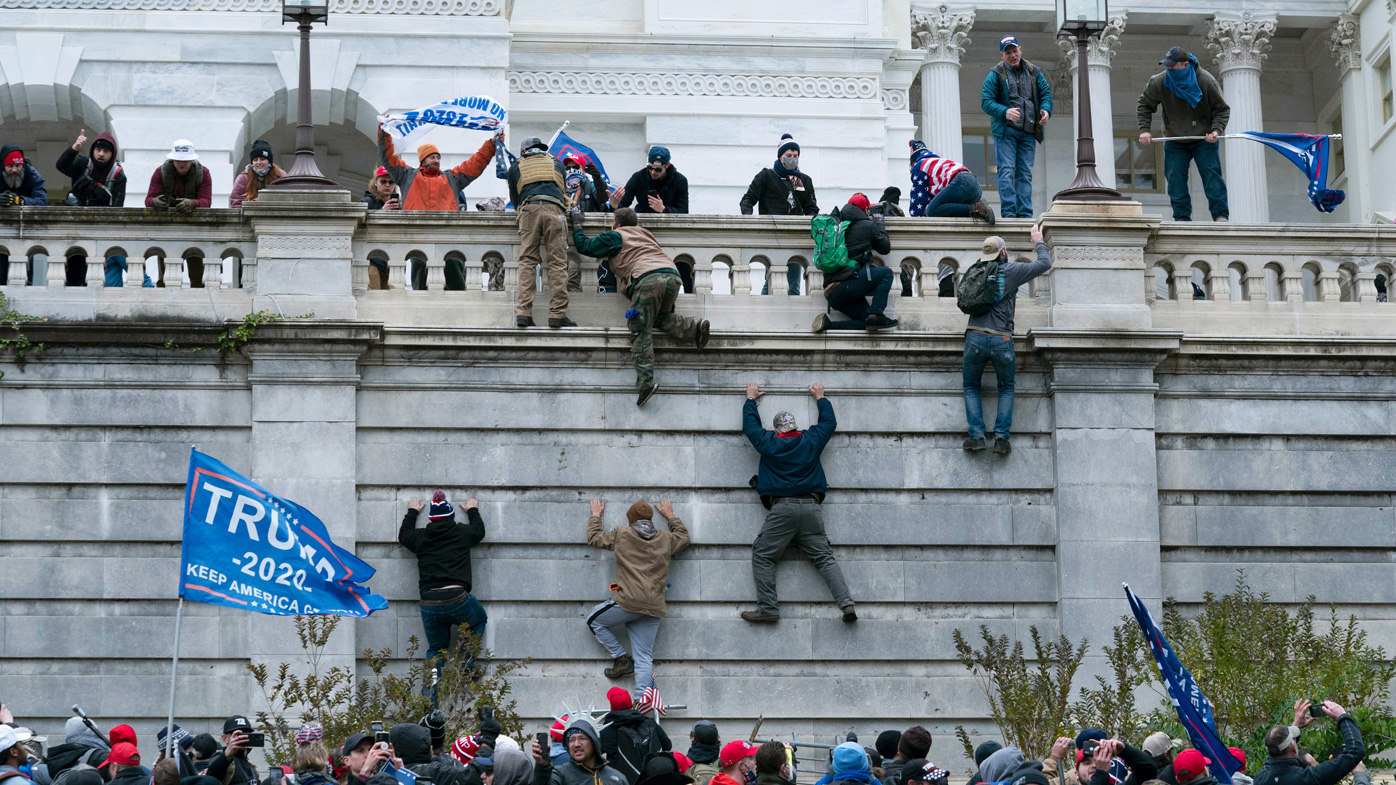
Rioting supporters of President Donald Trump climb the west wall of the the US Capitol in Washington.

Trump attorney David Schoen turned the trial toward starkly partisan tones, the defence showing its own video of Democrats calling for the former president's impeachment.

Mr Schoen said Democrats are fuelled by a "base hatred" of the former president and "seeking to eliminate Donald Trump from the American political scene."

It appears unlikely that the House prosecutors will call witnesses, in part because the senators were witnesses themselves. At his Mar-a-Lago club in Florida, Mr Trump has declined a request to testify.

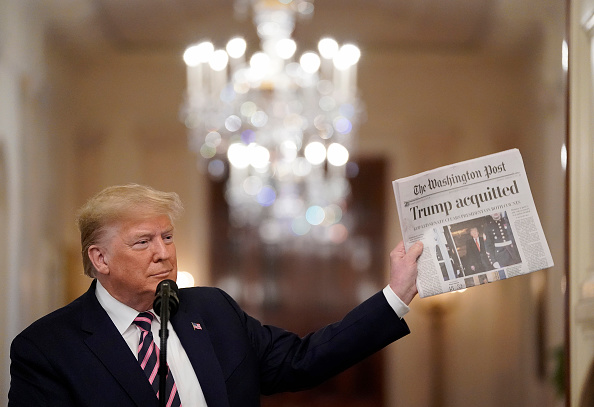
Presidential impeachment trials have been conducted only three times before, leading to acquittals for Andrew Johnson, Bill Clinton and then Trump last year.
Timothy Naftali, a clinical associate professor at New York University and an expert on impeachment, said in an interview, "This trial is one way of having that difficult national conversation about the difference between dissent and insurrection."

The first test was on the constitutionality of the trial, signaling attitudes in the Senate.

Six Republicans joined with Democrats pursue the trial, just one more than on a similar vote last week. Bill Cassidy of Louisiana added to the ranks of Susan Collins of Maine, Lisa Murkowski of Alaska, Mitt Romney of Utah, Ben Sasse of Nebraska and Pat Toomey of Pennsylvania.

READ MORE: The reasons for and against impeaching Donald Trump

The House prosecutors argued there is no "January exception" for a president on his way out the door. Rep. Joe Neguse referred to the corruption case of William Belknap, a war secretary in the Grant administration, who was impeached, tried and ultimately acquitted by the Senate after leaving office.

Mr Trump's case is hardly a run of the mill corruption charge, he said, but incitement of insurrection.

If Congress stands by, "it would invite future presidents to use their power without any fear of accountability."
In filings, lawyers for the former president lobbed a wide-ranging attack against the House case, suggesting Mr Trump was simply exercising his First Amendment rights and dismissing the trial as "political theatre" on the same Senate floor invaded by the mob.

Because of the COVID-19 crisis, senators were allowed to spread out, including in the "marble room" just off the Senate floor, where proceedings are shown on TV, or even in the public galleries above the chamber.

Most were at their desks on the opening day, however.

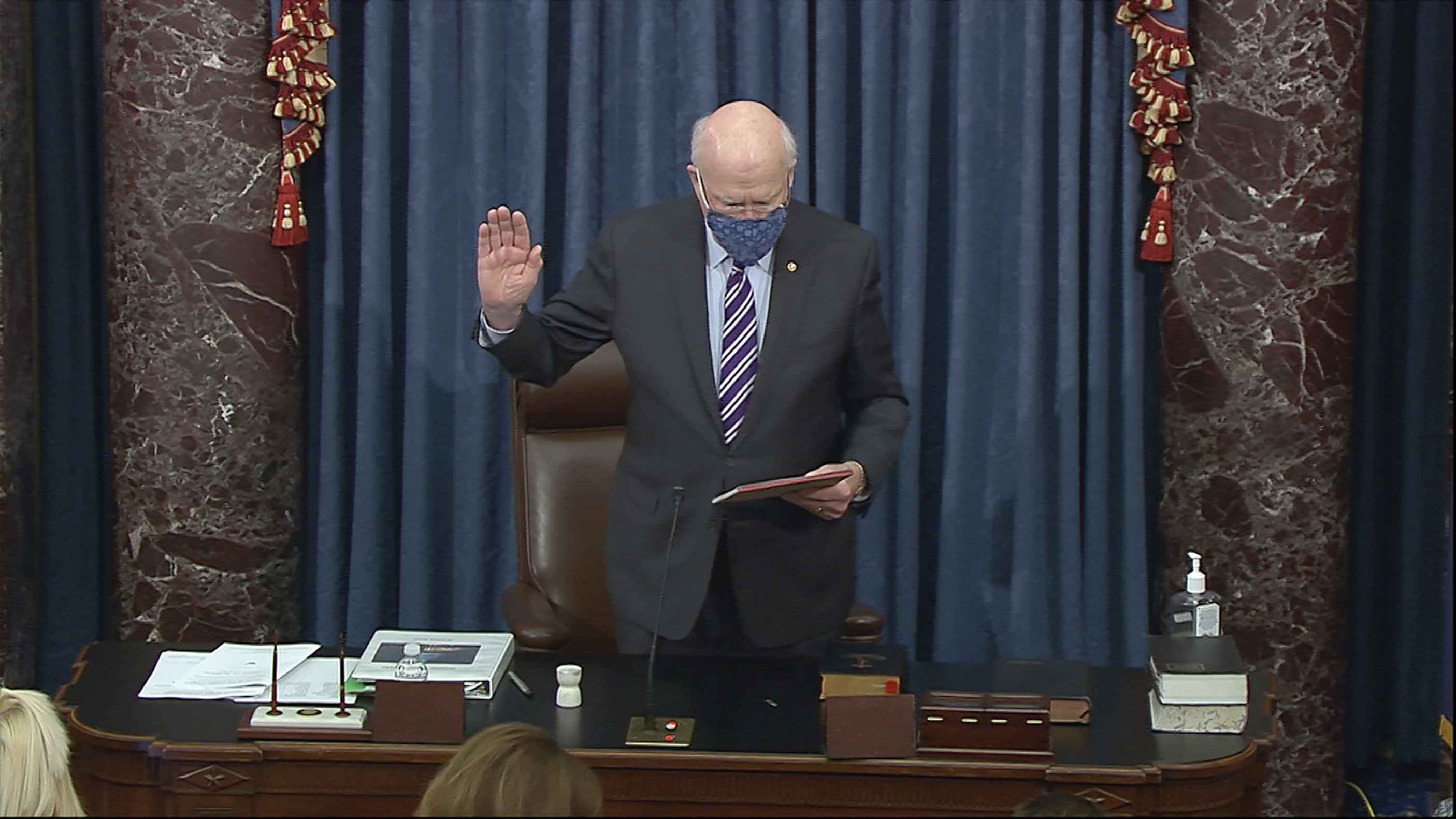
Presiding was not the chief justice of the United States, as in previous presidential impeachment trials, but the chamber's senior-most member of the majority party, Senator Patrick Leahy of Vermont.
Under an agreement between Senate Majority Leader Chuck Schumer and Republican leader Mitch McConnell, the substantive opening arguments will begin at noon Wednesday, with up to 16 hours per side for presentations. The trial is expected to continue into the weekend.

Mr Trump's second impeachment trial is expected to diverge from the lengthy, complicated affair of a year ago.

In that case, Mr Trump was charged with having privately pressured Ukraine to dig up dirt on Mr Biden, then a Democratic rival for the presidency.

This time, Mr Trump's "stop the steal" rally rhetoric and the storming of the Capitol played out for the world to see.

The Democratic-led House impeached the president swiftly, one week after the attack. Five people died, including a woman shot by police inside the building and a police officer who died the next day of his injuries.
Trump's first impeachment

Mr Trump's second impeachment trial is expected to diverge from the lengthy, complicated affair of a year ago.

In that case, Mr Trump was charged with having privately pressured Ukraine to dig up dirt on Biden, then a Democratic rival for the presidency.

This time, Mr Trump's "stop the steal" rally rhetoric and the storming of the Capitol played out for the world to see. The trial could be over in half the time.
The Democratic-led House impeached the president swiftly, one week after the most violent attack on Congress in more than 200 years.

Five people died, including a woman shot by police inside the building and a police officer who died the next day of his injuries.

House prosecutors are expected to rely on videos from the siege, along with Mr Trump's incendiary rhetoric refusing to concede the election, to make their case.

His new defence team has said it plans to counter with its own cache of videos of Democratic politicians making fiery speeches.

READ MORE: The reasons for and against impeaching Donald Trump

Initially repulsed by the graphic images of the attack, a number of Republican senators have cooled their criticism as the intervening weeks have provided some distance.

Senators were sworn in as jurors late last month, shortly after Mr Biden was inaugurated, but the trial was delayed as Democrats focused on confirming the new president's initial Cabinet picks and Republicans sought to stall.
At the time, Senator Rand Paul of Kentucky forced a vote to set aside the trial as unconstitutional because Mr Trump is no longer in office.

The 45 Republican votes in favour of Sen. Paul's measure suggest the near impossibility of reaching a conviction in a Senate where Democrats hold 50 seats but a two-thirds vote, or 67 senators, would be needed to convict Mr Trump.

Only five Republicans joined with Democrats to reject Paul's motion: Mitt Romney of Utah, Ben Sasse of Nebraska, Susan Collins of Maine, Lisa Murkowski of Alaska and Pat Toomey of Pennsylvania.
How and why are the Myanmar protests being organised?

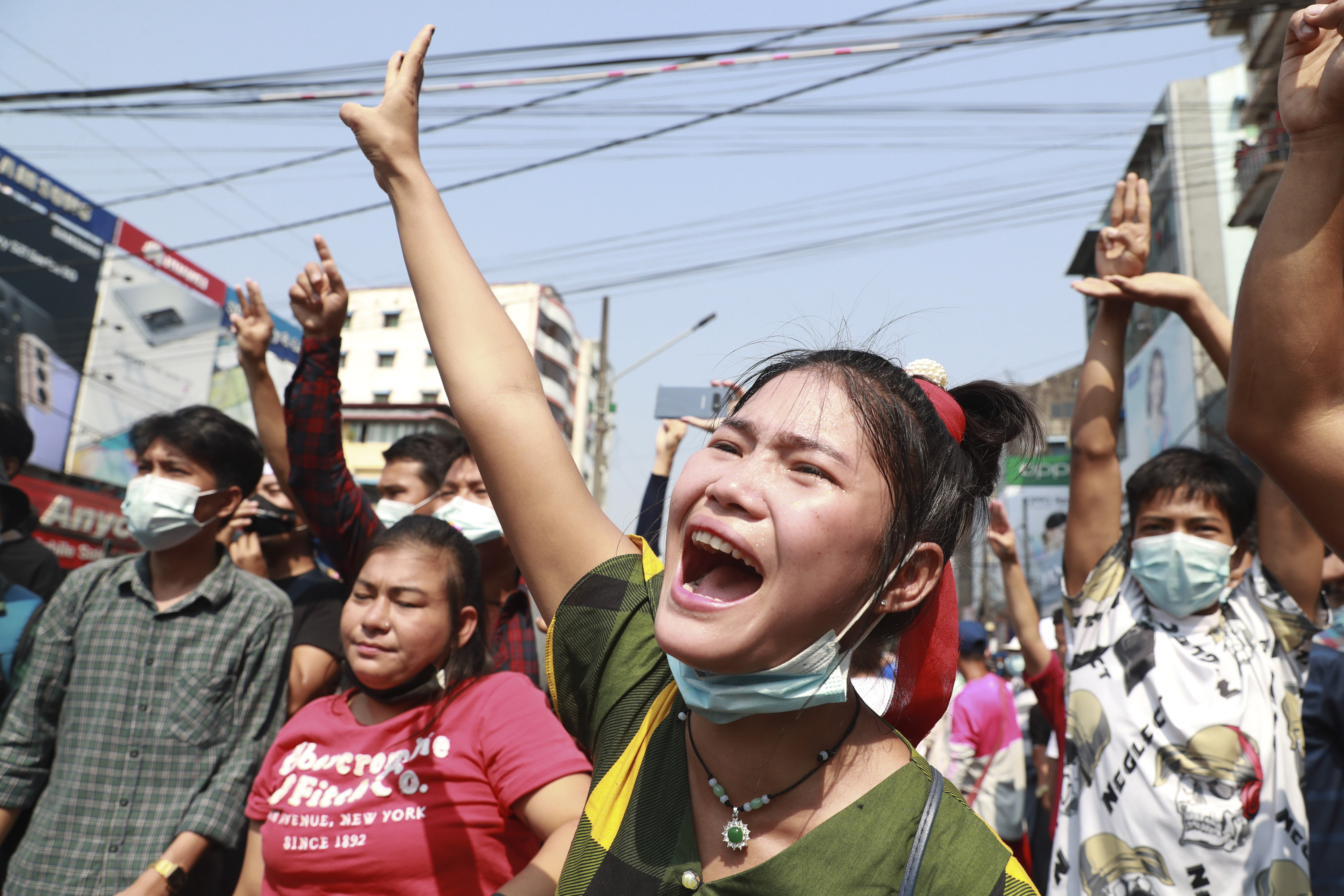
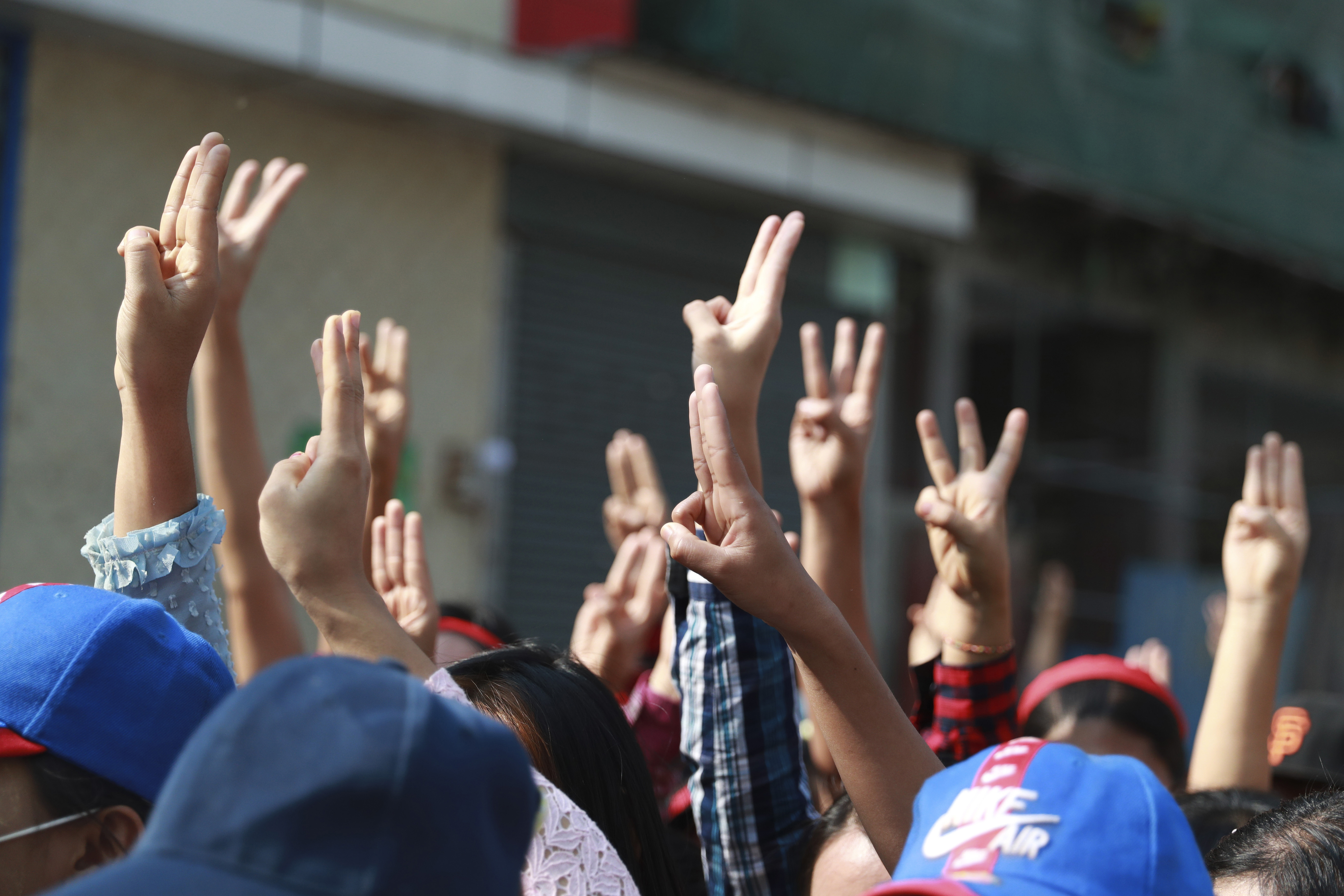
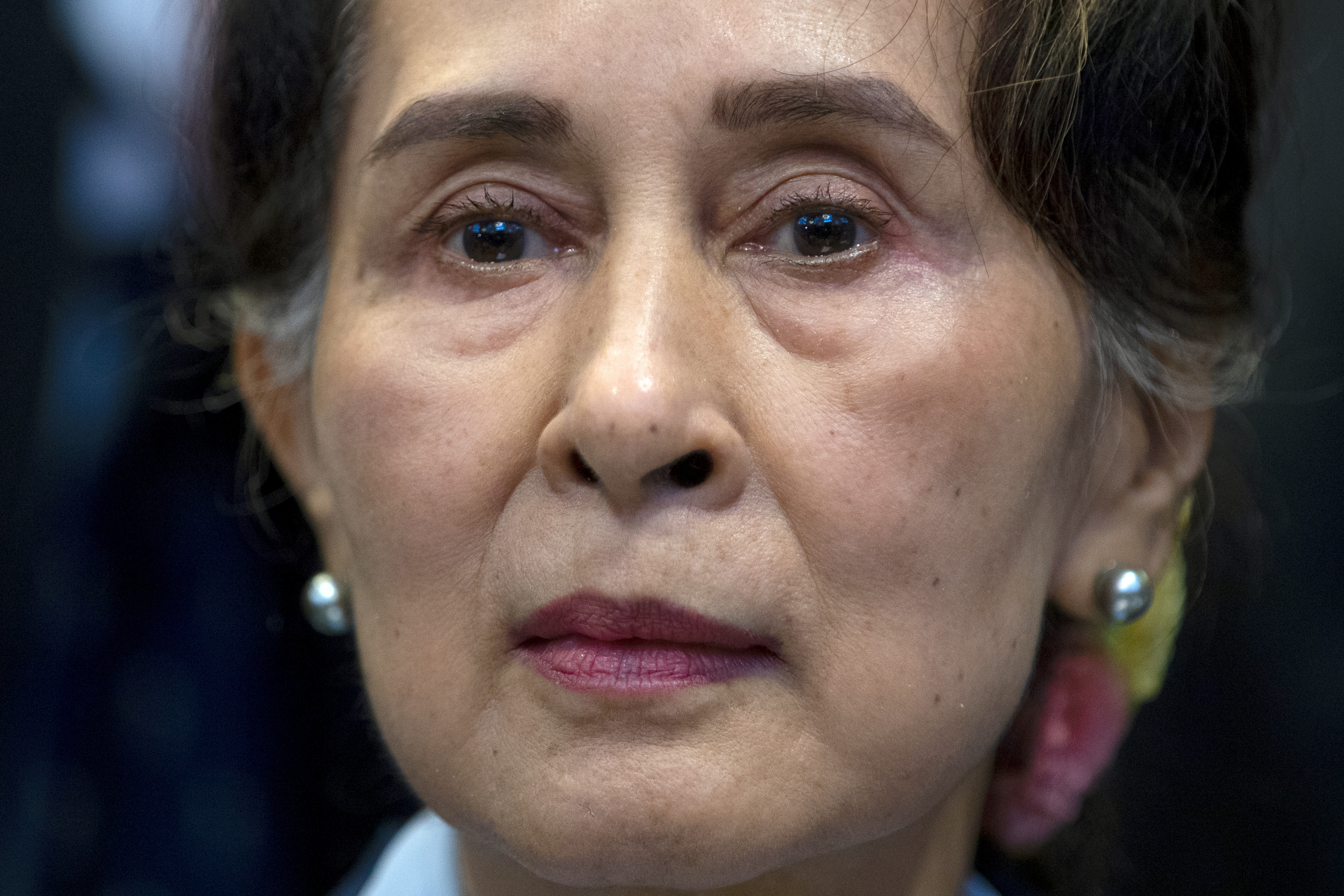
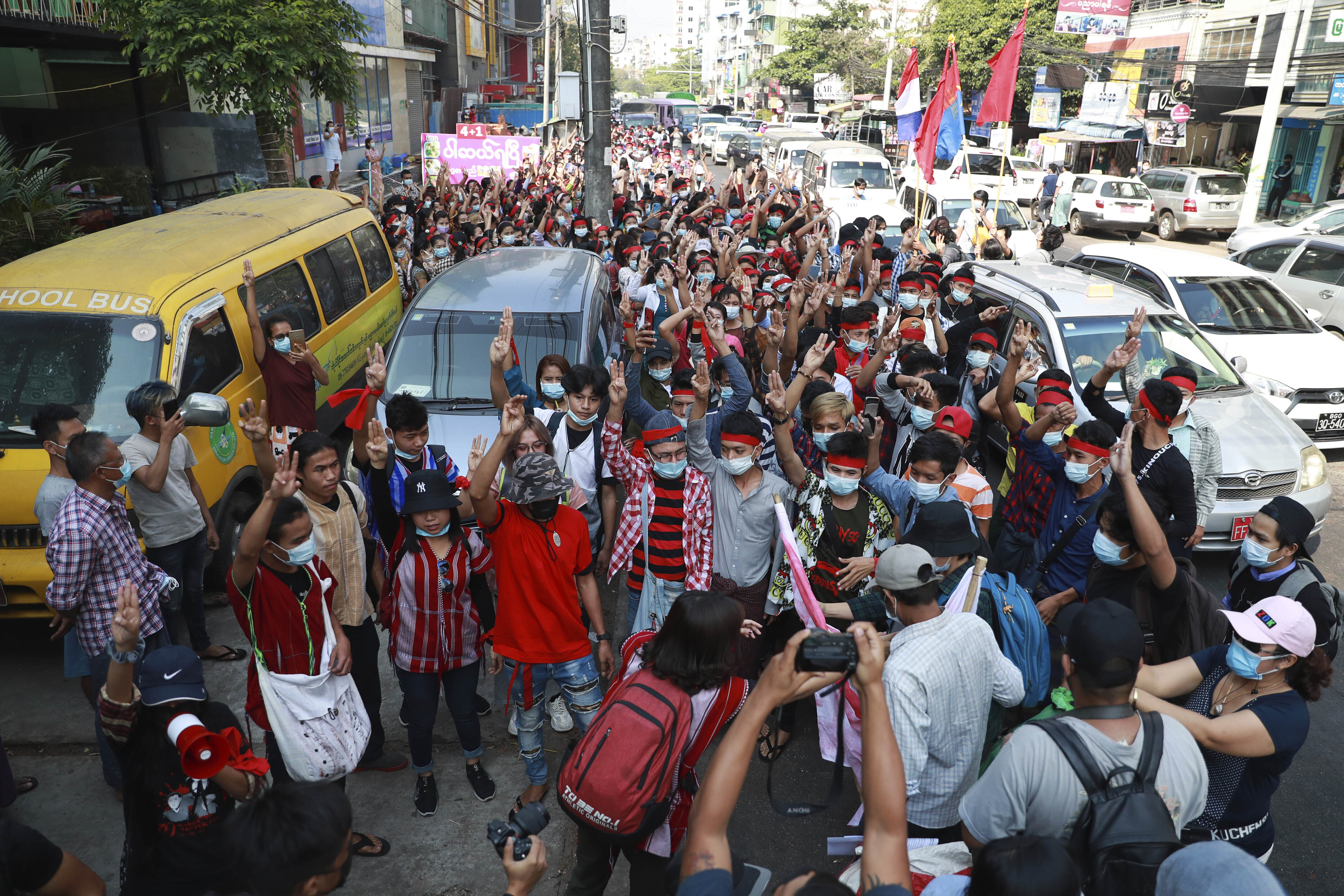
Protests in Myanmar against the military coup that removed Aung San Suu Kyi's government from power have grown in recent days despite official efforts to make organising them difficult or even illegal.

Here's a look at who is organising the protests and the obstacles they face:

READ MORE: Why did the military stage a coup in Myanmar?

Is protesting allowed?

It was a grey area for many days after the February 1 coup, which also included the declaration of a state of emergency.

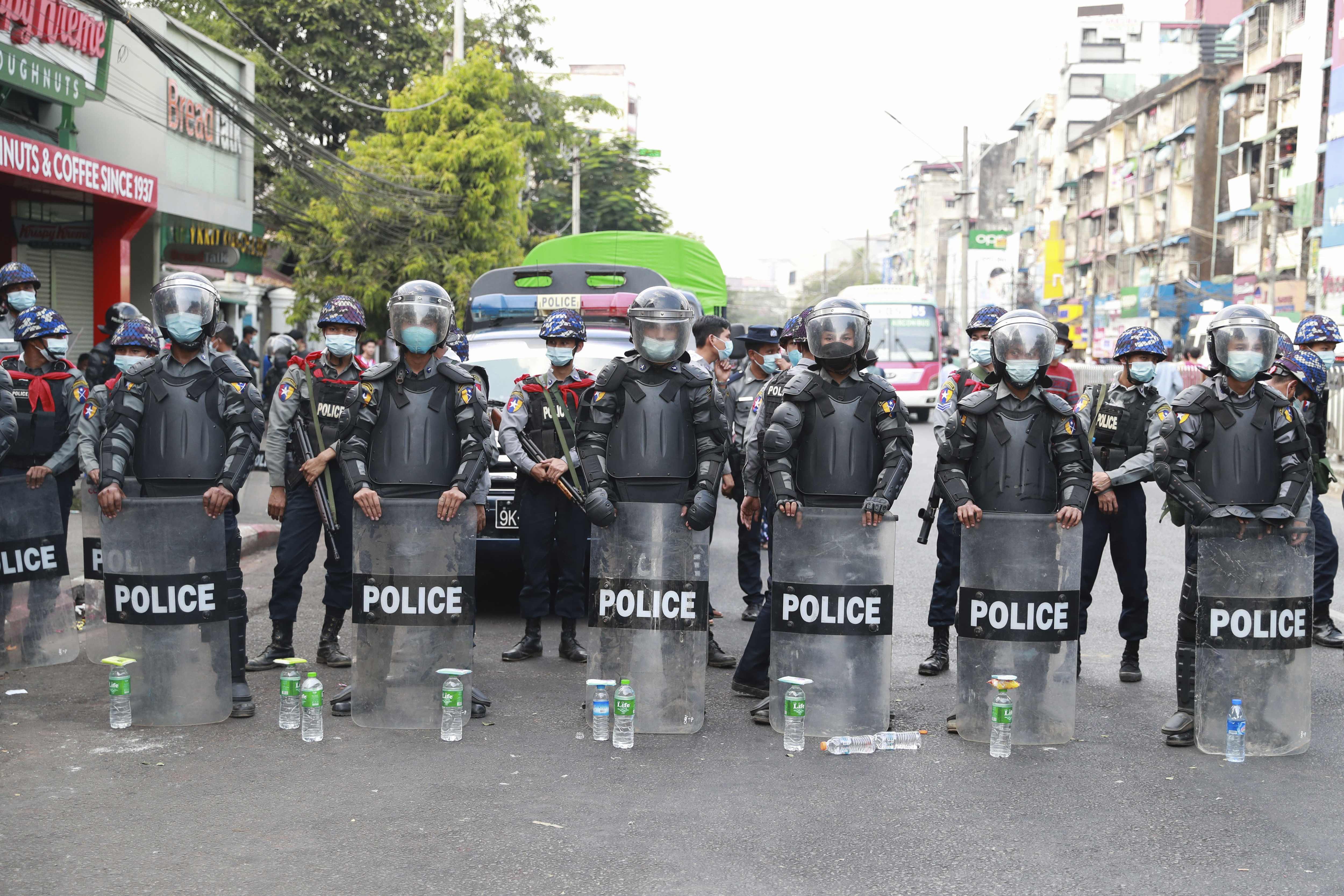
But with the protests growing and spreading in recent days, the military on Monday issued decrees that effectively ban peaceful public protests in the country's two biggest cities.

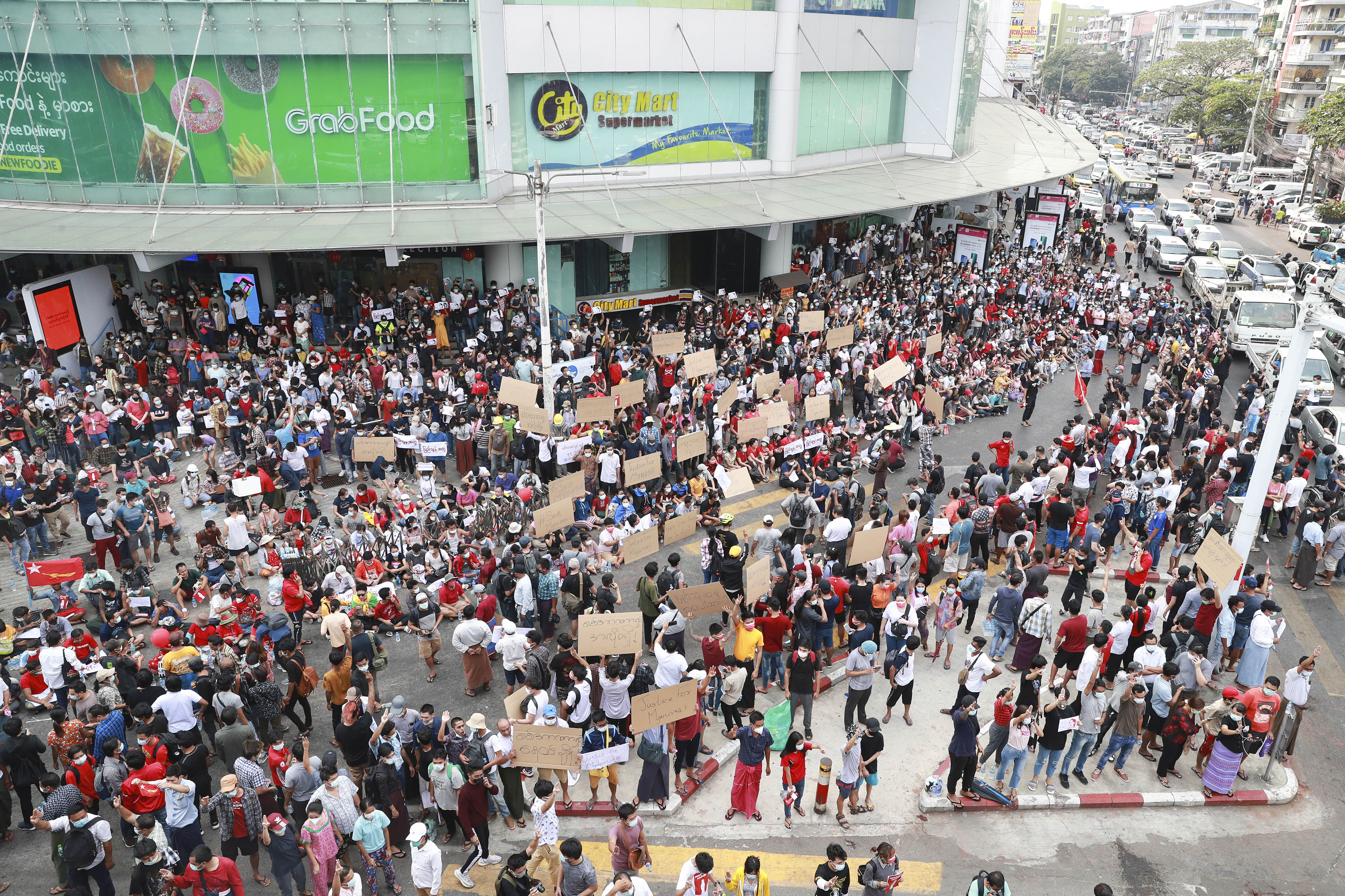
Rallies and gatherings of more than five people, along with motorised processions, are outlawed and an 8pm to 4am curfew has been imposed for areas of Yangon and Mandalay, where thousands of people have been demonstrating since Saturday.

The restrictions have raised concerns about the potential for a violent crackdown.

Who is leading the protests?

For the most part the protests have grown organically.

"This movement is leaderless, people are getting on the streets in their own way and at their own will," Thinzar Shunlei Yi, a prominent activist, said.

Activist groups, professional work groups, unions and individuals across Myanmar have all come out in opposition to the coup, as has Suu Kyi's National League for Democracy party.

READ MORE: Ousted Myanmar leader charged over 'illegally imported walkie-talkies'

Shortly after the return to direct military rule , which Myanmar experienced for five decades until 2012, a Facebook page titled "Civil Disobedience Movement" started issuing calls for peaceful protests.

The page now has more than 230,000 followers and hashtags associated with it are widely used by Myanmar Twitter users.

Health care workers also started a protest campaign, wearing red ribbons, holding signs and urging other medical staff to not work at state-operated health facilities.

Street protests over the weekend featured the heavy presence of unions, student groups and other groups representing professions as diverse as park rangers and book printers.

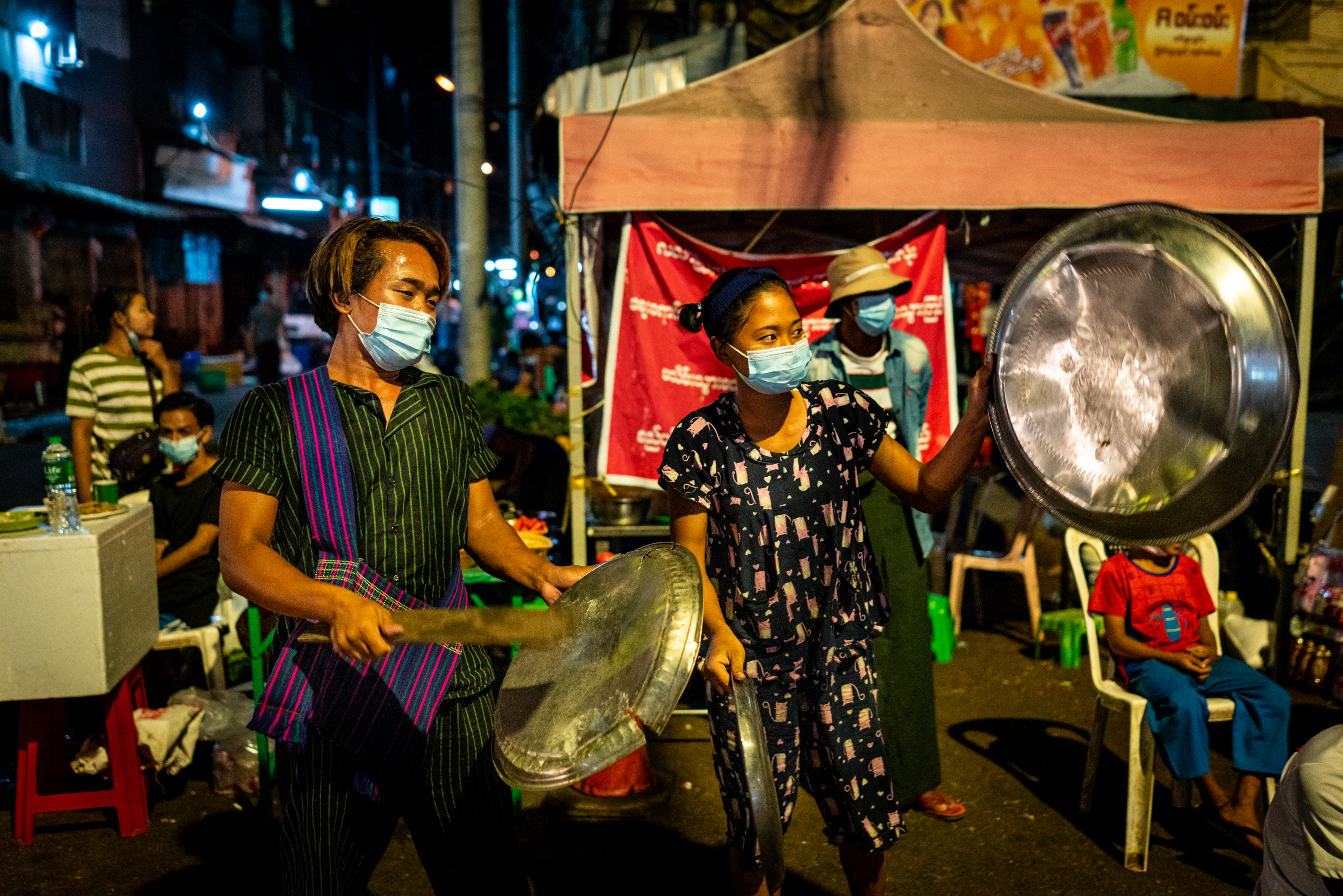
Yangon residents have voiced dissent by banging pots and pans together across the city at night.

READ MORE: 'Deep concern' after Australian detained in Myanmar

What are the obstacles?

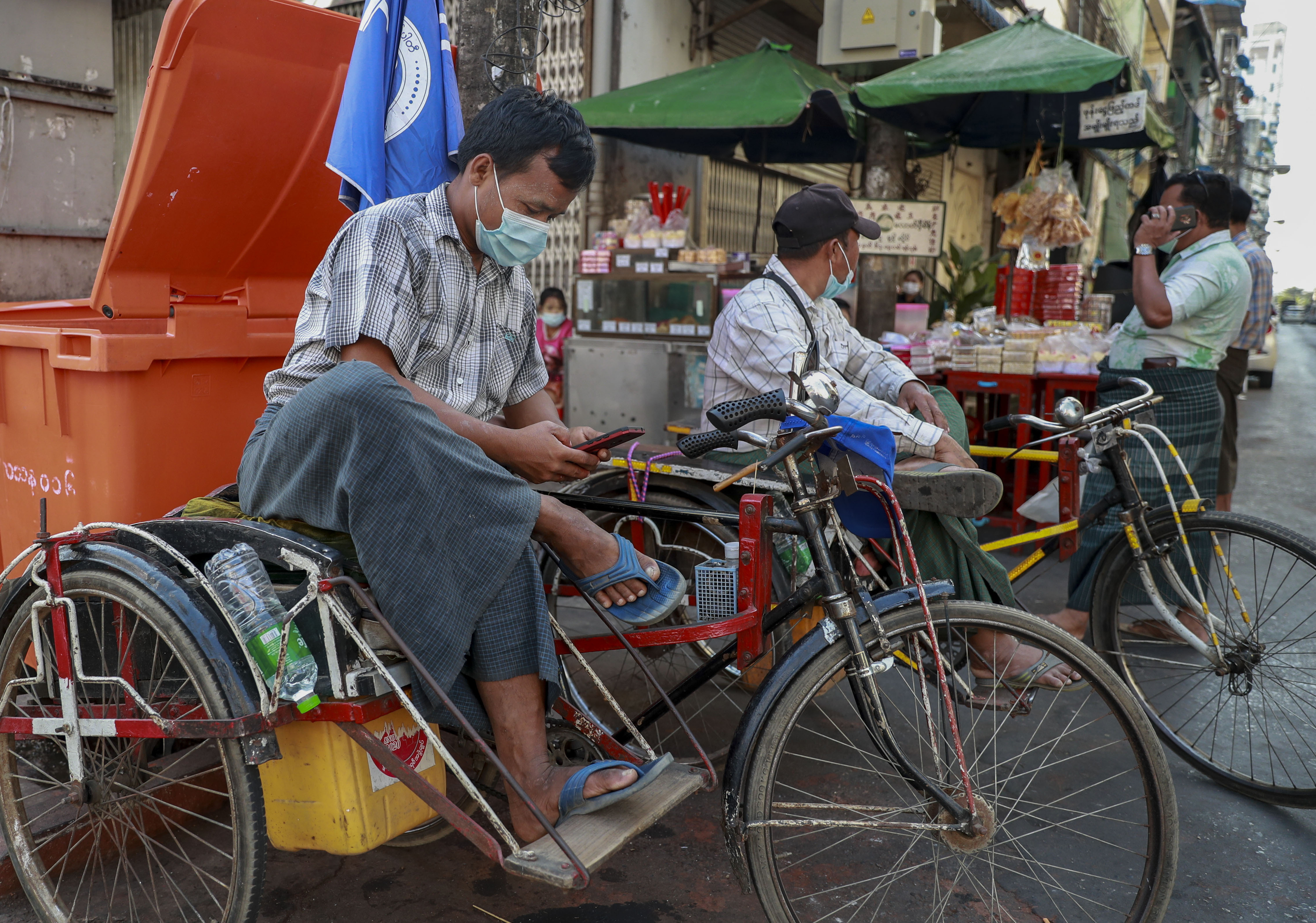
One of the biggest challenges for protesters has been the military's attempts at blocking communications.

Authorities first went after Facebook, which has more than 22 million users in Myanmar, or 40 per cent of the population, but people simply moved to other platforms like Twitter.

Making the rounds have been copies of safety protocol information sheets, some of them originally from Hong Kong, with instructions on how to encrypt communications and how to stay safe during protests.

Over the weekend the military temporarily cut internet access and some phone services.

Protestors were quick to adapt, with some even using phones registered in neighbouring Thailand.

"Even when the internet was completely cut off on Saturday for 24 hours, people were able to communicate within Myanmar by phone and SMS," Clare Hammond, a senior campaigner the rights group Global Witness, said.

For some who don't have phone service or internet access during blackouts, word of mouth and simply historical precedent has brought them to protest sites, many of which are the same as in previous uprisings against military rule.

Will the protests continue?

So far protesters seem undeterred, even with the new restrictions on demonstrations.

Nevertheless, some are concerned that the military is laying the groundwork for a violent crackdown such as those that ended protest movements in 2007 and 1988.

Linda Lakhdhir, a legal advisor at Human Right Watch, said the military could try to use the violation of the military's decrees as well as other laws already in place as justification for a crackdown.

"They may maybe a terrible, abusive, draconian laws, but the military will justify (use of them) as them following the law," she said.

Authorities fired water cannons and rubber bullets at some protests on Tuesday, ratcheting up tensions.